
Why Your Hair Won’t Hold Moisture (The Real Reason)
Disclosure: Some of the links in this post are affiliate links. This means if you click on the link and purchase an item, I will receive an affiliate commission at no extra cost to you.
You’ve tried moisturizing creams, leave-in conditioners, natural oils, and even DIY treatments. Your hair feels soft immediately after wash day, but by the next morning, it’s dry all over again.
If this sounds familiar, you’re not alone.
One of the biggest frustrations for people with natural hair is feeling like moisture disappears almost as quickly as it’s applied. Many assume they simply need more products, but that’s rarely the real solution.
In many cases, the problem has less to do with the moisturizer itself and more to do with how your hair absorbs and retains moisture. Once you understand what’s preventing hydration from lasting, it becomes much easier to build a routine that actually supports healthy 4C hair instead of constantly buying new products.
The truth is that several factors can stop your hair from staying moisturized. Hair porosity, product buildup, damaged strands, washing habits, weather, and even your styling routine can all affect how long moisture remains in your hair.
In this guide, we’ll uncover the most common reasons your hair won’t hold moisture, explain why they happen, and show you practical ways to fix them so your hair stays healthier, softer, and hydrated for longer.
Why Moisture Doesn’t Stay in Your Hair
One of the biggest misconceptions in natural hair care is believing that dry hair automatically needs more products.
In reality, healthy hydration starts with understanding why moisture is escaping in the first place. Applying more creams or oils won’t solve the problem if your hair can’t retain the moisture you’re giving it.
Water is the true source of moisture. Products like leave-in conditioners, creams, and oils simply help your hair absorb that water or slow down how quickly it evaporates. When your routine skips this basic principle, dryness often becomes a constant cycle.
Your hair also responds differently depending on its condition. Learning your hair porosity can reveal why one person’s routine works perfectly while yours doesn’t, even when you’re using similar products.
Once you identify the real cause of moisture loss, you’ll spend less time guessing and more time choosing solutions that actually work.
1. Your Hair Porosity May Be the Problem
Hair porosity is one of the biggest factors affecting moisture retention.
Your cuticle layer controls how easily water enters your strands and how long it stays there. When your porosity doesn’t match your routine, your hair may continue feeling dry no matter how many moisturizing products you buy.
Low-porosity hair often struggles to absorb moisture because the cuticles are tightly closed. High-porosity hair has the opposite problem: it absorbs moisture quickly but loses it just as fast. Hair with balanced porosity generally holds hydration more consistently.
Understanding which porosity type your hair has is often the first step toward solving ongoing dryness.
Low Porosity Can Block Moisture
When the cuticle layer is tightly packed, water and conditioners may struggle to penetrate the hair shaft.
Products often sit on top of the strands instead of soaking in, making your hair feel coated while still remaining dry underneath.
Simple changes like applying products to damp hair or using gentle heat during deep conditioning can help improve moisture absorption.
High Porosity Can Lose Moisture Too Quickly
High-porosity hair usually absorbs products without difficulty, but hydration often disappears within hours.
This happens because the cuticle layer is more open, allowing water to escape much faster than it should.
Following a routine designed for high-porosity strands can help slow moisture loss and reduce dryness between wash days.
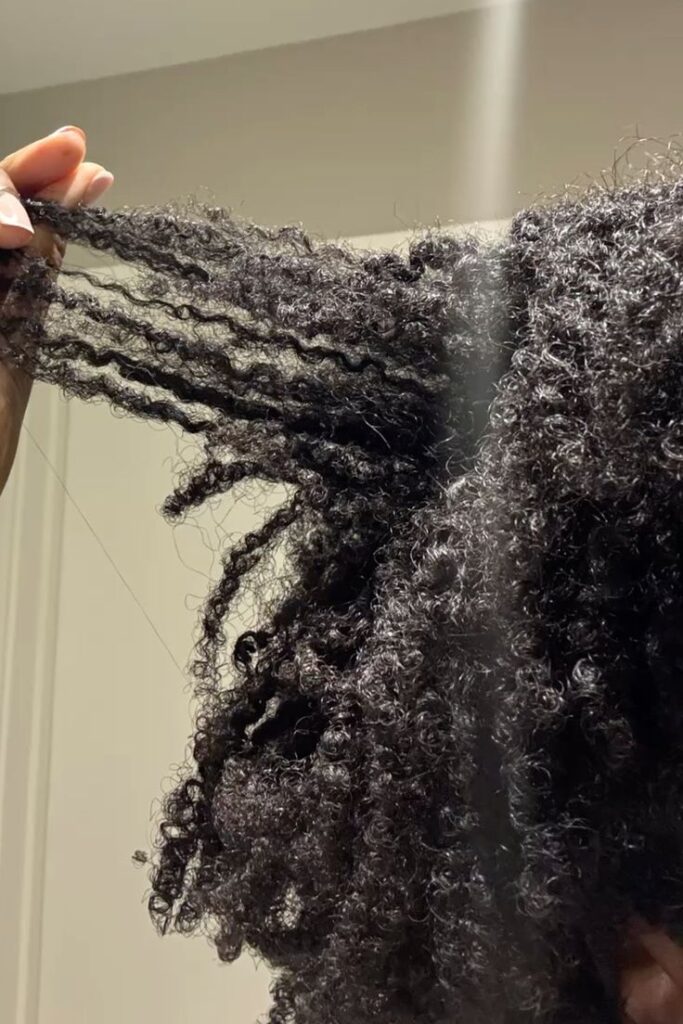
Even Balanced Hair Needs the Right Routine
Having medium porosity doesn’t automatically guarantee permanently moisturized hair.
Weather, product buildup, heat damage, and inconsistent routines can still affect how your strands behave over time.
Keeping your hair’s natural moisture balance healthy requires consistent care, regardless of your porosity level.
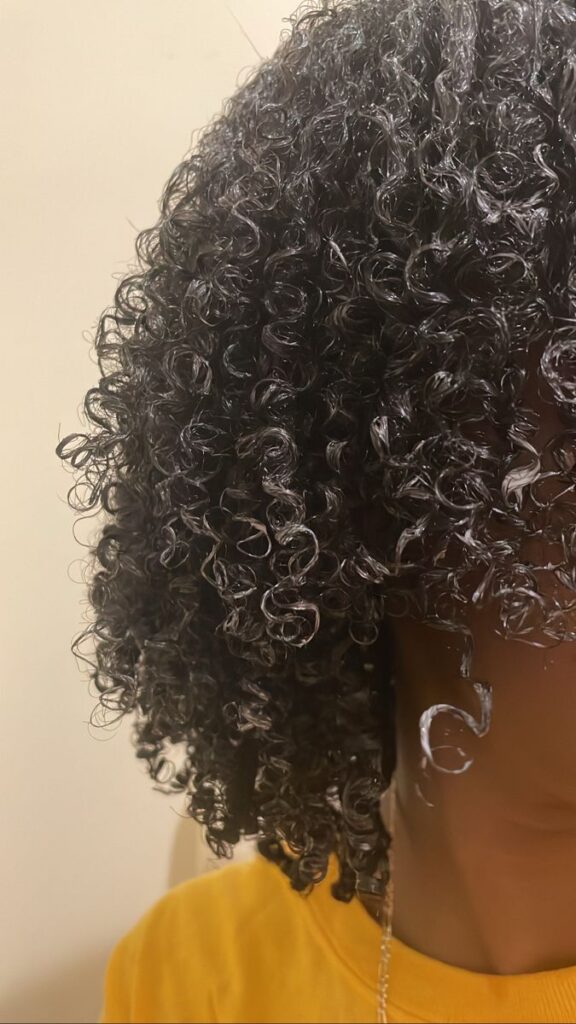
2. Product Buildup Is Blocking Moisture
Sometimes the problem isn’t that your hair lacks moisture; it’s that moisture can’t get through the layers of product sitting on your strands.
Over time, leave-in conditioners, oils, butters, gels, edge controls, and styling creams can build up on the hair shaft. Even products that normally work well can create a barrier when they’re not properly washed away.
If your hair suddenly feels dry even after moisturizing, or your products seem to sit on the surface instead of absorbing, buildup may be the real issue. This is especially common when people rarely use a shampoo designed to remove stubborn residue or rely only on co-washing.
Your Hair Feels Coated After Moisturizing
Healthy hair should feel hydrated, not weighed down.
When products leave a waxy, greasy, or sticky coating without making your hair softer, buildup may be preventing moisture from reaching the strand itself.
This is one reason why using a gentle clarifying shampoo from time to time can make your moisturizing routine much more effective.
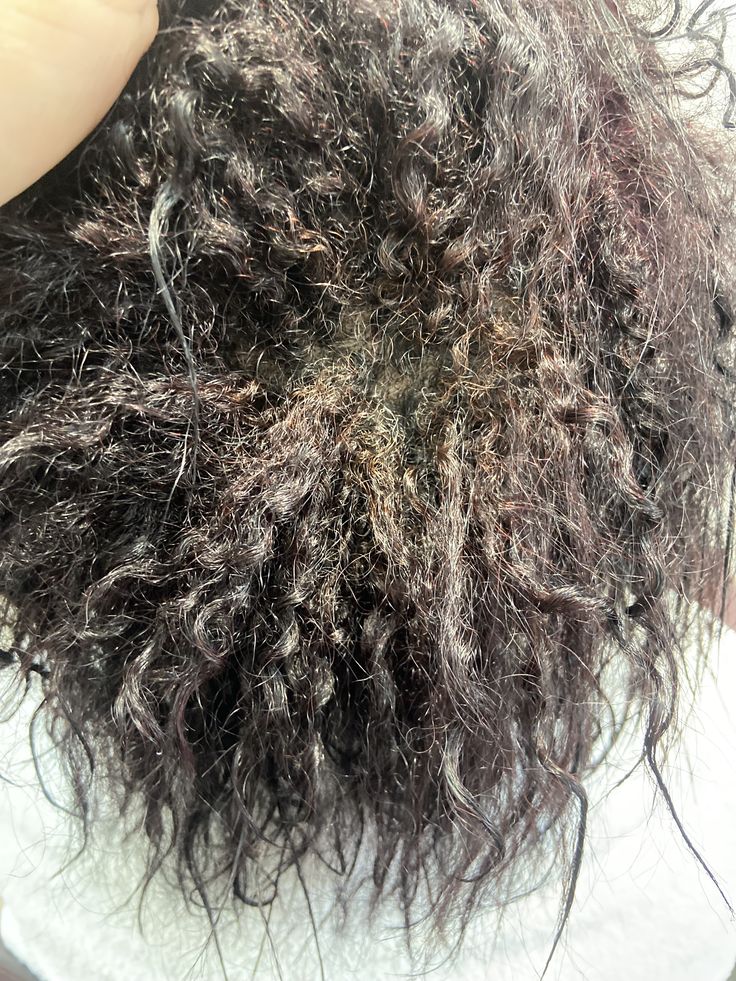
Too Many Products Can Work Against You
It’s easy to believe that adding more products will solve dryness.
In reality, layering multiple creams, oils, and styling products often creates more buildup than moisture.
A simple routine with a quality shampoo, conditioner, leave-in conditioner, and sealant is usually more effective than using six or seven products every wash day.
Building a product routine that matches your hair’s actual needs often produces better long-term results than following every new trend.
3. You’re Washing Your Hair Incorrectly
Many people blame their products when the real problem starts on wash day.
The way you wash your hair has a direct impact on how much moisture your strands can absorb afterward. Harsh cleansing, skipping conditioner, or washing too frequently can all leave your hair feeling dry.
Creating a wash day routine that supports healthy moisture levels is often one of the biggest improvements you can make.
Washing Too Often Can Dry Out Your Hair
Clean hair is important, but washing too frequently may remove the natural oils that help protect your strands.
The ideal schedule depends on your lifestyle, scalp, and product usage rather than following someone else’s routine.
Finding the right washing frequency for your hair helps maintain a healthier moisture balance.
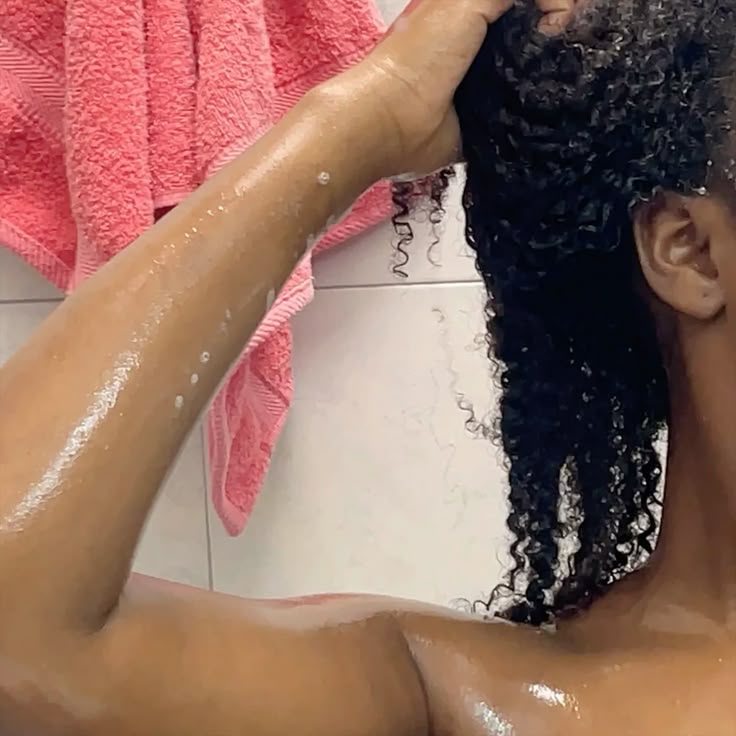
Skipping Conditioner
Conditioner isn’t an optional step.
After shampoo lifts away dirt and buildup, conditioner helps smooth the cuticle and improve the hair’s ability to retain moisture.
Using a conditioner that’s suitable for your hair type helps prepare your strands for leave-in products and styling.
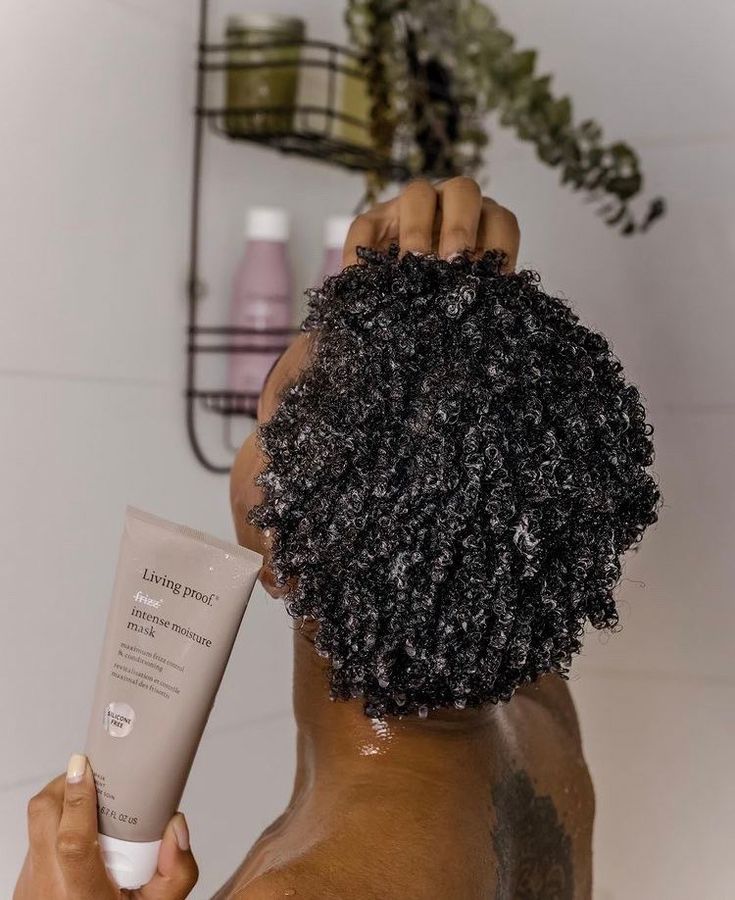
Deep Conditioning Too Infrequently
Many people only deep condition when their hair already feels damaged. By then, the hair has often been dry for weeks.
Regular deep conditioning helps replenish moisture before dryness becomes a serious problem. It also improves softness, elasticity, and manageability over time.
Including deep conditioning as part of your regular routine gives your hair consistent hydration instead of emergency treatment.
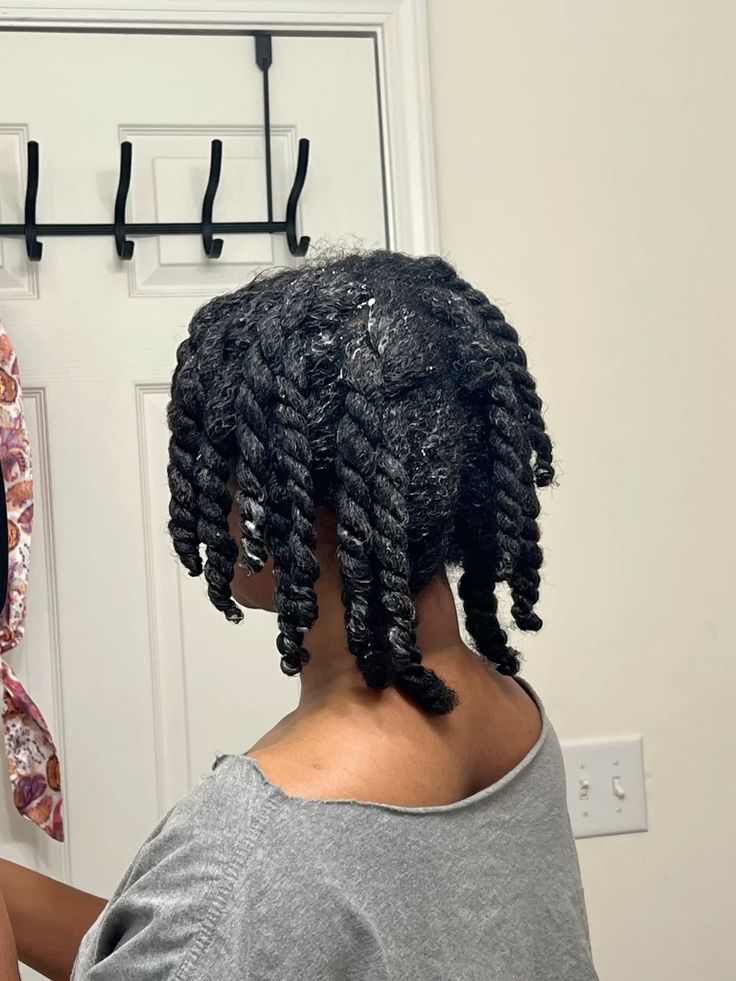
4. You’re Not Sealing Moisture Properly
Moisture doesn’t stay inside the hair on its own.
After adding water and leave-in conditioner, sealing helps reduce evaporation and allows hydration to last longer.
Many people either skip this step completely or apply oils to dry hair, expecting them to moisturize the strands.
In reality, oils help lock in existing moisture; they don’t replace it.
Learning how to layer your moisturizing products correctly often makes a bigger difference than buying expensive new products.
Water Comes First
Water is the foundation of every moisturizing routine.
Leave-in conditioners help add hydration, while oils and butters help slow down moisture loss.
Without water, even the most expensive oil won’t truly moisturize dry hair.
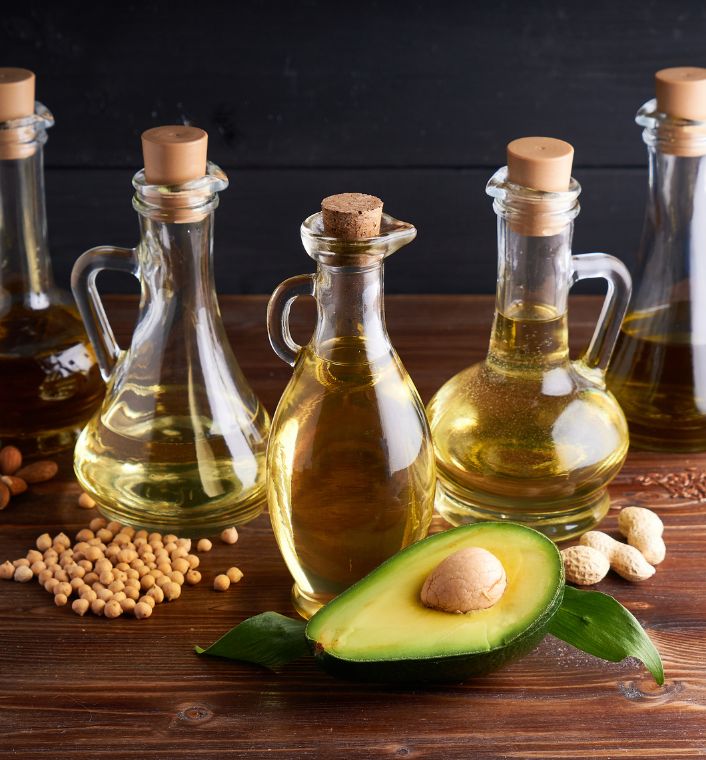
Choose the Right Sealant
Different hair types respond differently to oils and butters.
Some people find lightweight oils work well, while others prefer richer butters during colder months.
Experimenting with different natural oils for healthy hair can help you discover what keeps your strands moisturized the longest.
5. Your Hair Is Losing Moisture Because of the Weather
The environment around you can affect your hair just as much as the products you use.
Changes in temperature, humidity, and wind influence how quickly moisture evaporates from your strands. Even the best hair routine may need small adjustments throughout the year.
Instead of following the exact same routine every season, consider adjusting your hair care to match the weather. Small changes often make a noticeable difference.
Cold Air Can Leave Your Hair Feeling Dry
During colder months, the air usually contains less moisture.
Combined with indoor heating, this dry environment can pull moisture from your hair, leaving it feeling rough, brittle, or difficult to style.
Adding richer moisturizers or deep conditioning a little more often can help your strands cope with winter dryness.
Many people also notice healthier curls after changing their routine during the colder months instead of using the same products all year.

Hot Weather Can Dry Hair Out Too
Many people think only winter causes dryness, but summer can also make moisture disappear faster.
Long hours in the sun, swimming, sweating, and frequent washing can all leave your hair feeling dehydrated.
Keeping your hair protected and refreshing it when necessary helps maintain moisture without constantly restyling it.
Learning how to care for your hair during hot weather helps prevent unnecessary dryness throughout the season.

6. Your Scalp Could Be Affecting Your Hair
Healthy hair starts at the scalp.
While your scalp doesn’t directly determine how much moisture your hair retains, an unhealthy scalp can make it harder to maintain strong, healthy strands.
Excessive dryness, irritation, dandruff, or product buildup on the scalp may interfere with your overall hair care routine and make it more difficult to keep your hair looking its best.
Taking time to care for your scalp as well as your strands creates a healthier environment for long-term hair health.
Dry Scalp Isn’t the Same as Dry Hair
Many people confuse these two issues.
Dry hair refers to the strands themselves lacking moisture, while a dry scalp affects the skin underneath your hair.
Treating one problem won’t always solve the other, so it’s important to identify which issue you’re actually dealing with.
Understanding the difference between common scalp conditions can help you choose the right treatment instead of guessing.
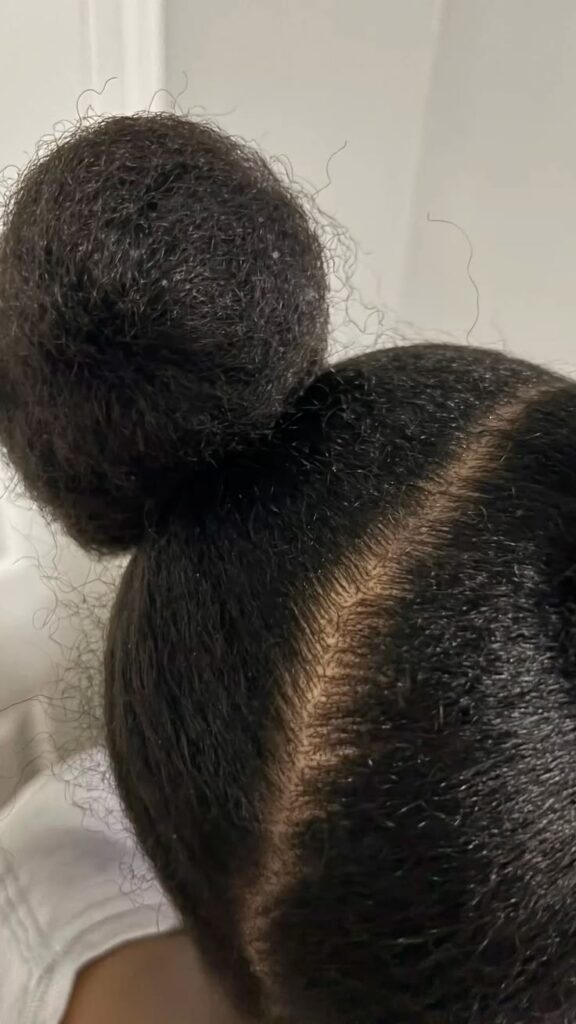
A Healthy Scalp Supports Healthy Hair
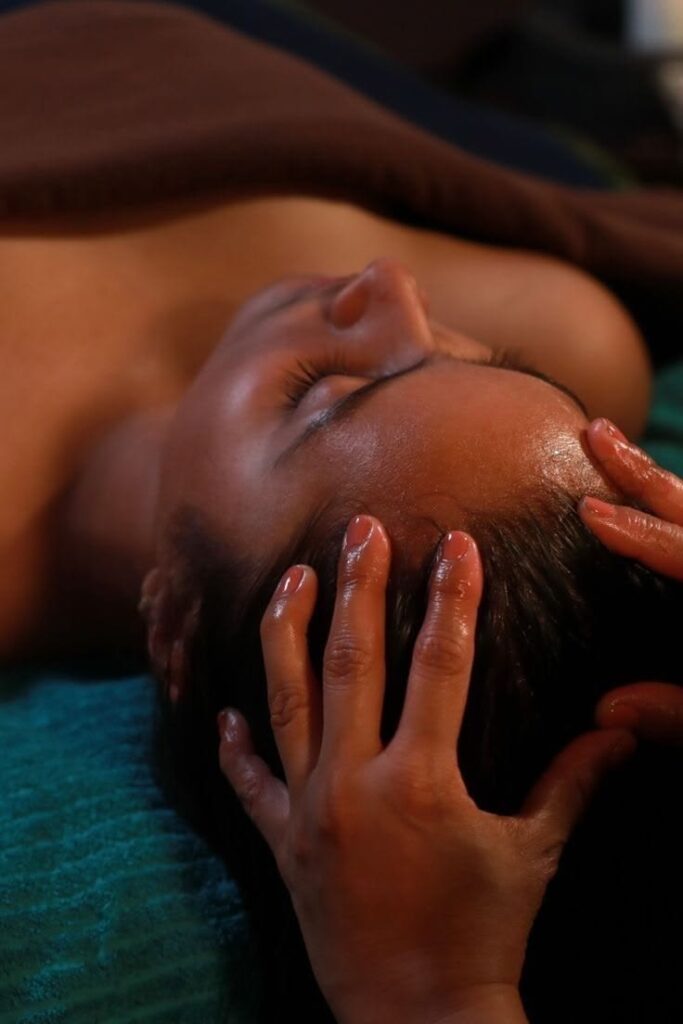
Regular cleansing, gentle scalp massages, and avoiding excessive product buildup all contribute to healthier hair over time.
Simple habits like these improve your overall routine without requiring dozens of extra products.
Adding regular scalp care to your routine can support stronger, healthier strands from root to tip.
7. Daily Habits May Be Drying Out Your Hair
Sometimes the biggest causes of dryness have nothing to do with your products.
Small daily habits repeated over time can gradually reduce moisture retention without you realizing it.
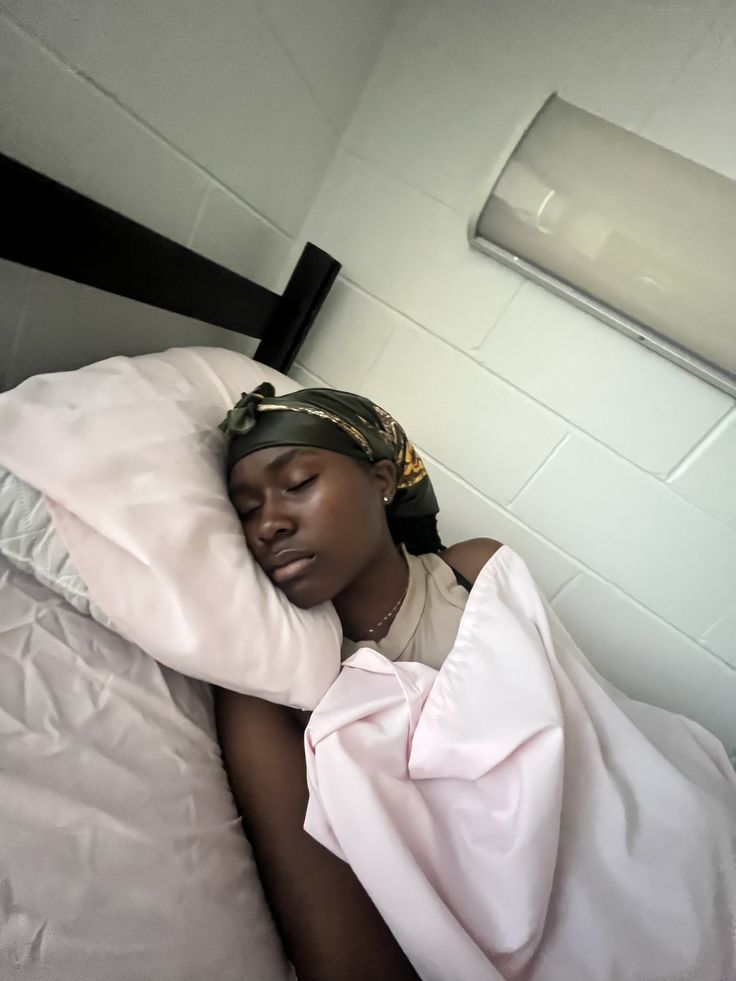
Sleeping on Cotton Pillowcases
Cotton absorbs moisture and creates friction while you sleep.
Over time, this friction can contribute to dryness, tangles, and unnecessary breakage.
Switching to a satin bonnet, satin scarf, or satin pillowcase helps your hair retain moisture overnight.
Protecting your hair while you sleep is one of the easiest improvements you can make.
Touching Your Hair Too Often
Constantly running your fingers through your curls or restyling your hair throughout the day creates unnecessary friction.
The more your hair is manipulated, the more opportunities there are for moisture to escape.
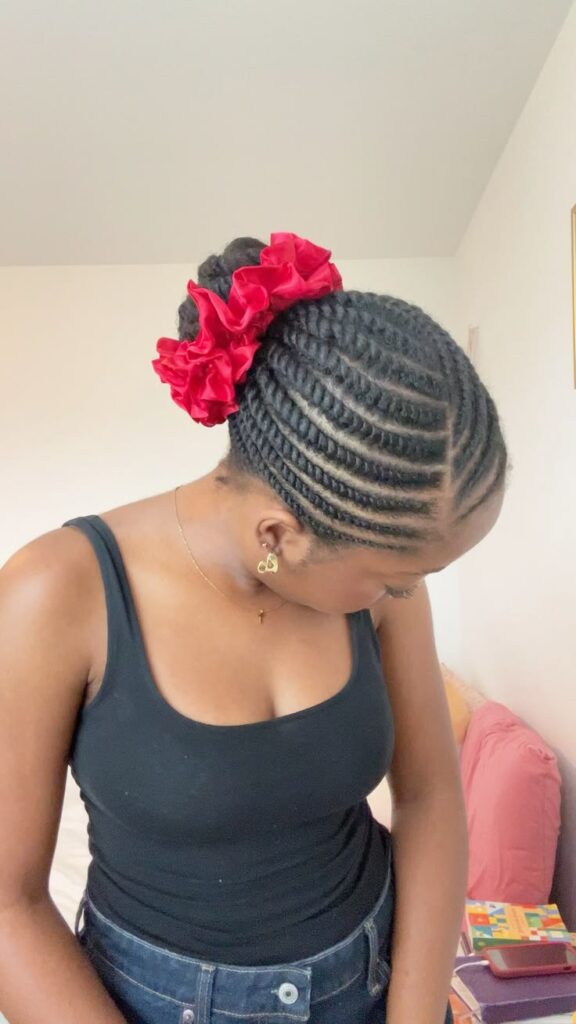
Choosing styles that don’t require constant adjustment helps your hair stay moisturized longer while reducing breakage.
Finding low-manipulation hairstyles that suit your routine can make daily hair care much easier.
8. You’re Expecting Instant Results
One of the biggest reasons people feel like their hair “won’t hold moisture” is because they expect a new product or routine to work immediately.
Healthy hair doesn’t change overnight.
If your strands have been dry or damaged for a long time, it may take several wash days before you begin noticing a real difference. Consistency matters much more than constantly replacing products.
Instead of changing your entire routine every week, give your hair time to respond. Sticking with a simple routine that supports long-term hair health often produces better results than chasing every new trend on social media.
Healthy Hair Is Built Over Time
Moisture retention improves through repeated healthy habits.
Regular cleansing, deep conditioning, moisturizing, sealing, gentle styling, and protecting your hair at night all work together. None of these steps is a magic solution on its own, but together they help create stronger, healthier strands.
If your hair feels slightly softer after a few weeks, tangles less during wash day, or stays moisturized a little longer than before, those are signs your routine is working.
What to Do If Your Hair Still Won’t Hold Moisture
Sometimes you can follow all the right advice and still feel like your hair dries out too quickly. When that happens, don’t assume your hair is “difficult” or that no product will ever work.
Instead, step back and look at your routine as a whole. Often, the solution isn’t another product—it’s making small adjustments to the habits you already have.
Go Back to the Basics
Start by asking yourself a few simple questions.
Is your hair clean before you moisturize it? Are you applying your leave-in conditioner to damp hair instead of dry hair? Have you deep conditioned recently? Are you sealing in moisture after using water-based products?
Small changes like these can have a bigger impact than replacing your entire routine.
Adjust Your Routine When Needed
Your hair’s needs can change throughout the year.
Weather, protective styles, product buildup, and even your activity level can all influence how well your hair retains moisture. Instead of following the exact same routine every week, pay attention to how your strands feel and make small adjustments when necessary.
Creating a routine that responds to your hair’s changing needs often produces better results than following a rigid schedule.
Be Patient With Your Progress
Healthy moisture retention doesn’t happen overnight.
If your hair has been dry or damaged for a long time, it may take several weeks of consistent care before you notice lasting improvements.
Look for gradual signs of progress, such as softer hair, easier detangling, less breakage, and moisture lasting longer between wash days.
When you focus on consistency instead of quick fixes, you’ll be much more likely to build a routine that keeps your hair healthy over the long term.
Frequently Asked Questions
Why does my hair feel dry immediately after moisturizing?
This usually happens when the moisture isn’t being retained. Hair porosity, product buildup, damaged strands, or skipping a sealing product can all cause moisture to escape quickly.
Can oils moisturize dry hair?
No.
Oils don’t provide moisture on their own. Water is the real source of hydration. Oils simply help reduce moisture loss after you’ve already moisturized your hair.
Why does my hair absorb products but still feel dry?
This often points to high-porosity hair or damaged strands. Products enter the hair easily but don’t stay inside for very long.
Following a routine that’s designed for your hair’s porosity can help improve moisture retention.
How often should I deep condition dry 4C hair?
Most people benefit from deep conditioning every one to two weeks, although extremely dry or damaged hair may need it more frequently until its condition improves.
Will drinking more water moisturize my hair?
Staying hydrated supports your overall health, including your scalp, but drinking more water alone won’t moisturize the hair shaft. Consistent external hair care is still necessary.
Final Thoughts
If your hair won’t hold moisture, the answer usually isn’t buying another product. More often than not, the real issue is understanding what your hair actually needs.
Whether the problem is hair porosity, product buildup, an unhealthy wash day routine, environmental conditions, or daily habits, identifying the underlying cause allows you to make changes that produce lasting results.
Healthy, moisturized hair comes from consistency rather than perfection. Small improvements using the right shampoo, deep conditioning regularly, applying products to damp hair, sealing in moisture, and protecting your hair overnight can make a significant difference over time.
Most importantly, remember that every head of hair is different. Instead of comparing your routine with someone else’s, pay attention to how your own hair responds. The better you understand your strands, the easier it becomes to keep them hydrated, healthy, and thriving throughout the year.



21 Comments