
Medium Porosity Hair Explained
Disclosure: Some of the links in this post are affiliate links. This means if you click on the link and purchase an item, I will receive an affiliate commission at no extra cost to you.
If you’ve been learning about hair porosity, you’ve probably heard that medium porosity is the “ideal” hair type. While that’s a common description, it doesn’t mean medium-porosity hair is perfect or completely maintenance-free.
Hair porosity simply describes how easily your strands absorb and retain moisture. While low-porosity hair struggles to let moisture in and high-porosity hair loses moisture quickly, medium-porosity hair sits comfortably in the middle.
Because of this balance, many people with medium-porosity hair find that their strands respond well to a wide range of products and styling techniques. Water enters the hair without much difficulty, and moisture usually stays inside long enough to keep the hair feeling soft and manageable.
Before trying to determine your own porosity, it helps to understand how hair porosity affects your routine. Knowing where your hair falls on the porosity spectrum makes it much easier to choose products, build a consistent routine, and avoid unnecessary trial and error.
In this guide, you’ll learn what medium-porosity hair is, how to recognize it, what makes it different from other porosity types, and how to maintain its natural balance.
What Is Medium Porosity Hair?
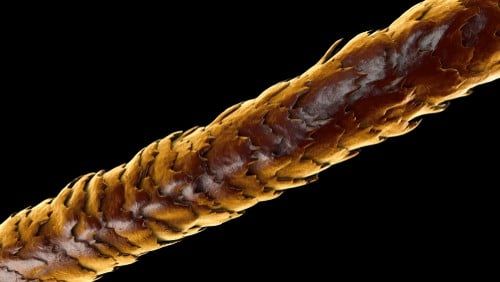
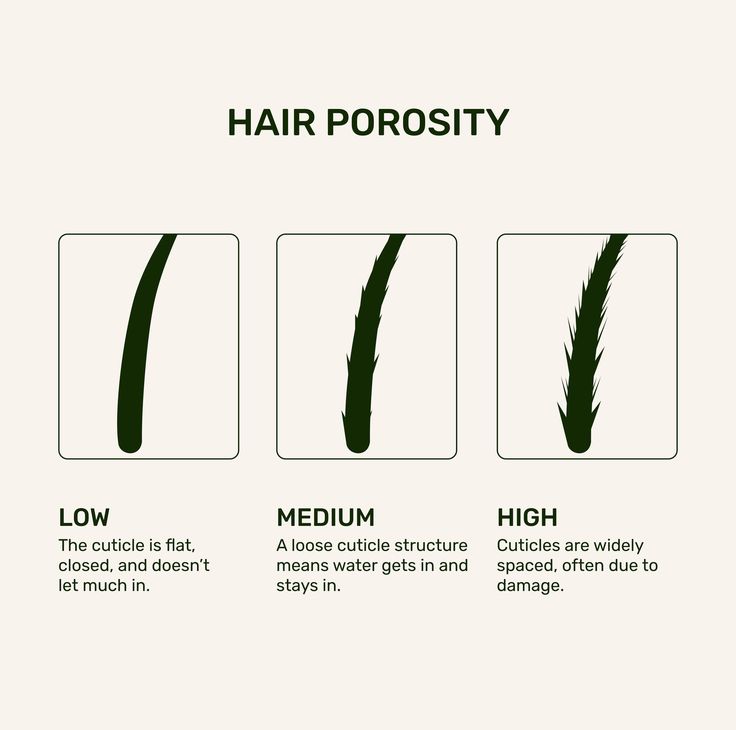
Medium-porosity hair has a cuticle layer that is neither too tightly closed nor too widely open.
This balanced structure allows water, conditioners, and other moisturizing products to enter the strand without much resistance while also helping the hair retain that moisture for a reasonable amount of time.
Unlike low-porosity hair, products don’t usually sit on the surface for long before absorbing.
At the same time, medium-porosity hair doesn’t lose moisture as quickly as high-porosity hair, making it easier to maintain healthy hydration between wash days.
This natural balance is one reason medium porosity is often considered the easiest porosity type to care for. That doesn’t mean it can be neglected, though.
Healthy habits are still important for keeping the cuticle in good condition and preventing unnecessary damage.
Many people only discover they have medium porosity after learning the differences between the three porosity types and comparing how their own hair behaves.
Why Medium Porosity Is Often Considered Balanced
One of the biggest advantages of medium-porosity hair is that it usually responds well to consistent hair care without requiring extreme adjustments.
Moisture enters the strand fairly easily, helping conditioners and leave-in products do their job effectively. Once hydrated, the hair is also better at holding onto that moisture, reducing the need for constant refreshing throughout the week.
Because of this, people with medium-porosity hair often experience fewer problems with excessive dryness, heavy product buildup, or rapid moisture loss.
However, balance doesn’t mean your hair can never become damaged. Excessive heat, chemical treatments, bleaching, and rough handling can gradually change how your hair behaves over time.
Taking care of your hair today helps preserve its natural moisture balance for the future.
Is Medium Porosity Hair Really the “Perfect” Hair Type?
You’ll often hear people describe medium-porosity hair as the “ideal” or “perfect” hair type. While there’s some truth to that, the description can also be misleading.
Medium-porosity hair is considered balanced because it absorbs moisture easily and retains it well. This often makes wash days more predictable and allows many products to work effectively without causing heavy buildup or excessive dryness.
However, that doesn’t mean people with medium-porosity hair never experience challenges.
Dry weather can still leave the hair feeling dehydrated. Excessive heat styling can still weaken the cuticle. Product buildup can still happen if cleansing is neglected.
Like every other porosity type, medium-porosity hair still requires consistent care to remain healthy.
It’s also important to remember that hair health isn’t determined by porosity alone. Factors such as hair density, strand thickness, scalp health, styling habits, and overall maintenance all play an important role in how your hair looks and feels.
Instead of aiming for the “perfect” porosity, focus on understanding your own hair. Someone with healthy low-porosity or high-porosity hair can have stronger, longer, and healthier hair than someone with neglected medium-porosity hair.
Ultimately, the best hair isn’t defined by its porosity; it’s defined by how well it’s cared for. Once you understand your hair’s unique characteristics, you’ll be able to build a routine that keeps it healthy regardless of where it falls on the porosity spectrum.
Signs You May Have Medium Porosity Hair
Medium-porosity hair often feels balanced. It doesn’t usually struggle to absorb moisture, nor does it lose hydration as quickly as high-porosity hair.
Instead of focusing on a single characteristic, look at how your hair behaves over time. Several small clues together can give you a better idea of your porosity than any one test alone.
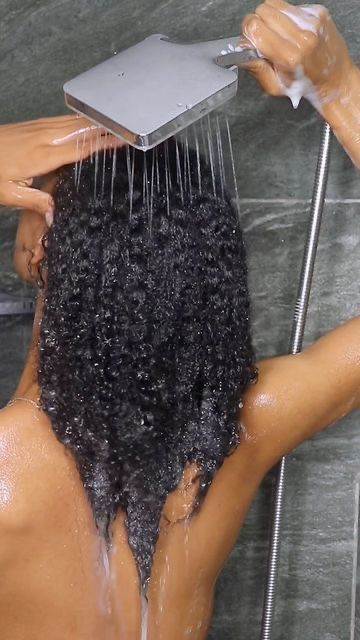
Your Hair Absorbs Water Without Delay
One of the easiest signs of medium porosity is how your hair responds to water.
Rather than letting water sit on the surface for a long time, or absorbing it instantly, medium-porosity hair usually becomes wet within a reasonable amount of time.
This balanced moisture absorption often makes wash day feel more predictable and helps products spread evenly throughout your strands.
Understanding how your hair responds to water can be one of the first clues that your porosity is well balanced.
Moisture Lasts for Several Days
Hair with medium porosity often stays moisturized longer without needing constant refreshing.
After applying a leave-in conditioner and sealing product, your hair may remain soft for several days before it starts feeling dry.
Of course, weather, styling habits, and product choices still play a role, but medium-porosity hair generally holds moisture well without becoming overly dry or greasy.
Building a consistent moisturizing routine helps maintain this natural balance.
Products Absorb Without Leaving Heavy Buildup
Medium-porosity hair usually responds well to most conditioners, creams, and leave-in products.
Instead of sitting on the surface or disappearing immediately, products absorb at a steady pace and leave the hair feeling moisturized without excessive residue.
This doesn’t mean every product will work perfectly, but it does mean your hair is often more flexible when trying new routines or formulas.
Learning how to choose products that suit your hair can help you maintain healthy strands without unnecessary buildup.
Your Hair Is Usually Easy to Style
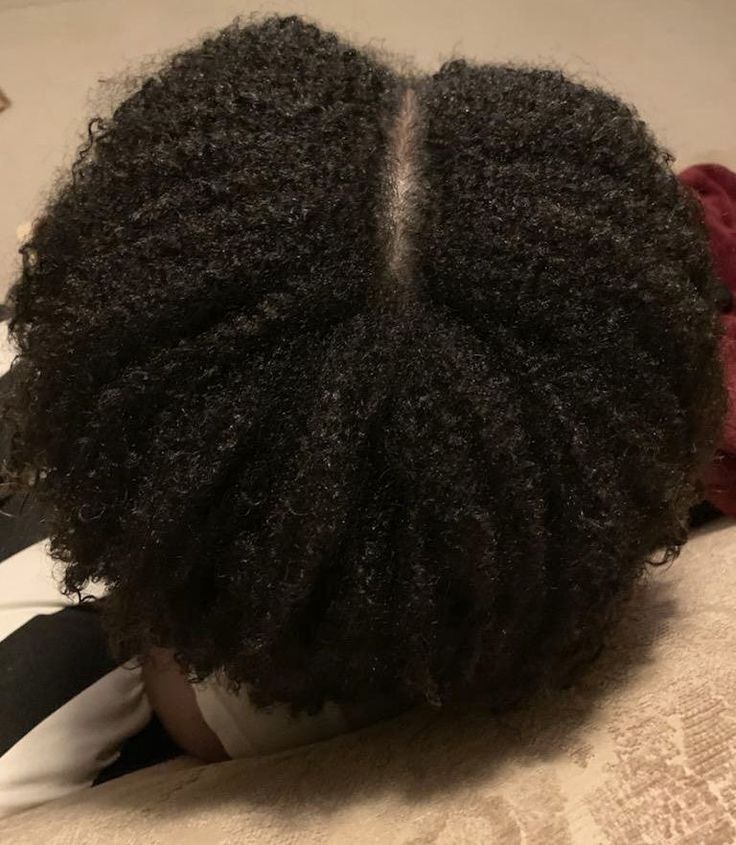
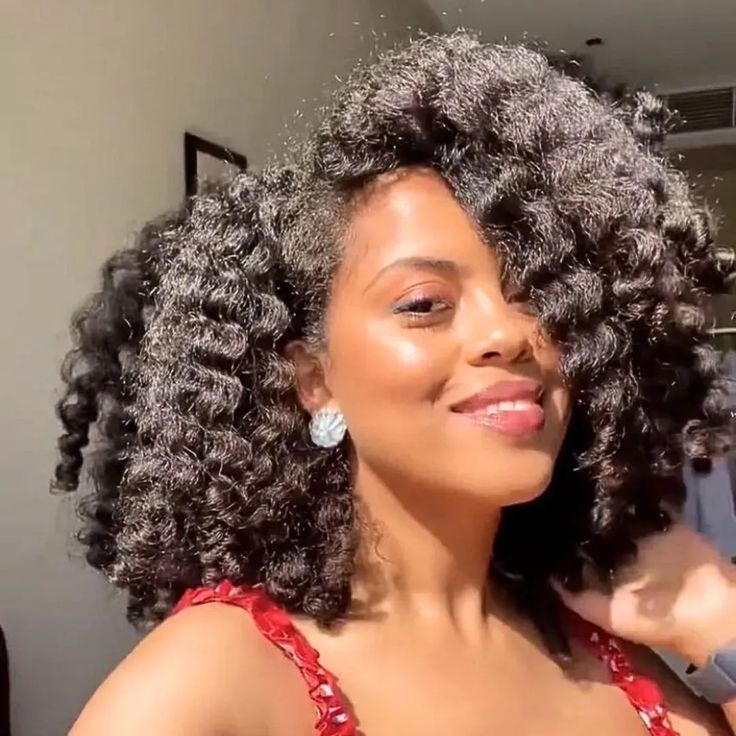
Another common characteristic of medium-porosity hair is that it tends to cooperate during styling.
Twist-outs, braid-outs, and other natural styles often hold their shape well while still remaining soft and manageable.
Although every head of hair is different, medium porosity usually provides a good balance between moisture retention and flexibility, making styling a little easier.
Protecting your natural curl pattern with gentle styling habits can help keep your hair healthy over time.
How to Test for Medium Porosity Hair
While there’s no single test that can confirm your hair porosity with complete accuracy, a combination of observations can help you determine whether your hair is likely medium porosity.
Instead of relying on one method, pay attention to how your hair behaves during your normal routine. The more patterns you notice, the easier it becomes to identify your porosity.
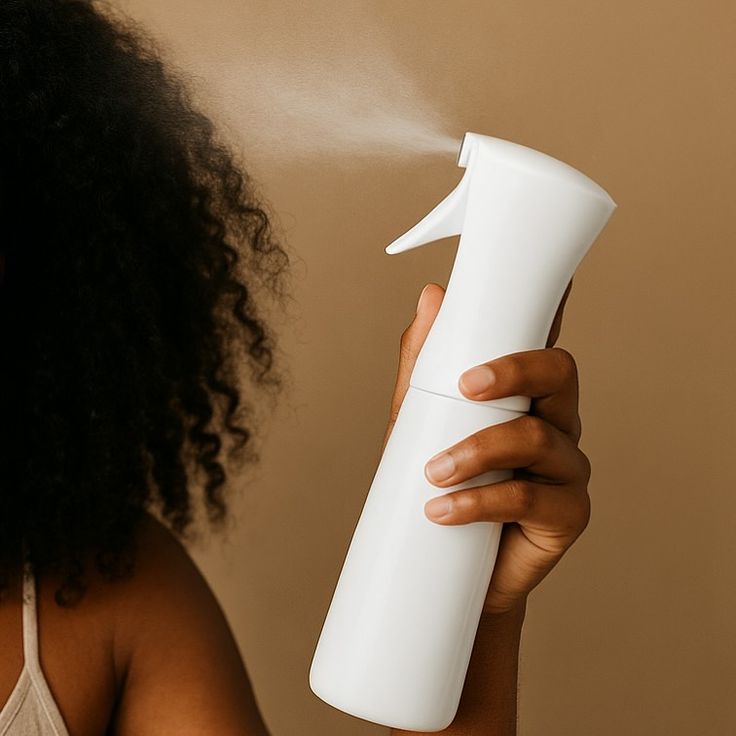
The Spray Bottle Test
One of the simplest methods is to lightly mist clean, product-free hair with water.
Medium-porosity hair usually absorbs the water without much delay, but it doesn’t soak it up instantly either. The strands become damp fairly evenly, making wash day feel predictable and manageable.
Unlike low-porosity hair, water doesn’t sit on the surface for long. Unlike high-porosity hair, it doesn’t disappear immediately into the strand.
The Float Test
The float test is a popular at-home method for getting a rough idea of your hair’s porosity.
Start with a few clean strands of hair that have no products or oils on them. Drop the strands into a clear glass of room-temperature water and leave them undisturbed for a few minutes.
If the strand stays floating near the surface, it may suggest low porosity. A strand that slowly sinks toward the middle may indicate medium porosity, while one that sinks quickly to the bottom may point toward high porosity.
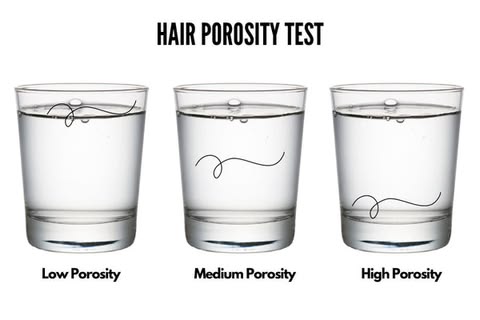
However, you shouldn’t treat the float test as a definite diagnosis. Hair products, oils, trapped air, strand thickness, and water temperature can all affect the result.
It’s better to combine this test with how your hair behaves during washing, moisturizing, and styling before deciding on your porosity type.
Can Different Parts of Your Hair Have Different Porosity?
One question many people ask is whether every strand on their head has exactly the same porosity.
The answer is not always.
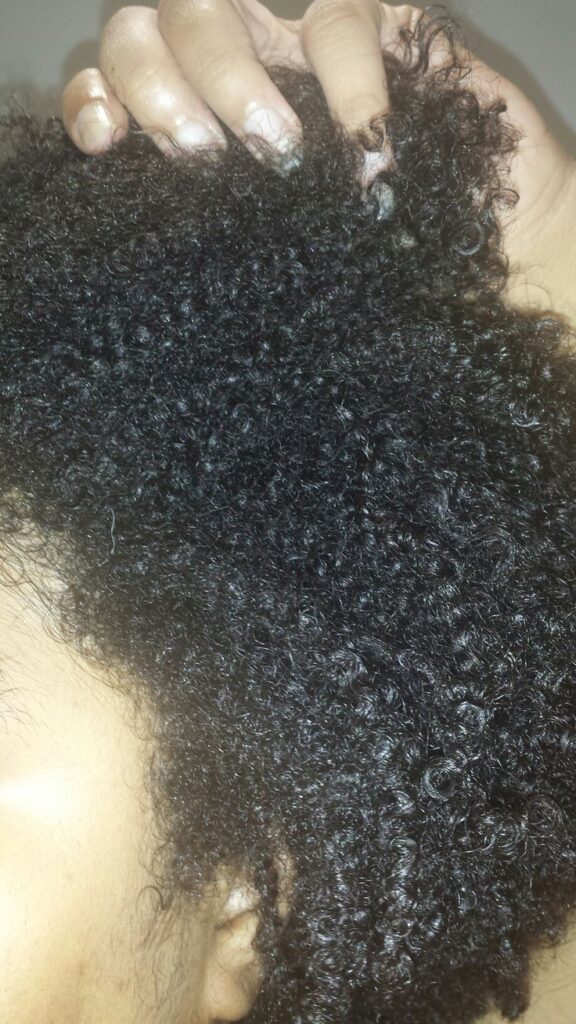
While your new growth may naturally have medium porosity, the older sections of your hair have experienced much more wear. Daily styling, sun exposure, friction from clothing, heat tools, colouring, and chemical treatments can gradually affect the cuticle layer over time.
Because of this, the ends of your hair may sometimes behave differently from the roots.
For example, your roots may absorb products at a balanced rate, while your older ends begin drying out more quickly because they’ve become slightly more porous through everyday wear.
This is completely normal and doesn’t necessarily mean your hair has changed from medium porosity to high porosity overnight.
Instead, it highlights the importance of paying attention to different sections of your hair rather than assuming every strand behaves exactly the same.
Keeping your ends moisturized, trimming damaged sections when necessary, and reducing unnecessary heat or manipulation can help maintain a more consistent moisture balance throughout your hair.
As your healthy new growth continues to replace older strands, you’ll have a much clearer understanding of your natural porosity and the routine that works best for you.
What Makes Medium Porosity Different From Low and High Porosity?
The easiest way to understand medium porosity is to compare it with the other two porosity types.
Low-porosity hair tends to resist moisture because the cuticles are tightly packed. High-porosity hair absorbs moisture quickly but struggles to keep it inside the strand.
Medium-porosity hair sits comfortably between these two extremes.
It absorbs moisture without much resistance and retains it long enough to keep the hair soft, manageable, and easier to maintain.
That balance is why many people don’t experience the same level of product buildup associated with low porosity or the rapid dryness commonly seen with high porosity.
Understanding how the different porosity levels compare can make it much easier to recognize your own hair’s needs.
How to Maintain Medium Porosity Hair
Medium-porosity hair is often easier to manage because it naturally absorbs and retains moisture well. Even so, it still needs regular care to stay healthy.
A consistent routine helps maintain this balance and reduces the chances of your hair becoming dry, damaged, or more porous over time.
Moisturize Consistently
Although medium-porosity hair generally holds moisture well, it still benefits from regular hydration.
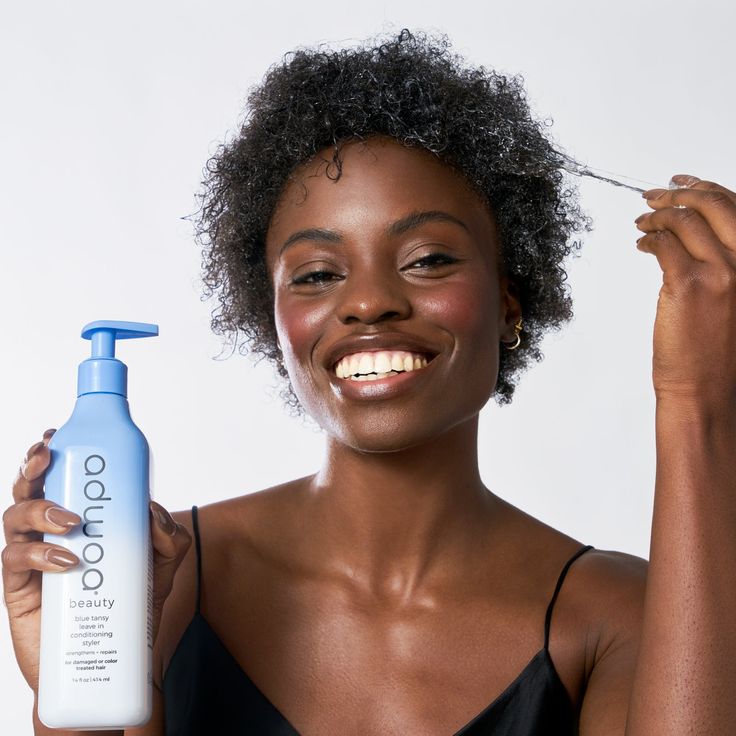
Applying a leave-in conditioner after washing and refreshing your hair whenever it starts to feel dry can help maintain softness without overloading your strands.
The goal is to keep your hair comfortably moisturized rather than constantly adding more product.
Deep Condition Regularly
Deep conditioning isn’t only for damaged hair.
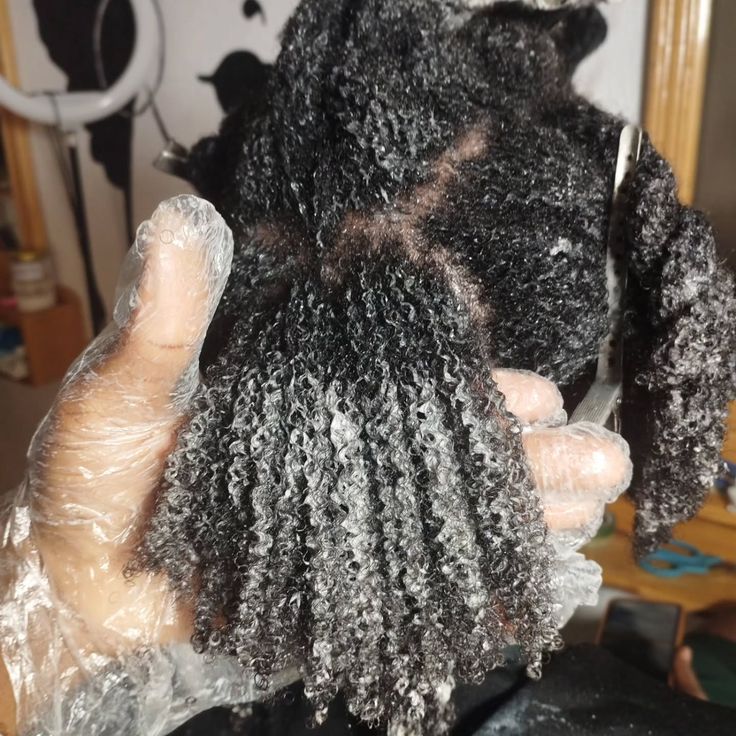
Using a deep conditioner every one or two weeks helps replenish moisture, improve softness, and support healthy curls.
Since medium-porosity hair usually absorbs conditioners well, this step can leave your hair feeling smooth and easier to detangle.
Adding deep conditioning to your regular wash day is one of the easiest ways to maintain healthy strands.
Avoid Excessive Heat and Chemical Processing
One reason many people lose their naturally balanced porosity is repeated damage from excessive heat or chemical treatments.
Frequent bleaching, colouring, relaxing, or high-temperature styling can gradually lift the cuticle, causing the hair to become more porous.
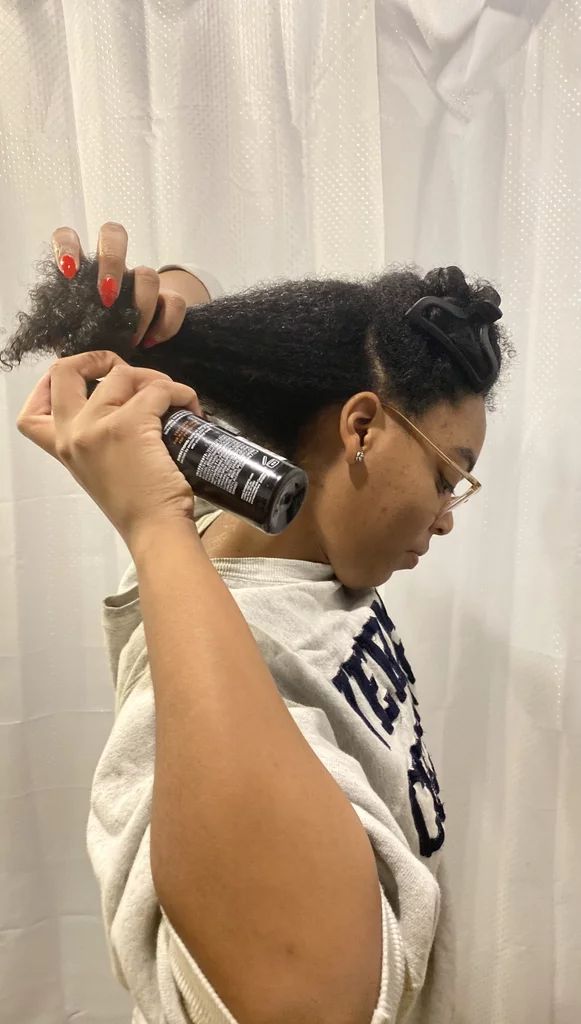
Using heat protectants, limiting heat styling, and handling your hair gently can help preserve its natural condition.
Taking steps to protect your hair from unnecessary damage today can help keep your porosity balanced in the future.
Common Mistakes People With Medium Porosity Hair Make
Because medium-porosity hair is relatively easy to manage, it’s common for people to assume it doesn’t need much attention.
Unfortunately, a few habits can gradually affect the health of the hair over time.
Using Too Many Products
It’s easy to believe that more products will produce better results.
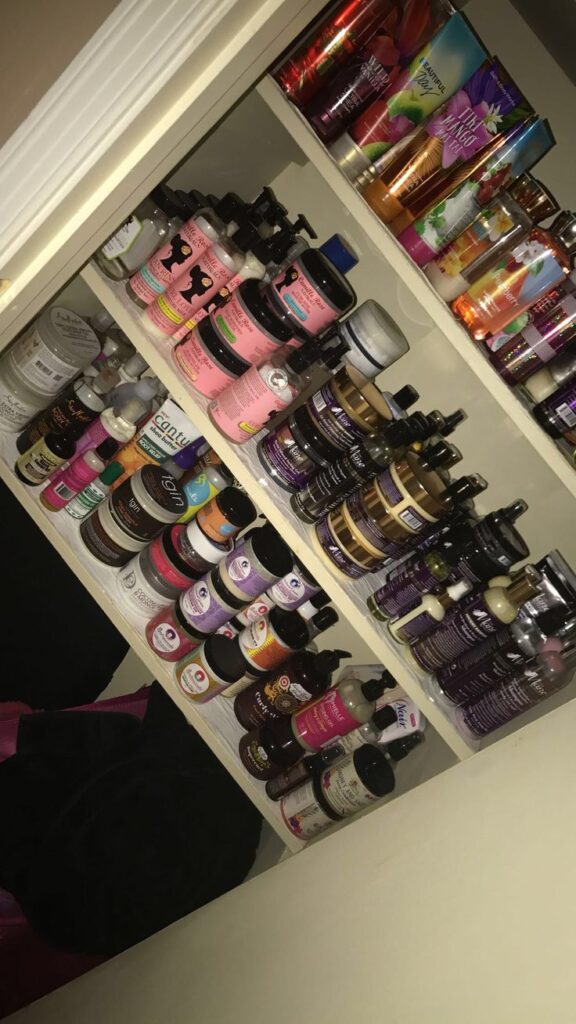
In reality, layering several creams, oils, gels, and styling products can create unnecessary buildup, making your hair feel heavy instead of moisturized.
A simple routine with products that work well together is usually more effective than an overcrowded shelf of hair products.
Ignoring Your Hair’s Changing Needs
Your hair doesn’t behave exactly the same every day.
Weather, protective styles, exercise, and even seasonal changes can affect how much moisture your strands need.
Instead of following the same routine regardless of conditions, pay attention to how your hair feels and make small adjustments when necessary.
Learning to listen to your hair instead of trends will help you maintain healthy, balanced strands for years to come.
Can Medium Porosity Hair Change Over Time?
Many people assume that once they discover their hair porosity, it will stay the same forever. While your natural porosity is largely influenced by genetics, your hair’s condition can change over time.
Healthy medium-porosity hair can gradually become more porous when it’s exposed to repeated damage. Heat styling, chemical treatments, bleaching, excessive colouring, and rough handling can all lift the cuticle layer, making it harder for the hair to retain moisture.
On the other hand, product buildup can sometimes make medium-porosity hair temporarily behave like low-porosity hair.
When heavy creams, oils, or styling products coat the hair shaft, water may take longer to penetrate, even though the hair’s natural porosity hasn’t actually changed.
This is why it’s a good idea to observe your hair from time to time instead of assuming it will always behave the same way.
If you begin noticing changes in how quickly your hair absorbs water, how long it stays moisturized, or how it responds to products, it may be worth reassessing your routine.
The goal isn’t to chase the “perfect” porosity. It’s to understand how your hair behaves today so you can continue giving it the care it needs.
Frequently Asked Questions
Is medium porosity the best hair porosity?
Medium porosity is often considered the easiest to manage because it balances moisture absorption and retention well. However, no porosity type is better than another. Healthy hair is more important than having a specific porosity level.
How often should I moisturize medium-porosity hair?
Most people only need to moisturize when their hair begins to feel dry. Since medium-porosity hair generally retains moisture well, daily moisturizing is often unnecessary.
Can I use any hair products on medium-porosity hair?
Medium-porosity hair is usually more flexible than low- or high-porosity hair, but product choice still matters. Lightweight, moisturizing products that don’t create excessive buildup are often the best option.
Can medium-porosity hair become high porosity?
Yes. Frequent heat styling, chemical treatments, bleaching, and rough handling can gradually damage the cuticle layer, causing medium-porosity hair to become more porous over time.
Do I still need to deep condition my hair?
Absolutely. Even healthy medium-porosity hair benefits from regular deep conditioning to maintain softness, improve manageability, and support overall hair health.
Final Thoughts
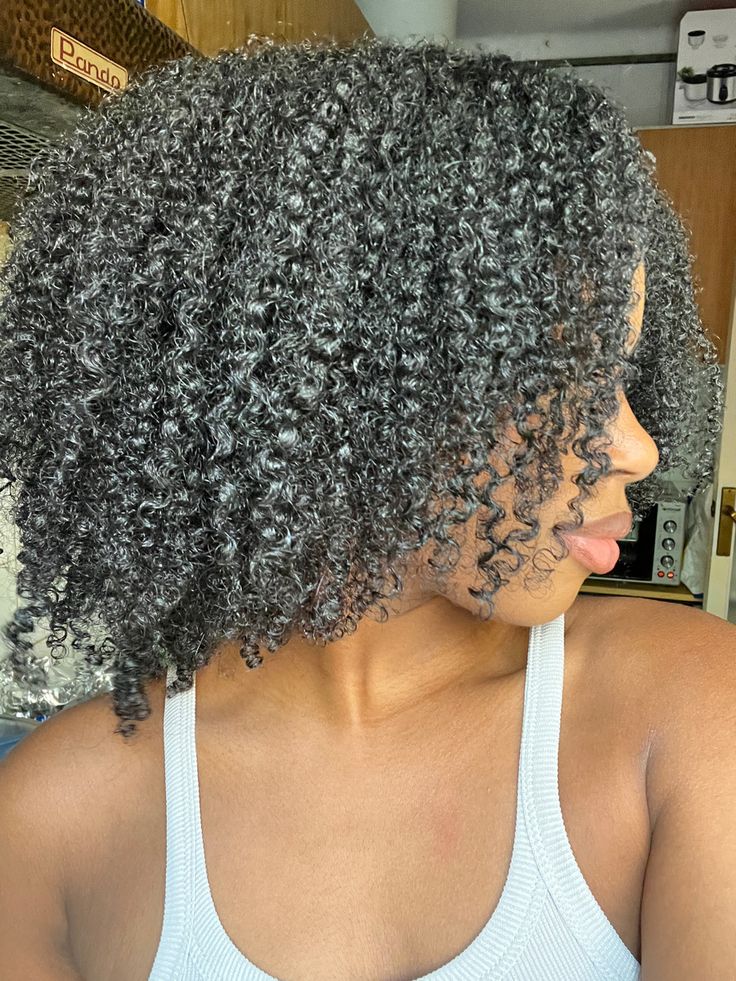
Medium-porosity hair is often described as balanced because it absorbs moisture easily and holds onto it well. That balance makes it easier to manage than many other porosity types, but it still deserves consistent care.
The best way to maintain medium-porosity hair is to keep your routine simple. Cleanse regularly, moisturize when needed, deep condition consistently, and protect your strands from unnecessary damage.
Most importantly, pay attention to how your own hair responds. Products, weather, and styling habits can all influence your routine, so don’t be afraid to make small adjustments along the way.
With gentle care and consistency, medium-porosity 4C hair can remain healthy, moisturized, and easier to style for years to come.
4 Comments