
How to Manage Two Hair Textures
Disclosure: Some of the links in this post are affiliate links. This means if you click on the link and purchase an item, I will receive an affiliate commission at no extra cost to you.
Transitioning from relaxed hair to natural hair can be exciting, but managing two different textures at the same time can also be one of the most challenging parts of the journey. Your natural roots may be tightly coiled, while the relaxed ends remain straighter, creating a noticeable difference in how each section responds to moisture, styling, detangling, and manipulation.
Learning how to manage two hair textures can make this stage much easier. Instead of treating your entire head as though it has the same needs, you can adjust your routine to protect both textures while your natural hair grows.
The biggest challenge is often the line where your natural growth meets your relaxed hair. This area, commonly called the line of demarcation, can be more fragile because two textures with very different structures are connected there. Gentle handling becomes especially important.
Your transitioning routine does not have to be complicated. Consistent cleansing, adequate moisture, careful detangling, low-manipulation styling, and protecting your ends can help you move through this stage with less breakage and frustration.
Whether you are only a few months into your transition or have been growing out your natural hair for more than a year, understanding how your textures behave can help you make better decisions throughout your journey.
Why Managing Two Textures Can Be Difficult
Natural and relaxed hair behave differently because the chemical treatment has permanently altered the structure of the relaxed strands.
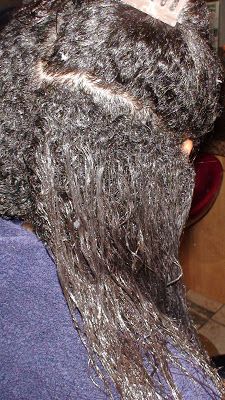
Your natural roots may shrink when they become wet, feel denser, and require more moisture to remain manageable. Meanwhile, your relaxed ends may remain stretched and have a smoother appearance.
This difference can make everyday activities such as washing and detangling more complicated. Products that work beautifully on your natural roots may not have the same effect on your relaxed ends.
The two textures can also respond differently to styling. Your natural hair may hold twists or braids more easily, while your relaxed ends may slip out or require additional care to stay incorporated into a style.
Rather than trying to make both textures behave exactly the same way, your goal should be to keep the hair moisturized, reduce unnecessary manipulation, and protect the fragile areas.
Understand Your Line of Demarcation
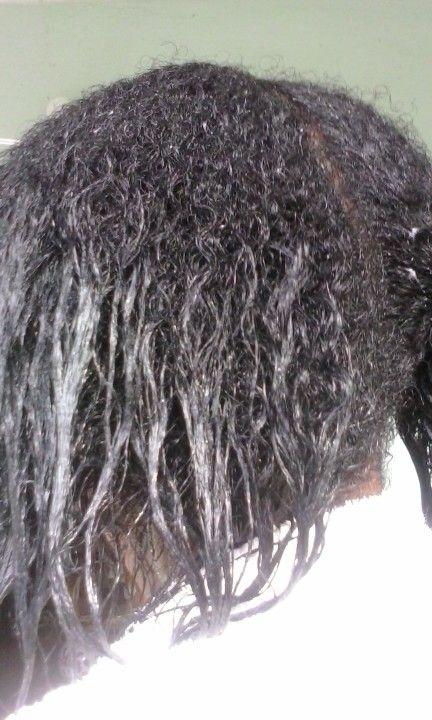
The line of demarcation is the point where your natural hair growth meets your relaxed hair. During a transition, this area deserves particular attention.
The natural hair coming from your scalp has its original texture, while the older relaxed hair has been chemically altered. Because the two sections have different properties, the connection between them can become vulnerable to breakage.
This does not mean your hair will automatically break at this point. However, excessive pulling, rough detangling, frequent heat styling, or aggressive brushing can place additional stress on the area.
When you manage two hair textures, gentle handling around this section should be one of your priorities.
Try to detangle slowly, beginning with the ends and gradually moving upward. Keep the hair adequately conditioned and avoid forcing a comb through areas that feel tangled.
Keep Both Textures Moisturized
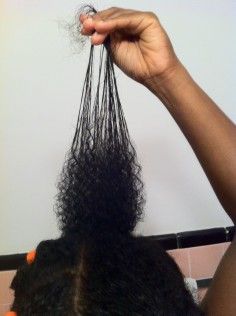
Moisture is important throughout a natural hair transition, but different parts of your hair may respond differently to your routine.
Your natural roots may need regular hydration to remain soft and flexible, while your relaxed ends may feel dry or become brittle more easily because they have undergone chemical processing.
A moisturizing routine does not have to involve layering several products onto your hair. Start with a cleanser that works for your scalp and hair, then follow with a conditioner that provides enough slip for detangling.
You can also use a lightweight leave-in conditioner when your hair needs additional moisture between wash days.
Pay attention to how your hair responds instead of automatically adding more products. Too much product can leave the hair coated without actually improving its condition.
If your hair tends to feel especially dry, simple hair masks can occasionally provide extra conditioning without making your regular routine unnecessarily complicated.

Be Gentle When Detangling
Detangling can become more difficult when two textures are growing together. Your natural roots may be tightly coiled while the relaxed ends remain straighter, causing the textures to interact differently.
The key is to avoid rushing through the process.
Separate your hair into manageable sections before you begin. Apply conditioner or a suitable detangling product, then gently work through the ends first.
Use your fingers to loosen larger knots before reaching for a wide-tooth comb if necessary.
Avoid starting at the roots and dragging tangles through the entire length of your hair. This can create unnecessary tension, particularly around the line of demarcation.
If you notice excessive shedding or breakage during detangling, pay attention to the difference between the two. Shedding is the release of hairs that have completed their growth cycle, while breakage involves the hair strand snapping.
A consistent detangling routine can help you handle your hair more carefully during this stage.
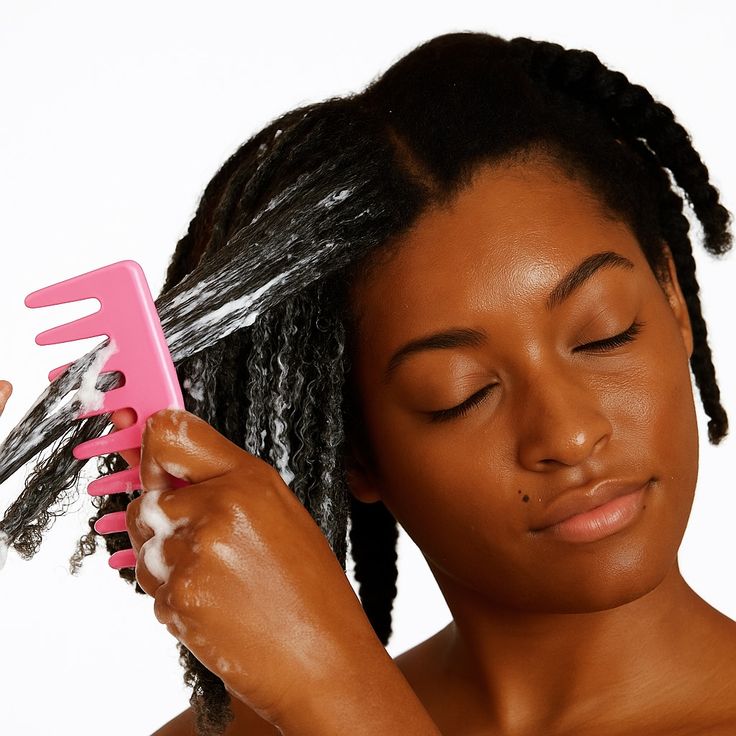
Choose Low-Manipulation Hairstyles
Hairstyles can make transitioning easier because they reduce the amount of daily handling your hair receives.
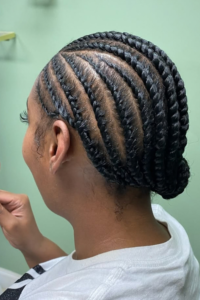
Twists, braids, buns, flat twists, wigs, and other low-manipulation options can help keep your hair organized while reducing the need to constantly restyle it.
The best choice depends on the condition and length of your hair. A style that requires excessive tension around the edges or roots may create more problems than it solves.
Try to avoid hairstyles that repeatedly pull the same areas. Your edges and the line of demarcation should not feel sore after installation.
Simple protective styles can also make it easier to avoid manipulating your hair every morning.
Remember that a protective style is only helpful when your hair is properly prepared and maintained underneath it.
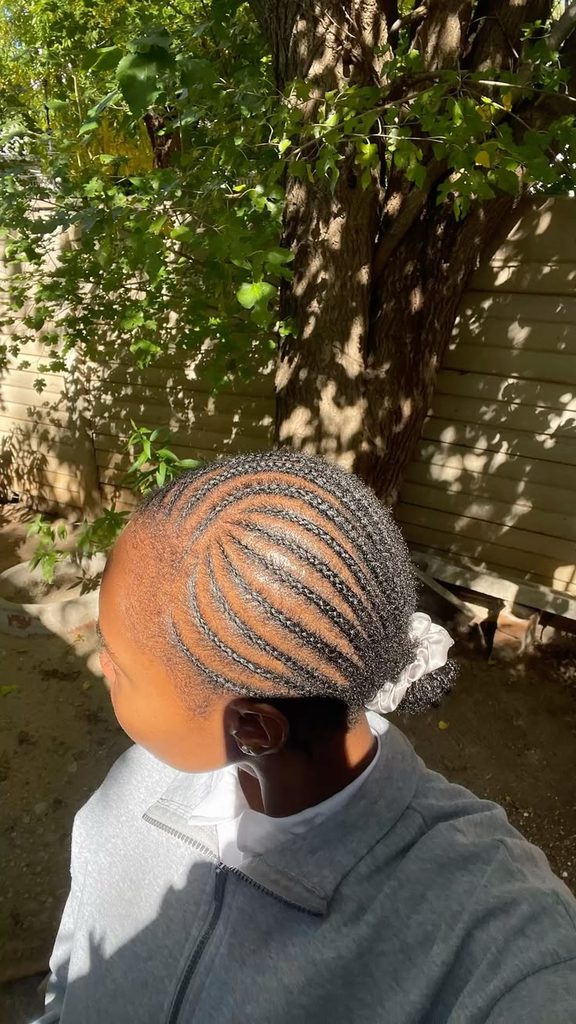
Avoid Excessive Heat
Heat can make styling two textures easier temporarily because it stretches the natural roots and helps the textures look more similar.
However, relying heavily on heat during your transition can increase the risk of dryness and damage, particularly when your hair is already dealing with the fragile line of demarcation.
You do not necessarily have to avoid heat forever. The bigger concern is frequent high-heat styling without adequate protection.
If you use a blow dryer, flat iron, or other heated tool, use appropriate heat protection and avoid repeatedly passing high temperatures over the same section.
Heat-free styles can also help you become more comfortable with the differences between your textures. Heatless styles such as twists and braid-outs can create definition without requiring direct heat.
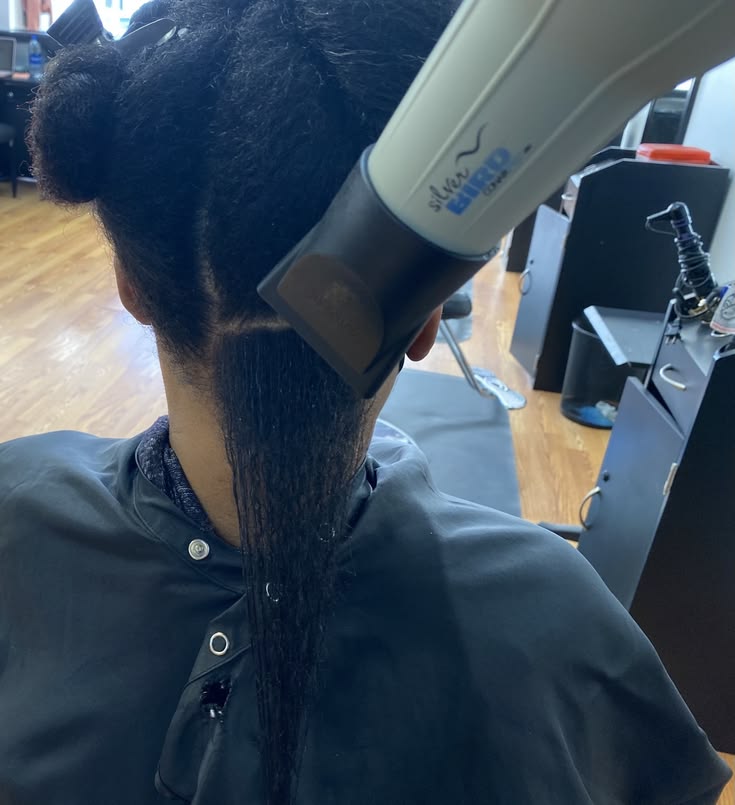
Do Not Overload Your Hair With Products
When your hair feels difficult to manage, it can be tempting to keep adding products until both textures feel similar.
However, using too many creams, oils, gels, and conditioners can create buildup, leaving your hair heavy or difficult to cleanse.
A simpler routine is often easier to maintain.
Start by identifying what your hair actually needs. If your hair is dry, focus on hydration and conditioning. If it feels coated, cleansing may be more useful than adding another product.
Pay particular attention to heavy products applied repeatedly to the scalp or hair. Product buildup can interfere with cleansing and make the hair feel dull or sticky.
Your routine should support your hair rather than constantly covering up problems with additional products.
Wash Your Hair Regularly
Washing remains an important part of your routine while transitioning. Your scalp still needs to be cleansed, and your hair needs regular conditioning.
Some people worry that washing will cause the different textures to become tangled or difficult to manage. While newly washed hair can behave differently, avoiding cleansing for too long can allow sweat, oils, and styling products to accumulate.
The best washing schedule depends on your scalp, lifestyle, styling routine, and product use.
During wash day, work in sections if that makes your hair easier to control. Avoid piling the hair on top of your head and rubbing everything together.
Cleanse the scalp carefully, then allow the water and cleanser to move through the lengths without excessive manipulation.
If you already have a consistent wash day routine, you may only need to adjust how you section and handle your hair rather than completely changing everything.
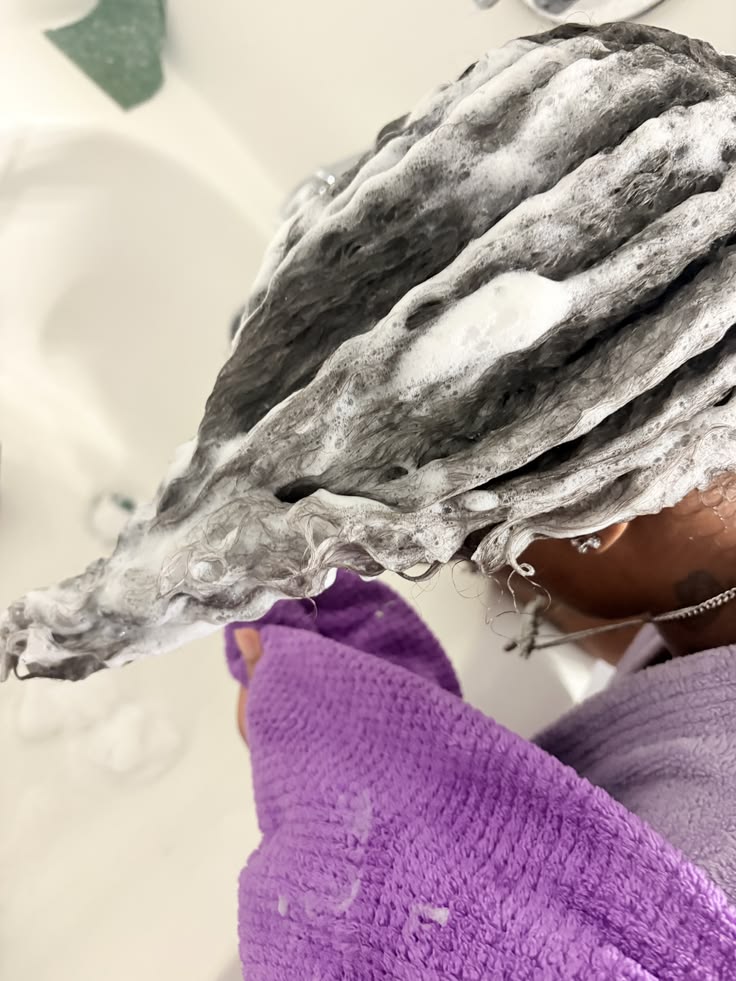
Pay Attention to Your Ends
Your relaxed ends are the oldest part of your hair, so they have had more time to experience manipulation, environmental exposure, heat, and chemical processing.
This makes your ends especially important during a transition.
You do not necessarily have to cut them immediately. If you want to keep your length, you can gradually trim damaged ends while continuing to grow your natural hair.
However, severely split or damaged ends may continue splitting upward if they are left unattended.
Keeping your ends tucked away in suitable styles can reduce daily friction and manipulation. You can also protect them at night with a satin or silk covering.
Good length retention practices can help you keep the healthy growth you are producing instead of losing it through unnecessary breakage.
Be Careful With Tight Hairstyles
A hairstyle can look beautiful while still putting too much stress on your hair.
This is especially important during a transition because the hair is already dealing with differences in texture and strength.
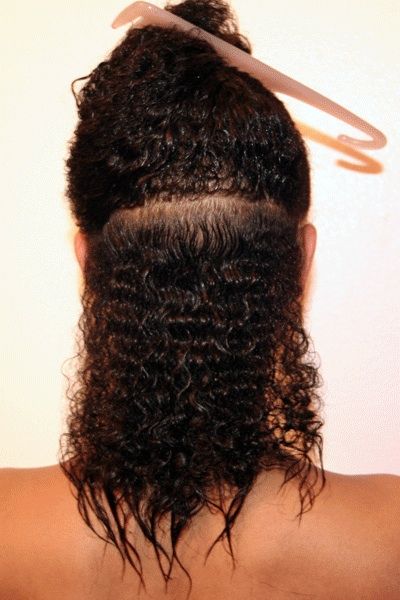
Avoid excessively tight braids, ponytails, buns, and styles that pull continuously around your edges.
If a hairstyle causes pain, headaches, tenderness, or visible tension around your scalp, it is too tight.
Your hairstyle should not require you to ignore discomfort simply because you like the finished appearance.
This is where hair breakage becomes an important consideration. Repeated tension can gradually weaken the hair, particularly around areas that are already fragile.
Learn How Your Hair Responds to Moisture
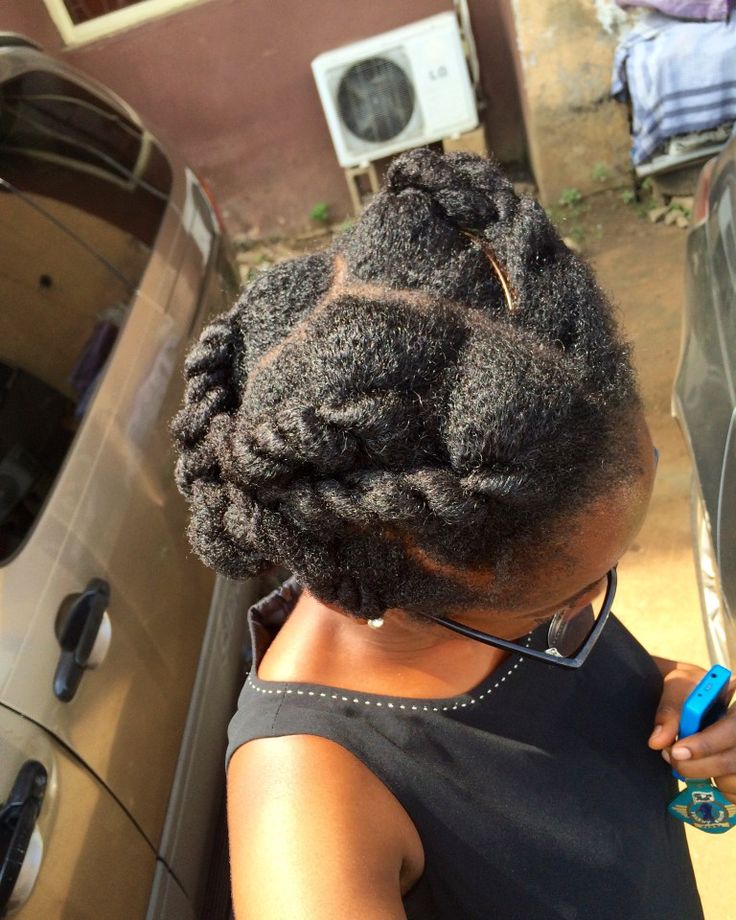
Your natural roots and relaxed ends may have different moisture needs, and observing those differences can help you adjust your routine.
Your natural hair may become softer and more flexible after conditioning, while your relaxed ends may still feel dry afterward.
This does not automatically mean you need more products. It may simply mean that the older ends need additional attention.
Pay attention to how your hair feels after washing, conditioning, styling, and drying. Over time, you will begin to recognize which areas need more moisture and which products leave your hair feeling coated.
If you have tightly coiled natural hair, understanding hair porosity can also give you useful information about how your strands interact with water and conditioning products.
Sleep With Your Hair Protected
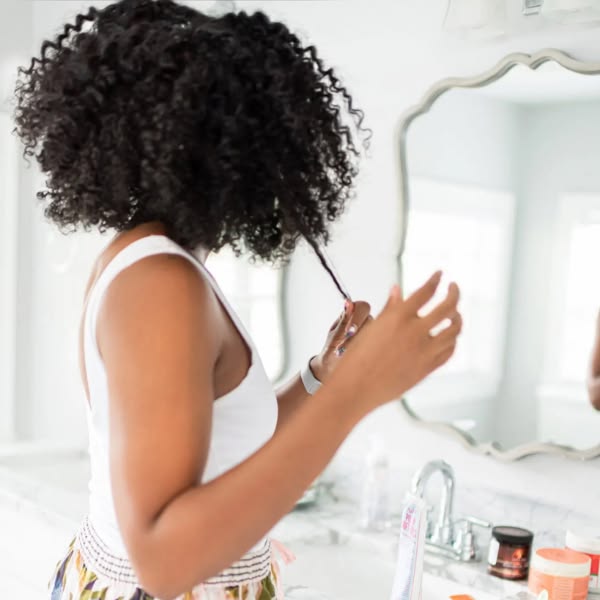
Nighttime care is an easy part of your routine to overlook, but friction from cotton pillowcases and bedding can contribute to dryness and tangling.
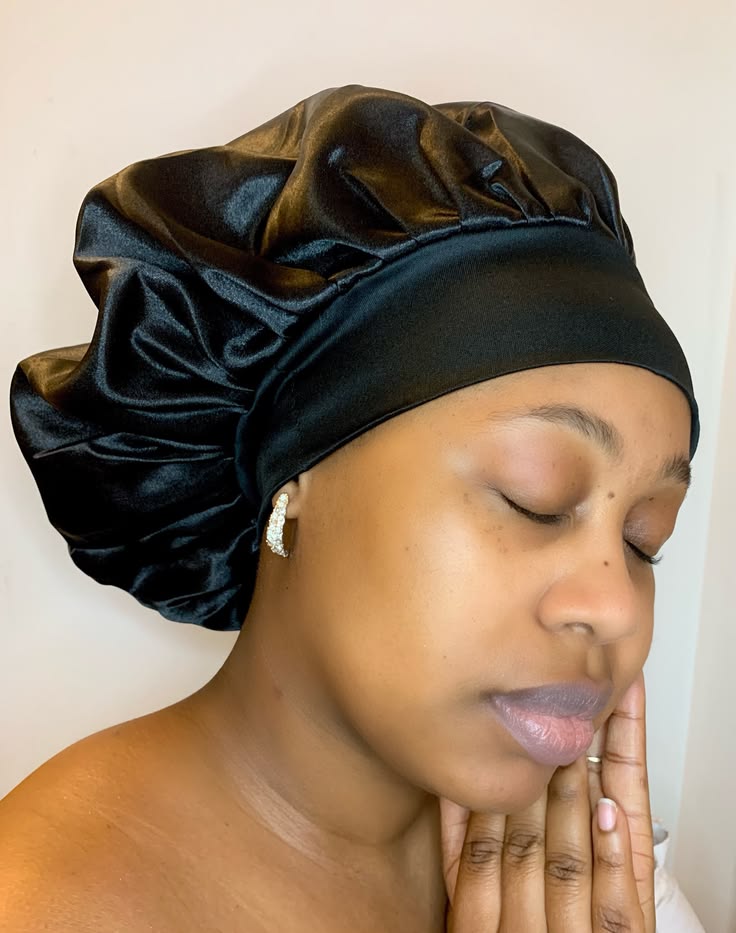
A satin or silk bonnet can help reduce friction while you sleep. A satin pillowcase can also provide another layer of protection if your bonnet comes off during the night.
Before bed, avoid piling wet or heavily moisturized hair underneath a covering without allowing it to dry appropriately.
You can also loosely section or twist your hair before sleeping if this makes it easier to manage in the morning.
Small habits like these can support nighttime care without requiring a complicated routine.
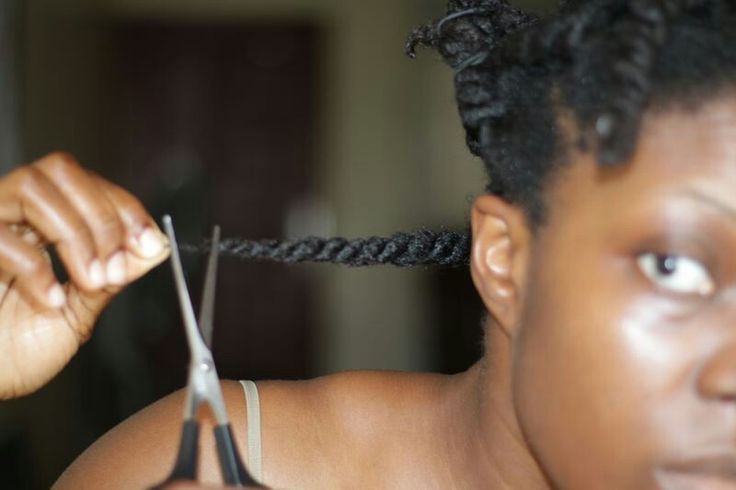
Consider Trimming as You Transition
Trimming is not required at a particular stage of every transition, but it can be useful when the relaxed ends become excessively damaged.
Some people gradually trim their relaxed ends over several months, while others keep more length until they are ready for a larger cut.
There is no single correct approach.
Consider the condition of your ends, how much length you want to maintain, and how comfortable you are with the appearance of two textures.
If your ends are repeatedly splitting, breaking, or becoming difficult to manage, trimming may make your routine easier.
Your hair growth journey is not only about keeping every centimeter of length. Maintaining stronger strands can make your overall progress easier to manage.
Give Your Hair Time to Adjust
One of the biggest mistakes you can make during a transition is constantly changing your routine because your hair does not immediately behave the way you expect.
Your natural texture will continue growing from the scalp, and your relaxed ends will become older with time.
You may experience periods when your hair feels easy to manage and others when it seems particularly difficult.
Try to give a routine enough time to show you how your hair responds before replacing every product or technique.
You may also notice that certain hairstyles become easier as your natural growth increases.
If you are still learning how your natural texture behaves, 4C hair care basics can provide a useful foundation for building a routine around your new growth.
What If Your Two Textures Feel Completely Different?
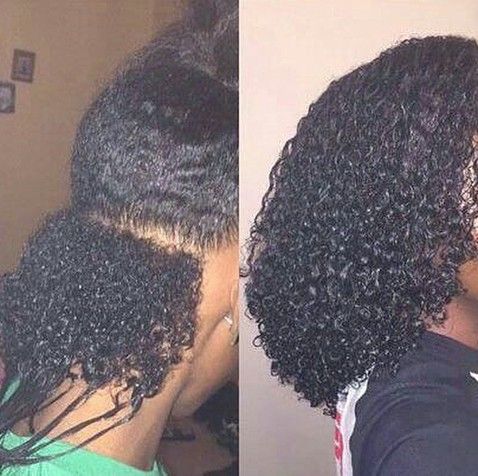
It is normal for the difference between your textures to become more noticeable as your natural hair grows.
Your roots may become increasingly coily while your relaxed ends remain straight. This can make certain styles more difficult to blend.
You do not have to make the textures look identical every day.
Twists, braid-outs, bantu knots, flexi rods, and other techniques can help create a more consistent appearance without requiring permanent changes to the hair.
Wigs and other temporary styles can also give you a break from trying to blend the textures constantly.
The important thing is to avoid using excessive heat or manipulation simply because you want both textures to look exactly the same.
Can You Keep Your Relaxed Ends Until You Are Ready?
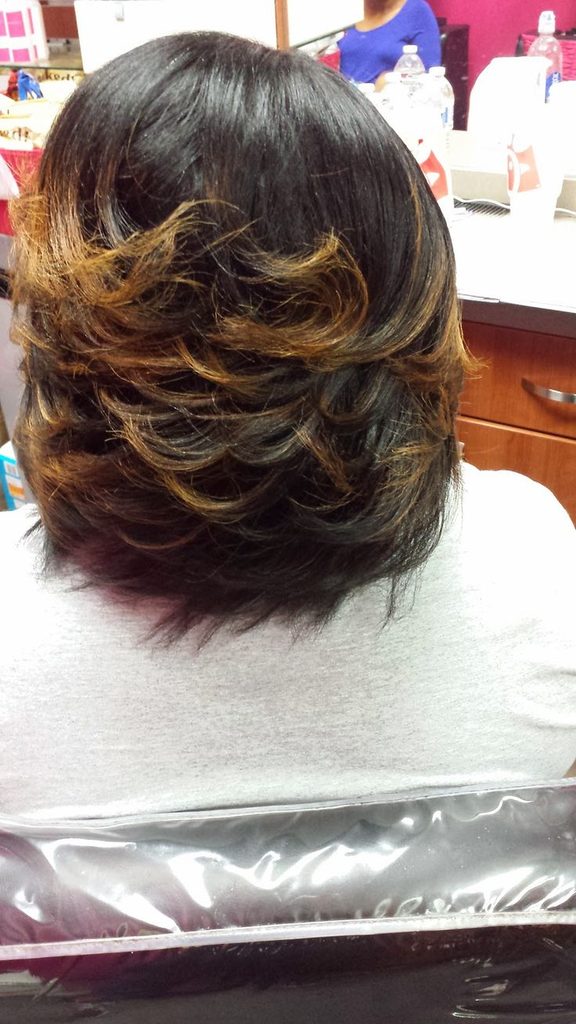
Yes. Transitioning does not require you to cut your relaxed hair immediately.
Some people prefer to keep their relaxed ends while their natural hair grows because they want to maintain length or gradually become comfortable with their natural texture.
Others eventually decide that the contrast between the two textures is too difficult to manage and choose to cut the relaxed portion.
The timing is personal.
If you decide to continue growing both textures, focus on maintaining the health of the hair you still have. If you eventually decide to remove the relaxed ends, prepare yourself for a noticeable change in length and styling options.
Understanding big chop considerations can help you think through the differences between gradually transitioning and cutting the relaxed hair sooner.

Build a Simple Routine You Can Maintain
The most useful transitioning routine is not necessarily the one with the most products or the longest list of steps.
A simple routine might include regular cleansing, conditioning, gentle detangling, moisturizing when needed, low-manipulation styling, and nighttime protection.
You can adjust the frequency based on how your hair and scalp respond.
For example, someone who exercises frequently may need to cleanse more often than someone who rarely sweats. Someone who wears protective styles may have different maintenance needs from someone who wears their hair loose most of the time.
Consistency matters more than constantly searching for a perfect routine.
As your natural hair grows, your routine may change with it. That is normal.
Common Mistakes to Avoid
Trying to manage two textures can become frustrating when you expect your hair to behave like a single texture.
One common mistake is using excessive heat to make the textures blend. Another is detangling aggressively because the roots and ends feel different.
Wearing tight hairstyles too often can also contribute to unnecessary tension.
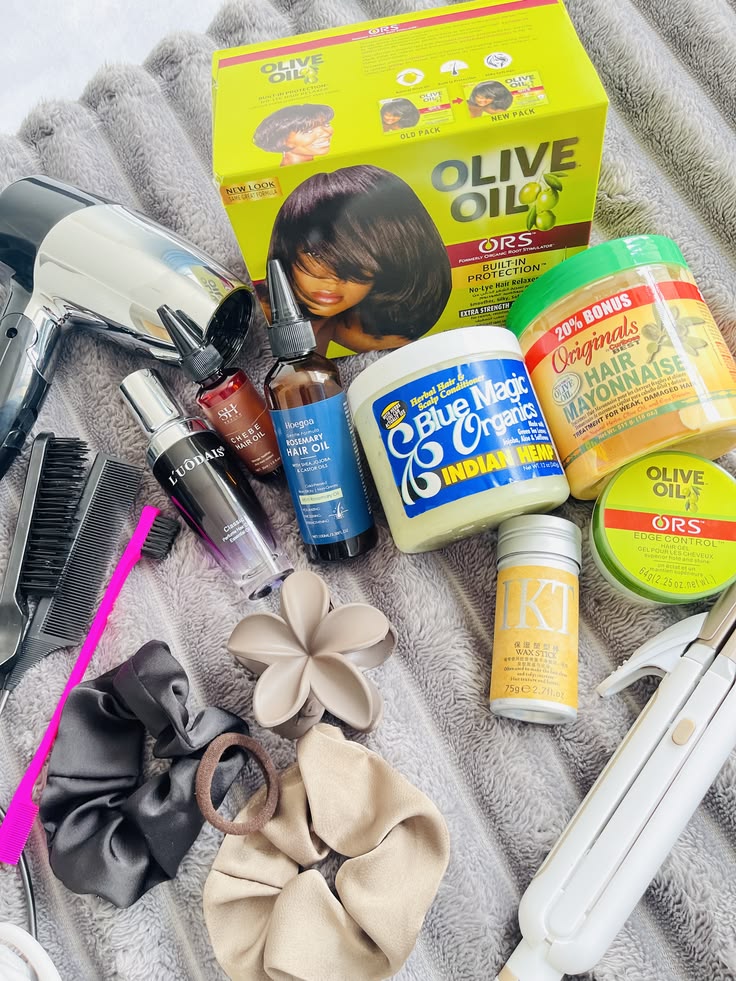
Another mistake is applying too many products in an attempt to solve every problem. A heavy product buildup can make cleansing and styling more difficult.
You should also avoid comparing your transition to someone else’s. Your rate of natural growth, hair density, strand characteristics, and previous chemical history can all affect your experience.
Your transition does not have to follow someone else’s timeline to be successful.
How Long Will You Have to Manage Two Textures?
There is no fixed period for transitioning.
Some people transition for a few months before cutting their relaxed ends, while others continue for a year or several years.
Your natural hair growth rate will determine how much new growth you have, but your decision to cut or retain the relaxed ends determines how long you personally remain in the two-texture stage.
You may eventually reach a point where your natural hair makes up most of your length, leaving only a small amount of relaxed hair at the ends.
At that stage, you may decide whether to trim gradually or remove the remaining relaxed portion at once.
The important thing is to choose a timeline that makes sense for you rather than rushing because you feel you should already be finished transitioning.
Managing Two Textures Without the Stress
Learning how to manage two hair textures is largely about understanding that your hair does not need to behave identically from root to tip.
Your natural roots and relaxed ends have different histories, structures, and needs. Treating those differences with patience can make your routine much easier.
Focus on keeping your hair clean and conditioned, handling the line of demarcation gently, protecting your ends, limiting unnecessary heat, and choosing hairstyles that do not place excessive tension on your hair.
You can also simplify your routine as much as possible. You do not need to master every natural hair technique at once.
As your natural hair grows, you will gradually learn what makes your own hair easier to manage. Your routine can change along the way, and that is part of the process.
The goal is not to make your two textures disappear. It is to care for both sections well enough to move through your transition with healthy, manageable hair.