
15 Reasons Your 4C Hair Isn’t Growing (And How to Fix Them)
Disclosure: Some of the links in this post are affiliate links. This means if you click on the link and purchase an item, I will receive an affiliate commission at no extra cost to you.
You’ve been taking care of your hair, avoiding unnecessary heat, and waiting patiently for those inches to show, yet it still seems like your 4C hair isn’t growing and is stuck at the same length. You check your roots, compare old pictures, and wonder why all your effort doesn’t seem to be making a difference.
The truth is that your hair is probably growing. Hair grows from the follicles at the scalp regardless of curl pattern. What makes the process frustrating is that new growth can be difficult to see, especially when shrinkage makes your actual length look much shorter than it really is.
Growth and length retention are also two different things. Your scalp can continue producing new hair while your ends repeatedly break off, leaving you with little visible progress. This is one reason 4C hair growth can sometimes seem slower than it actually is.
Other problems can get in the way too. Dryness, rough detangling, tight hairstyles, damaged ends, excessive manipulation, poor scalp care, and certain wash-day habits can all make it harder to retain the length you’re growing.
Even your everyday routine matters. The way you sleep, style, wash, moisturize, and handle your hair can gradually affect how much length you keep.
So before buying another growth oil or trying another viral treatment, it’s worth looking at what’s actually happening to your hair.

Here are 15 reasons your 4C hair may not appear to be growing and how to fix them
1. You’re Losing Length to Breakage
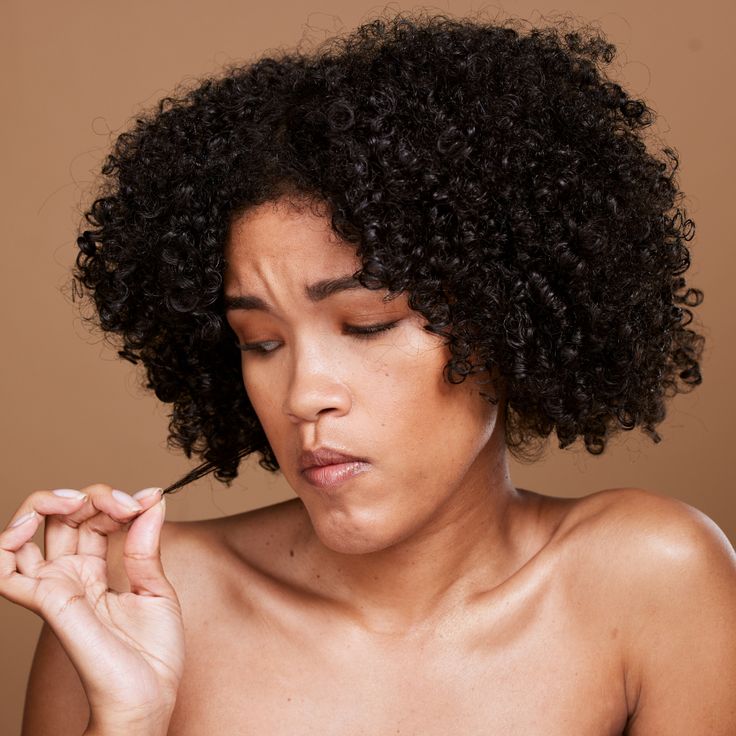
Your hair can grow perfectly well at the scalp while the ends continue breaking off.
This is one of the most common reasons people feel like their hair has stopped growing. New strands emerge from the roots, but breakage can prevent that new growth from becoming visible length.
You may notice short pieces of hair around your sink, on your clothes, or during detangling. Your ends may also look thinner than the rest of your hair or seem to become shorter despite visible new growth.
Dryness can make the situation worse because brittle strands don’t handle manipulation as well. Rough combing, constant styling, tight hairstyles, and repeated pulling can gradually weaken the hair.
The problem isn’t necessarily a lack of growth. It may simply be that you’re losing too much of it before you get the chance to see the results.
How to Fix It
Start by paying attention to how much hair you’re losing during normal handling. A few shed strands are expected, but frequent snapping during styling or detangling is a sign that something needs to change.
Use enough moisture and slip when working through your hair, and handle it in small sections rather than trying to manage everything at once. A gentler routine can make a big difference in how much hair you retain.
Reduce unnecessary manipulation between wash days as well. The less often you pull, comb, or restyle your strands, the more opportunity your existing length has to remain intact.
2. Your Ends Are Taking Too Much Damage
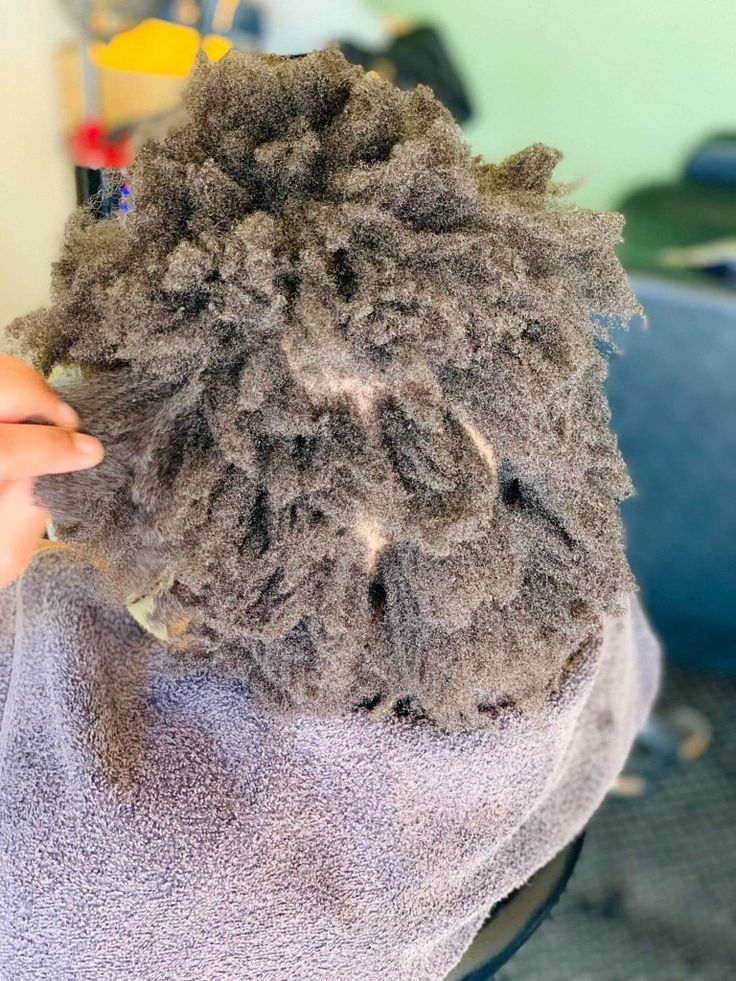
Your ends have been with you the longest, so they’ve experienced more friction, manipulation, weather exposure, and styling than your newer growth.
Everyday contact with clothing and bedding can wear them down, especially when your hair is frequently left loose. Constantly touching, separating, retwisting, or restyling the ends can also cause gradual damage.
This is where length retention becomes important. You can have healthy new growth at your scalp and still struggle to see longer hair when your oldest strands aren’t surviving long enough.
This becomes even more noticeable when your ends are already dry or split. Instead of maintaining their length, they become increasingly fragile and eventually snap.
How to Fix It
Give your ends extra attention when moisturizing and styling. Avoid constantly pulling, separating, or manipulating them, particularly when they’re dry.
You can also use hairstyles that keep your ends tucked away when appropriate. This reduces the amount of friction they experience from clothing, bags, and bedding.
Regularly check your ends for excessive splitting or thinning. When they are severely damaged, trimming the affected portion may help prevent the damage from traveling farther up the strand.
3. Your Hair Is Constantly Dry
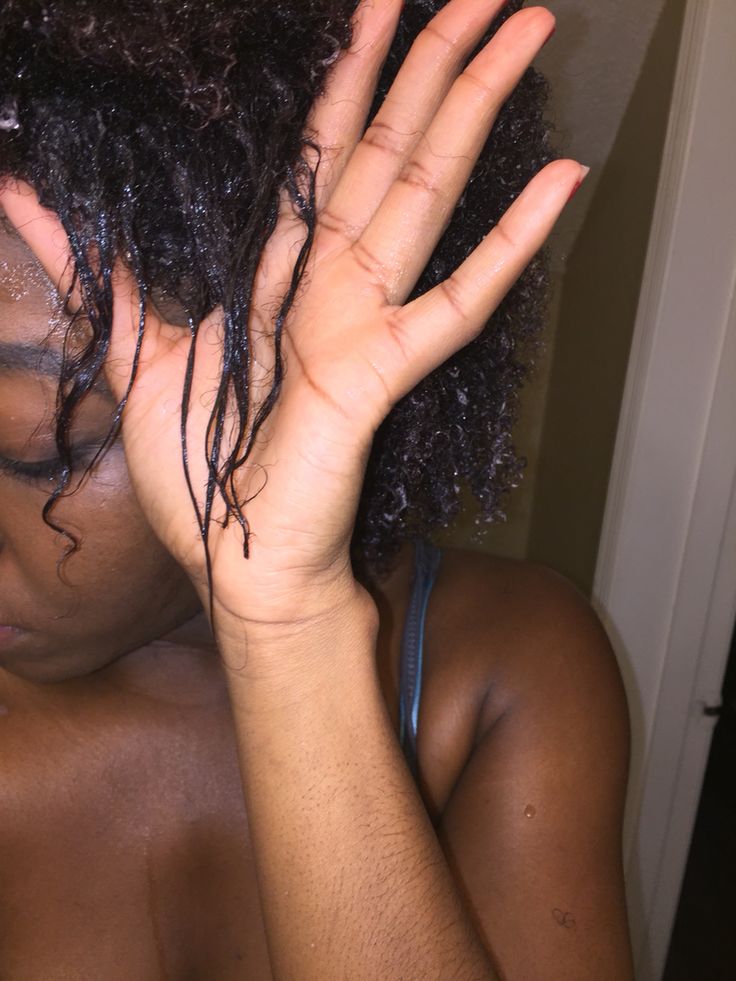
Dry hair isn’t necessarily hair that isn’t growing, but persistent dryness can make retaining that growth much harder.
When your strands become rough and brittle between wash days, everyday activities like detangling and styling place more stress on them. A simple hairstyle can become a struggle because the hair doesn’t have enough flexibility to handle manipulation comfortably.
Your hair may also feel soft immediately after moisturizing but become rough again within a short period. That can point to a moisture problem rather than a growth problem.
Porosity can also influence how your hair handles moisture. Some strands absorb water slowly, while others take in moisture quickly but lose it just as fast.
How to Fix It
Start by paying attention to when your hair feels driest. You may find that it needs additional moisture after washing, before styling, or several days into the week.
Apply moisturizing products consistently instead of waiting until your hair becomes extremely dry. Water-based products can help add moisture, while oils or butters may help reduce moisture loss depending on what works for your strands.
Deep conditioning can also improve softness and manageability. Your goal isn’t to keep your hair soaking wet all day but to keep it flexible enough to handle normal styling without excessive snapping.
4. You’re Manipulating Your Hair Too Often
Every time you comb, brush, separate, twist, retwist, stretch, or restyle your hair, you’re putting some level of mechanical stress on the strands.
One styling session may not cause noticeable damage. The problem comes when your hair is being handled repeatedly throughout the week.
Constant manipulation can create small amounts of breakage that eventually add up. You may not notice individual strands snapping, but months of repeated stress can make it difficult to retain significant length.
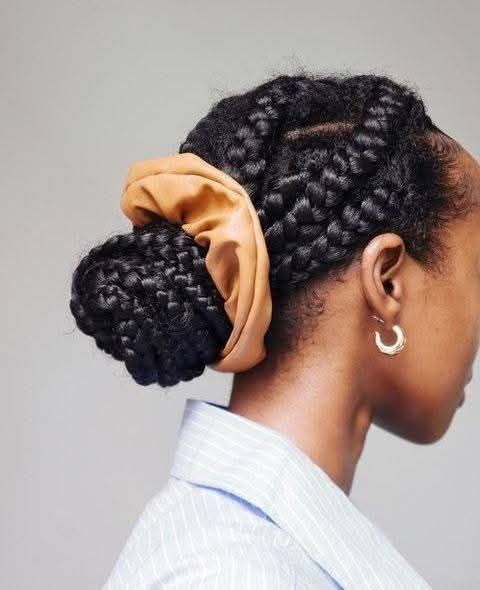
This is particularly common when you’re constantly changing hairstyles because you want your hair to look different every few days. Choosing low manipulation styles can give your strands a much-needed break.
How to Fix It
Try reducing the number of times you handle your hair between wash days. You don’t have to stop styling completely, but your strands should have periods when they aren’t constantly being pulled apart or rearranged.
Simple styles that can last several days without much adjustment can help. Loose twists, simple puffs, or other easy-to-maintain hairstyles may reduce the amount of daily manipulation.
When you do need to restyle your hair, work slowly and avoid repeatedly brushing the same areas, particularly your ends and hairline.
5. Your Protective Style Is Too Tight
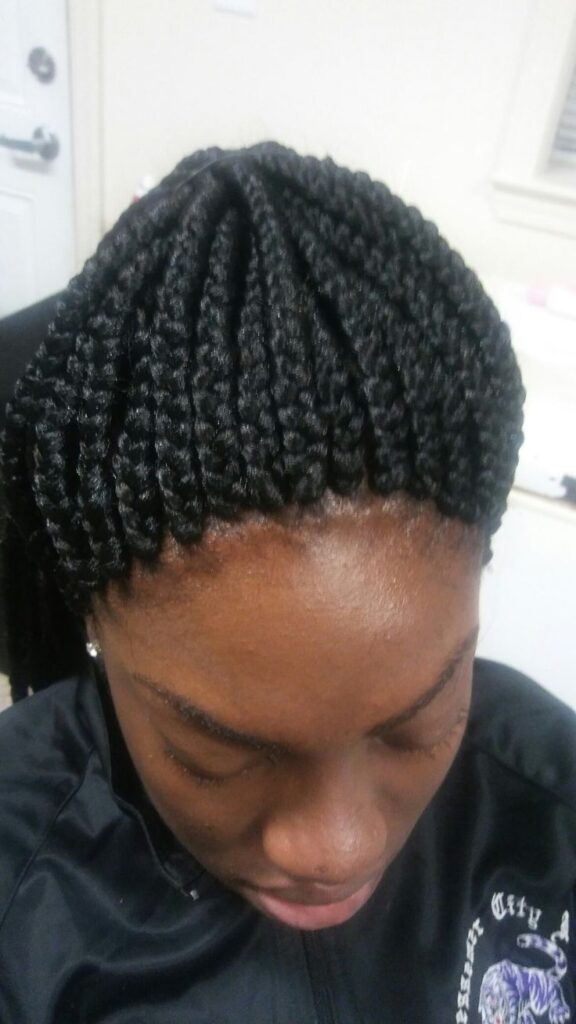
Protective styling can help reduce manipulation, but the style itself can become a source of damage when there’s too much tension.
Braids, twists, cornrows, wigs, and other styles can place pressure on the roots and edges when they’re installed too tightly.
You may notice headaches, scalp tenderness, small bumps, thinning around the edges, or discomfort shortly after installation. Those aren’t signs that the style is simply “working.” They’re warnings that your hair and scalp may be under too much stress.
The longer this continues, the greater the chance of unnecessary breakage around vulnerable areas. A gentle protective style should make your routine easier, not leave your scalp hurting.
How to Fix It
Don’t wait until a tight hairstyle becomes unbearable before doing something about it. If your scalp hurts immediately after installation, the style may be putting too much tension on your roots.
Ask for a looser installation, especially around your edges and hairline. You can also choose styles that don’t require heavy pulling or tightly secured extensions.
Give your scalp a break between protective styles rather than moving directly from one high-tension hairstyle into another. A protective style should help you retain your hair, not create another source of breakage.
6. You’re Keeping Protective Styles In Too Long
A protective style isn’t automatically healthy just because your natural hair is tucked away.
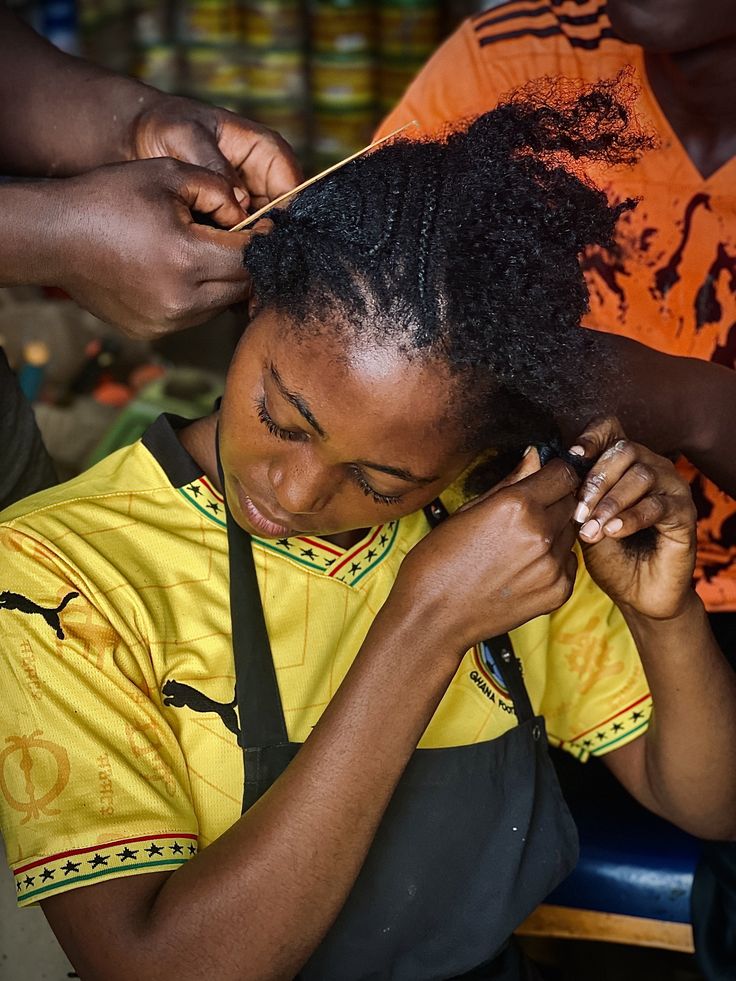
Keeping braids, twists, wigs, or other styles installed for an extended period can allow shed hair, sweat, dirt, and product residue to accumulate. Your roots can also become increasingly tangled as new growth develops.
The longer a style stays in, the more difficult it can become to properly cleanse and maintain your hair underneath. Your scalp may also become itchy or uncomfortable, especially when buildup begins to accumulate.
The goal of proper protective styling is to reduce manipulation while still allowing you to care for your natural hair.
How to Fix It
Pay attention to how your scalp and roots feel instead of keeping a style in simply because it still looks presentable.
Clean your scalp as needed while the style is installed and avoid allowing excessive product buildup to remain around your roots.
Once the style becomes heavily tangled, uncomfortable, or difficult to maintain, it’s usually better to remove it and give your hair a proper wash and conditioning session.
7. Your Detangling Method Is Causing Breakage
Detangling can be one of the most stressful parts of caring for tightly coiled hair.
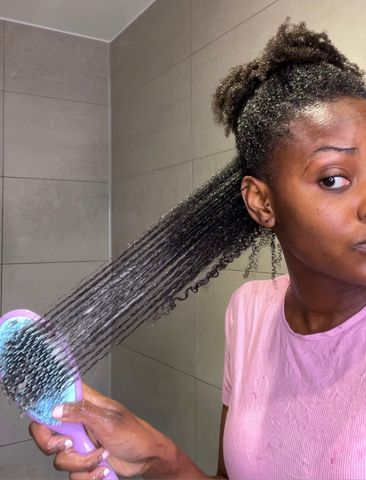
Trying to pull a comb through dry, tangled strands can cause unnecessary snapping, particularly when you start at the roots and force the tool through knots. Gentle detangling makes a noticeable difference because it reduces the amount of pulling placed on individual strands.
Even detangling wet hair isn’t automatically safe. Hair is more vulnerable when wet, and aggressive pulling can stretch the strands beyond what they can comfortably handle.
The condition of your hair before detangling matters too. Hair that has been left dry and tangled for several days will usually require more patience than hair that has been maintained consistently.
How to Fix It
Divide your hair into manageable sections before you begin. Apply enough conditioner or detangling product to give your strands plenty of slip.
Start at the ends and gradually work toward the roots rather than dragging a comb from the scalp to the ends.
When you encounter a stubborn knot, use your fingers to loosen it instead of forcing the comb through it. Taking a few extra minutes can save you from losing unnecessary strands.
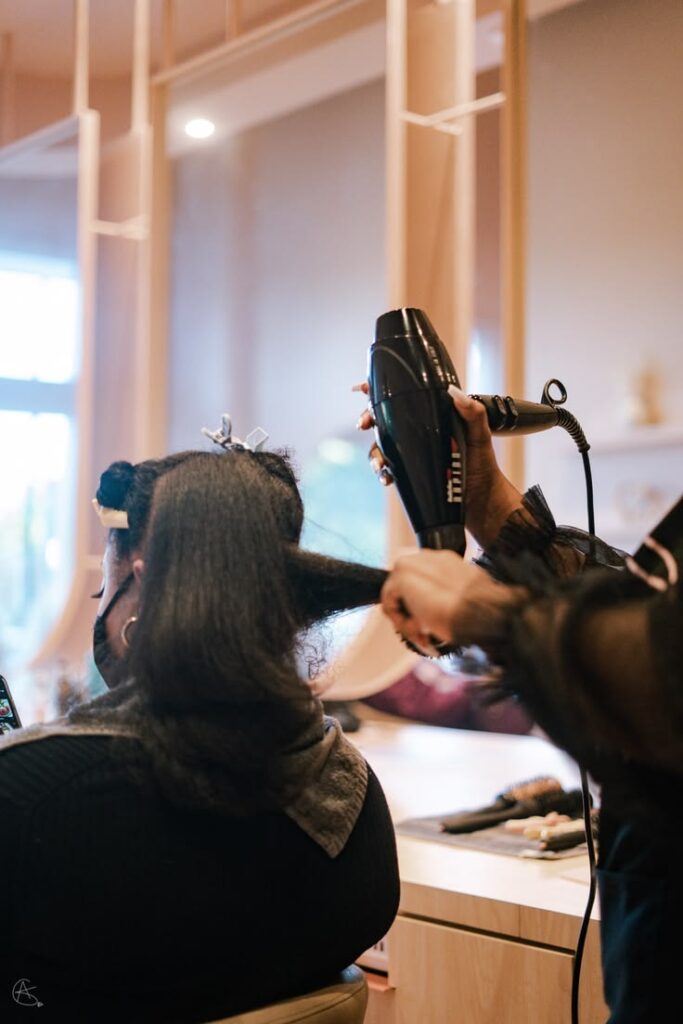
8. You’re Using Too Much Heat
Heat styling can make natural hair easier to stretch and style, but repeated exposure can gradually weaken the strands.
Blow dryers, flat irons, hot combs, and other heated tools can affect the hair’s strength when they’re used too frequently or at excessively high temperatures. Heat protection becomes especially important when heat is part of your regular styling routine.
You may begin noticing rough ends, increased dryness, split ends, or a change in your natural curl pattern. Once the hair becomes damaged, it may break more easily during normal handling.
Heat damage can also make it difficult to maintain the healthy ends you need for visible length.
How to Fix It
Reduce how frequently you use heated tools and avoid unnecessarily high temperatures.
Always apply a heat protectant before blow-drying, straightening, or using other heated tools. Give your hair enough time between heat sessions to recover from the stress of styling.
When possible, allow your hair to air-dry partially before using a blow dryer. This can reduce the amount of time your strands are exposed to direct heat.
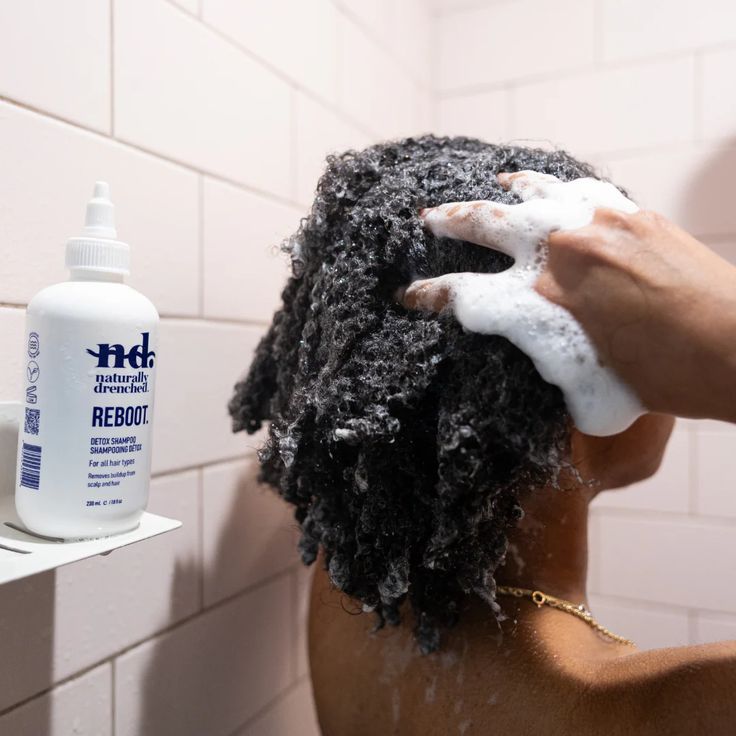
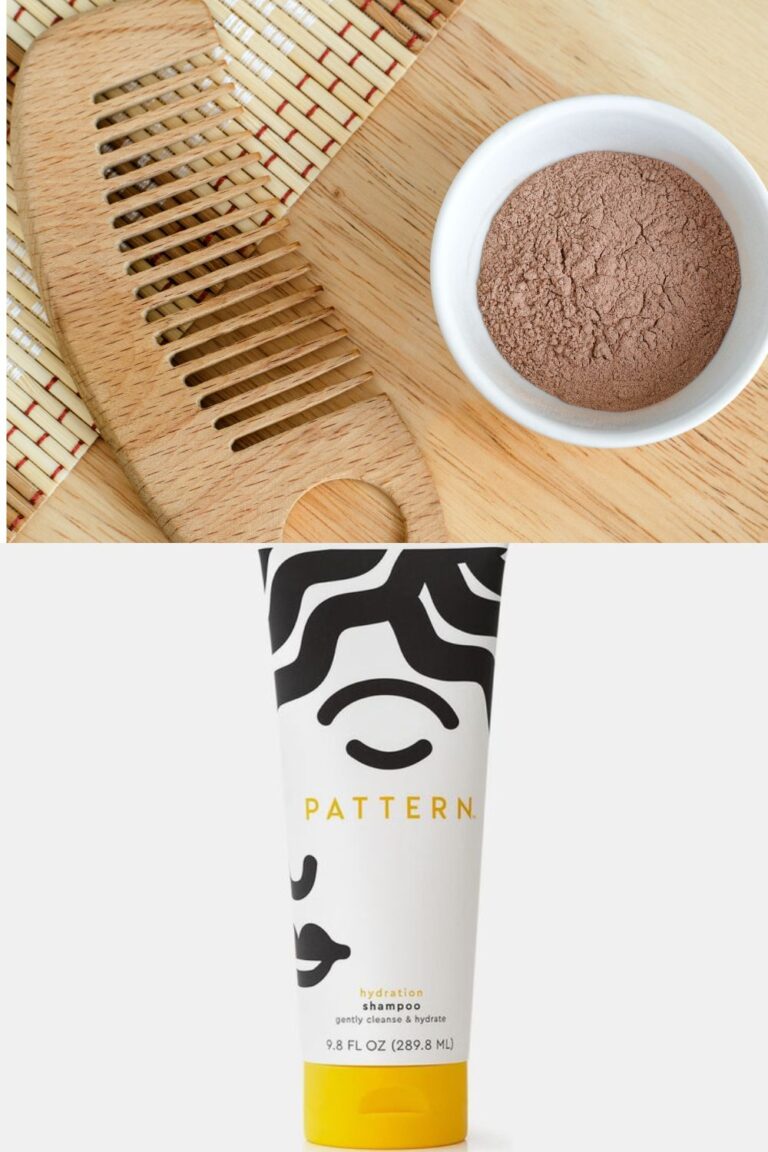
9. Your Wash Day Is Too Harsh
A wash day that leaves your hair feeling stripped and tangled can create problems before styling even begins.
Aggressive scrubbing, harsh cleansing, rough towel drying, and careless detangling can place unnecessary stress on your strands. Your scalp needs to be clean, but your hair doesn’t need to feel squeaky or stripped afterward.
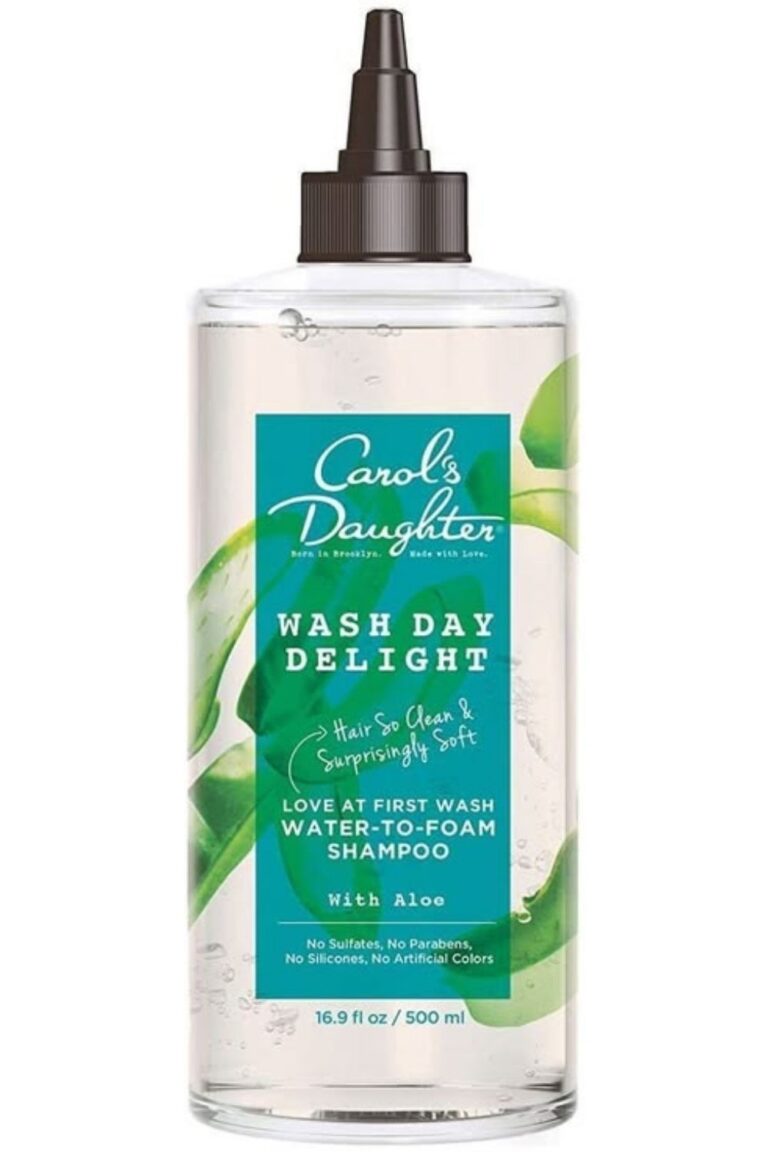
The products you use matter too. A gentle shampoo can remove dirt and buildup without leaving your strands excessively dry.
The same goes for detangling. Rushing through knots immediately after shampooing can cause more breakage than taking the time to work through smaller sections with enough slip.
How to Fix It
Focus your shampoo mainly on the scalp and let the lather move down the lengths of your hair rather than aggressively scrubbing the strands.
Follow cleansing with a moisturizing conditioner and give it enough time to soften your hair before detangling.
Avoid rubbing your hair aggressively with a regular cotton towel after washing. Instead, gently squeeze out excess water and use a soft towel or T-shirt to reduce friction.
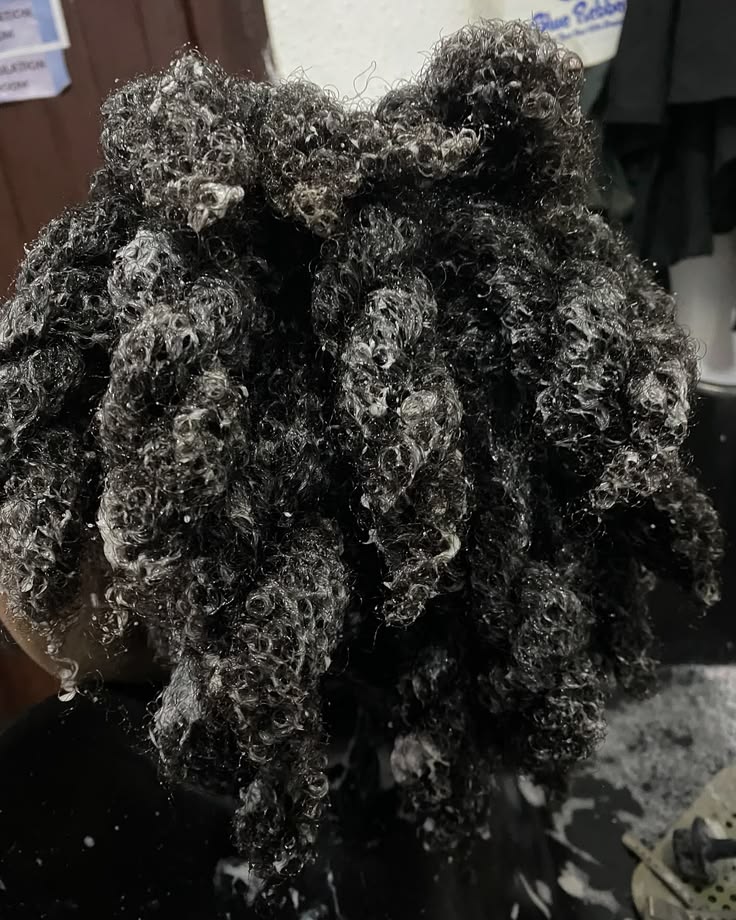
10. You’re Not Conditioning Enough
Conditioning helps improve softness, manageability, and slip after cleansing.
When it’s consistently skipped, your hair may become harder to detangle and more difficult to manipulate without causing friction. Regular deep conditioning can be particularly useful when your strands frequently feel dry, stiff, or difficult to manage.
This can create a cycle where washing leads to dryness, dryness makes detangling harder, and rough detangling eventually contributes to breakage.
Your hair doesn’t necessarily need an elaborate treatment every time, but completely ignoring conditioning can make length retention more difficult.
How to Fix It
Make conditioning a regular part of your wash day routine.
Use a rinse-out conditioner after shampooing and consider adding a deep-conditioning treatment regularly, especially when your hair feels unusually dry or difficult to manage.
You don’t have to use the heaviest product available. The best option is one that leaves your hair softer, easier to detangle, and comfortable without excessive buildup.
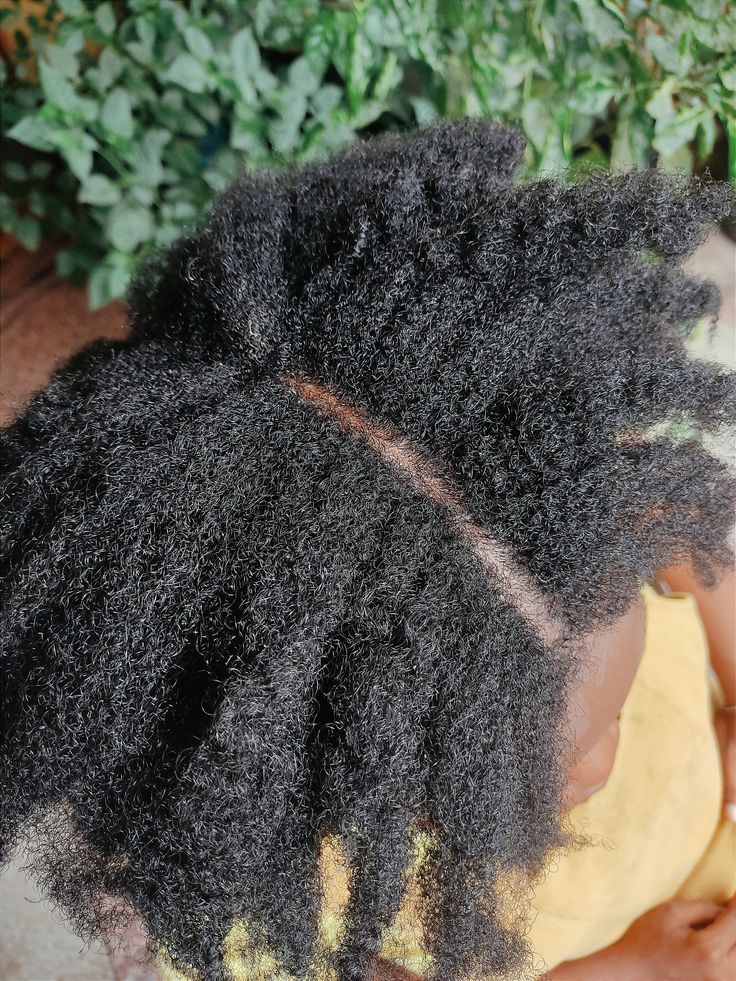
11. You’re Neglecting Your Scalp
Your strands aren’t the only part of your hair routine that deserves attention.
An itchy, irritated, excessively dry, or heavily congested scalp can make your overall routine uncomfortable and difficult to maintain. Regular scalp care helps you notice changes before they become bigger problems.
Heavy product buildup around the roots can also interfere with proper cleansing. When oils, creams, gels, and other products accumulate over time, simply adding more products won’t solve the problem.
A clean and comfortable scalp doesn’t automatically make your hair grow faster, but keeping your scalp properly cared for is an important part of maintaining a healthy routine.
How to Fix It
Cleanse your scalp regularly and avoid applying heavy products repeatedly without properly removing previous buildup.
Pay attention to persistent itching, irritation, unusual flaking, or other changes. If a scalp problem continues despite normal cleansing and care, it may require professional attention.
Keep scalp products simple and avoid scratching or aggressively massaging irritated areas.
12. You’re Constantly Changing Your Hair Routine
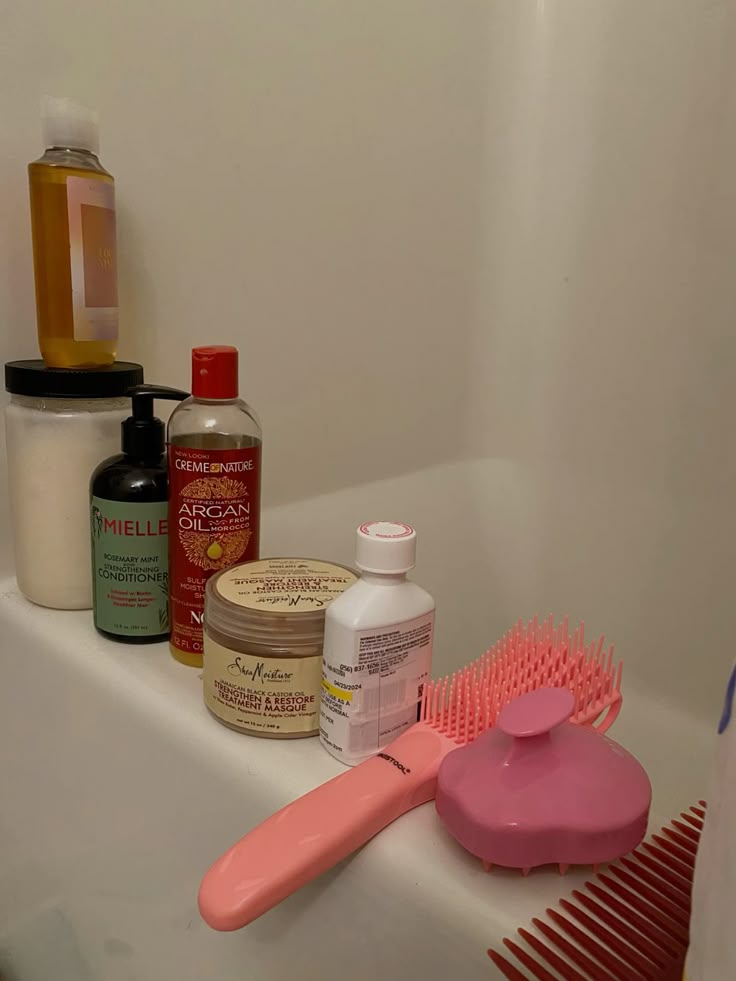
Trying a new product every few days can make it almost impossible to determine what actually works for your hair.
One week you’re using a new oil. The next week you’re switching shampoos. Then you see another viral treatment and replace your conditioner.
A consistent routine gives your hair enough time to respond and gives you a clearer idea of which products actually suit your strands.
Constant changes can also lead to product buildup, excessive manipulation, or unnecessary experimentation with treatments your hair doesn’t need.
How to Fix It
Choose a manageable routine and stick with it long enough to evaluate the results.
You don’t need ten different products to maintain healthy hair. A cleanser, conditioner, moisturizing product, and a few styling essentials may be enough depending on your needs.
When you introduce something new, give yourself enough time to see how your hair responds before replacing everything else.
13. You’re Not Protecting Your Hair While Sleeping
Your hair doesn’t stop experiencing friction just because you’re asleep.
Cotton pillowcases can rub against your strands throughout the night, while loose hair can become tangled against your bedding. Over time, this repeated friction may contribute to dryness and breakage, particularly around the ends.
A satin bonnet or pillowcase can help reduce the amount of friction your hair experiences while you sleep.

How to Fix It
Cover your hair before going to bed with a satin bonnet or scarf, or switch to a satin pillowcase.
If your hair is long enough to tangle easily, loosely gather it or put it into a few relaxed sections before covering it.
The goal is to reduce friction without tying the hair so tightly that your roots experience unnecessary tension.
14. You’re Ignoring Seasonal Changes
Your hair doesn’t experience the same environment throughout the year.
Hot weather, strong sunlight, humidity, cold air, wind, and dry indoor environments can all affect how your hair feels and behaves. Your normal routine may work perfectly during one season and leave your strands feeling dry during another.
This is why seasonal hair care can be useful when managing natural hair throughout the year.

How to Fix It
Pay attention to changes in how your hair feels rather than following your routine blindly throughout the year.
During particularly dry weather, you may need to moisturize more consistently or use products that help reduce moisture loss. During humid periods, lighter products may feel more comfortable.
Small adjustments are usually enough. You don’t need to completely replace your routine every time the weather changes.
15. You’re Relying Too Much on Growth Products
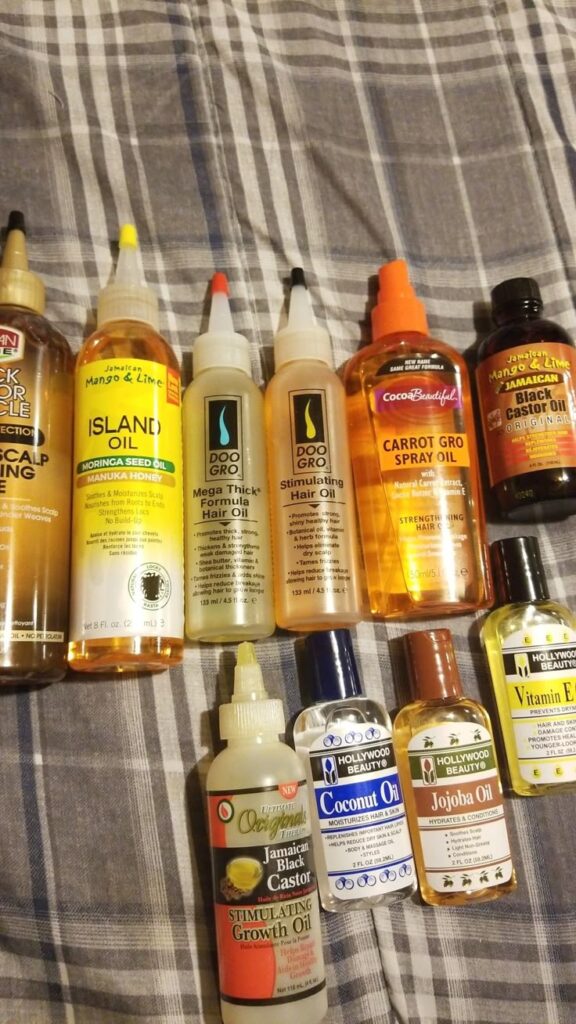
Growth oils, supplements, serums, and other products can be tempting when you’re desperate to see longer hair.
But no product can replace healthy hair practices. Your scalp may already be producing new growth normally, while breakage, dryness, manipulation, damaged ends, or poor maintenance prevent that growth from becoming visible.
Even the best hair growth tips won’t help much if your existing length keeps breaking away.
How to Fix It
Before adding another growth product, look at the basic habits surrounding your hair.
Focus on gentle handling, regular conditioning, moisture, scalp care, and protecting your ends. These practices give the growth coming from your scalp a better chance of staying on your head.
A growth product can be part of your routine if you choose to use one, but it shouldn’t become a substitute for caring properly for the hair you already have.
Final Thoughts
Your 4C hair may not be failing to grow. You may simply be losing more length than you’re retaining.
Once you identify where the problem is coming from, whether it’s breakage, dryness, excessive manipulation, damaged ends, harsh wash days, or another habit, you can make targeted changes instead of constantly searching for another growth product.
Healthy length retention is usually the result of small habits repeated consistently. Protect your ends, handle your strands gently, keep your hair conditioned, care for your scalp, and give your routine enough time to work.
With patience and consistent care, the growth happening at your scalp has a much better chance of becoming visible length.
2 Comments