
The Biggest Mistake You’re Making On Wash Day
Disclosure: Some of the links in this post are affiliate links. This means if you click on the link and purchase an item, I will receive an affiliate commission at no extra cost to you.
Wash day is supposed to be the part of your routine that leaves your hair clean, soft, manageable, and ready for the week ahead. Yet for many women with 4C hair, wash day can sometimes leave the hair feeling worse than it did before the process started.
You wash, condition, detangle, moisturize, and style carefully, only to notice more tangles, dryness, or broken strands afterward. If you’ve already read about building a daily hair care routine and feel like you’re following all the basic rules, it can be confusing when your hair still doesn’t seem happy.
The problem may not be the products sitting on your bathroom shelf.
Sometimes, the biggest issue is what you’re doing with those products and how you’re handling your hair throughout the process.
The good news is that your routine does not need to become complicated.
You may not need another product, another expensive treatment, or another viral wash-day trick. Sometimes, you simply need to change how you approach the routine you already have.
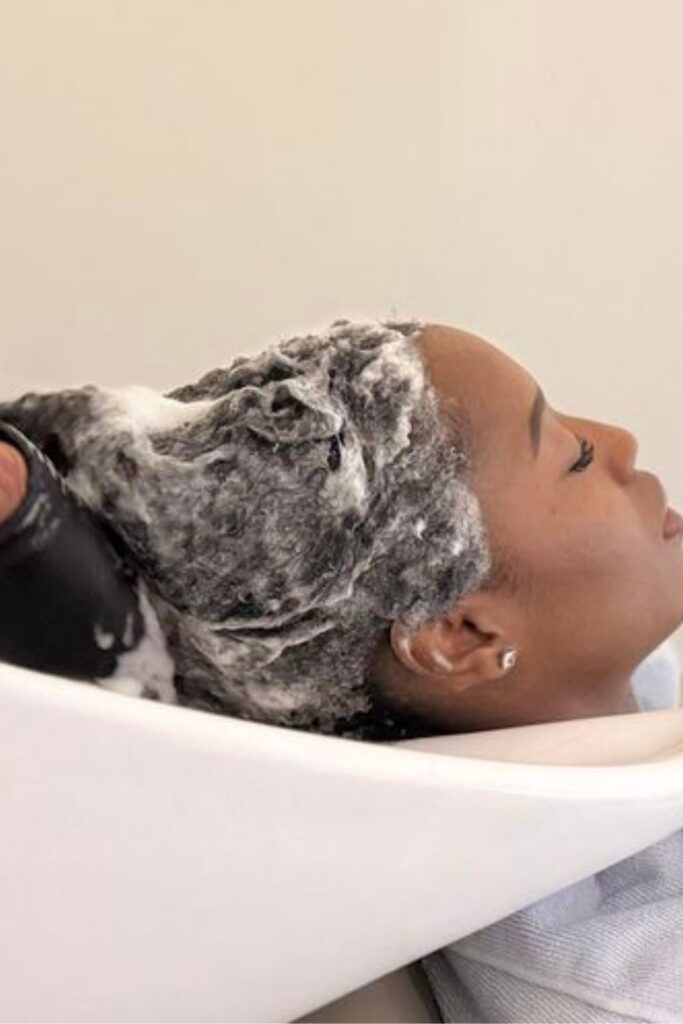
Some of the biggest mistakes you’re making on your wash day are;
Rushing Through Wash Day
Think about what happens when you are already tired before wash day even begins.
You know your hair needs attention, but you have other things to do. Maybe you have somewhere to be later, or you simply don’t want to spend the whole afternoon dealing with your hair. So you start rushing without even realizing it.
This is where many wash day mistakes begin.
Your hair may need time to become properly saturated before shampooing. Your conditioner may need several minutes to soften your strands. A stubborn knot may need to be loosened gradually instead of being pulled apart in one motion.
When you rush through those steps, you often create more work for yourself later.
Imagine trying to detangle hair that has not been properly conditioned. The comb catches on a knot, you pull harder, and several strands snap. Now you’re dealing with breakage that may have been completely avoidable.
Your wash day routine should make your hair easier to manage, not feel like a race against the clock.
Give yourself enough time to work through the process calmly. You don’t have to spend three hours washing your hair, but you should avoid starting when you know you’ll be rushing every step.
A little patience can make the entire experience easier.
You’re Detangling Before Your Hair Has Enough Slip
Detangling is one of the easiest places for wash day mistakes to turn into actual breakage.
If your hair already struggles with knots, rough detangling can make the situation much worse. You may have a good breakage prevention routine, but it won’t help much if you’re repeatedly pulling through tangled hair every wash day.
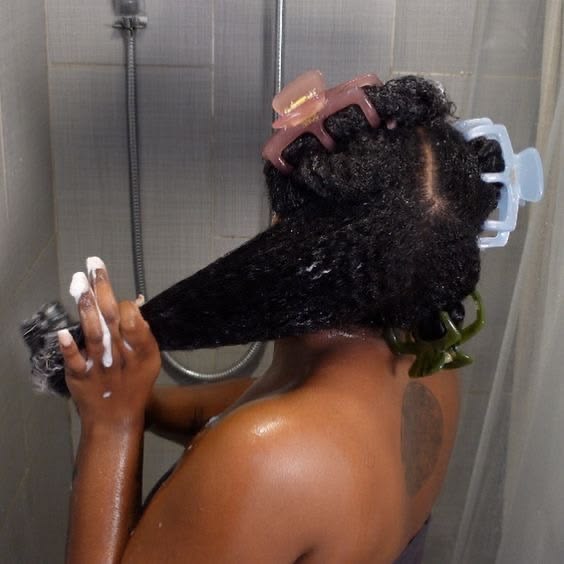
After shampooing, your hair may feel clean but not particularly soft or slippery. That’s usually not the best moment to attack every knot with a comb.
Instead, apply your conditioner and allow it to soften your strands. Work in manageable sections and give yourself enough time to separate tangled areas gradually.
Start at the ends and work upward. If you reach a knot that refuses to move, don’t keep pulling. Use your fingers to loosen it first, add more conditioner if necessary, and then continue.
Your length retention also depends on how you handle the hair you already have. Growing new hair from the scalp is only part of the process. You also need to keep the older strands from constantly snapping away.
If you regularly find large amounts of hair in your comb after wash day, don’t immediately assume all of it is normal shedding. Some of those strands may have broken because too much force was used.
You’re Scrubbing Your Hair Instead of Your Scalp
There is a big difference between cleansing your scalp and scrubbing your strands.
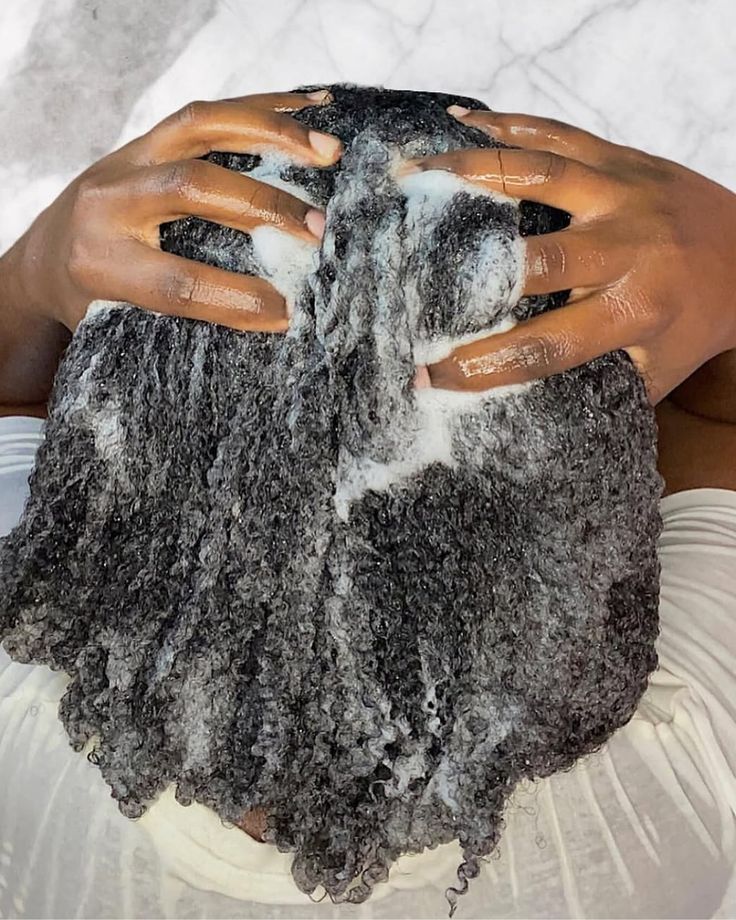
If you’ve ever taken a handful of shampoo, rubbed your hair together vigorously, and felt satisfied because everything was covered in foam, you may be creating unnecessary friction.
Your scalp is where sweat, oil, dead skin cells, and product residue usually collect. That’s the area that needs the most attention during shampooing.
The lengths of your hair don’t need the same aggressive treatment.
When washing 4C hair, concentrate the shampoo around your scalp and massage gently with your fingertips. As you rinse, the cleanser will travel down the lengths.
This is especially useful if you’re already following a regular wash schedule. Cleansing should remove buildup without turning the strands themselves into something you have to scrub aggressively.
Rubbing the lengths together can create tangles. Once those tangles form, you have to manipulate the hair again to remove them.
Clean hair doesn’t need to feel rough or squeaky.
If your strands always feel stripped after shampooing, consider whether the problem is partly coming from the way you’re cleansing rather than assuming you simply need more moisturizer afterward.
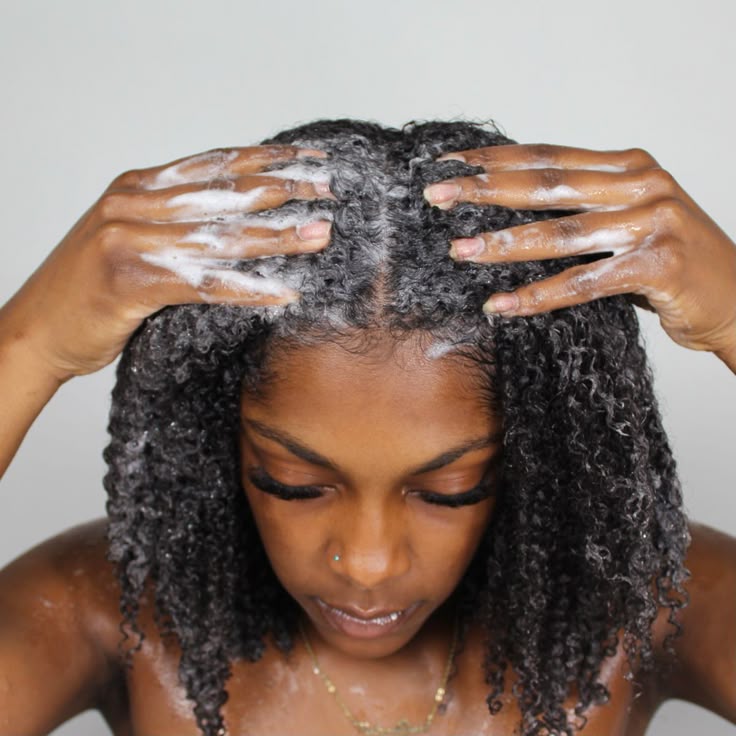
You’re Using Too Much Shampoo
More shampoo doesn’t automatically mean cleaner hair.
When you have thick or dense hair, using a large amount can feel like the safest option. You may think a tiny amount can’t possibly reach everything.
But your shampoo doesn’t need to coat every strand individually.
If you’re dealing with heavy buildup from gels, oils, creams, edge control, or other styling products, a clarifying shampoo may be more appropriate than simply pouring more of your regular cleanser onto your hair.
Clarifying products can help when ordinary cleansing isn’t removing enough buildup, but that doesn’t mean you need one every week.
On a normal wash day, start with a reasonable amount of shampoo and distribute it around the scalp. Add more only if you actually need it.
Using less can also make rinsing easier.
You won’t have to spend as much time manipulating your hair under running water, and you can move on to conditioning without repeatedly rubbing the strands together.
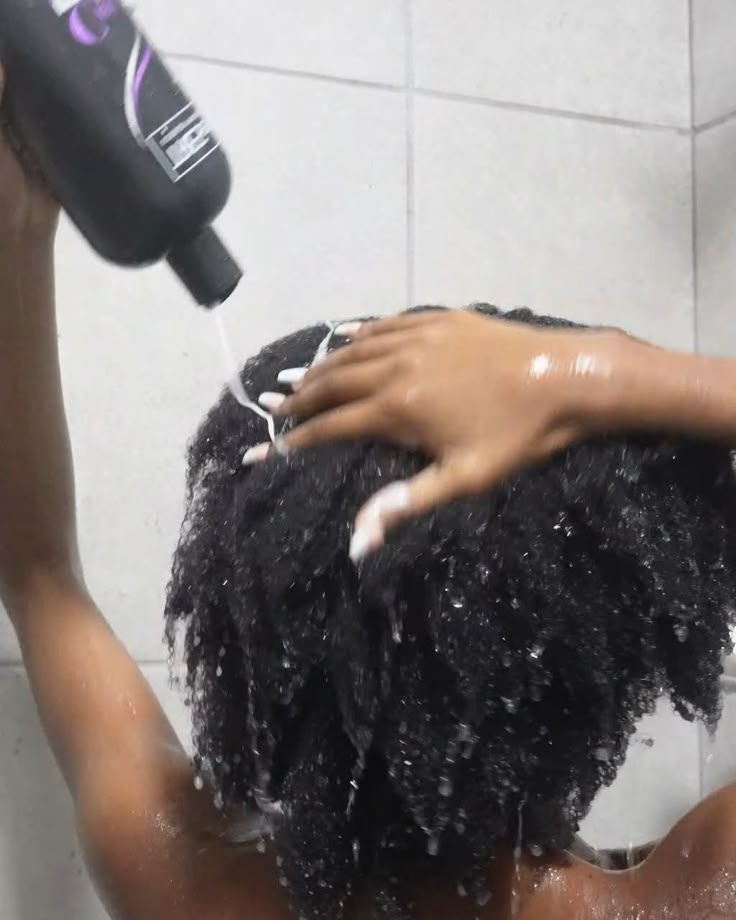
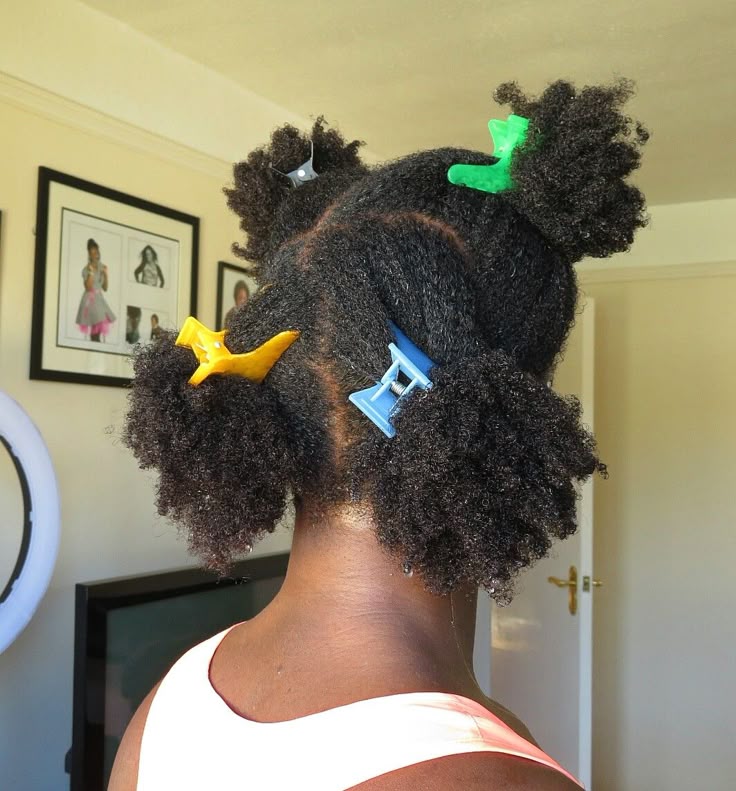
You’re Washing Your Hair Without Sectioning It
Trying to wash your entire head at once can make the process unnecessarily difficult.
Your hair moves in different directions while you’re shampooing. Some parts receive more attention than others, while other areas become tangled underneath the hair you’re holding.
Sectioning gives you more control.
You don’t need twenty tiny sections. Four to six manageable sections may be enough depending on your hair’s density, length, and thickness.
A simple weekly routine becomes much easier when you have a consistent way to divide your hair during wash day.
Once the sections are created, you can focus on one area at a time. Apply shampoo to the scalp, massage gently, rinse, and move to the next section.
The same sections can then be used during conditioning and detangling.
This reduces the temptation to grab large handfuls of hair and start rubbing everything together.
Sectioning isn’t about making wash day look complicated. It’s simply a way to reduce chaos and unnecessary manipulation.
You’re Not Giving Conditioner Enough Time
After shampooing, some people apply conditioner and rinse almost immediately.
If you’ve been doing that, you may be missing one of the simplest ways to make your hair easier to manage.
Conditioner can help soften the strands and provide the slip needed for gentler detangling. Rinsing it out after a few seconds may not give it enough time to do that job.
Check the instructions on your product and follow the recommended time.
If your regular conditioner isn’t giving you enough softness, it may be worth comparing different conditioners rather than simply using more of the same product.
For hair that feels especially dry, deep conditioning can also be useful. A deeper treatment gives your strands more time with a conditioning formula and can make detangling much easier afterward.
You don’t need to leave every conditioner on for an hour. Longer isn’t automatically better.
The important thing is to give the product enough time to work according to its instructions and then handle your hair gently afterward.
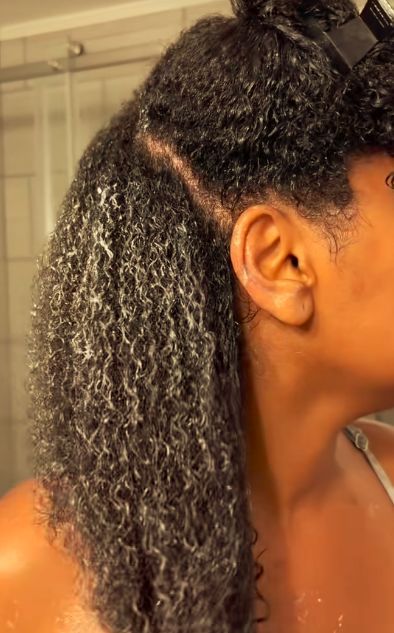
You’re Ignoring Your Ends
Your ends are the oldest part of your hair.
They’ve experienced every wash day, hairstyle, sleeping position, weather change, and styling session that happened after that section first grew from your scalp.
That makes them particularly vulnerable to damage.
When you wash your hair, don’t treat the ends as though they need aggressive scrubbing. Let the cleanser move over them during rinsing and focus most of your shampooing effort on the scalp.
During conditioning, make sure the ends receive enough product to become soft and manageable.
Your length retention depends partly on keeping those older strands around long enough to see the growth you’ve already achieved.
If your ends constantly feel rough, thin, or fragile after wash day, don’t ignore the pattern.
You may need to reduce manipulation, improve moisture, or simply become more careful when detangling.
Your hair can grow beautifully from the scalp while the ends continue breaking if you aren’t protecting them from unnecessary stress.
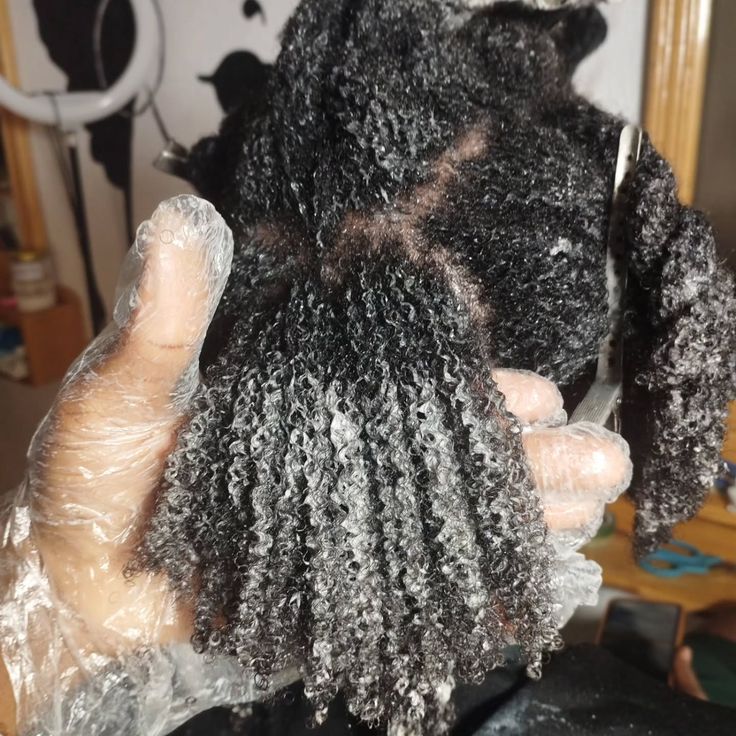
You’re Treating Your Scalp and Hair Exactly the Same
Your scalp and your hair have different needs.
The scalp needs cleansing, while the lengths generally need more gentle handling and conditioning.
Problems can occur when you treat both areas exactly the same way.
Aggressively scrubbing the lengths because you want them to feel clean can create friction. Avoiding proper scalp cleansing because you’re worried about dryness can leave behind sweat and buildup.
A better approach is to concentrate your cleanser around the scalp and allow it to rinse through the lengths.
Your scalp care routine also deserves attention outside wash day. If you regularly experience itching, excessive flakes, tenderness, or unusual discomfort, don’t simply keep adding products to your hair.
Your scalp should feel clean and comfortable.
Your lengths should feel manageable rather than stripped.
Getting that balance right can remove one more source of unnecessary stress from your routine.
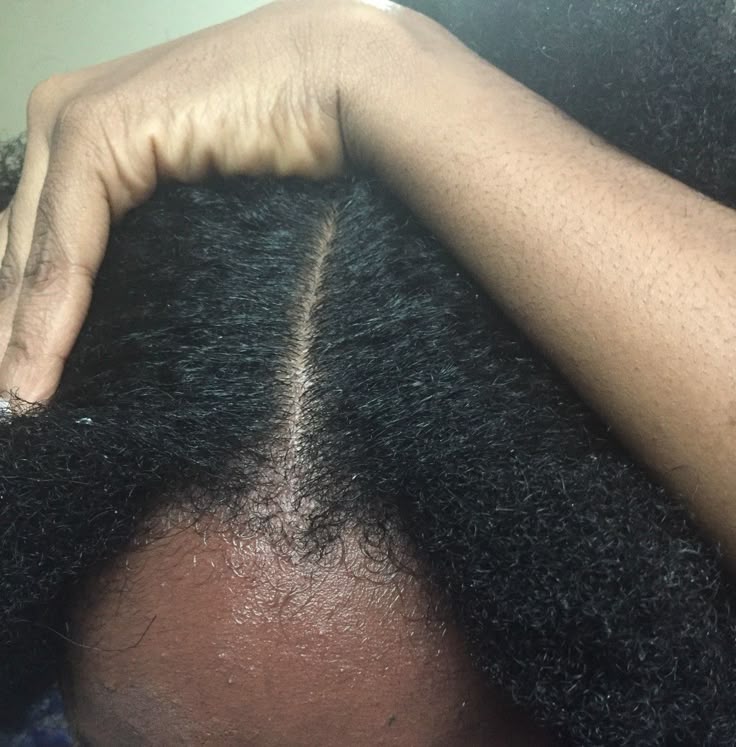
You’re Rubbing Your Hair Dry
After spending so much time washing and conditioning, you may just want the drying part to finish quickly.
That’s when another small habit can cause problems.
Grabbing a towel and vigorously rubbing your hair creates friction. Wet strands can become tangled, and repeated rubbing adds unnecessary manipulation before you’ve even started styling.
Instead, gently squeeze excess water from your hair.
A soft cotton T-shirt or microfiber towel can also help remove excess moisture without the same rough rubbing motion.
Your hair doesn’t have to be completely dry before you move to the next stage. Depending on your routine, slightly damp hair may actually be easier to moisturize and style.
This is one of those small wash day mistakes that may not seem serious on its own, but small habits become significant when you repeat them every week.

You’re Manipulating Your Hair Too Much After Washing
Wash day doesn’t end when you leave the shower.
What you do afterward can either protect the work you’ve just done or undo some of it.
You finish washing, then comb through your hair again. You stretch it. You separate it. You decide you don’t like the first style and start over.
Before long, your freshly conditioned hair has been handled repeatedly.
This is where protective styles can be useful when chosen carefully. Keeping your hair tucked away can reduce daily manipulation, but the style itself shouldn’t create excessive tension.
A protective style should not leave your scalp hurting or your edges feeling pulled.
Once your hair is clean and manageable, try to move toward your chosen style without repeatedly taking the hair apart.
Simple twists, braids, puffs, or other low-manipulation options can give your strands a break.
You can still enjoy different hairstyles. The goal isn’t to stop styling your hair. It’s to stop turning every wash day into several hours of repeated combing and restyling.
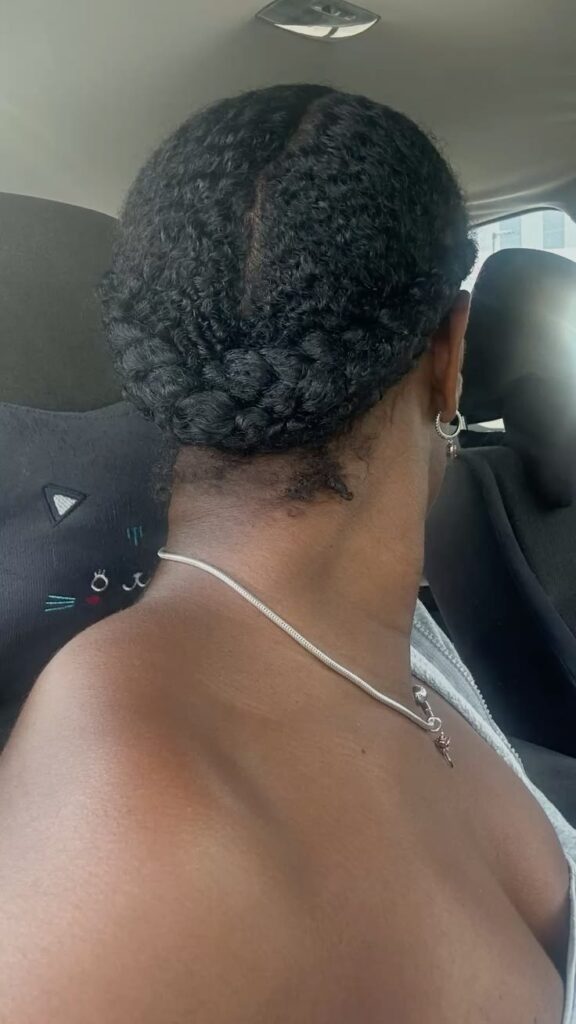
You’re Following Someone Else’s Wash Schedule
There isn’t one washing schedule that works perfectly for everybody.
Someone who exercises frequently may need to cleanse more often. Another person may have a less active lifestyle and go longer between washes.
Your scalp, environment, products, hairstyle, and lifestyle all affect your needs.
This is why copying somebody else’s routine can become one of the less obvious wash day mistakes.
If someone says they wash every seven days but your scalp becomes sweaty and uncomfortable after four days, forcing yourself to wait may not make sense.
The opposite is also true.
If your scalp feels comfortable and your hair doesn’t need cleansing yet, washing simply because somebody online follows a particular schedule may not be necessary.
Your routine should respond to your actual hair rather than someone else’s calendar.
You’re Using the Same Routine No Matter What Your Hair Needs
Your hair doesn’t necessarily need exactly the same treatment every wash day.
Maybe you’ve spent the week swimming. Perhaps you’ve used several layers of gel, edge control, creams, or oils. You might have exercised more than usual or worn a hairstyle that required heavy product.
Those situations can change what your hair needs.
Sometimes your normal shampoo is enough. Other times, you may need a more thorough cleanse.
The same applies to conditioning.
One week, your regular conditioner may leave your hair perfectly soft. Another week, your strands may need a more intensive treatment.
This is where paying attention becomes more useful than blindly repeating the same routine.
If you’re dealing with stubborn buildup, look at your clarifying routine. If dryness is the bigger issue, consider your conditioning and moisturizing steps.
Your products don’t have to change every week.
Your approach simply needs enough flexibility to respond when your hair behaves differently.
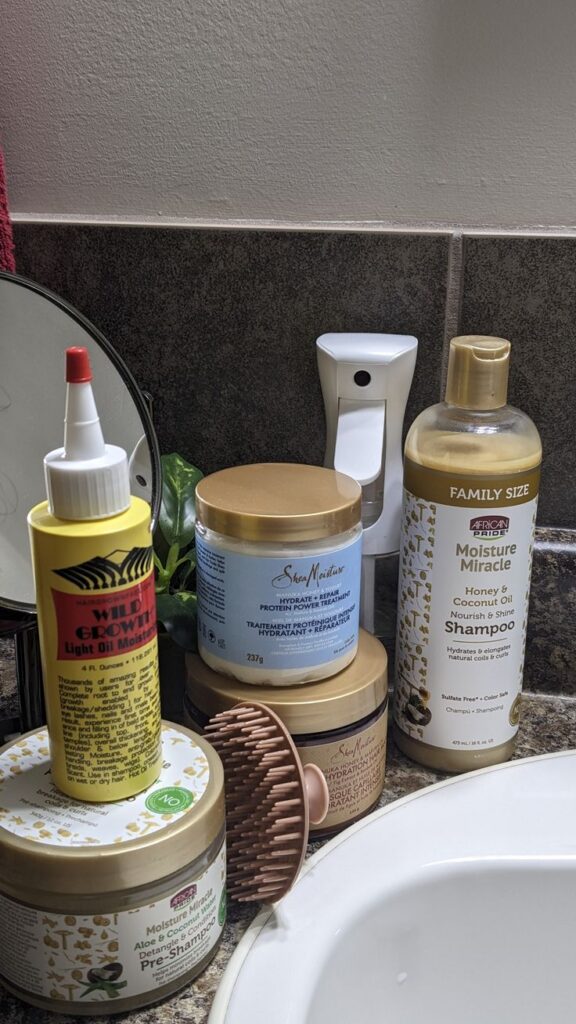
You’re Trying to Fix Dryness With More Products
When your hair feels dry after wash day, your first instinct may be to reach for another product, then another.
Before long, you’ve got creams, oils, butters, leave-ins, and styling products layered onto your hair, but the original problem hasn’t disappeared.
Sometimes the issue isn’t that you need more products.
Your washing process itself may be leaving your hair excessively dry.
Look at the entire routine. Are you shampooing aggressively? Are you washing more often than your hair needs? Are you rinsing conditioner almost immediately? Are you using a cleanser that doesn’t work well with your strands?
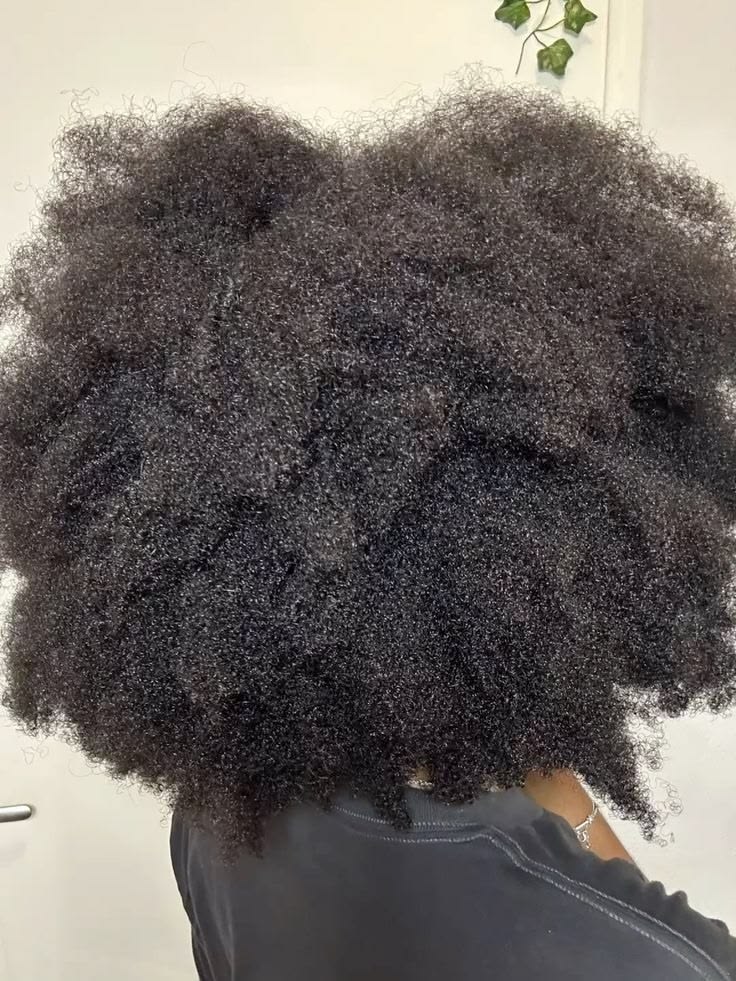
Your porosity can also affect how your hair responds to water and moisture. If you’re unfamiliar with the subject, the porosity guide can help you understand why two heads of 4C hair can respond very differently to the same product.
This can save you from buying product after product simply because something worked for someone else.
Instead of covering dryness with more products, look at what may be causing it.
You’re Making Your Wash Day More Complicated Than It Needs to Be
Sometimes the biggest problem isn’t one dramatic mistake.
It’s the accumulation of several small ones.
You’re rushing through shampooing. You’re skipping sections. You’re detangling before your hair has enough slip. You’re rubbing your hair dry. Then you spend another hour trying to create a complicated style.
By the end, your hair has experienced a lot of unnecessary handling.
A simpler routine can sometimes work better.
Start with a gentle cleanse, condition properly, detangle patiently, moisturize, and choose a manageable style.
You don’t need ten different treatments simply because you saw them in someone else’s routine.
Your 4C hair characteristics may be different from theirs. Your density may be different. Your porosity may be different. Your lifestyle may be completely different.
A routine that fits your actual hair is usually more useful than a complicated routine that looks impressive online.
What a Better Wash Day Can Look Like
A better wash day doesn’t have to take your entire day.
Start by giving yourself enough time so you aren’t rushing. Divide your hair into manageable sections before you begin.
Wet your hair thoroughly, then concentrate your shampoo around the scalp. Massage gently with your fingertips instead of aggressively rubbing the lengths together.
Rinse and apply conditioner. Give it the recommended amount of time to work before beginning to detangle.
Work through one section at a time. Start from the ends and gradually move toward the roots. Use your fingers to loosen stubborn knots rather than forcing your comb through them.
Once you’re finished, gently squeeze out excess water.
Apply your normal moisturizing products and move into a style that doesn’t require excessive manipulation.
If your hair needs a deeper treatment, use one when appropriate. If your scalp has significant buildup, adjust your cleansing routine. If your hair consistently feels dry, look at the entire process rather than simply adding another cream.
The goal is not to create the longest wash day possible.
The goal is to leave your hair clean, comfortable, manageable, and ready for the days ahead.
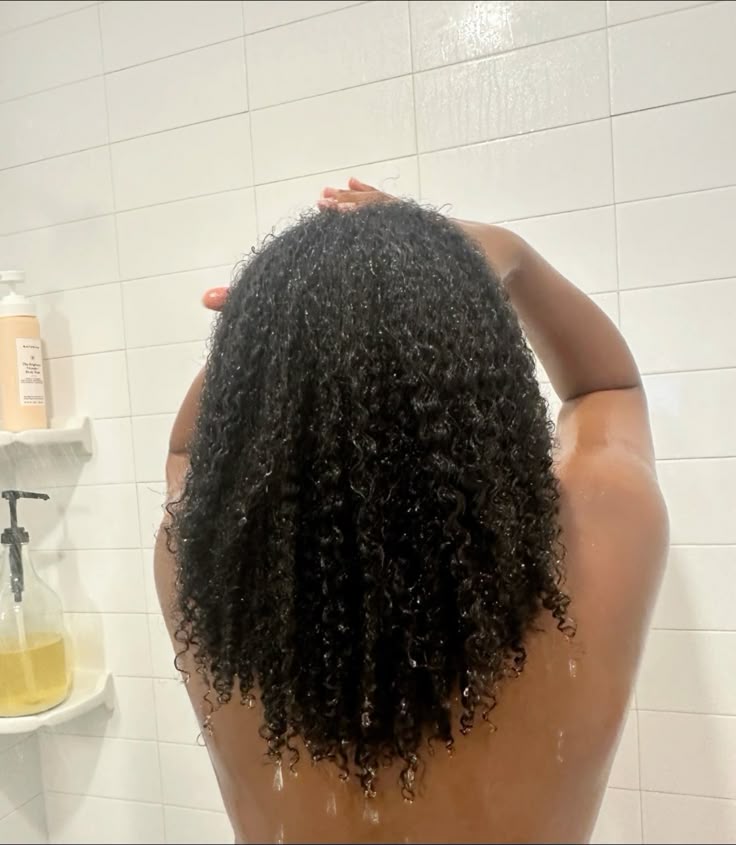
Pay Attention to What Your Hair Is Telling You
One of the best ways to improve your routine is to stop judging wash day only by how clean your hair feels immediately afterward.
Pay attention to what happens during the next few days.
Does your hair feel soft or stiff? Does it become tangled almost immediately? Are you finding more broken pieces than usual? Do your ends feel rough while your roots feel fine? Does your scalp feel comfortable?
Those observations can tell you where your routine needs attention.
If detangling is always the worst part, start there. If your hair consistently feels stripped after shampooing, reconsider your cleanser and technique.
If your scalp feels uncomfortable after every wash, don’t simply keep adding products to the lengths.
Your wash day mistakes don’t have to be fixed all at once.
Change one habit, pay attention to the result, and then decide what needs to change next.
That makes it easier to identify what actually works for your hair instead of changing everything at once and having no idea what made the difference.
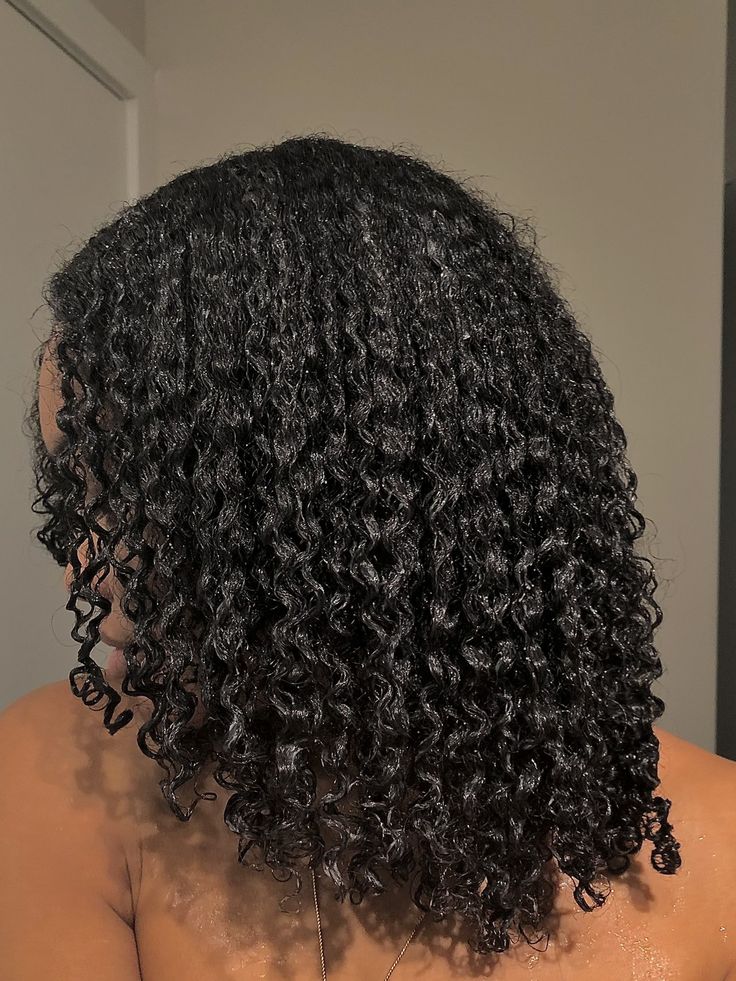
Final Thoughts
Wash day shouldn’t feel like a battle between you and your hair.
If you’re constantly finding broken strands, dealing with impossible tangles, or wondering why your hair feels drier after washing, take a closer look at the process itself.
You may not need another expensive product.
You may simply need to slow down.
Be gentler when shampooing. Give your conditioner enough time. Detangle with patience. Work in sections. Treat your ends carefully and avoid unnecessary manipulation once washing is finished.
Most importantly, don’t assume somebody else’s routine automatically needs to become yours.
Your hair has its own needs, and those needs can change depending on your lifestyle, environment, products, and styling habits.
Once you start paying attention to those changes, wash day becomes less about following a perfect set of rules and more about taking care of the hair you actually have.
Sometimes, the biggest improvement doesn’t come from adding another step.
It comes from changing the way you handle the steps you’re already doing.





2 Comments