
The Ultimate Beginner’s Guide to 4C Hair
Disclosure: Some of the links in this post are affiliate links. This means if you click on the link and purchase an item, I will receive an affiliate commission at no extra cost to you.
Starting a natural hair journey can feel exciting, confusing, and overwhelming all at the same time. If you’ve recently discovered that you have 4C hair, you’ve probably come across countless videos, product recommendations, and hair care routines that all seem to say different things.
One person says you should moisturize daily. Another says once a week is enough. Some people recommend using several products, while others keep their routines extremely simple.
With so much information available, it’s easy to feel lost before you even begin.
The good news is that caring for 4C hair does not have to be complicated. Once you understand how your hair works and what it needs, creating a healthy routine becomes much easier.
This beginner’s guide will walk you through the basics of 4C hair, the challenges you may face, the habits that support healthy hair, and a simple routine you can follow as you start your journey. If you’re completely new to natural hair, you may also want to learn what is 4C hair and how it differs from other Type 4 hair textures.
If your goal is healthier hair, longer hair, stronger hair, or simply learning how to manage your natural texture, this guide will help you build a solid foundation.

What Is 4C Hair?
4C hair is one of the tightest curl patterns within the natural hair typing system. It is known for its tightly coiled strands, significant shrinkage, and incredible versatility.
Unlike looser curl patterns, 4C hair often forms very tight coils that may not always be visibly defined. Because of these tight bends and turns, the hair naturally shrinks and can appear much shorter than it actually is.
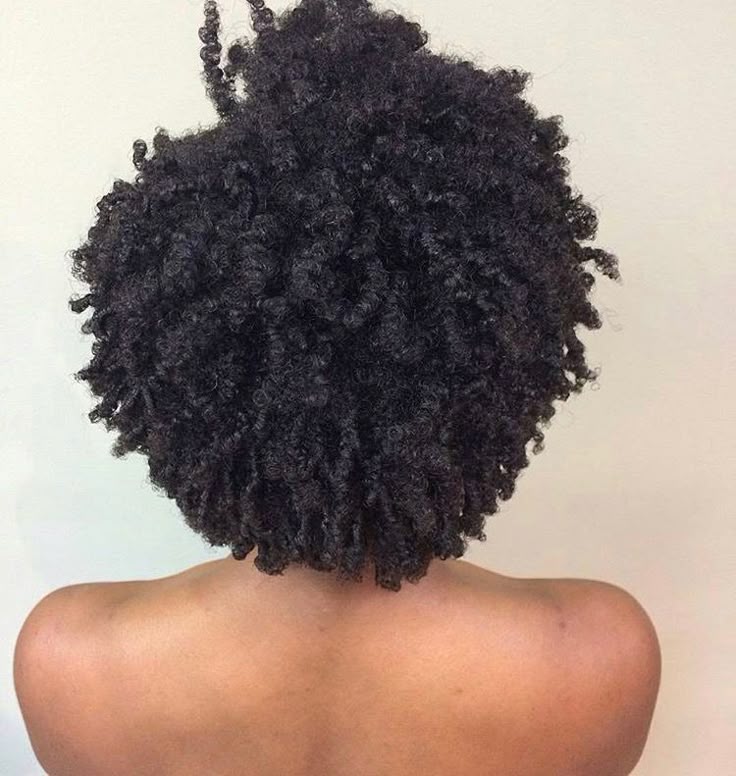
Many people are surprised to discover that their hair is much longer than it appears when stretched.
One of the most important things to understand is that 4C hair is unique, not difficult. It simply has different needs compared to straighter or looser curl patterns.
When properly cared for, 4C hair can be strong, healthy, full of volume, and incredibly versatile.
Understanding your hair type is the first step toward learning how to care for it effectively. If you’re still unsure about your texture, our guide on how to identify true 4C hair can help.
Why 4C Hair Is Different
Many beginners become frustrated because they expect their hair to behave like other hair types.
However, 4C hair has characteristics that makes it unique. Understanding these 4C hair characteristics can make it easier to create a routine that works for your hair.
Volume Is a Strength
One of the most beautiful characteristics of 4C hair is its volume.
The natural fullness of 4C hair allows for stunning afros, puffs, twist-outs, and many other styles that showcase texture and body.
Shrinkage Is Normal
Shrinkage is one of the most noticeable features of 4C hair.
Your hair may appear much shorter when dry because the strands naturally coil around themselves. In some cases, hair can shrink by more than half its actual length.
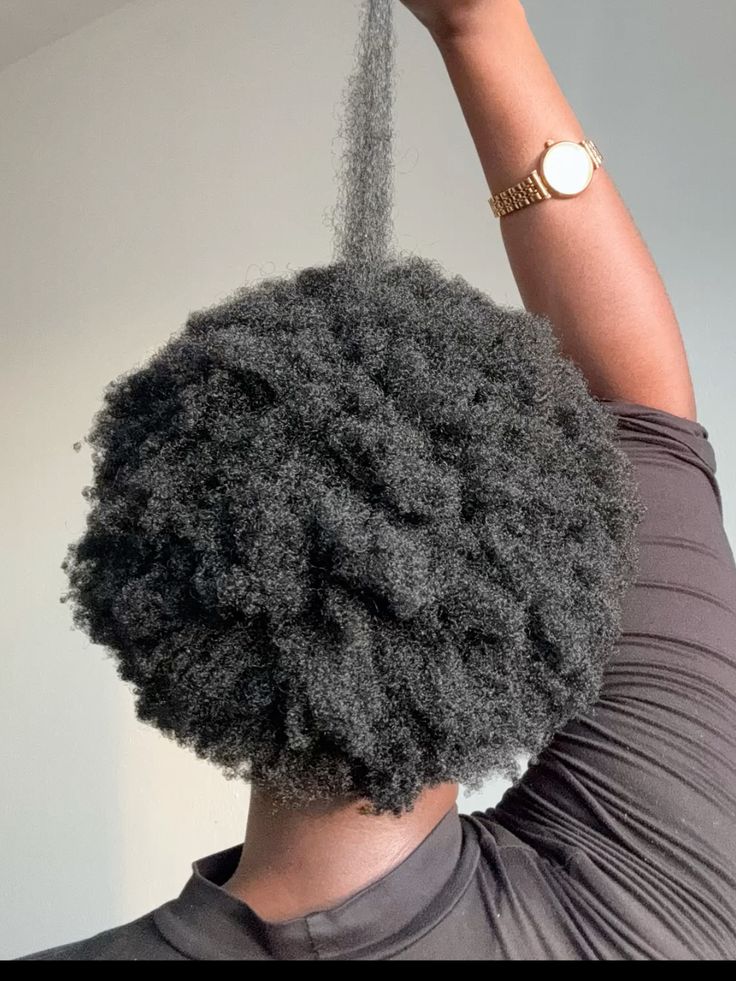
While some people dislike shrinkage, it is often a sign of healthy, elastic hair.
4C Hair Tends to Be Drier
The tight curls of 4C hair make it difficult for natural oils from the scalp to travel down the hair shaft.
As a result, the hair can become dry more quickly than other hair types.
This is why moisturizing plays such an important role in many 4C hair routines.
It Is Extremely Versatile
From braids and twists to locs and protective styles, 4C hair offers countless styling possibilities.
As a beginner, you do not need to master every style immediately. Focus on learning simple hairstyles that keep your hair healthy and manageable.
How to Know If You Have 4C Hair
Many beginners are unsure if their hair is truly 4C hair or another hair type within the Type 4 category.
While hair typing is not the most important part of a healthy hair journey, understanding your hair pattern can help you set realistic expectations and choose suitable care practices. There are also many myths about 4C hair that can make identifying and caring for your texture more confusing than it needs to be.
One of the most recognizable characteristics of 4C hair is its tightly coiled structure. Unlike some curl patterns that form clearly visible ringlets, 4C hair often has very tight coils that may not be easily seen without closely examining individual strands.
Another common characteristic is shrinkage. Many people with 4C hair notice that their hair looks much shorter than it actually is. After stretching the hair, they may discover that it is several inches longer than it appeared in its natural state.
4C hair is also known for its density and volume. Depending on your individual hair characteristics, your hair may appear very full even when it is relatively short.
It is important to remember that hair typing is only a guide. Two people with 4C hair can have completely different experiences because factors such as density, porosity, strand thickness, and overall hair health also play important roles.
Instead of becoming overly focused on labels, use your hair type as a starting point for understanding your hair’s needs.
Setting Realistic Expectations for Your 4c Hair Journey
One reason many beginners become discouraged is because they start their natural hair journey with unrealistic expectations.
After seeing dramatic hair transformations online, it is easy to believe that healthy hair growth and improved manageability happen almost instantly.
In reality, healthy hair care requires patience.

Your first few weeks will likely involve learning new techniques, testing products, and figuring out what works for your hair. Some styles may turn out beautifully, while others may not look the way you expected.
This is completely normal.
The goal during the early stages is not perfection. The goal is progress.
Rather than measuring success solely by hair length, learning about length retention can help you understand why healthy hair habits matter more than obsessing over growth and pay attention to other positive signs such as:
- Reduced breakage
- Easier detangling
- Improved moisture retention
- Healthier-looking ends
- Better understanding of your hair
These improvements often appear before noticeable length changes.
As you continue building healthy habits, the results become easier to see over time.
Why Consistency Matters More Than Products
Many beginners spend a lot of time searching for the perfect product.
While quality products can be helpful, they cannot replace consistent hair care habits.
For example, using an expensive deep conditioner occasionally may not produce better results than using a simple routine consistently every week.
Healthy hair usually comes from repeated actions over time.
This includes:
- Cleansing regularly
- Moisturizing when needed
- Protecting the hair at night
- Handling the hair gently
- Maintaining a realistic routine
Following a consistent daily hair care routine is often more effective than constantly switching products and allows your hair to benefit from healthy practices repeatedly.
Think of hair care the same way you think about fitness. Going to the gym once does not create lasting results. The benefits come from showing up regularly over time. The same principle applies to healthy 4C hair.
Many people who appear to have “good hair genetics” are simply very consistent with their routines.
As a beginner, focusing on consistency can help you avoid frustration and make steady progress throughout your natural hair journey.
The Biggest Challenges Beginners Face With 4C Hair
Every hair journey comes with challenges, and 4C hair is no exception.
The good news is that these challenges are normal and can be managed with the right habits.
Dryness
Dryness is one of the most common concerns among people with 4C hair.
Because natural oils struggle to travel down tightly coiled strands, the ends of the hair often become dry first.
When hair lacks moisture, it may feel rough, become difficult to manage, and break more easily. Understanding your hair porosity can help explain why your hair absorbs and loses moisture differently from someone else’s.
Learning how to maintain moisture is one of the most valuable skills you can develop.
Detangling
Because 4C hair naturally coils around itself, tangles are common.
Many beginners become frustrated during detangling sessions and accidentally cause breakage by rushing the process.
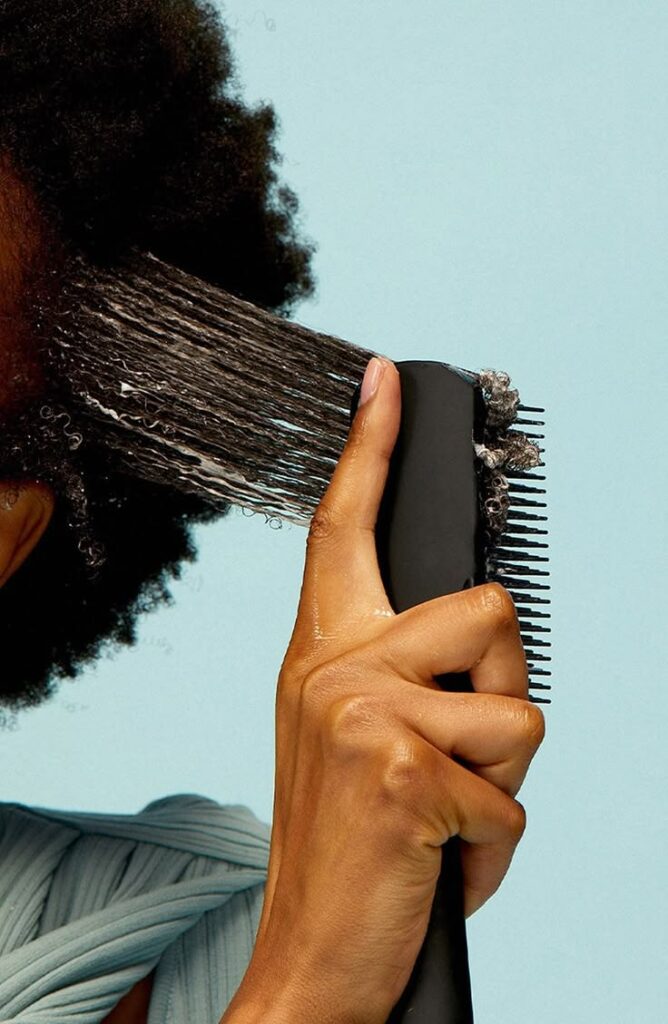
Detangling should always be done gently, preferably on damp hair with conditioner or another product that provides slip.
Breakage
Many beginners assume their hair is not growing because they constantly find strands of hair on their comb or clothing.
In many cases, the issue is not growth but breakage.
Hair may be growing normally from the scalp while the ends break off due to dryness, rough handling, or excessive manipulation. If breakage is a major concern, learning how to stop 4C hair breakage should become a priority.
Reducing breakage is one of the keys to seeing progress.
Length Retention
Hair growth and length retention are not the same thing. Many people who think their hair has stopped growing are actually dealing with the reasons why their 4C hair isn’t growing as expected.
Hair growth happens naturally from the scalp, while length retention refers to how much of that growth you keep.
Healthy habits such as moisturizing, gentle handling, and protecting the hair can improve length retention over time.
Information Overload
One of the biggest challenges beginners face is the overwhelming amount of advice available online.
The best approach is to keep things simple and focus on mastering the basics before trying advanced techniques.
The Basic Rules of Healthy 4C Hair
Healthy hair is often the result of consistent habits rather than expensive products.
These basic rules can help you build a strong foundation.
Keep Your Hair Moisturized
Moisture is one of the most important aspects of 4C hair care.
Pay attention to how your hair feels and moisturize when needed.
Hair that stays adequately moisturized is often softer, easier to manage, and less likely to break.
Be Gentle When Detangling 4c Hair
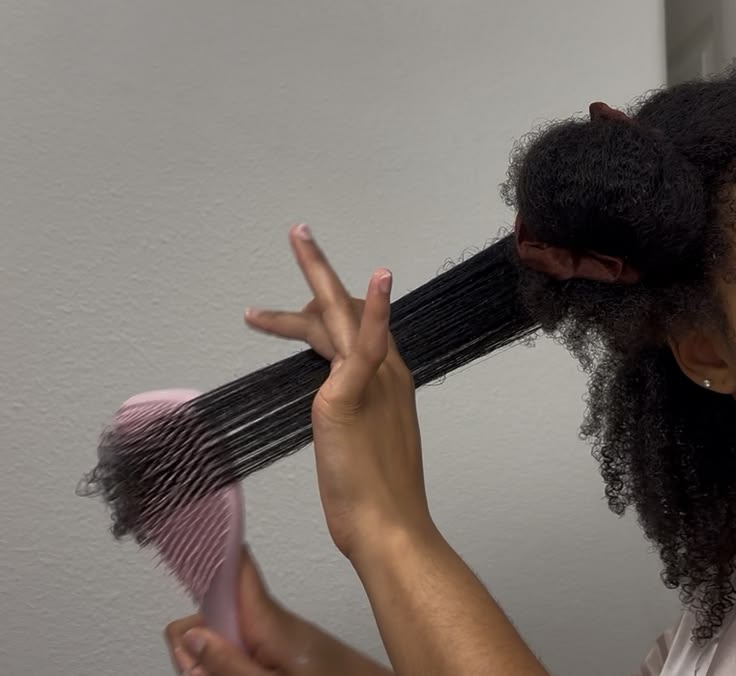
Never rush the detangling process.
Work in sections, use products that provide slip, and start from the ends before working your way upward.
Gentle handling can significantly reduce breakage.
Take Care of Your Scalp
Healthy hair starts with a healthy scalp. Practicing healthy scalp care can create a better environment for strong hair growth.
Regular cleansing helps remove dirt, sweat, and product buildup while creating a cleaner environment for healthy hair growth.
Avoid Excessive Heat
Heat styling is not necessarily bad, but excessive heat can contribute to dryness and damage over time.
Whenever possible, choose styles that do not require frequent heat use.
Protect Your Hair at Night
Nighttime protection helps reduce friction and moisture loss.
Using a satin bonnet, silk scarf, or satin pillowcase can help keep your hair healthier and easier to manage.

Stay Consistent
Consistency is often more important than perfection.
A simple routine followed consistently will usually produce better results than constantly changing products and techniques.
Essential Products Every 4c Hair Beginner Needs
One of the biggest mistakes beginners make is buying too many products.
Healthy hair care does not require dozens of products.
In fact, you can build an effective routine with a few basics.
Shampoo
Shampoo helps cleanse the scalp and remove buildup. Keeping your scalp clean is an important part of maintaining healthy hair.
Choosing one of the best shampoos for 4C hair can make wash day easier and more effective.
Conditioner
Conditioner helps soften the hair and makes detangling easier.
It is an essential part of most wash-day routines.
Deep Conditioner
Deep conditioners provide extra moisture and care.
Many people include deep conditioning treatments as part of their regular maintenance routine.
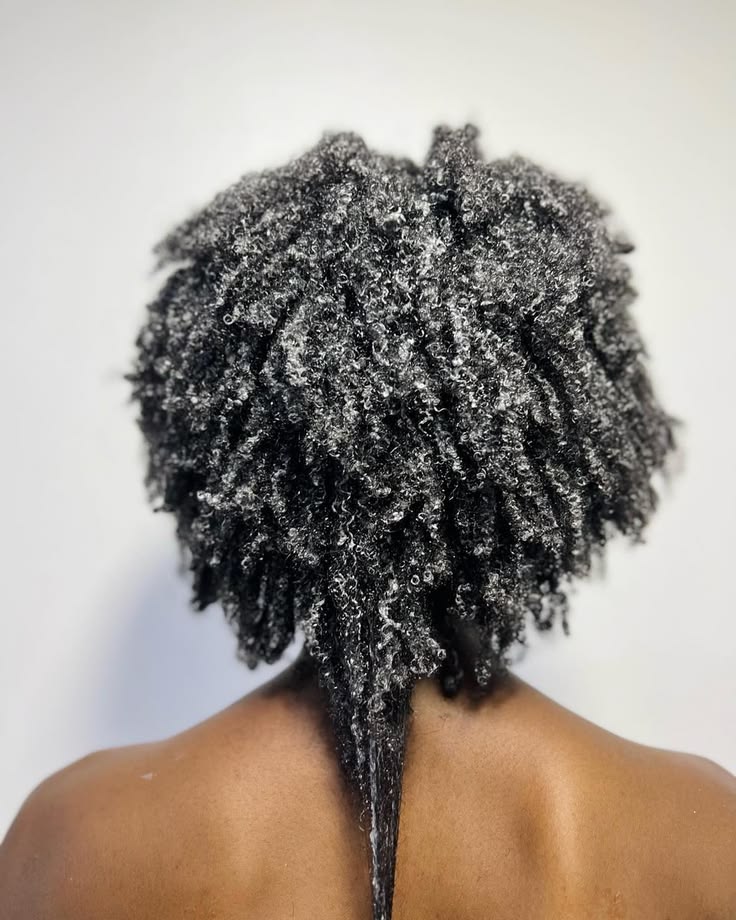
Leave-In Conditioner
Leave-in conditioners help keep the hair moisturized after washing.
They can also make styling and daily maintenance easier. Finding the best leave-in conditioners for 4C hair can help maintain moisture throughout the week.
Oil or Butter
Many naturals use some of the best hair oils or butters for 4c hair to help reduce moisture loss after moisturizing their hair.
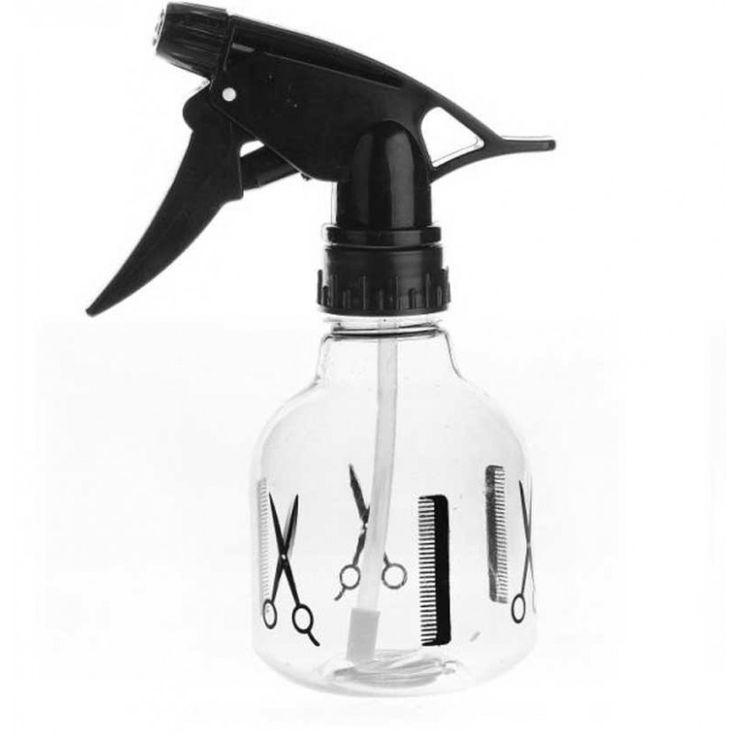
Spray Bottle
A spray bottle makes it easy to lightly dampen the hair before moisturizing, styling, or detangling.
Satin Bonnet or Satin Scarf
Protecting your hair at night is one of the simplest habits you can develop as a beginner.
A satin bonnet or scarf can help reduce breakage and moisture loss.
A Simple Beginner Routine for 4C Hair
One of the most common questions beginners ask is what a healthy routine should look like.
The truth is that every routine will be slightly different, but starting simple is usually the best approach.
Wash Day
Wash day forms the foundation of your routine.
A simple wash day routine may include:
- Sectioning the hair.
- Cleansing with shampoo.
- Conditioning and detangling.
- Deep conditioning.
- Moisturizing.
- Styling or placing the hair in a protective style.
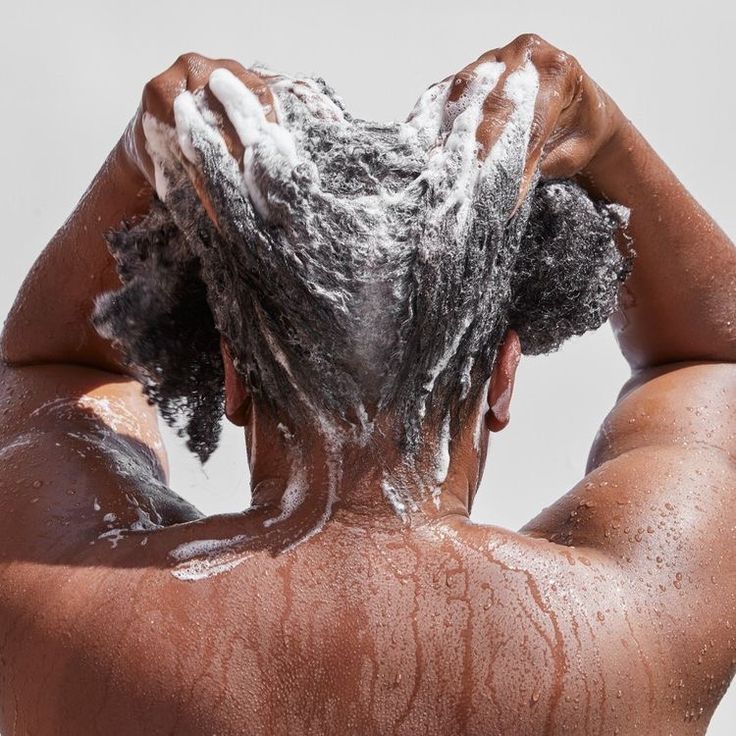
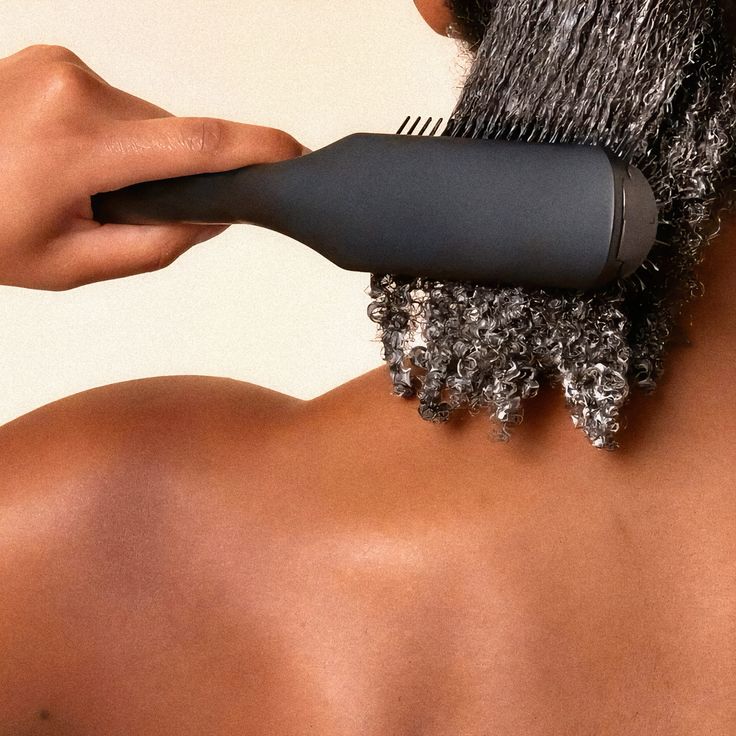
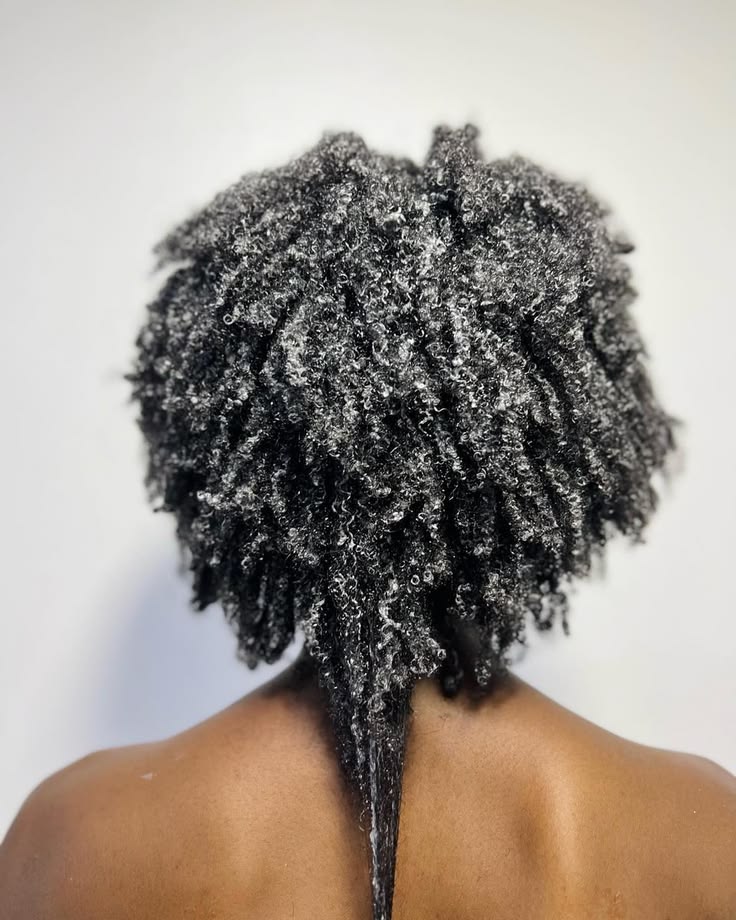
Taking your time during wash day can help reduce breakage and make the process more enjoyable.
Midweek Moisture Check
During the week, check how your hair feels.
If it begins to feel dry, refresh it with water and a moisturizing product.
The goal is not to overload the hair with products but to maintain a healthy moisture balance.
Protective 4c Hair Styling
Learning about the best protective styles for 4c hair can help reduce daily manipulation and support healthier hair length retention.
Some beginner-friendly options include:
- Two-strand twists
- Simple braids
- Flat twists
- Cornrows
- Low buns
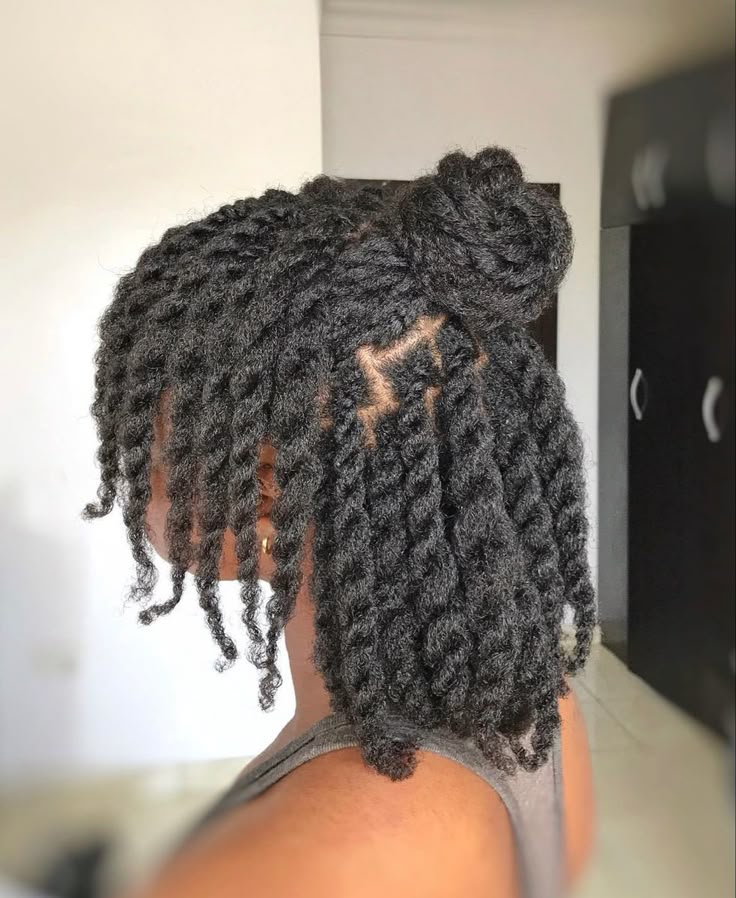
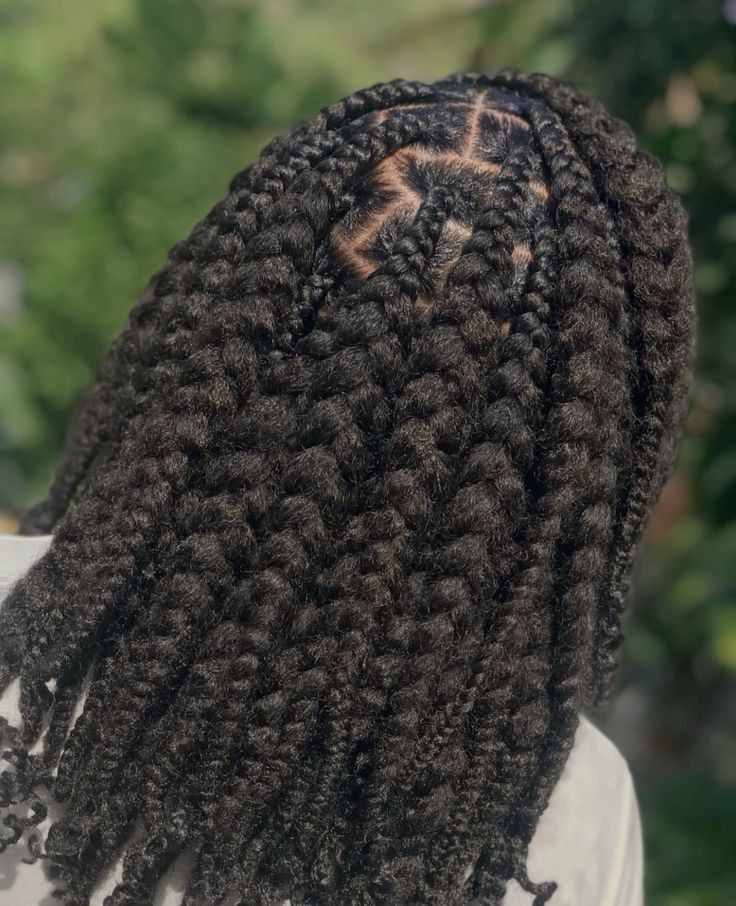
Choose styles that feel comfortable and avoid excessive tension.
Night Routine
Before bed, protect your hair with a satin bonnet, silk scarf, or satin pillowcase.
You can also place your hair into loose twists or braids to reduce tangling overnight.
Weekly Maintenance
Throughout the week, pay attention to your hair and scalp.
Small adjustments made consistently are often more effective than waiting for major problems to develop. Some people also follow a monthly hair care checklist to stay on track with trims, treatments, and scalp care.
Mistakes New Naturals Should Avoid
As a beginner, avoiding common mistakes can save you a lot of frustration.
Expecting Instant Results
Healthy hair care takes time.
Focus on building good habits rather than chasing quick results.
Comparing Your Hair to Others
Every person’s hair is unique.
Instead of comparing your hair to someone else’s, focus on learning what works best for you.
Using Too Much Heat
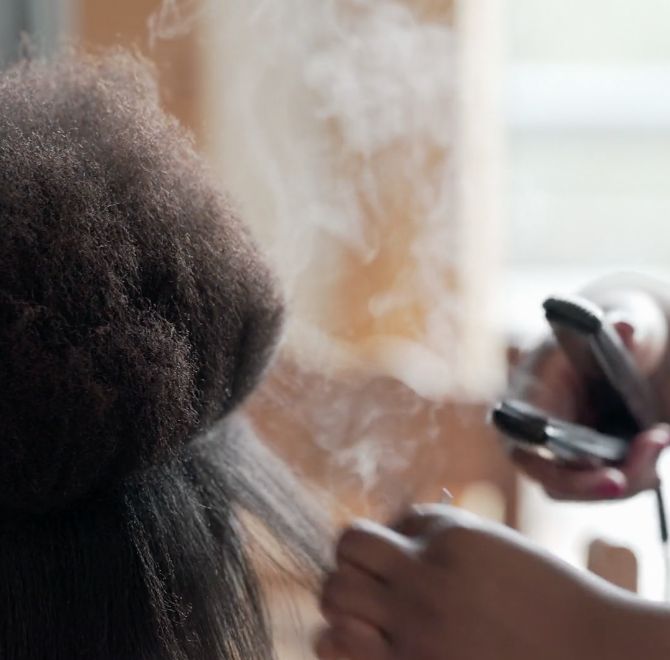
Frequent heat styling can weaken the hair over time.
Try to balance heat use with styles that do not require high temperatures.
Detangling Too Aggressively
Pulling through tangles can lead to unnecessary breakage.
Patience and gentle handling are essential.
Buying Too Many Products
More products do not automatically mean better results.
Start simple and learn what your hair actually needs.
Ignoring Night Protection
Nighttime care is often overlooked but can make a significant difference in moisture retention and breakage prevention.
Trying to Learn Everything at Once
Natural hair care is a journey.
Focus on mastering the basics before worrying about advanced techniques.
What to Expect During Your First Few Months
The first few months of your natural hair journey are often a period of learning and discovery.
You may find that some products work well while others do not. You may try styles that become favorites and others that you never want to wear again.

This trial-and-error process is completely normal.
As you spend more time caring for your hair, you will gradually learn:
- How often your hair needs moisture
- Which styles work best for you
- Which products your hair responds to
- How to manage tangles more effectively
- What healthy hair feels like
Try not to become discouraged if things do not go perfectly at first.
Most people with healthy 4C hair today learned through experience, patience, and consistency.
Every wash day, moisturizing session, and styling attempt helps you understand your hair a little better.
The more you learn, the more confident you will become.
Frequently Asked Questions About 4C Hair
Is 4C Hair Difficult to Manage?
No. 4C hair is not difficult; it is simply different.
Many of the challenges associated with 4C hair come from misunderstanding its needs. Once you learn how to moisturize, detangle, and protect your hair properly, managing it becomes much easier.
How Often Should I Moisturize My 4C Hair?
There is no universal rule because every person’s hair is different.
Some people need to moisturize every few days, while others can go longer. The best approach is to pay attention to how your hair feels and adjust your routine accordingly.
Can 4C Hair Grow Long?
Absolutely.
4C hair grows just like any other hair type. The challenge is often retaining length rather than producing growth.
If your goal is longer hair, learning how to grow 4C hair naturally can help you focus on habits that support healthy growth.
Do I Need Expensive Products?
No.
Many people maintain healthy 4C hair using a simple routine and a small number of products.
Consistency is usually more important than the price of the products you use.
Is Shrinkage a Bad Thing?
Not at all.
Shrinkage is a natural characteristic of healthy 4C hair and often indicates that the hair has good elasticity.
While some people prefer stretched styles, shrinkage itself is not a sign that anything is wrong with your hair.
Ultimately, building a healthy relationship with your 4C hair is a journey, not a race. There will be moments of frustration, experimentation, and discovery, but each step teaches you something valuable about your hair and what it needs.
Start with the basics, stay consistent, and give yourself grace as you learn. Over time, those small habits will add up, helping you create a routine that supports healthy, manageable, and beautiful 4C hair for years to come.





4 Comments