
Weekly Hair Care Routine for Healthy 4C Hair
Disclosure: Some of the links in this post are affiliate links. This means if you click on the link and purchase an item, I will receive an affiliate commission at no extra cost to you.
Have you ever had one week where your hair feels soft, moisturized, and easy to manage, then the very next week it seems dry, tangled, and much harder to work with?
It can feel frustrating, especially when you’re using the same products and following the same routine. You might even start wondering if you’re doing something wrong.
In many cases, the problem isn’t your products; it’s the lack of a consistent routine.
Having healthy 4C hair is not about buying every product you see online or spending hours on wash day. It’s about building simple habits that help you care for your hair before dryness, breakage, and buildup become bigger problems.
That’s exactly where a weekly 4C hair care routine comes in.
Setting aside a little time each week to cleanse, moisturize, protect, and check in with your hair can make a noticeable difference over time. It keeps your scalp healthy, helps your hair retain moisture, reduces unnecessary breakage, and makes styling much easier throughout the week.
If you’re still learning about your natural hair, it’s worth understanding what makes 4C hair unique and how to identify true 4C hair before building a routine. Knowing your texture makes it much easier to choose products, hairstyles, and techniques that actually work for you.

Why Your Hair Needs a Weekly Reset
It’s easy to think that once wash day is over, your job is done until the following week.
In reality, what happens between wash days often determines how healthy your hair stays.
A good weekly 4C hair routine isn’t about packing in every treatment into one afternoon.
It’s about spreading your care across the week so your hair stays moisturized, manageable, and protected without becoming overwhelming.
For example, instead of waiting until your hair feels extremely dry, you’ll learn to recognize the early signs that it needs a little moisture, and instead of ignoring your scalp until it becomes itchy, you’ll make checking it part of your routine.
Those small habits may only take a few minutes, but over time they make a noticeable difference.
If you’ve already built a daily hair care routine for your 4C hair, this weekly routine simply expands on those habits. And if wash day still feels confusing, our guide to the best wash day routine for 4C hair will help you understand each step in more detail.
Another reason a weekly reset matters is that your hair’s needs don’t stay exactly the same every week.
One week, your twists may still look fresh and only need a little moisturizing. The next, product buildup might tell you it’s time for a proper cleanse.
Learning to respond to your hair instead of following the exact same routine every single week is one of the best skills you can develop.
You’ll also find that understanding your hair porosity and why your hair struggles to hold moisture makes it much easier to know what adjustments your routine needs from week to week.
Choose One Day That’s Dedicated to Your Hair
Life gets busy.
Between work, classes, family responsibilities, errands, and everything else competing for your attention, it’s easy to keep saying, “I’ll do my hair tomorrow.”
Before you know it, tomorrow has turned into next week.
Your roots feel tangled, your scalp isn’t as comfortable as it was a few days ago, and wash day has become something you dread instead of something you planned for.
One simple habit can prevent that.
Choose one day every week that’s dedicated to your hair.
It doesn’t matter if it’s Saturday morning, Sunday evening, or a quiet weekday after work. What matters is consistency.
When your hair has a regular place in your schedule, you’re much less likely to postpone caring for it until it becomes difficult to manage.

Your hair also benefits from consistency.
After a few weeks, you’ll begin to notice patterns. You might realize your hair usually starts feeling dry around the fourth day or that your scalp feels its best after a certain washing schedule.
Those little observations help you build a routine around what your own hair needs instead of copying someone else’s.
As you plan your weekly routine, it’s also worth thinking about how you’ll wear your hair between wash days.
Choosing protective styles that reduce daily manipulation or even trying easy hairstyles for beginners can help your style last longer while reducing unnecessary breakage.
Start With a Gentle Cleanse
One of the biggest misconceptions about caring for 4C hair is that you need to shampoo it the exact same way every single week.
You don’t.
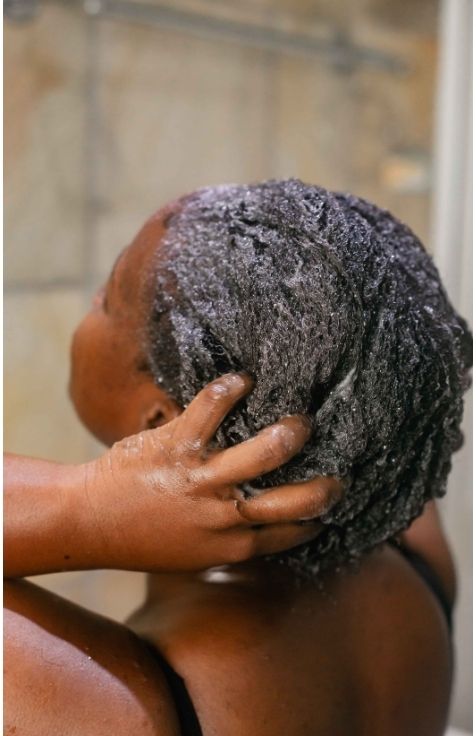
Some weeks, your hair may only have a little product buildup, and a quick cleanse is enough.
Other weeks, you’ve layered creams, oils, and gels, or you’ve just taken down a protective style. In that case, your hair might need a more thorough wash.
The goal isn’t to wash your hair just because it’s “wash day.” The goal is to remove buildup without stripping away all the moisture your hair needs.
A good cleanser leaves your scalp feeling fresh while allowing your strands to stay soft and manageable.
If you’re still trying to decide how often you should wash your 4C hair, or you’re unsure which products to use, our guides on how often to wash 4C hair and the best sulfate-free shampoos for 4C hair can help you create a schedule that works for your lifestyle.
It’s also worth remembering that shampoo isn’t the only thing that cleans your hair. If your scalp feels fresh and there’s very little buildup, some weeks a gentle cleansing conditioner may be all your hair needs.
The important thing is learning to pay attention to your scalp instead of blindly following a calendar.
Deep Conditioning Is the Step You Shouldn’t Rush
If shampoo prepares your hair for the week, deep conditioning helps it recover.
Think about everything your hair goes through in just a few days.
Detangling, styling, sleeping, exposure to dry air, friction from hats, scarves, and clothing.
Every week, your strands lose some moisture. Deep conditioning is your opportunity to replace it.
Many people apply a deep conditioner, leave it on for five minutes, and immediately rinse it out. While that’s certainly better than skipping the step altogether, giving your conditioner enough time to work can make a noticeable difference.
If your hair constantly feels dry, don’t assume you need more products. Sometimes your routine simply needs a better deep conditioner or more time for it to penetrate your strands.
That’s why understanding your hair porosity is so important.
Hair with low porosity often needs a little warmth to absorb moisture effectively, while high-porosity hair usually benefits from products that help lock moisture in for longer.
If you’re still searching for products that work well, you might find our guides on the best deep conditioners for dry 4C hair and the best leave-in conditioners for 4C hair helpful.
Quick Tip
Use the time while your deep conditioner is sitting to clean your shower, organize your products, or simply relax. Before you know it, your treatment will be ready to rinse out.

Detangle With Patience, Not Speed
If you’ve ever heard strands snapping while trying to comb through your hair, you already know that rushing this step rarely ends well.
Detangling isn’t about getting it done as quickly as possible.
It’s about removing knots while keeping as much of your hair on your head as possible.
Always start with plenty of slip from your conditioner or leave-in product, then work in sections.
Beginning at the ends and gradually working your way toward the roots gives tangles a chance to loosen naturally instead of forcing your comb through them.
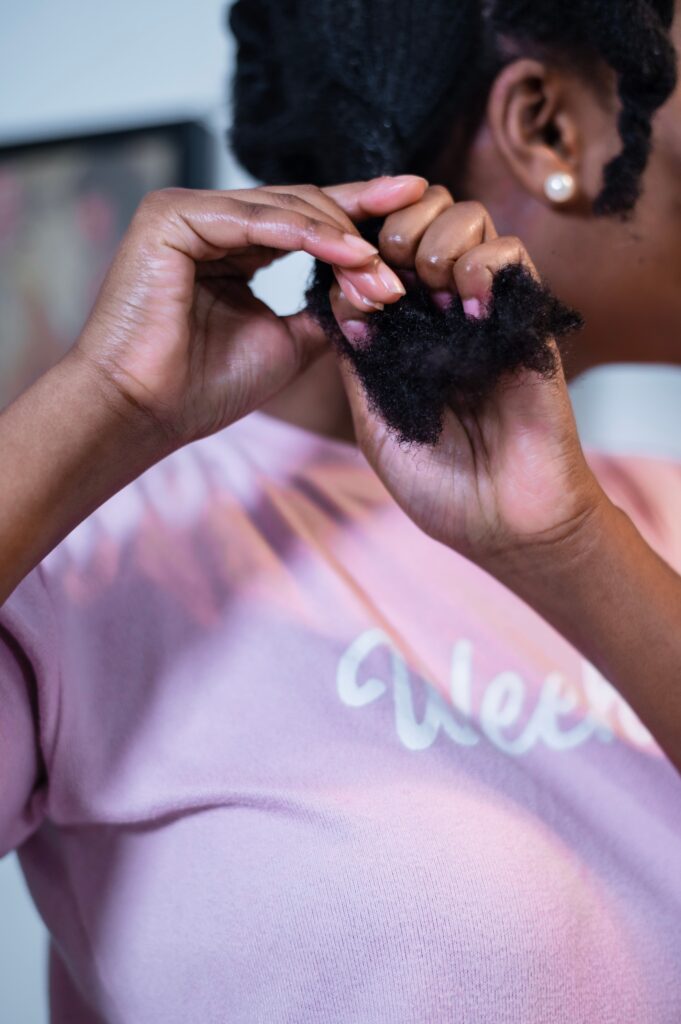
Your fingers can also be one of the best detangling tools you own. They allow you to feel knots before pulling on them, making it much easier to separate strands gently.
If breakage has been an ongoing struggle, it’s worth learning why your 4C hair keeps breaking and exploring length retention tips that actually work for 4C hair. Small adjustments during detangling can have a big impact over time.
Remember, seeing a few shed hairs is completely normal. What you’re trying to avoid is unnecessary breakage caused by rushing through the process.
Lock In Moisture Before Styling
Clean, detangled hair gives you the perfect opportunity to moisturize properly.
This doesn’t mean applying every cream and oil you own.
More product doesn’t always equal healthier hair.
Instead, focus on giving your hair enough moisture, then sealing it in with products that suit your hair’s needs.
Some people prefer the LCO method, while others get better results with LOC.
The LOC vs LCO method
These are two common moisture-sealing methods.
LOC method:
- Liquid (water or leave-in)
- Oil
- Cream
LCO method:
- Liquid (water or leave-in)
- Cream
- Oil

The best approach is the one that leaves your hair feeling soft several days later, not just immediately after styling.
If moisture never seems to last, there may be more going on than your routine. Learning why your hair won’t hold moisture and discovering the best hair oils for 4C hair can help you make better product choices.
After moisturizing, your hair is ready for styling, making it much easier to maintain throughout the rest of the week.
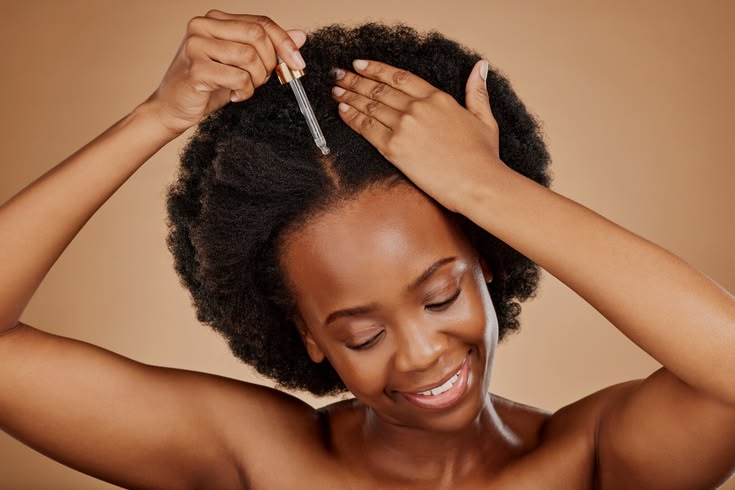
Choose a Style That Makes the Rest of the Week Easier
Once you’ve finished washing, conditioning, detangling, and moisturizing your hair, the next decision is how you’ll wear it for the rest of the week.
This is where many people make life harder than it needs to be.
Instead of choosing a style that supports their routine, they pick one that requires constant touching, brushing, or restyling. A few days later, they’re frustrated because their hair no longer looks the way it did on wash day.
The best styles are often the ones that give your hair a chance to rest.
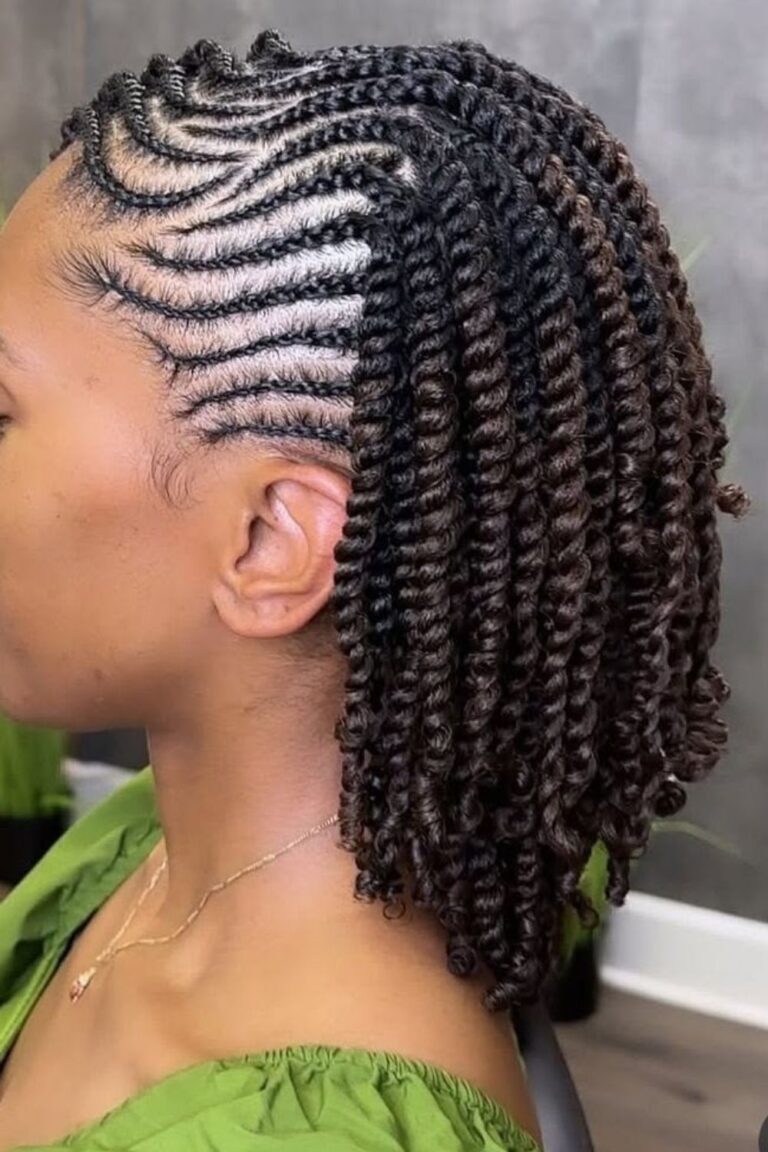
Twists, braids, flat twists, buns, and other low-manipulation styles help reduce unnecessary handling while making your weekly 4C hair routine much easier to maintain.
That doesn’t mean you have to wear the same hairstyle every week. Switching things up can keep your routine enjoyable while still protecting your hair.
If you’re looking for inspiration, you’ll find plenty of ideas in our collections of protective styles for 4C hair, and wash-and-go styles that work for 4C hair.
The goal isn’t choosing the trendiest hairstyle.
It’s choosing one that works for your schedule and helps your hair stay healthy until your next wash day.

Don’t Ignore Your Scalp Between Wash Days
Healthy hair starts with a healthy scalp.
Yet it’s one of the easiest parts of a routine to forget.
Most people only think about their scalp once it starts itching or feeling uncomfortable. By then, it’s already trying to tell you that something needs attention.
Instead, make checking your scalp part of your weekly 4C hair routine.
It only takes a minute.
As you’re refreshing your style or moisturizing your hair, pay attention to how your scalp feels.
Does it feel clean? Is there noticeable buildup? Do you see flakes? Does it feel unusually dry?
Small observations like these can help you deal with problems early instead of waiting until they become difficult to manage.
If scalp care is something you’ve struggled with, our guides on healthy scalp, healthy hair, how to get rid of an itchy scalp naturally, and signs your scalp needs extra care will help you understand what your scalp may be trying to tell you.
You don’t need a complicated routine.
You simply need to pay attention.

Small Weekly Habits That Make a Big Difference
Sometimes it’s the smallest habits that have the biggest impact.
For example:
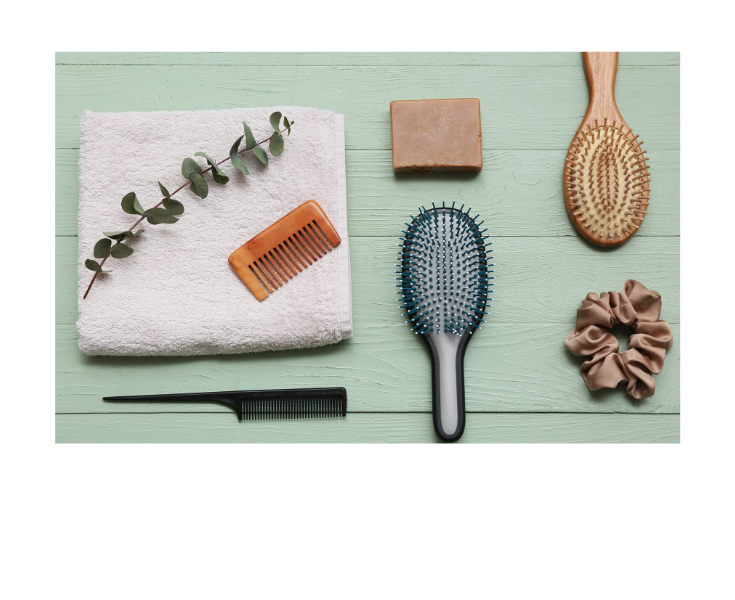
-Cleaning your combs and brushes.
-Replacing old hair ties that rip your strands.
-Checking your ends for split ends.
-Washing your satin bonnet or pillowcase.
-Restocking products before they run out.
None of these tasks take very long, but together they make your routine smoother and more enjoyable.
This is also a good time to think about your progress.
Has your hair felt softer lately? Is it easier to detangle? Have you noticed less breakage?
Hair care isn’t only about looking for length. Paying attention to these smaller improvements helps you appreciate the progress you’re making.
If you’re working toward longer hair, remember that growth is only part of the journey. Knowing what really affects 4C hair growth and how to retain the length you gain can make all the difference.
Common Mistakes That Can Ruin Your Weekly 4C Hair Routine
Even the best routine won’t give you the results you want if a few habits keep working against you.
Some of the most common mistakes include:
- Waiting until your hair feels extremely dry before moisturizing.
- Using far more product than your hair actually needs.
- Skipping deep conditioning because you’re in a hurry.
- Detangling dry hair without enough slip.
- Changing your routine every week after seeing a new trend online.
Healthy hair usually responds well to consistency.
Jumping from one routine to another makes it difficult to understand what actually works for your hair.
Instead of chasing perfection, focus on building a routine you can realistically maintain.
If breakage continues to be a problem despite your efforts, it may be worth reading how to stop 4C hair breakage, and protective styling mistakes that cause breakage.
Sometimes fixing one small habit is all it takes to see noticeable improvement over the next few months.
Adjust Your Routine as the Seasons Change
Your hair’s needs don’t stay exactly the same throughout the year.
During dry periods, you may find yourself moisturizing a little more often.
In warmer, more humid months, lightweight products might work better than heavier ones.
The important thing is paying attention to how your hair responds instead of assuming the same routine will work perfectly all year long.
As your environment changes, don’t be afraid to make small adjustments.
Those little changes often help your hair stay balanced without completely rebuilding your routine.
If you’d like more seasonal guidance, you’ll find practical tips in our articles on spring hair care for 4C hair, summer hair care guide, fall hair care tips, winter hair care routine, rainy season hair care tips, and how to protect your hair during Harmattan.
Consistency doesn’t mean doing the exact same thing every week.
It means giving your hair what it needs as those needs naturally change.

Before You Go
The best weekly 4C hair routine isn’t the one with the most steps or the longest list of products. It’s the one you can realistically follow week after week.
Your routine doesn’t have to be perfect, and it doesn’t need to look exactly like someone else’s. What matters most is that it works for your hair, fits your schedule, and helps you stay consistent.
As you spend more time caring for your hair, you’ll start noticing the little things. You’ll know when your hair needs more moisture, when it’s time for a fresh wash, and when your ends need a little extra attention.
Those small observations will help you build confidence because you’ll understand your hair better than anyone else.

Remember, healthy 4C hair is rarely the result of one amazing product. It’s built through small habits repeated consistently over time, like washing your hair before buildup becomes excessive, deep conditioning regularly, moisturizing when your strands need it, and choosing styles that protect your hair instead of putting extra stress on it.
If you’re just beginning your natural hair journey, don’t feel like you have to master everything in one week. Start with the basics, stay patient with yourself, and improve your routine one step at a time.
And if you’ve already established a weekly 4C hair routine, take a moment to ask yourself one simple question:
Does my hair feel softer than it did a few weeks ago? Is it easier to detangle? Am I seeing less breakage?
If the answer is yes, keep doing what’s working.
If not, don’t panic. You probably don’t need to throw out your entire routine. Sometimes all it takes is a few small changes, like deep conditioning more consistently, giving your scalp a little extra attention, or choosing a hairstyle that lasts longer throughout the week.
Your hair isn’t looking for perfection.
It simply responds to consistent care. And that’s something you can start giving it this week.





14 Comments