
How To Stop 4C Hair Breakage
Disclosure: Some of the links in this post are affiliate links. This means if you click on the link and purchase an item, I will receive an affiliate commission at no extra cost to you.
You finish detangling your hair, look down at the sink, and it’s covered with strands.
Immediately, your mind starts racing.
“Am I losing all my hair?“ “Is my hair breaking off?“ “Will it ever get longer?“
If you’ve asked yourself any of those questions, you’re not alone. One of the biggest frustrations people with natural hair face is trying to figure out how to stop 4C hair breakage before it steals months of hard-earned progress.
The good news is that breakage isn’t something you have to accept as normal.
While a small amount of daily shedding is completely natural, excessive breakage is usually a sign that your hair needs a little more care and not that it’s incapable of growing.
The first step is learning to tell the difference between healthy shedding and actual breakage. Once you know what’s happening, it becomes much easier to fix the problem.
If you’ve ever wondered whether your hair is really growing beneath all that breakage, The Truth About 4C Hair Growth explains why many people mistake breakage for slow hair growth.
In this guide, we’ll look at what causes breakage, how to prevent it, and the everyday habits that will help you keep your hair stronger, healthier, and longer.

What Is 4C Hair Breakage?
Before you can stop breakage, you need to know exactly what it looks like.
Many people panic the moment they see strands of hair in their comb or shower drain. But losing some hair every day is completely normal.
The real question is whether your hair is shedding or breaking.
They may look similar, but they’re two very different things.
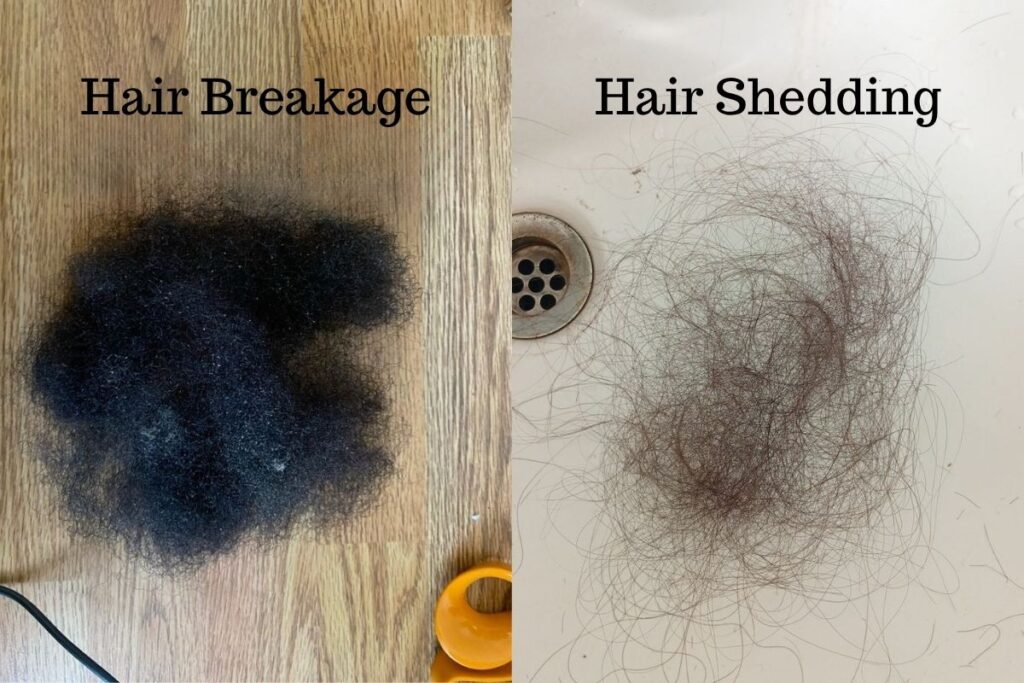
Hair Breakage vs. Hair Shedding
Hair shedding is a natural part of your hair’s growth cycle.
As older hairs complete their life cycle, they fall out to make room for new ones. Shed hairs are usually long and have a tiny white bulb attached to one end. Seeing a few of these during wash day is perfectly normal.
Breakage is different.
Broken hairs snap somewhere along the hair shaft before they’ve finished growing. They’re often shorter than the rest of your hair and don’t have the small white bulb at the end.
If most of the strands you’re seeing are short, uneven, or broken in different places, you’re likely dealing with breakage rather than normal shedding.
Understanding this difference can save you from worrying unnecessarily and help you focus on the real problem.
If you’re still learning how your hair naturally behaves, 4C Hair Characteristics Explained can help you understand why tightly coiled hair needs a little more protection than other hair types.
Why 4C Hair Is More Prone to Breakage
The 4C hair isn’t weak. It’s simply built differently.
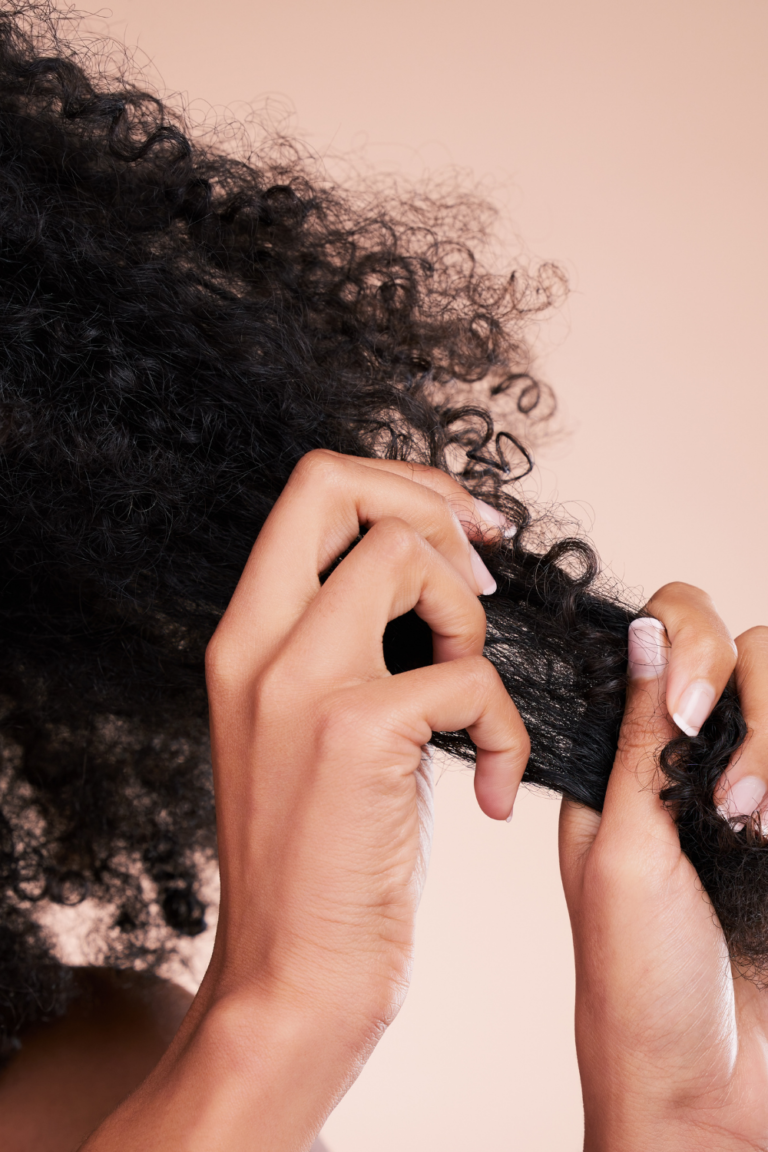
Every twist and coil along the strand creates a point where the hair bends. Those bends make it harder for your scalp’s natural oils to travel from the roots to the ends, which is why 4C hair tends to dry out more quickly.
When dry hair is combined with rough detangling, heat damage, tight hairstyles, or a lack of moisture, it becomes much easier for strands to snap.
That’s also why preventing breakage isn’t about finding one miracle product.
It’s about building habits that keep your hair moisturized, protected, and gently handled every day.
What Causes Hair Breakage?
Hair doesn’t usually break because of one big mistake.
More often, it’s the result of small habits repeated over time. Dryness, rough handling, tight hairstyles, and even skipping wash day can gradually weaken your strands until they begin to snap.
The good news is that once you identify what’s causing the damage, it’s much easier to stop it.
Here are some of the most common reasons people struggle with hair breakage.
Dry Hair and Lack of Moisture
One of the biggest causes of breakage is dryness.
Because 4C hair has a tightly coiled pattern, your scalp’s natural oils have a harder time traveling down the hair shaft. That means the ends often become dry long before the roots do.
When hair lacks moisture, it loses flexibility. Instead of bending when you comb or style it, it snaps.
Keeping your hair consistently moisturized is one of the most effective answers to how to stop hair breakage. Something as simple as using a water-based leave-in conditioner and sealing in that moisture can make a noticeable difference over time.
If you’re not sure what a healthy daily routine should look like, The Best Daily Hair Care Routine for 4C Hair explains how to keep your hair hydrated without weighing it down.
Rough Detangling
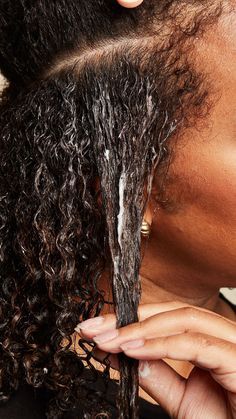
Trying to force a comb through dry knots is one of the fastest ways to lose healthy strands.
Hair should always be detangled gently, using plenty of water and a conditioner with good slip. Working in sections and starting from the ends instead of the roots also helps reduce unnecessary breakage.
Detangling shouldn’t feel like a battle.
If you’re hearing strands snap every time you comb your hair, it’s usually a sign that your technique needs to change, not that your hair is impossible to manage.
Too Much Heat Styling
Flat irons, blow dryers, and curling tools can all weaken your hair when they’re used too often or without protection.
Heat removes moisture from the hair shaft and can permanently damage the cuticle over time. Once that happens, your strands become more fragile and much easier to break.
You don’t have to avoid heat completely.
Just use it occasionally, apply a heat protectant beforehand, and choose the lowest effective temperature whenever possible.
Tight Hairstyles
A hairstyle should never leave your scalp sore.
Braids, ponytails, buns, or cornrows that are installed too tightly place constant tension on your strands, especially around the hairline.
Over time, this repeated pulling can lead to excessive breakage and even traction alopecia.
If a style hurts, it’s too tight.
Choosing comfortable styles protects both your length and your edges.
If you wear protective styles regularly, The Best Protective Styles for 4C Hair highlights options that protect your hair without putting unnecessary stress on it.
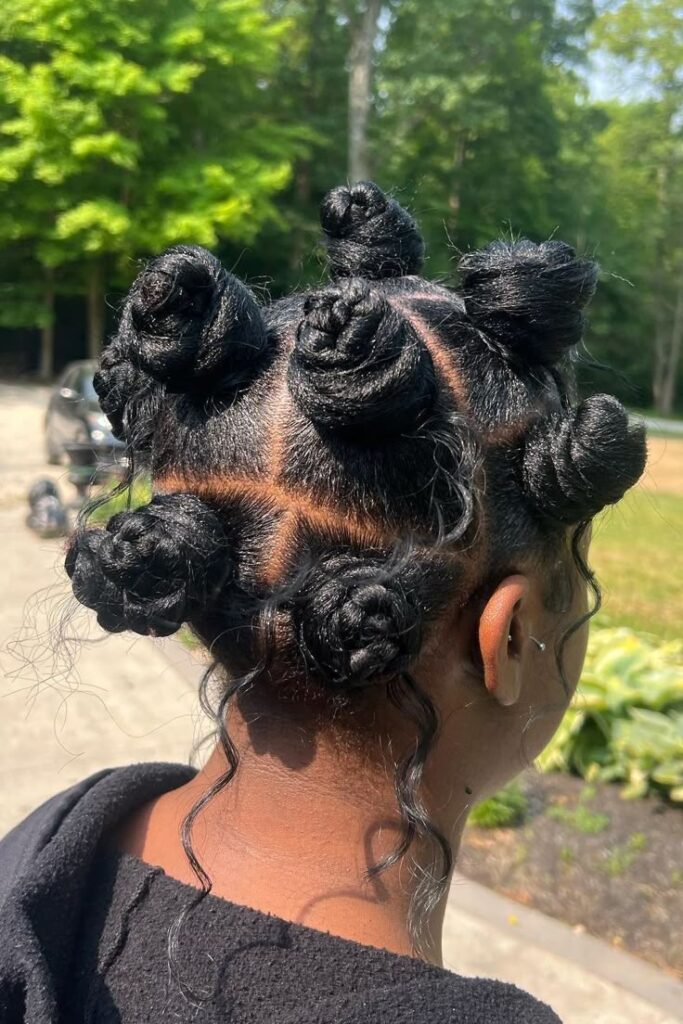
11 Practical Tips To Stop Hair Breakage
1. Keep Your Hair Moisturized
If your hair constantly feels dry, rough, or brittle, it will eventually break.
Keeping your hair moisturized is one way to stop 4c hair breakage
Moisture helps your strands stay soft and flexible, making them less likely to snap during detangling or styling. The key is to moisturize consistently instead of waiting until your hair feels extremely dry.
Start with water or a water-based leave-in conditioner, then seal that moisture in with an oil or cream that suits your hair. A simple routine done consistently is often more effective than buying lots of products.
If you’re unsure where to start, The Best Daily Hair Care Routine for 4C Hair walks you through a beginner-friendly routine that keeps your hair hydrated.
2. Deep Condition Every Wash Day
Deep conditioning is one of the easiest ways to strengthen your hair and reduce breakage.
Unlike a regular conditioner, a deep conditioner gives your strands extra moisture and helps improve elasticity. Hair that stretches without snapping is much easier to retain.
Aim to deep condition every wash day, especially if your hair has been feeling dry or you’ve recently worn a protective style.
If you’re trying to build a healthier wash schedule, Weekly Hair Care Routine for Healthy 4C Hair shows how deep conditioning fits naturally into your routine.
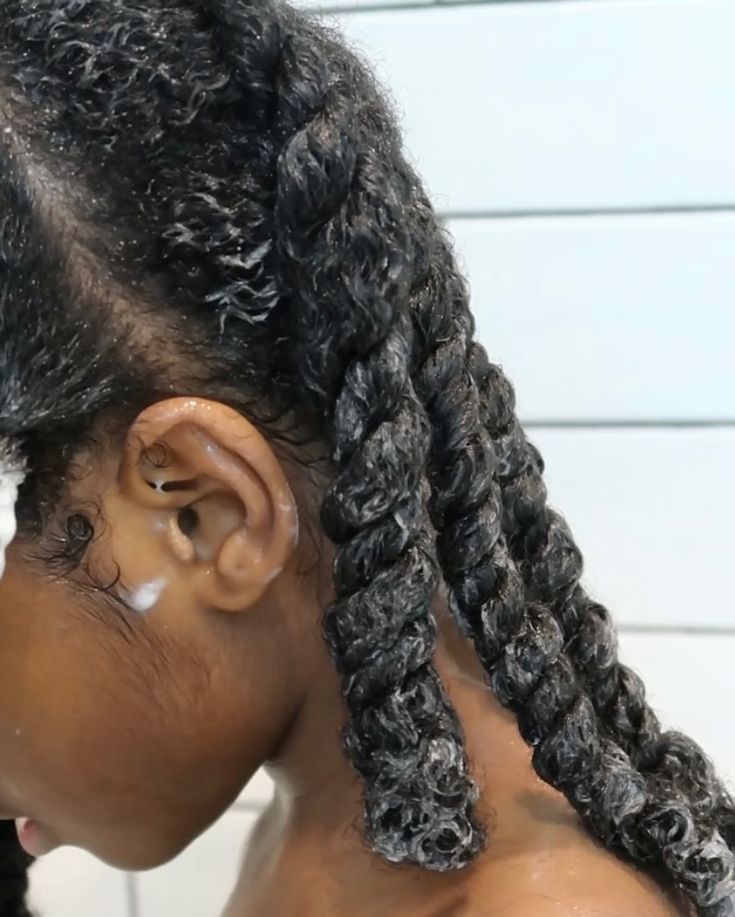
3. Detangle With Patience
One rushed detangling session can undo weeks of healthy hair care.
Always detangle slightly wet hair that’s coated with conditioner or another product that provides good slip. Divide your hair into sections and gently work from the ends toward the roots.
Never pull through knots or force a comb through tangled hair.
Taking a few extra minutes to finger detangle first can save you inches of hair later.
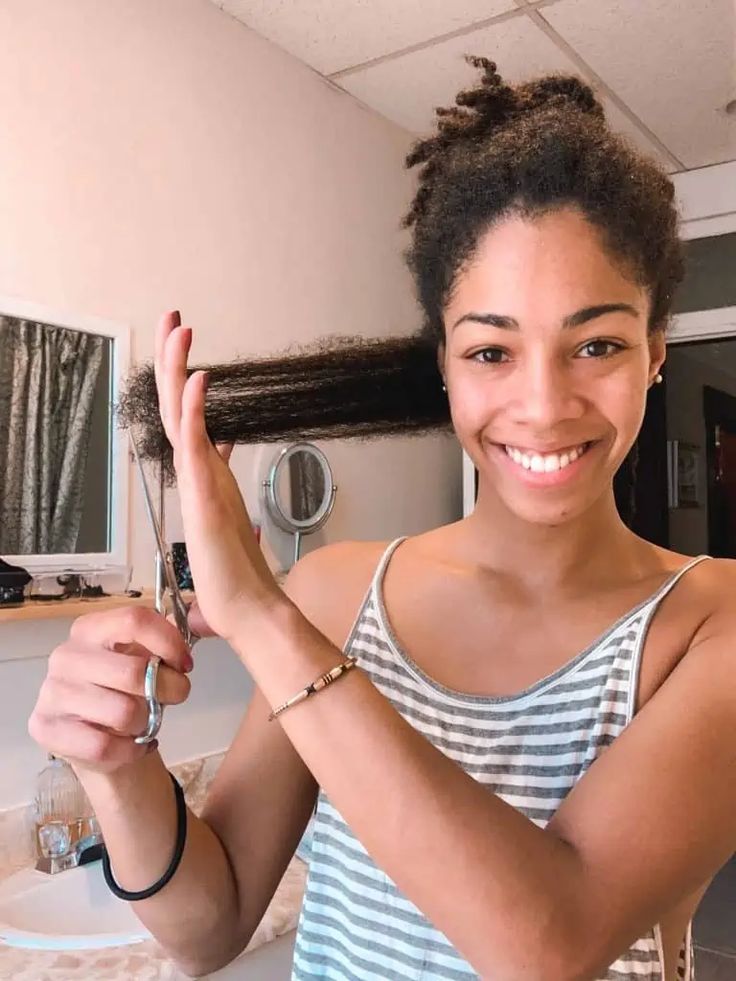
4. Trim Split Ends Before They Spread
Split ends don’t repair themselves.
If they’re ignored, they continue splitting higher up the hair shaft, causing even more damage and breakage.
That doesn’t mean you need to trim your hair every month. Simply pay attention to your ends. If they feel thin, rough, or tangle more than usual, a light trim may be all they need.
Healthy ends make it much easier to retain length.
If your goal is longer hair, Length Retention Tips That Actually Work for 4C Hair explains why healthy ends are so important.
5. Protect Your Hair While You Sleep
Your nighttime routine matters more than most people realize.
Cotton pillowcases create friction that can dry out your hair and cause unnecessary breakage while you sleep.
A satin bonnet or satin pillowcase allows your hair to glide smoothly instead of rubbing against rough fabric.
It’s one of the simplest changes you can make, but it often has a noticeable impact over time.

6. Wear Protective Styles the Right Way
Protective styles can be one of the best ways to reduce breakage, but only when they’re done correctly.
Styles like twists, braids, and cornrows help protect your ends from daily friction and reduce how often you need to manipulate your hair. The less your hair is handled, the lower the chances of unnecessary breakage.
However, a protective style should never feel painful. If your scalp is sore or your edges are under constant tension, the style is doing more harm than good.
For styles that actually protect your hair, the best twists for length retention shares some great options for reducing breakage while helping you retain length.
7. Don’t Leave Protective Styles in Too Long
Protective styles aren’t meant to last forever.
As your hair grows, shed hairs become trapped inside your braids or twists. If the style stays in for too long, that trapped hair can lead to matting, knots, and excessive breakage when it’s finally removed.
Most protective styles are best kept in for about six to eight weeks, depending on your hair and how well you’ve maintained it.
If you’re unsure when it’s time for a takedown, How Long Should You Keep Protective Styles In? explains exactly what to look for.
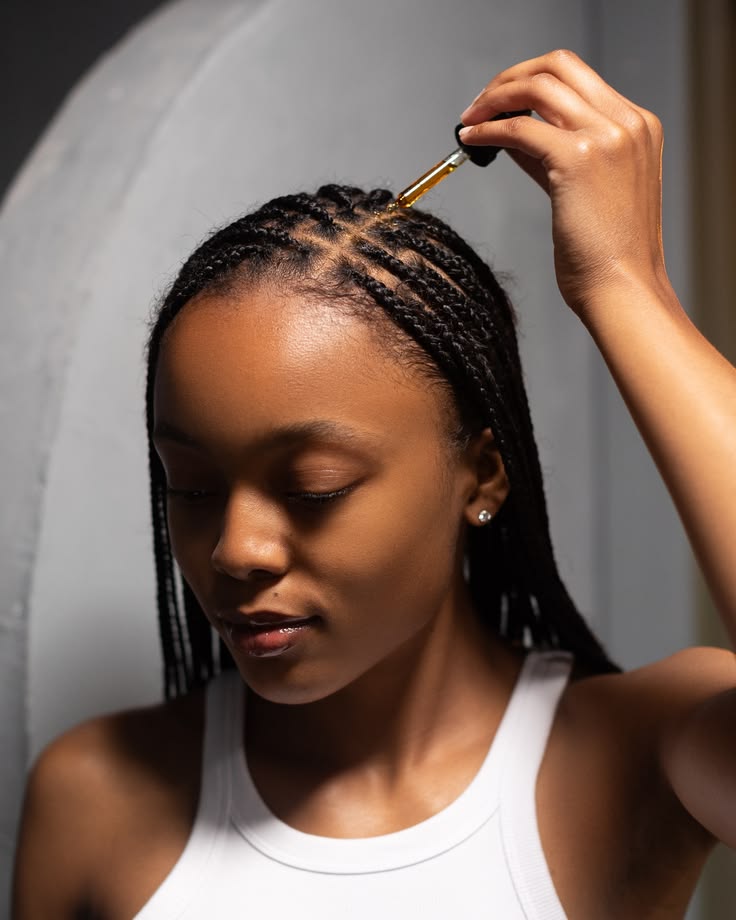
8. Wash Your Hair Regularly
Some people avoid washing their hair because they’re worried shampoo will dry it out.
In reality, leaving your scalp covered in product buildup for too long can also affect your hair’s health.
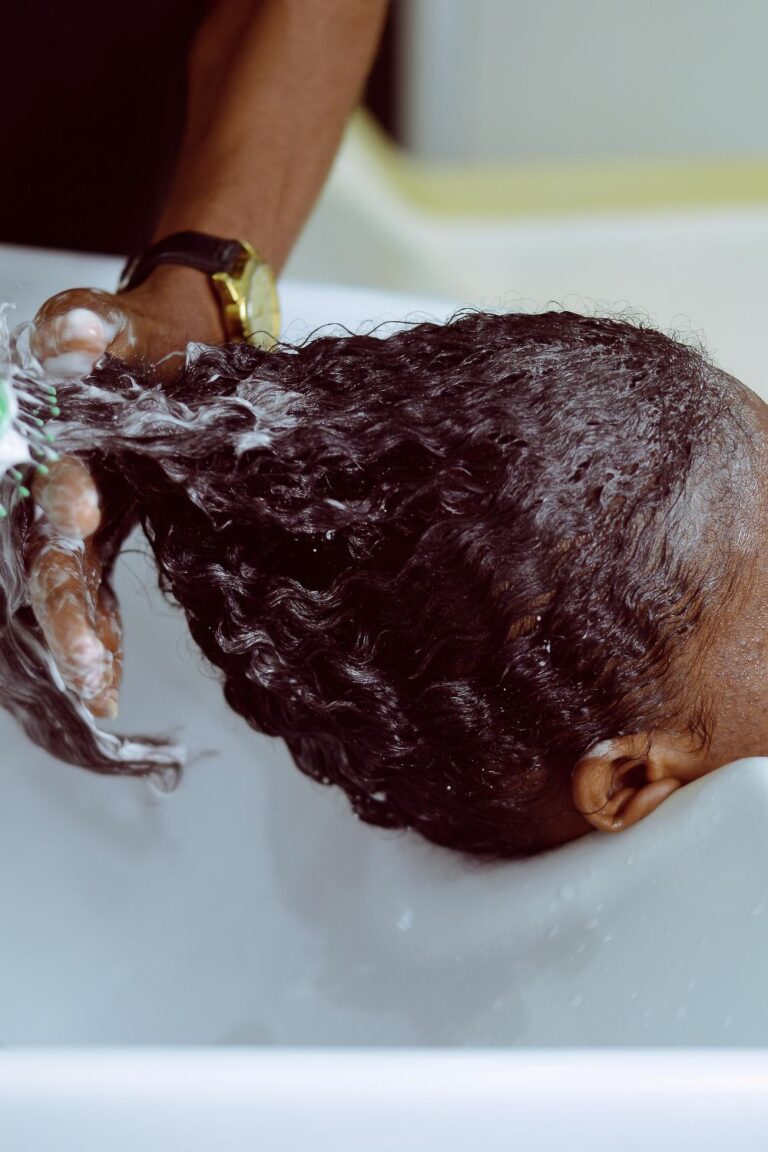
A clean scalp creates a better environment for healthy hair, while regular conditioning replaces the moisture your strands need.
The key is balance.
If you’re wondering how often your hair really needs washing, How Often Should You Wash 4C Hair? can help you find a routine that works for your hair type and lifestyle.
9. Make Every Wash Day Count
Wash day isn’t just about getting your hair clean.
It’s your opportunity to moisturize, strengthen, detangle, and prepare your hair for the week ahead. Skipping deep conditioning or rushing through detangling can leave your hair more vulnerable to breakage.
Instead of focusing on using lots of products, focus on building a simple routine you can stick with.
The Best Wash Day Routine for Nappy 4C Hair shows how to make every wash day more effective without making it overwhelming.
10. Feed Your Hair From the Inside Out
Healthy hair starts with a healthy body.
While products care for the outside of your hair, your follicles depend on nutrients like protein, iron, healthy fats, and vitamins to produce strong strands.
A balanced diet, plenty of water, and good overall health won’t eliminate breakage overnight, but they can support stronger, healthier hair over time.
If you’d like to learn more about the connection between healthy habits and hair growth, How to Grow 4C Hair Faster Naturally explores this in more detail.

11. Be Gentle With Your Hair Every Day
The little things matter.
Pulling your hair into tight ponytails every day, brushing too roughly, or constantly running your fingers through your curls can slowly weaken your strands.
Treat your hair like delicate fabric rather than something that needs to be forced into place.
Being gentle doesn’t take extra money; it simply takes patience.
Ingredients That Help Prevent Hair Breakage
When shopping for hair products, it’s easy to get distracted by flashy packaging and bold claims. Instead of focusing on the brand, take a look at the ingredient list.
Certain ingredients are well-known for helping keep hair moisturized, stronger, and less prone to breakage. While no single ingredient can completely stop hair breakage on its own, choosing products that contain these ingredients can support healthier hair over time.
Ceramides
Think of ceramides as the “glue” that helps hold your hair together.
They help keep moisture inside your hair and protect it from everyday damage caused by styling, brushing, or even the weather. If your hair often feels dry or breaks easily, products with ceramides can help make it stronger over time.
Shea Butter
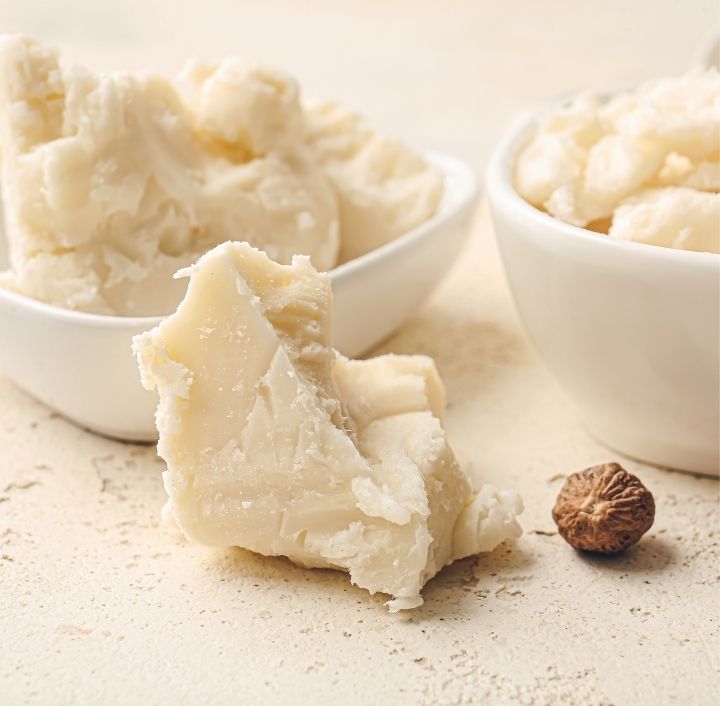
Shea butter is one of the best natural moisturizers for 4C hair.
It creates a protective layer around the hair shaft that helps slow down moisture loss, leaving your hair softer and more manageable. Hair that’s able to hold onto moisture is usually less likely to become brittle and break.
Hydrolyzed Protein
Your hair is mostly made of protein, so when it starts feeling weak or breaking easily, a little extra protein can help.
Hydrolyzed protein helps strengthen weak areas of your hair, making it less likely to snap. Just remember that balance is important.
Too much protein can make your hair feel hard or dry, so it’s best to use products that also provide plenty of moisture.
Aloe Vera
Aloe vera is loved for its soothing and moisturizing properties. It helps hydrate both the scalp and hair without leaving a heavy or greasy feeling.
Because dry hair is more likely to snap, keeping your strands well-hydrated with ingredients like aloe vera can help reduce breakage over time.

Panthenol (Pro-Vitamin B5)
Panthenol is an ingredient that helps your hair attract and hold onto moisture.
It leaves your hair feeling softer, smoother, and easier to manage. Hair that stays soft and flexible is much less likely to break when you’re combing, detangling, or styling it.
When buying hair products, don’t assume the most expensive one is automatically the best. Instead, pay attention to the ingredients and choose products that work well for your hair.
If you’re not sure where to start, a weekly hair care routine can help you build a simple routine with products your hair actually needs.
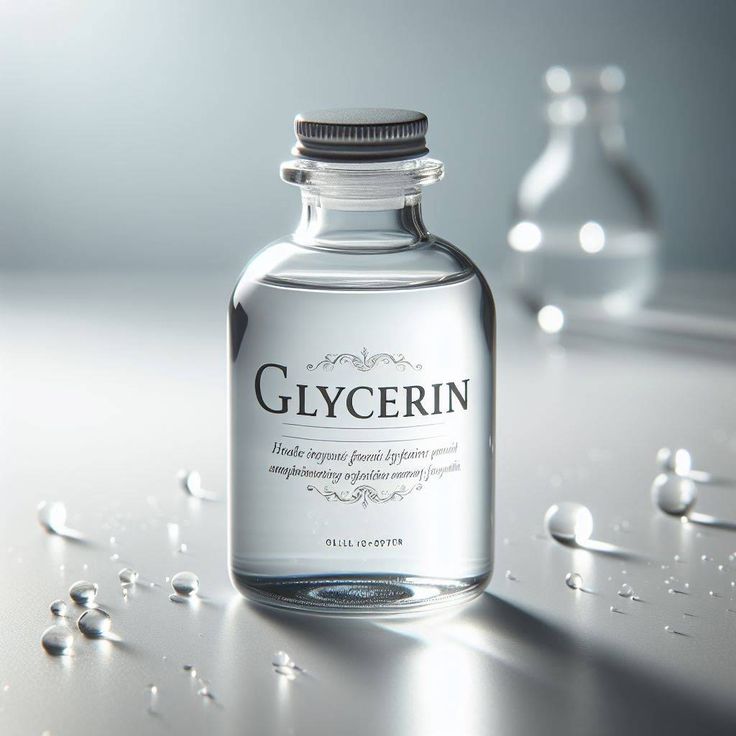
Glycerin
Glycerin is what’s known as a humectant, which means it attracts moisture from the surrounding environment.
When used in the right conditions, it helps keep your hair hydrated for longer. Since moisture plays such an important role in preventing breakage, glycerin is a common ingredient in many leave-in conditioners and moisturizing products.
Frequently Asked Questions
Can damaged 4C hair be repaired?
Unfortunately, once a hair strand is damaged, it can’t repair itself. However, you can improve how it looks and feels with deep conditioning and proper moisture. The best long-term solution is to prevent further damage and trim split ends when necessary.
How do I know if my hair is breaking or just shedding?
Shedding is completely normal and usually involves long strands with a small white bulb at one end. Breakage happens when hair snaps somewhere along the shaft, leaving shorter strands of different lengths. If you’re seeing lots of short pieces, you’re likely dealing with breakage.
How long does it take to stop hair breakage?
It depends on what’s causing the damage and how consistent you are with your routine. Many people notice less breakage within a few weeks, but stronger, healthier hair usually takes a few months of consistent care.
Does coconut oil stop hair breakage?
Coconut oil can help reduce protein loss and improve moisture retention for some people, but it isn’t a miracle cure. It’s most effective when used as part of a healthy hair care routine rather than the only solution.
Can protective styles stop hair breakage?
They can certainly help, but only when they’re installed correctly, moisturized regularly, and removed on time. Tight or neglected protective styles can actually increase breakage instead of preventing it.
What’s the fastest way to stop hair breakage?
There isn’t one quick fix. The best approach is to moisturize consistently, deep condition regularly, detangle gently, reduce excessive manipulation, and protect your hair while you sleep. Small habits repeated over time produce the biggest results.
Final Thoughts
Learning how to stop hair breakage isn’t about finding one miracle product or following every trend you see online.
It’s about understanding what your hair needs and giving it that care consistently.
Healthy 4C hair doesn’t become stronger overnight. It becomes stronger every time you moisturize instead of letting it dry out, every time you detangle patiently instead of rushing, and every time you choose habits that protect your strands instead of damaging them.
Don’t get discouraged if progress feels slow.
Every healthy strand you keep is a step closer to the longer, fuller hair you’re working toward.
Focus on reducing breakage, stay consistent with your routine, and trust the process. Over time, you’ll spend less time worrying about the hair you’re losing and more time celebrating the healthy hair you’re keeping.




16 Comments