
Big Chop vs Long Transition: Which Is Right for You?
Disclosure: Some of the links in this post are affiliate links. This means if you click on the link and purchase an item, I will receive an affiliate commission at no extra cost to you.
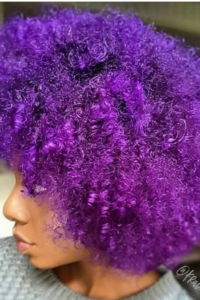
Deciding to leave relaxed hair behind comes with an important choice: should you cut off the relaxed ends now, or keep them while your natural hair grows? The big chop vs long transition decision is one of the first major choices many people face when beginning their natural hair journey.
Both options can lead to fully natural hair, but the experience can be very different. A big chop gives you a fresh start by removing the chemically treated ends, while a long transition allows you to keep more of your existing length as your natural hair grows.
There is no universal answer for everyone. Your preferred hairstyles, comfort with shorter hair, patience, hair condition, and personal goals can all influence which approach makes sense for you.
Before deciding, it helps to understand exactly what each option involves, what you can expect during the process, and how to care for your hair afterward.
What Is a Big Chop?
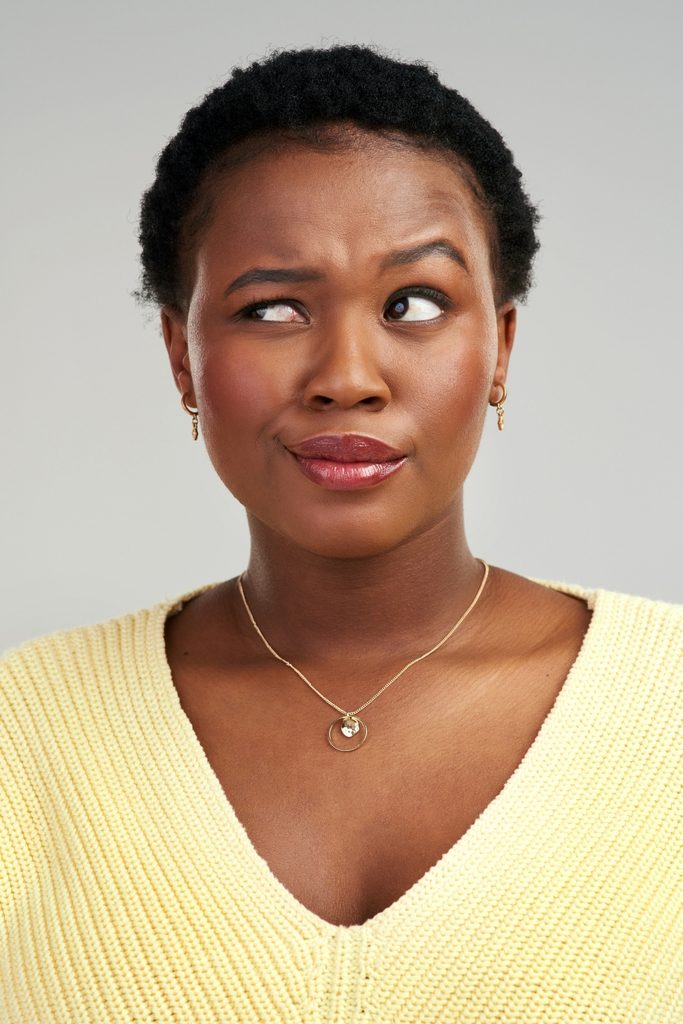
A big chop involves cutting off most or all of the chemically treated or relaxed portion of your hair, leaving your natural hair behind.
For some people, this means cutting their hair very short because they have only a small amount of natural growth. For others, it means waiting until several inches of new growth have developed and then cutting away the remaining relaxed ends.
The biggest advantage is that you immediately move to one hair texture. Instead of managing natural roots and relaxed ends at the same time, you can build your routine around your natural hair alone.
This can make washing, detangling, and styling simpler in some ways. You also no longer have to worry about the fragile point where the two textures meet.
However, a big chop can be an emotional adjustment if you are attached to your current length. You may need to become comfortable with shorter hairstyles and learn how your natural texture behaves.
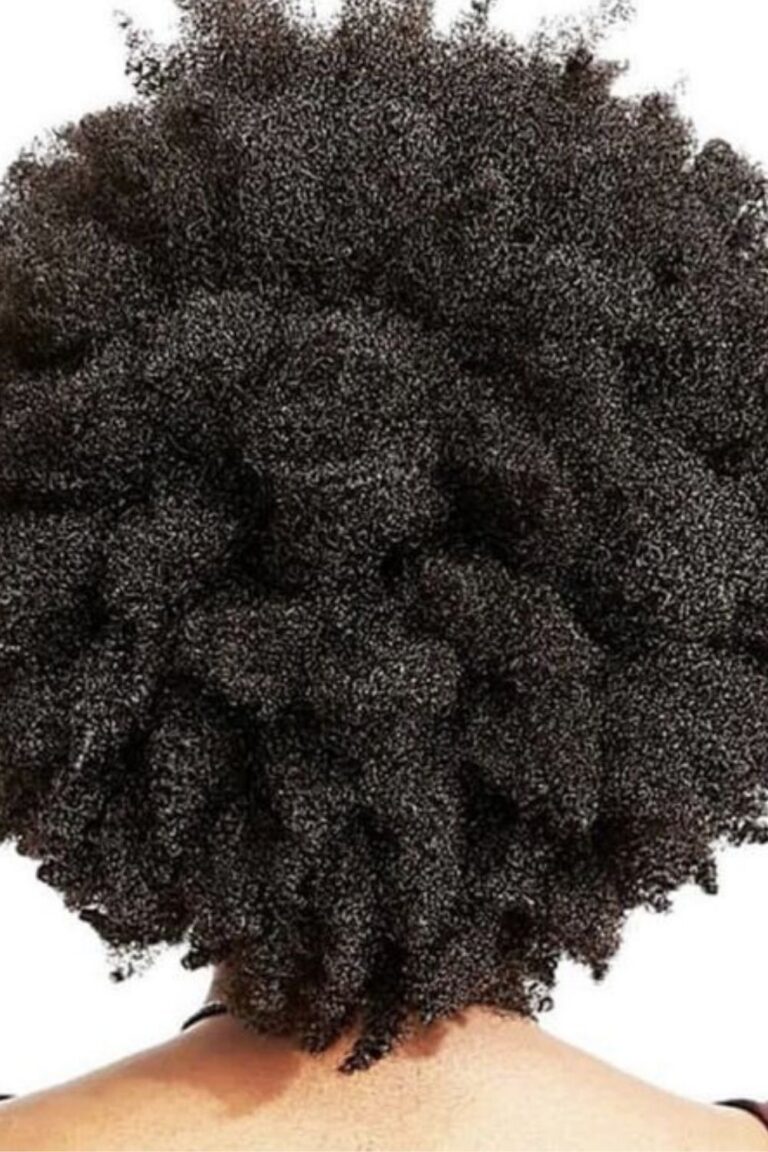
If you are new to 4C hair, learning about your natural texture before cutting can also help you develop realistic expectations about shrinkage, density, and styling.
What Is a Long Transition?
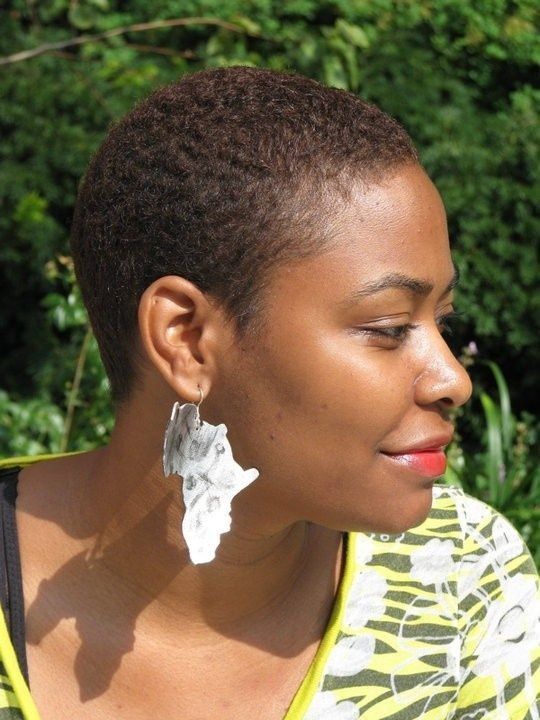
A long transition involves growing out your natural hair while keeping some or all of your relaxed ends for an extended period.
Instead of cutting away the relaxed hair immediately, you gradually trim it as your natural roots become longer.
This approach allows you to maintain more visible length during the transition. You can continue wearing hairstyles that work with longer hair while slowly becoming familiar with your natural texture.
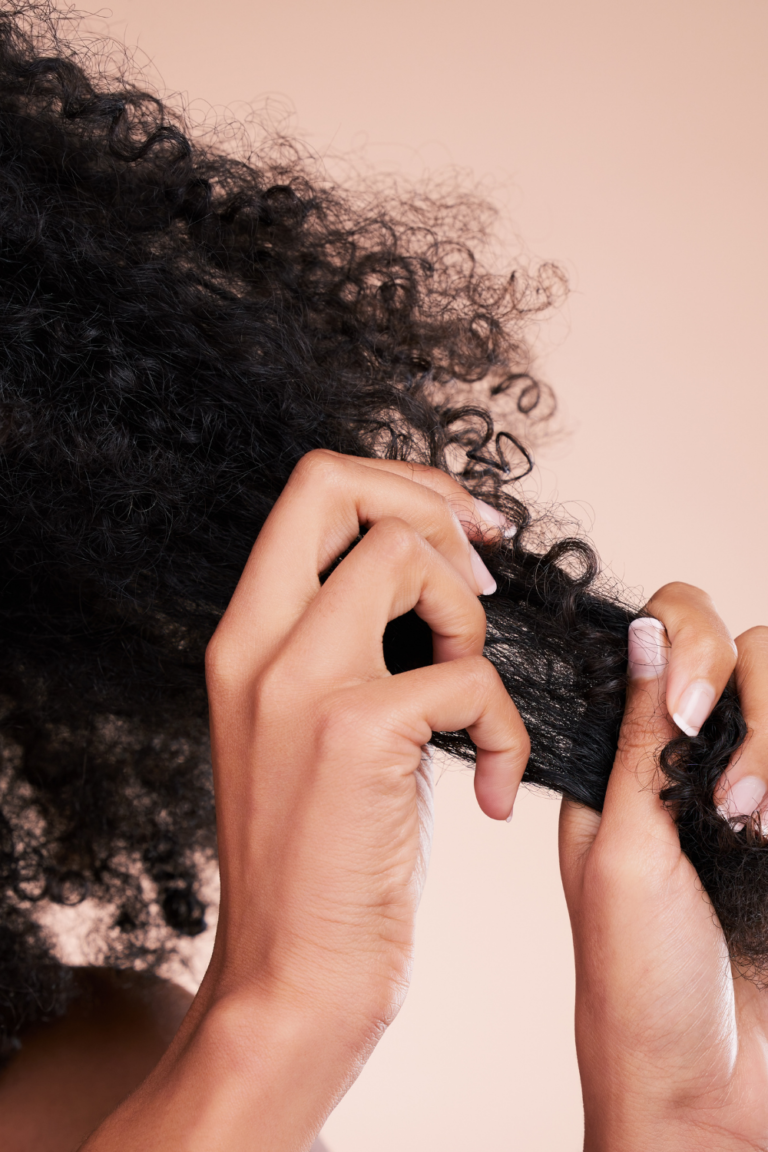
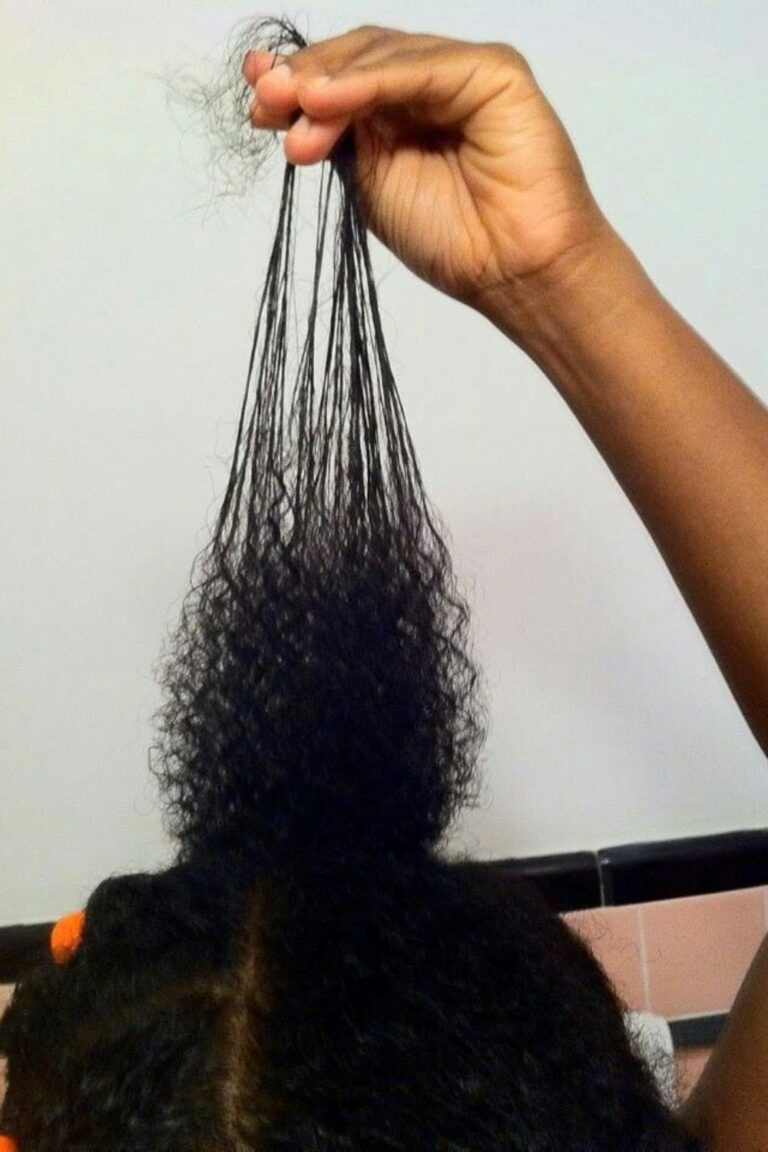
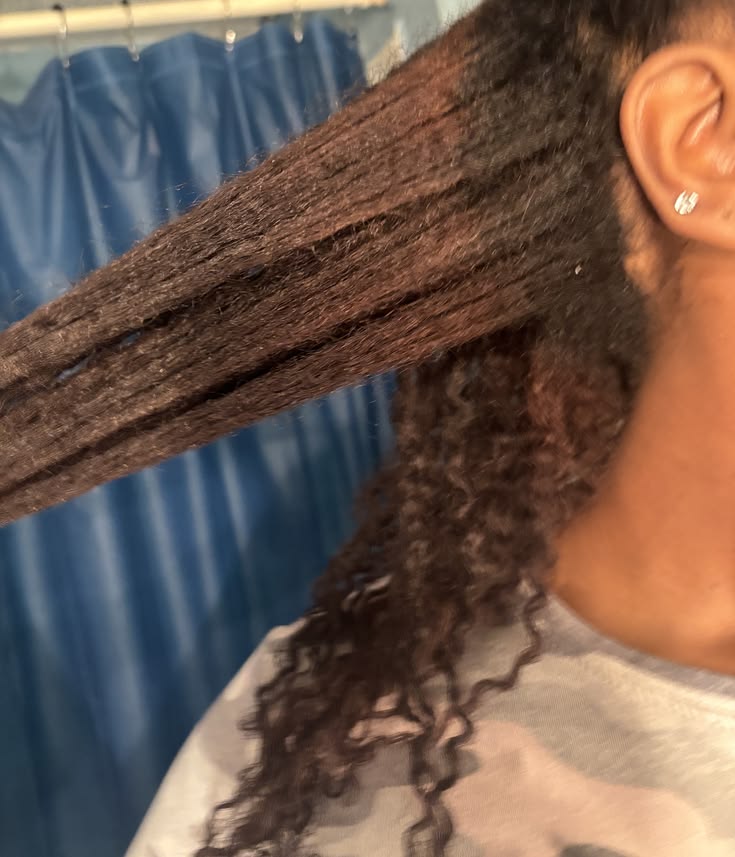
The challenge is that you have to manage two different textures at the same time. Your natural roots may be tightly coiled while your relaxed ends remain straight or have a looser texture.
The area where these textures meet can be particularly fragile, so careful detangling and styling are important.
A long transition may work well for someone who is not ready to make a dramatic change in length. It can also give you more time to experiment with natural hairstyles before removing the remaining relaxed ends.
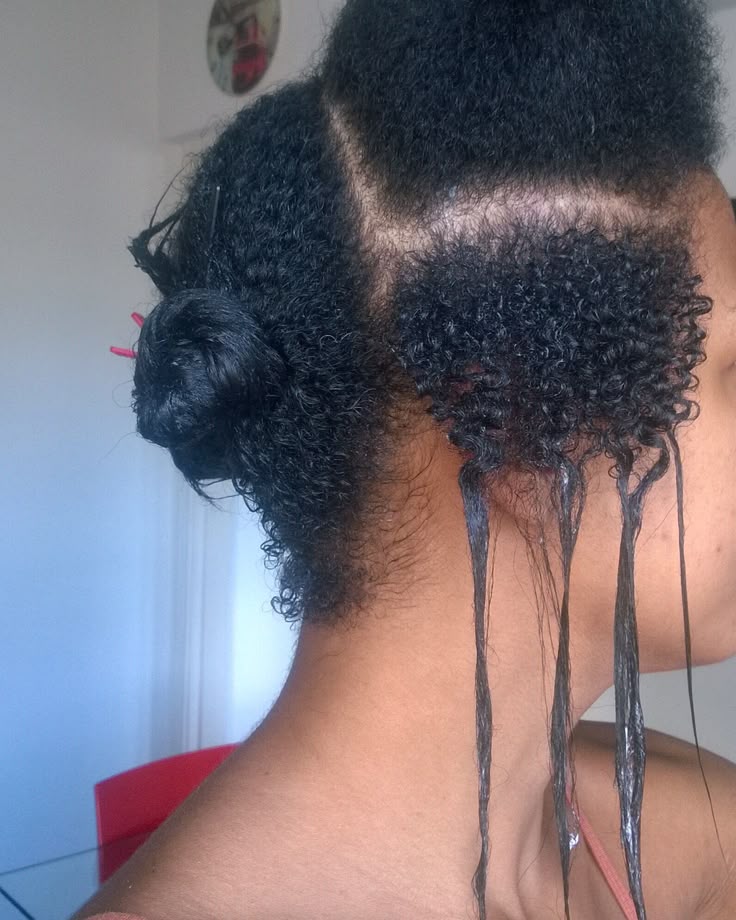
Big Chop vs Long Transition: The Main Difference
The biggest difference between the two approaches is how quickly you remove the relaxed hair.
With a big chop, the relaxed ends are removed at once or within a very short period. Your natural hair becomes the main focus immediately.
With a long transition, the relaxed ends remain while your natural roots continue growing. You gradually reduce the amount of chemically treated hair over time.
This means the two approaches can feel very different emotionally and practically.
A big chop can create a strong sense of starting fresh, but the sudden loss of length may take some adjustment.
A long transition gives you more time to adapt, but you may spend months or even years managing two textures.
Your choice does not have to be permanent from the beginning. You can start by transitioning and later decide to cut your hair once you feel ready.
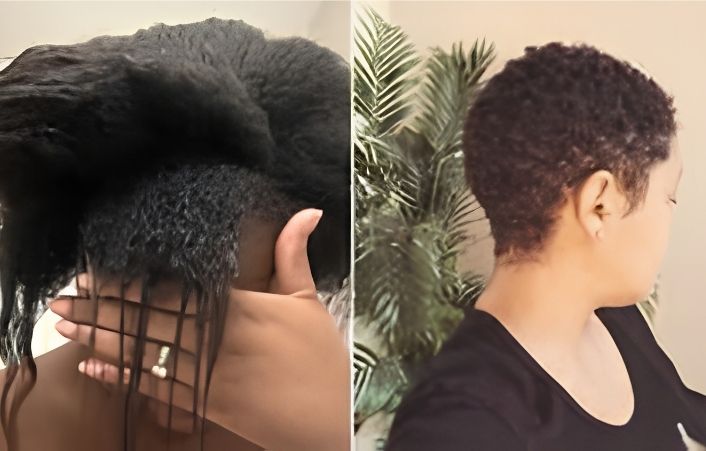
How Much Length Do You Want to Keep?
Length is one of the biggest factors to consider.
If keeping your current length is important to you, a long transition gives you more opportunity to preserve it. You can continue growing your natural roots while trimming the relaxed ends gradually.
However, keeping more length does not automatically mean you will retain all of it. Breakage can occur during a transition, especially around the line of demarcation.
Good length retention habits can therefore make a difference regardless of which approach you choose.
With a big chop, you lose the relaxed length immediately, but you also remove the most vulnerable part of the hair. From there, you can focus entirely on caring for your natural strands and retaining the length they produce.
Think about what matters more to you right now: keeping your existing length or starting with only your natural texture.
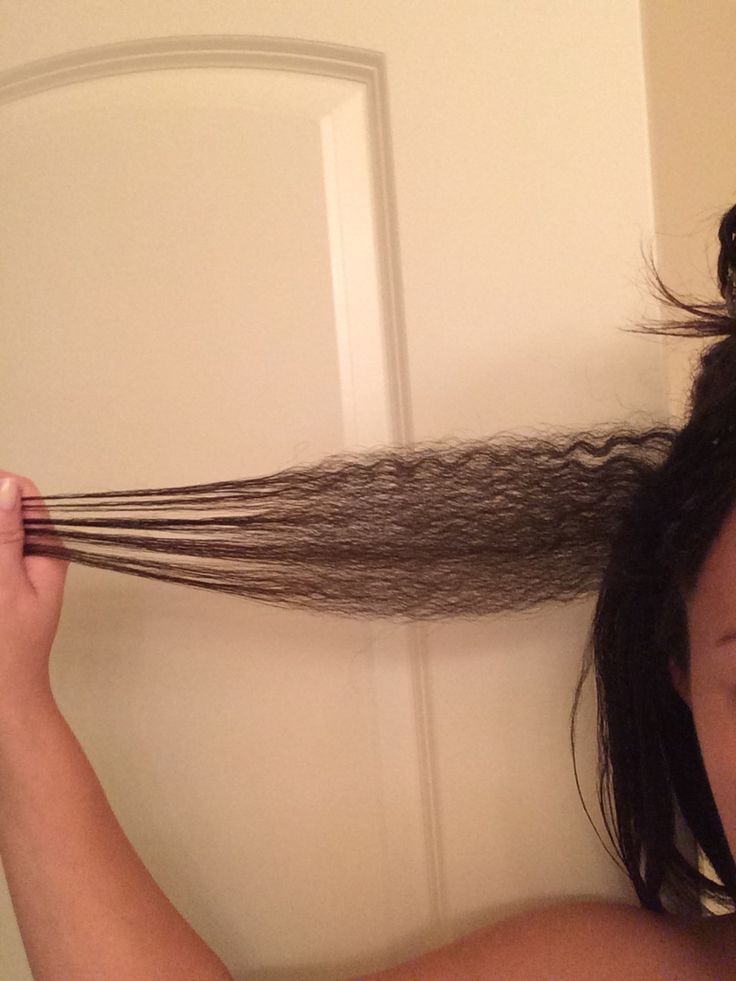
How Comfortable Are You With Short Hair?
Your comfort level with short hair should be part of the decision.
A big chop can leave you with significantly less hair than you are used to. Some people love the freedom immediately, while others need time to adjust to seeing themselves with shorter hair.
Think about the hairstyles you normally wear. If you regularly rely on long braids, buns, ponytails, or extensions, you may find the first few months after a big chop require some creativity.
On the other hand, short natural hair can be surprisingly versatile. You can experiment with finger coils, mini twists, wash-and-go styles, headbands, scarves, and other accessories.
A long transition allows you to maintain more length while you gradually become comfortable with your natural texture.
There is nothing wrong with wanting time to adjust. Your natural hair journey does not have to begin with a dramatic transformation.
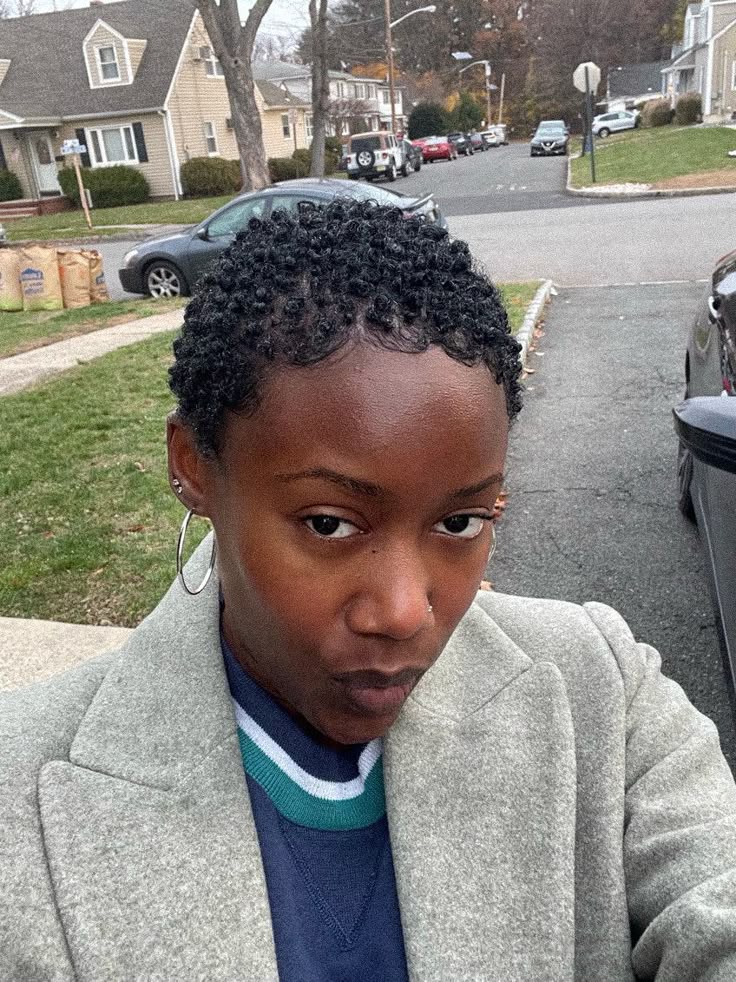
Think About Your Hair’s Condition
The current condition of your relaxed hair can also influence your decision.
If your relaxed ends are severely damaged, constantly breaking, splitting, or becoming difficult to manage, holding onto them simply for length may not be practical.
A big chop can remove damaged sections and give you a cleaner starting point.
However, healthy relaxed ends do not automatically need to be cut immediately. If they are still manageable and you enjoy your current length, you may prefer to transition gradually.
The key is to look at the condition of your actual hair rather than following a general rule.
Pay attention to excessive shedding, breakage, dryness, split ends, and thinning areas. Understanding why hair breaks can help you determine whether your current routine is contributing to the problem.
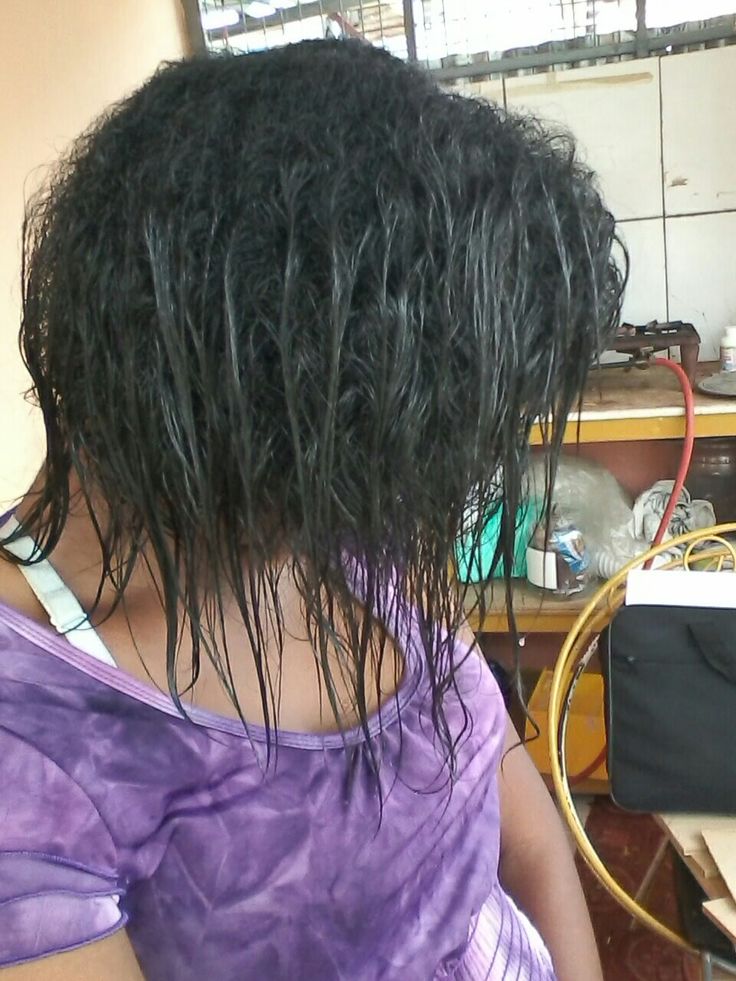
Managing Two Textures During a Long Transition
One of the biggest challenges of a long transition is learning to work with two textures.
Your natural roots may shrink significantly when wet, while the relaxed ends remain longer. This difference can make your hair more prone to tangling and breakage.
The line where the two textures meet is especially delicate.
Detangling should therefore be done slowly, preferably in sections. Use a conditioner or product that provides enough slip, and avoid pulling a comb through the hair aggressively.
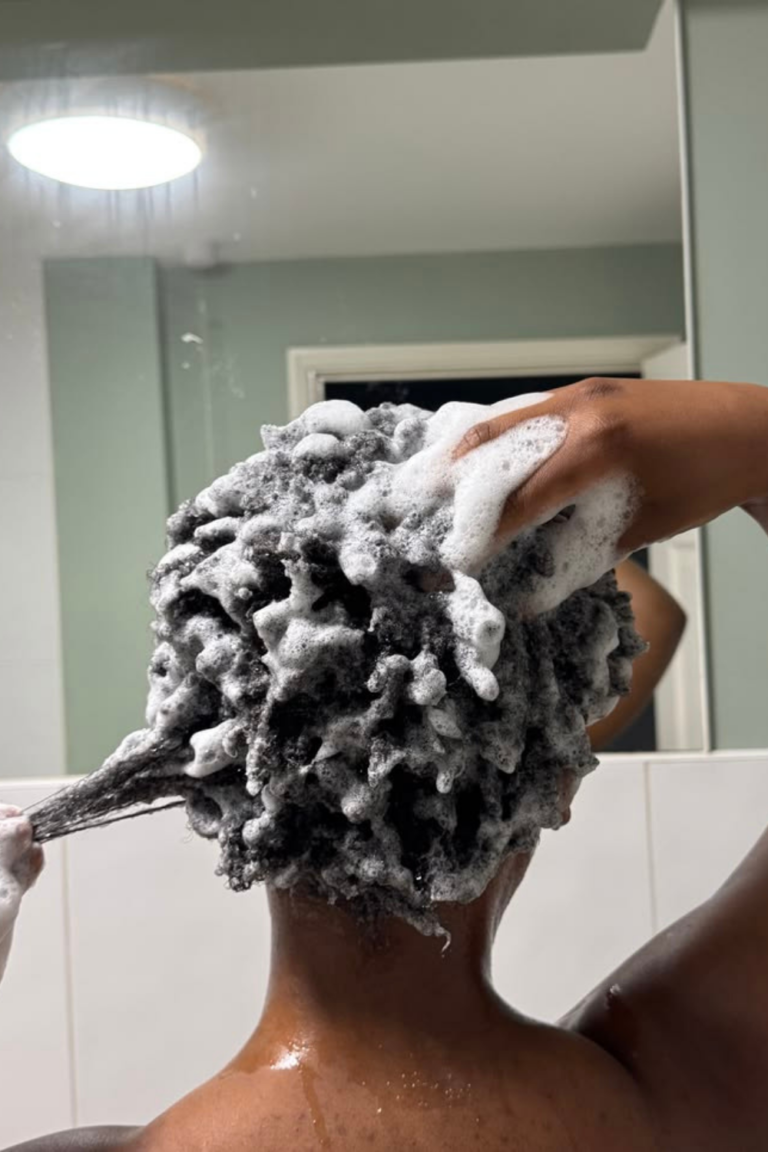
Washing also requires care. Avoid rough handling while shampooing because tangled natural roots can easily become caught around the straighter ends.
A consistent wash day routine can help you manage both textures without turning every wash into a stressful experience.
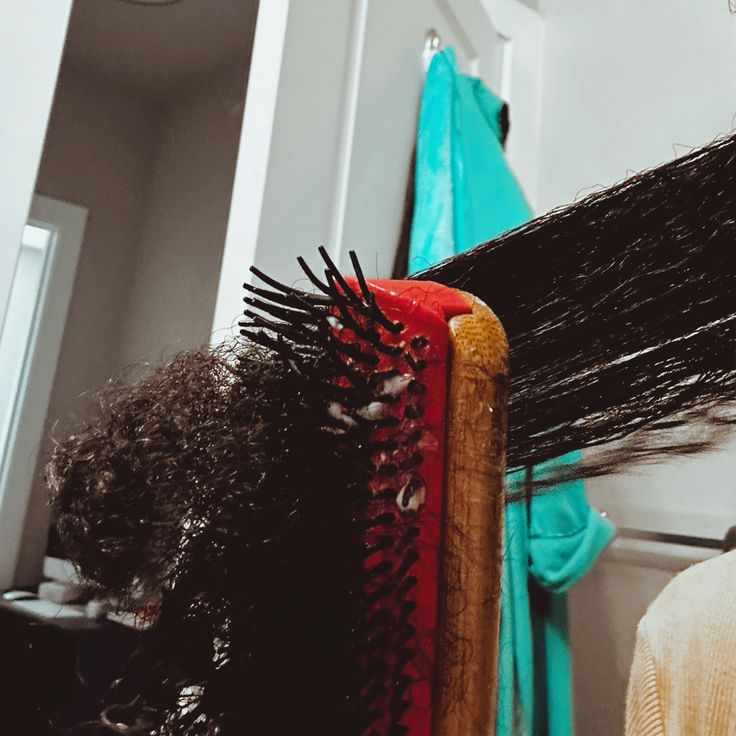
Protective Styles Can Make Long Transitions Easier
Protective styles can be useful during a long transition because they reduce how often you need to manipulate your hair.
Braids, twists, wigs, buns, and other low-manipulation styles can keep the hair contained while your natural roots continue growing.
However, not every protective style is suitable.
Tight braids, heavy extensions, or styles that pull repeatedly on your edges can cause unnecessary tension. Your hair is already dealing with the difference between two textures, so additional stress is not helpful.
Choose styles that feel comfortable and allow you to maintain your scalp and moisturize your hair.
Rotating between different protective styles can also prevent you from repeatedly stressing the same sections of your hair.
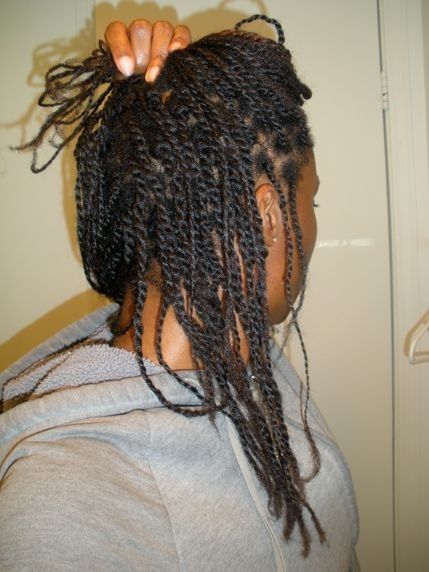
Styling After a Big Chop
One of the biggest changes after a big chop is learning to style shorter natural hair.
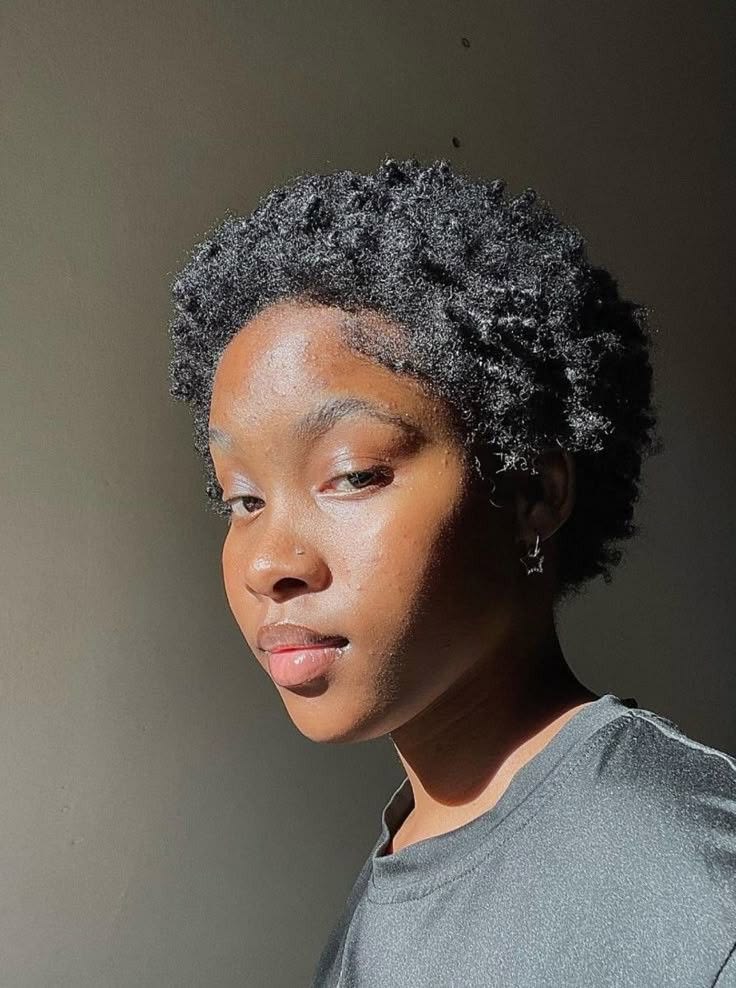
Depending on the length you have left, you might start with simple styles such as finger coils, mini twists, wash-and-go looks, puffs, or defined curls.
Accessories can also make short hair more versatile. Headbands, scarves, clips, and simple hair jewellery can completely change the appearance of a short natural style.
If you have 4C hair, shrinkage may also make your hair appear much shorter than it actually is. This is normal and does not mean your hair has stopped growing.
You can gradually build your styling skills by trying different techniques and paying attention to what your hair responds to.
A collection of easy hairstyles can be especially helpful during the first few months because you do not need complicated techniques to make short natural hair look good.
photo credit
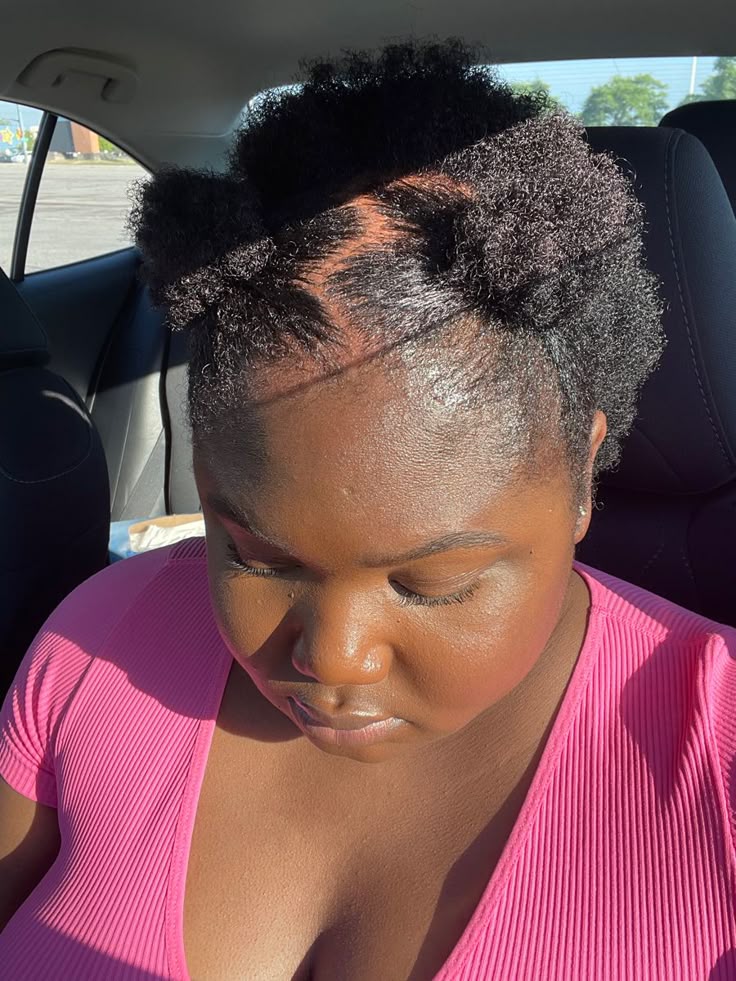
How Long Should You Transition?
There is no universal transition period.
Some people transition for three to six months. Others continue for a year, two years, or even longer.
The right length of time depends on how much natural hair you want before cutting your relaxed ends, how comfortable you are managing two textures, and how healthy your relaxed hair remains.
You do not have to choose a specific number of months simply because someone else did.
Instead, pay attention to your hair and your comfort level. If managing the two textures becomes increasingly difficult, that may influence you to cut sooner.
If you are comfortable maintaining your relaxed ends and want to preserve more length, you may prefer to continue longer.
Your transition should fit your life rather than become another source of pressure.
When a Big Chop May Feel More Practical
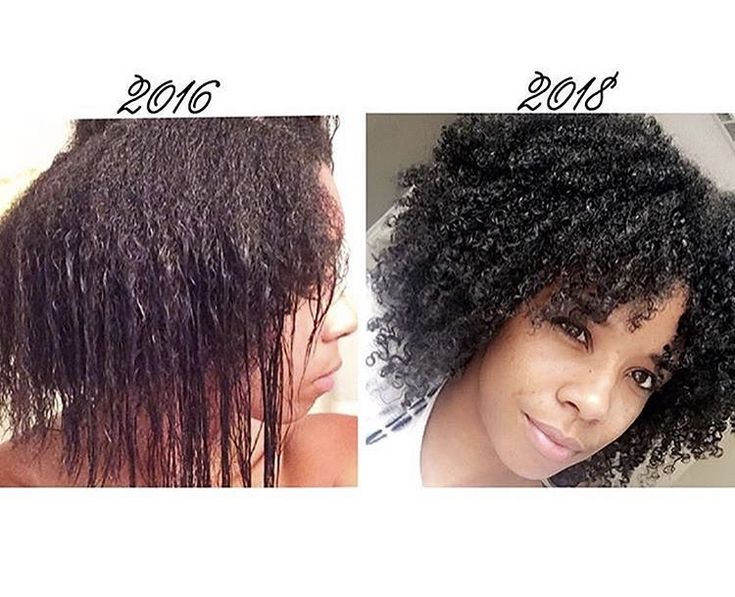
A big chop may feel more practical if you are tired of managing two textures or your relaxed ends are becoming difficult to maintain.
It can also be appealing if you want to establish a natural hair routine without constantly worrying about the difference between your roots and ends.
Some people enjoy the simplicity of having one texture to work with.
A big chop may also make it easier to identify how your natural hair behaves. Without relaxed ends influencing the overall appearance, you can get a clearer idea of your natural curl pattern, shrinkage, density, and moisture needs.
This can be useful when building a routine around 4C hair care.
However, you should still prepare yourself for the adjustment. Short hair may require different styling techniques and may look very different from the hairstyles you were accustomed to wearing.
When a Long Transition May Feel More Practical
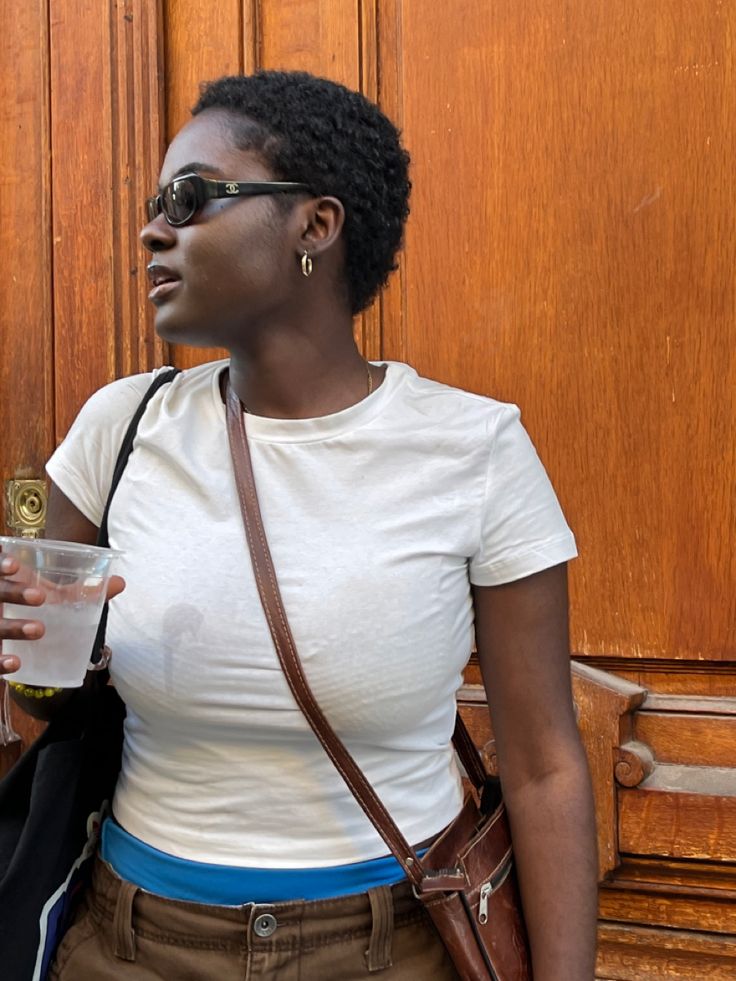
A long transition may feel more comfortable if you are not ready to give up your current length.
It can give you time to experiment with natural hair while still having enough length for familiar hairstyles.
You can also gradually trim the relaxed ends instead of making one major cut.
This approach may be useful if you have a particular length goal in mind before going fully natural.
However, patience is important. You will need to manage two textures for an extended period, and that can become increasingly challenging as the natural hair grows.
You also need to be consistent about reducing breakage. A long transition is not simply about waiting for natural hair to grow. It is about maintaining the hair you already have until you are ready to remove the relaxed portions.
What About a Partial Big Chop?
You do not necessarily have to choose between cutting everything immediately and keeping all your relaxed ends.
A partial big chop can be a middle ground.
You might cut off a significant portion of the relaxed hair while keeping enough length to maintain some of your preferred hairstyles. Later, you can trim the remaining relaxed ends as your natural hair grows.
This approach can make the change feel less dramatic while still removing some of the chemically treated hair.
It can also be useful if certain parts of your relaxed hair are more damaged than others.
There is plenty of flexibility in a natural hair journey. You can adjust your approach as your hair grows and as your preferences change.
Mistakes to Avoid With Either Approach
Regardless of whether you choose a big chop or long transition, some habits can make your natural hair journey more difficult.
One common mistake is excessive manipulation. Constant brushing, combing, restyling, and pulling can contribute to breakage.
Another is neglecting moisture. Natural hair may feel dry more quickly than relaxed hair, particularly if you are not using a routine that works for your texture.
Wearing tight hairstyles too frequently can also put unnecessary stress on your edges.
Another mistake is comparing your progress to someone else’s. Hair grows at different rates, and visible length is affected by shrinkage and retention.
You should also avoid constantly changing products because you expect immediate results. Give your routine enough time to show you how your hair responds.
If you notice frequent breakage, look closely at your habits and learn how to stop 4C hair breakage before adding more products to your routine.
What Happens After You Become Fully Natural?
Once you remove the remaining relaxed ends, your hair care routine will begin to change.
You will no longer have to manage two different textures, but you will still need to learn what your natural hair likes.
Your first few months can be a period of experimentation. You may discover that your hair needs more moisture than you expected, that certain products leave buildup, or that some styling techniques work better than others.
This is completely normal.
Instead of immediately creating a complicated routine, start with the basics. Cleanse your scalp, condition your hair, moisturize when needed, detangle carefully, and protect your ends.
You can then build from there.
A simple weekly routine can give you structure without making natural hair care feel like a full-time job.
Final Thoughts
The big chop vs long transition decision ultimately comes down to what you are comfortable with and what you want from your natural hair journey.
A big chop gives you a faster transition to fully natural hair and removes the challenge of managing two textures. The trade-off is losing more length at once and adjusting to shorter hair.
A long transition allows you to preserve more length and gradually adapt to your natural texture. The trade-off is having to manage two textures for a longer period and paying close attention to the fragile line of demarcation.
Neither option determines how successful your natural hair journey will be.
You can have healthy natural hair after a big chop. You can also have healthy natural hair after a long transition. The more important factors are how you handle your hair, how consistently you care for it, and whether your routine allows you to minimize unnecessary damage.
Take your time with the decision. Think about your current hair condition, the amount of length you want to keep, the hairstyles you enjoy, and how comfortable you feel with a shorter cut.
Most importantly, remember that there is no deadline for becoming fully natural. Your hair journey belongs to you, and you can choose the pace that makes the most sense for your life.