
Spring Hair Care Routine for 4C Hair
Disclosure: Some of the links in this post are affiliate links. This means if you click on the link and purchase an item, I will receive an affiliate commission at no extra cost to you.
Spring brings a shift in weather that can affect how your natural hair behaves. After months of cooler, drier conditions, warmer temperatures and changing humidity can make your 4C hair respond differently to moisture, styling products, and everyday handling.
A good spring hair care routine for 4C hair does not need to be complicated. The goal is to adjust your routine to the changing environment while keeping your strands moisturized, clean, manageable, and protected.
Small changes, such as adjusting how often you moisturize, washing away buildup more consistently, and choosing lighter styling products, can make your hair easier to maintain.
Spring is also a useful time to reassess your hair after the colder months. If your ends feel rough, your scalp has accumulated product buildup, or your hair has become harder to detangle, your routine may need a reset. Paying attention to hair moisture, dry ends, and scalp health can help you decide what your strands actually need.
Whether you wear your 4C hair out, in braids, twists, locs, or other low-manipulation styles, the best routine is one that works with your hair rather than against it.
1. Start Spring With a Hair Assessment
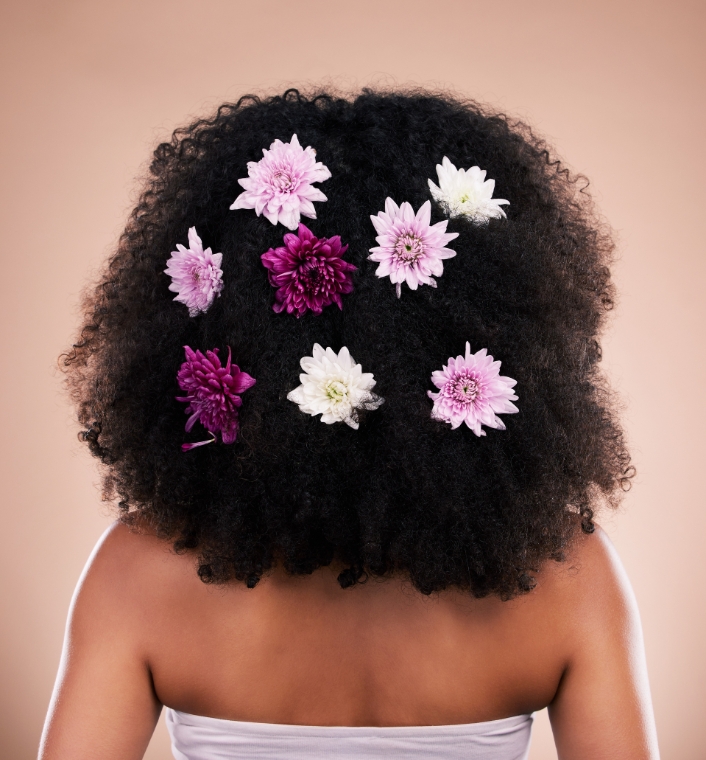
Before changing your routine, take a close look at your hair.
Think about how your hair behaved throughout the previous season. Did it become unusually dry? Were your ends breaking more often? Did you use heavy creams and butters more frequently? Did you wash your hair less often than usual?
These questions can help you determine what needs to change.
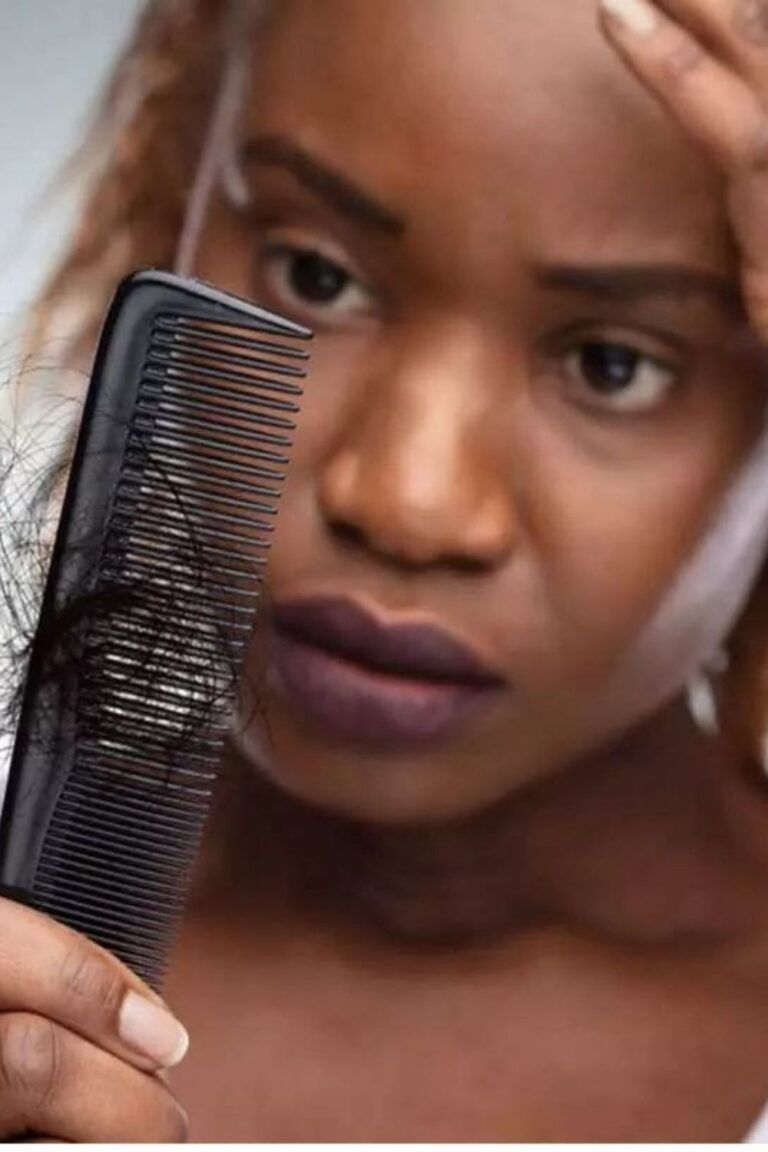
Check your strands gently for excessive dryness, tangling, breakage, and split ends. You should also pay attention to how your hair feels when you handle it. If your hair feels reasonably soft and flexible, you may only need small adjustments.
If it feels rough or fragile, focus on improving its condition before adding new styling products.
A quick hair check can prevent you from changing everything at once when only one or two parts of your routine actually need attention.

2. Cleanse Away Winter Buildup
During colder months, many people rely on heavier creams, oils, butters, and other products to keep natural hair moisturized.
By spring, some of that product can accumulate on the hair and scalp.
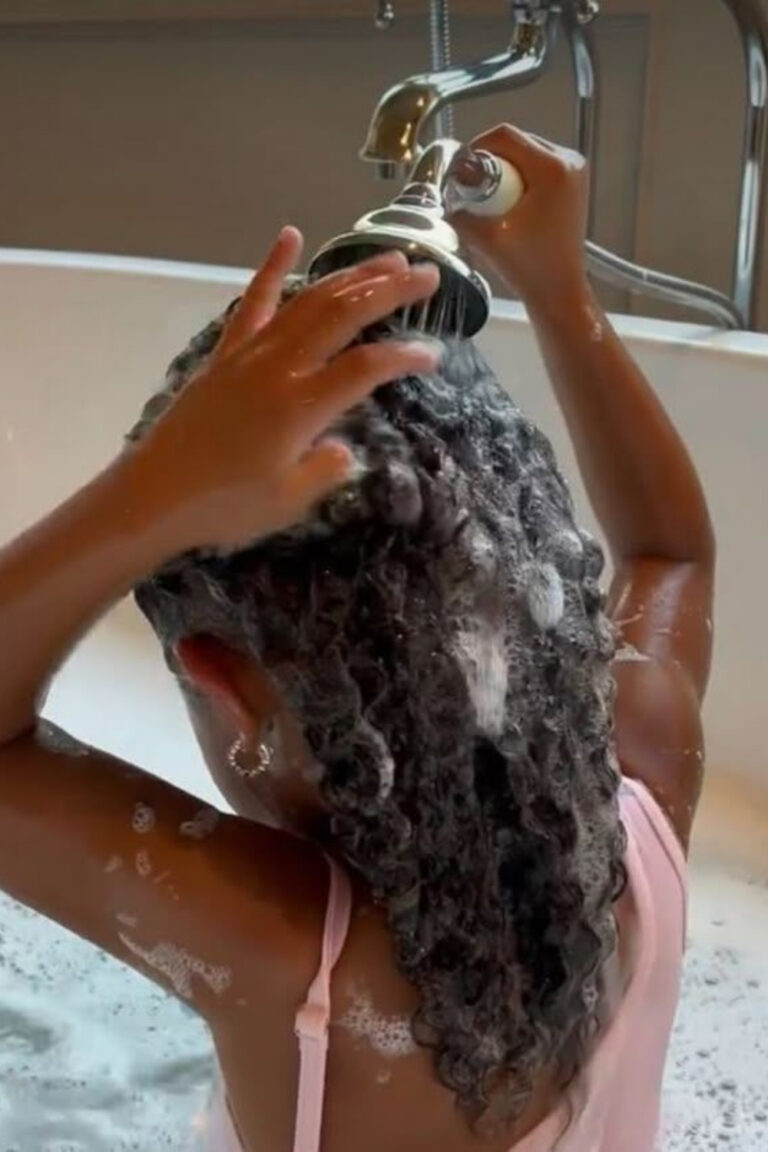
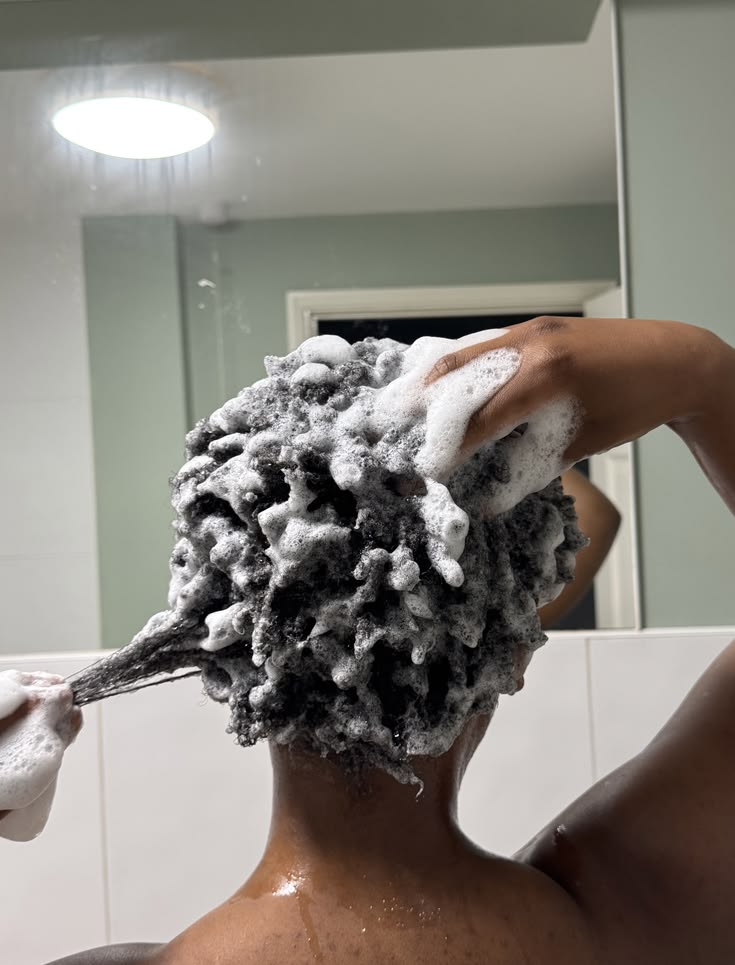
If your hair feels coated, dull, difficult to moisturize, or unusually heavy, buildup may be part of the problem. A suitable cleansing routine can help remove excess product and give your hair a fresh starting point.
You do not necessarily need to use a harsh cleanser every time. Choose a shampoo that effectively cleans your scalp and hair without leaving them excessively dry.
If you have been layering several products throughout the colder months, product buildup is worth considering before simply adding another moisturizer.
3. Adjust Your Moisture Routine
One of the most noticeable changes during spring may be how your hair responds to moisture.
Warmer temperatures and changes in humidity can make your hair feel different from how it did during the colder months.
Instead of automatically using the same amount of heavy products you used in winter, observe how your hair feels after moisturizing.
If your hair no longer needs several layers of thick products, reduce them gradually. A lighter routine may make your hair easier to manage without leaving it weighed down.
Pay attention to moisture balance rather than trying to keep your hair saturated with products all day.
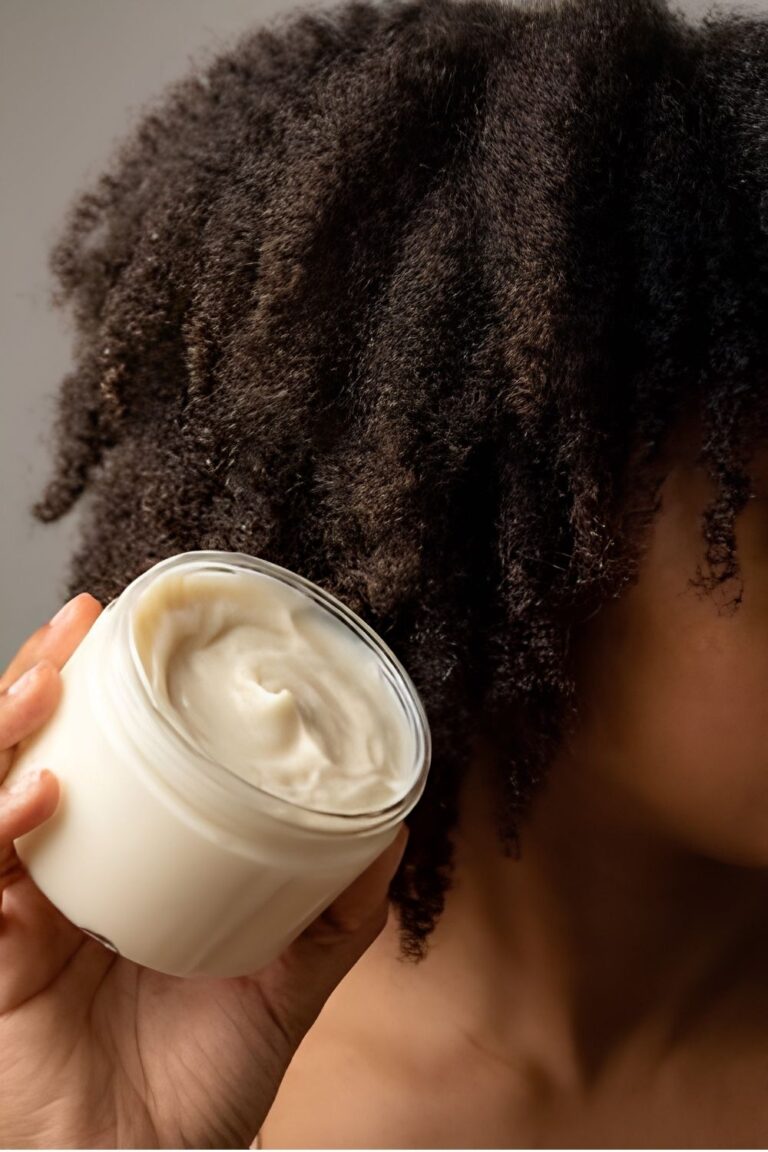
A simple routine might include water or a water-based moisturizer followed by a small amount of a suitable cream or oil, depending on how your hair responds.
4. Choose Lighter Products When Necessary
Spring can be a good time to reassess the products you use.
Heavy butters and thick creams can still have a place in a 4C hair routine, especially for particularly dry hair. However, using several heavy products together may leave some hair coated or difficult to cleanse.
If your hair feels weighed down, experiment with using smaller amounts.
You can also rely more on lightweight leave-ins, sprays, and water-based products when they work well for your hair.
A lighter routine can make styling and cleansing easier during warmer weather.
5. Deep Condition Regularly
Changing weather does not mean you should stop deep conditioning.
Your hair may still benefit from regular conditioning, especially if it experienced dryness or breakage during winter.
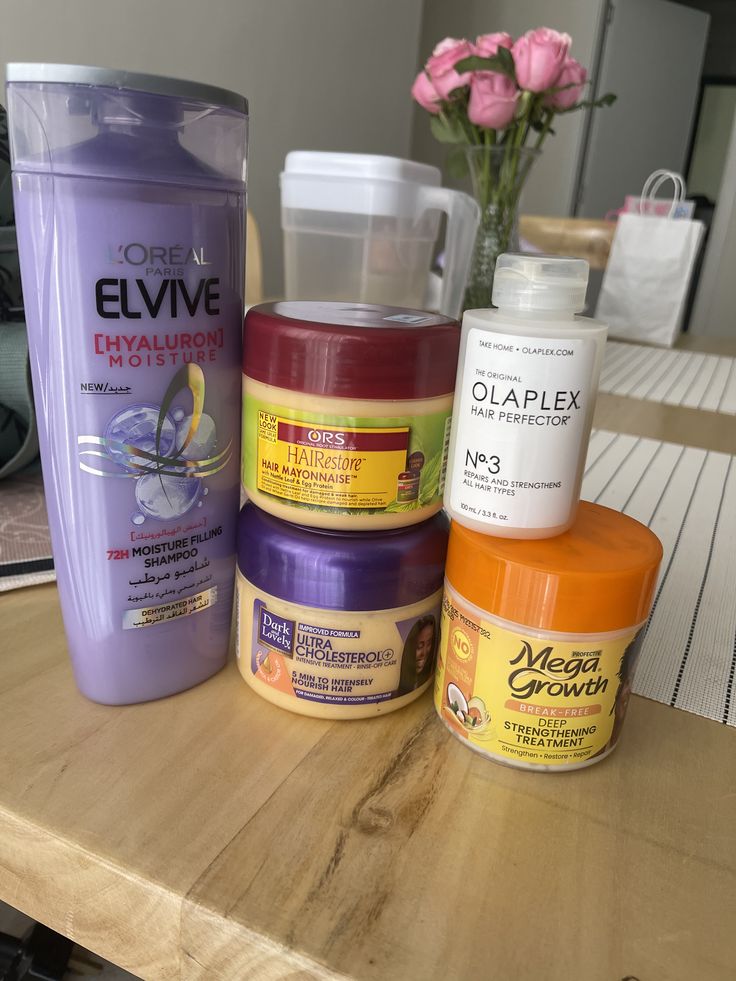
Deep conditioning can be incorporated into your normal wash day routine rather than treated as an emergency solution for extremely dry hair.
Choose products that leave your hair feeling soft and manageable without making it excessively coated.
If your strands feel dry after cleansing, a consistent deep condition can be more useful than constantly applying leave-in products between washes.
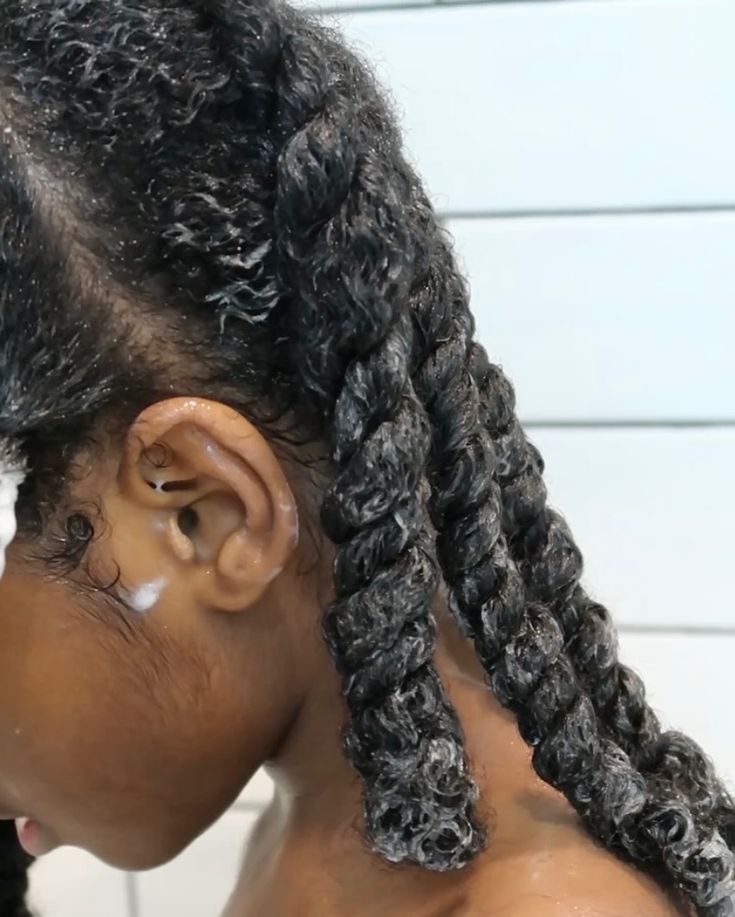
6. Pay Attention to Your Scalp
Your scalp deserves attention as the weather changes.
Sweat, styling products, oils, and environmental debris can accumulate more easily when temperatures rise.
If you notice increased itching, unusual flakes, soreness, or excessive buildup, reassess your cleansing routine instead of simply adding more products.
A clean scalp does not require aggressive scrubbing. Use your fingertips gently when cleansing and avoid scratching with your nails.
A little extra scalp care can make your spring routine more comfortable.
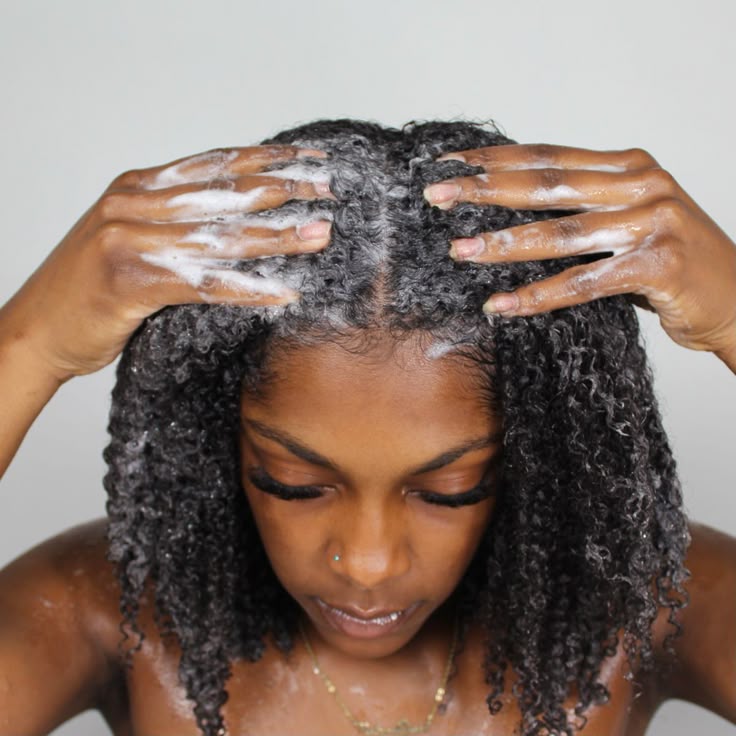
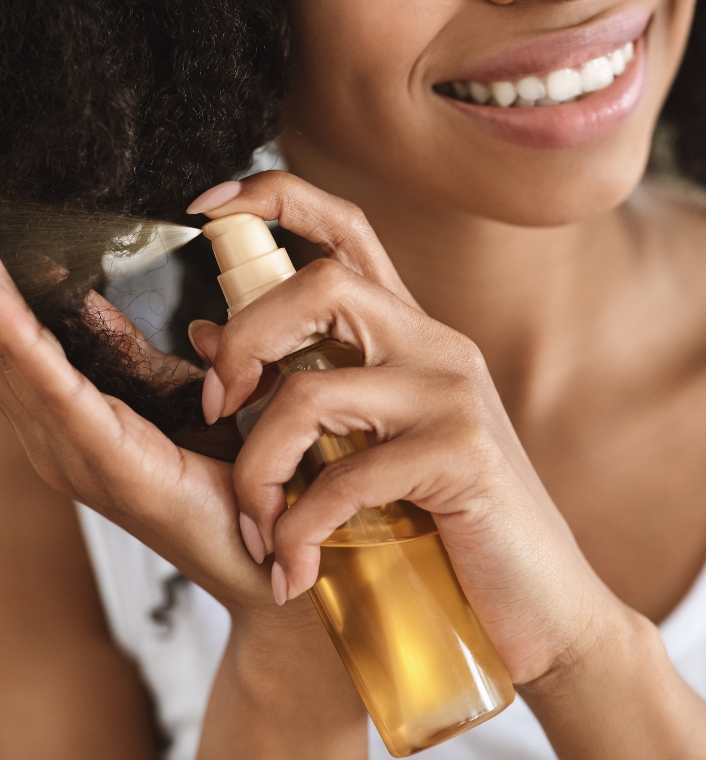
7. Do Not Overload Your Scalp With Oils
Oils can be useful in natural hair care, but more is not always better.
If your scalp becomes sweaty or product buildup is an issue during warmer weather, applying large amounts of oil may make your hair feel heavier.
If you enjoy using oils, consider using a small amount and paying attention to how your scalp responds.
You can also focus oils on the hair rather than repeatedly coating the scalp if that works better for you.
A simple oil routine is often easier to maintain than constantly adding more products.
8. Keep Your Hair Moisturized Between Wash Days
4C hair can still become dry during spring, even when the weather is warmer.
Instead of waiting until your hair feels extremely dry, pay attention to early signs such as roughness, reduced softness, or increased tangling.
Your moisture routine can be simple. Lightly mist the hair with water or use a suitable water-based moisturizer, then follow with whatever product helps your strands retain that moisture.
The amount you need will depend on your hair and the weather where you live.
If your hair feels comfortable for several days after moisturizing, there is no need to constantly reapply products.
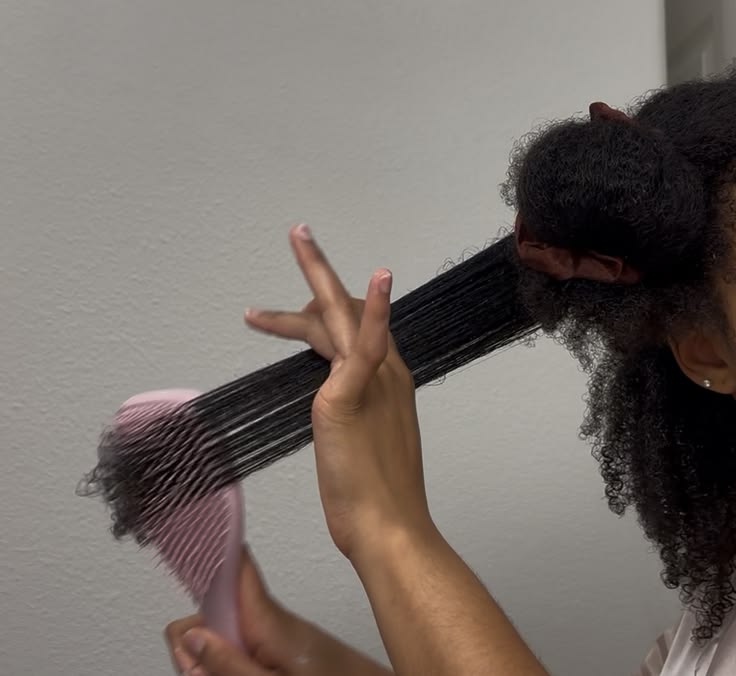
9. Be Gentle When Detangling
Spring is not the time to become careless with detangling simply because your hair feels easier to manage.
4C hair can still experience breakage when it is pulled, combed, or manipulated too aggressively.
Separate your hair into manageable sections and work through tangles gradually. Use enough conditioner or another product that gives your strands slip.
Your fingers can help loosen larger knots before you use a wide-tooth comb or another suitable detangling tool.
If detangling is one of your biggest sources of breakage, review your detangling habits before changing your entire product collection.
10. Protect Your Ends
Your ends need attention throughout the year.
They are the oldest part of your hair and have experienced the most manipulation and environmental exposure.
During spring, continue checking your ends for dryness, splitting, and breakage. If they feel particularly rough, adjust your moisture and styling routine rather than ignoring the problem.
Avoid unnecessary pulling and excessive manipulation.
You can also use end protection when styling your hair to reduce friction and handling.
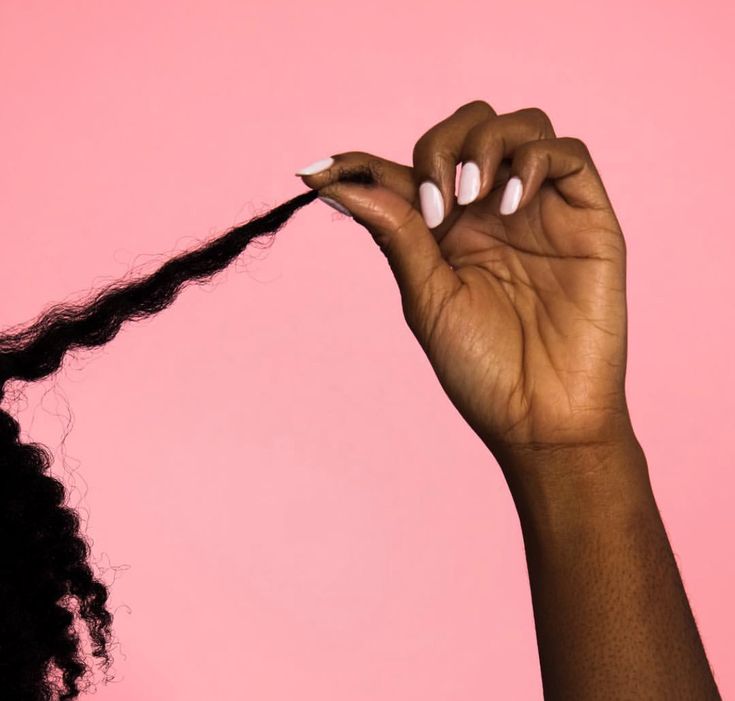
11. Trim Damaged Ends When Needed
A new season can be a convenient reminder to assess your ends, but you do not need to trim your hair simply because spring has arrived.
If your ends are severely split, thin, or repeatedly snapping, trimming damaged portions may help you maintain healthier-looking ends.
Do not cut large amounts of hair unnecessarily.
Instead, base your decision on the actual condition of your ends and how well they respond to your routine.
Regularly checking for split ends can help you catch problems before they become more noticeable.
12. Reduce Unnecessary Heat
Warmer weather does not automatically make heat styling harmless.
Flat irons, curling irons, and high-heat blow-drying can still contribute to dryness and damage.
Spring can be a good opportunity to let your natural texture do more of the work.
Air-drying, stretching without direct heat, and heatless styling methods can give your strands a break.
If you do use heat, follow appropriate heat-protection practices and avoid repeatedly applying high temperatures to the same sections.
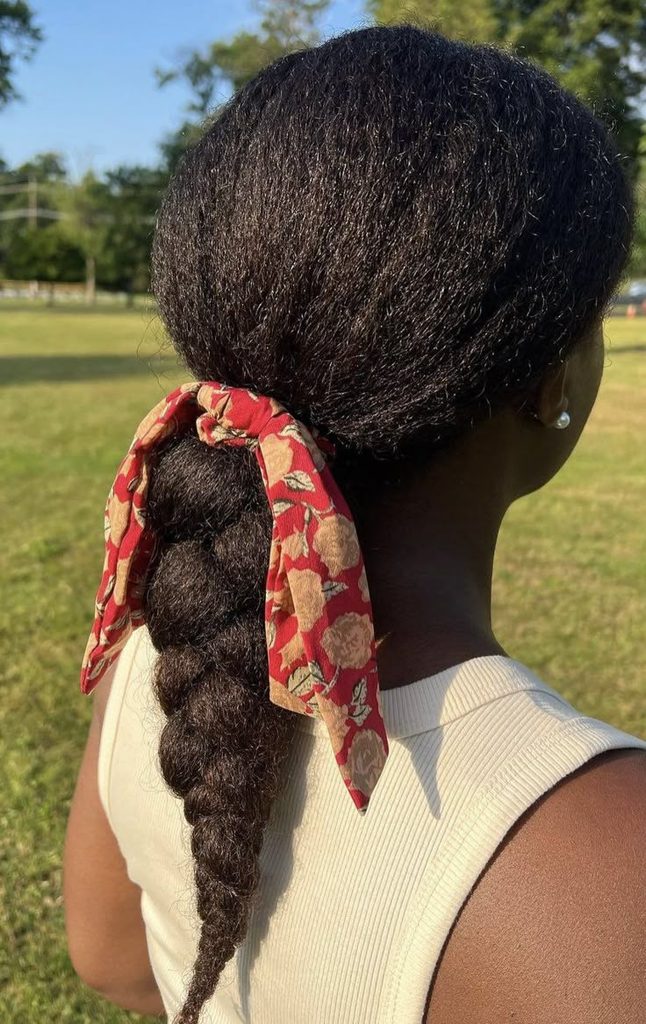
13. Choose Low-Manipulation Styles
Spring is a useful time to simplify your styling routine.
Constantly changing your hairstyle can mean more combing, brushing, pulling, and handling.
Instead, choose styles that allow your hair to remain manageable for several days without requiring constant adjustment.
Twists, loose buns, stretched styles, and other low-manipulation options can work depending on your hair and preferences.
A simple low manipulation approach can also make it easier to maintain moisture and protect your ends.
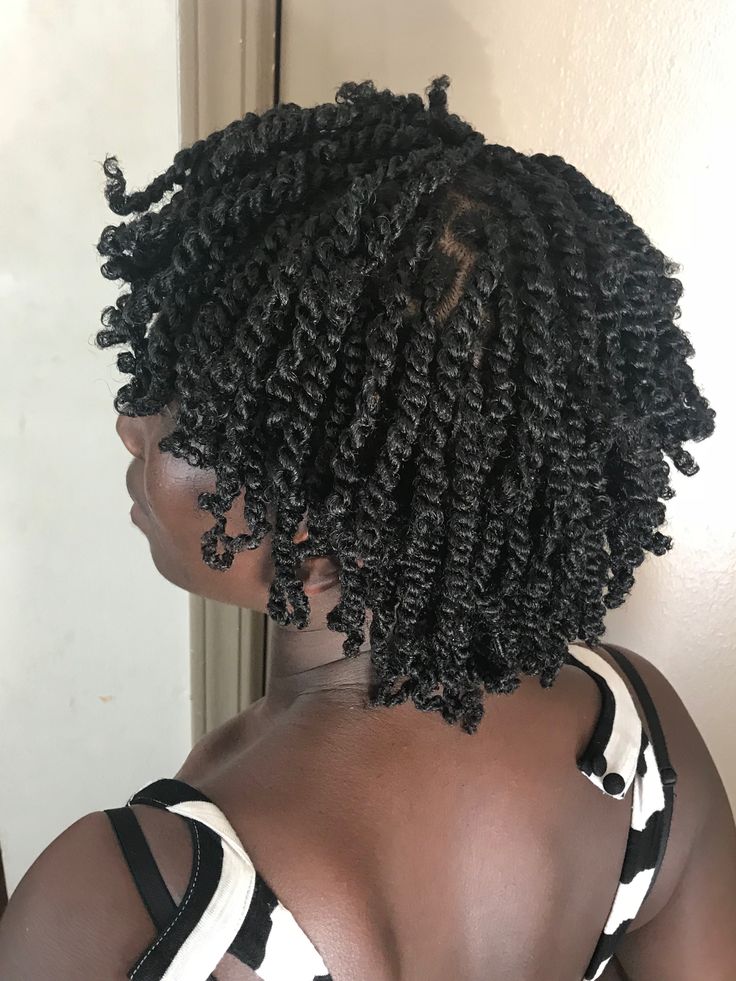
14. Be Careful With Tight Protective Styles
Protective styles can reduce daily manipulation, but they should not create excessive tension.
Tight braids, cornrows, ponytails, or extensions can place stress on your hairline and scalp.
If you choose a protective style for spring, make sure it is comfortable from the beginning. Pain, excessive tightness, or persistent pulling are signs that the style needs attention.
Think about gentle styling rather than simply keeping every strand covered.
15. Keep Your Hairline in Mind
Your edges often receive more attention and manipulation than the rest of your hair.
Repeated brushing, slicking, tight ponytails, and heavy styling can put unnecessary stress on this area.
During spring, avoid making your hairline the focus of every hairstyle.
Use a soft brush when needed and avoid repeatedly pulling the same hairs into tight styles.
If you notice increased edge tension, give the area a break.
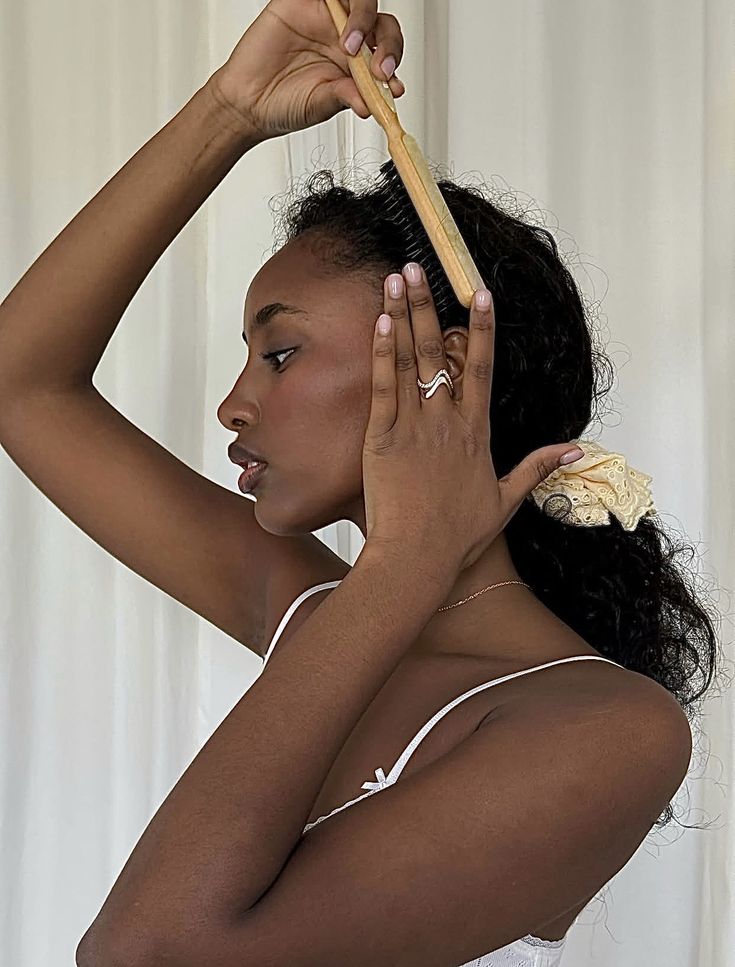
16. Protect Your Hair From Sun Exposure
Spring can bring more time outdoors, which means your hair may spend more time exposed to sunlight.
Your main focus should still be keeping your hair moisturized and minimizing unnecessary dryness.
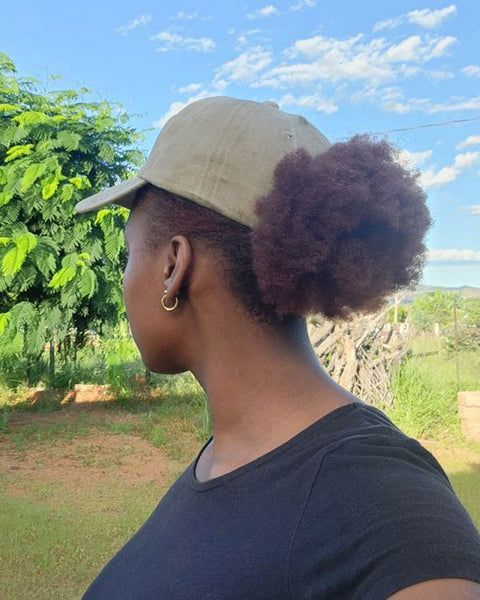
Hats, scarves, and hairstyles that provide some physical coverage can be useful when you spend extended periods outside.
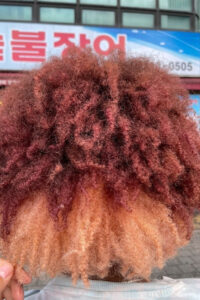
If you color your hair, you may also notice that prolonged sun exposure affects the appearance of some shades over time.
17. Adjust Your Wash Day Routine
Your wash day routine does not need to remain exactly the same throughout the year.
If your scalp becomes sweatier in warmer weather, you may find that you need to cleanse more consistently.
At the same time, washing excessively can leave some hair feeling dry.
Pay attention to your scalp and strands rather than following a fixed schedule that does not suit you.
A balanced wash day routine should leave your scalp clean and your hair manageable without creating unnecessary dryness.
18. Refresh Your Hair Tools
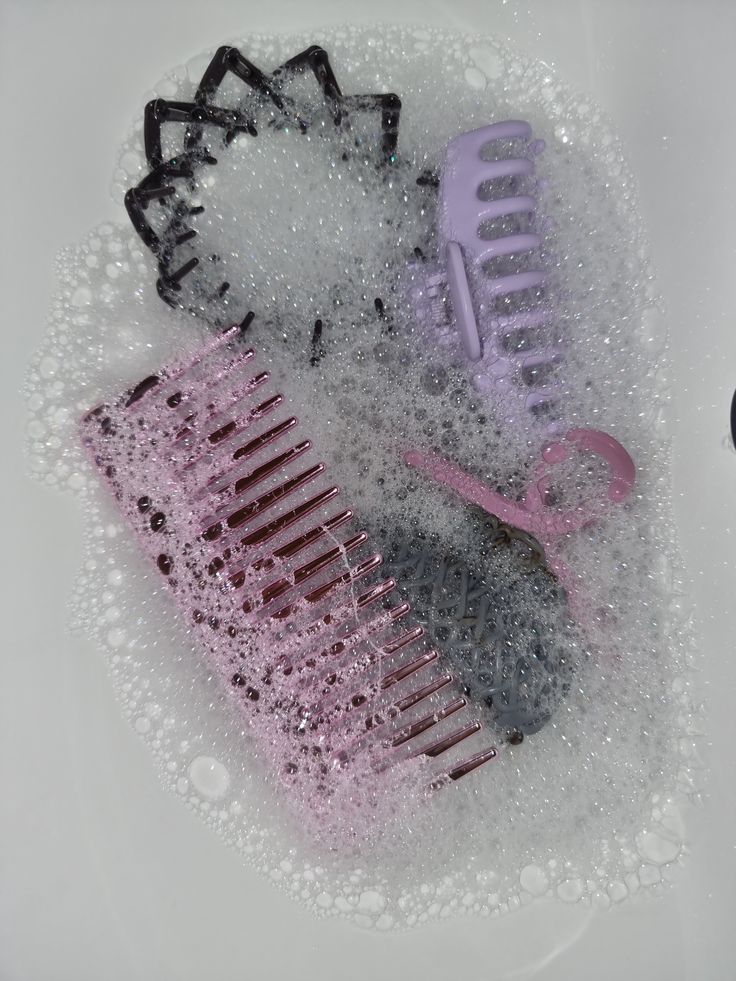
Spring is also a good time to clean the tools you use regularly.
Combs, brushes, clips, hair ties, and other accessories can collect product residue, oils, and debris.
Clean your reusable tools regularly and replace damaged accessories when necessary.
Avoid using hair ties with exposed metal or rough surfaces that can snag your strands.
Small changes to your hair tools can reduce unnecessary mechanical stress.
19. Be Selective With Hair Accessories
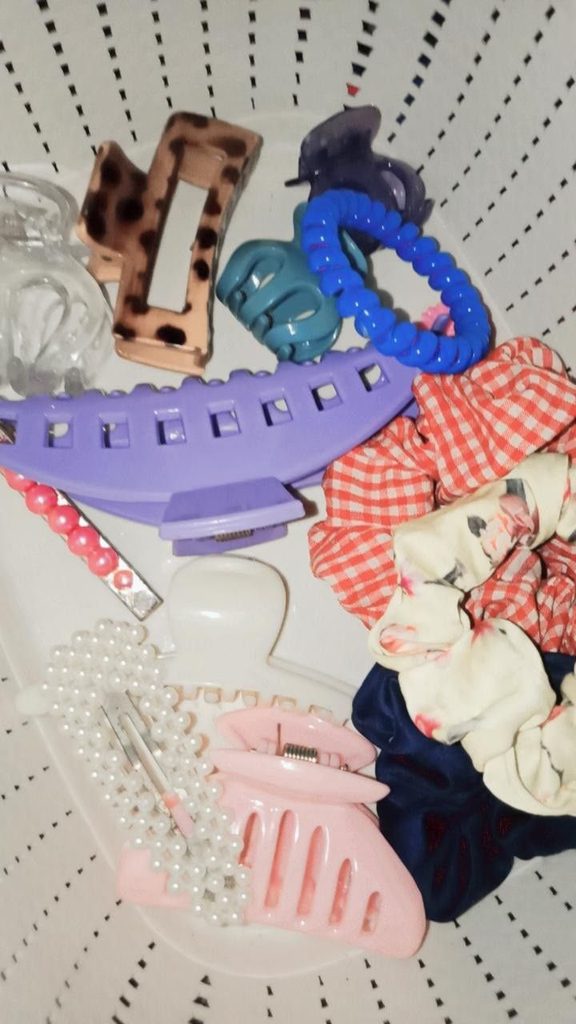
Hair accessories can make spring hairstyles more interesting, but some accessories can also cause snagging or tension.
Choose satin-covered scrunchies, smooth clips, and accessories that do not pull at your strands.
When removing an accessory, do not yank it out of tangled hair.
If an accessory repeatedly catches your hair, stop using it.
20. Be Careful With Sweat and Product Buildup
Warmer weather can mean more sweating, particularly if you spend a lot of time outdoors or exercise regularly.
Sweat itself does not mean your hair is dirty, but combined with styling products and environmental debris, it can contribute to buildup.
If your scalp feels uncomfortable between washes, reassess how often you cleanse and what products you are applying.
Avoid covering a consistently uncomfortable scalp with more products.
21. Protect Your Hair During Exercise
If you exercise frequently, your spring routine may need to account for sweat.
Choose hairstyles that keep your hair manageable without creating excessive tension.
After workouts, allow your scalp to dry and cleanse when needed rather than leaving heavy sweat and styling products sitting on the scalp for extended periods.
A simple workout routine for your hair can prevent exercise from becoming another source of unnecessary manipulation.
22. Refresh Your Hair With Aloe Vera When It Works for You
Aloe vera can be included in some natural hair routines, particularly in lightweight moisturizing or conditioning products.
If you already know that your hair responds well to aloe-based products, spring can be a suitable time to incorporate them into a simple routine.
However, there is no need to use aloe simply because the season has changed.
Focus on what your hair actually responds to rather than following every seasonal trend.

23. Use Oils and Butters More Intentionally
Heavy oils and butters can be useful for dry 4C hair, but spring may be a good time to reconsider how much you use.
If your hair feels greasy, coated, or difficult to cleanse, reduce the amount rather than adding more products to compensate.
For hair that still needs richer care, you can continue using your preferred products in smaller amounts.
A targeted oil blend may be more practical than layering several different oils.
24. Avoid Changing Your Entire Routine at Once
Seasonal hair care does not require buying an entirely new collection of products.
Changing shampoo, conditioner, leave-in, oil, cream, styling gel, and treatment all at once makes it difficult to determine what your hair actually likes.
Instead, make one or two changes at a time.
For example, you might switch from a heavy daily cream to a lighter moisturizer while keeping your shampoo and conditioner the same.
Give your hair time to respond before making another change.
25. Pay Attention to How Your Hair Responds
Your hair can tell you a lot.
If it feels soft, flexible, and manageable, your routine may be working well.
If it becomes increasingly dry, coated, tangled, or difficult to style, something may need to change.
Do not assume that a product is right for you simply because it works well for someone else.
Your hair response should guide your routine more than seasonal trends.
26. Build a Simple Spring Routine
A practical spring hair care routine for 4C hair might look like this:
Weekly or As Needed
- Cleanse your scalp and hair.
- Condition thoroughly.
- Detangle gently.
- Moisturize according to your hair’s needs.
- Check your ends.
- Choose a manageable style.
Throughout the Week
- Refresh dry areas when necessary.
- Avoid excessive manipulation.
- Protect your hair at night.
- Keep your scalp comfortable.
- Reduce unnecessary heat.
- Monitor your edges and ends.
Every Few Weeks
- Assess product buildup.
- Clean your hair tools.
- Check your ends.
- Reassess whether your products still suit the changing weather.
- Adjust your styling routine if your hair becomes harder to manage.
Common Spring Hair Care Mistakes to Avoid
Even with a good routine, a few habits can make spring hair care more difficult.
Using Too Much Product
More moisturizer does not always mean more moisture. Excess product can create buildup and make your hair harder to cleanse.
Washing Too Often
A sweaty scalp may need attention, but washing excessively can leave your strands feeling dry.
Ignoring Your Ends
Your hair can look healthy near the roots while the ends become increasingly fragile.
Keeping Tight Styles Too Long
A style that was comfortable on day one may become uncomfortable as your hair grows, the style loosens, or buildup accumulates.
Constantly Changing Products
Give your routine time to work before deciding that you need another product.
Overusing Heat
Warm weather does not protect your hair from heat damage.
Forgetting Nighttime Protection
Friction from bedding can still contribute to tangling and dryness.
A Spring Hair Care Routine Should Work With Your Hair
There is no single spring hair care routine for 4C hair that will work for everyone.
Your location, lifestyle, scalp, hair density, porosity, styling habits, and product preferences all affect what your hair needs. Someone who exercises several times a week may need a different cleansing routine from someone who rarely sweats.
Someone who wears their hair loose may also have different maintenance needs from someone who keeps it in protective styles.
The most useful approach is to make small adjustments based on what your hair is telling you.
Start by assessing your strands, cleansing away unnecessary buildup, maintaining moisture, protecting your ends, reducing excessive manipulation, and paying attention to your scalp. From there, adjust your products and styling habits as needed.
Spring does not require you to completely reinvent your natural hair routine. It is simply an opportunity to reset, simplify, and give your 4C hair the kind of consistent care that helps it stay manageable as the weather changes.