
Wash Day Routine for Kids With 4C Hair
Disclosure: Some of the links in this post are affiliate links. This means if you click on the link and purchase an item, I will receive an affiliate commission at no extra cost to you.
Wash day can be one of the most important parts of caring for a child’s natural hair, but it does not have to become a stressful event for either the parent or the child. With the right routine, you can clean the scalp, replenish moisture, detangle gently, and prepare the hair for a comfortable style without unnecessary pulling or manipulation.
Children with tightly coiled hair often need a little more patience during wash day because the strands can become tangled and shrink as they dry. A rushed routine can lead to unnecessary tugging, discomfort, and breakage.
The goal is not to make wash day complicated. It is to create a simple process that keeps the hair and scalp clean while making the experience easier for your child.
A good wash day routine for kids with 4C hair should focus on gentle handling from beginning to end. This means preparing the hair before shampooing, working in manageable sections, using enough conditioner for detangling, and avoiding techniques that cause unnecessary tension.
Whether your child has short natural hair, medium-length coils, or longer 4C hair, the basic principles remain the same. You can adjust the routine depending on their age, hair density, scalp needs, and how much time you have available.
Why Wash Day Can Be Challenging for Kids With 4C Hair
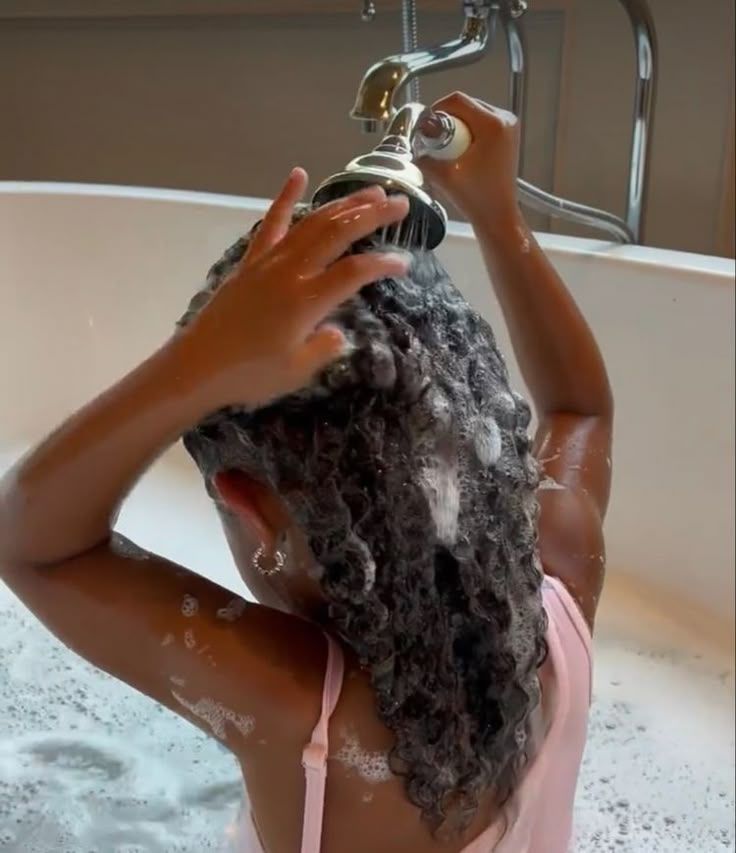
One of the biggest reasons wash day can become difficult is tangling. 4C hair naturally forms tight coils and bends, which means individual strands can wrap around one another. When the hair is dry, this can make detangling especially uncomfortable.
Shrinkage can make the process more complicated too. Hair may appear much shorter when wet or dry depending on its curl pattern, and trying to force it straight during detangling can create unnecessary tension.
Children may also become impatient during lengthy routines. Sitting still while an adult works through their hair can be difficult, especially for younger children. Keeping the process organized and using simple hair care for kids can make a noticeable difference.
The solution is not to avoid washing the hair. Instead, create a routine that minimizes unnecessary manipulation and keeps each stage manageable.
How Often Should You Wash a Child’s 4C Hair?
There is no single washing schedule that works for every child. How often you wash their hair depends on factors such as age, activity level, scalp condition, sweating, styling habits, and the products being used.
A child who plays sports frequently or sweats heavily may need more frequent washing than a child who spends most of their time indoors. Similarly, a child with a scalp that becomes dirty or uncomfortable quickly may need a different schedule.
For many children, washing every one to two weeks can be a reasonable starting point, but this is not a strict rule. Pay attention to the scalp rather than following a calendar blindly. Excessive buildup, itching, unpleasant odor, or visible dirt may indicate that the scalp needs cleansing sooner.
You can also adjust the routine when the child wears a style for several days. A style should not become a reason to completely ignore the scalp. Learning how often to wash 4C hair can help you create a schedule that balances cleanliness with moisture retention.
What You Need Before Starting Wash Day
Having everything ready before you begin can make wash day much smoother. You do not want to start washing the hair and then realize that the conditioner, towel, or detangling tool is somewhere else.
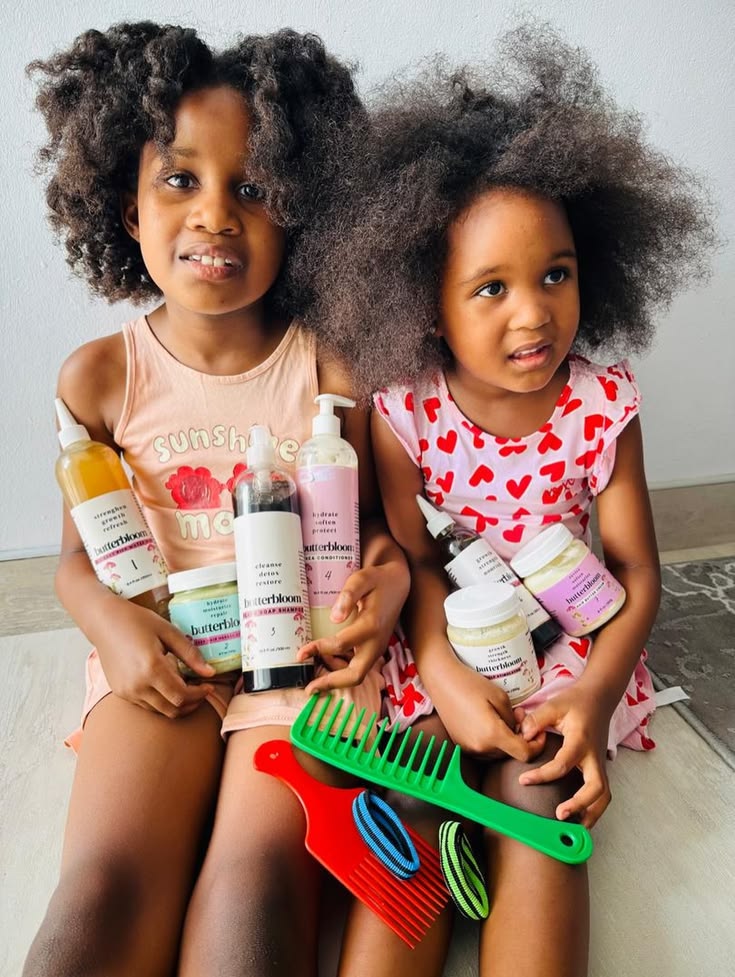
Keep your supplies simple. You may need a gentle shampoo, moisturizing conditioner, wide-tooth comb or suitable detangling brush, spray bottle, sectioning clips, towel or T-shirt, and a moisturizer or leave-in conditioner.
If your child’s hair is particularly dry, you may also want a deep conditioner. However, children do not necessarily need an elaborate collection of products. A small routine using products that work well for their hair is often enough.
A wash day routine should be practical enough that you can repeat it consistently.
Step 1: Prepare the Hair Before Washing
Before putting the child’s hair under running water, gently separate any large tangles with your fingers. If the hair is extremely tangled, lightly mist it with water and apply a small amount of conditioner to provide slip.
Do not immediately attack a large tangled section with a comb. Use your fingers to separate obvious knots first, working from the ends toward the roots.
If the child has been wearing a style for several days, take your time removing it. Rushing through takedown can create as much breakage as rough detangling.
This is also a good time to check the scalp. Look for excessive buildup, irritation, unusual flakes, or areas that seem uncomfortable.
For more detailed guidance, detangling kids’ 4C hair is an important skill every parent can develop because gentle detangling can make the rest of wash day much easier.
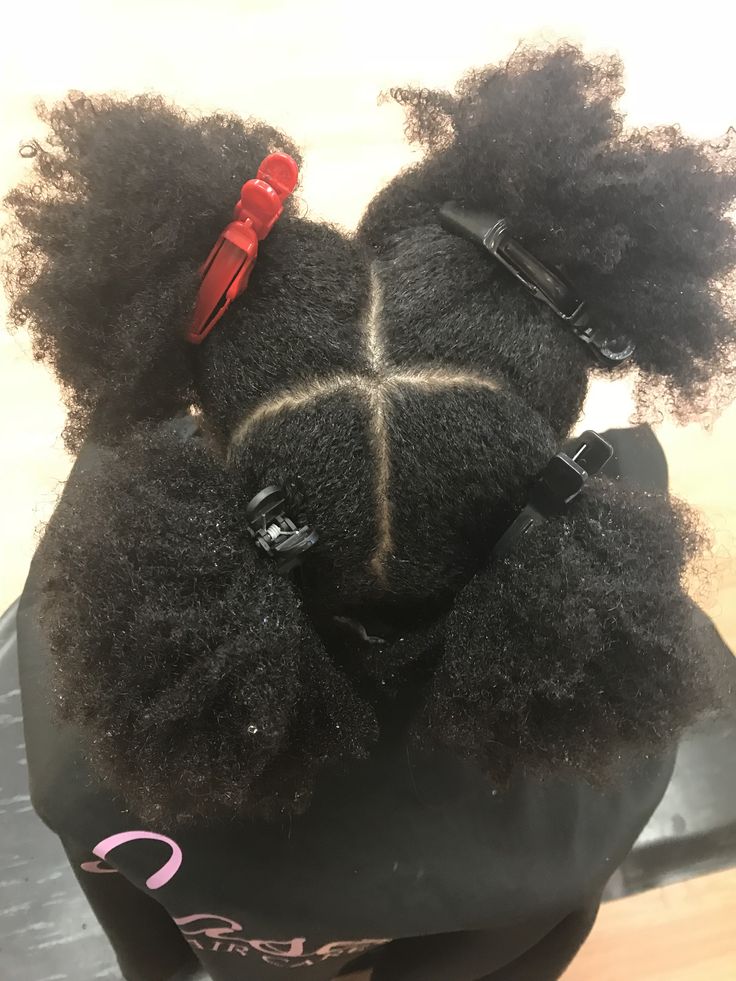
Step 2: Divide the Hair Into Sections
Sectioning is one of the easiest ways to make a child’s wash day more manageable.
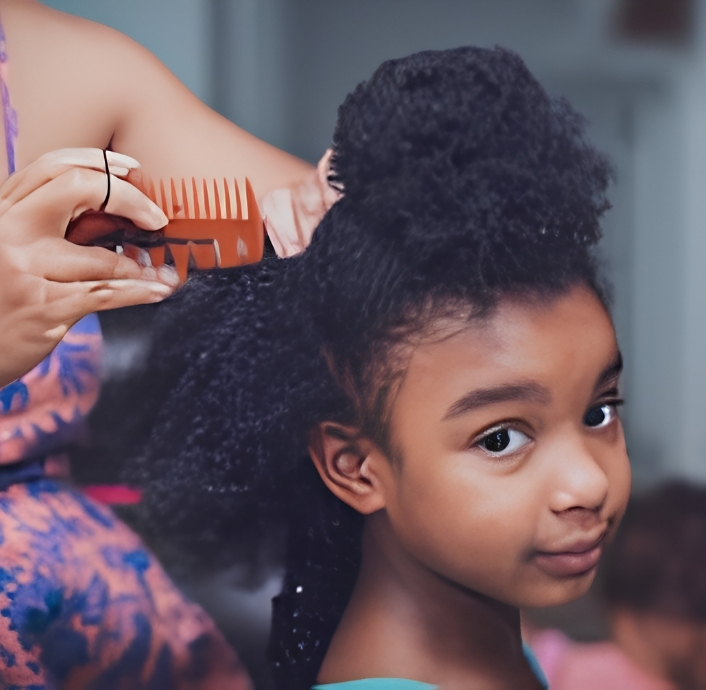
Instead of trying to wash the entire head at once, divide the hair into four to eight sections depending on its length and density. Secure each section loosely with clips or soft hair ties.
The sections do not have to be perfectly neat. Their purpose is simply to prevent the hair from becoming one large tangled mass during washing.
For very young children, larger sections may be easier because you can move through the routine more quickly. Older children with longer or denser hair may benefit from smaller sections.
Step 3: Wet the Hair Thoroughly
Use comfortably warm or room-temperature water to thoroughly wet the hair and scalp.
You do not need extremely hot water. Very hot water can leave the scalp feeling uncomfortable and may contribute to dryness.
Allow the water to run through each section so the hair is completely saturated before applying shampoo. Fully wet hair also makes it easier for shampoo to spread across the scalp.
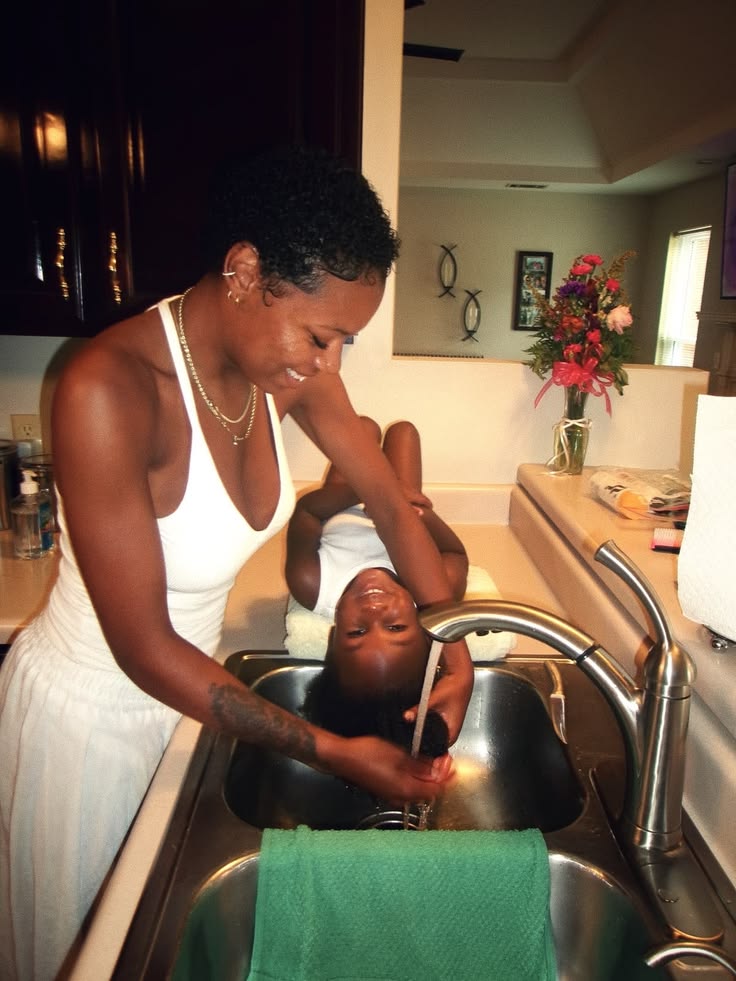
Take your child’s comfort into consideration. If they dislike water running over their face, use a cup, handheld showerhead, or towel around the forehead to make the process easier.
Step 4: Shampoo the Scalp
Shampoo should primarily be focused on the scalp rather than aggressively scrubbing the entire length of the hair.
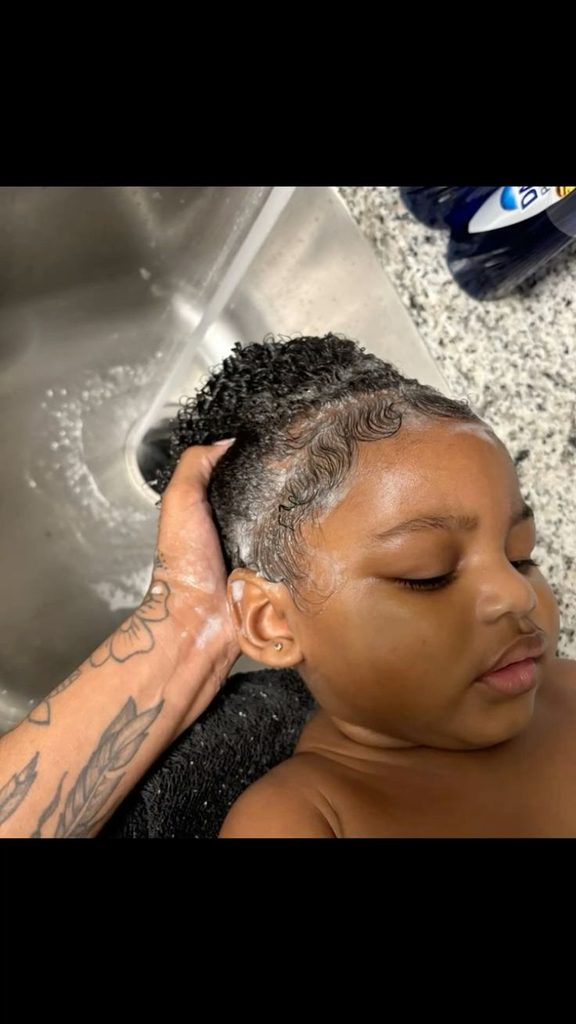
Apply a reasonable amount of shampoo to your fingertips and gently massage it into the scalp. Use the pads of your fingers rather than your fingernails.
Work around the hairline, crown, sides, and back of the scalp. These areas can collect sweat, oil, dirt, and styling-product residue.
As you rinse, allow the diluted shampoo to flow through the length of the hair. There is usually no need to pile the hair on top of the head and scrub it together.
If the scalp has significant buildup, a second gentle shampoo may be useful. However, repeated aggressive washing is not necessary simply because the hair is tightly coiled.
Choosing an appropriate shampoo for kids’ natural hair can also help make cleansing less drying and more comfortable.
Step 5: Condition and Detangle
This is often the stage that makes the biggest difference in how comfortable wash day feels.
After shampooing, apply a generous amount of conditioner to the hair, concentrating particularly on the lengths and ends. Conditioner provides slip, which helps the strands move past one another more easily.
Work through one section at a time. Start detangling from the ends and gradually move upward toward the roots.
If you encounter a stubborn knot, stop and use your fingers to loosen it instead of forcing the comb through it.
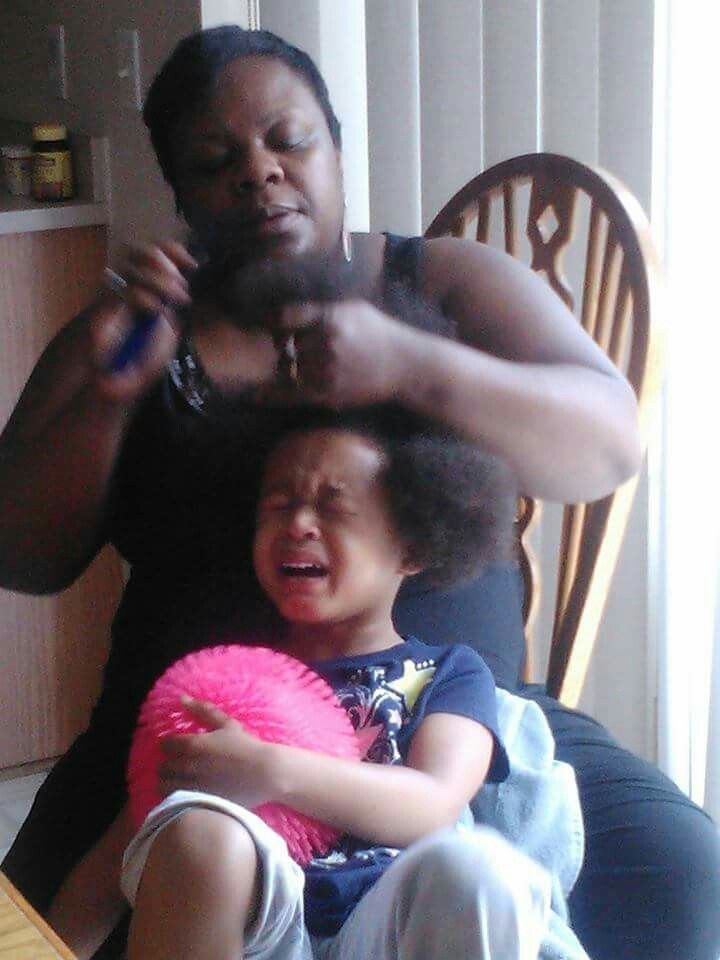
Never rush this stage simply because the child is becoming impatient. It is better to take short breaks than to pull through painful tangles.
Using the right conditioner for kids with 4C hair can make detangling considerably easier.
Step 6: Deep Condition When Needed
Deep conditioning does not necessarily need to happen during every wash.
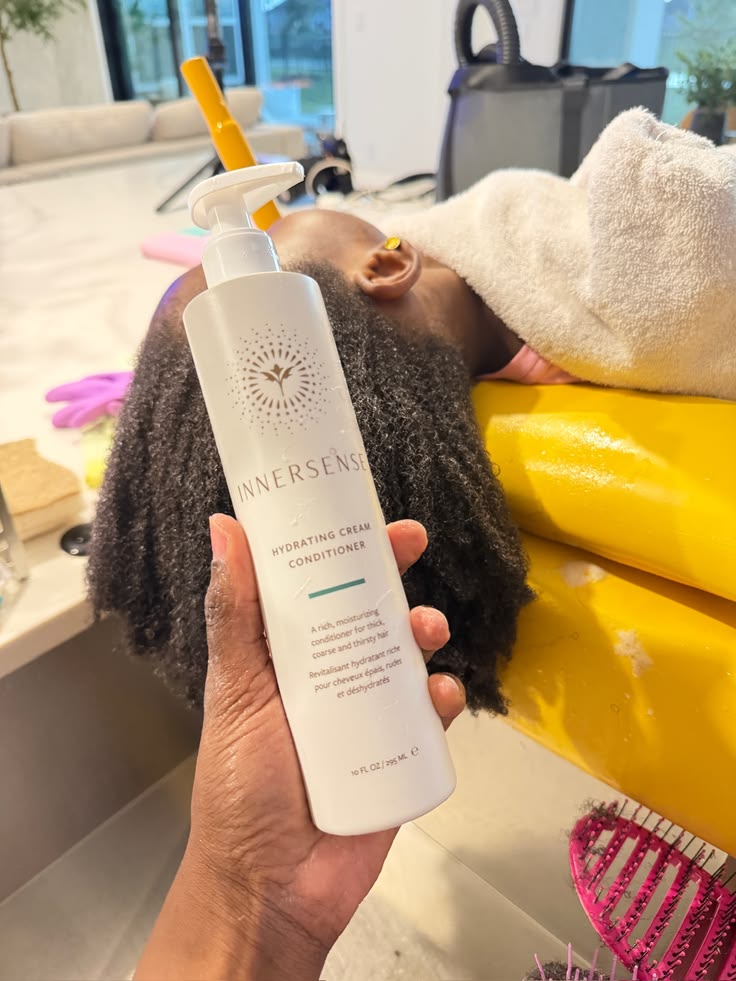
If your child’s hair feels unusually dry, rough, or difficult to manage, adding a deep-conditioning step can provide extra conditioning. For children whose hair is already soft and manageable, regular conditioning may be sufficient.
Apply the deep conditioner according to the product instructions. Avoid leaving products on the scalp unnecessarily if the instructions are intended for the hair itself.
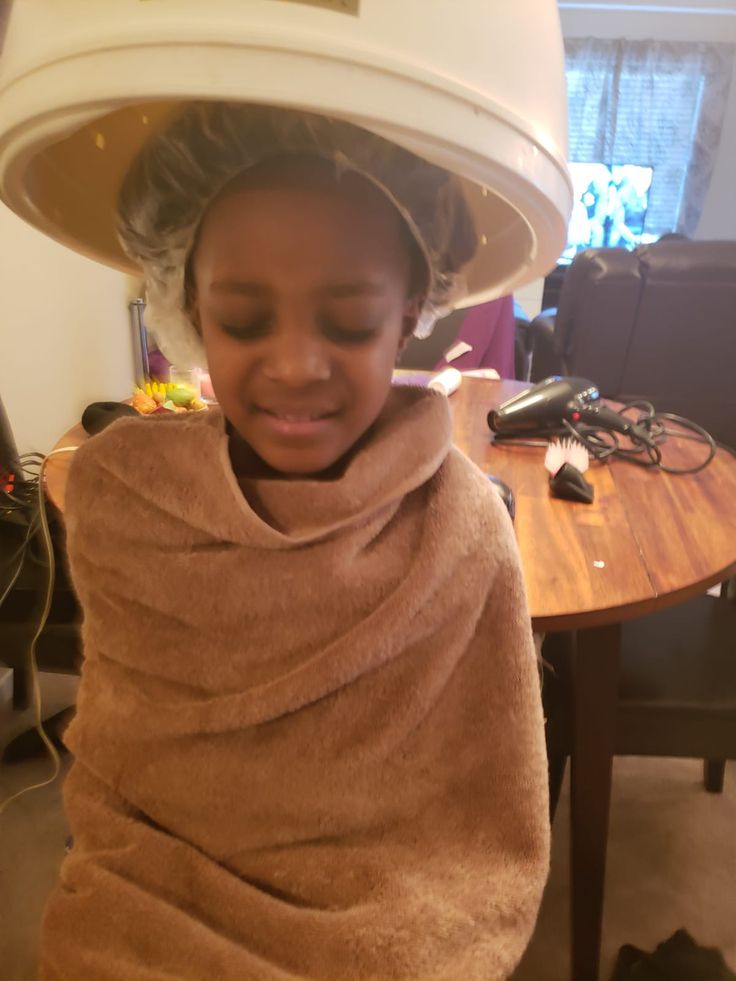
A warm environment can sometimes make conditioning feel more comfortable, but you do not need excessive heat. Always prioritize the child’s comfort.
A good deep conditioner for dry 4C hair can be useful when regular conditioning is not enough to keep the hair feeling soft.
Step 7: Rinse Thoroughly
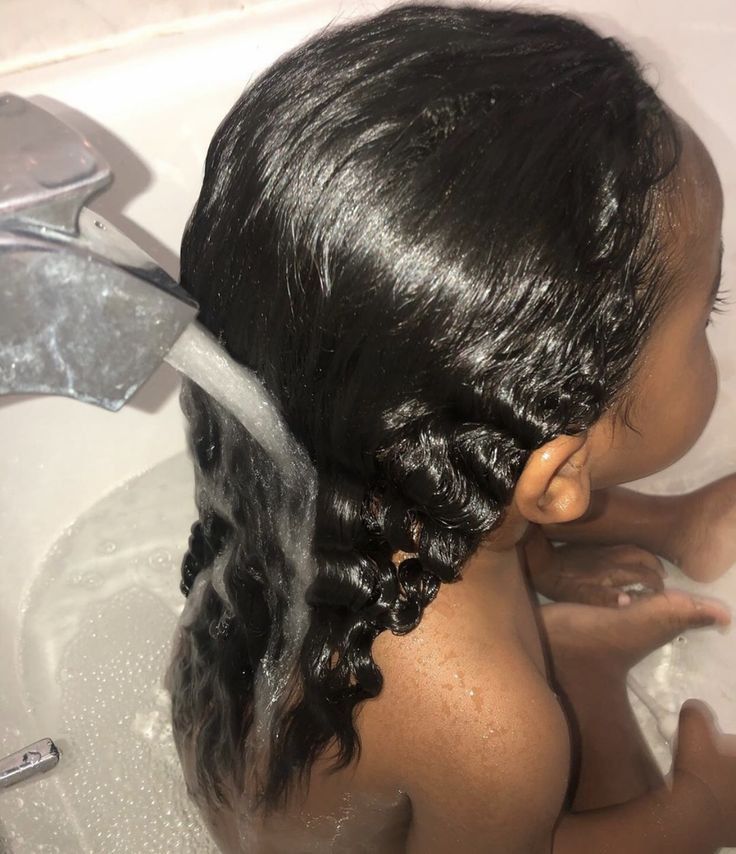
Once conditioning and detangling are complete, rinse the hair carefully.
Make sure you remove excess conditioner and shampoo residue from both the scalp and hair. Product residue left behind can contribute to buildup and may make the hair feel heavy.
Use comfortable water rather than extremely hot or cold water. There is no need to make the rinsing process uncomfortable for a child.
As you rinse, keep the sections organized if possible. This can reduce the amount of re-tangling that happens before styling.
Step 8: Dry the Hair Gently
After rinsing, avoid aggressively rubbing the hair with a rough towel.
Instead, gently squeeze out excess water and use a soft towel or cotton T-shirt to blot the hair.
The hair does not need to be completely dry before you begin moisturizing or styling. Slightly damp hair can actually make the next stage easier.
Do not leave a child’s scalp soaking wet for an unnecessarily long period either. Allow the hair to dry comfortably while keeping manipulation to a minimum.
If you use a blow dryer, keep the temperature and airflow comfortable and avoid holding concentrated heat close to the scalp.
For more ideas on maintaining healthy hair between washes, weekly care for healthy 4C hair can help you build a routine beyond wash day.
Step 9: Moisturize and Seal
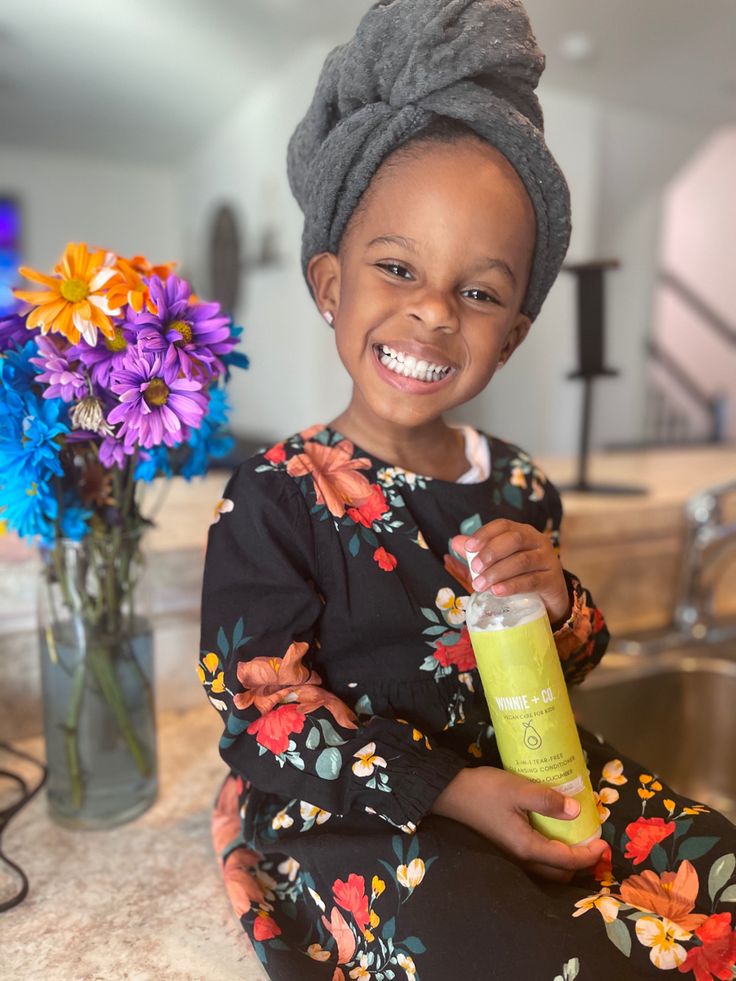
Once the hair is clean and damp, apply your chosen leave-in conditioner or moisturizer.
Work through the sections rather than applying a large amount of product to the entire head at once. Concentrate on areas that tend to become particularly dry, especially the ends.
If your child’s hair responds well to an oil or butter, a small amount can be used afterward to help reduce moisture loss. More product is not automatically better.
Avoid applying heavy amounts of oil directly to the scalp simply because the hair has just been washed. The scalp and hair strands have different needs.
A simple moisturizing process is usually easier to maintain than a complicated routine involving many products.
Step 10: Choose a Simple Style
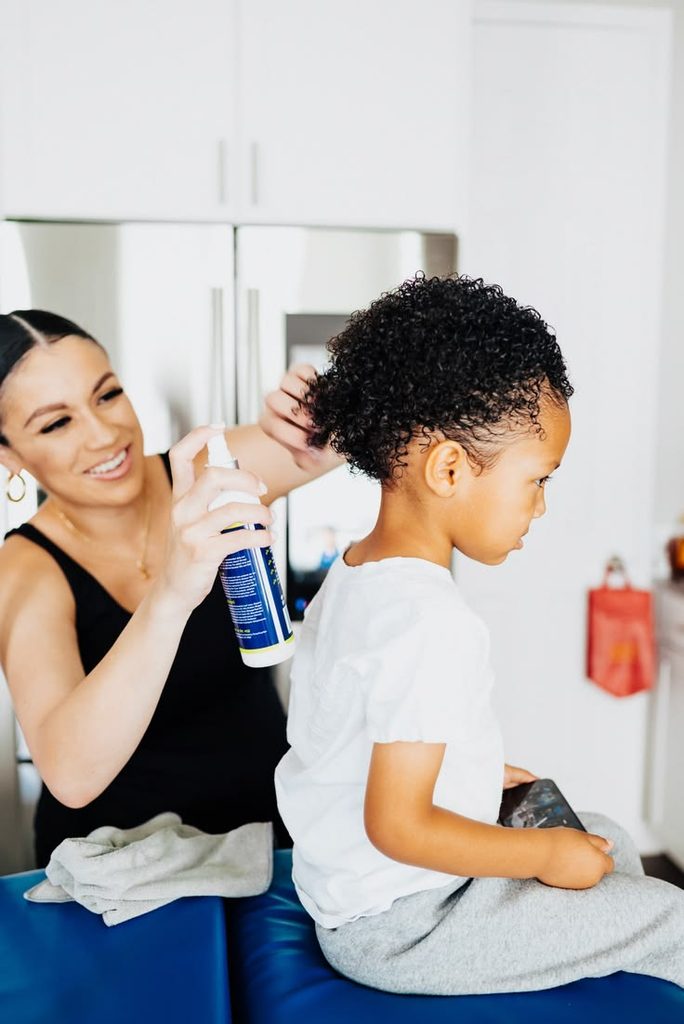
Once the hair has been washed, conditioned, moisturized, and detangled, choose a style that does not create unnecessary tension.
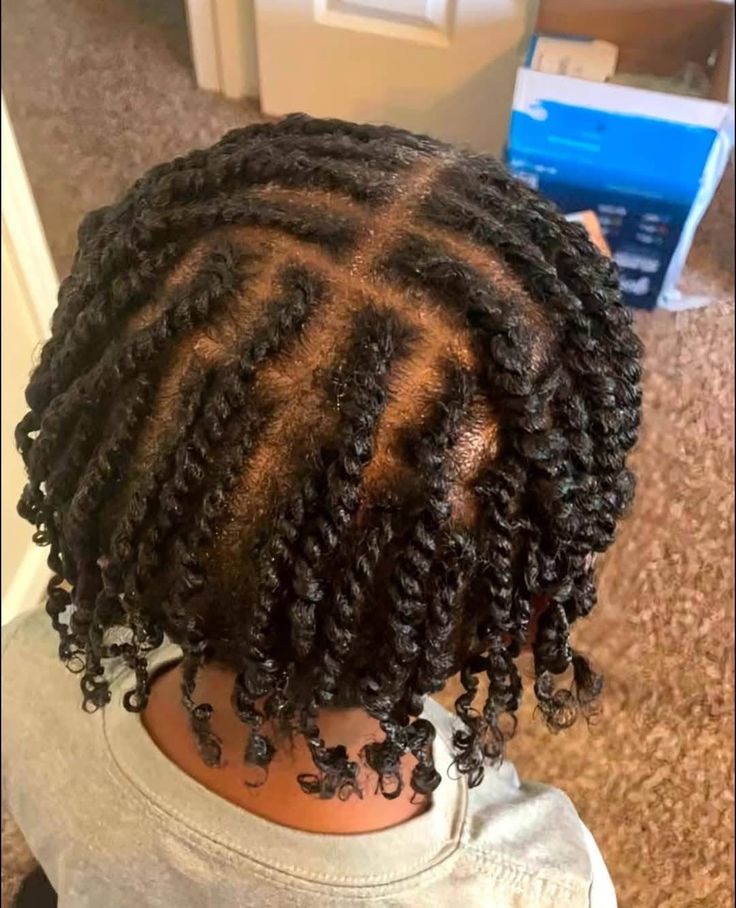
Simple two-strand twists, loose braids, puffs, flat twists, or other low-manipulation styles can work well depending on the child’s age and hair length.
Avoid making the hairstyle extremely tight simply because you want it to last longer. A style that looks neat but causes pain around the hairline is not a healthy choice.
Pay particular attention to the edges. Children’s hairlines can be delicate, so avoid repeatedly pulling the same areas into tight ponytails or braids.
There are plenty of protective hairstyles for kids that can keep the hair organized without requiring excessive tension.
How to Make Wash Day Easier for Children
The best routine is one your child can tolerate comfortably and consistently.
For younger children, consider washing their hair when they are relaxed rather than when they are already tired or hungry. A favorite show, book, or age-appropriate activity can also help them stay occupied during longer parts of the routine.
You can also let older children participate. They can help gather the products, hold a section of hair, or learn how to gently massage shampoo into their scalp.
Try not to turn every wash day into a battle. If the child becomes uncomfortable, take a short break and continue afterward.
Another useful strategy is to avoid waiting until the hair is extremely tangled before washing. Regular maintenance makes the eventual wash day much easier.
If your child frequently complains about painful detangling, examine your technique rather than assuming they simply dislike having their hair done.
Common Wash-Day Mistakes Parents Should Avoid
Detangling Dry Hair Aggressively
Trying to force a comb through completely dry, tangled 4C hair can cause unnecessary breakage and discomfort.
Use water and conditioner to provide slip, then work through the hair gradually.
Scrubbing the Hair Length
Shampoo belongs primarily on the scalp. Roughly rubbing the lengths together can create tangles.
Allow the shampoo and water to cleanse the hair as they rinse through it.
Using Extremely Hot Water
Very hot water is unnecessary and can be uncomfortable for children.
Comfortably warm or room-temperature water is sufficient for washing.
Using Too Much Product
More shampoo, conditioner, oil, or butter does not automatically mean healthier hair.
Start with reasonable amounts and adjust according to the child’s hair density and needs.
Making Every Style Extremely Tight
A hairstyle should not cause persistent pain, headaches, tenderness, or pulling around the hairline.
If a style is uncomfortable, loosen it or choose another option.
Leaving Styles in for Too Long
Protective styles still require scalp and hair maintenance. Leaving a style untouched for too long can lead to buildup, tangling, and difficult takedown.
Understanding how long protective styles should stay in can help parents plan styling and wash days more effectively.
Wash-Day Tips for Different Ages
Toddlers
Toddlers usually benefit from shorter routines. Keep sections larger, avoid unnecessary manipulation, and prioritize comfort.
You may not need an elaborate styling routine after every wash. Simple loose styles can make daily maintenance easier.
School-Age Children
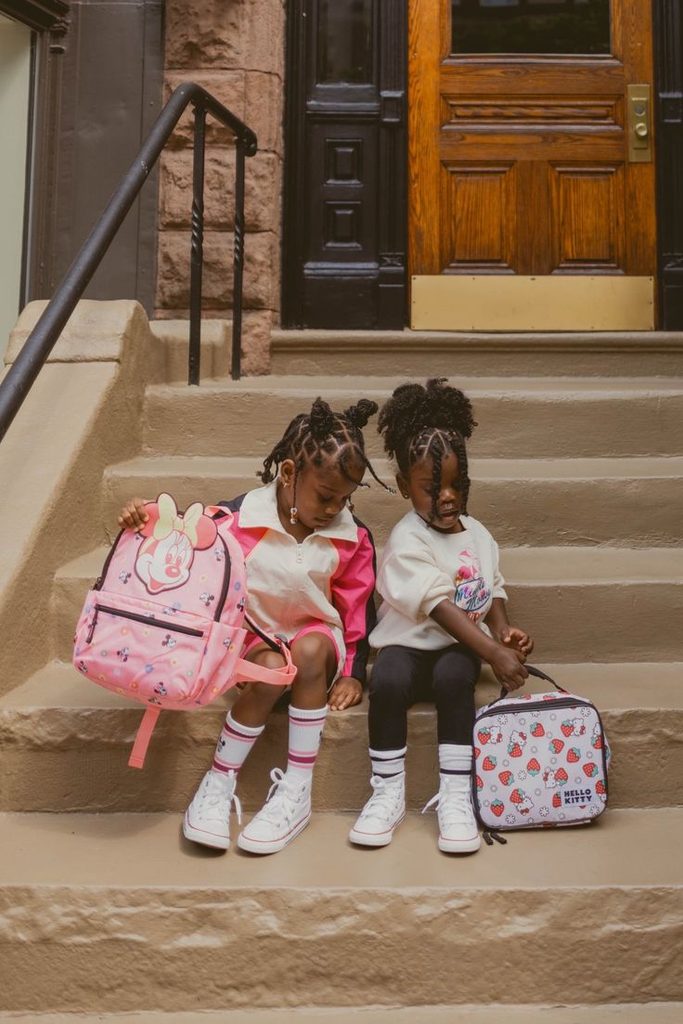
School-age children often have more active schedules, so sweating and outdoor activities may affect how frequently their hair needs cleansing.
This is also a good age to teach basic hair-care habits, such as keeping hands away from freshly styled hair and learning not to pull at their edges.
Older Children
Older children can gradually take more responsibility for their hair.
Teach them how to apply shampoo to the scalp, distribute conditioner, detangle carefully, and recognize when their hair needs moisture or their scalp needs cleansing.
Learning these habits early can make the transition toward independent hair care much easier.
A Simple Kids’ 4C Hair Wash-Day Schedule
Here is a simple routine parents can follow:
Before washing:
Separate major tangles, divide the hair into sections, and gather your supplies.
During washing:
Wet the hair thoroughly, shampoo the scalp gently, rinse, and apply conditioner.
During detangling:
Work section by section from the ends upward. Use your fingers first when necessary.
After conditioning:
Rinse thoroughly and gently remove excess water.
After washing:
Apply leave-in conditioner or moisturizer while the hair is still damp.
For styling:
Choose a comfortable, low-manipulation style that does not place excessive tension on the hairline.
Between wash days:
Keep the hair moisturized as needed, protect it during sleep, and pay attention to the scalp.
You can also use a monthly hair care checklist for kids to keep track of maintenance that goes beyond the regular wash-day routine.
Final Thoughts
A good wash day routine for kids 4C hair does not need to involve dozens of products or complicated techniques. The most important things are cleanliness, moisture, gentle handling, proper detangling, and comfortable styling.
The key is to work slowly enough to prevent unnecessary pulling while keeping the routine simple enough for your child to tolerate. As you become familiar with your child’s hair, you will learn which products, techniques, and washing frequency work best for them.
Remember that children’s hair does not need to look perfectly styled every day to be healthy. A comfortable scalp, strong strands, manageable moisture levels, and gentle handling are much more important than achieving a particular look.
With consistency and patience, wash day can become a predictable part of your child’s hair-care routine rather than something you both dread.



One Comment