The Best Hair Colors for Dark Skin Tones
Disclosure: Some of the links in this post are affiliate links. This means if you click on the link and purchase an item, I will receive an affiliate commission at no extra cost to you.
Choosing a new hair color can completely change the way your natural hair looks. The right shade can make your complexion appear warmer, create a striking contrast, or give your hairstyle a subtle change without feeling like a dramatic transformation.
For deeper complexions, there is a particularly wide range of shades to explore. Rich browns, warm reds, copper, burgundy, honey tones, deep plum, and even brighter fashion colors can all create beautiful results.
However, choosing among so many options can be difficult. A color that looks beautiful on someone else may not create the same effect on you because your skin’s undertone, natural hair color, lighting, and personal style all influence the final appearance.
The best hair colors for dark skin tones are therefore not limited to a short list of universally flattering shades. Instead, the goal is to understand which colors complement your complexion and match the kind of look you want.
Whether you want something subtle for everyday wear or a bold shade that immediately gets attention, there are plenty of possibilities to consider.
Start With Your Skin’s Undertone
Before choosing a hair color, look beyond how light or deep your complexion appears.
Your skin also has an undertone, which is the subtle color underneath the surface of your skin. Undertones are commonly described as warm, cool, or neutral.
Warm undertones often have golden, yellow, peach, or olive qualities. Cool undertones can appear more red, pink, or bluish, while neutral undertones contain a balance of warm and cool characteristics.
You do not need to perfectly identify your undertone before choosing a hair color. However, having an idea of it can make the selection process easier.
Warm shades such as copper, golden brown, caramel, and auburn may complement warm undertones particularly well. Cooler shades such as plum, blue-black, cool burgundy, and some deep violet tones can create an interesting contrast against cooler undertones.
If you have a neutral undertone, you may have more flexibility because both warm and cool shades can work depending on the overall look you want.
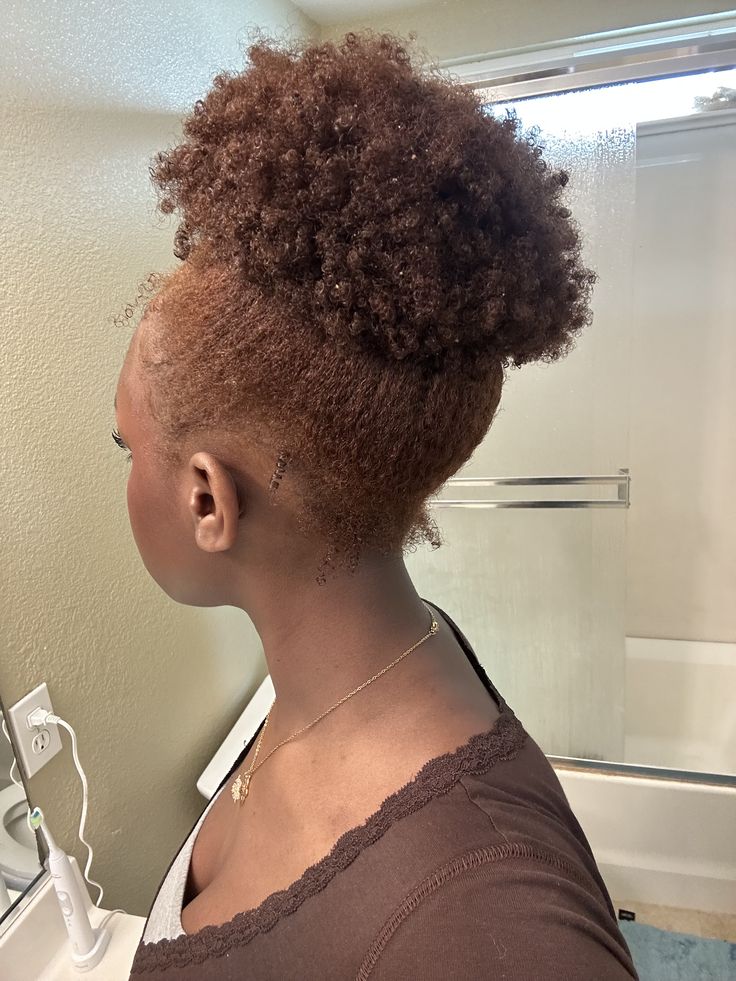
Rich Chocolate Brown
Chocolate brown is one of the easiest shades to consider if you want a noticeable change without moving too far from naturally dark hair.
It has enough warmth to create dimension while remaining relatively understated.
Depending on the depth of the color, chocolate brown can range from a deep espresso-inspired shade to a warmer medium brown.
The shade can also look different depending on the lighting. Indoors, deep chocolate brown may appear almost black, while sunlight can reveal warmer brown tones.
This makes it a practical option for someone who wants hair colors for dark skin tones that feel polished without being extremely bold.
Chocolate brown also works well with a variety of hairstyles. You can wear it with loose natural hair, twists, braids, buns, or other low-manipulation styles without the color competing with the hairstyle.
If you prefer subtle changes, this can be a good starting point before experimenting with brighter colors.
Warm Caramel Brown
Caramel brown adds more brightness than a deep chocolate shade while still remaining relatively wearable.
The warm golden quality can create dimension, especially when used as highlights rather than applied uniformly from root to tip.
Caramel can work particularly well when you want your hair to look lighter without choosing an extremely pale color.
You can also experiment with different placements. Caramel highlights around the front of the hair can create a face-framing effect, while scattered highlights throughout the length can make curls, coils, twists, or braids appear more dimensional.
If you already enjoy brown hair colors, caramel can be a natural next step when you want something brighter.
Just remember that achieving a significantly lighter shade on naturally dark hair may require additional processing, so the condition of your hair should be considered before making the change.
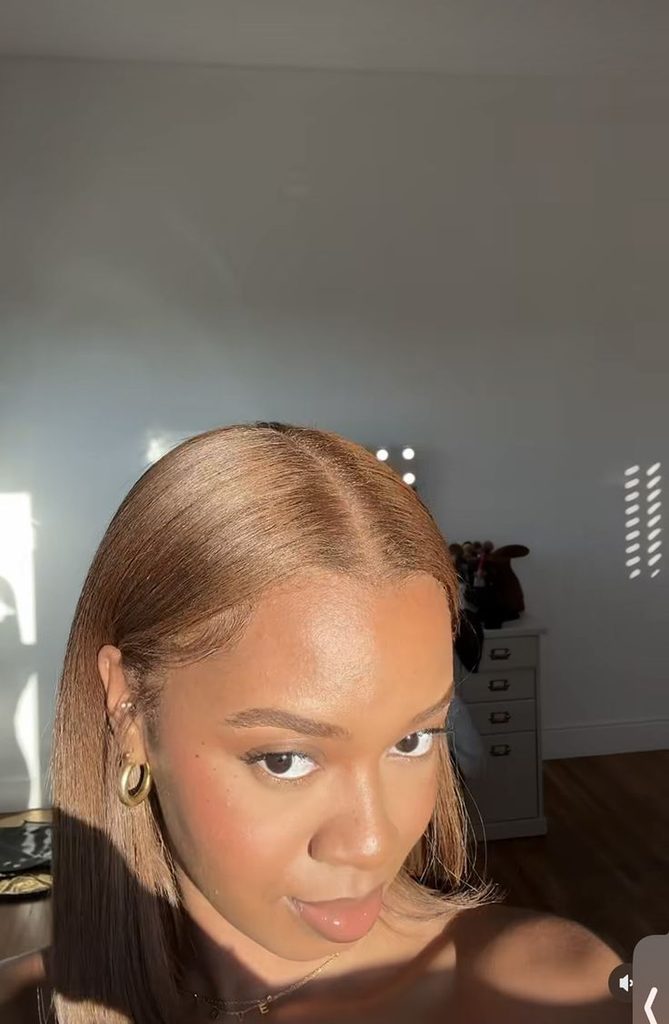
Honey Brown
Honey brown sits somewhere between brown and golden blonde, making it a useful option when you want warmth without going fully blonde.
The shade can range from relatively subtle golden brown to a much brighter honey tone.
Against deeper complexions, honey can create a noticeable contrast while still maintaining warmth.
It can also be used selectively rather than covering the entire head. A few honey-colored sections can add visual interest to an otherwise dark hairstyle.
This makes it especially useful for anyone who likes experimenting with color but does not necessarily want a dramatic all-over transformation.
Honey tones can look particularly interesting in sunlight because the golden qualities become more visible.
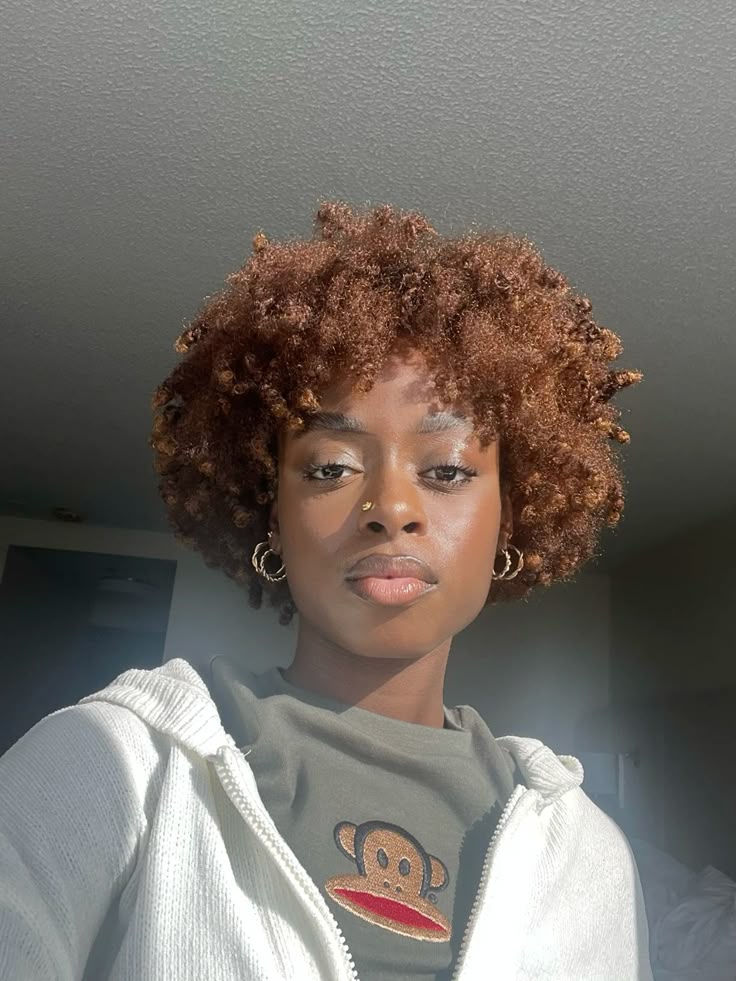
Auburn
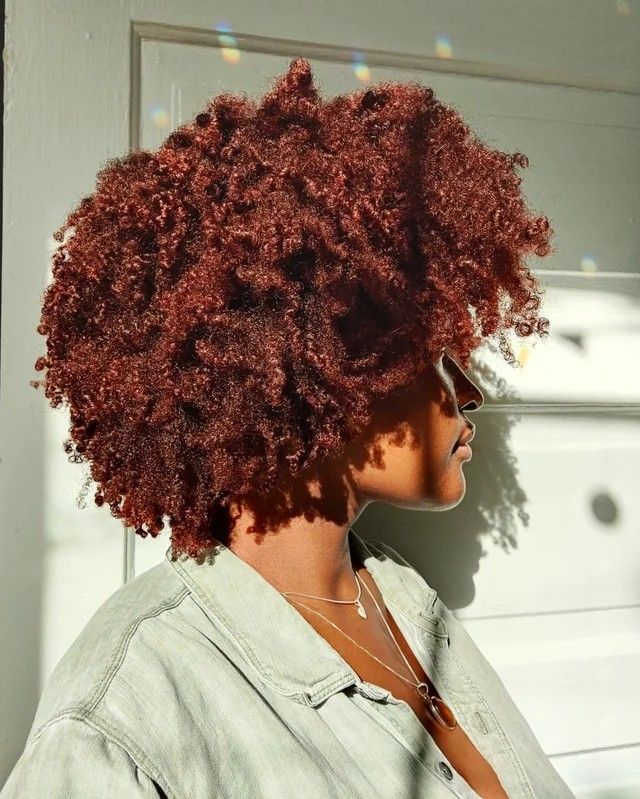
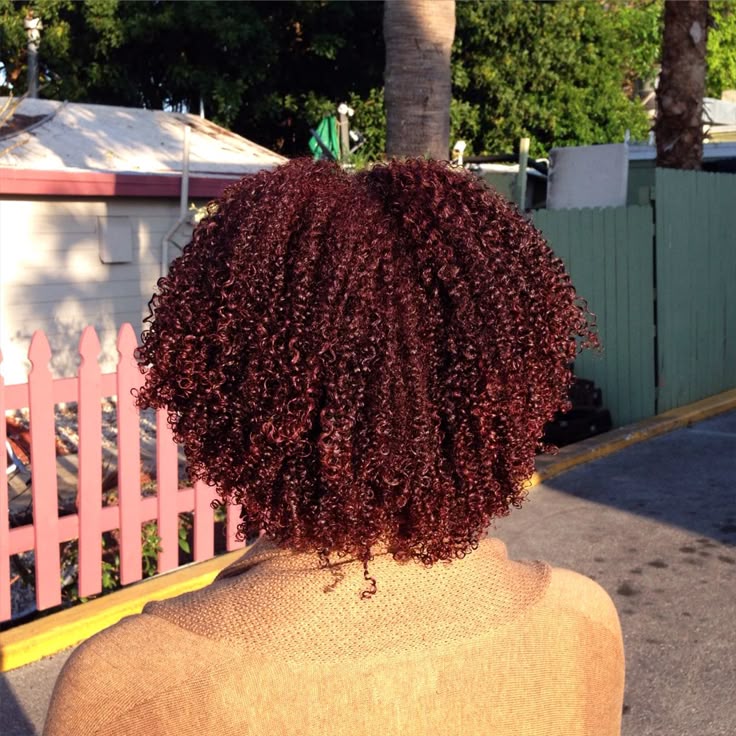
Auburn combines brown and red tones to create a warm, noticeable shade.
It can range from a deep reddish brown to a brighter copper-leaning color, so there is plenty of room to choose a version that suits your style.
Deep auburn can be particularly useful if you want to experiment with red without choosing an extremely vivid shade.
It can also look different depending on the lighting. In darker settings, auburn may appear primarily brown, while sunlight can reveal more of the red and copper tones.
For someone looking for hair colors for dark skin tones that are noticeable without being neon or extremely bright, auburn can offer a balanced middle ground.
Auburn also pairs well with both simple and elaborate hairstyles, from natural curls to braided looks.
Burgundy
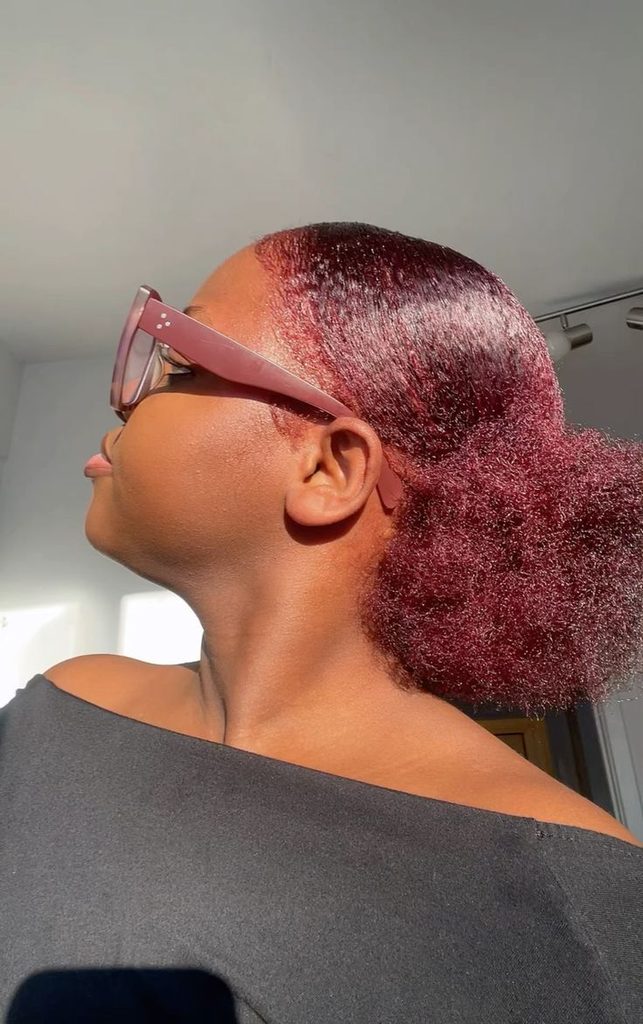
Burgundy is a popular choice when you want a darker red that still feels dramatic.
Instead of the bright appearance of traditional red, burgundy has deeper wine and purple-red qualities.
This can make it easier to wear for someone who wants color but prefers darker shades.
You can apply burgundy throughout the hair or use it selectively in highlights, ends, braids, or individual sections.
A deep burgundy can also create an interesting effect when paired with black roots, particularly when the transition between the two shades is intentional.
If you are experimenting with red for the first time, burgundy can be an option to consider before moving toward brighter copper or true red.
Copper
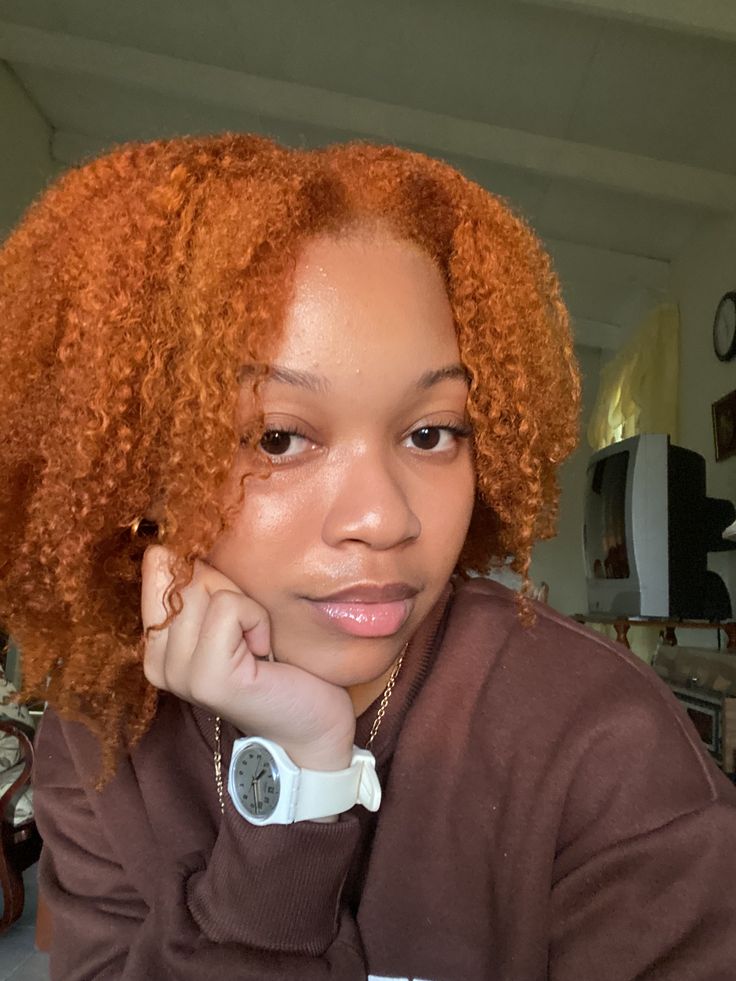
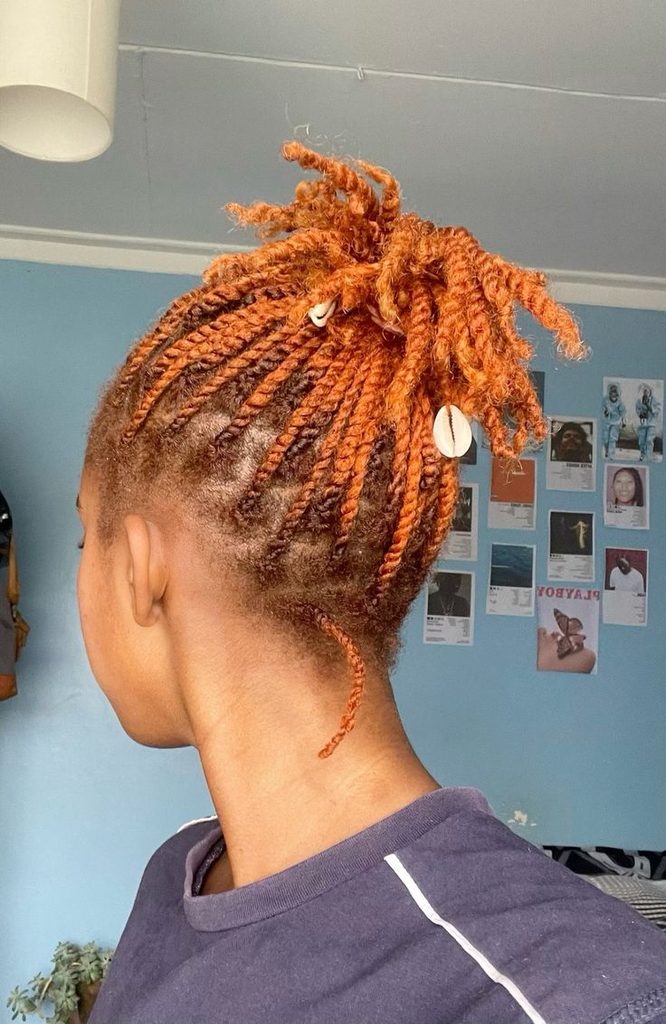
Copper is warmer and brighter than many traditional brown shades.
It combines orange, red, and golden qualities to create a vibrant appearance.
A deep copper can be relatively understated, while brighter copper shades can become the main feature of your look.
Copper can be especially striking when paired with natural curls and coils because the color highlights the texture of the hairstyle.
You can also choose a darker copper if you want warmth without going extremely bright.
Because copper shades can vary significantly, look at several examples before choosing one. A color labeled “copper” by one brand may look very different from another product.
Your natural hair color will also influence the final result.
Deep Red
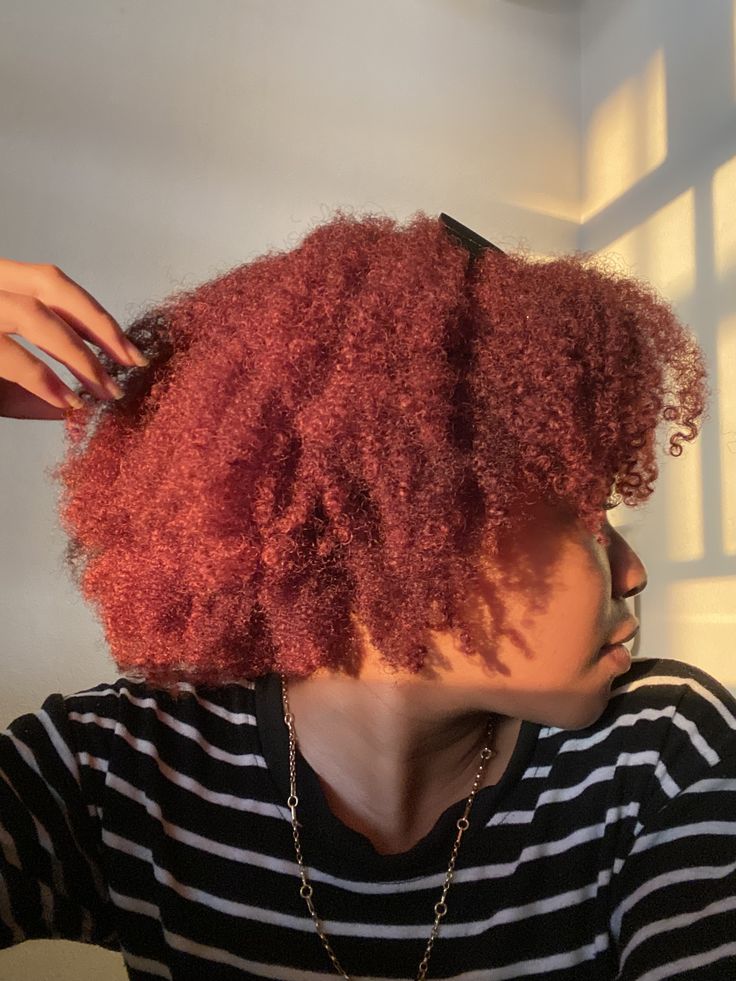
If you want a stronger statement without going into extremely bright fashion colors, deep red is another option.
Deep red can range from a dark cherry shade to a richer red with burgundy undertones.
It creates more contrast than brown while remaining relatively sophisticated.
The placement of the color can also change the overall effect.
An all-over deep red creates a bold transformation, while red ends, highlights, or individual colored braids can give you a smaller change.
This flexibility makes red useful when you want to experiment with different levels of intensity.
Plum
Plum is a deep purple shade with red and blue qualities.
It can look almost brown or burgundy in low lighting and reveal more purple tones in brighter light.
This makes it a good choice if you want an unconventional shade without choosing an extremely bright fashion color.
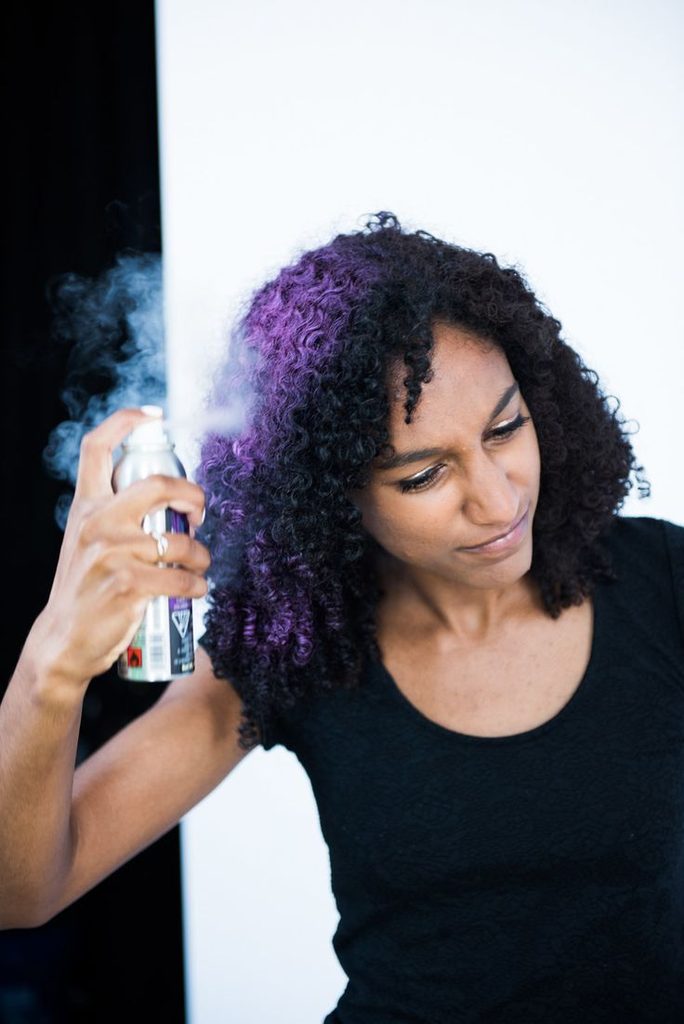
Plum can also work beautifully as a subtle highlight over dark hair.
Instead of coloring the entire head, you could introduce the shade through selected sections, the ends, or individual braids.
The result can be especially interesting when the base of the hair remains naturally dark.
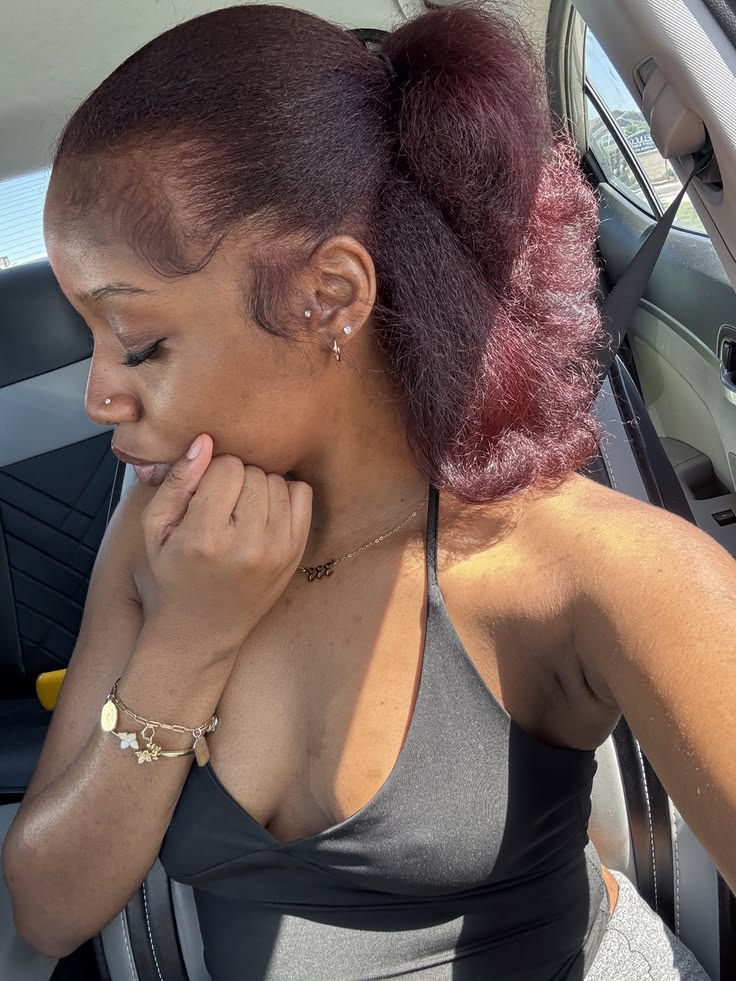
Deep Purple
For a more obvious statement, consider a deeper purple.
Unlike pastel purple, which can require significant lightening to show clearly, a darker purple can provide a richer appearance.
Deep purple can range from violet to blue-purple depending on the specific formulation.
It can be a fun option when you want your hair color to become part of your overall personal style rather than simply adding a subtle change.
If you enjoy expressive fashion choices, purple can also work well with accessories, makeup, and clothing in neutral or complementary shades.
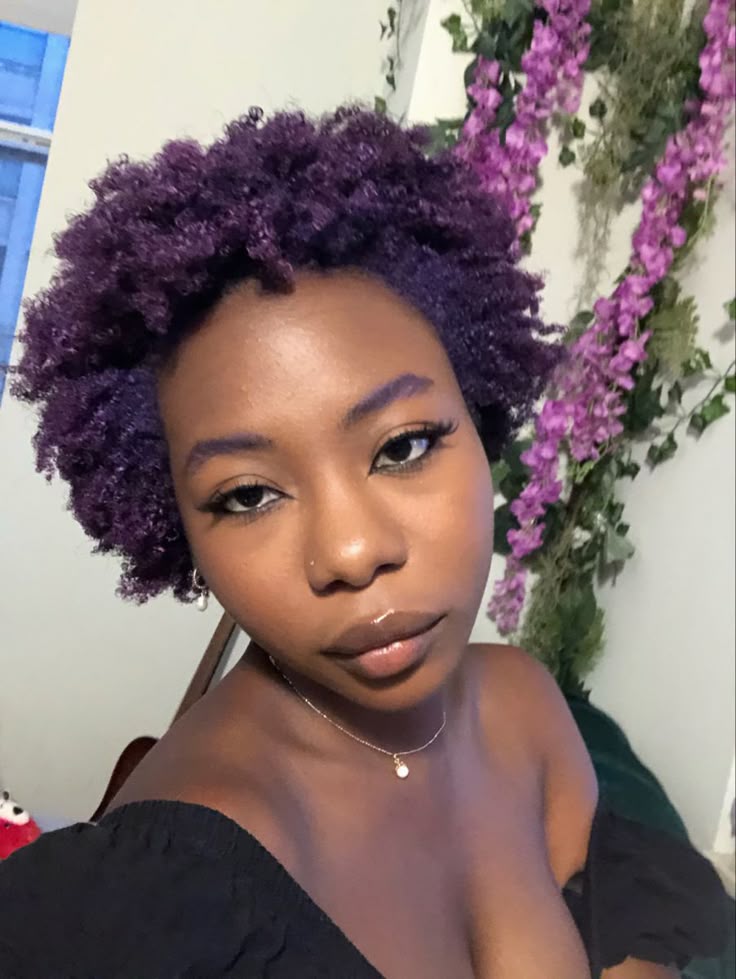
Jet Black
Sometimes the best change is not a lighter color at all.
Jet black can create a sleek, dramatic appearance and make the hair look particularly rich and defined.
If your natural hair is already very dark, a black color may not create a dramatic difference. However, it can refresh the appearance of faded or previously colored hair.
Black can also make other elements of your look stand out, including statement earrings, colorful clothing, or a bold hairstyle.
It is one of the more understated choices on this list, but that does not make it boring.
For someone who wants hair colors for dark skin tones that create a polished rather than experimental appearance, a rich black can be worth considering.
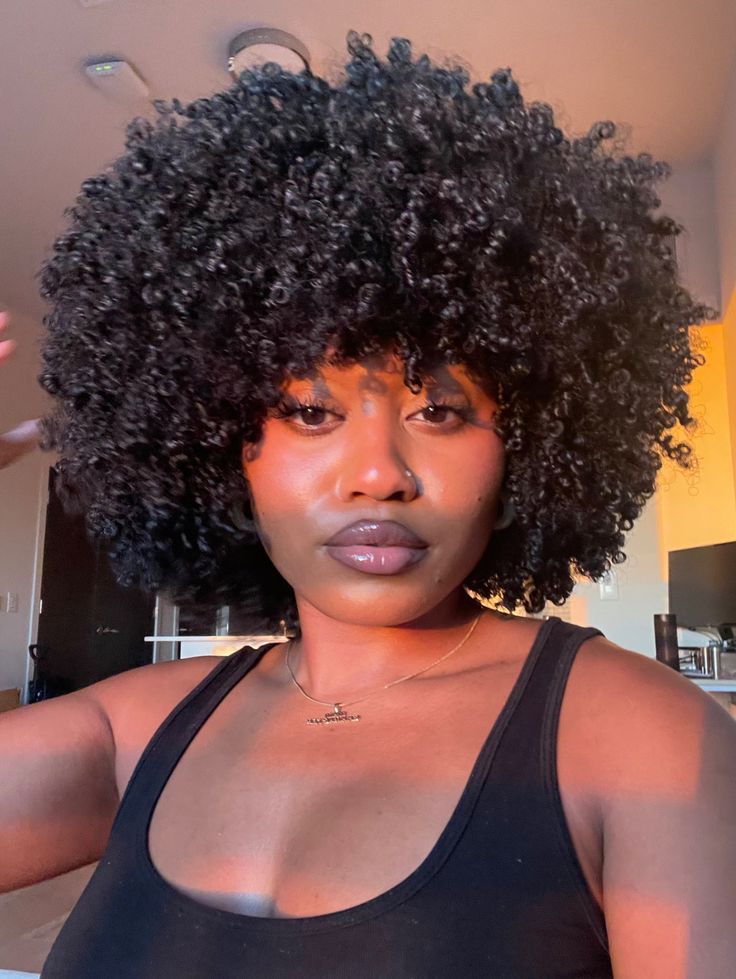
Honey Blonde
Honey blonde sits between warm blonde and golden brown.
It can create a bright, warm appearance without the cooler qualities of platinum or ash blonde.
Because it is significantly lighter than naturally dark hair, achieving honey blonde may require substantial lightening if your starting color is very dark.
That means the shade may require more maintenance than darker brown or burgundy options.
Still, if you want a warm, noticeable transformation, honey blonde can be a beautiful choice.
You can also use the shade strategically. Instead of making the entire head blonde, consider highlights, face-framing pieces, or colored ends.
This can give you the visual effect of blonde while keeping some of your natural depth.
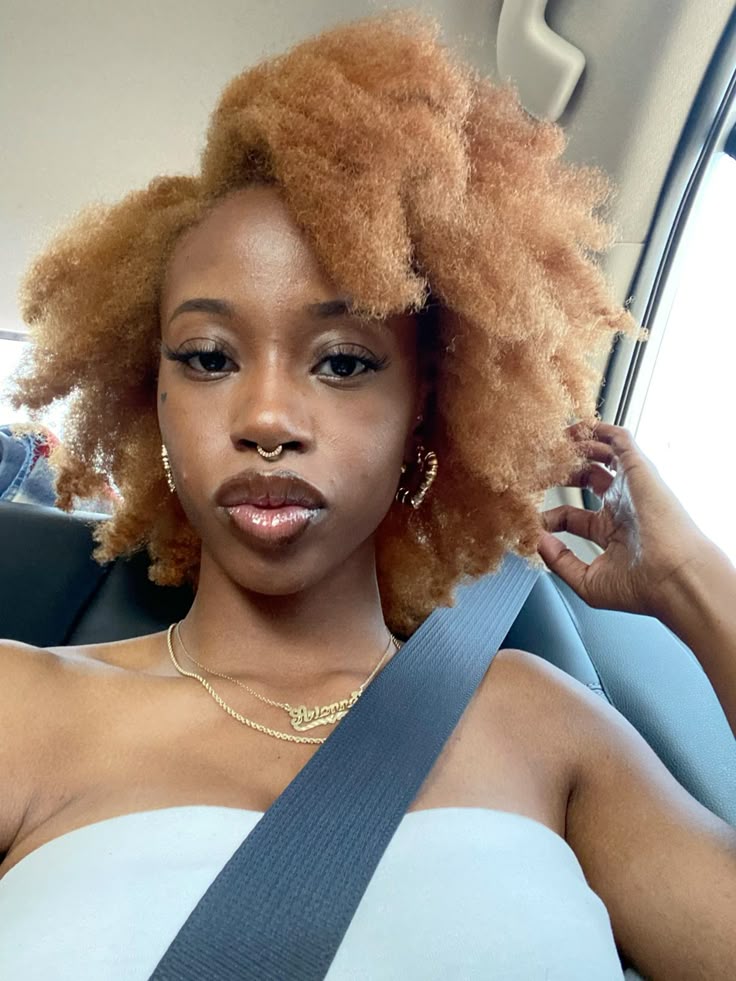
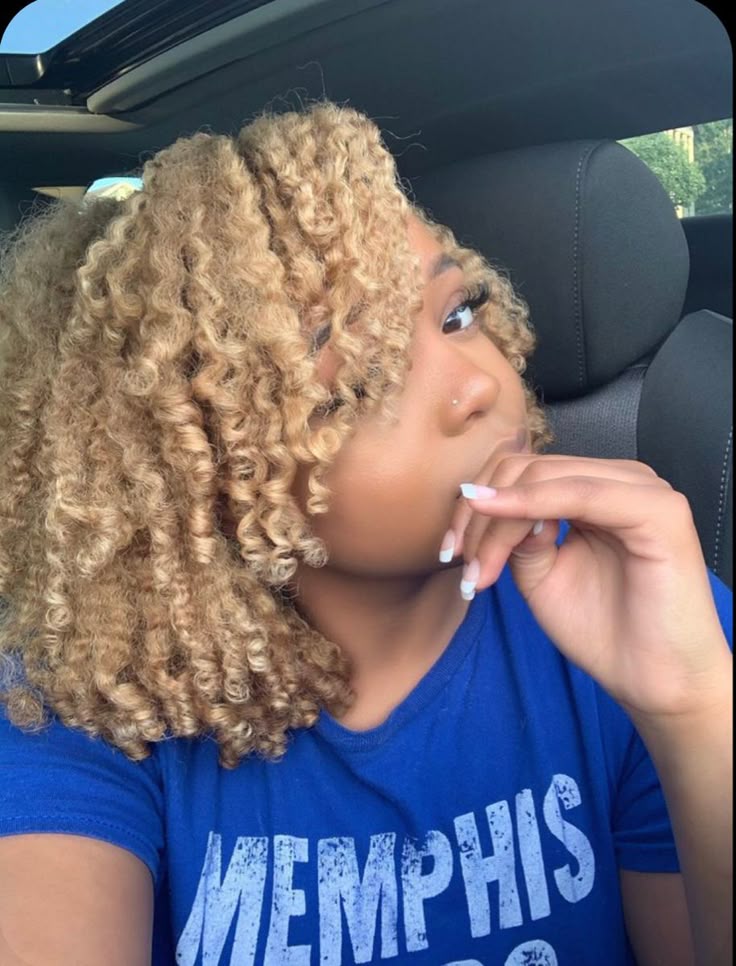
Golden Blonde
Golden blonde is brighter and more distinctly blonde than honey brown.
Its warm yellow and gold qualities can create a dramatic contrast against a deep complexion.
If you like warm colors and want your hair to become the focal point of your appearance, golden blonde is an option to explore.
However, the final shade depends heavily on the starting color and the coloring process.
You should also consider whether you are comfortable with the maintenance involved in keeping a lighter shade looking fresh.
For some people, golden blonde works best as a highlight or partial color rather than an all-over shade.
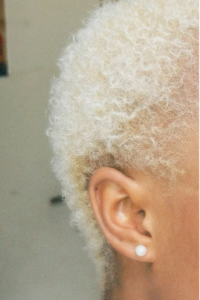
Platinum Blonde
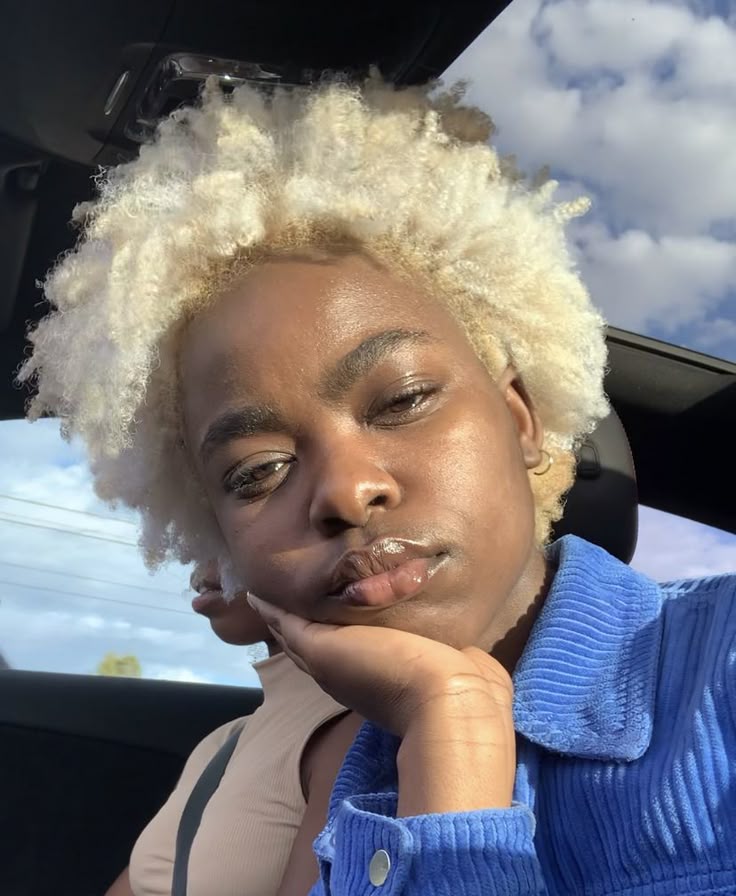
Platinum blonde is one of the most dramatic choices for dark skin.
The very light color creates a strong contrast and can give your overall appearance a completely different character.
Because the difference between naturally dark hair and platinum blonde is substantial, achieving the shade may involve significant lightening.
That makes this more of a commitment than choosing chocolate brown or burgundy.
If you love the look but are concerned about maintaining your natural hair, you can experiment with a platinum wig, extensions, or another temporary option before permanently lightening your own strands.
This lets you explore the visual effect without immediately committing your natural hair to the process.
@okrajuice
Blue-Black
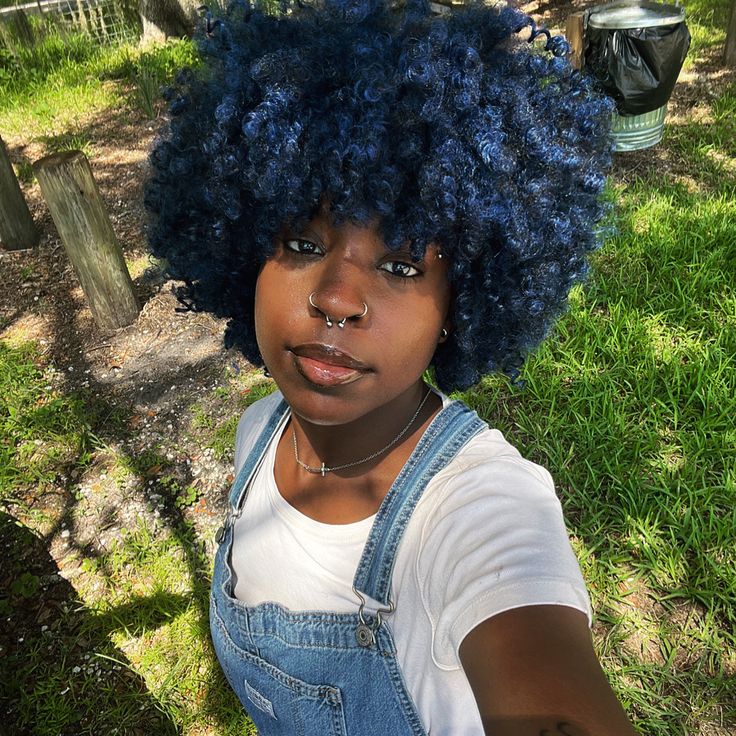
Blue-black is a subtle way to experiment with a cooler color.
At first glance, it can look black, but the blue undertone becomes more noticeable under certain lighting.
The shade can create a glossy, dramatic appearance without the obvious brightness of a traditional blue.
It can also be a good option if you like cool tones but do not want an overtly colorful hairstyle.
Blue-black works particularly well when you want your hair to remain dark while still having an element that makes people look twice.
Bright Blue
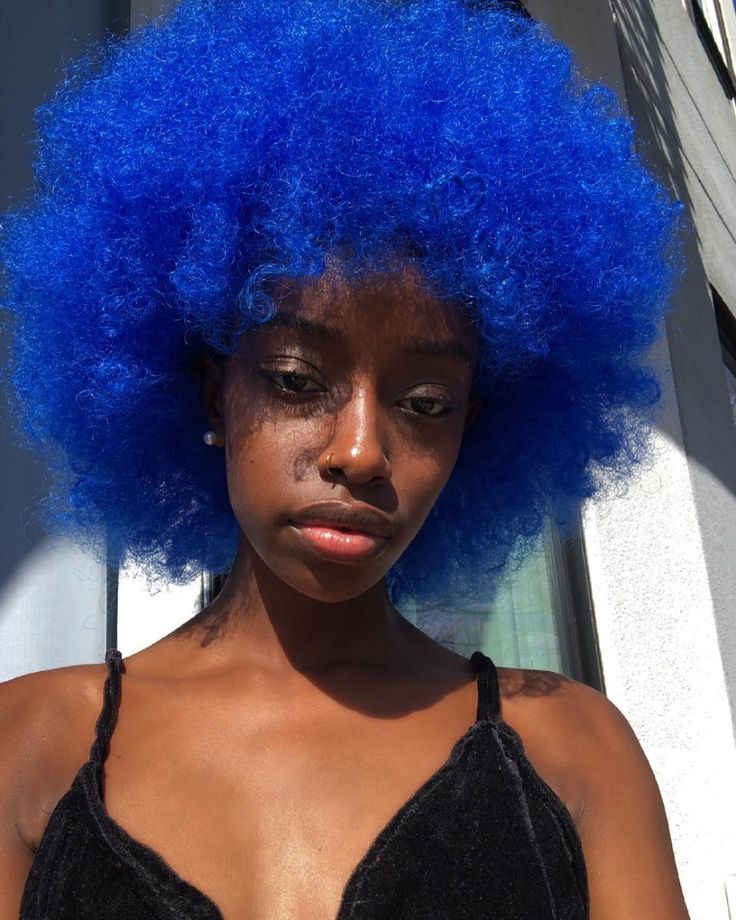
Bright blue is for someone who wants the color itself to make a statement.
Depending on the shade, you can explore royal blue, cobalt, electric blue, or deeper sapphire tones.
These colors can look very different depending on the underlying hair color, so the final result may require lightening for the shade to appear vividly.
You can also experiment with blue without coloring your entire head.
Blue ends, highlights, braids, or temporary color can provide a similar visual effect with less commitment.
This is particularly useful if you enjoy changing your appearance frequently.
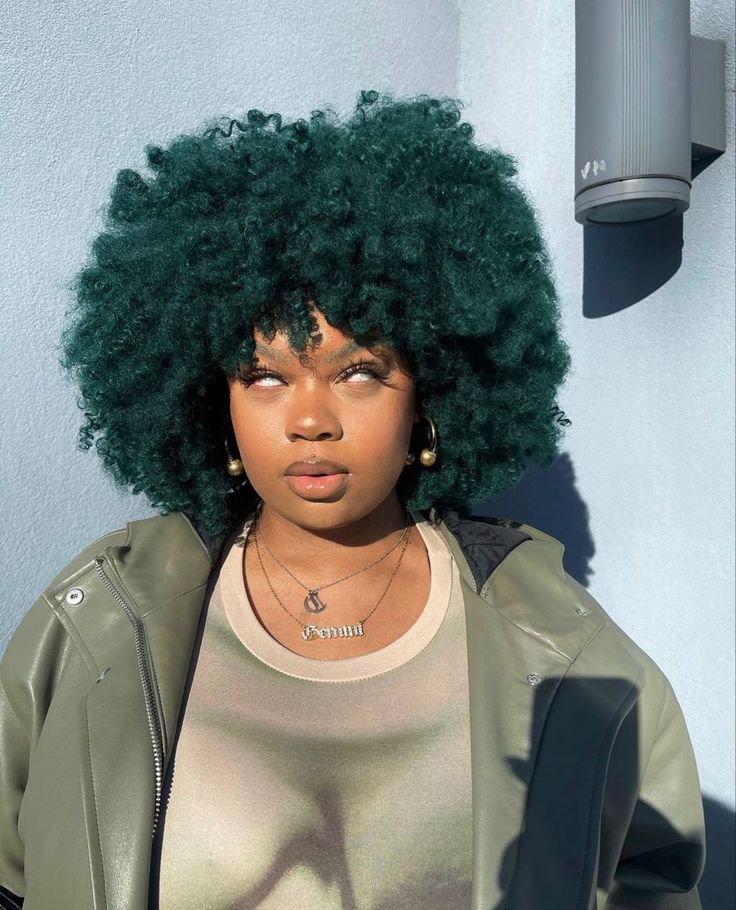
Emerald Green
Green is another unconventional option that can look striking against a deep complexion.
Dark emerald green can feel rich and sophisticated, while brighter green creates a more playful appearance.
The shade can also work particularly well when used as an accent rather than an all-over color.
For example, you could incorporate green into individual braids, the ends of your hair, or selected highlights.
If you want an unusual color but prefer darker tones, emerald can be more wearable than a very bright neon green.
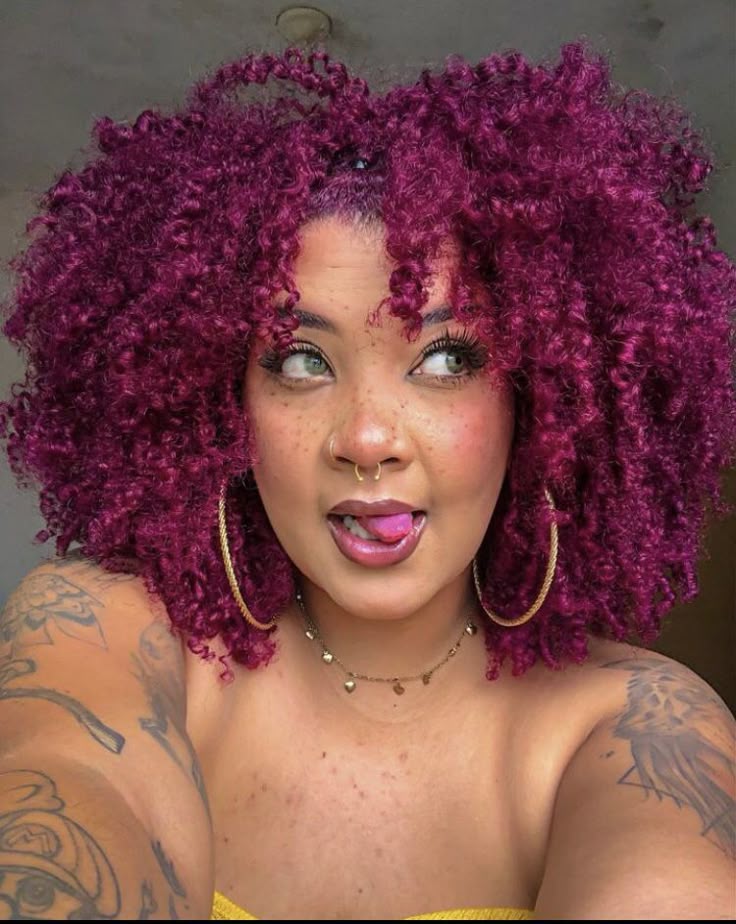
Pink and Magenta
Pink does not have to mean pastel.
Deep magenta, raspberry, fuchsia, and berry-inspired shades can create a bold appearance while retaining some depth.
Magenta in particular can work as a bridge between red and purple.
If you already like burgundy or plum, moving toward magenta can be an interesting way to make your color more vivid.
You can also control how bold the result feels through placement.
A few magenta highlights can create a completely different effect from an all-over application.
For temporary experimentation, colored extensions or braids can also help you test the shade before committing.
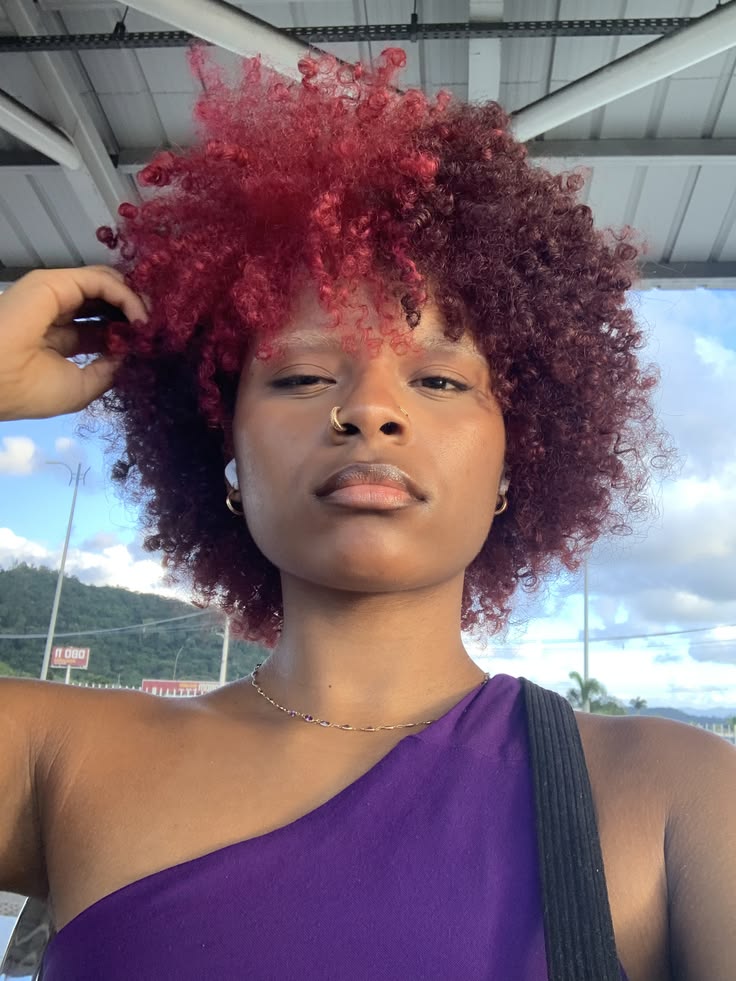
Two-Tone Hair Colors
You do not have to choose only one color.
Two-tone hair allows you to combine shades in a way that creates more dimension.
Some combinations to consider include:
- Chocolate brown and caramel
- Black and burgundy
- Dark brown and copper
- Black and plum
- Burgundy and deep red
- Chocolate brown and honey
- Black and blue
- Deep purple and magenta
The key is choosing shades that work together rather than simply selecting two colors you like individually.
You can also use one color as the dominant shade and the second as an accent.
For example, a deep brown base with caramel pieces creates a more subtle result than applying both colors equally.
This approach can be especially useful when exploring hair colors for dark skin tones because it allows you to combine depth and brightness instead of choosing between them.
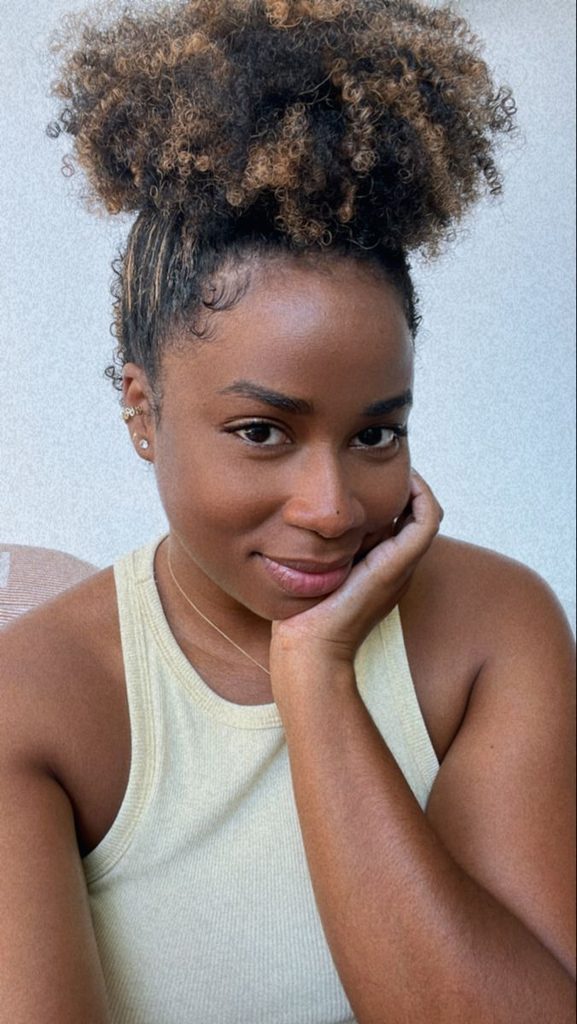
Highlights Instead of Full Color
If you are unsure about coloring your entire head, highlights can be a useful middle ground.
Highlights introduce lighter or brighter sections while leaving much of the original hair untouched.
They can be concentrated around the front, scattered throughout the hair, or placed toward the ends.
The placement can influence how noticeable the final result is.
Face-framing highlights tend to draw attention toward the face, while scattered highlights create more overall dimension.
Highlights can also work well with natural curls and coils because the different shades can make the texture more visually noticeable.
If you want to experiment with color without completely changing your appearance, this is one approach worth considering.
Choosing Hair Color Based on the Look You Want
Instead of asking only which color is “best,” think about the effect you want your hair to have.
For a Subtle Change
Consider:
- Chocolate brown
- Dark auburn
- Burgundy
- Blue-black
- Deep plum
These shades can create visible changes without completely transforming your appearance.
For Warmth and Dimension
Consider:
- Caramel
- Honey brown
- Copper
- Auburn
- Golden brown
These shades can add warmer tones and make the hair appear more dimensional.
For a Bold Transformation
Consider:
- Platinum blonde
- Bright red
- Magenta
- Electric blue
- Emerald green
These shades are more likely to make the color itself the main feature of your look.
For Something Unconventional
Consider:
- Deep purple
- Blue
- Green
- Magenta
- Two-tone combinations
These give you more freedom to make your hair color part of your personal style.
Think About Your Natural Hair Color
Your starting hair color has a major influence on what the final shade will look like.
A color applied to naturally black hair may look much deeper than the same product applied to previously lightened hair.
This is particularly noticeable with bright shades.
For example, a red color may produce a subtle reddish reflection on very dark hair but appear much more vibrant on a lighter base.
The same applies to purple, blue, pink, and other fashion colors.
Before choosing a shade, look for examples that begin with a similar natural hair color to yours.
Do not rely only on the model shown on the front of a product package.
Consider Your Hairstyle Too
The same hair color can look completely different depending on how you wear your hair.
A copper shade may highlight the shape of a twist-out, while burgundy braids can create a completely different appearance.
Highlights can become more visible when the hair is worn loose, while a darker all-over color may look particularly polished in a bun or sleek style.
If you frequently wear protective styles, you can also experiment with colored braiding hair rather than permanently changing your natural strands.
This can give you more flexibility to switch between colors.
Your hairstyle and hair color do not have to compete with each other. They can work together to create the overall appearance you want.
Think About Maintenance Before Choosing a Shade
A color can look beautiful on the first day and become frustrating if you do not enjoy the maintenance required afterward.
Dark brown may be relatively easy to maintain because the difference between your natural color and the dyed shade is smaller.
A much lighter color may require more frequent attention to visible roots.
Bright fashion colors can also fade differently depending on the shade, product, washing routine, and amount of exposure to water and styling.
Before choosing your color, ask yourself how often you are realistically willing to maintain it.
A shade that requires constant upkeep may not be the right choice if you prefer a low-maintenance routine.
Match the Color to Your Personal Style
Hair color should also fit the way you like to present yourself.
If your everyday wardrobe consists mostly of neutral colors, a bold hair color can become the main statement.
If you already enjoy colorful clothing and accessories, a more subtle hair color may create balance.
There is no requirement to choose a shade simply because it is considered flattering.
You may love a color because it feels expressive, unusual, playful, or simply different.
Your preferences are part of the decision.
Try the Color Temporarily First
You do not have to permanently color your natural hair to find out whether you like a shade.
Wigs, colored extensions, clip-ins, braiding hair, temporary color waxes, and other temporary options can give you an idea of how a shade looks against your complexion.
This can be particularly useful for dramatic colors such as platinum, bright red, blue, green, or magenta.
Take photos in different lighting as well.
A shade can appear completely different under indoor lighting, outdoor daylight, and camera flash.
Testing the color visually before making a permanent change can help you narrow down your options.
Hair Color Ideas for Different Seasons
Your color preferences may also change throughout the year.
During warmer months, brighter shades such as copper, honey, golden brown, or warm auburn can create a fresh appearance.
During cooler months, deeper colors such as burgundy, plum, chocolate brown, and blue-black can create a richer look.
This does not mean you need to follow seasonal color rules.
You can wear any shade at any time.
However, thinking about seasonal changes can be useful if you enjoy changing your appearance throughout the year.
What If You Cannot Decide Between Two Colors?
If you are stuck between two shades, compare them based on more than appearance.
Think about:
- How much contrast you want
- How often you want to maintain the color
- Whether the shade requires lightening
- How it works with your usual hairstyles
- Whether you prefer warm or cool tones
- How bold you want the final result to be
- Whether you want an all-over color or highlights
You can also combine the two.
For example, if you cannot choose between brown and caramel, a chocolate brown base with caramel highlights may give you elements of both.
If you like burgundy and purple, a deep wine-purple shade could create a similar effect.
Sometimes the best solution is not choosing one color completely, but finding a combination that gives you the qualities you like about both.
Caring for Hair After Coloring
Choosing the right color is only part of the process.
Once your hair has been colored, your routine should take its new condition into account.
Pay attention to moisture, breakage, tangling, and the condition of your ends.
Avoid treating colored hair as though nothing has changed if the coloring process involved significant chemical processing.
Gentle handling becomes especially useful when maintaining your strands.
If your hair tends to become dry, review your hair masks and conditioning routine rather than simply adding more styling products.
If your ends are fragile, focus on length retention habits that reduce unnecessary manipulation.
And if your scalp feels uncomfortable after coloring, do not ignore it simply because you like the shade.
A beautiful color is much easier to enjoy when your hair and scalp are being cared for properly.
Your 4C hair care routine may also need to be adjusted if the coloring process makes your strands more prone to dryness.
The Best Hair Colors for Dark Skin Tones Depend on You
There is no single shade that can be called the best hair color for every person with a deep complexion.
Chocolate brown, caramel, honey, auburn, copper, burgundy, plum, blonde, blue, green, and many other shades can all create different effects.
Your undertone, natural hair color, desired level of contrast, hairstyle, maintenance preferences, and personal style can all influence which shade feels right for you.
If you want something subtle, start with a shade close to your natural color. If you want more dimension, consider highlights or two-tone combinations. If you want your hair to become the main feature of your look, brighter colors can create that effect.
You can also experiment without immediately making a permanent change. Wigs, extensions, temporary colors, and colored braiding hair can help you see how different shades look before committing.
Most importantly, choose a color because it works for the look you want to create, not simply because it is considered the “right” shade for dark skin.
There are plenty of beautiful hair colors for dark skin tones, and your options extend far beyond a single list of recommended shades.