
Why Your 4C Hair Isn’t Growing (And What to Do)
Disclosure: Some of the links in this post are affiliate links. This means if you click on the link and purchase an item, I will receive an affiliate commission at no extra cost to you.
Why your 4C hair isn’t growing is a question that frustrates many people on their natural hair journey. You care for your hair consistently, try to keep it moisturized, and make time for wash days, yet months go by without the noticeable length you were hoping to see.
The truth is that 4C hair doesn’t usually stop growing without a reason. More often than not, the issue isn’t hair growth itself but a combination of factors that make progress difficult to notice. Tight coils, shrinkage, breakage, poor length retention, and even certain hair care habits can all create the impression that your hair has reached a standstill.
Understanding the difference between actual hair growth and visible length is the first step toward solving the problem. Once you know what’s preventing you from seeing progress, you’ll be able to focus your efforts on the changes that truly make a difference instead of wasting time and money on solutions that don’t address the real cause.
If you’re still getting familiar with how tightly coiled hair behaves, everything you need to know about 4c hair is a great place to start before exploring the reasons your hair may appear to have stopped growing.
In this guide, we’ll break down the most common reasons your 4C hair may not appear to be growing and explain exactly what you can do to overcome each one.
Before You Assume Your Hair Has Stopped Growing
One of the biggest mistakes people make is assuming that visible length is the only sign of healthy hair growth.
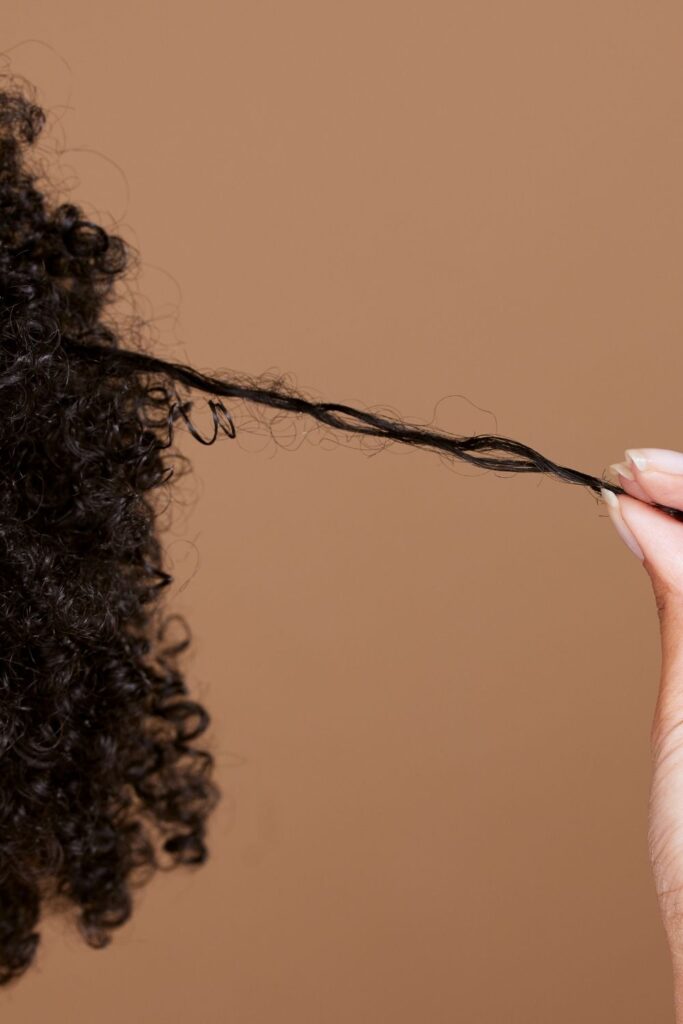
Hair grows from the scalp, but whether you get to keep that growth depends on what happens to the strand afterward. If your hair is constantly breaking, shrinking, or becoming damaged before you notice the extra length, it can feel as though your hair isn’t growing at all.
This is why two people can follow similar routines and still have completely different results. One may retain most of their growth, while the other loses it almost as quickly as it appears.
Many people also confuse hair growth with length retention, even though they’re two completely different things. That misunderstanding is one of the biggest reasons people believe their hair has stopped growing.
Related Article: The Truth About 4C Hair Growth explains how hair actually grows, while Length Retention Tips That Actually Work for 4C Hair explores why keeping your growth is often more challenging than growing it in the first place.
With that in mind, it’s time to identify the real factors that can make healthy 4C hair appear as though it has stopped growing.
Your Hair Is Growing, It Just Doesn’t Look Like It
One of the biggest reasons people believe their 4C hair isn’t growing is because they’re judging it in its natural, shrunken state.
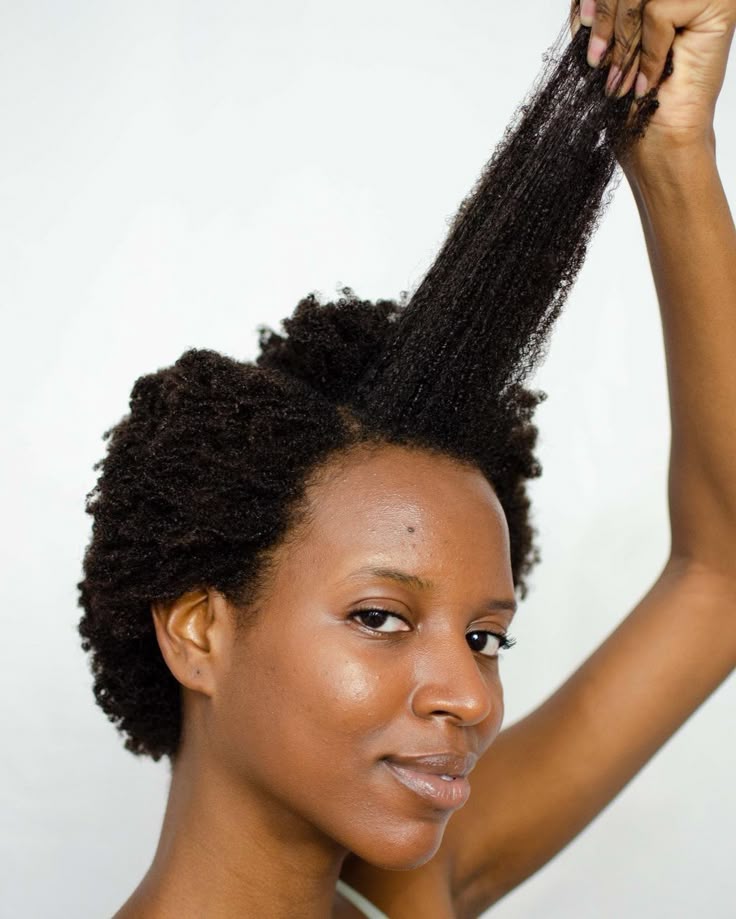
Healthy 4C hair naturally coils tightly around itself. As those coils dry, they contract, making your hair appear much shorter than it actually is. Depending on your curl pattern, your hair can shrink by more than half its true length.
Imagine stretching a spring with your hands and then letting it go. It immediately curls back into a smaller shape, even though its actual length hasn’t changed. That’s very similar to how shrinkage works on 4C hair.
Because of this, checking your length every few weeks often leads to disappointment. Your hair may have grown, but the tight coils make that progress difficult to notice.
Rather than relying on what you see in the mirror every day, compare your hair every two or three months while it’s stretched. A twist-out, braid-out, banding method, or gentle blow-dry can give you a much clearer picture of how much length you’ve actually retained.
Understanding how shrinkage works also makes it easier to appreciate one of the most unique characteristics of tightly coiled hair instead of seeing it as a problem.
Explore More: How to Identify True 4C Hair explains why shrinkage is one of the defining features of 4C hair and how it differs from other curl patterns.
Your Hair Is Growing, But Your Ends Aren’t Keeping Up
Hair growth starts at the scalp, but length is earned at the ends.
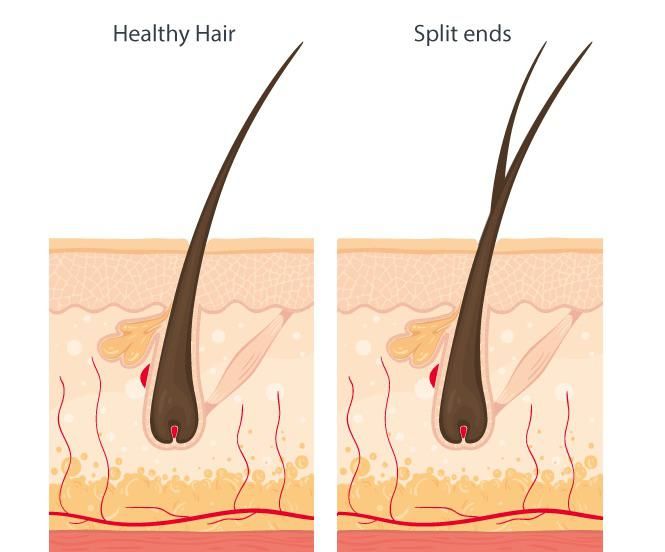
That’s why it’s possible for your roots to be producing healthy new hair every month while your overall length stays exactly the same. If your ends keep breaking off, the new growth never has a chance to accumulate.
This is one of the biggest reasons people become convinced their hair has stopped growing. In reality, the hair is growing exactly as it should; it’s simply not surviving long enough for you to notice the extra inches.
Dryness is often the first warning sign. Once the ends lose moisture, they become rougher, weaker, and more likely to split. Those tiny splits gradually travel up the hair shaft until the strand snaps.
Over time, this cycle repeats itself, making months of healthy growth almost impossible to see.
Many people spend years searching for products that promise faster growth when the real solution is learning how to protect the length they already have.
One of the simplest ways to understand this is to think about saving money. Earning more money helps, but if you’re spending every dime as soon as you get it, your savings never increase. Hair behaves in much the same way: growth is what you earn, while length retention is what you keep.
Worth Reading: Length Retention Tips That Actually Work for 4C Hair breaks down the habits that help you hold onto every inch your hair grows.
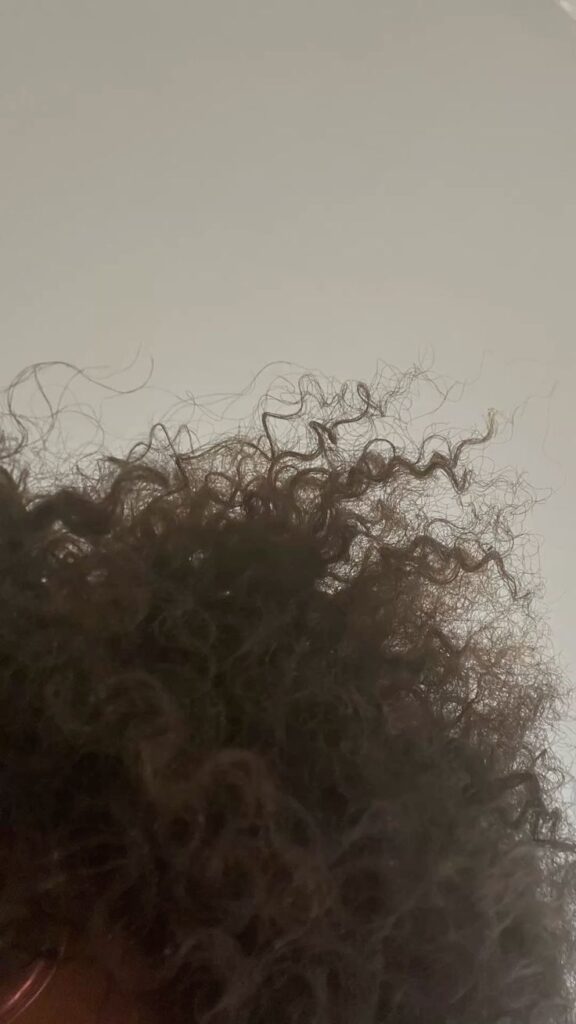
Your Hair Routine Could Be the Problem
It’s easy to assume that the more products you buy or the more steps you add to your routine, the faster your hair will grow. In reality, a complicated routine doesn’t always mean a better one.
Sometimes it’s the small, everyday habits that quietly slow your progress. Washing your hair too often can leave it dry and fragile, while waiting too long between wash days can lead to product buildup, making it harder to keep your scalp healthy. Even something as simple as skipping deep conditioning or handling your hair roughly during detangling can increase breakage over time.
Consistency matters far more than perfection. A simple routine that keeps your hair clean, moisturized, and protected will almost always produce better results than an elaborate routine that’s difficult to maintain.
Instead of copying someone else’s regimen, build one around what your own hair needs. Your porosity, density, lifestyle, and even the climate you live in can all influence how often your hair needs moisture or cleansing.
If you’re trying to simplify your routine, Daily Hair Care Routine for 4C Hair walks through the essentials without making natural hair care feel overwhelming. For a broader schedule that covers weekly maintenance, Weekly Hair Care Routine for Healthy 4C Hair is another helpful guide.
You Could Be Expecting Results Too Quickly
One of the hardest parts of growing natural hair is that progress isn’t dramatic from one week to the next.
Hair doesn’t suddenly gain several inches overnight. It grows little by little, and because 4C hair naturally shrinks, those small changes can be almost impossible to notice in the mirror.
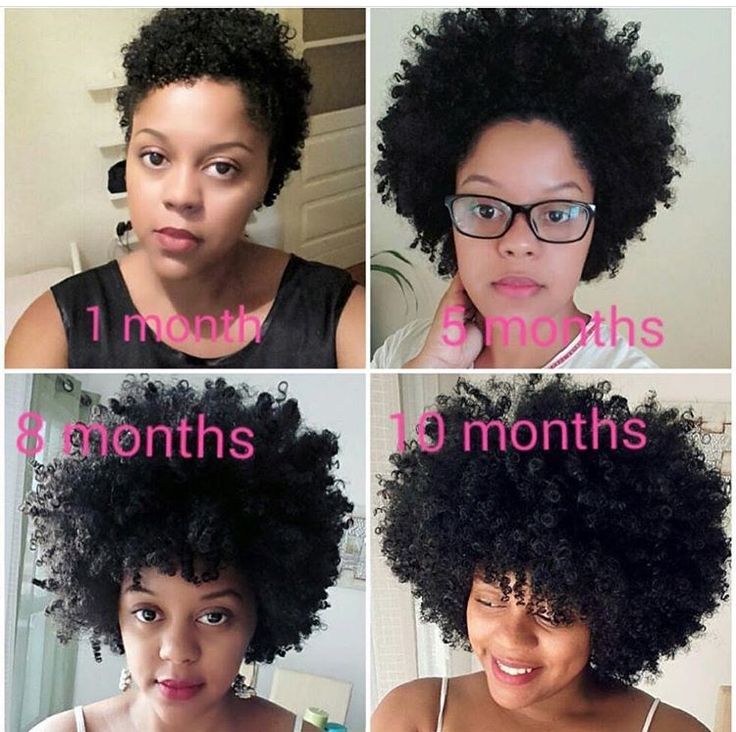
Imagine watching a tree grow every single day. At first, it seems like nothing is happening. But if you compare photos taken six months apart, the difference becomes obvious. Hair growth works much the same way.
Checking your length every week often leads to unnecessary frustration. Instead, take a photo of your stretched hair once a month under similar lighting and compare those photos every three or four months. Seeing your progress over time is far more encouraging than relying on memory.
Healthy hair growth is a long-term commitment, not a race. The habits you practice consistently today are what determine where your hair will be six months or a year from now.
Continue Reading: How to Grow 4C Hair Faster Naturally shares realistic ways to support healthy hair growth while keeping your expectations grounded.
Your Scalp Could Be Part of the Problem
Healthy hair starts with a healthy scalp.
Think of your scalp as the soil in a garden. Even the strongest seed will struggle to grow in poor soil. In the same way, your hair follicles need a clean, balanced environment to produce healthy strands consistently.
That doesn’t mean you need expensive scalp treatments or complicated routines. Often, simple issues like product buildup, excessive oil, dandruff, or constant itching can interfere with the overall health of your scalp.
If you regularly layer oils, butters, gels, and creams without properly cleansing your scalp, residue can build up over time. This doesn’t stop hair from growing completely, but it can make your scalp feel uncomfortable and make healthy hair care more difficult.
A healthy scalp should feel clean, comfortable, and free from excessive itching or flaking. If you notice persistent irritation, inflammation, or unusual hair shedding, it’s worth paying closer attention instead of assuming your hair just “doesn’t grow.”
Maintaining a proper cleansing routine is one of the simplest ways to support healthy hair growth over time.
Learn More: The Best Wash Day Routine for Nappy 4C Hair explains how to thoroughly cleanse your scalp without stripping your hair of the moisture it needs.
Your Lifestyle Matters Too
Sometimes the reason your hair seems stuck has very little to do with the products sitting on your bathroom shelf.
Your body needs nutrients, rest, and proper hydration to support healthy hair growth. If you’re constantly stressed, not eating balanced meals, sleeping poorly, or dealing with nutritional deficiencies, your hair can reflect those changes.
Protein is especially important because hair is made mostly of it. Iron, zinc, vitamin D, and healthy fats also play important roles in maintaining strong, healthy strands. When your body doesn’t get enough of these nutrients, your hair may become weaker, shed more than usual, or grow more slowly.
Stress can have an impact too. While everyday stress won’t suddenly stop your hair from growing, prolonged physical or emotional stress can affect the normal hair growth cycle and contribute to increased shedding.
This doesn’t mean you need a perfect diet or lifestyle. Small improvements like drinking more water, eating balanced meals, getting enough sleep, and managing stress can all support healthier hair over time.
You May Also Like: How to Grow 4C Hair Faster Naturally, where we discuss simple lifestyle habits that support healthier hair from the inside out.

So What’s Really Stopping Your Hair From Growing?
By now, you’ve probably realized that there’s rarely just one reason your hair doesn’t seem to be growing.
For some people, it’s shrinkage hiding their true length. For others, it’s breakage, inconsistent hair care, or unhealthy ends preventing them from retaining the growth they already have. The important thing is to identify your biggest challenge before trying to fix everything at once.
If you try to solve five different problems without knowing which one actually affects your hair, you’ll likely spend more money, more time, and become even more frustrated.
Instead, start by asking yourself these simple questions:
- Does my hair break easily when I comb or style it?
- Do my ends always feel dry or rough?
- Am I moisturizing consistently?
- Is my scalp healthy and clean?
- Am I checking my hair too often and expecting instant results?
Your answers will point you toward the area that needs the most attention.
Read This Next: The Biggest Myths About 4C Hair explores some of the common misconceptions that often lead people to believe their hair has stopped growing.
Be Patient With Your Hair Journey
One of the greatest mistakes you can make is expecting your hair to transform within a few weeks.
Healthy 4C hair doesn’t grow overnight, and lasting progress isn’t built in a single wash day. It’s the result of dozens of small decisions repeated consistently: moisturizing when your hair needs it, handling it gently, protecting your ends, and giving your routine enough time to work.
It’s also important to remember that your journey won’t look exactly like someone else’s. Genetics, hair density, porosity, lifestyle, and overall health all influence how your hair behaves. Comparing your progress to someone on social media can make you overlook just how far your own hair has come.
Celebrate the little wins. Maybe your hair feels softer than it did three months ago. Maybe detangling has become easier, or you’re noticing fewer broken strands in your comb. Those improvements are signs that your hair is becoming healthier, and healthy hair is much more likely to retain length over time.
Your goal shouldn’t simply be to grow longer hair. It should be to grow healthier hair that stays strong enough to keep every inch you earn.
See Also: Monthly Hair Care Checklist for Your 4C Hair if you’re looking for a simple way to stay consistent without feeling overwhelmed.

What to Do If Your 4C Hair Doesn’t Seem to Be Growing
If you’ve made it this far, you’ve probably realized that your hair may not have stopped growing at all. More often than not, the challenge is identifying what’s preventing you from seeing or keeping that growth.
Instead of changing your entire routine overnight, focus on one area at a time. Small, consistent improvements are much easier to maintain and often produce better long-term results.
Here’s where to start:
- Accept that shrinkage is normal. Don’t judge your progress by how your hair looks in its natural, coiled state. Compare your length using stretched hair every few months instead.
- Protect your ends from breakage. Moisturize regularly, detangle gently, and avoid excessive heat or tight hairstyles that weaken the hair shaft.
- Build a consistent routine. Healthy hair responds better to simple habits you can maintain than complicated routines you only follow occasionally.
- Keep your scalp clean and healthy. A balanced scalp creates a better environment for healthy hair growth, so don’t neglect regular cleansing.
- Take care of your overall health. Eating nutritious meals, drinking enough water, managing stress, and getting adequate sleep all contribute to healthier hair over time.
- Be patient with the process. Hair grows gradually, and noticeable changes often take several months. Trust your routine and give it time to work.
If you’re looking for a complete routine that ties all these habits together, Check Out: The Best Daily Hair Care Routine for 4C Hair. It’s a practical guide that helps you build healthy habits without overcomplicating your natural hair journey.
Frequently Asked Questions
Why does my 4C hair look the same length all the time?
The most common reason is shrinkage. Healthy 4C hair can shrink by more than half its actual length, making it appear much shorter than it really is. Breakage and poor length retention can also prevent visible progress.
How long does it take to notice growth with 4C hair?
Hair typically grows about half an inch per month, but noticeable length may take several months because of shrinkage and the time needed to retain new growth. Taking monthly progress photos of stretched hair can help you see gradual changes.
Can 4C hair grow long?
Absolutely. 4C hair can grow just as long as any other hair type. The key is protecting your hair from excessive breakage so you retain the length your scalp naturally produces.
Does protective styling make 4C hair grow faster?
Protective styles don’t increase your hair’s growth rate, but they can help reduce breakage and improve length retention when installed and maintained correctly.
How often should I trim my 4C hair?
There’s no fixed schedule. Instead of trimming by the calendar, trim when your ends become dry, split, rough, or start tangling excessively. Healthy ends make it easier to retain length.
Bottom Line
If you’ve been wondering why your 4C hair isn’t growing, remember that visible length is only one part of the story. In many cases, your hair is growing exactly as it should, but factors like shrinkage, breakage, poor length retention, or inconsistent hair care are preventing you from seeing the progress.
The good news is that these challenges can be improved. Once you identify what’s holding your hair back, you can stop guessing and start making changes that actually support healthier, longer hair over time.
Be patient with your journey, stay consistent with your routine, and celebrate the small improvements along the way. Healthier ends, easier detangling, better moisture retention, and less breakage are all signs that you’re moving in the right direction.
Your goal shouldn’t be to chase overnight growth; it should be to build healthy habits that allow your hair to thrive for years to come.

7 Comments