
The Truth About 4C Hair Growth
Disclosure: Some of the links in this post are affiliate links. This means if you click on the link and purchase an item, I will receive an affiliate commission at no extra cost to you.
There’s a lot of misinformation about 4C hair.
Some people believe it grows more slowly than other hair types. Others think it’s impossible to grow past a certain length, while many are convinced they need expensive products to see results.
The truth about 4C hair growth is that much of what you’ve been told is either incomplete or completely wrong. Your hair isn’t working against you, and having tightly coiled hair doesn’t mean you’re destined to have short hair forever.
In this guide, we’ll separate facts from myths, explain how 4C hair really grows, and help you understand why some people see steady progress while others struggle to retain length. By the end, you’ll know exactly what your hair needs and what it doesn’t.

What Most People Get Wrong About 4C Hair Growth
One of the biggest reasons people become frustrated with their natural hair is because they expect growth to look the same on every hair type.
It doesn’t.
Straight hair usually shows every new inch almost immediately. With tightly coiled hair, that same growth can stay hidden because of the way the strands naturally curl and shrink.
That’s why so many people assume their hair has stopped growing when it’s actually doing exactly what healthy hair is supposed to do.
If you’re still learning about your texture, everything you need to know about 4c hair explains why 4C hair behaves differently from other hair types and why those differences aren’t a bad thing.
Many people also mistake normal 4C hair characteristics for signs that something is wrong, when understanding them can help you recognize what’s completely normal and what may actually need attention.
How 4C Hair Actually Grows
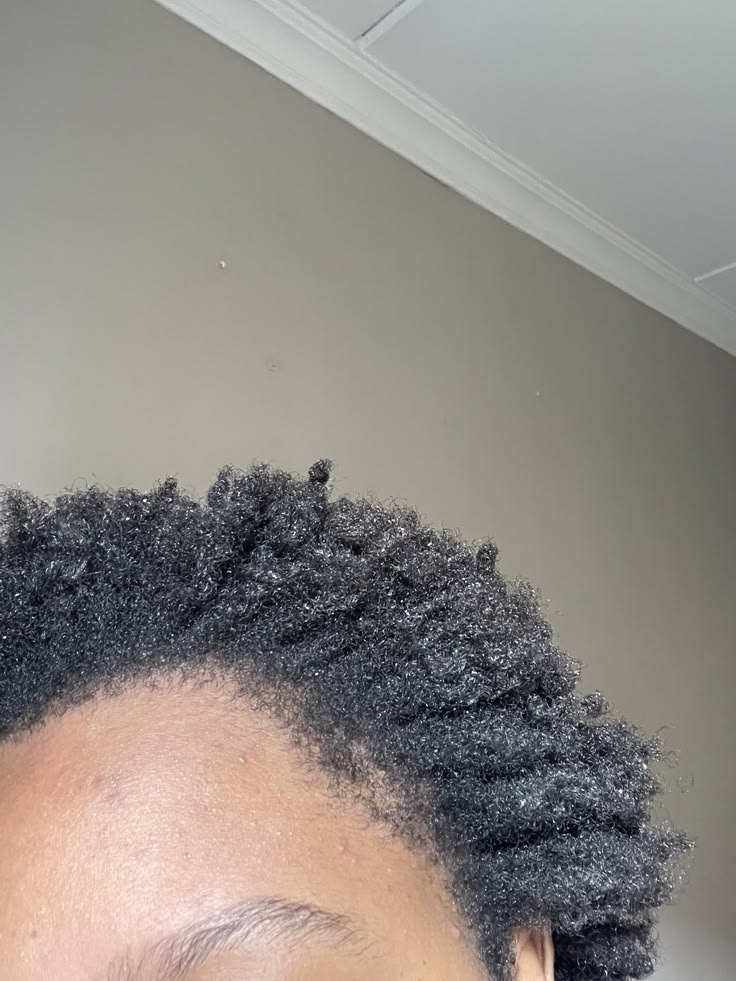
Many people think hair grows from the ends of the strands they can see.
It doesn’t.
Every strand of hair begins its journey beneath your scalp, inside a tiny structure called a hair follicle. As new cells are produced, older cells are pushed upward, forming the strand of hair that eventually becomes visible.
That process is exactly the same whether your hair is straight, wavy, curly, or tightly coiled.
If you’re still learning about your texture, the characteristics of 4c hair explains how 4C hair differs from other hair types and what makes it unique.
Your Hair Is Always Growing
Healthy hair grows in cycles.
Each strand goes through a growth phase, a resting phase, and eventually a shedding phase before a new strand begins growing from the same follicle.
Losing a few strands every day is completely normal. In fact, most people naturally shed between 50 and 100 hairs daily.
Seeing hair in your comb or shower doesn’t automatically mean your hair isn’t healthy.
Hair Growth Isn’t the Same as Hair Length
This is where many people get confused.
Your hair can be growing steadily at the roots while still looking like it hasn’t gained any length.
That’s because growth and length retention are two completely different things.
Growth is the new hair coming from your scalp.
Length retention is how much of that new growth you manage to keep before it breaks off.
That’s why someone with a simple routine who experiences very little breakage may end up with longer hair than someone using expensive products but constantly losing their ends.
If you’ve ever wondered why your hair seems stuck at the same length, length retention tips that actually work for 4c hair explain why keeping your ends healthy is just as important as encouraging new growth.
Why 4C Hair Looks Like It Grows More Slowly
One of the biggest misconceptions about natural hair is that 4C hair grows more slowly than other hair types.
The truth is, your curl pattern doesn’t control how fast your hair grows.
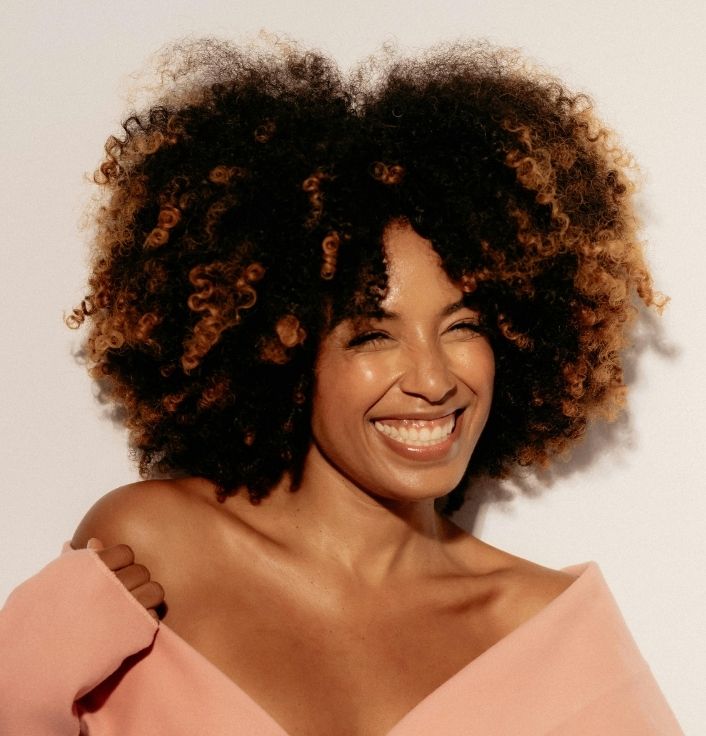
What makes 4C hair look different is shrinkage.
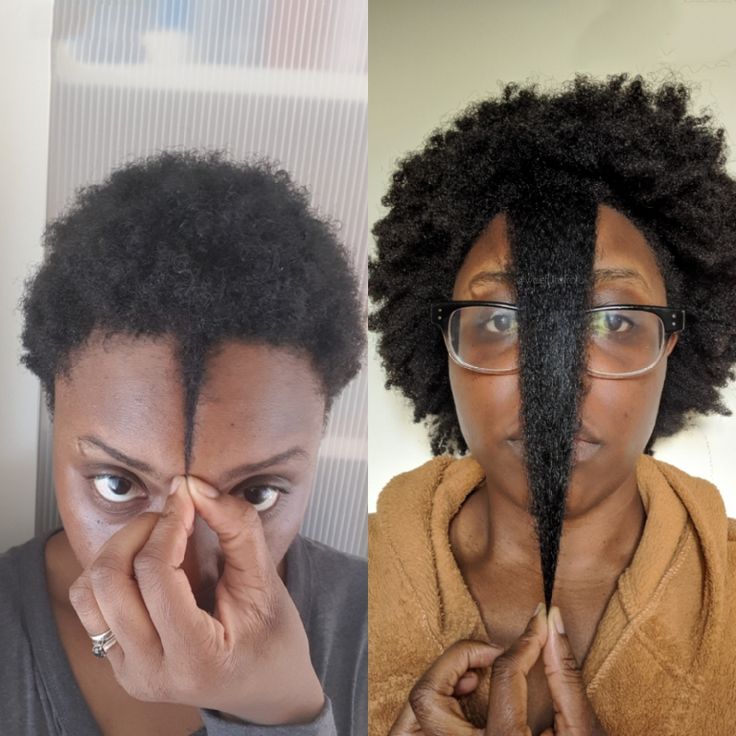
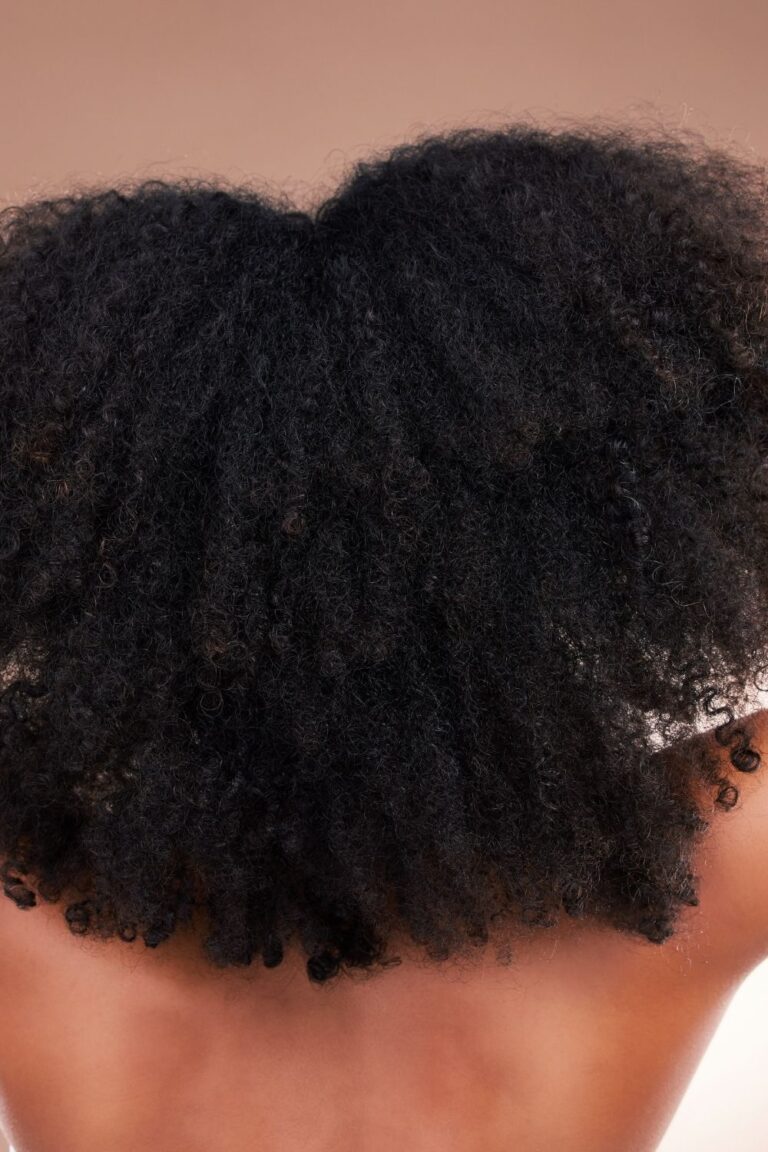
Because the strands naturally coil so tightly, several inches of new growth can remain hidden. Hair that stretches to 12 inches may only appear six or seven inches long when left in its natural state.
That’s one reason people often feel like their hair has stopped growing, even when it’s making steady progress.
If you’ve ever questioned whether your texture is really 4C, How to Identify True 4C Hair can help you understand what makes this hair type unique and why shrinkage is one of its defining characteristics.
Why People Think 4C Hair Doesn’t Grow
If you’ve ever felt like your hair has been the same length for years, you’re not overthinking things.
Many people with 4C hair genuinely believe their hair has stopped growing because they don’t see obvious changes from month to month.
The good news is that, in most cases, the problem isn’t growth at all.
It’s everything that’s happening after your hair grows.
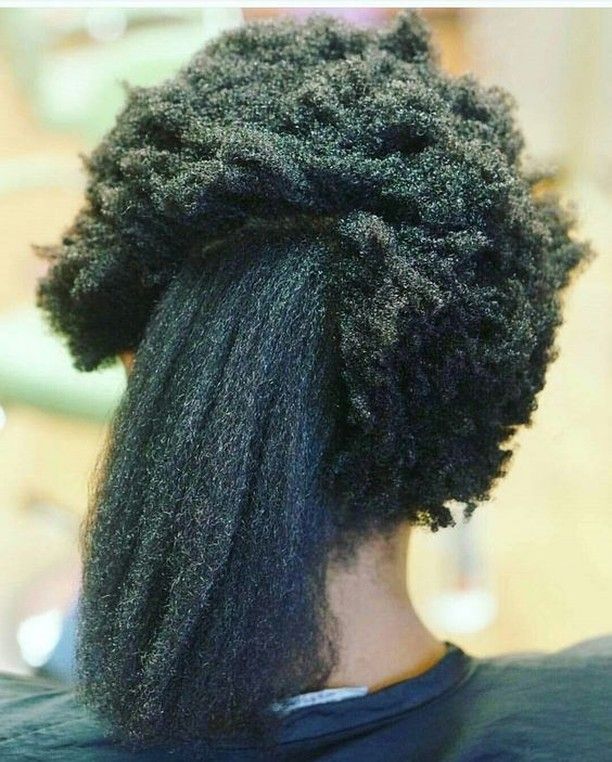
Shrinkage Can Hide Months of Growth
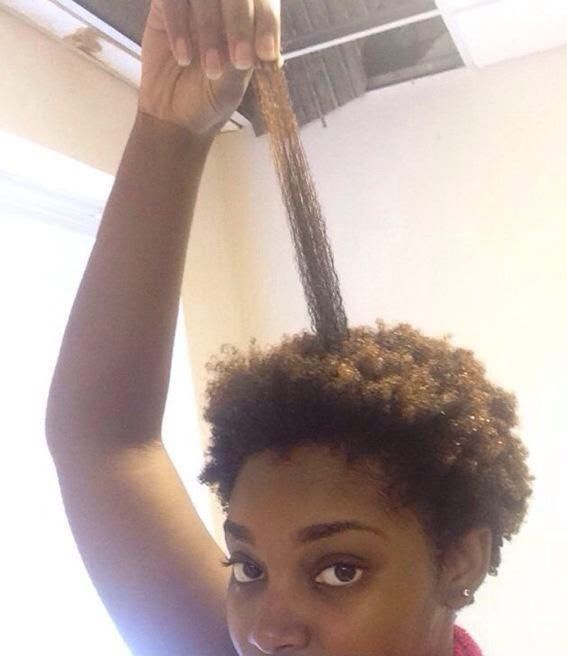
One of the biggest reasons 4C hair seems like it isn’t growing is shrinkage.
As your hair gets longer, the tight coils naturally curl back on themselves instead of hanging downward. That means several inches of new growth can stay hidden unless you stretch your hair.
It’s not unusual for hair that reaches your shoulders when stretched to sit just above your ears in its natural state.
That’s completely normal.
Breakage Can Cancel Out New Growth
Your hair can grow half an inch this month and lose that same half inch to breakage before you ever notice it.
When that happens, it feels like your hair isn’t growing, even though it is.
This is why people often confuse hair growth with hair length.
The truth is, your follicles may be doing their job perfectly. The real challenge is holding on to the growth you’ve already earned.
If breakage has been a constant struggle, How to Stop 4C Hair Breakage explains the most common causes and what you can do to reduce them.
Comparing Your Hair to Someone Else’s
Social media has made it easier than ever to compare hair journeys.
The problem is that you’re usually seeing someone else’s highlight reel.
Two people can both have healthy 4C hair and still experience completely different results because of genetics, density, porosity, lifestyle, and how they care for their hair.
Instead of comparing your progress with someone else’s, compare your hair with where it was three or six months ago.
That’s a much more accurate way to measure if your routine is actually working.
If you’re just starting your natural hair journey, The Ultimate Beginner’s Guide to 4C Hair can help you build realistic expectations from the beginning instead of chasing overnight results.
What Really Affects 4C Hair Growth?
By now, you know that your hair is probably growing.
The next question is if it’s growing under the best possible conditions.
While your curl pattern doesn’t determine how fast your hair grows, several other factors do. Some of them are within your control, while others aren’t.
Understanding the difference helps you focus your energy on the things that actually make a difference.
Genetics
One truth that many people don’t like hearing is that genetics play a major role in hair growth.
Some people naturally grow hair a little faster than others, just as some people are naturally taller or have thicker eyebrows.
That doesn’t mean you’re stuck with short hair forever.
It simply means your personal growth rate may not look exactly like someone else’s, even if you use the same products and routines.
The mistake many people make is comparing their journey to someone online instead of paying attention to their own progress.

Your Overall Health
Healthy hair starts long before you pick up a shampoo or bottle of oil.
Your hair follicles rely on nutrients, hydration, hormones, and good circulation to produce healthy strands. If your body isn’t getting what it needs, your hair may be one of the first places to show it.
That’s one reason healthy hair growth is about much more than what you apply to your scalp.
If you’re looking for practical habits that support healthier growth over time, How to Grow 4C Hair Faster Naturally covers simple lifestyle and hair care practices that work together to create a better environment for your hair.
Your Hair Care Routine
Even if your hair grows at a healthy rate, poor hair care habits can make it seem like nothing is happening.
Overwashing, skipping moisture, rough detangling, or constantly styling your hair can all lead to breakage that hides the progress you’ve made.
On the other hand, a simple routine that’s followed consistently can make a noticeable difference over time.
If you’re not sure where to begin, Weekly Hair Care Routine for Healthy 4C Hair walks you through the essential habits that help keep your hair healthy from week to week.
Patience Is Part of the Process
One of the hardest parts of growing 4C hair is that progress usually isn’t obvious right away.
Most people check their hair every few days and expect to see a difference.
The reality is that healthy hair growth is easier to notice over months than over weeks.
That’s why taking monthly photos and paying attention to your overall hair health is much more helpful than measuring your hair every few days.
Many people also find it helpful to follow a monthly hair care checklist for their 4C hair so they can stay consistent without feeling like they’re guessing what to do next.

The Truth About Hair Growth Products
Walk into any beauty store or spend a few minutes on social media, and you’ll see dozens of products promising rapid hair growth.
From miracle oils to growth serums and supplements, it can feel like there’s a product for every hair problem.
The truth is, no shampoo, oil, or cream can suddenly make your hair grow twice as fast.
Products Don’t Change Your Genetics
Hair growth starts inside the follicle, beneath your scalp.
While some products can support a healthier scalp, none of them can rewrite your genetics or force your follicles to produce hair at an unrealistic speed.
That’s why it’s important to be careful of products that promise overnight results or claim they’ll give you several inches of growth in just a few weeks.
If something sounds too good to be true, it usually is.
A Healthy Scalp Supports Healthy Growth
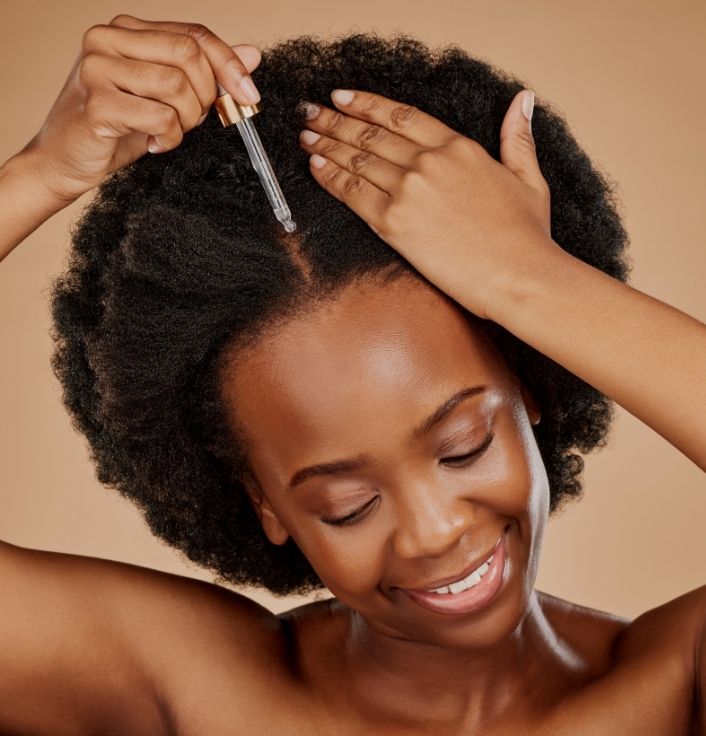
Although products can’t magically speed up hair growth, they can help create a healthier environment for your scalp.
A clean scalp allows your hair follicles to function without being covered by layers of product buildup, excess oil, or dead skin.
That’s one reason maintaining a regular wash schedule is so important.
If you’re unsure how often your hair actually needs washing, How Often Should You Wash 4C Hair explains how to find the right balance without drying your hair out.
Your Wash Day Routine Matters
Many people spend a lot of money buying new oils while overlooking the basics.
A consistent wash day routine that cleanses your scalp, restores moisture, and reduces breakage often has a much bigger impact than constantly switching between products.
Healthy hair usually comes from consistent care, not from chasing the latest trend.
If you’re looking to improve your routine, the best wash day routine for 4C hair walks you through each step, from cleansing to moisturizing, so your hair has the best chance to thrive.
Focus on Healthy Hair, Not Miracle Products
There’s nothing wrong with using products you enjoy.
The key is having realistic expectations.
A good product should help keep your hair clean, moisturized, manageable, or protected from damage.
That’s already a win.
When your scalp is healthy and your strands stay strong, you’re giving your hair the best opportunity to reach its natural potential.

Signs Your 4C Hair Is Actually Growing
It’s easy to think your hair isn’t growing when you’re looking at it every day.
Small changes are hard to notice because hair growth is a gradual process. Sometimes, the progress is there; you just aren’t looking for the right signs.
Here are a few ways to tell your hair is moving in the right direction.
Your Styles Last Longer
Healthy hair is usually easier to manage.
If your twist-outs stay defined for longer or your braid-outs have more volume than they used to, your hair may be retaining moisture better and experiencing less breakage.
That’s progress, even if you haven’t noticed a dramatic increase in length yet.
If you’re looking for style inspiration, Twist-Out Hairstyles You’ll Love and Braid-Out Ideas for 4C Hair show just how versatile healthy 4C hair can be.
Your Hair Feels Fuller
Length isn’t the only sign of healthy growth.
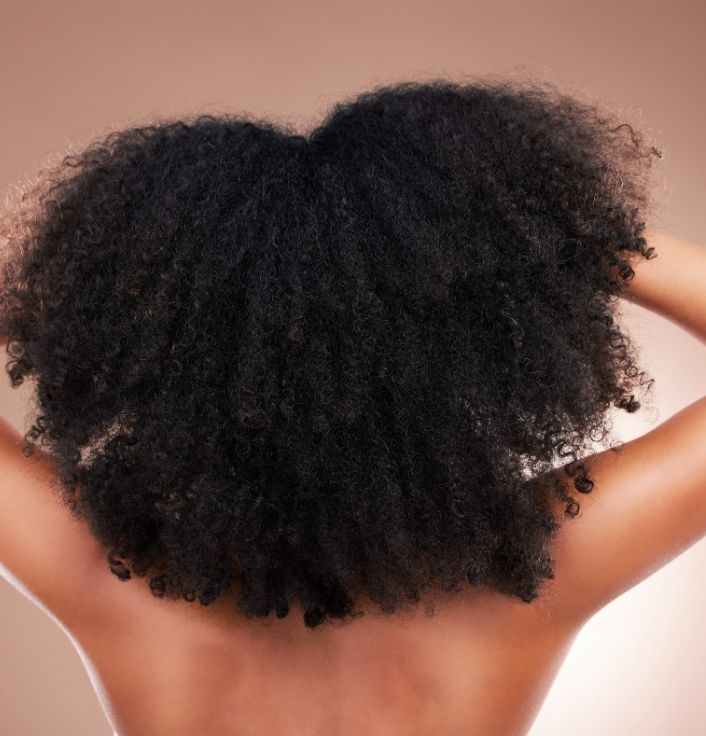
As new strands grow in, your hair may start to feel thicker or look fuller, especially around your roots. You might also notice that your ponytail or puff feels more dense than it did a few months ago.
That’s often a good sign that your hair is growing and staying healthy.
You’re Seeing Less Breakage
Take a look at your comb, brush, or sink after wash day.
If you’re seeing fewer broken strands than you used to, that’s a sign your routine is working.
Less breakage means you’re keeping more of the growth your scalp is producing, which brings you closer to seeing longer hair over time.
Your Hair Is Easier to Manage
Healthy hair often behaves differently.
Detangling becomes easier, your ends stay softer for longer, and your hair responds better to moisture. These are all signs that your overall hair health is improving.
As your routine becomes more consistent, you’ll likely spend less time fighting with your hair and more time enjoying it.
Looking Back Tells You More Than Looking Every Day
One of the best ways to measure progress is to compare photos instead of relying on memory.
Take a picture of your hair every month under similar lighting and with your hair stretched the same way each time.
After three or four months, the difference is usually much easier to see.
Your journey is unique, so don’t let someone else’s timeline convince you that you’re falling behind.
Common Mistakes That Can Slow Your Progress
Growing healthy 4C hair isn’t just about what you do.
It’s also about avoiding the habits that quietly undo all your hard work.
Many people don’t realize they’re losing months of progress because of a few common mistakes.
Keeping Protective Styles in for Too Long
Protective styles are meant to reduce breakage, not create it.
Leaving braids, twists, or other styles in for too many weeks can lead to excessive shedding, tangled new growth, and breakage during takedown.
Finding the right balance is important.
If you’re not sure when it’s time to remove your style, How Long Should You Keep Protective Styles In? explains the ideal timeline and the signs it’s time for a fresh start.
Choosing Tight Styles Over Healthy Hair
A style shouldn’t leave your scalp sore for days.
If your edges feel tender or you notice bumps around your hairline, your style is simply too tight.
Over time, repeated tension can weaken your hairline and even lead to traction alopecia.
Healthy hair should always come before a neat-looking style.
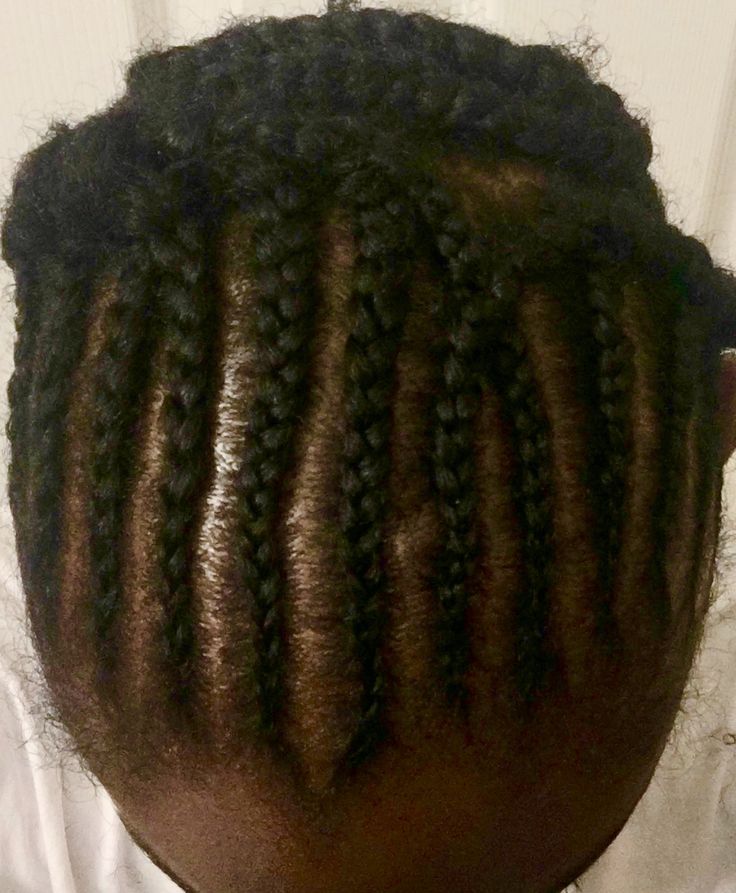
You’ll learn how to avoid these problems in Protective Styling Mistakes That Cause Breakage, especially if you wear braids, twists, or wigs regularly.
Forgetting That Protective Styles Still Need Care
One of the biggest misconceptions is that you can install a protective style and forget about your hair for weeks.
Your scalp still needs to stay clean.
Your hair still needs moisture.
Ignoring your hair while it’s tucked away can leave it dry and fragile by the time you take the style down.
That’s why choosing the right style is only half the job. Knowing how to care for it is just as important.
If you’re looking for styles that protect your ends without putting unnecessary stress on your scalp, The Best Protective Styles for 4C Hair shares some of the best options for healthy length retention.
Changing Your Routine Too Often
It’s tempting to buy every product that’s trending online.
But constantly switching shampoos, oils, creams, and techniques makes it difficult to know what’s actually working.
Instead of chasing every new recommendation, give your routine enough time to produce results.
Healthy hair responds to consistency far more than constant change.
Frequently Asked Questions About 4C Hair Growth
How fast does 4C hair grow?
On average, healthy 4C hair grows about half an inch (1.25 cm) per month, just like most other hair types.
The difference is that tightly coiled hair often shrinks, making new growth harder to notice. That’s why many people feel their hair isn’t growing, even when it is.
Can 4C hair grow long?
Absolutely.
There’s no limit to how long healthy 4C hair can grow. What usually prevents people from reaching longer lengths isn’t slow growth; it’s breakage and poor length retention.
With a consistent routine and healthy habits, 4C hair can grow well past shoulder length.
Why does my 4C hair stay the same length?
If your hair always seems to stop at one length, it’s usually because breakage is happening as quickly as new hair is growing.
Dryness, rough handling, excessive heat, and poor moisture retention are some of the most common reasons this happens.
Do I need expensive products to grow healthy 4C hair?
No.
Healthy hair doesn’t depend on having the most expensive products. A simple routine with a gentle shampoo, a good conditioner, a moisturizer, and products that work well for your hair is often enough.
Consistency matters far more than price.
Should I oil my scalp every day?
Not necessarily.
Some people benefit from regular scalp oiling, while others find that it causes buildup. The best approach is to pay attention to how your scalp responds rather than following someone else’s routine.
If your scalp feels comfortable and healthy, there’s no need to apply oil every single day.
How long does it take to see noticeable hair growth?
Most people begin to notice meaningful progress after about three to six months of consistent care.
Taking monthly photos is often a much better way to track your progress than checking your hair every week.
Final Thoughts
The truth about 4C hair growth is much simpler than social media often makes it seem.
Your hair isn’t refusing to grow because it’s 4C. More often than not, it’s growing exactly as it should. The real challenge is learning how to care for it well enough to keep the growth you already have.
Healthy hair isn’t built overnight.
It’s the result of small habits repeated consistently: washing your hair regularly, keeping it moisturized, handling it gently, protecting your ends, and giving your hair the time it needs to thrive.
Some months you’ll notice obvious progress.
Other months it may feel like nothing has changed.
Don’t let that discourage you.
Hair growth isn’t a race, and comparing your journey to someone else’s rarely tells the full story. Stay consistent, celebrate the small wins, and trust the process.
Before long, you’ll look back at old photos and realize your hair has been growing all along; you just needed time to see it.


One Comment