
Protective Styling Mistakes That Cause Breakage
Disclosure: Some of the links in this post are affiliate links. This means if you click on the link and purchase an item, I will receive an affiliate commission at no extra cost to you.
Protective styles are often recommended as one of the best ways to care for 4C hair. They reduce daily manipulation, help protect your ends, and can make it easier to retain length over time. But despite their benefits, they’re not completely foolproof. In fact, many people experience breakage because of protective styling mistakes, not because the hairstyles themselves are harmful.
A protective style should make your hair healthier, not weaker. Unfortunately, simple habits like installing braids too tightly, leaving styles in for too long, or neglecting your scalp can slowly damage your hair without you even realizing it. By the time you remove the style, you may notice excessive shedding, dry ends, or thinning edges that could have been prevented.
The good news is that most of these mistakes are easy to avoid once you know what to look for. Small changes to your routine can make a big difference in keeping your hair strong while still enjoying the convenience of braids, twists, cornrows, wigs, and other protective styles.
If you’re still deciding which styles are healthiest for your hair, the best protective styles for 4C hair compares some of the safest options for reducing breakage and retaining length.
In this guide, we’ll look at the most common protective styling mistakes that cause breakage, explain why they happen, and share simple ways to keep your natural hair healthy before, during, and after every installation.

Why Protective Styles Sometimes Do More Harm Than Good
Protective styles aren’t usually the cause of breakage. More often, the damage comes from how they’re installed, maintained, or removed.
A well-maintained protective style can help reduce manipulation and protect your ends. The same style, however, can become damaging if it’s installed too tightly, left in for too long, or taken down carelessly.
It’s also easy to forget that your hair still needs moisture and scalp care while it’s tucked away. Ignoring those needs can lead to dryness, tangles, and unnecessary breakage.
Understanding what 4C hair is can help you see why tightly coiled strands need gentle handling and consistent care, even when they’re in a protective style.
Protective styling should support healthy hair, not replace healthy hair care. Knowing the most common mistakes is the first step toward keeping your hair strong.
10 Protective Styling Mistakes That Cause Breakage
1. Installing Protective Styles Too Tightly
A protective style should never leave your scalp feeling painful. If your braids, twists, or cornrows feel so tight that you have a headache or your scalp is sore for days, your hair is under too much tension.
Excessive pulling places constant stress on your hair follicles, especially around the hairline. Over time, this can lead to thinning edges, broken strands, and even traction alopecia, a type of hair loss caused by repeated tension.
A good protective style should feel secure but comfortable. If your stylist installs your hair too tightly, don’t be afraid to ask them to loosen it. A little discomfort isn’t something you should simply “wait out.”
If you’re looking for gentler styles that place less stress on your roots, 15 wash-and-go styles that work for 4C hair includes several beautiful options that don’t rely on tight tension.
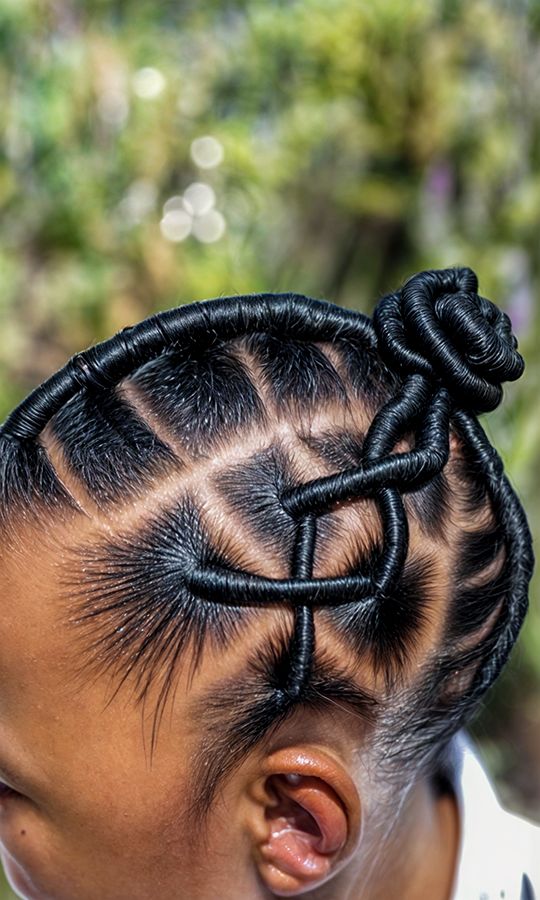
photo credit
2. Leaving Protective Styles In Too Long
One of the biggest mistakes people make is trying to stretch a protective style well beyond its healthy lifespan.
Although it might save time or money in the short term, leaving a style in for too long allows shed hairs, product buildup, and new growth to accumulate.
This often makes the takedown process much harder and increases the risk of tangles and breakage.
Instead of focusing on how long the style still looks good, pay attention to how your hair and scalp feel. Healthy hair always benefits from timely maintenance.
If you’re unsure when it’s time for a takedown, how long should you keep protective styles in? explains the recommended wear time for different styles and the warning signs you shouldn’t ignore.
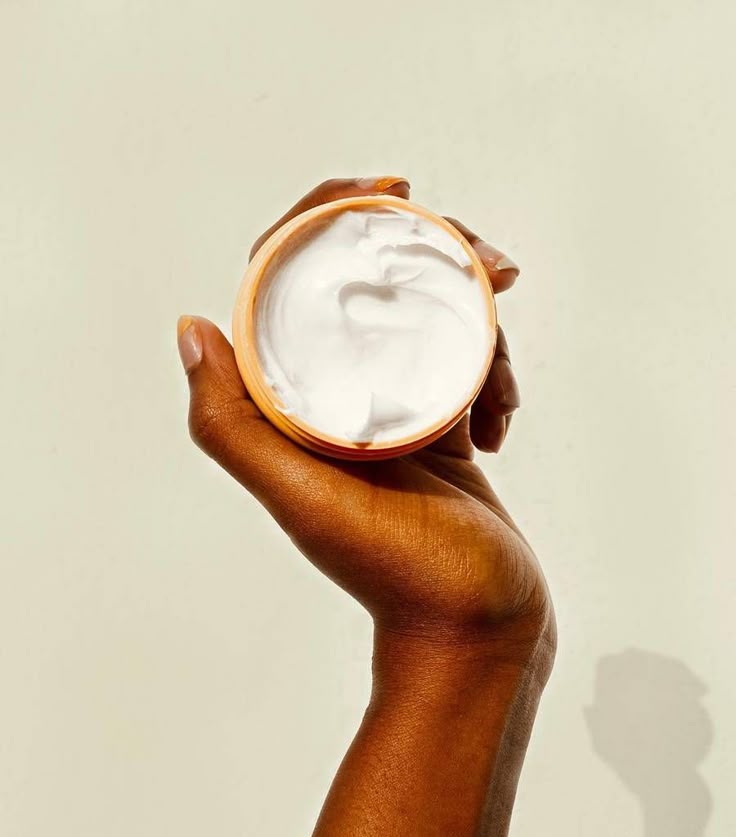
3. Skipping Moisturizer Completely
Many people assume that once their hair is tucked away, they no longer need to moisturize it. Unfortunately, your natural hair continues to lose moisture even while it’s protected.
Dry hair becomes brittle over time, making it much more likely to snap when you remove the style. Keeping your hair lightly moisturized throughout the installation helps maintain flexibility and reduces breakage.
The key is to use lightweight, water-based products rather than applying heavy oils every day. Too much product can lead to buildup without actually hydrating your strands.
4. Ignoring Your Scalp
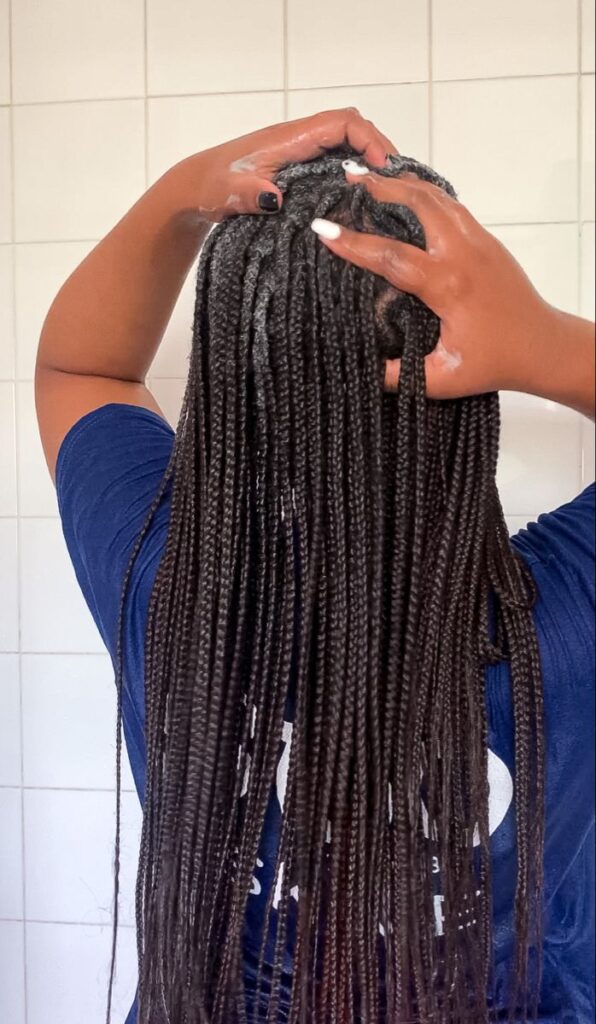
Your scalp doesn’t stop needing care just because your hair is braided.
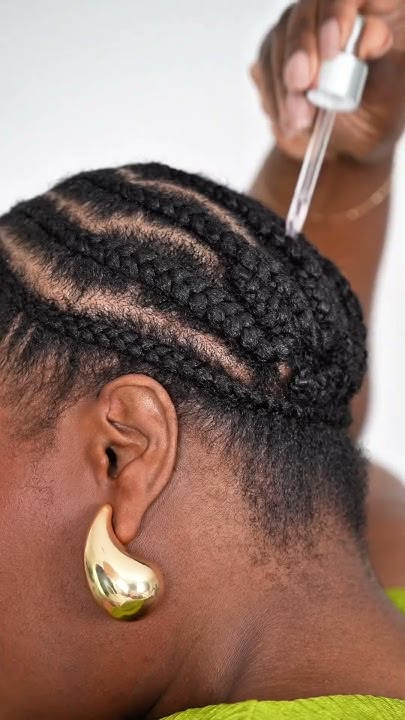
Sweat, oil, dust, and styling products gradually build up around your roots. If your scalp isn’t cleaned regularly, that buildup can cause itching, irritation, and an unhealthy environment for your hair.
Keeping your scalp clean doesn’t mean ruining your hairstyle. Gentle scalp cleansers or diluted shampoo can help remove buildup while preserving your style.
Healthy hair starts with a healthy scalp, which is why regular cleansing should remain part of your routine even while wearing protective styles.
For a stronger foundation before every installation, how often should you wash 4C hair? explains how to build a wash routine that supports healthy natural hair.
5. Choosing Extensions That Are Too Heavy
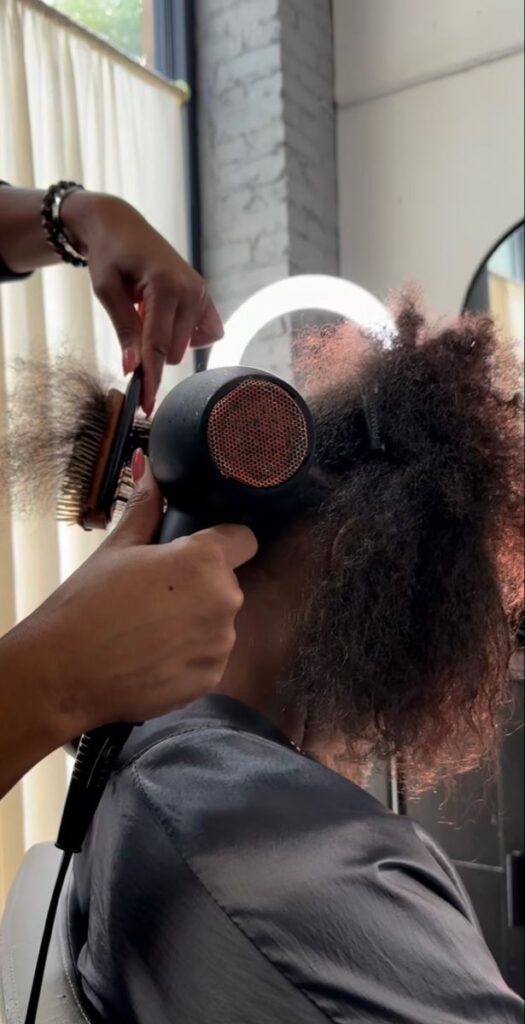
Long, thick braids may look beautiful, but they aren’t always the healthiest choice for your hair.
Heavy extensions place extra weight on your roots every single day. Over time, this constant pulling can weaken your follicles, especially around the front and sides of your head where the hair is naturally finer.
When choosing extensions, consider your hair’s density and strength instead of simply following trends.
A lighter style that’s comfortable to wear will usually do a better job of protecting your natural hair than oversized braids that constantly strain your scalp.
If your goal is healthy growth rather than maximum length, choosing styles that suit your hair’s needs will almost always produce better long-term results.
Understanding why your 4C hair isn’t growing (and what to do) can also help you recognize how excessive tension affects length retention over time.

6. Constantly Restyling Your Hair
Protective styles are meant to reduce manipulation, but that benefit quickly disappears if you’re constantly pulling your hair into tight ponytails, buns, or high updos every day.
Even if your braids or twists were installed comfortably, repeatedly styling them in the same position places continuous tension on your roots. This is especially true around your edges, where the hair is naturally finer and more delicate.
Instead, rotate between loose styles whenever possible. Wearing your braids down one day, in a low ponytail the next, or loosely clipped back helps distribute tension more evenly across your scalp.
If you’re looking for effortless styles that don’t require constant pulling or styling, 51 cute hairstyles for 4C hair includes plenty of ideas for everyday wear. You can also find inspiration in 15 wash-and-go styles that work for 4C hair if you’re ready to give your hair a break from extensions altogether.
7. Sleeping Without Protecting Your Hair
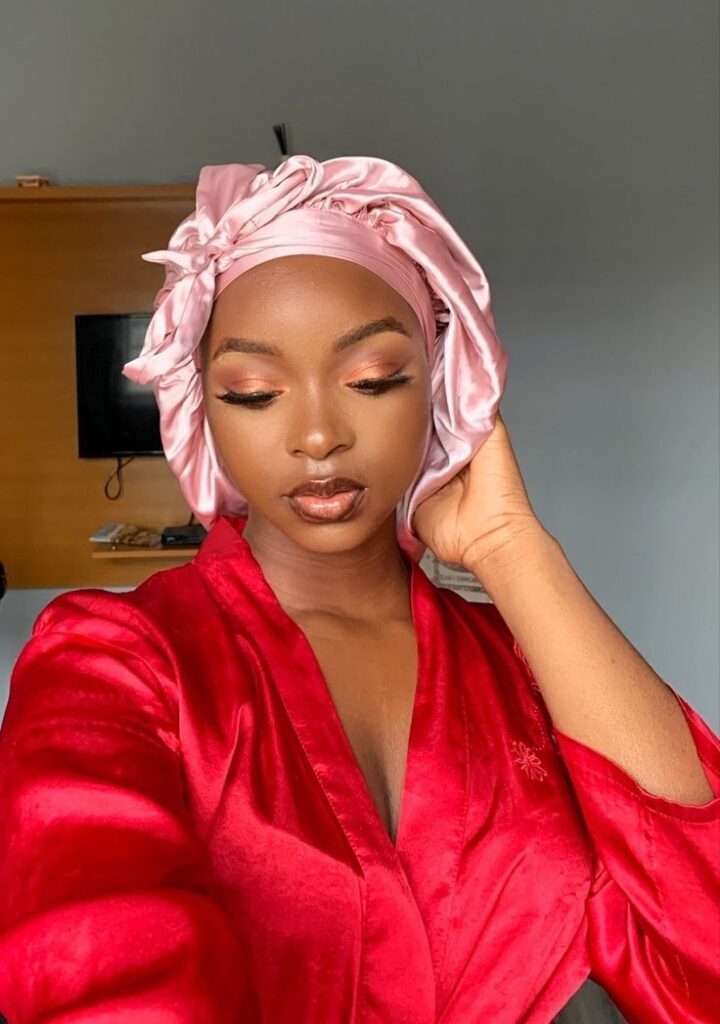
Your protective style still needs protection while you sleep.
Cotton pillowcases absorb moisture and create friction as you move throughout the night. Over time, this can lead to frizz, dryness, and unnecessary wear, causing your style to look older much sooner than it should.
A satin bonnet, satin scarf, or satin pillowcase helps your hairstyle retain moisture while reducing friction against your hair.
This simple habit doesn’t just help your protective style last longer. It also keeps your natural hair healthier underneath.
Many people notice less dryness after improving their nighttime routine, especially when they already understand how to identify true 4C hair and its unique moisture needs.
8. Rushing The Takedown Process
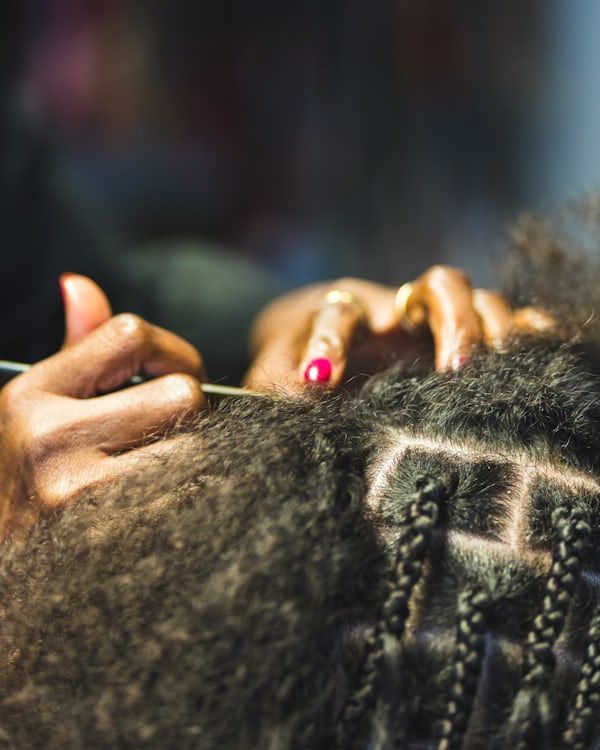
After wearing the same style for several weeks, it’s understandable to want it out as quickly as possible. Unfortunately, rushing the takedown is one of the easiest ways to lose healthy strands.
Pulling braids apart forcefully, cutting extensions carelessly, or skipping detangling can all lead to unnecessary breakage.
Take your time. Work in sections, gently remove shed hairs, and use a moisturizing spray if your hair feels dry. The extra time you spend during takedown is often worth it because it helps preserve the length you’ve worked so hard to retain.
Many people mistake normal shed hair for breakage during this stage. Learning common 4C hair myths you should stop believing can help you understand the difference and avoid unnecessary worry.
9. Skipping Wash Day After Removal
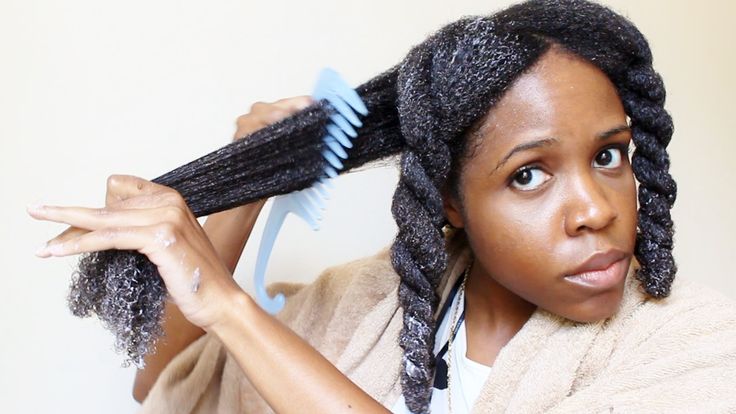
Once your protective style comes out, your hair deserves a proper reset.
Weeks of wearing braids or twists can leave behind product residue, sweat, and naturally shed hairs. Jumping straight into another hairstyle without washing your hair means trapping all of that underneath your next installation.
A complete wash day should include cleansing, deep conditioning, gentle detangling, and moisturizing before you even think about installing another protective style.
If wash day feels overwhelming, the ultimate beginner’s guide to 4C hair walks through the basics of building a healthy routine from start to finish.
10. Installing a New Protective Style Immediately
It’s tempting to book your next braid appointment as soon as you take your current style down. While there’s nothing wrong with wearing protective styles regularly, your hair and scalp often benefit from a short break in between.
After weeks of being tucked away, your strands need time to be cleansed, conditioned, moisturized, and assessed for any signs of damage. Installing another style immediately can trap dryness or minor tangles beneath the new hairstyle, making future breakage more likely.
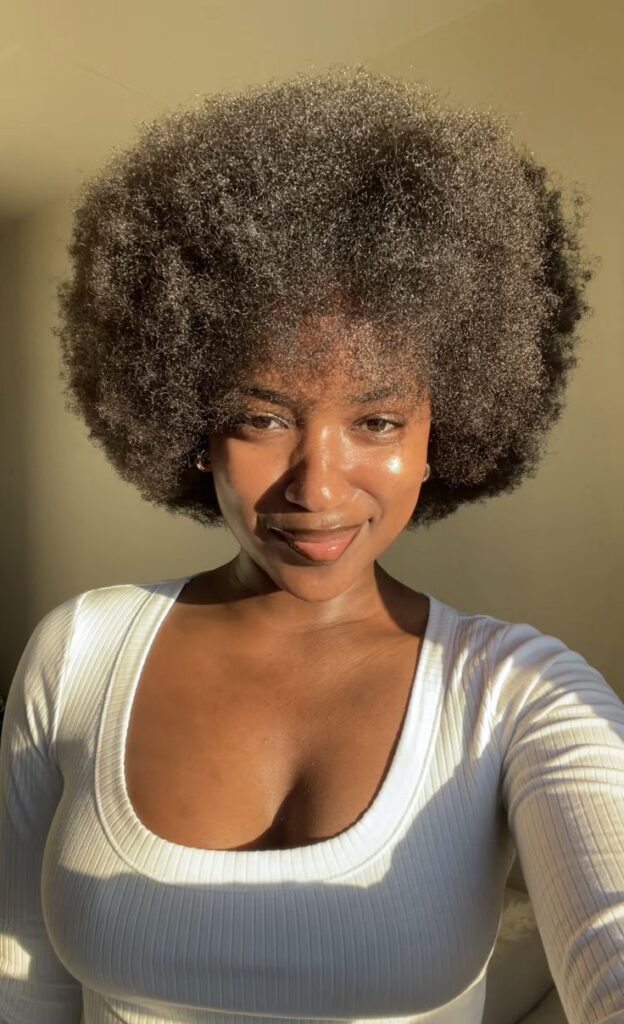
Even taking a few days to wear your natural hair in a simple low-manipulation style gives your scalp a chance to breathe and allows you to address any issues before your next installation.
This is also a great time to trim damaged ends if necessary and restore moisture with a deep conditioning treatment. Starting every protective style with clean, healthy hair gives you the best chance of retaining length.
If you’re unsure what to do with your hair during this short break, 17 braid-out ideas for 4C hair offers several stretched styles that let you enjoy your natural texture without immediately reinstalling extensions.
How To Wear Protective Styles Without Causing Breakage
Protective styles should make caring for your hair easier, not create new problems. Fortunately, avoiding breakage usually comes down to a few simple habits that you can practice every time you install a style.
Prioritize Hair Health Over Style Longevity
It can be tempting to leave a style in for “just one more week,” especially if it still looks presentable. However, healthy hair is far more important than getting the maximum wear out of a hairstyle.
Removing your style on time, moisturizing consistently, and listening to your scalp will always produce better long-term results than trying to stretch every installation.
Choose Comfort Over Tightness
A protective style doesn’t need to be painfully tight to last. If your scalp feels sore or you develop bumps around your hairline, the style is already putting unnecessary stress on your follicles.
Comfortable hairstyles are much more likely to protect your hair than styles that rely on excessive tension to stay neat.
Be Consistent With Maintenance
Even the best-installed protective style requires regular care. Moisturizing your hair, cleansing your scalp, protecting your hair at night, and avoiding excessive manipulation all contribute to healthier results.
Small habits performed consistently often make a bigger difference than expensive products.
Can Protective Styles Repair Damaged Hair?
Protective Styles Protect, They Don’t Repair
One of the biggest misconceptions about protective styling is that simply wearing braids or twists will repair damaged hair. Unfortunately, that’s not how healthy hair works.
Protective styles don’t heal split ends, reverse breakage, or repair strands that have already been damaged. Instead, they create an environment where your hair is less likely to experience additional damage.
By reducing daily manipulation, friction, and constant styling, protective styles make it easier to retain the length your hair naturally grows.
Think of protective styles as a tool rather than a treatment. They’re most effective when combined with healthy hair care habits such as regular cleansing, moisturizing, deep conditioning, and gentle detangling.
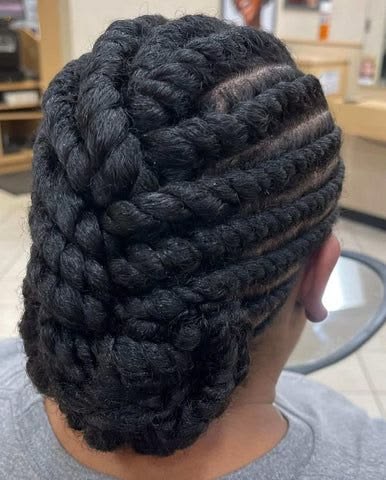
Healthy Hair Starts Before Installation
If your hair is extremely dry before installing braids, hiding it under extensions for several weeks won’t solve the problem. Likewise, if your ends are already splitting, leaving them tucked away won’t repair them.
That’s why preparing your hair before every installation is just as important as the protective style itself. Starting with clean, moisturized, and well-conditioned hair gives your strands the best chance of staying healthy while they’re tucked away.
Protective styles work best when they’re part of a consistent routine rather than a temporary solution for existing damage.
Growth Still Depends on Good Hair Care
Another common misconception is that wearing protective styles continuously guarantees faster hair growth. Hair grows from the scalp whether it’s braided, twisted, or worn loose.
What protective styles can do is help you retain more of that growth by reducing unnecessary breakage.
If you’ve been struggling to see progress, why your 4C hair isn’t growing (and what to do) explains why growth and length retention are often confused.
It’s also helpful to read common 4C hair mistakes that cause breakage, since everyday habits can quietly undo the benefits of protective styling.
Healthy hair is the result of consistent care, not a single hairstyle. Protective styles become much more effective when they’re part of an overall routine instead of being treated as a quick fix.
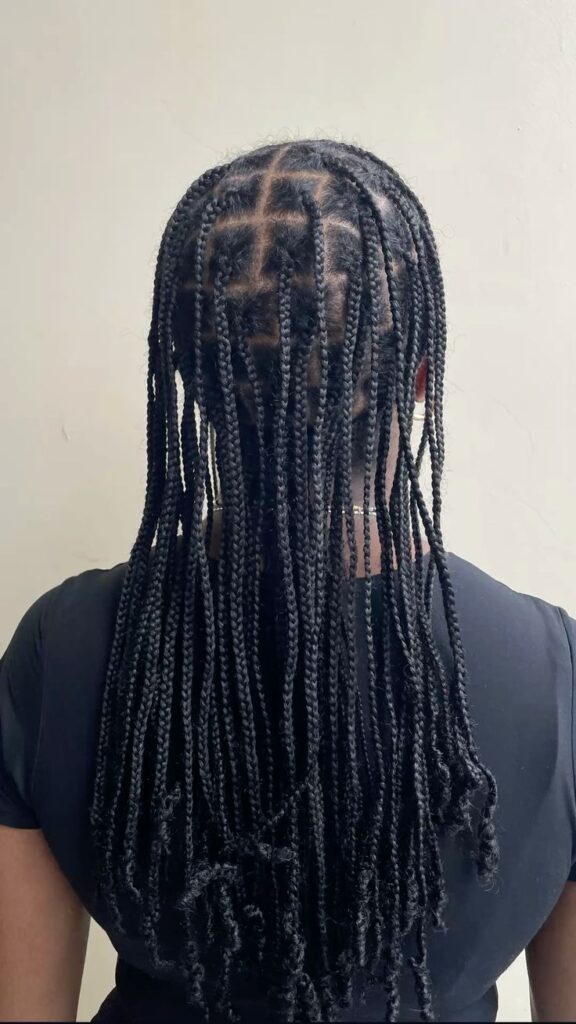
A Simple Protective Styling Checklist
Sometimes, keeping your hair healthy isn’t about learning more techniques. It’s about remembering the basics and following them consistently. Use this checklist before, during, and after every protective style to help reduce breakage and keep your 4C hair in good condition.
Before Installing Your Protective Style
- Wash your hair thoroughly to remove dirt and product buildup.
- Deep condition to restore moisture and improve elasticity.
- Detangle your hair carefully in sections.
- Trim damaged ends if needed.
- Moisturize your hair before installing extensions or braids.
Starting with clean, healthy hair creates a much better foundation for any protective style.
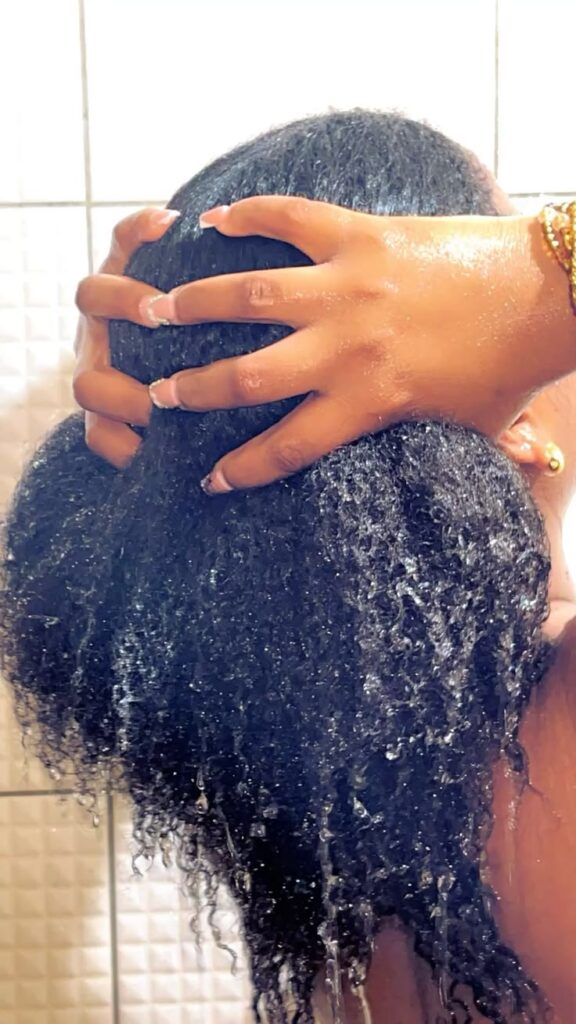
While Wearing Your Protective Style
- Moisturize your natural hair regularly.
- Keep your scalp clean to reduce buildup.
- Sleep with a satin bonnet, scarf, or pillowcase every night.
- Avoid wearing tight buns or ponytails every day.
- Pay attention to your scalp if it becomes itchy, painful, or excessively dry.
Protective styles still require maintenance. A few minutes of care each week can make a significant difference in the health of your hair.

After Removing Your Protective Style
- Finger detangle before washing.
- Cleanse your hair and scalp thoroughly.
- Deep condition to restore moisture.
- Trim your ends if necessary.
- Give your scalp a short break before installing another protective style.
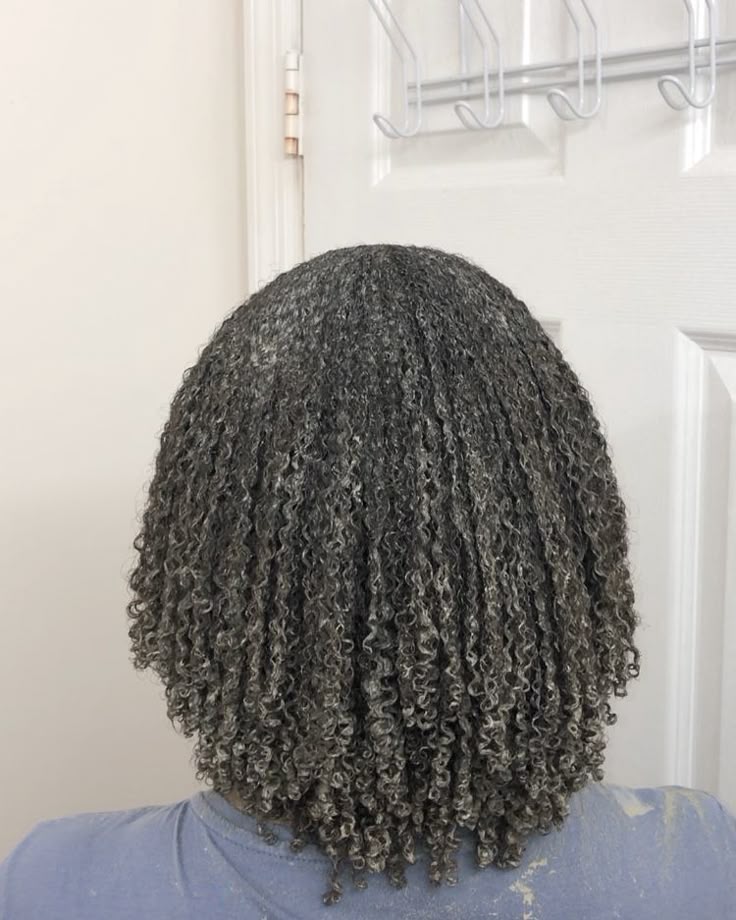
Many people rush straight into their next hairstyle, but allowing your hair a little time to recover can help reduce unnecessary stress on your strands.
Following the best daily hair care routine for 4C hair between installations can also help your hair stay healthier throughout the year.
Protective styling isn’t about perfection. It’s about building simple habits that consistently support healthy hair. The more attention you give your hair before, during, and after each style, the more likely you are to enjoy stronger strands and better length retention over time.
Healthy Hair
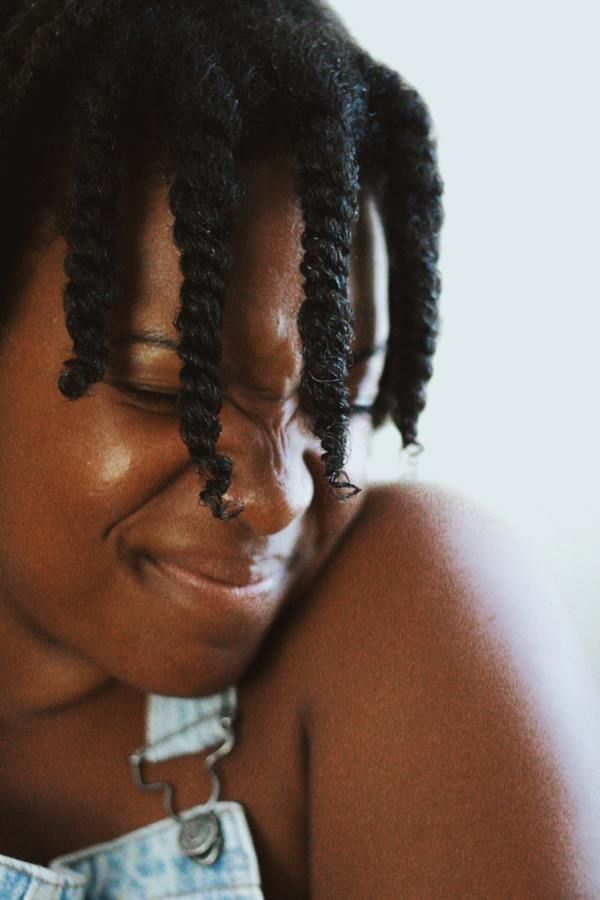
Protective styles are one of the best ways to reduce daily manipulation and help retain length, but only when they’re done correctly. Tight installations, poor maintenance, and leaving styles in for too long can turn a protective style into a source of unnecessary breakage.
The good news is that most protective styling mistakes are completely avoidable. By keeping your scalp clean, moisturizing your hair regularly, sleeping with satin protection, and removing styles at the right time, you give your hair the best chance to stay healthy and strong.
Remember that protective styles are simply one part of a healthy hair routine. Your daily habits, your wash day routine, and the way you handle your hair between installations all play an equally important role.
If you’re still building a routine that works for your texture, a monthly hair care routine brings together everything you need to know about caring for natural 4C hair in one place.





11 Comments