
Everything You Need to Know Before Starting Locs on 4C Hair
Disclosure: Some of the links in this post are affiliate links. This means if you click on the link and purchase an item, I will receive an affiliate commission at no extra cost to you.
Starting locs on 4C hair is an exciting step, especially if you’re ready for a hairstyle that celebrates your natural texture. It’s a beautiful journey, but it’s also one that requires patience and preparation.
Many people choose locs because they’re low maintenance, but that doesn’t mean they’re maintenance-free. Your hair still needs consistent care, especially during the early stages.
Before you begin, it’s important to understand what the process involves. Knowing what to expect can help you avoid common mistakes and enjoy the journey with confidence.
The condition of your hair matters too. Building healthy habits before installing locs gives your hair the best chance to thrive over the long term.
It also helps to understand what makes 4C hair unique before making such a big commitment. The more you know about your hair, the easier it is to make decisions that work for you.
A healthy scalp is just as important as healthy strands. If you’ve been dealing with dryness, flakes, or irritation, it’s worth addressing those concerns before starting your loc journey.
Don’t worry if your hair isn’t perfect right now. Locs don’t require perfect hair, but they do benefit from a healthy foundation.
Whether you’re planning to install your own starter locs or visit a loctician, taking time to prepare can make the entire experience much smoother.
In this guide, you’ll learn everything you need to know before starting locs on 4C hair, from preparing your hair to choosing the right starter method and avoiding common beginner mistakes.
Why 4C Hair Is Ideal for Locs
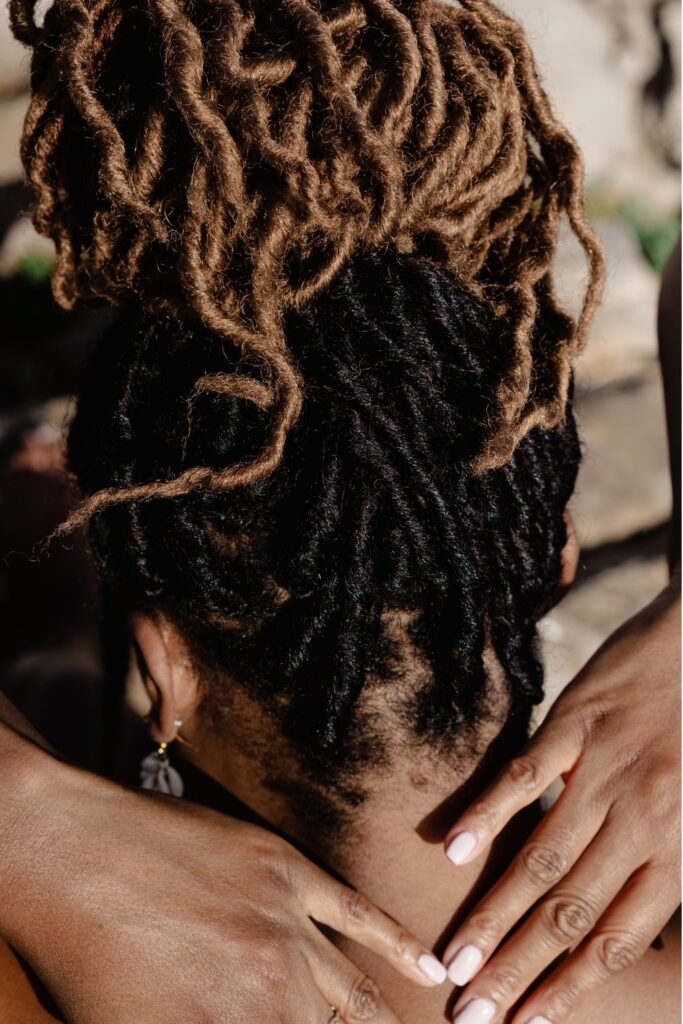
One of the biggest advantages of 4C hair is its tightly coiled texture. Those coils naturally wrap around one another, making it easier for the hair to lock over time.
Unlike straighter or looser curl patterns, 4C hair doesn’t need much encouragement to begin the locking process. Its texture does a lot of the work naturally.
That’s one reason so many people with natural hair choose locs. The hairstyle works with the hair’s natural pattern instead of trying to change it.
Another benefit is versatility. You can start your loc journey using twists, coils, braids, interlocking, or even instant locs, depending on your goals and preferences.
Your lifestyle, budget, and desired look all play a role in choosing the best method. There’s no single “perfect” option for everyone.
Healthy 4C hair also creates a strong foundation for long-lasting locs. That’s why improving your moisture routine and reducing unnecessary breakage before installation is always a smart idea.
It’s equally important to understand how your hair’s porosity affects moisture retention, since dry hair can become more difficult to manage during the early stages of your loc journey.
Many people worry that their hair is “too short” or “too coarse” for locs. In reality, 4C hair is one of the best textures for forming beautiful, full locs with time and proper care.
Understand What the Starter Loc Stage Really Looks Like
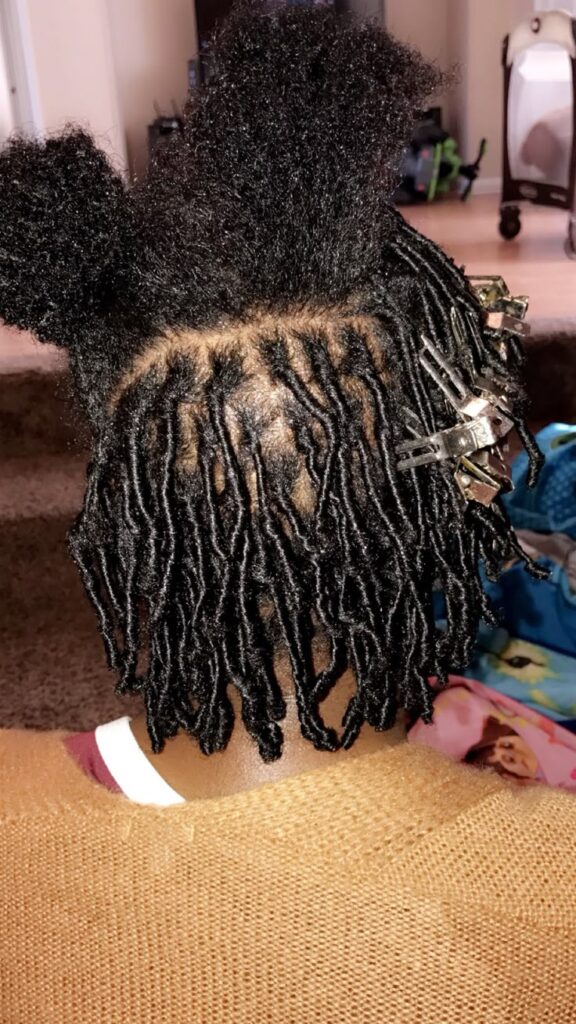
One of the biggest surprises for first-time loc wearers is realizing that starter locs don’t immediately resemble mature locs. Your hair goes through several stages before it fully locks, and each one is a normal part of the process.
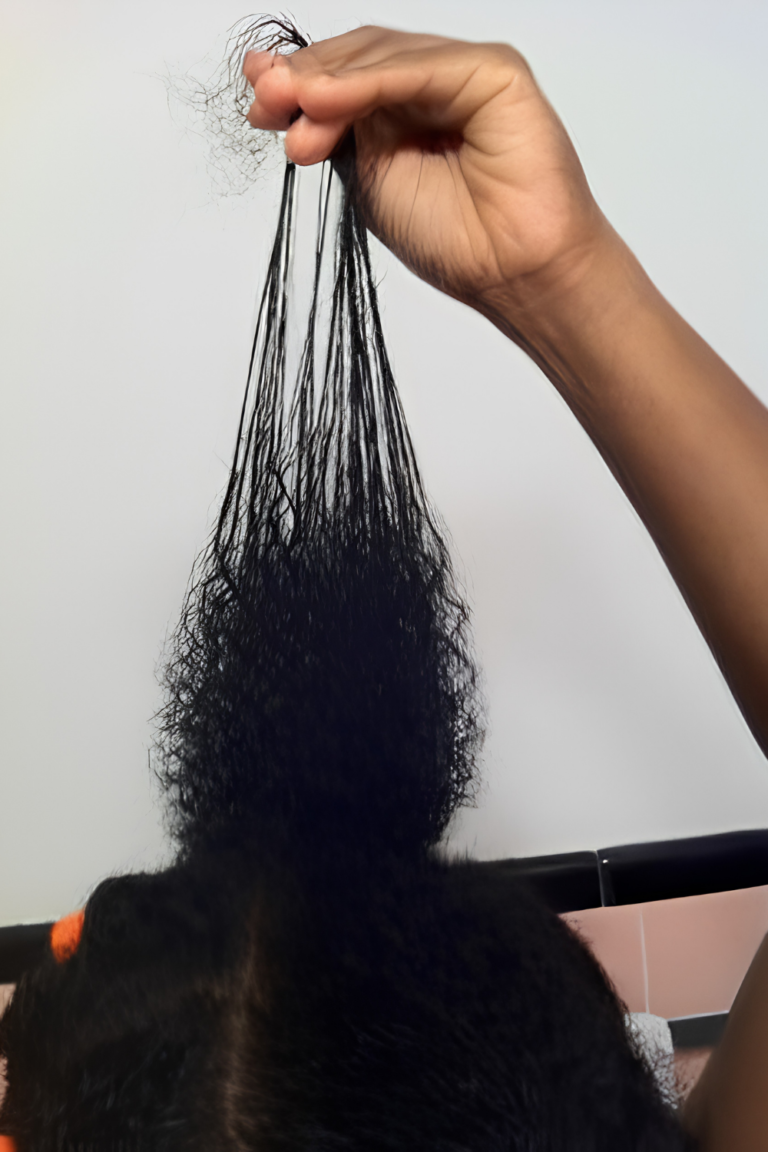
During the first few weeks, you may notice frizz, swelling, or sections that seem to unravel after washing. Although it can feel discouraging, these changes simply mean your hair is beginning to lock naturally.
If you’ve already read our guide on should you start locs on 4C hair, you’ll know that tightly coiled hair naturally encourages strands to wrap around one another.
Even so, every head of hair develops at its own pace, so comparing your progress to someone else’s rarely helps.
It’s also normal for starter locs to appear shorter than expected. Much of that comes down to 4C hair shrinkage, which doesn’t disappear just because you’ve started locs.
As your locs mature and gain weight, you’ll gradually notice more visible length.
The best thing you can do during this stage is stay patient. Constantly retwisting, separating, or restarting your locs usually slows the locking process instead of helping it.
Steps To Take Before Getting Your Locs
Choose the Right Starter Method
Before your appointment, you’ll need to decide how you want your locs to begin. There’s no single method that’s best for everyone.
The right choice depends on your hair length, lifestyle, maintenance preferences, and the look you want during the early stages.
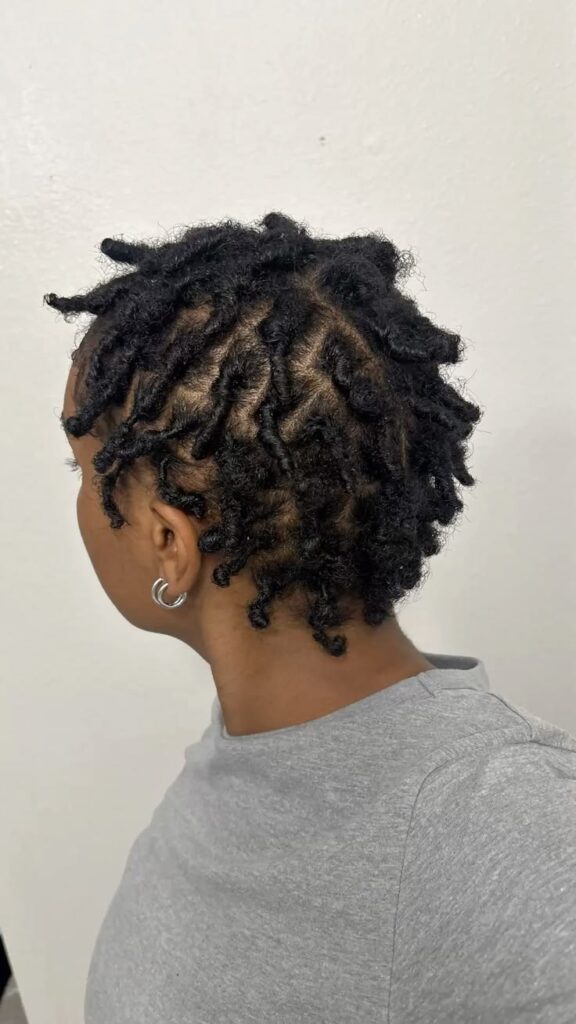
Two-strand twists are a favorite because they’re easy to install and create fuller-looking starter locs.
Comb coils and finger coils usually give a neater appearance, especially on shorter hair, while braid starters tend to hold together better after washing. If you prefer a more mature look from the beginning, instant locs may be worth considering.
Instead of choosing a method simply because it’s popular, think about what fits your routine.
Someone who exercises regularly may prefer a method that’s less likely to unravel, while someone who enjoys frequent styling might choose smaller sections for added versatility.
If you’re still comparing your options, our guide to the best ways to start locs on 4C hair explains each method in detail, including the benefits, drawbacks, and who it’s most suitable for.
Healthy hair also plays a role in how well your locs develop, so preparing your hair before installation is just as important as the method you choose.
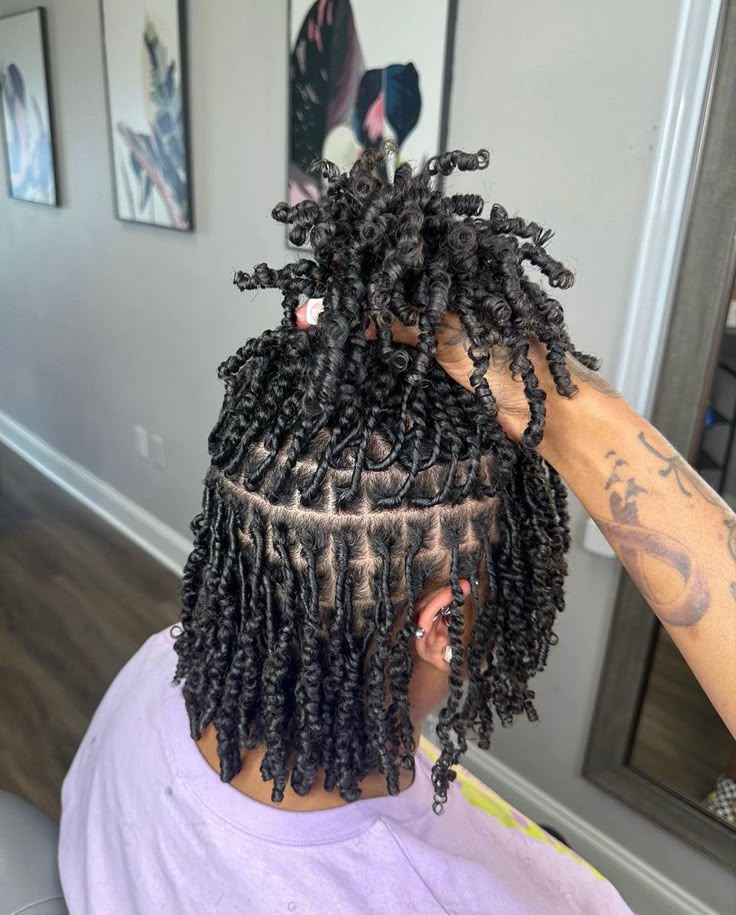
Decide Your Loc Size Before You Start
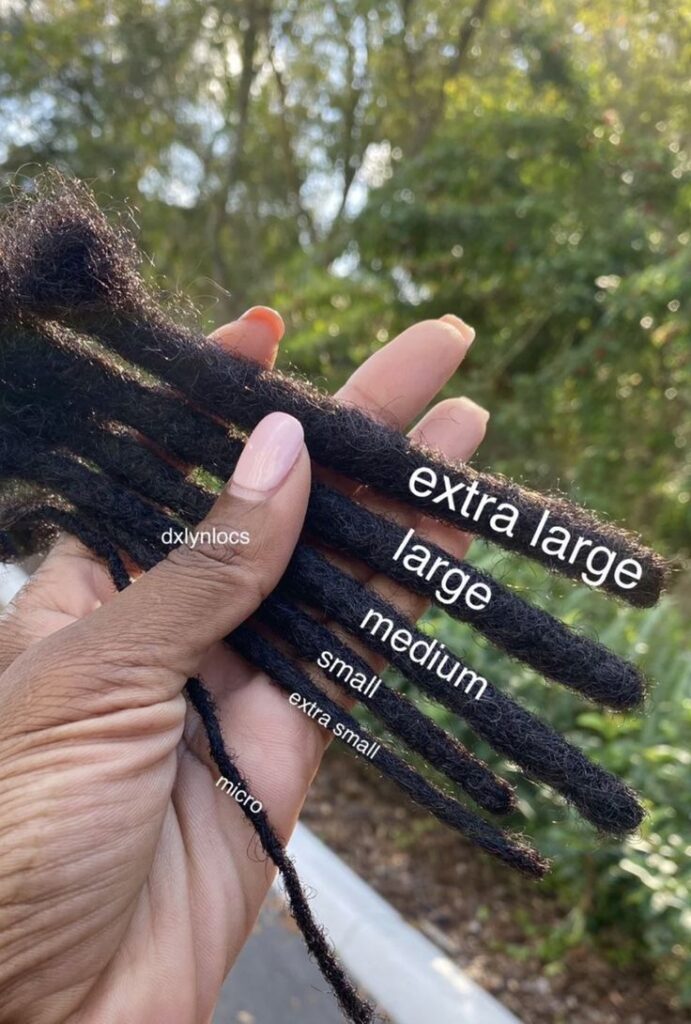
The size of your locs is one decision you’ll want to get right from the beginning. Changing your mind later often means combing out your locs or starting over completely.
Smaller locs usually offer more styling options and can look fuller over time, but they often require more maintenance. Larger locs are quicker to install and easier to maintain, although they provide fewer styling choices.
Your hair density also affects the final look. Someone with thick, dense hair may achieve a fuller appearance with medium-sized locs, while someone with lower density may prefer smaller sections.
Take your time with this decision. Looking at inspiration photos is helpful, but remember that your hair won’t look exactly like someone else’s. Your texture, density, and parting pattern all influence the final result.
Prepare Your Hair Before Installation
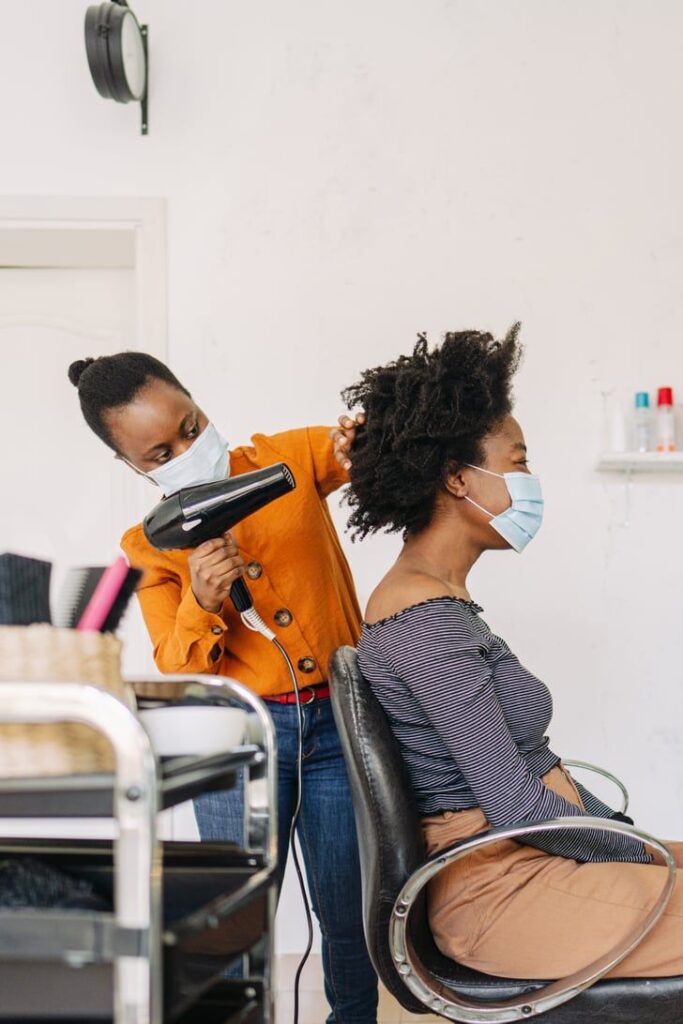
Giving your hair a healthy foundation before your appointment can make a noticeable difference once your loc journey begins.
Start by washing your hair with one of the best clarifying shampoos for 4C hair to remove oils, creams, and product buildup.
A clean scalp makes it easier to create neat sections and helps prevent residue from becoming trapped inside your starter locs.
Next, follow up with one of the best deep conditioners for dry 4C hair to restore moisture and improve elasticity. Well-moisturized hair is often easier to work with and less likely to snap during installation.
If your ends are badly damaged, consider getting a light trim beforehand. Starting with healthier strands gives your locs a stronger foundation as they mature.
Finally, avoid applying heavy butters, waxes, or thick oils before your appointment. Your loctician will usually achieve better results on freshly washed hair that’s free from excessive product residue.
Find the Right Loctitian
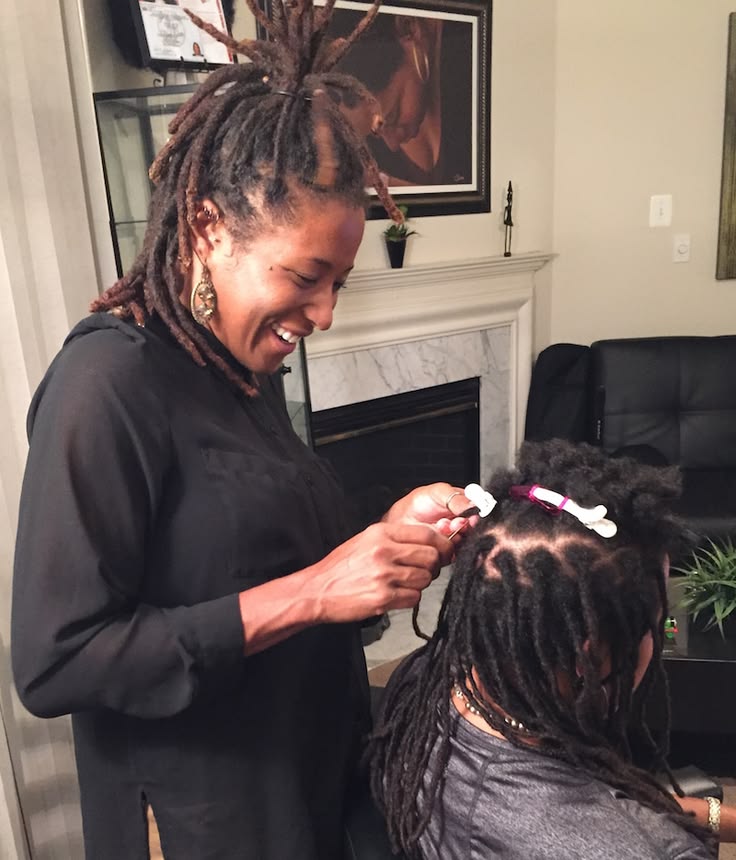
Choosing the right loctician can have a big impact on your loc journey. A good loctician won’t just install your starter locs neatly.
They’ll also help you choose a suitable loc size, create clean parts, and recommend a maintenance schedule that fits your hair and lifestyle.
Before booking an appointment, take time to look through their portfolio. Pay attention to their mature loc work as well as their starter locs.
Clean parting, healthy-looking scalps, and consistent sizing are usually good signs that they pay attention to detail.
Don’t be afraid to ask questions during your consultation. Find out which starter method they recommend, how often they suggest retwists, and what products they use.
A professional loctician should be happy to explain the process and answer your concerns without rushing you.
If you’re planning to maintain your locs yourself, learning proper scalp care is just as important. Keeping a healthy scalp from the beginning helps create the best environment for strong, healthy locs.
Know the Commitment Before You Begin
Locs are often described as low maintenance, but they’re not maintenance-free. They still need regular washing, moisturizing, and occasional retwists or interlocking to stay healthy.
The biggest commitment is patience. Your locs won’t mature in a few weeks, and there will be times when they look frizzy or uneven. That’s a normal part of the process, not a sign that something is wrong.
You’ll also need to protect your hair while you sleep, keep your scalp clean, and avoid products that leave heavy residue behind.
If you’ve already built a consistent wash day routine, many of those habits will continue to serve you well after starting locs.
Understanding the commitment before you begin helps you enjoy the journey instead of feeling frustrated by the early stages.
How To Prepare Your Hair Before Starting Locs
Preparing your hair before installation can make your loc journey much smoother. A few simple steps will help create a healthier foundation and make it easier for your starter locs to develop naturally.
Start with a Clean Scalp
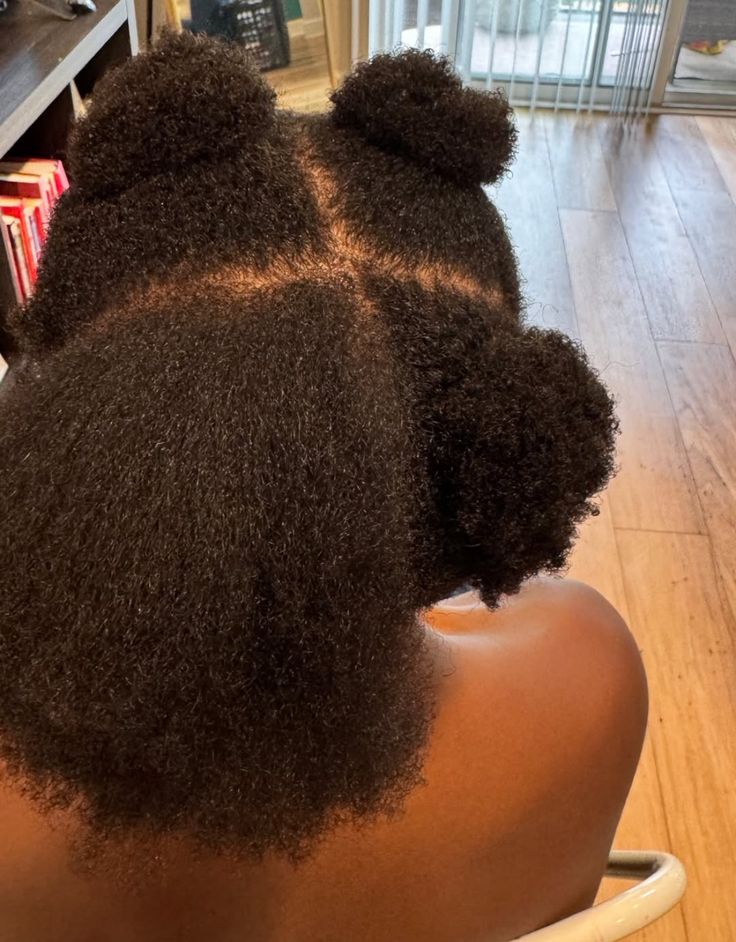
One of the first things to do is remove any product residue. Washing your hair with one of the best shampoos for 4C hair helps cleanse away oils, creams, and buildup, leaving your scalp fresh and ready for installation.
Trim Damaged Ends If Needed
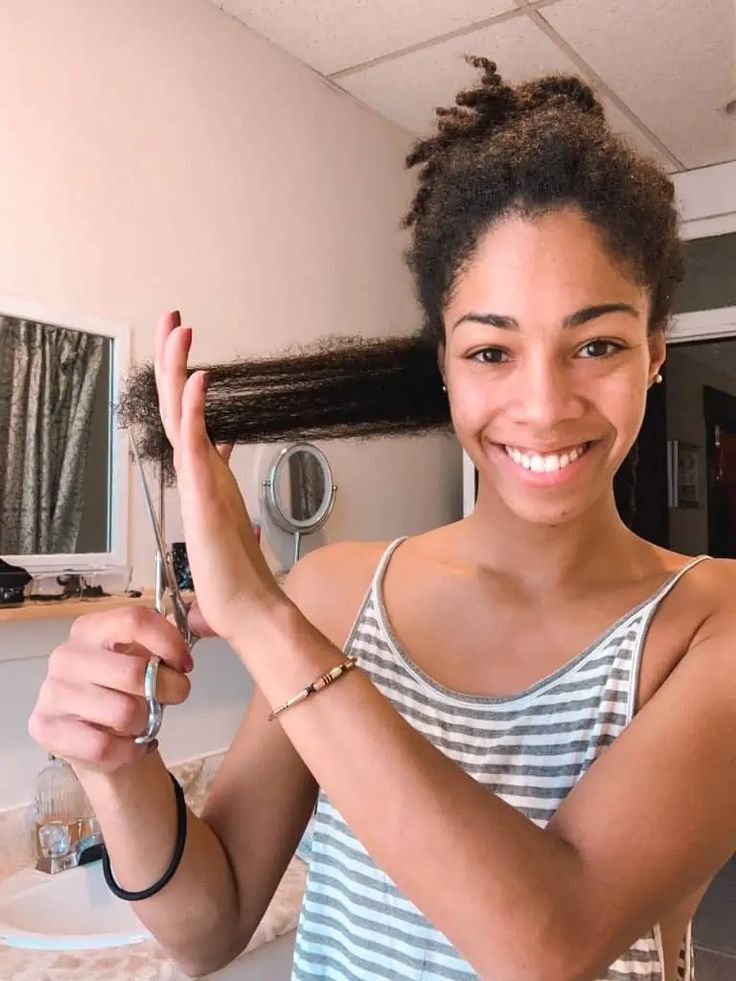
If your ends are badly split or constantly breaking, consider getting a light trim before starting locs. Healthier strands usually create a stronger foundation for long-term growth.
Keep Products Light
Avoid coating your hair with heavy butters, waxes, or thick oils before your appointment. Freshly washed hair with minimal product makes it easier to create clean sections and encourages a smoother installation.
Deep Condition Your Hair
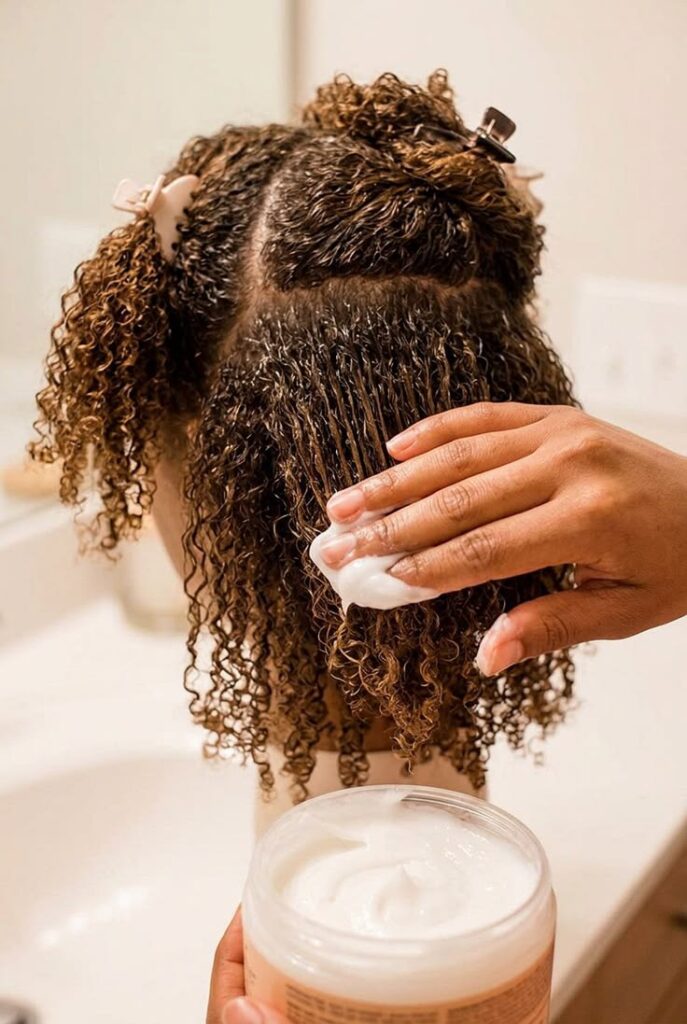
Moisturized hair is easier to work with and less likely to break during sectioning. Before your appointment, use one of the best diy deep conditioners for dry 4C hair to improve softness and strengthen your strands.
Don’t Ignore Your Scalp
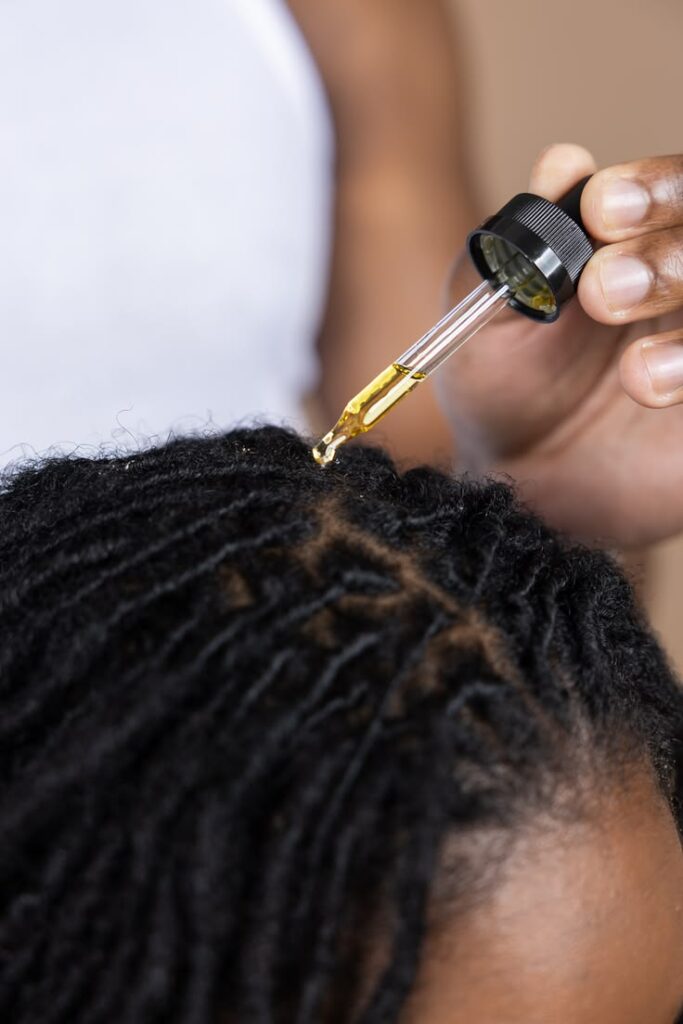
Healthy locs start with a healthy scalp. If you’re dealing with flakes, irritation, or buildup, it’s worth improving your healthy scalp routine before your installation so your loc journey begins on the right foot.
Things You Shouldn’t Do Before Starting Locs
Preparing well also means knowing what to avoid.
Don’t rush into locs because someone else is doing it. It’s a personal decision that should fit your lifestyle and long-term goals.
Avoid starting your loc journey if your hair is severely damaged. Taking time to improve hair breakage beforehand gives your locs a much healthier foundation.
It’s also best not to overload your hair with heavy products before your appointment. Thick creams, butters, and waxes can leave residue behind, making installation more difficult.
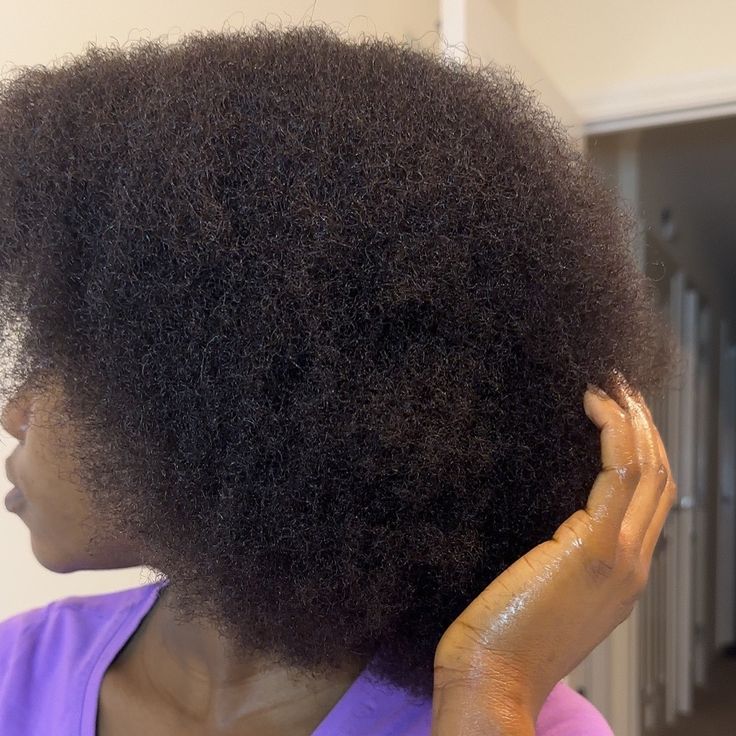
Supplies You’ll Actually Need
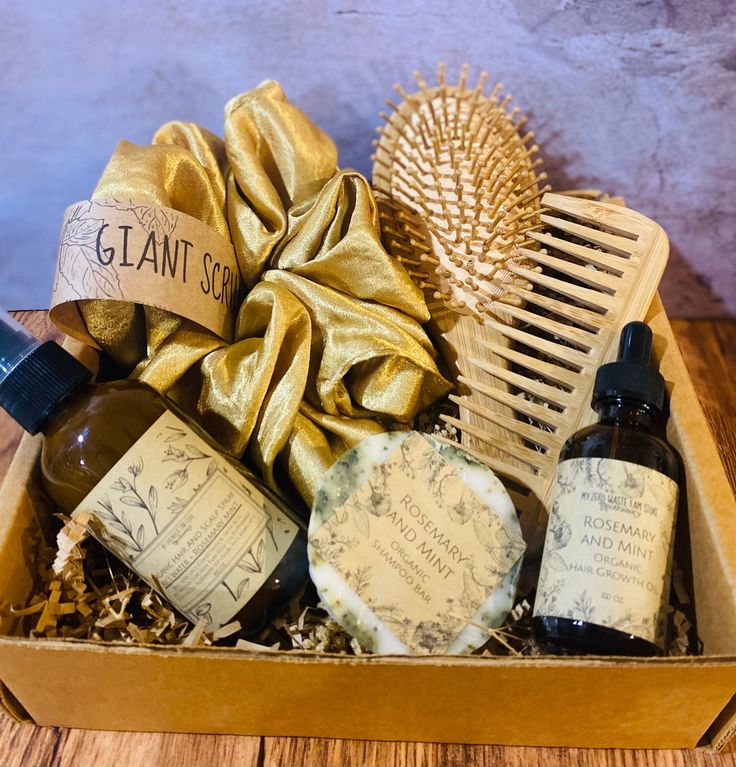
One of the biggest misconceptions about starting locs is that you need a shelf full of products. In reality, a simple routine is usually the most effective.
Here are a few essentials worth having:
- Satin bonnet or satin pillowcase
- Spray bottle for water
- Gentle shampoo
- Lightweight moisturizing spray
- Lightweight oil
- Microfiber towel or soft cotton T-shirt
As your locs mature, your routine may change slightly, but starting with the basics makes it much easier to learn what your hair truly needs.
If you enjoy making your own products, simple DIY hair oil blends can also become part of your routine later, provided you choose lightweight oils that won’t encourage excessive buildup.
Choosing the Right Starter Loc Method
One of the biggest decisions you’ll make before starting locs on 4C hair is choosing the method that fits your hair and lifestyle.
Each option creates a slightly different look, develops at its own pace, and has different maintenance needs. There isn’t one method that’s better than the others.
Before making your decision, it’s worth understanding what is 4C hair and how its tightly coiled texture influences the locking process. Factors like your hair length, density, daily routine, and even hair porosity can all affect which method feels right for you.
Two-Strand Twists
Two-strand twists are one of the most popular ways to begin a loc journey. They’re beginner-friendly, easy to install, and create fuller-looking starter locs from the beginning.
It’s completely normal for some twists to loosen after washing during the first few weeks. Keeping your routine simple and following a consistent wash day routine helps your twists mature naturally without unnecessary manipulation.
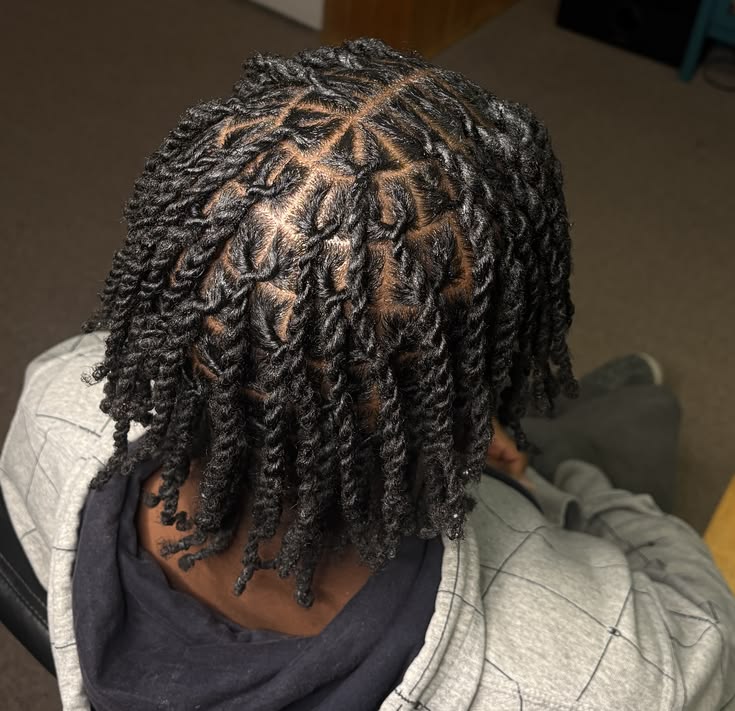
Best for: Beginners, medium to long hair, and fuller-looking starter locs.
Comb Coils
Comb coils create neat, defined sections by wrapping the hair around a fine-tooth comb. They’re especially popular for shorter hair and anyone who prefers a polished appearance during the starter stage.
Since they’re more delicate than twists, some unraveling after washing is expected. Keeping your scalp clean with a good shampoo for 4C hair helps your coils stay healthy as they begin locking.
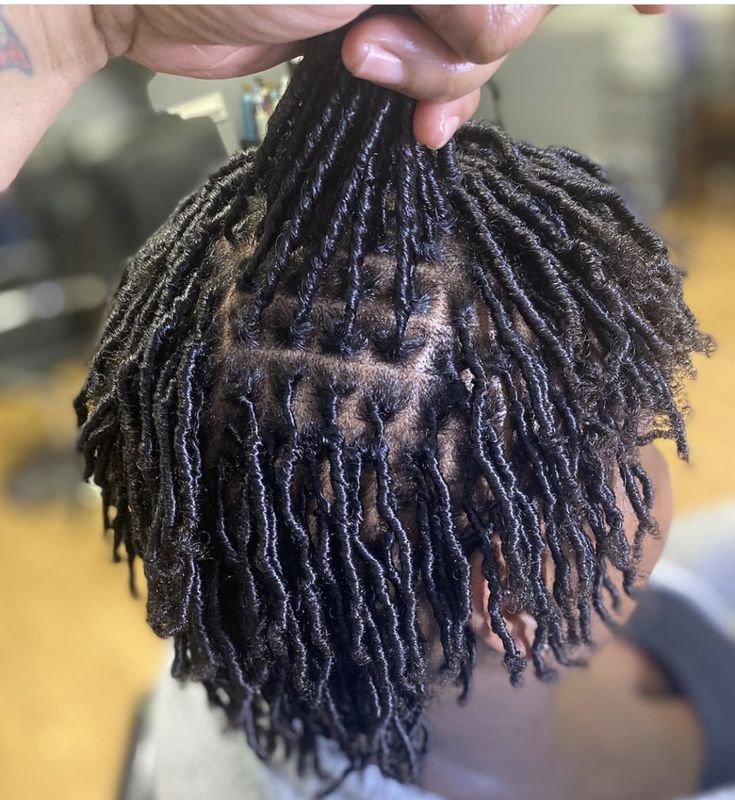
Best for: Short 4C hair and defined starter locs.
Finger Coils
Finger coils are formed by wrapping sections of hair around your finger instead of using a comb. They showcase your natural curl pattern and create a softer appearance during the early stages.
If your hair tends to feel dry, maintaining moisture before your appointment with a good conditioner can help improve softness and reduce breakage before installation.
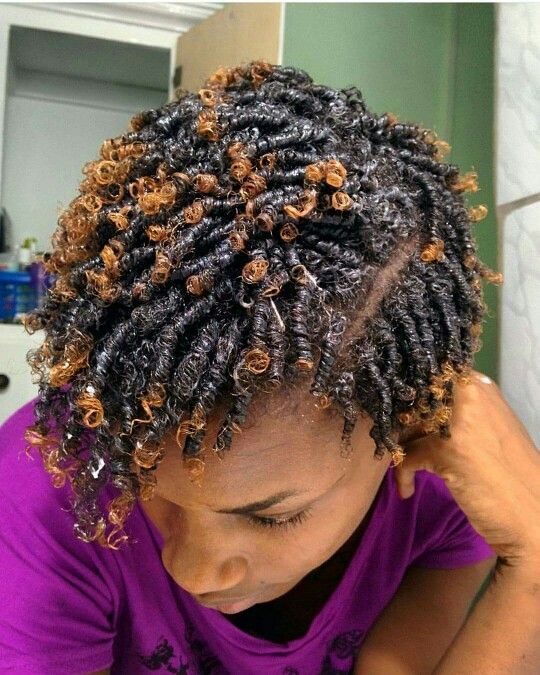
Best for: Short to medium hair and a natural-looking starter style.
Braid Starters
Braid starters provide extra stability because each section is already secured before locking begins. They’re a great choice for people with shorter hair or anyone who wants less unraveling after washing.
Healthy braid starters still depend on maintaining a, so regular cleansing remains an important part of your routine.
Our guide on the best starter loc styles will help if you’re looking for ways to style your locs,
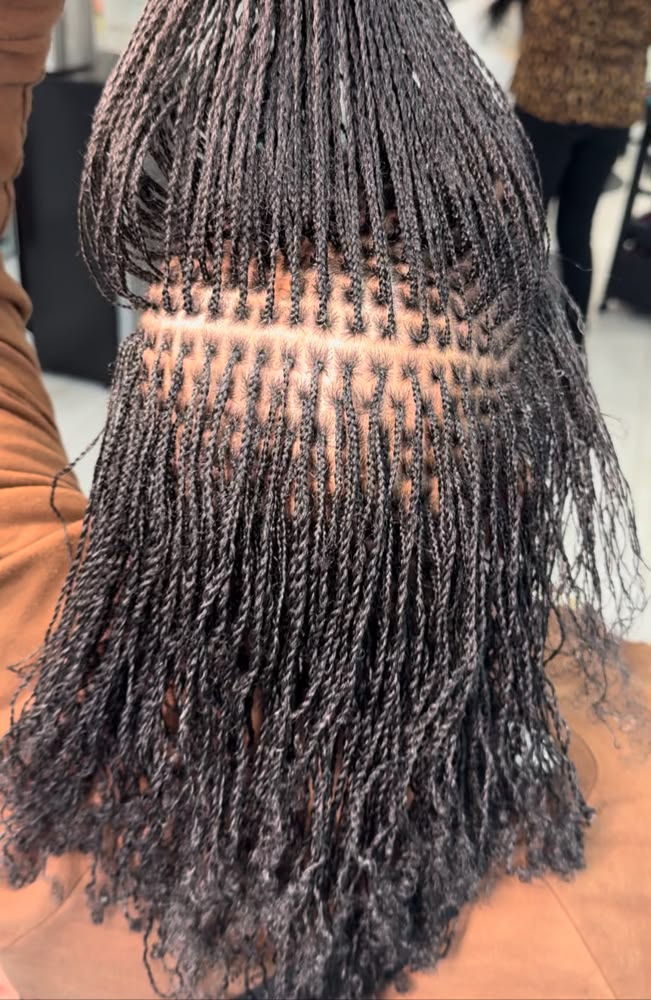
Best for: Short hair, active lifestyles, and beginners.
Instant Locs
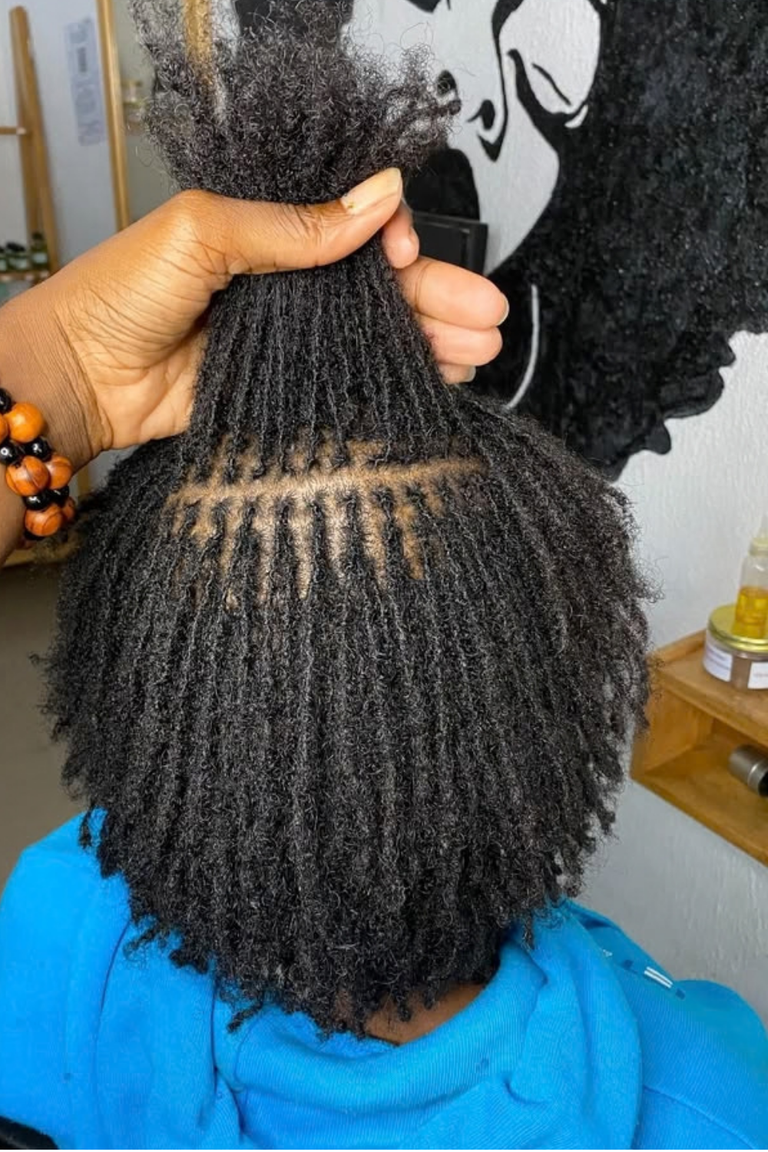
Instant locs are created with a crochet tool, giving them a more mature appearance right away. Although they look finished sooner, the hair continues locking internally over time.
Preparing your hair with the best hair oils for 4C hair before installation can help improve softness, but avoid using heavy products immediately before your appointment.
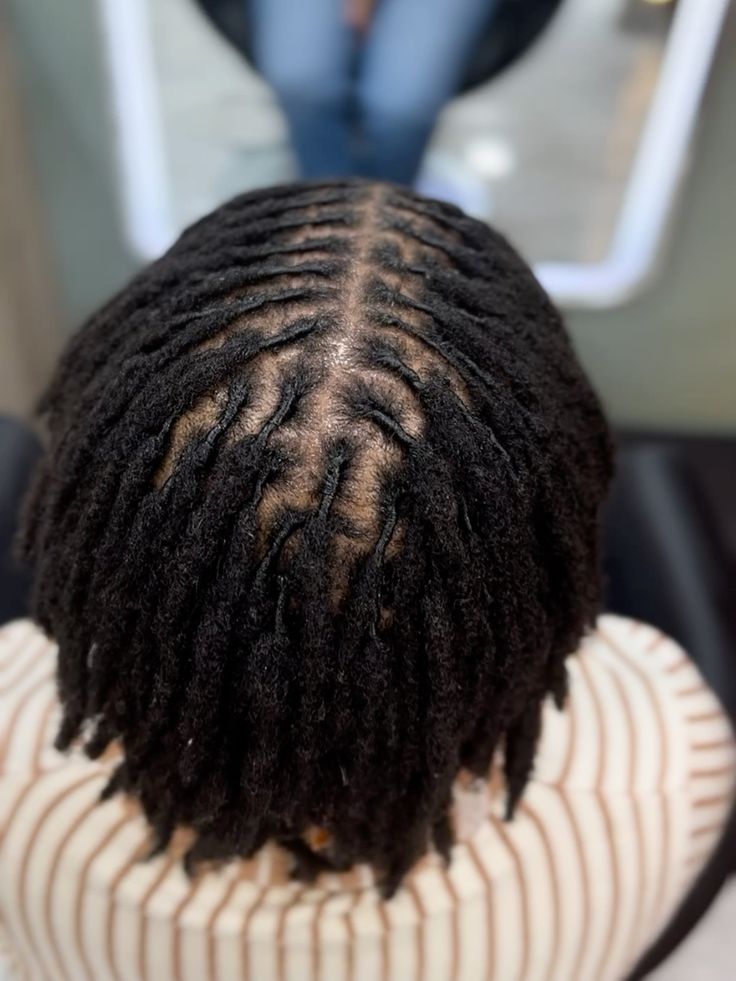
Best for: People who want an immediate mature look.
Interlocking
Interlocking creates a secure foundation by threading the end of each section through the base of the loc.
It’s a popular option for people who exercise often, swim regularly, or simply prefer a method that stays neat between maintenance appointments.
Reducing unnecessary hair breakage before starting with this method helps create a stronger foundation for long-term healthy locs.
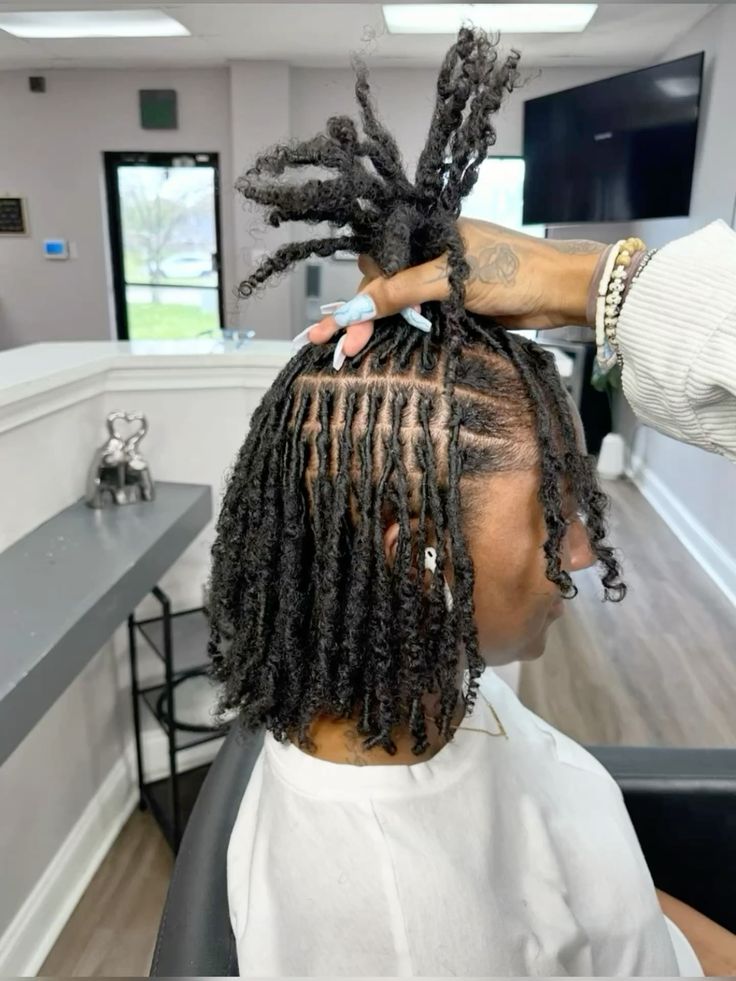
Best for: Active lifestyles and low-maintenance routines.
Common Mistakes To Avoid After Starting Locs
Starting your loc journey is exciting, but a few common mistakes can slow your progress or make maintenance more difficult than it needs to be.
The good news is that most of them are easy to avoid once you know what to look out for.
Retwisting Too Often
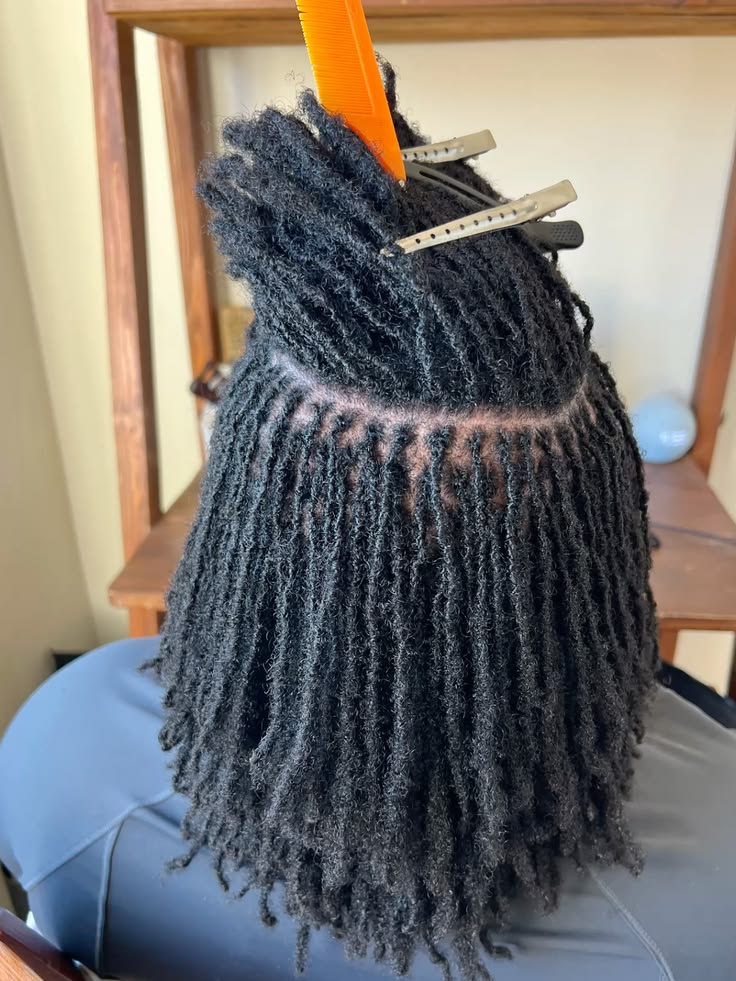
Wanting neat roots is understandable, but retwisting every couple of weeks can place too much tension on your scalp. Over time, this may weaken your roots and even lead to thinning around the hairline.
Using Too Many Products
Starter locs don’t need heavy creams, waxes, or thick butters. These products often sit inside the locs instead of washing out completely, leading to residue and buildup.
Keeping your routine simple usually gives better long-term results. If your hair feels dry, sealing moisture with one of the best hair oil blends for 4C hair is often more effective than layering multiple products.
Ignoring Your Scalp
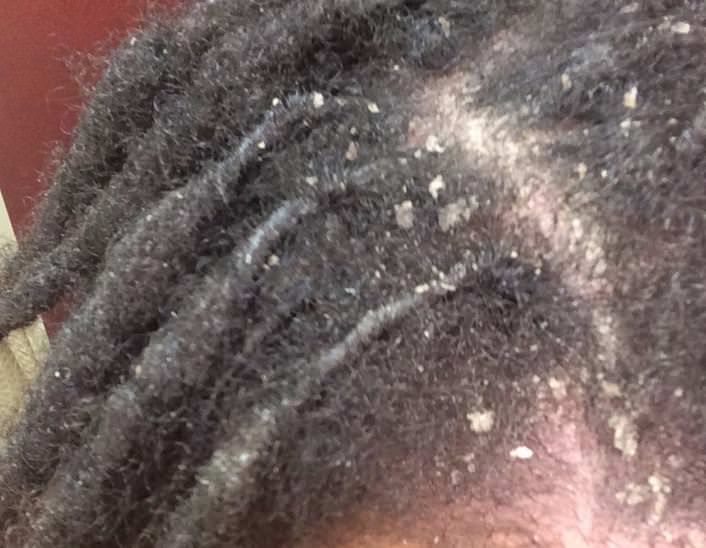
Healthy locs begin with a healthy scalp. If your scalp feels itchy, flaky, or irritated, don’t ignore it.
Cleaning your scalp regularly and understanding the difference between dry scalp and dandruff can help you choose the right solution instead of treating every flake the same way.
Comparing Your Journey to Someone Else’s
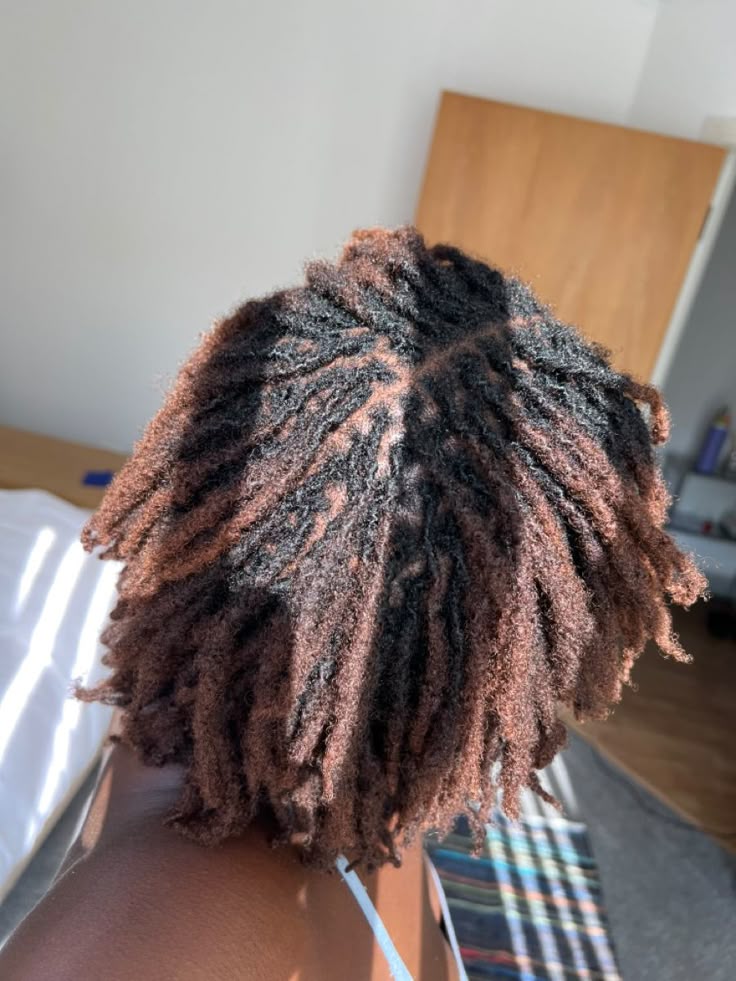
No two loc journeys look exactly alike. Hair density, strand thickness, starter method, and maintenance all influence how quickly locs mature.
Instead of comparing timelines, focus on building healthy habits and enjoying your own progress.
Final Thoughts
Starting locs on 4C hair is an exciting decision, but taking the time to prepare can make the journey much more enjoyable.
Choosing the right starter method, understanding what to expect, and building healthy habits from the beginning all help create a strong foundation for long-lasting locs.
Remember that every loc journey is different. Your hair won’t develop at the same pace as someone else’s, and that’s completely normal.
Staying patient, keeping your scalp healthy, and following a simple routine will always give you better results than chasing quick fixes.
With the right preparation and realistic expectations, you’ll be ready to start your loc journey with confidence.



One Comment