
Starter Locs Guide For Beginners
Disclosure: Some of the links in this post are affiliate links. This means if you click on the link and purchase an item, I will receive an affiliate commission at no extra cost to you.
Starting your loc journey can be exciting, but it’s also normal to have questions once your starter locs are installed. Many beginners worry about frizz, unraveling, budding, washing, or whether their locs are developing the way they should.
The good news is that most of these changes are completely normal. Starter locs go through several stages before they mature, and understanding what to expect can make the process much less stressful.
If you’re new to locs, it also helps to understand what 4C hair is and how its tightly coiled texture supports the locking process. While 4C hair naturally forms locs well, patience and proper care are still essential during the early months.
This starter locs guide for beginners explains what happens after installation, how to care for your locs, common mistakes to avoid, and simple tips to help your locs thrive from day one.
What Are Starter Locs?
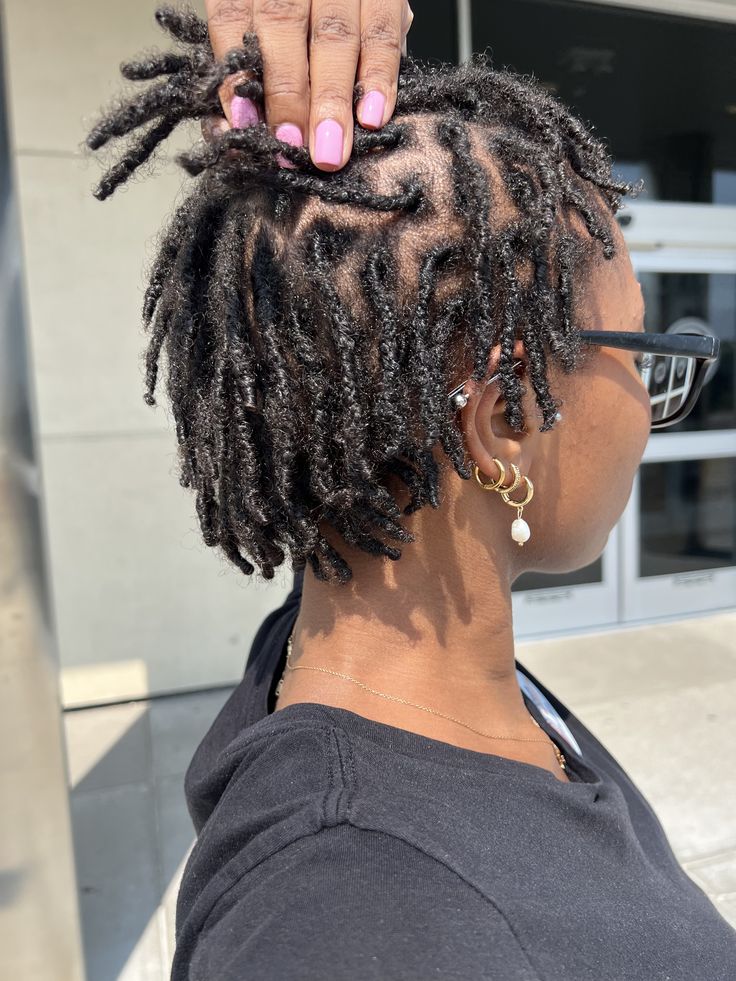
Starter locs are the first stage of every loc journey. They’re the freshly installed sections of hair that gradually begin to lock together over time.
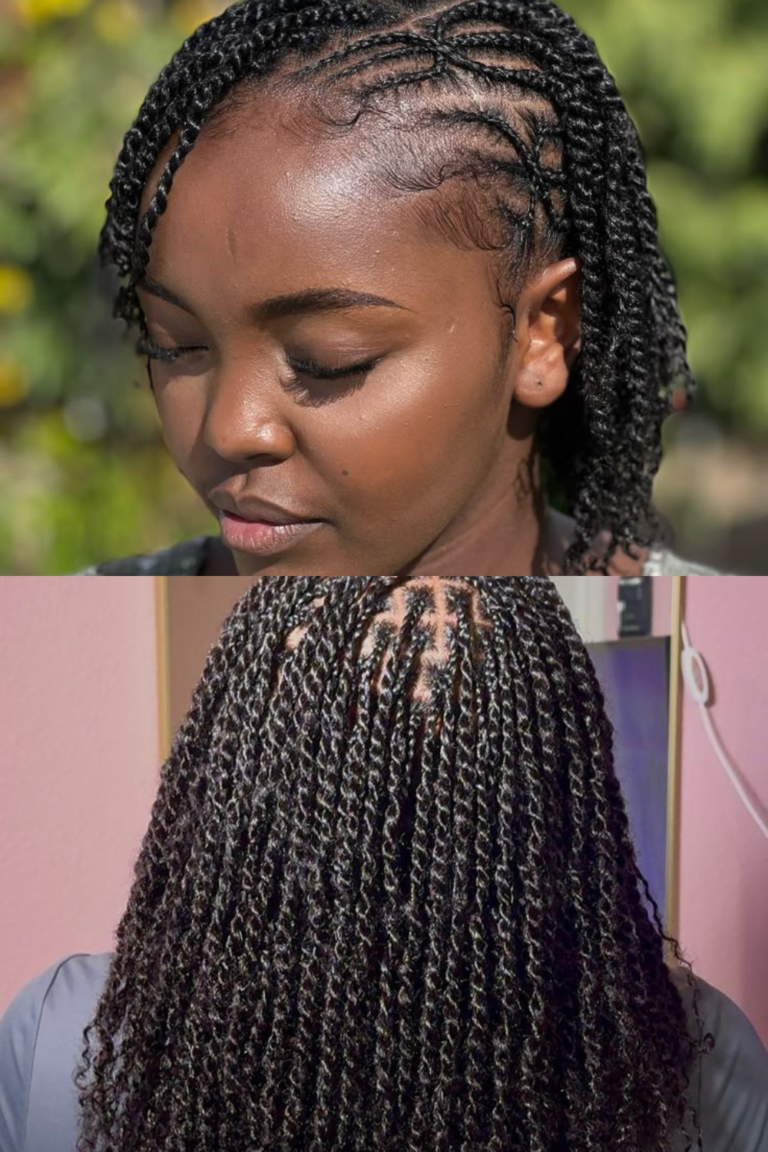
Depending on the method you choose, they may begin as two-strand twists, comb coils, finger coils, braids, or another technique.
During this stage, your hair is still adjusting. Frizz, shrinkage, and even a little unraveling are all part of the process. That doesn’t mean your locs are failing. In fact, these changes often show that your hair is beginning to lock naturally.
If you’re still deciding which installation method suits you best, our guide to the best ways to start locs on 4C hair explains the differences between each option and who they’re best suited for.
The Stages of Starter Locs
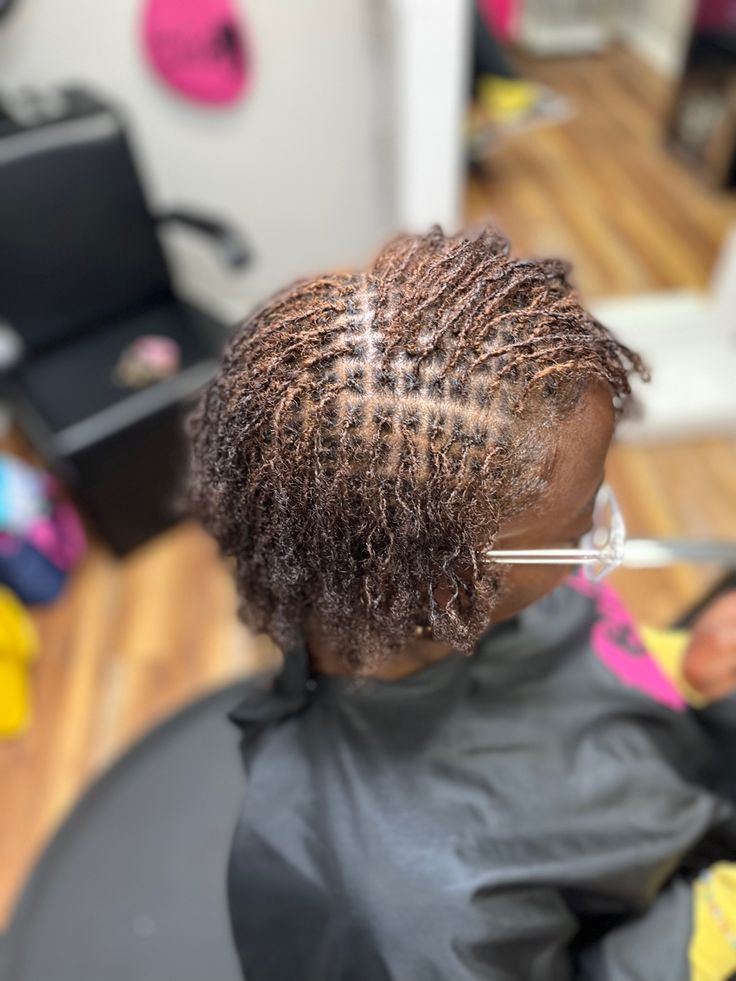
One of the most important things to remember is that starter locs don’t become mature overnight. Every loc goes through several stages, and each one plays a role in the locking process.
The exact timeline varies from person to person, depending on factors like your hair texture, routine, and how often you manipulate your hair.
Understanding these stages makes it easier to trust the process instead of worrying that something has gone wrong.
1. Fresh Starter Locs
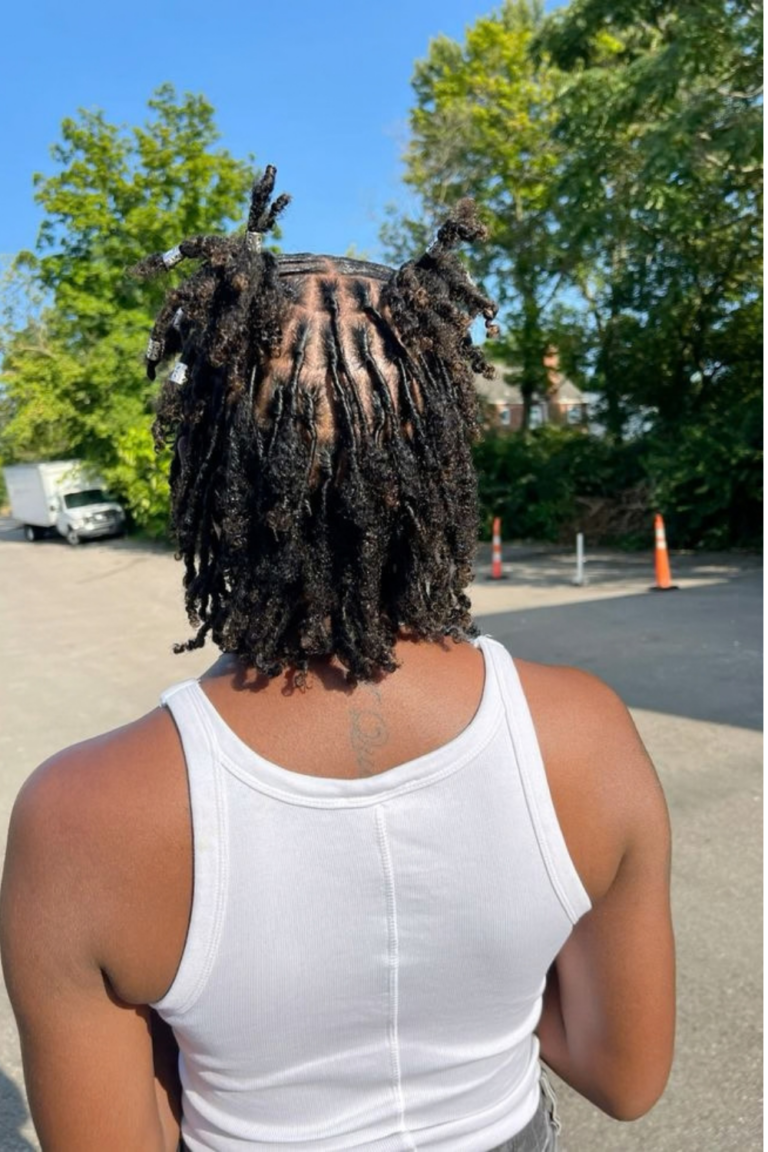
This is the stage immediately after installation. Your parts look clean, your locs feel neat, and everything appears well-defined.
At this point, your hair hasn’t started locking yet. The twists, coils, or braids are simply holding each section together while the locking process begins.
Protecting your locs while you sleep and avoiding excessive touching can help them stay neat for longer.
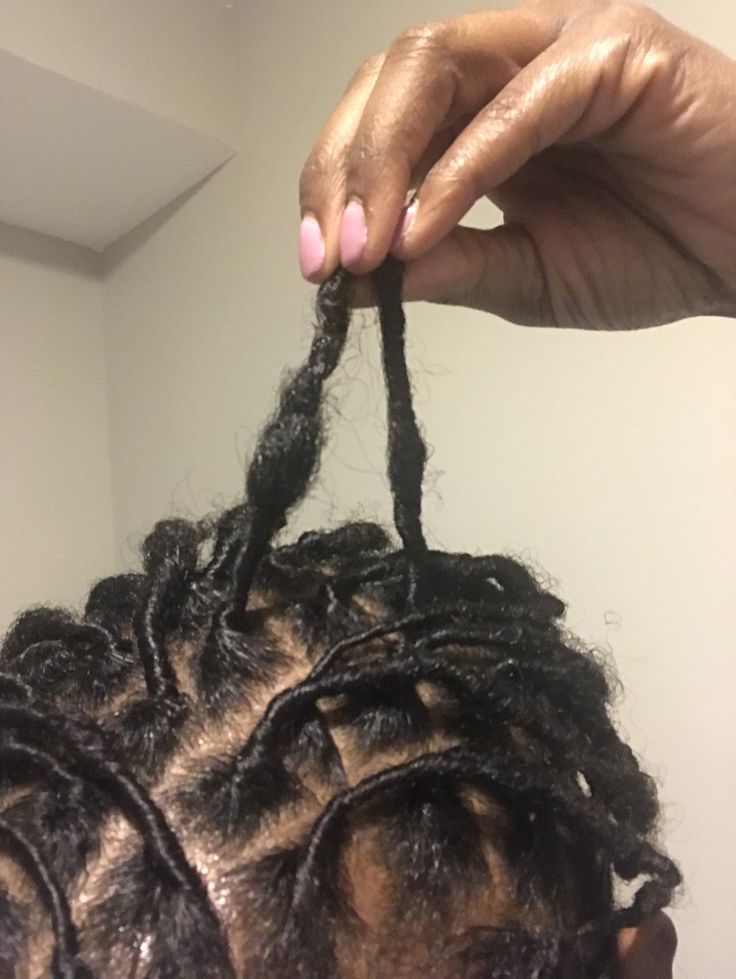
2. Budding
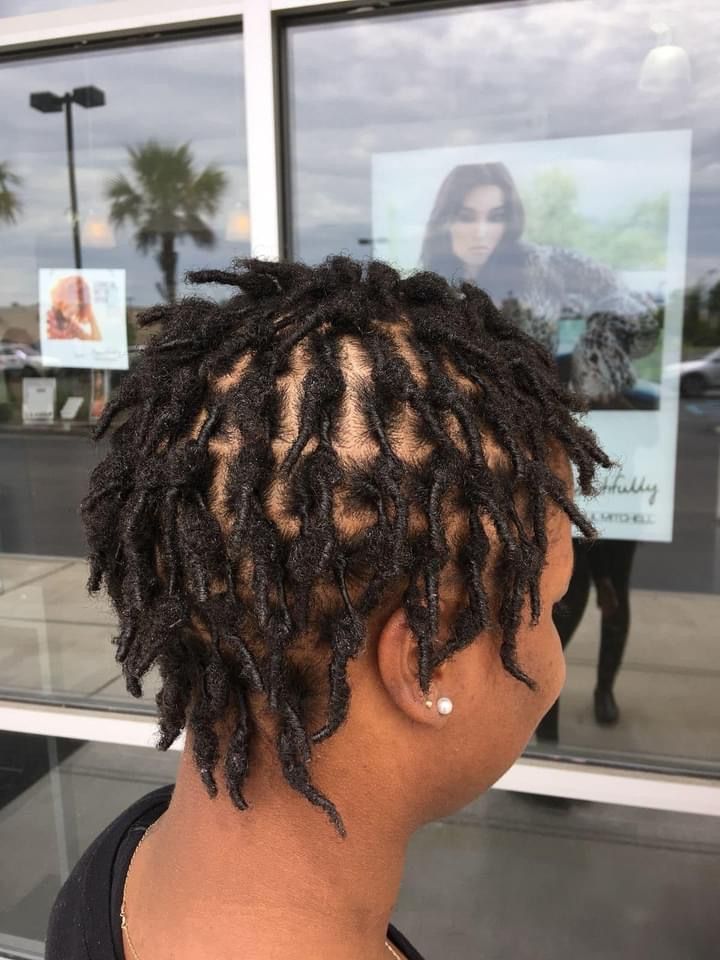
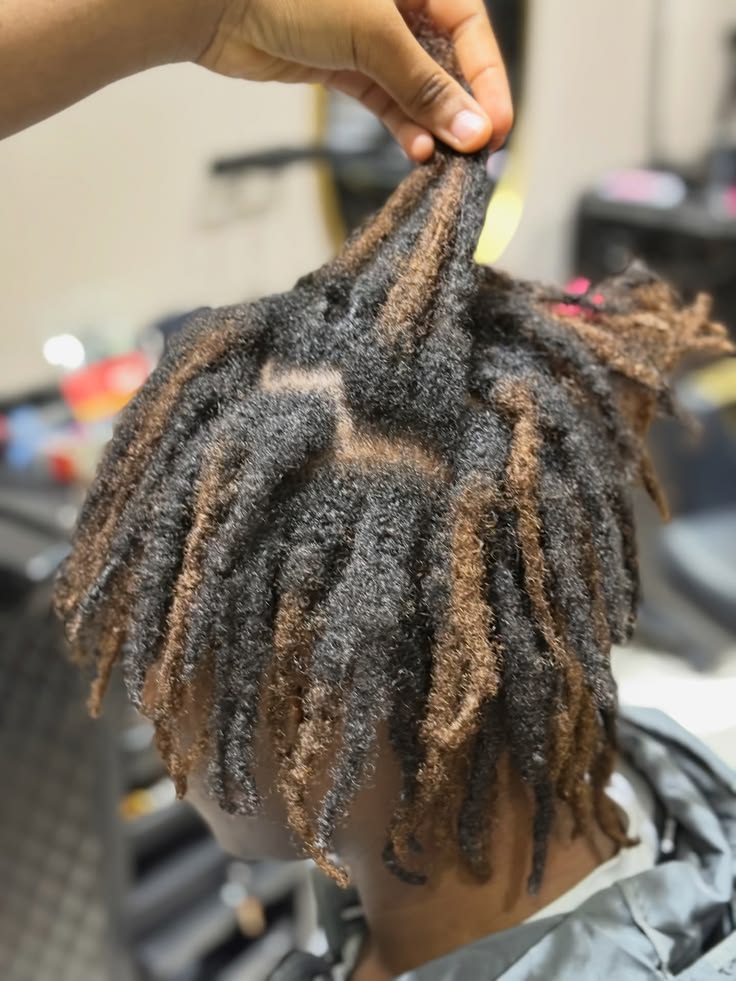
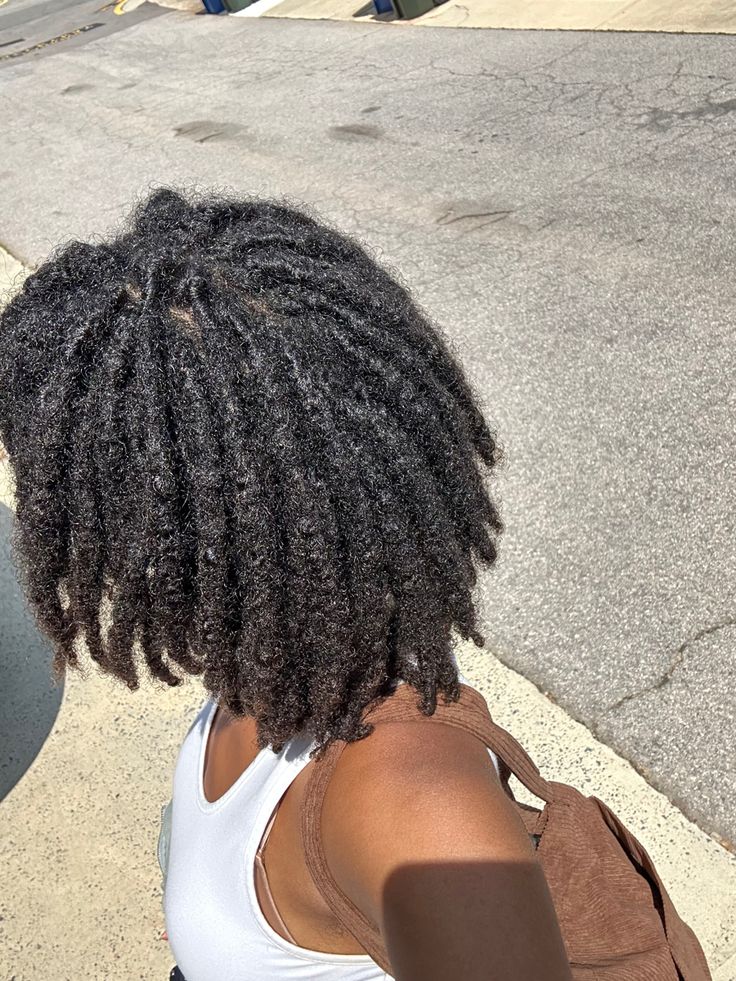
Budding is one of the biggest signs that your locs are developing properly. During this stage, sections of your hair begin to swell as loose strands wrap around one another inside the loc.
Your locs may feel lumpy, puffy, or uneven, but that’s completely normal. Many beginners mistake budding for damage, when it’s actually a sign that the locking process is moving forward.
Knowing how 4C hair shrinkage works can also make this stage less frustrating because your locs may appear shorter even though your hair is still growing.
3. Teen Locs
Once budding becomes more noticeable, your locs enter what’s often called the teenage stage.
This is usually when frizz becomes more obvious. Some locs may look different from others, and your hair might not seem as neat as it did during the first few weeks.
Although this stage can test your patience, resist the urge to keep retwisting your hair. Giving your locs time to mature naturally usually produces better long-term results.
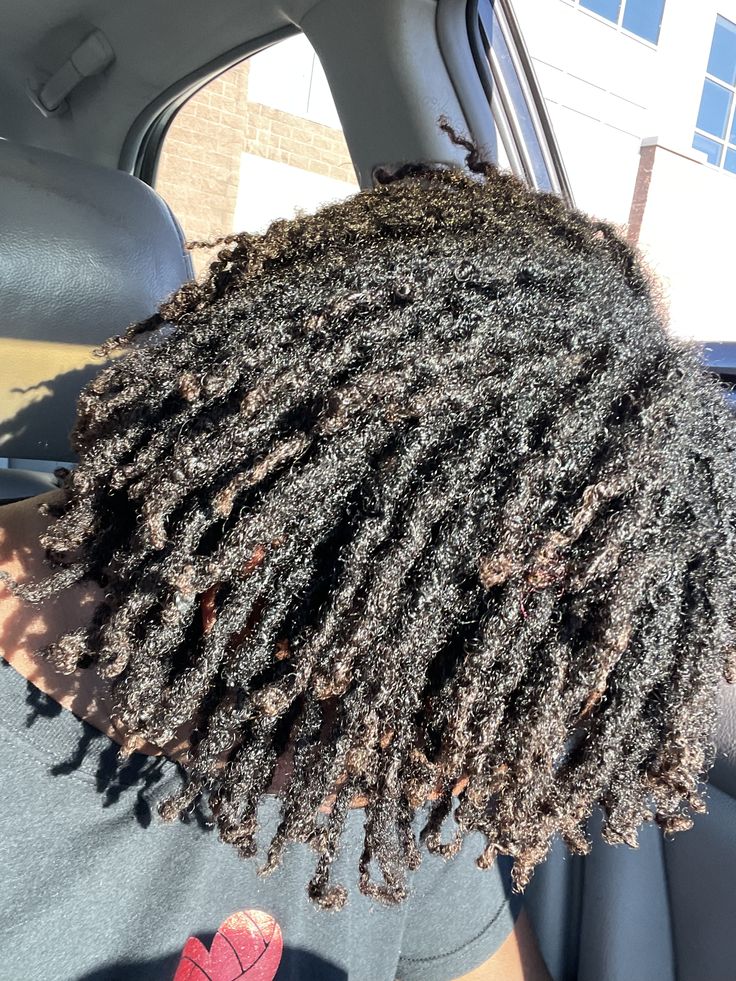
4. Mature Locs
Over time, your locs become firmer, smoother, and more uniform in appearance. They’ll also become easier to style and generally require less attention than they did during the early months.
By this stage, the effort you’ve put into maintaining a healthy scalp and following a consistent routine will become much more noticeable.
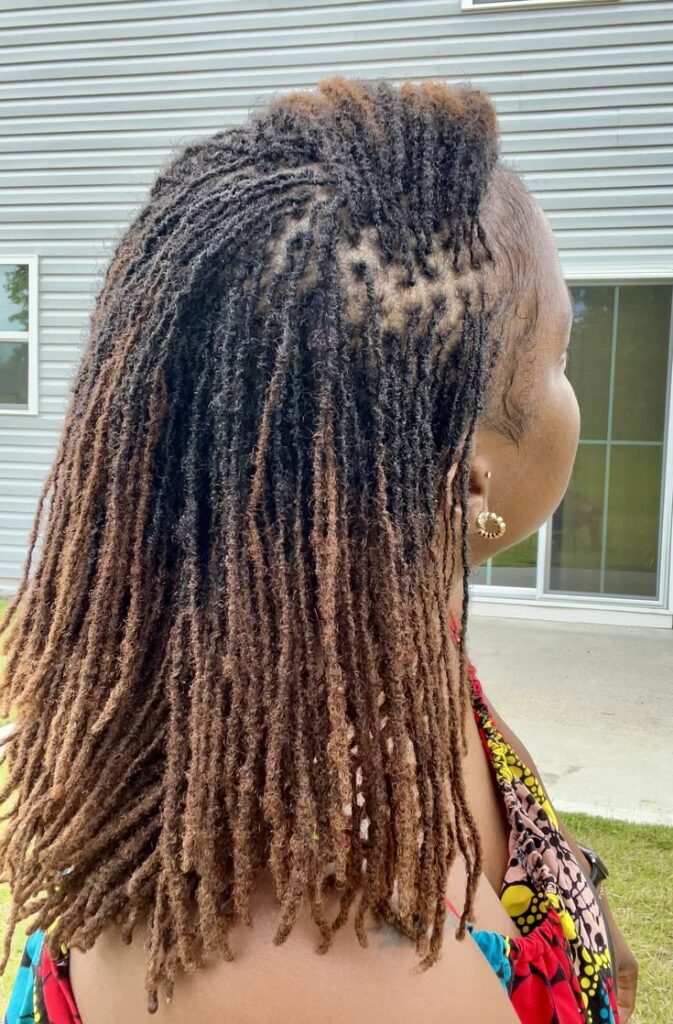
See some locs you can start with as a beginner here
How To Care For Starter Locs
Taking care of starter locs doesn’t have to be complicated. In fact, a simple routine usually works better than constantly trying new products or techniques.
The goal during this stage is to keep your hair clean, moisturized, and protected while allowing your locs to develop naturally.
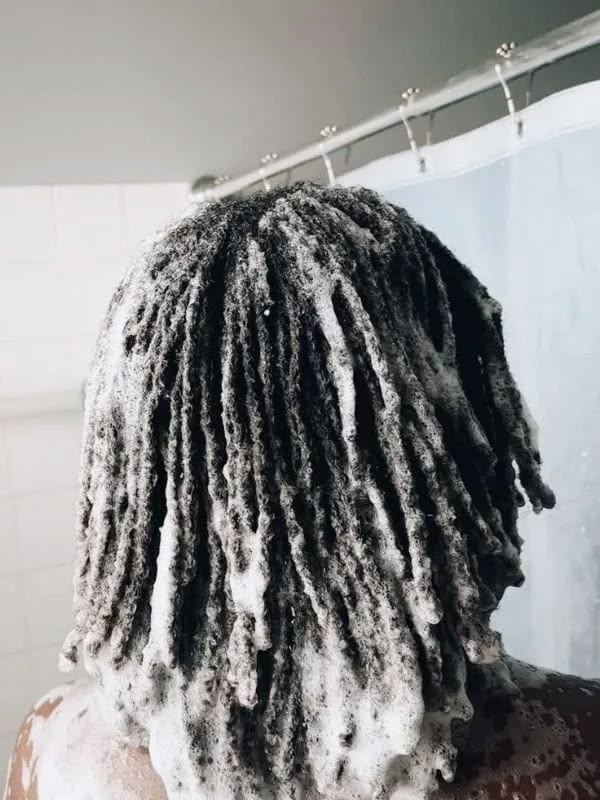
Wash Your Locs Gently
Many beginners are afraid to wash their starter locs because they’re worried about it loosening. While some unraveling can happen, avoiding washing altogether often leads to product buildup and an unhealthy scalp.
Using a very good shampoo can help cleanse your scalp without leaving heavy residue behind.
Keep Your Locs Moisturized
Starter locs still need moisture, even though your hair is beginning to lock.
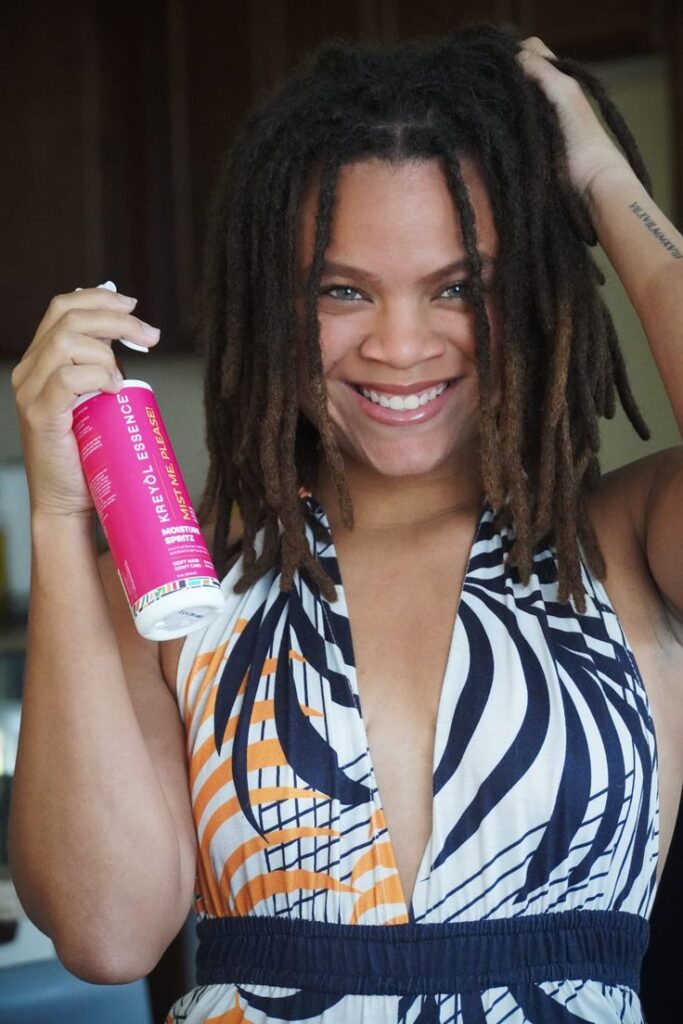
Water should always be your primary moisturizer. After lightly misting your locs, sealing in that moisture with one of the best hair oils for 4C hair can help reduce dryness without weighing your hair down.
Protect Your Hair While Sleeping
Sleeping without protection creates friction that can lead to unnecessary frizz and lint buildup.
A satin bonnet, satin scarf, or satin pillowcase helps reduce friction and keeps your locs looking neater between maintenance appointments.

Avoid Constant Retwisting
Neat roots may look nice, but retwisting too often places unnecessary tension on your scalp.
Allowing enough time between retwists gives your hair room to grow while helping protect your edges and roots over the long term.
How Often Should You Retwist Starter Locs?
One of the first questions beginners ask is how often they should retwist their starter locs. While it’s tempting to keep your roots looking freshly maintained, retwisting too often can do more harm than good.
Most locticians recommend retwisting every four to eight weeks, although the exact schedule depends on your hair type, growth rate, and starter method. Some people may need maintenance slightly sooner, while others can comfortably wait longer.
The goal isn’t to keep your locs looking perfect all the time. A little frizz is completely normal and often shows that your locs are progressing through the locking process.
Retwisting too frequently can place unnecessary tension on your scalp, increasing the risk of thinning edges and long-term damage.
If your roots start looking messy between appointments, resist the urge to retwist them yourself unless you know the proper technique.
Protecting your hair at night and following a simple starter loc care routine will help your locs stay healthier between maintenance sessions.
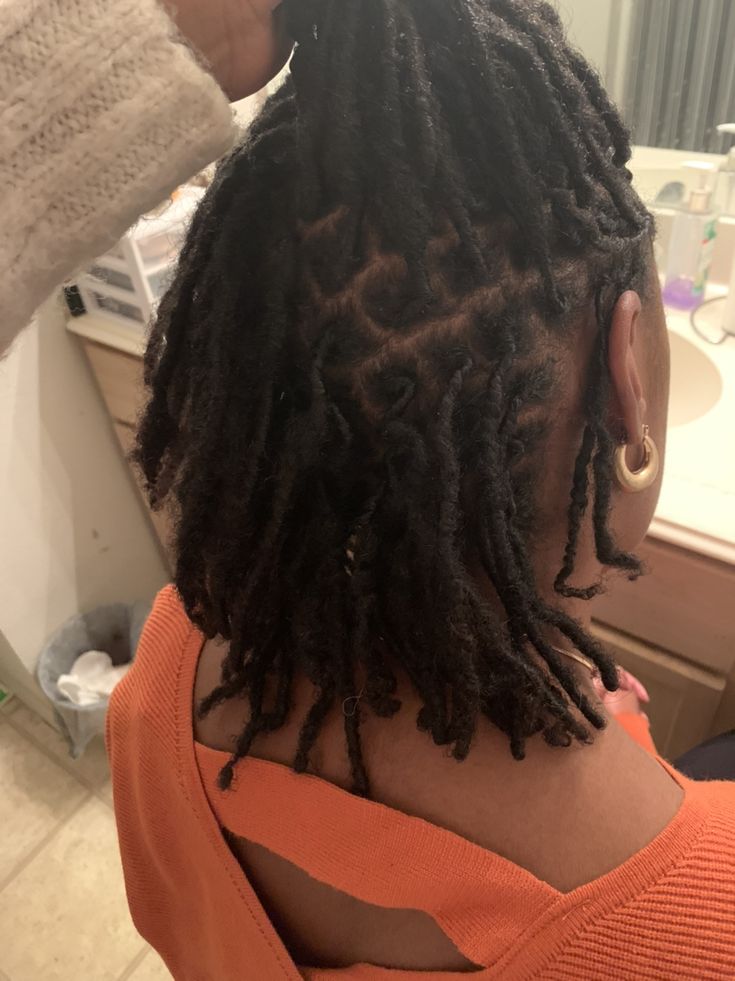
Can You Wash Starter Locs?
Many beginners avoid washing their starter locs because they’re afraid the locs will unravel. While a little unraveling can happen, avoiding shampoo altogether usually creates bigger problems.
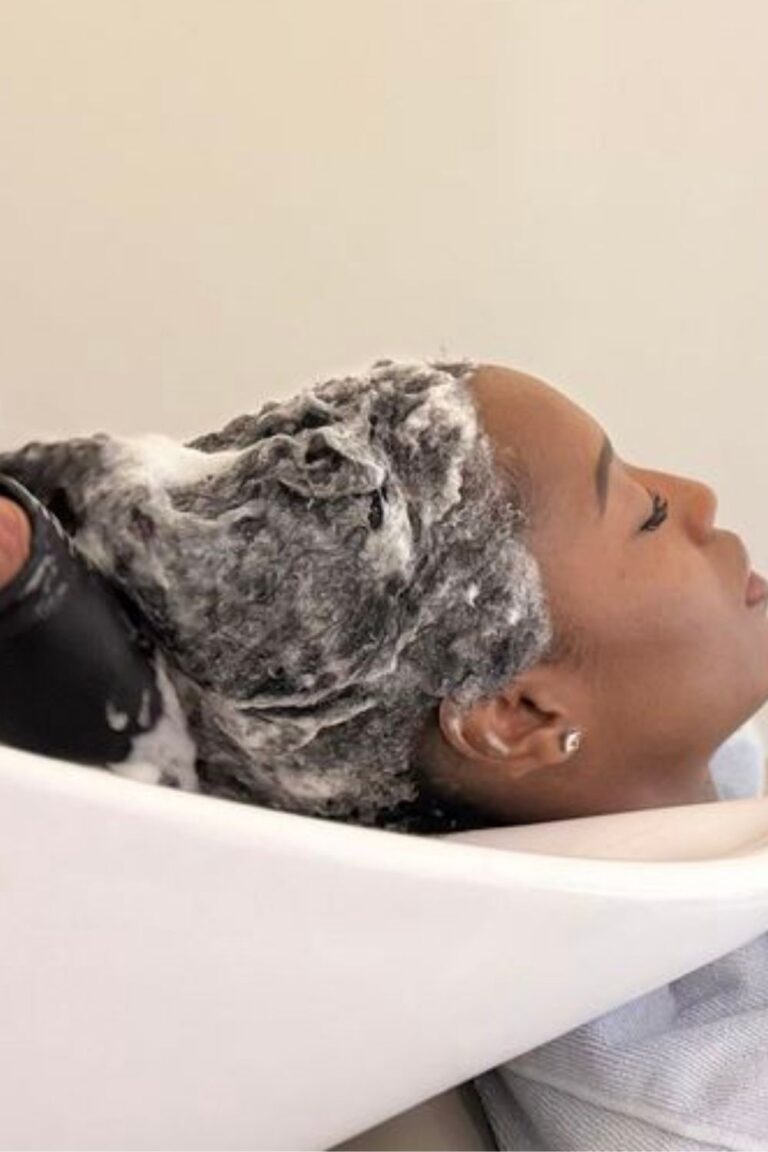
A clean scalp encourages healthy hair growth and helps prevent product buildup, itchiness, and unpleasant odors. Instead of avoiding wash day, learn how to wash your locs gently.
Use one of the best shampoos for 4C hair and focus on cleansing your scalp rather than aggressively rubbing your locs together. Rinse thoroughly and allow your hair to dry completely before covering it with a bonnet or scarf.
Some people choose to wear a stocking cap during the first few washes to reduce unraveling, although this isn’t always necessary. Your loctician can recommend the best approach based on your starter method.
Regular washing is one of the healthiest habits you can build from the beginning of your loc journey.
How to Sleep With Starter Locs
Your nighttime routine has a bigger impact on your locs than many people realize.
Cotton pillowcases create friction while you sleep, leading to unnecessary frizz, dryness, and lint buildup inside your locs.
Switching to a satin bonnet, satin scarf, or satin pillowcase helps reduce friction and keeps your locs looking neater for longer.
If your locs are long enough, loosely tying them together before bed can also help reduce tangling. Just make sure you don’t pull them too tightly.
Keeping your hair protected overnight works hand in hand with maintaining moisture.
If your locs tend to feel dry, applying a light mist of water before bed and sealing it with one of the best leave-in conditioners for 4C hair can help keep your strands hydrated without creating heavy buildup.
Building a consistent nighttime routine from the beginning makes caring for mature locs much easier later on.

Signs Your Starter Locs Are Progressing Normally
It’s easy to worry that something is wrong when your starter locs begin changing, especially if it’s your first time wearing locs. Fortunately, many of the changes beginners worry about are actually signs that the locking process is moving forward.
Here are a few signs your starter locs are developing normally:
- Your locs become slightly frizzy.
- You notice small buds or puffy sections forming.
- Your hair shrinks before it starts showing more visible length.
- Some locs mature faster than others.
- Your locs gradually feel firmer over time.
On the other hand, persistent scalp irritation, unusual hair loss, or severe breakage shouldn’t be ignored. Maintaining a healthy scalp and addressing concerns early can help prevent larger problems later.
Every head of locs develops differently. Comparing your progress to someone else’s often creates unnecessary worry, so focus on consistency instead of speed.
Products You Should and Shouldn’t Use on Starter Locs
One of the biggest mistakes beginners make is assuming that starter locs need a completely different collection of products. In reality, keeping your routine simple usually produces the best results.
Products That Work Well
Starter locs generally respond best to lightweight products that moisturize the hair without leaving heavy residue behind.
A simple routine may include:
- A gentle shampoo
- A water-based moisturizing spray
- A lightweight oil
- A satin bonnet or pillowcase
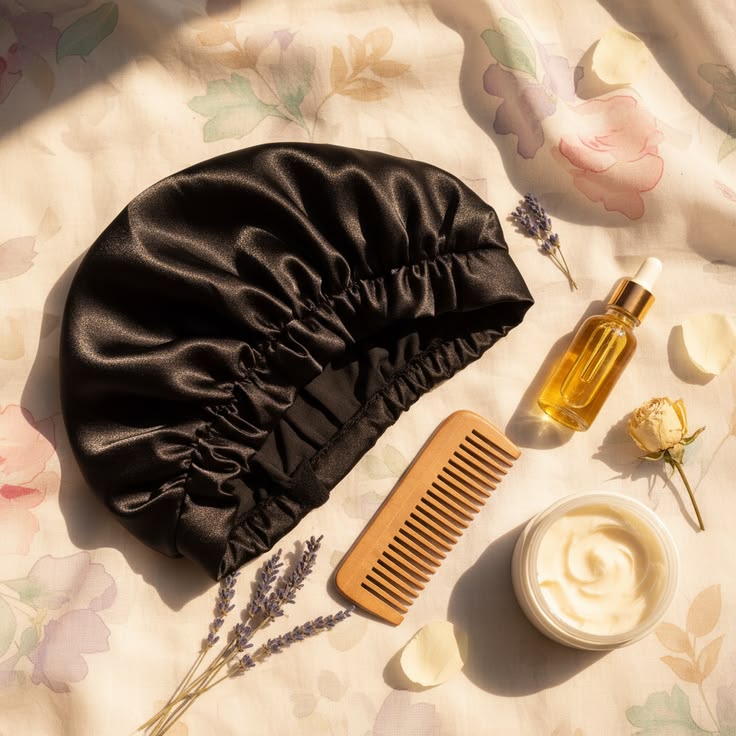
If your locs feel dry, using one of the best hair oils for 4C hair after lightly misting your hair with water can help seal in moisture without weighing your locs down.
Products to Avoid
Heavy waxes, thick creams, and sticky gels are often marketed for locs, but they aren’t always necessary, especially during the starter stage.
These products can become trapped inside the loc, leading to buildup that’s difficult to remove later.
Choosing lighter products from the beginning usually keeps your locs cleaner and healthier as they mature.

How to Deal With Frizz
Frizz is probably the number one concern among people with starter locs.
The truth is that frizz isn’t something to fear. It’s actually one of the signs that your hair is beginning to lock. Loose strands gradually wrap around each other, helping each loc become stronger over time.
Trying to remove every strand of frizz usually creates more problems than it solves.
Instead of constantly retwisting your hair, focus on protecting it while you sleep, avoiding unnecessary touching, and keeping your routine consistent.
If your hair feels rough, improving your moisture routine with one of the conditioners for 4C hair before sealing with a lightweight oil may help your locs feel softer without interfering with the locking process.
Remember, neat doesn’t always mean healthy. Healthy locs naturally go through periods where they look a little messy before becoming more uniform.

Can You Style Starter Locs?
Yes, but less is usually more.
Your starter locs are still forming, so constantly pulling them into tight styles can place unnecessary tension on your roots.
Simple styles such as:
- Low ponytails
- Loose buns
- Headwraps
- Satin scarves
are generally gentler than tight updos or styles that pull heavily on the hairline.
If you’re planning to wear protective styles over your locs, remember that your scalp still needs regular cleansing and moisture. Building healthy habits now will make styling much easier once your locs mature.
If you’re someone who enjoys protective styling, you may also enjoy exploring different protective hairstyles for 4C hair before fully committing to your loc journey.
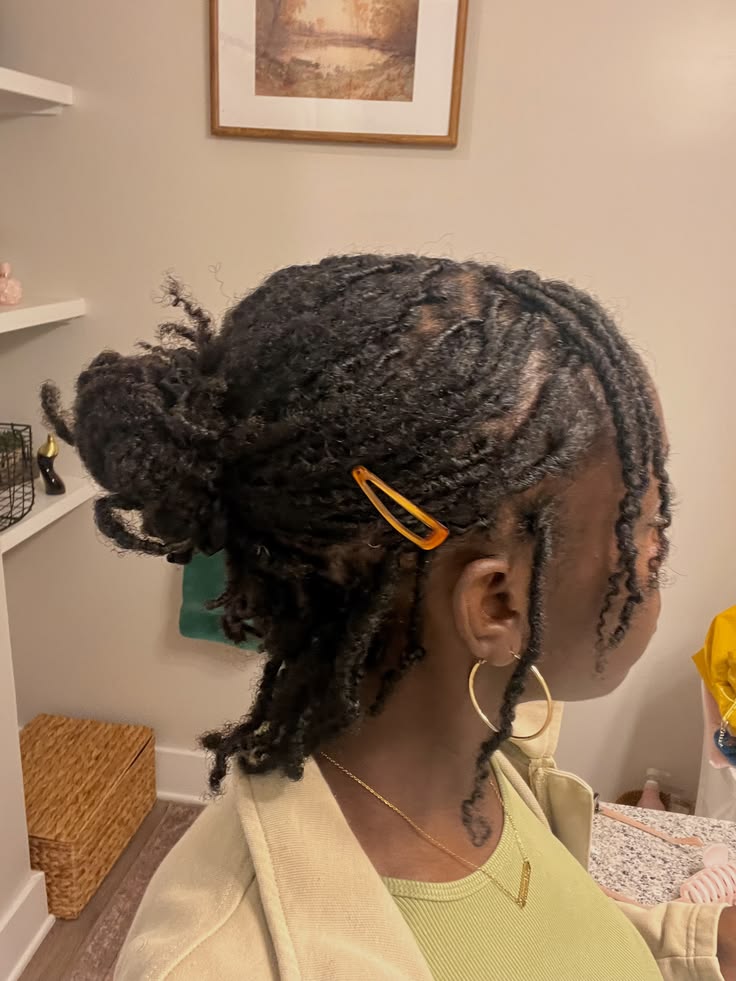
Be Patient With Your Progress
Perhaps the most valuable advice any beginner can receive is this: don’t rush the process.
Social media makes it easy to compare your starter locs with someone else’s mature locs, but every journey develops differently.
Your hair density, strand thickness, maintenance routine, and even your daily habits all influence how quickly your locs mature.
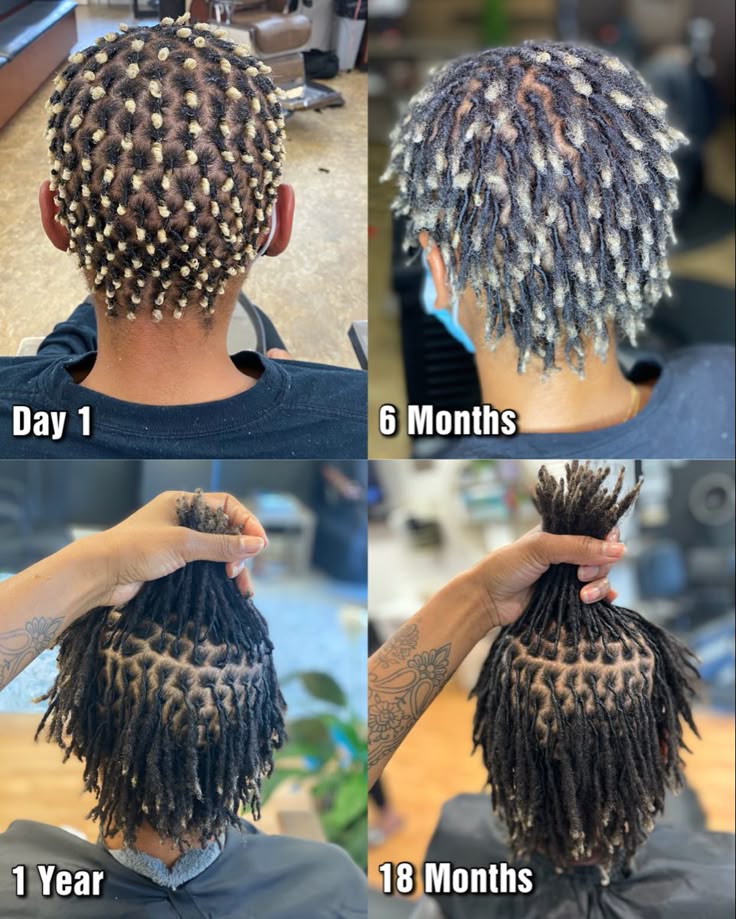
Instead of checking your hair every day for changes, take photos every month. Looking back over several months often reveals progress that’s difficult to notice from one week to the next.
It’s also helpful to remember that healthy hair habits don’t stop once you start locs. Caring for your scalp, reducing unnecessary hair breakage, and following a consistent routine will continue benefiting your hair for years to come.
The goal isn’t simply to have locs. The goal is to have healthy locs that continue thriving long after the starter stage has passed.
When Should You See a Loctician?
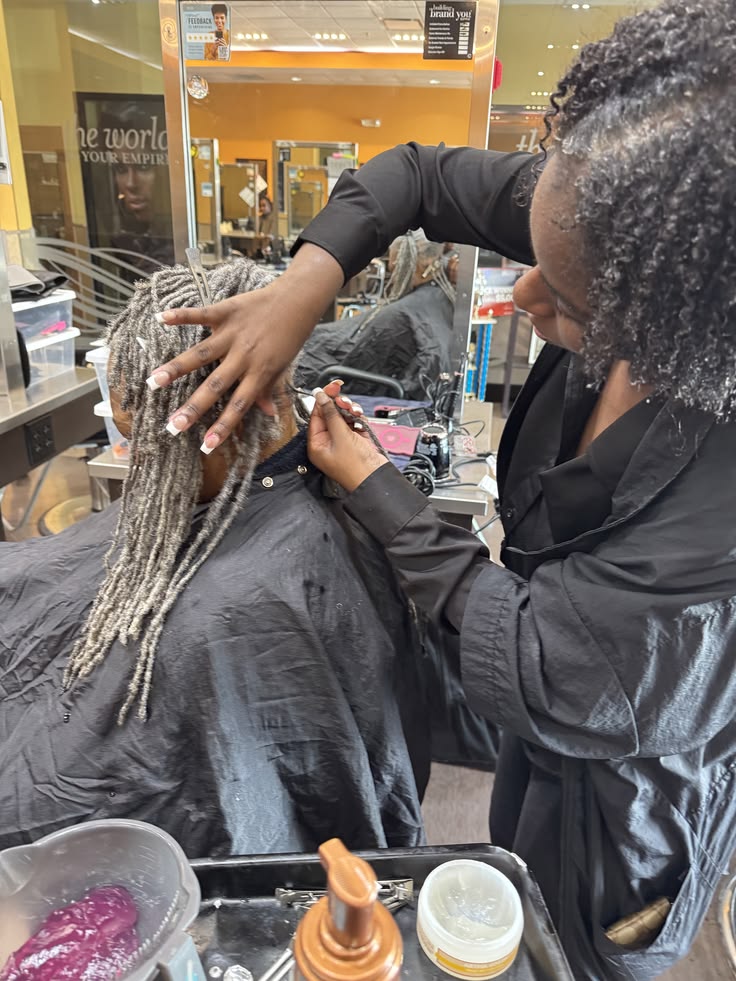
One question that comes up often is whether you should maintain your starter locs yourself or visit a professional.
For most beginners, working with a loctician during the first few months can make the process much easier. They can monitor your progress, clean up your parts during maintenance, and let you know whether your locs are developing normally.
That doesn’t mean you have to visit the salon every few weeks forever. Many people eventually learn to maintain their own locs, but having professional guidance in the beginning can help you avoid mistakes that are difficult to correct later.
If you’re unsure whether your locs need maintenance or simply need more time, don’t be afraid to ask your loctician for advice instead of guessing.
What If Your Starter Locs Begin to Unravel?
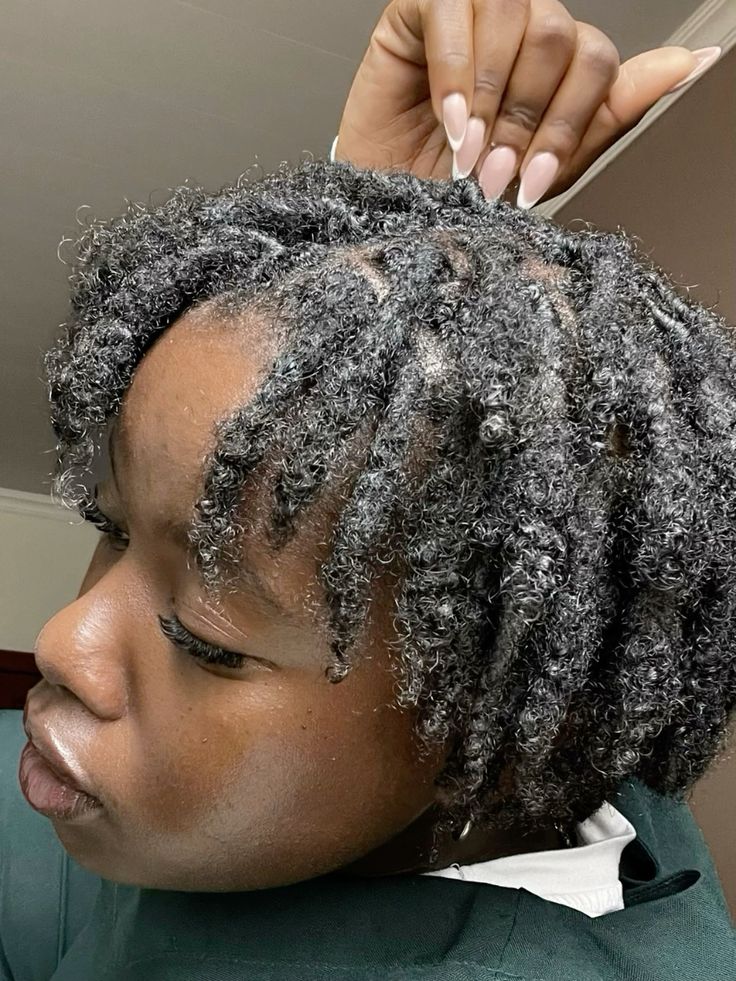
Seeing one or two locs loosen after washing can be frustrating, especially if you’re new to the process. Fortunately, a little unraveling is completely normal.
Certain starter methods, particularly comb coils and finger coils, naturally loosen more easily than braid starters or interlocking. That doesn’t mean your locs have failed. It simply means your hair is still adjusting.
The best thing you can do is leave them alone as much as possible. Constantly re-coiling or twisting every loose section can slow the locking process by repeatedly resetting your progress.
If several locs unravel completely, contact your loctician. They can quickly secure the loose sections without affecting the rest of your loc journey.
Remember that patience is part of the process. A little unraveling during the early months is expected and usually becomes less common as your locs mature.
Some Myths About Starter Locs
There are plenty of misconceptions about starter locs, and believing them can make the beginning of your journey far more stressful than it needs to be.
1. You shouldn’t wash starter locs
Another common myth. Clean hair and a healthy scalp are essential for healthy locs. Avoiding shampoo for months often creates unnecessary buildup instead of helping your locs.
2. Oils make your hair grow faster
Hair oils don’t directly increase hair growth. Their main job is to help reduce moisture loss after you’ve already hydrated your hair. That’s why many people combine water with one of the best hair oils blends for 4C hair instead of relying on oil alone.
3. If one loc unravels, you have to start over
Not at all. Minor unraveling is completely normal, especially during the first few months. Most loose sections can simply be maintained during your next appointment.
Understanding these myths early helps you focus on healthy habits instead of unnecessary worry.
4. Starter locs should always stay neat.
Not true. Frizz is a natural part of the locking process. Perfectly neat locs all the time usually mean the hair is being manipulated too often.
Enjoy the Journey
It’s easy to become so focused on reaching mature locs that you forget to appreciate each stage along the way.
The starter phase teaches patience, consistency, and the importance of building healthy habits. Every wash day, every maintenance appointment, and every small change you notice is part of the transformation.
Instead of comparing your progress to someone else’s, celebrate your own milestones. Take monthly photos, learn what your hair responds to, and don’t be discouraged if your locs don’t look exactly like the ones you see online.
If you’ve already built healthy habits through a consistent 4C hair care routine, you’ll probably find that caring for your starter locs feels much more manageable than you expected.
Years from now, you’ll likely look back at your starter loc photos and realize just how much progress you’ve made.

Final Thoughts
Starting locs is more than changing your hairstyle. It’s the beginning of a journey that teaches patience, consistency, and confidence in your natural hair.
The early months can feel unfamiliar, especially when your locs become frizzy, shrink, or start budding. Those changes aren’t setbacks. They’re signs that your hair is doing exactly what it’s supposed to do.
The most important thing you can do is keep your routine simple. Wash your scalp regularly, protect your locs while you sleep, avoid over-manipulating them, and trust the process. Healthy habits will always have a greater impact than chasing quick results.
If you’re still preparing for your loc journey, reading our guides on Everything You Need to Know Before Starting Locs on 4C Hair, best ways to start locs on 4C hair, and Should You Start Locs on 4C Hair? can help you feel even more confident before your next maintenance appointment or installation.
Your starter locs won’t stay starters forever. With patience and consistent care, they’ll gradually develop into healthy, mature locs you’ll be proud to wear.




2 Comments