
Starter Locs vs Instant Locs: Which Should You Choose?
Disclosure: Some of the links in this post are affiliate links. This means if you click on the link and purchase an item, I will receive an affiliate commission at no extra cost to you.
Starting a loc journey is a big decision, and one of the first choices you may encounter is whether to begin with traditional starter locs or instant locs. Both methods can eventually lead to mature locs, but the experience of getting them, caring for them, and watching them develop can be quite different.
If you have 4C hair, both options can work beautifully. Your hair texture, density, desired loc size, lifestyle, budget, and how quickly you want your hair to look established can all influence which method makes sense for you.
The biggest difference is simple: starter locs are created using methods such as two-strand twists, coils, or braids and are allowed to mature naturally, while instant locs are manually formed into a more established loc structure during the installation process.
Neither method guarantees a particular final appearance. The quality of the installation, your hair’s characteristics, maintenance routine, and the skill of your loctician all play a role.
If you’re considering a loc journey but have not yet decided how you want to begin, this guide breaks down starter locs vs instant locs, including how each method works, what to expect, maintenance requirements, cost considerations, and the factors worth thinking about before making your choice.
What Are Starter Locs?
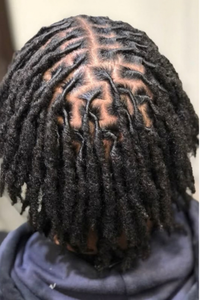
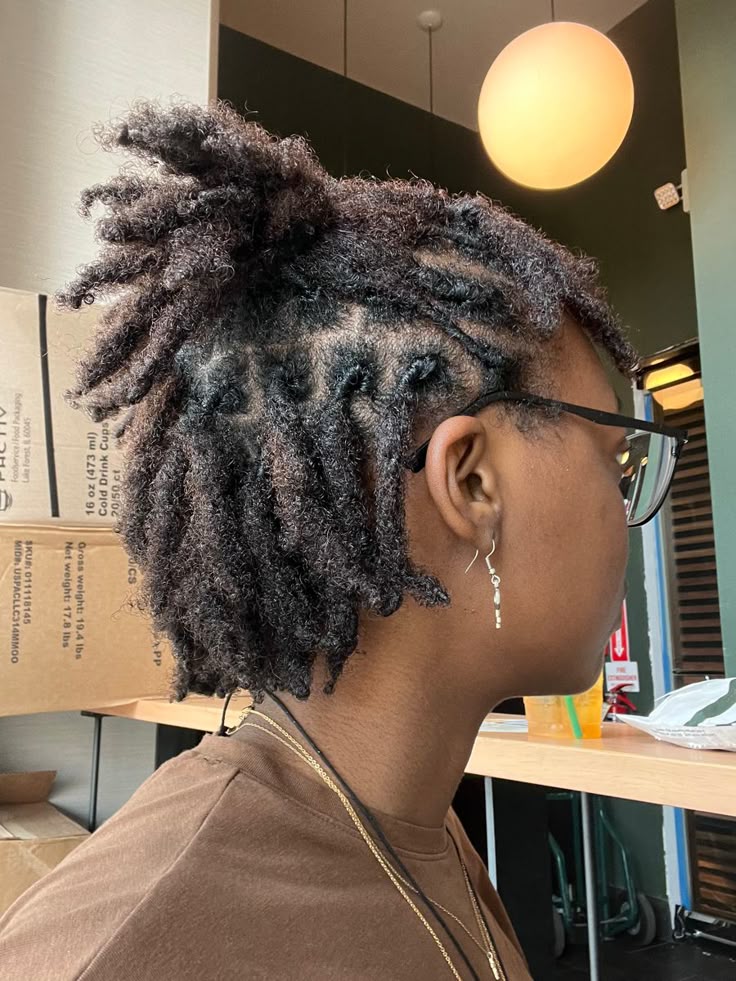
Starter locs are the beginning stage of a traditional loc journey. Your hair is divided into sections and formed using a method such as two-strand twists, comb coils, braids, or another technique.
The sections are then maintained while the hair gradually begins to mat, intertwine, and become more compact. Over time, the original starter style becomes less recognizable as the locs develop.
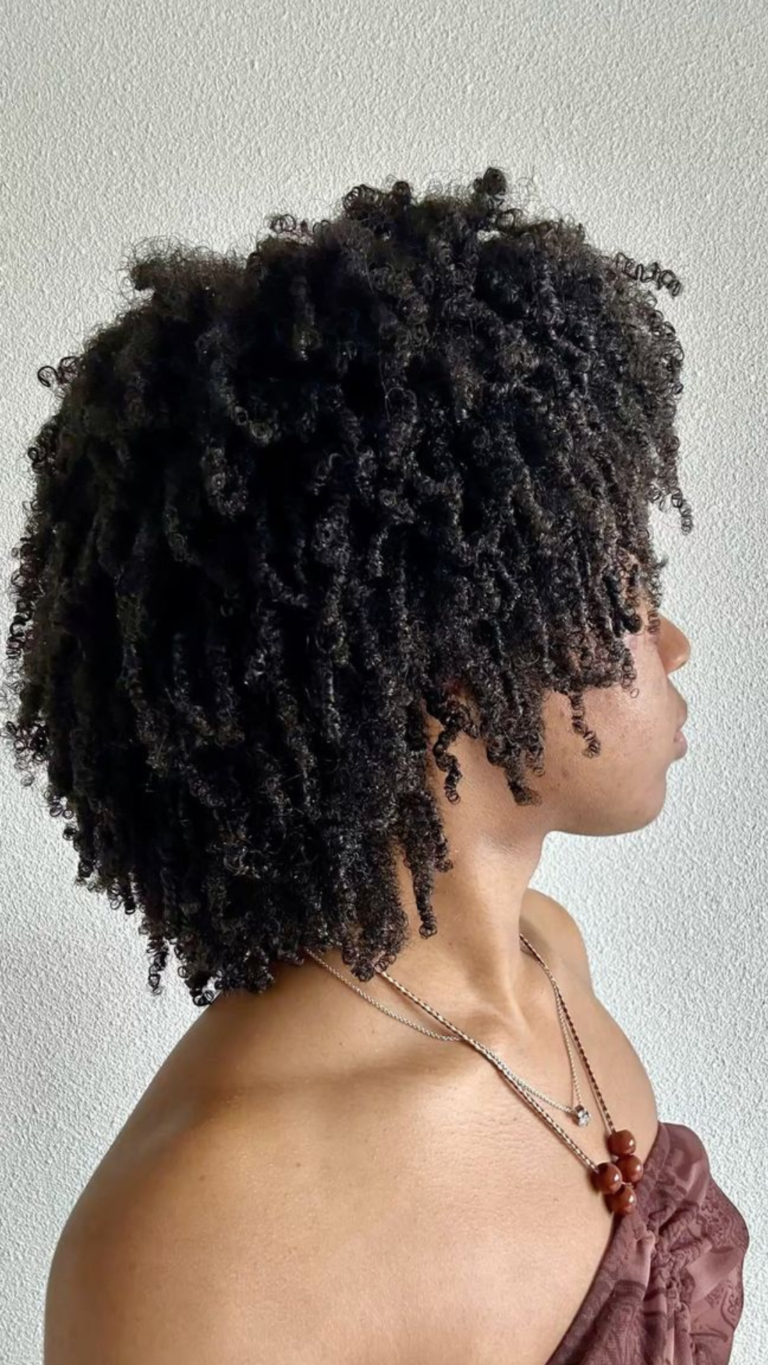
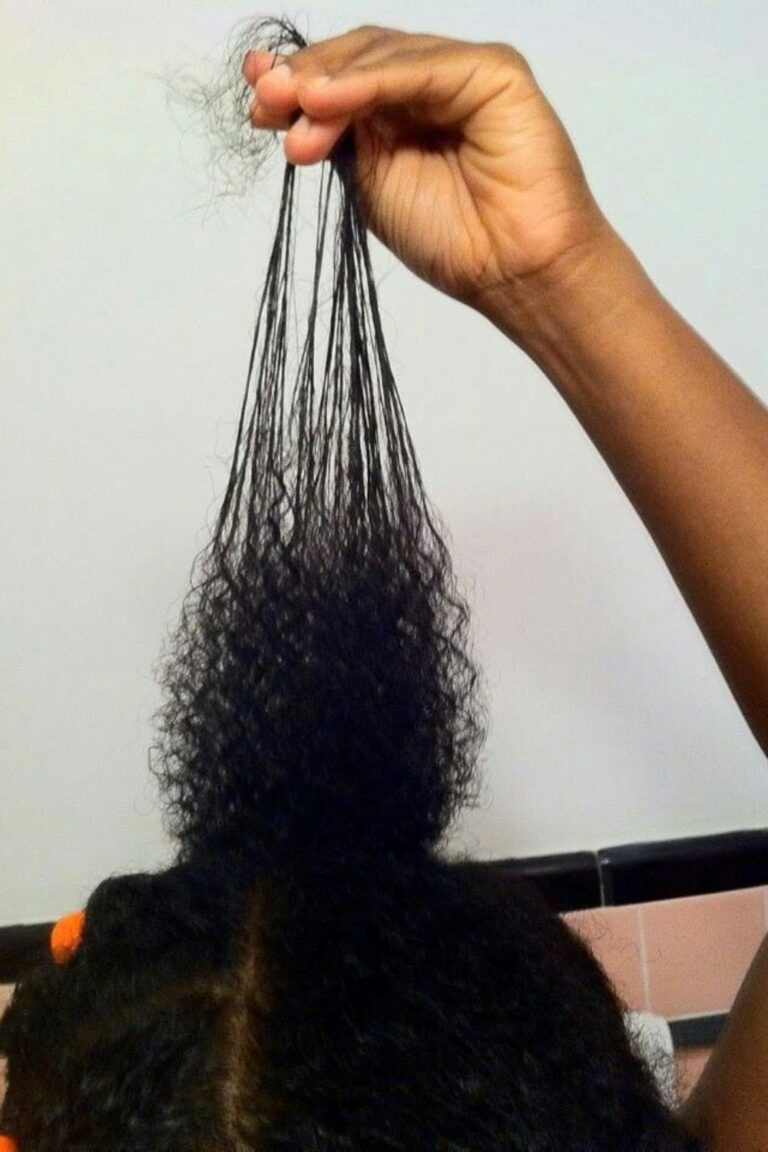
For someone with tightly coiled 4C hair, the early stages may include shrinkage, frizz, budding, and loose hairs. These changes are part of the natural maturation process.
The appearance can also change significantly between appointments. A fresh retwist may make the sections look neat and defined, while a few weeks later, the same locs may look fuller and less uniform.
What Are Instant Locs?
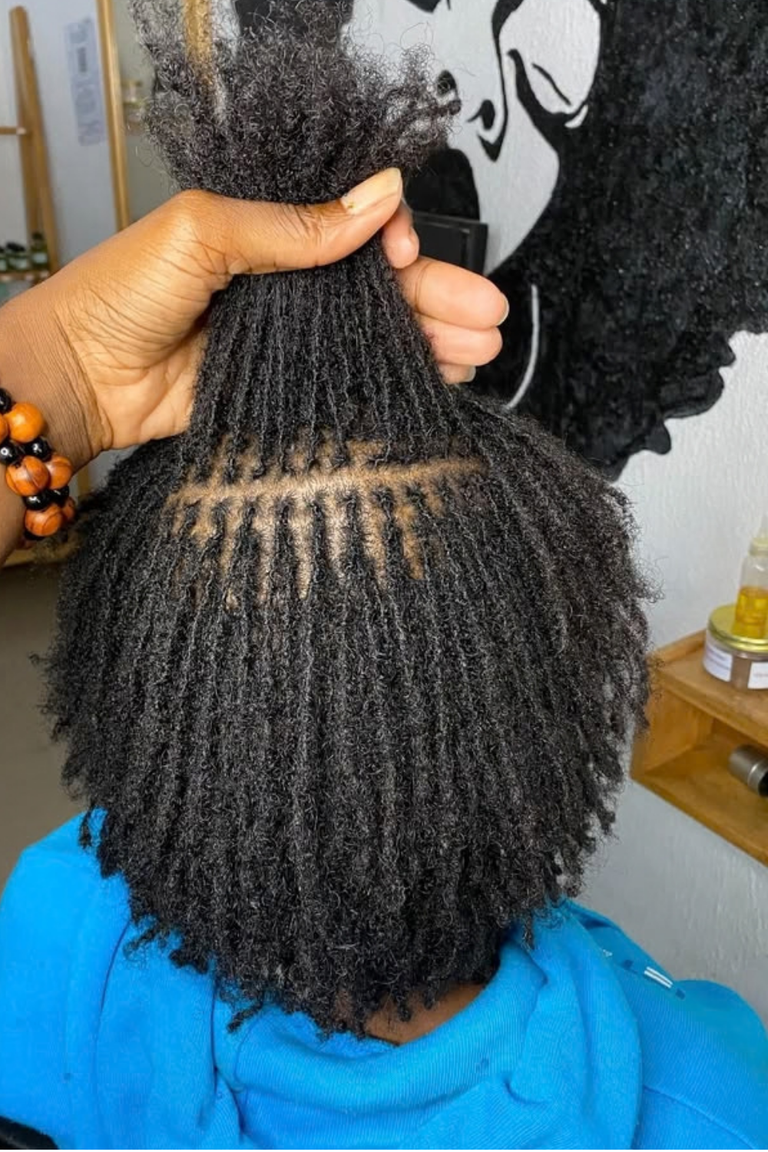
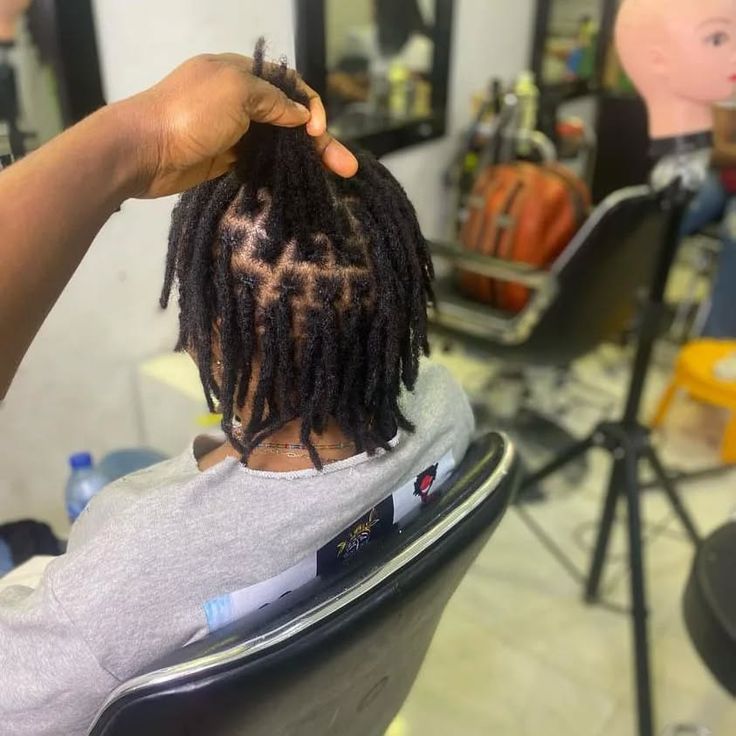
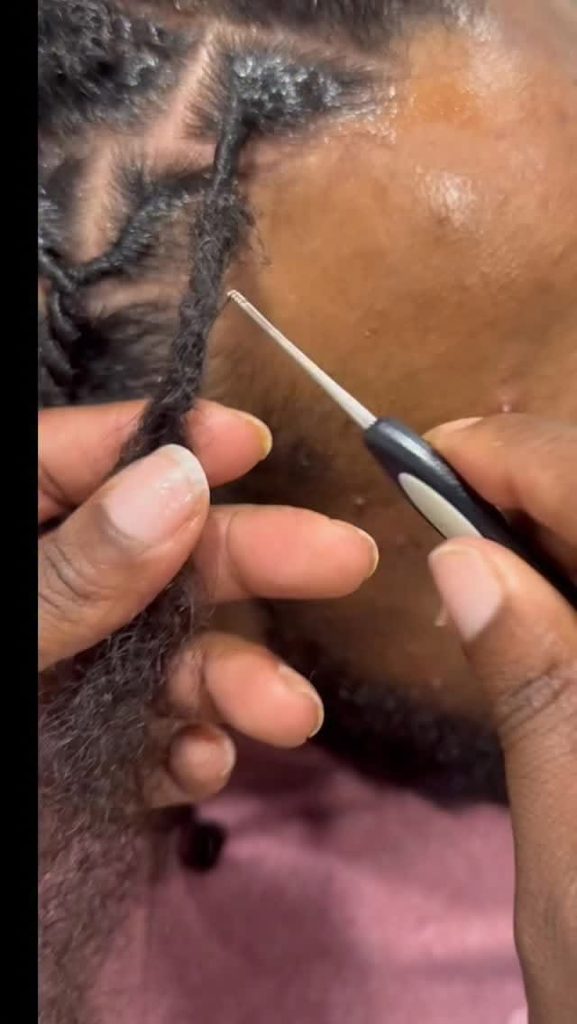
Instant locs are created by manually encouraging the hair to form a loc during the installation process. A loctician uses specialized techniques and tools to compact and tighten the hair rather than waiting for the strands to gradually lock on their own.
The result generally looks more established immediately after installation. Instead of leaving you with visible twists or coils, the hair already has a more recognizable loc structure.
This can be appealing if you want to begin your journey with a mature-looking hairstyle rather than spending months watching your hair move through the starter stage.
However, “instant” does not mean the locs stop developing. Your hair can still change in density, texture, shape, and compactness after the installation.
Starter Locs vs Instant Locs: The Main Difference
The biggest difference between starter locs vs instant locs is how quickly the hair is encouraged to form a recognizable loc.
With traditional starter locs, the hair begins in a loose form such as twists, coils, or braids. The loc develops gradually as the strands become increasingly intertwined.
Instant locs involve more manual manipulation during installation. The hair is intentionally compacted so that it resembles a formed loc from the beginning.
This means the two methods can produce very different first impressions, even though both can eventually become mature locs.
Your starter locs may look completely different six months after installation, while instant locs can also continue changing as the hair settles and matures.
How Starter Locs Are Created
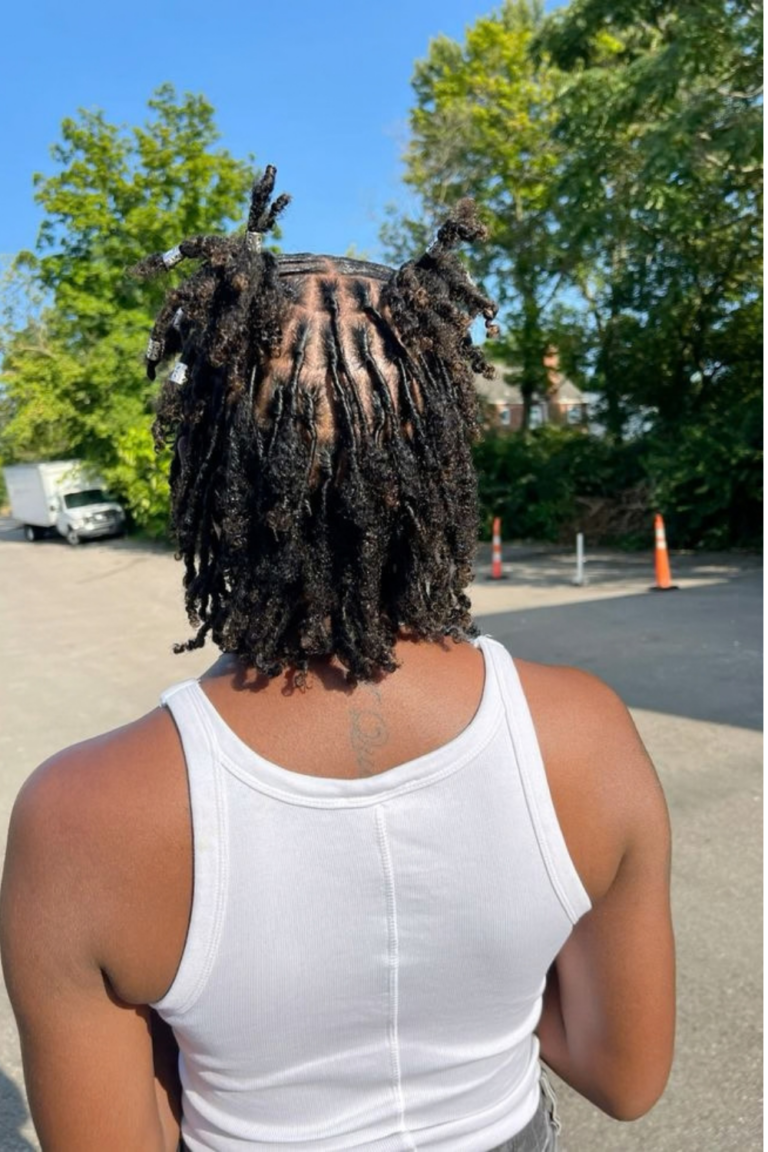
The first step is deciding how you want the hair sectioned. Your loctician will usually consider your hair density, length, desired loc size, and preferred final appearance.
Two-strand twists are a popular starting method. The hair is divided into sections and twisted, leaving each section separate so it can gradually develop into a loc.
Comb coils are another option, particularly when smaller sections are desired. Braids can also be used, giving the hair a structured starting point.
The starter loc method you choose can affect the appearance of the early stages, but it does not completely determine what your mature locs will eventually look like.

How Instant Locs Are Created
Instant loc installation requires more manual manipulation than traditional starter locs. The loctician works through individual sections, using a specialized technique to compact and form the hair.
Because the process requires precision, choosing an experienced loctician is particularly important. Poor technique can create unnecessary tension, weak areas, or an uneven appearance.
The process can also take several hours depending on your hair length, density, number of sections, and desired loc size.
A professional assessment is useful before booking because your hair may require a particular approach based on its current condition.
Which Method Works Better for 4C Hair?
Both methods can work with 4C hair. The decision is less about whether your texture can handle locs and more about what kind of starting experience you want.
4C hair can shrink significantly, so traditional starter locs may appear shorter than the actual length of your hair. As the locs develop, their appearance can change considerably.
Instant locs may give you a more established appearance immediately, but they still require proper maintenance while the hair continues to settle.
Your 4C hair characteristics can also affect how quickly your locs change during the early stages.

Starter Locs Usually Give You a Longer Maturation Process
Traditional starter locs allow your hair to go through the different stages of locking naturally. You may notice frizz, budding, swelling, and changes in texture along the way.
For some people, this gradual process is part of the appeal. You get to see your hairstyle transform rather than beginning with a nearly finished appearance.
The process can also teach you how your hair behaves as it becomes loc’d. You may discover how frequently your scalp needs cleansing, how much product your locs can handle, and which maintenance habits work for you.
Understanding loc budding can also make the early changes easier to recognize when they happen.
Instant Locs Give You a More Established Look
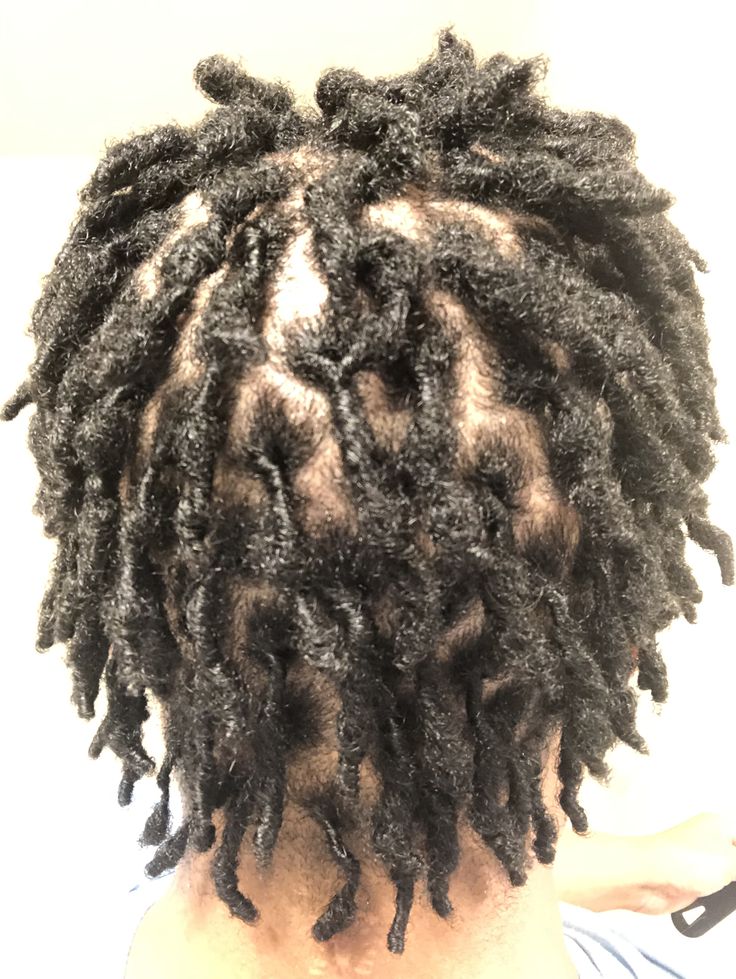
One of the biggest reasons people choose instant locs is the immediate appearance. You do not have to spend months wearing visible twists or coils while waiting for your hair to begin forming.
This can be particularly appealing if you already know that you want locs but do not enjoy the appearance of traditional starter styles.
The locs may still change after installation, but you can generally begin with a more recognizable loc hairstyle.
This does not mean instant locs are permanently fixed in their initial appearance. They continue to mature and settle as your natural hair grows.
What About Maintenance?
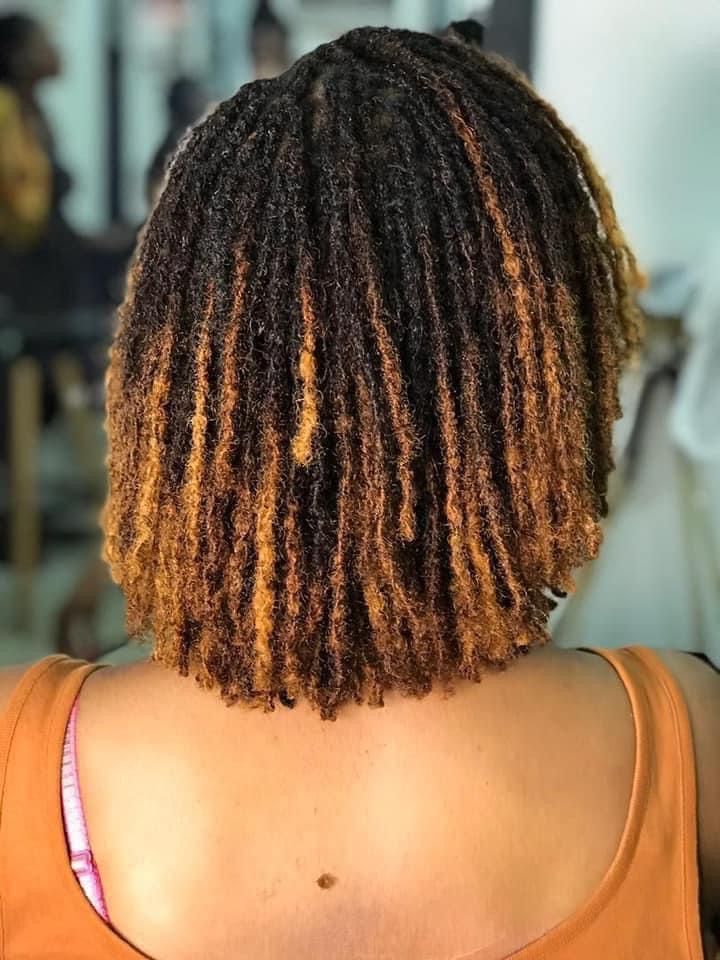
Both methods require maintenance. Choosing instant locs does not mean you can install them once and forget about them.
You will still need to maintain your scalp, manage new growth, keep your locs clean, and avoid unnecessary buildup.
Traditional starter locs also require maintenance, but the approach may change as the locs mature. Your loctician may adjust the way they retwist, interlock, or otherwise maintain the roots as the locs become more established.
A consistent loc maintenance routine is more useful than constantly trying new products or techniques.
Which One Requires More Patience?
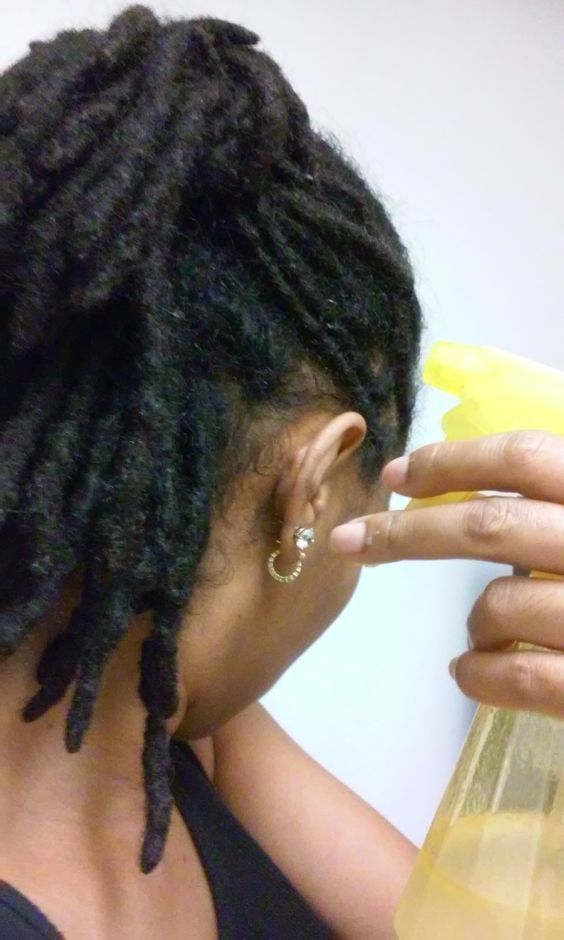
Traditional starter locs generally require more patience because you are allowing your hair to go through the locking process gradually.
You may have days when your locs look frizzy, uneven, or less defined than you expected. That does not necessarily mean the journey is going badly.
Instant locs can reduce some of that initial waiting period because the hair is manually formed into locs during installation.
However, patience is still necessary because instant locs are not completely finished forever. They will continue to change as your hair grows and settles.

How Long Do Starter Locs Take to Mature?
There is no universal timeline for loc maturation. Hair density, strand characteristics, loc size, starter method, maintenance, and individual hair behavior can all influence the process.
Some sections may mature faster than others. This is particularly common during the early stages.
It is better to pay attention to how your individual locs are changing rather than comparing your timeline to someone else’s.
Your loc growth journey may look completely different from another person’s even when you both start with similar hair textures.
Can Instant Locs Still Mature?
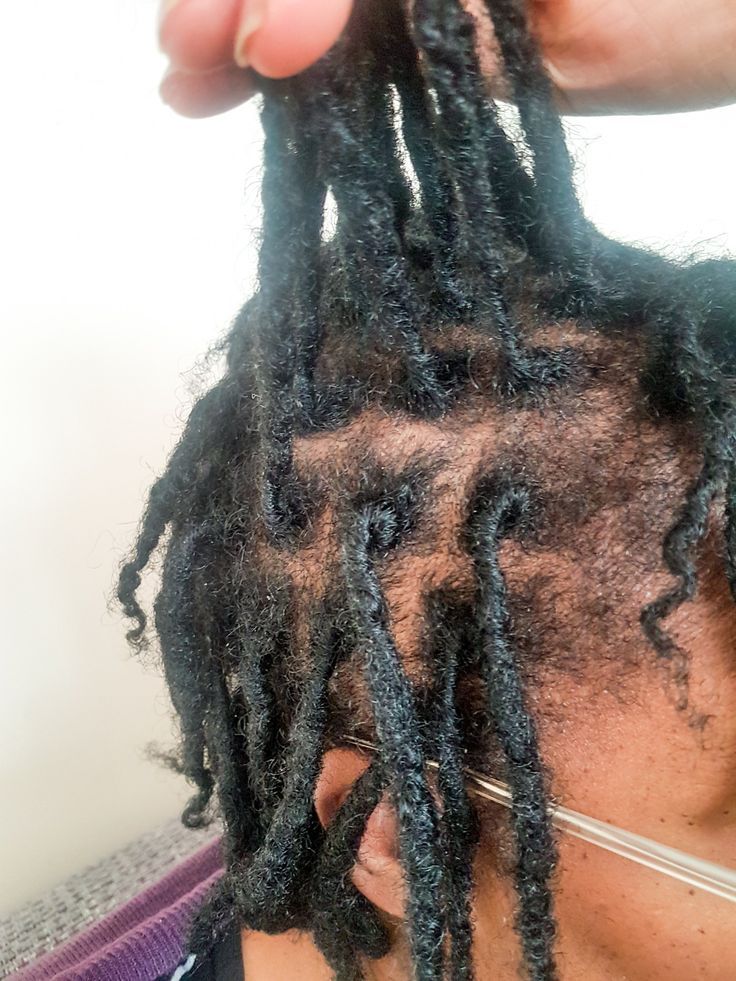
Yes. The word “instant” refers to how the loc is formed, not the idea that the hair will never change again.
Your instant locs can continue to become denser, softer, fuller, or more compact as time passes.
New growth will also develop at the roots and require regular maintenance.
This means instant locs should still be viewed as the beginning of a loc journey, not the final version of your hair.
What Should You Know About Washing?
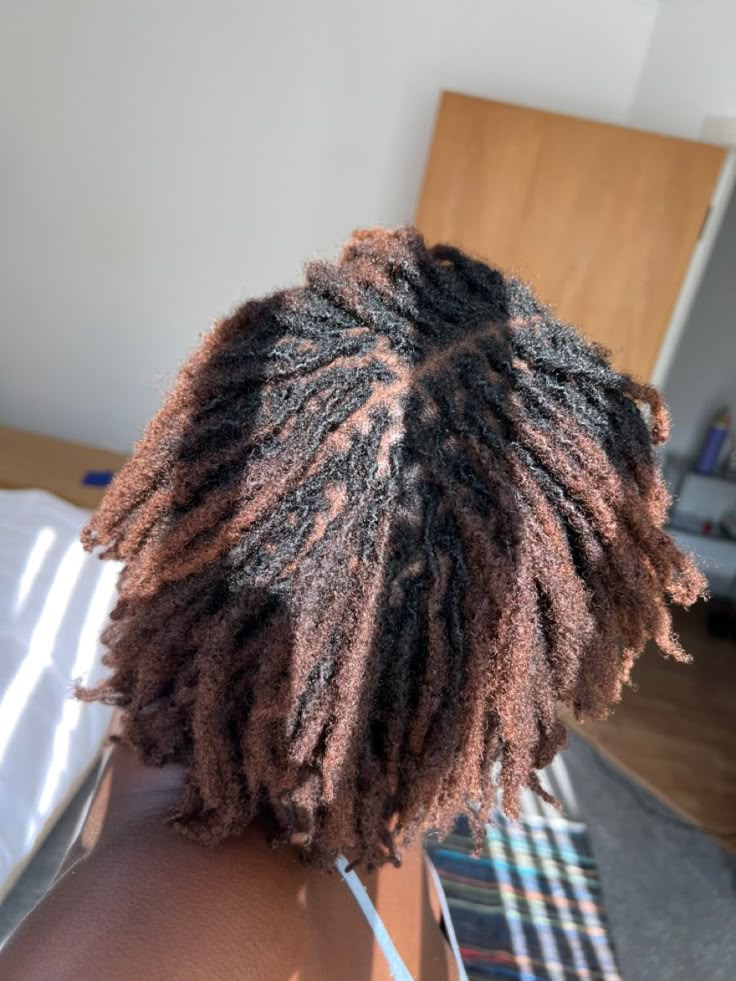
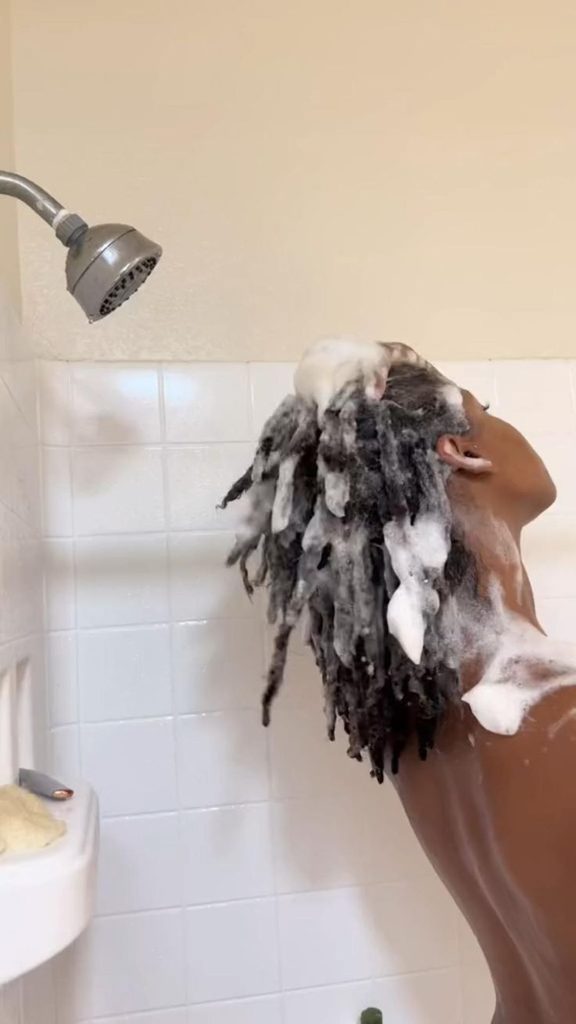
Washing is an important part of both loc journeys. A clean scalp supports a healthier maintenance routine and helps prevent excessive product buildup.
The exact approach immediately after installation can depend on your method and your loctician’s instructions. Newly installed hair may need special handling to reduce unnecessary unraveling or disturbance.
As your locs become more established, cleansing becomes a normal part of your regular routine.
Knowing how often to wash 4C hair can also help you think about your existing wash habits before adapting them to your new loc routine.
Product Buildup Is Still a Concern
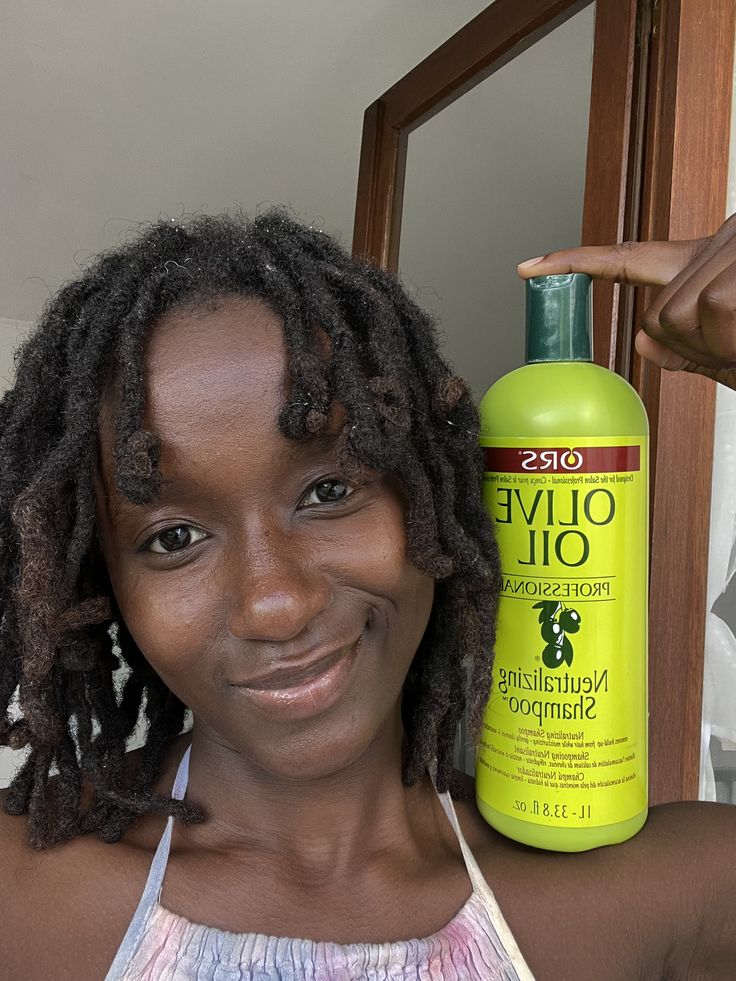
Locs can hold onto product residue, especially when thick products are used repeatedly.
Heavy gels, waxes, creams, and oils may become difficult to remove once they get inside the loc structure.
A simple product routine is often easier to manage. You do not need a large collection of products to maintain healthy-looking locs.
Understanding product buildup can help you avoid turning every maintenance session into an attempt to remove layers of residue.
@fanta_htr75
Which Method Is More Expensive?
The total cost depends on your location, hair length, density, loctician, number of locs, and maintenance schedule.
Traditional starter locs may have a lower initial installation cost depending on the method you choose.
Instant locs can cost more because the installation is more labor-intensive and requires specialized skill.
You should also consider long-term maintenance rather than looking only at the initial appointment price. A cheaper installation is not necessarily useful if the technique damages your hair or produces sections you are unhappy with.
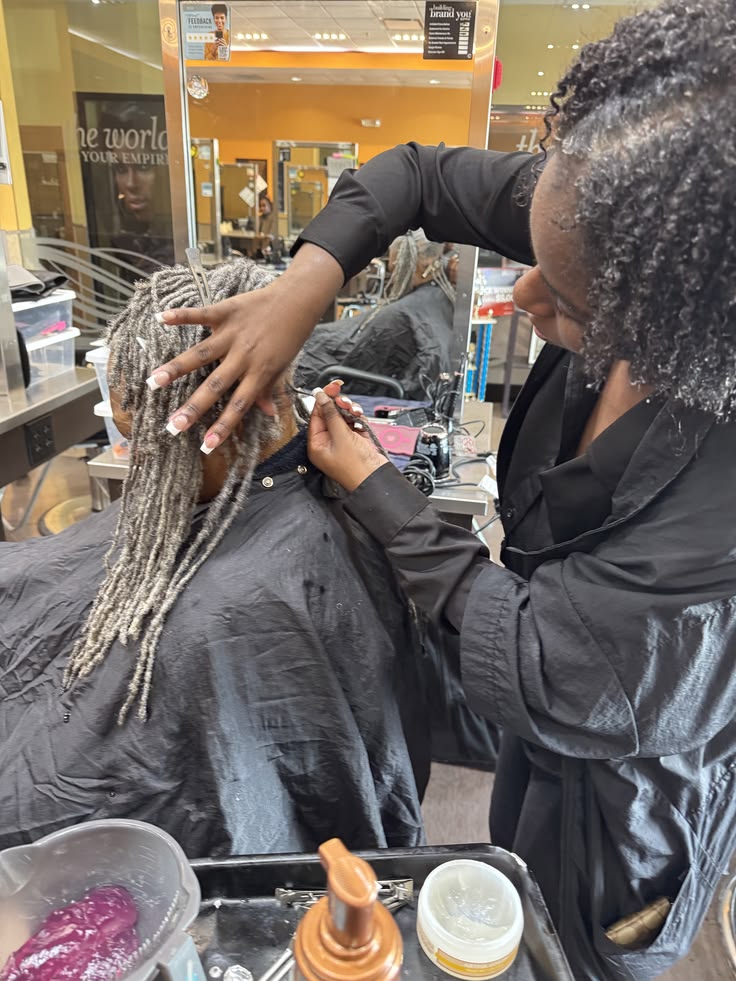
Which Method Is Easier to Style?
Traditional starter locs can be styled, but their early texture may limit some options. The sections may still be small, loose, or changing.
Instant locs generally give you more freedom to experiment with established-looking styles earlier in the journey.
However, styling should never come at the expense of your roots. Tight ponytails, buns, and repeated pulling can place unnecessary tension on developing locs.
Your starter loc styles should be comfortable as well as attractive.
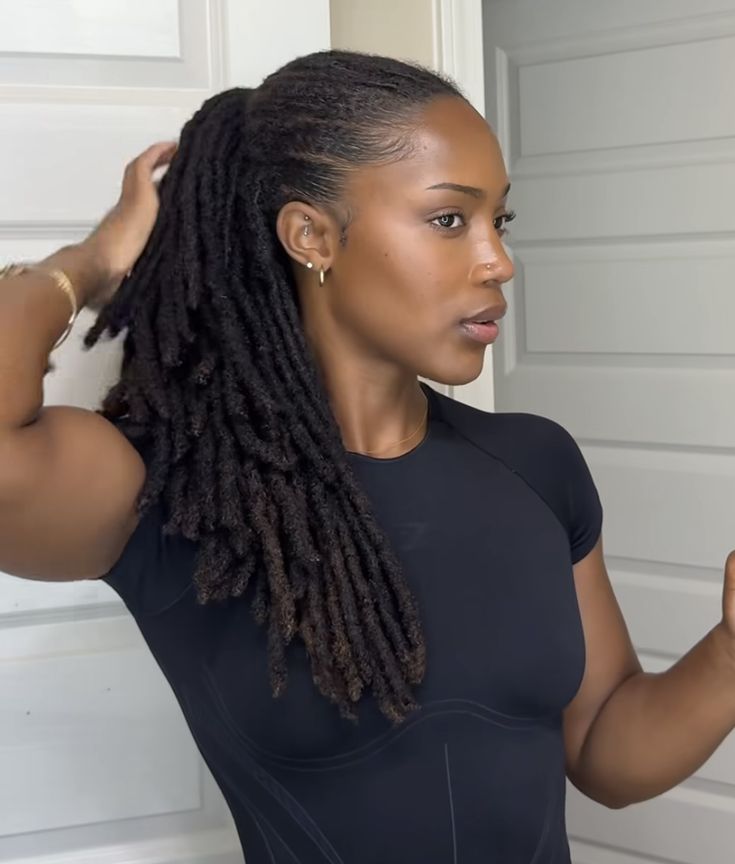
What About Hair Length?
Hair length can affect how each method looks immediately after installation.
Traditional starter locs can experience noticeable shrinkage, particularly with tightly coiled hair. Your locs may appear considerably shorter than the length you started with.
Instant locs may provide a more elongated appearance depending on the technique and your hair’s characteristics.
If you are growing your hair before beginning your journey, focus on healthy practices rather than chasing length alone. Hair growth tips for 4C hair can help you maintain your strands while preparing.
What If Your Hair Is Fine or Delicate?
Hair density and strand thickness should be discussed with your loctician before choosing a method or loc size.
Very small sections may not be suitable for every person, particularly if the hair cannot comfortably support the desired structure.
A professional should examine your hair rather than simply copying a loc grid from another person.
This is also where hair breakage becomes relevant. A loc journey should not require excessive tension or rough manipulation.
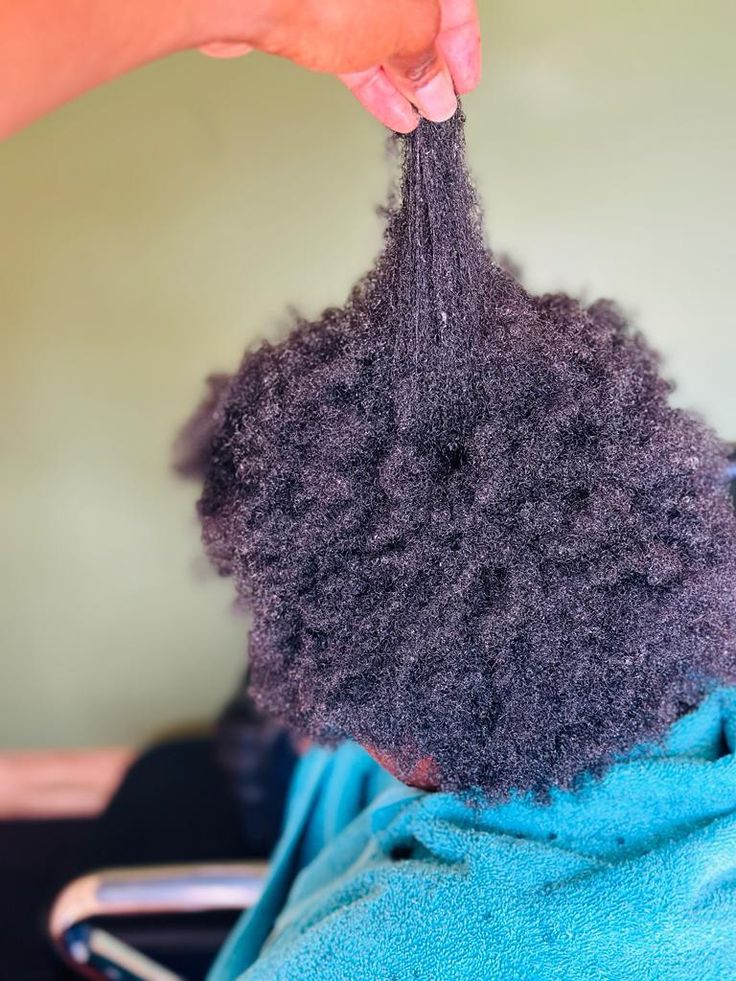
Can You Change Your Mind Later?
Changing your loc journey after installation can be complicated, so it is worth thinking carefully before starting.
You can change maintenance methods, styling choices, and some aspects of your loc routine, but removing locs can require significant time and patience.
If you are unsure about committing permanently, you may want to explore other options before beginning.
For example, locs on 4C hair can be researched alongside loose natural styles so you have a clearer idea of how the two routines differ.
What Should You Ask Your Loctician?
Before your appointment, ask how the hair will be sectioned, which installation method they recommend, how often they expect you to return for maintenance, and what products they suggest.
Ask to see examples of their work, especially on hair with a similar density and texture to yours.
You can also discuss your preferred loc size and how you want your locs to look once they mature.
A good consultation should leave you with a clear understanding of the process rather than pressure to choose a particular method.
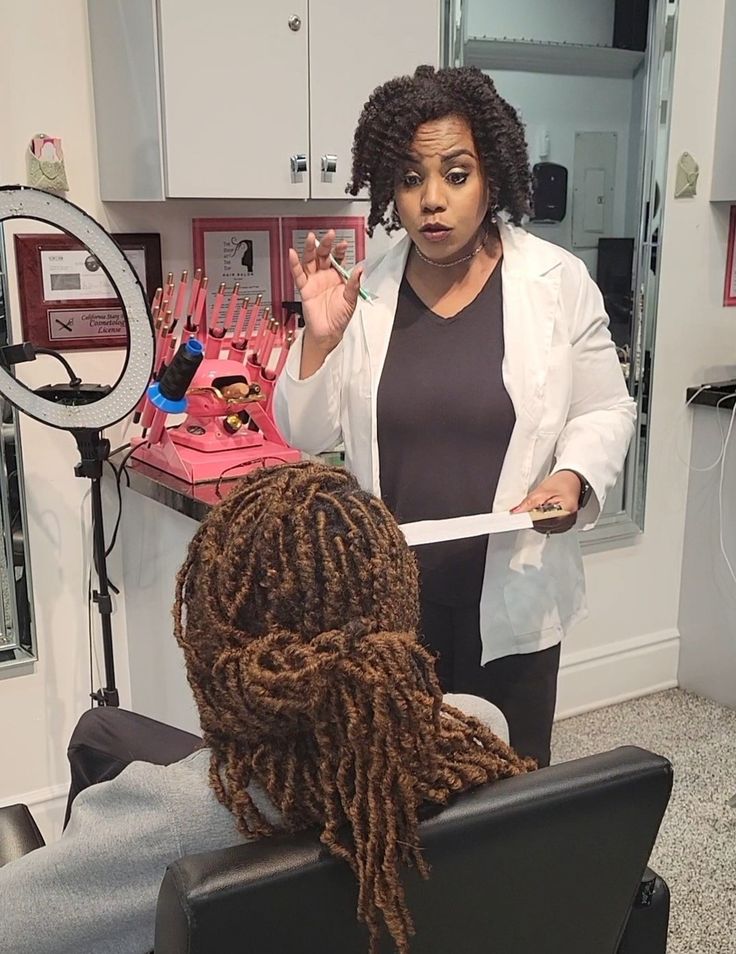
Starter Locs vs Instant Locs: What Should You Consider?
There is no universal answer for everyone comparing starter locs vs instant locs. Your decision should be based on your desired starting appearance, patience level, budget, hair characteristics, and maintenance preferences.
Traditional starter locs offer a gradual journey. You watch your hair move from twists, coils, or braids into increasingly established locs.
Instant locs give you a more established appearance sooner, but they still require care and time to mature.
Your choice should also take the condition of your hair into account. If your hair is already experiencing significant damage, it may make sense to address those concerns before committing to any loc installation.
Healthy hair should remain the foundation of your decision rather than choosing a method simply because it is trending.
Making Your Decision
If you enjoy watching your hair transform gradually and do not mind the unpredictable early stages, traditional starter locs may fit naturally into your expectations.
If you prefer to begin with a more established-looking hairstyle and want to reduce the time spent wearing visible starter twists or coils, instant locs may be worth discussing with an experienced loctician.
Neither method eliminates the need for patience. Both require proper washing, scalp care, thoughtful maintenance, and protection from unnecessary tension.
The most important thing is choosing a method that works with your hair rather than forcing your hair to fit a method you saw online.
Starting Your Loc Journey With Confidence

Choosing between starter locs vs instant locs comes down to more than how the hair looks immediately after installation. Both methods can lead to beautiful locs, but they offer different starting experiences.
Traditional starter locs allow your hair to mature gradually, while instant locs are manually formed into a more established structure from the beginning. Your hair characteristics, desired loc size, lifestyle, budget, and maintenance preferences should all be part of the conversation.
Whichever route you take, give your locs time to develop. Avoid excessive manipulation, keep your scalp clean, pay attention to your roots, and work with a loctician who understands tightly coiled hair.
Your loc journey does not have to look exactly like anyone else’s. The goal is to build a routine that allows your own hair to develop in a healthy and manageable way.