
How to Transition Your 4C Hair From Relaxed to Natural Hair
Disclosure: Some of the links in this post are affiliate links. This means if you click on the link and purchase an item, I will receive an affiliate commission at no extra cost to you.
Choosing to transition your 4C hair from relaxed to natural hair is more than changing your hairstyle. It’s the beginning of a journey that allows you to embrace your natural texture while learning a completely new way to care for your hair.
For many people, transitioning feels less intimidating than doing a big chop because it allows you to keep your length while your natural hair gradually grows in. At the same time, caring for two different textures can be challenging.
Your relaxed ends and natural roots have different needs, making breakage more likely if your routine isn’t adjusted.
The good news is that a successful transition doesn’t require perfect hair or expensive products. It simply requires patience, consistency, and understanding how your hair behaves during each stage.
Before you begin, it helps to understand what 4C hair is and the unique characteristics that make it different from chemically straightened hair. Knowing what to expect makes it much easier to build a routine that supports healthy growth while minimizing breakage.
In this guide, you’ll learn how to transition your 4C hair from relaxed to natural hair, how to care for both textures, the mistakes to avoid, and practical tips for making your transition as smooth as possible.
What Does Hair Transitioning Mean?
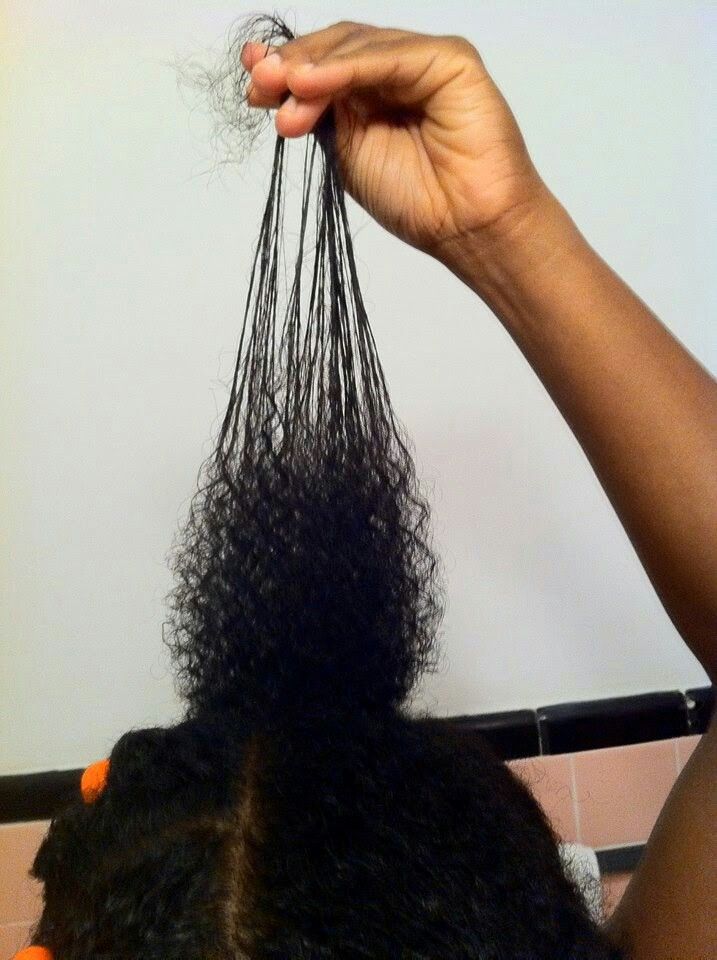
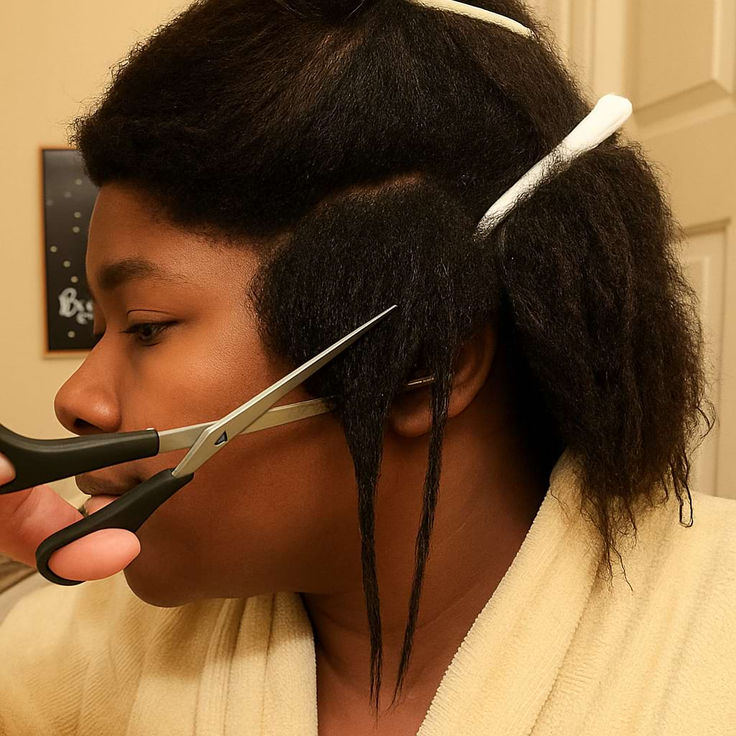
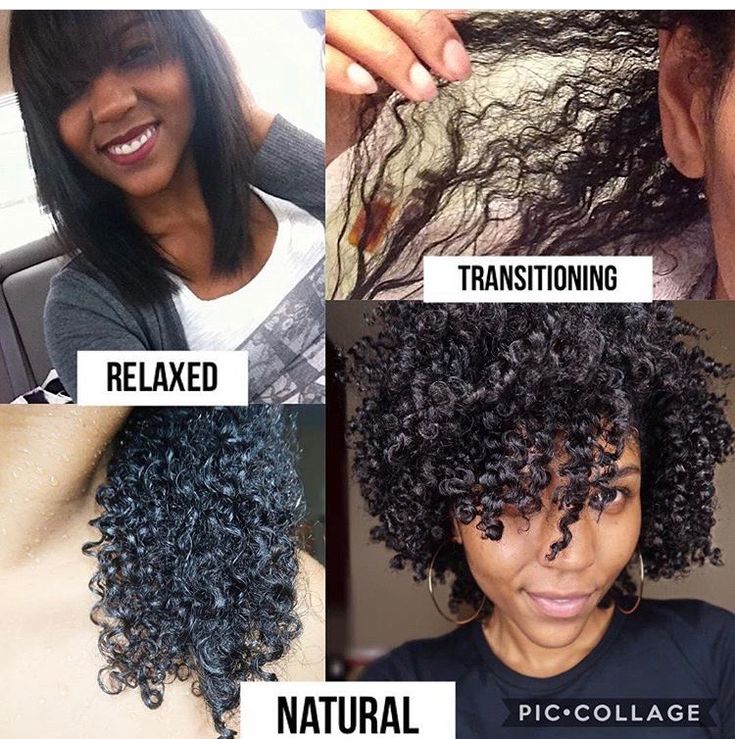
Hair transitioning is the process of growing out your natural hair while gradually trimming away the relaxed ends instead of cutting them off all at once.
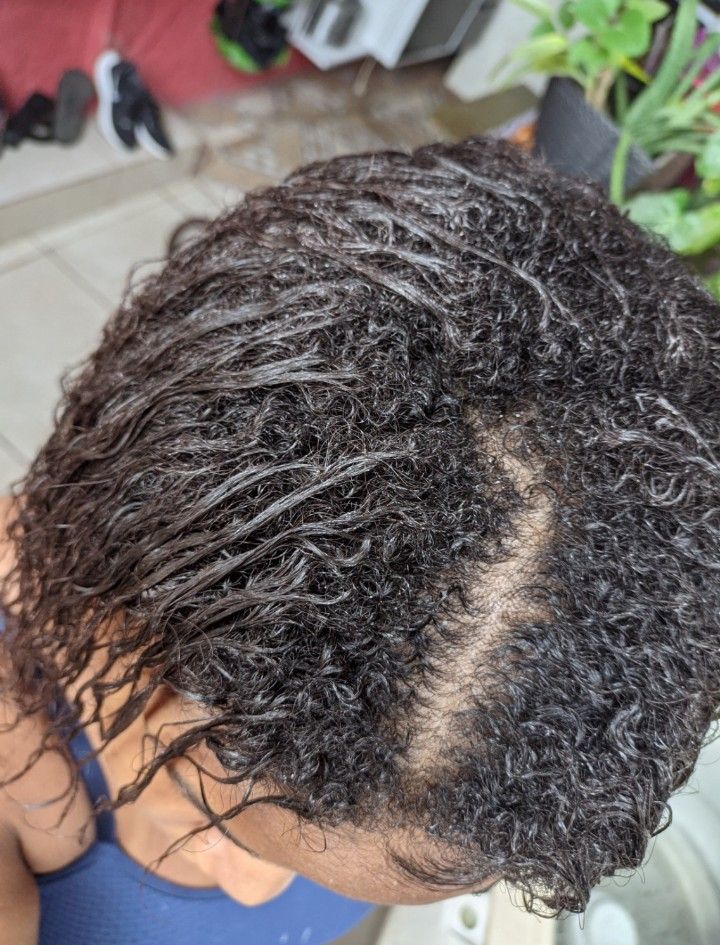
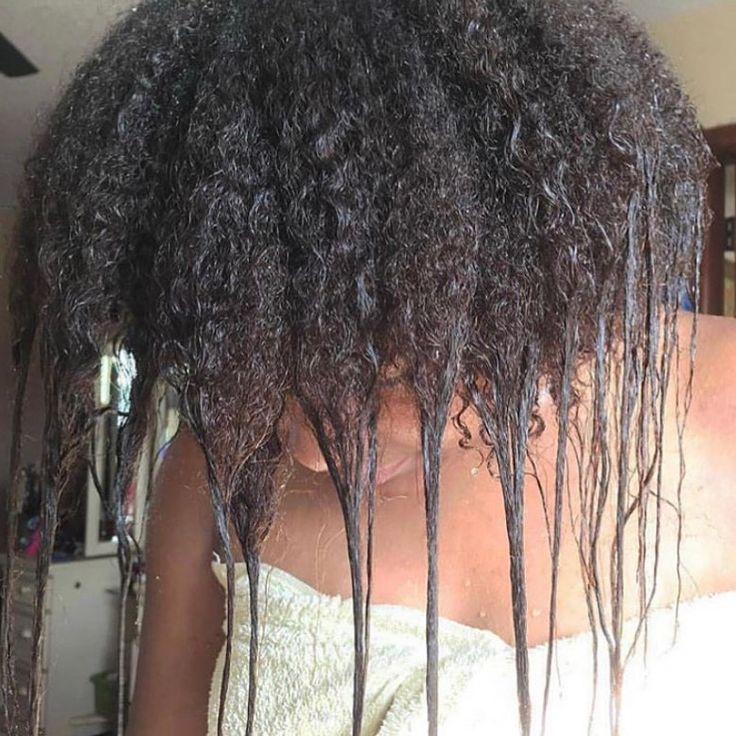
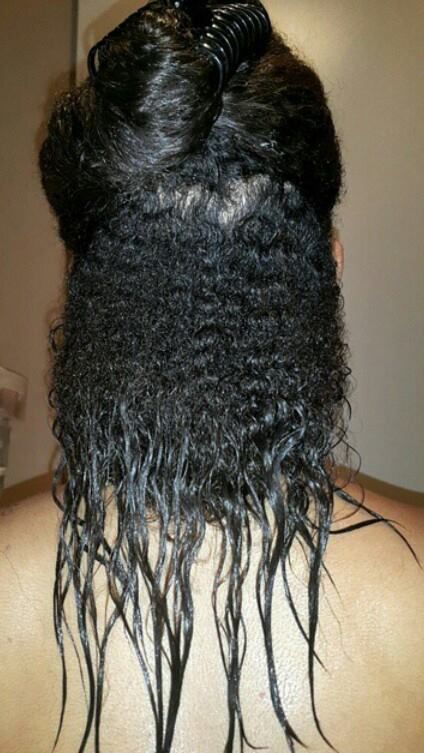
During this period, you’ll have two completely different textures on the same strand. Your natural roots will continue growing in tightly coiled, while the relaxed ends remain permanently straight until they’re trimmed away.
This stage can last anywhere from a few months to well over a year, depending on your personal goals and how quickly you’re comfortable removing the relaxed hair.
Many people choose transitioning because it allows them to keep more of their length. Others simply prefer taking things slowly while they learn how to care for their natural texture.
No matter how long your transition lasts, protecting the line where your natural and relaxed hair meet is one of the most important parts of maintaining healthy hair throughout the process.
Why More People Are Choosing to Transition Instead of Doing a Big Chop
Both transitioning and doing a big chop can lead to healthy natural hair. The right choice depends on your goals, your confidence level, and how you want to begin your natural hair journey.
You Can Keep More of Your Length
One of the biggest reasons people transition is because they want to hold on to their hair length. Instead of cutting off all the relaxed hair at once, they gradually trim the straight ends as their natural hair grows.
You Have Time to Learn Your Natural Hair
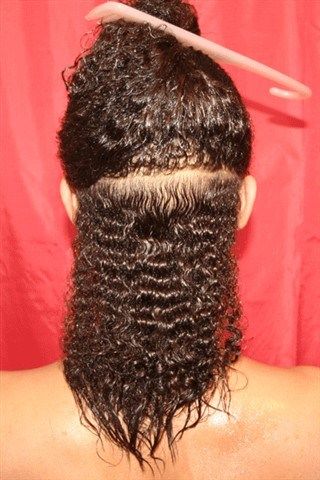
Transitioning also gives you the chance to understand your curls before your hair becomes fully natural.
As your new growth comes in, you’ll begin learning what works for your texture, how much moisture it needs, and which routines produce the best results. Understanding what 4C hair is early in your journey can make caring for your new growth much less confusing.
It Comes With Challenges
Transitioning isn’t always easy. Caring for two completely different textures requires patience and consistency.
The point where your natural roots meet your relaxed hair is often the weakest part of the strand, making gentle handling especially important.
Our guide on what to expect while transitioning can be very helpful
There’s No Wrong Choice
Some people feel ready to do a big chop immediately, while others prefer transitioning over several months. Neither approach is better than the other.
The best decision is the one that makes you feel confident and comfortable throughout your natural hair journey.
How Long Does It Take to Transition?
Every transition journey looks different. Some people transition for just a few months, while others continue for more than a year before removing the last of their relaxed hair.
It Depends on Your Goals
If your goal is to keep as much length as possible, you may choose to transition longer. Others prefer removing the relaxed ends sooner so they can focus entirely on caring for their natural hair.
Hair Growth Isn’t the Same for Everyone
Your growth rate, trimming schedule, and overall hair health all influence how long your transition will last.
Rather than focusing on a deadline, it’s better to pay attention to how your hair feels and responds to your routine.
Healthy Hair Should Be the Priority
If your relaxed ends are constantly breaking or becoming difficult to manage, it may be time to trim more of them away.
Building a routine with one of the best deep conditioners for dry 4C hair and minimizing hair breakage is usually more important than trying to transition for as long as possible.
Understanding the Two Textures
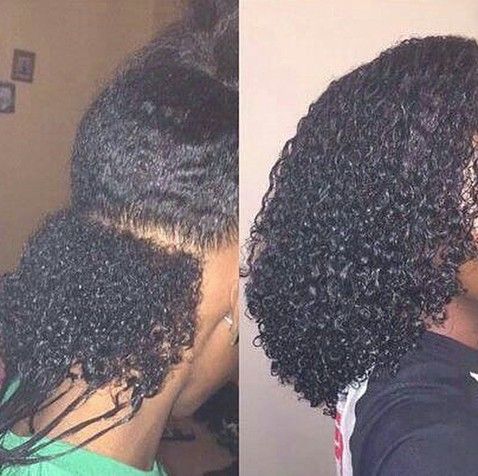
One of the biggest challenges during the transition is learning to care for two completely different textures at the same time.
Your Hair Has Different Needs
Your natural roots will be tightly coiled, while your relaxed ends remain permanently straight.
Because they behave differently, they often require different levels of moisture and gentler handling.
Protect the Line of Demarcation
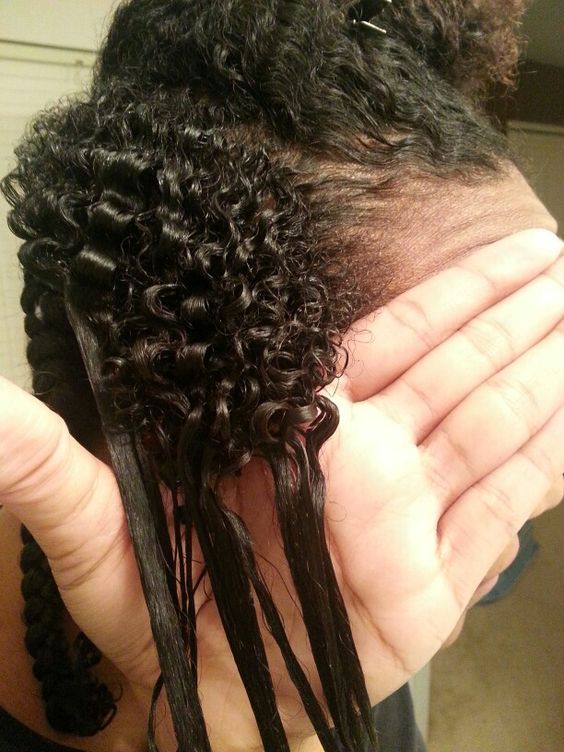
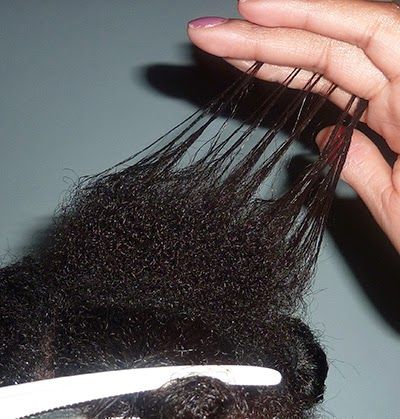
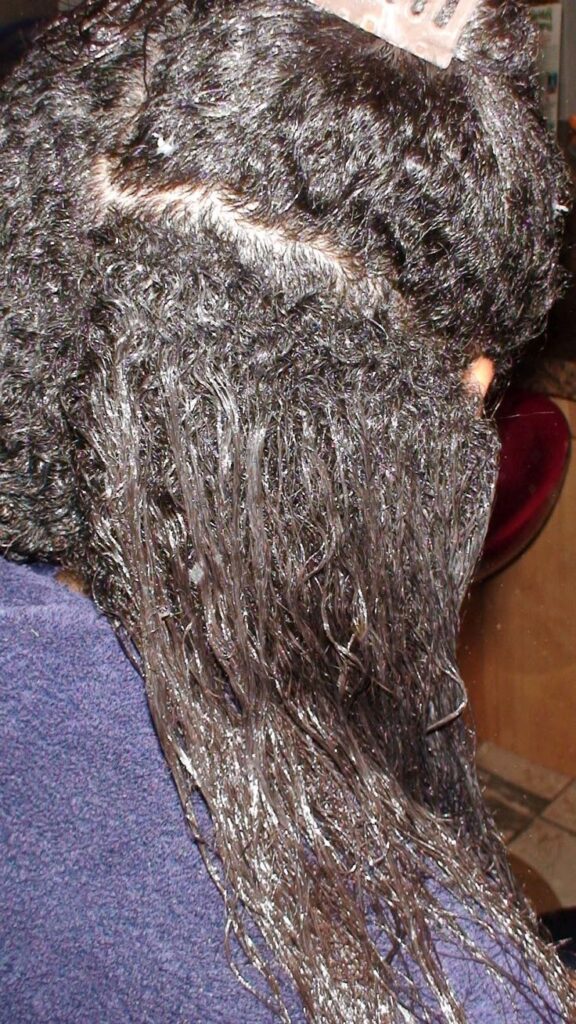
The point where your natural hair meets your relaxed hair is called the line of demarcation.
This area is often the weakest part of the strand and is more likely to snap if your hair isn’t handled carefully during washing or detangling.
Moisture Makes a Big Difference
Keeping both textures moisturized helps reduce breakage throughout your transition.
Using one of the best leave-in conditioners for 4C hair before sealing with a lightweight moisturizer or oil can help both textures stay softer and easier to manage between wash days.
Building a Healthy Transition Hair Routine
A consistent routine can make the difference between a frustrating transition and a successful one. You don’t need dozens of products, but you do need habits that keep your hair clean, moisturized, and protected.
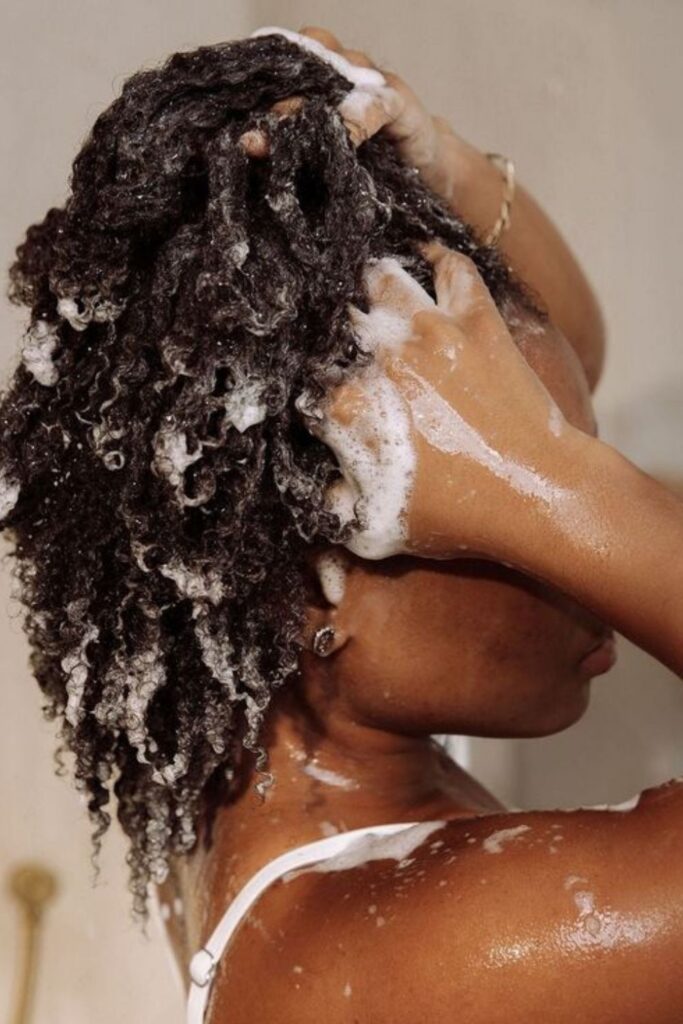
Wash Your Hair Regularly
Keeping your scalp clean is just as important during the transition as it is after you’ve gone fully natural.
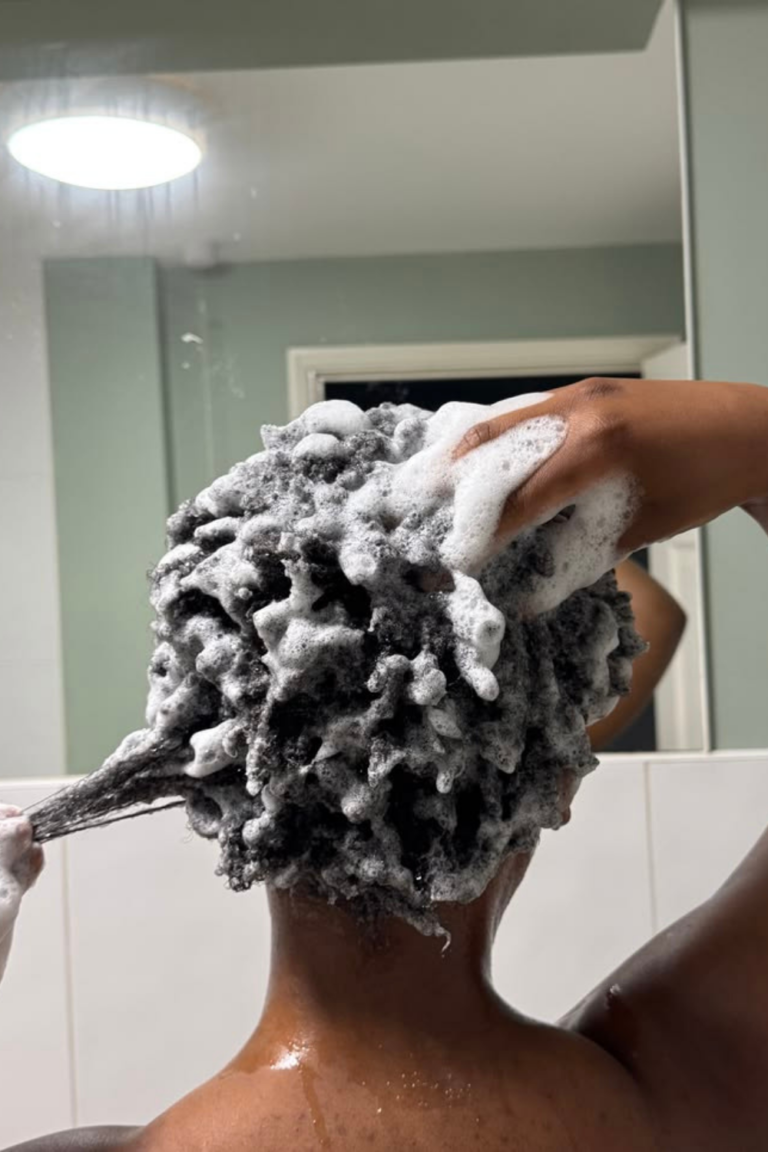
Using one of the best shampoos for 4C hair helps remove sweat, oils, and product buildup without leaving your hair feeling stripped. A clean scalp also creates a healthier environment for new growth.
Deep Condition Every Wash Day
Transitioning hair often needs extra moisture because you’re caring for two different textures at the same time.
A weekly deep conditioning treatment using one of the best diy deep conditioners for dry 4C hair can help improve elasticity, making your hair less likely to snap where the natural and relaxed textures meet.
Moisturize Between Wash Days
Dryness is one of the biggest challenges during the transition. Instead of waiting until your hair feels brittle, keep it hydrated throughout the week.
Many people find that applying one of the best leave-in conditioners for 4C hair after lightly misting their hair with water helps keep both textures soft and manageable.
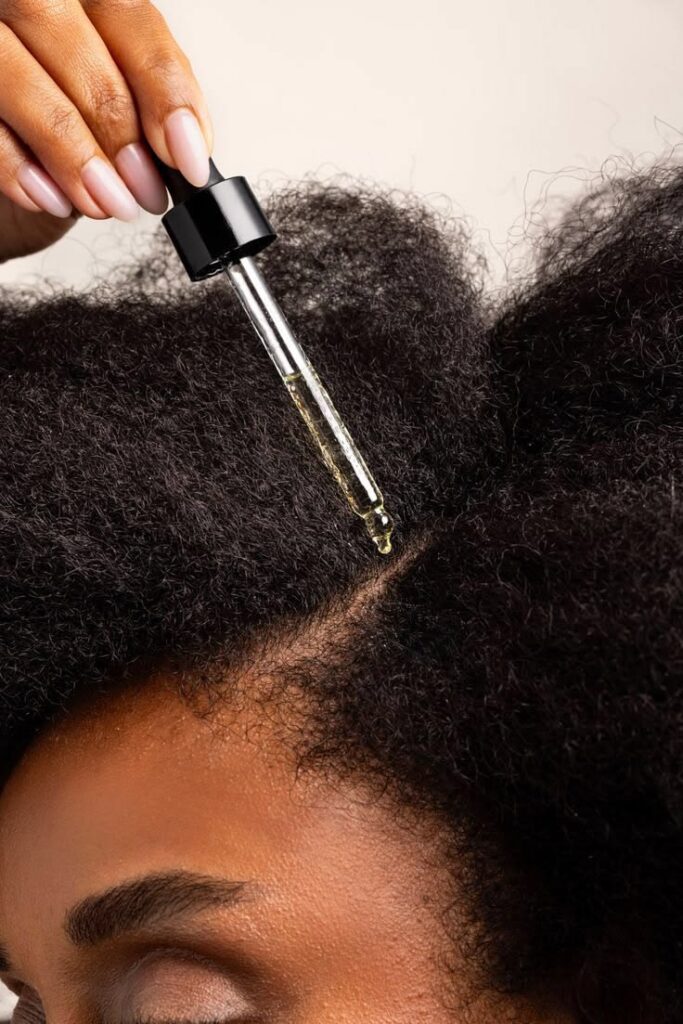
Seal in the Moisture
Moisture doesn’t last forever, especially if your hair loses it quickly.
After applying your leave-in conditioner, sealing your strands with one of the best hair oils for 4C hair can help reduce moisture loss and keep your hair feeling softer for longer.
The Best Hairstyles While Transitioning
Protective styles can make transitioning much easier because they reduce daily manipulation and help protect the delicate line of demarcation.
The key is choosing styles that protect your hair without placing too much tension on your scalp.
Twist-Outs and Flat Twists
These styles help blend your natural roots with your relaxed ends, making the difference in texture less noticeable.
They’re also a great way to reduce tangles between wash days.
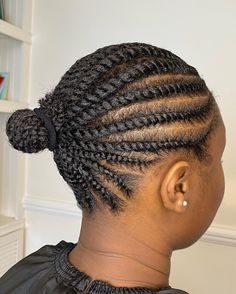
Braid-Outs
Braid-outs work well because they stretch both textures, helping them blend together more naturally.
They’re especially useful if your new growth has become difficult to manage.
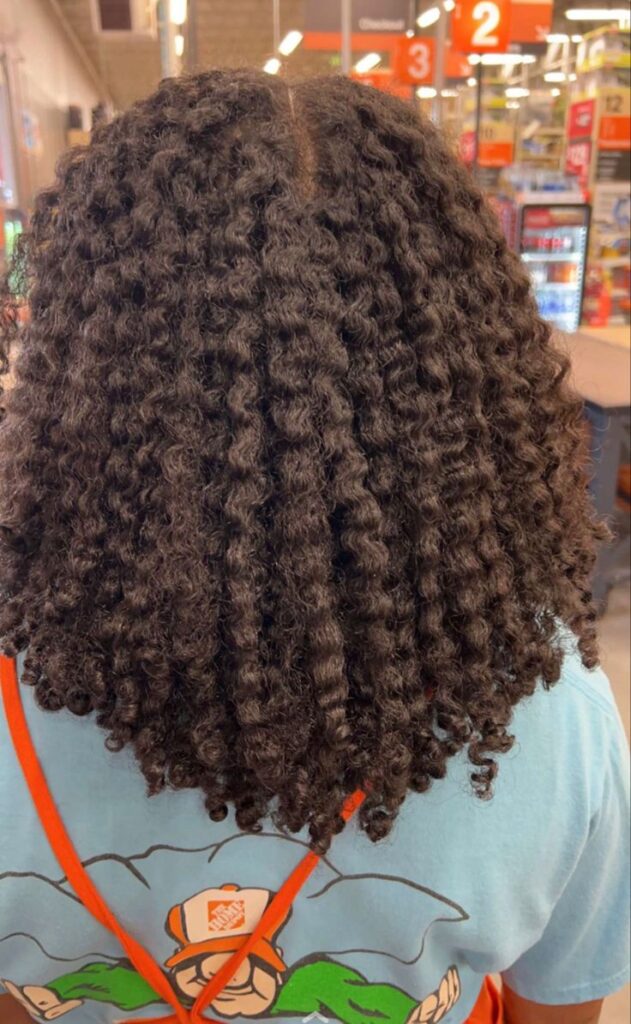
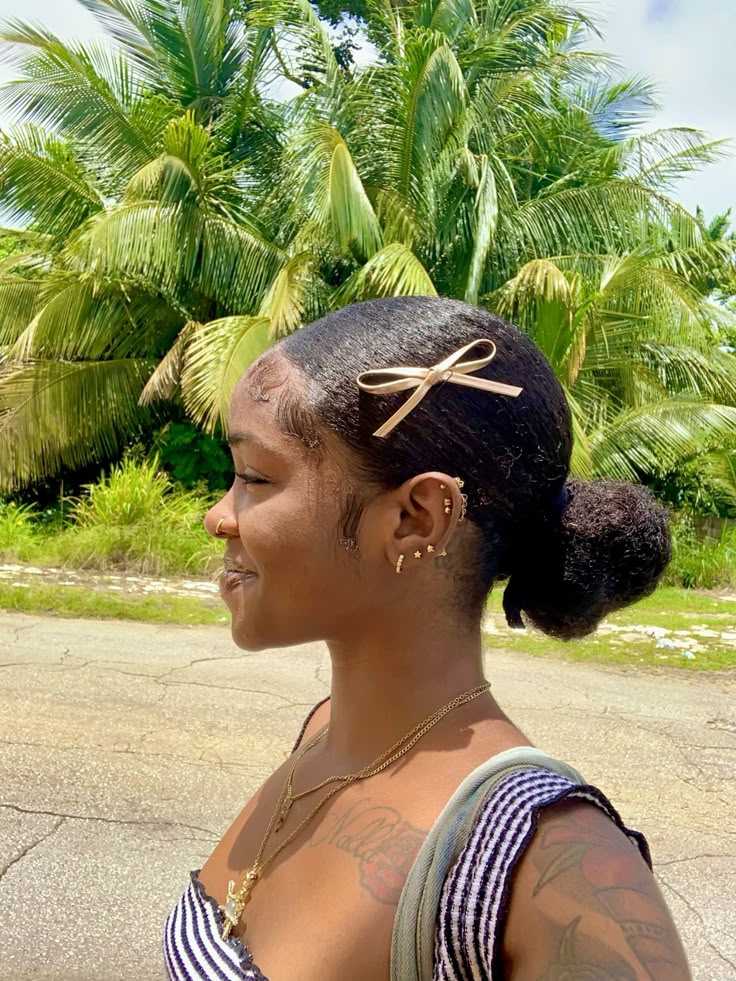
Buns and Low Ponytails
Simple buns and low ponytails are quick, easy styles that help reduce daily manipulation.
Just avoid pulling your hair too tightly, as tension can lead to unnecessary hair breakage over time.
Protective Styles
Braids, wigs, crochet styles, and sew-ins can all make the transition easier when installed and maintained properly.
If you’re considering longer-term protective styles, our guide to protective hairstyles for 4C hair explores several options that help minimize manipulation while supporting healthy hair growth.
Essential Tools You’ll Need During Your Transition
You don’t need an entire shelf of products to successfully transition your 4C hair from relaxed to natural hair. In fact, having a few reliable tools can make your routine much easier and help reduce unnecessary breakage.
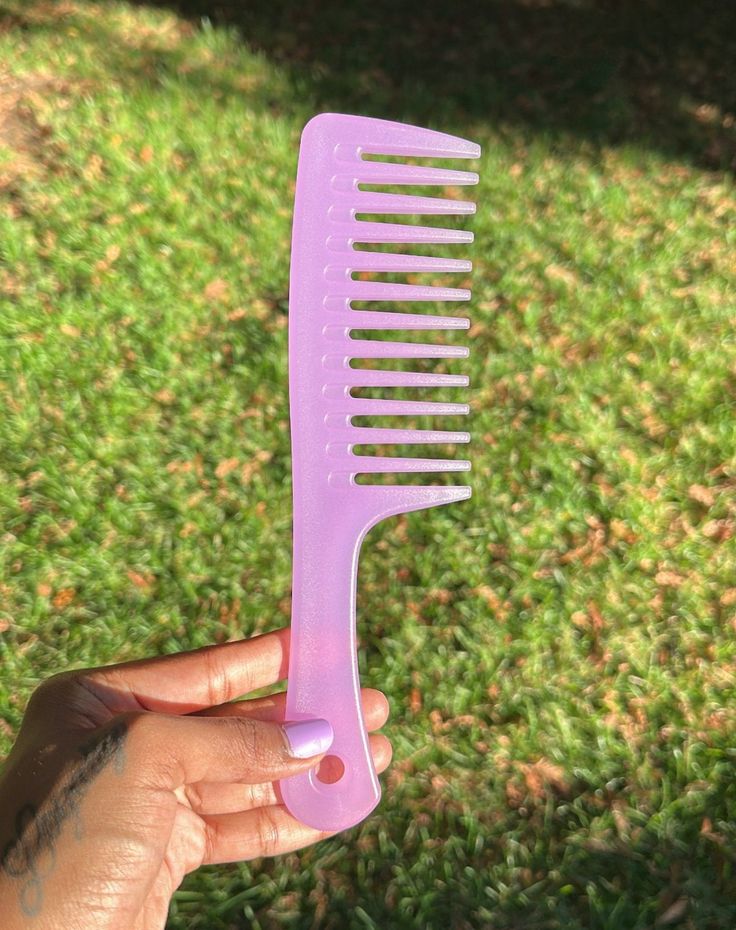
A Wide-Tooth Comb
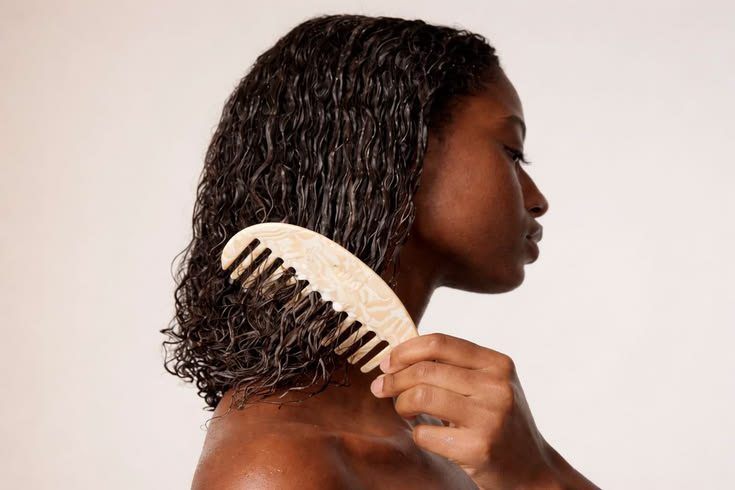
A wide-tooth comb is one of the safest tools for detangling transitioning hair. Because you’re working with two textures, it’s important to remove knots gently without putting too much stress on the line of demarcation.
For the best results, detangle after applying one of the best conditioners for 4C hair or while your hair is coated with a moisturizing product that provides plenty of slip.
Spray Bottle
Water remains one of the best moisturizers for natural hair.
Keeping a spray bottle nearby makes it easy to lightly dampen your hair before moisturizing or detangling. This simple habit can make your hair much easier to manage throughout the week.

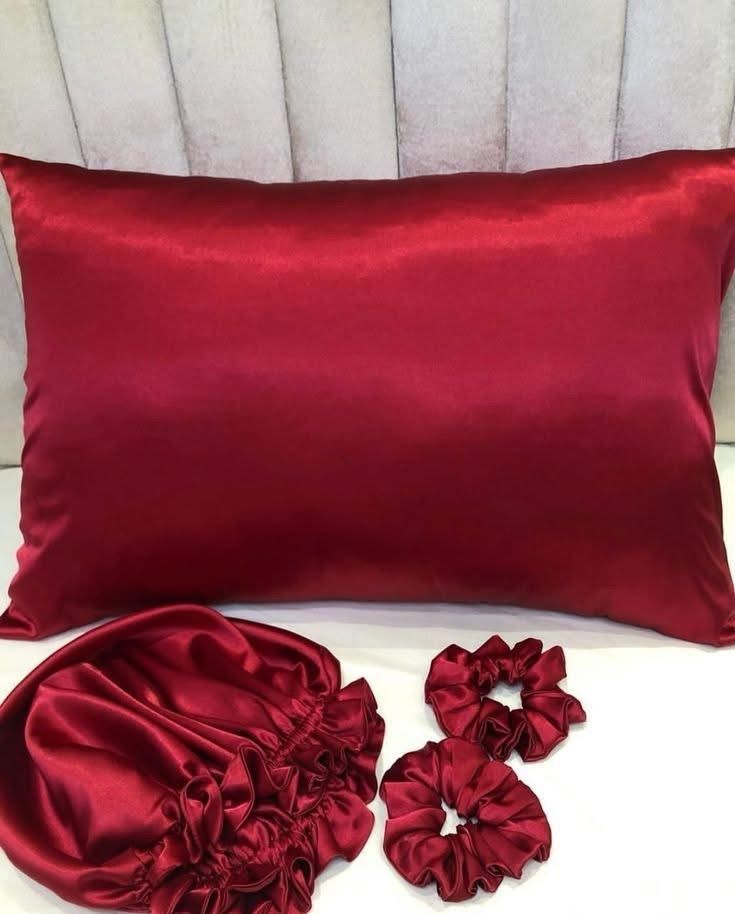
Satin Bonnet or Satin Pillowcase
Cotton fabrics absorb moisture and create friction while you sleep.
Sleeping with a satin bonnet or on a satin pillowcase helps your hair retain moisture, reduces tangles, and protects both your natural roots and relaxed ends from unnecessary damage.
Microfiber Towel or Cotton T-Shirt
Regular bath towels can rough up the hair cuticle and increase frizz.
Instead, gently squeeze excess water from your hair using a microfiber towel or a clean cotton T-shirt. It’s a small change that can make a noticeable difference over time.

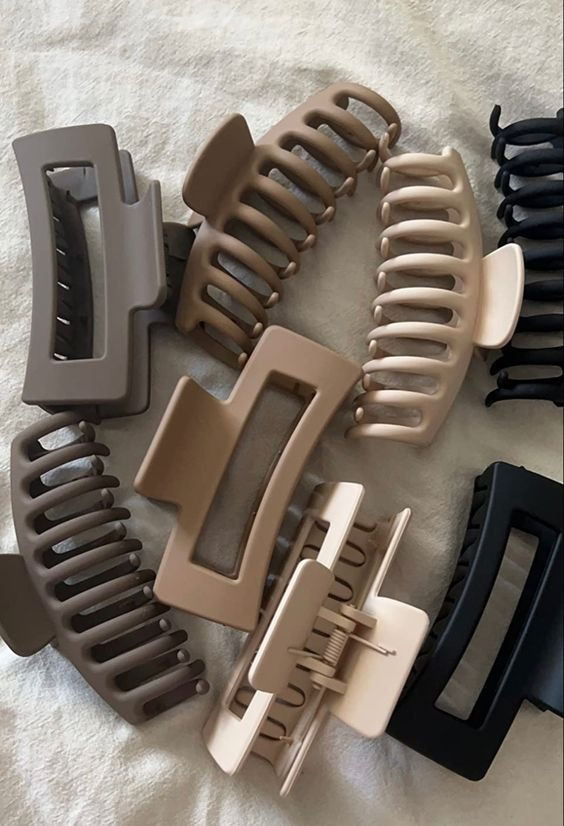
Hair Clips for Sectioning
Working in sections makes washing, moisturizing, and detangling much easier.
Hair clips allow you to focus on one section at a time, helping reduce tangles and making it less likely that you’ll accidentally pull or snap your hair.
Signs Your Transition Is Going Well
When you’re transitioning, it’s easy to focus on what isn’t happening fast enough. Instead, pay attention to the small signs that show your hair is becoming healthier.
Your New Growth Feels Stronger
Healthy new growth usually feels softer, stronger, and more resilient than damaged relaxed hair.
As you continue following a consistent 4C hair care routine, you may notice your curls becoming easier to recognize and care for.
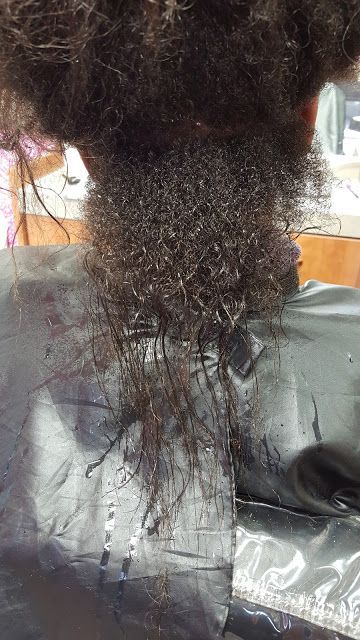
You’re Experiencing Less Breakage
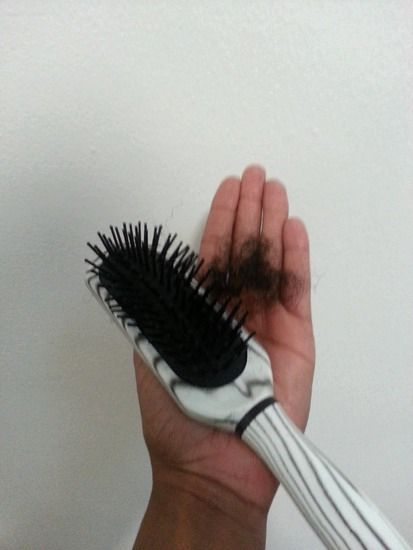
One of the clearest signs of progress is finding fewer broken strands on your comb, brush, or bathroom floor.
If you’ve improved your moisture routine and become gentler while detangling, you’ll often begin seeing less hair breakage over time.
Wash Day Becomes Easier
Many people find that wash day becomes less stressful after several months of transitioning.
As you learn what products and techniques work best for your hair, you’ll spend less time struggling with tangles and more time enjoying your routine.
Your Hair Holds Moisture Longer
If your hair stays moisturized longer than it did when you first started transitioning, that’s a great sign your routine is working.
Combining water, one of the best leave-in conditioners for 4C hair, and one of the best hair oils for 4C hair can gradually improve moisture retention as your healthy natural hair grows in.
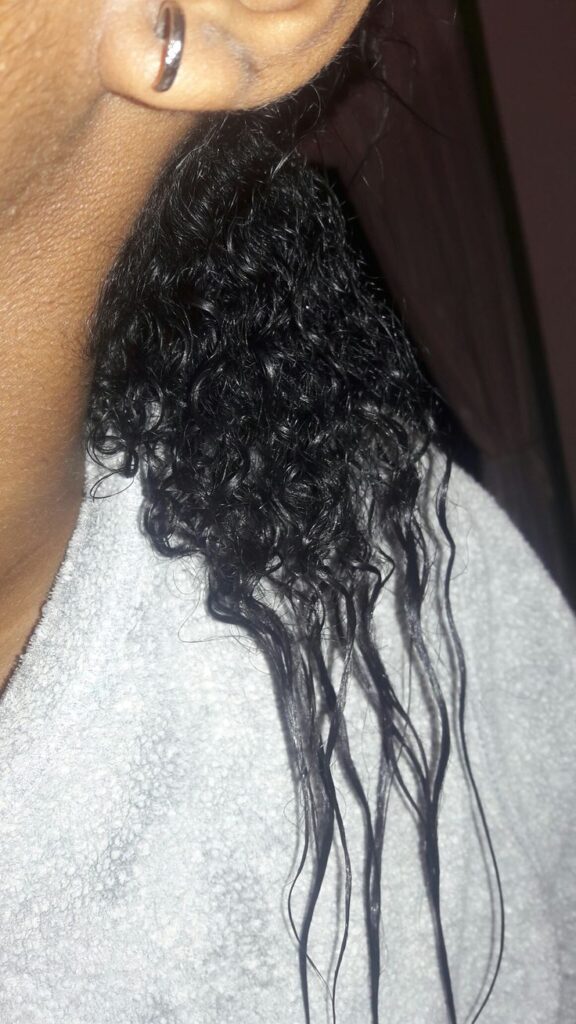
You’re Becoming More Confident
Perhaps the biggest sign of progress isn’t something you see in the mirror.
It’s the confidence that comes from understanding your hair, knowing what works for it, and no longer feeling like you have to rely on chemical relaxers to manage it.
Every month of your transition teaches you something new, and those lessons will continue helping you long after your journey is complete.
You can also try out some transition hairstyles to help you through your transition process
Common Mistakes to Avoid While Transitioning
Transitioning takes patience, but avoiding a few common mistakes can make the process much smoother.
Waiting Too Long to Trim
Holding onto damaged relaxed ends for too long often leads to more tangles and breakage.
Regular trims help keep your ends healthier throughout the transition.
Using Too Much Heat
Frequent flat ironing may seem like an easy way to blend your two textures, but excessive heat can damage your new growth before you’ve had the chance to enjoy it.
Instead, try stretching your hair using heat-free methods whenever possible.
Detangling Too Quickly
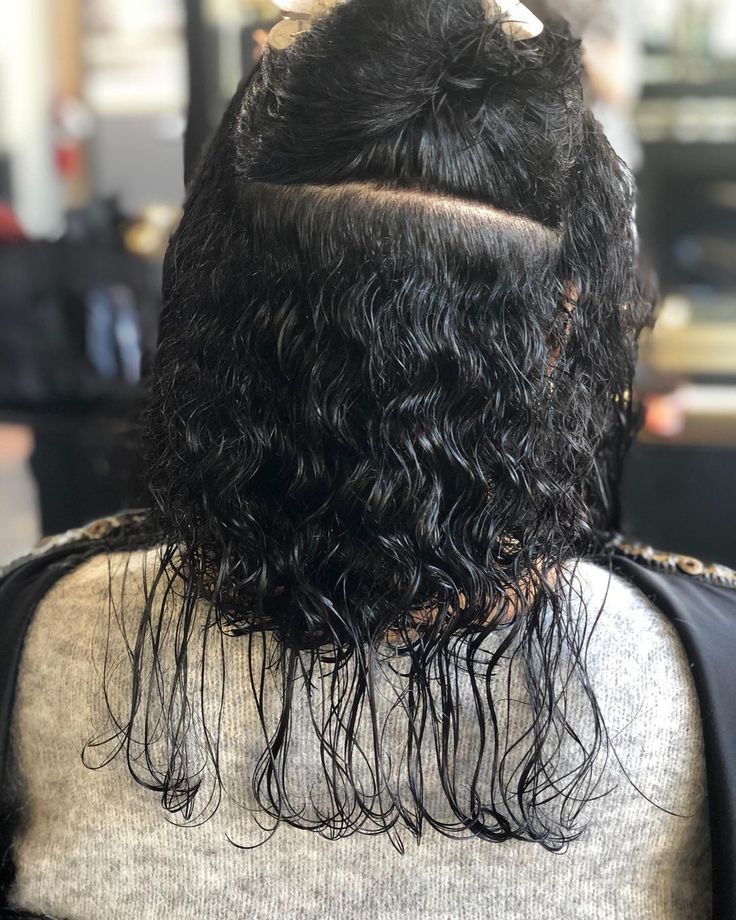
The line of demarcation is fragile.
Rushing through detangling can cause unnecessary snapping, so always work in small sections using plenty of slip.
Comparing Your Journey
Every transition looks different.
Some people reach full natural hair within months, while others transition for years.
Focus on building healthy habits instead of comparing your progress with someone else’s.
How Do You Know When It’s Time for the Big Chop?
One of the biggest milestones during a transition is deciding when to remove the remaining relaxed hair. Some people plan for it from the beginning, while others make the decision once they’re comfortable with their natural texture.
The truth is that there’s no perfect timeline. The right time is when you feel ready.
Your Relaxed Ends Are Becoming Difficult to Manage
As your natural hair grows, detangling can become more challenging because you’re working with two different textures.
If your relaxed ends constantly tangle, feel dry, or make styling frustrating, trimming them may make your routine much easier.
You’re Comfortable With Your Natural Texture
Many people wait until they’ve learned how to care for their curls before doing the big chop.
If you’ve built a routine that includes regular moisturizing, gentle detangling, and understanding how to care for 4C hair, you may already feel confident enough to fully embrace your natural hair.
Your New Growth Is Long Enough
Some people choose to wait until they’ve grown several inches of natural hair before removing the relaxed ends. Others are happy cutting everything off much sooner.
Neither choice is wrong. Your comfort level matters more than reaching a certain length.
Staying Motivated During Your Transition
Transitioning isn’t just about growing natural hair. It’s also about staying patient through a process that can sometimes feel slow.
There may be days when you wonder if your hair is growing or if the effort is worth it. Those feelings are completely normal.
Celebrate Small Milestones
Instead of waiting until your transition is over, celebrate the progress you’re making along the way.
Your first successful twist-out, healthier ends, less breakage, or even learning a new styling technique are all signs that you’re moving in the right direction.
Take Monthly Photos
Because you see your hair every day, it can be difficult to notice gradual changes.
Taking a photo once a month makes it much easier to appreciate your progress and can be surprisingly motivating when you compare older pictures.
Focus on Healthy Hair, Not Just Length
It’s easy to become obsessed with growing long hair, but healthy hair should always come first.
A routine that improves moisture retention and reduces reasons your 4C hair isn’t growing often leads to better length retention over time because your ends stay healthier.
Frequently Asked Questions
Can I transition without cutting my hair?
You can transition for as long as you like, but the relaxed ends won’t become natural again. Eventually, they’ll need to be trimmed away if your goal is to have fully natural hair.
Should I stop relaxing my hair immediately?
Yes. Once you’ve decided to transition, it’s best to stop applying relaxers so your natural hair can continue growing without chemical straightening.
How often should I trim my relaxed ends?
There’s no fixed schedule. Many people trim a small amount every few months, while others wait until they’re ready for a big chop. The best approach depends on the condition of your relaxed hair.
Can I color my hair while transitioning?
You can, but it’s important to be cautious. Hair that’s already managing two textures may become more fragile after chemical coloring. If you decide to color your hair, prioritize moisture and strengthening treatments afterward.
Will transitioning make my hair grow faster?
No. Transitioning doesn’t change your natural growth rate. However, reducing chemical processing and following a healthy routine often leads to better length retention because there’s less breakage.
See our beginner’s guide to hair transitioning for more helpful tips
Final Thoughts
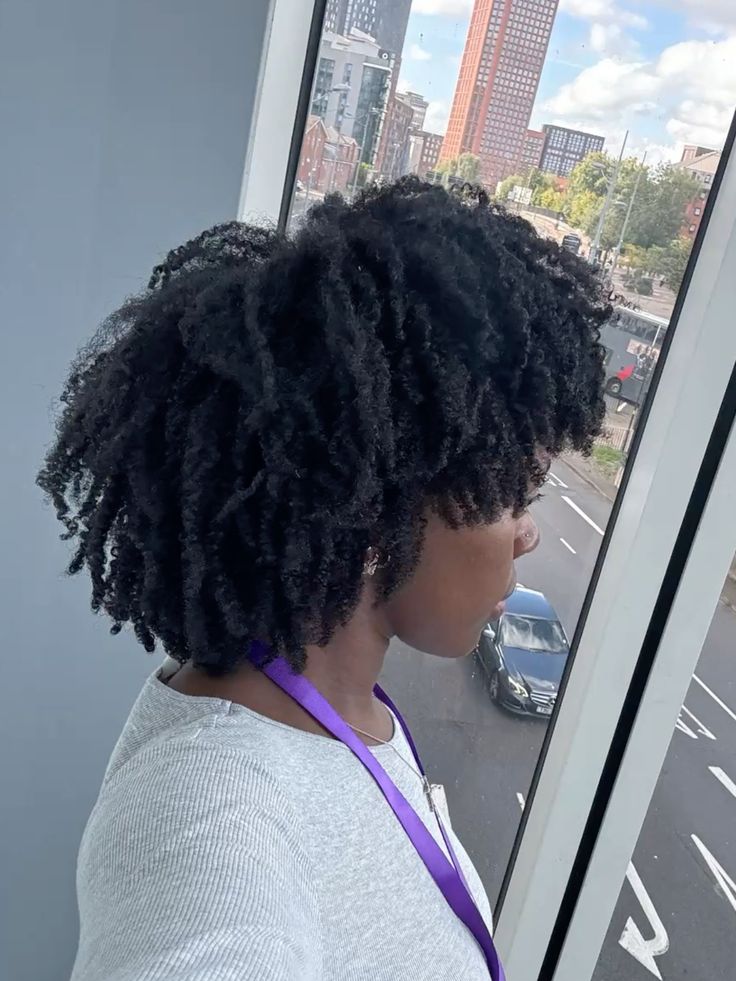
Choosing to transition your 4C hair from relaxed to natural hair is a personal decision, and there’s no single right way to do it. Whether your transition lasts a few months or more than a year, the goal is the same: healthy natural hair that you’re proud of.
Be patient with yourself as you learn how your natural texture behaves. Some days will feel easier than others, but every wash day, trim, and protective style brings you one step closer to fully embracing your natural hair.
With consistency and realistic expectations, your transition can become the beginning of a healthier and more confident natural hair journey.
5 Comments