
Why Your 4C Hair Keeps Breaking No Matter What You Do
Disclosure: Some of the links in this post are affiliate links. This means if you click on the link and purchase an item, I will receive an affiliate commission at no extra cost to you.
You moisturize your hair, you deep condition, you buy products people swear by, you try protective styles, avoid heat, and do your best to handle your hair gently.
Yet somehow, your hair keeps breaking.
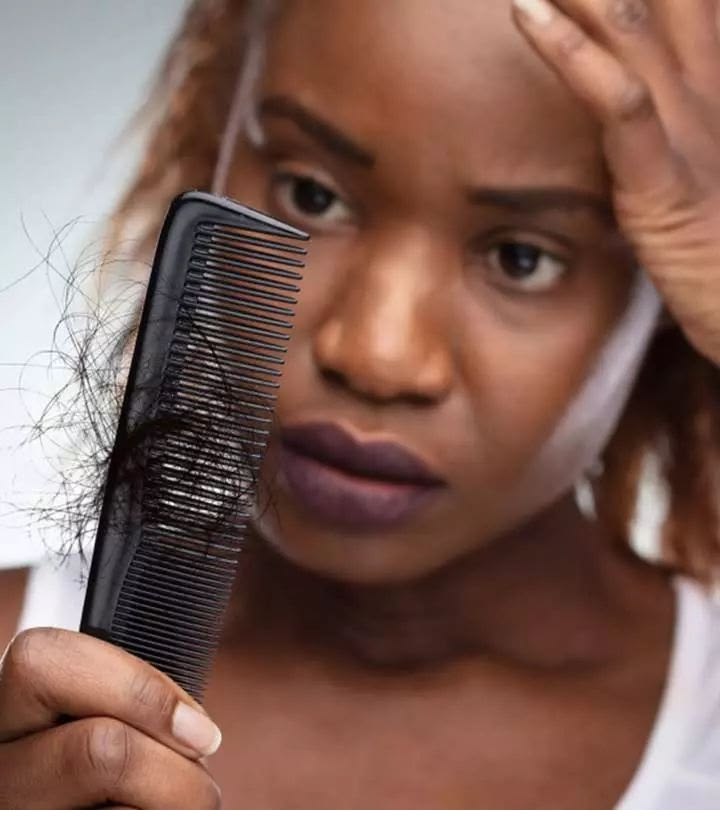
After washing, you notice broken strands in your hands. During detangling, pieces of hair end up in your comb. Even when you style your hair carefully, short broken pieces still appear around your sink a few days later.
After a while, it can start to feel like nothing works.
You may even begin wondering whether your 4C hair is simply too fragile to grow long. But constant breakage does not mean your hair cannot thrive. More often, it means there is something in your routine, styling habits, or everyday handling that your hair isn’t tolerating well.
This can be especially frustrating when you already know the basics. Moisturizing regularly, protecting your ends, and limiting excessive heat are all things you’ve probably heard before. You may have even tried several breakage prevention methods and still not seen the change you expected.
The problem is that breakage rarely comes from one single mistake.
Sometimes, several small things are happening at the same time. Dryness may be part of the problem, while frequent manipulation could be doing even more damage. A protective style might seem harmless on the surface, yet too much tension around your edges can weaken the hair.
Even with the right products, rough detangling can undo much of the care you’re putting into your routine.
And sometimes, you’re simply asking damaged hair to behave like healthy hair.
Before you buy another product or completely change your routine, it helps to understand why your hair keeps breaking in the first place.
Your Hair Is Growing, But You’re Not Keeping the Length
One of the first things to understand about persistent breakage is that it can make normal hair growth look like a growth problem.
Your hair grows from the follicles in your scalp. Once a strand emerges, however, keeping that length is a completely different challenge.
This is why someone can have several months of new growth at their roots but still feel like their hair is the same length. The new hair is there, but the older sections are breaking before the overall length becomes noticeable.
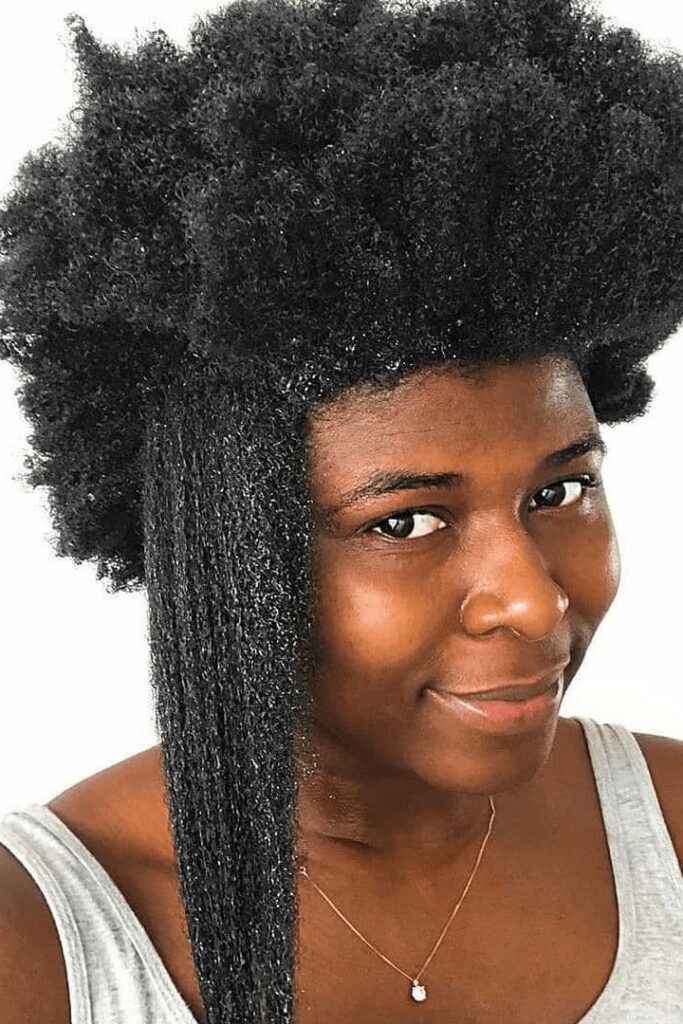
This is particularly easy to miss with 4C hair because shrinkage can make your actual length difficult to judge. Your natural curl pattern can hide a significant amount of growth.
That is why length retention is such an important part of growing natural hair. The goal isn’t only to encourage new growth. You also need to keep the hair that has already grown.
If you constantly lose your ends to breakage, your hair can appear stuck even when your scalp is producing new strands normally.
You’re Treating Your Hair Like It’s the Problem
Sometimes the frustration surrounding breakage leads people to become even more aggressive with their hair.
You start buying stronger products, try more treatments, you add another oil, and you start stretching your hair more often because you want to see your length. Then you try another hairstyle because the previous one didn’t work.
Before long, your routine becomes much more complicated than it needs to be.
The irony is that some of these extra efforts can create even more manipulation.
Your hair isn’t necessarily refusing to cooperate. It may simply be overwhelmed by everything you’re doing to it.
Think about how often your strands are being touched during a normal week. You may moisturize, comb, brush, stretch, twist, retwist, style, restyle, and detangle them repeatedly without realizing how much mechanical stress is involved.
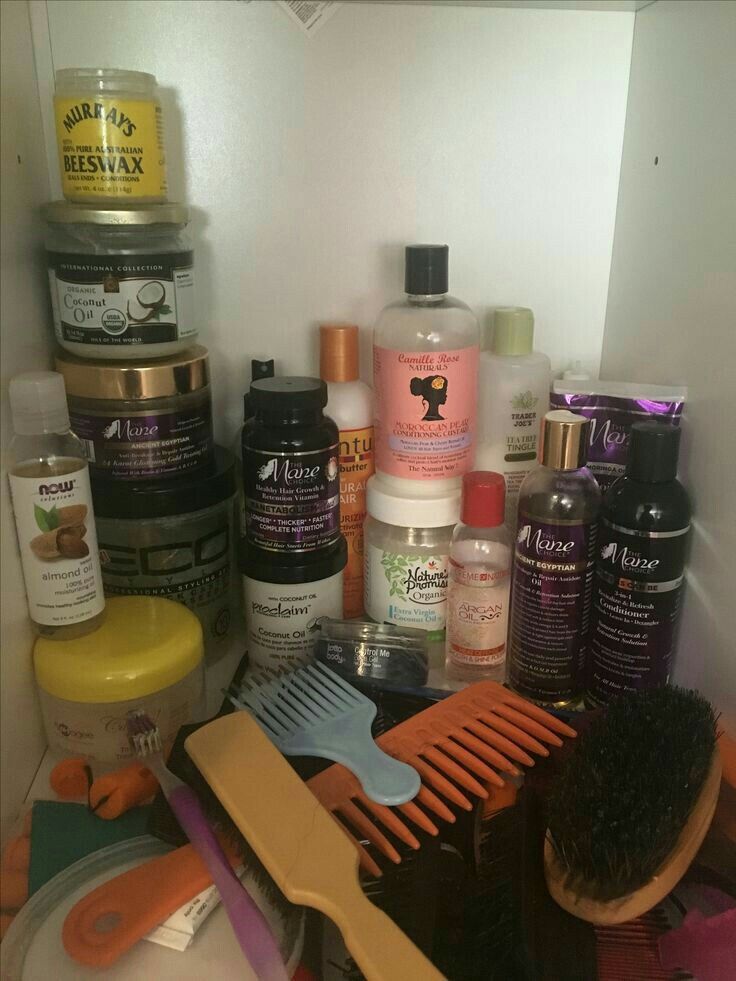
Sometimes the best thing you can do is step back and look at the whole routine rather than searching for one magical product.
Your Hair May Be Breaking During Detangling
Detangling is one of those things that can look harmless until you see how much hair you’re actually losing.
You start with a few knots. Then the comb gets stuck. You pull a little harder. Another knot appears. You separate the section and try again.
Before you know it, you’ve spent thirty minutes working through your hair and the floor is covered with broken pieces.
Some shedding during detangling is completely normal. Hair naturally reaches the end of its growth cycle and falls from the scalp. Breakage is different because the strand is snapping rather than falling naturally from the root.
The way you detangle matters.
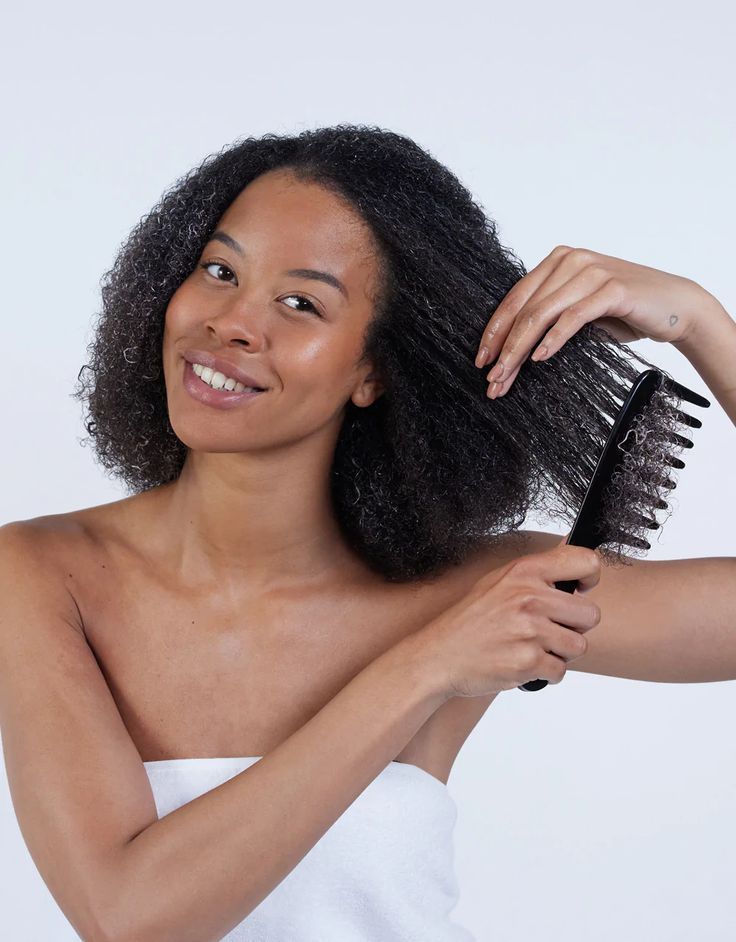
Starting at the roots and dragging a comb toward the ends can force knots together and place unnecessary stress on the hair. Trying to detangle completely dry, tightly packed hair can make the process even harder.
Your wash day routine may also be contributing to the problem if detangling has become a rushed step between shampooing and styling.
Your Ends Are Not as Strong as Your Roots
Your ends are the oldest part of your hair.
They have survived months or years of washing, styling, sleeping, weather exposure, friction, and everyday handling. Your roots, meanwhile, are constantly producing newer hair.
That difference matters.
If your ends are thin, rough, split, or extremely dry, they may break much more easily than the rest of your hair.
This is one reason your hair can look thick near the roots while becoming noticeably thinner toward the ends.
You might also notice that your ends seem to disappear whenever you wash or style your hair. You keep seeing new growth, but the bottom portion never seems to get longer.
In some cases, the issue isn’t that your hair isn’t growing. Your oldest hair simply isn’t surviving long enough.
Your Hair Is Experiencing More Friction Than You Realize
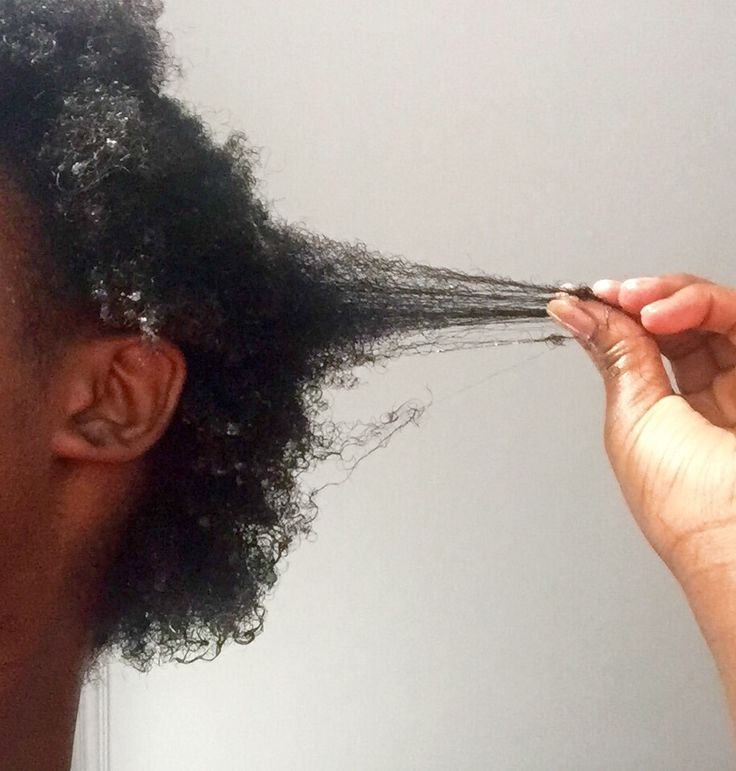
Friction is easy to ignore because it doesn’t feel like you’re actively damaging your hair.
But think about how often your hair comes into contact with different surfaces.
Your pillowcase, your clothes, your scarf, your car seat, your headrest, your bag, your hands.
All of these small points of contact can add up over time.
When your hair repeatedly rubs against rough fabrics, the strands can become drier and more vulnerable. Your ends usually experience the most noticeable effect because they’re already older and more fragile.
Nighttime can be particularly important.
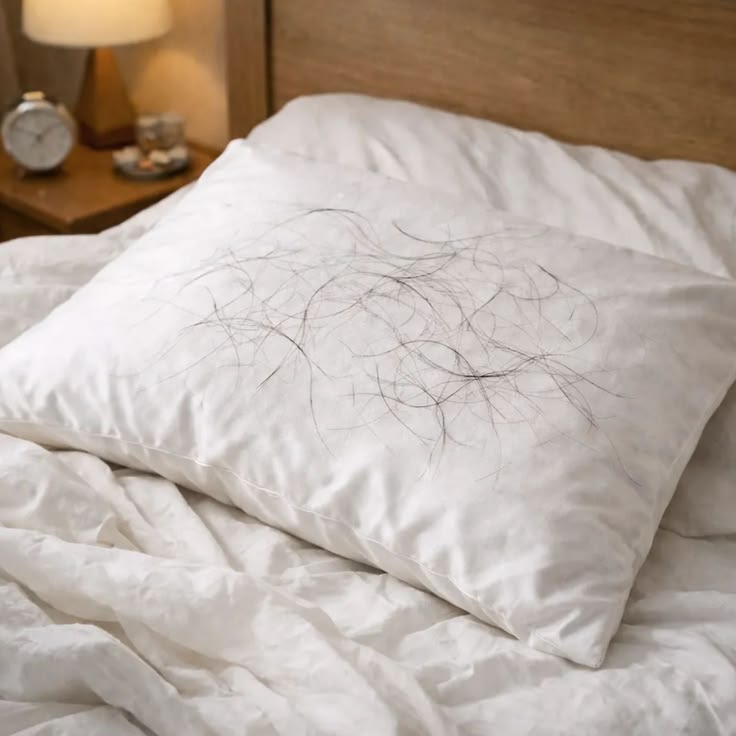
If you sleep with loose natural hair against a cotton pillowcase every night, your strands may be rubbing against that surface for several hours. You might not notice the damage immediately, but repeated friction can contribute to dryness and breakage.
This is one reason simple nighttime hair care habits can make a difference even when you aren’t changing the rest of your routine.
Your Protective Style May Not Be Protecting Your Hair
The word “protective” can make any hairstyle sound automatically safe.
It isn’t.
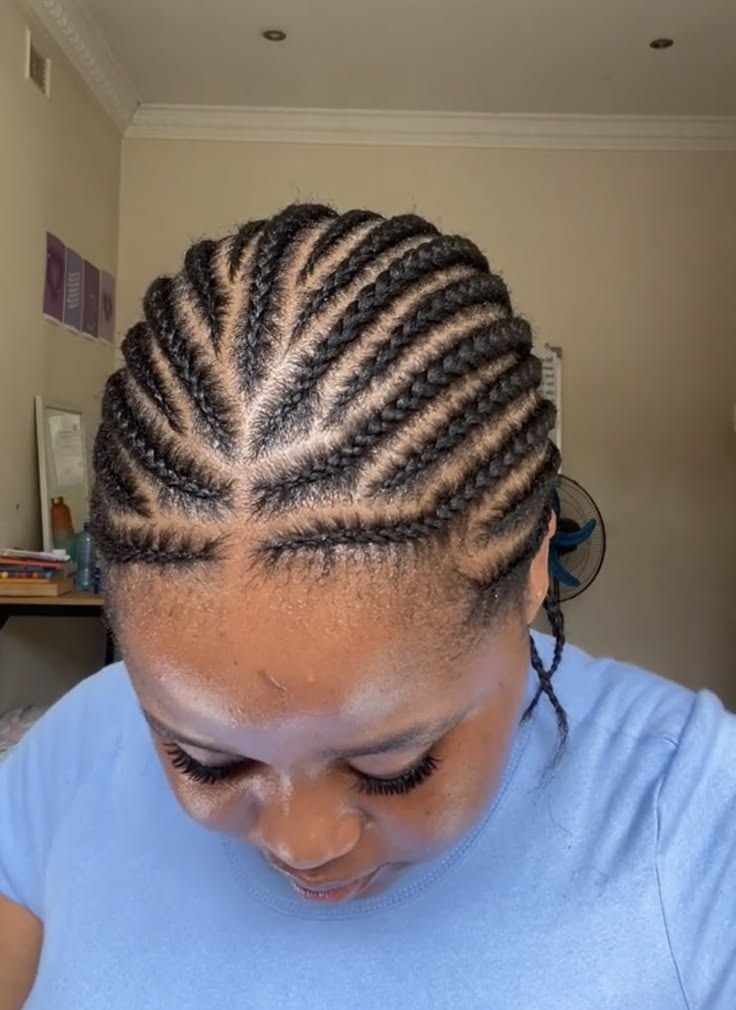
Braids, twists, cornrows, wigs, and other protective styles can reduce manipulation, but they can also cause damage when they’re too tight, too heavy, or installed incorrectly.
If you leave the salon with a headache, sore scalp, bumps around your edges, or a painful hairline, your hairstyle is putting your hair under unnecessary stress.
The same applies when extensions are excessively heavy or when your natural hair is pulled tightly to achieve a particular look.
Your edges are especially vulnerable because the hair around the hairline can be finer and more delicate.
A hairstyle shouldn’t have to hurt in order to look neat.
And if your hair is already weak or breaking, adding tension to it can make the situation worse.
You’re Repeating the Same Hairstyle Too Often
Even a hairstyle that doesn’t cause immediate damage can become a problem when you wear it repeatedly in exactly the same way.
Maybe you always put your hair into a high puff or always wear a slicked-back ponytail.
Maybe your braids are always installed along the same parting pattern.
When the same areas are pulled or manipulated over and over, those sections don’t get much opportunity to recover.
This can be particularly noticeable around the hairline and crown.
Changing your part, varying your styles, and giving certain areas a break can reduce repeated stress.
You don’t need a different hairstyle every morning. In fact, constantly changing your hair can create its own problems. The goal is simply to avoid putting the same section under the same type of stress all the time.
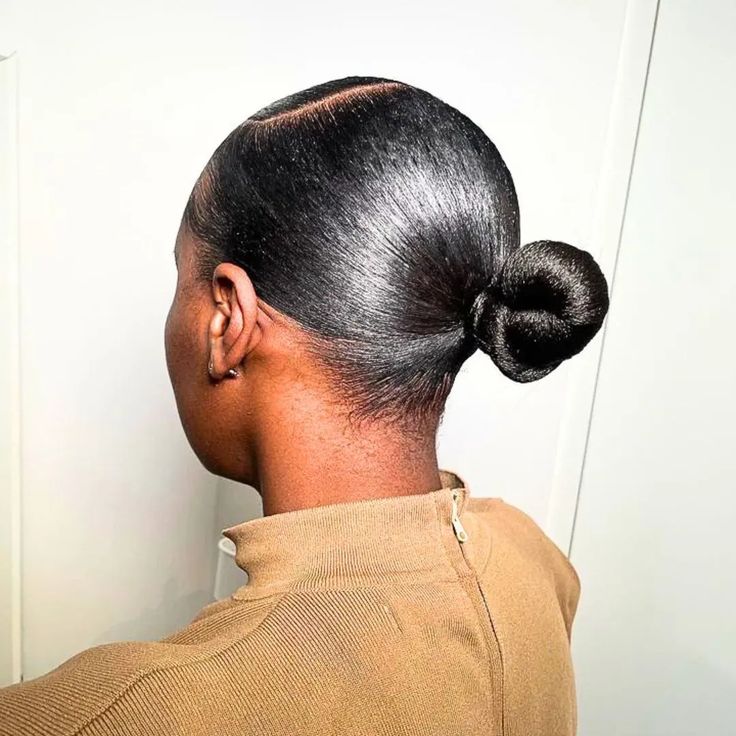
Your Hair May Be Too Dry to Handle the Way You’re Styling It
Dryness and breakage often go together, but they aren’t exactly the same problem.
Dry hair isn’t automatically damaged hair. However, hair that constantly feels stiff, rough, or brittle may not tolerate manipulation as well as softer, more flexible strands.
This becomes obvious when you’re trying to separate your hair with your fingers and it feels like every section is fighting you.
You pull a little, a strand snaps; you pull again, another strand snaps.
Eventually, you wonder why you’re losing so much hair when you’re supposedly being gentle.
Sometimes the problem isn’t your hands. Your hair simply needs to be softened before you begin manipulating it.
Your daily hair care routine should help your strands remain manageable between wash days instead of leaving you to rescue extremely dry hair every time you want to style it.
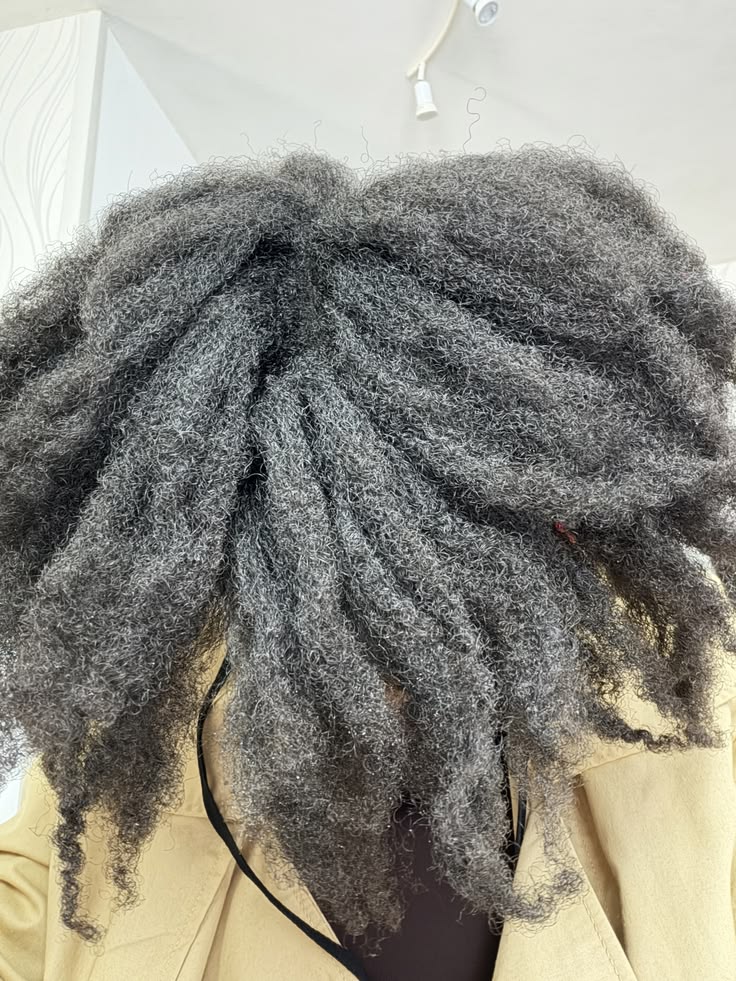
Your Hair May Not Like the Way You’re Using Protein
Protein treatments can be useful for some hair routines, particularly when strands need additional support.
But more isn’t always better.
Using strengthening treatments too frequently can leave some hair feeling stiff, rough, or less flexible. On the other hand, avoiding them completely isn’t necessarily the answer either.
Your hair’s response matters.
If your strands suddenly feel unusually hard or rough after repeated strengthening treatments, pay attention to that change rather than assuming you simply need more product.
A balanced routine should leave your hair feeling manageable, not permanently stiff.
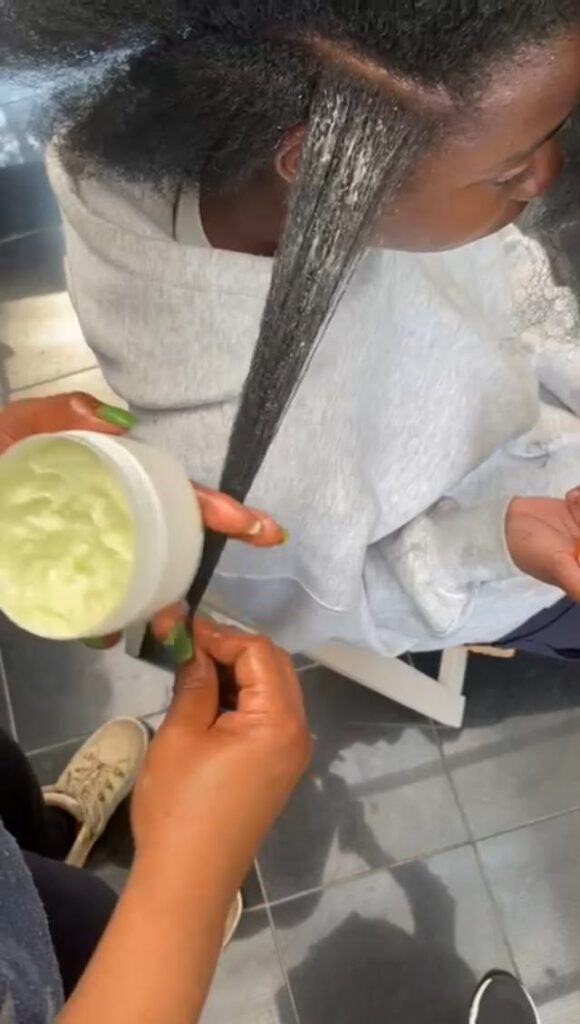
Heat Damage May Be Catching Up With You
Heat damage doesn’t always show up immediately.
You might straighten your hair and think everything is fine because it looks smooth. Then, over time, you notice that your ends feel different. Your curls don’t bounce back the same way. Certain sections feel weaker than others.
Repeated heat exposure can gradually affect the condition of the hair.
Blow-drying before every style, regularly using a flat iron, or repeatedly applying high temperatures can make already fragile strands more vulnerable to breakage.
This doesn’t mean you can never use heat on 4C hair.
It means heat should be treated as a styling tool rather than something your hair has to endure constantly.
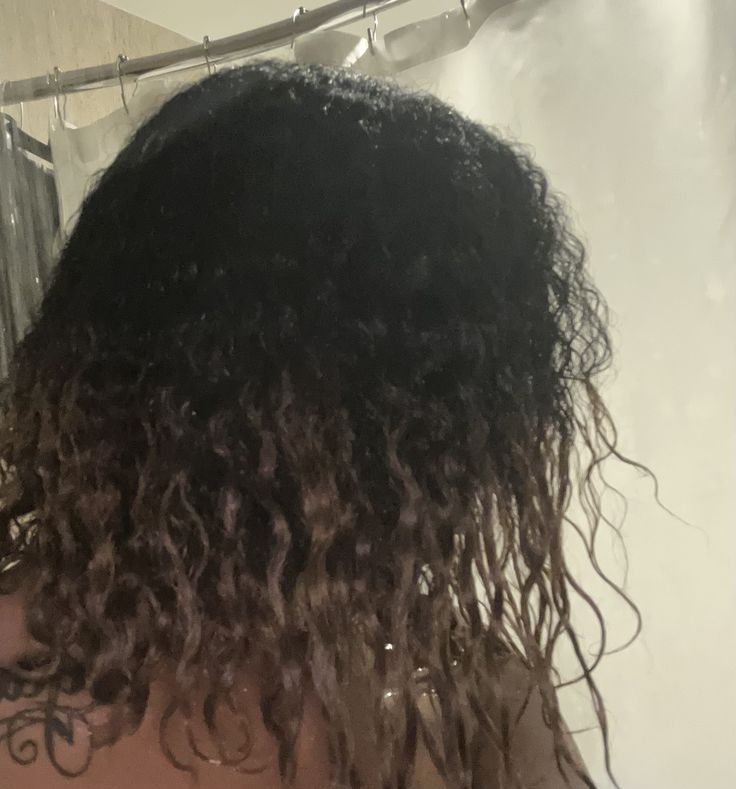
Your Wash Day May Be Undoing Your Good Work
You can have an excellent moisturizing routine and still experience breakage if your wash day is too rough.
Think about what happens during the process.
You shampoo, scrub, squeeze your hair, detangle, rinse, towel-dry, stretch, and even style.
Every one of those steps involves some level of handling.
When several steps are performed aggressively, the stress can add up.
Your hair doesn’t need to be treated like something extremely delicate that you can’t touch. But it also doesn’t need to be rushed through every wash day.
The difference often comes down to patience.
Work in sections. Give conditioner enough time to soften your hair. Avoid dragging your fingers or combing through stubborn knots; don’t aggressively rub your strands dry afterward.
Sometimes making wash day slower is one of the simplest changes you can make.
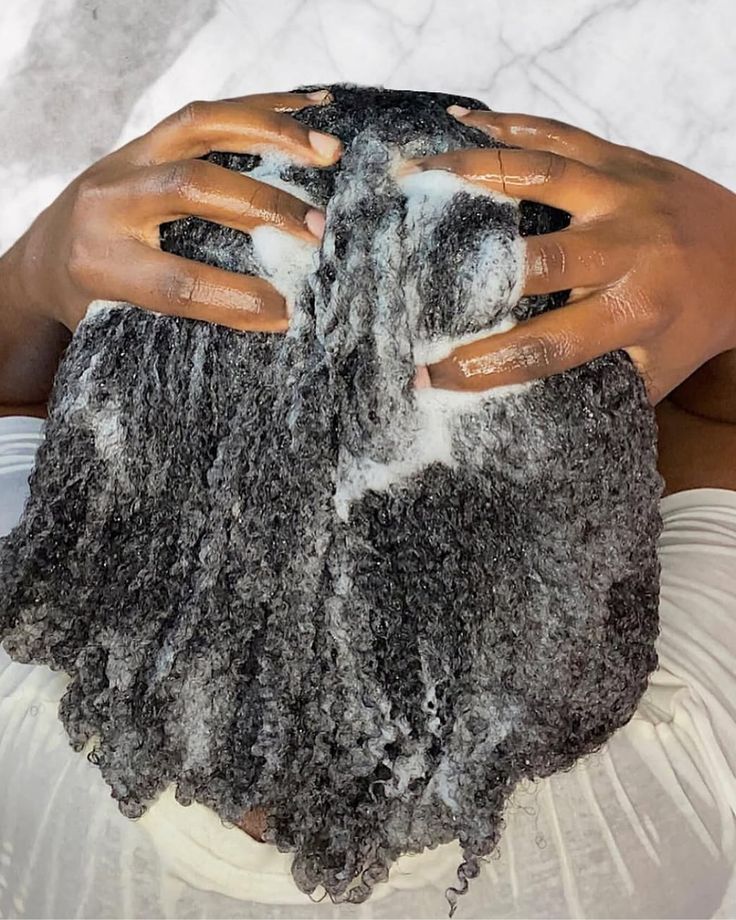
Your Hair May Be Breaking Because You’re Over-Manipulating It
This one deserves special attention because it can happen even when you’re doing everything else right.
You may be using good products, you may be deep conditioning, you may be sleeping with a satin bonnet, you may even be protecting your hair from heat.
But if you’re constantly touching and restyling your hair, you’re still creating mechanical stress.
Natural hair doesn’t need to be constantly rearranged.
The more often you pull strands apart, comb through them, fluff them, stretch them, or redo a style, the more opportunities there are for individual strands to snap.
Sometimes your hair needs less attention, not more.
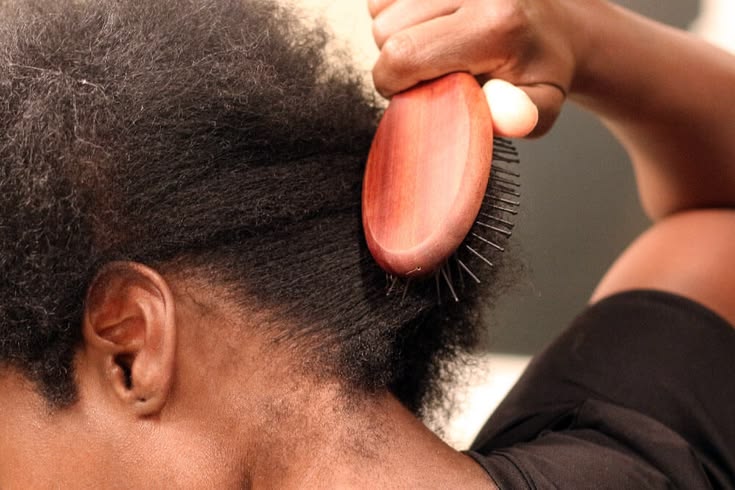
Your Products May Be Creating Buildup
Using several products doesn’t necessarily mean your hair is better protected.
Creams, gels, oils, butters, leave-ins, edge controls, and styling products can accumulate when they’re repeatedly layered without proper cleansing.
Heavy buildup can make the hair feel coated, stiff, or difficult to manage. You may then use more product because your hair doesn’t feel the way you expect it to.
That creates a cycle.
More product, more buildup, more washing, more manipulation, more potential breakage.
This is why your clarifying shampoo may occasionally have a place in your routine when ordinary cleansing isn’t enough to remove accumulated product.
The goal isn’t to strip your hair. It’s to start with a clean base so you aren’t continually layering new products over old residue.
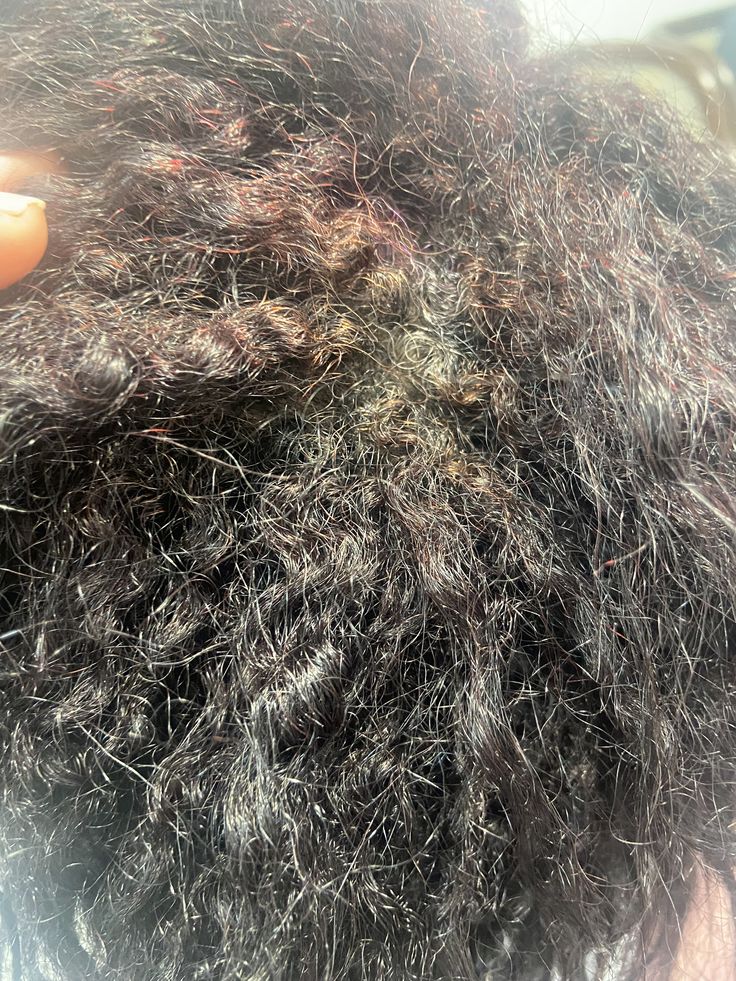
Your Hair May Be Too Damaged to “Moisturize Back”
This is a difficult one to accept when you’re trying to save your length.
Some damage can be managed with better care. Severely damaged hair, however, cannot always be restored to its original condition simply by applying more products.
A split end is still a split end.
A strand that has been severely weakened by heat or chemical processing doesn’t become completely new again because you applied a deep conditioner.
This doesn’t mean you need to cut off all your hair.
It simply means you need to be realistic about what your products can and cannot do.
If the same damaged sections keep snapping, protecting them may not be enough. Sometimes removing the most compromised ends gives the healthier portions of your hair a better chance of staying intact.
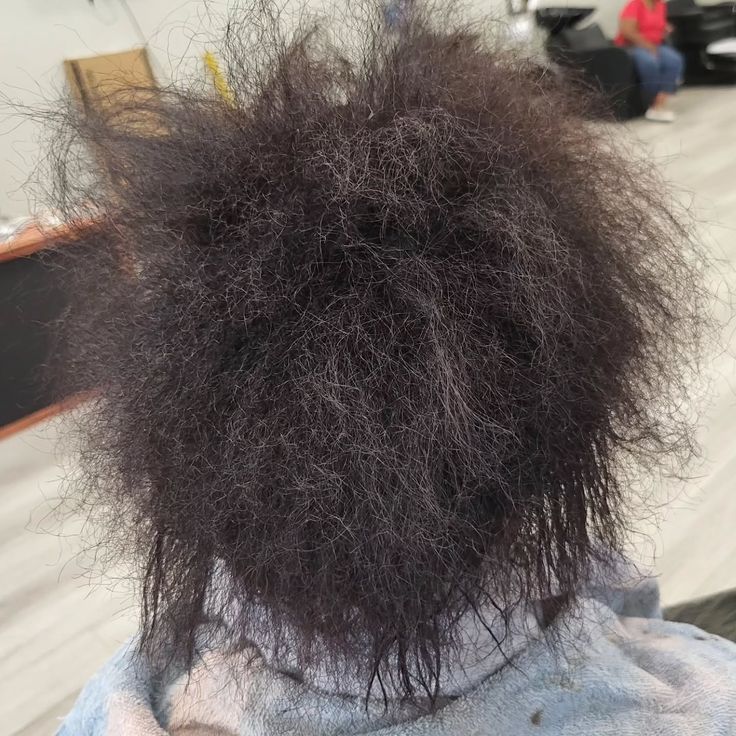
Your Routine May Be Too Complicated
There is a point where adding more steps stops helping.
If you have a different product for every possible problem, it can become difficult to tell what’s actually making a difference.
You may also end up manipulating your hair more because your routine takes so long.
A complicated routine isn’t automatically a better routine.
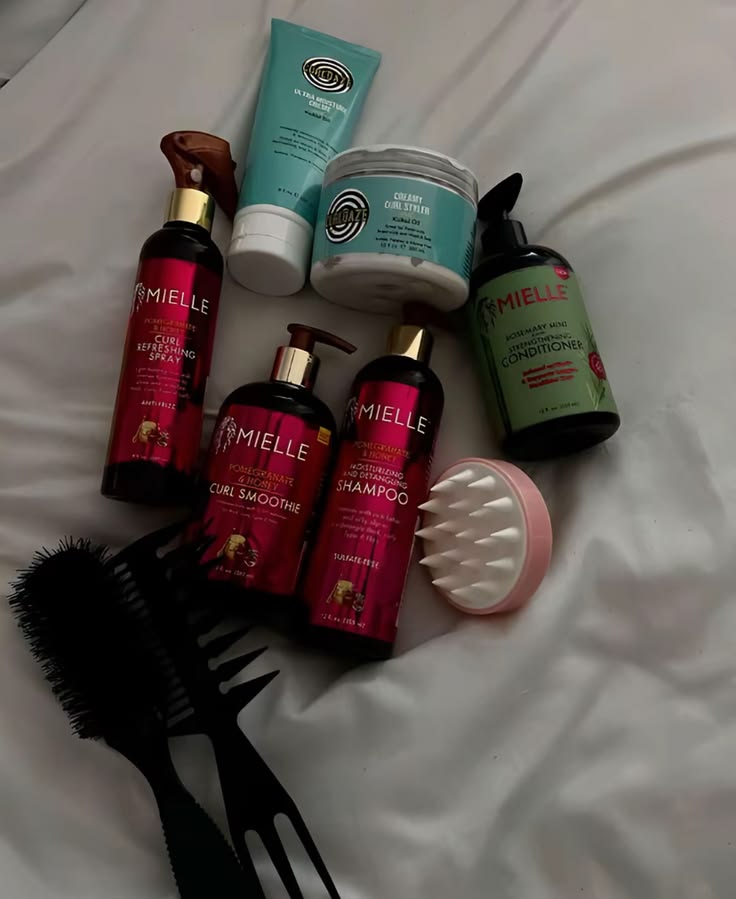
For many people, a simple system built around cleansing, conditioning, moisturizing, gentle styling, and protection is easier to maintain consistently.
Consistency matters more than having the biggest product collection.
What to Do When Your 4C Hair Keeps Breaking
Once you’ve looked closely at your routine, the next step isn’t to panic and replace everything.
Start by reducing the amount of stress your hair experiences.
Give Your Hair a Break
Choose hairstyles that don’t require constant manipulation. Let your hair stay in a simple style for a few days instead of changing it every morning.
Be More Careful With Your Ends
Your ends deserve more attention because they’re the oldest part of your hair. Keep them moisturized, reduce friction, and avoid unnecessary pulling.
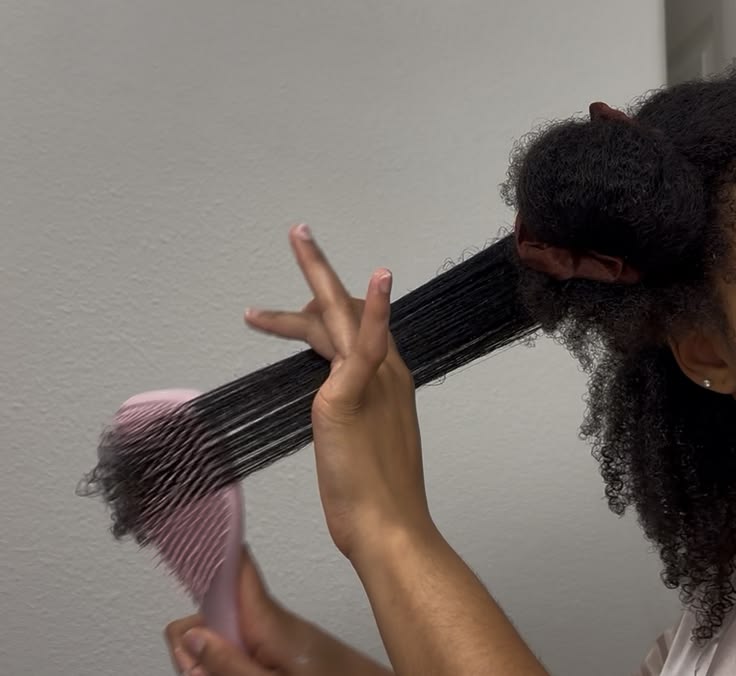
Make Detangling Slower
Divide your hair into sections, use enough slip, and start from the ends. There is no prize for finishing your detangling session in ten minutes.
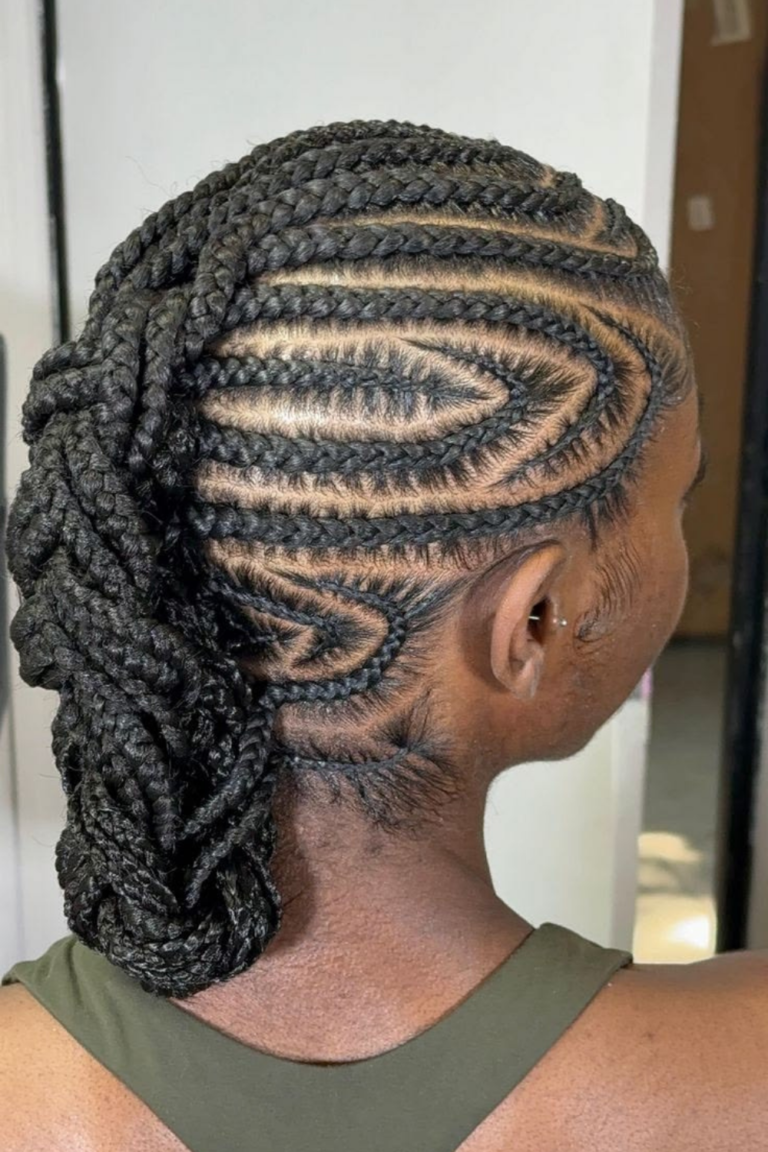
Rethink Protective Styling
A protective style should reduce stress, not create it. Choose comfortable styles, avoid excessive tension, and give your scalp time between installations.
Pay Attention to Your Hair’s Response
Your hair will tell you a lot if you pay attention.
Notice whether your hair feels stiff after a particular treatment. Pay attention to whether breakage increases after a certain style. Also want to watch for excessive dryness after washing or check whether one section consistently seems weaker than the rest.
These patterns can tell you more than another viral hair-care tip.
If you’re dealing with persistent breakage, our guide on stopping 4C hair breakage can also help you build a more targeted approach to protecting your strands.

When Breakage May Need More Than a Hair Routine
Most everyday breakage can be connected to handling, styling, dryness, friction, or existing damage.
However, not every change in your hair should automatically be blamed on your routine.
If you notice sudden or severe changes in your hair density, unusual thinning, persistent scalp problems, bald patches, or significant shedding from the root rather than short broken pieces, consider speaking with a qualified healthcare professional or dermatologist.
Pay particular attention when the problem continues despite making reasonable changes to your routine.
Your hair is connected to your overall health, so sometimes the answer isn’t another conditioner or oil.
Final Thoughts
Constant breakage can make you feel like you’re doing everything wrong.
You’re not.
You may simply be focusing on growth when the bigger issue is keeping the hair you’ve already grown.
Your hair doesn’t need to be perfect to become healthier. It doesn’t need a shelf full of expensive products either. Sometimes the biggest improvement comes from doing less, handling your hair more gently, protecting your ends, and paying attention to the habits that happen between wash days.
Most importantly, don’t let the fact that your hair keeps breaking convince you that your 4C texture is the problem.
Your hair can grow, your hair can retain length, and your routine can change.
The goal is to figure out what your strands are struggling with, remove the unnecessary stress, and give your hair enough consistency and time to respond.




7 Comments