
You’re Probably Washing Your Hair Wrong
Disclosure: Some of the links in this post are affiliate links. This means if you click on the link and purchase an item, I will receive an affiliate commission at no extra cost to you.
Washing your hair sounds simple enough. Wet it, apply shampoo, rinse, add conditioner, and you’re done. But when you have tightly coiled hair, the way you approach wash day can make a bigger difference than you might realize.
You may be doing everything with good intentions and still notice that your hair feels dry, tangled, rough, or difficult to manage afterward. Sometimes the problem isn’t the products sitting on your bathroom shelf. It can be the way you’re using them.
For washing 4C hair, small details matter. How often you cleanse, where you apply shampoo, how you handle your strands, and what you do immediately after rinsing can all affect how your hair feels afterward.
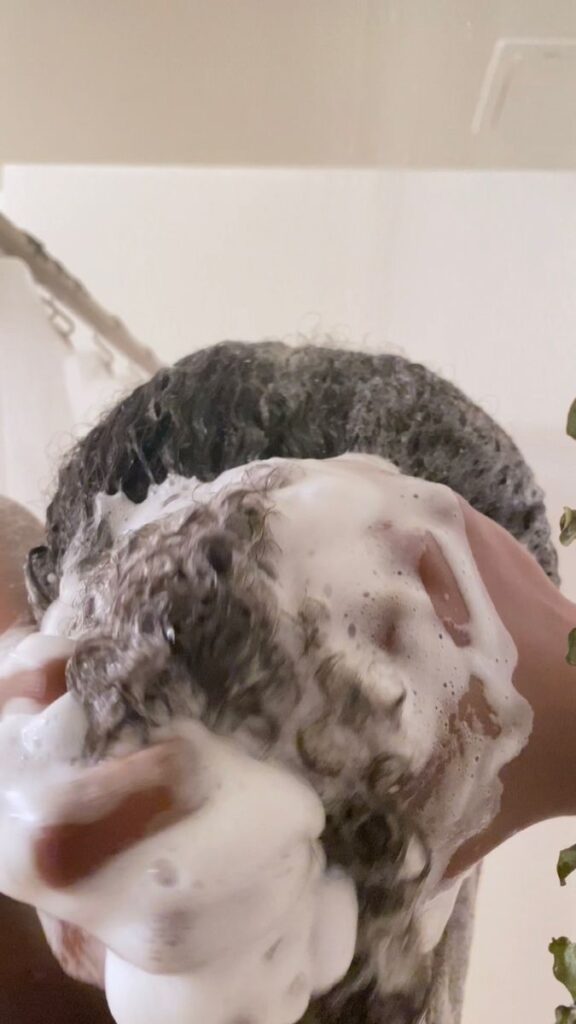
This is especially important when you’re already dealing with dryness or breakage. A rough wash day can leave your strands more difficult to detangle and easier to snap. Your wash day routine should leave your hair clean and manageable, not feeling like you’ve just put it through a workout.
And no, having 4C hair doesn’t mean you need to avoid washing it because you’re afraid of dryness. Your scalp still needs regular cleansing, and your hair needs a routine that balances cleanliness with moisture.
If your hair always seems to feel worse after wash day, there may be a few habits worth changing.
1. You’re Washing Your Hair Too Often
Clean hair feels good, so it can be tempting to wash whenever your scalp feels oily, sweaty, or uncomfortable.
The problem is that your hair may not need frequent shampooing, particularly when you’re using a cleanser that removes a lot of the natural oils from your strands. Washing 4C hair too frequently can leave it feeling dry and rough, especially when your routine doesn’t include enough conditioning afterward.
Your scalp and your hair are also two different things. Your scalp benefits from being clean, while your lengths may need more protection from excessive cleansing.
How often you need to wash depends on factors such as your scalp, lifestyle, products, exercise habits, and styling routine. Someone who exercises several times a week may need to cleanse more often than someone who rarely sweats.
Rather than following a strict schedule just because someone online says you should wash every week or every two weeks, pay attention to how your scalp and hair respond.
2. You’re Not Actually Cleaning Your Scalp
Your shampoo is supposed to clean your scalp, but many people focus so much on their hair that they forget where cleansing actually needs to happen.
Sweat, oil, dead skin cells, styling products, and environmental buildup can collect around the scalp. Simply allowing shampoo to run over your hair may not be enough to remove everything properly.
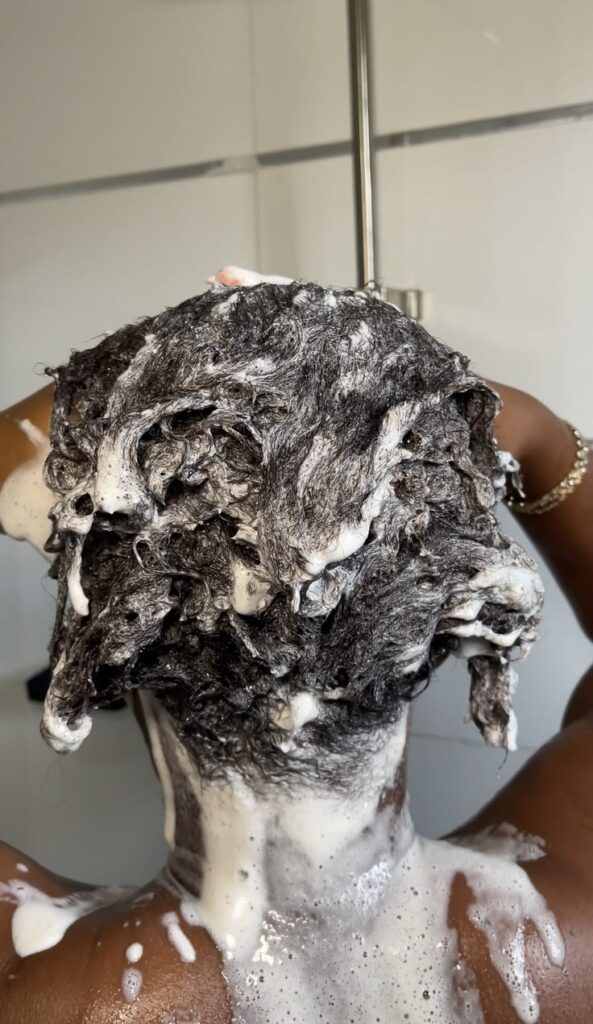
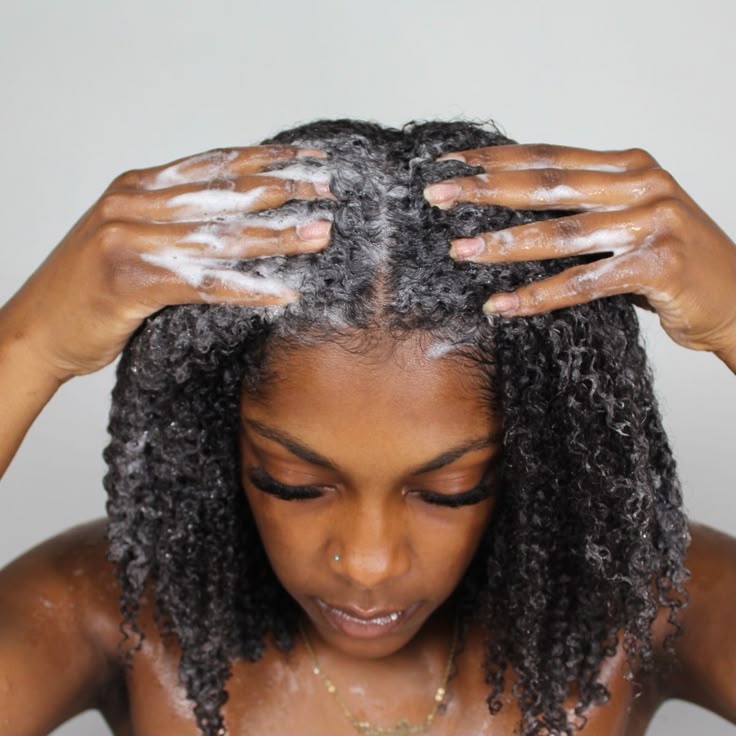
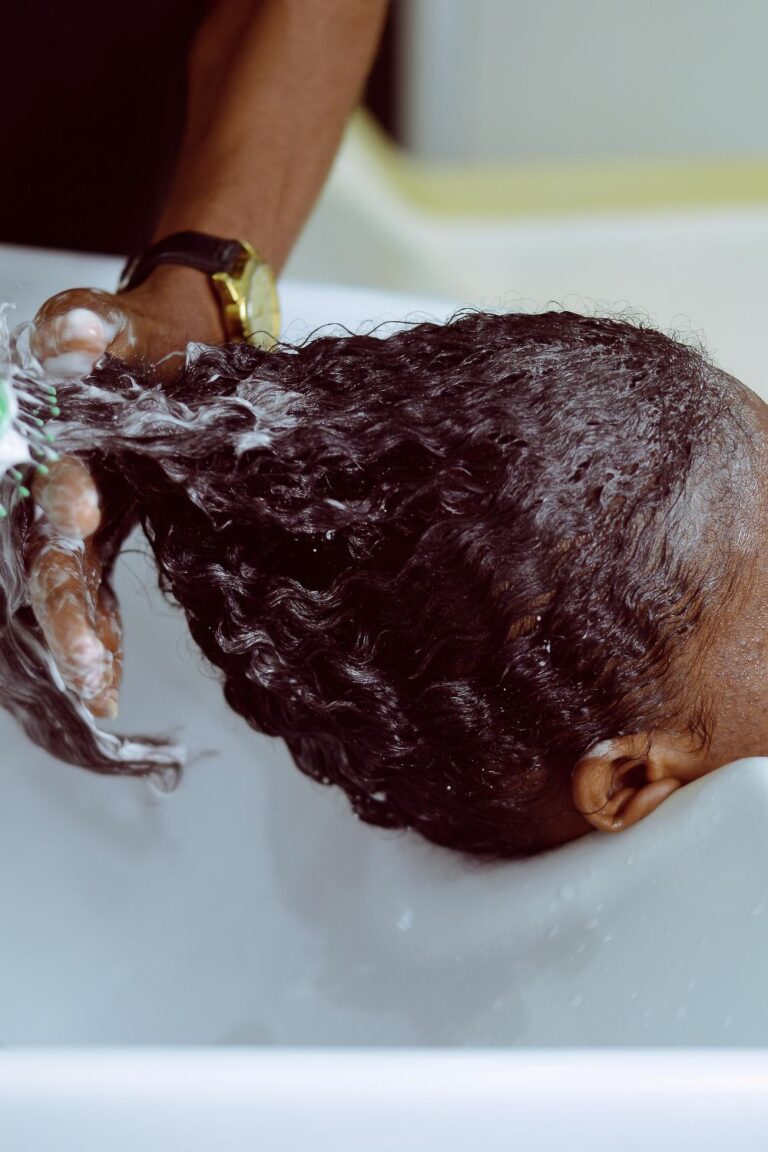
While washing 4C hair, focus the shampoo primarily on your scalp rather than aggressively scrubbing the lengths.
Use your fingertips to gently massage the cleanser into the scalp. Avoid using your fingernails, which can scratch and irritate the skin.
The lengths of your hair usually don’t need vigorous scrubbing. As you rinse, the shampoo running through the strands is generally enough to cleanse them without unnecessary friction.
3. You’re Scrubbing Your Hair Too Aggressively
You want your hair to feel clean, so you scrub harder.
It makes sense in theory, but your strands don’t need that much force.
Rough scrubbing can create tangles and increase friction between your strands. Once tightly coiled hair becomes tangled, you may have to spend even more time detangling it later.
That can turn one small washing mistake into an entire chain of problems.
Instead of rubbing your hair together aggressively, concentrate your cleansing efforts on the scalp. Allow the shampoo and water to move through the rest of your hair without repeatedly piling your strands on top of one another.
This becomes particularly important when you’re already working on reducing hair breakage.
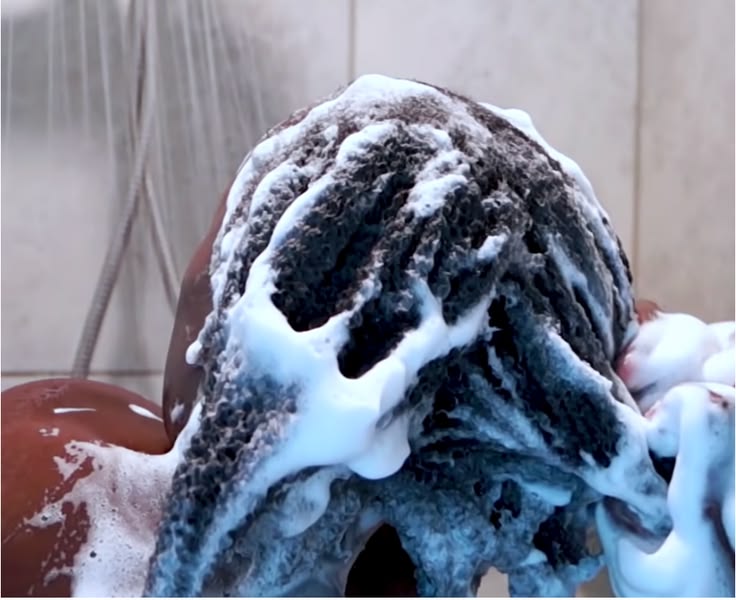
4. You’re Using Water That’s Too Hot
A hot shower can feel relaxing, especially after a long day.
Your hair, however, doesn’t necessarily need extremely hot water.
Very hot water can leave the scalp feeling uncomfortable and may contribute to dryness for some people. When your strands already struggle to stay moisturized, adding excessive heat during every wash may not be helping.
You don’t have to take a cold shower just to protect your hair. Lukewarm water is generally a more comfortable middle ground.
When washing 4C hair, focus less on extreme temperatures and more on keeping the entire process gentle.
5. You’re Skipping the Pre-Wash Step
Jumping straight into shampoo isn’t necessarily wrong, but some people find that their hair behaves better when they give it a little preparation first.
This can be particularly useful when your hair is dry, tangled, or covered with several styling products.
A pre-wash treatment can involve applying conditioner or oil to the hair before shampooing, depending on your routine and what works for your strands.
The purpose isn’t to create another complicated step that you have to perform every time. It’s simply a way of giving your hair some extra support before cleansing when it needs it.
If your hair always feels extremely rough after shampooing, experimenting with a simple pre-wash routine may be worth considering.
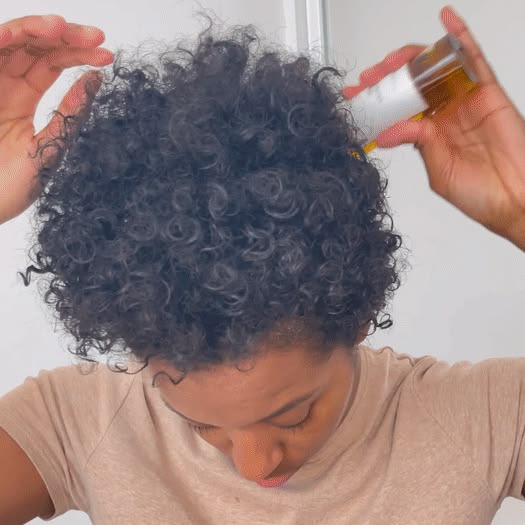
6. You’re Putting Shampoo All Over Your Hair
This is one of the easiest mistakes to make.
You squeeze shampoo into your palm and immediately spread it from your roots to your ends. It seems logical because you want every part of your hair to be clean.
But your scalp is where most of the oil, sweat, and buildup accumulate.
The lengths generally don’t require the same amount of scrubbing as your scalp. Applying large amounts of shampoo directly to already-dry ends can leave them feeling unnecessarily stripped.
When washing 4C hair, concentrate the cleanser around your scalp and let the lather move down the strands as you rinse.
This approach can help you clean your scalp without repeatedly roughing up your ends.
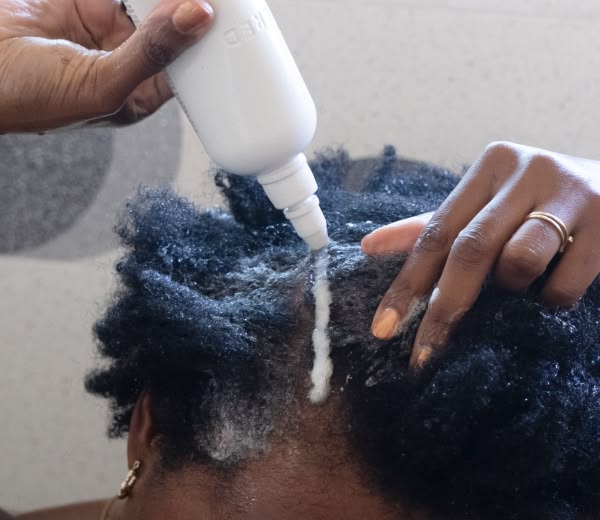
7. You’re Using the Wrong Shampoo for Your Routine
Not every shampoo is going to feel the same on your hair.
Some cleansers are designed to remove heavy buildup, while others are formulated for more frequent use. If you use a strong clarifying shampoo every time you wash, your hair may feel much drier than it needs to.
On the other hand, a very gentle cleanser may not be enough when you’ve been layering heavy creams, oils, gels, and styling products.
The goal is not to find the “strongest” or “most moisturizing” shampoo. You need a cleanser that matches what your hair and scalp actually need.
You can explore different options in our guide to shampoos for 4C hair, particularly when your current cleanser leaves your hair feeling uncomfortable after washing.
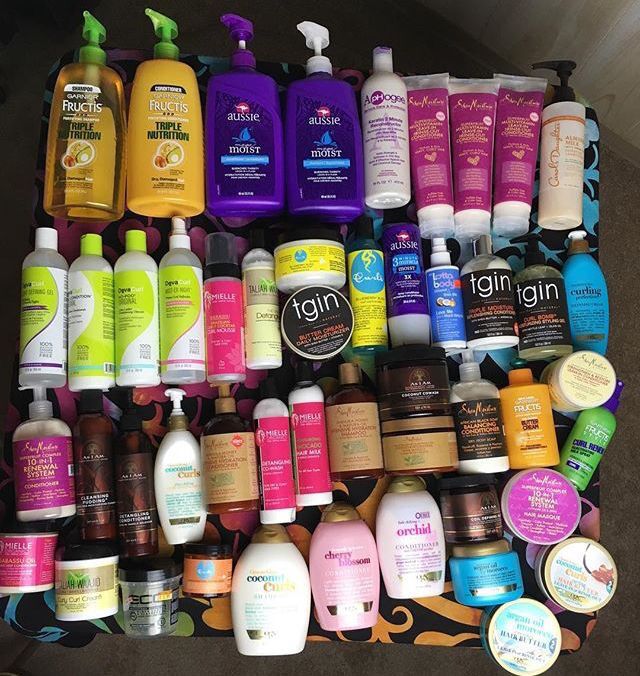
8. You’re Skipping Conditioner
After shampooing, your hair may feel clean but not necessarily easy to handle.
That’s where conditioner becomes important.
Conditioning can help improve slip and make the hair easier to detangle and manage. Skipping this step can make the next stage of your routine much more difficult, particularly when your strands already tangle easily.
For some people, regular conditioning is one of the easiest ways to make washing 4C hair feel less stressful.
Your conditioner doesn’t have to be expensive either. What matters is how your hair responds to it.
If your regular conditioner isn’t giving you enough softness or slip, you may benefit from looking at different conditioners for 4C hair.
9. You’re Detangling Too Aggressively
Wash day can become frustrating when your hair is full of knots.
You might be tempted to grab a comb and work through everything quickly, especially when you’re tired or trying to finish your routine.
That approach can cost you more hair than necessary.
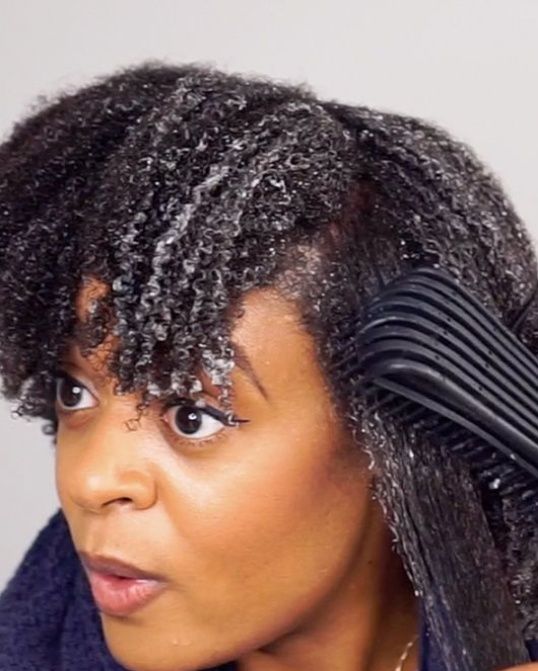
Instead, separate your hair into manageable sections and give the conditioner time to soften the strands. Use your fingers to loosen larger knots before reaching for a comb.
Starting from the ends and gradually working toward the roots can also reduce the amount of force needed.
If your hair breaks easily during this stage, your detangling routine deserves just as much attention as the products you’re using.
10. You’re Leaving Your Hair Tangled While Washing
The way you arrange your hair before and during washing can make a noticeable difference.
If you allow your hair to move freely and become tangled while shampooing, you may finish with a much bigger detangling job than you started with.
Working in sections can make the process easier.
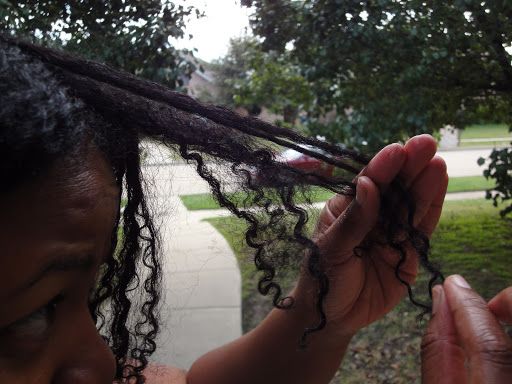
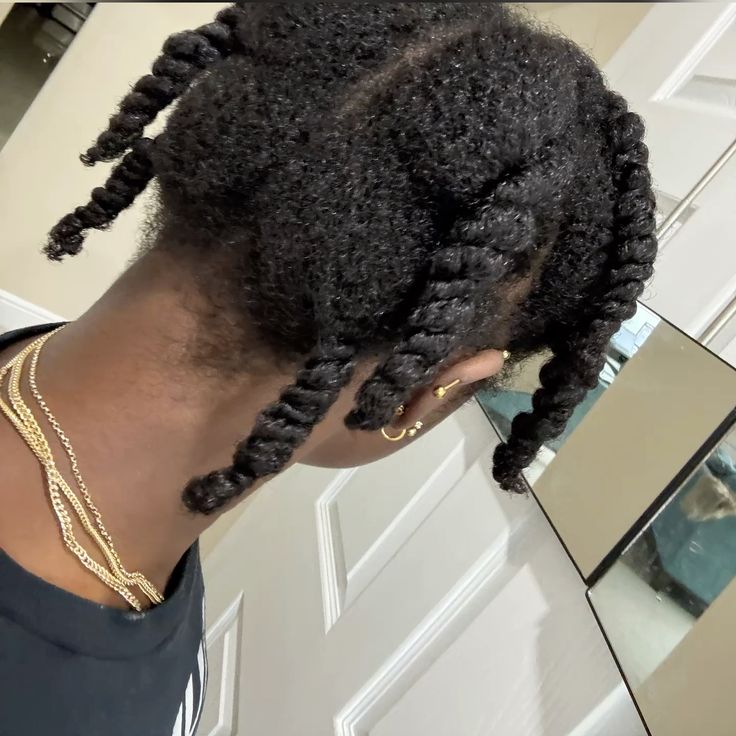
You can loosely twist or section your hair before cleansing, then work through one area at a time. This keeps your strands more organized and makes it easier to apply products evenly.
You don’t need to create complicated sections. The goal is simply to prevent your hair from becoming one large tangled mass.
11. You’re Rubbing Your Hair Dry With a Regular Towel
This is another small habit that can make a difference.
After washing, you may grab the nearest towel and vigorously rub your hair until it no longer feels dripping wet.
That rubbing creates friction at exactly the point when your strands have just been exposed to water and manipulation.
Instead, gently squeeze out excess water and use a soft microfiber towel or cotton T-shirt to blot your hair.
There’s no need to get every drop of water out immediately.
Your hair can continue drying naturally while you move on to the next step of your routine.

12. You’re Treating Every Wash Day the Same
Your hair doesn’t necessarily need the exact same routine every single time.
Maybe you’ve been swimming recently. Perhaps you’ve been exercising more than usual. You may have worn a style that required several styling products.
Those situations can change what your hair and scalp need.
Sometimes you need a deeper cleanse. Other times, your regular shampoo and conditioner are enough.
Your routine should have some flexibility instead of following a rigid formula regardless of what’s happening with your hair.
This is also why your weekly hair care routine should leave room for adjustments.
13. You’re Washing Away Moisture Without Replacing It
Clean hair isn’t necessarily moisturized hair.
After cleansing, your strands still need appropriate conditioning and moisture to remain manageable.
If your routine consists of shampooing, rinsing, and immediately moving to styling, your hair may feel rough or dry before you’ve even finished wash day.
This doesn’t mean you need to apply five different products.
A deep conditioner followed by the moisturizing products that work for your hair may be enough.
The key is paying attention to how your strands feel after cleansing rather than assuming “clean” automatically means “healthy.”
14. You’re Washing Your Hair When It Doesn’t Actually Need Washing
Sometimes the problem isn’t how you’re washing.
It’s when you’re washing.
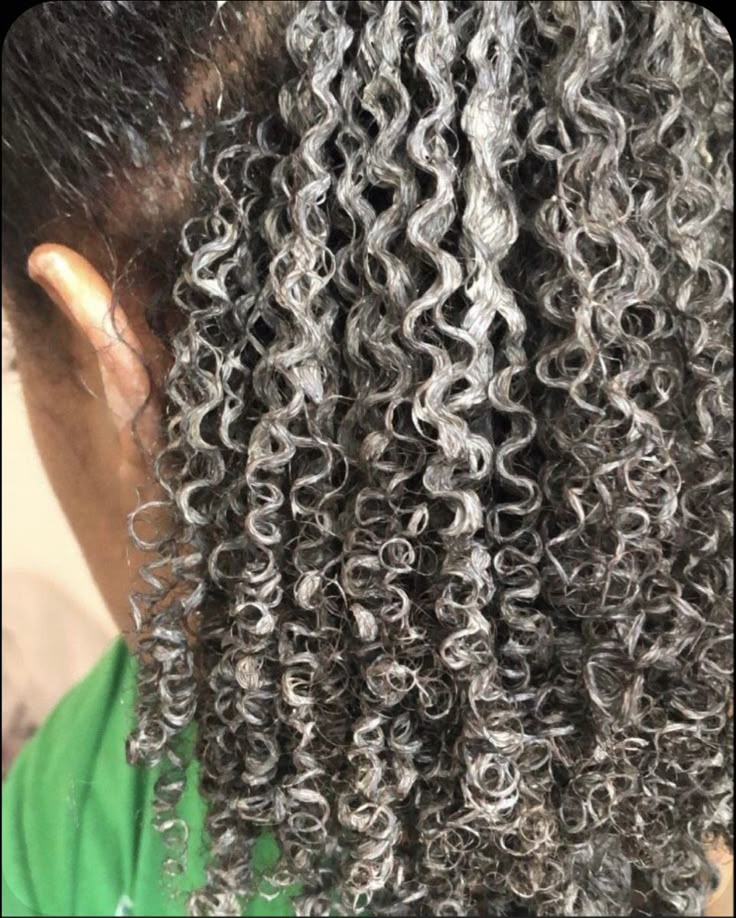
If your scalp isn’t dirty, sweaty, or carrying significant product buildup, there may be no reason to cleanse simply because a certain number of days have passed.
Your lifestyle matters.
Someone who exercises regularly or lives in a hot climate may need a different schedule from someone who spends most of their time indoors.
Rather than copying another person’s 4C hair routine, build a schedule around your own scalp and hair needs.
15. Your Hair Needs a Different Routine During Different Seasons
Humidity, heat, rain, and dry weather can all affect how your hair behaves. A routine that works perfectly during one part of the year may leave your strands feeling completely different during another.
During hot or humid periods, your scalp may sweat more, and your hair may need more frequent cleansing. On the other hand, drier weather can make your strands feel rougher and increase the need for moisture and gentler handling.
This is where your routine needs some flexibility. You don’t necessarily need to completely change your products whenever the weather changes, but you may need to adjust how often you cleanse or moisturize.
For example, summer hair care may require more attention to sweat and buildup, while colder or drier periods may call for more protection against moisture loss.
The important thing is to pay attention to your hair rather than following the same schedule throughout the entire year.
16. You’re Not Giving Your Conditioner Enough Time to Work
Another common mistake happens after shampooing.
You apply conditioner, spread it through your hair, wait a few seconds, and rinse it out because you’re ready to finish wash day.
The problem is that your conditioner may need more time to soften the hair and improve manageability. Rinsing it out almost immediately can leave you wondering why your hair still feels rough and difficult to detangle.
You don’t necessarily need to leave every conditioner on for twenty or thirty minutes. Check the instructions on the product and give it the recommended amount of time to work.
For days when your hair feels particularly dry or difficult to manage, a deeper conditioning treatment may be more appropriate. Deep conditioning can give your strands more time with a conditioning formula and may make detangling much easier afterward.
Just remember that longer isn’t automatically better. Follow the product instructions and pay attention to how your hair responds.
17. You’re Focusing on Your Hair and Forgetting Your Scalp
Your hair gets most of the attention during wash day, but your scalp deserves just as much consideration.
The scalp is where your hair grows, and it is also where sweat, oil, dead skin cells, and styling products can accumulate.
A scalp that isn’t properly cleansed can leave you feeling uncomfortable and may contribute to itching or buildup. At the same time, aggressively scrubbing your scalp or washing too frequently can create its own problems.
The goal is balance.
Massage your shampoo gently with your fingertips rather than scratching with your nails. Take your time moving across the scalp so you aren’t concentrating all your effort on one area.
You also don’t need to pile your hair together and scrub it aggressively to get a clean result. Keep your attention on the scalp and allow the cleanser to move through the lengths during rinsing.
If you regularly experience itching, excessive flakes, tenderness, or other scalp concerns, don’t simply keep adding hair products and hoping the problem disappears. Your scalp may need a different approach altogether.
A healthy routine starts with both the scalp and the strands, not one or the other.
What a Better Wash Day Can Look Like
A good wash day doesn’t have to involve ten products and a complicated process.
Start by gently separating your hair into manageable sections. Remove obvious tangles with your fingers before getting into the shower.
Use lukewarm water to thoroughly wet your hair and scalp. Apply your shampoo primarily to the scalp and massage gently with your fingertips.
Allow the cleanser to rinse through your lengths without aggressively scrubbing them.
Follow with conditioner and give it enough time to soften the strands. Once your hair has enough slip, work through the sections gently, starting from the ends.
Rinse thoroughly, then squeeze out excess water instead of rubbing your hair with a towel.
From there, apply your usual leave-in or moisturizing products and choose a hairstyle that doesn’t require excessive manipulation.
That’s really the goal of washing 4C hair. Your wash day should leave your scalp clean and your strands manageable enough to continue with the rest of your routine.
Final Thoughts
Your wash day doesn’t have to be perfect.
You don’t need the most expensive shampoo, the longest routine, or every natural hair product on the market. Sometimes the biggest improvement comes from changing a few habits that seem too ordinary to matter.
Be gentler with your scalp and strands. Give your conditioner enough time to work. Detangle slowly. Avoid unnecessary friction. Pay attention to how often you’re washing and how your hair feels afterward.
Most importantly, don’t assume that dryness, tangling, or breakage is simply something you have to accept because you have 4C hair.
Your hair can be clean without feeling stripped. It can be moisturized without feeling heavy. And washing 4C hair can become a much easier part of your routine once you understand what your strands actually need.



3 Comments