
Best Clarifying Shampoo For Product Buildup
Disclosure: Some of the links in this post are affiliate links. This means if you click on the link and purchase an item, I will receive an affiliate commission at no extra cost to you.
Product buildup can quietly become one of the most frustrating parts of caring for natural hair. You may notice that your hair no longer feels as soft as it normally does, your products stop absorbing properly, or your scalp feels coated even after washing.
This is where a clarifying shampoo can be useful.
Unlike a regular moisturizing shampoo, a clarifying shampoo is designed to provide a deeper cleanse and help remove accumulated oils, styling products, dirt, and residue. For people with 4C hair, this can be particularly helpful because creams, butters, gels, oils, edge controls, and other styling products are often layered throughout a routine.
However, clarifying does not mean stripping your hair aggressively. The goal is to remove buildup while maintaining a healthy balance between a clean scalp and moisturized strands.
In this guide, we’ll look at some of the best clarifying shampoos for product buildup, what makes a clarifying shampoo different from a regular shampoo, how often you may need one, and how to use it without leaving your hair feeling excessively dry.
What Is Product Buildup?
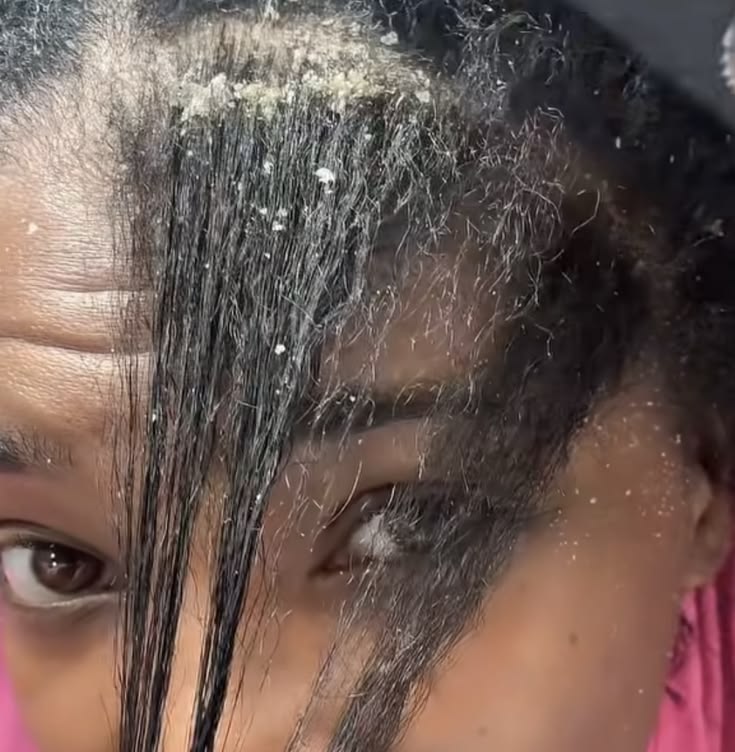
Product buildup happens when residue from hair products accumulates on your strands or scalp over time.
Leave-in conditioners, oils, creams, gels, edge control, styling mousses, butters, and even some conditioners can contribute to buildup, especially when products are repeatedly layered without thoroughly cleansing the hair.
You may notice several signs when buildup becomes excessive.
Your hair might feel heavy, waxy, greasy, or coated. Products that normally work well may suddenly sit on top of your strands instead of absorbing.
Your hair can also become harder to moisturize because the accumulated residue creates a barrier between your strands and new products.
Your scalp may also feel uncomfortable or unusually dirty.
For people learning how to remove product buildup from 4C hair, recognizing these signs early can help prevent the problem from becoming more difficult to manage.
Buildup is not necessarily a sign that your hair is dirty. You may simply be using products that require a deeper cleanse from time to time.
What Is a Clarifying Shampoo?
A clarifying shampoo is a cleanser formulated to remove more buildup than a typical everyday shampoo.
Regular shampoos are generally designed to cleanse the scalp and hair as part of your normal washing routine. Clarifying shampoos, on the other hand, are typically used when you need a deeper cleanse.
This can be useful if you regularly use heavy products or if your hair has started feeling coated.
Clarifying shampoos may contain stronger cleansing ingredients than the shampoos you normally use. Some formulas are also designed to remove oils, styling residue, and mineral deposits that ordinary cleansing may not completely eliminate.
However, not every clarifying shampoo is equally strong.
Some are formulated to provide a deeper cleanse while still including moisturizing or conditioning ingredients. This can make them more appealing for people with naturally dry or tightly coiled hair.
If you already follow a 4C hair wash day routine, you do not necessarily need to replace your regular shampoo with a clarifying shampoo. Instead, think of clarifying as an occasional addition when your hair actually needs a deeper cleanse.
Why 4C Hair May Need Clarifying
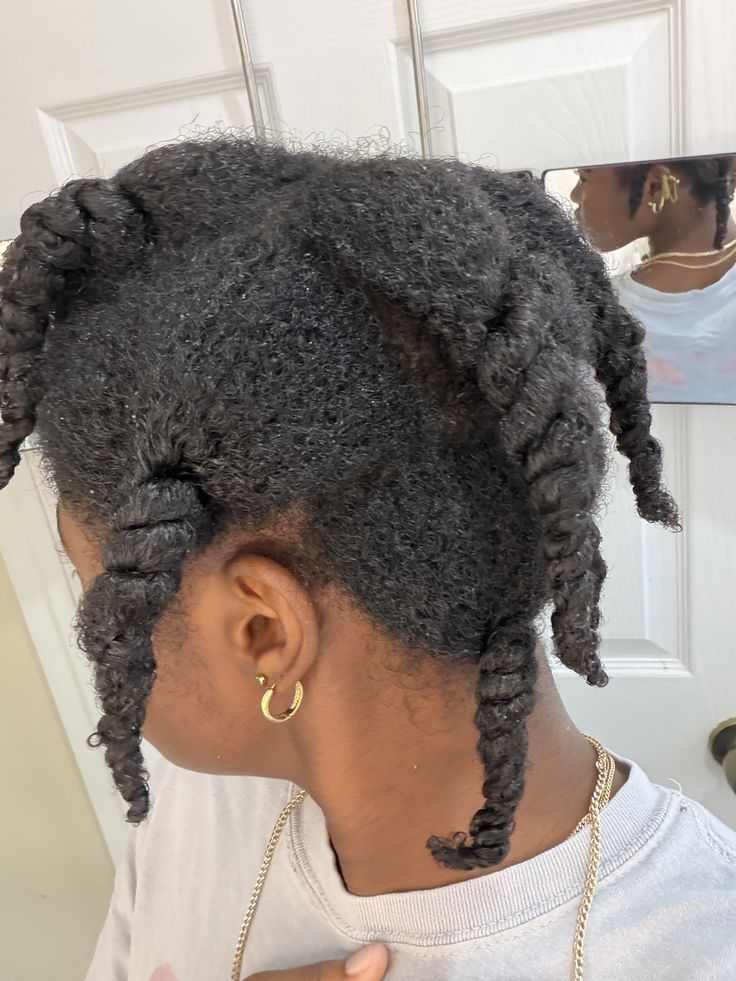
4C hair does not automatically require more clarifying than other textures. However, the products commonly used on tightly coiled hair can make buildup noticeable.
Rich creams, oils, butters, gels, and edge products are often useful for styling and moisture retention, but they can leave residue when repeatedly layered.
Your styling habits also matter.
If you frequently wear sleek buns, defined styles, braids, twists, or styles that require edge control and gels, you may notice buildup faster than someone who wears their hair loose with minimal products.
Understanding 4C hair product buildup can therefore help you determine when your normal cleansing routine is no longer enough.
The key is not to clarify simply because someone else does it every few weeks. Pay attention to how your own hair behaves.
If your hair feels clean and your products are still working normally, you may not need a clarifying wash yet.
Signs You Need A Clarifying Shampoo
Your hair can often tell you when it needs a deeper cleanse.
Your Hair Feels Coated
One of the clearest signs is a coated feeling that remains even after regular washing.
Your strands may feel waxy, sticky, greasy, or unusually heavy.
Moisturizers Stop Working
If you apply your usual moisturizer but it seems to sit on top of your hair instead of making it softer, buildup may be interfering with product absorption.
This is particularly frustrating when you are trying to maintain 4C hair moisture retention.
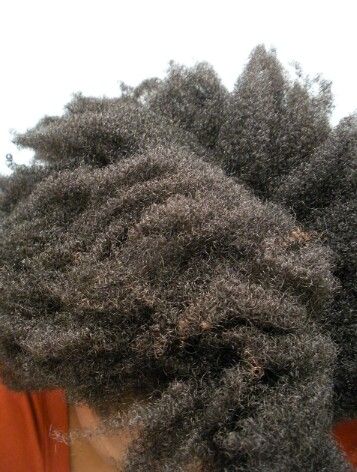
Your Hair Looks Dull
Excessive product residue can make natural hair appear dull rather than soft and vibrant.
Your Scalp Feels Dirty
A scalp that feels greasy, coated, or uncomfortable may benefit from a deeper cleanse.
Your Hair Is Difficult to Style
If your hair suddenly feels unusually heavy or difficult to manipulate, buildup could be one possible reason.
These signs do not always mean you need a clarifying shampoo immediately. They can also result from dryness, hard-water deposits, an unsuitable product, or another change in your routine.
11 Best Clarifying Shampoos for Product Buildup
The best clarifying shampoo for you depends on how much buildup you have, how dry your hair tends to be, and how frequently you use styling products.
Here are some options worth considering.
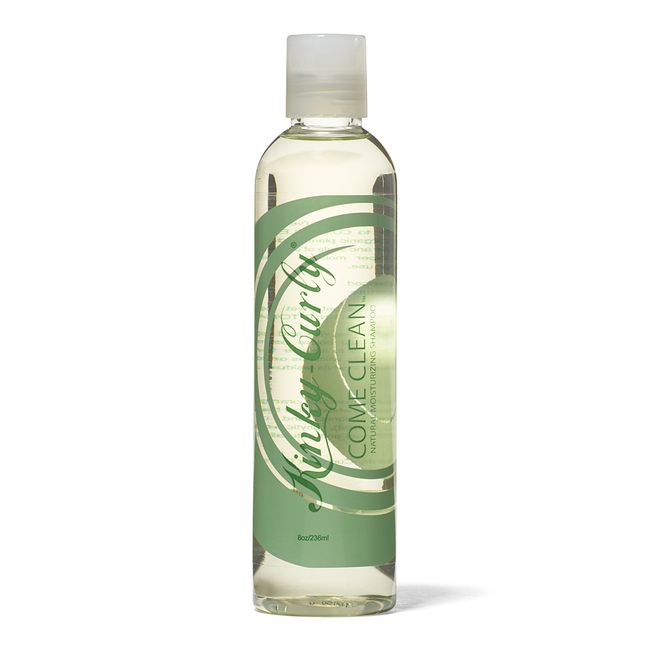
1. Kinky-Curly Come Clean Natural Moisturizing Shampoo
Kinky-Curly Come Clean is a popular option among people with textured hair who want to remove buildup without using a traditional sulfate-heavy cleanser.
The shampoo is designed to remove product buildup and mineral deposits while cleansing the hair and scalp.
Its formula includes mandarin orange extract and sea kelp, and the brand describes it as suitable for all hair types.
This can make it useful if you regularly use leave-in conditioners, creams, oils, or styling products and want an occasional deeper cleanse.
Best for: Product buildup and mineral deposits.
What to consider: Follow with a moisturizing conditioner if your hair tends to feel dry after clarifying.
2. As I Am Curl Clarity Shampoo
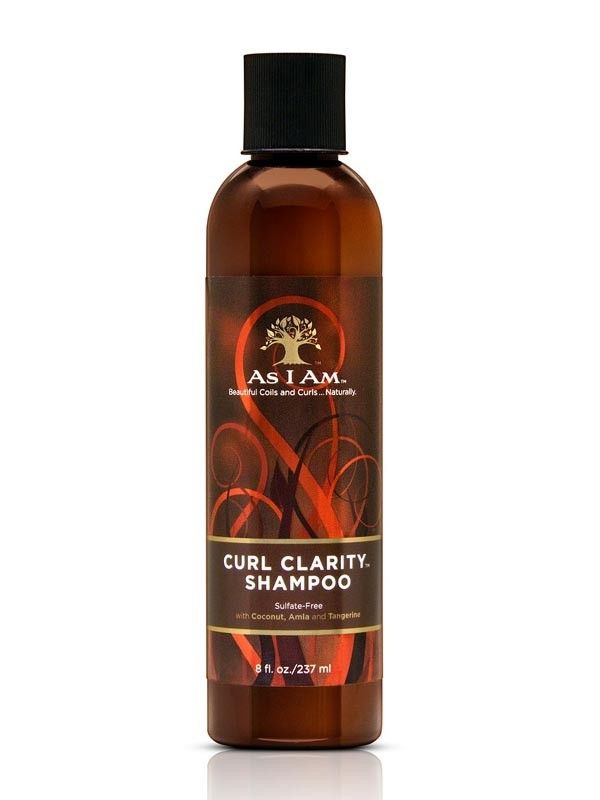
As I Am Curl Clarity Shampoo is another option for removing buildup from textured hair.
The formula is designed to remove impurities while maintaining the hair’s natural moisture balance. It contains coconut oil, amla fruit, and mandarin orange extract.
It can be particularly useful for people who regularly use styling products but still want a cleanser designed for curls and coils.
If you are already experimenting with sulfate-free shampoos for 4C hair, this can also be a useful option when you need more cleansing power.
Best for: Product buildup and occasional deeper cleansing.
What to consider: It may not be necessary for every wash day.
3. Malibu C Un-Do-Goo Shampoo
Malibu C Un-Do-Goo is designed specifically for removing buildup from hair.
It is marketed as a corrective shampoo for removing accumulated styling products, minerals, and other residues.
This makes it a particularly interesting option if ordinary shampoo is no longer giving you the clean feeling you want.
Because it is intended for deeper cleansing, you should follow it with a moisturizing conditioner or deep conditioner if your hair feels dry afterward.
Best for: Heavy product buildup and mineral residue.
What to consider: It may be more cleansing than you need for regular use.

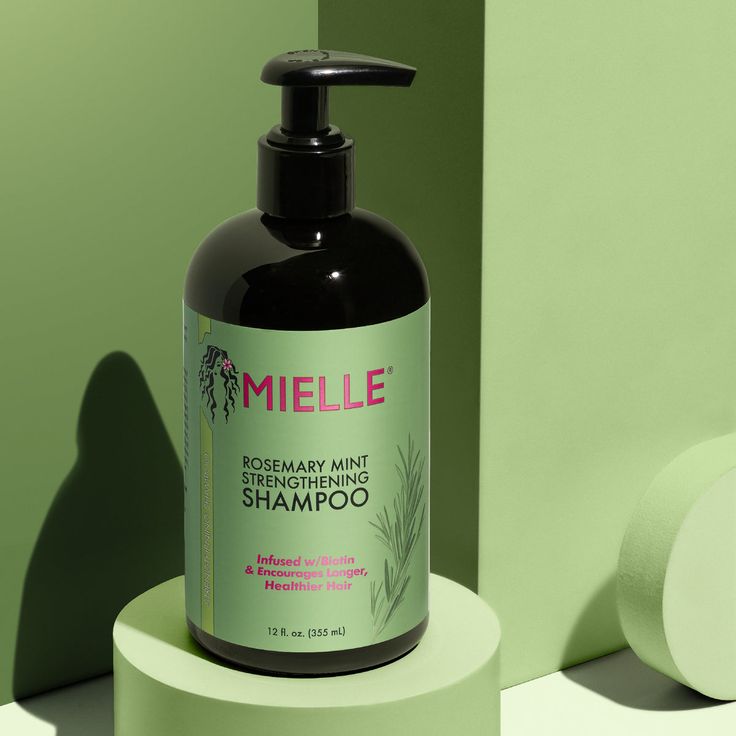
4. Mielle Rosemary Mint Strengthening Shampoo
Mielle Rosemary Mint Strengthening Shampoo can be useful when you want cleansing alongside a strengthening-focused routine.
The formula is designed to remove buildup while cleansing the scalp and hair.
For people with 4C hair who use oils, creams, and styling products regularly, this can serve as a stronger cleansing option between moisturizing wash days.
If your hair is prone to breakage, combine your cleansing routine with other ways to strengthen natural hair rather than relying on shampoo alone.
Best for: Product buildup and hair that needs a strengthening-focused routine.
What to consider: Your hair may need extra conditioning after washing.
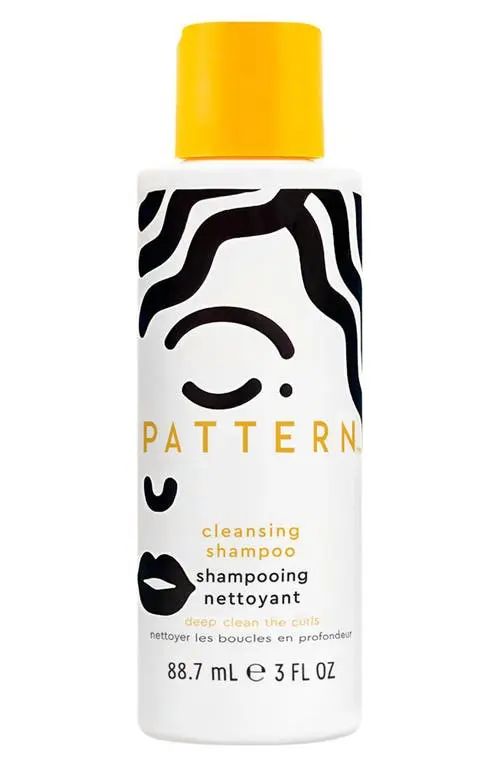
5. Pattern Clarifying Shampoo
PATTERN’s Clarifying Shampoo is formulated to provide a deeper cleanse for curly, coily, and textured hair.
This can be useful for removing buildup from products such as gels, creams, oils, and styling products.
Because the product is specifically created for textured hair, it can be an attractive choice for people who want a clarifying shampoo that does not ignore the needs of curls and coils.
If you are trying to maintain healthy 4C hair, remember that clarifying should be followed by conditioning rather than treated as a complete wash routine by itself.
Best for: Textured hair with significant product buildup.
What to consider: Use it as needed rather than automatically making it your everyday shampoo.
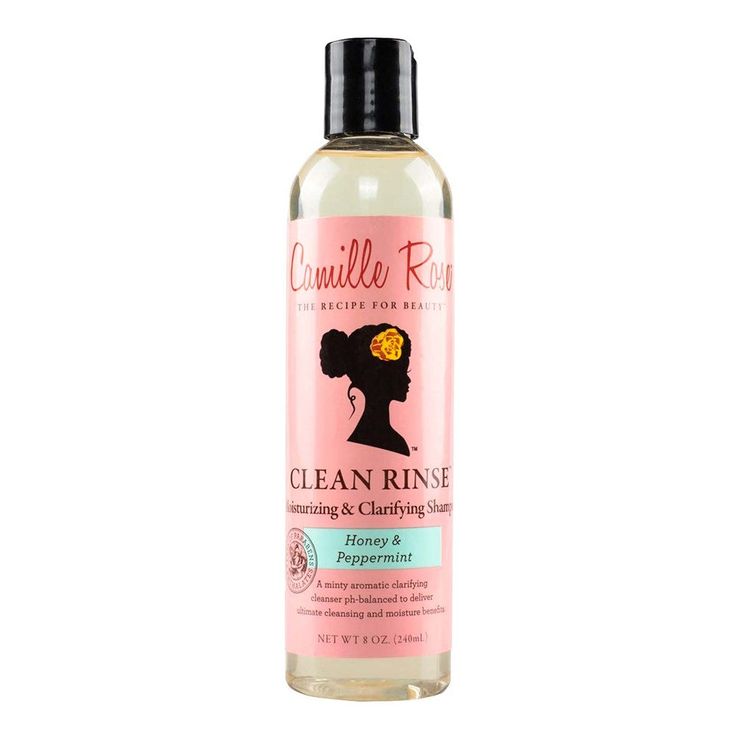
6. Camille Rose Clean Rinse Moisturizing and Cleansing Shampoo
Camille Rose offers cleansing options designed specifically for textured hair.
Its cleansing formulas can be useful when you want to remove residue while maintaining a moisture-conscious routine.
A good clarifying routine does not have to leave your hair feeling rough or squeaky. If your cleanser makes your hair feel extremely stripped, that is a sign that you may need to adjust the frequency or choose a gentler formula.
Best for: Natural hair that needs occasional deeper cleansing.
What to consider: Follow with conditioner or a deep treatment depending on your hair’s condition.
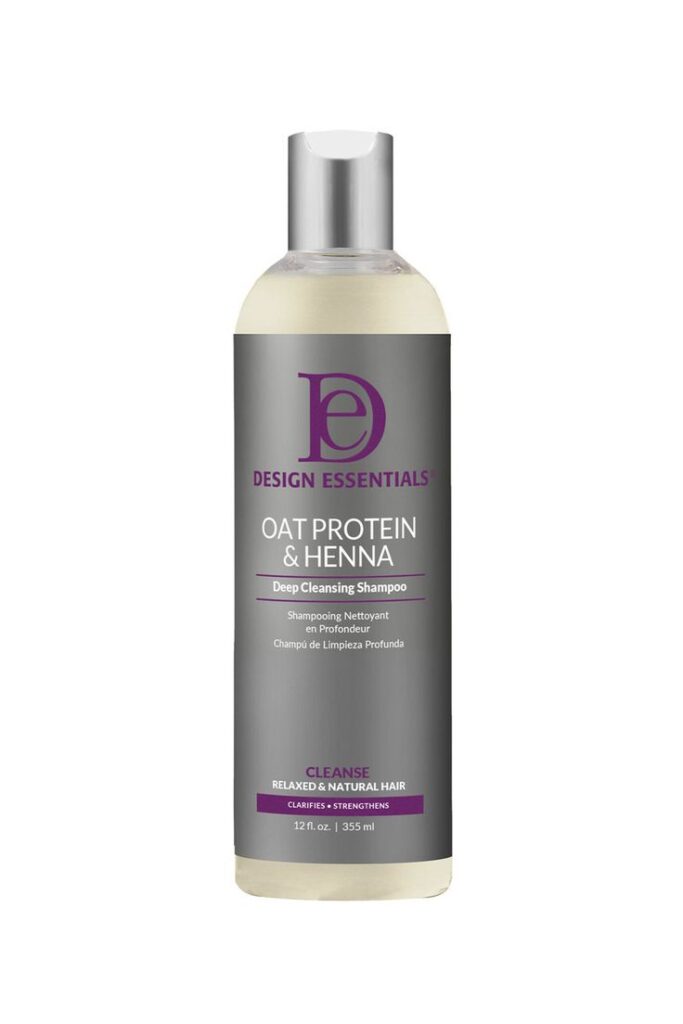
7. Design Essentials Oat Protein & Henna Deep Cleansing Shampoo
Design Essentials has several cleansing products designed for textured hair, and its deeper cleansing options can be useful when buildup becomes difficult to remove.
A clarifying shampoo can be especially useful before treatments because removing excess residue gives subsequent products a cleaner surface to work with.
If you are regularly using deep conditioning 4C hair treatments, occasional clarifying can help prevent layers of old products from interfering with your routine.
Best for: Product-heavy routines and occasional deep cleansing.
What to consider: Follow with a moisturizing treatment.
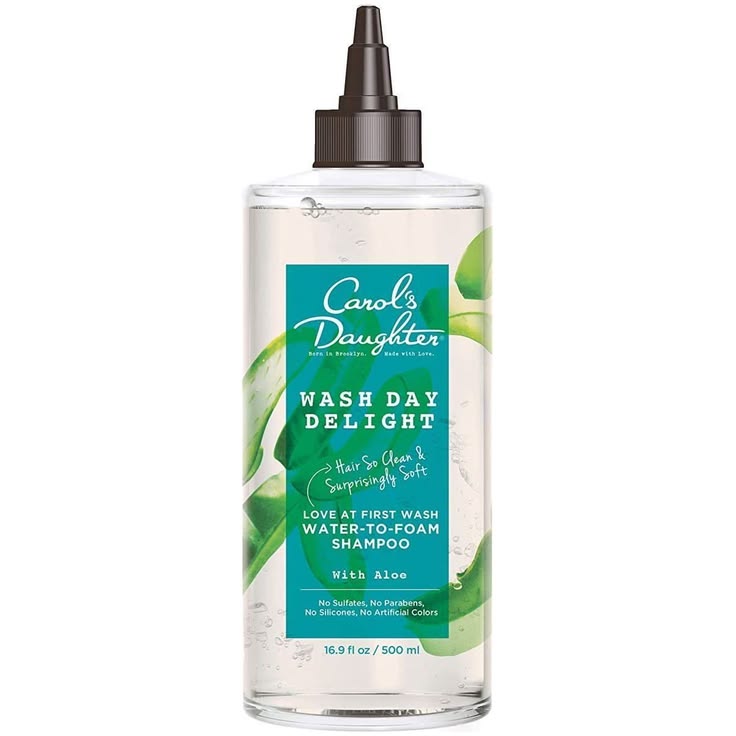
8. Carol’s Daughter Wash Day Delight Water-to-Foam Shampoo
Carol’s Daughter Wash Day Delight is designed to make cleansing natural hair easier, particularly when working through thick hair.
The water-to-foam formula spreads through the hair and scalp easily, which can be useful when you want to cleanse thoroughly without using a large amount of product.
For people who struggle with how to wash 4C hair, a cleanser that distributes easily can make the process more manageable.
Best for: Dense natural hair and easier wash-day application.
What to consider: Follow with a conditioner suited to your hair’s moisture needs.
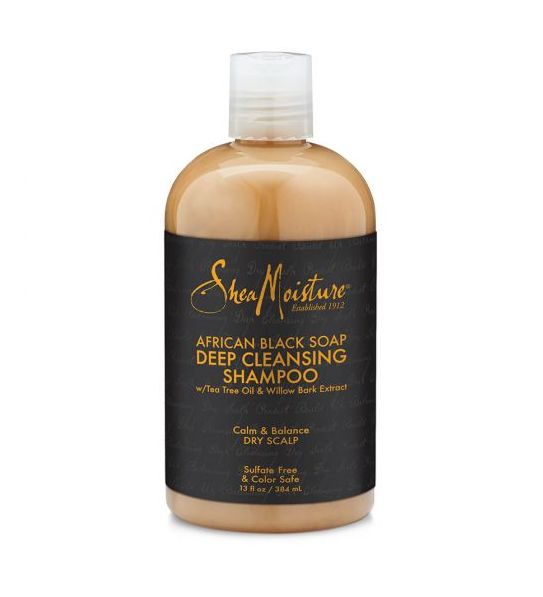
9. SheaMoisture African Black Soap Deep Cleansing Shampoo
African black soap has long been used in cleansing routines, and SheaMoisture’s African Black Soap collection includes products designed to address buildup and scalp concerns.
A deeper-cleansing shampoo like this can be useful when your scalp and strands feel coated from repeated product use.
However, because 4C hair can be prone to dryness, follow your clarifying wash with an appropriate conditioner.
Best for: Buildup-prone hair and scalp cleansing.
What to consider: Monitor how your hair responds and avoid over-cleansing.
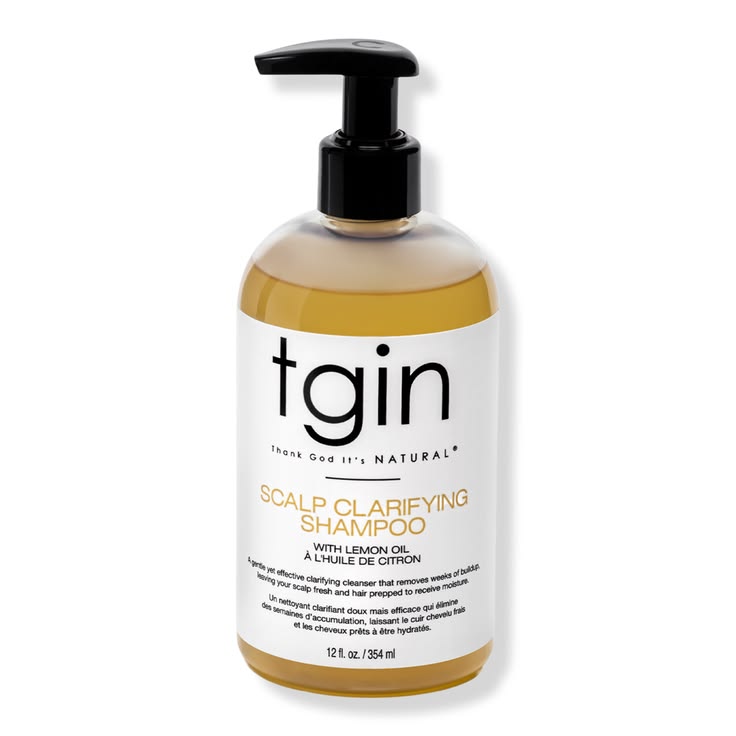
10. TGIN Moisture Rich Sulfate-Free Shampoo
Although TGIN Moisture Rich Shampoo is not positioned as a heavy-duty clarifying shampoo, it can be useful as a regular cleanser for people who want to remove everyday residue without using a very aggressive cleanser.
This distinction matters because not every instance of buildup requires the strongest clarifying shampoo available.
Sometimes improving your regular cleansing routine is enough.
If your main problem is dryness rather than heavy buildup, a moisturizing shampoo may actually be a better choice.
Best for: Regular cleansing when dryness is also a concern.
What to consider: Use a stronger clarifying shampoo occasionally if your regular cleanser cannot remove accumulated residue.
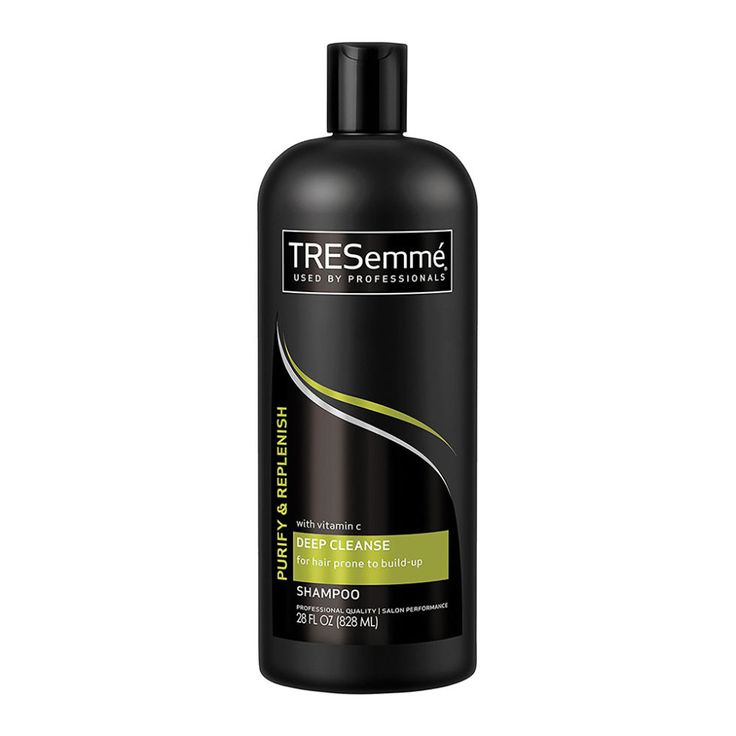
11. TRESemmé Deep Cleanse Shampoo
TRESemmé Deep Cleanse Shampoo is another option to consider when your hair feels weighed down by excess oil, styling products, or everyday residue.
It is designed to provide a deeper cleanse and leave the hair feeling refreshed without requiring a complicated wash-day routine.
For natural hair, it can be particularly useful when regular shampoo is no longer removing the buildup from products such as gels, creams, oils, and edge control effectively.
Because clarifying shampoos can sometimes leave tightly coiled hair feeling dry, follow this type of deeper cleanse with a moisturizing conditioner or deep-conditioning treatment.
Best for: Hair that feels heavy or coated from regular product use.
What to consider: It is better suited to occasional deeper cleansing than everyday use, especially if your 4C hair is prone to dryness.
How Often Should You Clarify 4C Hair?
There is no universal schedule for clarifying natural hair.
Some people may need a deeper cleanse every few weeks, while others may go much longer between clarifying sessions.
Your routine should depend on how much product you use and how your hair responds.
If you regularly use heavy creams, oils, gels, edge control, or styling waxes, you may notice buildup more quickly.
On the other hand, someone who uses lightweight products and washes regularly may not need to clarify very often.
This is where understanding how often to wash 4C hair becomes important. Your regular shampoo routine and your clarifying routine should work together rather than competing with each other.
A good starting point is to clarify when you notice clear signs of buildup instead of following a rigid calendar.
How to Clarify 4C Hair Without Excessive Dryness
Clarifying should be followed by a moisture-focused routine.
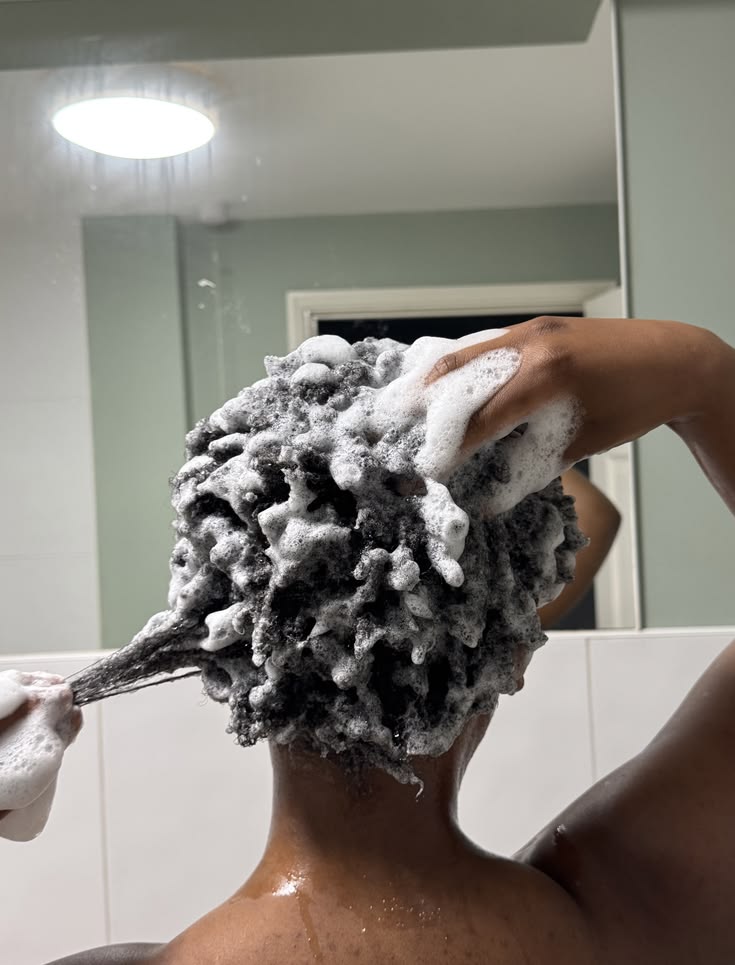
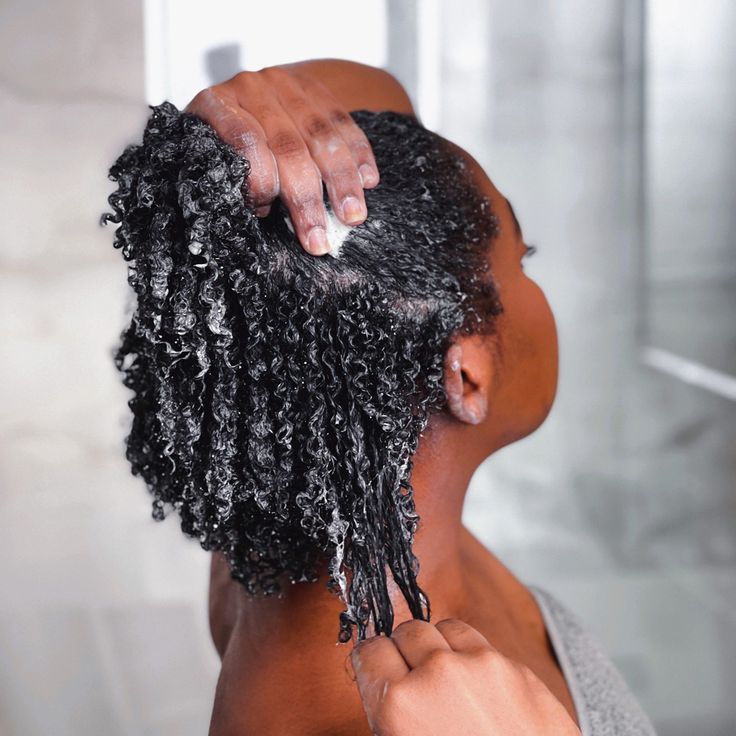
Start by thoroughly wetting your hair. Divide dense hair into sections if necessary so the shampoo can reach your scalp properly.
Apply the clarifying shampoo mainly to the scalp and gently massage it with your fingertips.
You do not need to aggressively scrub the lengths of your hair. As you rinse, the shampoo will naturally pass through the rest of the strands.
After rinsing, apply a conditioner with good slip. If your hair feels particularly dry, follow with a deep-conditioning treatment.
This is also a good opportunity to be intentional about how to keep 4C hair moisturized, because the goal after clarifying is to restore softness and manageability.
Avoid immediately applying multiple layers of heavy products simply because your hair feels clean. Give it the moisture and conditioning it actually needs first.
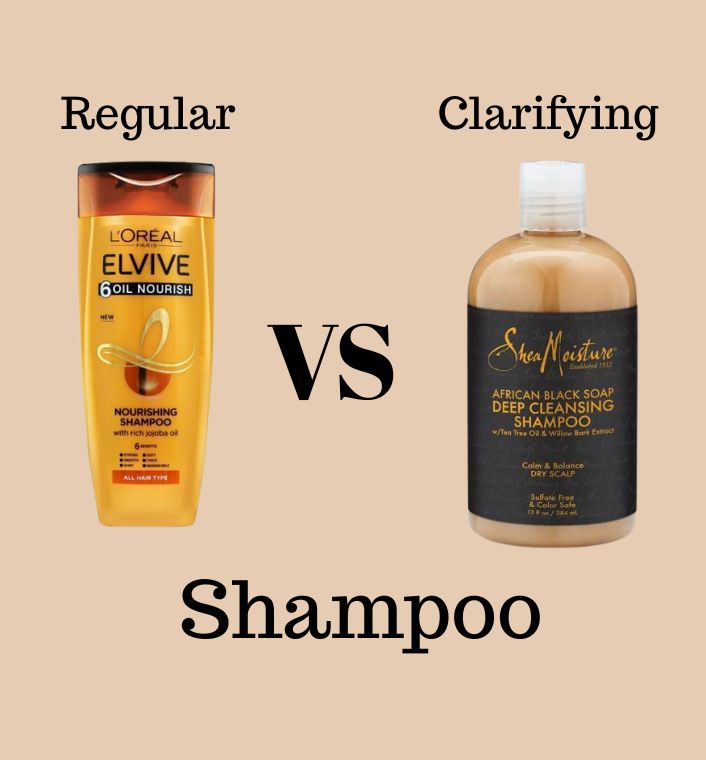
Clarifying Shampoo vs Regular Shampoo
The main difference is the level and purpose of cleansing.
A regular shampoo is generally designed for routine washing. A clarifying shampoo is intended to tackle heavier buildup and provide a deeper cleanse.
That means you do not necessarily have to choose one or the other.
Many natural-hair routines work well with a regular shampoo for most wash days and a clarifying shampoo occasionally when buildup becomes noticeable.
If you use sulfate-free shampoos for your regular cleansing, you can still introduce a clarifying shampoo when needed.
The key is understanding what your hair needs at that particular time.
What to Do After Clarifying Your Hair
The work does not end when you rinse out your shampoo.
After a clarifying wash, your next steps should focus on restoring moisture and making the hair easier to manage.
Apply a moisturizing conditioner and allow it enough time to soften your strands.
If your hair feels particularly dry, use a deep conditioner.
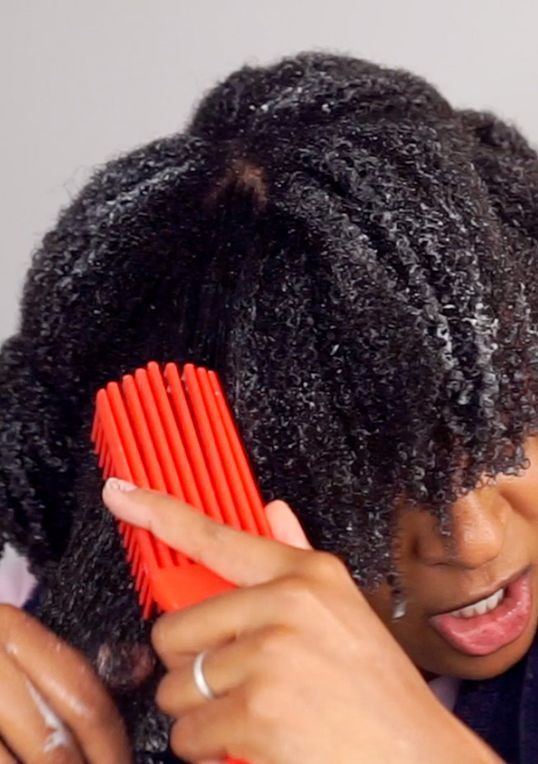
Detangle gently, preferably while your hair has enough moisture and slip to reduce friction.
After rinsing, apply your preferred leave-in conditioner and moisturizer before styling.
This is also a good time to protect your ends. If you are looking for ways to prevent split ends on natural hair, minimizing unnecessary manipulation after wash day is a useful habit.
Finally, choose a low-manipulation style if your hair feels fragile.
Final Thoughts
Clarifying shampoo can be a valuable addition to a natural hair routine when product buildup becomes a problem.
The goal is not to use the strongest cleanser possible. It is to find a formula that removes the residue your regular shampoo is struggling to eliminate while still allowing you to maintain healthy, manageable hair.
The best clarifying shampoos for product buildup will depend on your specific routine. Someone who uses heavy gels and edge control may need a deeper cleanser, while someone who mainly uses lightweight leave-ins may only need occasional clarifying.
Pay attention to your hair. If it feels coated, dull, heavy, greasy, or resistant to your normal moisturizing products, it may be time for a deeper cleanse.
Once you clarify, follow with conditioning and gentle handling to bring moisture and softness back into your routine.
With the right balance, clarifying does not have to mean sacrificing moisture. It can simply be another tool that helps you maintain a clean scalp, manageable strands, and a more effective natural hair routine.





17 Comments