
Microlocs vs Sisterlocks: What’s the Difference?
Disclosure: Some of the links in this post are affiliate links. This means if you click on the link and purchase an item, I will receive an affiliate commission at no extra cost to you.
If you are thinking about starting a loc journey, you have probably come across both microlocs and Sisterlocks. At first glance, they can look very similar, especially because both involve small, neat locs that offer plenty of styling possibilities. However, they are not exactly the same thing.
The differences go beyond appearance. Installation methods, sizing, maintenance, cost, training requirements, and the overall system used to create the locs can vary.
This is especially worth understanding if you have 4C hair. Your hair density, strand thickness, length, and natural shrinkage can all affect how your locs look and how they need to be maintained.
Before booking an appointment, it helps to know what you are actually choosing. You do not need to choose a style simply because it looks good on someone else. Your lifestyle, budget, preferred hairstyles, and willingness to maintain your locs should all be considered.
If you are already researching your options, here is a closer look at Microlocs vs Sisterlocks, what makes them different, what they have in common, and what to think about before starting either one.
What Are Microlocs?
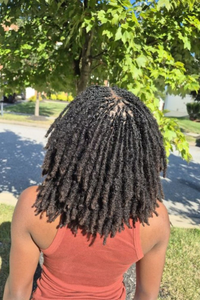
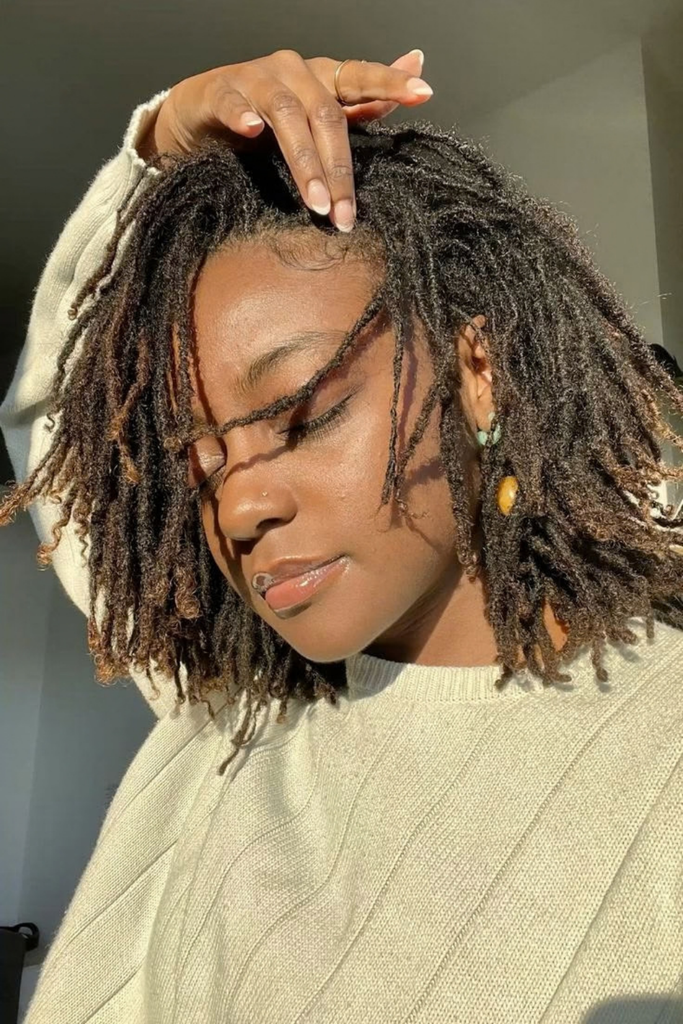
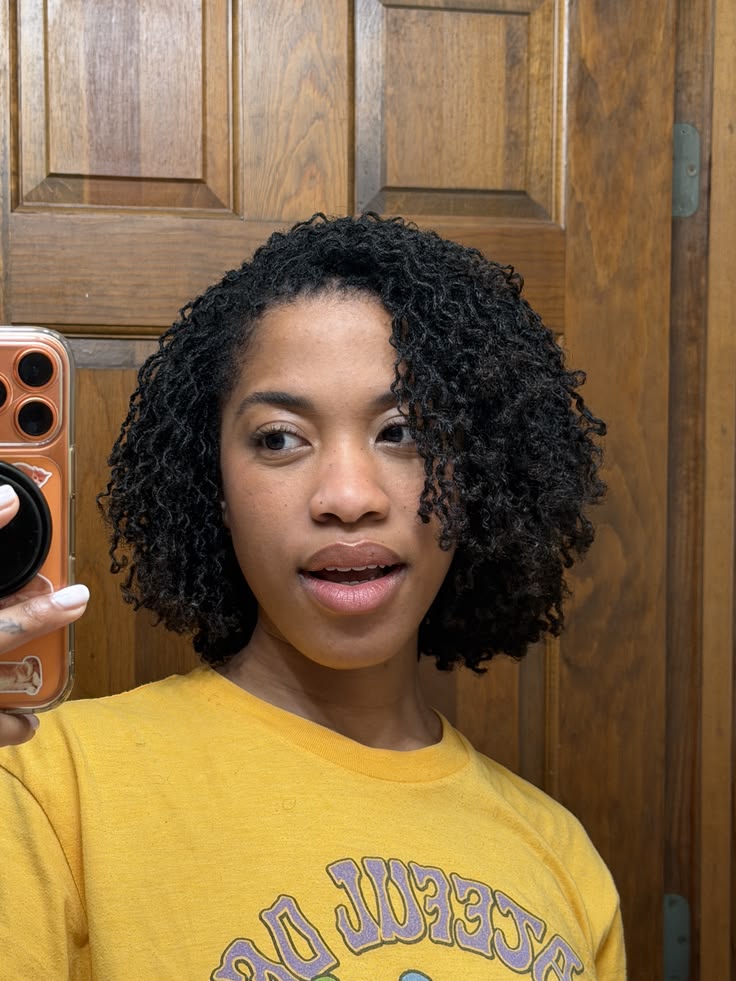
Microlocs are a form of small locs created by dividing natural hair into many individual sections and allowing each section to develop into a loc.
The term “microlocs” describes the size and structure of the locs rather than one single standardized installation system. Different locticians may use different techniques to create and maintain them.
Depending on the installation method, microlocs can be started through interlocking, twisting, braiding, or other techniques suitable for the person’s hair.
One of the biggest attractions is versatility. Because the locs are small, they can often be styled in ways that are difficult with larger traditional locs.
The number of microlocs you have can vary considerably. Your hair density, desired size, and parting pattern all contribute to the final result.
If you are new to locs, it can also help to understand what 4C hair is before deciding how you want to start your journey. Your natural texture and density can influence how your hair behaves during installation and maturation.
What Are Sisterlocks?
Sisterlocks are a trademarked natural hair locking system created by Dr. JoAnne Cornwell.
The system uses a specific locking technique and grid pattern designed to create very small, uniform locs. Sisterlocks are installed and maintained by trained consultants who have completed the required Sisterlocks training.
This makes Sisterlocks different from microlocs in an important way. While “microlocs” can refer to different small-loc systems and techniques, Sisterlocks follow a specific established system.
The locs are designed to be extremely small, which allows for considerable styling flexibility.
Because the system is standardized, your consultant will generally follow established procedures for consultation, sizing, installation, and maintenance.
If you are considering Sisterlocks, you should therefore think about more than how the locs look. The system itself is part of what you are paying for.

Microlocs vs Sisterlocks: The Biggest Difference
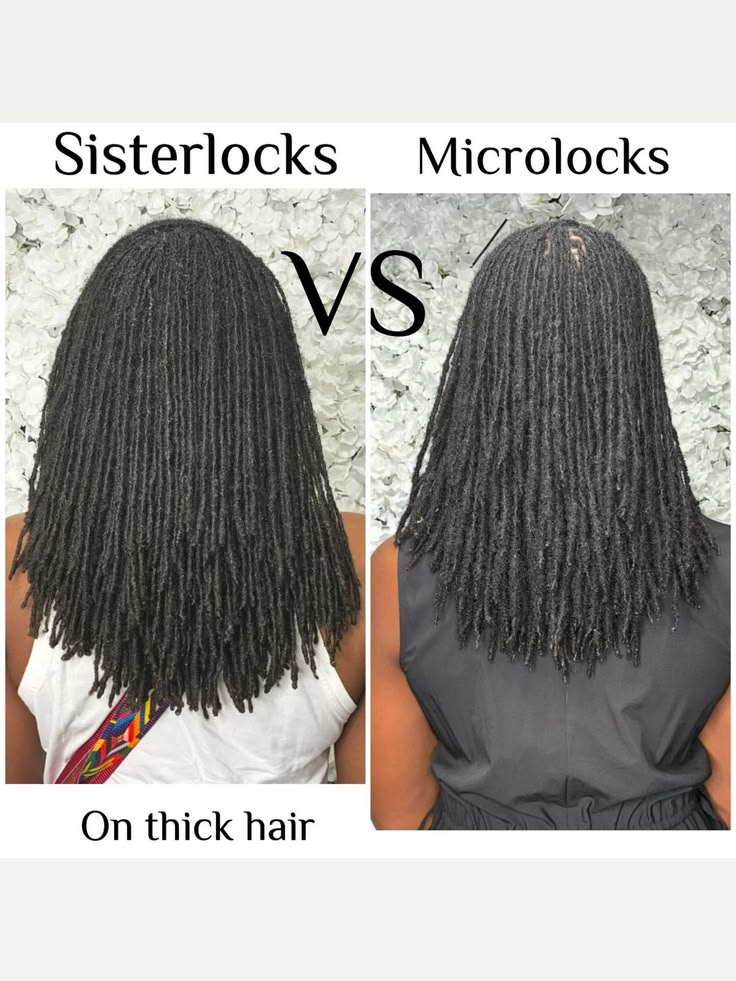
The easiest way to understand Microlocs vs Sisterlocks is to think of microlocs as a broader category and Sisterlocks as a specific trademarked system.
Microlocs can be installed using different techniques and do not necessarily follow one universal grid or maintenance system.
Sisterlocks, on the other hand, are created according to a particular system and are installed by trained consultants.
This distinction is important because someone may describe their small locs as microlocs even though they were not installed using the Sisterlocks system.
The two can look remarkably similar, particularly once they mature, but their installation process and maintenance structure can be different.
The Installation Process Is Different
The installation process is one of the clearest differences between the two.
Microlocs can be created using several techniques. Your loctician may recommend a method based on your hair density, desired loc size, maintenance preferences, and the final appearance you want.
Sisterlocks follow a specific technique taught through the Sisterlocks training system. The consultant uses the established locking method and grid to create the locs.
Both installations can take a long time because there are many individual sections involved.
Your hair length and density can also affect how long you spend in the chair.
If you are comparing these options because you want something that can be installed relatively quickly, remember that neither should be rushed. Careful sectioning and proper technique matter more than simply finishing the appointment as quickly as possible.
The Parting Pattern Matters
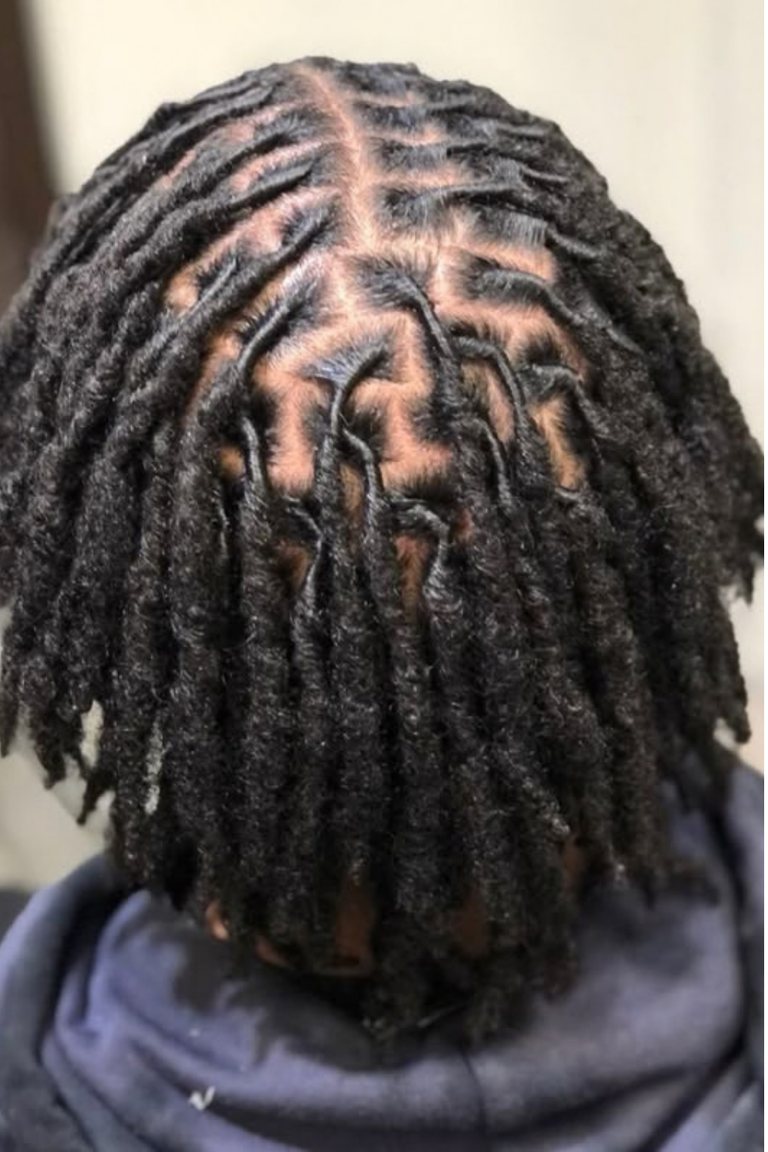
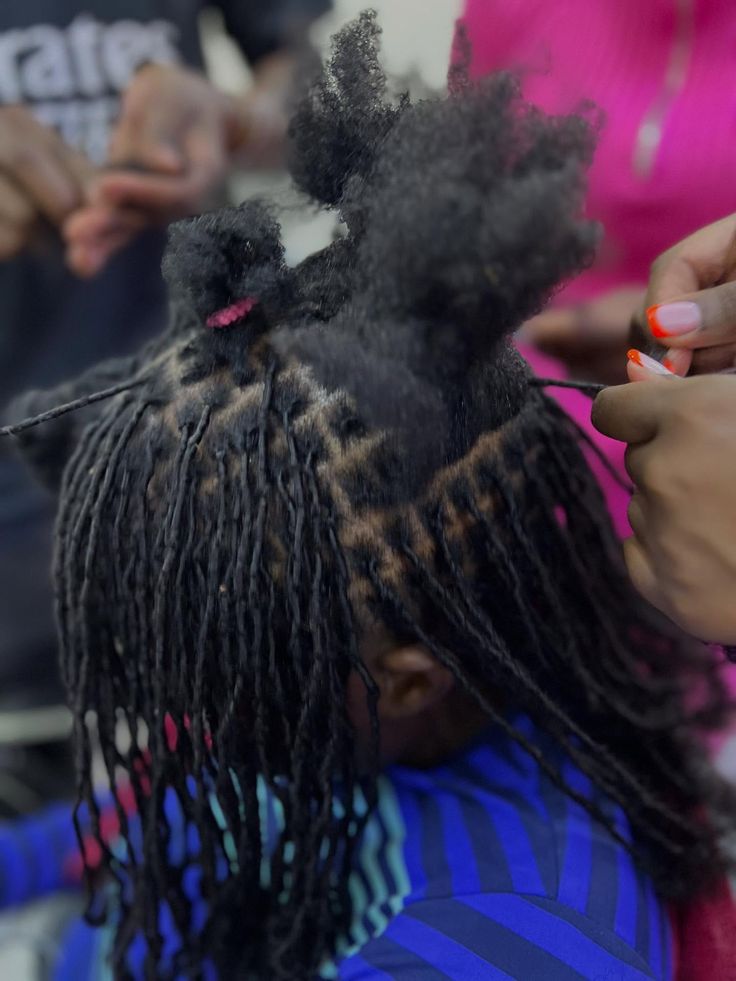
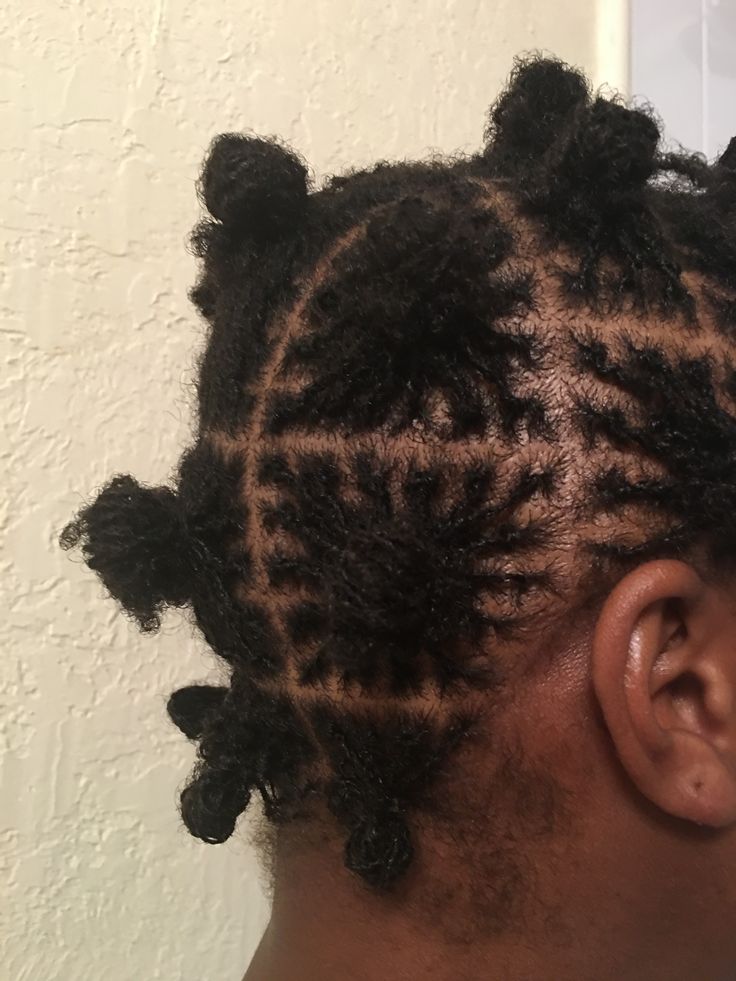
Parting is a major part of creating small locs because each section eventually becomes an individual loc.
With microlocs, the grid can vary depending on the technique and the loctician.
Sisterlocks use a specific grid designed as part of the Sisterlocks system.
The parting pattern affects more than the appearance of your scalp. It can also influence how the locs sit, how they grow, and how easy they are to maintain.
This is why copying a grid from a photograph may not work well for everyone.
Your head shape and hair density should be considered when determining how the hair should be sectioned.
For anyone preparing for a loc journey, understanding hair density can make conversations about sizing and sectioning much easier.
Which One Is Smaller?
Both microlocs and Sisterlocks are known for being small, but there is no single size that applies to every set of microlocs.
Sisterlocks are generally created to be very small and uniform according to the system.
Microlocs can vary more in size depending on how they are installed. Some may be extremely small, while others may be slightly larger.
This means the word “microlocs” alone does not tell you exactly how many locs you will have.
If size matters to you, discuss it during your consultation rather than assuming that every small-loc hairstyle will have the same appearance.
Your preferred loc size should also take your hair density and long-term maintenance into account.
Your Hair Density Can Affect Your Options
Hair density is another factor worth discussing before installation.
Someone with very dense hair may have more flexibility when choosing the number and size of locs. Someone with lower density may need larger sections to create a strong foundation.
This does not mean one hair density is better than another.
It simply means the installation should be adapted to the hair you actually have.
Your density can also vary around your scalp. Your edges may be thinner than your crown, for example, which means a good consultant or loctician should assess different areas rather than using exactly the same approach everywhere.
This is particularly relevant for people with 4C hair because tightly coiled hair can have significant shrinkage that makes density and length difficult to judge visually.
What About 4C Hair?
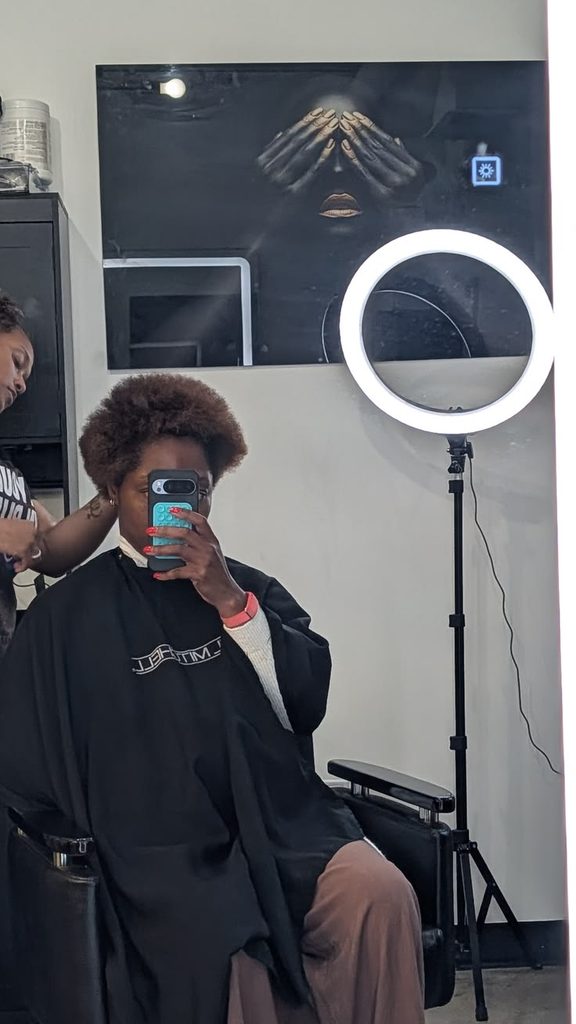
Both microlocs and Sisterlocks can work with 4C hair.
The tightly coiled texture can provide a strong foundation for locs, but shrinkage can affect how the hair looks immediately after installation.
Your hair may appear significantly shorter than its stretched length.
This is completely different from saying that 4C hair cannot grow long. The visible length of tightly coiled hair can simply be reduced by shrinkage.
Your daily habits also matter. Excessive manipulation, poor detangling, and neglecting moisture can contribute to breakage regardless of whether your hair is loose or loc’d.
Building a good 4C hair care routine before beginning your loc journey can help you establish habits that continue to benefit your hair afterward.
Which One Offers More Styling Flexibility?
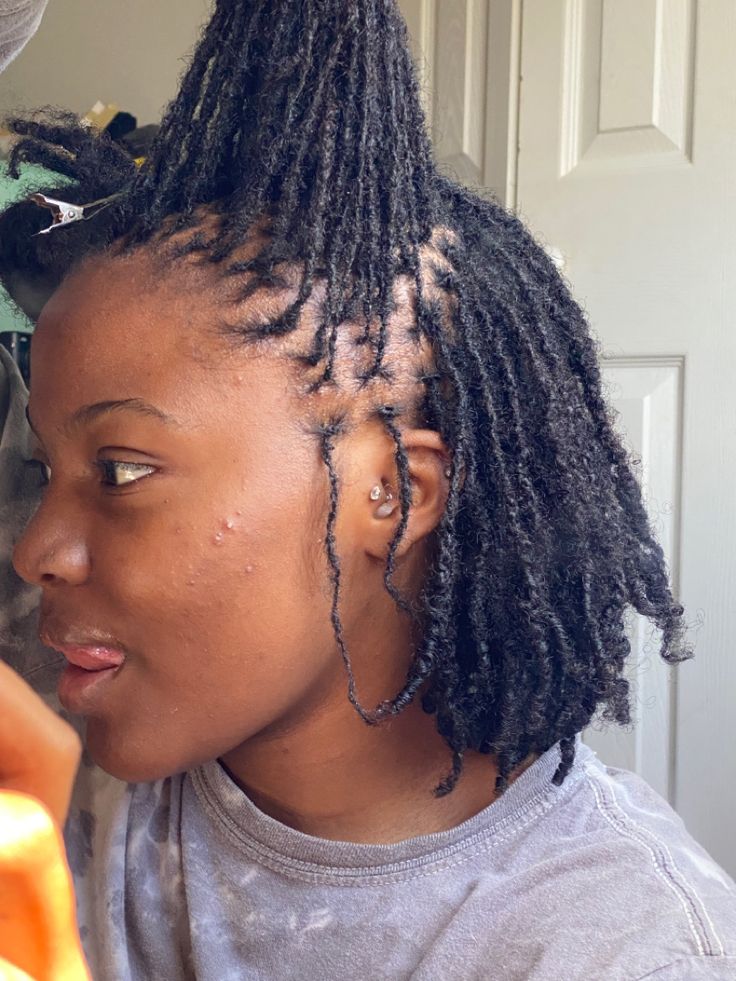
Both can provide considerable styling flexibility.
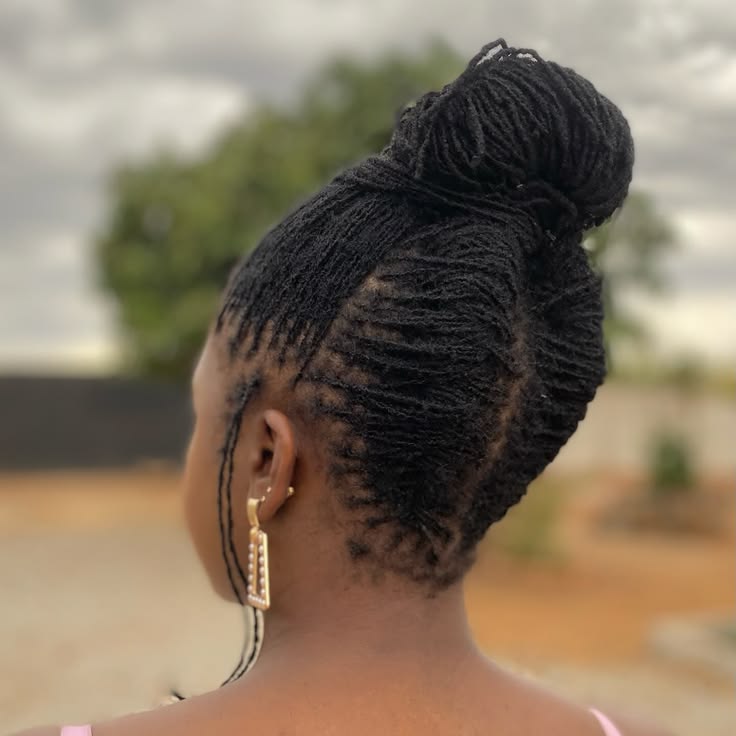
Small locs can usually be gathered into ponytails, buns, updos, curls, and other styles. The smaller the locs, the more closely they can resemble loose natural hair when arranged in certain styles.
Sisterlocks are particularly known for their styling versatility because of their small size.
Microlocs can also offer plenty of options, depending on their size and installation.
However, having many styling options does not mean you should constantly manipulate your locs.
Repeated tension around the same areas can affect your roots and hairline over time.
Using lightweight natural hair accessories can also change the appearance of a simple loc style without requiring complicated manipulation.
Maintenance Can Be Different
Both systems require maintenance, but the process may differ.
Microloc maintenance depends heavily on the technique used to create them. Some people use interlocking, while others may use another maintenance method.
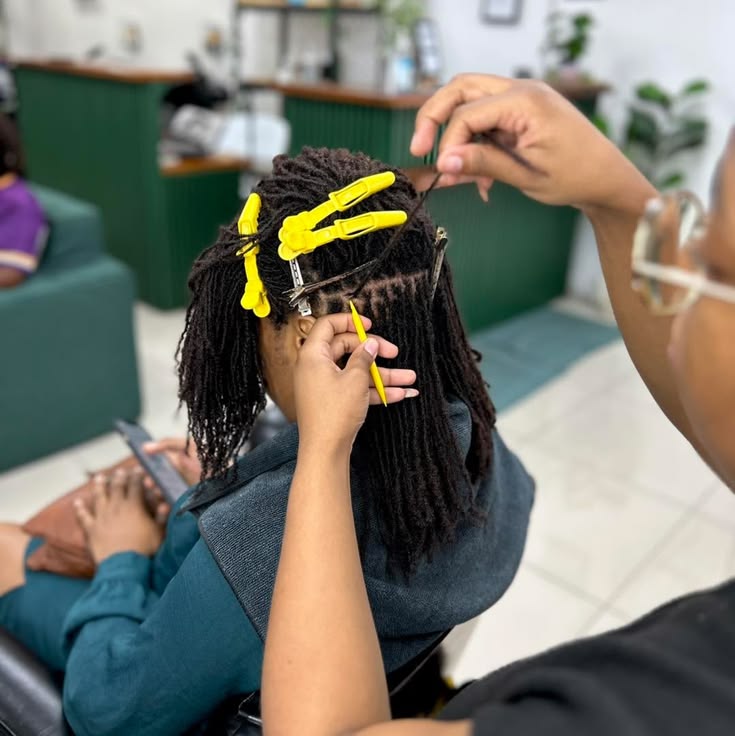
Sisterlocks have an established maintenance system that is usually performed by a trained consultant.
Because the locs are so small, maintenance involves working with many individual sections. This can take time.
You should therefore ask how often your consultant or loctician recommends maintenance and what each appointment is expected to involve.
The goal is not simply to keep the roots looking neat. Your maintenance routine should also protect the health of your hair and scalp.
A monthly hair care checklist can be useful for keeping track of your overall hair needs alongside your loc appointments.
Sisterlocks Have a Specific Training System
One of the major distinctions between Sisterlocks and general microlocs is the training system behind Sisterlocks.
Sisterlocks consultants undergo specific training to learn the established technique.
This means you should be cautious about anyone claiming to provide Sisterlocks without being properly trained in the system.
If you specifically want Sisterlocks, ask about the consultant’s training and experience before booking.
If you are simply interested in very small locs, you have more options because microlocs can be created using different techniques and by different professionals.
Knowing the difference can prevent confusion when comparing prices or looking through portfolios.

Which One Costs More?
There is no single price that applies to every installation.
The cost can depend on your location, hair length, density, number of locs, installation time, professional experience, and the system being used.
Sisterlocks may involve a higher initial investment because you are paying for a specific system and the services of a trained consultant.
Microloc prices can vary widely because the term covers different installation techniques and service providers.
You should compare the full cost rather than looking only at the initial installation fee.
Ask about maintenance appointments, retightening, recommended products, and how frequently you are expected to return.
If you are planning your budget, remember that healthy hair maintenance is an ongoing part of the journey, regardless of which option you choose.
The Maintenance Schedule Matters
Small locs can require regular maintenance because new growth continues to develop at the roots.
Waiting too long between appointments may make your roots difficult to manage, while maintaining them too frequently or too tightly can place unnecessary stress on your hair.
The appropriate schedule depends on your hair, installation method, and consultant or loctician’s recommendations.
You should also pay attention to how your scalp feels rather than treating a calendar as a strict rule.
If your roots become sore or your hairline feels unusually tight after maintenance, speak with your professional.
A healthy routine should not leave you constantly uncomfortable.
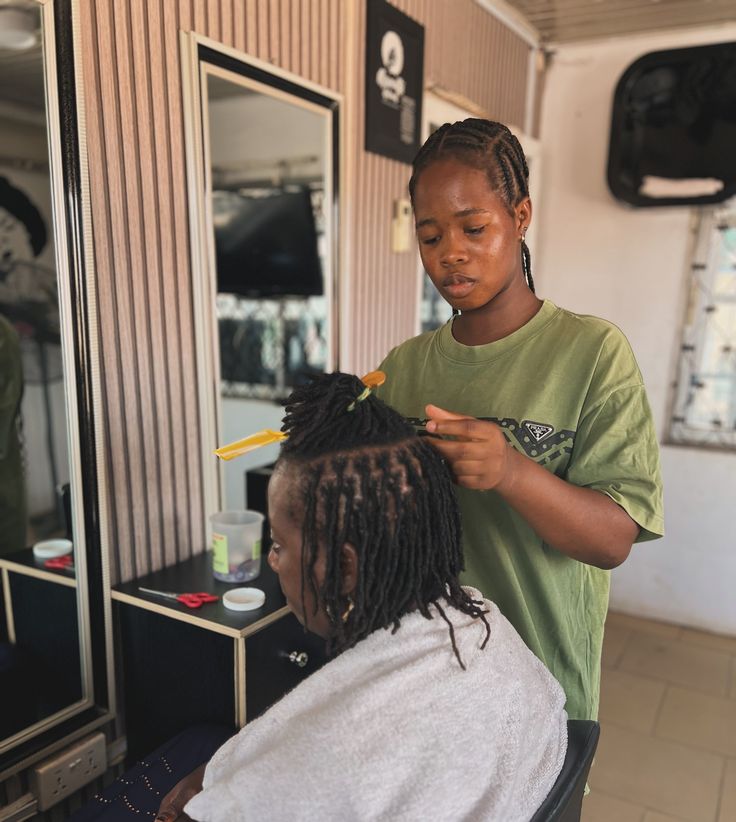
What Happens During the Early Stages?
Neither microlocs nor Sisterlocks will necessarily look like the mature locs you see online immediately after installation.
Your new locs can change as your hair settles and matures.
You may notice frizz, shrinkage, budding, changes in texture, and differences in how individual locs develop.
Some sections may mature faster than others.
This is normal and does not automatically mean something has gone wrong.
The early stages can be easier to appreciate when you understand that your installation is the beginning of the process, not the finished result.
Knowing what to expect during the first 12 months of transitioning can also give you a useful perspective on how much natural hair can change during a long-term transformation.

Can You Wash Microlocs and Sisterlocks?
Yes, cleansing remains an important part of caring for both.
However, newly installed locs may require specific washing instructions from your professional.
As the locs mature, regular washing helps keep the scalp clean and prevents excessive product and environmental buildup.
The right frequency depends on your scalp, lifestyle, environment, and activity level.
If you exercise often or live in a hot climate, your scalp may need more frequent cleansing than someone with a less active routine.
Your existing wash day tips can still be useful, but some techniques may need to be adapted for locs.
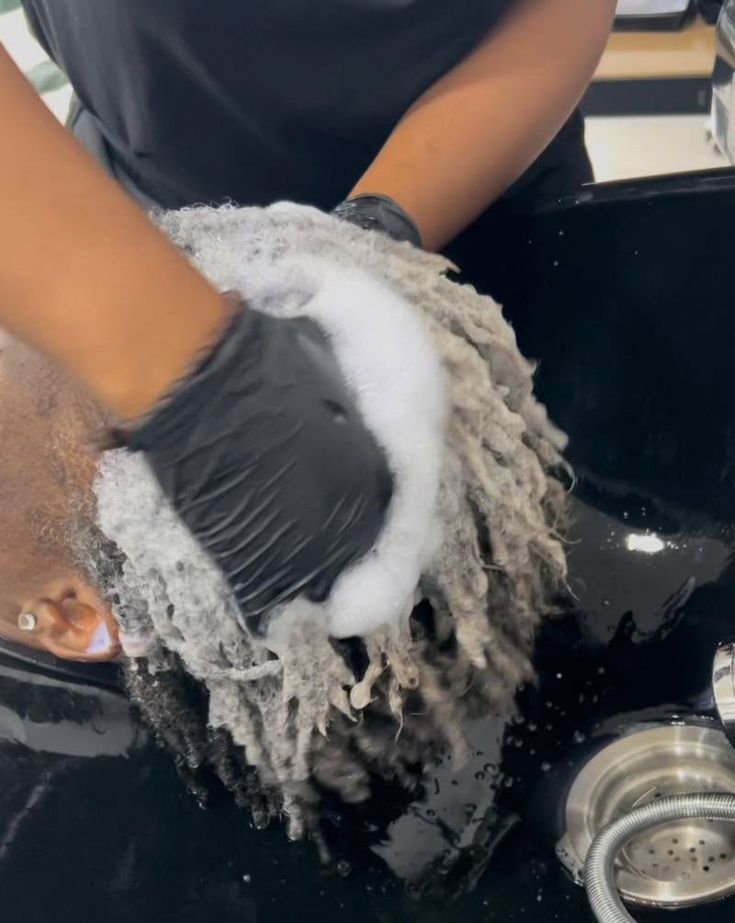
Product Buildup Is Still a Concern
Small locs can trap product residue, particularly when heavy creams, waxes, gels, or butters are used frequently.
The smaller structure of microlocs and Sisterlocks means residue can become difficult to remove once it gets deep inside the loc.
This is one reason many people with locs keep their product routine relatively simple.
You do not need to use multiple products just because your hair is loc’d.
If your scalp or locs feel coated, examine what you have been applying and how often.
Using a suitable clarifying shampoo when appropriate can help with buildup, but over-clarifying can also leave hair feeling dry.
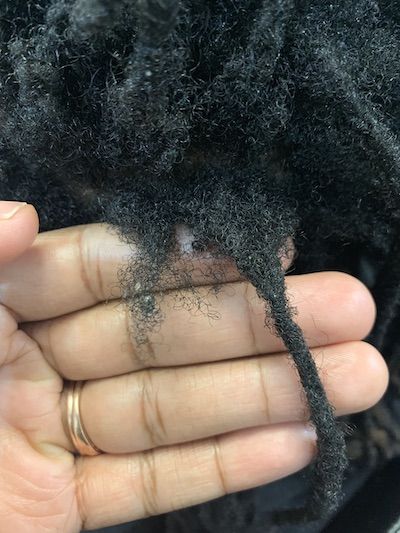
What About Hair Growth?
Getting microlocs or Sisterlocks does not automatically make hair grow faster.
Hair growth happens at the scalp, and your genetics, overall health, age, and other factors influence your growth rate.
What locs can potentially help with is reducing some forms of daily manipulation.
When you are not constantly combing, detangling, or restyling loose hair, there may be fewer opportunities for mechanical damage.
However, your roots and ends still need proper care.
Practices that support length retention for 4C hair can remain useful after your hair becomes loc’d because keeping the hair you grow is just as important as growing it.
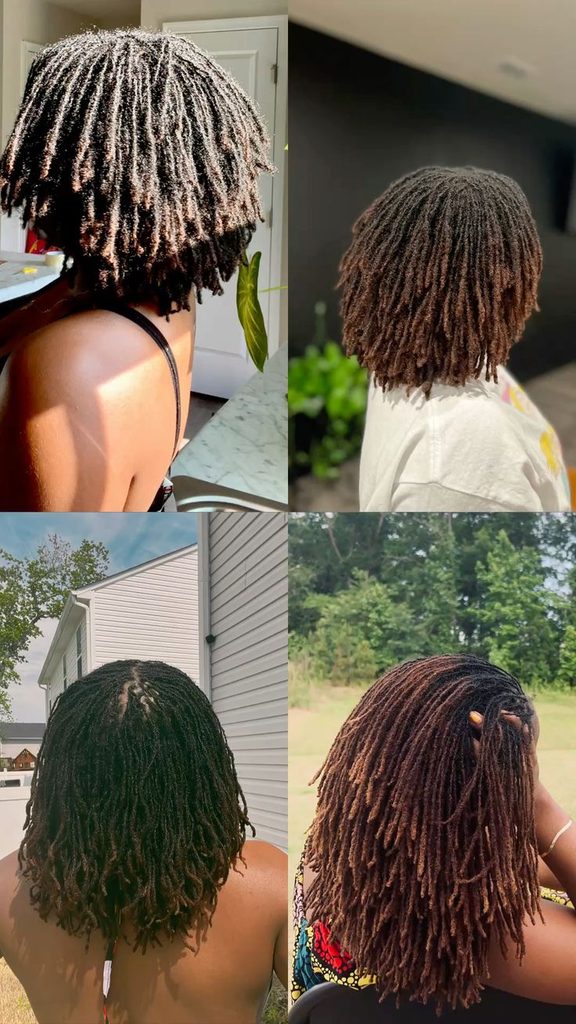
@roz_madiba27
What If Your Hair Is Fine or Fragile?
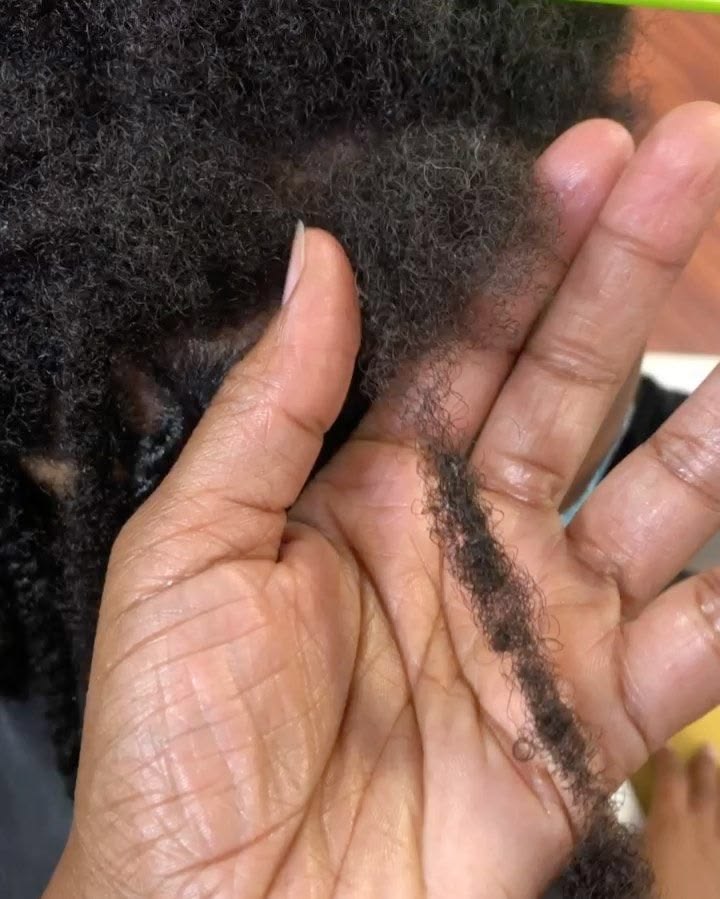
Your hair’s strength and density should be considered before choosing very small locs.
Extremely small sections may not be appropriate for every person, especially if certain areas of the scalp have fragile or thinning hair.
This does not automatically mean you cannot have small locs.
It means the installation should be customized to your hair.
Your professional should examine your edges, crown, temples, and other areas that may need larger or more carefully positioned sections.
If you already struggle with breakage, address that concern rather than assuming locs will automatically solve it. Your breakage prevention routine should remain part of your hair care plan.
Can You Switch From Microlocs to Sisterlocks?
This is something to think about before installation.
Although microlocs and Sisterlocks can look similar, they are not simply two names for exactly the same system.
Changing from one system to another after installation may require significant work, and it may not always be practical.
If you know you specifically want Sisterlocks, it makes sense to start with the Sisterlocks system rather than assuming you can easily convert another set of microlocs later.
Likewise, if you prefer the flexibility of choosing your own microloc method and professional, discuss that clearly before your appointment.
What Should You Ask Before Booking?
A consultation gives you an opportunity to understand exactly what you are paying for.
Ask what installation technique will be used, how many locs you can expect, how the grid will be designed, how long installation will take, and what maintenance will involve.
Ask whether the professional specializes in the system you want.
You should also ask about pricing for future maintenance rather than focusing only on the installation fee.
If you have previous chemical damage, thinning areas, or breakage, mention them during the consultation.
A good professional should be willing to explain their process clearly and answer questions about your specific hair.
Which One Should You Choose?
There is no single choice that works for everyone.
If you want a specific, standardized system with trained consultants and an established installation and maintenance approach, Sisterlocks may be the system you want to research further.
If you want more flexibility in installation technique, sizing, and the professional you work with, microlocs may give you more options.
The important thing is to understand what you are actually booking.
Do not choose based only on the name or appearance. Consider the installation method, maintenance requirements, cost, styling goals, hair density, and the level of professional support you want.
You may also want to compare starter locs for beginners with small-loc systems before making your final decision.
Microlocs vs Sisterlocks: What Should You Remember?
The main difference between microlocs and Sisterlocks is that microlocs are a broader category of small locs that can be created using different techniques, while Sisterlocks are a specific trademarked system with its own established method.
They can look similar, and both can offer excellent styling versatility, but the installation, training, maintenance, and overall systems can differ.
Your choice should begin with what you want from your loc journey.
Think about your hair density, preferred loc size, budget, lifestyle, maintenance expectations, and how much flexibility you want when choosing your installation method.
Most importantly, take your time before booking. A good loc journey starts with an informed decision, not simply a hairstyle that looks good in a photograph.
Final Thoughts
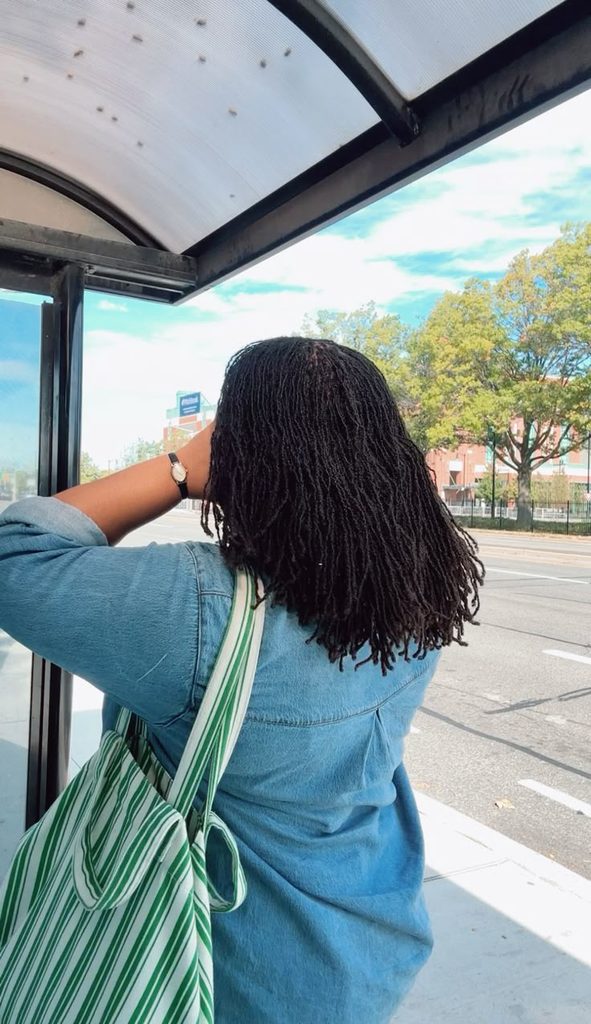
Microlocs and sisterlocks can both become beautiful long-term hairstyles, but understanding their differences can help you choose a starting point that fits your expectations.
Do your research before your appointment. Look at mature examples, ask questions about installation and maintenance, and choose a professional who understands your hair.
Give yourself time to think about the commitment as well. Small locs can offer tremendous versatility, but they still require consistent care.
Whether you choose microlocs or sisterlocks, your natural hair remains the foundation. Protect your roots, keep your scalp clean, avoid unnecessary tension, and pay attention to how your hair responds over time.
Your loc journey does not need to look exactly like anyone else’s. The right choice is the one that fits the way you want to care for and wear your own hair.