
How to Bleach 4C Hair With Less Damage
Disclosure: Some of the links in this post are affiliate links. This means if you click on the link and purchase an item, I will receive an affiliate commission at no extra cost to you.
Bleaching can completely transform 4C hair. It can take naturally dark strands into shades of honey blonde, copper, golden brown, platinum, or other lighter colors that may not be possible with regular hair dye alone.
But bleaching is also one of the more demanding chemical processes you can put your hair through. The process removes natural pigment from the hair, and going significantly lighter generally requires more chemical processing. The American Academy of Dermatology notes that lightening hair more than three shades typically requires stronger peroxide and can cause greater damage.
This is especially worth considering with 4C hair because tightly coiled strands can be fragile and are already prone to dryness and breakage when handled roughly.
That does not mean you cannot bleach your hair. It means you need to approach the process carefully.
Knowing how to bleach 4C hair with less damage starts before the bleach ever touches your strands. Your hair’s current condition, the shade you want, the strength of the lightener, the application process, and what you do afterward can all affect the final result.
What Does Bleaching Actually Do to 4C Hair?
Bleaching is different from simply applying a darker hair color.
A lightener works by removing the natural pigment from your hair so that a lighter shade can be achieved. The more dramatic the color change, the more processing may be required.
For example, moving from naturally black hair to a dark brown shade is very different from trying to reach pale blonde.
That distinction matters because stronger or repeated lightening can leave the hair more porous, dry, and fragile.
When you bleach 4C hair, you are not simply changing its color. You are also changing some of the properties of the hair fiber.
This is why your approach should be different from applying a temporary color or a darker permanent dye.
The goal is not to make the hair completely resistant to damage. No bleaching process is completely damage-free. Instead, the goal is to reduce unnecessary damage and avoid pushing the hair beyond what it can reasonably handle.
Can 4C Hair Be Bleached Safely?
4C hair can be bleached, but there is no way to guarantee zero damage from the process.
Bleaching is a chemical treatment, and chemical processing can weaken the hair. The American Academy of Dermatology specifically identifies coloring, perming, and relaxing as practices that can contribute to hair damage.
The safer approach is to reduce the amount of unnecessary stress placed on the hair.
That means you should not bleach severely damaged hair simply because you want a particular color. You should not leave the product on longer than directed to make the color lighter. You should not repeatedly bleach the same section just because the first application did not produce your desired shade.
And if you want a dramatic transformation, professional assistance may be a better option than trying to figure everything out through trial and error.
Check Your Hair Before You Bleach It
Before thinking about the color you want, look at the condition of the hair you currently have.
Ask yourself:
- Is my hair breaking more than usual?
- Do my ends feel extremely rough or weak?
- Have I recently used a relaxer or another chemical treatment?
- Have I already colored or lightened my hair?
- Does my hair become tangled unusually easily?
- Does my scalp currently feel irritated?
- Have I recently used a lot of heat?
If the answer to several of these questions is yes, bleaching may not be the best next step.
Healthy-looking hair does not have to be completely untouched, but your strands should be strong enough to tolerate another chemical process.
This is also where your everyday hair breakage habits become relevant. If your hair is already experiencing unnecessary mechanical stress, adding bleach can make managing the resulting damage more difficult.
Give yourself time to improve the condition of your hair before attempting a major color transformation.

Decide How Light You Actually Want to Go
One of the easiest ways to reduce unnecessary processing is to be realistic about your desired shade.
You may not need to take your hair several levels lighter to achieve the appearance you want.
For example, if you want warm brown hair, you may not need to reach a very pale blonde base first.
Similarly, a deep copper may require less lightening than a bright pastel shade.
The American Academy of Dermatology recommends staying within about three shades of your natural color when possible because going significantly lighter generally requires higher peroxide concentrations and can cause more damage.
So before you bleach, look at several examples of your desired color on naturally dark hair.
You may find that a deeper version of the shade gives you the appearance you want without requiring as much lightening.
Do Not Try to Reach Your Final Color in One Aggressive Session
It can be tempting to want the exact color shown in an inspiration photo immediately.
But the person’s starting hair color, previous treatments, lighting, and editing can all affect what you see in the picture.
If your hair is naturally very dark and your target shade is extremely light, trying to force the hair to reach that level in one aggressive session can place unnecessary stress on the strands.
A professional colorist may recommend a gradual approach depending on your hair’s condition and the color you want.
You should also be prepared for the possibility that your hair may not safely reach your desired shade in a single appointment.
Getting a slightly darker result while keeping your strands in better condition is preferable to damaging your hair simply to achieve a particular number on a color chart.
Avoid Bleaching Hair That Has Recently Been Chemically Treated
Chemical services can add up.
If your hair has recently been relaxed, permed, bleached, or otherwise chemically processed, adding another treatment immediately can increase the amount of stress on the hair.
The FDA advises waiting at least 14 days after bleaching, relaxing, or perming before using hair dye.
The exact situation can vary depending on the services involved, so do not treat that timeframe as permission to combine chemical treatments without professional advice.
If you regularly use chemical services, tell your colorist exactly what has been done to your hair.
This includes older color, relaxers, texturizers, previous bleaching, and other chemical treatments.
Do not assume that a stylist can tell what is underneath your current color simply by looking at your hair.
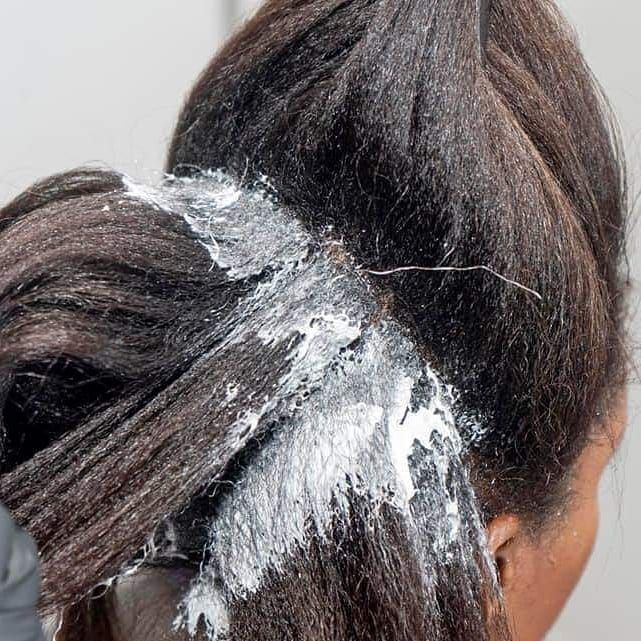
Give Your Hair a Break From Excessive Heat
If you regularly use flat irons, curling irons, hot combs, or frequent blow-drying, consider reducing that heat before bleaching.
Bleaching and heat styling are two different sources of stress, but combining them can make it harder for fragile hair to cope.
The American Academy of Dermatology recommends limiting heat styling and using lower temperatures to reduce hair damage.
You do not have to completely eliminate every heated tool from your life.
Instead, think about whether you actually need to use one before your bleaching appointment.
If your hair is already accustomed to frequent heat, give it a period of gentler handling before adding another chemical process.
This is also a good time to explore heatless styles that allow you to change your look without repeatedly applying direct heat.
Do Not Scratch or Irritate Your Scalp Before Bleaching
Your scalp should be in good condition before chemical processing.
The FDA advises against dyeing or relaxing hair when the scalp is irritated, sunburned, or damaged.
That means you should be careful about aggressive scratching, brushing, or manipulating your scalp before a chemical service.
If your scalp is already uncomfortable, has open areas, or feels unusually irritated, postpone the process and address the problem first.
Bleach can cause significant discomfort when it comes into contact with sensitive skin.
A color change is never worth deliberately putting an irritating chemical product onto damaged skin.
Should You Deep Condition Before Bleaching?
Conditioning is an important part of maintaining manageable hair, but you should not assume that applying a heavy conditioning treatment immediately before bleaching will make the process damage-free.
Your overall hair condition matters more than one last-minute treatment.
In the weeks leading up to a planned color service, maintain a consistent routine that keeps your hair conditioned and manageable.
You can use products that work well for your hair rather than suddenly introducing several unfamiliar treatments.
If your strands respond well to occasional hair masks, you can continue incorporating appropriate conditioning into your routine.
However, avoid treating deep conditioning as a protective shield that allows you to bleach severely damaged hair without consequences.
The condition of the actual hair fiber still matters.

Choose the Right Bleaching Method for Your Goal
Not every bleaching situation is the same.
You might want:
- A few lighter highlights
- Honey-blonde pieces
- Copper hair
- A lighter brown
- A full blonde transformation
- Bright fashion colors that require a lighter base
The amount of hair being lightened can make a difference.
If you only want a few highlights, you may not need to process your entire head.
If you want an all-over blonde, much more of the hair may need to be lightened.
This is one reason professional consultation can be valuable for major transformations.
A stylist can assess your hair history and determine whether your target shade is realistic without excessive processing.
Do Not Guess the Developer Strength
Developer strength affects how a lightening product works, but choosing a stronger developer simply because you want faster or lighter results is not a good strategy.
The appropriate developer depends on the product, application, starting level, desired result, and condition of your hair.
Using more strength than necessary can increase the stress placed on the hair and scalp.
If you are inexperienced with bleaching, this is one of the areas where professional help can be particularly useful.
Do not choose a developer solely because someone online used it successfully on their own hair.
Your hair may have a completely different history and condition.
Follow the Product Instructions Exactly
Bleach is not one of those products where you should improvise the instructions.
Read the packaging before you begin.
Follow the recommended mixing ratio, application instructions, processing time, and safety precautions for the specific product you are using.
The FDA similarly advises consumers to follow product directions, wear gloves, avoid leaving chemical products on longer than instructed, and rinse thoroughly after use.
Do not assume that leaving bleach on for another 20 minutes will automatically give you a better result.
More processing time can mean more exposure to the chemical process, not necessarily a better color.
Use a timer rather than relying on memory.
Work in Sections
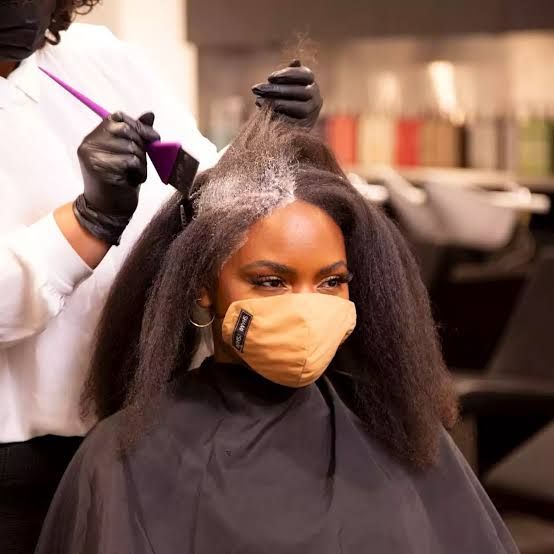
If you are working with a professional, your stylist will determine how the hair should be divided and processed.
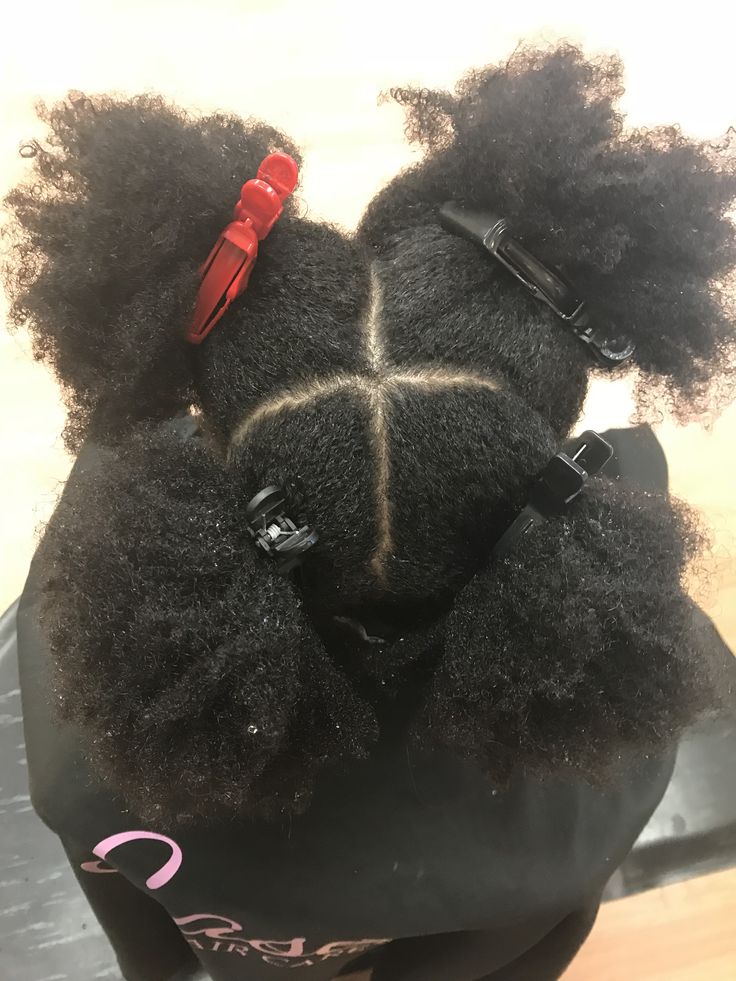
If you are using an appropriate at-home product according to its instructions, sectioning can help you apply the product more consistently.
4C hair can be dense, making it difficult to see and reach every area without proper organization.
Small, manageable sections can also make it easier to notice where the product has already been applied.
However, sectioning should not become an excuse to repeatedly manipulate the hair.
Handle each section gently.
Your goal is controlled application, not excessive combing, brushing, or pulling.
Keep the Bleach Off Your Scalp When the Product Requires It
Some lightening techniques are designed for application away from the scalp, while others are formulated for on-scalp use.
The correct technique depends on the specific product.
Do not assume that every bleach formula can be applied directly to the scalp.
This is another reason reading the instructions matters.
If you are attempting a major color change and are unsure how the product should be applied, professional assistance is safer than guessing.
And if you experience severe burning or an unusual reaction during a chemical service, do not simply tolerate it because you are waiting for the color to develop.
Follow the product’s safety instructions and seek appropriate help when needed.
Do Not Bleach the Same Section Repeatedly
One of the biggest mistakes when lightening natural hair is repeatedly applying bleach to areas that have already been processed.
You may notice that some sections look darker than others and feel tempted to immediately apply more product.
Stop and assess the situation first.
Uneven color can happen for several reasons, including differences in starting color, product distribution, processing, or previous chemical history.
Adding more bleach does not automatically solve the underlying problem.
Repeated processing can instead leave some sections significantly more fragile than others.
If you are working toward a complicated color correction, a professional colorist can help determine what needs to happen next.
Be Careful With the Line Between New Growth and Previously Lightened Hair
If your hair has already been bleached and you are touching up your roots, precision becomes extremely important.
The previously lightened lengths have already experienced chemical processing.
Applying bleach repeatedly over those areas can cause unnecessary damage.
A professional colorist will generally consider the difference between new growth and previously processed hair when planning a touch-up.
If you are maintaining an existing blonde or lighter shade, avoid treating your entire head as though every strand is new hair.
The older sections may require a completely different approach.
Consider Highlights Instead of Full Bleaching
If your main goal is dimension rather than a completely different hair color, you may not need to bleach your entire head.
Highlights can introduce lighter sections while allowing much of your natural color to remain.
This can create contrast without requiring every strand to undergo the same chemical process.
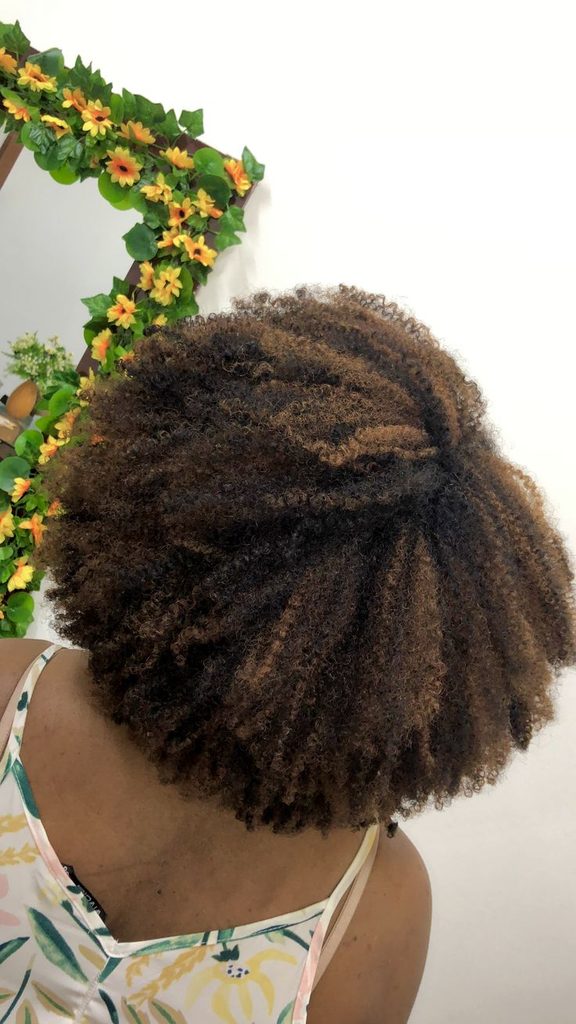
For example, honey, caramel, copper, or golden-brown highlights can create noticeable dimension against naturally dark hair.
The placement can also affect how dramatic the result appears.
Face-framing pieces tend to be more noticeable, while scattered highlights can create a softer effect.
Consider Your Hair’s Porosity After Bleaching
Bleaching can change how your hair interacts with water and products.
You may notice that your hair absorbs water differently or becomes more prone to dryness after processing.
This does not mean you need to completely rebuild your routine overnight.
Instead, pay attention to what your strands are telling you.
Does your hair become dry quickly? Does it feel rough after washing? Does it tangle more easily? Does it feel unusually soft or weak?
Your observations can help you decide how to adjust your routine.
This is also where learning about hair porosity can help you understand why your colored hair may respond differently to water and conditioning products than it did before.
Focus on Conditioning After Bleaching
Once your hair has been lightened, conditioning becomes especially useful for keeping the strands manageable.
The American Academy of Dermatology recommends using conditioner after shampooing and notes that conditioner can help reduce breakage and split ends.
That does not mean piling several conditioners onto your hair at once.
Choose products that provide the amount of conditioning your hair needs and pay attention to how your strands respond.
Your routine may include rinse-out conditioner, leave-in conditioner, or occasional deeper conditioning depending on your hair.
If you already have a reliable wash day routine, you may not need to replace everything. You may simply need to become more consistent about conditioning and gentler handling.
Be Gentle When Detangling Bleached 4C Hair
Bleached hair deserves careful handling during detangling.
If the strands are more fragile than they were before, aggressive combing can create additional breakage.
Work in manageable sections.
Use enough conditioner or detangling product to provide slip.
Start at the ends and gradually work upward rather than dragging tangles from the roots through the entire length.
For tightly coiled hair, the American Academy of Dermatology recommends combing while the hair is wet to reduce breakage, using a wide-tooth comb for textured hair.
You can also use your fingers to loosen larger tangles before using a comb.
The goal is not to remove every knot as quickly as possible. It is to separate the hair while placing as little unnecessary tension on the strands as possible.
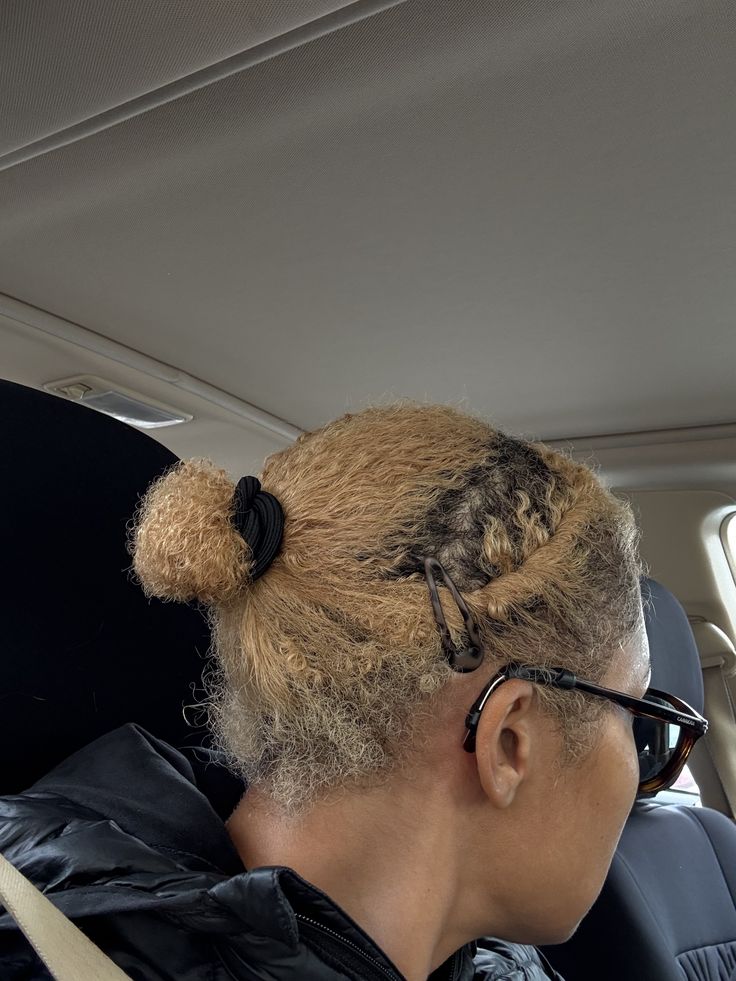
Protect Your Ends
Your ends have already experienced the most age, manipulation, and environmental exposure.
If they are also bleached, they may need extra attention.
Watch for roughness, splitting, and increased breakage.
Gentle handling and reduced manipulation can help you hold on to the length you already have.
You may also find that keeping the ends tucked away in a comfortable style makes them easier to maintain.
This is where good length retention habits become useful. The objective is not simply to grow more hair from your scalp. It is to prevent unnecessary loss of the length you already have.
Reduce Heat After Bleaching
After bleaching, you may be tempted to use heat to make your hair easier to style or to create a particular look.
Try not to make frequent heat styling part of your immediate routine.
The hair has already undergone chemical processing, so adding repeated high heat can create another source of stress.
The American Academy of Dermatology recommends limiting blow-drying and heated styling tools and using lower temperatures when heat is necessary.
Try twists, braid-outs, stretched styles, or other low manipulation hairstyles when you want to change your look without relying heavily on heat.
You can still enjoy different hairstyles while giving your newly lightened hair a less demanding routine.
Avoid Tight Styles After Bleaching
Bleached hair can be more fragile, so hairstyles that place constant tension on the strands may be harder to tolerate.
This includes extremely tight ponytails, braids, cornrows, buns, or extensions that pull heavily on the hair.
The American Academy of Dermatology recommends avoiding hairstyles that pull tightly on the hair because repeated tension can contribute to hair damage and hair loss.
Choose styles that feel comfortable rather than simply looking secure.
If your scalp hurts after installation or your edges feel unusually tight, the hairstyle is placing too much tension on the hair.
Your colored hair does not need to be manipulated constantly to look good.
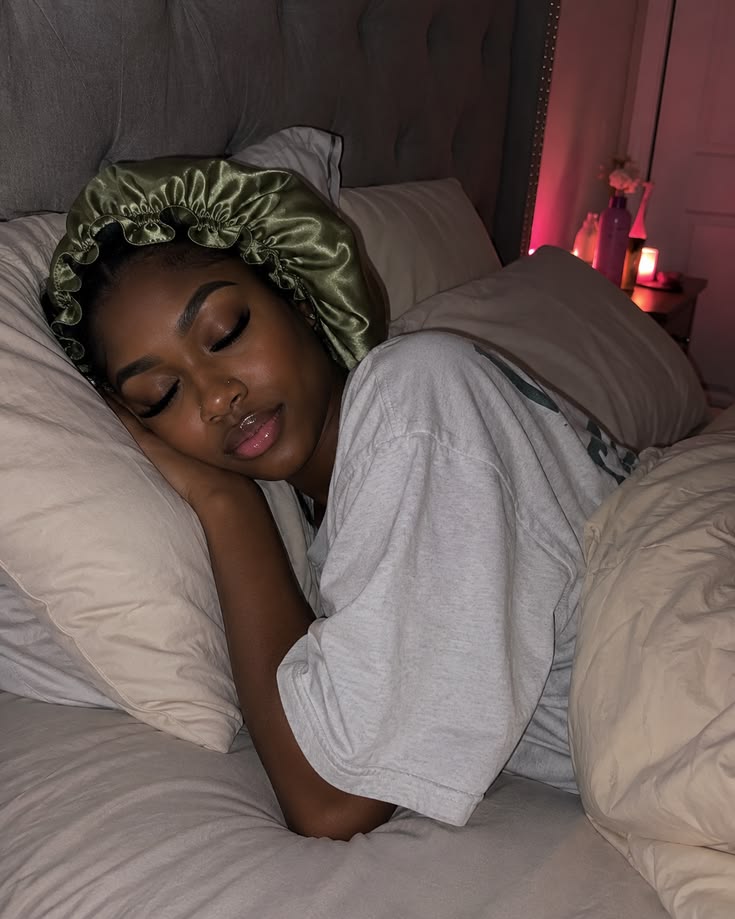
Protect Your Hair While You Sleep
Nighttime friction can contribute to tangling and dryness, particularly when the hair is already more fragile.
A satin or silk bonnet can reduce friction between your hair and bedding.
A satin pillowcase can also provide an additional layer of protection.
You do not need a complicated bedtime routine.
A simple habit of gently securing the hair and reducing unnecessary friction can be enough.
If you already have a preferred nighttime hair routine, you can keep the useful parts while paying closer attention to how your bleached hair responds.
Be Careful With Chlorine and Salt Water
Swimming can expose bleached hair to conditions that make it feel drier.
The American Academy of Dermatology notes that chlorine can be hard on hair and recommends rinsing and washing after swimming, followed by conditioning. It also notes that bleached hair can be more susceptible to damage from chlorine and ultraviolet exposure.
If you swim regularly, take extra precautions.
Rinse your hair with clean water afterward and follow with an appropriate cleansing and conditioning routine.
You can also consider protective measures such as a swim cap when practical.
The goal is to avoid repeatedly exposing already processed strands to additional stress without proper care afterward.
Do Not Overload Bleached Hair With Products
When your hair feels dry after bleaching, it can be tempting to apply oil, cream, butter, leave-in conditioner, and several styling products at once.
More products do not automatically equal more moisture.
Too many layers can create buildup and make your hair difficult to cleanse.
Instead, introduce products one at a time and observe how your hair responds.
If you enjoy using homemade butters, for example, use them as part of a balanced routine rather than assuming that heavier products will automatically repair chemically processed hair.
Products can improve manageability, but they cannot reverse chemical changes that have already occurred within the hair fiber.
Give Your Hair Time Between Chemical Services
One of the most useful things you can do after bleaching is to avoid immediately adding another chemical process.
Your hair needs time to be assessed and maintained before you decide what it needs next.
If you are considering another color, relaxer, perm, or other chemical service, discuss the timing with a qualified professional.
The American Academy of Dermatology recommends allowing more time between chemical services because coloring, relaxing, and perming can contribute to hair damage.
Do not let the desire for a particular look push you into repeatedly processing the hair before you have assessed how it is responding.
What If Your Hair Feels Extremely Dry After Bleaching?
Some dryness can occur after chemical processing, but severe changes in texture or breakage should not simply be ignored.
Start by simplifying your routine.
Use a suitable cleanser, condition consistently, detangle gently, and reduce unnecessary manipulation.
Pay attention to your ends and limit heat.
If the hair continues to deteriorate despite changes in your routine, consider speaking with a dermatologist or qualified professional.
A hair problem is not always caused by the product you think is responsible, and persistent concerns may require a proper assessment.
Signs You Should Stop Bleaching
There are situations where continuing to lighten the hair is not worth the risk.
Watch for:
- Severe breakage
- Hair that feels unusually weak
- Excessive dryness that does not improve with conditioning
- Severe tangling
- Scalp burning or irritation
- Significant changes in the texture or feel of the hair
- Ends that are repeatedly splitting
If you experience a significant reaction to a chemical product, stop using it.
The FDA advises consumers to stop using hair products when they experience a bad reaction and to contact a healthcare provider for appropriate care.
Do not continue a chemical process simply because you have already started it.
Your hair and scalp are more important than achieving a particular shade.

Common Mistakes When Bleaching 4C Hair
Trying to Go Too Light Too Quickly
A dramatic color change may require significant lightening. Trying to force the result in one session can create unnecessary damage.
Bleaching Already Damaged Hair
If your hair is already breaking or severely weakened, adding another chemical process can make the problem worse.
Using a Stronger Developer Without Understanding Why
Stronger does not automatically mean better. The appropriate formula depends on the product and desired result.
Leaving Bleach on Too Long
Do not extend the processing time because the color has not reached your preferred shade. Follow the manufacturer’s directions.
Reapplying Bleach to Previously Lightened Hair
Repeatedly processing the same strands can leave some sections much more fragile than others.
Ignoring Your Scalp
Do not bleach an irritated or damaged scalp. The FDA specifically advises against using hair dye or relaxers when the scalp is irritated, sunburned, or damaged.
Using Heat Immediately After
Your hair has already experienced chemical stress. There is usually little benefit in adding unnecessary heat right away.
Copying Someone Else’s Process Exactly
Two people can use the same product and receive completely different results because their hair histories are different.
Your natural color, previous treatments, density, strand characteristics, and desired shade all matter.
Should You Bleach 4C Hair at Home?
Some people successfully lighten their hair at home, but the difficulty increases considerably when you are attempting a major transformation.
A small amount of carefully applied color is very different from taking naturally dark 4C hair several shades lighter.
If you are inexperienced with chemical lightening, professional assistance can help you avoid problems involving uneven application, excessive processing, incompatible chemical services, or unrealistic color expectations.
If you do choose an at-home product, read the entire instruction sheet before starting.
Make sure you understand:
- The product’s intended use
- The required mixing instructions
- Processing time
- Safety warnings
- Whether it is suitable for on-scalp use
- What to do if irritation occurs
- How the product should be rinsed out
Never improvise because a social media tutorial used a different method.
The FDA advises consumers to follow package directions, wear gloves, avoid leaving products on longer than directed, and rinse thoroughly after use.
When Professional Bleaching Makes More Sense
A professional is particularly useful when you want a significant transformation.
Consider professional help if you:
- Want to go from very dark hair to blonde
- Have previously colored your hair
- Have relaxed or chemically treated hair
- Want to correct uneven color
- Have previously bleached your hair
- Want multiple colors
- Want highlights or balayage
- Are unsure which developer or lightener is appropriate
A good colorist should ask about your hair history rather than immediately applying bleach.
Be honest about everything you have used on your hair.
Even if you think an old chemical treatment is no longer relevant, it may still matter when determining how the hair will respond to additional processing.
How to Maintain Your New Color
Once you have achieved your desired shade, maintenance becomes part of protecting your results.
Avoid repeatedly processing the hair simply because the color has begun to change.
Instead, follow the maintenance recommendations for your particular color and monitor the condition of your hair.
Keep your cleansing routine appropriate for your scalp.
Condition regularly, handle the strands gently, reduce unnecessary heat, protect your hair from excessive environmental stress, and pay attention to the difference between normal color fading and signs that your hair itself is struggling.
If the color remains beautiful but the hair becomes increasingly brittle, the condition of the strands needs to take priority.
Can Bleached 4C Hair Still Grow Long?
Bleaching does not stop your follicles from producing hair simply because the visible strands have been lightened.
The bigger concern is length retention.
If bleaching leaves the strands fragile and they repeatedly break before you can retain your new growth, it may appear as though your hair is not growing.
This is why gentle handling becomes particularly important after chemical processing.
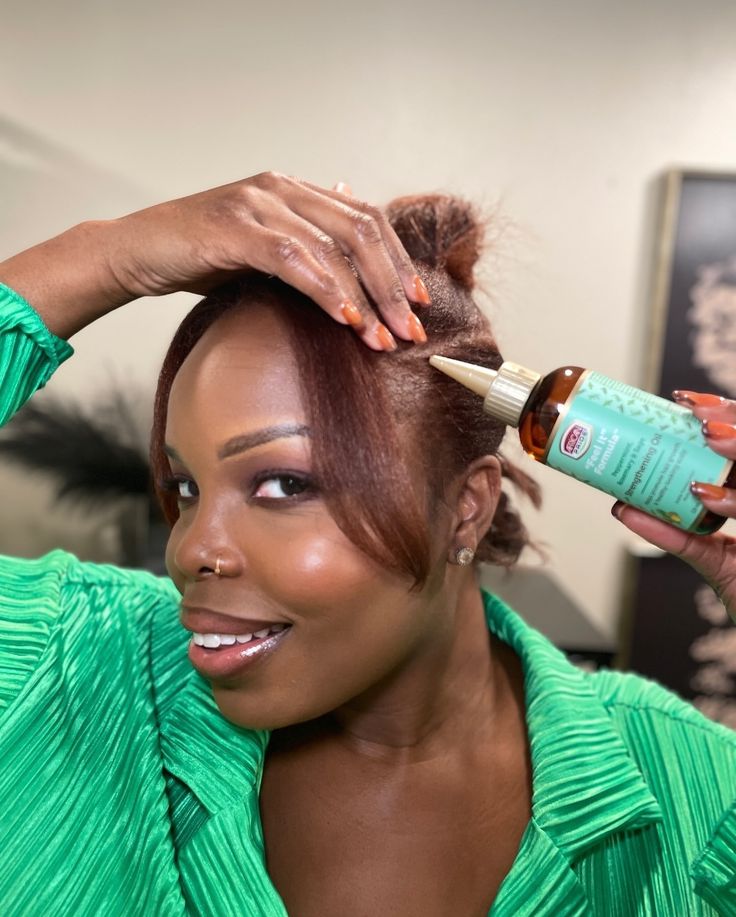
You can continue caring for your scalp, cleansing appropriately, conditioning your strands, and reducing unnecessary manipulation.
Your goal is to maintain the hair that grows while minimizing the amount that breaks away.
How to Bleach 4C Hair With Less Damage
Learning how to bleach 4C hair with less damage is really about managing the amount of chemical stress your hair experiences.
Start by assessing the condition of your strands. Choose a realistic color goal instead of trying to force extremely dark hair several shades lighter in one aggressive process.
Avoid bleaching hair that is already severely damaged, and be cautious when your hair has recently undergone another chemical service.
Follow your product’s instructions exactly. Do not leave bleach on longer than directed, do not repeatedly process the same section, and do not experiment with stronger formulas simply because you want faster results.
Afterward, focus on conditioning, gentle detangling, reduced heat, comfortable hairstyles, and protecting your ends.
If you want a major transformation, particularly from naturally dark 4C hair to a very light blonde or vivid shade, professional guidance can make the process much more controlled.
You cannot make bleaching completely damage-free, but you can make more careful choices about how, when, and how often you lighten your hair.
The goal is not simply to achieve a beautiful color. It is to enjoy that color while keeping as much of your hair’s strength and manageability as possible.