
Length Retention Tips That Actually Work for 4C Hair
Disclosure: Some of the links in this post are affiliate links. This means if you click on the link and purchase an item, I will receive an affiliate commission at no extra cost to you.
Have you ever spent months caring for your hair only to feel like it’s not getting any longer?
It’s a frustrating feeling, especially when you’ve been moisturizing, deep conditioning, and buying products that promise faster growth. After all that effort, you’d expect to see more length.
The truth is, your hair may be growing just fine.
For many people with tightly coiled hair, the real challenge isn’t growth; it’s keeping the growth they already have. That’s where length retention tips for 4C hair become so important.
Every day, your hair is exposed to friction, dryness, tangles, and breakage. If those issues aren’t managed properly, new growth can break off just as quickly as it appears, making it seem like your hair has stopped growing altogether.
That’s why it’s important to understand the difference between growing hair and retaining it.
If you haven’t already, The Truth About 4C Hair Growth explains why many people mistakenly believe their hair isn’t growing in the first place.
In this guide, you’ll learn practical, science-backed, and realistic ways to retain more length, reduce breakage, and finally see the progress you’ve been working toward.

What Is Length Retention?
One of the biggest misconceptions about natural hair is that growth and length are the same thing.
They’re not.
Hair growth happens at your scalp.
Length retention happens along the hair shaft.
In simple terms, your scalp can produce healthy new hair every month, but if your ends keep breaking off, you’ll never see that progress.
That’s why someone whose hair grows at an average rate can still have longer hair than someone whose hair grows slightly faster but breaks constantly.
Understanding this difference changes the way you care for your hair.
Instead of focusing only on products that promise faster growth, you start paying attention to the habits that help you keep every inch your hair produces.
Hair Growth vs. Length Retention
Think of it like saving money.
Hair growth is the income you earn every month.
Length retention is how much of that income stays in your account after you’ve paid your expenses.
If you’re earning 500,000 every month but spending all of it immediately, your savings won’t grow.
Your hair works the same way.
If your scalp produces half an inch of growth every month, but your ends break by half an inch during detangling, styling, or everyday wear, your overall length stays exactly the same.
That’s why so many people believe their hair has “stopped growing.”
In reality, they’re simply losing the new growth before it becomes visible.
If this sounds familiar, why your 4C hair Isn’t growing explains the most common reasons this happens and how to recognize them.
Why 4C Hair Needs Better Length Retention
Every hair type experiences some breakage.
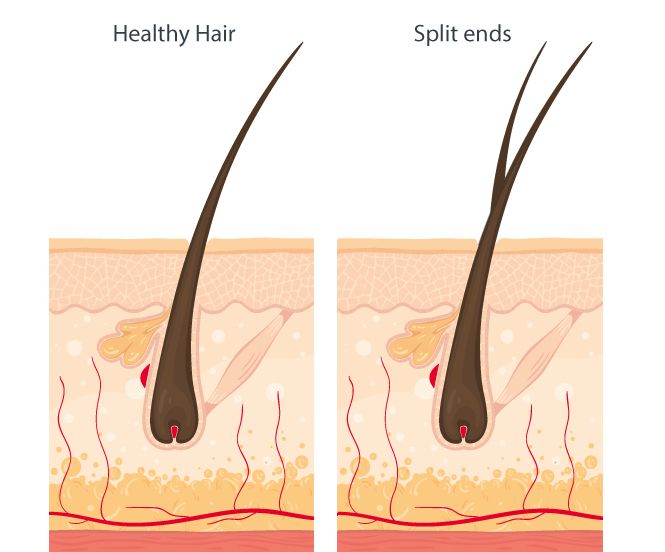
The difference is that 4C hair has more twists and bends along each strand.
Those bends naturally become weaker points where breakage is more likely to happen, especially when the hair is dry or handled roughly.
That’s one reason moisture, gentle handling, and protective styling are so important for tightly coiled hair.
It doesn’t mean 4C hair is weak.
It simply means it needs a little more care to hold onto the beautiful growth it’s already producing.
Understanding these natural characteristics makes it much easier to build a routine that works with your hair instead of against it.
If you’re still learning about your texture, everything you need to know about 4c hair explains why tightly coiled hair behaves differently from other curl patterns.
15 Length Retention Tips That Actually Work for 4C Hair
1. Keep Your Hair Properly Moisturized
If there’s one habit that has the biggest impact on length retention, it’s keeping your hair moisturized.
Dry hair is far more likely to snap, tangle, and develop split ends. Since 4C hair naturally struggles to hold onto moisture, letting it stay dry for days at a time makes breakage almost inevitable.
The goal isn’t to make your hair feel greasy; it’s to keep it hydrated.
Start with water or a water-based leave-in conditioner, then seal that moisture in with an oil or cream that works well for your hair. When your hair stays moisturized, it’s more flexible and much less likely to break during styling or detangling.
If you’re unsure what a simple daily routine should look like, The Best Daily Hair Care Routine for 4C hair breaks it down step by step.
2. Never Skip Deep Conditioning
Moisturizing your hair between wash days is important, but deep conditioning goes a step further.
A good deep conditioner helps replenish moisture, improve elasticity, and strengthen your strands after cleansing. Hair that’s well-conditioned bends more easily instead of snapping under tension.
Try to deep condition at least once every wash day, especially if your hair often feels dry or rough.
Adding gentle heat with a hooded dryer, heat cap, or even a warm towel can also help the conditioner penetrate your strands more effectively.
If you’re building a consistent routine, Weekly Hair Care Routine for Healthy 4C Hair shows how deep conditioning fits naturally into your schedule.
3. Detangle Gently Every Time
Many people lose more hair during detangling than they realize.
The problem usually isn’t the comb; it’s how the hair is being handled.
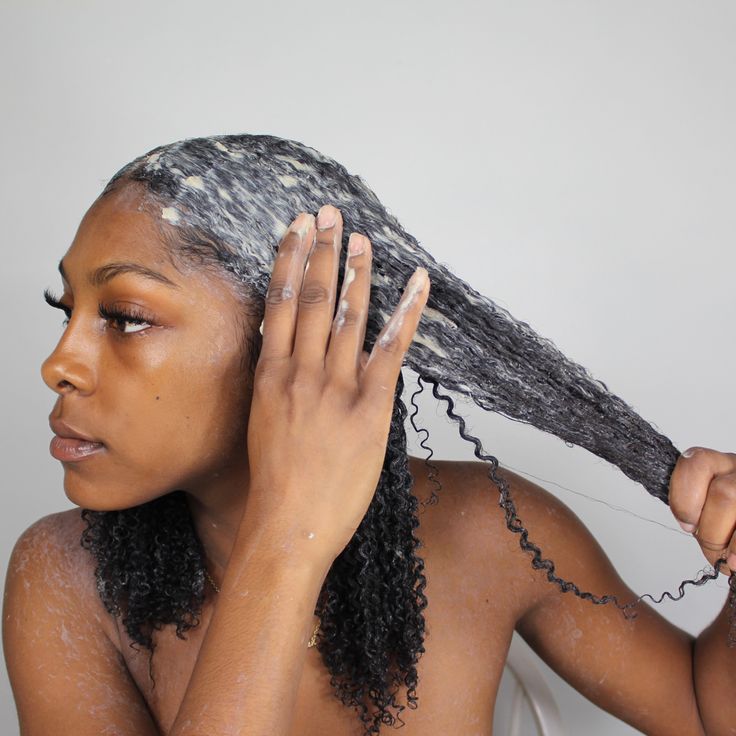
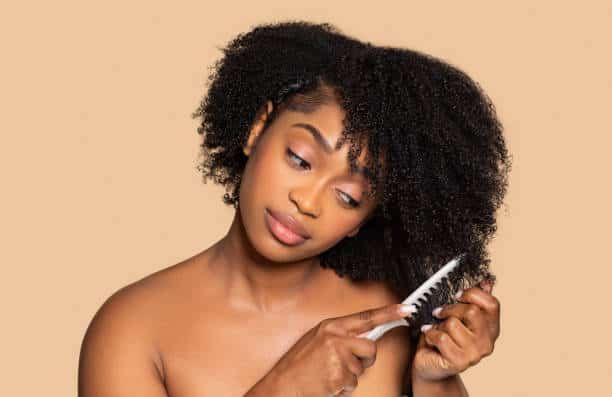
Always detangle damp hair that’s coated with a conditioner or product that provides plenty of slip. Divide your hair into manageable sections, then work from the ends toward the roots instead of starting at the scalp.
Rushing through knots or forcing a comb through tangled hair often causes unnecessary breakage.
Taking a little more time during detangling can save you months of lost progress.
If breakage has been one of your biggest struggles, How to Stop 4C Hair Breakage explains other everyday habits that could be damaging your hair without you realizing it.
4. Seal Your Ends
Your ends are the oldest part of your hair.
They’ve survived months or even years of washing, styling, weather, and friction. Naturally, they’re also the most fragile.
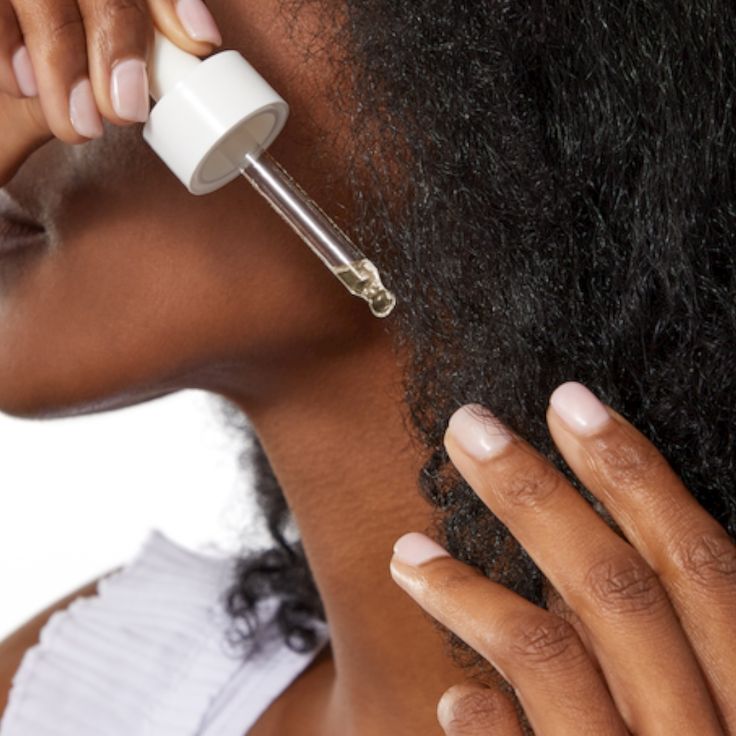
Once moisture is added to your hair, sealing your ends with a lightweight oil or butter helps slow down moisture loss and keeps them softer for longer.
Healthy ends are much less likely to split or snap, which means you keep more of the growth your scalp is already producing.
5. Trim Damaged Ends Before They Get Worse
It might seem strange to cut your hair when your goal is to grow it longer, but trimming damaged ends actually helps you retain more length over time.
Split ends don’t stay at the bottom of the hair. If they’re left untreated, they can travel further up the strand, causing even more breakage. A small trim now can prevent you from losing much more hair later.
You don’t need to trim on a strict schedule. Instead, pay attention to your hair. If your ends feel rough, tangle easily, or refuse to hold moisture, it may be time for a light dusting.
Healthy ends make it much easier to keep the length you’re working so hard to grow.
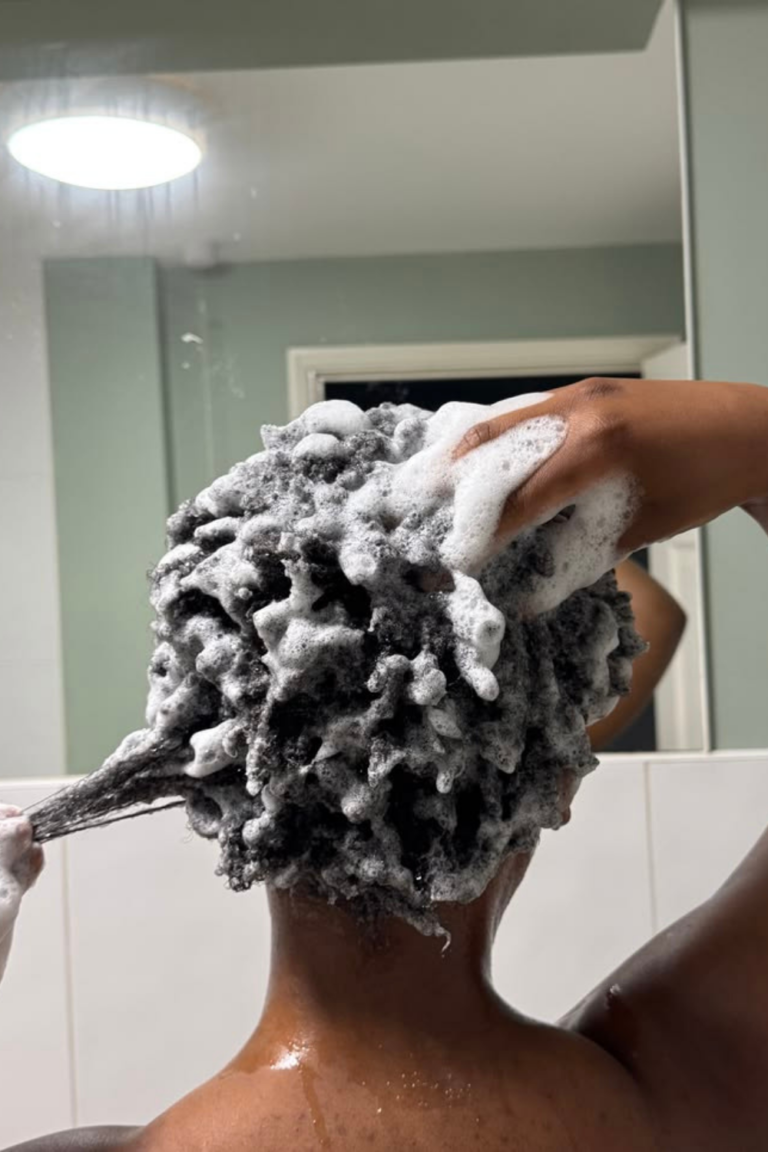
6. Don’t Ignore Your Wash Day Routine
Wash day does much more than clean your hair.
It removes product buildup, refreshes your scalp, restores moisture, and prepares your hair for the days ahead. Skipping important steps or rushing through wash day can leave your hair dry, tangled, and more likely to break.
A good wash day doesn’t have to be complicated. What matters most is being consistent and giving your hair the care it needs every time you wash it.
If you’re looking to improve your routine, The Best Wash Day Routine for 4C Hair walks you through each step from cleansing to moisturizing.
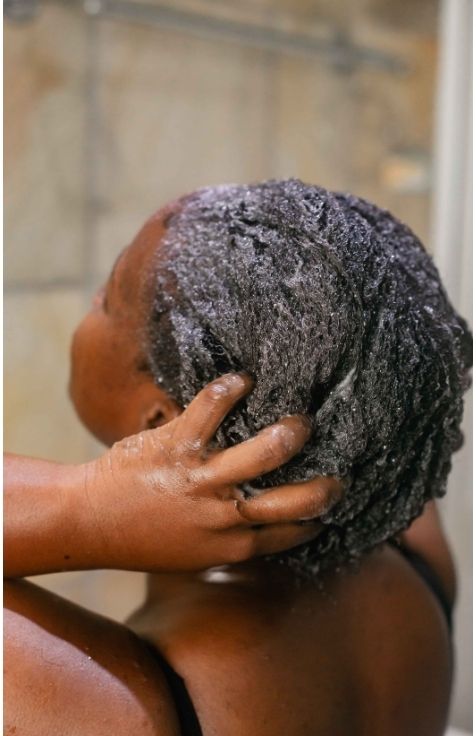
7. Wash Your Hair Often Enough
Some people avoid washing their hair because they’re afraid it will dry it out.
Others wash too frequently and strip away too much moisture.
The key is finding a routine that keeps your scalp clean without leaving your hair dehydrated.
For many people with 4C hair, washing every one to two weeks works well, but your ideal schedule depends on your lifestyle, products, and how quickly your scalp builds up oil and residue.
If you’re still trying to find the right balance, How Often Should You Wash 4C Hair? explains the signs that your hair needs cleansing and how to avoid overwashing.
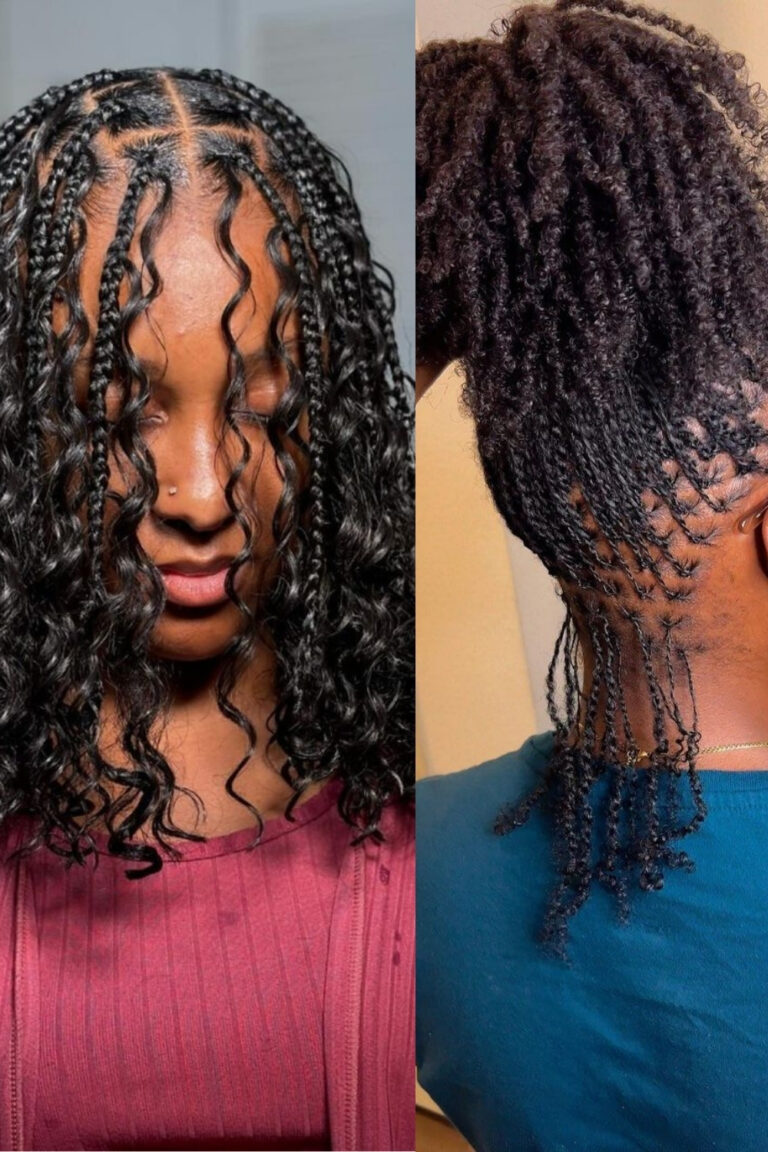
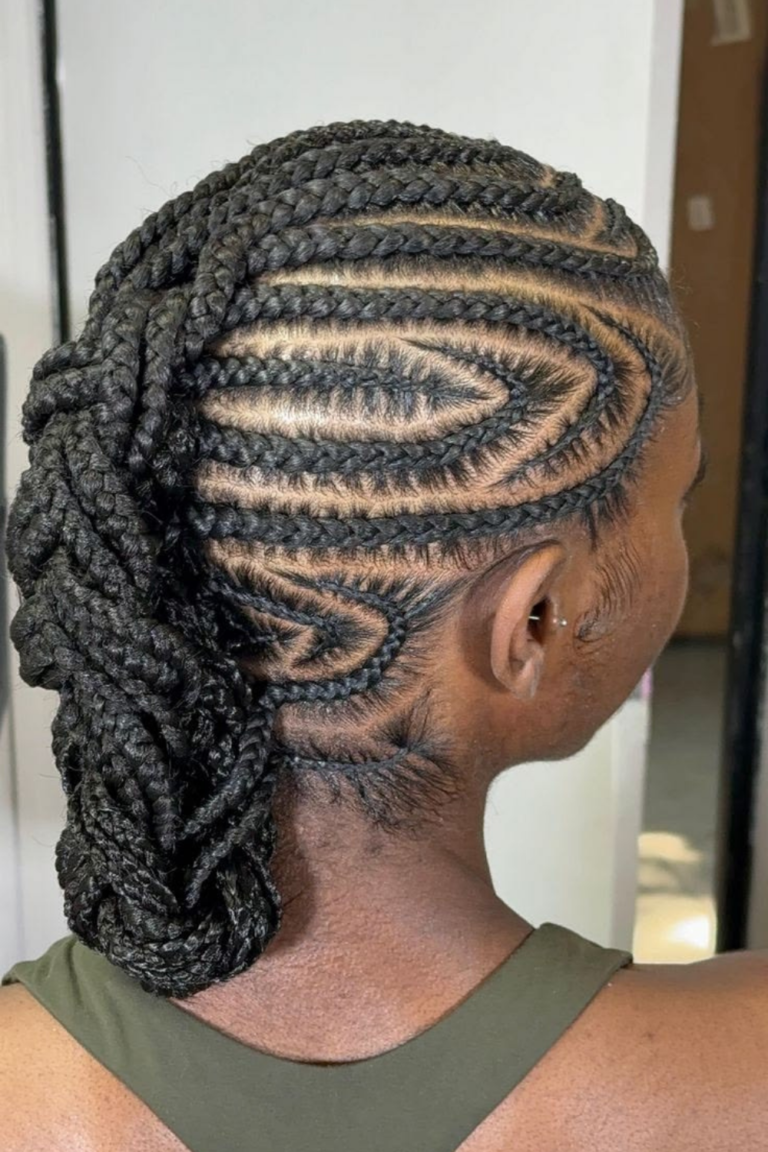
8. Wear Protective Styles the Right Way
Protective styles can be one of the best tools for retaining length, but only when they’re done properly.
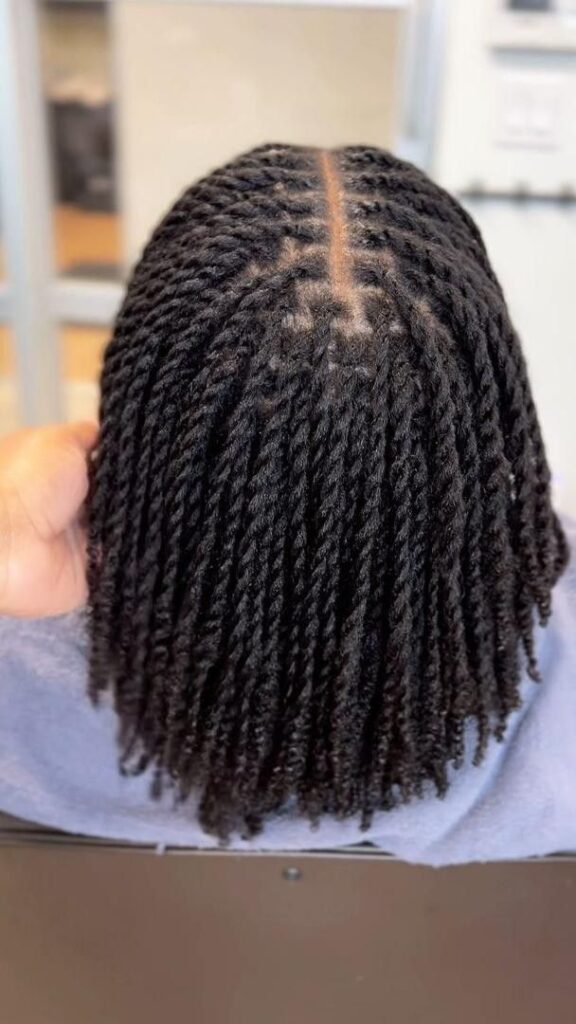
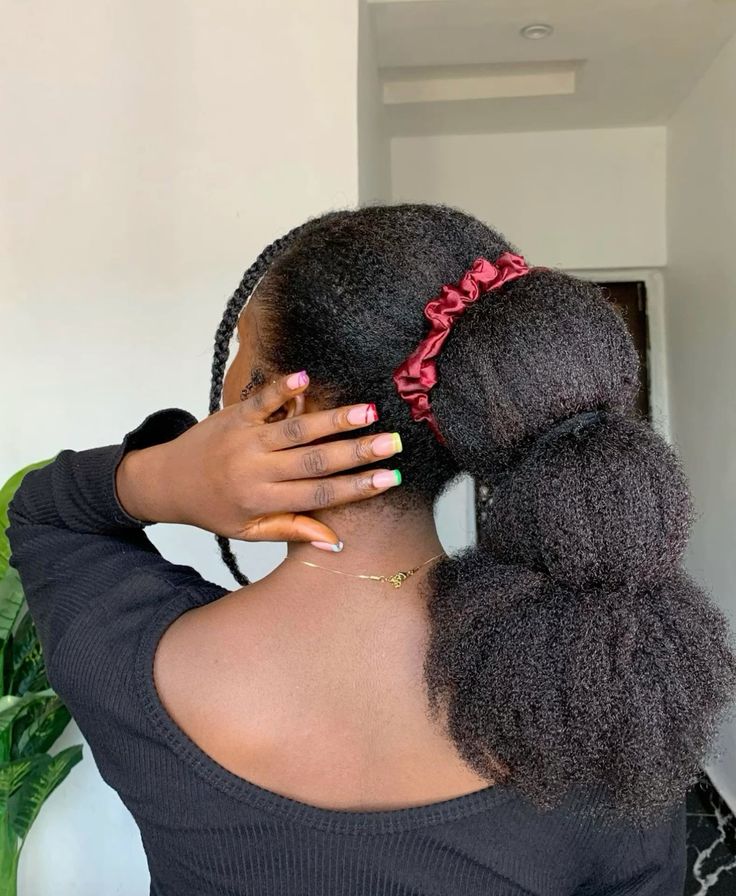
Styles like twists, braids, cornrows, and low-manipulation buns help protect your ends from daily friction and reduce how often you need to handle your hair.
The mistake many people make is thinking any protective style is automatically healthy.
A style that’s too tight, left in for too long, or never moisturized can do more harm than good.
If you’re looking for styles that actually protect your hair instead of damaging it, The Best Protective Styles for 4C Hair shares some of the best options for healthy length retention.
9. Keep Manipulation to a Minimum
Every time you comb, brush, or restyle your hair, there’s a chance you’ll lose a few strands.
That’s perfectly normal.
The problem comes when you’re manipulating your hair every single day.
Constantly taking your hair down, trying new styles, or running your fingers through it can gradually lead to breakage, especially around your ends.
Instead, choose styles that last several days and only handle your hair when necessary. Giving your hair a break often helps it thrive.
If you’re looking for styles that are easy to maintain, easy hairstyles for beginners is a great place to start.
10. Don’t Leave Protective Styles in Too Long
Protective styles aren’t meant to stay in forever.
As your hair grows, shed hairs begin to collect inside your braids or twists. The longer you leave the style in, the more tangled that new growth can become.
By the time you finally take it down, you may lose far more hair than expected.
Most protective styles should be removed within six to eight weeks, depending on the style and how well you’ve maintained it.
If you’re unsure how long your style should stay in, How Long Should You Keep Protective Styles In? explains the ideal timeline and the warning signs that it’s time for a takedown.
11. Avoid Common Protective Styling Mistakes
Protective styles only protect your hair when they’re installed and maintained correctly.
Styles that are too tight can put unnecessary tension on your scalp and edges. Skipping scalp care while your hair is tucked away can also lead to dryness, itching, and buildup.
Even taking your style down too quickly can undo weeks of healthy growth.
The good news is that these mistakes are easy to avoid once you know what to look for.
Protective Styling Mistakes That Cause Breakage covers the most common errors and shows you how to protect your hair without accidentally damaging it.
12. Protect Your Hair While You Sleep
Your nighttime routine can make a bigger difference than you think.
Sleeping on a cotton pillowcase creates friction every time you move. Over time, that friction can strip moisture from your hair, cause tangles, and lead to unnecessary breakage.
A satin or silk bonnet helps reduce friction and keeps your hair from drying out overnight. If bonnets aren’t your thing, a satin pillowcase is another great option.
It’s a small habit, but over months, it can make a noticeable difference in how much length you retain.

13. Feed Your Hair From the Inside Out
Healthy hair starts with a healthy body.
While products help care for the hair you can see, your follicles rely on nutrients like protein, iron, healthy fats, and vitamins to produce strong strands. If your body isn’t getting what it needs, your hair may become weaker and more prone to breakage.
You don’t need a complicated diet or expensive supplements. Eating balanced meals, staying hydrated, and looking after your overall health can support healthier hair over time.
If you’d like to learn more about the habits that support healthy growth from the inside, How to Grow 4C Hair Faster Naturally covers this in greater detail.
14. Stay Consistent With Your Routine
One of the biggest mistakes people make is expecting results after only a few weeks.
Length retention doesn’t happen because of one deep conditioning session or one protective style. It’s the result of repeating healthy habits over and over again.
That means washing your hair regularly, moisturizing when needed, protecting your ends, and handling your hair gently even when you don’t feel like it.
If staying organized is a challenge, the Monthly Hair Care Checklist for Your 4C Hair can help you stay on track without feeling overwhelmed.
15. Measure Progress the Right Way
It’s easy to feel discouraged when you check your hair every week and don’t notice a difference.
The truth is, healthy hair growth is gradual.
Instead of measuring your hair every few days, take a photo once a month with your hair stretched the same way each time. Over a few months, you’ll have a much clearer picture of your progress.
Remember, healthy hair isn’t about racing to a certain length.
It’s about building habits that allow your hair to grow and keeping as much of that growth as possible.
If you ever find yourself comparing your journey to someone else’s, the biggest myths about 4C hair is a great reminder that many of the beliefs surrounding 4C hair simply aren’t true.
Signs You’re Finally Retaining More Length
Length retention doesn’t always show up as dramatic growth overnight.
In fact, you’ll often notice small improvements before you see extra inches.
Here are a few signs your routine is working:
- Your hair tangles less during wash day.
- You see fewer broken strands when detangling.
- Your ends stay soft for longer.
- Your styles last longer before becoming frizzy.
- Your hair feels fuller and healthier.
- Comparing monthly photos shows gradual progress.
These small wins are worth celebrating because they usually come before noticeable length.
Common Mistakes That Make It Hard to Retain Length
Sometimes, it’s not what you’re doing that’s holding your hair back.
It’s what you’re doing without realizing it.
Here are a few common habits that can make retaining length much more difficult.
Expecting Overnight Results
Healthy hair doesn’t grow several inches in a few weeks.
If you keep switching products because you don’t see instant results, you’ll never know what’s actually working.
Give your routine time to work before making major changes.
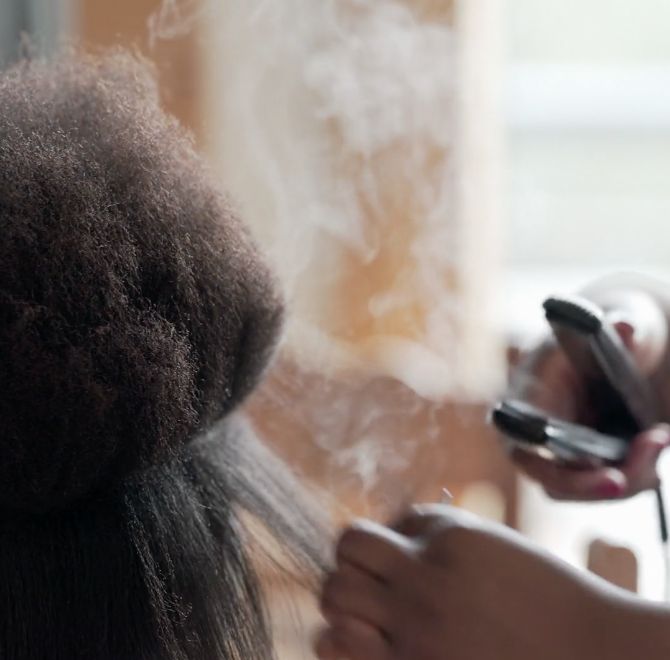
Using Too Much Heat
Heat isn’t automatically bad, but using it too often can weaken your strands over time.
If you regularly straighten or blow-dry your hair, always use a heat protectant and keep heat styling to a minimum.
Healthy hair is much easier to retain than damaged hair.
Ignoring Dry Ends
Your ends are the oldest part of your hair.
When they start feeling rough or dry, don’t ignore them.
Keeping your ends moisturized and trimming them when necessary helps prevent breakage from traveling further up the hair shaft.
Being Too Rough With Your Hair
From aggressive towel drying to rushing through detangling, rough handling causes more breakage than many people realize.
Slow down. Be patient.
Your hair will thank you for it.
Comparing Your Journey to Someone Else’s
No two people have the same hair journey.
Different genetics, lifestyles, routines, and even climates all affect how hair behaves.
Instead of focusing on someone else’s results, celebrate the progress your own hair is making.
Healthy hair is the goal, not trying to copy someone else’s timeline.
Frequently Asked Questions
How long does it take to retain length on 4C hair?
There’s no fixed timeline.
Many people begin noticing healthier ends and less breakage within a few months of following a consistent routine. Visible length usually becomes more noticeable after several months of good hair care.
Does protective styling guarantee length retention?
No.
Protective styles only help when they’re installed correctly, maintained properly, and removed on time.
Styles that are too tight or left in for too long can actually increase breakage.
Can I retain length without expensive products?
Absolutely.
Consistency is much more important than price.
A simple routine with products that keep your hair clean, moisturized, and protected is often all you need.
Is breakage the same as shedding?
No.
Shedding is a normal part of the hair growth cycle and usually includes a tiny white bulb at the end of the strand.
Breakage happens when the hair snaps somewhere along the shaft, often because it’s dry or damaged.
What’s the biggest secret to retaining length?
Patience and consistency.
No single product or technique can replace a routine that’s followed consistently over time.
Final Thoughts
Retaining length isn’t about finding one miracle product or trying every trend you see online.
It’s about taking care of the hair you already have so it can hold onto the growth your scalp produces every day.
Small habits like keeping your hair moisturized, handling it gently, protecting your ends, and staying consistent with your routine can make a bigger difference than constantly buying new products.
Some months your progress will be obvious; other months it may feel slow.
Don’t let that discourage you.
Healthy 4C hair is built one wash day, one deep conditioning session, and one good habit at a time.
Stay patient, trust the process, and before you know it, you’ll be looking back at old photos wondering when your hair got so much longer.


14 Comments