
The Complete Transitioning Guide for Beginners
Disclosure: Some of the links in this post are affiliate links. This means if you click on the link and purchase an item, I will receive an affiliate commission at no extra cost to you.
Transitioning from relaxed or chemically treated hair to natural hair can feel exciting, confusing, and sometimes frustrating. Your hair is essentially learning to live with two different textures at once, and the way you care for it during this period can make a big difference.
When you are transitioning, the new growth coming from your scalp has your natural texture, while the older hair still carries the effects of the chemical treatment. This creates two textures that behave differently, especially when it comes to moisture, detangling, styling, and breakage.
There is no single correct way to transition. Some people transition for several months before cutting off their relaxed ends, while others continue for a year or longer. What matters is choosing an approach that works with your lifestyle, patience, and hair goals.
If you are completely new to natural hair, starting with The ultimate beginner’s guide to 4c hair can help you understand the texture and care needs you may be working with as your natural hair grows in.
What Does Transitioning to Natural Hair Mean?
Transitioning means growing out your natural hair while gradually moving away from chemically treated or relaxed ends.
When you stop relaxing your hair, the new hair that grows from your scalp is your natural texture. The previously relaxed portion does not suddenly return to its original texture. Instead, you have two textures growing together until you eventually trim or cut away the chemically treated ends.
This period can last for a few months or several years, depending on how much length you want to keep before doing your final cut.
For someone with 4C hair, the difference between the two textures can become particularly noticeable because natural new growth may be tightly coiled while the relaxed ends remain straighter.
Knowing how to identify true 4C hair can also help you understand your natural texture once enough new growth has developed.

Decide Why You Want to Transition
Before changing your routine, think about why you want to transition.
Maybe you want to experience your natural texture, reduce chemical treatments, experiment with natural hairstyles, or simply try something different with your hair.
Having a clear reason can help you stay consistent when the two textures become difficult to manage.
You do not have to transition because natural hair is supposedly better than relaxed hair. The goal is to find a routine that works for you and supports the way you want to care for your hair.
Your reason will also influence how long you decide to transition. Someone who wants to preserve as much length as possible may continue for a long period, while someone who wants to reach fully natural hair quickly may choose to cut their relaxed ends sooner.

Choose Between a Long Transition and a Short Transition
There are two common approaches to transitioning.
A short transition involves growing out your natural hair for a relatively short period before cutting off most or all of the relaxed ends.
A long transition allows you to keep your relaxed ends for much longer while your natural hair grows underneath. This approach can help you retain more length before your final cut, but it also means managing two textures for a longer period.
Neither approach is automatically better.
Your decision can depend on your comfort level, desired length, styling preferences, and how easily your hair handles the difference between the two textures.
If you are trying to decide how much relaxed hair to remove, comparing Big Chop vs Long Transition can help you think through the practical differences before making your decision.
Prepare for Two Different Textures
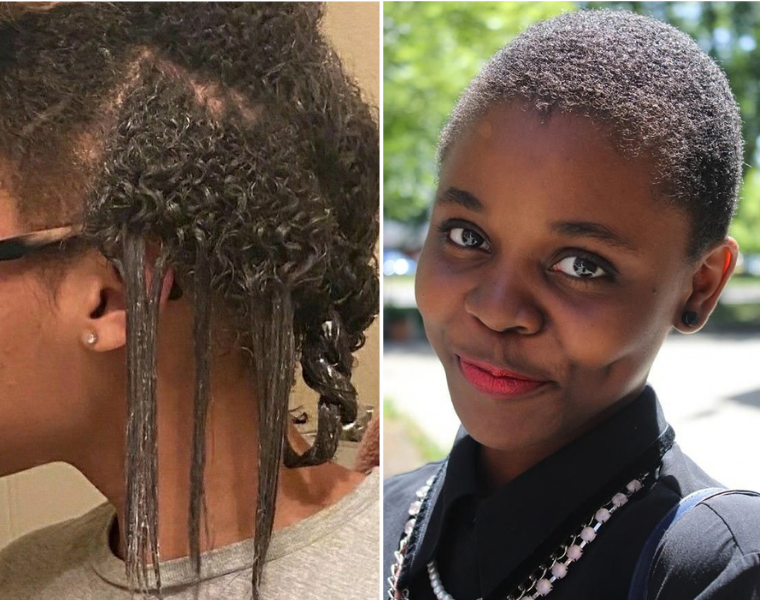
One of the biggest adjustments during a transition is learning how to care for two textures at the same time.
Your natural roots may be tightly coiled, while the relaxed ends are straighter and may respond differently to water and styling products.
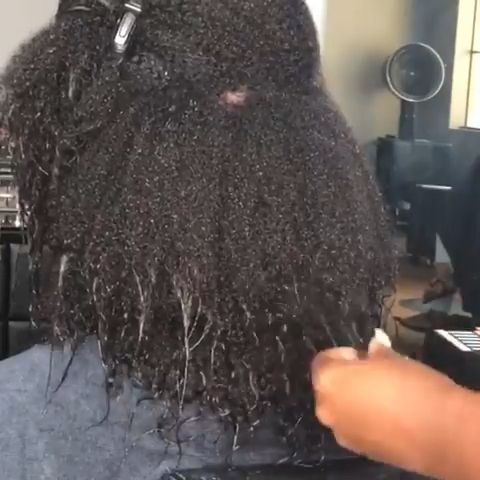
The point where the two textures meet is especially vulnerable. This area is called the line of demarcation, and it can be prone to breakage because the hair changes texture at that point.
Gentle handling becomes extremely important.
Avoid aggressive brushing, rough towel drying, and excessive manipulation. Detangle slowly and use plenty of slip when working through your hair.
Your routine may also need to change as your natural hair becomes longer. What worked when you had only a small amount of new growth may not work once several inches of natural hair have developed.
Build a Consistent Wash Day Routine
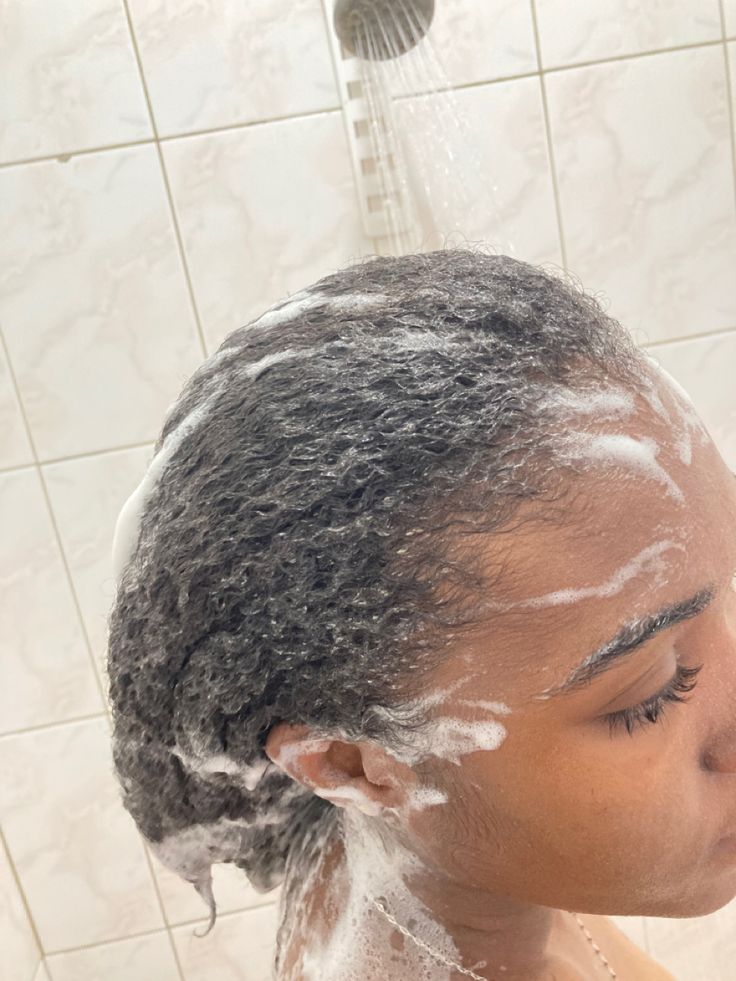
Wash day becomes particularly important when transitioning because your hair needs to stay clean, moisturized, and manageable without excessive manipulation.
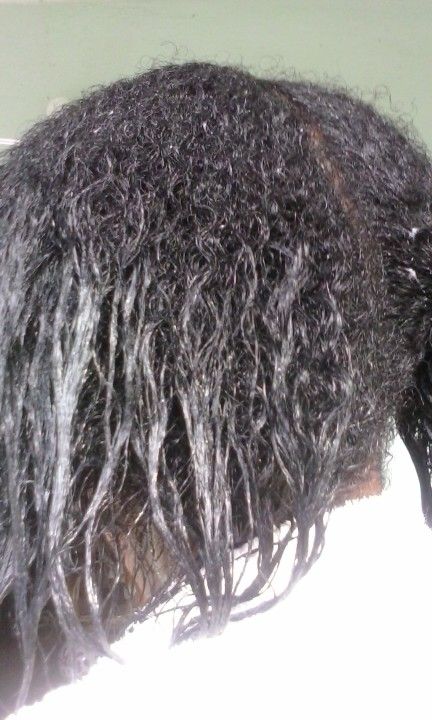
Start by thoroughly wetting your hair before applying shampoo. Avoid piling the hair aggressively on top of your head because the different textures can tangle easily.
A gentle shampoo followed by a moisturizing conditioner can make detangling easier.
Deep conditioning can also help improve softness and manageability. The goal is not to make the relaxed ends behave exactly like your natural hair. Instead, you want both textures to remain flexible enough to handle manipulation.
If your hair frequently feels dry after washing, The Best Wash Day Routine for Nappy 4C Hair can provide a useful foundation for building a gentler routine.
Learn How to Detangle Without Excessive Breakage
Detangling can become one of the hardest parts of transitioning because the two textures can behave very differently.
Your natural roots may shrink and tangle around the straighter relaxed ends. If you rush through the process, the difference in textures can cause excessive pulling and breakage.
Start by dividing your hair into manageable sections. Apply conditioner or a product with enough slip, then gently separate the hair with your fingers before using a wide-tooth comb if necessary.
Work from the ends upward rather than dragging a comb from your roots to your ends.
Do not try to detangle a dry head of transitioning hair quickly before leaving the house. Give yourself enough time to work through each section carefully.
The same gentle approach used in how to detangle your kids’ 4C hair without tears can be adapted for adults because the basic principle is the same: reduce pulling and work through tangles patiently.
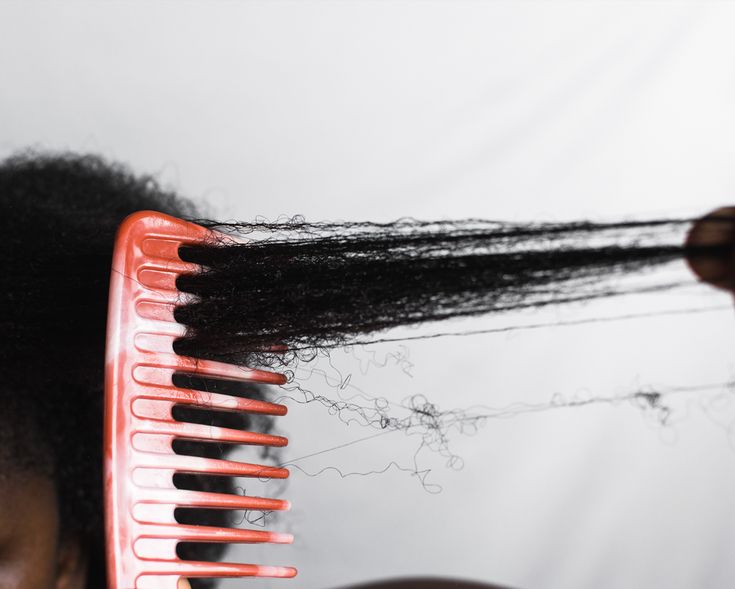
Keep Your Hair Moisturized
Moisture becomes especially important as your natural texture grows out.
4C hair can lose moisture relatively quickly because the tight bends in the strands can make it harder for natural scalp oils to travel down the length of the hair.
Your relaxed ends may also feel dry or fragile after repeated chemical processing.
A basic moisturizing routine can include water or a water-based leave-in product followed by an appropriate cream or oil if your hair responds well to it.
However, adding more products is not always the answer. Too many layers can cause buildup and make your hair difficult to cleanse.
Pay attention to how your hair responds instead of following a complicated routine simply because it works for someone else.
If your hair seems to lose moisture unusually quickly, why your hair won’t hold moisture can help you identify possible causes.
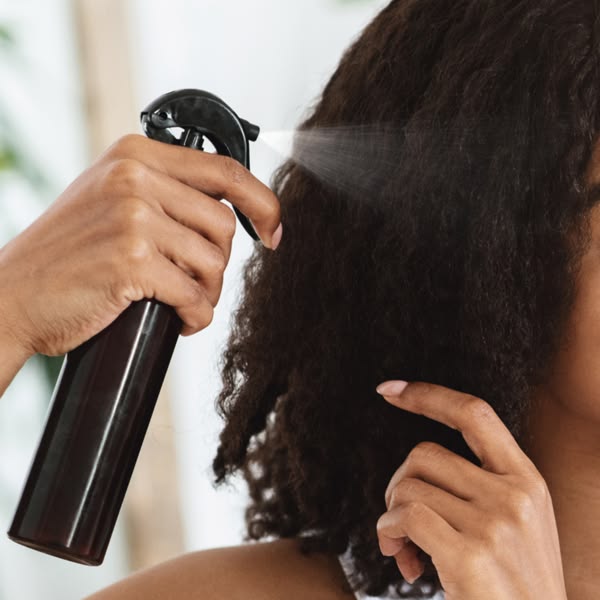
Deep Condition Regularly
Deep conditioning can be useful during a transition because both your natural roots and relaxed ends need care.
A good deep conditioner can improve softness and make the hair easier to manipulate. This can be particularly helpful before detangling or styling.
How often you deep condition depends on your hair’s condition and your routine. Some people may benefit from weekly deep conditioning, while others may find that every couple of weeks works well.
You do not need to leave a product on for several hours simply because longer sounds better. Follow the product instructions and pay attention to how your hair responds.
If your hair feels particularly dry or damaged, exploring Best Deep Conditioners for Dry 4C Hair can help you understand what to look for in a product.
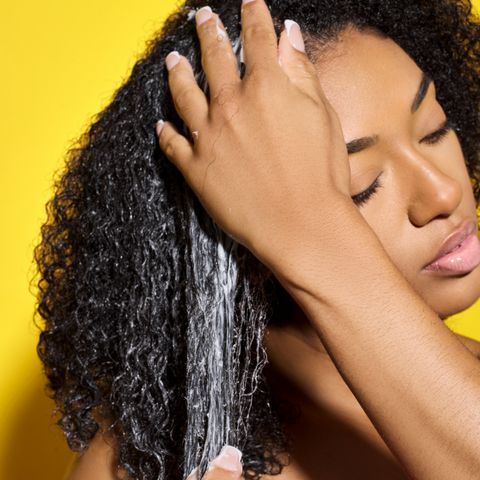
Be Careful With Heat
Heat styling can make two textures appear more similar, but frequent heat use can create additional problems.
Flat irons, blow dryers, and other hot tools can weaken hair when used incorrectly or too frequently. This is especially concerning when your hair is already dealing with a fragile line of demarcation.
You do not have to avoid heat completely if you choose to use it occasionally and carefully. Use an appropriate heat protectant, control the temperature, and avoid repeatedly passing a hot tool over the same section.
Air drying or using low heat can be preferable for regular wash days.
If you eventually want to change your hair colour, remember that chemical processing can add another source of stress. How to prepare your hair before coloring is particularly relevant before combining colour treatments with already transitioning hair.
Choose Hairstyles That Protect Both Textures
Hairstyles can make transitioning easier because they reduce the need to manipulate your hair every few days.
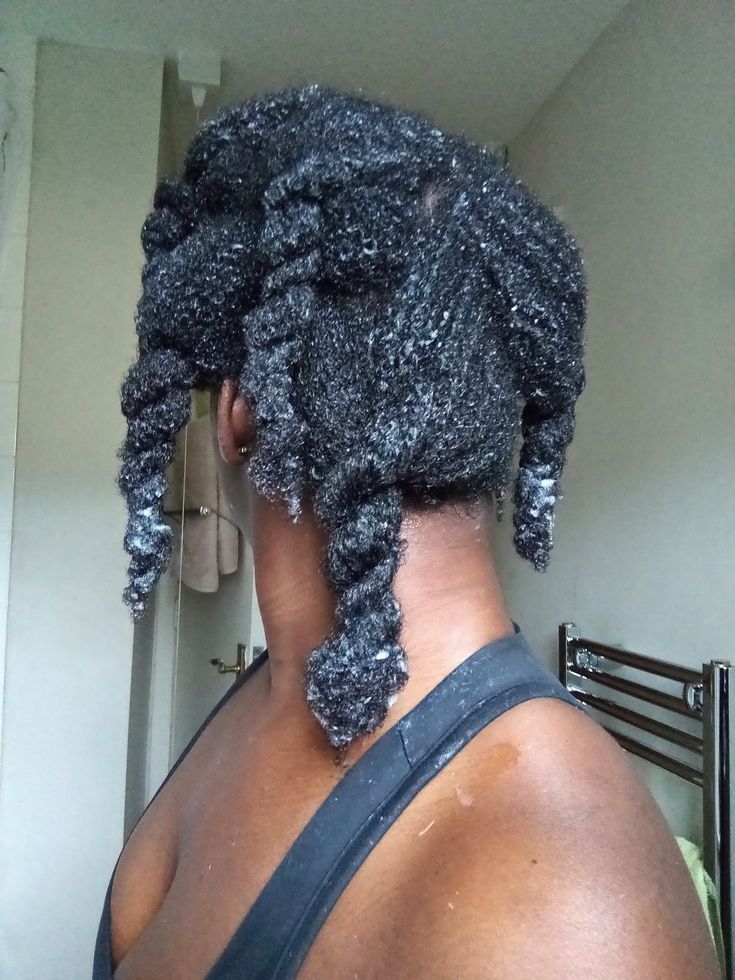
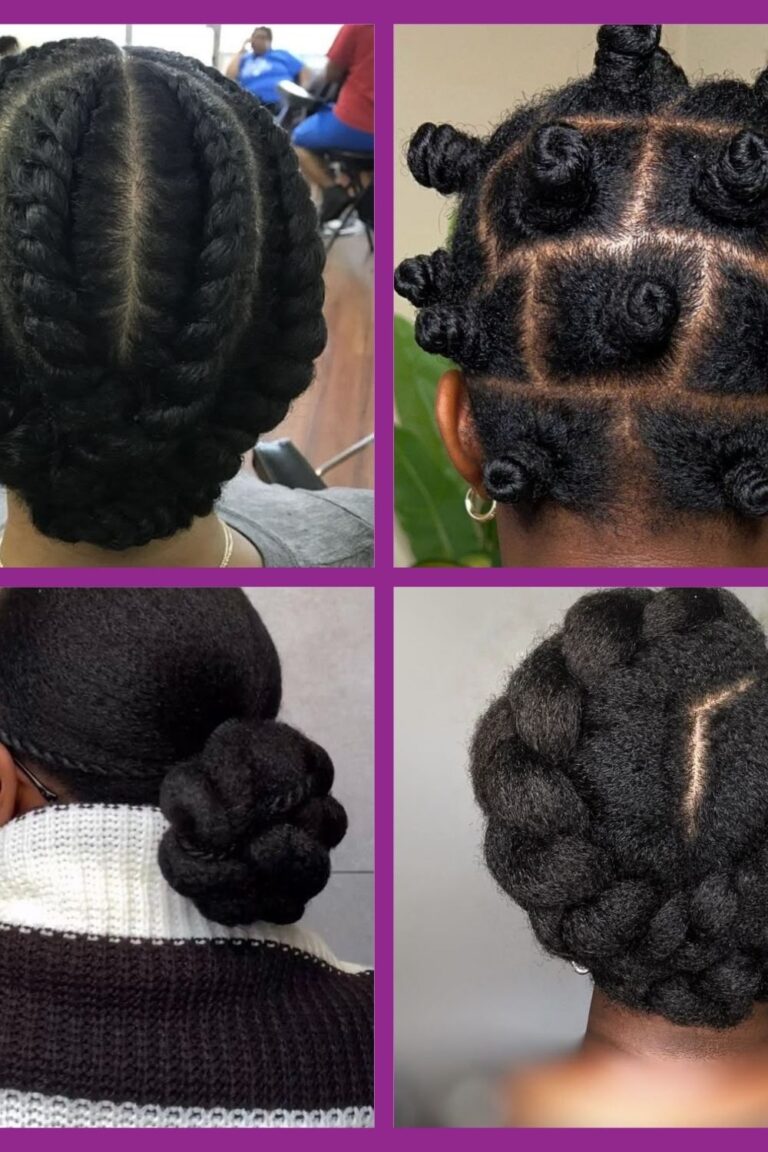
Braids, twists, buns, flat twists, wigs, and other low-manipulation options can help you manage the difference between your natural roots and relaxed ends.
However, a hairstyle is not automatically protective simply because your hair is tucked away.
A style that is too tight can put stress on your edges and scalp. Leaving a style in for too long can also create tangling, buildup, or excessive dryness.
Choose styles that allow you to maintain your scalp and moisturize your hair when necessary.
You can rotate your options using ideas from The Best Protective Styles for 4C Hair, while adjusting the tension and installation method to suit your transitioning hair.
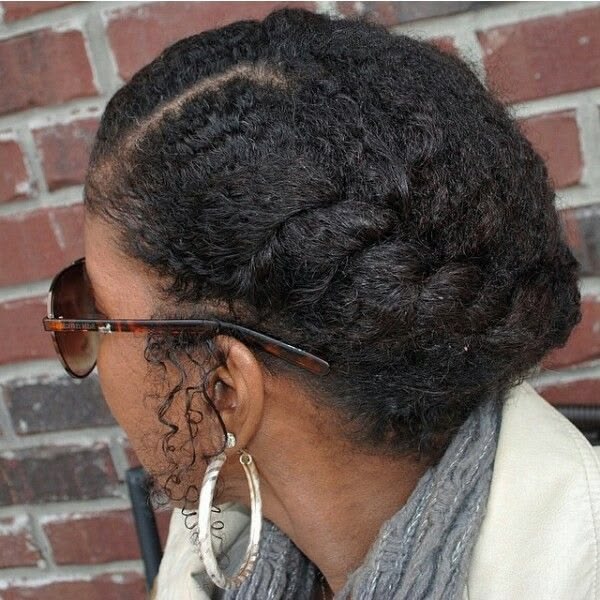
Try Twist-Outs and Braid-Outs Carefully
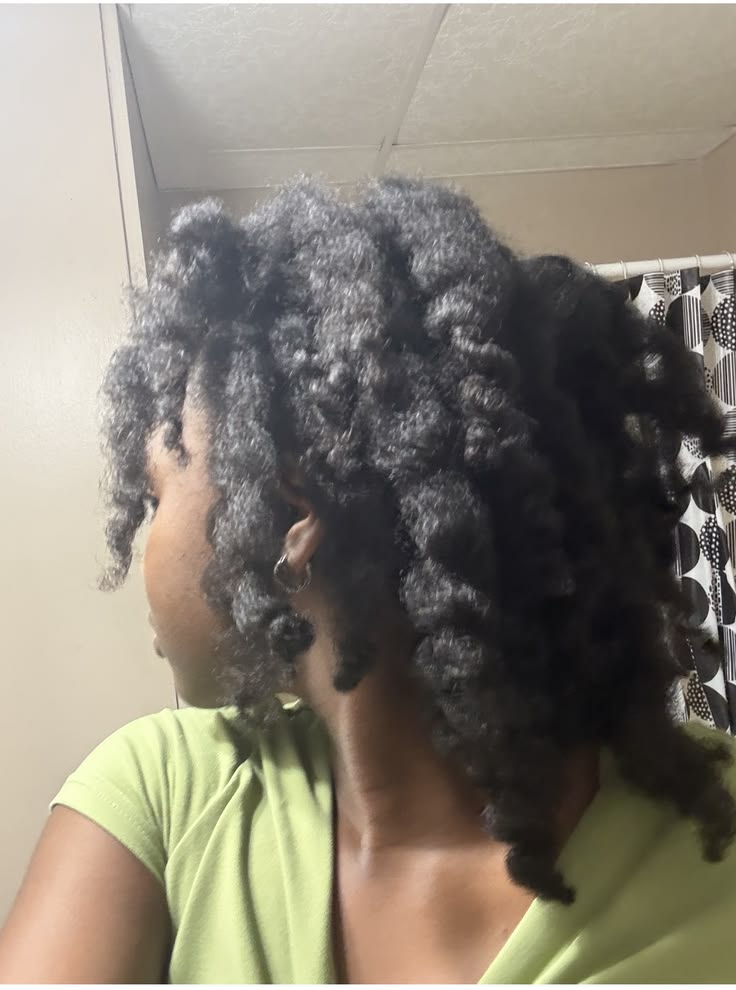
Twist-outs and braid-outs can be useful during a transition because they can help blend the appearance of your two textures.
The natural roots take on the shape of the twists or braids, while the relaxed ends can blend into the style.
However, the style may not look completely uniform because the two textures respond differently. That is normal.
Use enough product to help with definition without applying so much that the hair becomes stiff or difficult to cleanse.
You can experiment with different sizes depending on the look you want. Smaller twists usually create more definition, while larger sections produce a looser result.
Twist-out hairstyles you’ll love and braid-out ideas for 4c hair can provide ideas that are adaptable to transitioning hair.
Protect Your Hair at Night
Your nighttime routine can make a noticeable difference during a transition.
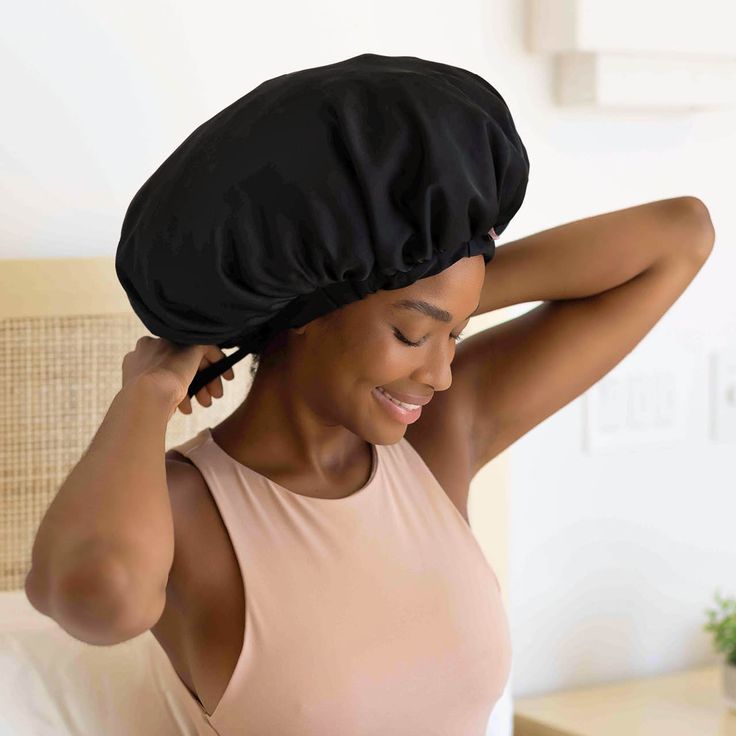
Cotton pillowcases can create friction as you move during sleep, potentially contributing to dryness and tangling. A satin or silk bonnet, scarf, or pillowcase can help reduce this friction.
Before bed, you can also gently gather longer hair into a loose style rather than sleeping with it completely loose if it tangles easily.
Avoid tying the hair tightly. The goal is to protect it while keeping tension low.
A consistent nighttime routine can also make your morning routine easier because you will not have to aggressively detangle or restyle your hair every day.
Trim Your Relaxed Ends Gradually or Cut Them Off
You do not have to remove all your relaxed hair immediately.
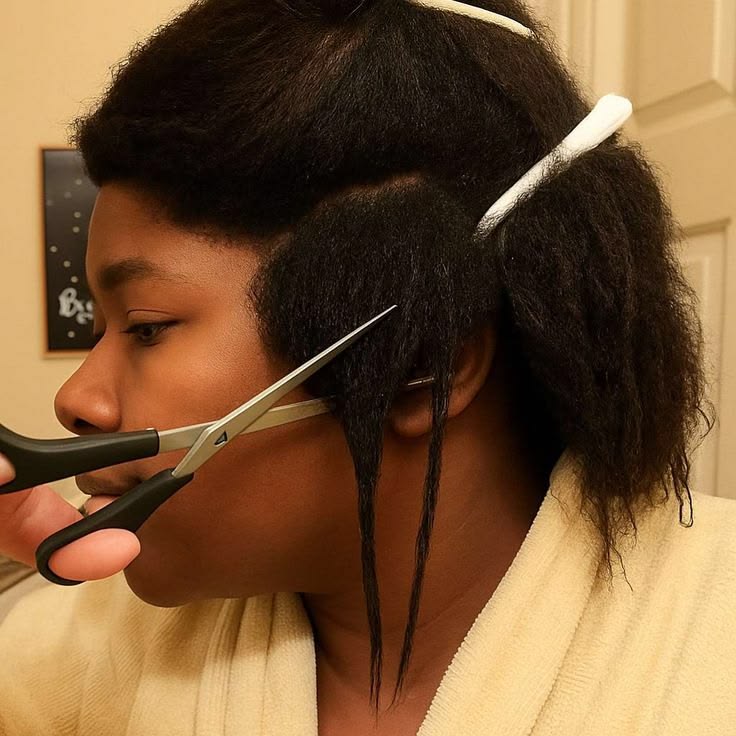
Some people gradually trim their ends every few weeks or months. Others wait until they have enough natural growth and then cut off the remaining relaxed sections at once.
Regular trimming can help remove damaged ends gradually while allowing you to keep some length.
If your relaxed ends are extremely fragile, constantly splitting, or breaking, keeping them simply for the sake of length may not be helpful.
The important thing is to choose a schedule you can manage.
As your natural hair becomes longer, the difference between the two textures may become easier to manage, or it may become more difficult depending on your hair. There is no fixed point when every person must cut their relaxed ends.
Understand the Line of Demarcation
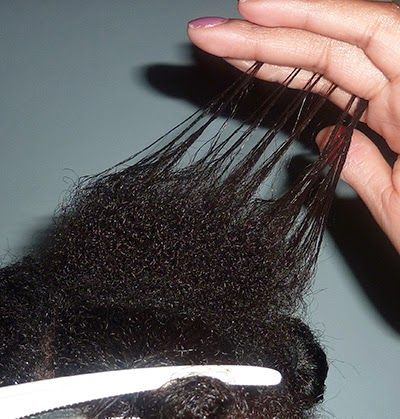
The line of demarcation is the point where your natural new growth meets your chemically treated hair.
This area deserves extra attention because the change in texture creates a weaker point along the strand.
When brushing, detangling, styling, or washing, avoid pulling aggressively around this area.
Breakage often becomes noticeable here when transitioning hair is manipulated too roughly. Keeping the hair conditioned and handling it gently can help reduce unnecessary stress.
You should also avoid constantly switching between extremely different styling techniques. Give your hair time to adjust to your routine.
The goal is not to prevent every broken strand. Some shedding and breakage can happen naturally. The focus is on avoiding unnecessary mechanical damage.
Avoid Common Transitioning Mistakes
Several mistakes can make the transition more difficult than it needs to be.
One is treating your new natural growth exactly like your relaxed ends. Your natural hair may need more moisture and different styling techniques as it becomes longer.
Another is excessive manipulation. Constant brushing, combing, restyling, and pulling can increase breakage.
Overusing protein treatments can also leave some hair feeling stiff or brittle, while never conditioning the hair can make it difficult to manage.
Another common problem is keeping protective styles in for too long. Your hair still needs cleansing and moisture even when it is tucked away.
Finally, do not compare your transition to someone else’s. Hair density, growth rate, texture, previous chemical damage, and routine all affect the process.
Understanding why your 4C hair keeps breaking can also help you identify habits that may be causing unnecessary damage during the transition.
Be Patient With Your Hair Growth
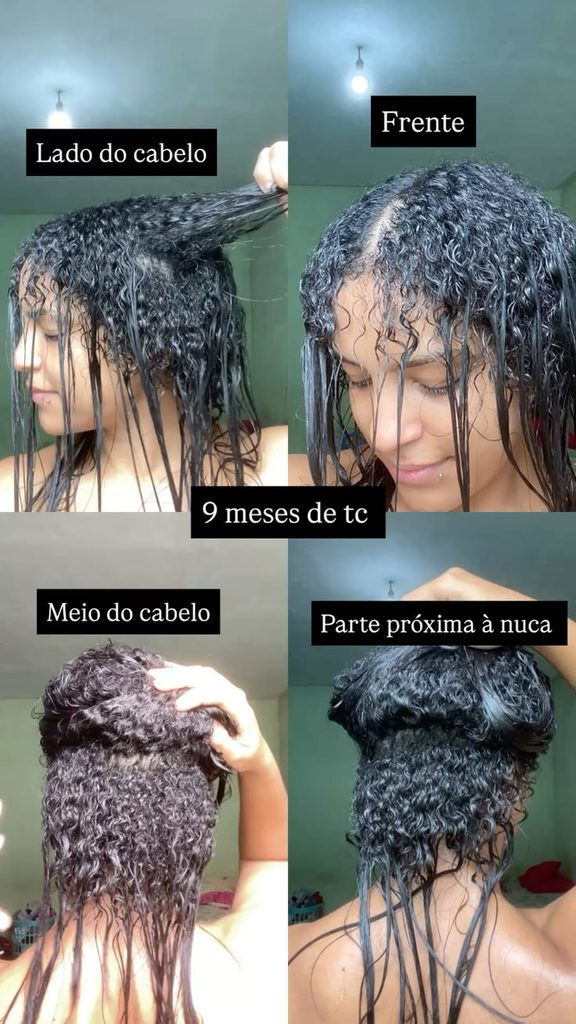
One of the easiest mistakes to make during a transition is expecting visible length too quickly.
Your hair may be growing normally even when you do not notice dramatic changes in length. Shrinkage, breakage, styling, and the way your hair curls can all affect how much length you can see.
Your focus should be on maintaining the hair you already have rather than constantly looking for products that promise unusually fast growth.
Healthy routines, gentle handling, adequate moisture, and reduced breakage can help you retain more of the length your hair naturally produces.
Understanding length retention tips that actually work for 4C hair can be particularly useful because retaining length is often more practical than trying to make the hair grow at an unusually fast rate.
Decide When You Are Ready for Your Final Cut
Eventually, you may reach a point where you are ready to remove the remaining relaxed ends.
There is no universal amount of new growth you need before doing this.
Some people feel ready after a few inches of natural growth, while others wait until they have significantly more length.
Think about the hairstyles you want to wear after the cut and how comfortable you are with shorter hair.
If you want to keep as much length as possible, you can continue transitioning. If managing the two textures is becoming frustrating, removing the relaxed ends may make your routine simpler.
The decision should be based on what works for you rather than pressure from other people.
Once you are ready, having a clear idea of Big Chop vs Long Transition can help you approach the final decision with realistic expectations.
Build Your Natural Hair Routine After the Transition
Once the relaxed ends are gone, your routine will probably need to change.
You will no longer be managing two textures, but you may notice that your natural hair has its own challenges. Shrinkage, dryness, tangling, and detangling may become more noticeable depending on your hair.
Start with a simple routine rather than buying numerous products at once.
Focus on cleansing, conditioning, moisturizing, gentle detangling, protective styling when appropriate, and regular observation of your scalp and strands.
You can gradually build a routine around what your hair actually needs.
A weekly hair care routine for your 4C hair can provide a simple structure for maintaining your hair without turning wash day into an unnecessarily complicated process.
As you become more comfortable, you can experiment with different hairstyles, products, and techniques.
Final Thoughts
Transitioning to natural hair is a process, not a race.
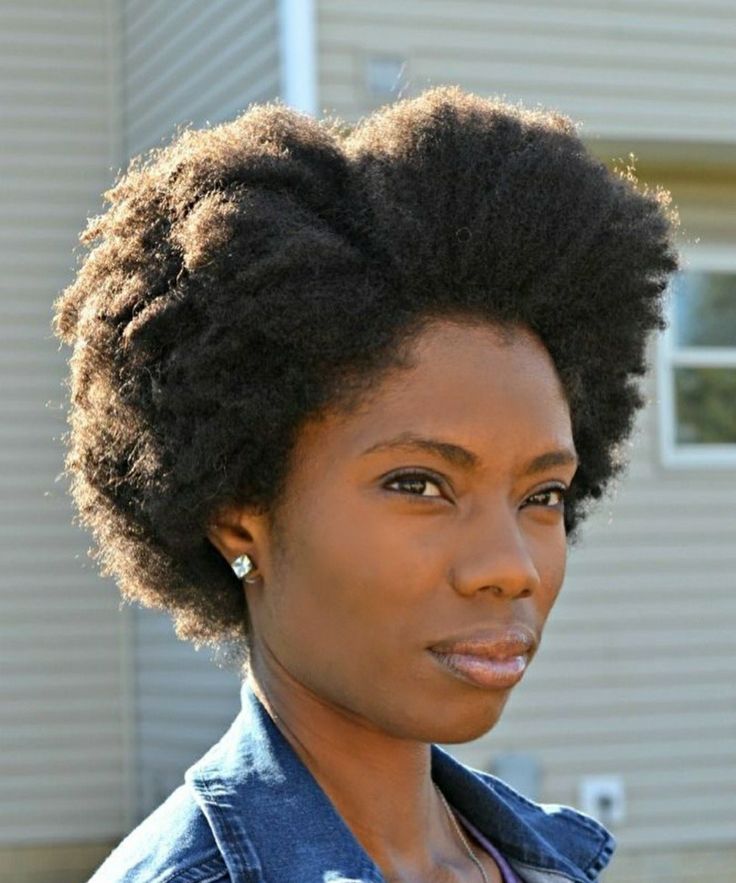
Some months may feel easy, while others may involve more tangling, dryness, or breakage than you expected. Your hair may also look different from the inspiration pictures you saved before beginning.
That is normal.
The most useful approach is to focus on consistency rather than perfection. Keep your scalp clean, moisturize your hair appropriately, detangle gently, reduce unnecessary manipulation, protect your ends, and pay attention to how your hair responds.
You also do not have to follow someone else’s timeline. A six-month transition, one-year transition, and two-year transition can all lead to natural hair.
The important part is finding a process that allows you to care for your hair without constantly fighting its texture.
Once you reach the end of your transition, you will have a much clearer understanding of how your natural hair behaves. From there, you can build a routine around your own texture, density, lifestyle, and styling preferences rather than trying to force your hair to behave like someone else’s.
The journey may require patience, but every stage teaches you something about your hair. Give yourself room to learn, adjust your routine when necessary, and enjoy seeing your natural texture become more familiar over time.


One Comment