
How Long Should You Keep Protective Styles In?
Disclosure: Some of the links in this post are affiliate links. This means if you click on the link and purchase an item, I will receive an affiliate commission at no extra cost to you.
You’ve finally installed a fresh set of braids, twists, or cornrows, and everything looks great. After a couple of weeks, though, you might start asking yourself, how long should I keep protective styles in?
It’s a common question, especially if you’re trying to grow healthy 4C hair. On one hand, protective styles reduce daily manipulation and help protect your ends. On the other hand, leaving them in for too long can lead to buildup, tangles, dryness, and even unnecessary breakage.
The truth is that there isn’t one perfect timeline for every protective style. The right length depends on the hairstyle, your hair’s condition, how well you maintain it, and how quickly your hair grows.
Understanding when to remove a protective style is just as important as choosing the right one in the first place. Keeping a style in beyond its healthy lifespan can undo many of the benefits it was meant to provide.
If you’re still deciding which style to wear, The Best Protective Styles for 4C Hair explores some of the healthiest options for reducing breakage and retaining length.
In this guide, you’ll learn how long different protective styles should stay in, the warning signs that it’s time to remove them, and how to keep your hair healthy before, during, and after every installation.
What Is the Ideal Lifespan of a Protective Style?
There’s no single answer to how long you should keep a protective style in.
The right amount of time depends on the style you’re wearing, how quickly your hair grows, how well you maintain it, and the condition of your scalp.
Some styles, like flat twists, may only stay neat for a couple of weeks, while box braids and knotless braids can often last much longer with proper care. However, just because a style still looks good doesn’t necessarily mean it’s still protecting your hair.
As your hair grows, product buildup, shed hairs, and new growth begin to accumulate. Eventually, these can lead to tangling, dryness, and breakage if the style isn’t removed in time.
Instead of focusing only on the calendar, pay attention to how your hair and scalp feel. A healthy protective style should still be comfortable, easy to maintain, and free from excessive buildup.
If you’re still deciding which hairstyle is right for you, the best protective styles to save for your next salon visit compares some of the healthiest options for reducing breakage and retaining length.
Why You Shouldn’t Leave Protective Styles In Too Long
Protective styles are meant to give your hair a break, not keep it hidden indefinitely. Over time, product buildup, sweat, and naturally shed hairs collect beneath the style, making your scalp harder to keep clean.
Your hair can also become dry if it isn’t moisturized regularly. As new growth appears, the roots may begin to tangle with trapped shed hairs, making the removal process more difficult and increasing the risk of breakage.
Styles that are left in for too long can also become loose and frizzy, reducing the protection they once provided.
If the style was installed too tightly, wearing it beyond the recommended time may place additional stress on your edges and scalp.
Healthy protective styling doesn’t end after installation. Following the best daily hair care routine for 4C hair can help keep both your scalp and strands in good condition until it’s time to remove the style.
How Long Different Protective Styles Should Stay In
One of the easiest ways to keep your hair healthy is to remove your protective style before it starts causing more harm than good.
While the timelines below are helpful guidelines, remember that everyone’s hair is different. If your scalp becomes uncomfortable or your hair starts tangling before the recommended time, it’s perfectly okay to take your style down earlier.
Keeping a protective style in for the maximum amount of time isn’t always the goal. The healthiest approach is to remove it while your hair is still easy to detangle and your scalp is still in good condition.
Two-Strand Twists
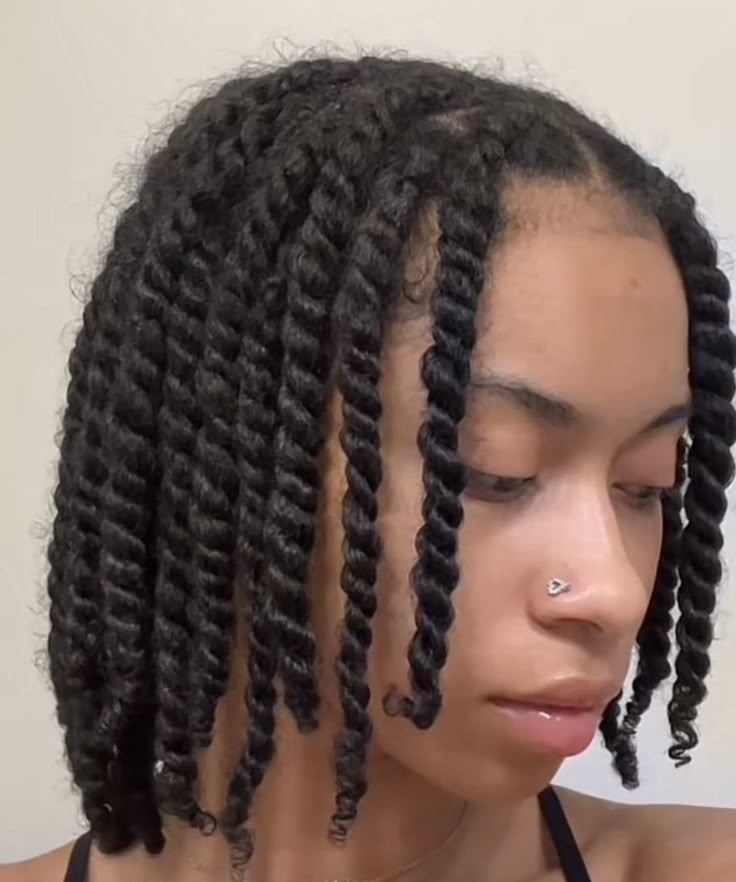
Recommended wear time: 2 to 4 weeks
Two-strand twists are one of the easiest protective styles to maintain, especially if you’re styling your own hair.
They’re lightweight, easy to moisturize, and don’t usually place much tension on your scalp. However, once your roots begin to grow out, the twists can become frizzy and start wrapping around shed hairs.
Removing them within four weeks usually makes the takedown process much easier and helps reduce unnecessary breakage.
If you’re planning to wear your twists for several weeks, keeping them moisturized will help them stay soft and manageable.
Once you’ve taken your twists down, 10 twist-out hairstyles you’ll love offers plenty of ideas for getting even more wear out of your style.
Mini Twists
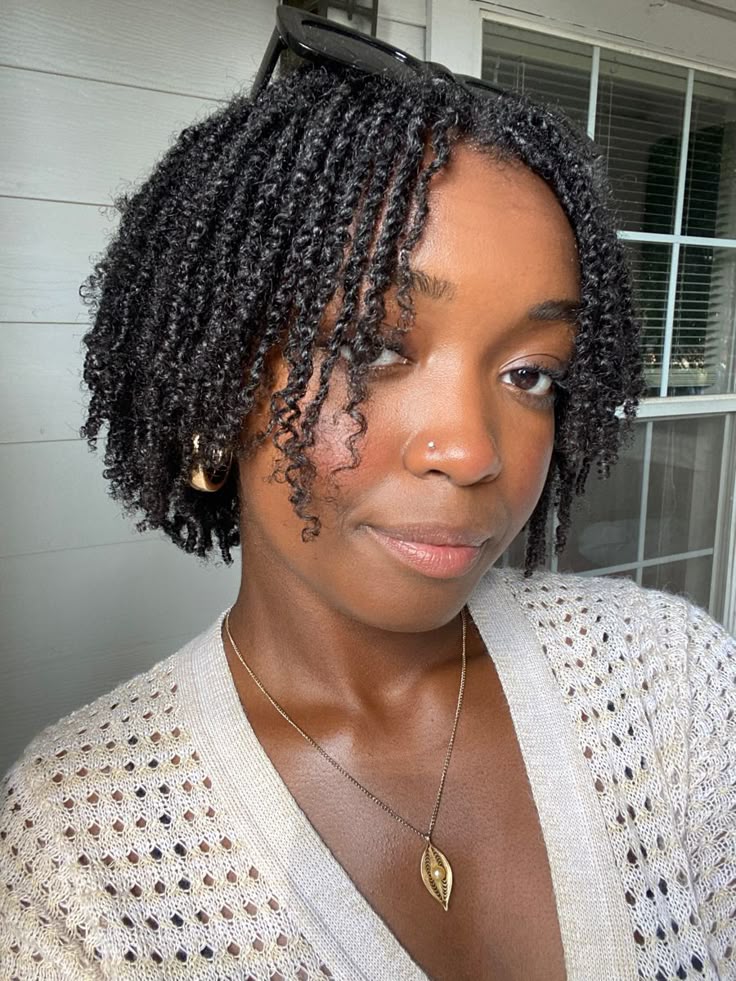
Recommended wear time: 3 to 6 weeks
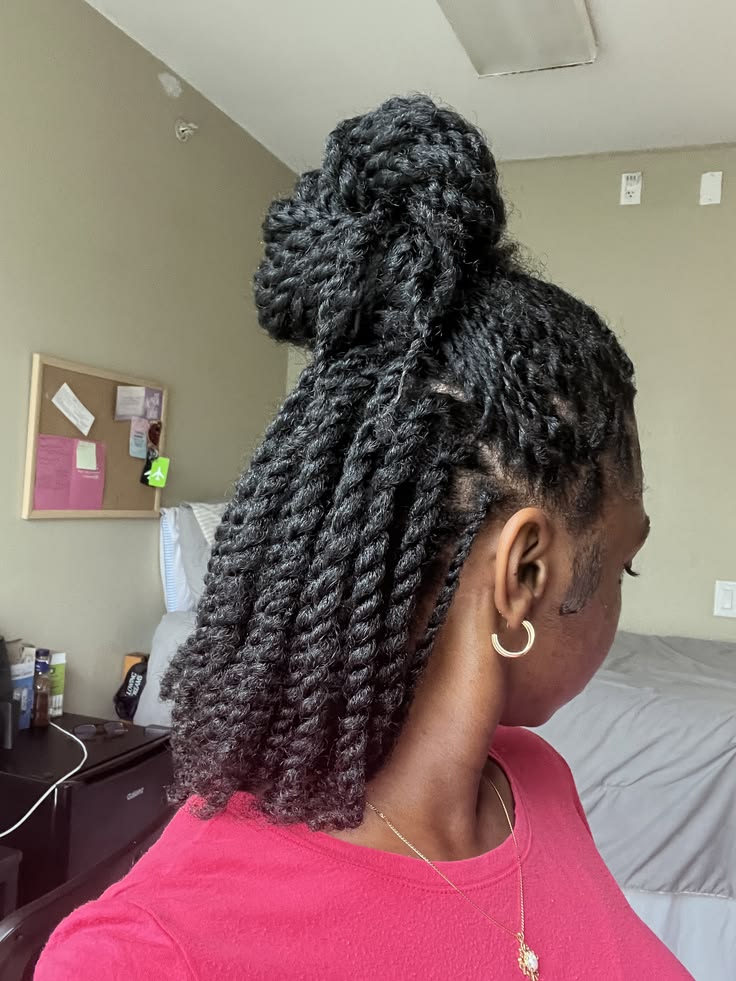
Mini twists generally last longer because each section is smaller and less likely to unravel. Many people choose them as a low-manipulation style since they can be worn loose, pinned up, or gathered into buns without reinstalling them.
Even though mini twists can last over a month, it’s still important to monitor your scalp. If your roots begin matting or your hair feels unusually dry, don’t wait for the maximum timeframe.
Flat Twists
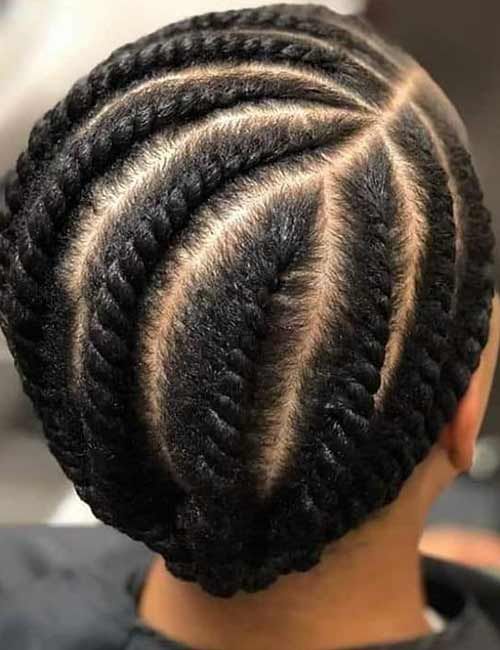
Recommended wear time: 1 to 3 weeks
Flat twists are perfect if you’re looking for a simple protective style that doesn’t require extensions. Because they sit close to the scalp, they usually lose their neat appearance sooner than braids or mini twists.
They’re also one of the easiest styles to refresh if you want to wear them a little longer. As long as your scalp remains healthy and your hair stays moisturized, flat twists can be a great short-term protective option.
If you’re still learning about your hair’s needs, the ultimate beginner’s guide to 4C hair explains many of the basics that make maintaining styles like this much easier.
Cornrows
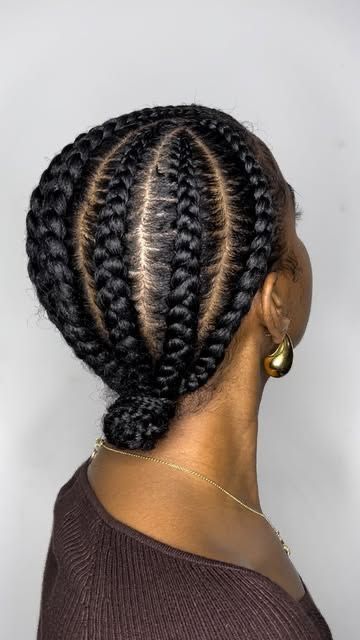
Recommended wear time: 2 to 4 weeks
Cornrows are popular because they’re neat, practical, and work well on their own or underneath wigs.
However, once your natural hair begins growing, the braids become looser, making them more likely to trap shed hairs around the roots.
Sweat and product buildup can also accumulate between the braids, especially if you’re physically active. Washing and moisturizing your scalp during this time helps extend the life of the style without compromising your hair’s health.
If you’re unsure how often your hair actually needs cleansing, how often should you wash 4C hair? answers one of the most common questions people have while wearing protective styles.
Box Braids
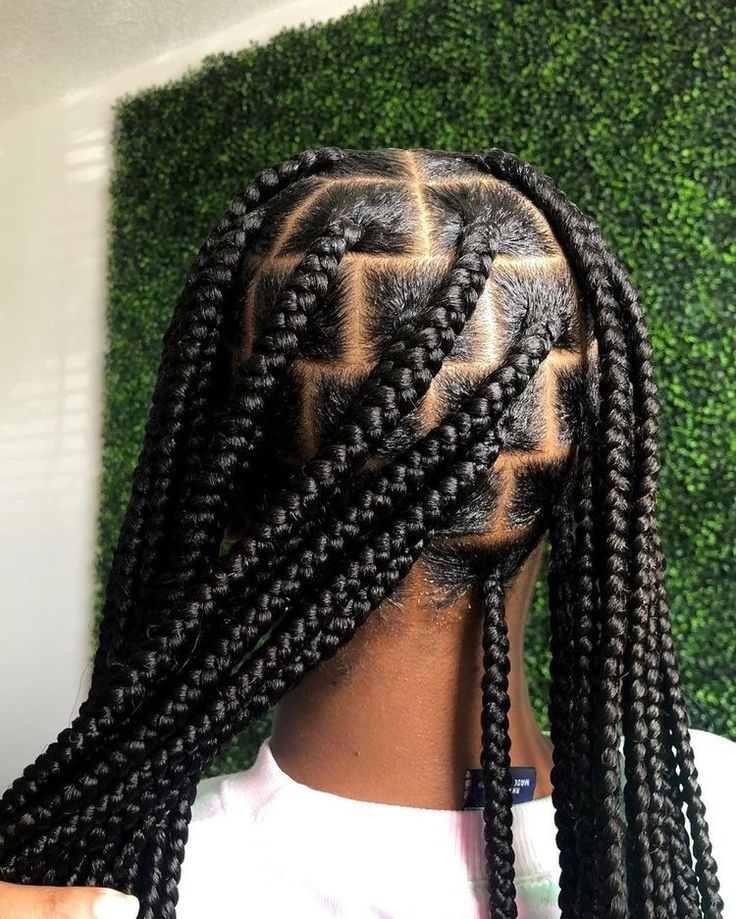
Recommended wear time: 4 to 8 weeks
Box braids are designed for longer wear, but they shouldn’t stay in indefinitely. After several weeks, you’ll usually notice more new growth, increased frizz, and a greater amount of trapped shed hair.
Although some people wear them longer, doing so can make the removal process much more difficult. Waiting too long also increases the chances of knots forming near the roots.
Taking your braids down while they’re still relatively easy to manage helps protect your hair and makes wash day much less stressful.
Knotless Braids
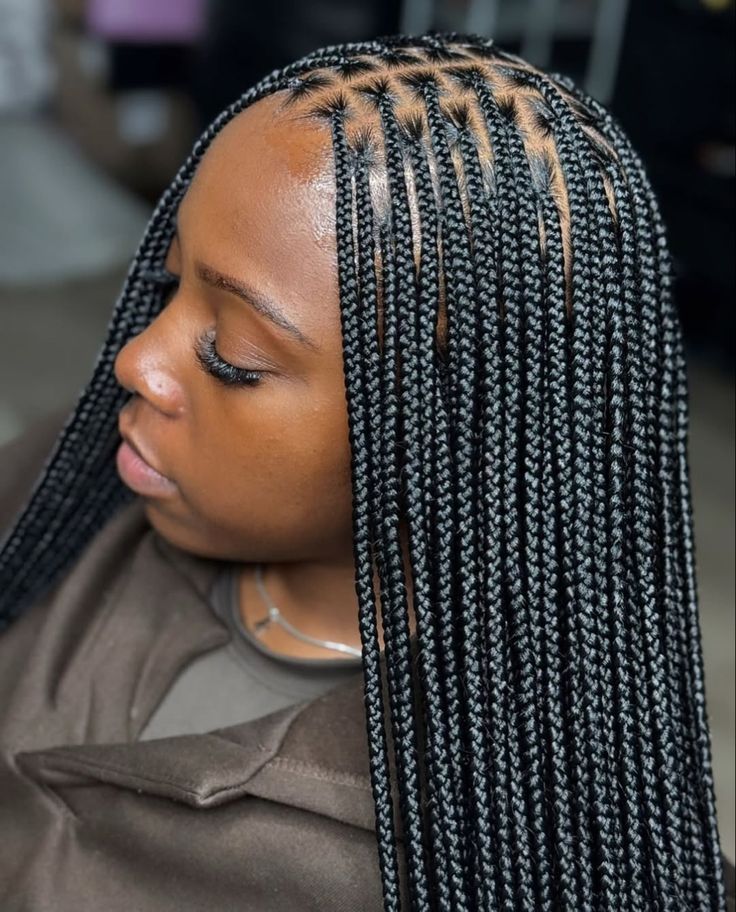
Recommended wear time: 4 to 8 weeks
Knotless braids are often considered more comfortable than traditional box braids because they begin without a tight knot at the base. This reduces tension on the scalp while still offering excellent protection.
Despite being gentler, knotless braids still have a recommended lifespan. Once the new growth becomes excessive or the braids start slipping, it’s usually time for a fresh installation.
Keeping your scalp moisturized throughout the style can also help reduce dryness and itching.
Crochet Braids
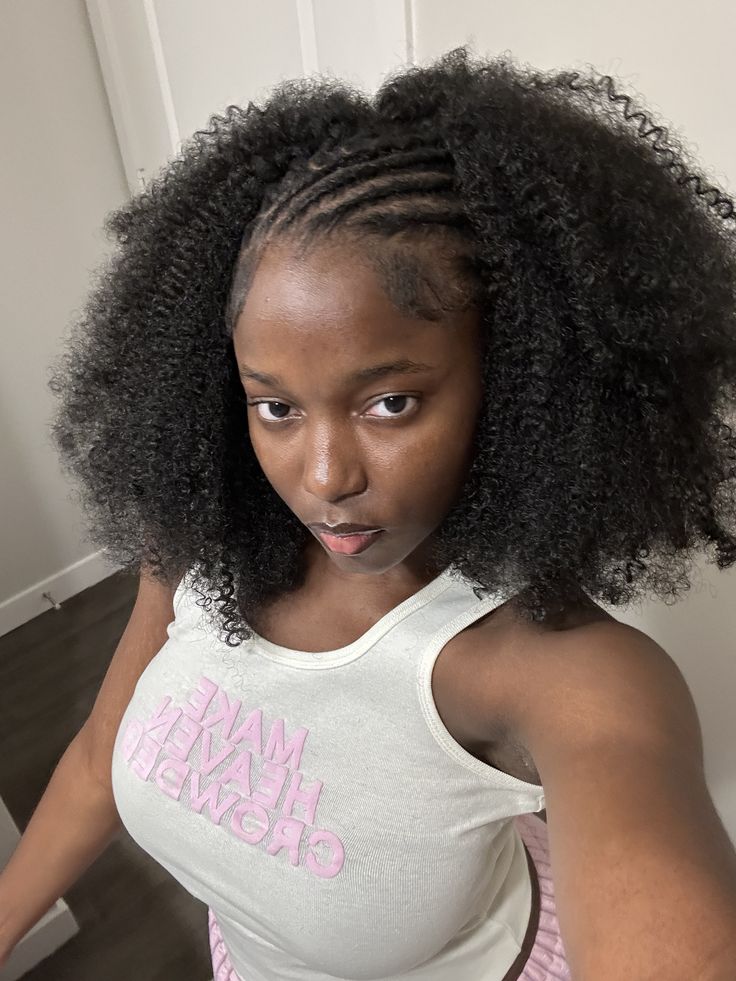
Recommended wear time: 4 to 8 weeks
Crochet braids give you the flexibility to enjoy curls, twists, or braids while your own hair remains safely braided underneath. Since your natural hair isn’t exposed every day, it’s easy to forget it still needs regular care.
Moisturizing your scalp and gently cleansing it when needed will help keep your natural hair healthy throughout the installation.
If your scalp begins feeling uncomfortable or the cornrows underneath become loose, don’t hesitate to remove the style rather than forcing it to last longer.
Wig Over Cornrows
Wigs can be an excellent protective option because they shield your natural hair from constant styling. However, the cornrows underneath still need attention.
Leaving the same cornrows in for months without washing or moisturizing your scalp can eventually lead to dryness, tangling, and buildup.
Rebraiding your foundation every few weeks keeps both your scalp and your natural hair in much better condition.
If your natural hair tends to become dry quickly, why your 4C hair isn’t growing (and what to do) explains how moisture and length retention are closely connected.
Recommended wear time: 2 to 6 weeks
Mini Braids
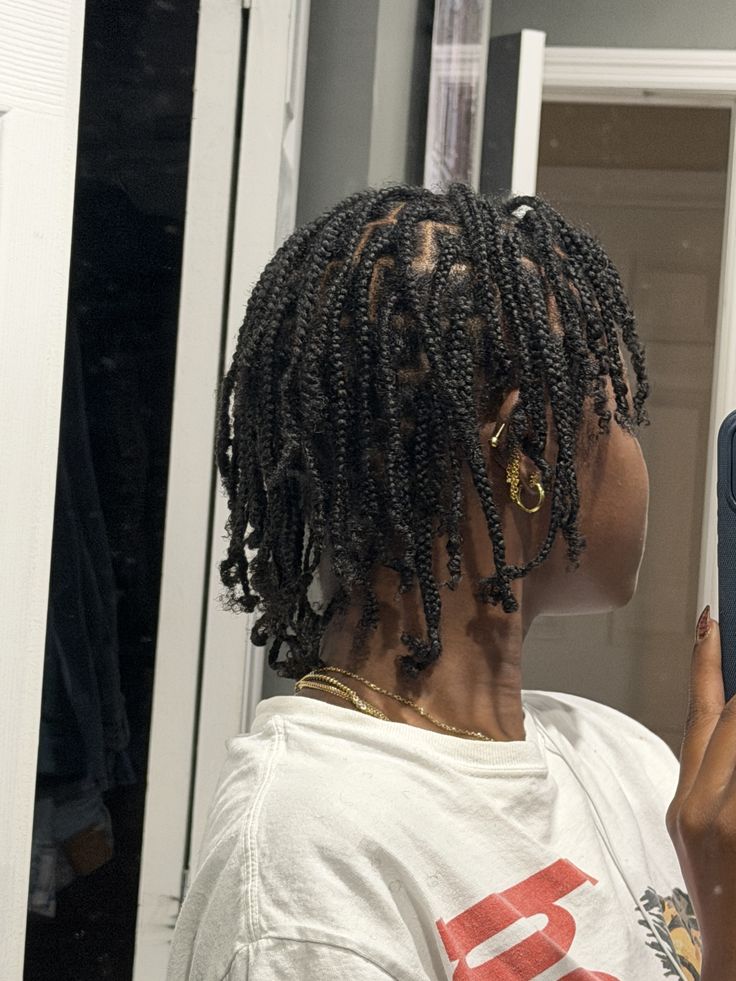
Recommended wear time: 4 to 6 weeks
Mini braids are durable, versatile, and can be styled in many different ways without reinstalling them. Because they’re smaller, however, they also trap more shed hairs over time.
Removing them before they become excessively tangled makes detangling much easier and helps prevent avoidable breakage.
Bantu Knots
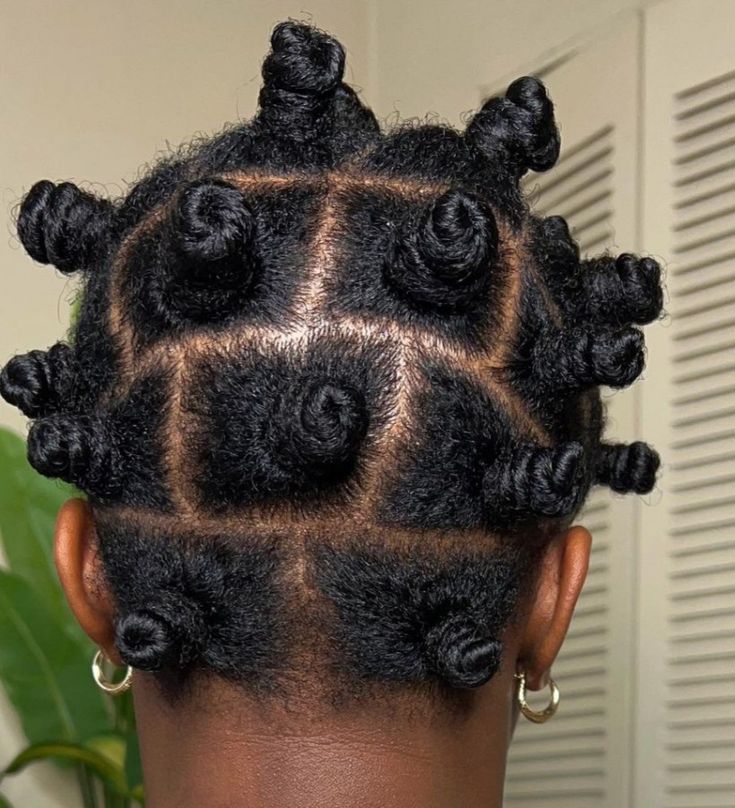
Recommended wear time: 1 to 2 weeks
Bantu knots are best suited for shorter wear. They protect your ends well, but depending on your daily activities, they can lose their shape fairly quickly.
Many people also remove them after several days to enjoy a beautiful knot-out, making this one of the few protective styles that naturally transitions into another hairstyle.
For more inspiration after taking your knots down, 17 braid-out ideas for 4C hair includes several stretched styles that work beautifully on natural hair.
Signs It’s Time to Remove Your Protective Style
Even if your protective style hasn’t reached the recommended number of weeks, your hair and scalp may already be telling you it’s time for a takedown. Learning to recognize these signs can help prevent unnecessary breakage and keep your natural hair healthier in the long run.
Excessive New Growth
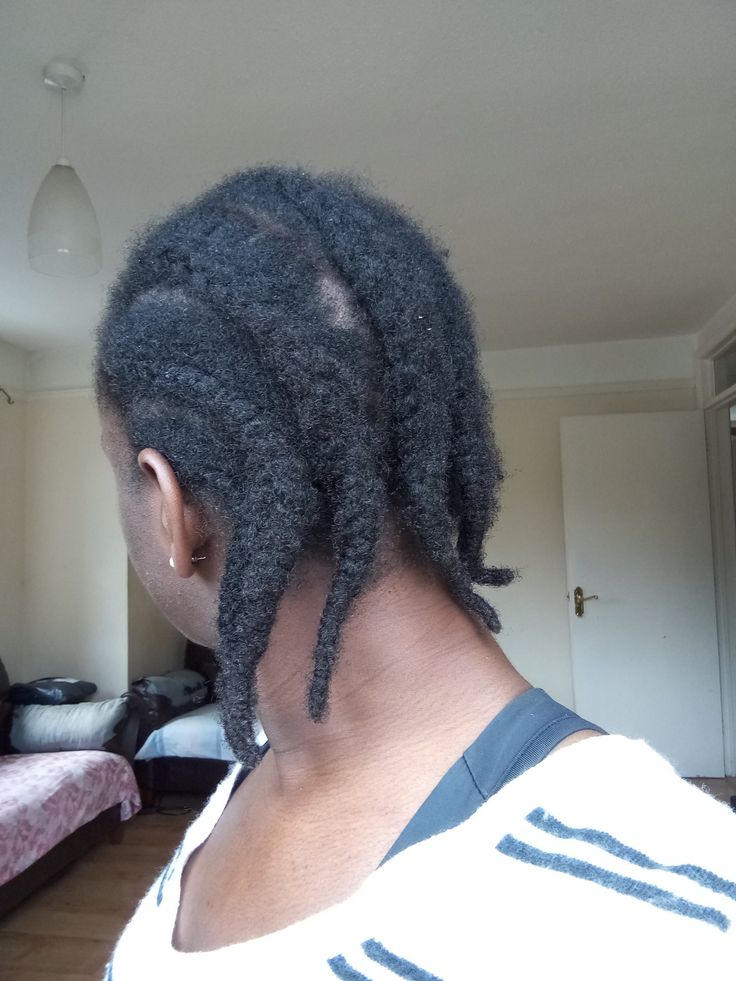
A little new growth is completely normal. In fact, it’s often a sign that your hair has been growing while tucked away. However, when the roots become excessively grown out, the line between your natural hair and the protective style becomes weaker.
This can make the roots more likely to tangle during takedown and increase the chances of breakage. If your style feels loose because of the amount of new growth, it’s usually time to remove it.
Persistent Itching
Occasional itching isn’t unusual, especially during the first few days after installation. Persistent itching, however, is different.
If your scalp continues to itch despite moisturizing or cleansing, it may be reacting to product buildup, sweat, or irritation from the extensions themselves.
Instead of scratching aggressively, which can damage your scalp, it’s often better to remove the style if the discomfort doesn’t improve.

Heavy Product Buildup
Protective styles still require maintenance. Over several weeks, oils, leave-in conditioners, edge control, sweat, and dust gradually collect around your roots.
If your scalp looks coated with white or yellowish buildup, or your hair feels sticky no matter how much you clean it, your style has probably reached the end of its lifespan.
Keeping your scalp healthy is just as important as protecting your strands, and what is 4C hair explains why tightly coiled hair benefits from a balanced moisture routine rather than excessive product application.
Your Hair Feels Extremely Dry
A protective style should help your hair retain moisture, not leave it feeling brittle.
If you’ve been moisturizing regularly but your hair still feels dry whenever you touch your roots, it may be time to wash, deep condition, and start fresh. Dry hair is more likely to snap during takedown, especially around the line of new growth.
Many people assume dryness automatically means they need more oil, but understanding the LOC vs LCO method for 4C hair can help you choose a moisturizing routine that’s better suited to your hair’s needs.
The Style Is Looking Very Frizzy
No protective style stays perfectly neat forever. Some frizz is completely expected as your hair grows.
However, when large sections begin unraveling, sticking out, or losing their original shape, the style is no longer providing the same level of protection. Loose strands are more exposed to friction, making them easier to tangle and break.
At that stage, reinstalling the style is usually healthier than trying to stretch it for another week or two.
Your Scalp Has an Unpleasant Odor
If your protective style develops an odor even after you’ve cleaned your scalp, don’t ignore it.
A lingering smell can be caused by trapped sweat, product buildup, or moisture that hasn’t dried properly. Wearing a style in this condition for several more weeks can make your scalp uncomfortable and less healthy.
A clean scalp provides a much better environment for healthy hair growth than one that’s constantly covered with buildup.
You’re Seeing More Tangles at the Roots
One of the clearest signs it’s time to remove a protective style is when your roots begin wrapping around shed hairs.
As your hair grows, naturally shed strands remain trapped inside the style instead of falling away. After several weeks, those loose hairs can knot around your new growth, making detangling much more difficult.
Removing your style before the tangles become severe can save you a great deal of time and help reduce unnecessary breakage during wash day.
If your goal is to retain as much length as possible, common 4C hair mistakes that cause breakage highlights several habits that can quietly damage your hair over time.
Quick Checklist
If you answer yes to two or more of these questions, it’s probably time to remove your protective style:
- Has your new growth become excessive?
- Does your scalp itch constantly?
- Is there noticeable product buildup?
- Does your hair feel unusually dry?
- Has the style become very loose or frizzy?
- Is your scalp developing an unpleasant odor?
- Are your roots beginning to tangle?
Listening to these signs is often more important than following a strict timeline. Healthy hair always benefits from timely maintenance rather than trying to make a style last as long as possible.
How to Make Protective Styles Last Longer Without Damaging Your Hair
Protective styles don’t have to look messy after only a week or two. With the right care, you can keep your style looking fresh while protecting your natural hair underneath.
The goal isn’t to wear the style for as long as possible, but to maintain it properly throughout its recommended lifespan.
Moisturize Your Hair Regularly
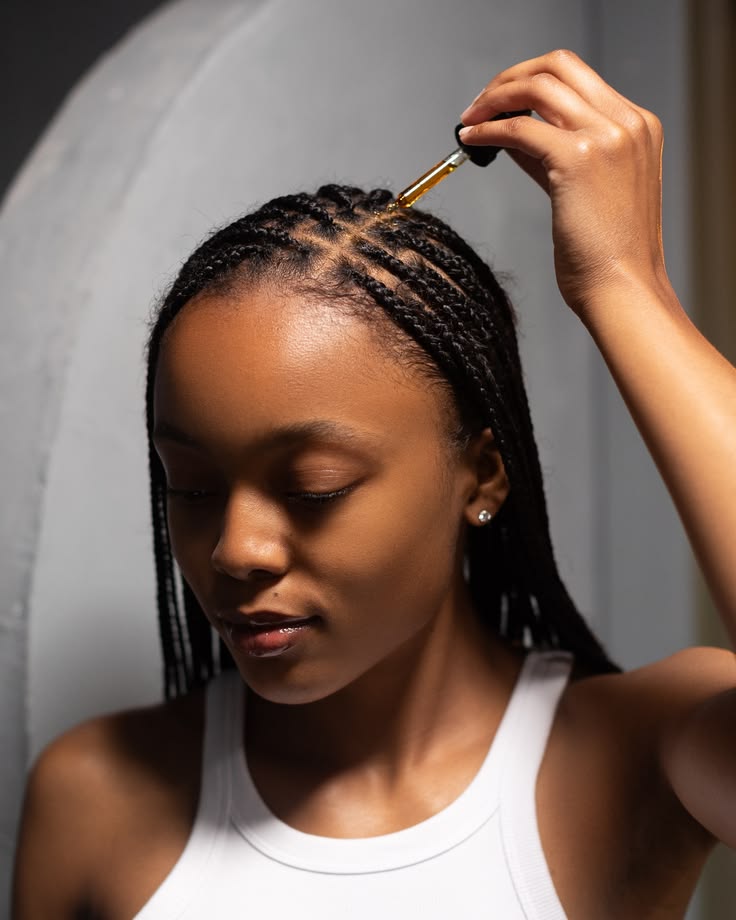
One of the biggest mistakes people make is assuming their hair doesn’t need moisture because it’s tucked away. In reality, your natural hair can still become dry while it’s in braids or twists.
Every few days, lightly mist your hair with water or a water-based leave-in conditioner, paying special attention to your roots. If your hair tends to lose moisture quickly, you can seal it with a lightweight oil.
The goal isn’t to soak your style but to keep your strands hydrated throughout the time you wear it.
Avoid Constantly Restyling
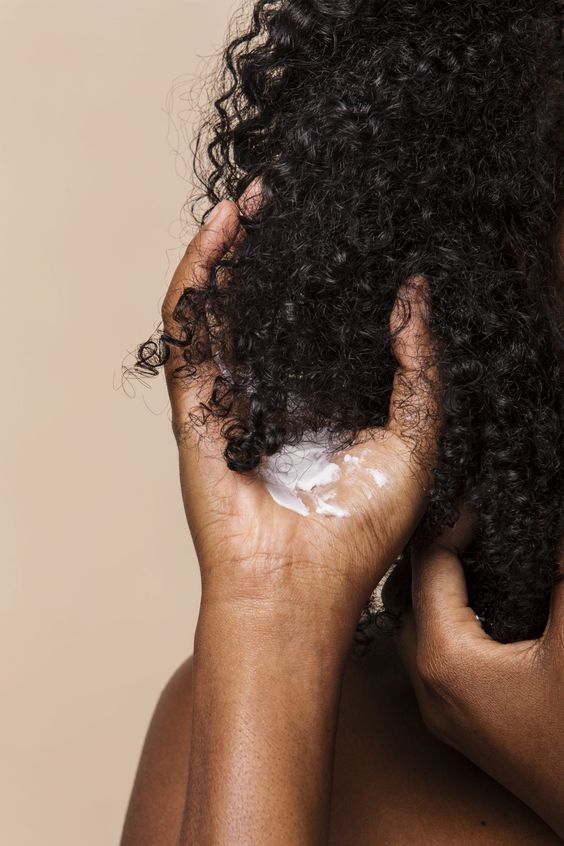
It’s tempting to wear your braids in a high ponytail one day, a bun the next, and a half-up style the day after.
While occasional styling is perfectly fine, pulling your hair into tight styles every day places repeated tension on your roots.
Try rotating between looser styles and giving your edges regular breaks. Your protective style should make your routine easier, not create new stress for your hairline.
If you’re looking for gentler everyday looks, 31 easy hairstyles for beginners includes several options that don’t require excessive tension.
Keep Your Scalp Clean
A healthy scalp creates a healthy environment for hair growth. Dirt, sweat, and styling products naturally build up over time, so it’s important to clean your scalp even while wearing a protective style.
A diluted shampoo, scalp cleanser, or micellar scalp rinse can help remove buildup without completely ruining your hairstyle.
If you exercise regularly or spend a lot of time outdoors, you may need to cleanse your scalp more often than someone with a less active lifestyle.
Protect Your Edges
Your edges are often the most delicate part of your hair. Tight braids, heavy extensions, and frequent styling can all place extra strain on this area.
If you notice soreness around your hairline or your edges beginning to thin, loosen your hairstyle if possible and avoid pulling it back tightly.
Keeping your edges moisturized and giving them time to rest between installations can help maintain their fullness over time.
Refresh Instead of Reinstalling
Not every messy braid needs to be completely redone.
If only the front rows are beginning to look frizzy, you may be able to refresh those sections instead of reinstalling the entire style.
Lightly redoing your edges or a few braids around your hairline can help your hairstyle look newer while avoiding unnecessary manipulation.
Just be careful not to repeatedly rebraid the same sections too tightly, as this can place extra stress on your roots.
Sleep With Satin Every Night
Nighttime protection is one of the easiest ways to extend the life of any protective style.
Sleeping directly on a cotton pillowcase creates friction that can lead to frizz, dryness, and unnecessary wear. A satin bonnet, satin scarf, or satin pillowcase helps reduce friction while preserving moisture.
This simple habit can make a noticeable difference in how neat your style looks after several weeks.

Listen to Your Hair
No schedule is more important than what your hair is telling you.
If your scalp feels uncomfortable, your hair has become extremely dry, or your roots are tangling despite your best efforts, don’t force yourself to keep the style in simply because the calendar says you still have another week.
Healthy hair is built through consistent care, not by wearing protective styles for the longest possible time.
Many people are surprised to learn that shrinkage, dryness, and breakage are often misunderstood. common 4C hair myths you should stop believing clears up several misconceptions that can make caring for natural hair much easier.
Protective styles work best when you continue caring for your natural hair underneath. A few minutes of maintenance each week can help your style last longer while keeping your strands healthy for the next wash day.
What to Do After Removing a Protective Style
Taking down your protective style is just as important as installing it. Rushing through the process or skipping essential hair care steps can lead to unnecessary breakage and make your next protective style less effective.
Giving your hair a little extra attention after every takedown helps restore moisture, reduce tangles, and prepare your strands for whatever style comes next.
Detangle Gently Before Washing
After removing braids or twists, you’ll probably notice a lot of loose hair. This is completely normal. Those are mostly strands that naturally shed while your hair was tucked away.
Instead of jumping straight into the shower, separate your hair into sections and gently finger detangle each one. Removing knots before washing helps prevent tangles from becoming even tighter once water is added.
Patience during this step can save you a lot of frustration later.
Cleanse Your Hair and Scalp Thoroughly
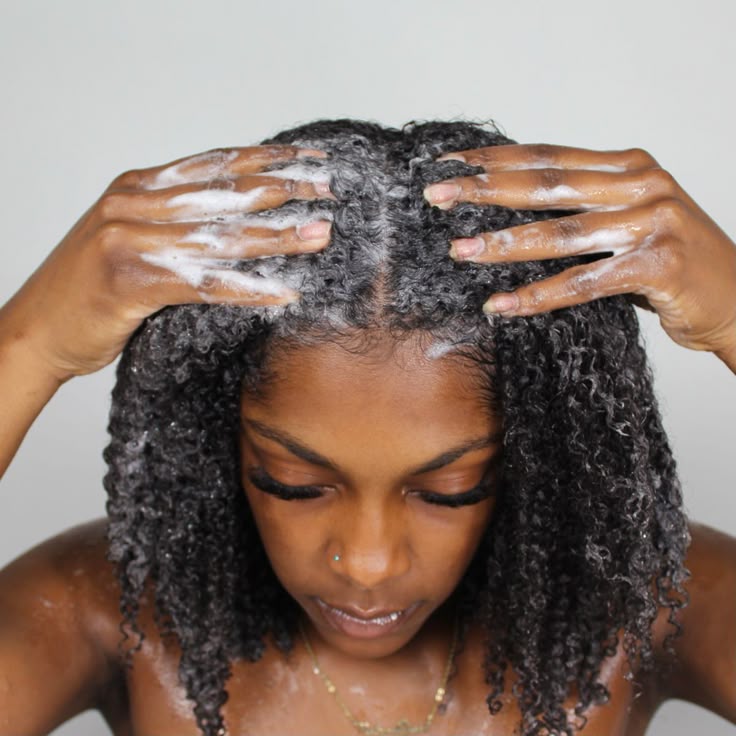
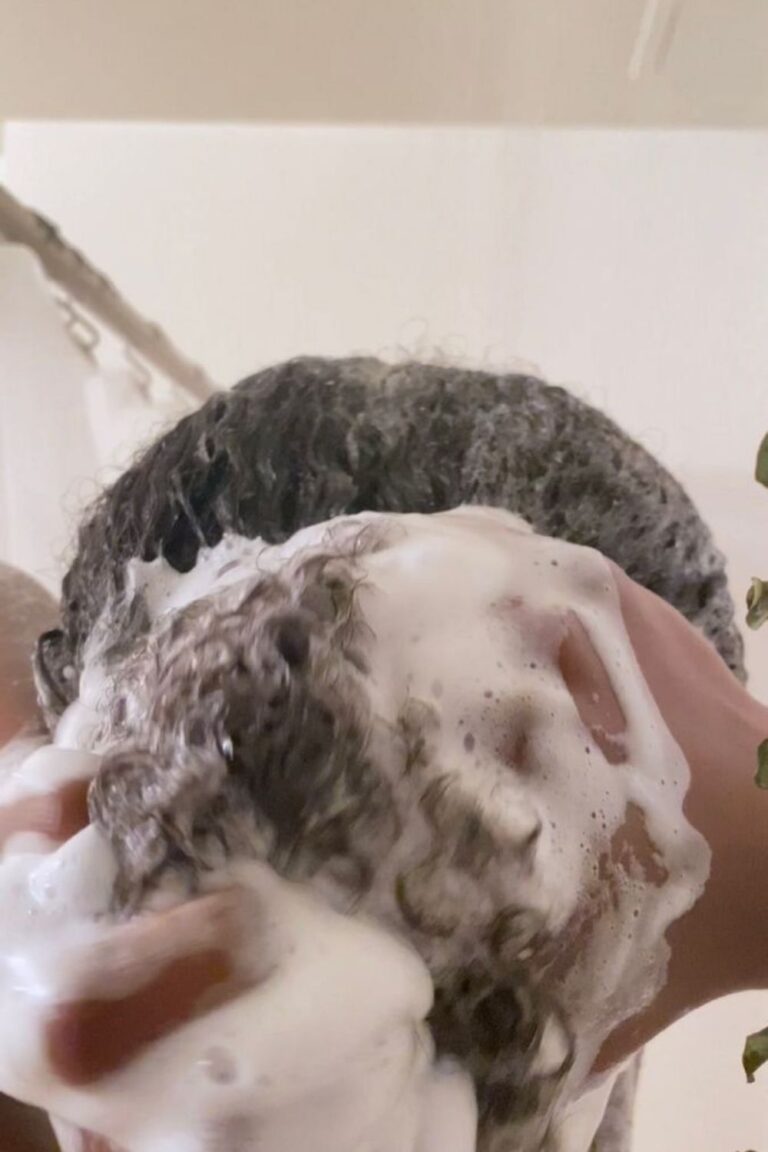
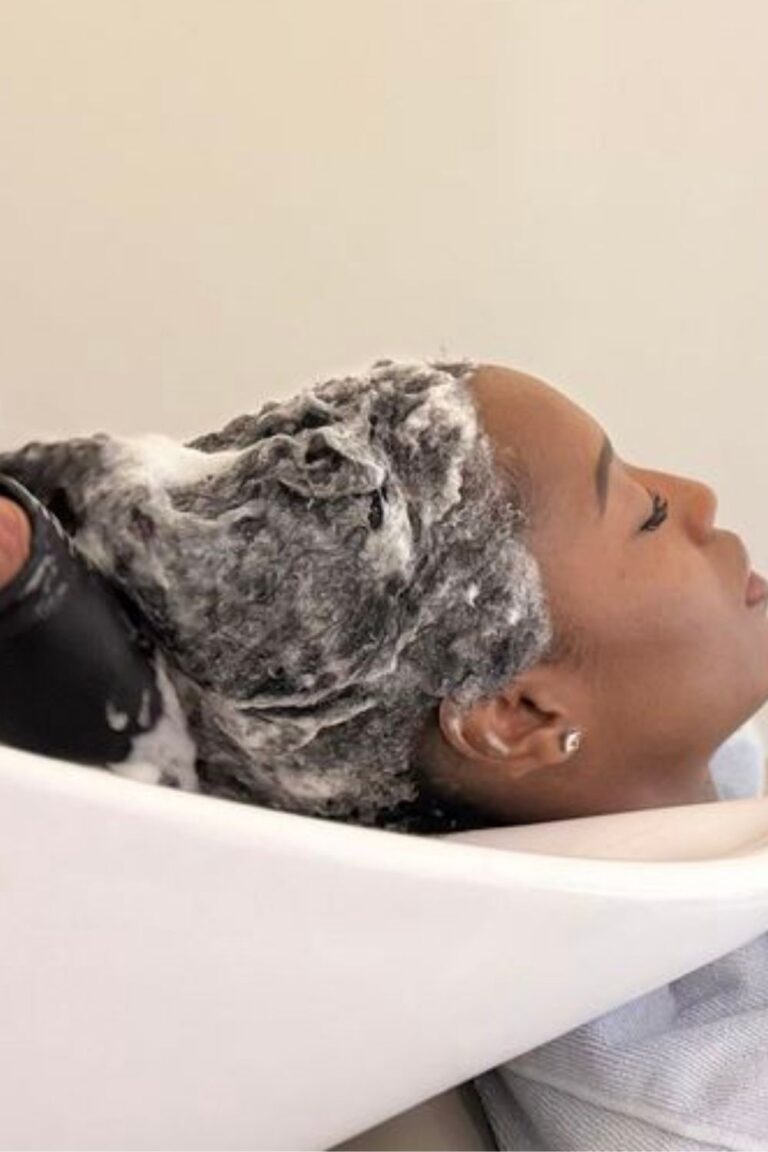
Once your hair has been detangled, it’s time to remove weeks of product buildup, sweat, and dirt.
Focus on cleansing both your scalp and the length of your hair. A clean foundation makes it easier for moisturizing products to work effectively.
Deep Condition
Protective styles reduce daily manipulation, but your hair can still lose moisture over time.
Applying a deep conditioner after every takedown helps replenish hydration, soften your strands, and improve elasticity before your next hairstyle.
Leave the treatment on according to the product instructions, then rinse thoroughly.
This simple step can make your hair much easier to manage and reduce breakage during styling.
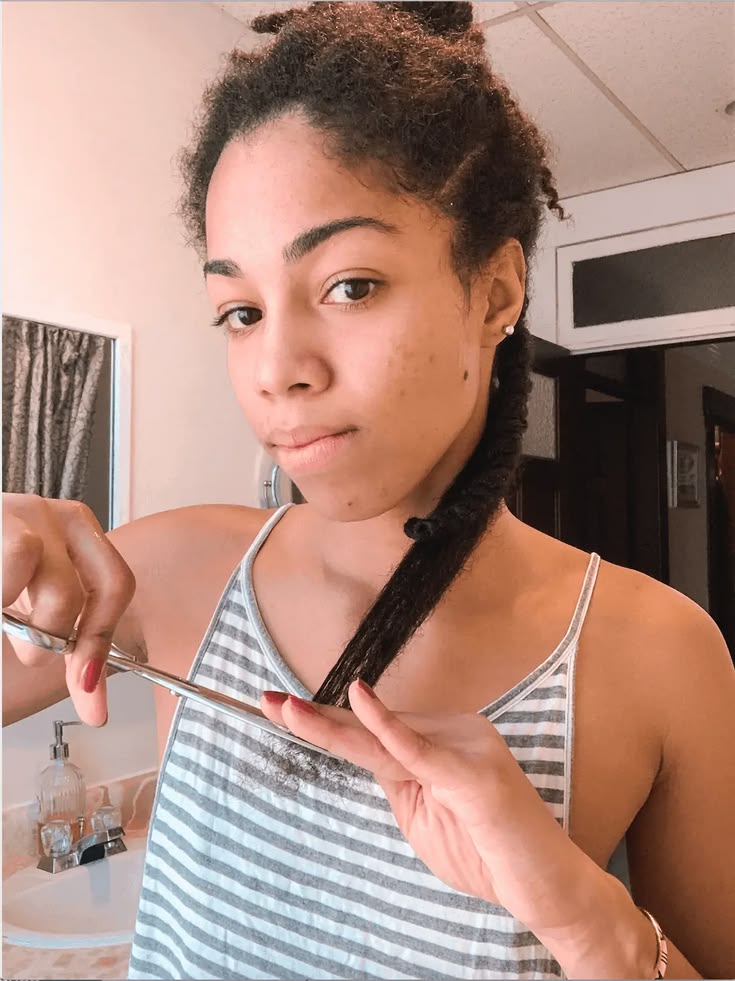
Trim When Necessary
Not every wash day requires a trim, but protective style takedown is a good opportunity to examine your ends.
If you notice split ends, excessive knots, or rough, thin tips that won’t smooth out after conditioning, a small trim can help prevent damage from traveling farther up the hair shaft.
Healthy ends make future protective styles look neater and help improve overall length retention.
Give Your Hair a Short Break
Although it’s tempting to install another protective style immediately, your scalp often benefits from a little rest.
Wearing your hair loose for a few days while keeping it moisturized allows you to monitor your scalp and address any dryness or irritation before your next installation.
Simple low-manipulation styles can help during this period without placing unnecessary tension on your strands.
If you’re looking for inspiration while your hair is out, 51 cute hairstyles for 4C hair includes plenty of options that don’t require extensions.
Prepare for Your Next Style
Before installing another protective style, make sure your hair is clean, moisturized, and completely detangled.
Starting with healthy hair gives your next style a better foundation and reduces the likelihood of knots, dryness, and breakage later on.
If you’re planning another long-term style, taking the time to prepare your hair properly is one of the best investments you can make.
Final Thoughts
Protective styles can be one of the best tools for caring for 4C hair, but they’re only effective when they’re installed, maintained, and removed at the right time.
Keeping a style in for weeks beyond its healthy lifespan won’t help your hair grow faster. In many cases, it simply creates more buildup, tangles, and unnecessary breakage.
Instead of focusing on making every style last as long as possible, focus on how your hair and scalp feel. Paying attention to new growth, moisture levels, and overall comfort will help you know when it’s time for a fresh start.
Remember that protective styling is just one part of a healthy natural hair routine. Consistent moisturizing, gentle handling, and regular cleansing all work together to support stronger, healthier hair over time.
If you’re still building your natural hair routine, 4c hair characteristics offers a helpful overview of the characteristics that make this hair type unique, while how to identify true 4C hair can help you better understand your own texture before choosing your next style.


4 Comments