
The Biggest Myths About 4C Hair
Disclosure: Some of the links in this post are affiliate links. This means if you click on the link and purchase an item, I will receive an affiliate commission at no extra cost to you.
Spend a few minutes scrolling through natural hair content online, and you’ll quickly notice that everyone seems to have an opinion about 4C hair.
One person says it never grows. Another insists it’s impossible to manage. Someone else claims you need expensive products to keep it healthy. Before long, it becomes difficult to tell the difference between genuine advice and misinformation.
For many people, these myths create unnecessary frustration. You may start questioning if your hair is growing properly, if you’re using the right products, or if your texture is somehow more difficult than everyone else’s.
The truth is that 4C hair has been misunderstood for years. Many of the things people see as “problems” are actually normal characteristics of tightly coiled hair.
Understanding the facts can help you avoid unrealistic expectations and focus on what truly matters: learning what works for your hair.
If you’re new to your natural hair journey, it may help to first understand what 4C hair is and the characteristics that make this hair type unique.

Before we dive into the myths, let’s take a look at why so many misconceptions about 4C hair continue to spread in the first place.
Why Do So Many Myths About 4C Hair Exist?
A lot of the misinformation surrounding 4C hair comes from a lack of understanding and representation.
For many years, mainstream beauty standards focused heavily on straight hair and looser curl patterns. As a result, tightly coiled textures were often ignored or misunderstood.
Features such as shrinkage, volume, and tightly packed coils were frequently treated as problems rather than normal characteristics of natural hair.

Social media has helped change that, but it has also created a new challenge.
Hair advice now spreads faster than ever. While some of it is genuinely helpful, a lot of it is based on personal experiences rather than universal facts. What works perfectly for one person may not work for another.
This is especially true when factors such as hair density vs hair thickness and understanding hair porosity are involved.
Two people can both have 4C hair and still get completely different results from the same products and routines.
That’s why it’s important to approach hair advice with curiosity rather than treating every tip as a rule.
Now let’s tackle some of the biggest myths.
10 Biggest Myths About 4C Hair
1. 4C Hair Doesn’t Grow
If you’ve been natural for any length of time, you’ve probably heard someone say this.
Maybe it was a family member. Maybe it was a social media post. Or maybe you’ve even found yourself wondering if it’s true after looking at your own hair.
At first glance, the myth seems believable.
You spend months caring for your hair, yet it sometimes feels like the length never changes.
The reality, however, is very different.
4C hair absolutely grows.
Hair growth happens at the scalp, and your curl pattern does not determine if your hair grows.
So why do people believe this myth?
One of the biggest reasons is shrinkage.
4C hair can shrink dramatically once it dries. Hair that reaches your shoulders when stretched may appear only a fraction of that length when it returns to its natural state.
Because of this, growth isn’t always easy to see.
If you’re unsure your hair texture is truly 4C, our guide on how to identify true 4C hair can help you better understand what makes this texture unique.
Another reason this myth persists is breakage.
Imagine filling a bucket with water while a small hole in the bottom allows water to leak out.
The bucket may never appear full even though water is constantly being added.
The same thing can happen with hair.
Your hair may be growing at the roots, but if the ends are breaking at a similar rate, it may look like nothing is happening.

If growth is one of your goals, you’ll also benefit from learning 4C hair growth tips and avoiding common 4C hair mistakes that can contribute to breakage.
The truth is simple: growth is rarely the problem.
For most people, the real challenge is retaining that growth long enough to see the results.
2. 4C Hair Is Impossible To Manage
Have you ever heard someone describe 4C hair as difficult, stubborn, or unmanageable?
Unfortunately, this is another myth that has been repeated for years.
The truth is that 4C hair isn’t impossible to manage. It simply requires a different approach than other hair types.
Many people struggle because they try to care for 4C hair the same way they would care for straight hair or looser curls.
When those methods don’t work, they assume the texture itself is the problem.
In reality, understanding your hair’s needs makes a huge difference.
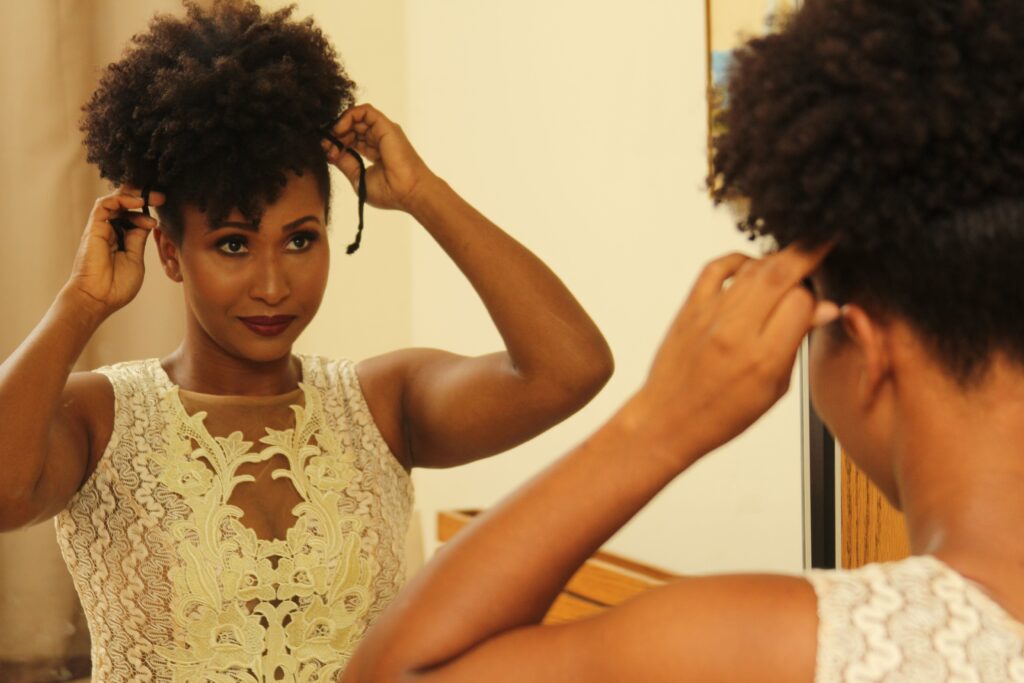
For example, 4C hair often benefits from regular moisturizing, gentle detangling, and protective styling. These practices help reduce breakage and make daily maintenance easier.
Creating a routine tailored to your hair can save you a lot of frustration.
That’s why learning about creating a 4C hair routine and how to moisturize 4C hair can be so valuable.
Many people also assume they need dozens of products to manage their hair successfully.
That’s simply not true.
A few quality products that work well for your hair are often more effective than a cabinet full of products you barely use.

It’s also important to remember that every head of 4C hair is different.
Factors such as density, porosity, lifestyle, and personal preferences all play a role in determining what works best.
Instead of trying to copy someone else’s routine exactly, focus on learning what your own hair responds to.
Once you understand your texture and build a routine around its needs, managing 4C hair becomes much less overwhelming.
The goal isn’t perfection.
The goal is healthy hair that works for your lifestyle.
3. 4C Hair Has No Curl Pattern
If you’ve ever looked at your hair and thought, “Maybe my hair doesn’t have a curl pattern at all,” you’re definitely not alone.
A lot of people assume that 4C hair is simply a collection of random strands with no defined shape. This misconception usually comes from comparing 4C hair to looser curl patterns where the curls are easier to spot.
The reality is that 4C hair does have a pattern.
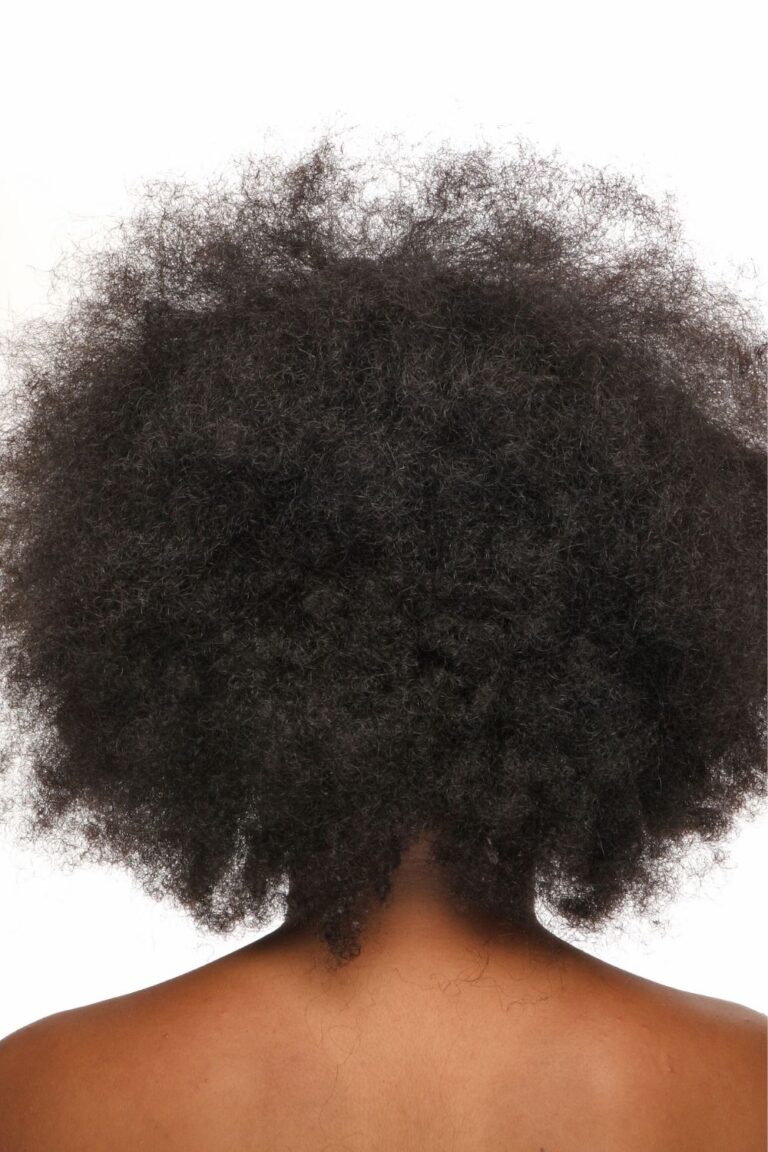
The coils are simply much tighter, smaller, and more densely packed together than other curl types. In some cases, the pattern may be difficult to see until the hair is properly moisturized, stretched, or defined.

Another reason this myth persists is because no two heads of 4C hair look exactly the same.
One person’s coils may appear more visible, while another person’s texture may look softer or more compact. Both can still be 4C hair.
If you’re still unsure about your texture, our guide on how to identify true 4C hair can help you recognize the signs more confidently.
It’s also important to remember that products don’t create your curl pattern. They can help define what is already there, but they cannot completely change your natural texture.
The next time someone says 4C hair doesn’t have a curl pattern, remember this: the pattern exists. It’s simply tighter and less obvious than some other hair types.

4. 4C Hair Can’t Grow Long
Take a quick look online, and you’ll find countless examples of people with long, healthy 4C hair.
Yet somehow, the myth that 4C hair can’t grow long continues to survive.
Part of the reason comes back to shrinkage.
A person with shoulder-length or even bra-strap-length 4C hair may appear to have much shorter hair when it’s in its natural state.
Because people only see the shrunken version, they assume the hair isn’t growing.

Another reason is that people often confuse growth with retention.
Hair can grow perfectly well while still experiencing breakage. If the ends constantly break off, you won’t see much progress even though growth is happening underneath.
This is why understanding 4C hair growth tips and building a consistent routine matters so much.
Protective styles, moisturizing, gentle detangling, and regular maintenance all contribute to keeping the length you grow.
Some people are also discouraged because they compare their progress to someone else’s.
The truth is that hair growth rates vary from person to person. Genetics, overall health, stress levels, and hair-care habits can all influence results.
Rather than focusing solely on length, focus on keeping your hair healthy.
Healthy hair has a much better chance of retaining length over time.
5. All 4C Hair Is Dry
You’ve probably heard someone say, “4C hair is naturally dry.”
While there’s a small grain of truth behind that statement, it’s not entirely accurate.
A better way to say it would be that 4C hair can be more prone to dryness than some other hair types.
The shape of tightly coiled strands makes it harder for natural oils from the scalp to travel down the length of the hair.
As a result, the ends often need extra moisture and care.
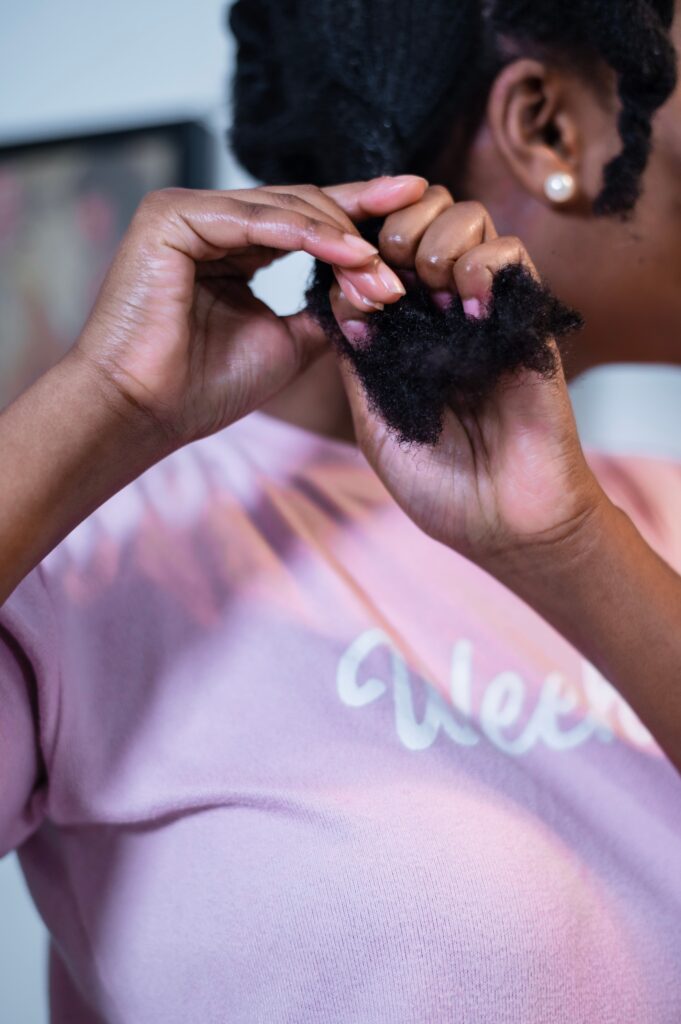
However, being prone to dryness is not the same thing as being permanently dry.
Many people maintain soft, moisturized 4C hair by following a routine that works for their needs.
This is where understanding hair porosity becomes important.
Hair porosity affects how easily your hair absorbs and retains moisture. Two people with 4C hair can have completely different experiences depending on if they have high, medium, or low porosity hair.
Learning about understanding hair porosity can help explain why certain products work well for some people but not for others.
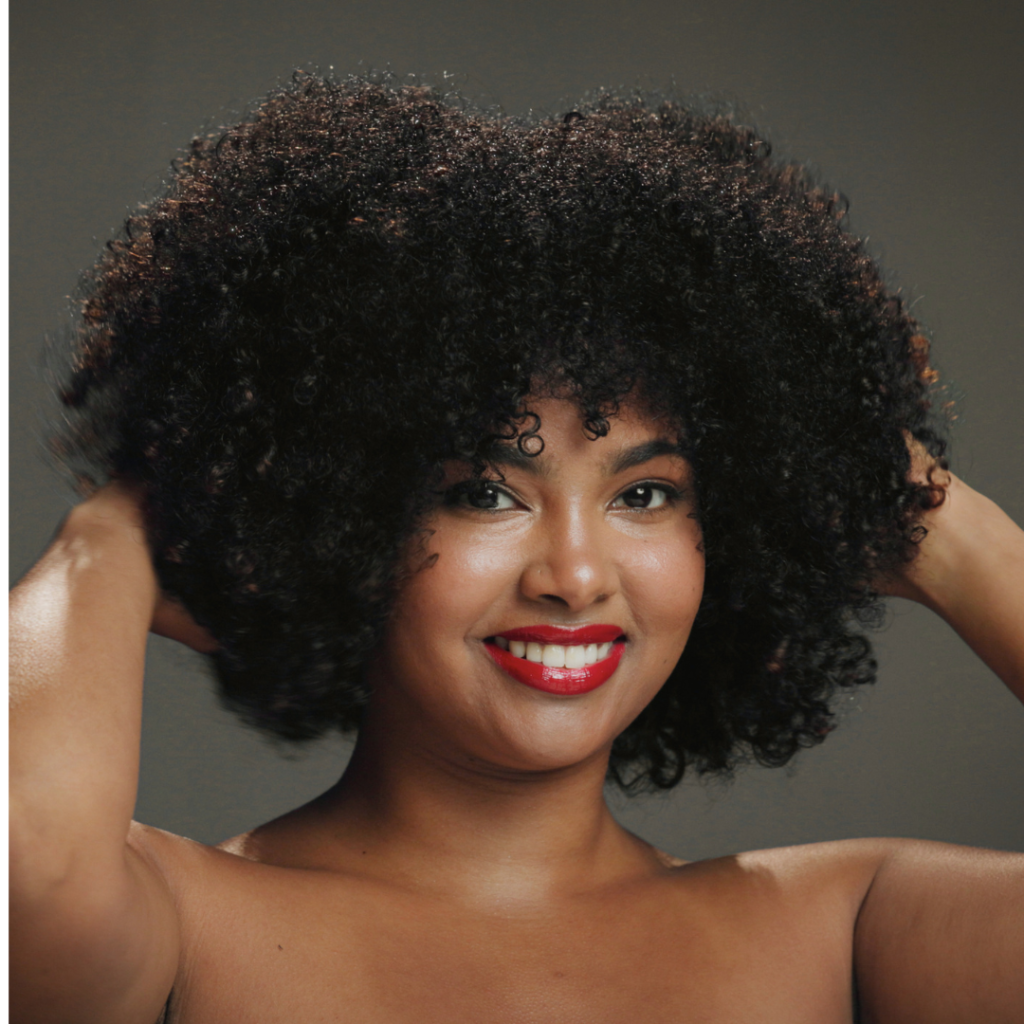
The goal shouldn’t be to chase perfection.
Instead, focus on creating a routine that helps your hair stay moisturized, manageable, and healthy over time.
With the right care, 4C hair can absolutely thrive.
6. Protective Styles Automatically Grow Your Hair
Protective styles are often praised as the secret to long, healthy hair.
Because of that, many people assume that simply installing braids, twists, wigs, or cornrows will automatically make their hair grow faster.
Unfortunately, that’s not how hair growth works.
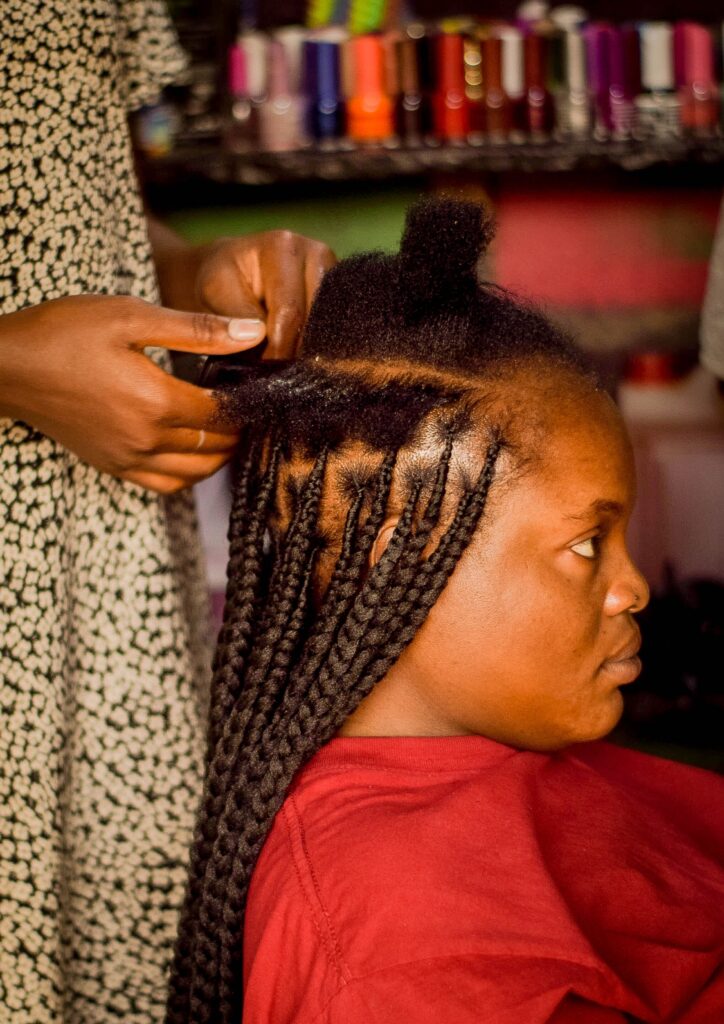
Protective styles don’t directly cause hair growth. Hair growth happens at the scalp, even if your hair is in a protective style or not.
What protective styles can do is help you retain the length you’re already growing.
Think about it this way.
If you’re constantly combing, brushing, manipulating, and styling your hair every day, you’re increasing the chances of breakage. A protective style reduces some of that daily manipulation, which can help protect your ends.
However, not every protective style is automatically beneficial.
Styles that are installed too tightly can create tension on the scalp and even contribute to breakage around the hairline. Leaving styles in for too long can also lead to tangles and buildup.
That’s why it’s important to learn about protective styles for 4C hair and how to use them correctly.
A protective style is a tool, not a magic solution.
When combined with proper moisture, scalp care, and healthy hair habits, it can support your overall hair goals. But the style itself isn’t what makes your hair grow.

The key takeaway?
Protective styles help protect your hair. They don’t replace a healthy routine.
7. All 4C Hair Looks the Same
Imagine putting ten people with 4C hair in the same room.
Even though they all have 4C hair, their hair probably wouldn’t look identical.
Some may have thicker strands. Others may have finer strands. Some may have high density, while others have low density. Some may have high porosity, while others have low porosity.
Yet many people still assume that all 4C hair should look exactly the same.
This myth often causes frustration.
Someone sees a creator online with 4C hair and assumes they should get the exact same results using the exact same products.
When that doesn’t happen, they assume they’re doing something wrong.
In reality, there are many factors that influence how hair looks and behaves.
That’s why understanding hair density vs hair thickness is so important.
Two people can have the same hair type but completely different amounts of hair. Likewise, strand thickness can affect how products perform and how styles turn out.
You should also understand hair porosity, because it affects how moisture enters and leaves the hair shaft.

The goal isn’t to make your hair look like someone else’s.
The goal is to understand your own hair and give it what it needs.
Once you stop comparing your journey to everyone else’s, hair care becomes much less stressful.
8. Expensive Products Work Better
Have you ever looked at a hair product and wondered if the higher price means it’s automatically better?
A lot of people believe that achieving healthy 4C hair requires expensive shampoos, conditioners, oils, and styling products.
The beauty industry certainly encourages that belief.
But price and performance aren’t always connected.
Some affordable products perform exceptionally well.
At the same time, some expensive products may do very little for your particular hair.
What matters most is if a product works for your needs.
Instead of focusing only on the price tag, pay attention to ingredients and how your hair responds.
For example, if you’re dealing with dryness, learning how to moisturize 4C hair may have a greater impact than buying the most expensive product on the shelf.
Likewise, someone with low porosity hair may need completely different products than someone with high porosity hair.
Many people achieve excellent results using a small number of carefully chosen products.
More products don’t automatically mean better results.
The same is true for higher prices.
Instead of chasing every trending product, focus on building a routine that supports your hair’s specific needs.
Your wallet will probably thank you, too.
9. 4C Hair Is Weak
Because 4C hair is often described as delicate, many people automatically assume that it is weak.
At first glance, the assumption makes sense. After all, 4C hair can be prone to tangles, knots, and breakage if it isn’t handled carefully.
But being delicate isn’t the same thing as being weak.
In fact, 4C hair is incredibly resilient.
Its tightly coiled structure allows it to create volume, hold styles, and withstand a surprising amount of manipulation when it’s properly cared for.

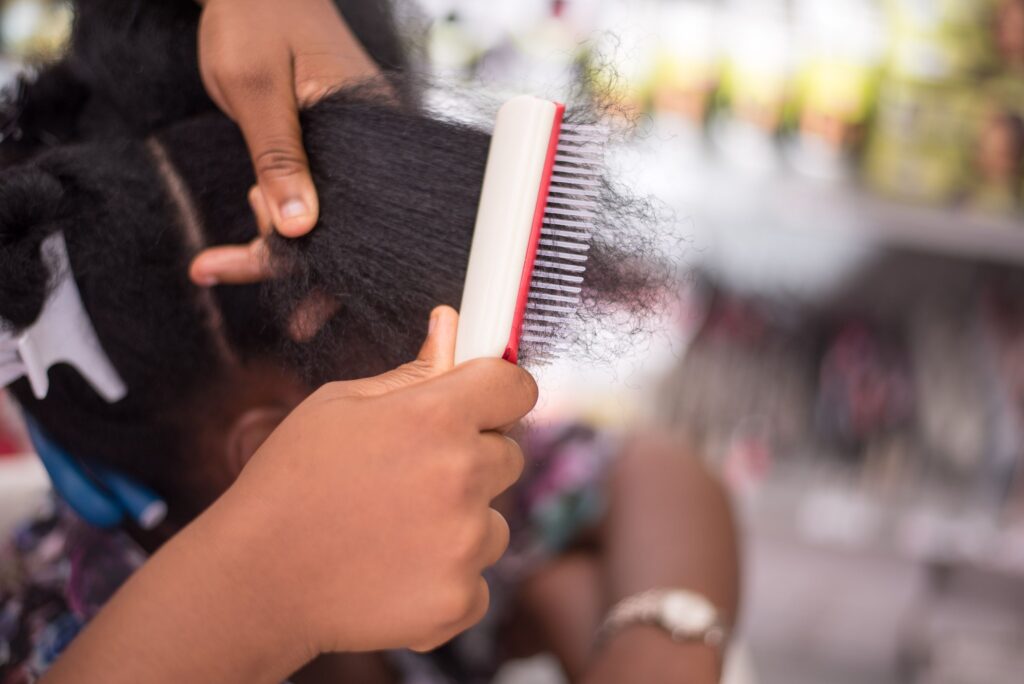
The real issue isn’t weakness. It’s how the hair is handled.
Constant heat styling, rough detangling, excessive tension, and lack of moisture can all contribute to breakage.
Unfortunately, when breakage happens, people often blame the hair type instead of the habits causing the damage.
Think of it like a piece of fabric.
Even strong fabric can tear if it’s constantly pulled, stretched, and handled roughly. The same principle applies to hair.
This is one reason learning 4C hair care mistakes to avoid can be so helpful.
Small changes in how you treat your hair can make a big difference over time.
Instead of viewing your hair as weak, think of it as something that responds best to patience and consistency.
When given the proper care, 4C hair can be incredibly healthy, strong, and beautiful.
10. Healthy 4C Hair Must Look Perfect
Social media has created some unrealistic expectations about hair.
It’s easy to scroll through perfectly styled photos and assume that healthy hair should always look flawless.
No frizz, no shrinkage, no bad hair days.
But the reality is much different.

Healthy hair doesn’t need to look perfect all the time.
A healthy wash-and-go may still have frizz.
A healthy twist-out may not look exactly like someone else’s.
A healthy afro may not be perfectly symmetrical.
And that’s okay.
One of the biggest mistakes people make is chasing perfection instead of focusing on health.
Your hair doesn’t have to look Instagram-ready every single day to be thriving.
This is especially important for people who are still transitioning to natural hair or learning how to build a routine that works for them.
The goal should never be perfection.
The goal should be healthy, manageable hair that supports your lifestyle and makes you feel confident.
What You Should Focus On Instead
After reading through these myths, you may have noticed a common pattern.
Most of them encourage people to focus on the wrong things.
Instead of worrying about if your hair grows fast enough, if your curls look like someone else’s, or if you’re using the most expensive products, focus on the factors you can actually control.
Start by understanding your hair.
Learn what 4C hair is and how it behaves.
If you’re just beginning your journey, an ultimate beginner’s guide to 4C hair can help you build a solid foundation.

You should also pay attention to:
- Your hair density
- Your strand thickness
- Your porosity level
- Your moisture needs
- Your styling habits
These factors often have a much bigger impact on your results than your curl pattern alone.
Learning about hair density vs hair thickness and understanding hair porosity can help you make better decisions about products and routines.
It can also prevent a lot of unnecessary frustration.
Consistency matters too.
Many people jump from one trend to another, hoping to find a miracle solution.
In reality, healthy hair usually comes from simple habits repeated consistently over time.
Your hair journey is unique.
The sooner you stop comparing your hair to everyone else’s, the easier it becomes to appreciate the progress you’re making.
Final Thoughts
There is no shortage of myths about 4C hair.
Some people say it doesn’t grow. Others insist it’s impossible to manage, naturally dry, weak, or incapable of reaching long lengths.
As you’ve seen throughout this guide, none of those claims tell the full story.
Most myths about 4C hair are rooted in misunderstanding, outdated beauty standards, or unrealistic expectations.
The truth is that 4C hair is incredibly versatile and capable of thriving when it receives the care it needs.

Rather than focusing on myths, focus on understanding your hair.
Pay attention to what works for you, build a routine that fits your lifestyle, be patient with your progress, and most importantly, remember that healthy hair doesn’t have to look like anyone else’s.
Your hair is unique, and that’s something worth embracing.




One Comment