
Big Chop vs Long Transition: Which Is Better?
Disclosure: Some of the links in this post are affiliate links. This means if you click on the link and purchase an item, I will receive an affiliate commission at no extra cost to you.
If you’ve decided to return to your natural hair, one of the biggest choices you’ll face is if to do a big chop or transition gradually. Both options can lead to healthy natural hair, but they offer very different experiences.
Some people love the freedom of cutting off all their relaxed hair at once and starting fresh. Others prefer a relaxed to natural hair transition, keeping their length while slowly growing out their natural texture. Neither approach is right or wrong.
The best choice depends on your lifestyle, confidence level, hair goals, and how you feel about wearing your natural hair.
If you’re still learning about what 4C hair is, it’s worth taking the time to understand your natural texture before making a decision. Knowing what to expect can help you feel more confident, whether you decide to cut your hair immediately or transition over several months.
It’s also important to remember that returning to natural hair isn’t a race. Some people complete their journey with a big chop within a day, while others spend a year or more growing out their relaxed hair. Both paths require patience, healthy habits, and realistic expectations.
In this guide, we’ll compare the advantages and disadvantages of each approach, discuss who each option is best suited for, and help you decide whether a big chop or a long transition is the better choice for your natural hair journey.
What Is a Big Chop?
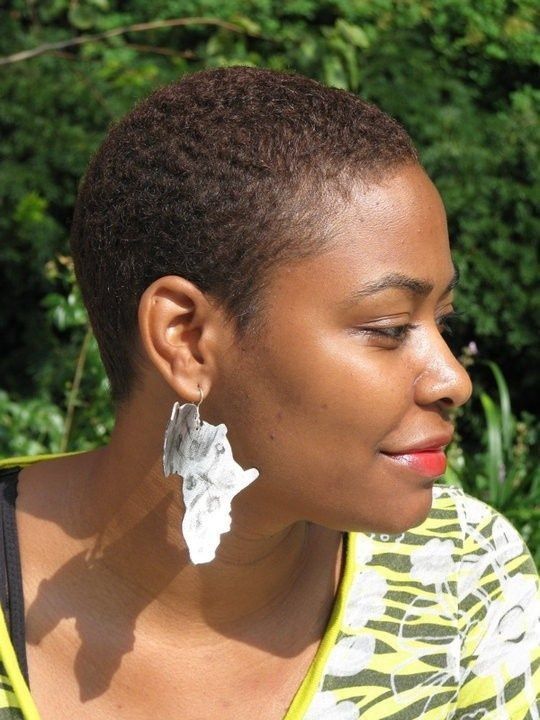
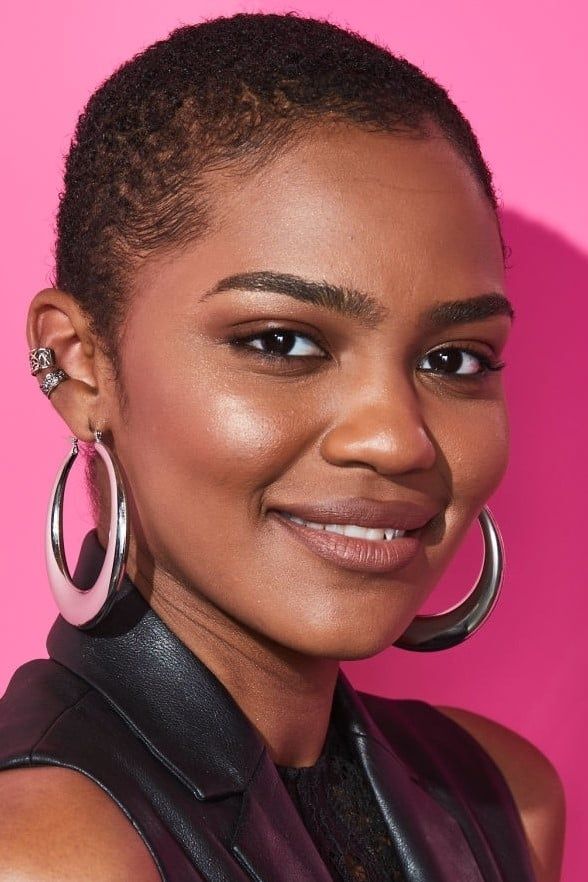
A big chop is exactly what it sounds like. Instead of gradually trimming away your relaxed hair, you cut off the chemically straightened ends all at once, leaving only your natural new growth.
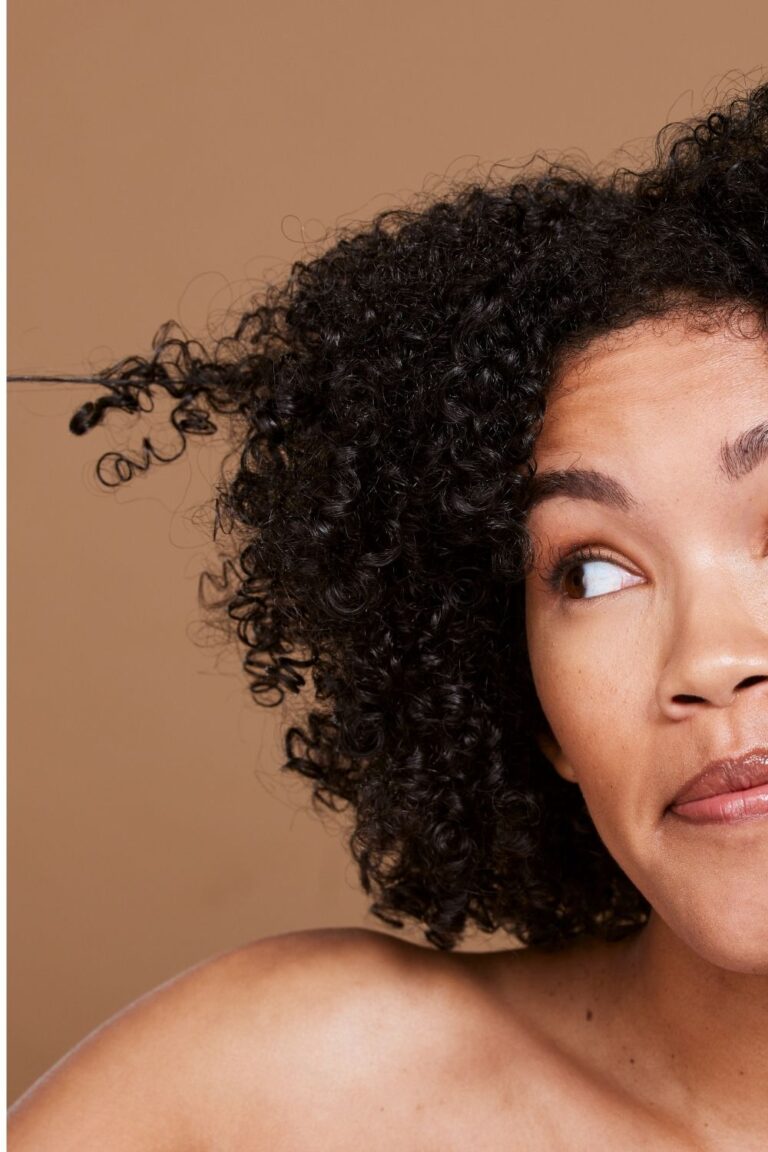
For many people, it’s a fresh start. There’s no longer a need to manage two different textures, and you can immediately begin learning how to care for your natural curls.
Building a simple 4C hair care routine often becomes much easier because every strand of hair has the same texture.
The biggest adjustment is usually emotional rather than physical. If you’ve always had long hair, seeing yourself with a shorter style can take time to get used to.
However, many people also describe the experience as freeing because they no longer have to worry about damaged relaxed ends or the fragile line of demarcation.
A big chop doesn’t automatically make your hair healthier overnight. Healthy natural hair still requires regular moisturizing, gentle handling, and a consistent routine. Learning how to identify true 4C hair and understanding its needs can help you build good habits from the very beginning.
Why People Choose a Big Chop
There are many reasons someone may choose a big chop instead of transitioning.
Some people are tired of dealing with two textures. Others want to remove damaged hair immediately and focus entirely on healthy new growth.
A big chop can also simplify your routine. Detangling becomes easier, styling takes less time, and you no longer have to worry about relaxed ends breaking away from your natural roots.
If your chemically treated hair has become severely damaged, removing it all at once may feel like the healthiest way to move forward.
What Is a Long Transition?
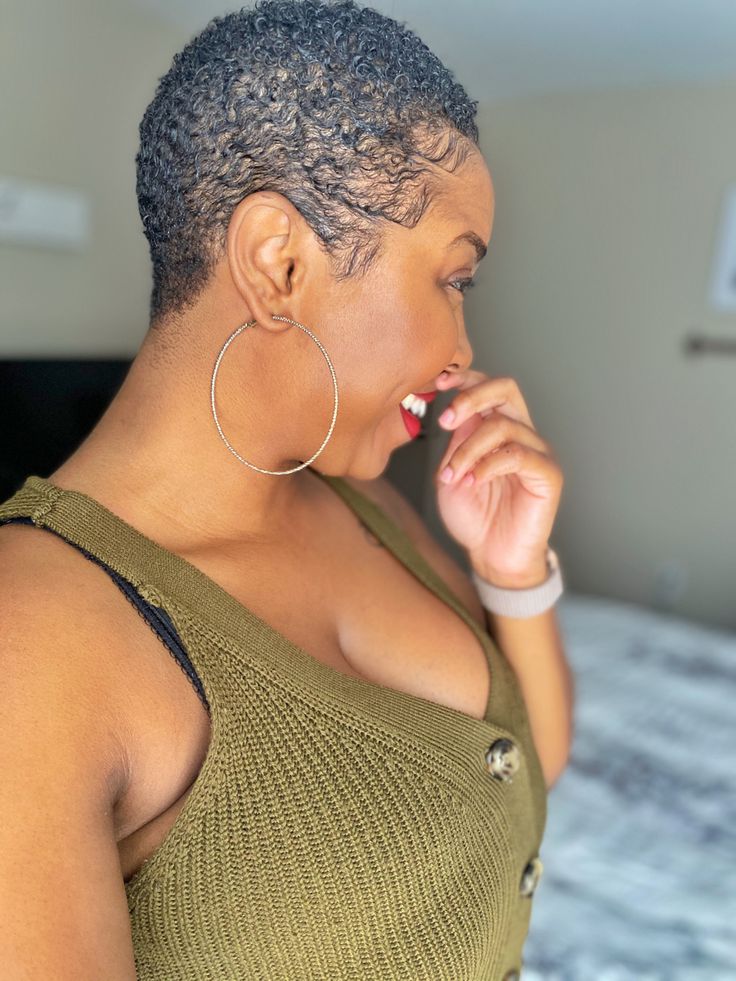
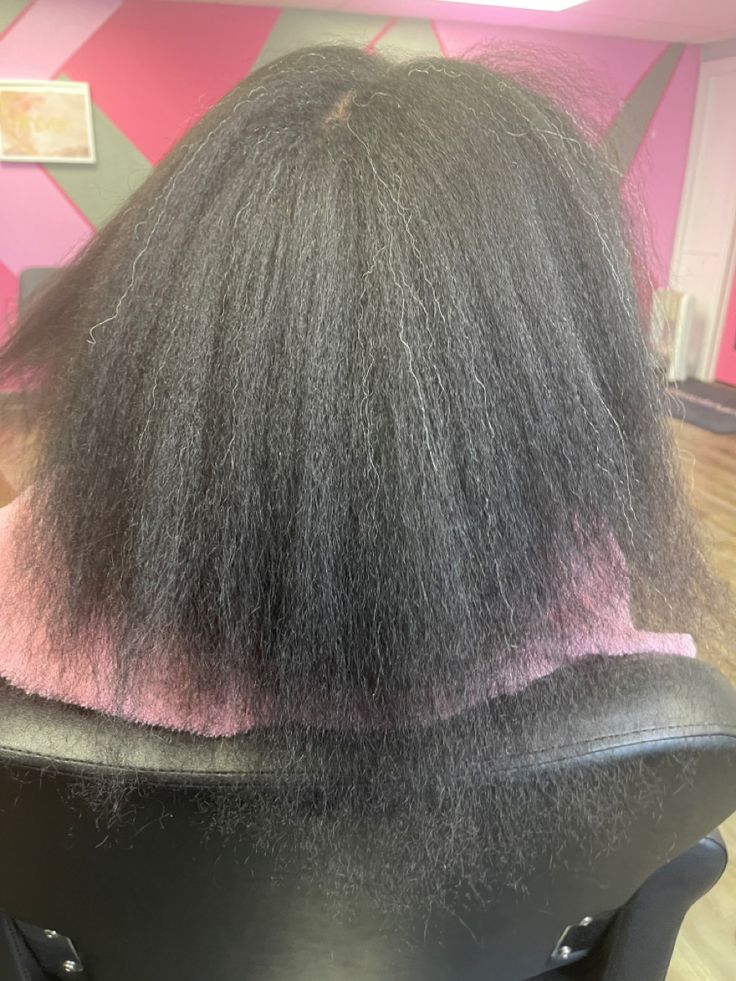
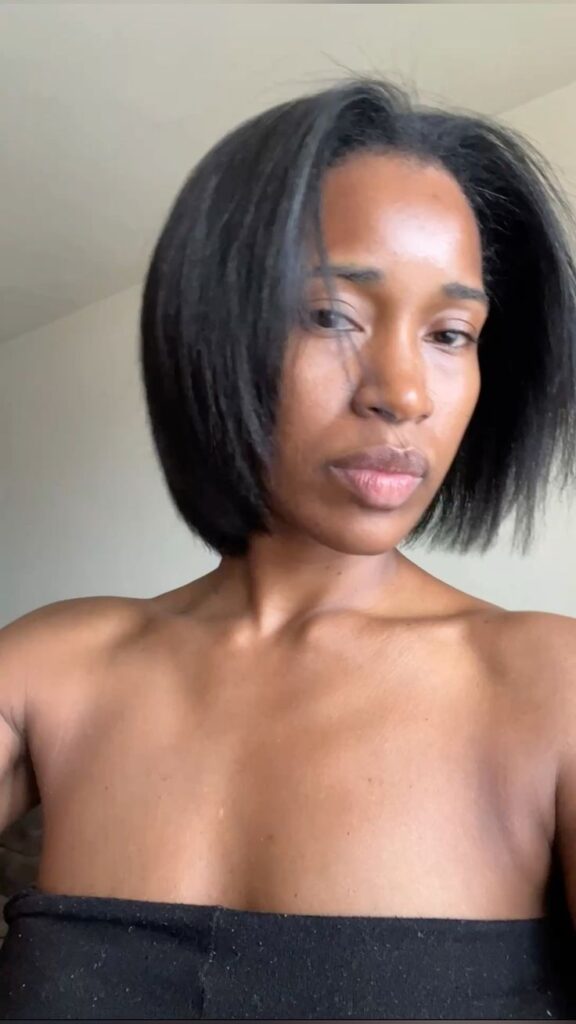
A long transition is the process of gradually growing out your natural hair while trimming away the relaxed ends over time. Instead of cutting everything off at once, you keep your length and slowly replace chemically treated hair with healthy natural growth.
Many people choose this approach because it feels less dramatic than a big chop. It also gives them time to become familiar with their natural texture before wearing it completely.
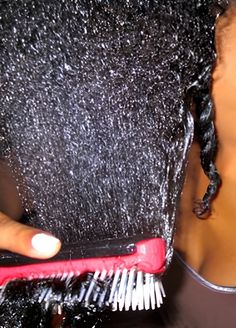
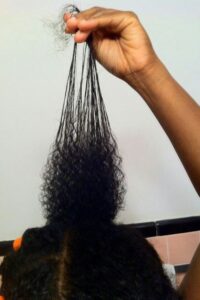
The biggest challenge is managing two different hair textures at the same time. Your natural roots will continue growing in tightly coiled, while the relaxed ends remain permanently straight until they’re trimmed away. This difference in texture makes gentle care especially important to reduce hair breakage.
If you’re planning a gradual transition, understanding everything you need to know before starting your natural hair journey can help you prepare realistic expectations and avoid unnecessary frustration.
Why People Prefer a Long Transition
One of the biggest advantages of transitioning is length retention.
Many people simply aren’t ready to cut their hair very short. Transitioning allows them to continue wearing longer styles while their natural hair grows underneath.
It also provides time to experiment with products and styling techniques before becoming fully natural. During this period, you can learn what works for your curls, how often they need moisture, and which routines fit your lifestyle.
Some people also appreciate the emotional adjustment. Instead of changing their appearance overnight, they gradually become comfortable seeing more of their natural texture as it grows.
Benefits of Choosing a Big Chop
Although cutting off most of your hair may seem intimidating, many people find that the benefits outweigh the temporary adjustment.
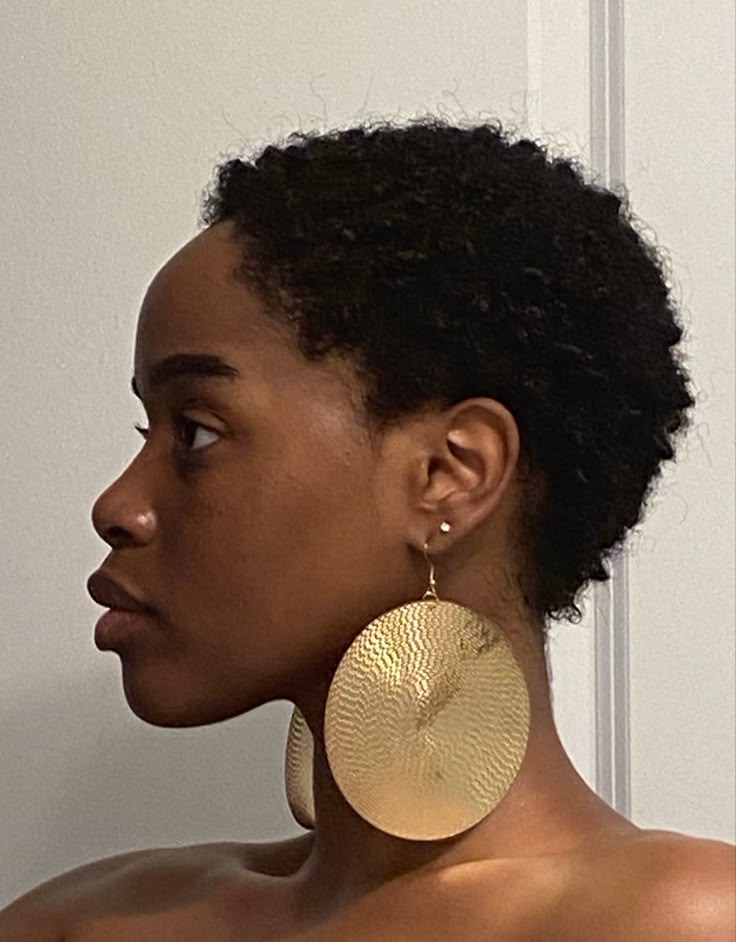
You Only Have One Texture to Manage
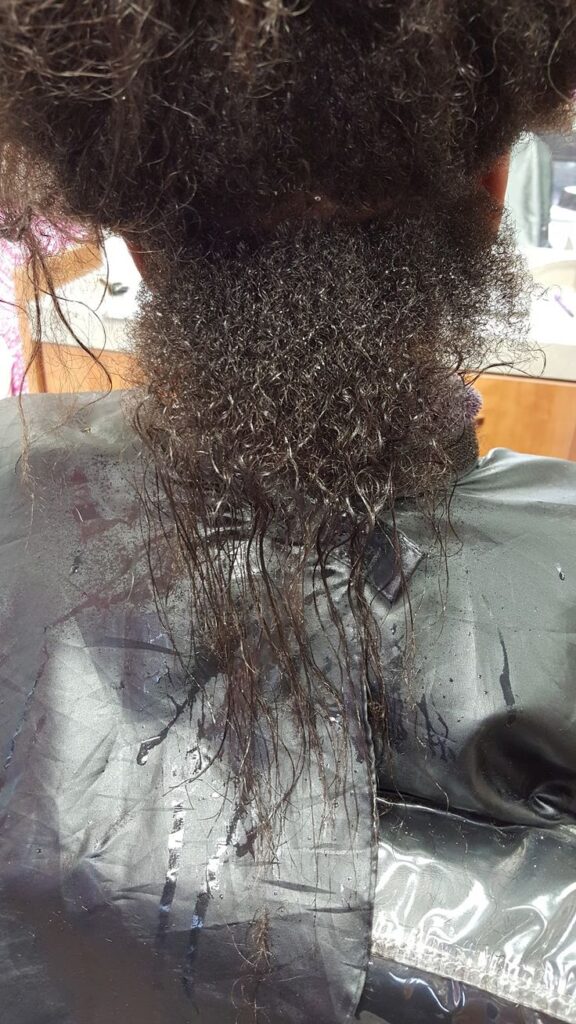
After a big chop, every strand on your head is natural.
There’s no line of demarcation to worry about, making detangling much simpler than during a long transition.
Your Routine Becomes Simpler
Without relaxed ends, you can build a routine specifically designed for your natural curls.
Using one of the best shampoos for 4C hair together with a moisturizing routine becomes much more straightforward because you aren’t trying to meet the needs of two completely different textures.
Damaged Hair Is Gone
Relaxers permanently change the structure of the hair.
If your relaxed ends have become dry, weak, or heavily damaged, removing them immediately allows you to focus entirely on growing healthier hair.
Many people describe this as a fresh start rather than a loss.
You Learn Faster
Because all of your hair is natural, you’ll quickly discover what your curls like and dislike.
Instead of waiting months to understand your texture, you begin learning from day one.
Challenges of Choosing a Big Chop
While many people love their decision, it’s important to understand that a big chop isn’t without challenges.
It Can Feel Like a Big Change
If you’ve always worn longer hair, adjusting to a much shorter style may take time.
Some people feel confident immediately, while others need several weeks or months to become comfortable with their new appearance.
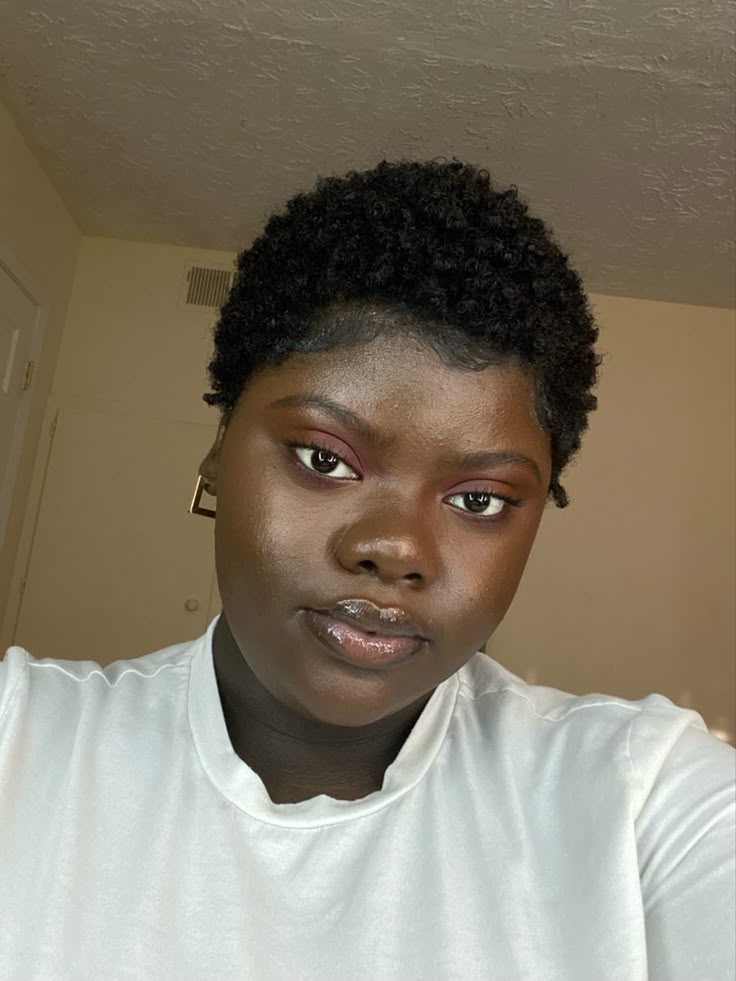
Styling Options May Feel Limited
Short natural hair can absolutely be styled beautifully, but you may have fewer styling choices in the beginning compared to longer hair.
As your hair grows, you’ll gradually be able to experiment with more looks.
If you’re looking for inspiration during this stage, exploring protective hairstyles for 4C hair can introduce you to styles that work well on shorter natural hair.
Patience Is Still Required
A big chop doesn’t speed up hair growth.
Healthy hair still requires consistent moisture, gentle handling, and realistic expectations. Learning the truth behind common 4C hair myths can also help you avoid unrealistic expectations during the early months of your natural hair journey.
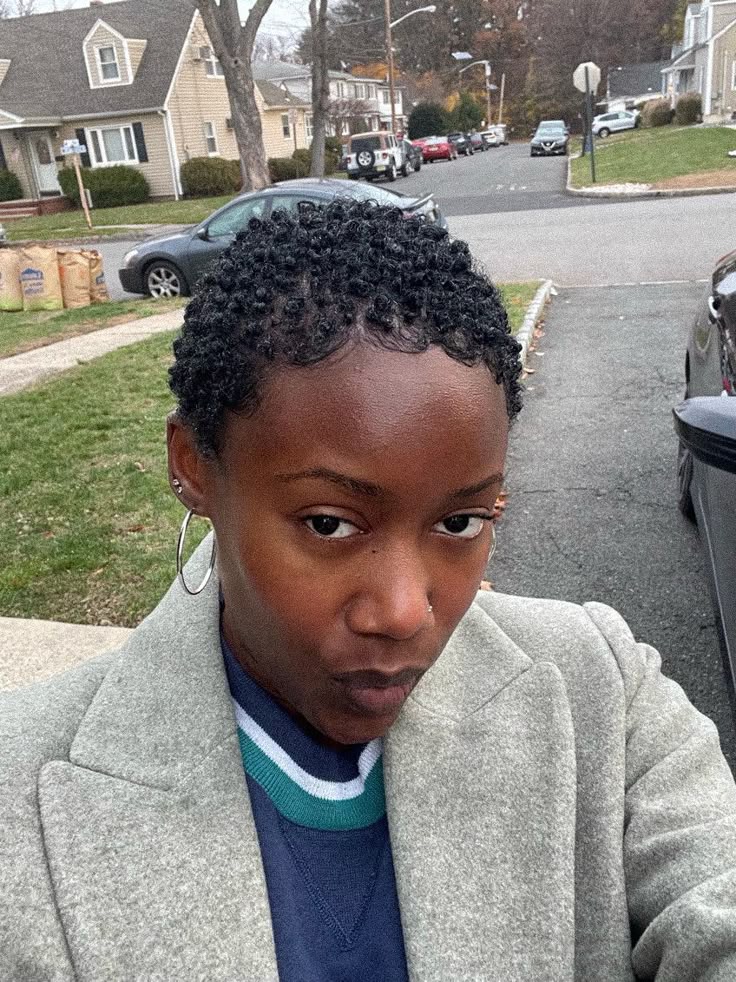
Benefits Of A Long Transition
Transitioning isn’t the easiest option, but for many people, it’s the more comfortable one. It gives you time to adjust to your natural hair while holding onto your length.
You Keep Your Length
One of the biggest reasons people choose a long transition is because they aren’t ready to cut their hair short.
Watching your natural hair grow while gradually trimming the relaxed ends allows you to enjoy your length for much longer.
For some people, this makes the emotional side of returning to natural hair much easier.
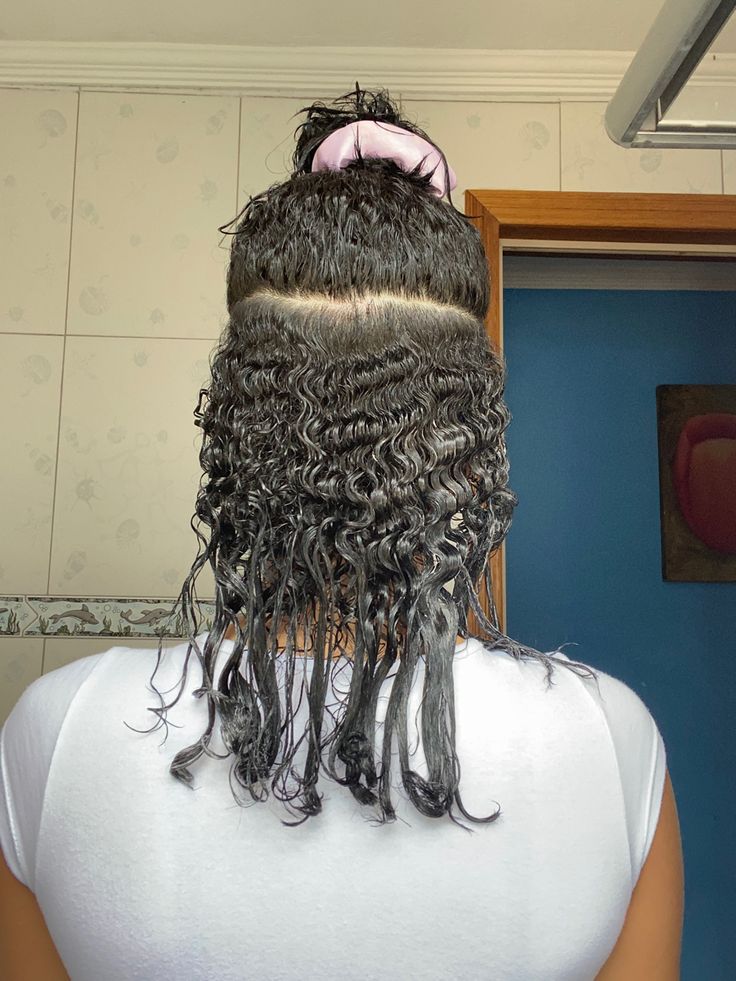
You Can Learn Your Hair Gradually
Transitioning gives you time to discover what your natural curls need before your hair becomes fully natural.
You can experiment with moisturizing routines, styling techniques, and products while your new growth slowly increases.
If you’re still figuring out how to care for 4C hair, this gradual learning process can make the adjustment feel less overwhelming.
You Have More Styling Options
Longer hair usually gives you more flexibility when it comes to styling.
Many people continue wearing buns, braid-outs, flat twists, roller sets, or wigs while transitioning, making it easier to blend the two textures.
As your natural hair grows, you’ll gradually discover which styles work best for both textures.
You can also try out some transition hairstyles to help you through your transition process
It Can Build Confidence
For some people, transitioning feels like a gentler introduction to natural hair.
Instead of waking up with a completely different hairstyle after a big chop, they slowly become comfortable seeing more of their curls over time.
That gradual change can help build confidence throughout the journey.

Challenges Of a Long Transition
Although transitioning allows you to keep your length, it also comes with responsibilities that shouldn’t be overlooked.
Two Textures Require Extra Care
Managing relaxed ends and natural roots at the same time can be challenging.
Because each texture behaves differently, moisturizing, styling, and detangling often require more patience than caring for fully natural hair.
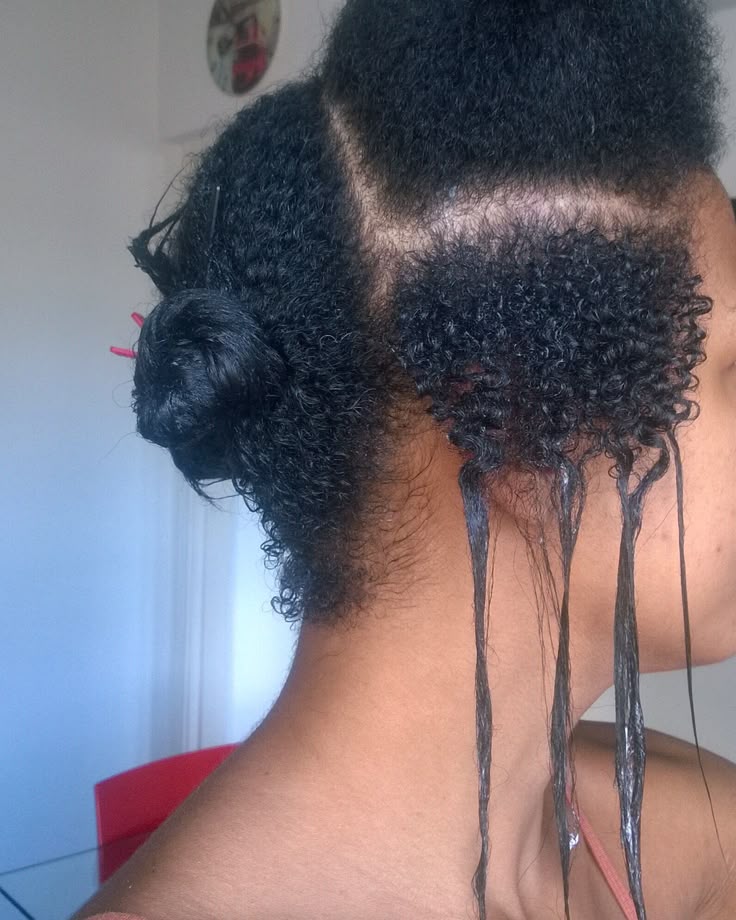
Wash Day May Take Longer
Transitioning hair often requires more time on wash day.
You’ll likely spend extra time detangling, conditioning, and carefully separating the two textures to avoid unnecessary breakage.
Many people find that following a consistent wash day routine for 4C hair makes the process much more manageable.
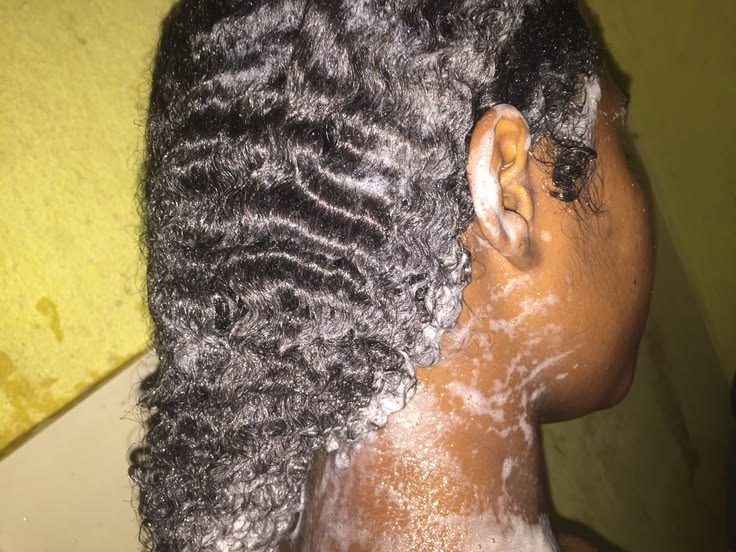
Breakage Can Become a Problem
The line where your natural hair meets the relaxed hair is usually the weakest part of each strand.
Without proper moisture and gentle handling, this area can snap easily.
Learning why your 4C hair keeps breaking can help you avoid habits that increase damage during your transition.
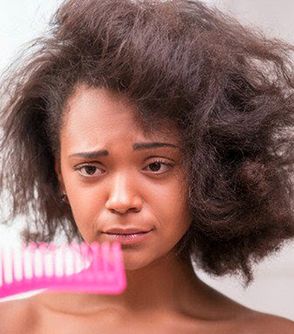
It Requires Patience
Transitioning isn’t a quick process.
Some people remain in the transition phase for over a year before cutting off the remaining relaxed hair.
If you’re someone who prefers immediate results, this longer timeline may become frustrating.
Which Option Fits Your Lifestyle?
The best choice isn’t about which method is more popular.
It’s about choosing the one that fits your lifestyle, personality, and hair goals.
Choosing a Big Chop
A big chop may be the better option if:
- You’re ready to fully embrace your natural texture.
- You don’t mind wearing shorter hairstyles.
- Your relaxed hair is badly damaged.
- You want to stop managing two textures immediately.
- You prefer starting fresh with a simple routine.
If your goal is to quickly begin building healthy natural hair habits, reading starter locs guide for beginners later can also help if locs become part of your long-term plans.
Choosing a Long Transition
A gradual transition may be a better fit if:
- You want to keep as much length as possible.
- You’re not emotionally ready for a dramatic haircut.
- You enjoy wearing protective styles.
- You want time to learn your natural texture before becoming fully natural.
- You don’t mind spending extra time caring for your hair.
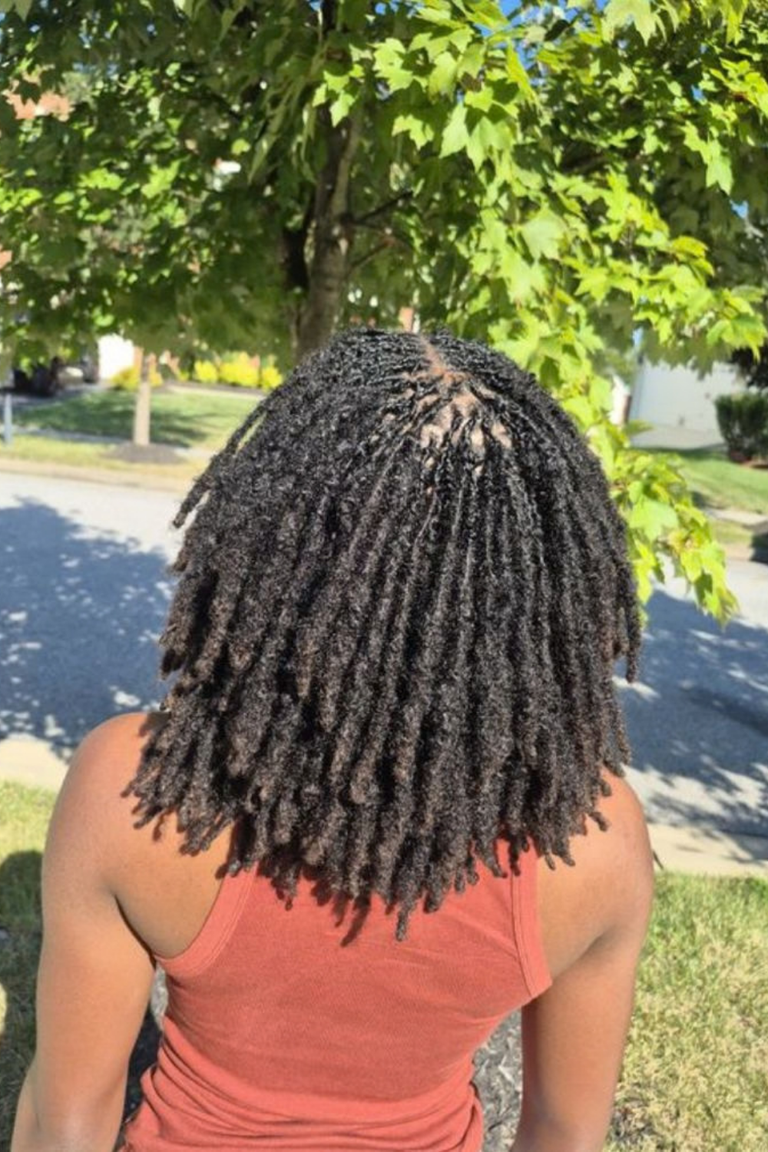
Some people even begin exploring starting locs while transitioning because it gives them time to decide whether locs are part of their future hair goals.
Remember That You Can Change Your Mind
Many people begin with a long transition and eventually decide to do a big chop.
Others plan to cut everything off immediately but later choose to transition for several months.
There’s nothing wrong with changing your mind.
Your natural hair journey belongs to you, and your decision should be based on what feels right for your lifestyle rather than what someone else recommends.
Common Myths About the Big Chop and Long Transition
There are plenty of opinions about returning to natural hair, but not all of them are true. Believing the wrong advice can make your decision much more difficult than it needs to be.
1. A Big Chop Makes Your Hair Grow Faster
One of the biggest misconceptions is that cutting off your relaxed hair somehow speeds up growth.
Your hair grows from the scalp, not the ends. A big chop doesn’t increase your growth rate, but it can improve length retention because damaged relaxed ends are no longer breaking off.
If you’re concerned about growth, understanding the reasons your 4C hair isn’t growing can help you focus on habits that actually make a difference.
2. Transitioning Is Always Easier
Many people assume transitioning is the easier option simply because you keep your length.
In reality, caring for two different textures often requires more patience than caring for fully natural hair. Wash day may take longer, detangling can be more difficult, and the line of demarcation needs extra attention.
3. You Have to Do a Big Chop to Be Truly Natural
Not true.
Whether you transition for three months or two years, your natural hair is still growing from the moment you stop relaxing it.
Choosing a long transition doesn’t make your natural hair journey any less valid.
4. Short Natural Hair Isn’t Versatile
Many beginners worry that they’ll lose all their styling options after a big chop.
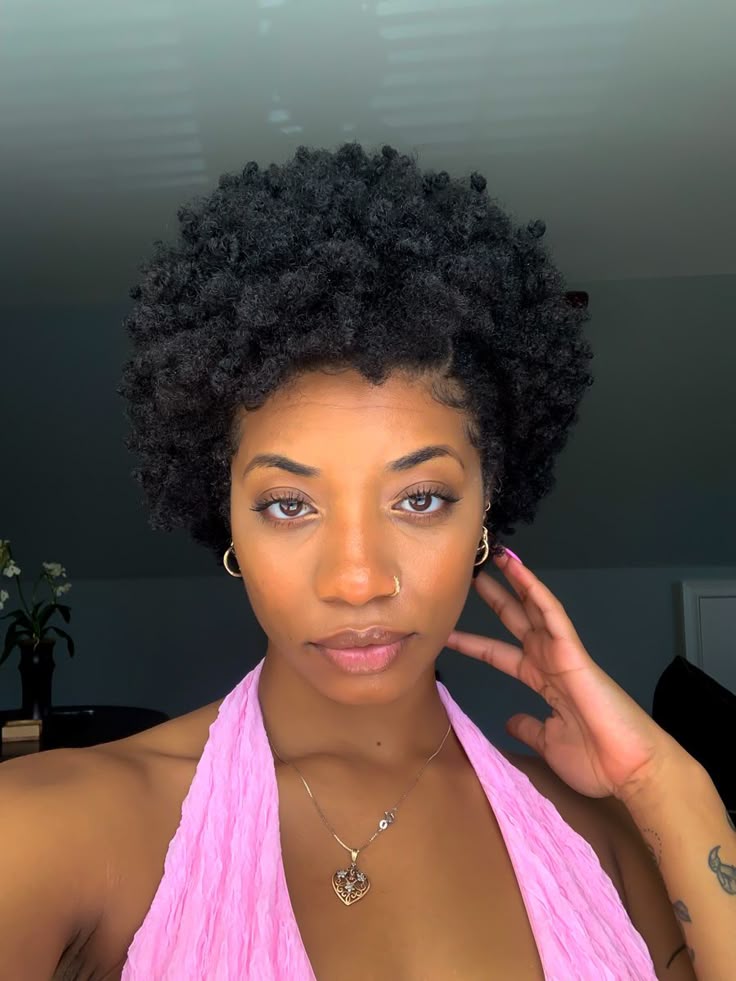
The truth is that short natural hair can be incredibly versatile. From twist-outs to finger coils and accessories, there are plenty of ways to style shorter curls while waiting for them to grow.
Learning about common 4C hair myths can also help separate fact from fiction as you continue your journey.
Frequently Asked Questions
Is the big chop painful?
No. The haircut itself isn’t physically painful, but it can feel like a big emotional change, especially if you’ve had long hair for many years.
Which option helps retain more length?
A long transition usually allows you to keep more length because you’re trimming your relaxed ends gradually instead of removing them all at once.
Can I wear protective styles during either option?
Yes. Protective styles can be helpful whether you’ve done a big chop or are transitioning. Just make sure the styles aren’t installed too tightly and that you continue caring for your scalp.
If you’re looking for inspiration, exploring protective hairstyles for 4C hair can give you plenty of ideas.
Which option costs less?
That depends on your routine.
A big chop may reduce the amount of product you use because you’re caring for shorter hair. A long transition may require more products and longer salon appointments while managing two textures.
What if I regret my decision?
Many people worry about making the “wrong” choice.
The good news is that neither option is permanent in terms of your journey. Hair continues growing, routines can change, and your confidence often grows with experience.
The important thing is choosing the option that feels right for you today.
Final Thoughts
Deciding between a big chop and a long transition isn’t about choosing the “better” method. It’s about choosing the one that fits your personality, lifestyle, and goals.
If you’re excited to embrace your natural texture immediately, a big chop may be exactly what you need. If you’d rather keep your length while gradually learning about your curls, a long transition can be just as successful.
Whichever path you choose, healthy habits will always matter more than the method itself. Regular moisturizing, gentle detangling, protecting your hair at night, and understanding your texture will help you build stronger, healthier hair over time.
You can also see our beginner’s guide to hair transitioning for more helpful tips


2 Comments