
DIY Hair Oil Blends: Simple Recipes for Natural Hair and Scalp Care
Disclosure: Some of the links in this post are affiliate links. This means if you click on the link and purchase an item, I will receive an affiliate commission at no extra cost to you.
Oil can be a useful part of a natural hair routine, but choosing the right oil and knowing how to use it makes a big difference. Different oils have different textures, properties, and levels of richness, so the blend that works beautifully for one person’s hair may feel too heavy or greasy on another.
Making your own DIY hair oil blends gives you the flexibility to combine oils according to your hair’s needs. You can create lightweight blends for daily scalp care, richer mixtures for dry ends, or simple pre-shampoo oils for wash day.
For natural and 4C hair, oils are often used to reduce the dry feeling of the strands, improve manageability, add shine, and help reduce moisture loss. However, oil itself does not hydrate the hair because it does not contain water. It works best when used alongside a moisturizing routine.
This is why a good oil blend should complement your existing regimen rather than replace water-based products. Applying a suitable moisturizer before sealing with a small amount of oil can be more effective than repeatedly adding oil to already-dry strands.
In this guide, we’ll look at simple oil combinations you can make at home, how to choose oils for different hair needs, how to apply them, and mistakes to avoid when creating your own blends.

What Are DIY Hair Oil Blends?
DIY hair oil blends are combinations of two or more oils prepared for use on the hair or scalp.
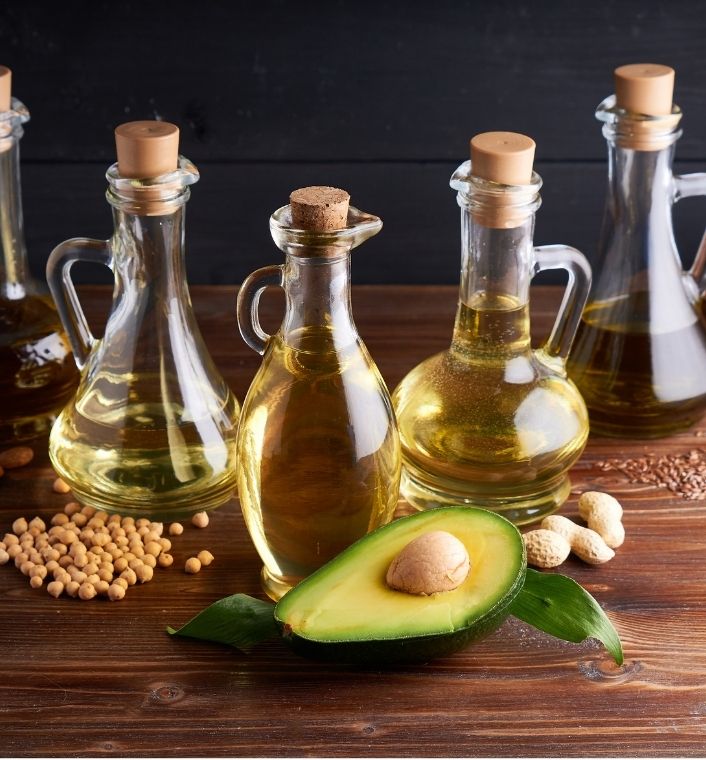
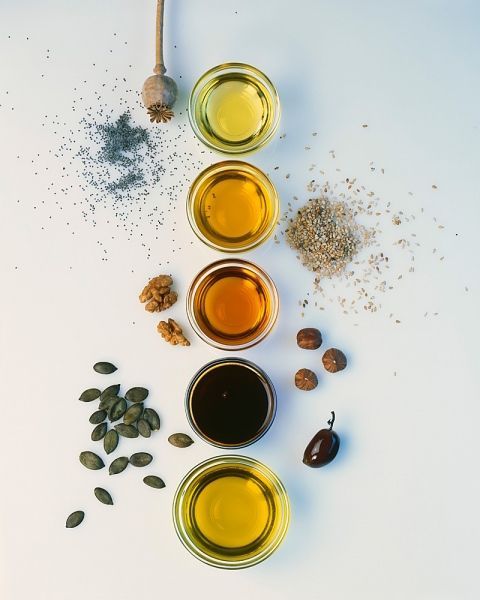
Most homemade blends start with carrier oils such as coconut, jojoba, olive, avocado, grapeseed, sweet almond, or castor oil. These can be combined in different proportions depending on the consistency and purpose you want.
For example, jojoba and grapeseed oil can create a lighter blend, while castor and olive oil can produce something much richer.
The important thing is to understand that not every oil needs to be included simply because it is popular. Using three or four compatible oils is often enough.
Your hair’s texture and response should guide your choices. Someone with fine strands may prefer lightweight oils, while someone with thick, coarse hair may enjoy a richer mixture.
If you’re already building a healthy scalp care routine, an oil blend can be incorporated as an occasional scalp or pre-shampoo treatment rather than becoming another product you apply constantly.
How to Choose Oils for Your Hair
Before creating a blend, think about what you actually want the oil to do.
Do you want something lightweight? A blend for dry ends? A pre-shampoo treatment? Something to use during styling? Or an oil that feels comfortable on your scalp?
Your answer determines which oils make the most sense.
Lightweight oils such as grapeseed and jojoba can be useful when you dislike heavy products. Richer oils such as castor and olive oil may be more suitable when you prefer a thicker consistency.
You should also consider how often you plan to use the blend.
A mixture intended for occasional pre-poo treatments can be much richer than one you plan to apply several times a week.
If dryness is your main concern, understanding how to moisturize 4C hair without weighing it down can help you decide how much oil belongs in your routine.
Remember that there is no universal “best” oil. Your hair’s response is more useful than a list of internet recommendations.
DIY Jojoba and Grapeseed Oil Blend
This is one of the simplest options if you prefer a lightweight oil blend.
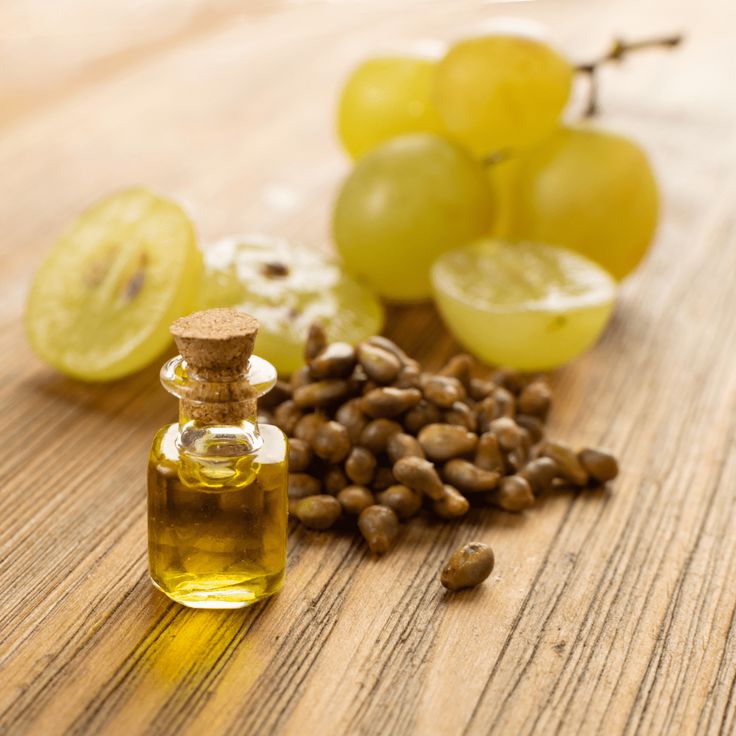
Jojoba oil has a relatively light feel, while grapeseed oil can help create a smooth, less greasy mixture.
Ingredients
- 2 tablespoons jojoba oil
- 2 tablespoons grapeseed oil
How to Make It
Pour both oils into a clean, dry glass bottle.
Close the bottle and shake gently to combine.
That’s all you need.
How to Use It
Apply a few drops to your palms and smooth them over moisturized hair.
You can concentrate on your ends or use a tiny amount when styling.
For scalp application, use only a small quantity and massage gently rather than soaking the scalp.
This blend can be a good starting point if you find richer oils too heavy.
DIY Coconut and Jojoba Oil Blend
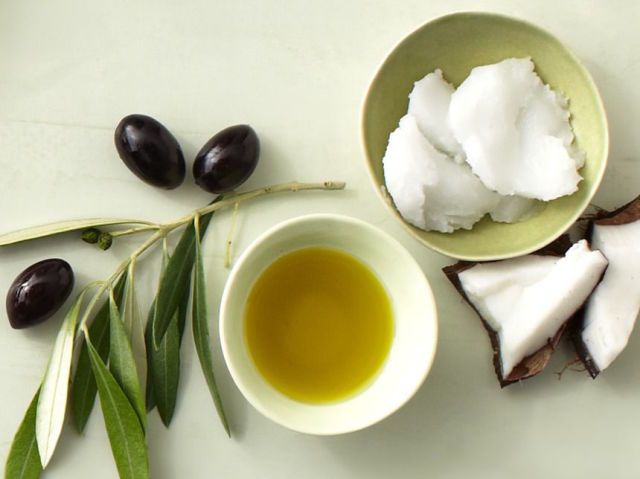
Coconut oil is commonly used in natural hair care, while jojoba oil can help make the blend feel less heavy.
Ingredients
- 2 tablespoons coconut oil
- 2 tablespoons jojoba oil
Preparation
Combine the oils in a clean container.
If your coconut oil is solid, allow it to soften naturally before mixing.
Do not boil or aggressively heat the oils.
How to Use It
Apply a small amount to damp or moisturized hair.
This blend can work particularly well as a pre-shampoo treatment.
Massage a small amount through your hair, focusing on the lengths and ends, and allow it to sit before washing.
If coconut oil makes your hair feel stiff or coated, discontinue it or replace it with another carrier oil.
Your 4C hair wash day routine should be built around what your hair responds to, not what happens to be popular.
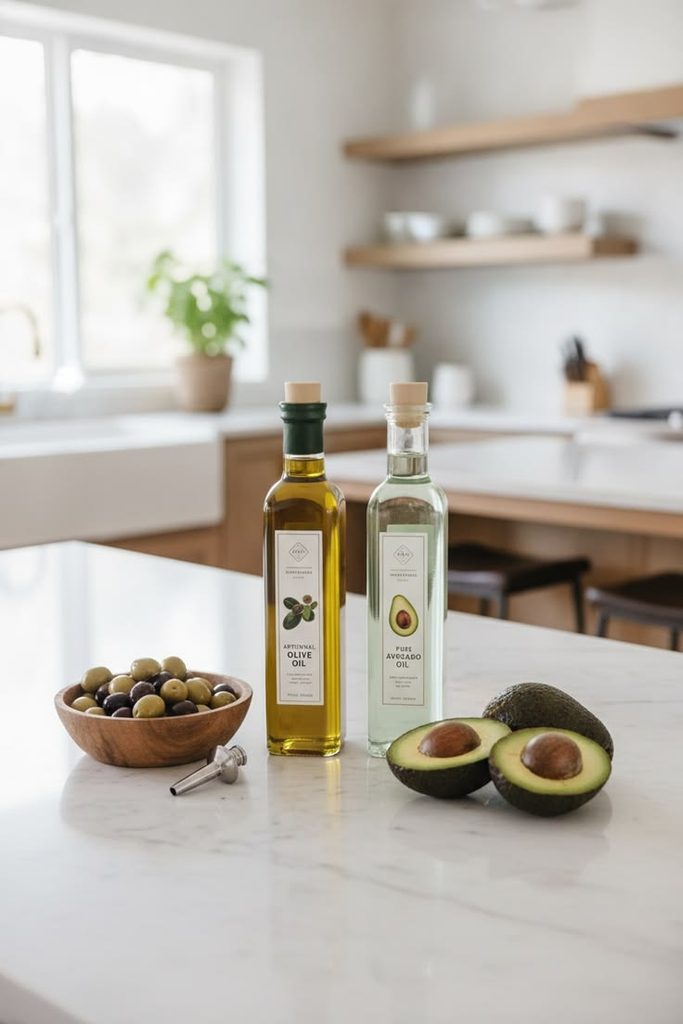
DIY Olive and Avocado Oil Blend
If your hair tends to feel particularly dry, you may prefer a richer blend.
Olive and avocado oils both have a richer consistency than many lightweight oils, making them suitable for occasional conditioning treatments.
Ingredients
- 2 tablespoons olive oil
- 2 tablespoons avocado oil
Preparation
Combine both oils in a clean glass bottle.
Shake gently.
How to Use It
Apply the mixture to sections of dry or damp hair.
Allow it to sit for 20–30 minutes before shampooing if you’re using it as a pre-shampoo treatment.
Alternatively, use a few drops after moisturizing your hair.
Don’t saturate your strands unless you’re specifically doing a pre-shampoo treatment. A little oil can go a long way.
If your hair frequently feels dry between wash days, incorporating a moisture routine for dry natural hair may be more useful than simply applying more oil.
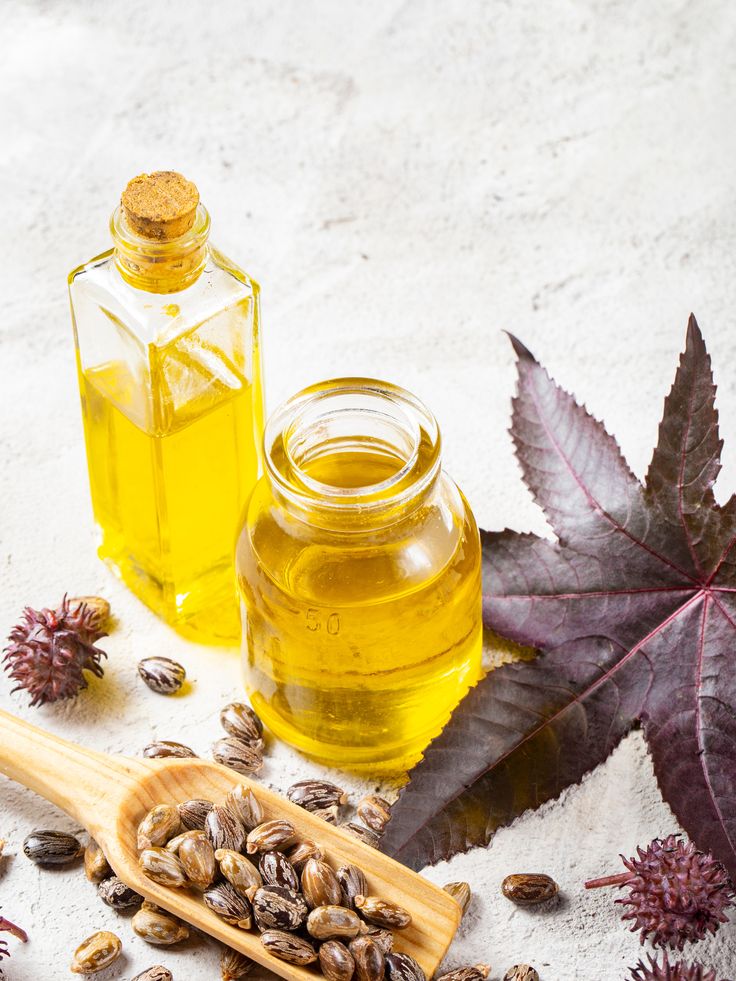
DIY Castor and Jojoba Oil Blend
Castor oil is considerably thicker than jojoba oil, so mixing the two can make castor oil easier to distribute.
Ingredients
- 1 tablespoon castor oil
- 3 tablespoons jojoba oil
Preparation
Mix the oils thoroughly in a small bottle.
The larger proportion of jojoba oil creates a lighter consistency than using castor oil alone.
How to Use It
Apply a small amount to your fingertips and massage gently into the scalp if your scalp tolerates oil.
You can also smooth a little over the ends of your hair.
Avoid using large quantities simply because castor oil is thick.
If you are specifically concerned about scalp condition, pay attention to the signs your scalp needs extra care rather than assuming that more oil is the answer.
Persistent itching, irritation, scaling, or other scalp symptoms may require professional assessment rather than additional products.
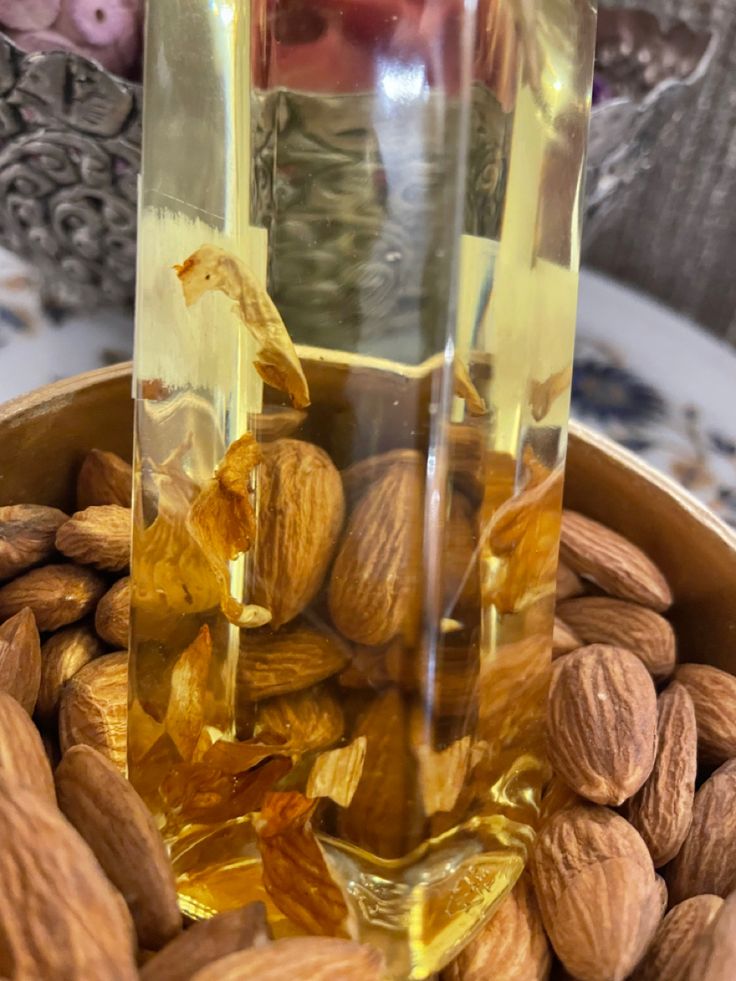
DIY Sweet Almond and Grapeseed Oil Blend
For people who prefer lightweight oils, sweet almond and grapeseed oil can make a simple combination.
Ingredients
- 2 tablespoons sweet almond oil
- 2 tablespoons grapeseed oil
Preparation
Pour both oils into a clean bottle and shake.
How to Use It
Use a few drops on moisturized hair, particularly on the ends.
You can also apply a small amount before styling twists or braids.
Because this is a relatively lightweight mixture, you may find it easier to use than heavier butter-based products.
However, if you have a nut allergy, avoid sweet almond oil and choose a suitable alternative.
DIY Rosemary-Infused Hair Oil
Rosemary-infused oil is different from rosemary essential oil.
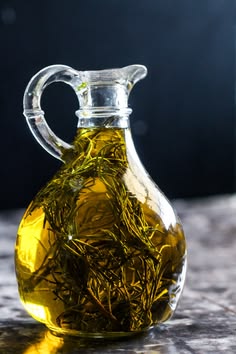
An infused oil involves placing rosemary in a carrier oil so that some of the plant’s components transfer into the oil. Rosemary essential oil is highly concentrated and needs proper dilution before topical use.
For a simple homemade infusion, you can use dried rosemary and a carrier oil.
Ingredients
- Dried rosemary
- Olive oil or jojoba oil
- Clean, completely dry glass jar
Preparation
Fill the jar loosely with dried rosemary.
Pour the carrier oil over it until the rosemary is completely covered.
Seal the jar.
For a homemade infusion, the herbs and container need to be completely dry because introducing water can increase spoilage risk.
Strain the oil after infusion and transfer it to a clean, dry bottle.
If you’re interested in making herbal oils, how to make rosemary oil for natural hair can help you understand the process and the difference between infused oils and essential oils.
How to Use It
Apply a small amount to your scalp or hair as tolerated.
Do not assume that using more will produce better results.
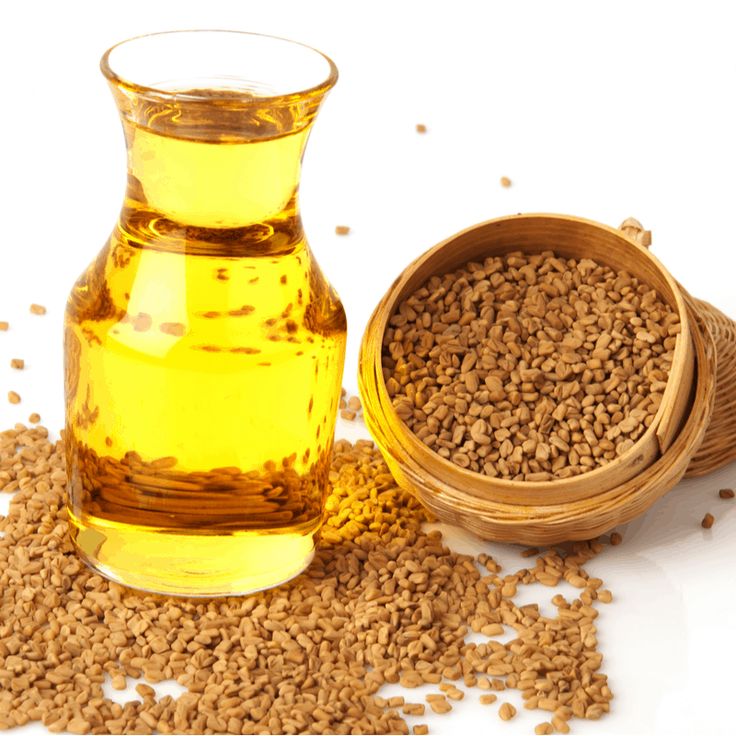
DIY Fenugreek and Coconut Oil Blend
Fenugreek is another ingredient commonly incorporated into homemade hair treatments.
For an oil-based preparation, dried fenugreek seeds can be infused into a carrier oil.
Ingredients
- 1 tablespoon dried fenugreek seeds
- ½ cup coconut or olive oil
Preparation
Lightly crush the fenugreek seeds.
Place them in a completely dry jar and cover them with oil.
Allow the mixture to infuse, then strain out the seeds before use.
Make sure no moisture is introduced into the oil.
How to Use It
Apply a small amount to the hair as a pre-shampoo treatment.
Allow it to sit for approximately 20–30 minutes before cleansing.
If you already use DIY deep conditioner recipes on wash day, this oil treatment can be used before shampooing rather than layered with several other treatments at once.
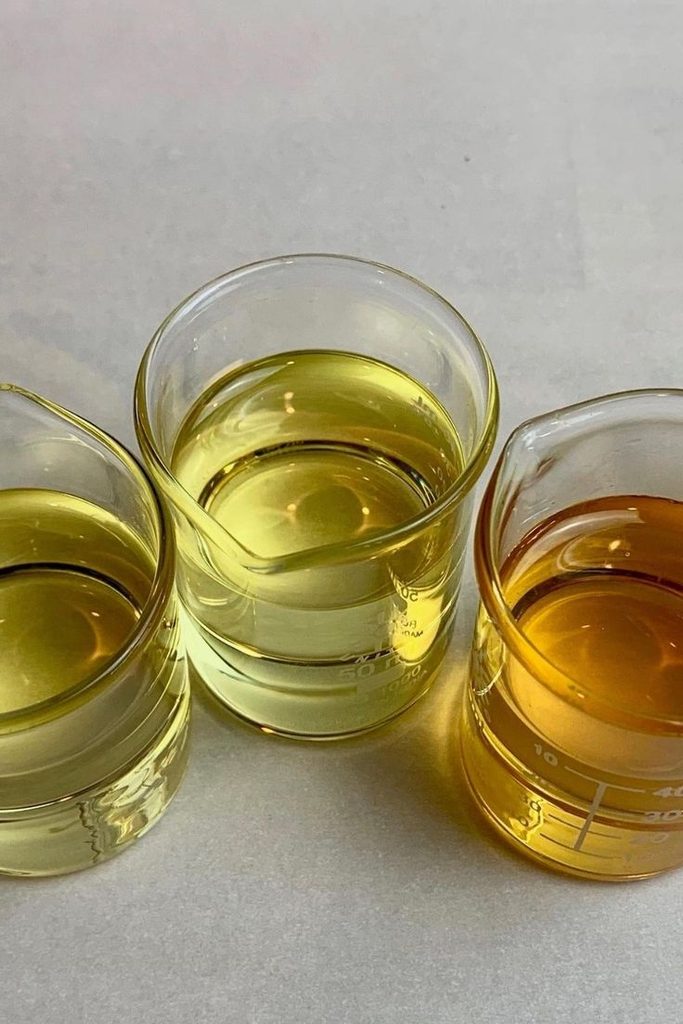
DIY Olive, Jojoba and Castor Oil Blend
This combination gives you three different textures in one blend.
Olive oil provides richness, jojoba oil helps create a smoother consistency, and castor oil adds thickness.
Ingredients
- 2 tablespoons olive oil
- 2 tablespoons jojoba oil
- 1 tablespoon castor oil
Preparation
Mix all three oils in a clean bottle.
Shake well before each use.
How to Use It
Apply a small amount to damp or moisturized hair.
This blend can also be used as a pre-shampoo treatment.
Because it is richer than a simple jojoba and grapeseed blend, start with a small quantity.
If your hair becomes coated easily, reduce the amount or switch to a lighter combination.
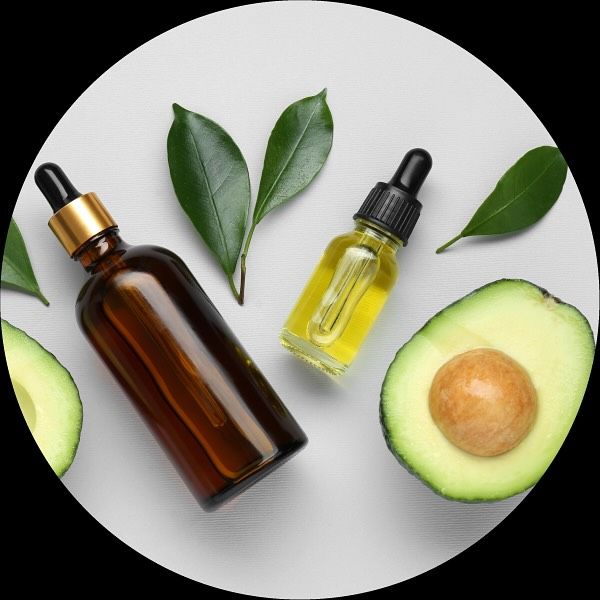
DIY Avocado and Jojoba Scalp Oil
If you want a moderately rich scalp oil, avocado and jojoba can create a balanced combination.
Ingredients
- 2 tablespoons avocado oil
- 2 tablespoons jojoba oil
Preparation
Combine the oils in a clean dropper bottle.
How to Use It
Part your hair into small sections and apply only a few drops to the scalp.
Use your fingertips to massage gently.
Do not scratch the scalp with your nails.
If your scalp is already itchy, inflamed, or irritated, adding more oil may not address the underlying issue. In that situation, learning how to get rid of an itchy scalp naturally may be useful for understanding gentle scalp-care approaches, but persistent symptoms should not be self-treated indefinitely.
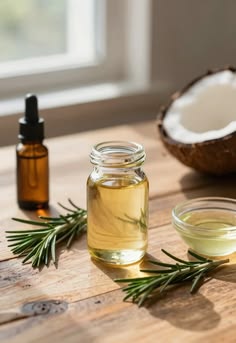
DIY Coconut, Olive and Rosemary Oil Blend
This combination creates a richer herbal oil blend.
Ingredients
- 2 tablespoons coconut oil
- 2 tablespoons olive oil
- 1 tablespoon rosemary-infused oil
Preparation
Mix the oils together once the coconut oil is soft enough to combine.
Store the finished blend in a clean, dry container.
How to Use It
Apply a small amount to your hair before shampooing.
Massage gently and leave it on for approximately 20–30 minutes.
You can also apply a few drops to the ends after moisturizing.
Avoid adding rosemary essential oil directly to the mixture without properly calculating its dilution.
Concentrated essential oils are not interchangeable with infused carrier oils.
How to Use DIY Hair Oil Blends
Creating the blend is only half of the process. How you apply it matters too.
If you’re using oil to seal moisture, start with moisturized hair.
Apply your water-based moisturizer or leave-in conditioner first, then use a small amount of oil over the strands.
For a pre-shampoo treatment, you can apply the oil directly to dry or damp hair before cleansing.
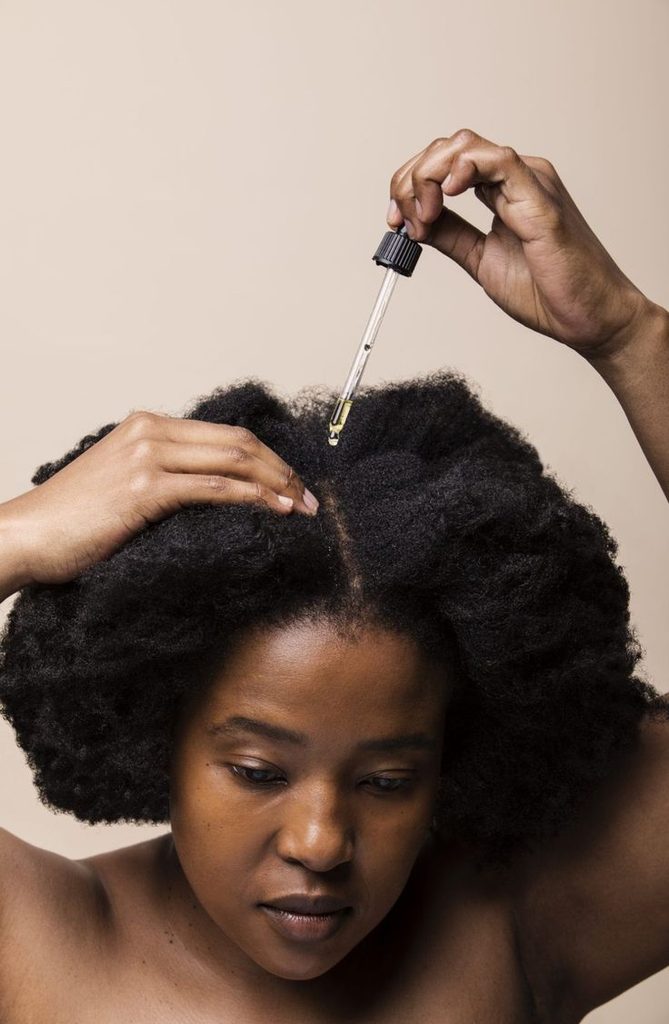
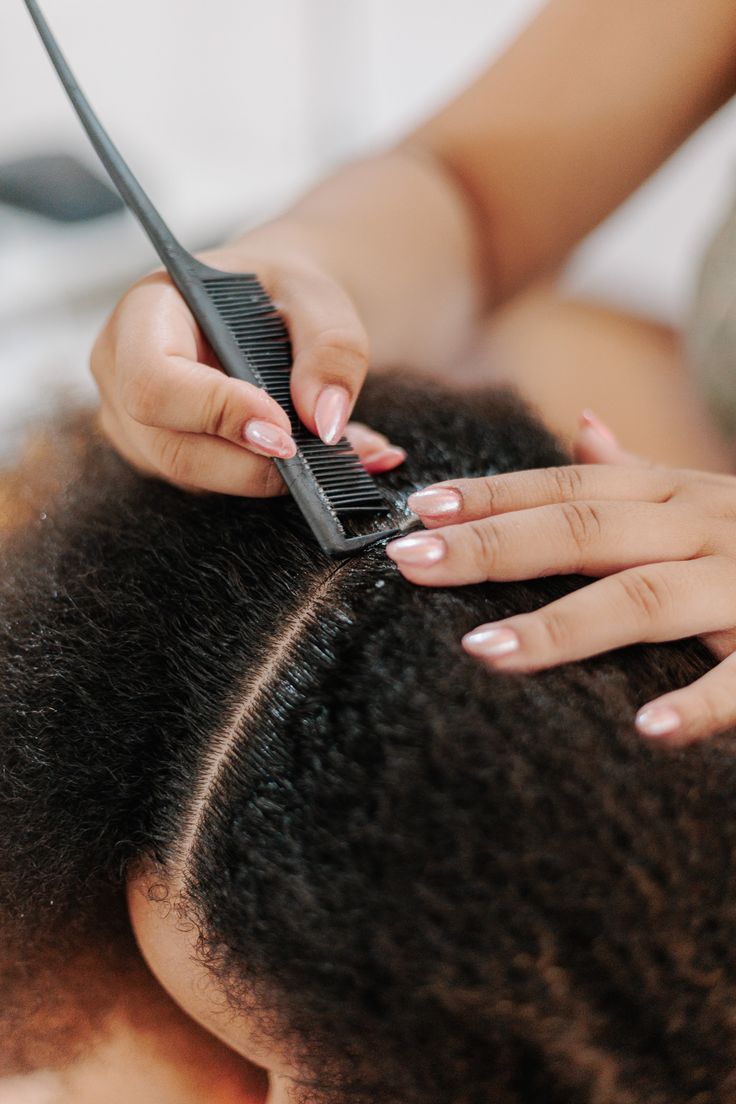
For scalp massage, use only enough oil to lightly cover the fingertips and scalp.
Avoid aggressively rubbing the scalp.
A gentle massage with your fingertips is enough.
You should also separate your hair into sections when applying oil to thick or dense natural hair. This helps you distribute a small amount evenly instead of pouring oil over the surface.
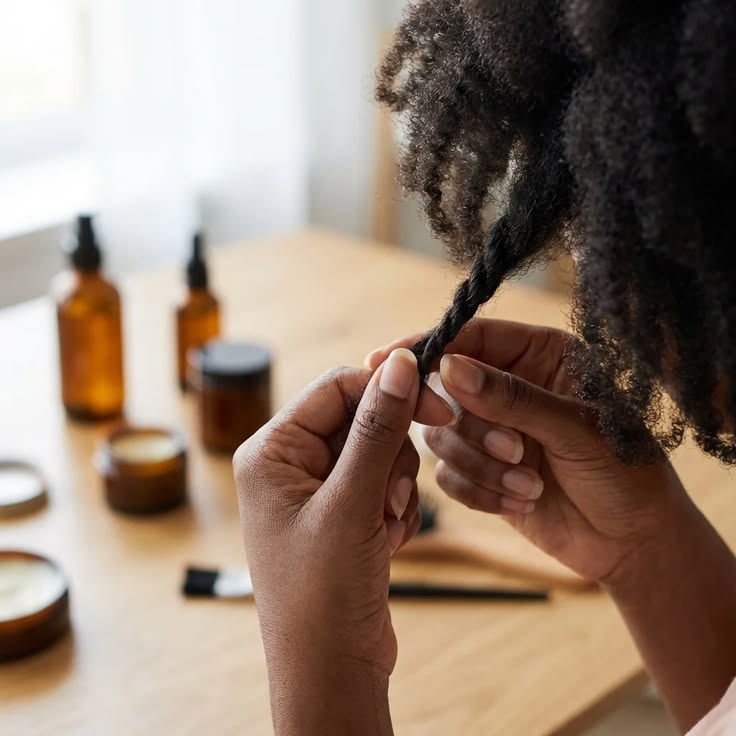
If you frequently wear twists, braids, or other low-manipulation styles, protective hairstyles for 4C hair can work alongside a sensible oil routine, but avoid heavily coating the hair underneath a long-term style.
How Often Should You Oil Your Hair?
There is no universal oiling schedule.
Some people may benefit from using oil once or twice a week, while others may only need it during wash day.
The right frequency depends on your hair, scalp, climate, hairstyle, and the other products you use.
If your hair feels soft and manageable, you do not need to keep adding oil.
If it becomes greasy, dull, sticky, or coated, reduce the frequency.
Your scalp also does not need to be drenched in oil for it to be moisturized.
In fact, excessive oiling can make cleansing more difficult and may contribute to buildup for some people.
If you’re trying to maintain your hair during dry weather, combining harmattan hair protection with appropriate moisturizing and gentle handling can be more useful than relying on frequent oil application alone.
Common Mistakes When Making DIY Hair Oil Blends
Homemade oil blends are simple, but there are still mistakes worth avoiding.
Using Too Many Oils
You do not need ten oils in one bottle.
Using two or three oils makes it easier to understand how your hair responds.
Adding Water to an Oil Blend
Oil and water do not naturally combine, and introducing water can change the preservation requirements of your product.
If you’re making a simple oil-only blend, keep it completely water-free.
Using Wet Herbs
If you’re infusing oil with herbs, moisture is a major concern.
Use properly dried herbs and completely dry containers.
Applying Too Much
More oil does not automatically mean more moisture.
Start with a few drops.
Ignoring Allergies
Always consider known allergies when selecting oils or botanical ingredients.
Applying Essential Oils Without Dilution
Essential oils are concentrated and should not be treated like ordinary carrier oils.
If you choose to use them, use an appropriate dilution rather than adding them randomly.
Leaving Heavy Oil on for Too Long
Some richer treatments are better used before shampooing rather than left on indefinitely.
If your hair feels coated, cleanse it and reduce the amount next time.
How to Store Homemade Hair Oil Blends
Proper storage helps keep an oil blend in good condition.
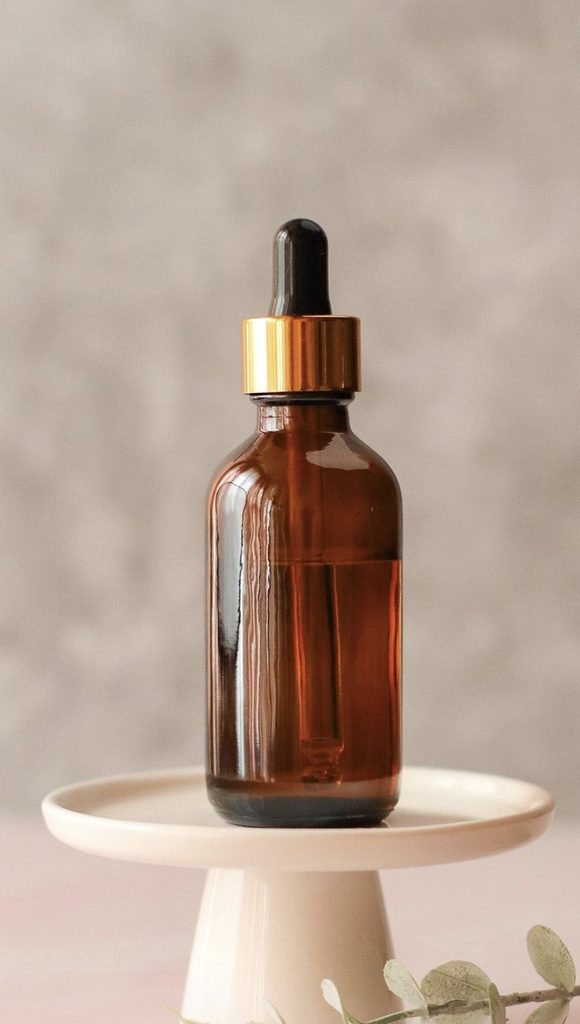
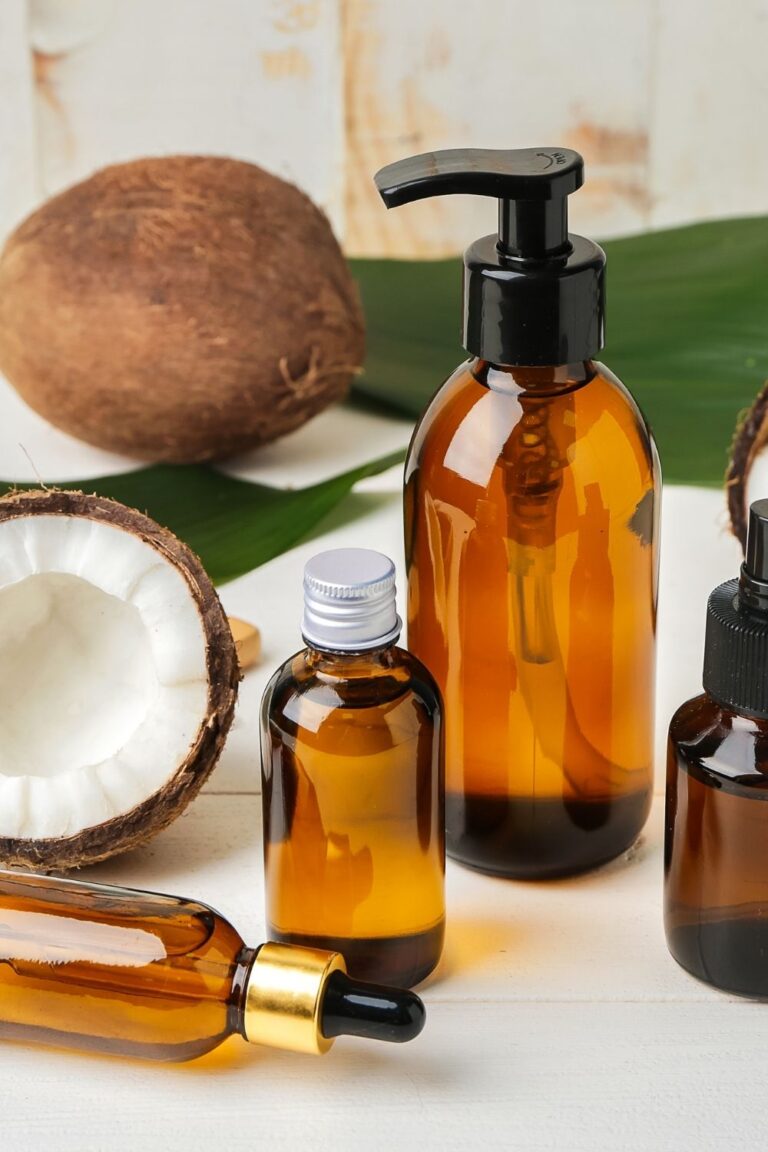
Use a clean, completely dry glass bottle with a secure lid or dropper.
Amber or dark-colored bottles can help reduce exposure to light.
Keep the bottle away from direct sunlight and excessive heat.
Avoid introducing water into the container.
If you are making an infused oil, strain the herbs thoroughly before transferring the finished oil to its storage bottle.
Pay attention to changes in smell, color, or texture.
Oils can eventually become rancid, especially when stored improperly or kept for too long.
Making small batches is therefore more practical than preparing a huge bottle that may sit unused for months.
You should also label your bottle with the ingredients and date you made it.
This makes it easier to track how long you’ve had the blend and recreate a formula you particularly like.
Can DIY Hair Oil Blends Make Hair Grow Faster?
Oil blends are often marketed as hair-growth solutions, but it’s important to separate realistic hair care from exaggerated claims.
Applying an oil to the hair does not automatically make the follicles produce hair faster.
What an oil blend may do is improve the feel and manageability of the existing hair, reduce friction during manipulation, and help your strands retain moisture when used appropriately.
That can support length retention because reducing breakage helps you keep more of the hair you grow.
Scalp massage may also feel relaxing and can be incorporated into a routine, but it should not be presented as a guaranteed hair-growth treatment.
If you’re experiencing significant or sudden hair loss, bald patches, or persistent scalp problems, an oil blend is not a substitute for professional evaluation.
Focus on maintaining healthy scalp and hair practices rather than expecting one bottle of oil to solve every hair concern.
Final Thoughts
DIY hair oil blends can be a simple way to customize your natural hair routine without needing a complicated collection of products.
Lightweight combinations such as jojoba and grapeseed oil can work well for people who dislike heavy products, while richer blends containing olive, avocado, or castor oil may be better suited to occasional treatments.
The key is moderation. Oil does not replace water-based moisture, and using more of it does not necessarily make hair healthier. Start with a small amount and pay attention to how your hair and scalp respond.
Keep homemade blends simple, use clean and completely dry containers, and take extra care when working with herbs or essential oils. Proper storage is equally important if you want your blend to remain usable.
For natural and 4C hair, the right oil blend can support softness, manageability, and moisture retention when it is used as part of a balanced routine. DIY hair oil blends work best when they complement cleansing, conditioning, moisturizing, gentle handling, and appropriate styling rather than replacing those steps.

2 Comments