
The Best Oils for Scalp Massage
Disclosure: Some of the links in this post are affiliate links. This means if you click on the link and purchase an item, I will receive an affiliate commission at no extra cost to you.
Scalp massage is a simple addition to a natural hair routine, but the oil you use can make a difference in how comfortable and manageable the experience feels. The right oil can provide slip, reduce the feeling of dryness, and make massage easier without leaving the scalp excessively greasy.
For people with natural and 4C hair, scalp massage can also be a relaxing way to pay more attention to the scalp between wash days. However, more oil does not automatically mean better results. Using too much oil or applying it too frequently can contribute to buildup, especially when you already use gels, creams, butters, leave-ins, or styling products.
When choosing the best oils for scalp massage, it is important to consider your scalp type, the texture of the oil, how frequently you wash your hair, and whether you are sensitive to particular ingredients.
In this guide, we will look at some of the most popular oils for scalp massage, how to use them properly, which oils may work better for different scalp types, common mistakes to avoid, and how to fit scalp massage into a natural hair routine.
Why Massage Your Scalp With Oil?
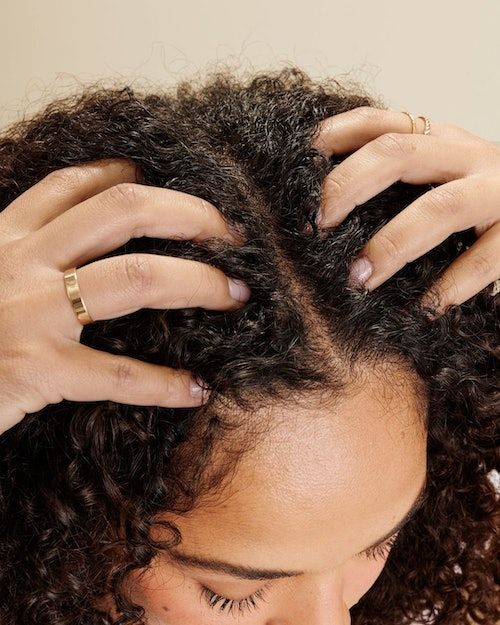
Scalp massage does not need to be complicated. Using your fingertips to gently massage the scalp can make your hair-care routine feel more intentional while helping you distribute a small amount of oil across the scalp.
The massage itself is important. The oil mainly provides lubrication and can help reduce friction between your fingers and the scalp.
Some people also enjoy scalp massage because it can feel relaxing, particularly after a long day or before washing the hair.
However, scalp massage should not involve aggressive scratching or pressing. Your scalp is skin, and excessive friction can cause irritation.
If you already have a healthy scalp care routine, scalp massage can be added occasionally rather than becoming another complicated step.
It is also worth remembering that oils are not magic hair-growth treatments. There is no need to coat your scalp heavily in oil in the hope that it will automatically make your hair grow faster.
What Makes an Oil Good for Scalp Massage?
Not every oil will feel the same on the scalp.
Some oils are lightweight and spread easily, while others are thicker and can leave a heavier coating.
A good massage oil should be comfortable for your scalp and easy to distribute without requiring large quantities.
Your personal scalp type matters too.
If your scalp becomes oily quickly, a lightweight oil may be more comfortable. If your scalp tends to feel dry, you may prefer a richer oil, provided it does not cause irritation or excessive buildup.
You should also consider how you normally style your hair.
If you wear your hair loose and wash frequently, using a small amount of oil may be relatively easy to manage. If you wear long-lasting styles, adding lots of oil can create residue that remains on the scalp for an extended period.
This is why knowing how to prevent product buildup on natural hair is useful to keep in mind when incorporating oils into your routine.
The best oil is ultimately one that your scalp tolerates well and that fits comfortably into your existing routine.
Coconut Oil
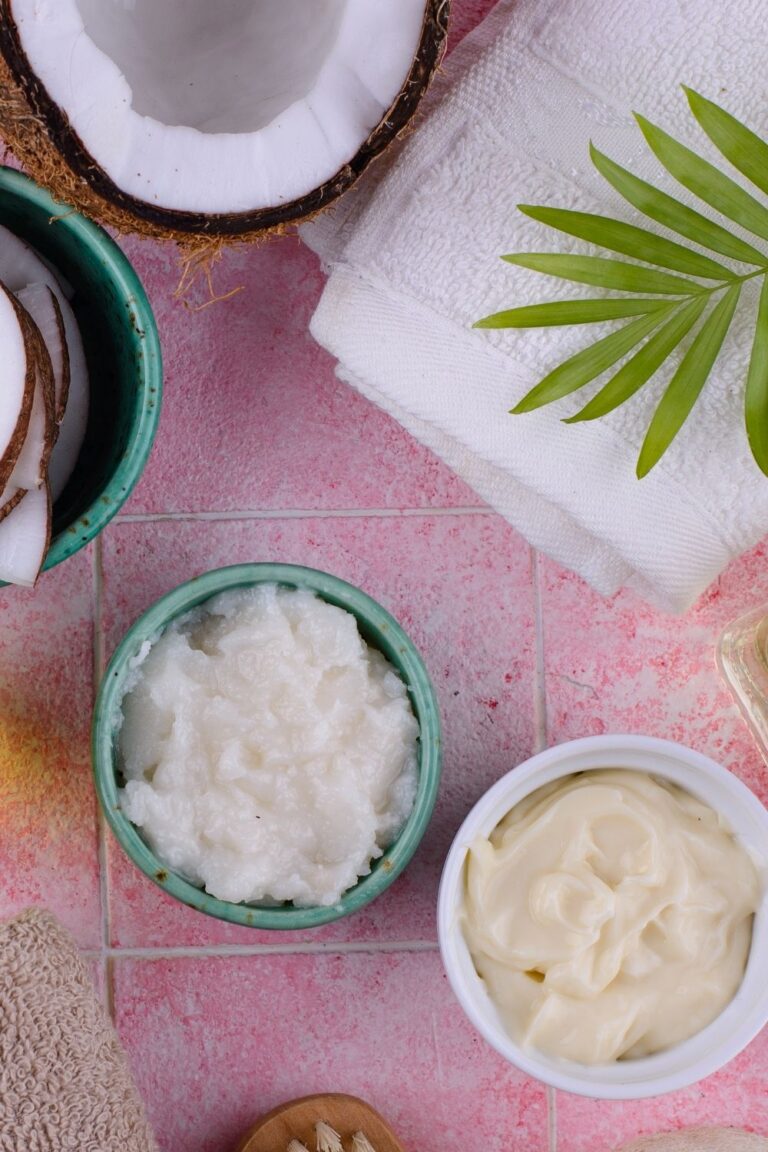
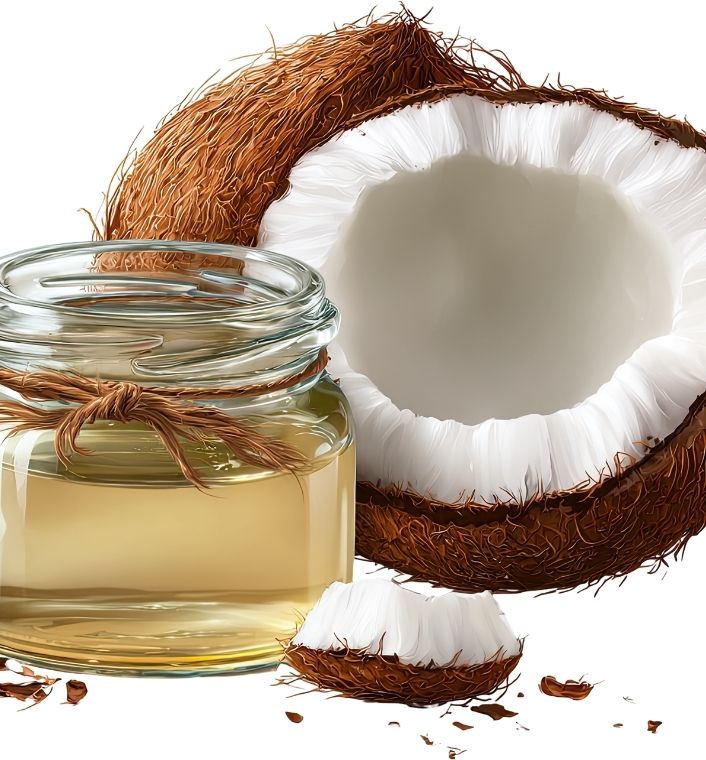
Coconut oil is one of the most familiar oils in natural hair care.
It is relatively accessible, versatile, and commonly used on both the hair and scalp.
One reason coconut oil is popular is its ability to penetrate the hair shaft more readily than some other oils. Research has also found that coconut oil can reduce protein loss from hair when used appropriately, which is particularly relevant for fragile hair.
For scalp massage, coconut oil can provide good lubrication and a rich feel.
However, it may feel too heavy for some people, especially when applied directly to the scalp in large quantities.
If your scalp tends to become oily or develops buildup easily, start with a small amount.
You can also warm a small quantity between your palms rather than heating the oil until it becomes very hot.
If you already use coconut oil as part of a pre-poo routine for 4C hair, you can incorporate gentle scalp massage into that process rather than adding another separate oiling session.
Jojoba Oil
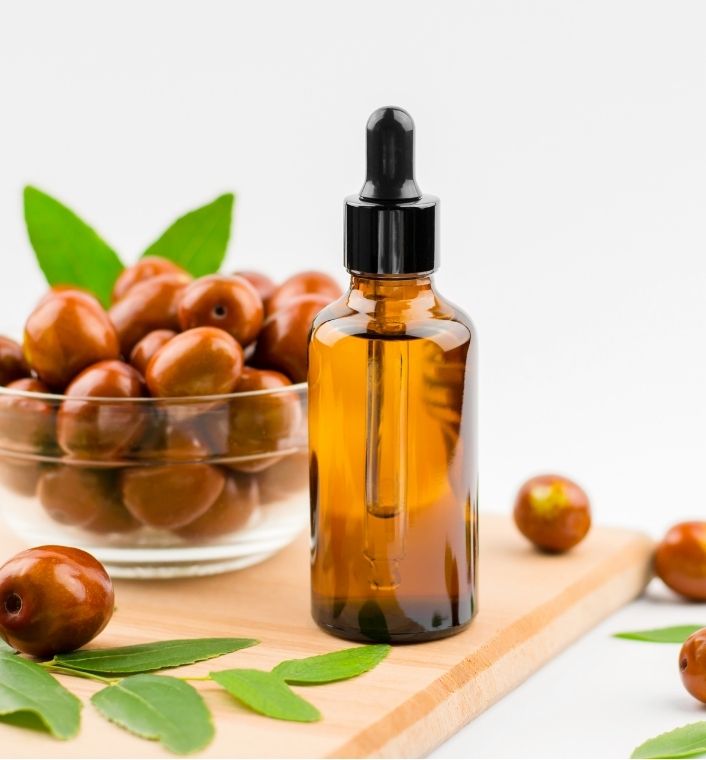
Jojoba oil is a popular choice for scalp care because its composition is different from many traditional vegetable oils.
It is technically a liquid wax rather than a conventional oil, and its texture tends to be relatively lightweight.
Jojoba oil spreads easily and generally does not leave the same heavy feeling as thicker oils.
This makes it an appealing option for people who prefer a lighter scalp massage.
You do not need much.
A few drops distributed across your fingertips can be enough to massage a section of the scalp.
If you have a sensitive scalp, introduce any new oil cautiously rather than assuming that a natural ingredient cannot cause irritation.
Jojoba oil can also be useful when you want to keep your routine simple because it can be used on both the scalp and hair ends in small amounts.
Olive Oil
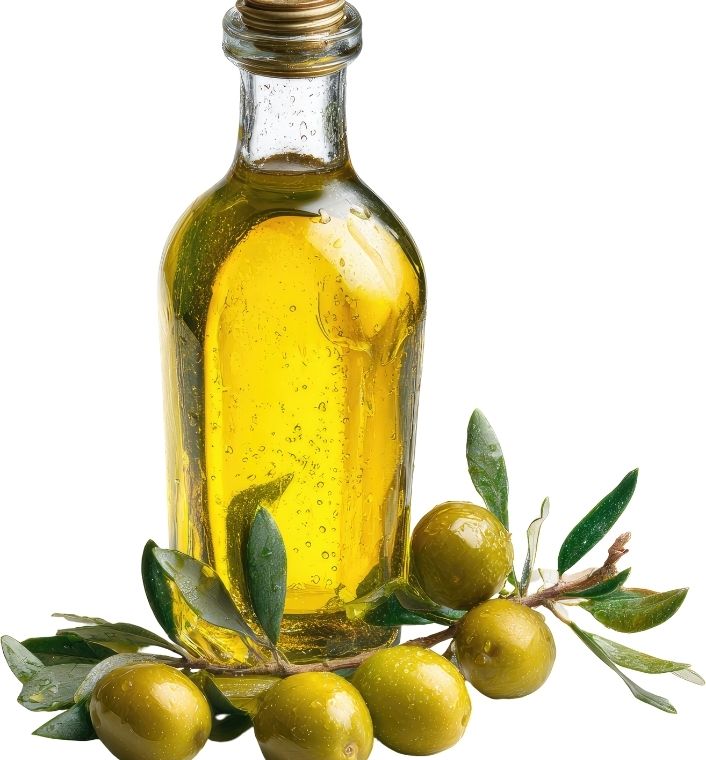
Extra-virgin olive oil is another popular oil in natural hair care.
It is richer and heavier than some lightweight oils, so it may work better for people who enjoy a more substantial massage oil.
Olive oil contains several compounds with antioxidant properties, but that does not mean applying it to the scalp will automatically solve scalp problems.
Its main practical benefit during massage is that it provides lubrication and allows your fingers to move smoothly across the scalp.
If your hair is very dense, you may be tempted to use a lot of oil so that you can reach the scalp easily.
Try not to.
Sectioning your hair first can make it much easier to apply a small amount directly where you need it.
You can learn more about how to section 4C hair for easier wash day care if reaching your scalp is difficult.
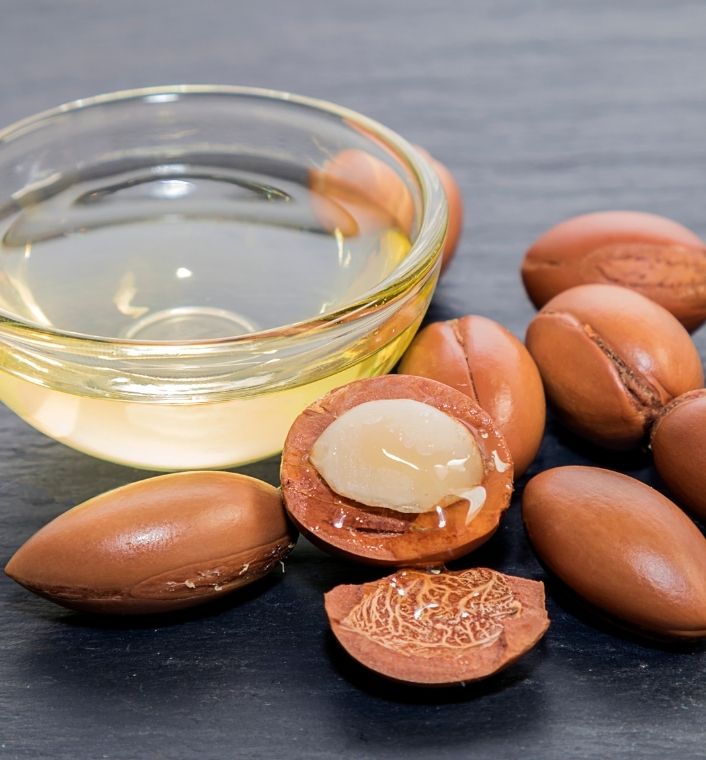
Argan Oil
Argan oil is often associated with hair conditioning because it is relatively lightweight and contains fatty acids and vitamin E.
It can be useful when you want an oil that does not feel excessively heavy.
For scalp massage, use a small amount and distribute it carefully.
Argan oil is often more expensive than common oils such as coconut or olive oil, so there is no need to use it in large quantities.
It can also be applied to the hair lengths when they feel dry, although your scalp and strands may require different amounts.
If you are building a moisture routine for dry natural hair, using a few drops of argan oil on the hair after moisturizing may be more appropriate than repeatedly coating your scalp.
Sweet Almond Oil
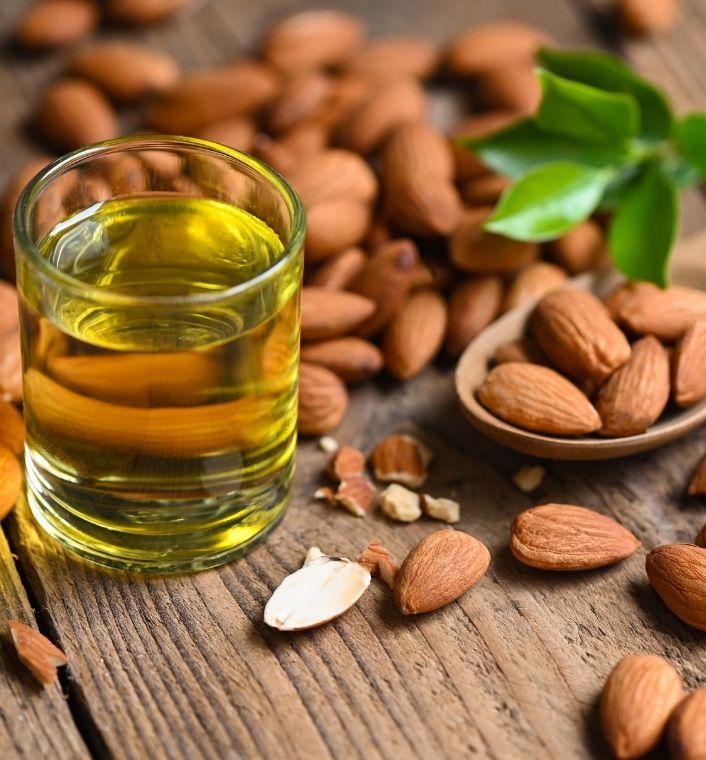
Sweet almond oil is another lightweight-to-medium oil that can work well for scalp massage.
It spreads easily and has a relatively smooth texture.
For people who dislike the heavier feeling of coconut or castor oil, sweet almond oil can be a more comfortable alternative.
However, anyone with a known nut allergy should be cautious with almond-derived products and check the manufacturer’s information before use.
As with any scalp oil, you only need a small quantity.
Applying more oil does not make the massage more effective.
Grapeseed Oil
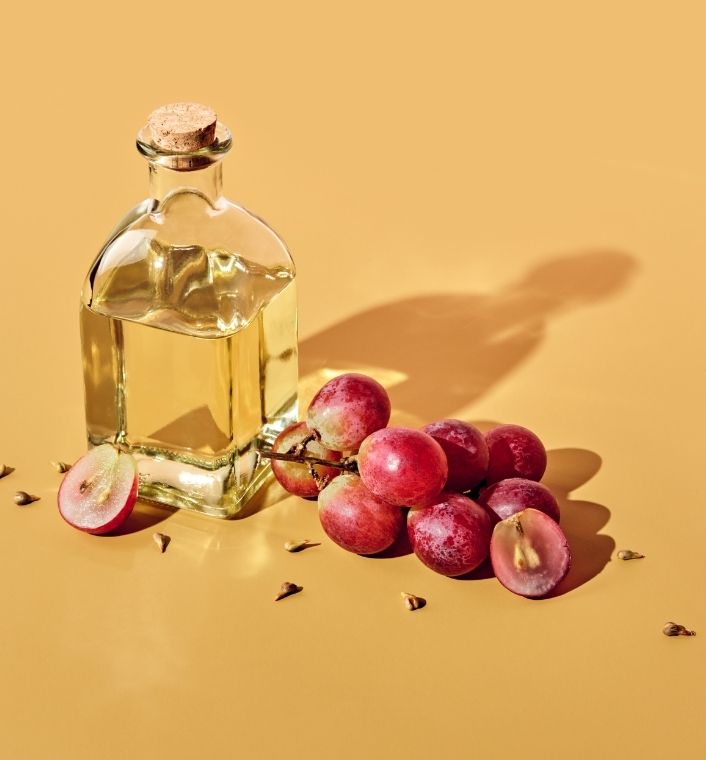
Grapeseed oil has a lightweight texture that makes it appealing for people who dislike heavy oils.
It can spread easily across the scalp without requiring a large amount.
This can be particularly useful if your scalp becomes oily quickly or you do not want your hair to feel weighed down after massage.
Grapeseed oil can also be used on the hair lengths, although it should not replace a moisturizing product when your strands need water-based hydration.
When using it for scalp massage, start with a few drops and add more only if necessary.
If you notice itching, redness, or irritation after using it, discontinue use.
Avocado Oil
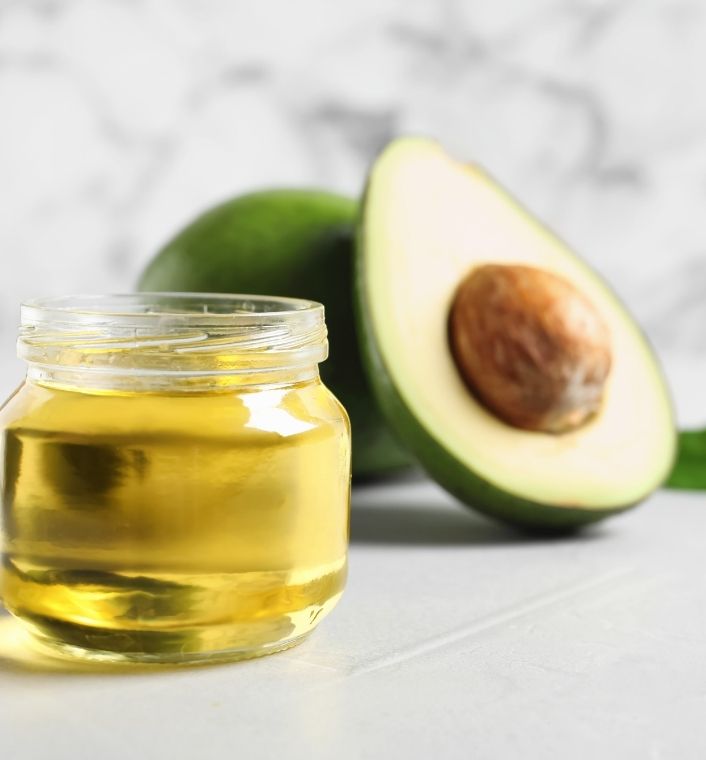
Avocado oil is richer than several of the lightweight oils discussed above.
It contains fatty acids and is commonly used in hair and skin products.
For scalp massage, avocado oil may appeal to people who prefer a richer texture, particularly when the scalp feels dry.
Because it is relatively rich, start with a small amount.
You can also combine scalp massage with your pre-wash routine if you find that the oil is too heavy to leave on the scalp between wash days.
A pre-shampoo treatment for natural hair can be a practical place to experiment with richer oils without leaving them on your scalp for several days.
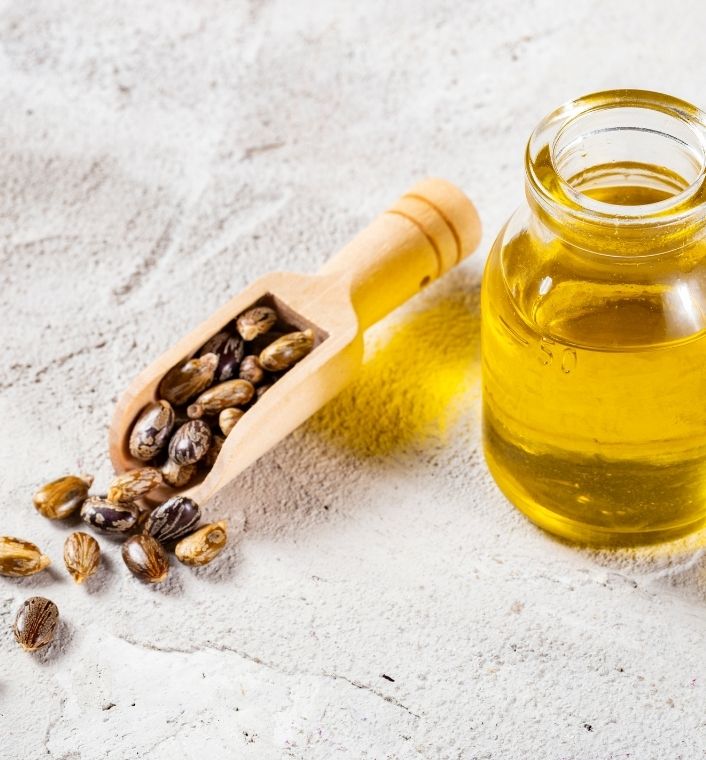
Castor Oil
Castor oil is extremely popular in natural hair care, particularly among people looking for a rich oil for their scalp and hair.
However, it is significantly thicker than oils such as jojoba or grapeseed oil.
That thickness can make it difficult to spread across the scalp by itself.
If you like castor oil but find it too sticky, you can dilute a small amount with a lighter carrier oil.
Use only enough to provide comfortable lubrication during the massage.
Castor oil should not be treated as a guaranteed hair-growth solution. Claims that it automatically causes faster or thicker hair growth are not well supported by strong clinical evidence.
If your goal is simply a comfortable scalp massage, castor oil can work, but you may prefer a lighter oil if you dislike heavy textures.
Rosemary-Infused Oil
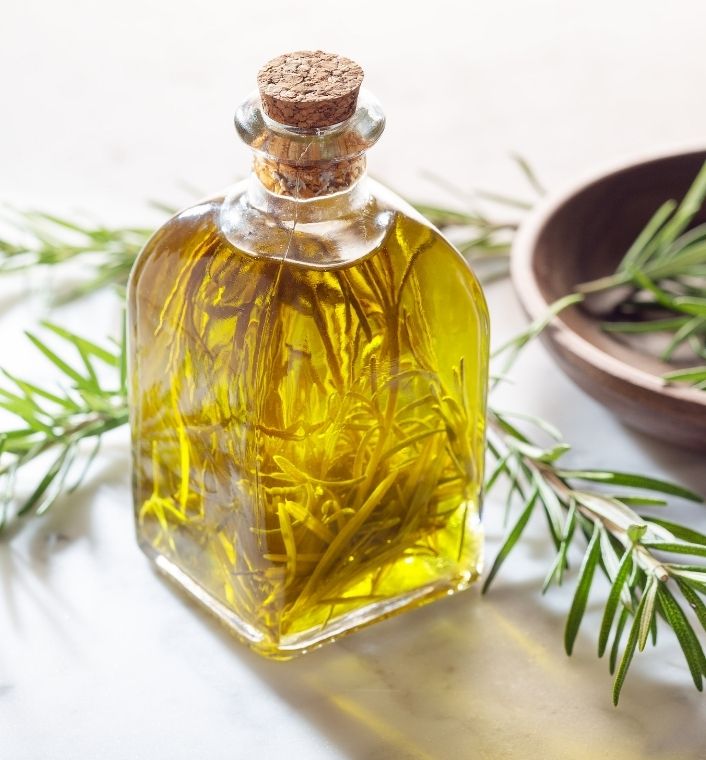
Rosemary is one of the most popular herbs in natural hair-care discussions.
There has been some research into rosemary oil and hair loss, but that does not mean every rosemary-infused oil will produce the same results or that it should be treated as a guaranteed hair-growth treatment.
If you want to use rosemary in your scalp routine, distinguish between a carrier oil that has been infused with rosemary and concentrated rosemary essential oil.
Essential oils are highly concentrated and should generally be diluted in an appropriate carrier oil before topical use.
Do not apply undiluted essential oils directly to your scalp.
If you already enjoy herbal hair care, you may be interested in how to make rosemary oil for natural hair, but keep your preparation hygienic and patch-test new topical products when appropriate.
Which Oil Is Best for a Dry Scalp?
If your scalp feels dry, you may prefer oils with a richer texture, such as coconut, olive, avocado, or jojoba oil.
However, oil does not add water to the skin.
This is an important distinction.
If your scalp is genuinely dry, simply adding more and more oil may not address the underlying reason for the dryness.
Look at your entire routine.
Are you washing with very hot water?, are your cleansing products irritating your scalp?, are you washing too frequently?, are you spending more time in dry weather?
Your dry scalp care routine for natural hair should focus on identifying and reducing potential sources of dryness rather than relying on oil alone.
If your scalp is persistently dry, itchy, cracked, or inflamed, professional advice may be appropriate.
Which Oil Is Best for an Oily Scalp?
If your scalp becomes oily quickly, a lightweight oil may be more comfortable than a heavy one.
Jojoba, grapeseed, and argan oils are examples of lighter options.
But you may also discover that your oily scalp does not need regular oiling at all.
That is completely fine.
Scalp massage can be performed without oil if you prefer.
If you do use oil, apply a very small amount and avoid repeatedly adding more before your next wash.
An oily scalp that also has persistent flakes, itching, redness, or irritation may need more than a change in oil.
How to Perform a Scalp Massage Correctly
You do not need to massage your scalp aggressively to get the experience you want.
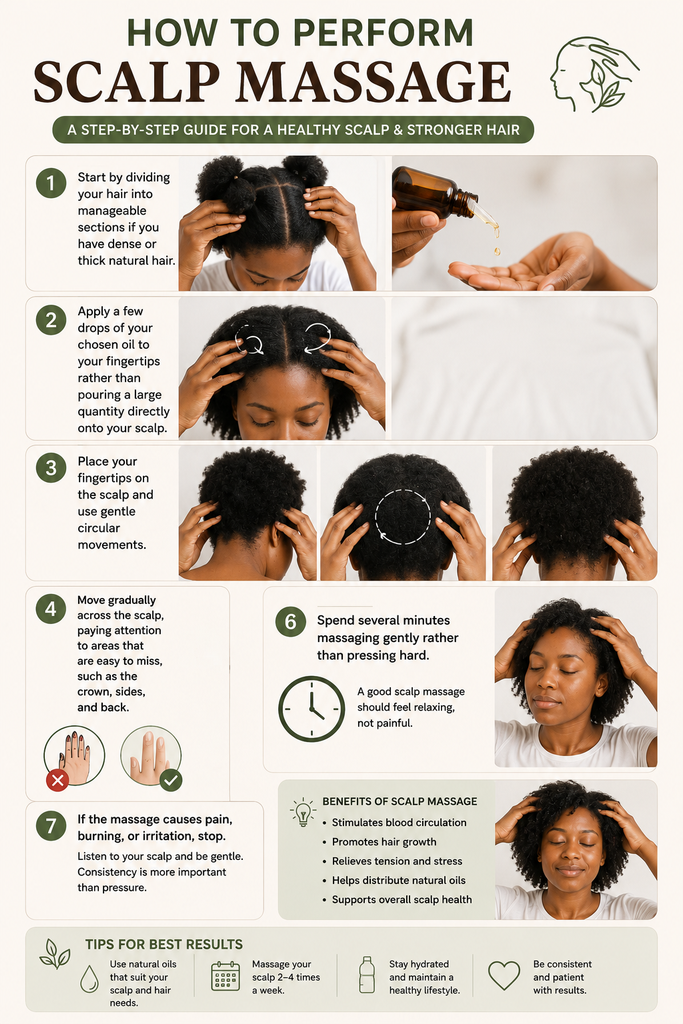
Start by dividing your hair into manageable sections if you have dense or thick natural hair.
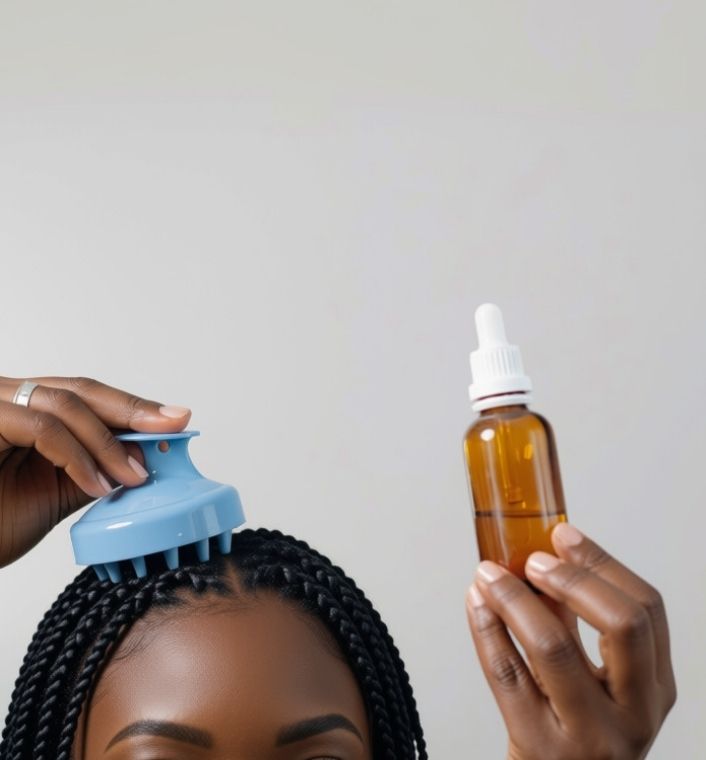
Apply a few drops of your chosen oil to your fingertips rather than pouring a large quantity directly onto your scalp.
Place your fingertips on the scalp and use gentle circular movements.
Move gradually across the scalp, paying attention to areas that are easy to miss, such as the crown, sides, and back.
Avoid using your fingernails.
Your nails can scratch the scalp and cause unnecessary irritation. Use the soft pads of your fingertips instead.
Spend several minutes massaging gently rather than pressing hard.
If the massage causes pain, burning, or irritation, stop.
For people who already follow gentle detangling techniques for 4C hair, the same principle applies here: less unnecessary force is generally better.
How Often Should You Massage Your Scalp?
There is no universal schedule that everyone needs to follow.
Some people enjoy a short scalp massage several times a week, while others prefer doing it once a week or only during wash day.
Your scalp’s response should guide you.
If frequent oiling leaves your scalp greasy, itchy, or coated, reduce the amount or frequency.
If you massage without oil and your scalp remains comfortable, you may be able to massage more frequently without worrying about oil buildup.
People with long-lasting hairstyles may also need to adjust their routine because excessive oiling under a wig or protective style can make cleansing more difficult.
The goal is consistency without overdoing it.
Common Scalp Massage Mistakes to Avoid
Scalp massage is simple, but there are a few mistakes worth avoiding.
Using Too Much Oil
Your scalp does not need to be soaked.
A few drops can provide enough lubrication for your fingertips.
Scratching With Your Nails
Your fingertips are safer than your nails.
Scratching can create small abrasions and worsen irritation.
Massaging an Irritated Scalp
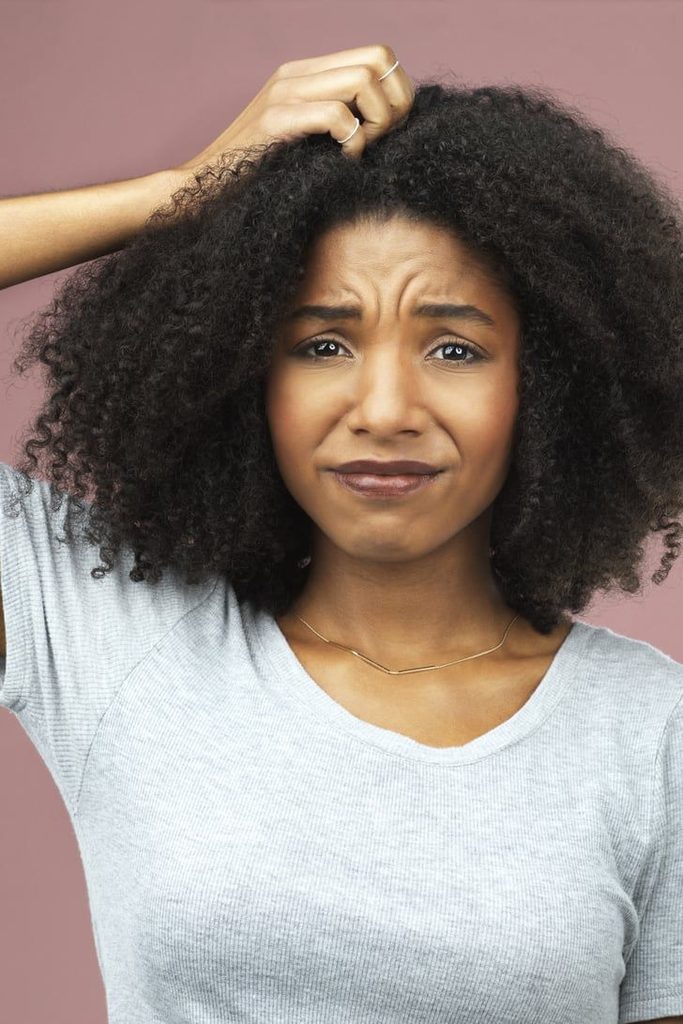
If your scalp is already inflamed, sore, or covered in painful bumps, vigorous massage may make the problem worse.
Give the scalp time to settle and seek professional advice when necessary.
Applying Oil Without Considering Buildup
If you already use several styling products, adding oil on top may create unnecessary residue.
This is where ways to reduce buildup between wash days can help you maintain a cleaner, simpler routine.
Expecting Oil to Solve Every Scalp Problem
Oils can make massage easier, but they are not universal treatments for dandruff, infections, inflammation, or hair loss.
Know when a scalp concern needs more than a home-care routine.
Can You Mix Different Oils for Scalp Massage?
Yes, you can combine carrier oils if you enjoy experimenting with textures.
For example, you could combine a small amount of thicker castor oil with a lighter oil such as jojoba or grapeseed oil.
The advantage is mainly about texture and application.
A thick oil may become easier to spread when mixed with a lighter carrier oil.
However, mixing several oils does not automatically make the blend more effective.
Keep your formula simple, particularly when trying something new.
If you add several ingredients at once and develop irritation, it becomes much harder to determine which ingredient caused the reaction.
For people with sensitive scalps, simple is often easier to manage.
When Should You Avoid Scalp Massage?
Scalp massage is not appropriate for every situation.
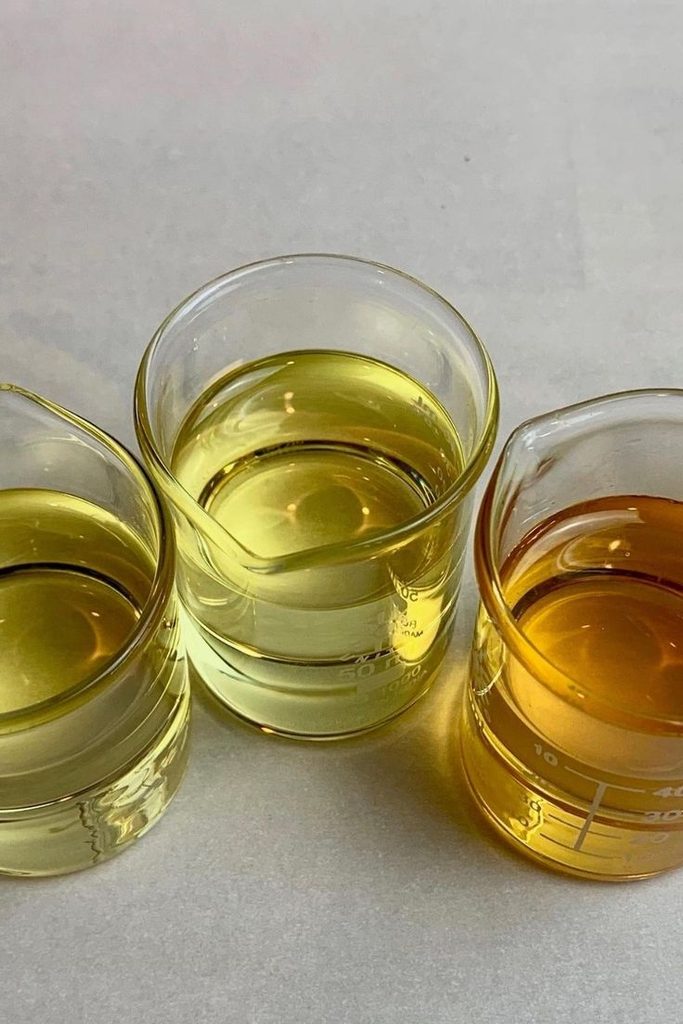
If you have open sores, active skin infections, painful lesions, significant inflammation, or an unexplained scalp condition, avoid vigorous massage until you understand what is causing the problem.
You should also be cautious if your scalp has recently been chemically treated or irritated by a product.
Give the skin time to recover.
If you have sudden or unexplained hair loss, persistent pain, severe itching, or significant scaling, consider speaking with a dermatologist rather than trying to massage the problem away.
Scalp massage should be a gentle addition to a healthy routine, not a substitute for appropriate medical care.
Final Thoughts

Choosing the best oils for scalp massage does not have to involve buying every oil available.
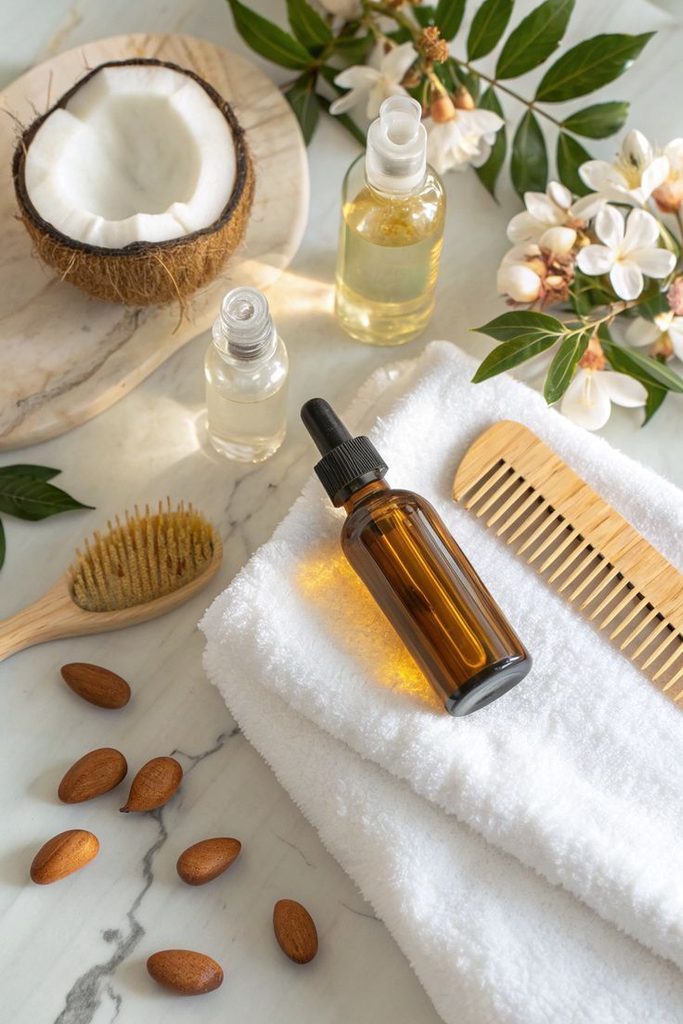
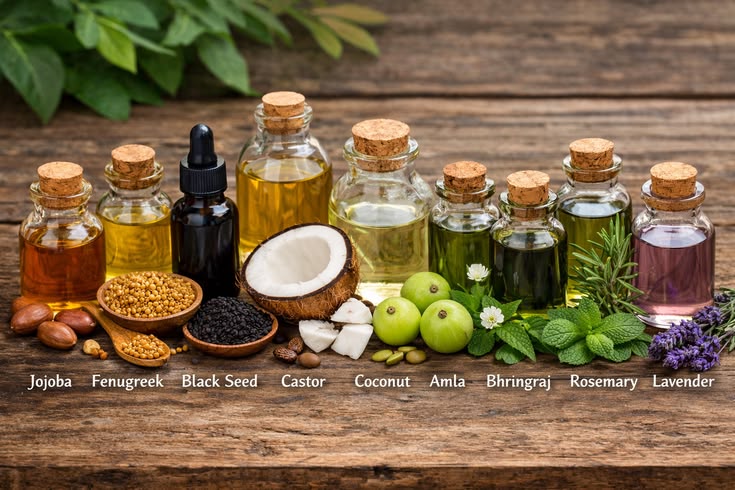
Coconut, jojoba, olive, argan, sweet almond, grapeseed, avocado, castor, and rosemary-infused oils can all have a place in a natural hair routine, depending on your preferences and scalp needs.
The most important factor is how your scalp responds.
Start with a small amount, massage gently with your fingertips, and avoid scratching with your nails. If you have an oily scalp, a lightweight oil may feel more comfortable. If your scalp feels dry, a richer oil may be preferable, but remember that oil does not replace water or correct every cause of dryness.
Most importantly, do not treat scalp oil as a cure-all.
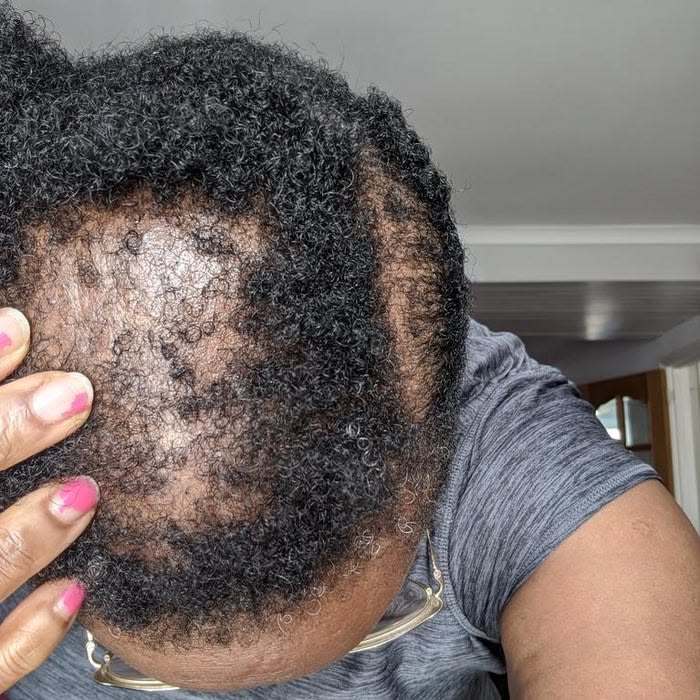
Persistent itching, painful bumps, severe flaking, redness, inflammation, unusual odor, or sudden hair loss may require professional attention rather than more oil.
For 4C and other natural hair textures, scalp massage can remain a simple part of your routine. You do not need a complicated mixture or a large amount of product. A few drops, gentle fingertips, and a consistent approach can be enough to make scalp massage an enjoyable part of your hair-care routine.