
Best Hair Mask For Damaged Hair
Disclosure: Some of the links in this post are affiliate links. This means if you click on the link and purchase an item, I will receive an affiliate commission at no extra cost to you.
Damaged hair often needs more than a regular conditioner. When your strands have been exposed to excessive heat, chemical treatments, frequent manipulation, dryness, or repeated styling, they may start to feel rough, weak, brittle, or difficult to manage.
This is where a good hair mask can become a useful part of your routine.
Unlike a basic rinse-out conditioner, a hair mask is usually designed to provide a more intensive conditioning treatment. Depending on the formula, it may focus on moisture, strengthening, softness, elasticity, detangling, or repairing the appearance of damaged strands.
For people with natural and 4C hair, choosing the right treatment is particularly important.
A product that gives your hair plenty of moisture can make dry strands feel softer and easier to handle, while a strengthening treatment may be more appropriate when excessive manipulation or chemical processing has left the hair feeling weak.
In this guide, we’ll look at some of the best hair masks for damaged hair, what causes damage in the first place, how to choose a suitable mask, and how to use one without making your routine unnecessarily complicated.
What Causes Hair Damage?
Before choosing among different hair masks for damaged hair, it helps to understand what may have caused the damage.
Hair damage can happen for many reasons, and you may be dealing with more than one at the same time.
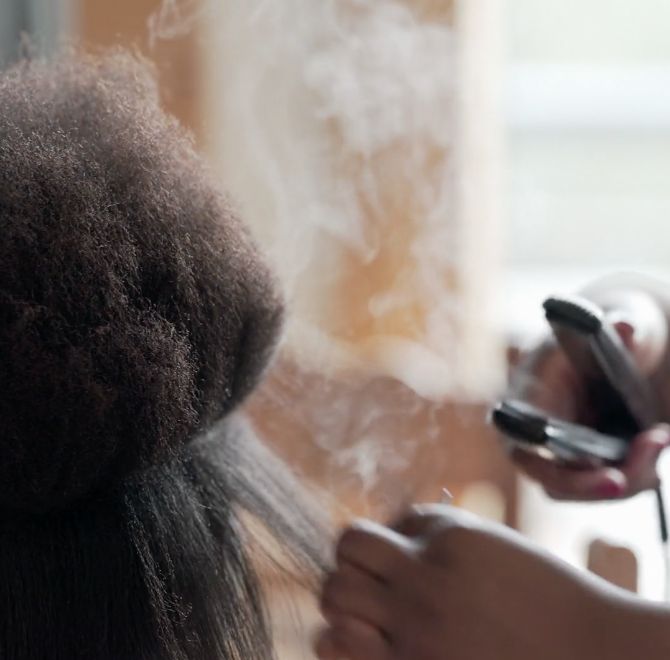
Excessive Heat
Frequent use of flat irons, curling irons, blow dryers, and other heated tools can affect the hair’s structure over time.
Using high temperatures repeatedly without appropriate heat protection can leave strands dry, weak, and more prone to breakage.
This is one reason heat damage on natural hair should be addressed early rather than ignored until the hair becomes difficult to manage.
Chemical Treatments
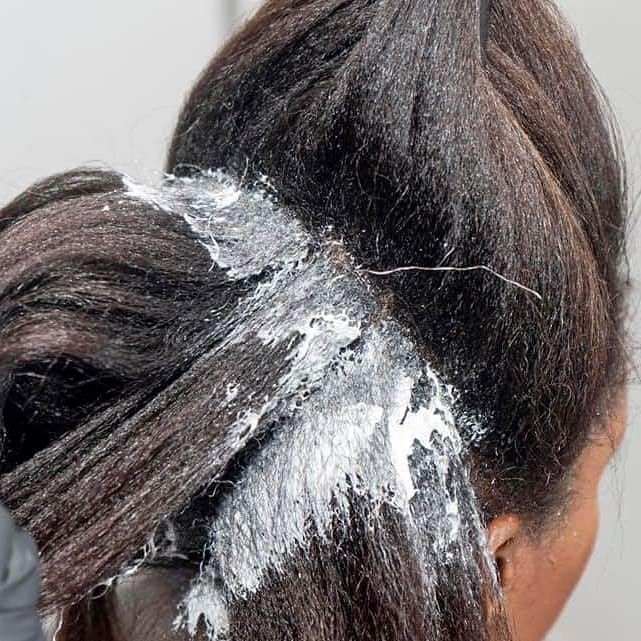
Relaxers, permanent color, bleaching, and other chemical processes can alter the structure of the hair.
If you chemically process your hair, you may need to pay closer attention to moisture, strength, and gentle handling.
Excessive Manipulation
Constant combing, brushing, pulling, and restyling can contribute to mechanical damage.
Even everyday activities such as detangling can cause unnecessary breakage when the hair is handled roughly or without enough moisture and slip.
Learning how to detangle 4C hair without breakage can therefore make a significant difference to your overall routine.
Dryness and Moisture Loss
Dry hair is not automatically damaged hair, but chronically dry strands can become more fragile and easier to break.
This is why maintaining moisture retention for 4C hair is such an important part of caring for tightly coiled strands.
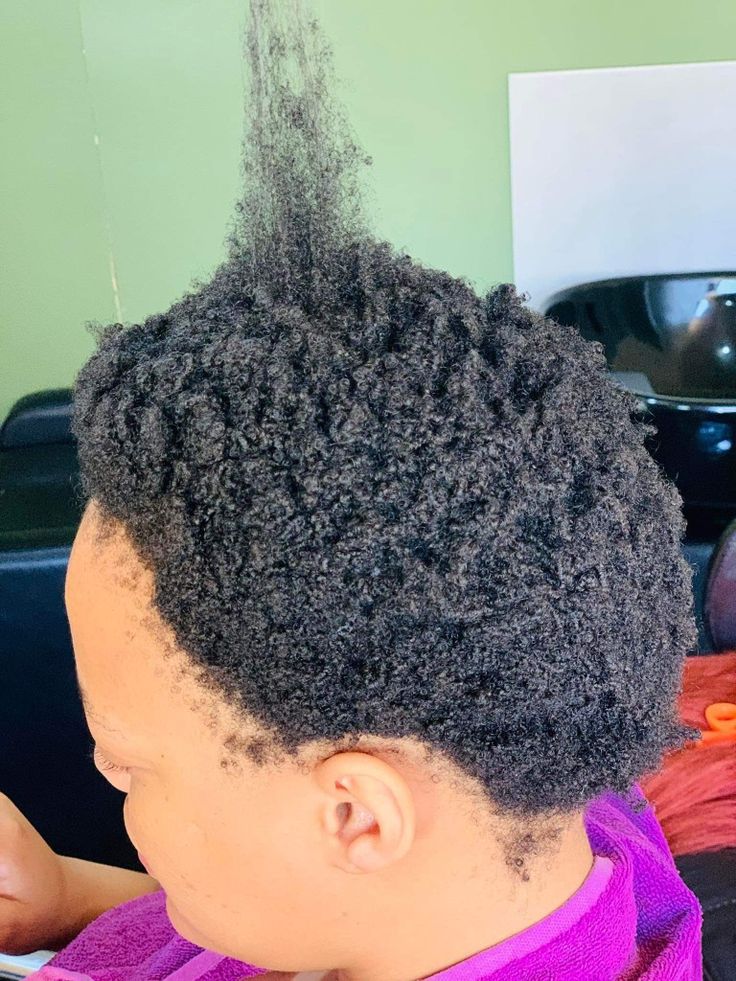
Environmental Exposure
Sun, wind, chlorine, salt water, and dry weather can also affect the condition of your hair.
For example, if you regularly swim, following appropriate swimming with natural hair care can help reduce the amount of stress placed on your strands.
How Do You Know Your Hair Is Damaged?
Not every dry or tangled strand is necessarily damaged.
However, there are several signs that may suggest your hair needs more intensive care.
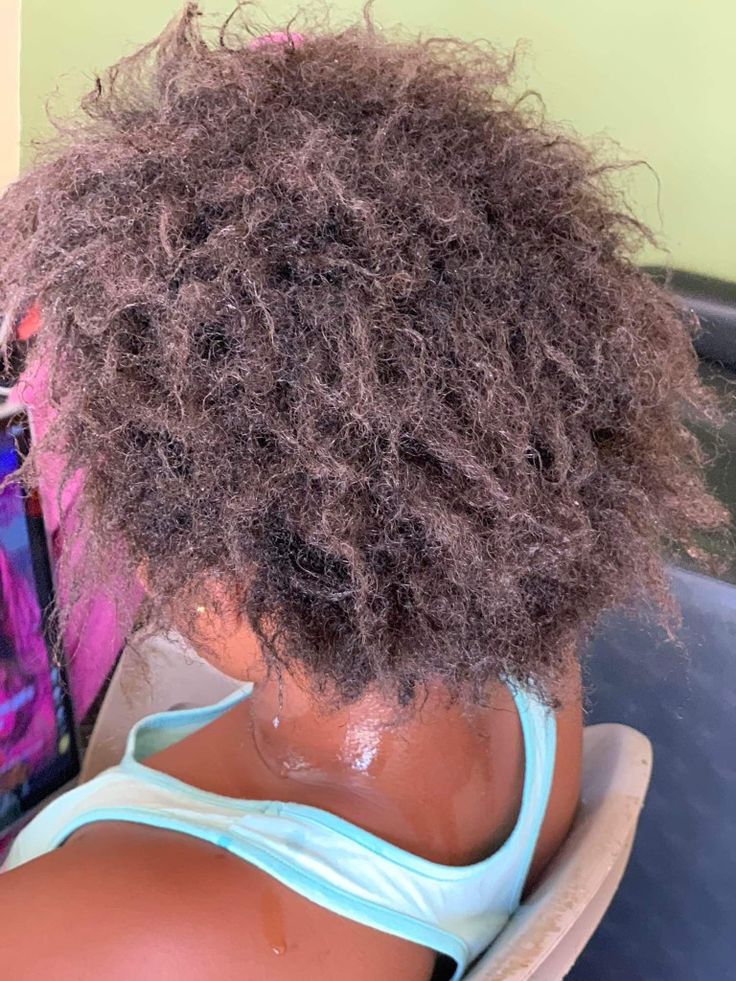
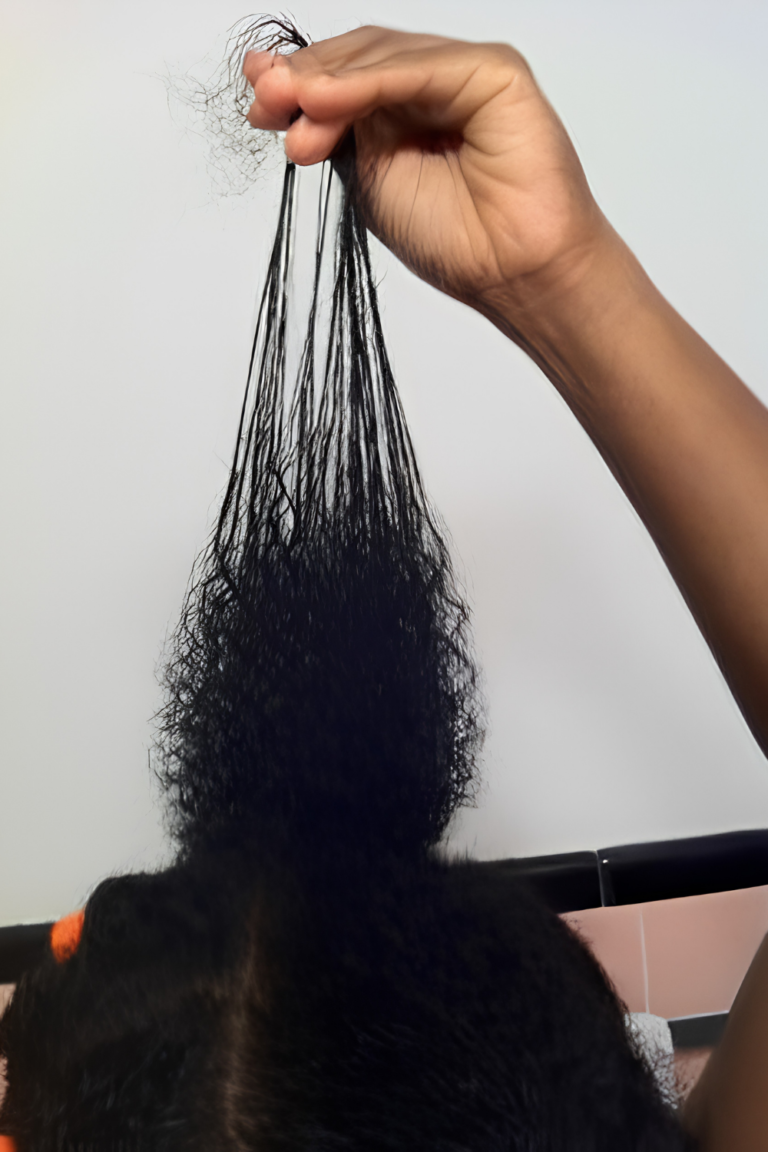
Your hair may feel unusually rough, brittle, or weak. You may notice more breakage than normal when styling or detangling. Your ends may look frayed or split, and your hair may have difficulty maintaining moisture.
Changes in texture can also be noticeable, particularly if you have chemically processed or heat-damaged hair.
Another warning sign is excessive shedding combined with breakage. Remember that shedding and breakage are not the same thing: shedding involves hair coming out from the follicle, while breakage occurs when the strand snaps somewhere along its length.
If you are experiencing common 4C hair mistakes that cause breakage, correcting your routine may be just as important as adding a hair mask.
A mask can support the condition of your hair, but it cannot undo every type of damage permanently. Severely split or broken ends, for example, cannot be glued back together by a conditioning treatment.
What Does a Hair Mask Do?
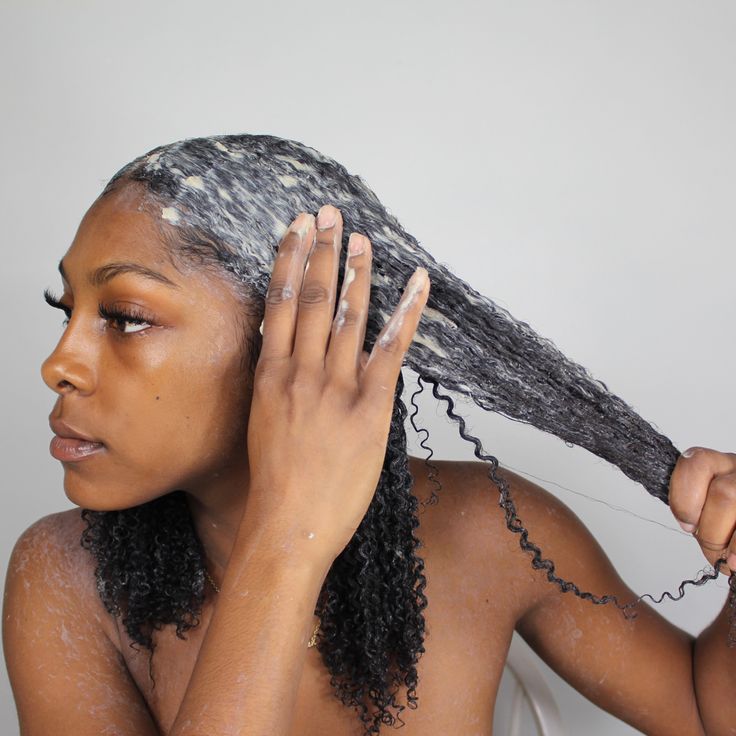
A hair mask is an intensive conditioning treatment that is generally left on the hair for longer than a standard conditioner.
Depending on the formula, a mask may provide moisture, improve softness and manageability, reduce the appearance of dryness, or support the feel and strength of the hair.
Some masks are primarily moisturizing, while others contain proteins or strengthening ingredients.
This distinction matters.
If your hair is dry but relatively strong, you may benefit more from a moisturizing mask. If your hair feels weak and overly elastic after chemical or heat processing, a strengthening treatment may be more appropriate.
Some products are designed to provide both moisture and strengthening benefits.
The key is matching the treatment to what your hair actually needs rather than assuming every mask will produce the same result.
9 Best Hair Masks for Damaged Hair
There are plenty of hair masks on the market, but not all of them are designed for the same purpose.
The options below include moisturizing masks, strengthening treatments, and products formulated specifically for curly and coily textures.
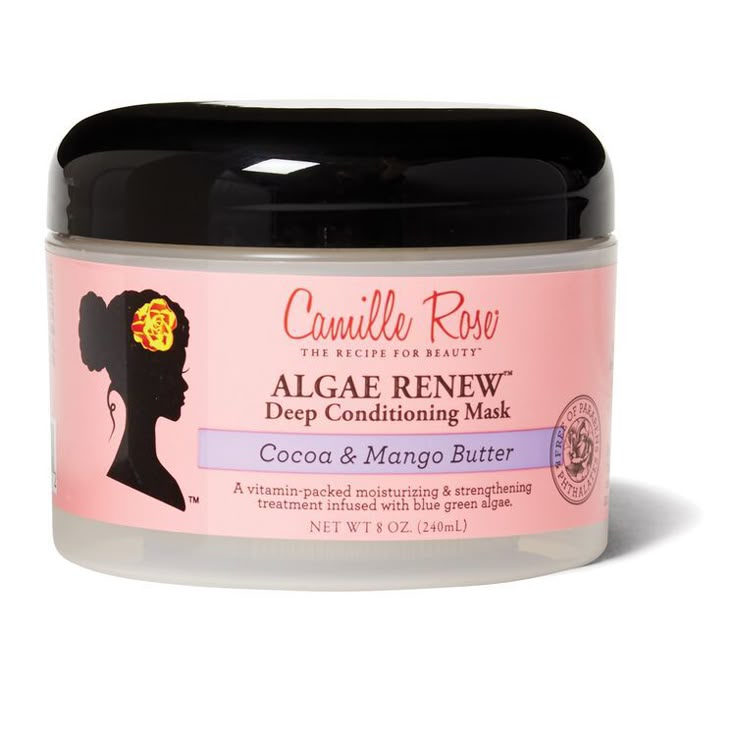
1. Camille Rose Algae Renew Deep Conditioner
Camille Rose Algae Renew Deep Conditioner is a particularly interesting option for natural hair because the brand specifically positions it as a moisturizing and strengthening deep-conditioning mask.
The formula contains ingredients including aloe leaf juice, shea butter, coconut oil, cocoa butter, mango butter, hemp seed oil, jojoba oil, and blue-green algae. Camille Rose says the mask is designed to moisturize and strengthen hair while helping with breakage and thinning.
The product is also designed to support detangling. The brand recommends applying it to wet hair after shampooing, leaving it on for about 10 minutes, and using heat for at least 20 minutes when additional conditioning is desired.
This makes it one of the more natural-hair-focused options in this list.
Best for: Dry, brittle, tangled natural hair.
What to consider: The rich formula may be more than you need if your hair becomes weighed down easily.
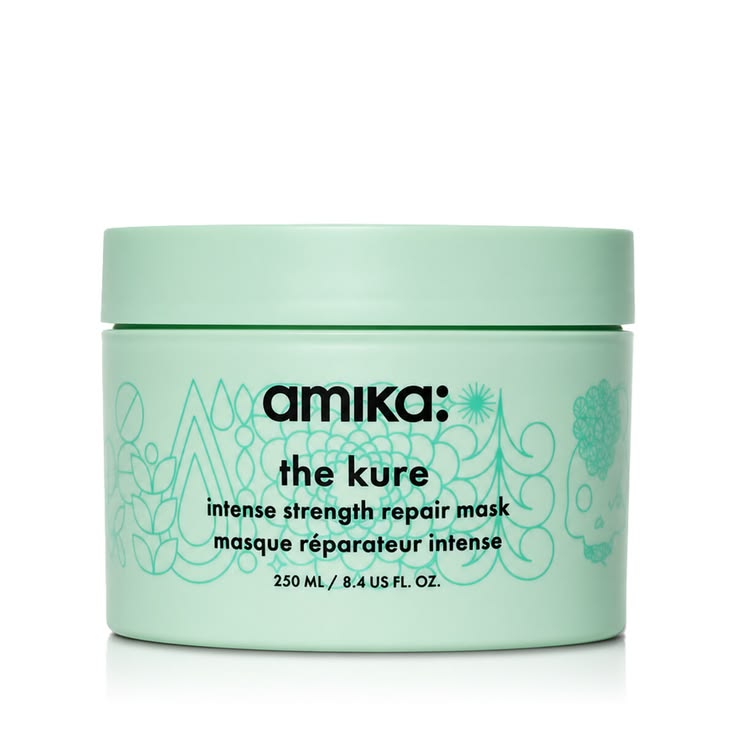
2. Amika The Kure Intense Bond Repair Hair Mask
If your hair has experienced significant dryness or damage, amika’s The Kure Intense Bond Repair Mask is another option to consider.
The brand describes it as an intensive treatment designed to strengthen damaged strands, reduce breakage, and provide moisture. It is formulated for hair types 1–4C and is particularly recommended for damaged and dry hair.
That makes it particularly relevant if you want a treatment that can work across different curl patterns rather than one designed exclusively for straight hair.
Best for: Dry, damaged, and high-porosity hair.
What to consider: It is a premium-priced treatment, so it may not be the first option to try if you are working with a smaller hair-care budget.
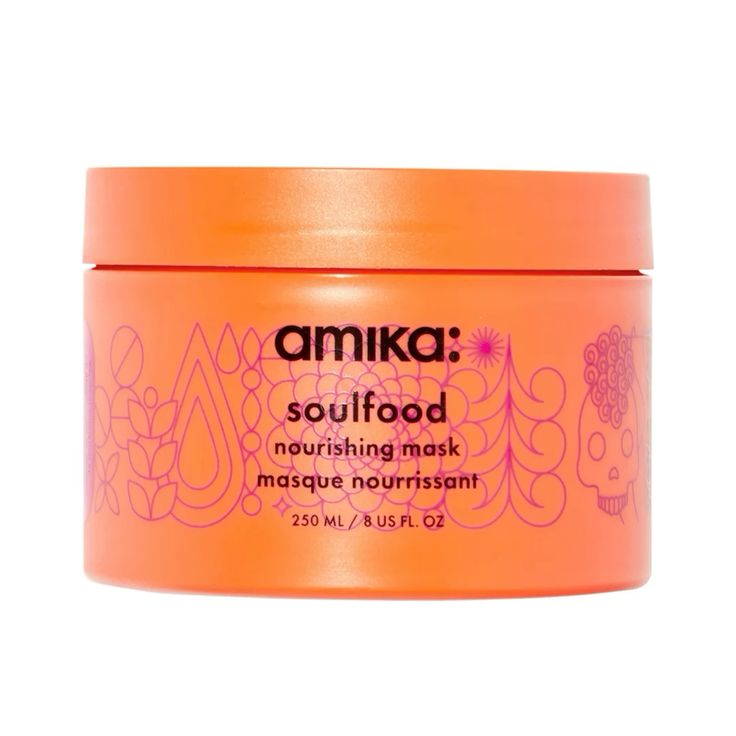
3. Amika Soulfood Nourishing Hair Mask
Not every damaged strand needs an aggressive strengthening treatment.
Sometimes the hair primarily needs moisture, softness, and improved manageability. That is where Amika Soulfood Nourishing Hair Mask may be useful.
The brand describes it as a deeply conditioning mask for all hair types from 1–4C. Its formula contains jojoba seed oil and sea buckthorn, and the company says the product is clinically proven to improve moisture and manageability after one use.
It can therefore be a good option when dryness and roughness are the main issues.
Best for: Dry, rough, and dehydrated hair.
What to consider: It is primarily a nourishing and conditioning treatment rather than a dedicated bond-repair product.
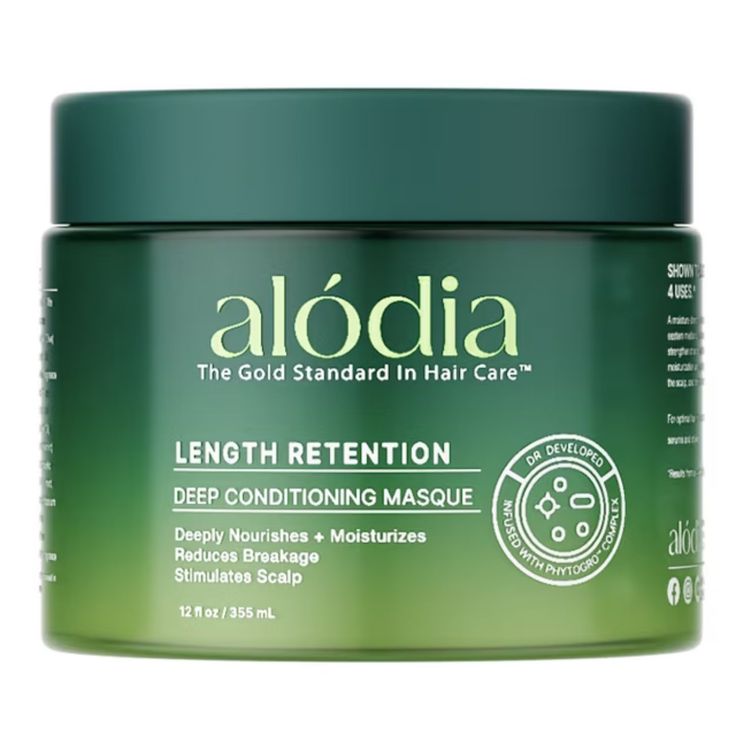
4. Alodia Hair Care Deep Conditioning Masque
Alodia Hair Care’s Deep Conditioning Masque is formulated for hair types 2C through 4C and is specifically marketed toward dry, brittle, breaking, or damaged hair.
The brand describes it as a moisture-focused masque intended to improve manageability while supporting length retention.
This makes it particularly relevant for people with natural or tightly coiled hair who want an intensive conditioning treatment without choosing a product designed primarily for chemically treated hair.
Best for: Dry, brittle, breaking, and damaged 4C hair.
What to consider: Availability can vary, and the product was listed as sold out on the manufacturer’s page when checked.
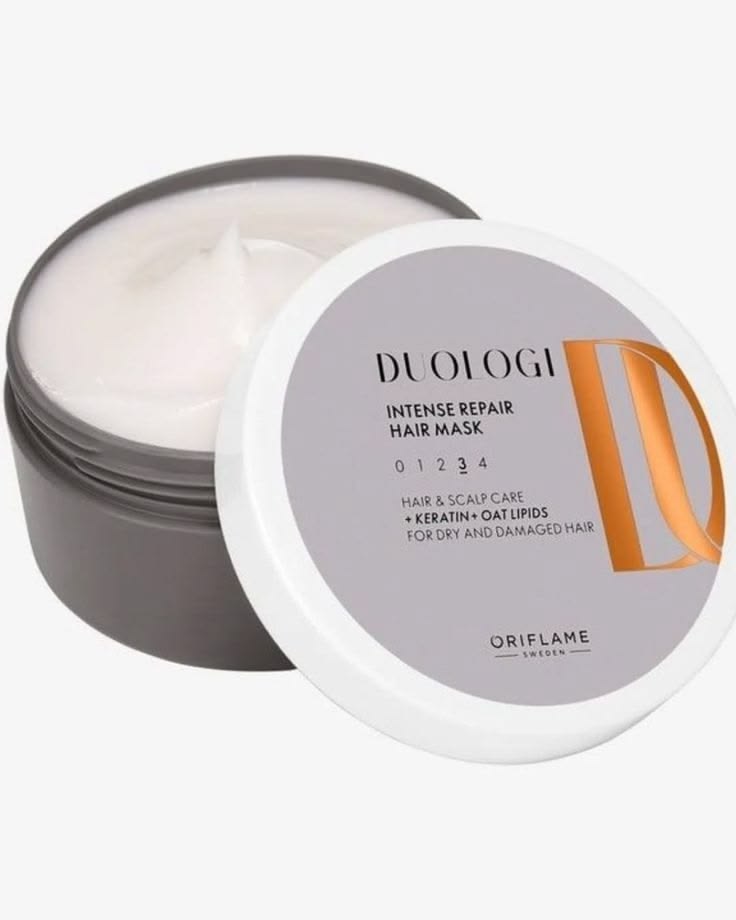
5. Duologi Intense Repair Hair Mask
For hair that feels dry, damaged, or prone to breakage, Duologi’s Intense Repair Hair Mask offers another repair-focused option.
The current product is available through Oriflame Nigeria and is described as a deep-conditioning rescue treatment for dry and damaged hair.
It contains keratin protein and oat lipids, with the brand reporting improvements in hair condition, breakage, and combability based on instrumental testing.
Because it is available through the Nigerian Oriflame site, it may also be a convenient option for readers based in Nigeria.
Best for: Dry, damaged, and breakage-prone hair.
What to consider: The formula contains keratin protein, so it is worth considering how your hair normally responds to protein-containing treatments.
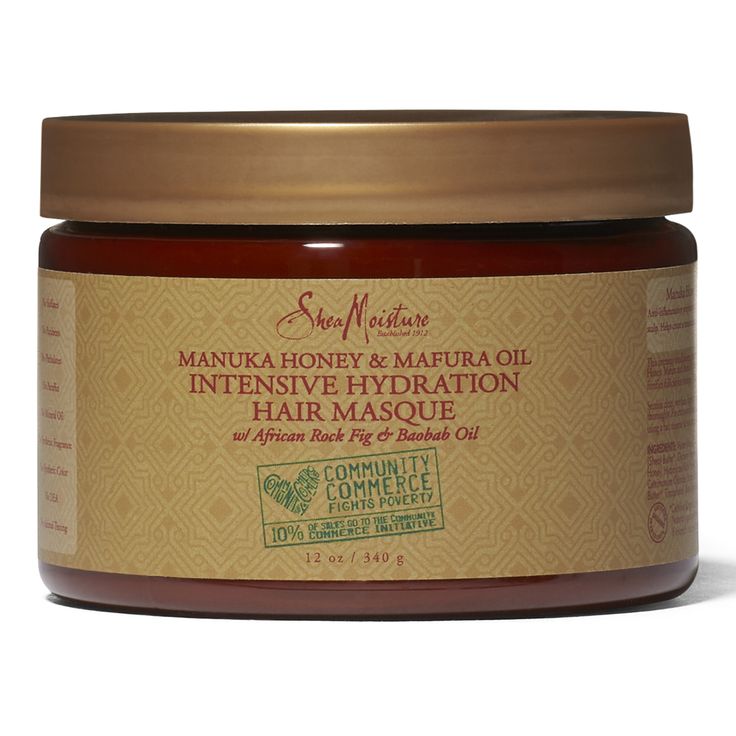
6. SheaMoisture Manuka Honey & Mafura Oil Intensive Hydration Hair Masque
SheaMoisture’s Manuka Honey & Mafura Oil Intensive Hydration Hair Masque is designed to provide intensive moisture and conditioning for dry, damaged hair.
The formula contains ingredients such as manuka honey, mafura oil, and shea butter, making it a useful option when dryness and roughness are the main concerns. Rich moisturizing treatments like this can also make tightly coiled hair feel softer and easier to manage after wash day.
For 4C hair that tends to lose moisture quickly, an intensive moisturizing mask can be a helpful addition to a consistent conditioning routine.
Best for: Very dry, rough, and damaged hair needing intensive moisture.
What to consider: The rich formula may feel heavy on fine hair or hair that becomes weighed down easily, so adjust the amount according to your hair’s needs.
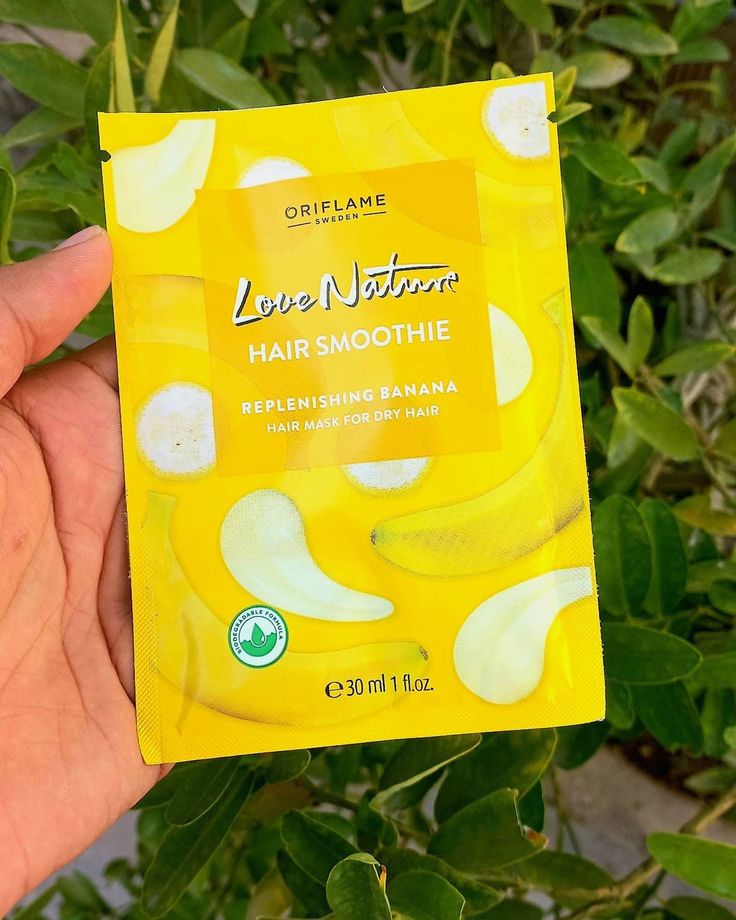
7. Oriflame Love Nature Strengthening Hair Smoothie Mask with Organic Banana
For a more affordable mask option, Oriflame’s Love Nature Strengthening Hair Smoothie Mask with Organic Banana is worth considering.
The product contains banana extract and is marketed as a conditioning treatment for weak and thinning hair. Oriflame describes the formula as containing 96% ingredients of natural origin.
Because the product is available through Oriflame Nigeria, it may be an accessible option for readers who prefer to purchase locally.
Best for: Weak and dry hair that needs conditioning.
What to consider: It is a smaller 30 ml treatment, so it may be better suited to occasional use or shorter hair.
8. K18 Leave-In Molecular Repair Hair Mask
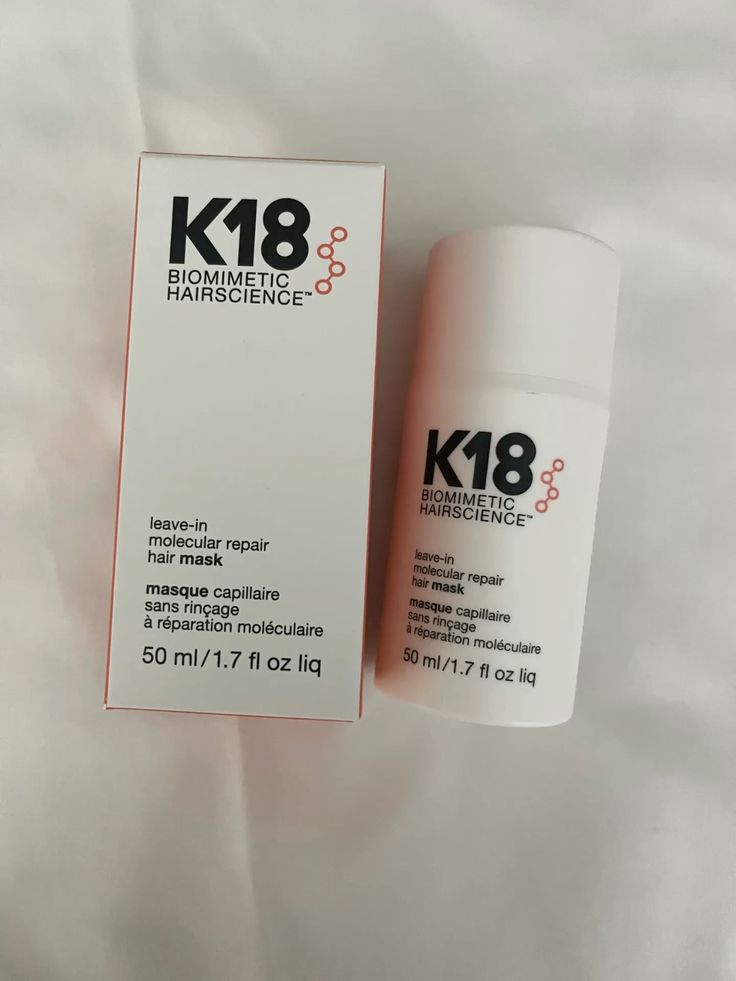
K18’s leave-in molecular repair treatment is another well-known option for chemically, thermally, and mechanically damaged hair.
Unlike traditional rinse-out masks, it is designed as a leave-in treatment. This is an important distinction when comparing different hair masks for damaged hair because you should follow the manufacturer’s application instructions rather than treating every mask the same way.
It may be especially relevant for hair that has experienced significant chemical or heat processing.
Best for: Chemically and heat-damaged hair.
What to consider: It is a premium treatment and is not a conventional rinse-out deep conditioner.
9. Olaplex No.8 Bond Intense Moisture Mask
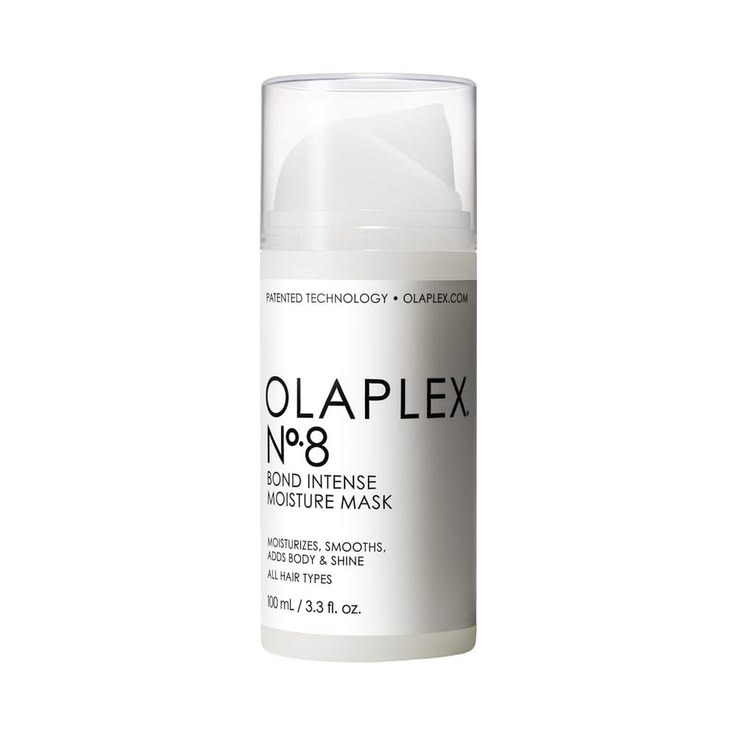
Olaplex No.8 is designed as an intensive moisture treatment with a focus on improving the appearance and feel of damaged hair.
It can be particularly useful for people who want to combine moisture with a bond-focused hair-care routine.
As with any intensive treatment, it is important to follow the product’s instructions rather than leaving it on indefinitely in the hope of getting better results.
Best for: Dry and damaged hair needing intensive conditioning.
What to consider: It is another premium-priced option and may be unnecessary if your hair simply needs a basic moisturizing deep conditioner.
How to Choose the Right Hair Mask for Damaged Hair
With so many options available, it is easy to focus on whichever product has the most impressive marketing claims.
Instead, start with your hair’s actual condition.
If Your Hair Is Dry
Choose a mask that focuses primarily on hydration and conditioning.
Ingredients such as oils, butters, fatty alcohols, humectants, and conditioning agents may help improve softness and manageability.
If your hair constantly feels thirsty, your bigger issue may be moisture retention rather than a lack of strengthening treatments.
Building a healthy 4C hair care routine around cleansing, conditioning, moisturizing, and gentle styling can therefore be more effective than relying on one product.
If Your Hair Is Weak or Breaking
Consider a strengthening treatment, particularly if your hair has experienced chemical or heat processing.
However, do not assume that more protein automatically means stronger hair.
Your hair needs an appropriate balance between strength and moisture.
If Your Hair Is Chemically Damaged
A repair-focused treatment may be more appropriate than a basic moisturizing mask.
If you regularly color, relax, bleach, or chemically process your hair, your routine should also focus on reducing additional manipulation.
This is where understanding how to care for relaxed and natural hair can be helpful if you transition between processed and natural textures.
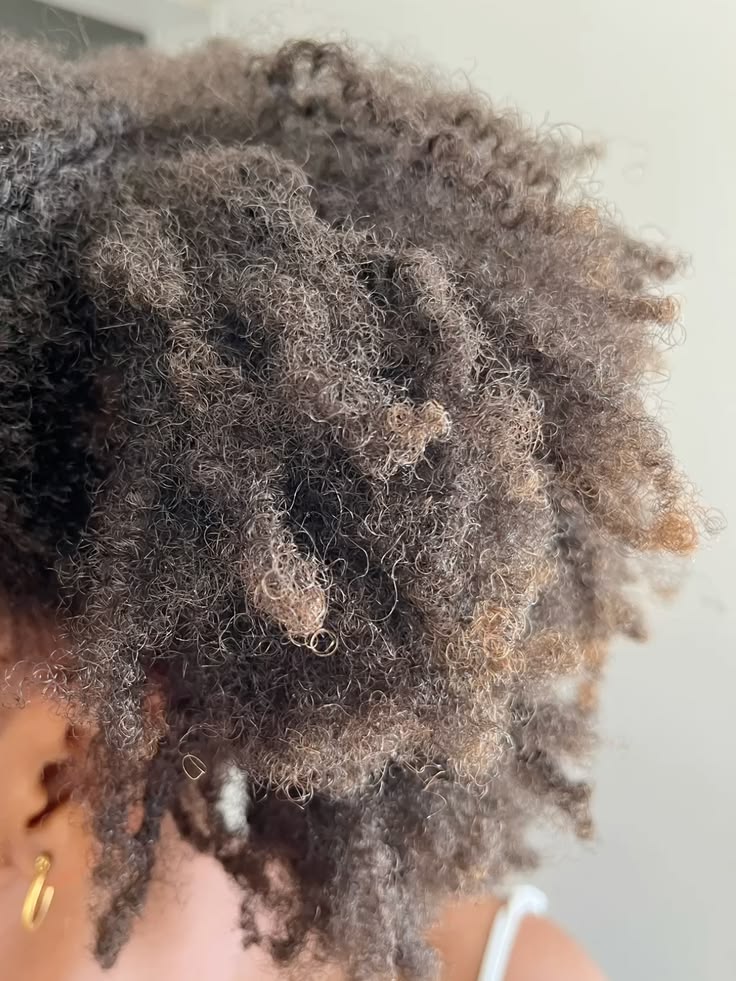
If Your Hair Is Tangled
Look for a mask with good slip.
A slippery conditioner can make detangling easier and reduce the amount of pulling and combing required.
This is particularly important for dense 4C hair, where aggressive detangling can quickly turn a conditioning session into a source of unnecessary breakage.
How Often Should You Use a Hair Mask?
There is no single schedule that works for everyone.
Some people may benefit from a weekly deep-conditioning session, while others may only need an intensive mask every couple of weeks.
Your hair’s condition, styling habits, washing frequency, and the type of mask you are using all matter.
If your hair is very dry, you may find that regular deep conditioning improves softness and manageability.
If your hair is already healthy and well moisturized, using an intensive mask too frequently may simply be unnecessary.
This is why your 4C hair wash day essentials should be based on your individual routine rather than a fixed list of products you feel obligated to use.
Always follow the manufacturer’s recommended frequency when one is provided.
How to Apply a Hair Mask Correctly
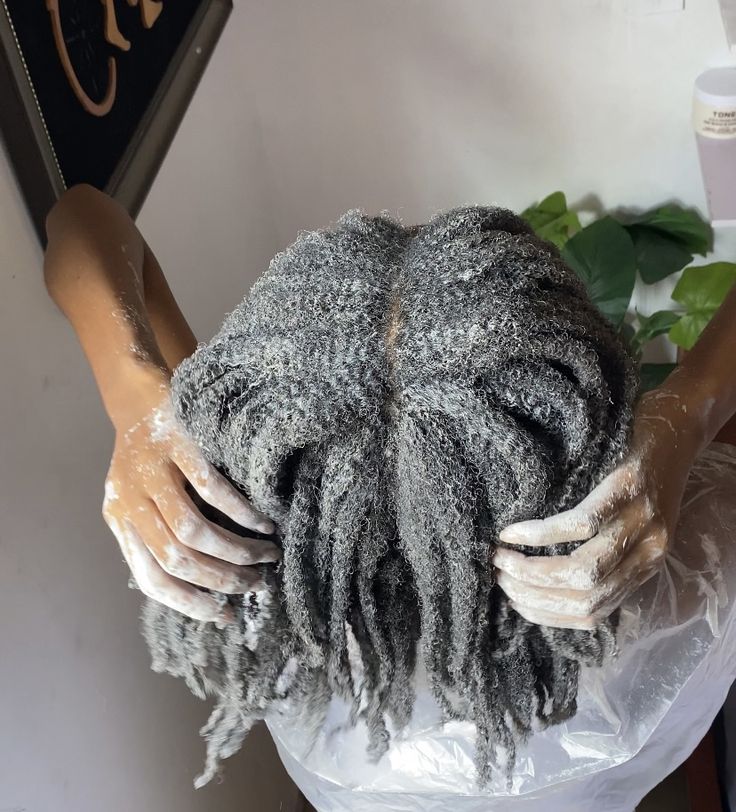
Using a hair mask is relatively simple, but the application method can affect how evenly the product reaches your strands.
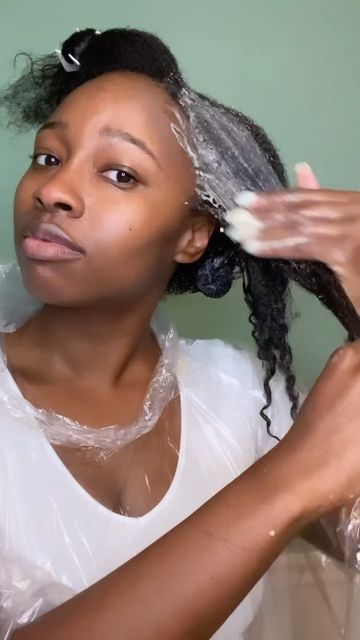
–Start with freshly cleansed, wet, or damp hair according to the product’s instructions.
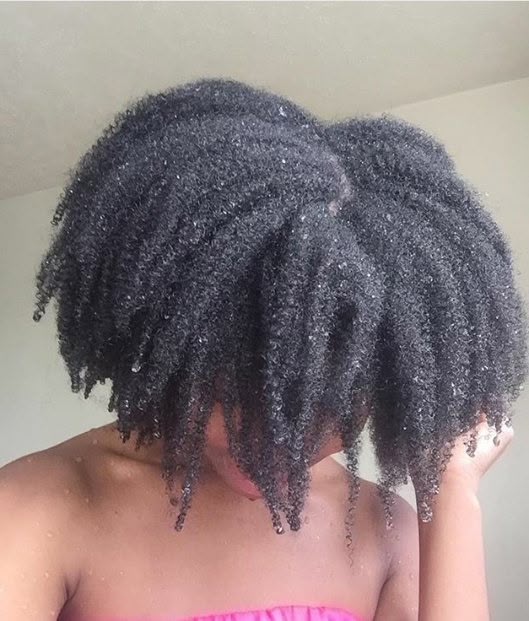
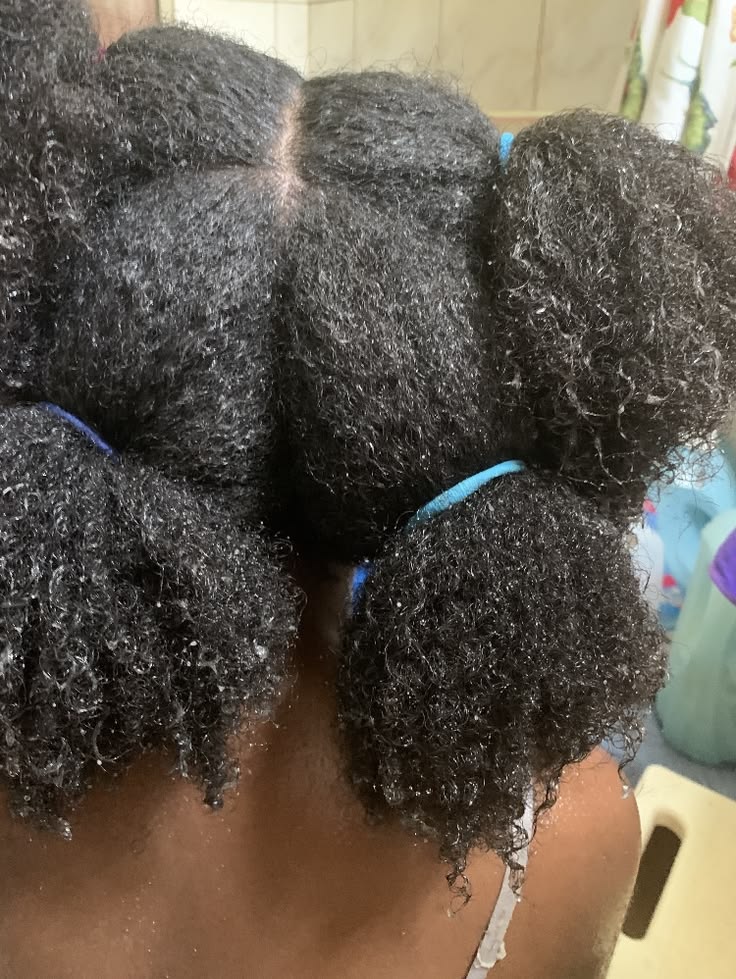
–Divide thick hair into manageable sections.
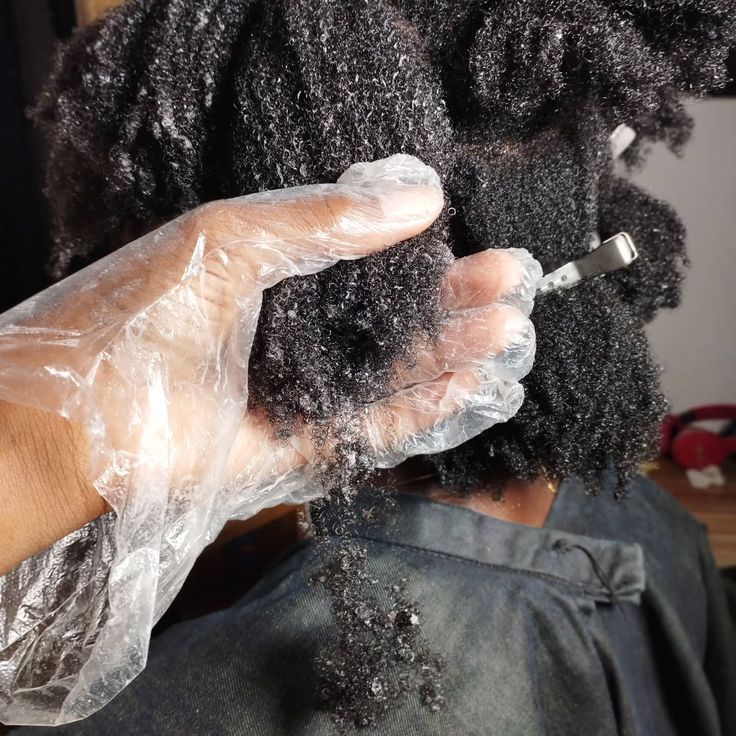
–Apply the mask from the lengths through to the ends, making sure the product is distributed evenly.
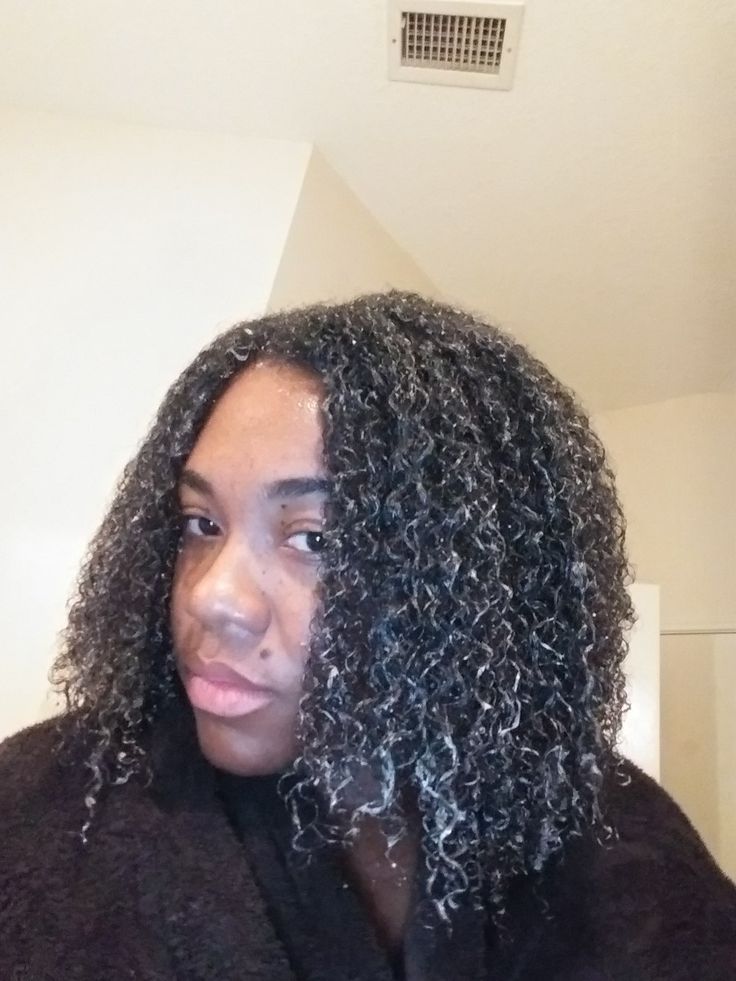
–If the product is intended for the scalp, follow those instructions. Otherwise, focus primarily on the hair itself.
–Use your fingers to gently smooth the product through each section.
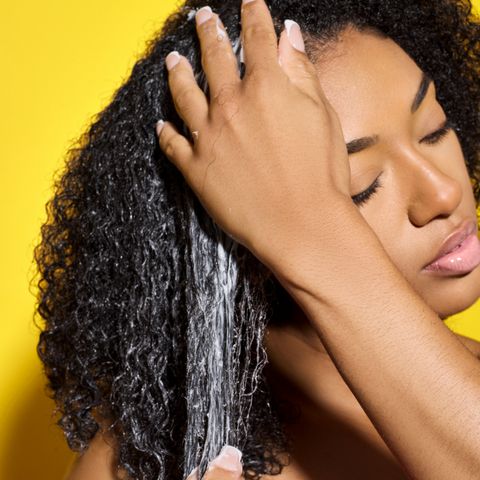
–This can also be a good opportunity to carefully detangle if the mask provides enough slip.
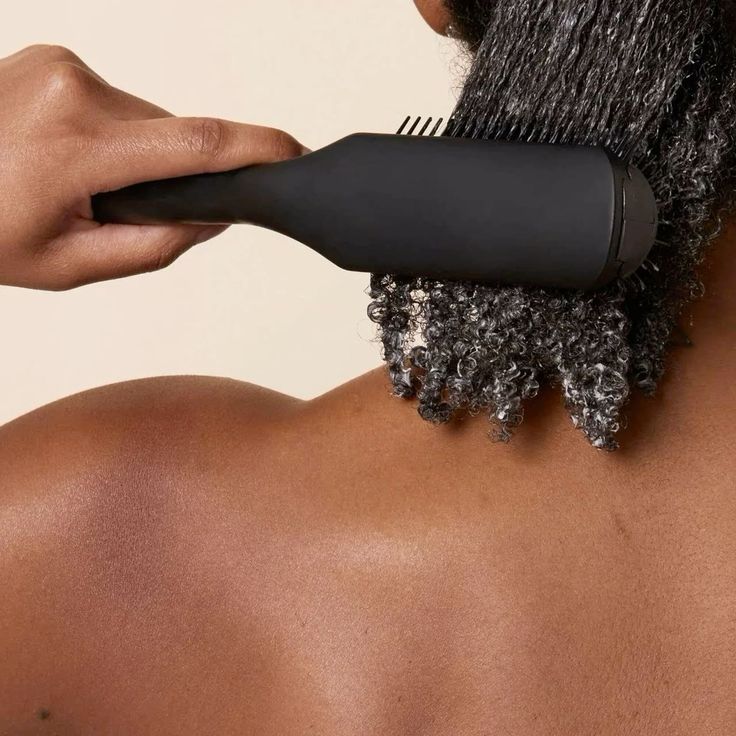
–Allow the product to sit for the recommended amount of time.
–Some masks are designed to work within a few minutes, while others may benefit from heat or a longer processing time.
–Do not automatically assume that leaving a product on overnight will make it more effective.
–After the recommended time, rinse thoroughly.
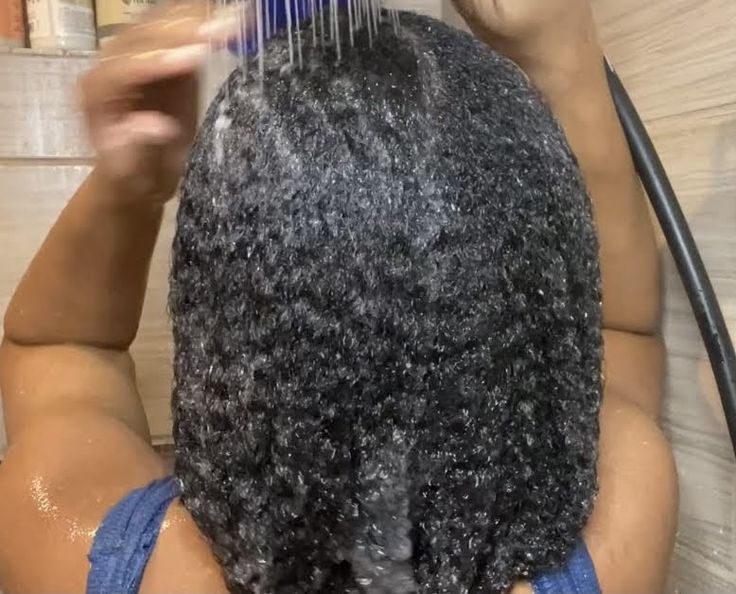
–If your hair is prone to dryness, finish with a leave-in conditioner or moisturizer as appropriate for your routine.
Hair Mask vs Deep Conditioner: What’s the Difference?
The terms “hair mask” and “deep conditioner” are often used interchangeably, and there is considerable overlap between the two.
Both can provide intensive conditioning compared with a basic rinse-out conditioner.
The main difference is often the way brands position their products rather than a strict scientific distinction.
Some hair masks focus on specific concerns such as bond repair, strengthening, hydration, or damage repair. A deep conditioner may be more focused on moisture, softness, slip, and manageability.
For 4C hair, either can have a place in your routine.
If you are already using deep conditioning treatments for dry 4C hair, you do not necessarily need to add a separate hair mask simply because the packaging uses different terminology.
Look at what the product is actually designed to do.
Can a Hair Mask Repair Damaged Hair?
This is an important question because the word “repair” can create unrealistic expectations.
Hair is not living tissue once it has emerged from the scalp, so a product cannot literally return a severely damaged strand to its original biological state.
However, a good treatment can improve the feel, appearance, manageability, and conditioning of damaged hair.
Some products are designed to temporarily reinforce or coat damaged areas, improve softness, reduce friction, or support the appearance of healthier strands.
This can make a significant difference to how your hair behaves.
But if your ends are severely split or your hair is breaking extensively, a mask alone may not be enough.
Sometimes the most effective solution is to remove severely damaged ends and focus on preventing additional damage.
That is why how to prevent hair breakage and retain length should be considered alongside your choice of treatment.
How to Prevent More Damage After Using a Hair Mask
A hair mask can help improve the condition of your strands, but your everyday habits determine whether the improvement lasts.
Start by reducing unnecessary heat.
If you use heat, follow appropriate heat-protection practices and avoid repeatedly applying high temperatures to the same sections.
Be gentle when detangling.
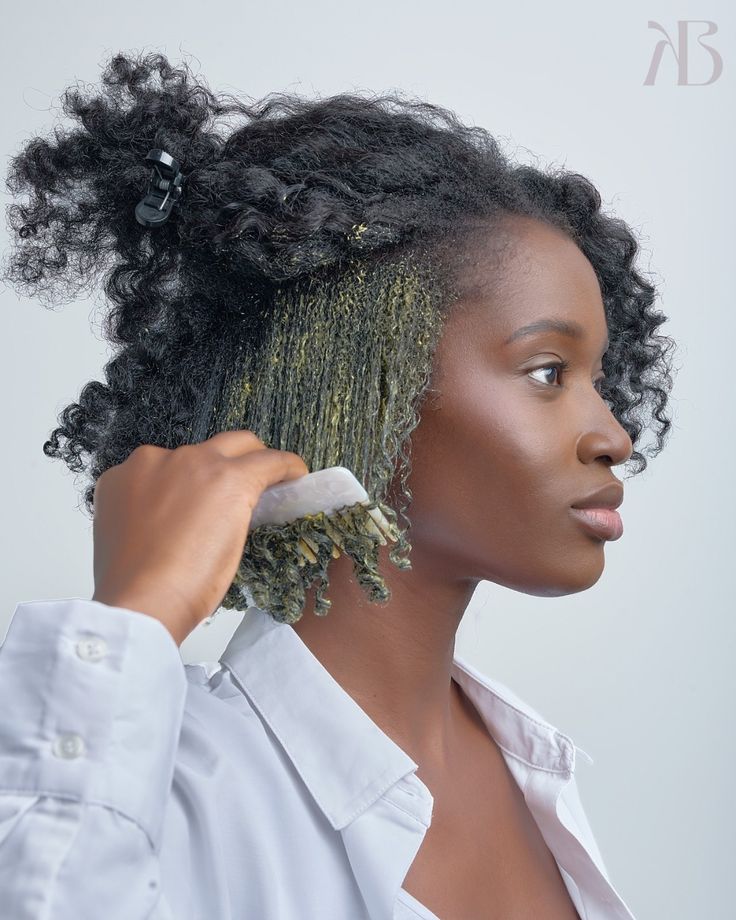
Avoid pulling tightly on your edges and avoid hairstyles that create excessive tension.
Protect your hair from harsh environmental conditions when necessary. For example, how to protect your hair during harmattan becomes particularly relevant during periods of dry, dusty weather when moisture loss can become more noticeable.
You should also avoid constantly manipulating your hair simply because you want to try a new style.
Sometimes giving your strands a break is one of the simplest ways to reduce mechanical stress.
And if you are wearing your hair at night, a suitable silk or satin hair care routine can help reduce friction against bedding.
Mistakes to Avoid When Using Hair Masks
Using Too Much Product
More product does not automatically mean better results.
Apply enough to coat your hair evenly without wasting large amounts of product.
Using a Protein Treatment Too Often
If your mask contains significant protein or strengthening ingredients, pay attention to how your hair responds.
Hair that feels unusually stiff or brittle may not need another strengthening treatment immediately.
Ignoring the Instructions
Some products are designed for five minutes, others for 10 or 20 minutes, and some are leave-in treatments.
Follow the manufacturer’s directions.
Applying Every Product at Once
You do not need a clarifying shampoo, protein treatment, deep conditioner, hair mask, oil treatment, and several leave-ins during every wash day.
A simpler routine is often easier to maintain.
If you are dealing with buildup, for example, an occasional clarifying shampoo for product buildup may be more appropriate before your conditioning treatment.
Expecting a Mask to Fix Severe Damage
Hair masks can support damaged hair, but they cannot permanently reverse every form of damage.
Preventing additional damage is equally important.
Final Thoughts
The best hair masks for damaged hair are the ones that address the specific problem your strands are experiencing.
If your hair is dry, choose a moisture-focused treatment, if it feels weak from chemical or heat exposure, consider a strengthening or repair-focused formula, and if tangling is your biggest problem, look for a mask with plenty of slip and conditioning support.
You also do not need to use the most expensive product available to have an effective routine.
The right treatment combined with gentle handling, appropriate cleansing, regular conditioning, and good moisture practices can make your hair much easier to manage.
Most importantly, remember that a hair mask is only one part of healthy hair care. If your routine continues to expose your strands to excessive heat, harsh manipulation, chemical stress, or unnecessary tension, even the best hair masks for damaged hair will have limits.
Focus on treating existing dryness and damage while also changing the habits that caused the problem in the first place. That combination gives your hair a much better chance of becoming softer, stronger, and more manageable over time.
6 Comments