
How To Protect Your Hair During Harmattan
Disclosure: Some of the links in this post are affiliate links. This means if you click on the link and purchase an item, I will receive an affiliate commission at no extra cost to you.
Harmattan can be beautiful in its own way, with cooler mornings and that familiar dry, dusty atmosphere, but your hair may not enjoy the season quite as much. The combination of dry air, dust, wind, and lower moisture levels can leave natural hair feeling rough, brittle, tangled, and difficult to manage.
This is especially noticeable with tightly coiled textures such as 4C hair, which can already struggle to retain moisture because of the structure of the strands.
The good news is that you do not need to completely change your hair routine during Harmattan. A few intentional adjustments can help your strands retain moisture, reduce unnecessary manipulation, and remain softer throughout the season.
Good harmattan hair protection is mainly about maintaining moisture, protecting your ends, caring for your scalp, and being more mindful of how you handle your hair.

Why Harmattan Can Be Hard on Natural Hair
Harmattan is associated with dry air, dusty winds, and lower humidity. These environmental conditions can affect how much moisture your hair retains.
When the air around your hair is particularly dry, moisture can evaporate from the strands more quickly. If your hair is not properly moisturized, you may notice that it becomes rough or dry sooner than usual.
The problem can become even more noticeable when you combine dry weather with frequent washing, harsh products, excessive heat, or hairstyles that require a lot of manipulation.
For people already dealing with how to prevent dry 4C hair, Harmattan can make an existing moisture problem more obvious.
Your hair may feel soft immediately after moisturizing but become dry again a few hours later. You may also notice more tangling, especially around the ends.
This does not mean that Harmattan is automatically damaging your hair. Rather, it means your usual routine may need a little more attention during periods of particularly dry weather.

Keep Your Hair Properly Moisturized
Moisture should be one of your biggest priorities during Harmattan.
If your strands already tend to become dry quickly, simply applying a moisturizer once and forgetting about your hair for several days may not be enough.
Instead, pay attention to how your hair feels.
If your strands feel soft and flexible, your current routine may be working well. If they feel rough, stiff, or unusually dry, it may be time to add moisture.
Understanding 4C hair moisture retention can also help you build a better routine because keeping hair moisturized is not only about adding water. You also need to help that moisture remain in the strands.
Start with water or a water-based moisturizing product. Follow with a product that helps keep the moisture in, depending on what works for your hair.
You do not need to completely soak your hair every day. Excessive wetting can lead to unnecessary manipulation and may not be practical for your lifestyle.
Instead, develop a consistent routine that keeps your hair comfortable without creating excessive buildup.
Use The LOC or LCO Method If It Works For You
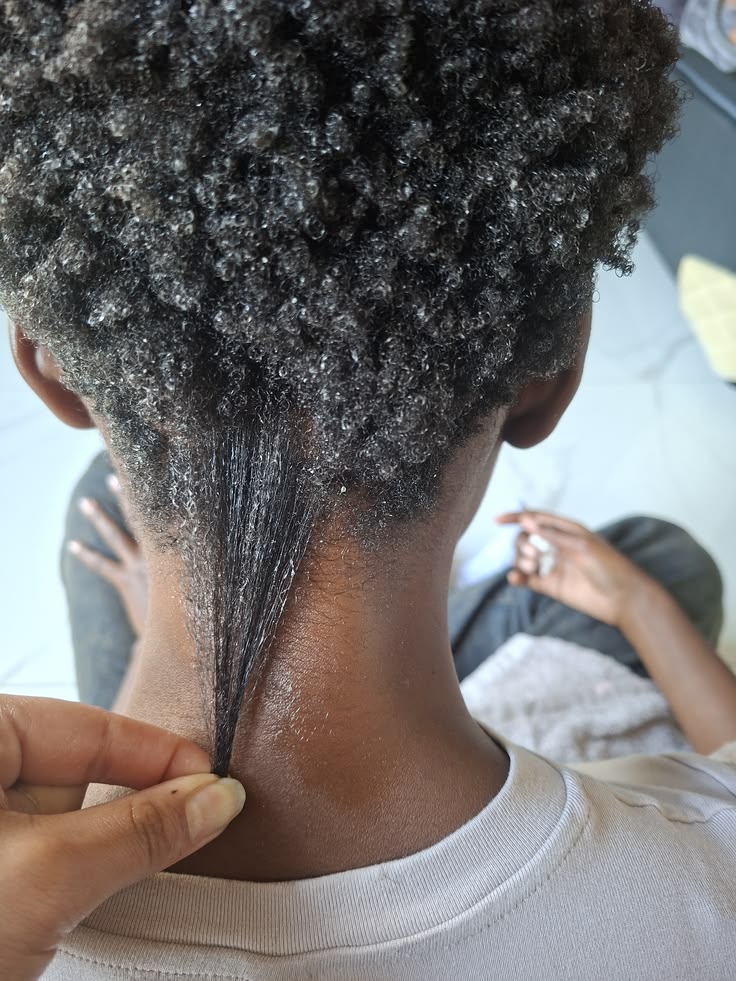
One way to organize your moisturizing routine is by using the LOC or LCO method.
LOC stands for Liquid, Oil, and Cream, while LCO stands for Liquid, Cream, and Oil.
The basic idea is to begin with a water-based product and then layer products that help keep moisture in your hair.
However, you do not have to follow either method simply because it is popular.
Different hair types and porosities can respond differently to product layering. Some people’s hair becomes greasy or weighed down when too many products are applied, while others find layering helpful for maintaining softness.
If you have been learning how to seal moisture into natural hair, Harmattan is a useful time to observe which products and combinations actually work for your strands.
Start with a manageable amount rather than applying several heavy products at once.
Your hair should feel moisturized and flexible, not coated and greasy.
Pay Attention to Your Hair Products
Harmattan is not necessarily the time to start using every heavy product you can find.
Instead, examine what you are already using.
If a product consistently leaves your hair soft and moisturized, there may be no reason to replace it. If your hair suddenly feels dry or coated, consider whether your routine needs adjustment.
Look for products that support moisture without leaving excessive buildup.
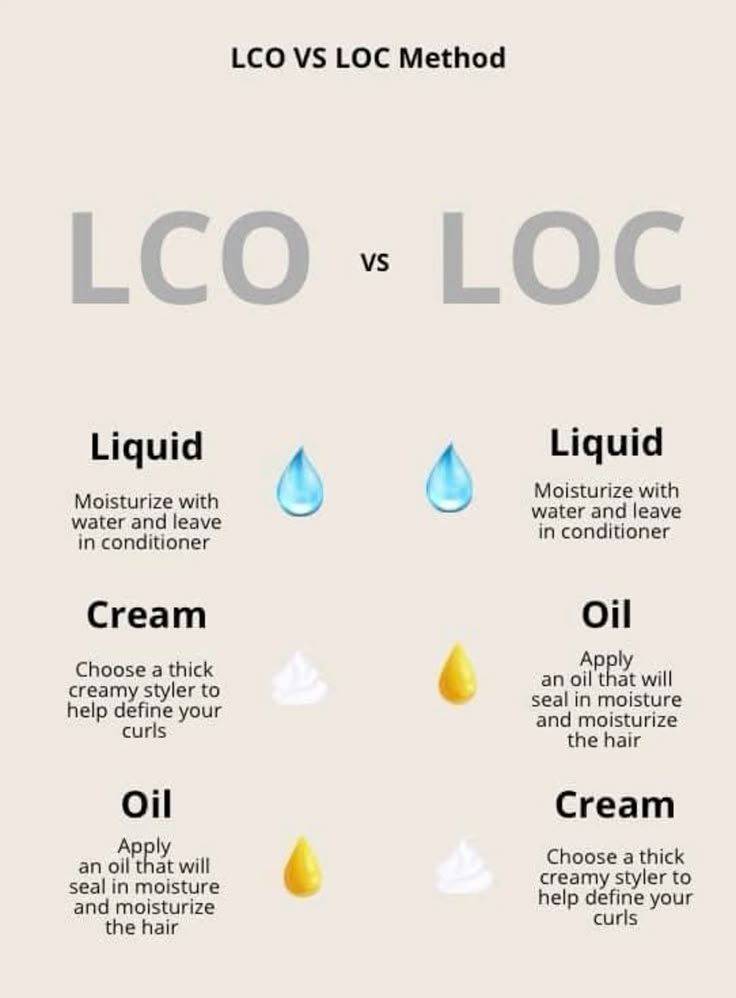
A water-based leave-in conditioner can be useful for adding moisture, while creams and oils may help depending on your hair’s needs.
When choosing products, understanding the best oils for 4C hair can help you make more intentional decisions about which oils fit into your routine.
Remember that oil does not hydrate dry hair in the same way that water does. Oils are often more useful as part of a routine that helps slow moisture loss.
The goal is balance.

Protect Your Hair From Harmattan Dust and Wind
Harmattan winds can carry a significant amount of dust, and allowing your hair to remain exposed for long periods may leave it feeling dirty or dry.
This is one reason covering your hair when you are outdoors for extended periods can be helpful.
A scarf, bonnet, hat, or other comfortable covering can create a physical barrier between your strands and the dusty air.
However, make sure anything you use is clean and does not create excessive friction.
If you wear a scarf or hat directly over your hair, consider using a smooth material underneath it to reduce friction.
You should also avoid constantly touching or rearranging your hair throughout the day. Frequent manipulation can contribute to tangling and breakage, particularly when your strands are already dry.
Good harmattan hair protection is not about keeping your hair hidden all season. It is about reducing unnecessary exposure and manipulation when you can.

Give Your Scalp Attention Too
Your strands are not the only part of your hair that may be affected by dry weather.
Your scalp can also become dry or uncomfortable during Harmattan.
If you notice tightness, flaking, or discomfort, avoid automatically adding large amounts of heavy oil to your scalp. Instead, consider whether your scalp needs gentle cleansing, moisture, or a change in your current routine.
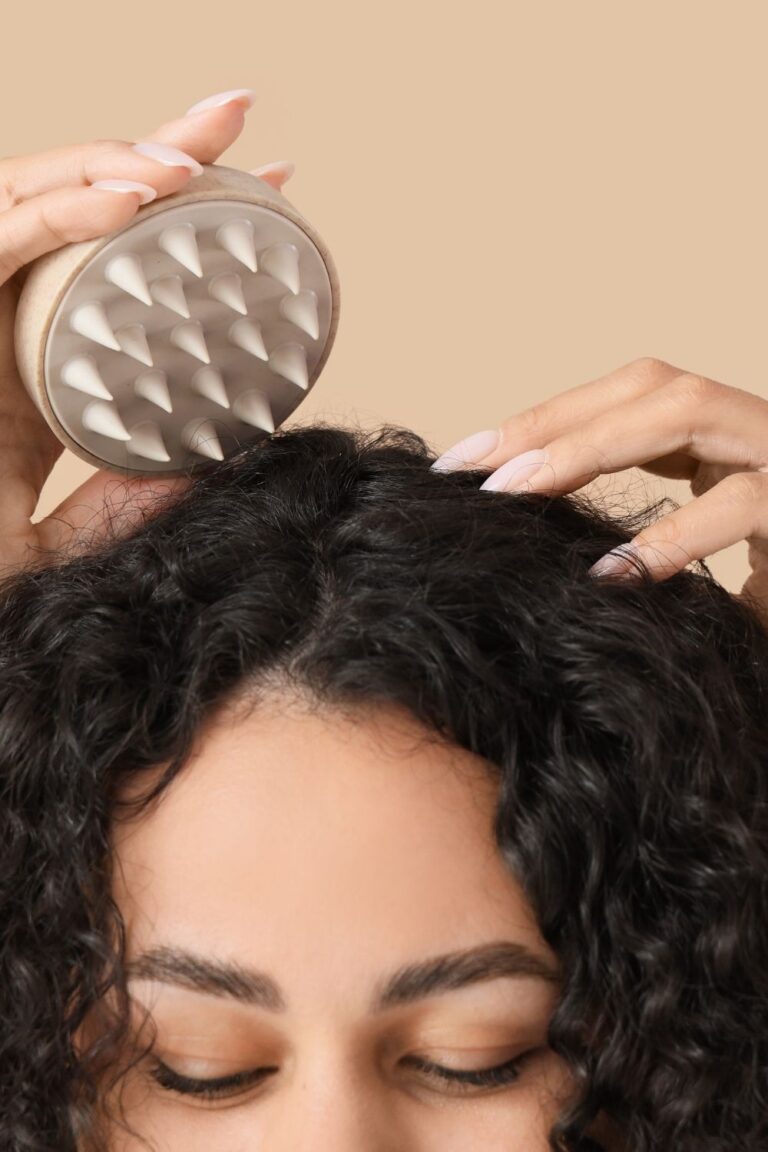
Learning more about 4C hair and scalp care can help you distinguish between simply having a dry-feeling scalp and dealing with buildup from excessive product use.
Keep your scalp clean according to your normal washing schedule and avoid scratching aggressively if it feels itchy.
If you regularly use oils or styling products on your scalp, pay attention to how your scalp responds during the dry season.
A healthy hair routine should care for both the scalp and the strands.
Be Careful With Heat Styling
Dry weather combined with frequent heat styling can be a difficult combination for natural hair.
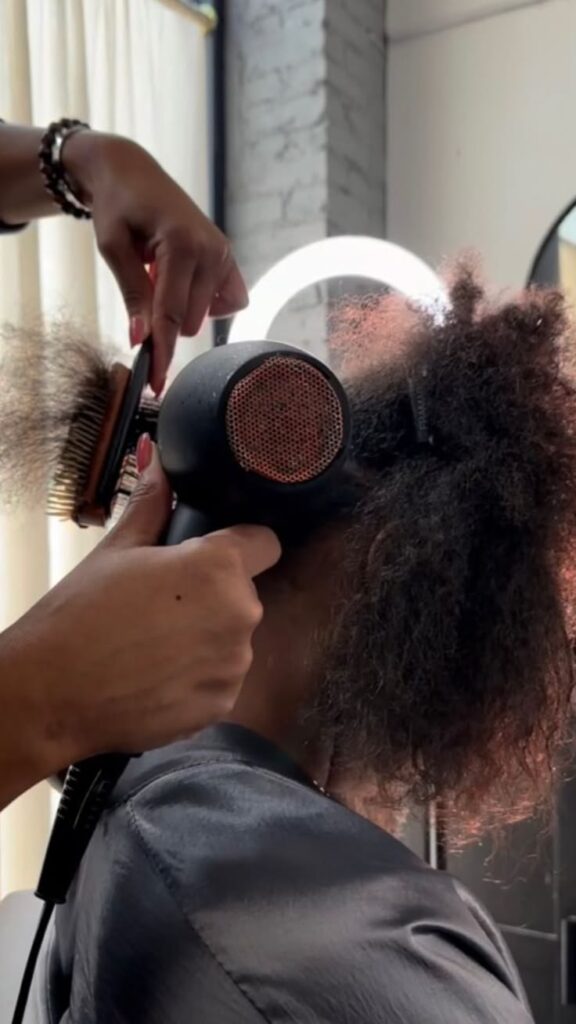
Blow dryers, flat irons, curling tools, and other heated appliances can remove moisture from the hair when used incorrectly or too frequently.
If you use heat during Harmattan, make heat protection part of your routine and avoid unnecessarily high temperatures.
You can also choose heat-free styling options whenever they suit your lifestyle.
This is particularly important if your hair is already fragile or prone to dryness.
If you want to maintain your hair’s health while still enjoying different looks, alternating heat styling with lower-manipulation options can reduce the amount of stress placed on your strands.
Take Extra Care of Your Ends
Your ends are the oldest parts of your hair, so they have already experienced more manipulation and environmental exposure than the newer growth closer to your scalp.
During Harmattan, dry ends may become especially noticeable.
They may feel rough, tangle more easily, or appear thinner than the rest of your hair.
Learning how to keep your ends moisturized can therefore make a significant difference during the dry season.
When moisturizing your hair, make sure your ends receive attention rather than concentrating only on the roots.
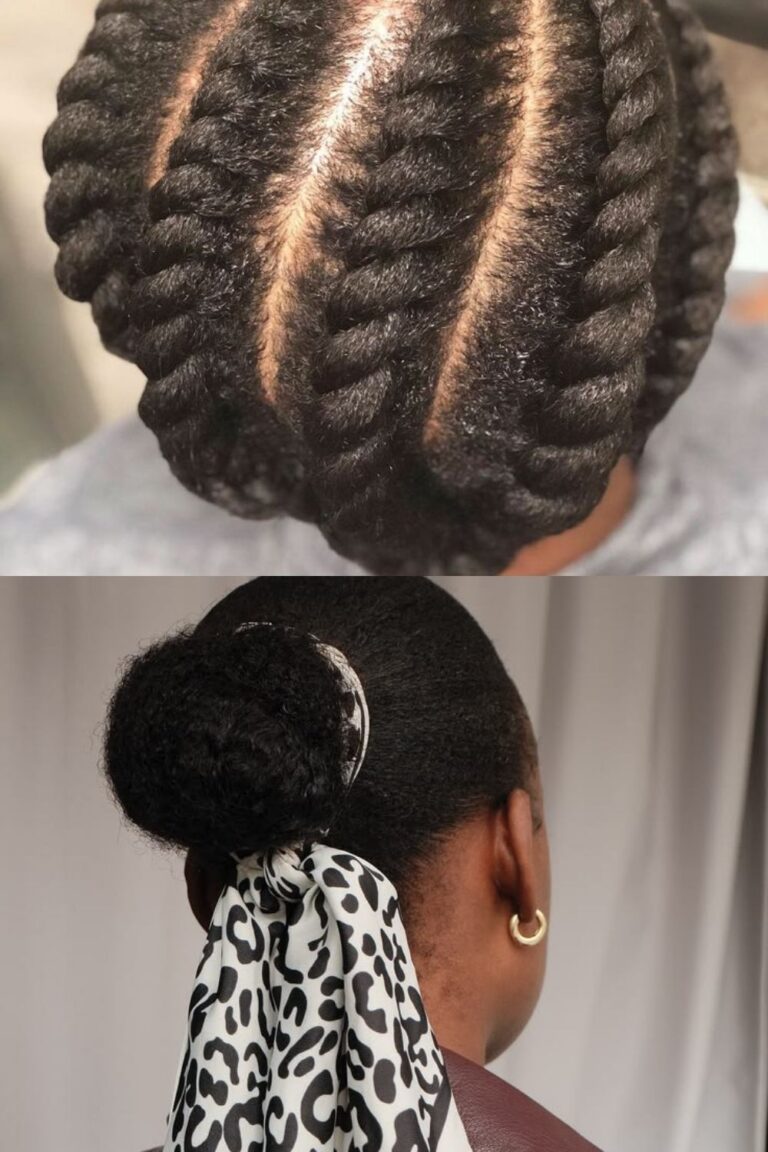
You can also reduce excessive handling of your ends by wearing styles that keep them tucked away or contained without creating tension.
When detangling, start at the ends and work upward gradually.
Avoid pulling through knots aggressively because forcing a comb through tangled hair can cause unnecessary breakage.
Detangle Your Hair Gently
Dry weather can make tangling more frustrating, particularly if your hair is prone to shrinkage.
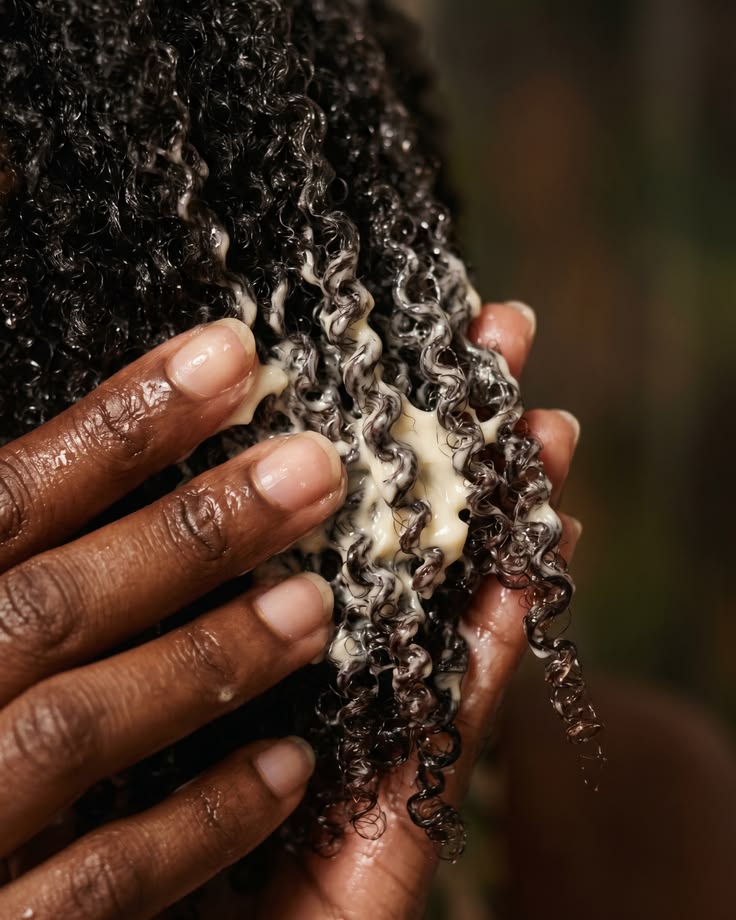
Instead of trying to force a comb through dry, tangled hair, add some moisture and work in manageable sections.
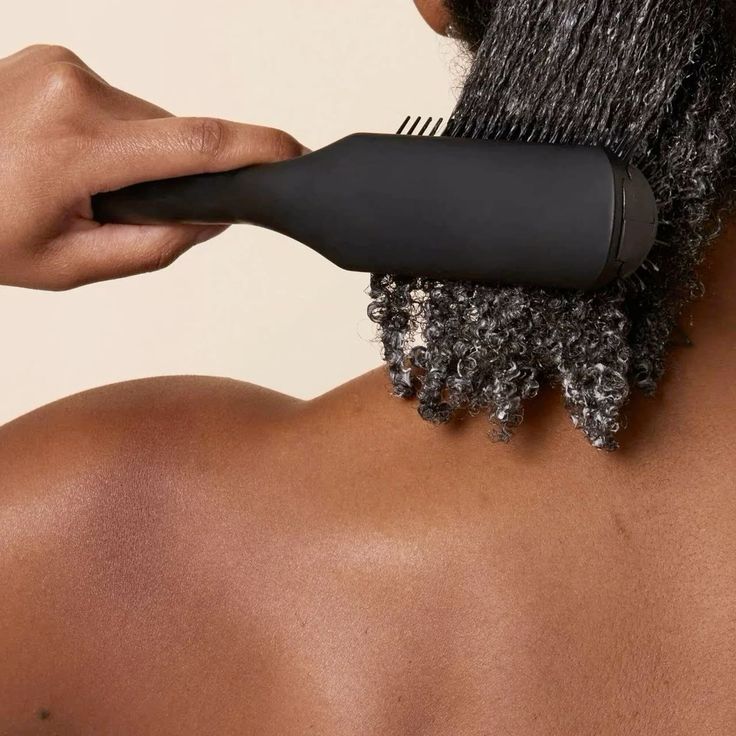
Use your fingers or a suitable detangling tool, depending on your normal routine.
The process may take longer, but patience can help you avoid unnecessary breakage.
If you need a refresher on 4C hair detangling tips, remember the basics: divide your hair into sections, work from the ends toward the roots, and avoid rushing through stubborn knots.
You can also detangle during conditioning if that works better for your hair.
The important thing is to minimize force and excessive manipulation.
Adjust Your Washing Routine
You may need to make small adjustments to your normal washing routine during Harmattan.
That does not mean you should stop washing your hair because the weather is dry.
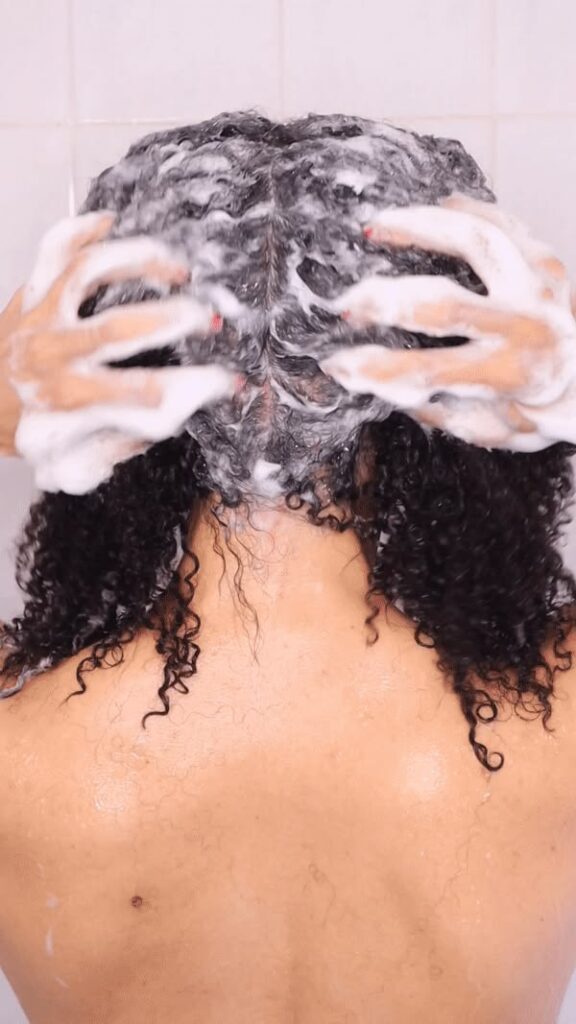
Regular cleansing helps remove sweat, dust, product buildup, and other debris that can accumulate on your scalp and hair.
However, using a harsh cleanser too frequently can leave your strands feeling stripped.
If your hair becomes particularly dry after washing, consider whether you need a gentler cleanser or a more moisturizing conditioning routine.
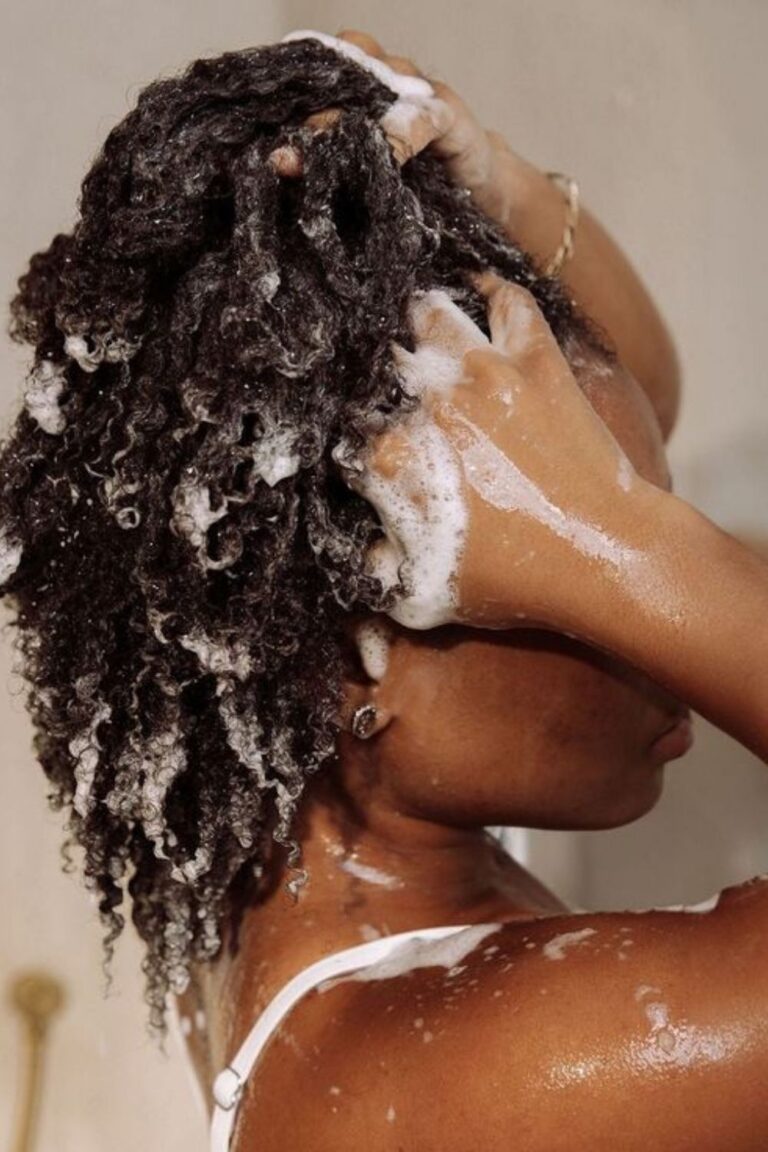
Knowing how to wash 4C hair properly can help you find a balance between keeping your hair clean and maintaining its moisture.
Your washing frequency should also reflect your lifestyle. Someone who exercises frequently may need to wash more often than someone who does not sweat much.
The aim is not to follow a universal schedule but to keep your scalp clean while supporting the condition of your hair.
Deep Condition When Your Hair Needs It
If your hair repeatedly feels dry after moisturizing, a deep-conditioning session may be worth adding to your routine.
A moisturizing deep conditioner can help improve softness and make your strands easier to manage.
Apply the product in sections and make sure it is distributed throughout the hair.
You can cover your hair while the conditioner sits, following the instructions provided with the product.
Understanding deep conditioning 4C hair is useful because the goal is not simply to leave a conditioner on your hair for as long as possible. You want to use a product and method that suit your hair’s needs.
If your hair feels soft and manageable afterward, that is a good indication that the treatment is working for you.
If your hair consistently feels coated or heavy, you may be using too much product or deep conditioning more often than necessary.
Consider Your Hair’s Porosity
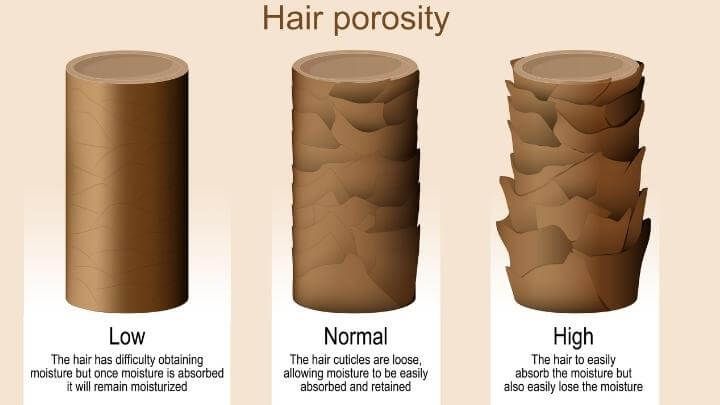
Hair porosity describes how easily your hair absorbs and holds onto moisture.
Understanding your 4C hair porosity can help you make better decisions about products and moisture routines, particularly when environmental conditions change.
Some people find that their hair absorbs moisture quickly but loses it just as quickly. Others may find that their strands take longer to become fully saturated.
This is one reason why a routine that works perfectly for another person may not work the same way for you.
During Harmattan, pay attention to how quickly your hair dries after moisturizing and how long it remains soft.
Rather than automatically adding more products whenever your hair feels dry, use those observations to determine whether you need more water, a different moisturizing product, or a better way of sealing in moisture.
Protect Your Hair While You Sleep
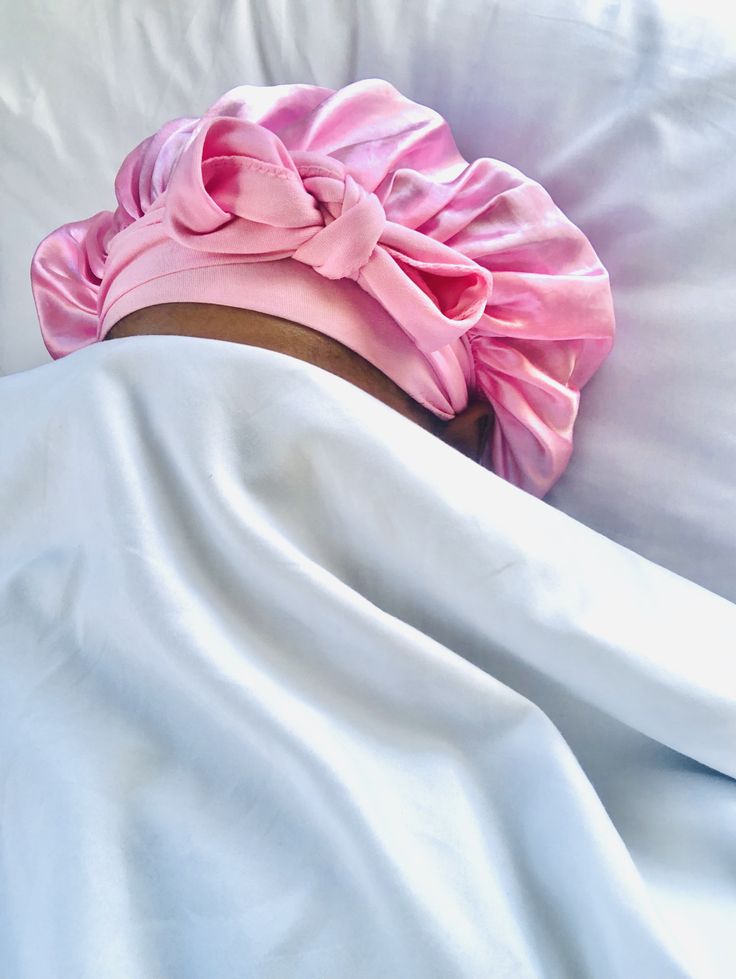
Although nighttime care has been discussed extensively in natural hair routines, the main concern during Harmattan is simple: reduce moisture loss and friction.
If your hair is loose, consider whether your sleeping setup creates unnecessary friction against your pillow.
A satin or silk-like surface can help reduce friction compared with rougher materials.
You can also make sure your hair is not excessively dry before bedtime. If your strands need moisture, lightly refresh them according to your normal routine rather than soaking your hair unnecessarily.
If you prefer to cover your hair, make sure the covering is comfortable and does not place tension on your edges.
The aim is to wake up with hair that is still manageable rather than starting every morning with excessive tangling and dryness.
Stay Consistent With Your Hair Routine
Harmattan hair protection works best when it becomes part of your regular routine rather than something you remember only after your hair becomes extremely dry.
Keep track of how your hair feels throughout the season.
If it is softer and easier to manage, continue with what is working. If it becomes increasingly dry, brittle, or tangled, identify which part of your routine may need attention.
You may need to moisturize more consistently, reduce heat, handle your hair more gently, or adjust your cleansing routine.
It can also help to simplify your routine rather than constantly adding new products.
The foundation remains the same: moisture, gentle handling, clean scalp, protected ends, and consistent care.
If you are working toward ways to strengthen natural hair, remember that healthy hair habits are built over time. There is no single product that can replace consistent care.

What to Do When Your Hair Still Feels Dry
Check Your Moisture Routine
Sometimes, even after improving your moisturizing routine, your hair may still feel dry during Harmattan. When this happens, adding more products is not always the answer.
Start by checking whether your hair is actually receiving enough water. A moisturizer that contains water or a water-based product can help refresh dry strands. Apply it in small sections rather than covering your entire head with a large amount at once.
Next, consider whether you are using too much heat. Frequent blow-drying, straightening, or other heat styling can make dryness more noticeable, especially when the surrounding air is already dry.
You should also look at how often you manipulate your hair. Constant combing, restyling, and touching can contribute to breakage when the strands are already fragile. Learning how to reduce 4C hair breakage can help you make gentler choices throughout the season.
Watch Out for Product Buildup
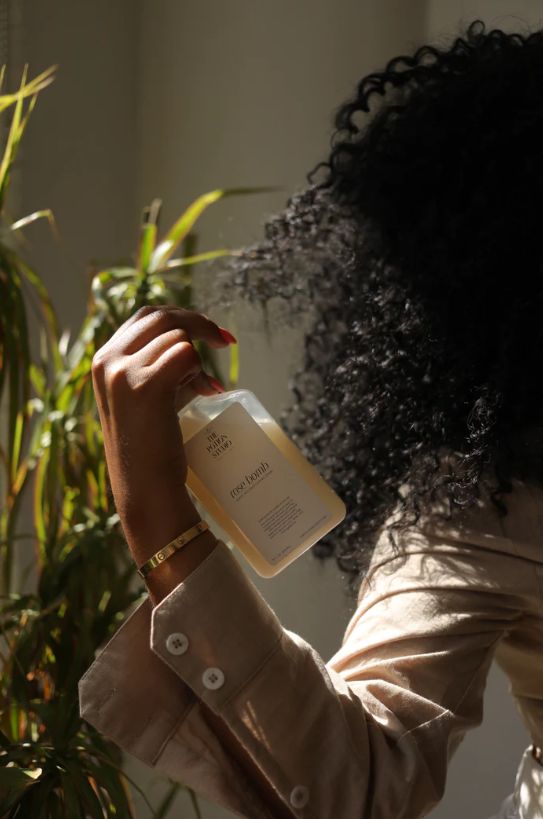
Another thing to consider is product buildup. If you keep layering creams, oils, and leave-in products without properly cleansing your hair, your strands may feel coated rather than moisturized.
When this happens, a gentle wash can help remove buildup and give your moisturizing products a better chance to work.
Your hair may also benefit from a little more attention to your ends. Dry ends can make the entire head of hair feel rough, even when the roots are adequately moisturized. Apply your moisturizing products carefully through the lengths and ends, and handle those areas gently when styling.
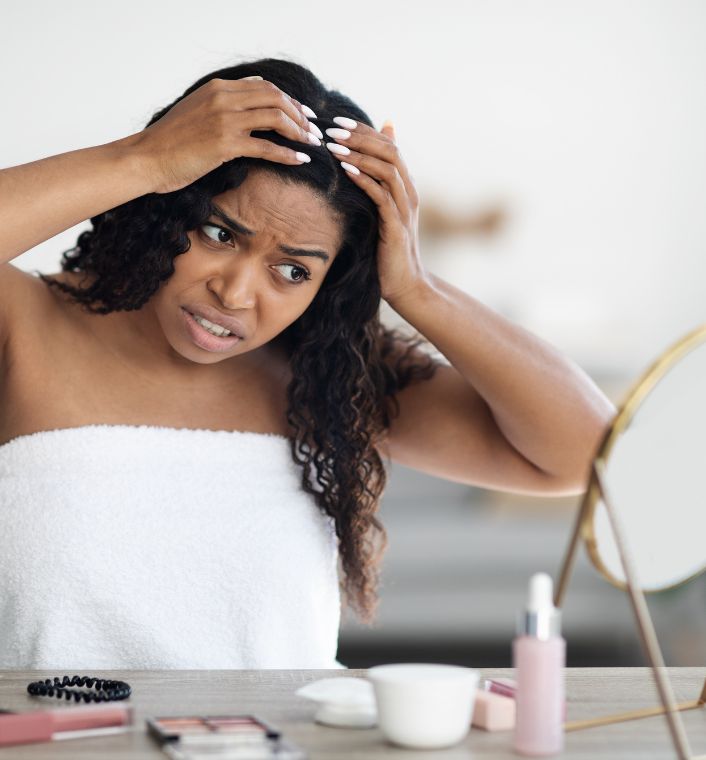
Keep Your Routine Simple
Finally, remember that moisture does not mean your hair should remain wet all the time. The goal is to keep your strands adequately hydrated and flexible while avoiding excessive manipulation and buildup.
If your hair remains unusually dry despite consistent care, take a step back and simplify your routine. Sometimes fewer, well-chosen products and gentler handling can do more for your hair than constantly adding something new.
Final Thoughts
Harmattan can be tough on natural hair, but you do not have to spend the entire dry season fighting dryness and breakage.
The foundation of effective harmattan hair protection is fairly simple: keep your strands moisturized, protect them from excessive dust and wind, handle them gently, pay attention to your ends, and adjust your routine when your hair tells you something needs to change.
You do not need dozens of products or an elaborate routine. Consistency matters more.
Your hair may need more frequent moisturizing during Harmattan, while someone else’s hair may do better with fewer products. The important thing is learning what keeps your own strands soft, flexible, and manageable.
By making small changes to your routine and paying attention to moisture retention, scalp comfort, and breakage, you can move through the Harmattan season with healthier, more manageable natural hair.


4 Comments