
DIY Deep Conditioner Recipes for Soft, Moisturized Natural Hair
Disclosure: Some of the links in this post are affiliate links. This means if you click on the link and purchase an item, I will receive an affiliate commission at no extra cost to you.
Deep conditioning is one of the most useful steps you can add to a natural hair routine, especially when your strands regularly deal with dryness, tangling, manipulation, or environmental stress. While there are plenty of ready-made deep conditioners available, making your own treatment at home can be a convenient option when you want to work with simple ingredients you already have.
The best DIY deep conditioner recipes are not necessarily the ones with the longest ingredient lists. A few carefully selected ingredients can provide moisture, softness, and slip without making your routine unnecessarily complicated.
This can be especially helpful for 4C hair, which can lose moisture quickly and may become difficult to detangle when it is dry. A well-formulated homemade conditioning treatment can make wash day more manageable while helping your hair feel softer and easier to handle.
However, DIY hair care also requires some caution. Natural ingredients are not automatically suitable for everyone, and homemade products do not contain the preservatives found in commercially formulated conditioners. This means preparation, storage, ingredient selection, and hygiene matter.
In this guide, you’ll find simple DIY deep conditioner recipes for different hair needs, including dryness, breakage, dullness, and tangled strands. You’ll also learn how to apply them properly, how long to leave them on, and which ingredients are better avoided.
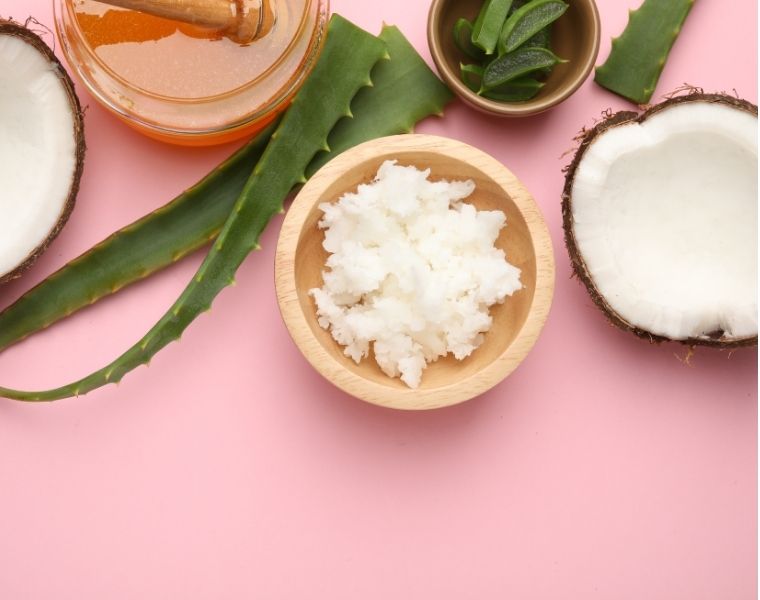
Why Deep Conditioning Matters for Natural Hair
Deep conditioning gives you an opportunity to give your strands more focused conditioning than a quick rinse-out conditioner usually provides.
During regular washing, shampoo helps remove dirt, sweat, oil, and product residue. However, cleansing is only one part of maintaining healthy-feeling hair. Conditioning helps improve manageability and can make the strands feel softer and easier to work with.
For natural hair, deep conditioning can be particularly useful before detangling or styling because well-conditioned strands are generally easier to manipulate.
If your hair frequently feels rough or tangled after washing, your natural hair wash day routine may benefit from making deep conditioning a regular step.
The frequency does not have to be the same for everyone. Some people may deep condition weekly, while others may find every two weeks or once a month more suitable depending on their hair’s condition and routine.
The important thing is to observe how your hair responds rather than assuming that more conditioning is always better.
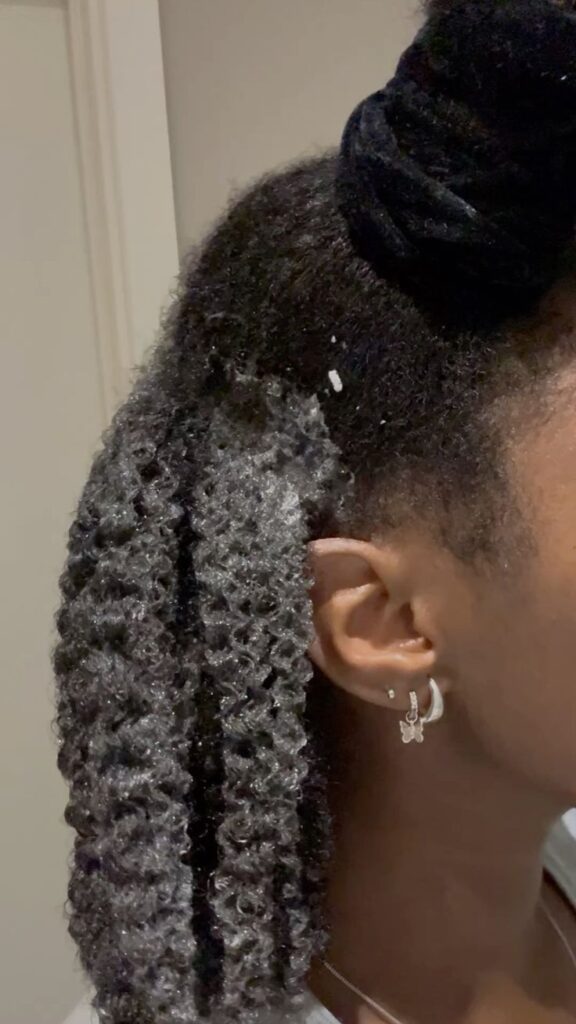
What Makes a Good DIY Deep Conditioner?
A homemade deep conditioner should have a clear purpose.
If your main concern is dryness, focus on ingredients that can help your hair feel softer and more conditioned. If your biggest issue is tangling, prioritize ingredients that provide slip. If your hair feels weak, avoid assuming that adding protein is automatically the answer.
The best DIY deep conditioner recipes are simple enough for you to understand what each ingredient is contributing.
A basic homemade conditioner might combine a creamy ingredient with an oil or another conditioning component. You can adjust the texture depending on whether your hair is fine, thick, short, or long.
You should also avoid creating large batches.
Commercial hair products are formulated with preservatives to help control microbial growth. Homemade mixtures usually are not, particularly when they contain water-rich ingredients such as fruit, aloe vera, yogurt, or milk.
For that reason, make small quantities and use them immediately whenever possible.
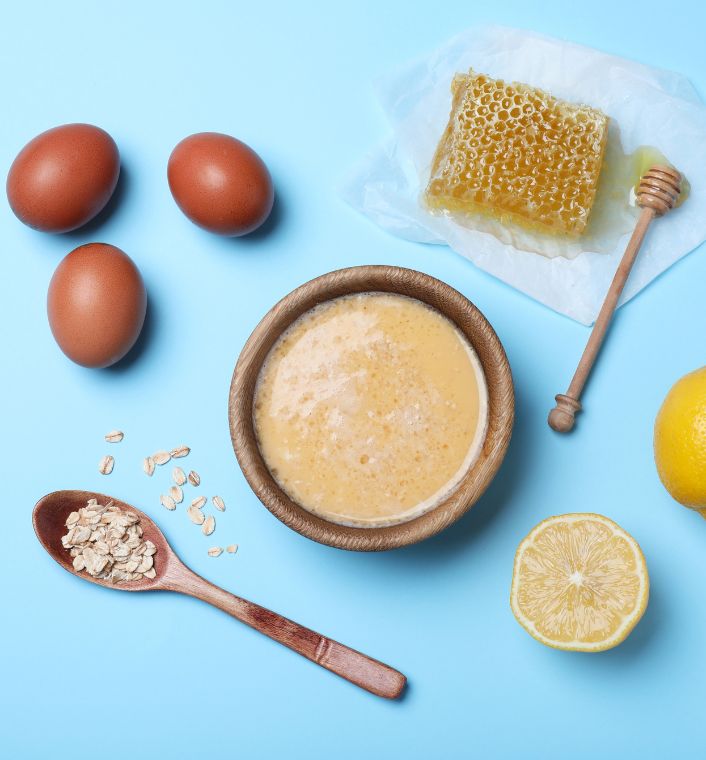
DIY Avocado and Honey Deep Conditioner
Avocado is a popular ingredient in homemade hair treatments because it has a creamy texture and contains fats that can make the hair feel softer.
Honey is a humectant, meaning it can help attract and retain moisture under suitable conditions.
Together, these ingredients can create a creamy treatment that works well when your hair feels dry and difficult to manage.
Ingredients
- ½ ripe avocado
- 1 tablespoon honey
- 1 tablespoon olive oil or another suitable carrier oil
How to Make It
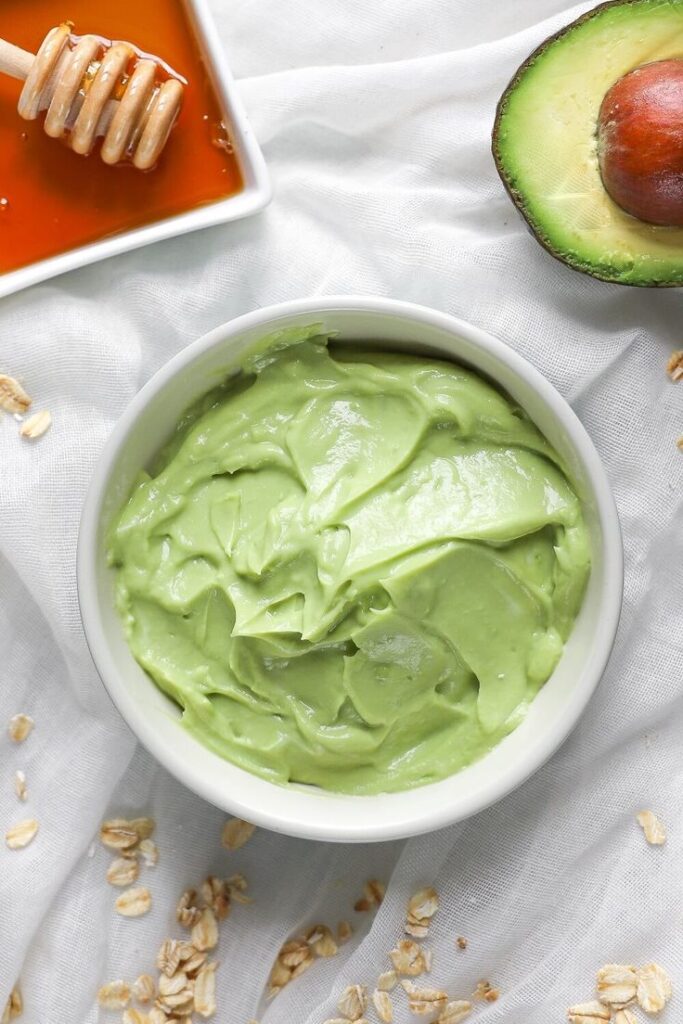
Mash the avocado until it is completely smooth. If possible, blend it to reduce the chance of small pieces becoming trapped in your hair.
Add the honey and oil, then mix thoroughly until you have a smooth, creamy consistency.
How to Use It
Apply the mixture to clean, damp hair in sections. Concentrate on the lengths and ends rather than covering your scalp heavily.
Cover your hair with a plastic processing cap and leave the treatment on for approximately 20–30 minutes.
Rinse thoroughly with lukewarm water.
If your hair tends to become tangled easily, use your fingers to gently separate the sections before rinsing.
You can also follow this treatment with gentle detangling techniques for 4C hair to make the process easier.
Because this recipe contains fresh avocado and no commercial preservatives, do not store leftovers for later use.
DIY Banana and Coconut Oil Deep Conditioner
Bananas are another common ingredient in homemade hair treatments because they can create a creamy texture when blended properly.
Coconut oil adds richness and can help reduce the dry, rough feeling some people experience.
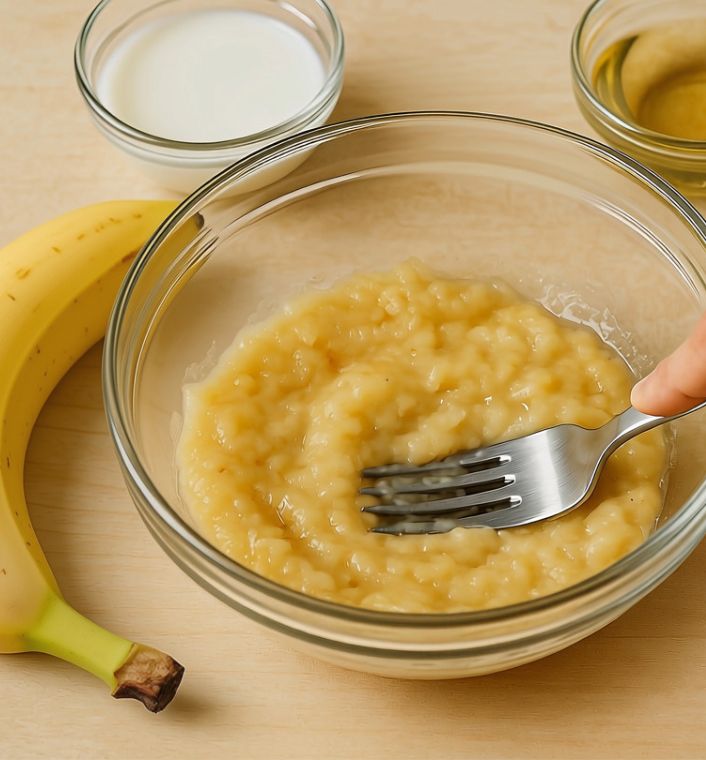
The most important part of this recipe is blending the banana extremely well.
Chunks of banana can become frustrating to remove from textured hair, particularly tightly coiled hair.
Ingredients
- 1 ripe banana
- 1 tablespoon coconut oil
- 1–2 tablespoons water or aloe vera gel if needed for consistency
How to Make It
Blend the banana until completely smooth.
Add the coconut oil and blend again until there are no visible chunks.
If the mixture is too thick, add a small amount of water or aloe vera gel.
How to Use It
Apply to clean, damp hair section by section.
Cover your hair and allow the treatment to sit for approximately 20 minutes.
Rinse thoroughly and check carefully for any remaining banana particles.
If your hair feels coated afterward, cleanse gently rather than repeatedly manipulating the strands.
For anyone already following a moisture routine for dry natural hair, this recipe can be used occasionally when your strands need additional conditioning.
DIY Aloe Vera and Olive Oil Conditioner
Aloe vera is commonly used in natural hair care because it has a lightweight, gel-like texture.
Combined with olive oil, it can create a simple homemade treatment that provides slip and leaves the hair feeling conditioned.
Ingredients
- 2 tablespoons pure aloe vera gel
- 1 tablespoon olive oil
- 1–2 tablespoons of your regular rinse-out conditioner
Adding a little of your regular conditioner can make the mixture easier to spread and gives you a more familiar conditioning base.
How to Make It
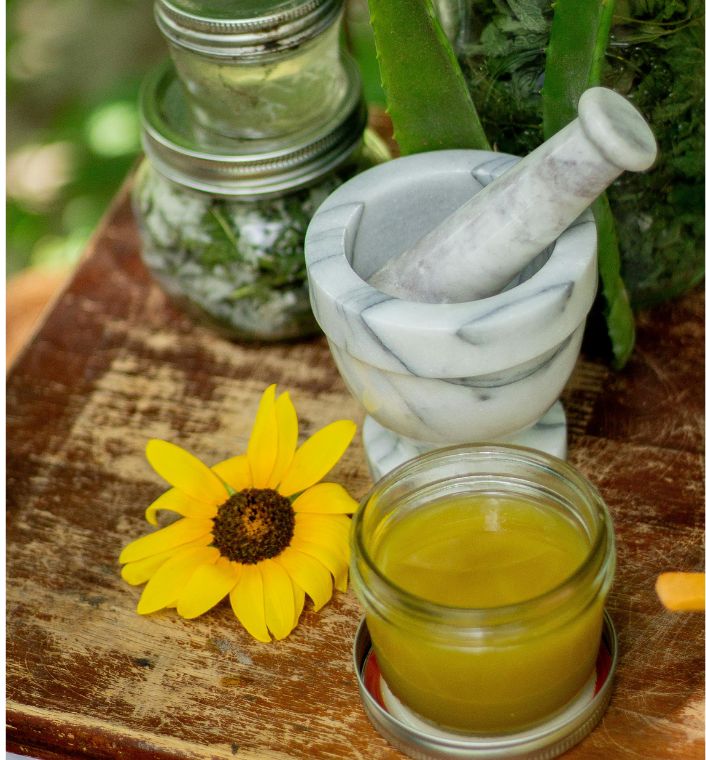
Combine the aloe vera gel and olive oil.
Add your conditioner and mix until the ingredients are evenly incorporated.
How to Use It
Apply the mixture to freshly washed, damp hair.
Work in sections and make sure the product reaches the lengths and ends.
Cover the hair and leave it for about 15–20 minutes.
Rinse thoroughly.
If you have previously experienced irritation from aloe vera or another botanical ingredient, patch-test before using it extensively.
DIY Honey and Olive Oil Deep Conditioner
This is one of the simpler recipes to try if you want a treatment with only a few ingredients.
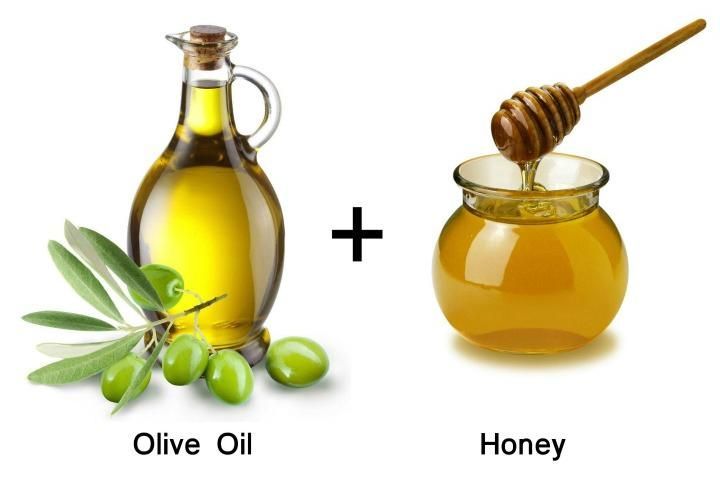
Honey provides a humectant component, while olive oil adds richness and lubrication.
Ingredients
- 2 tablespoons honey
- 1 tablespoon olive oil
- 2–3 tablespoons of your regular conditioner
How to Make It
Mix all three ingredients until the mixture is smooth.
If the honey is very thick, do not heat it directly in a microwave or expose it to excessive heat. Simply allow it to come to room temperature and mix thoroughly.
How to Use It
Apply the treatment to clean, damp hair.
Focus primarily on the lengths and ends, especially if those areas are drier than your roots.
Cover your hair for 15–20 minutes, then rinse thoroughly.
If your hair tends to feel coated easily, use less oil the next time you make the treatment.
You can also explore how to moisturize 4C hair without weighing it down when adjusting your overall routine.
DIY Coconut Milk Deep Conditioner
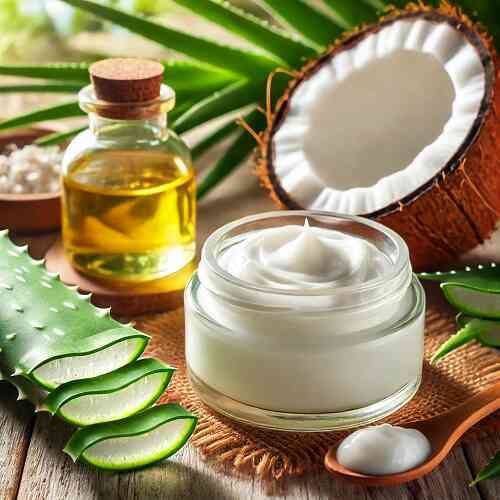
Coconut milk can provide a creamy base for a homemade conditioning treatment.
It is particularly useful when you want a treatment that feels richer without having to create a complicated mixture.
Ingredients
- ¼ cup coconut milk
- 1 tablespoon aloe vera gel
- 1 tablespoon olive or jojoba oil
How to Make It
Mix all ingredients thoroughly.
Because coconut milk is perishable, make only the amount you need for one treatment.
How to Use It
Apply to clean, damp hair in sections.
Cover your hair with a plastic cap and leave it for approximately 15–20 minutes.
Rinse thoroughly with lukewarm water.
Do not leave a homemade coconut milk treatment sitting around at room temperature for extended periods.
DIY Yogurt and Honey Hair Mask
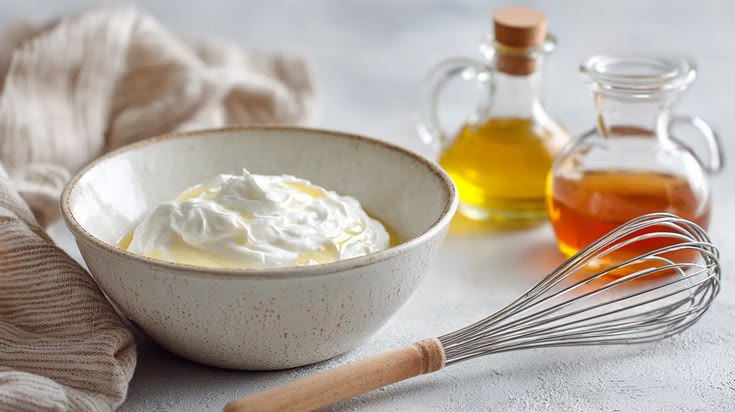
Plain yogurt is sometimes used in homemade hair masks because it provides a creamy consistency and contains proteins.
However, protein-containing treatments are not automatically suitable for everyone.
If your hair becomes stiff, rough, or unusually brittle after protein-rich treatments, you may want to avoid using this recipe frequently.
Ingredients
- 3 tablespoons plain unsweetened yogurt
- 1 tablespoon honey
- 1 tablespoon olive oil
How to Make It
Combine the ingredients until smooth.
How to Use It
Apply to clean, damp hair.
Leave it on for approximately 15–20 minutes.
Rinse thoroughly with lukewarm water and follow with your normal conditioning routine if needed.
Do not use flavored or heavily sweetened yogurt for this recipe.
If your hair is already feeling weak or unusually dry, consider whether a protein-containing treatment is actually what it needs.
DIY Shea Butter and Aloe Vera Conditioner
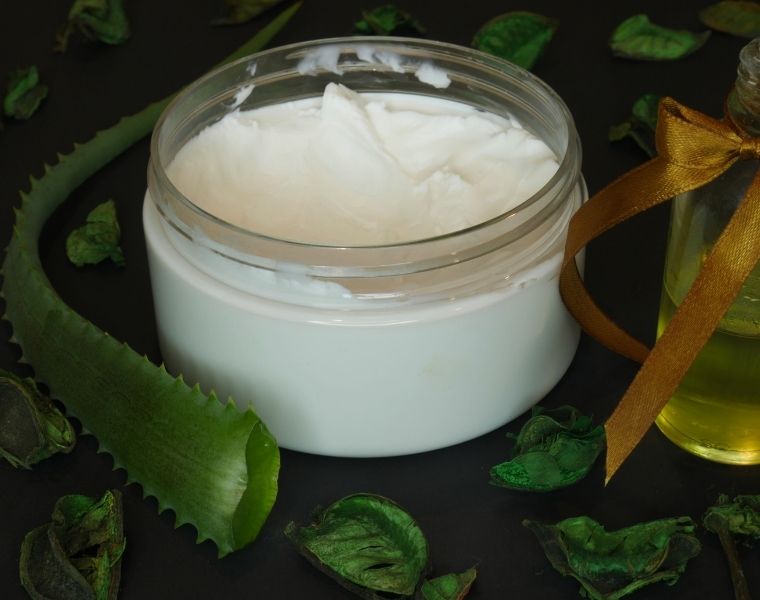
Shea butter is a popular ingredient in natural hair care because of its rich texture.
It can be especially useful when you want a thicker treatment, but it may feel too heavy for fine hair or an oily scalp.
Ingredients
- 1 tablespoon shea butter
- 2 tablespoons aloe vera gel
- 1 tablespoon jojoba or olive oil
How to Make It
Soften the shea butter at room temperature and combine it with the aloe vera gel.
Add the oil and mix until smooth.
Avoid overheating the mixture.
How to Use It
Apply a small amount to each section of damp hair.
Concentrate on the lengths and ends.
Cover the hair and leave for approximately 20 minutes before rinsing thoroughly.
If your hair is prone to heavy buildup, use this treatment sparingly.
Understanding how to prevent product buildup on natural hair can help you decide whether rich DIY treatments are appropriate for your routine.
DIY Fenugreek Deep Conditioning Treatment
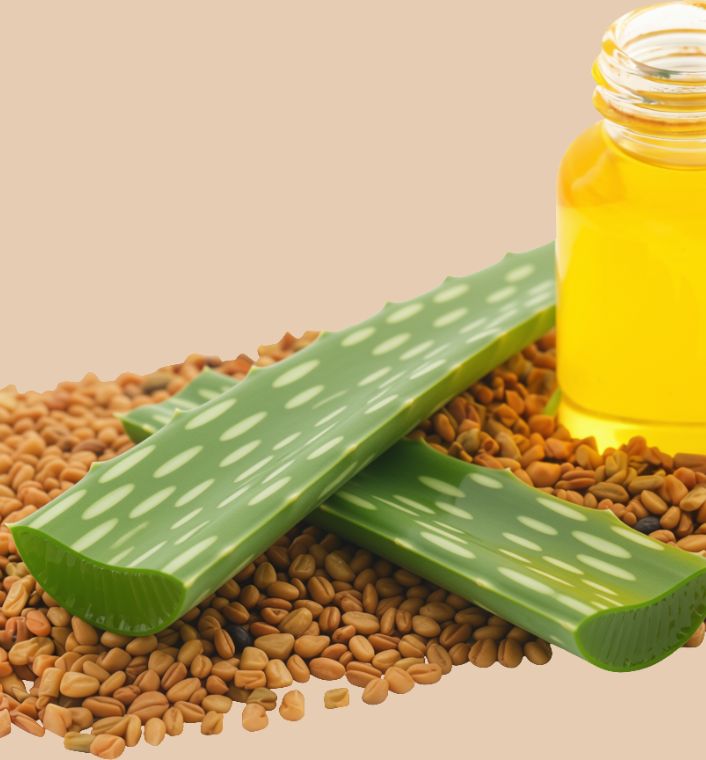
Fenugreek is another ingredient often used in homemade natural hair treatments.
The seeds can be soaked and blended into a paste, although the preparation takes more time than recipes using readily available ingredients.
Ingredients
- 2 tablespoons fenugreek seeds
- Water for soaking
- 1–2 tablespoons aloe vera gel
- 1 tablespoon coconut or olive oil
How to Make It
Soak the fenugreek seeds in water for several hours or overnight.
Drain them and blend until you achieve a smooth paste.
Add aloe vera gel and oil, then mix thoroughly.
How to Use It
Apply the mixture to clean, damp hair in sections.
Leave it on for approximately 20 minutes before rinsing very thoroughly.
Because fenugreek paste can be difficult to remove if it is too coarse, blend it as smoothly as possible.
If you enjoy incorporating herbs into your hair routine, remember that how to make rosemary oil for natural hair is another preparation that should be approached carefully, particularly when using concentrated essential oils.
DIY Banana, Honey and Aloe Vera Hair Mask
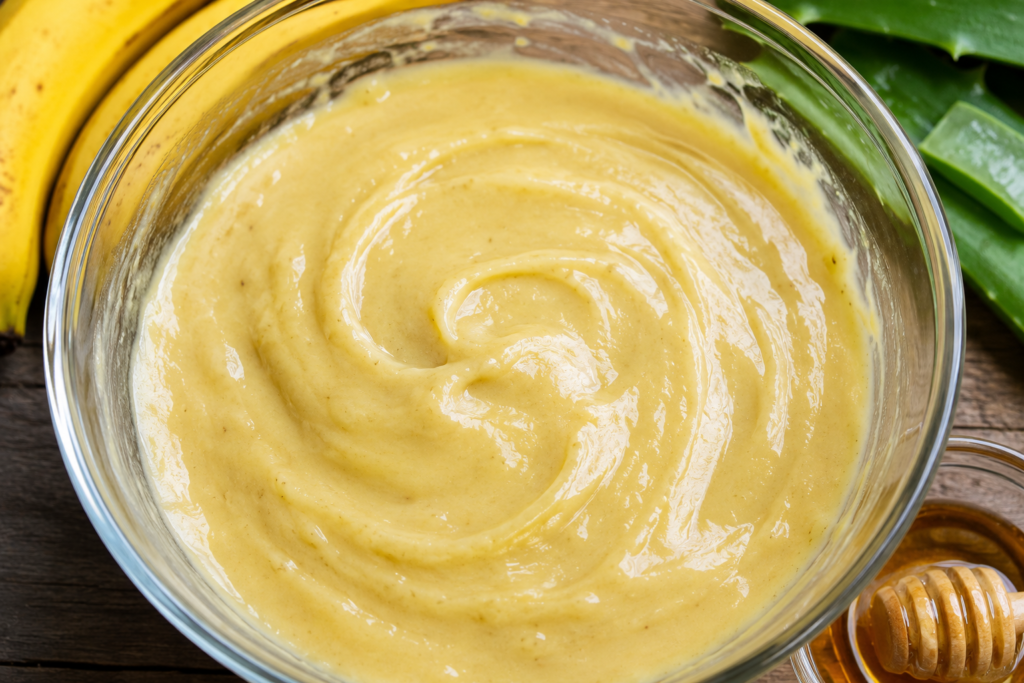
If your hair needs a creamy treatment with multiple conditioning ingredients, you can combine banana, honey, and aloe vera.
Ingredients
- 1 ripe banana
- 1 tablespoon honey
- 1 tablespoon aloe vera gel
- 1 tablespoon olive oil
How to Make It
Blend the banana until completely smooth.
Add the remaining ingredients and blend again.
The finished mixture should have a smooth consistency without visible pieces.
How to Use It
Apply to damp, freshly washed hair.
Work through small sections and concentrate on areas that feel especially dry.
Cover your hair and leave the mask on for approximately 15–20 minutes.
Rinse thoroughly.
Do not save leftovers for another wash day.
Fresh ingredients can spoil quickly, and homemade hair treatments generally lack the preservation system found in commercial products.
How to Apply a DIY Deep Conditioner
The application process can make a big difference.
Start with clean, damp hair rather than soaking-wet hair.
Divide your hair into four to eight sections depending on its density and length.
Apply the treatment from the middle of each section toward the ends.
Use your fingers to distribute it evenly.
If your hair is severely tangled, do not force a comb through it immediately. Allow the conditioner to provide some slip first.
This is where how to detangle 4C hair without breakage becomes particularly useful because detangling should be gentle rather than rushed.
Once the treatment has been distributed, cover your hair with a plastic cap.
You can leave most homemade treatments on for around 15–30 minutes. Longer is not necessarily better.
Afterward, rinse thoroughly and continue with the rest of your wash-day routine.

How Often Should You Deep Condition?
How frequently you deep-condition depends on your hair’s condition, lifestyle, and regular routine.
If your hair is frequently exposed to heat, manipulation, coloring, swimming, or dry environmental conditions, you may benefit from conditioning more regularly.
If your hair already feels soft and manageable, you may not need an intensive treatment every week.
For many people with natural hair, once a week or every two weeks is a reasonable starting point.
However, pay attention to how your hair responds.
If your hair becomes overly soft, limp, coated, or difficult to style, you may be using too many rich treatments.
Your hair porosity and moisture balance can also influence how different products feel on your strands.
Instead of following a rigid schedule, use your hair’s condition as a guide.
Common DIY Deep Conditioning Mistakes
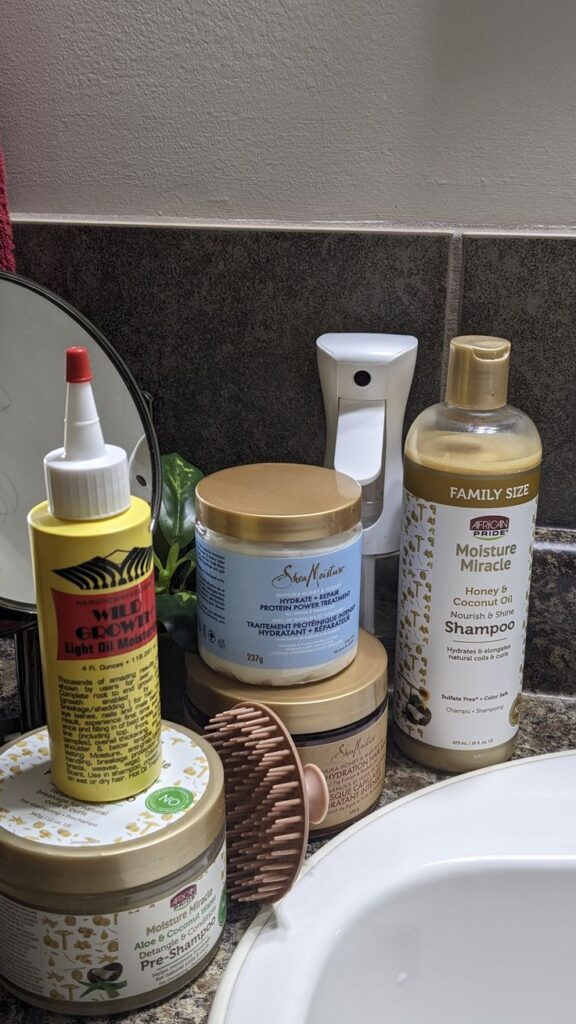
Homemade treatments can be useful, but there are several mistakes that can make them less effective or even irritating.
Using Too Many Ingredients
A recipe does not become better simply because you add more ingredients.
The more ingredients you use, the harder it becomes to identify what your hair or scalp reacts to.
Applying Food Ingredients Directly to the Scalp
Most DIY conditioning treatments are better suited to the hair strands.
If your scalp is sensitive, irritated, or prone to buildup, avoid covering it with food-based mixtures unnecessarily.
Leaving Treatments on for Hours
Longer is not always better.
Most homemade conditioning treatments can be rinsed out within 15–30 minutes.
Storing Homemade Conditioner for Too Long
Fresh ingredients can spoil quickly.
Make small batches and discard leftovers rather than keeping them for weeks.
Using Hot Ingredients
Avoid applying extremely hot mixtures to your hair or scalp.
Warmth is not required to make a homemade conditioner effective.
Forgetting to Rinse Thoroughly
Food-based ingredients can leave residue behind if they are not blended and rinsed properly.
This is particularly important for tightly coiled hair, where small particles can become trapped.
DIY Treatments vs Store-Bought Deep Conditioners
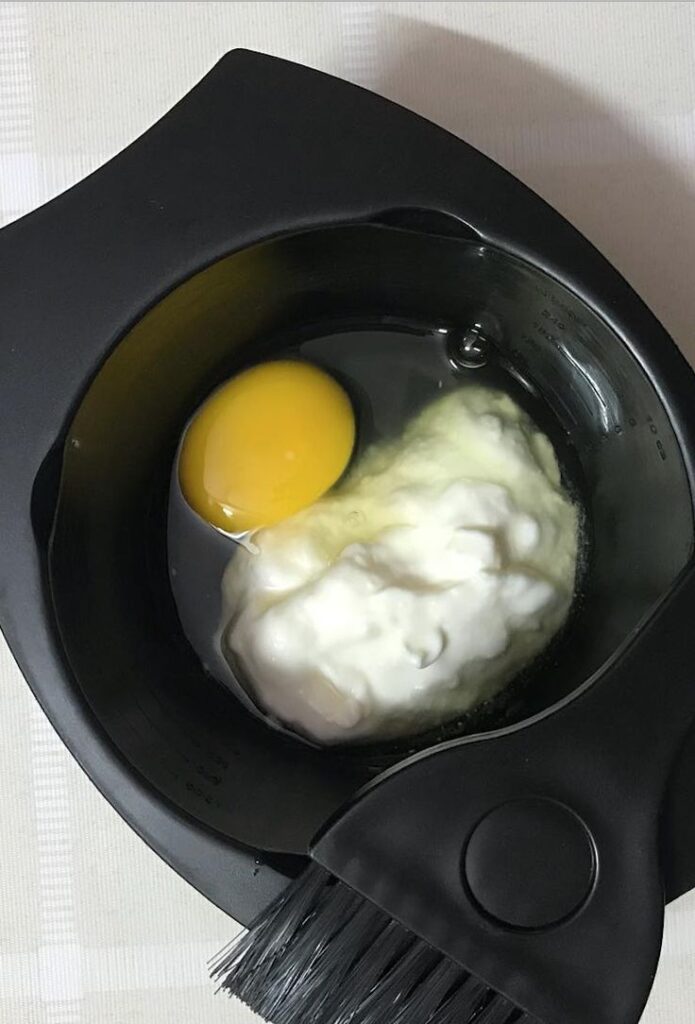
DIY treatments can be fun and affordable, but they are not automatically better than professionally formulated products.
Commercial deep conditioners are designed with specific ingredient combinations, textures, preservation systems, and performance goals.
A homemade avocado mask may make your hair feel soft, but it does not have the same formulation technology as a product specifically designed to condition hair.
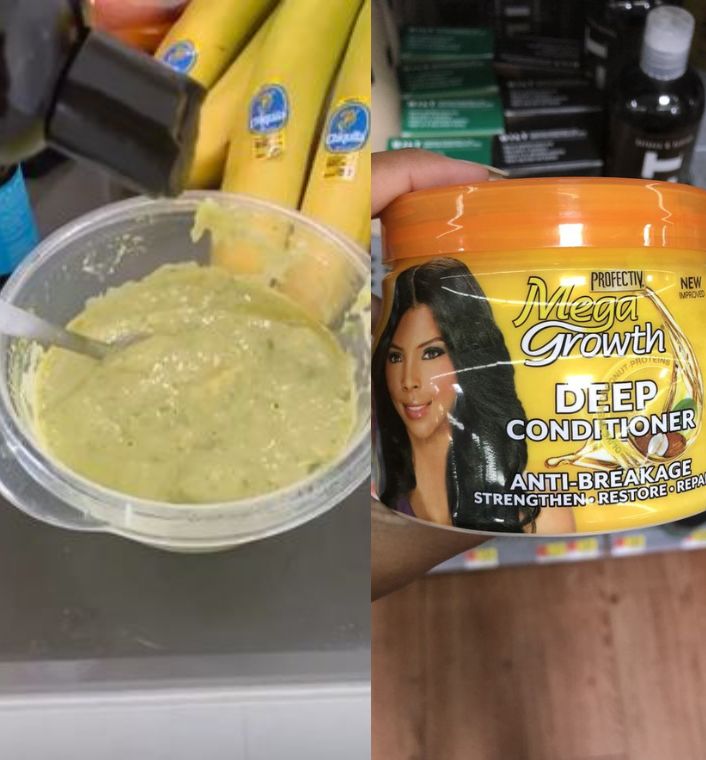
DIY treatments can therefore be viewed as an occasional option rather than a replacement for every commercial product in your routine.
If you already have a deep conditioner that works well for you, there is no reason to abandon it simply because homemade recipes are popular online.
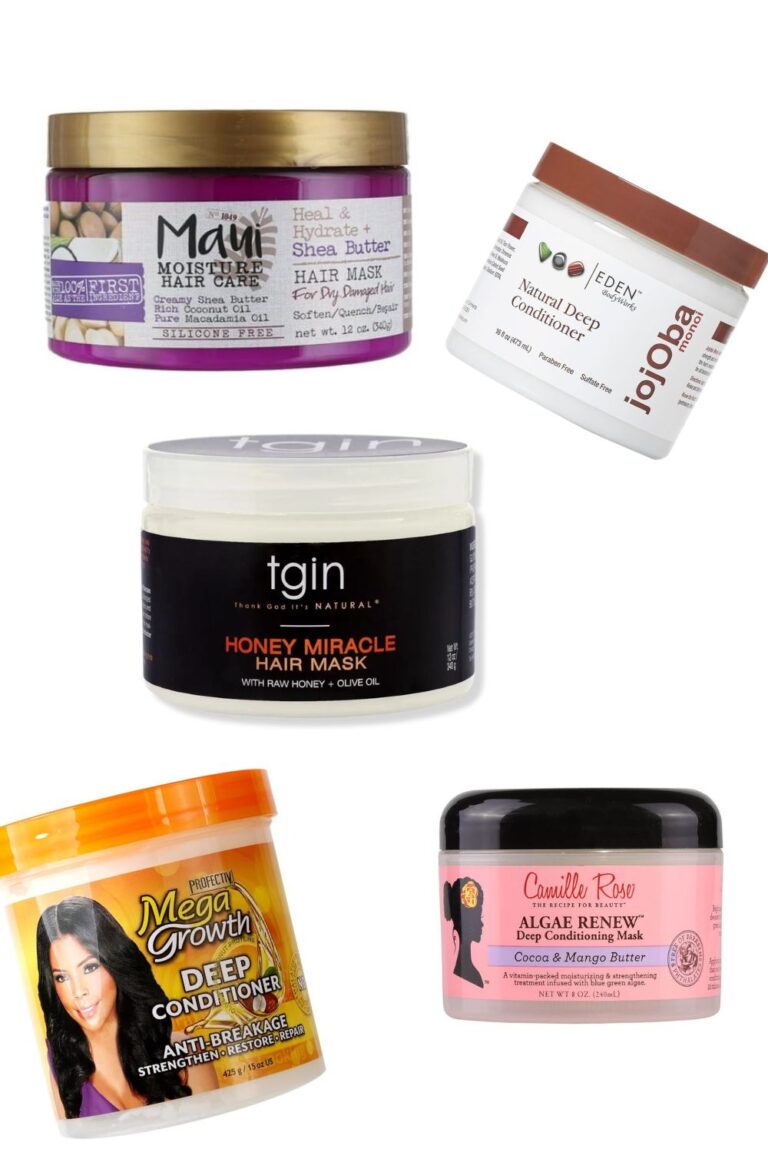
You can also combine both approaches by using a commercial deep conditioner most wash days and experimenting with a simple DIY treatment occasionally.
If damaged strands are your main concern, learning about the best hair masks for damaged hair can also help you compare homemade options with formulated treatments.
Bottom Line
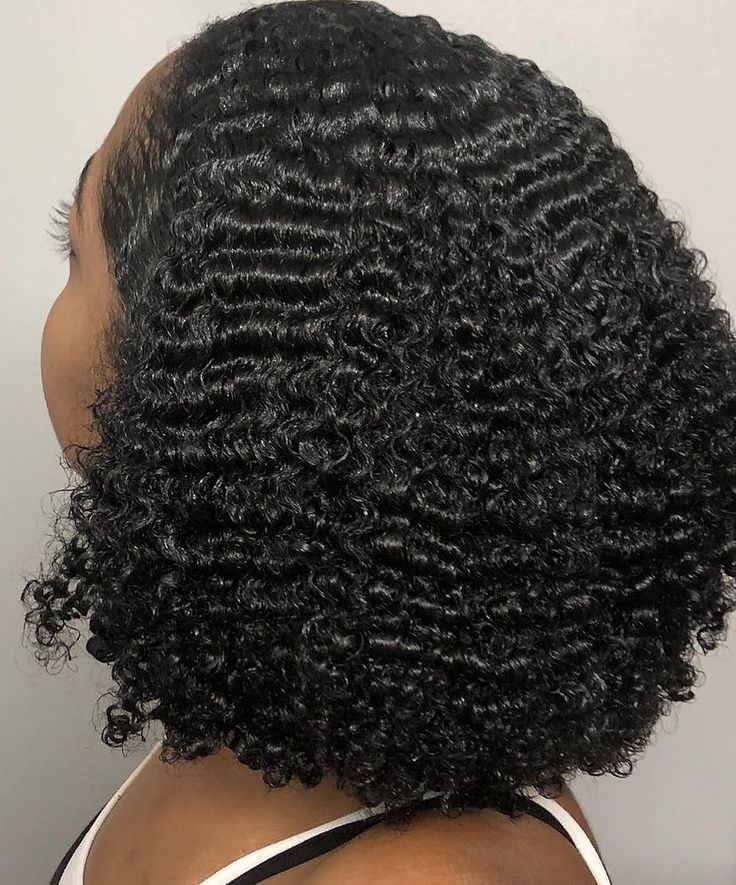
The best DIY deep conditioner recipes are the ones that suit your hair’s current needs without making your routine unnecessarily complicated.
Avocado and honey can provide a creamy conditioning treatment, banana can create a rich texture, aloe vera can add slip, and oils such as coconut or olive oil can add richness. Other ingredients, including yogurt, shea butter, fenugreek, and coconut milk, can also be incorporated into occasional homemade treatments.
However, homemade does not automatically mean better.
Use fresh ingredients, prepare small quantities, avoid storing perishable mixtures for long periods, and pay attention to how your hair and scalp respond.
For 4C hair, deep conditioning can be particularly useful as part of a consistent wash-day routine because it can make strands easier to manage and detangle. Still, deep conditioning works best alongside gentle handling, appropriate cleansing, moisture retention, and low-manipulation styling.
If you want to keep your routine simple, start with one recipe rather than trying several at once. Give your hair time to show you how it responds, then adjust your routine from there.
With the right ingredients and careful application, DIY deep conditioner recipes can be a useful addition to your natural hair routine without requiring an expensive collection of products.