
Best Hair Oils For 4C Hair
Disclosure: Some of the links in this post are affiliate links. This means if you click on the link and purchase an item, I will receive an affiliate commission at no extra cost to you.
Healthy 4C hair doesn’t necessarily need dozens of products to thrive, but it does benefit from the right kind of moisture. While shampoos, conditioners, and leave-in treatments all play important roles, hair oils help complete the routine by reducing moisture loss and adding softness after your hair has already been hydrated.
That’s why the best hair oils for 4C hair are often used as the final step after applying a leave-in conditioner. Instead of adding moisture on their own, most oils help seal it into the hair, allowing your strands to stay softer for longer.
When combined with one of the best leave-in conditioners for 4C hair, they can make a noticeable difference in how your hair feels between wash days.
Not every oil works the same way, though. Some are lightweight enough for fine strands, while others are thicker and better suited for coarse hair or protective styles. Understanding hair porosity also makes choosing the right oil much easier, since different hair types absorb and hold moisture differently.
In this guide, you’ll discover trusted commercial products, pure natural oils, and practical tips for using them correctly. Whether your goal is softer hair, a healthier scalp, or improved moisture retention, you’ll find an oil that fits your routine.
Why Hair Oils Matter for 4C Hair
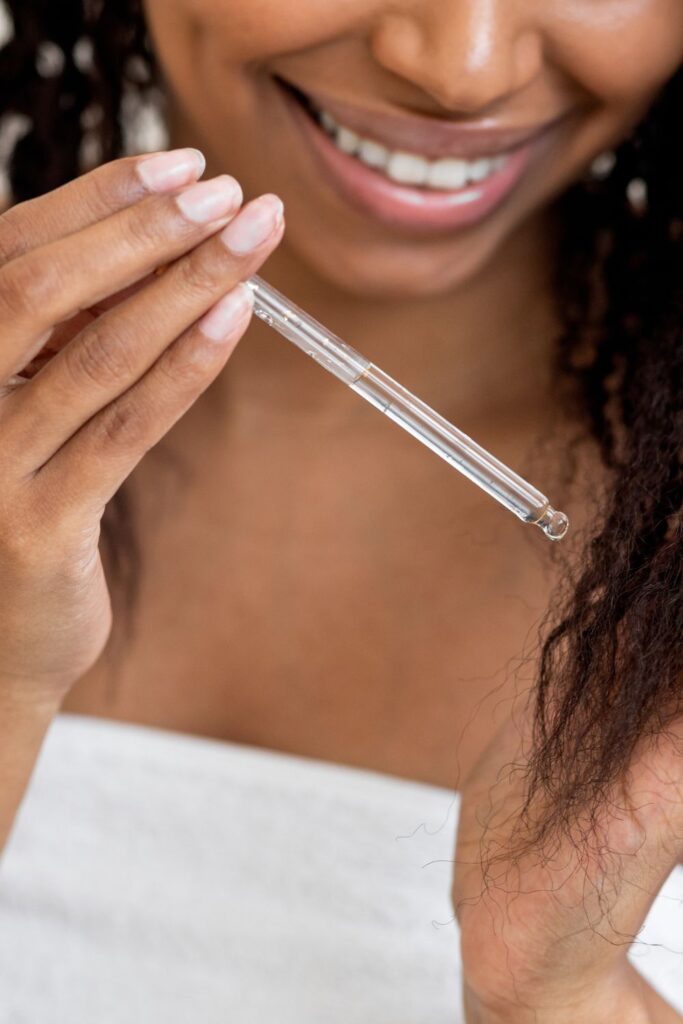
Hair oils have been part of natural hair care routines for generations, but they’re often misunderstood. One common myth is that oils moisturize the hair. In reality, most oils don’t add moisture.
They help seal in the water and conditioning products your hair has already absorbed.
For 4C hair, this matters because its tight curl pattern makes it difficult for natural oils to travel from the scalp to the ends, leaving the hair more prone to dryness.
Applying a hair oil after one of the best conditioners for 4C hair helps reduce moisture loss and keeps strands softer for longer.
Hair oils also reduce friction, making detangling and styling gentler while helping minimize breakage.
If you’re working on improving moisture retention, sealing your leave-in conditioner with the right oil is far more effective than repeatedly adding moisturizer.
Some oils can also benefit the scalp. Regular scalp massages with nourishing oils help improve comfort and support a routine focused on maintaining a healthy scalp.
How to Choose the Best Hair Oil for 4C Hair
Walking into a beauty store can feel overwhelming with so many oils promising growth, less breakage, and healthier hair. The best choice, however, depends on your hair’s needs, not the marketing.
Start by considering your hair type and routine. If your hair already feels moisturized after a leave-in conditioner, a lightweight oil may be all you need to seal in that moisture. If it dries out quickly, richer oils may work better.
Your low porosity hair or high-porosity hair also influences which oil will perform best.
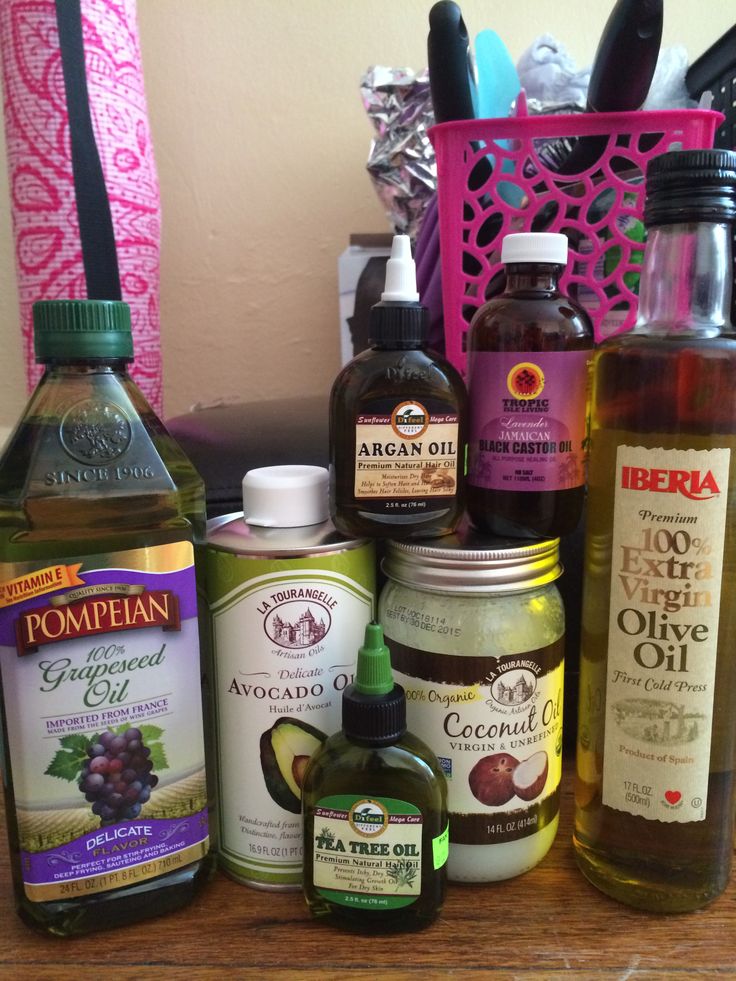
Lightweight oils like jojoba or almond oil suit hair that struggles to absorb products, while thicker options such as castor or avocado oil are better for hair that loses moisture easily.
It’s also important to think about how you’ll use the oil. Some are best for sealing moisture, while others work well for scalp massages or protective styles.
If you’re already making DIY hair oil blends, knowing what each oil does makes it easier to create combinations that truly fit your routine.
Best Hair Oils For 4C Hair
1. Mielle Organics Rosemary Mint Scalp & Hair Strengthening Oil
Some hair oils become popular because of social media, while others earn their reputation by consistently delivering results. Mielle’s Rosemary Mint Scalp & Hair Strengthening Oil belongs in the second category.
It has become a staple in many natural hair routines because it works well on both the scalp and the hair without feeling overly greasy.
The blend of rosemary, peppermint, biotin, and nourishing oils leaves the scalp feeling refreshed while helping dry strands stay moisturized after styling.
Most people enjoy using a few drops after wash day, especially before protective styles or overnight treatments.
It also pairs well with moisturizing products, helping lock hydration into the hair instead of allowing it to evaporate too quickly.
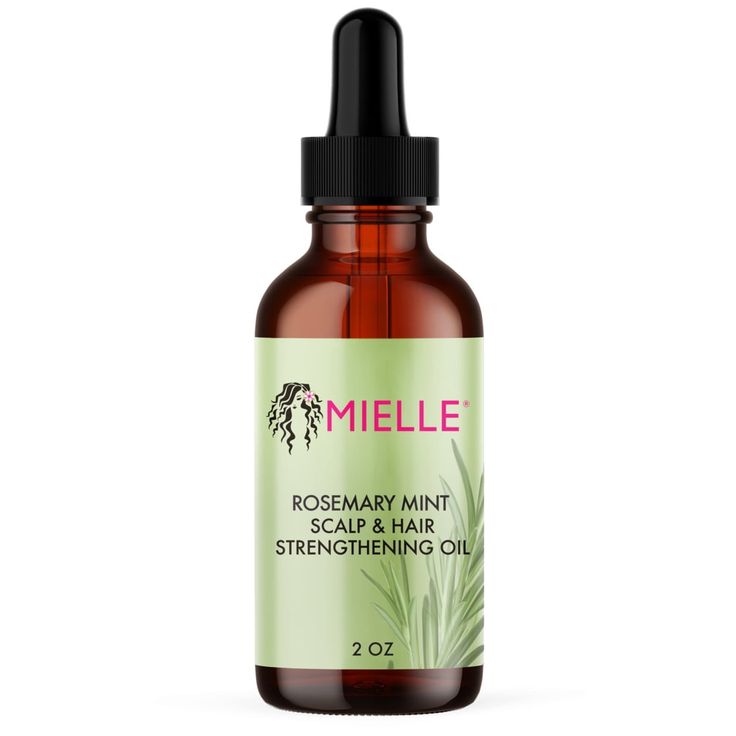
Type: Commercial Hair Oil
Best For: Dry hair, scalp care, and protective styling
Key Ingredients: Rosemary oil, peppermint oil, biotin, soybean oil
2. Tropic Isle Living Jamaican Black Castor Oil
Few oils are mentioned in natural hair care conversations as often as Jamaican black castor oil. Thick and deeply nourishing,
Tropic Isle Living’s version has become a favorite for people whose hair constantly feels dry or whose ends need extra attention.
Rather than disappearing quickly into the strands, this oil forms a protective layer that helps slow moisture loss after conditioning.
Because of its rich consistency, many people reserve it for sealing moisture into freshly washed hair or for massaging into the scalp before bedtime.
It’s also commonly included in routines focused on why the 4C hair isn’t growing, since reducing breakage often makes retained length much easier to notice.
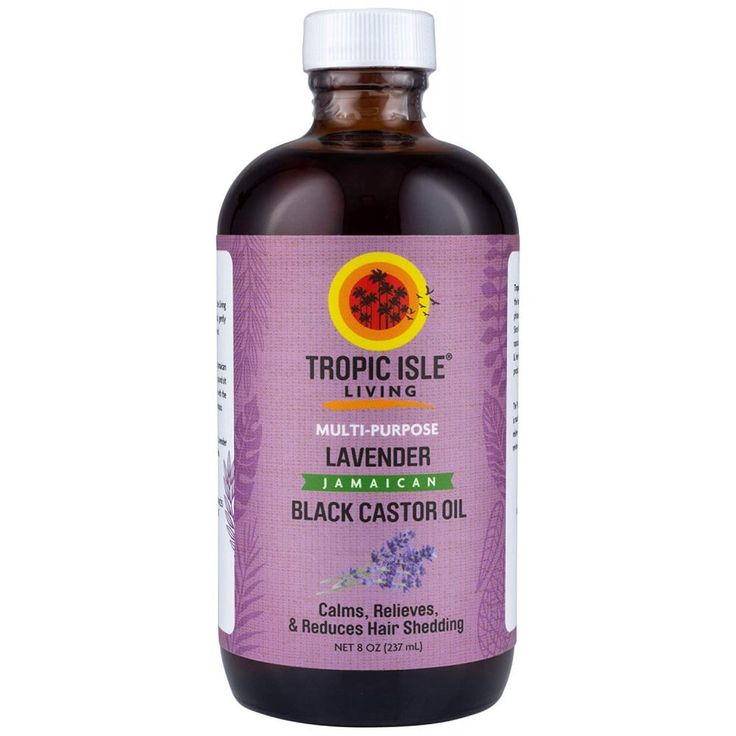
Type: Commercial Hair Oil
Best For: Sealing moisture and dry ends
Key Ingredients: 100% Jamaican black castor oil
3. African Pride 5 Essential Oils
Sometimes your hair doesn’t need just one oil. It benefits more from a thoughtful blend that combines different strengths in a single bottle.
African Pride’s 5 Essential Oils formula does exactly that by bringing together castor, grapeseed, coconut, olive, and argan oils.
The result is an oil that feels nourishing without becoming overwhelmingly heavy. It’s particularly useful after moisturizing because it helps soften the hair while giving it a healthy-looking shine.
If you’ve been learning why your hair won’t hold moisture, products like this demonstrate why sealing moisture is just as important as adding it.
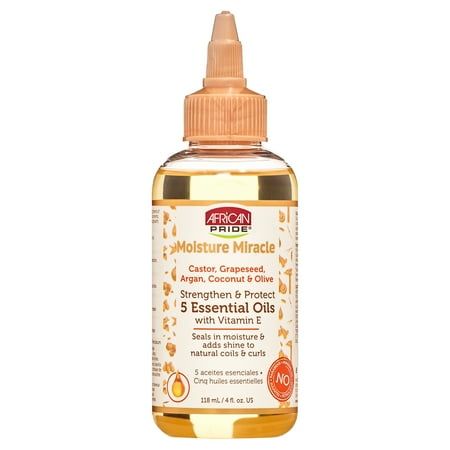
Type: Commercial Hair Oil
Best For: Daily sealing and shine
Key Ingredients: Castor oil, grapeseed oil, coconut oil, olive oil, argan oil
4. Sunny Isle Jamaican Black Castor Oil
Sunny Isle’s Jamaican Black Castor Oil has remained popular for years because of its simple approach. There’s no elaborate fragrance or complicated ingredient list, just a rich oil that many people trust for dry hair and scalp care.
Its thicker consistency makes it especially useful for sealing moisture into the ends of the hair, where dryness usually appears first. People also enjoy warming a small amount between their palms before gently massaging it into the scalp.
When combined with one of the best shampoos for 4C hair, it helps complete a routine that leaves both the scalp and strands feeling healthier.
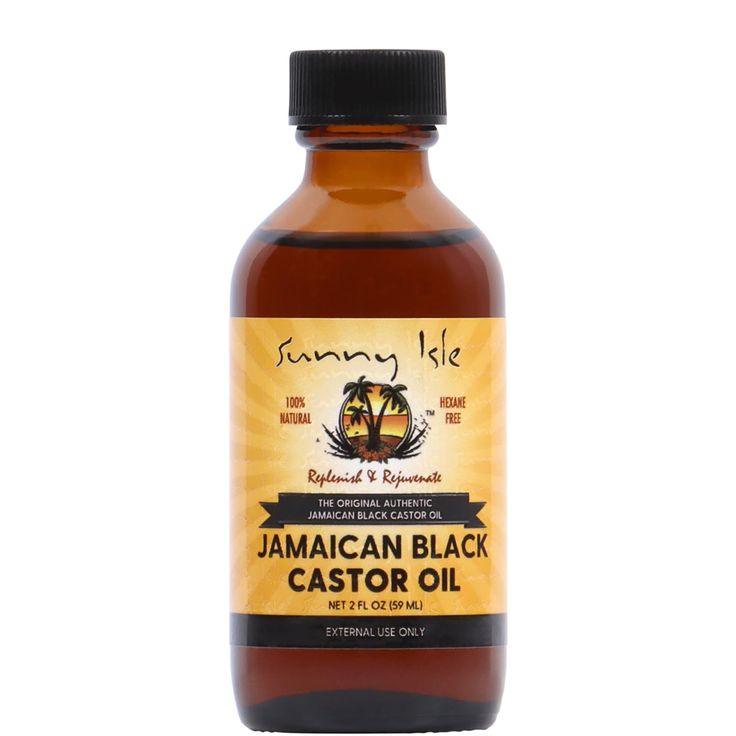
Type: Commercial Hair Oil
Best For: Dry scalp and moisture sealing
Key Ingredients: Jamaican black castor oil
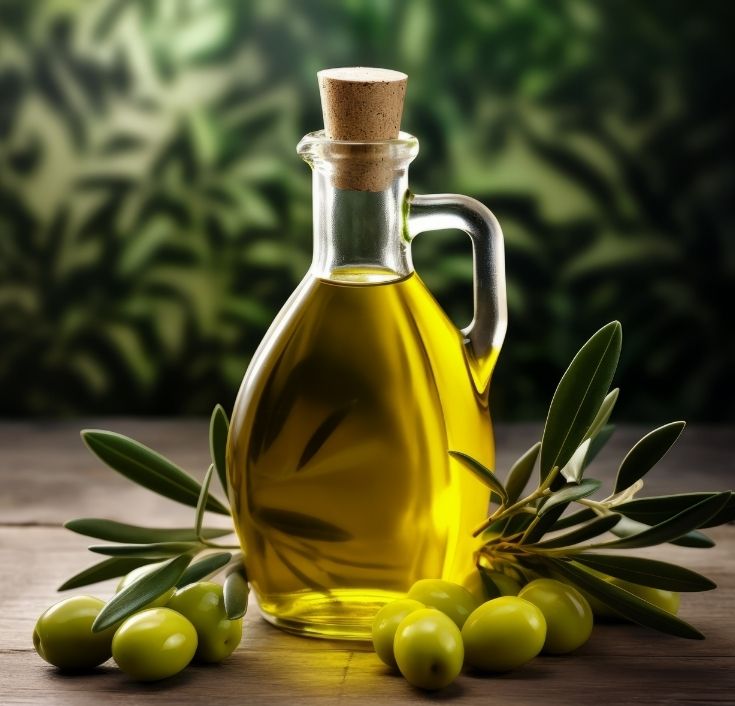
5. Olive Oil
Olive oil is a classic choice that continues to earn its place in many natural hair routines. Rich enough to soften dry strands without feeling excessively heavy, it works particularly well after applying a leave-in conditioner.
You can also warm a small amount before applying it to freshly washed hair, helping it spread more evenly through the strands.
Combined with a consistent routine that includes hair masks, olive oil can help improve softness and reduce the rough texture that dry hair often develops.
Type: Natural Hair Oil
Best For: Dry hair and moisture sealing
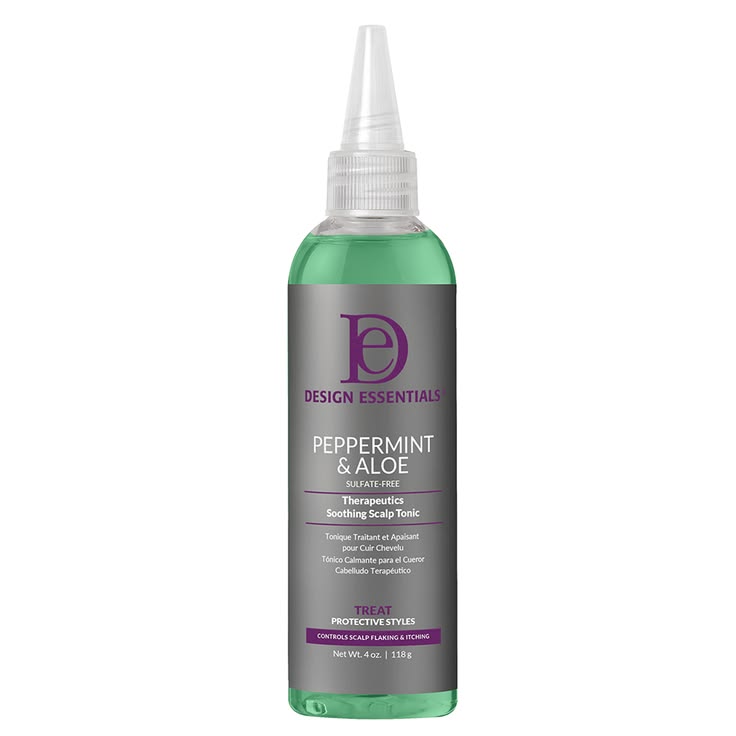
6. Design Essentials Peppermint & Aloe Scalp Tonic
A healthy hair routine doesn’t stop at the strands. Your scalp deserves just as much attention, especially if it often feels dry, tight, or uncomfortable between wash days.
Design Essentials Peppermint & Aloe Scalp Tonic was created with that purpose in mind.
The cooling sensation from peppermint is immediately noticeable, while aloe vera helps soothe the scalp without leaving behind a greasy residue.
It’s light enough to use several times a week, making it a practical choice for people who wear braids, twists, or wigs for extended periods.
If you’re dealing with irritation, understanding dry scalp vs dandruff can also help you choose products that address the real cause rather than simply covering up the symptoms.
Type: Commercial Hair Oil
Best For: Scalp hydration and protective styles
Key Ingredients: Peppermint oil, aloe vera, botanical extracts
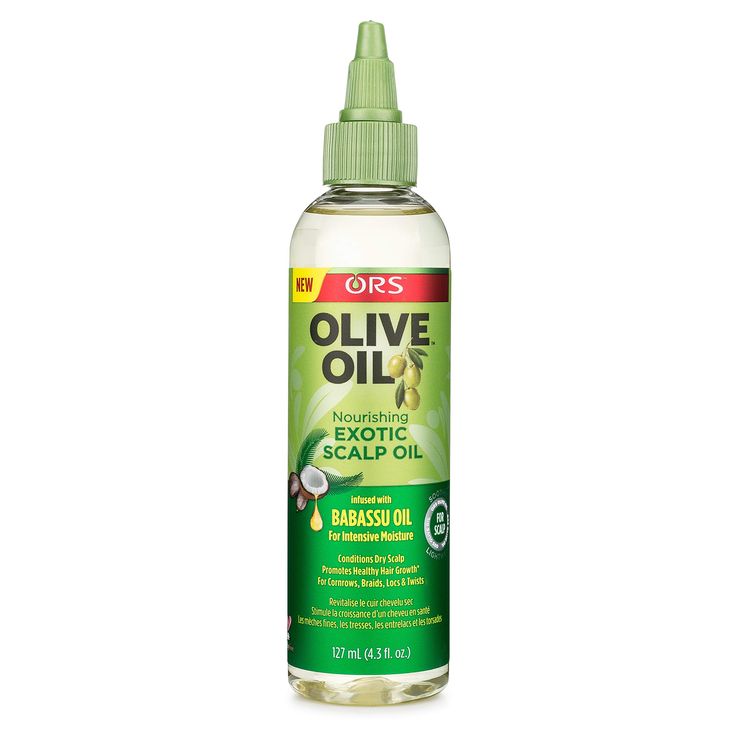
7. ORS Olive Oil Nourishing Hair Oil
Some products earn a permanent place in people’s routines because they’re dependable, and ORS Olive Oil Nourishing Hair Oil is one of them.
It provides enough richness to soften dry hair without making it feel excessively oily, making it suitable for everyday moisture sealing.
Olive oil, sweet almond oil, and herbal extracts help smooth rough strands while adding a healthy-looking shine.
It works particularly well after moisturizing, especially if your routine already includes one of the best leave-in conditioners for 4C hair, since oils perform best when they’re sealing moisture already inside the hair.
Type: Commercial Hair Oil
Best For: Daily moisture sealing and softness
Key Ingredients: Olive oil, sweet almond oil, botanical extracts
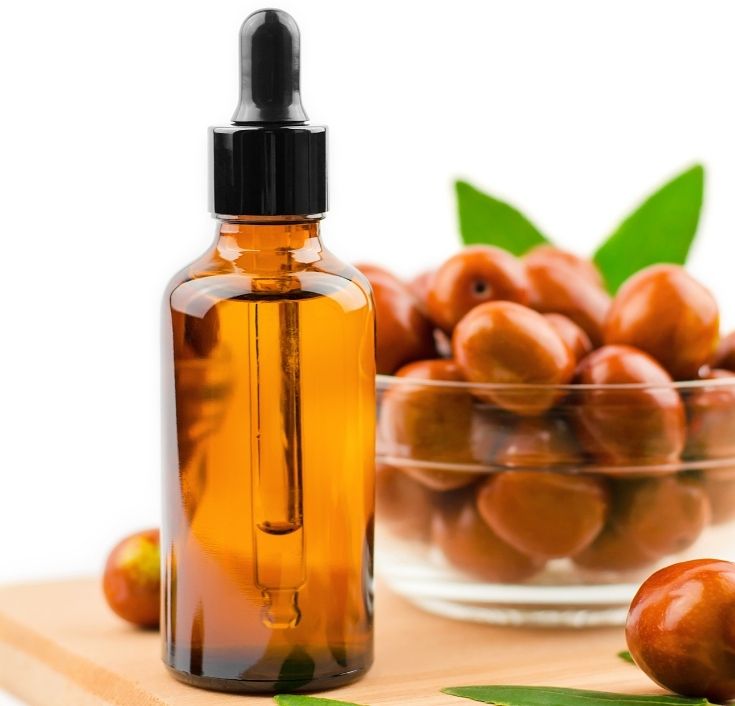
8. Jojoba Oil
Although it’s commonly called an oil, jojoba closely resembles the natural sebum produced by the scalp. That similarity makes it one of the easiest oils to absorb, leaving the hair conditioned without feeling greasy.
Because it’s so lightweight, jojoba oil works well for people whose strands become weighed down by richer products.
It’s also a popular choice for scalp massages, particularly when following a routine designed around how to get rid of an itchy scalp naturally, since it helps soften the scalp without leaving a thick residue behind.
Type: Natural Hair Oil
Best For: Lightweight sealing and scalp care
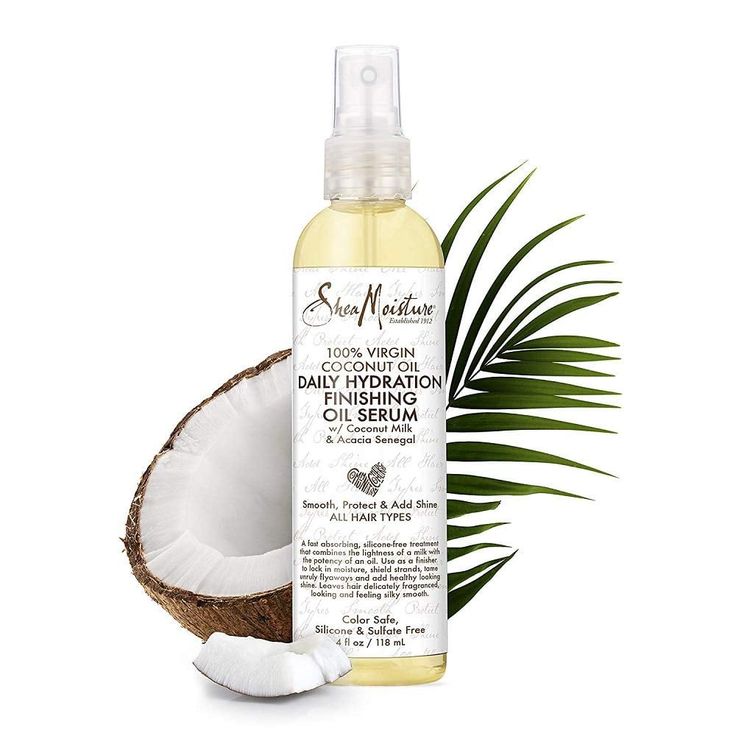
9. SheaMoisture 100% Virgin Coconut Oil Daily Hydration Treatment
Hair that feels dull and brittle often responds well to simple, nourishing ingredients, and SheaMoisture’s Virgin Coconut Oil Treatment delivers exactly that.
The lightweight oil blend leaves the hair noticeably softer while helping tame dryness without weighing the curls down.
Virgin coconut oil is combined with coconut milk and acacia senegal to improve softness and flexibility, making it a useful finishing oil after styling.
If you’ve already explored the best conditioners for 4C hair, adding an oil like this afterward helps extend the benefits of your conditioning routine.
Type: Commercial Hair Oil
Best For: Lightweight daily hydration
Key Ingredients: Virgin coconut oil, coconut milk, acacia senegal
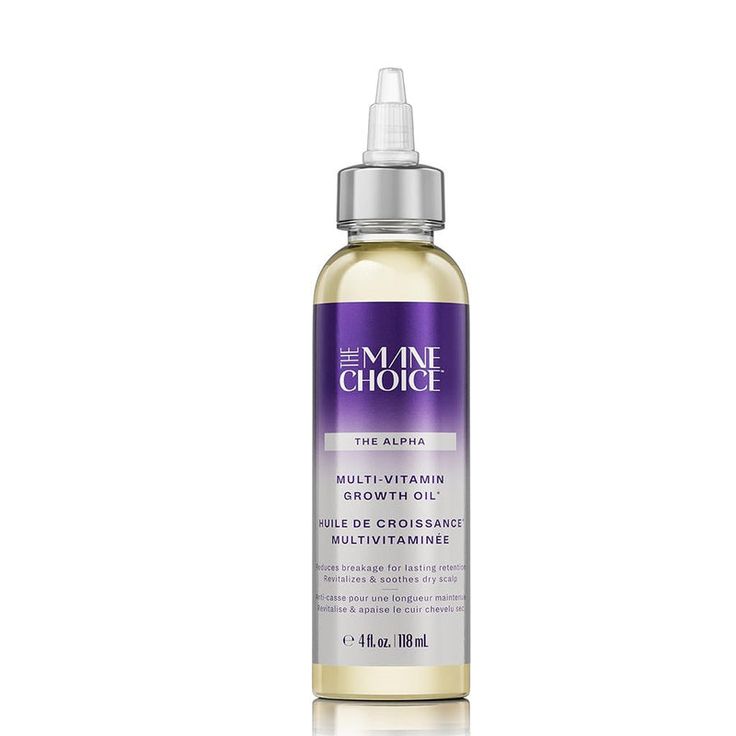
10. The Mane Choice Multi-Vitamin Scalp Nourishing Growth Oil
Some oils focus mainly on sealing moisture, while others are designed to become part of your scalp care routine.
The Mane Choice Multi-Vitamin Scalp Nourishing Growth Oil does both, combining lightweight oils with vitamins that leave the scalp feeling refreshed rather than greasy.
Its consistency makes it easy to apply directly between parts without overwhelming the hair.
It’s especially convenient for people who keep their hair in long-term styles and want to care for their scalp without disturbing the style itself.
Pairing regular scalp massages with the best oils for scalp massage can also improve comfort while encouraging a healthier environment for your hair.
Type: Commercial Hair Oil
Best For: Scalp nourishment and protective styles
Key Ingredients: Soybean oil, vitamin blend, essential oils
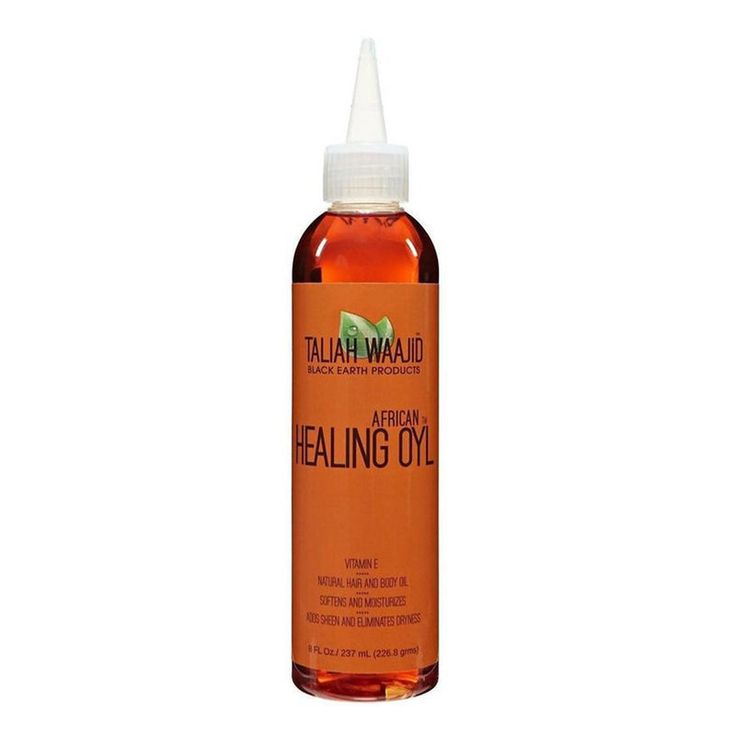
11. Taliah Waajid African Healing Oyl
Some oils are designed to do a little of everything, and Taliah Waajid African Healing Oyl fits comfortably into that category.
Even if your hair is freshly washed, tucked into a protective style, or simply feeling dry halfway through the week, a small amount helps restore softness without leaving the strands feeling greasy.
Its blend of olive, coconut, and herbal oils glides easily over the hair, reducing roughness while adding a healthy-looking sheen.
It also works well as a finishing oil after moisturizing, especially if your routine already includes the best deep conditioner for dry 4C hair, helping the moisture stay where your hair needs it most.
Type: Commercial Hair Oil
Best For: Everyday moisture and protective styling
Key Ingredients: Olive oil, coconut oil, herbal extracts
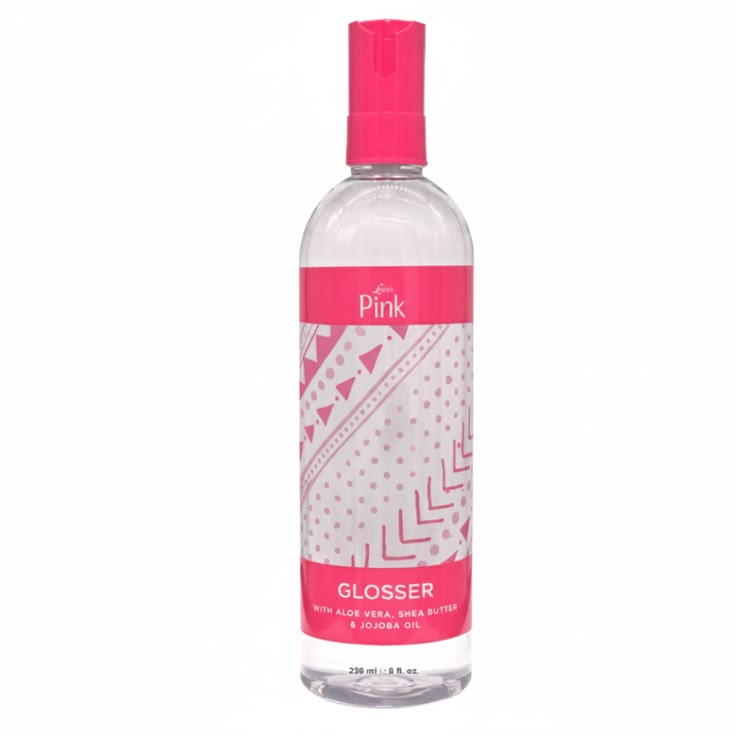
12. Luster’s Pink Glosser Hair Polish
Sometimes the finishing touch is all your hair needs. Luster’s Pink Glosser Hair Polish is often used after styling to smooth flyaways, add shine, and reduce the dull appearance that dry hair can develop during the week.
The lightweight polish leaves the hair looking healthier without making it feel stiff or sticky.
When used sparingly, it works well on twist-outs, braid-outs, and stretched styles where you want a smooth finish without disturbing the hairstyle.
If you’ve noticed signs your scalp needs extra care, remember that products like this are intended mainly for the hair rather than the scalp.
Type: Commercial Hair Oil
Best For: Shine and finishing styles
Key Ingredients: Conditioning oils, silicone blend
13. Coconut Oil
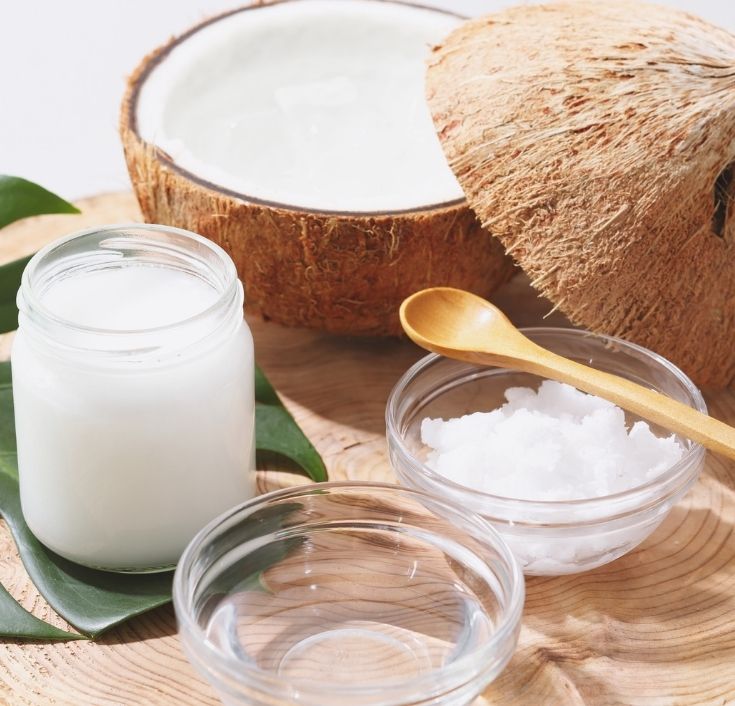
Coconut oil has remained one of the most popular natural hair oils for years because of its ability to penetrate the hair shaft more effectively than many heavier oils.
When used in moderation, it helps reduce moisture loss while leaving the hair feeling smoother after styling.
Some people enjoy using coconut oil as a pre-shampoo treatment, while others apply a small amount after moisturizing to help seal everything in.
If you’re someone who’s constantly washing your hair more frequently because of an active lifestyle, using coconut oil afterward can help reduce the dryness that repeated cleansing sometimes causes.
Type: Natural Hair Oil
Best For: Moisture sealing and pre-shampoo treatments
14. Avocado Oil
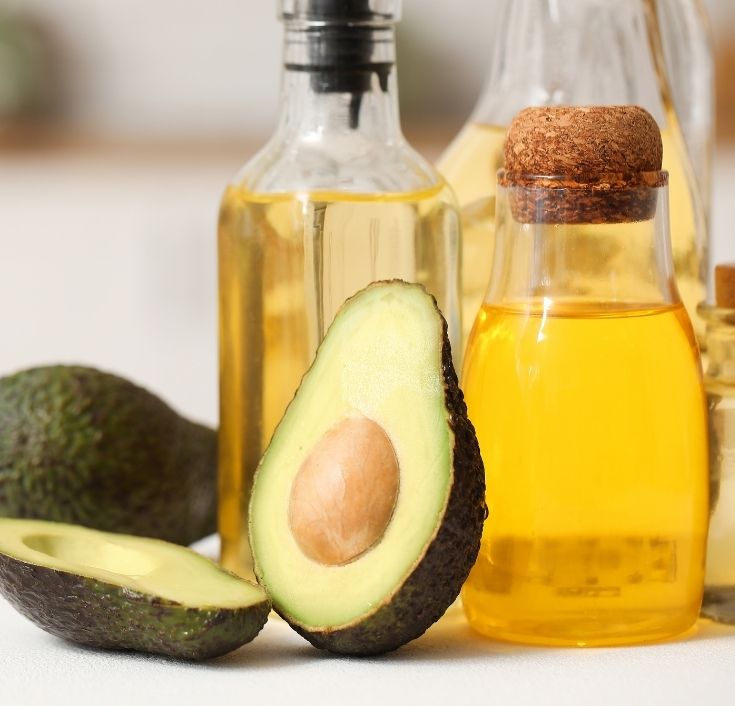
If your hair constantly feels dry no matter how often you moisturize it, avocado oil is worth considering.
Rich in vitamins A, D, and E, along with healthy fatty acids, it leaves coarse strands feeling noticeably softer without the heavy finish that some thicker oils create.
Its smooth consistency makes it easy to distribute through sectioned hair, whether you’re sealing in moisture after washing or refreshing older styles.
Many people also add avocado oil to DIY deep conditioner recipes because it blends well with ingredients like honey, yogurt, and aloe vera, creating richer treatments for dry hair.
Type: Natural Hair Oil
Best For: Dry, brittle, and coarse 4C hair
15. Sweet Almond Oil
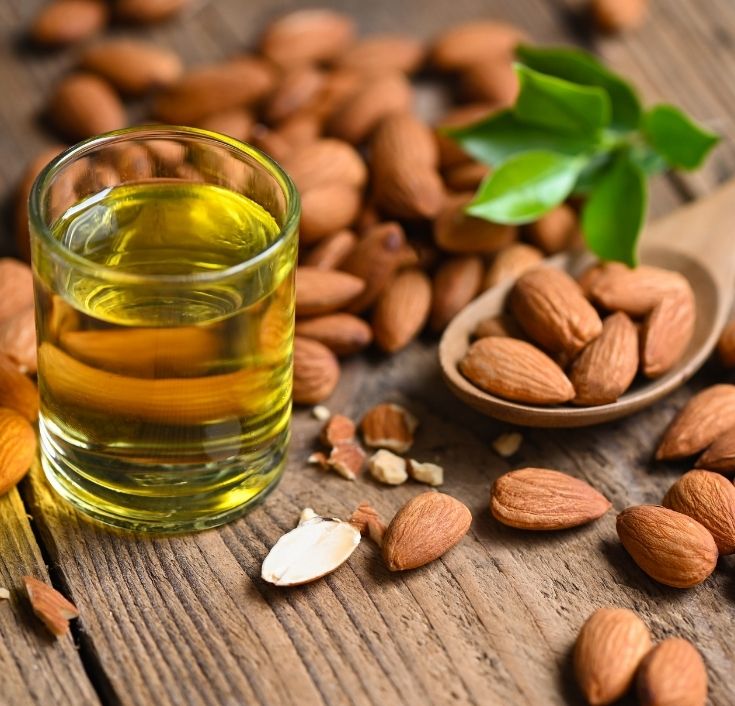
Not every hair oil needs to feel rich to be effective. Sweet almond oil is much lighter than castor or olive oil, making it a good option for people who want softness without leaving their curls coated.
It spreads easily through damp hair and helps reduce friction while styling, making detangling feel much smoother.
If your routine already includes the best leave-in conditioners, a few drops of sweet almond oil afterward are often enough to help lock in moisture without creating unnecessary buildup.
Type: Natural Hair Oil
Best For: Lightweight daily moisture
Common Hair Oil Mistakes That Can Leave Hair Feeling Dry
Using more oil doesn’t always mean healthier hair. In fact, a few common habits can prevent your hair from getting the moisture it’s actually looking for.
Applying Oil to Dry Hair
One of the biggest misconceptions in natural hair care is that oil moisturizes the hair. On its own, it doesn’t.
Oils are most effective when they’re applied after water or a moisturizing product, helping trap hydration inside the strands instead of creating a coating over already dry hair.
This becomes much clearer once you understand why your hair won’t hold moisture (the real reason) instead of assuming your hair simply “needs more oil.”
Using Too Much Oil
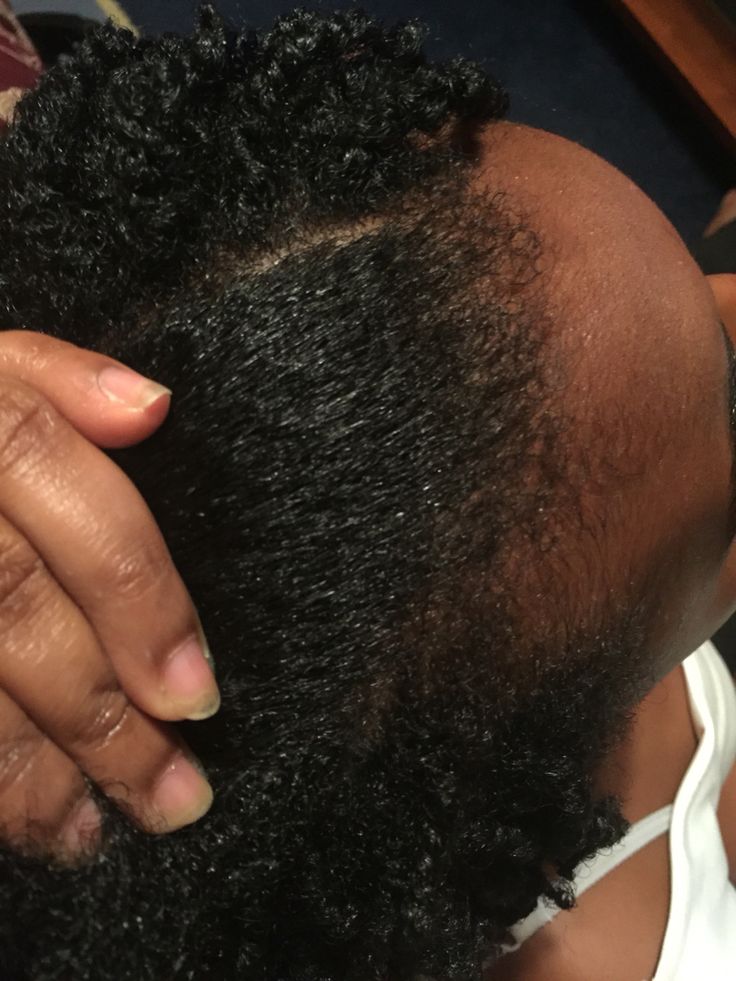
It’s easy to think more oil equals more shine, but overapplying can leave your hair feeling greasy and attract dust, lint, and residue.
Over time, this can contribute to dull-looking hair that no longer absorbs moisture effectively.
If your strands constantly feel coated, it may be time to introduce one of the best clarifying shampoos for product buildup into your routine before applying fresh moisturizing products.
Ignoring Your Hair Porosity
An oil that works beautifully for one person may not work nearly as well for someone else.
Lightweight oils like jojoba often suit lower-porosity hair, while richer oils such as castor or avocado tend to perform better for hair that loses moisture quickly.
Understanding medium porosity hair can also help if your hair seems to respond well to a wider variety of products without becoming overly dry or weighed down.
Expecting Oils to Repair Damage
Hair oils improve softness, reduce friction, and help retain moisture, but they don’t permanently repair split ends or severely damaged strands.
If your hair feels weak, brittle, or overly processed, pairing oils with one of the best hair masks for damaged hair usually produces better long-term results than relying on oils alone.
How to Use Hair Oils Correctly
Hair oils work best when they’re supporting your routine rather than replacing it. The order in which you apply products often matters just as much as the products themselves.
Start by cleansing your hair thoroughly, then follow with a conditioner or deep conditioner before applying a leave-in. Once your hair is hydrated, use a small amount of oil to help seal in that moisture.
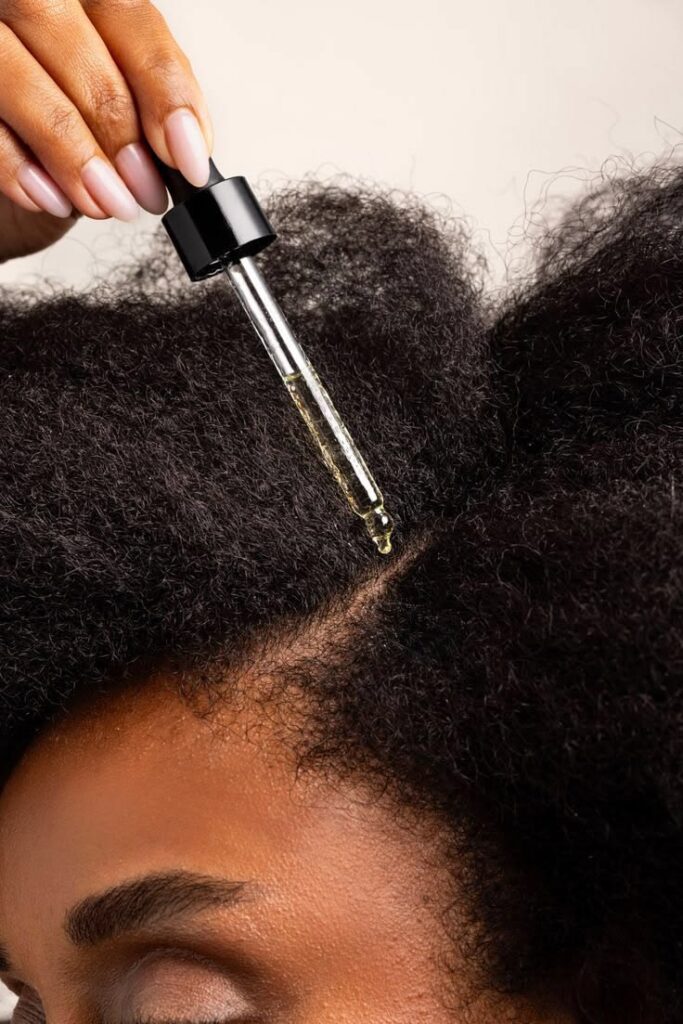
You don’t need to soak your hair for oils to be effective. A few drops warmed between your palms are usually enough to coat each section lightly without leaving excessive residue.
For scalp massages, focus on the scalp rather than the hair length, using gentle circular motions instead of scratching.
Consistency is far more important than quantity. A simple routine followed every week generally produces better results than constantly changing products or applying large amounts of oil in hopes of speeding up results.

Final Thoughts
Finding the best hair oils for 4C hair isn’t about following trends or buying every popular product on the market. It’s about understanding what your hair needs and choosing oils that support the rest of your routine.
Some people see excellent results with simple natural oils like jojoba or avocado, while others prefer ready-made blends that combine several nourishing ingredients in one bottle.
Neither approach is wrong. The best choice is the one that consistently leaves your hair softer, healthier, and easier to manage.
Remember that oils aren’t a substitute for water or conditioner. They’re most effective when used to seal moisture into freshly hydrated hair. Combined with a consistent routine and the right products, they can become one of the simplest ways to keep 4C hair healthy throughout the year.




6 Comments