
How To Care For High Porosity 4C Hair
Disclosure: Some of the links in this post are affiliate links. This means if you click on the link and purchase an item, I will receive an affiliate commission at no extra cost to you.
Keeping high porosity 4C hair moisturized can sometimes feel like an endless cycle. You apply your favorite leave-in conditioner, seal it with oil, and your hair feels soft for a while. Then, just a few hours later, it seems dry all over again.
If this sounds familiar, you’re not imagining it.
High-porosity hair absorbs moisture quickly, but it also loses it much faster than low- or medium-porosity hair. That means the goal isn’t simply adding more products. It’s creating a routine that helps your hair hold onto moisture for longer.
Before changing your routine, it’s important to understand how your hair porosity affects moisture retention. Once you know why your hair behaves this way, choosing products and techniques becomes much easier.
The good news is that high porosity isn’t something you have to fight against. With consistent care and the right habits, it’s possible to improve moisture retention, reduce breakage, and keep your curls looking healthy throughout the week.
In this guide, you’ll learn how to care for high-porosity 4C hair, from wash day to bedtime, along with the best practices for keeping your strands hydrated and strong.
What Makes High Porosity Hair Different?
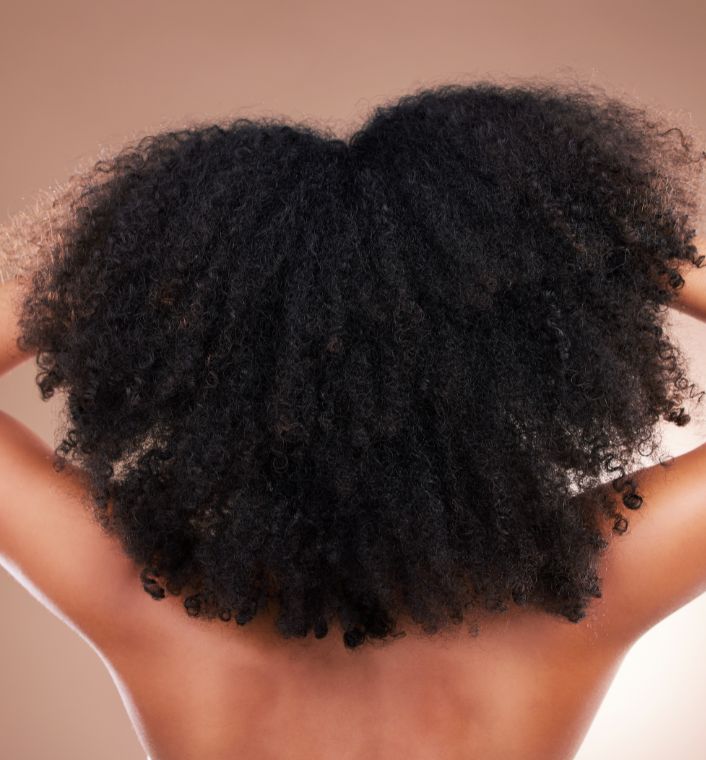
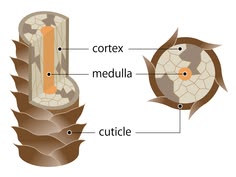
High-porosity hair has a more open cuticle layer, allowing moisture to enter the strand very easily. While that might sound like a good thing, it also means moisture escapes just as quickly.
This is why many people with high porosity notice that their hair dries out faster than expected, even after using quality hair products.
Because the cuticles are more open, the hair also becomes more vulnerable to frizz, tangles, and breakage. That’s why protecting the strand is just as important as moisturizing it.
Rather than trying to completely change your hair’s porosity, focus on building a routine that keeps moisture from escaping too quickly. Small changes in your wash day, product choices, and styling habits can make a noticeable difference over time.
Start With a Moisture-Focused Wash Day
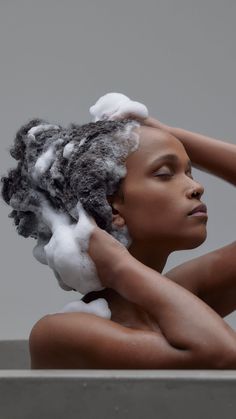
Wash day lays the foundation for the rest of your routine.
For high-porosity hair, the goal is to cleanse without stripping away too much moisture.
Choose a Gentle Shampoo
Harsh shampoos can leave already porous strands feeling even drier.
Instead, look for gentle cleansers that remove dirt and buildup without leaving your hair feeling squeaky clean.
Clean hair allows conditioners and moisturizers to work more effectively, especially when you’re following a consistent wash day routine.
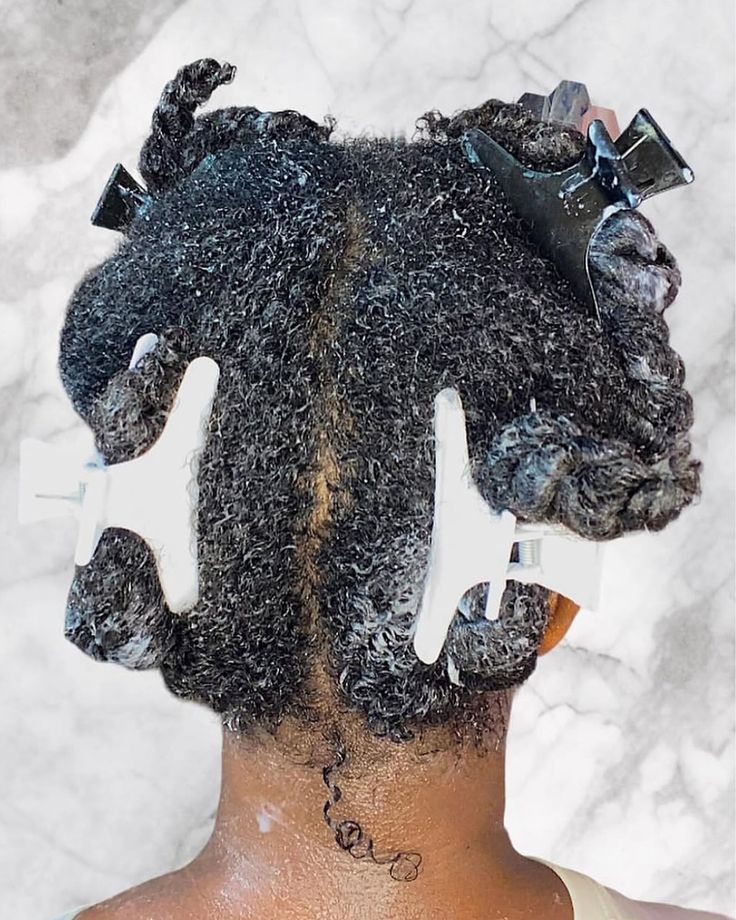
Never Skip Deep Conditioning
Deep conditioning is one of the most important steps for high-porosity hair.
Because moisture escapes so easily, regular deep conditioning helps replenish hydration while improving softness and manageability.
Many people notice better results when they deep condition every wash day or at least every one to two weeks, depending on their hair’s needs.
Adding a rich deep conditioning treatment to your routine can also improve elasticity and reduce breakage over time.
Lock In Moisture the Right Way
Adding moisture is only half the job. Keeping it inside your hair is just as important.
Because high-porosity hair loses moisture quickly, layering your products correctly can make a noticeable difference.
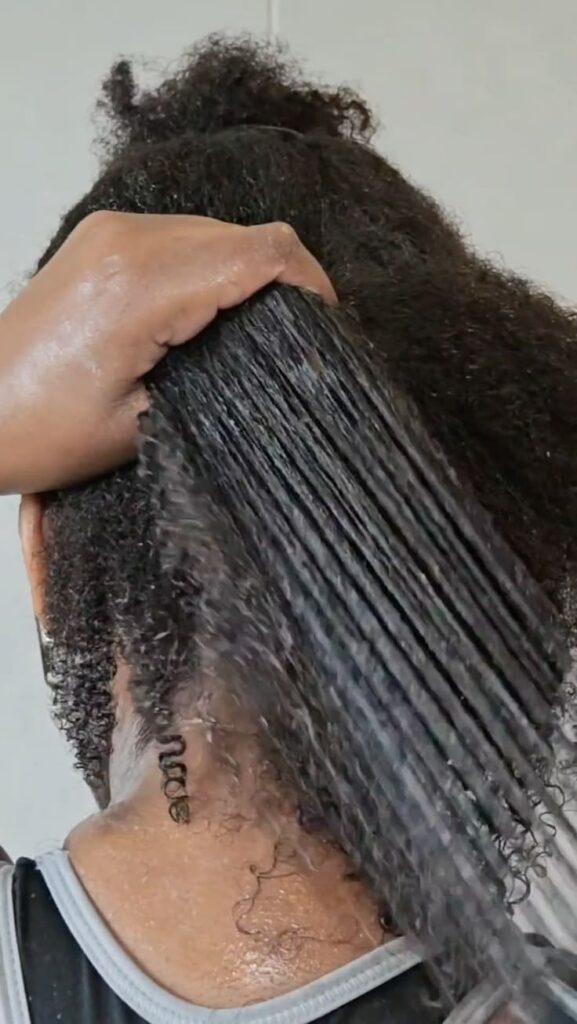
Apply Products to Damp Hair
One mistake many people make is waiting until their hair is almost dry before applying moisturizers.
High-porosity hair responds best when leave-in conditioners and creams are applied to damp hair. This helps trap water inside the strand instead of trying to add moisture after it has already evaporated.
Using the right leave-in conditioner for your hair type can also improve hydration without making your hair feel heavy.
Seal Moisture Before It Escapes
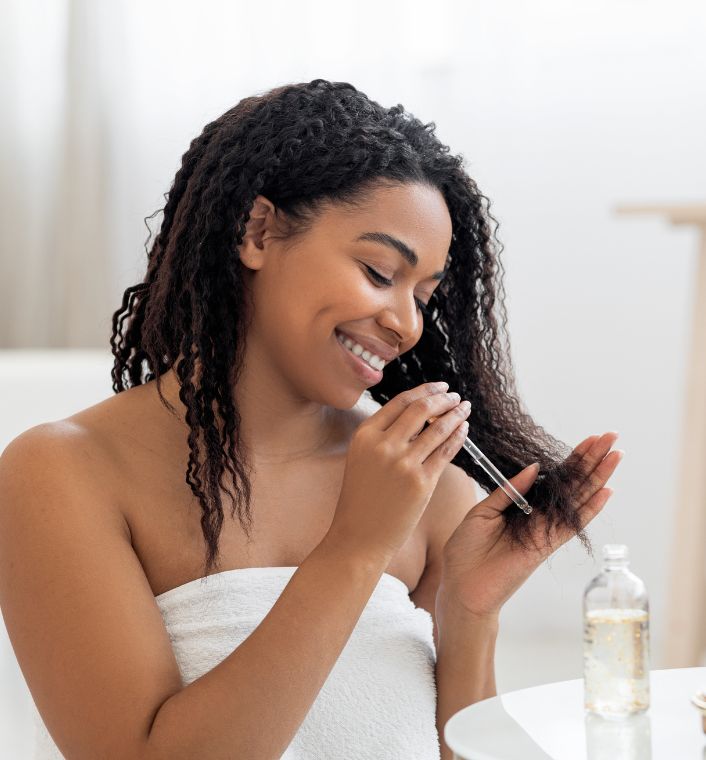
Once your hair has been moisturized, sealing helps slow moisture loss.
Many people use lightweight oils or nourishing butters to create a protective layer around the strand. The best choice depends on your hair’s thickness and how it responds to different products.
The goal isn’t to coat your hair with large amounts of oil. A small amount is often enough to help keep your hair moisturized for longer.
Reduce Breakage With Gentle Styling
High-porosity hair is often more fragile because the cuticle layer is already more open.
That makes gentle handling an important part of every routine.
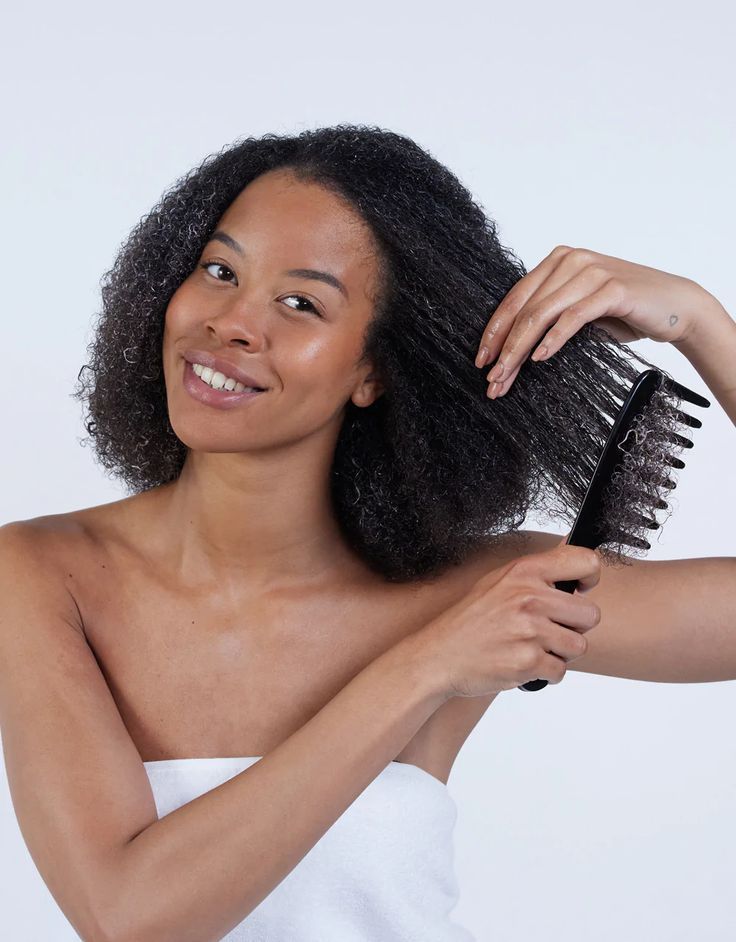
Detangle With Care
Always detangle your hair while it’s moisturized and coated with conditioner or a detangling product.
Starting from the ends and gradually working toward the roots reduces unnecessary pulling and helps prevent breakage.
Using detangling techniques that protect your curls can make wash day easier while helping you retain more length over time.
Choose Protective Hairstyles Wisely
Protective styles can help reduce daily manipulation, but they shouldn’t be installed too tightly.
Styles that pull excessively on the roots can lead to unnecessary tension and breakage.
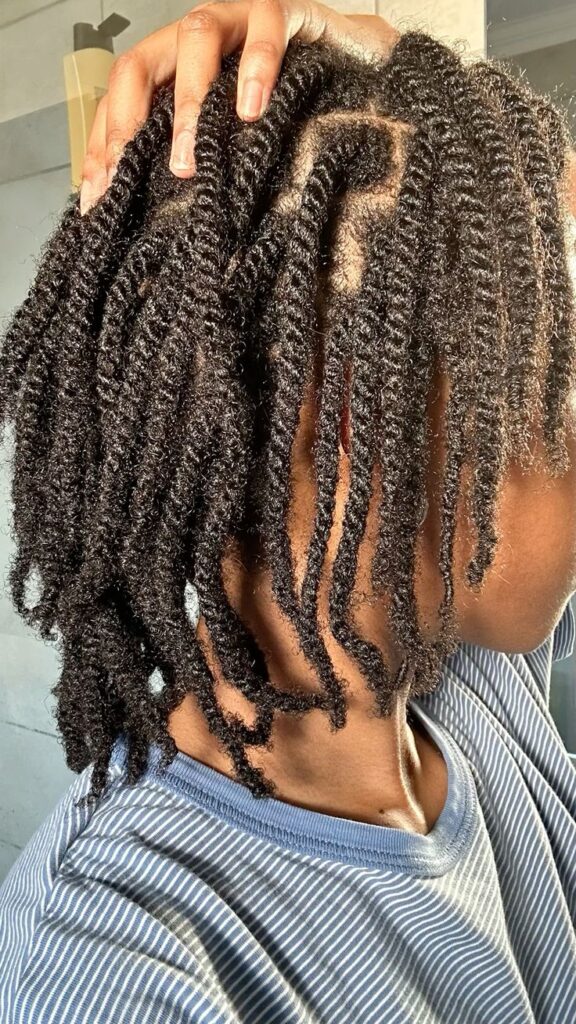
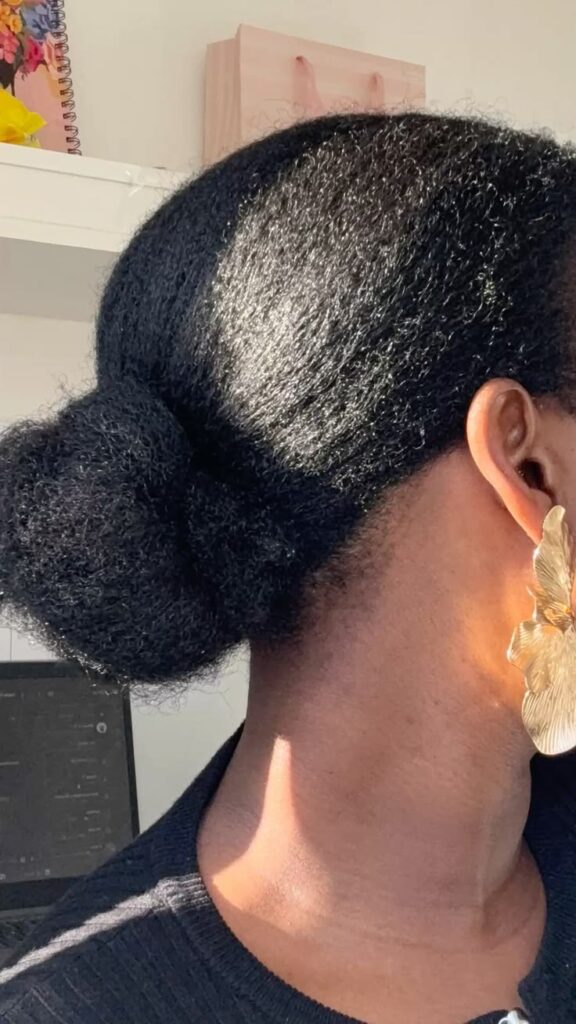
Simple options like twists, loose braids, buns, and other low-manipulation hairstyles can help protect your hair while giving it time to retain moisture.
Protect Your Hair While You Sleep
Your nighttime routine can have just as much impact as your wash day.
Cotton pillowcases tend to absorb moisture and create friction while you sleep. Over time, this can contribute to dryness, tangles, and breakage.
Sleeping with a satin or silk bonnet, scarf, or pillowcase helps reduce friction and allows your hair to retain more moisture overnight.
Many people also refresh their hair with a light mist of water or leave-in conditioner before bed whenever their strands feel particularly dry.
Creating healthy nighttime hair habits is one of the easiest ways to improve moisture retention without adding extra work to your daytime routine.

Best Products for High Porosity 4C Hair
Finding the right products can make caring for high-porosity hair much easier. Since this hair type loses moisture quickly, look for products that hydrate the strands while helping to lock that moisture in.
Remember, you don’t need an overflowing collection of products. A simple routine with products that suit your hair is often more effective than constantly trying new ones.
Moisturizing Leave-In Conditioners
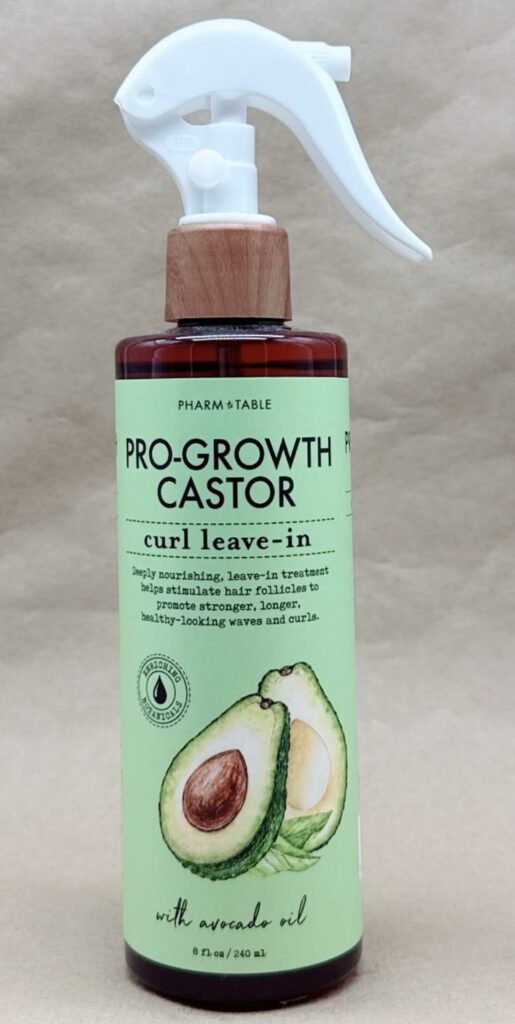
A good leave-in conditioner provides lasting hydration and creates the foundation for the rest of your routine.
Choose products that leave your hair soft without feeling sticky or overly heavy. Applying your leave-in immediately after washing gives your hair the best chance of holding onto moisture.
Finding a leave-in conditioner that works for your curls may take some experimentation, but it’s one of the most important products in your routine.
Deep Conditioners
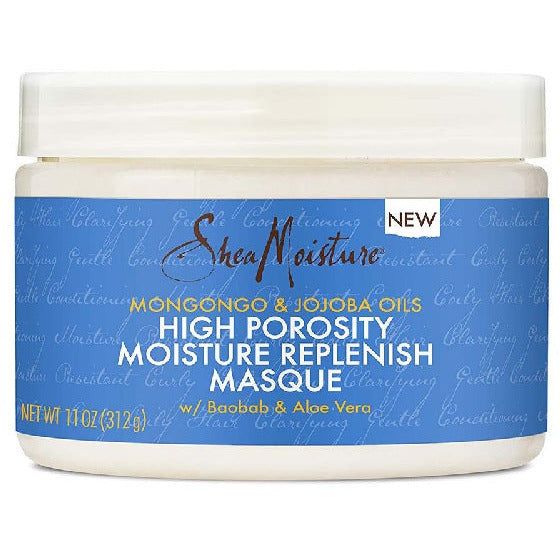
Deep conditioners help replace moisture that high-porosity hair loses throughout the week.
Look for products designed to improve softness, elasticity, and hydration. Using one consistently often produces better results than switching between different products every wash day.
Adding regular deep conditioning to your hair routine helps strengthen your strands while making them easier to manage.
Lightweight Oils and Sealants
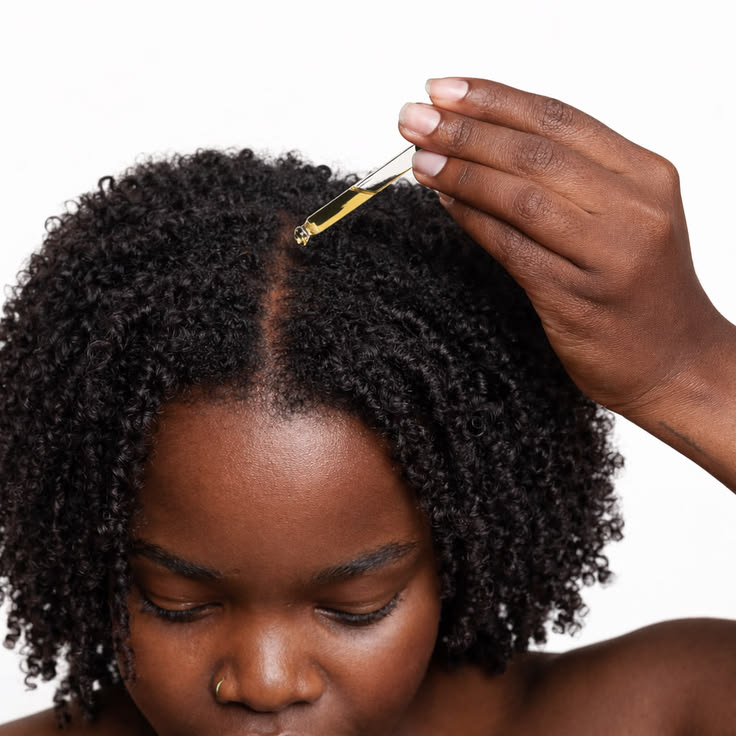
Once your hair has been moisturized, lightweight oils can help reduce moisture loss.
The purpose of an oil is to seal in hydration rather than replace water. Applying oil to dry hair without moisturizing first usually doesn’t provide the same benefits.
Learning how to layer moisturizing products correctly helps you get the most from every step of your routine.
Common Mistakes to Avoid
Even with the right products, a few habits can make high-porosity hair much harder to manage.
Avoiding these mistakes can help your hair stay healthier and retain moisture for longer.
Using Too Much Heat
Frequent heat styling can lift the cuticle even further, making moisture loss worse.
Whenever possible, allow your hair to air-dry or use low heat with a heat protectant.
Reducing unnecessary heat also helps protect your curls from long-term damage.
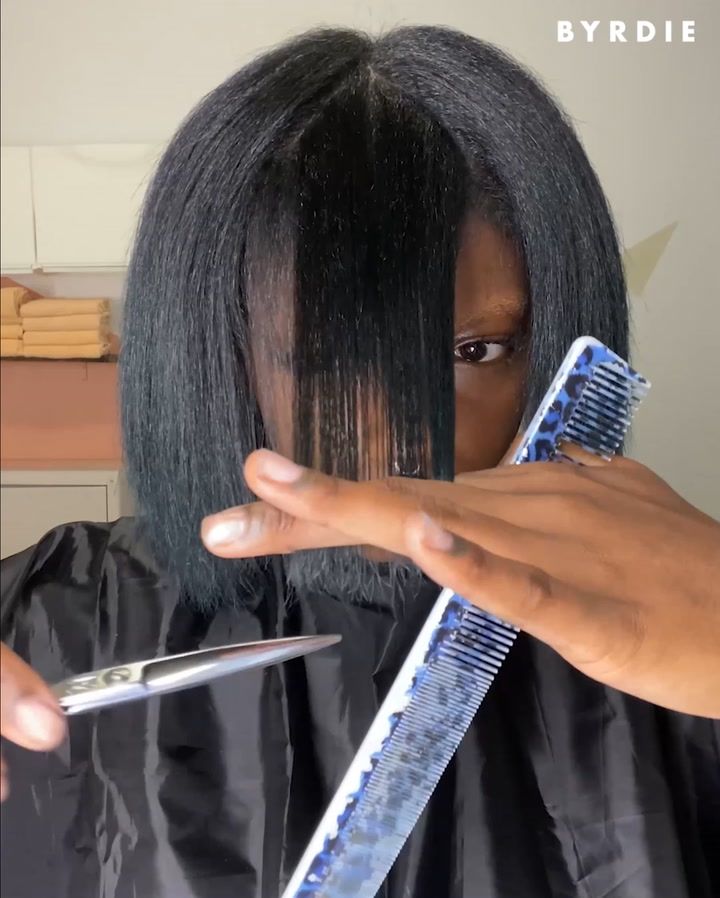
Skipping Regular Trims
Damaged ends won’t repair themselves.
Regular trims remove split ends before they travel farther up the hair shaft, helping your hair look healthier and reducing unnecessary breakage.
Keeping your ends healthy makes retaining length over time much easier.
Applying Products to Dry Hair
Many people wait until their hair feels dry before moisturizing.
For high-porosity hair, it’s much more effective to moisturize while your strands are still slightly damp. This gives your hair water to hold onto before you seal it in.
Small changes like this often make a bigger difference than buying expensive new products.
A Simple Weekly Routine for High Porosity 4C Hair
One of the biggest mistakes people make is only caring for their hair on wash day. High-porosity hair benefits from consistent moisture throughout the week, even if it’s only a quick refresh.
Your routine doesn’t have to be complicated. The goal is to keep your hair hydrated, reduce breakage, and avoid excessive manipulation.
Wash Day
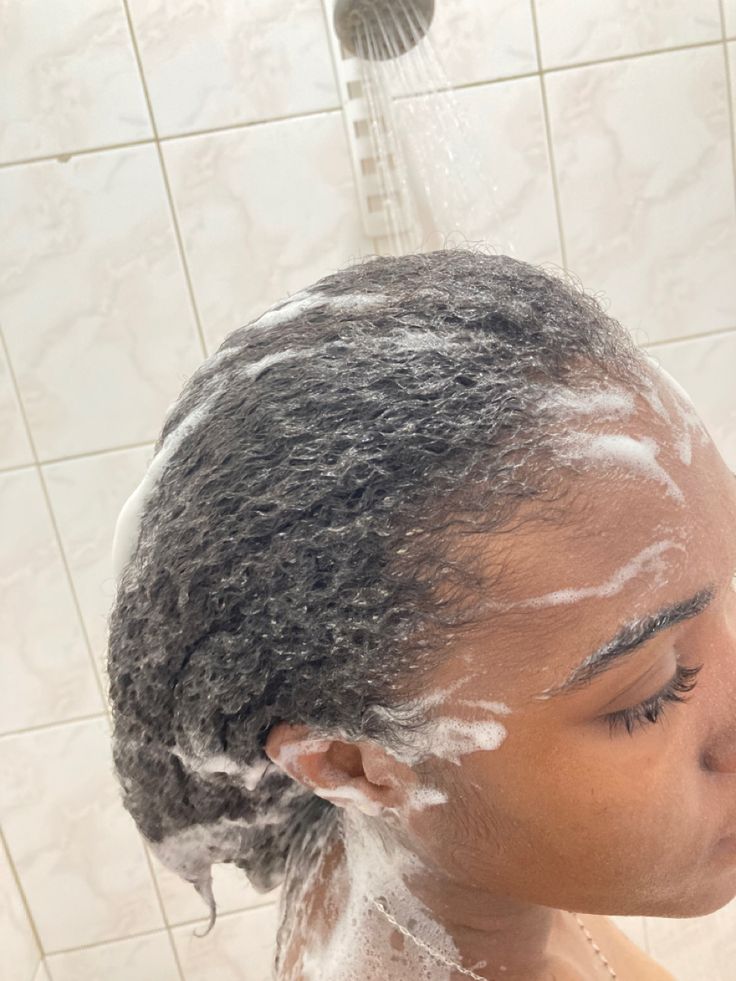
Start by cleansing your scalp and hair with a gentle shampoo to remove dirt and product buildup.
Follow with a deep conditioner to restore moisture before applying a leave-in conditioner and sealing everything in with a lightweight oil or butter.
Finish with a protective or low-manipulation style that helps your hair retain moisture throughout the week.
Starting with a healthy wash day routine gives every other step a stronger foundation.
Midweek Moisture Check
Instead of automatically adding more products every day, check how your hair actually feels.
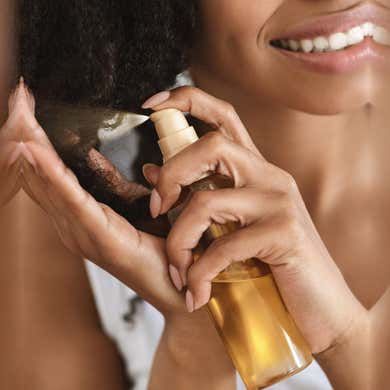
When your strands begin feeling dry, lightly mist them with water before applying a small amount of leave-in conditioner. Finish by sealing in the moisture with a lightweight oil if needed.
Keeping your moisture routine consistent often works better than using large amounts of product all at once.
Nighttime Care
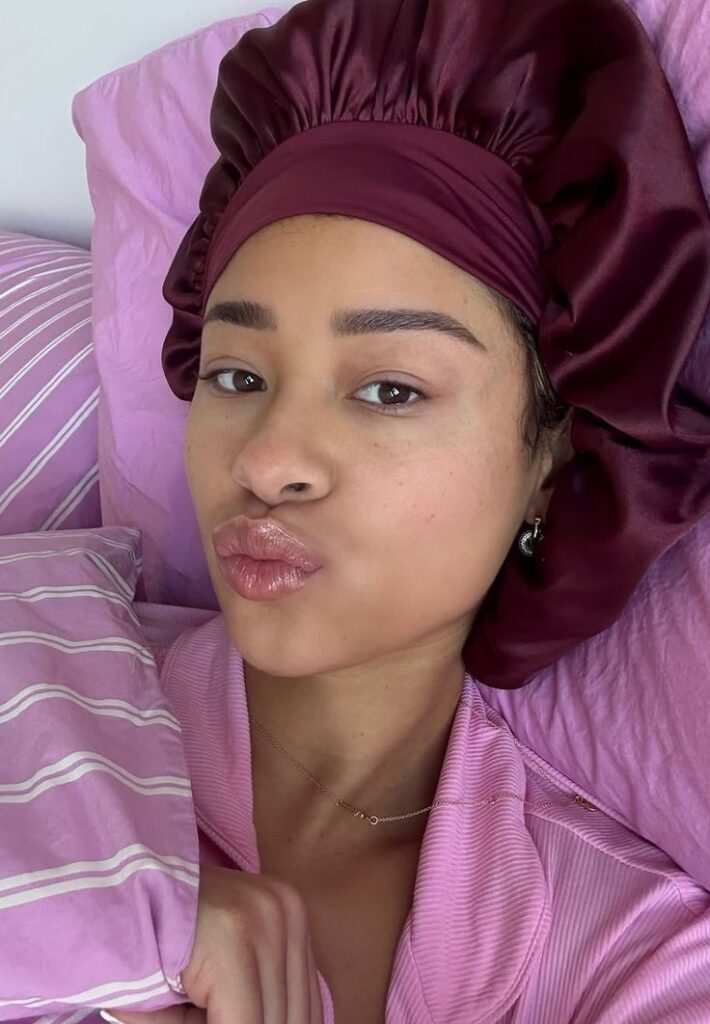
Before bed, protect your hair with a satin bonnet, scarf, or pillowcase.
If your hair feels particularly dry, lightly moisturize it before covering it for the night. This simple habit helps reduce friction while slowing moisture loss.
Building healthy nighttime habits often makes your hair easier to manage the following morning.
Ingredients That Work Well for High Porosity Hair
Not every product is created with high-porosity hair in mind.
Instead of shopping based on marketing claims alone, pay attention to the ingredients inside the bottle.
Ingredients That Help Retain Moisture
Many people with high-porosity hair have good results with ingredients that hydrate the hair while helping reduce moisture loss.
Some popular ingredients include:
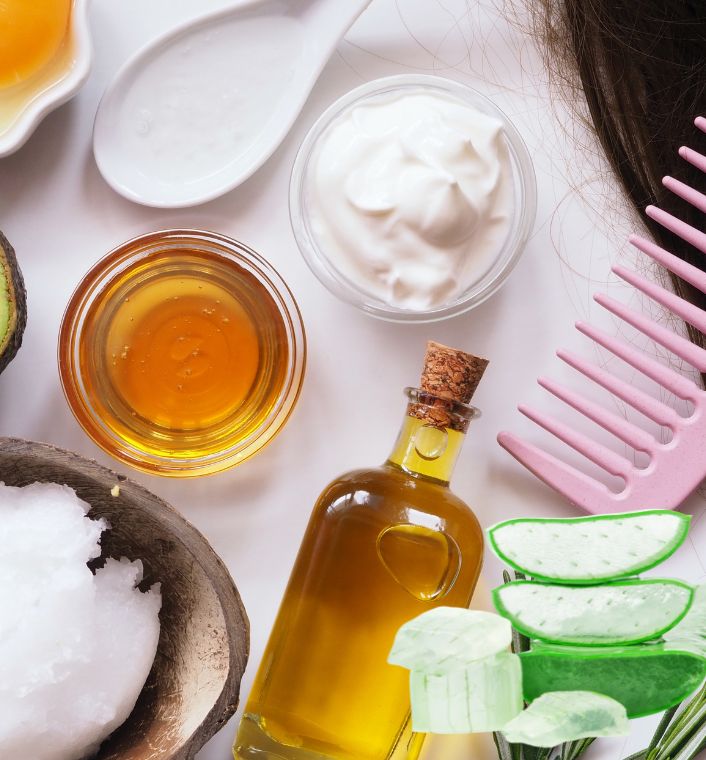
- Shea butter
- Aloe vera
- Honey
- Avocado oil
- Argan oil
- Ceramides
These ingredients can help soften the hair, improve manageability, and support moisture retention when used consistently.
As always, choosing products that match your hair’s needs is more important than following every trend online.
Ingredients That May Increase Dryness
Some ingredients aren’t necessarily bad, but they may not be the best choice for already dry hair when used too often.
These include:
- Strong sulfate shampoos
- Alcohol-heavy styling products
- Very harsh clarifying cleansers used too frequently
This doesn’t mean you should never use them; it simply means moderation is important, especially when your goal is keeping moisture inside the hair.
Learning how different ingredients affect your hair can help you make smarter product choices over time.
How Weather Affects High Porosity Hair
Your environment has a bigger impact on your hair than many people realize.
High-porosity hair reacts quickly to changes in humidity, temperature, and even seasonal weather.
Humid Weather
Humidity can be both helpful and frustrating, but because high-porosity hair absorbs moisture easily, humid weather may cause your hair to swell, creating frizz and making your style lose definition faster.
Protective styles and anti-humidity styling products can help keep your hair manageable during particularly humid days.

Cold, Dry Weather
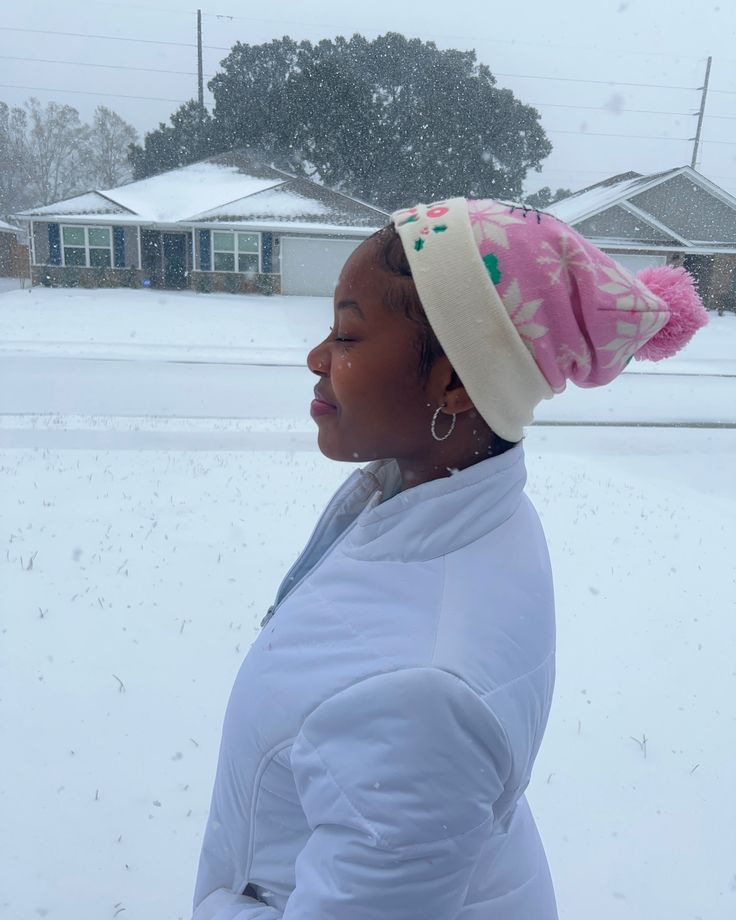
Cold weather often pulls moisture away from the hair, making high-porosity strands feel drier than usual.
During these months, you may need to deep condition more consistently or refresh your hair more often than you would during warmer seasons.
Making small seasonal adjustments to your hair routine can help your hair stay healthier all year long.
How You’ll Know Your Routine Is Working
Healthy hair doesn’t change overnight, but small improvements become noticeable with consistency.
Your routine is probably working when:
- Your hair stays moisturized longer between wash days.
- Detangling becomes easier.
- You notice less breakage during styling.
- Your strands feel softer and smoother.
- Your ends stay healthier.
- You’re able to retain more length over time.
Rather than expecting instant results, focus on these gradual improvements. Healthy hair is built through consistent habits, and every small step contributes to stronger, more manageable curls.
How Long Does It Take to See Results?
High-porosity hair won’t change overnight.
After building a consistent routine, many people begin noticing improvements within a few weeks. Their hair stays moisturized longer, feels softer, and becomes easier to detangle.
More significant improvements, such as reduced breakage and better length retention, usually take several months of consistent care.
The key is consistency rather than perfection. Following a routine that suits your hair every week will almost always produce better results than constantly changing products or techniques.
How to Build a Routine That Works for Your Hair
One of the biggest mistakes people make is expecting someone else’s routine to work exactly the same for them. While general guidelines can be helpful, every head of high-porosity 4C hair is different.
Your hair’s density, strand thickness, lifestyle, and even your local climate all influence how often it needs moisture. Someone living in a humid environment may not need to refresh their hair as often as someone living in a dry climate.
Likewise, hair that’s worn in protective styles may require a different routine than hair that’s frequently worn in twist-outs or wash-and-gos.
The best approach is to start with a simple routine and make small adjustments based on how your hair responds. If your strands stay moisturized for several days, there’s no need to add more products every day.
On the other hand, if your hair feels dry after two days, it may be time for a light refresh using water and a leave-in conditioner.
It’s also helpful to keep your routine consistent for a few weeks before deciding whether it’s working. Constantly switching shampoos, conditioners, and styling products makes it difficult to know what’s actually helping your hair.
As you become more familiar with your strands, you’ll begin to recognize what they need without relying on guesswork.
Paying attention to the way your hair responds over time is one of the most effective ways to build a routine that supports healthier, stronger, and better-moisturized curls.
Frequently Asked Questions
Can high-porosity hair become healthy again?
Yes.
Although you can’t completely change your natural porosity, you can improve the overall health of your hair. A consistent routine that focuses on moisture, gentle handling, and reducing damage can make high-porosity hair feel softer, stronger, and easier to manage.
How often should I moisturize high-porosity 4C hair?
There’s no single schedule that works for everyone.
Some people need to refresh their hair every two or three days, while others can go longer. The best approach is to pay attention to your hair and moisturize whenever it starts feeling dry instead of following a strict timetable.
Is high-porosity hair always damaged?
No.
Some people naturally have high-porosity hair because of their genetics. Others develop it over time from colouring, bleaching, chemical treatments, or frequent heat styling.
Regardless of the cause, healthy hair habits can help improve the way your hair looks and feels.
Should I use protein treatments?
High-porosity hair often benefits from occasional protein treatments because they can temporarily strengthen weakened areas of the hair shaft.
However, too much protein can make the hair feel stiff or brittle. The goal is balance, not using protein every wash day.
Can I use oils every day?
You can, but oils work best when they’re sealing in moisture rather than replacing it.
Applying oil to dry hair without first adding water or a moisturizer usually won’t provide lasting hydration. Always moisturize first, then use oil to help lock that moisture in.
Final Thoughts
Caring for high-porosity 4C hair doesn’t have to be complicated. Once you understand how your hair behaves, it becomes much easier to choose products and build a routine that supports healthy, moisturized strands.
The biggest difference comes from consistency. Washing your hair with gentle products, deep conditioning regularly, moisturizing damp hair, sealing in hydration, and handling your curls gently all work together to reduce dryness and breakage over time.
It’s also important to remember that no two heads of hair are exactly alike. What works for someone else may not work for you, and that’s perfectly normal. Pay attention to how your own hair responds and don’t be afraid to make small adjustments along the way.
With patience and the right routine, high-porosity 4C hair can become softer, easier to manage, and much better at holding onto moisture. The goal isn’t perfect hair—it’s healthy hair that continues to thrive.




2 Comments