
50 Summer Hair Care Tips for 4C Hair
Disclosure: Some of the links in this post are affiliate links. This means if you click on the link and purchase an item, I will receive an affiliate commission at no extra cost to you.
Summer can be a fun season for natural hair. There are outdoor events, vacations, swimming days, lighter hairstyles, and plenty of opportunities to experiment with your look. At the same time, hot temperatures, strong sunlight, humidity, sweat, chlorine, and frequent outdoor activities can make 4C hair harder to manage.
Because 4C hair tends to lose moisture quickly and can become tangled or dry when it is handled too much, your routine may need a few adjustments during warmer months. You do not necessarily need a completely different routine. Small changes, such as washing your scalp more often when you sweat heavily, protecting your ends, and choosing lighter products, can make a noticeable difference.
These summer hair care tips for 4C hair are designed to help you keep your strands moisturized, your scalp comfortable, and your hairstyles manageable throughout the season. Some focus on daily habits, while others cover wash day, swimming, protective styling, scalp care, and moisture retention.
1. Keep Your Hair Properly Moisturized
One of the most useful summer hair care tips for 4C hair is to pay attention to moisture before your hair becomes extremely dry. Hot weather can increase moisture loss, especially when you spend a lot of time outdoors.
Use a water-based leave-in conditioner or moisturizer when your hair feels dry, then seal the moisture lightly if your hair needs it. Focus especially on the mid-lengths and ends, which often need more attention than the roots.
2. Do Not Skip Your Scalp Care
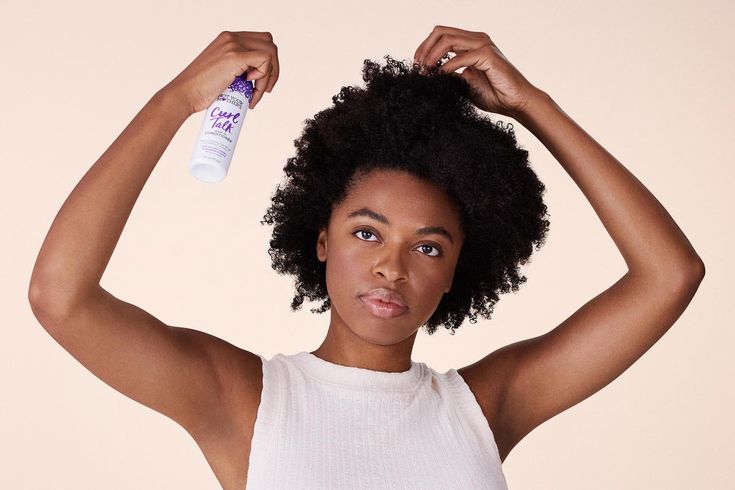
Your scalp can become sweaty during hot weather, particularly if you exercise regularly or spend long hours outside. Sweat and product buildup can make your scalp feel uncomfortable.
A clean, comfortable scalp creates a better environment for maintaining your routine. Pay attention to unusual itching, excessive flakes, tenderness, or buildup rather than automatically adding more products.
For more guidance, healthy scalp care can help you recognize when your scalp needs extra attention.
3. Wash Your Hair When You Sweat Heavily
You may need to adjust your normal washing schedule during summer. If you sweat heavily, waiting too long between washes can leave your scalp uncomfortable and covered with buildup.
This does not mean you need to shampoo every day. Instead, consider how much you are sweating, what products you use, and how your scalp feels.
If your routine needs adjusting, how often you should wash 4C hair can help you find a schedule that works for your hair and scalp.
4. Choose Lightweight Moisturizers
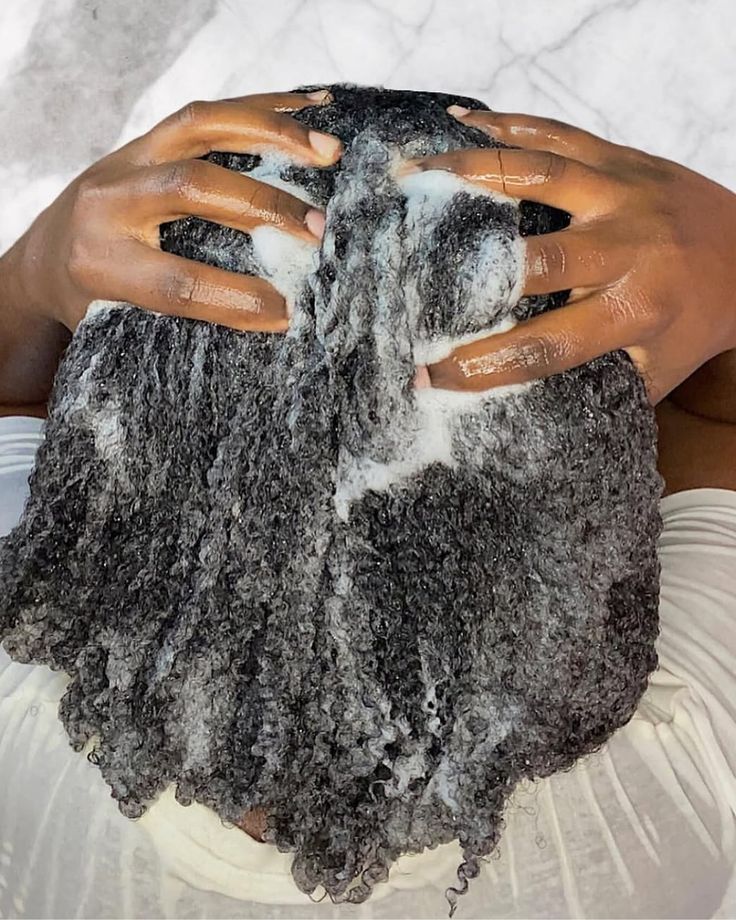
Heavy creams and thick butters are not automatically bad for 4C hair, but you may not need as much product during hot weather. Layering several heavy products can leave your hair coated and make your scalp feel uncomfortable.
Try using smaller amounts and choosing products that provide moisture without leaving your hair excessively greasy or weighed down.
5. Protect Your Hair From Direct Sun
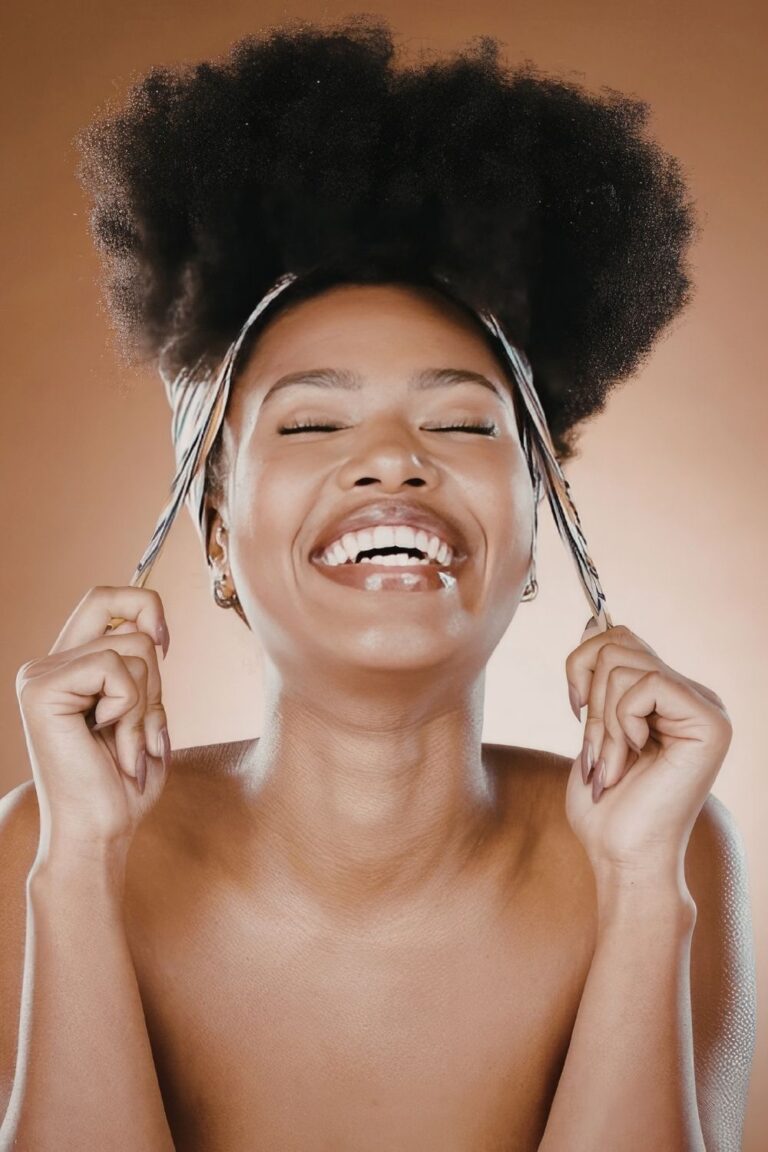
Your hair is exposed to sunlight whenever you spend time outdoors. Instead of leaving your hair uncovered for hours, consider using scarves, hats, headwraps, or hairstyles that provide some physical coverage.
A stylish headwrap can be particularly useful for beach days, outdoor events, and long walks.
For more ideas, natural hair accessories can give you practical ways to protect and style your hair at the same time.

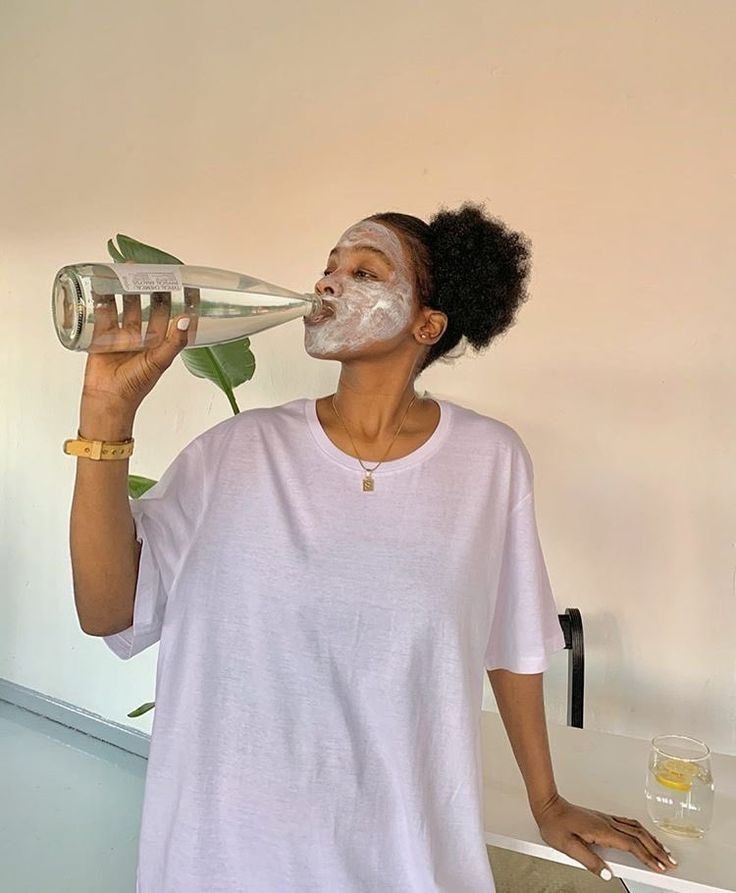
6. Drink Enough Water
Your hair routine should not be your only focus during summer. Staying hydrated supports your overall well-being, especially when temperatures are high.
Drinking water will not suddenly make your hair grow faster, but staying hydrated is part of taking care of your body while you maintain healthy hair habits.
7. Avoid Excessive Heat Styling
Summer is already bringing plenty of heat, so you may not need to add more through frequent blow-drying or flat ironing.
If you use heat, keep the temperature reasonable, use heat protection, and avoid repeatedly applying heat to the same sections. Air-drying, stretching with low heat, and heat-free styles can be easier.
8. Give Your Hair a Break From Constant Manipulation
You do not have to restyle your hair every morning. Frequent combing, brushing, pulling, and restyling can increase mechanical stress.
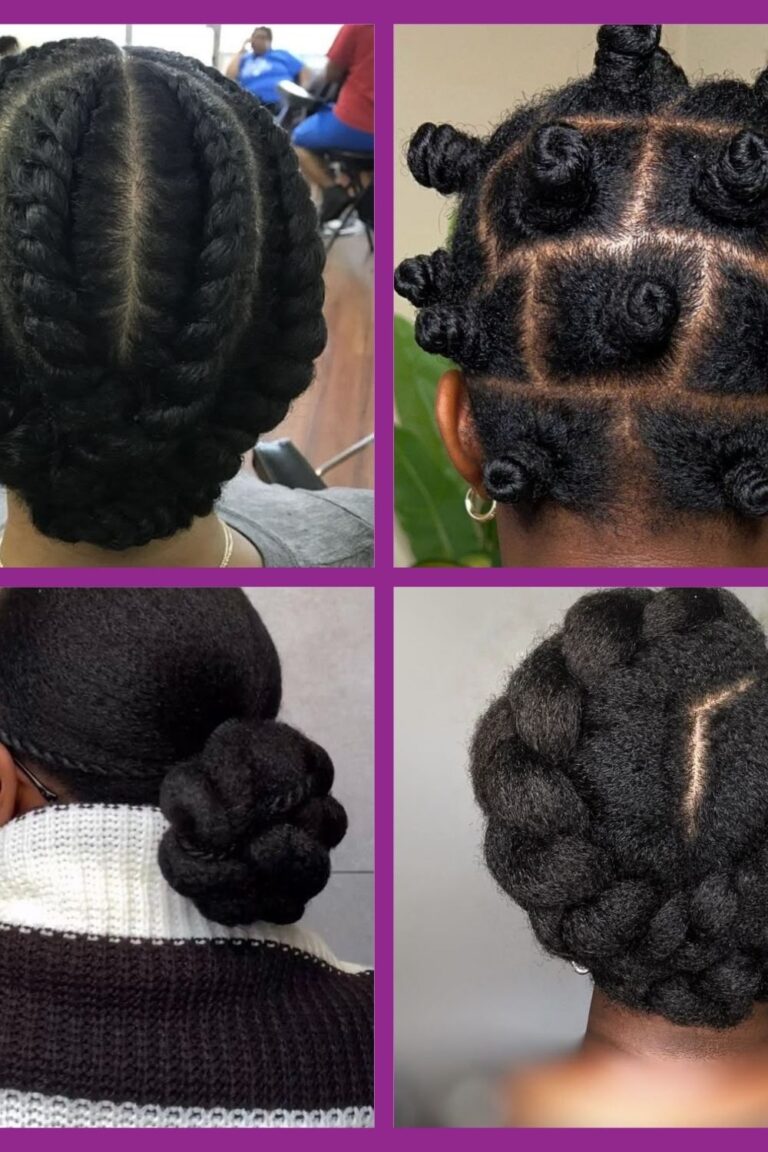
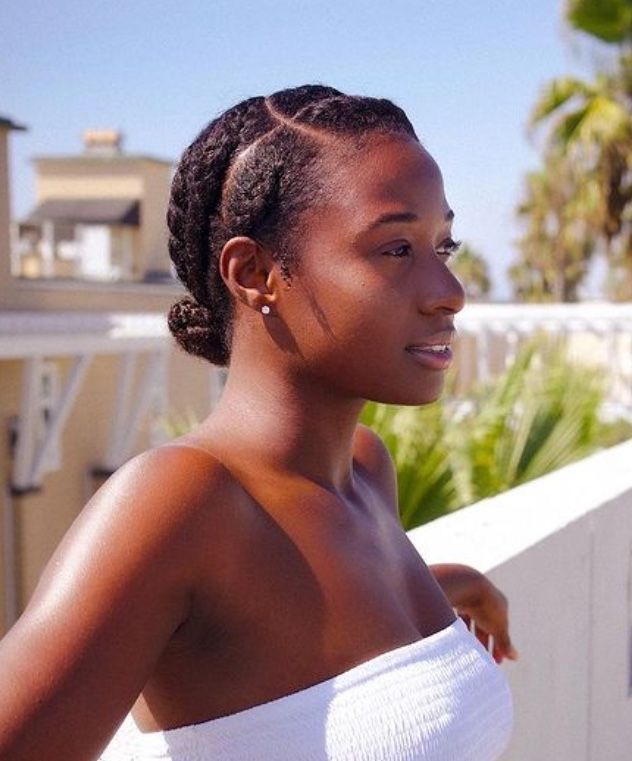
Choose hairstyles that allow you to leave your hair alone for several days. Puffs, twists, braids, buns, and other low-manipulation styles can simplify your routine.

9. Take Care of Your Ends
Your ends are the oldest parts of your hair, so they have already experienced more manipulation and environmental exposure than your roots.
Keep them moisturized, avoid unnecessary pulling, and tuck them away when they feel particularly dry. Regularly checking your ends can also help you notice split or damaged areas.
10. Try a Scalp Massage
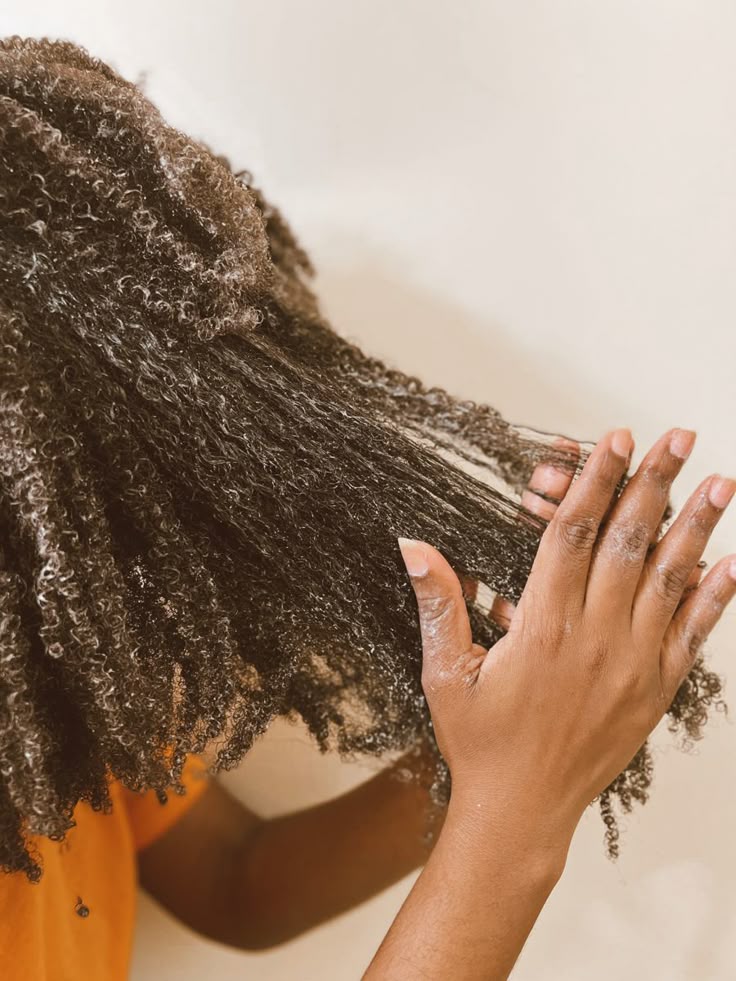
A gentle scalp massage can be a relaxing addition to your routine. Use your fingertips rather than your fingernails and avoid aggressive scratching.
You can massage your scalp while shampooing or while applying a small amount of suitable scalp oil.
For more ideas, the best oils for scalp massage can help you understand which oils may fit into your routine.

11. Be Careful With Heavy Oils
Oil can help reduce friction and seal in moisture, but adding large amounts during hot weather may leave your hair greasy and your scalp uncomfortable.
Start with a small amount and pay attention to how your hair responds. If your scalp becomes oily or coated, reduce the amount or use oil mainly on the lengths and ends.
12. Experiment With DIY Hair Oil Blends Carefully
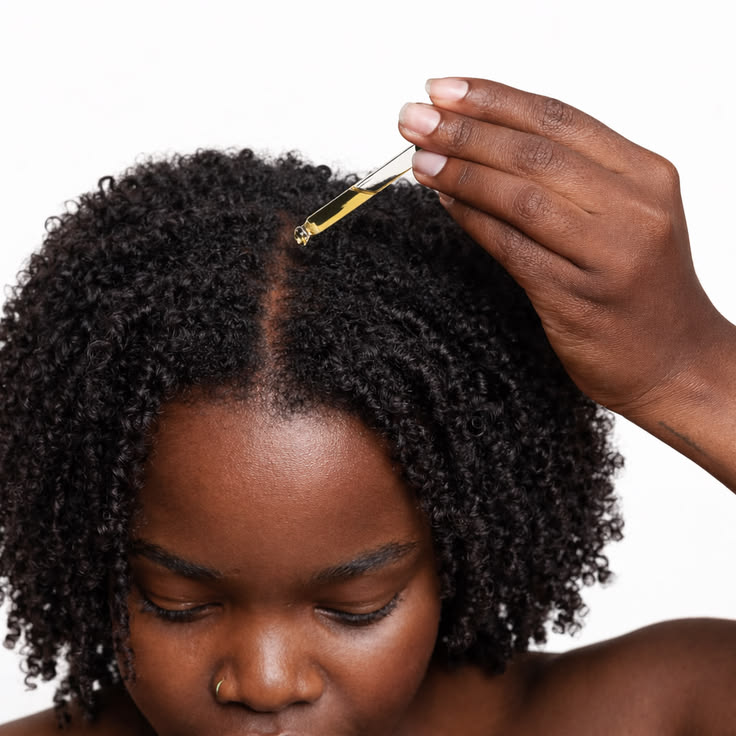
DIY oil blends can be enjoyable, but more ingredients do not necessarily mean better results. Combining several oils and herbs can make it difficult to know what is actually helping your hair.
If you enjoy homemade treatments, keep your blends simple and use clean containers. Patch-test unfamiliar ingredients and stop using anything that causes irritation.
You can also explore DIY hair oil blends for ideas on keeping homemade treatments simple.
13. Deep Condition Regularly
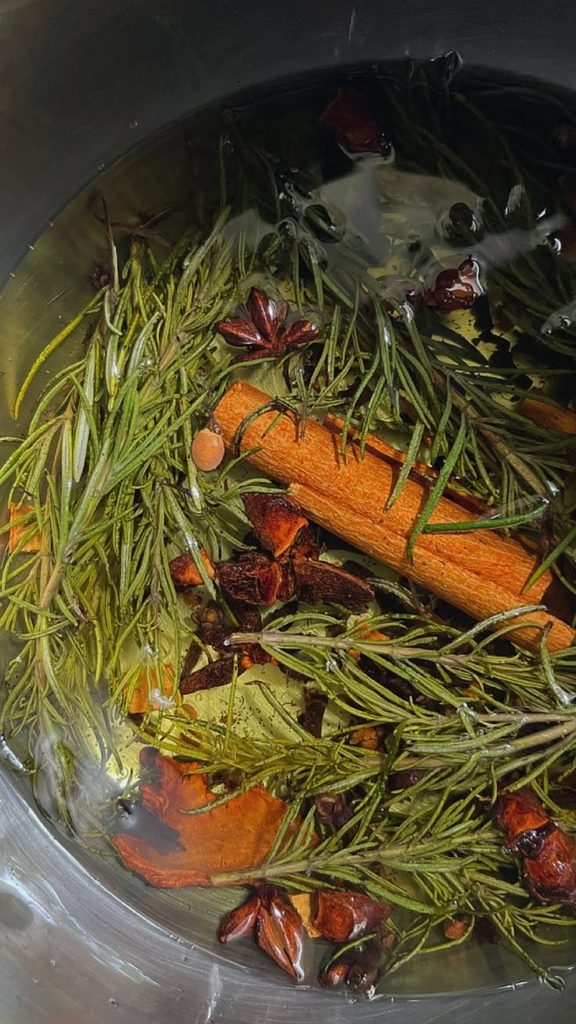
Summer activities can leave your hair feeling dry, particularly if you swim or spend a lot of time outdoors.
Deep conditioning can add a useful moisture-focused step to wash day. Apply the product according to its instructions and give it enough time to work rather than rinsing it out immediately.
If your hair feels especially dry, best deep conditioners for dry 4C hair can help you choose products suited to your needs.
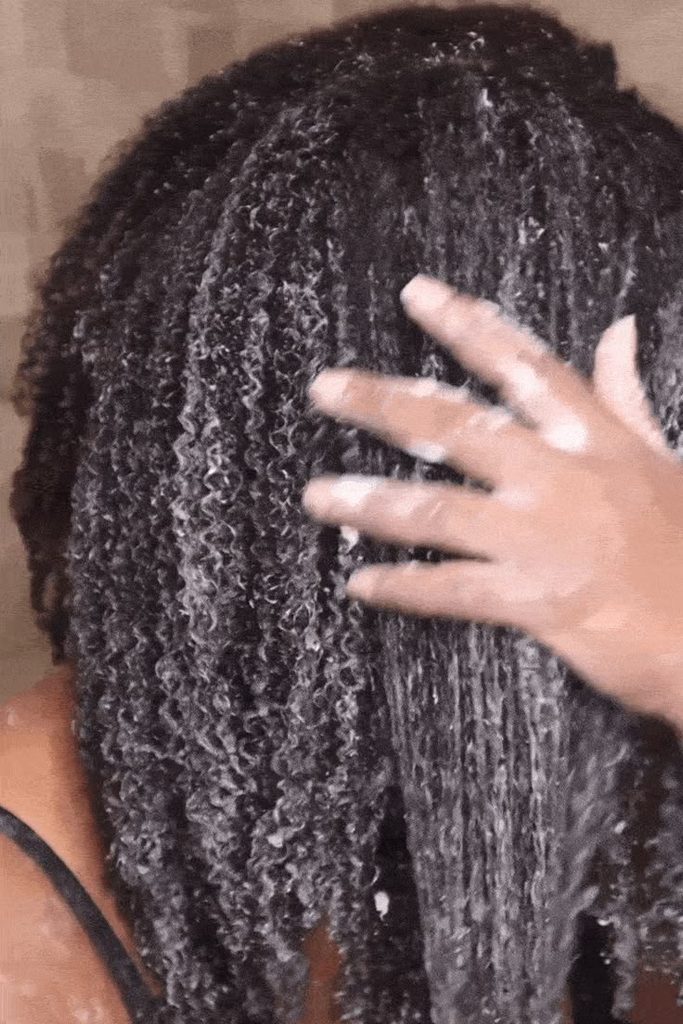
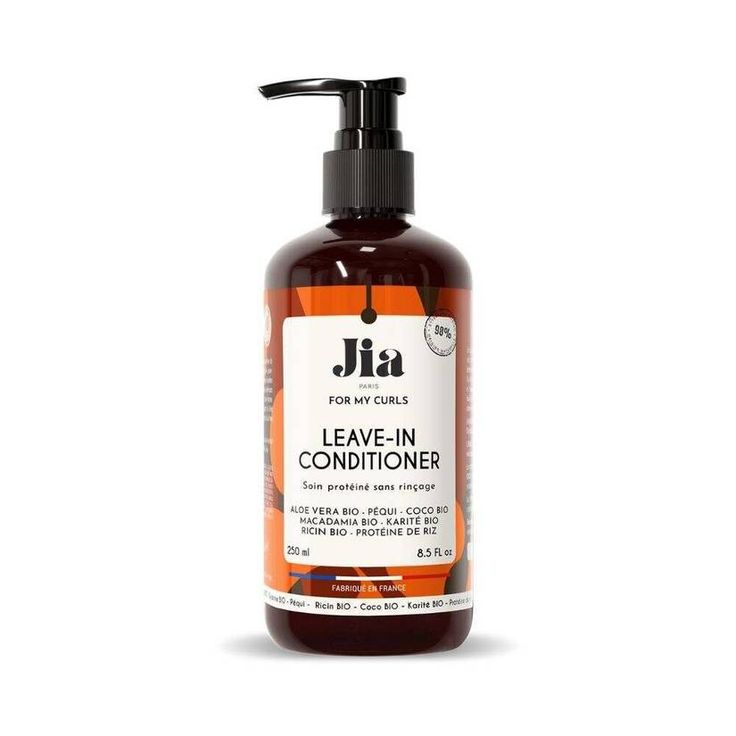
14. Use a Leave-In Conditioner
A leave-in conditioner can make your hair easier to manage after washing. It can also provide a foundation for styling before you apply a cream or a small amount of oil.
Choose one that works with your hair rather than automatically choosing the heaviest product available.
15. Pay Attention to Your Hair Porosity
The way your hair absorbs and holds moisture can affect how products perform. A product that works beautifully for one person may feel too heavy or too light on another person’s hair.
Instead of constantly changing products, pay attention to how quickly your hair becomes wet, how long it stays moisturized, and how it responds to different products.
The complete guide to hair porosity for 4C hair can help you understand these differences.
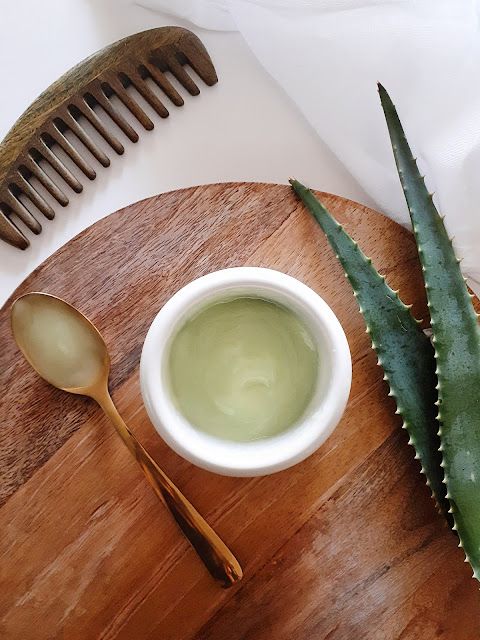
16. Use Aloe Vera Treatments When Suitable
Aloe vera can be used in some natural hair routines, particularly as part of homemade treatments. However, natural does not automatically mean irritation-free.
If you use fresh aloe vera, prepare it properly and discontinue use if your scalp or skin reacts badly.
For a simple starting point, DIY aloe vera hair treatments can provide ideas for incorporating aloe into your routine.
17. Avoid Overloading Your Hair With Products
Summer can tempt you to keep adding products whenever your hair feels dry. However, repeatedly layering creams, oils, gels, and edge products can eventually create buildup.
Before adding another product, consider whether your hair actually needs moisture or simply needs to be cleansed.
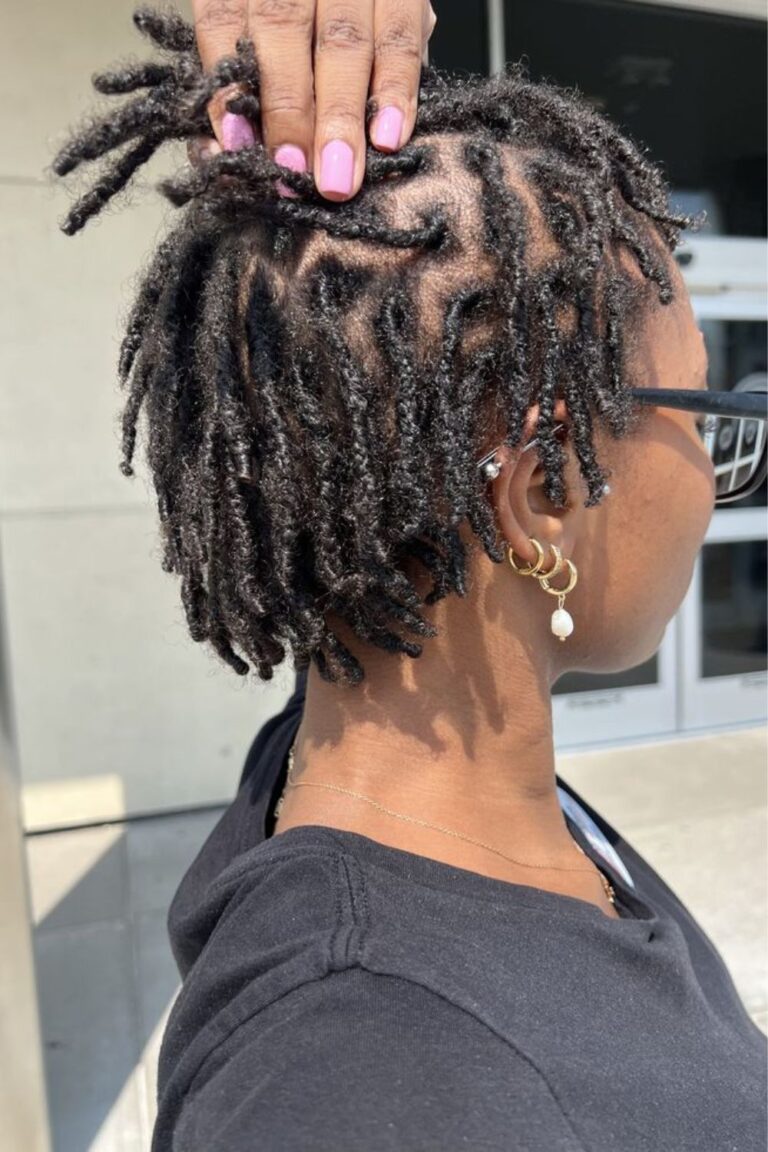
18. Choose Breathable Protective Styles
Protective styles can make summer hair care easier, but the style should not be painfully tight or excessively heavy.
Loose enough to feel comfortable and manageable is generally better than choosing a style simply because it lasts for a long time.

19. Do Not Keep Protective Styles Too Long
A hairstyle lasting for weeks does not mean it should stay installed indefinitely. Your scalp still needs cleansing, and your hair still needs care.
Watch for excessive buildup, itching, dryness, tangling, or matting. When a style starts becoming difficult to maintain, it may be time to remove it.
How long should you keep protective styles in? can help you plan your next installation.
20. Avoid Tight Hairstyles
Summer hairstyles should not leave your scalp sore. Tight ponytails, puffs, braids, or cornrows can place unnecessary tension around the hairline.
If a style hurts while being installed or continues to hurt afterward, treat that as a warning rather than something you need to endure for beauty.
21. Protect Your Hair Before Swimming
Swimming can expose your hair to chlorine or salt water. Before getting into the pool or ocean, wet your hair with clean water and consider applying a suitable conditioner.
This can reduce how much treated or salty water your hair absorbs.
For a complete routine, swimming with natural hair covers useful before-and-after care.

22. Rinse Your Hair After Swimming
Do not allow chlorine or salt water to sit in your hair for hours after swimming. Rinse your hair with clean water as soon as practical.
If you swim frequently, create a simple post-swimming routine so caring for your hair becomes automatic.
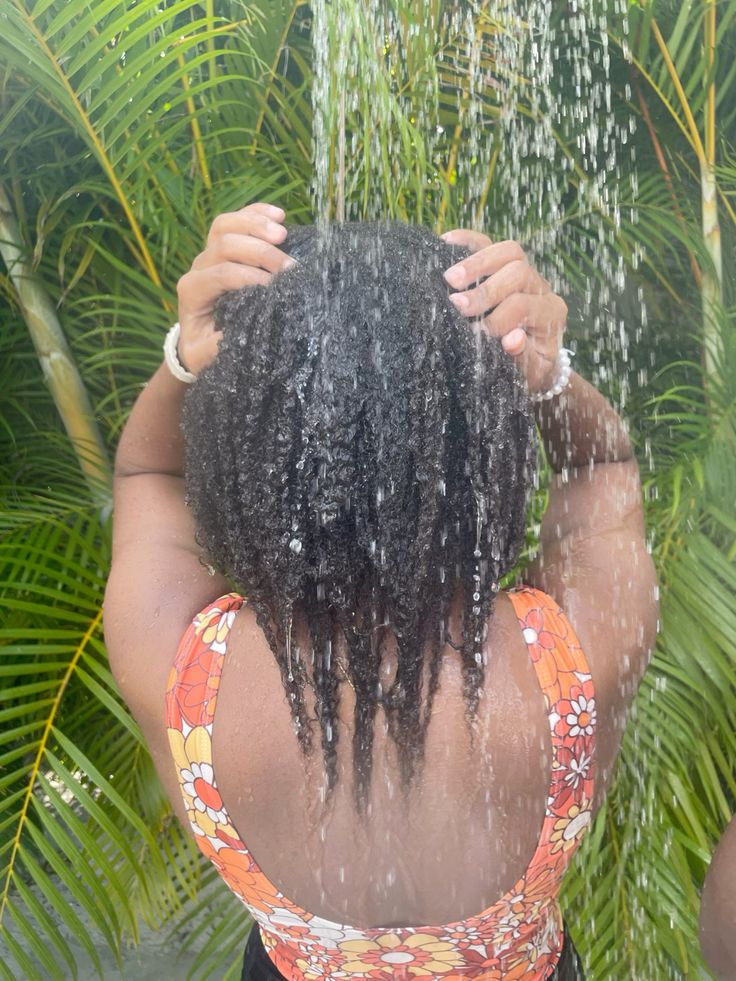
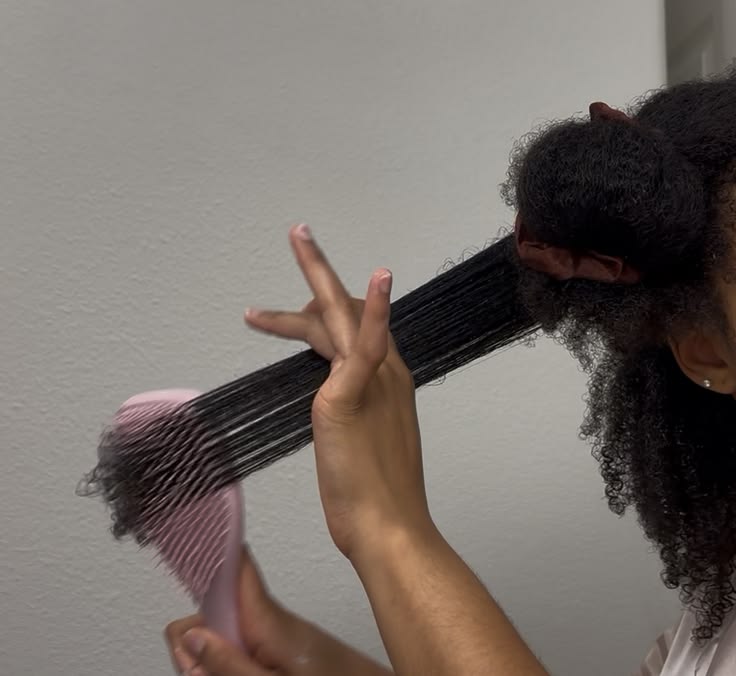
23. Be Gentle When Detangling
Sweat, humidity, and frequent styling can create tangles. Detangling aggressively can turn a manageable knot into unnecessary breakage.
Separate your hair into sections, use adequate slip, and work from the ends upward. Take your time around particularly tangled areas.
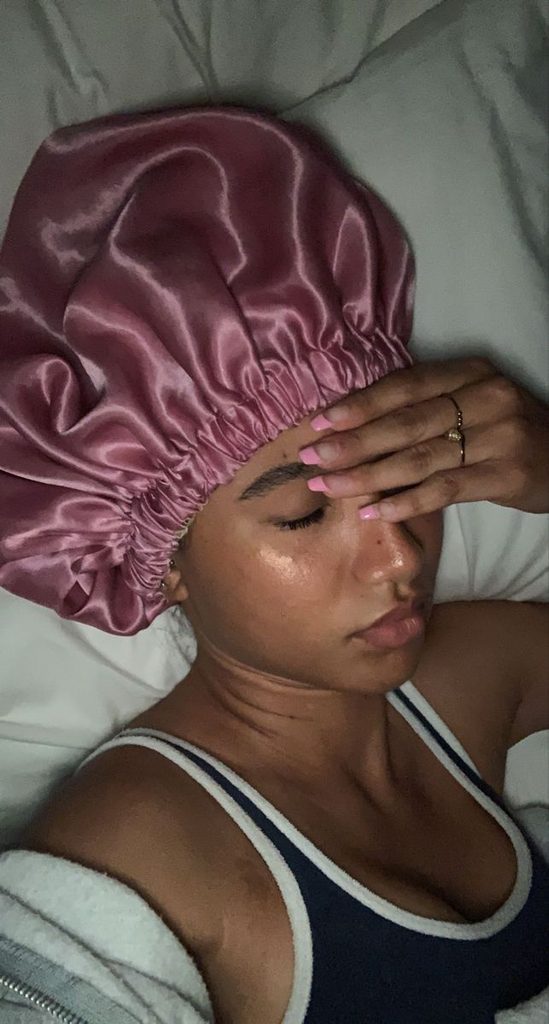
24. Sleep With a Satin Bonnet or Scarf
Your hair can lose moisture through friction while you sleep. A satin bonnet, scarf, or pillowcase can help reduce friction between your hair and bedding.
Choose an option that stays comfortable throughout the night and does not place pressure on your hairline.
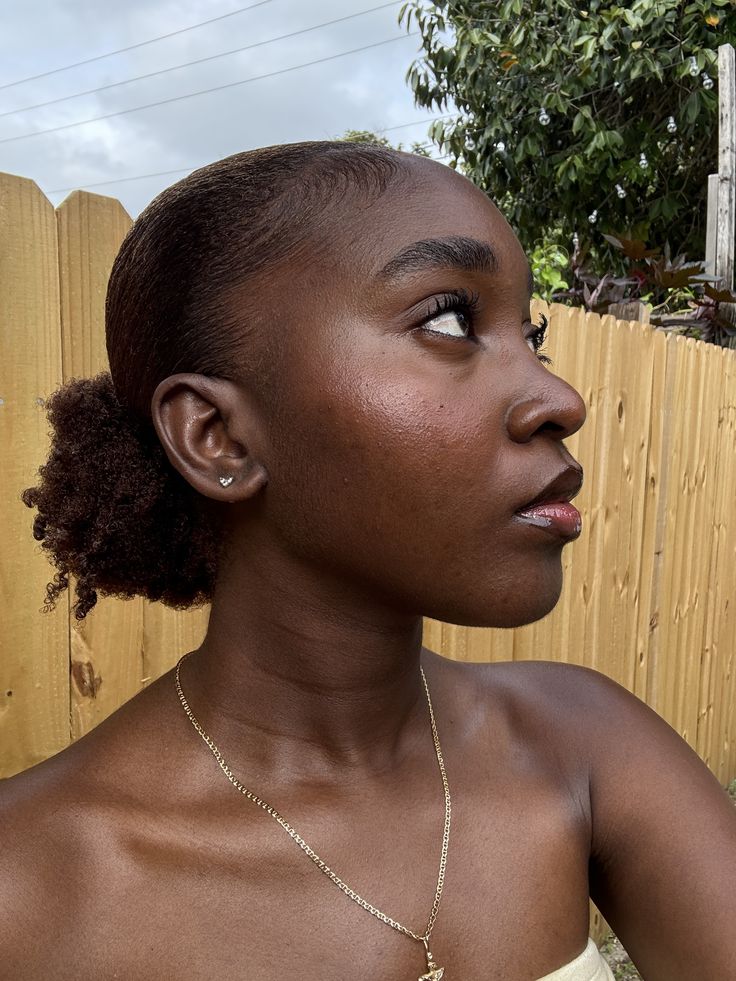
25. Keep Your Edges Simple
Summer humidity can make laid edges revert quickly. Constantly reapplying strong-hold products and brushing the same area can create unnecessary stress.
You do not need perfectly laid edges every day. Sometimes a natural-looking hairline is the healthier and easier choice.
26. Use a Clarifying Shampoo When Needed
If you use gels, edge control, oils, creams, and styling products regularly, buildup can become a problem.
A clarifying shampoo can be useful when your normal shampoo no longer leaves your hair and scalp feeling clean. Do not automatically use it every wash day because over-cleansing can leave hair feeling dry.
27. Choose a Conditioner That Gives Enough Slip
A good conditioner can make detangling easier, especially when your hair has been exposed to sweat, humidity, swimming, or frequent styling.
Look for products that give your hair enough slip to reduce unnecessary pulling.
If you are comparing options, the best conditioners for 4C hair can help you find a suitable starting point.
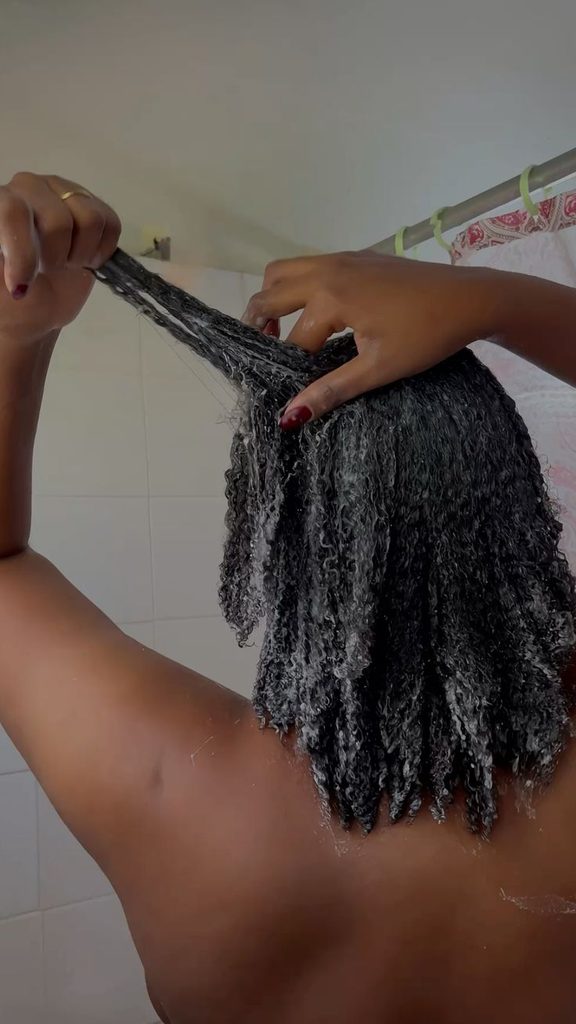
28. Avoid Scratching Your Scalp With Your Nails
A sweaty scalp can feel itchy, but scratching aggressively can irritate the skin. Use your fingertips gently when cleansing or massaging instead.
If itching becomes persistent or severe, consider getting professional advice rather than continuously adding oils or treatments.
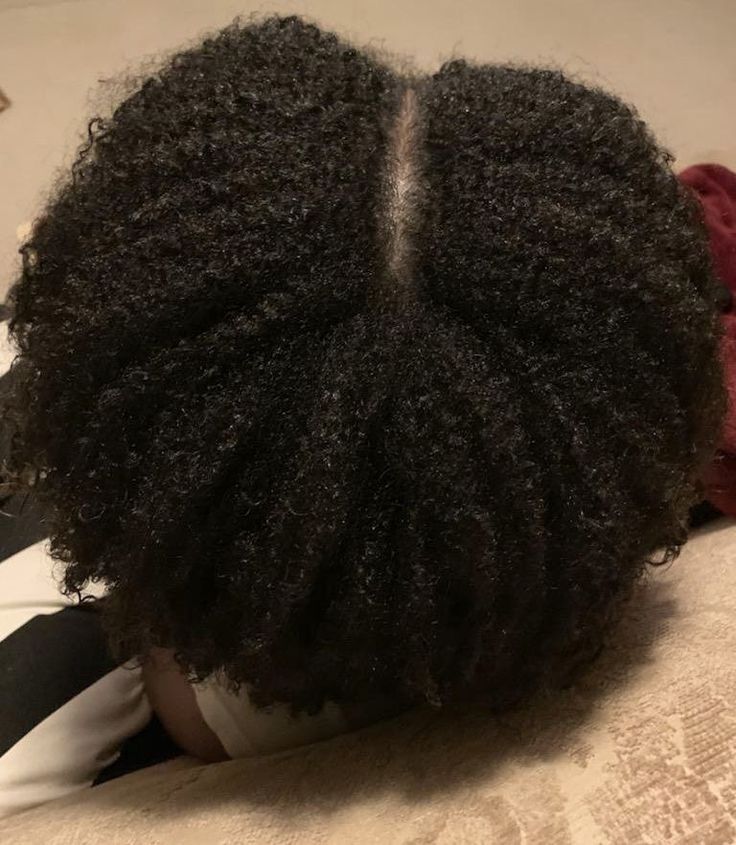
29. Pay Attention to Scalp Buildup
A hot summer can mean more sweat, styling products, and environmental exposure. If your scalp starts feeling coated or uncomfortable, reassess your routine.
You may need a thorough wash rather than another layer of oil.
30. Choose Hair Oils Based on Your Needs
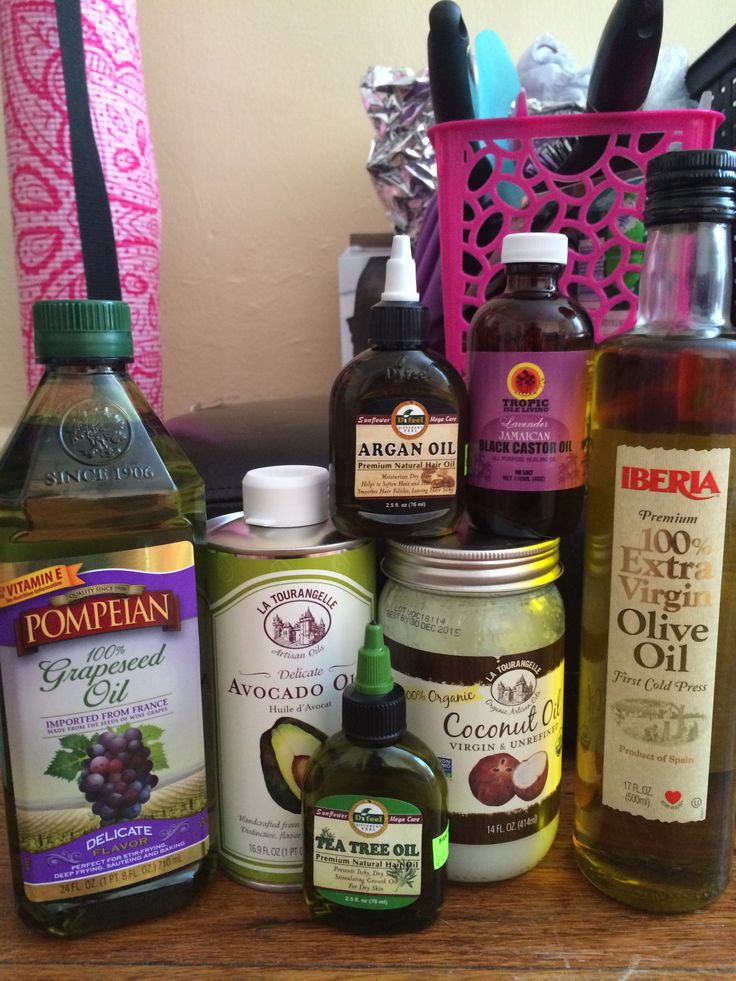
Not every oil will feel the same on every head of hair. Some people prefer lighter oils, while others like richer options for sealing moisture.
Use a small amount first and observe your hair. The best hair oils for 4C hair can help you compare different options.
31. Keep Your Wash Day Routine Simple
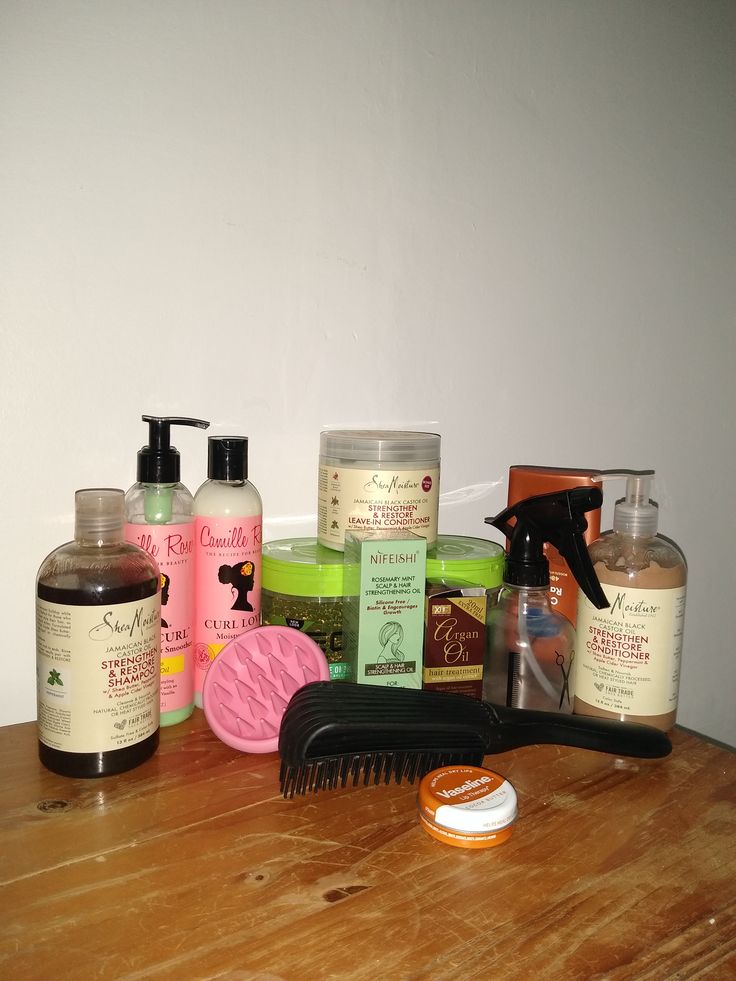
A complicated routine can become exhausting during summer, especially if you are busy with travel, school, work, or outdoor activities.
A simple wash day can include cleansing, conditioning, detangling, moisturizing, and styling. Add extra treatments only when your hair actually needs them.
32. Do Not Ignore Breakage
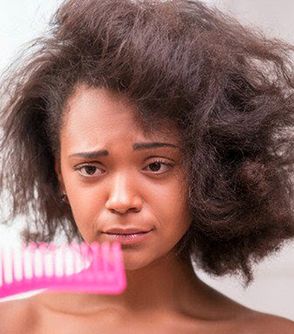
Seeing a small amount of shed hair is normal, but excessive breakage can be a sign that your routine needs attention.
Look at how you detangle, style, moisturize, and handle your hair. If your strands are constantly snapping, revisit your routine instead of simply adding another growth product.
How to stop 4C hair breakage offers more practical ways to reduce unnecessary strand loss.
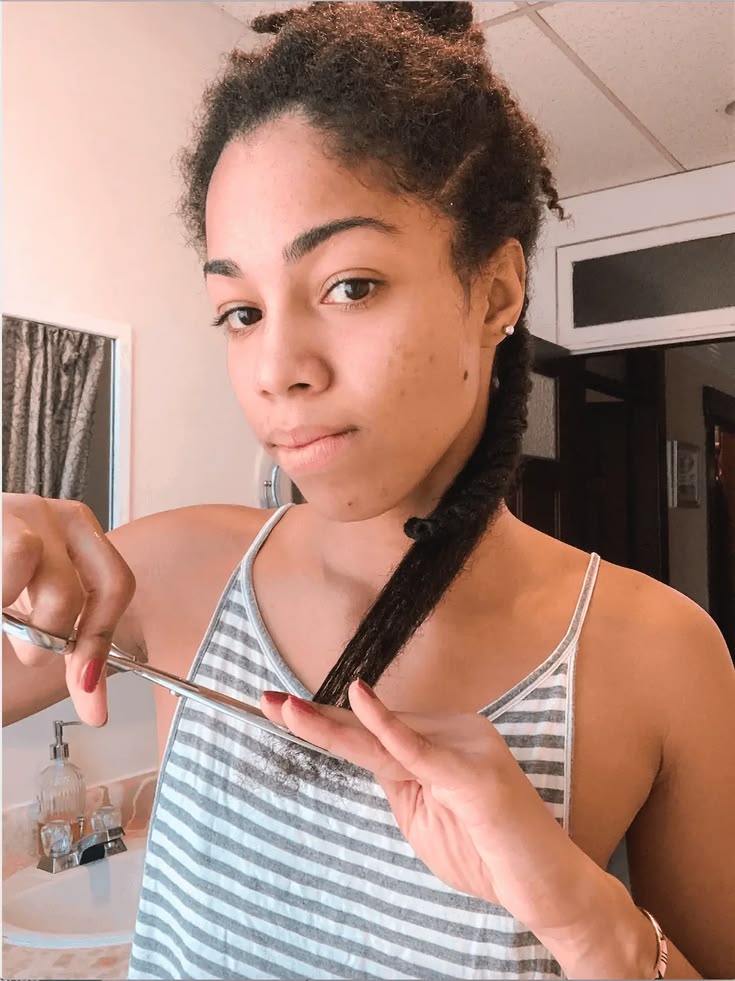
33. Trim Damaged Ends When Necessary
Summer does not mean you need to trim your hair on a strict schedule. However, severely split or damaged ends will not become healthy again through moisturizing products.
If your ends are repeatedly splitting, tangling, or snapping, a careful trim may help you maintain healthier-looking hair.
34. Do Not Confuse Sweat With Moisture
Sweat can make your hair and scalp feel damp, but that does not mean your strands are properly moisturized.
Your hair may still need conditioning and a suitable moisturizer after cleansing, especially if it feels rough or dry.
35. Use a Scarf on Windy Beach Days
Beach days can expose loose natural hair to wind, salt water, sand, and sun. A scarf can help keep your hair contained and reduce the amount of environmental exposure.
Choose a breathable fabric and avoid tying it so tightly that it creates pressure around your edges.

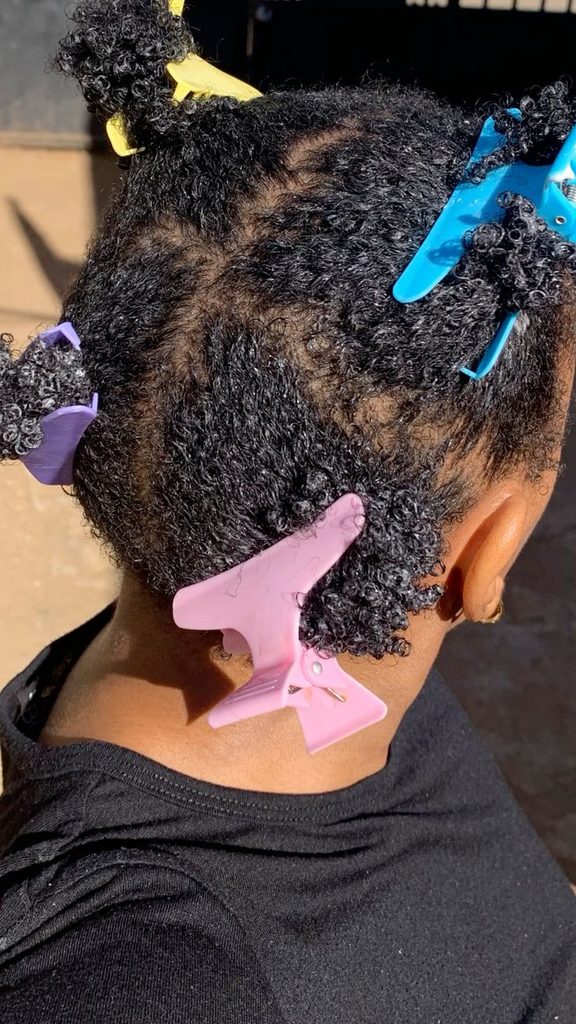
36. Keep Your Hair in Sections During Wash Day
Sectioning can make thick 4C hair easier to cleanse, detangle, condition, and style. It also reduces the temptation to rush through the process.
Four to eight sections can be enough depending on your hair density and length.
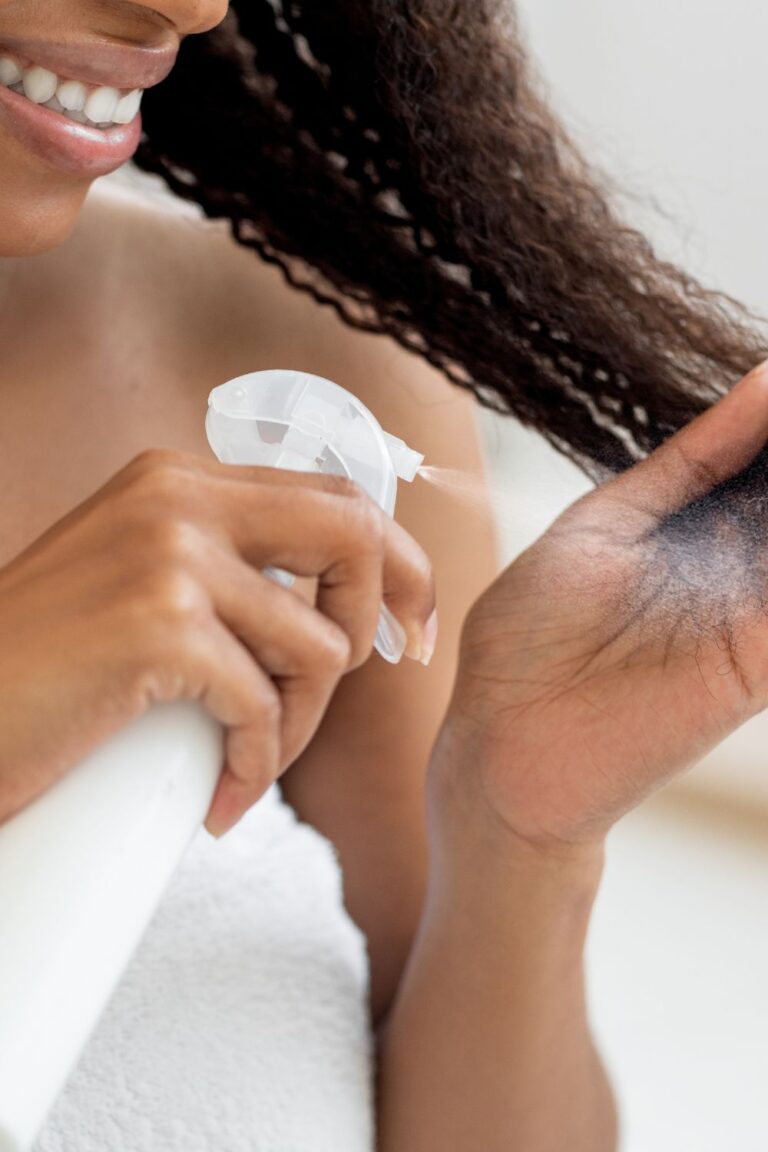
37. Avoid Constantly Rewetting Dry Hair
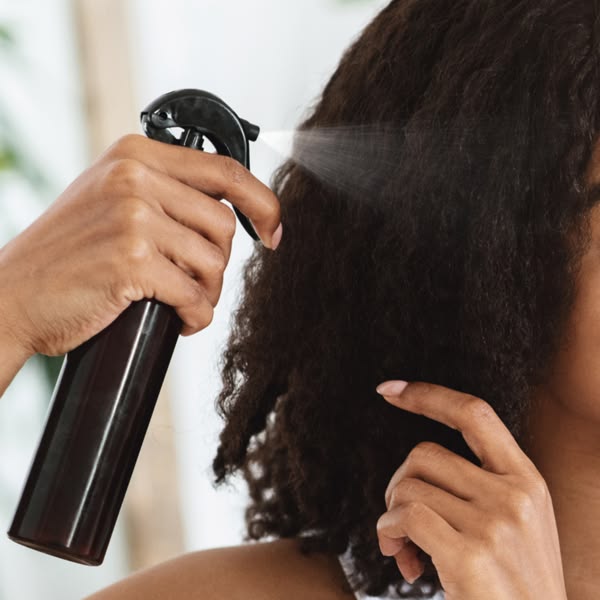
Spraying water onto your hair can be useful, but repeatedly soaking and restyling the same hair without a clear routine may lead to unnecessary manipulation.
If your hair needs refreshing, use a simple routine that provides moisture without requiring you to completely redo the hairstyle.
38. Choose Styles That Match Your Activity Level
Your hairstyle should fit what you are actually doing. A delicate style may not be practical for someone swimming, exercising, traveling, or spending hours outdoors.
Think about your schedule before choosing a style. The easier it is to maintain, the less likely you are to constantly manipulate it.
39. Do Not Forget Your Hairline
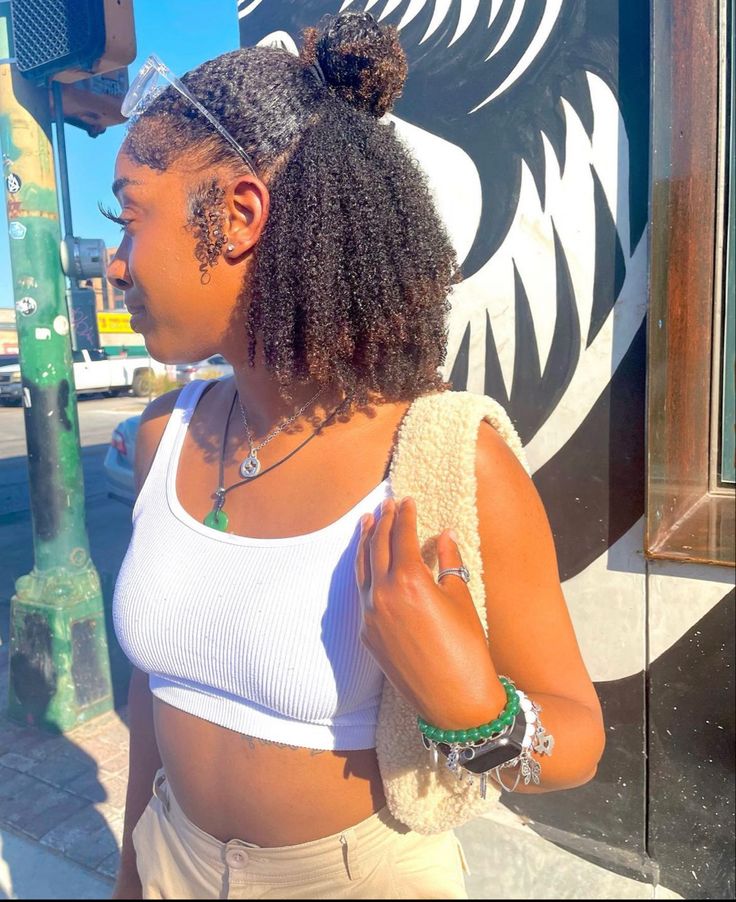
Your hairline can experience a lot of stress from tight hairstyles, scarves, headbands, wigs, and frequent edge styling.
Give your edges a break when they need one. Choose gentle styles and avoid repeatedly brushing or pulling the same small sections.
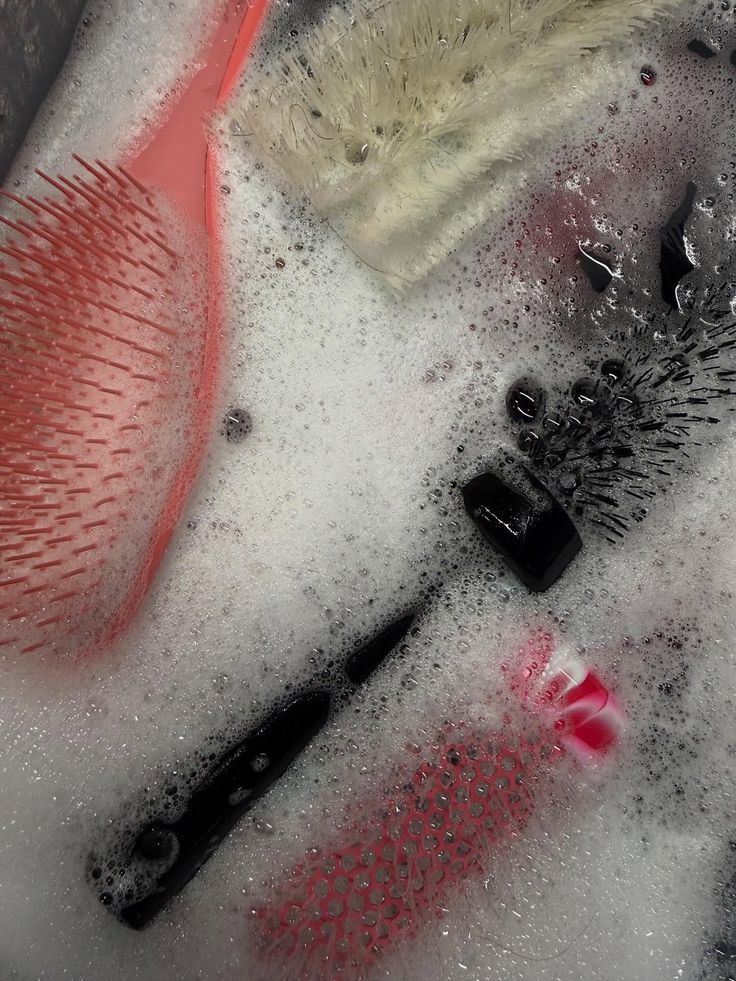
40. Keep Your Hair Tools Clean
Combs, brushes, clips, and other tools can collect oils, product residue, and dirt. Cleaning them regularly helps keep your routine more hygienic.
Remove loose hair after use and wash tools according to their material and design.
41. Eat Balanced Meals
Hair care does not stop at products. Your body needs adequate nutrition to support normal hair growth and overall health.
Aim for balanced meals that include sources of protein, fruits, vegetables, whole grains, and other nutrient-rich foods.

42. Do Not Chase Every Hair Growth Trend
Summer social media can bring a new hair trend every few days. You do not need to try every oil, supplement, treatment, or growth challenge you see online.
Choose routines based on your actual hair needs and keep track of what works for you.
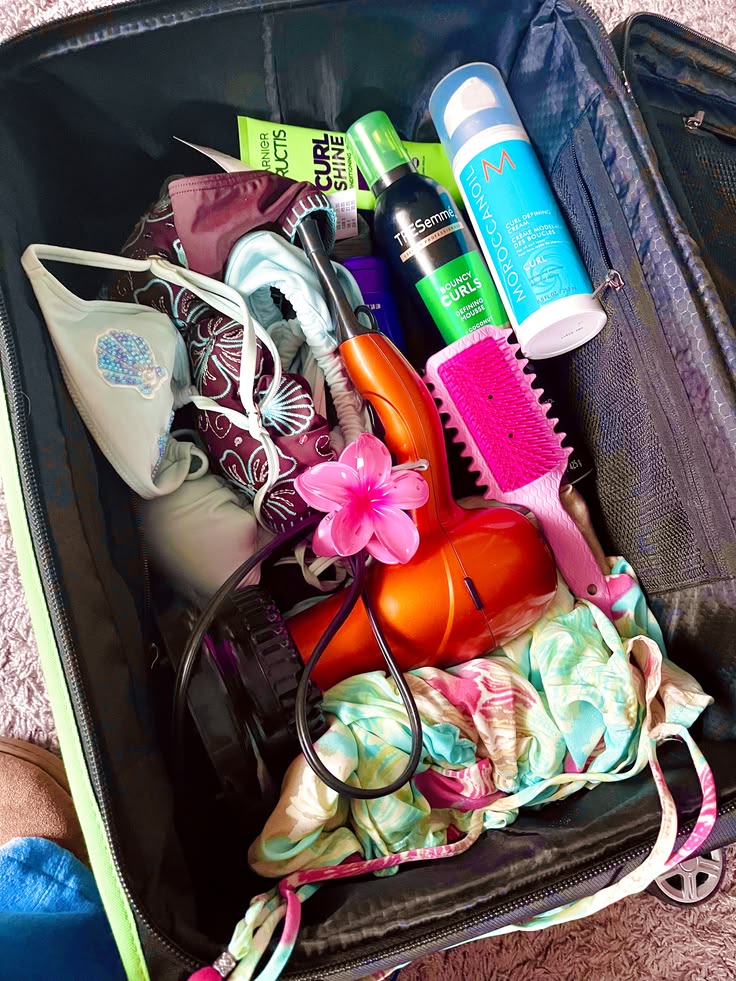
43. Protect Your Hair During Travel
Travel can disrupt your normal routine. Pack a few essentials, such as a satin scarf or bonnet, moisturizer, leave-in conditioner, and products you already know work for your hair.
Avoid experimenting with several unfamiliar products during a trip.
44. Refresh Protective Styles Carefully
If your braids, twists, or other protective styles begin looking dry, avoid piling several products onto them.
A light mist or suitable leave-in product may be enough. Keep your scalp clean and avoid excessive manipulation.
45. Let Your Hair Breathe Between Installations
Going directly from one long-term style into another without giving yourself time to assess your hair can make it harder to notice problems.
After removing a protective style, gently cleanse, condition, detangle, and inspect your strands before deciding what comes next.
46. Use Summer as a Chance to Simplify
You do not need a complicated routine to maintain 4C hair. Summer can actually be a good time to reduce unnecessary steps.
Focus on the basics: clean scalp, adequate moisture, gentle handling, protection, and consistent care.
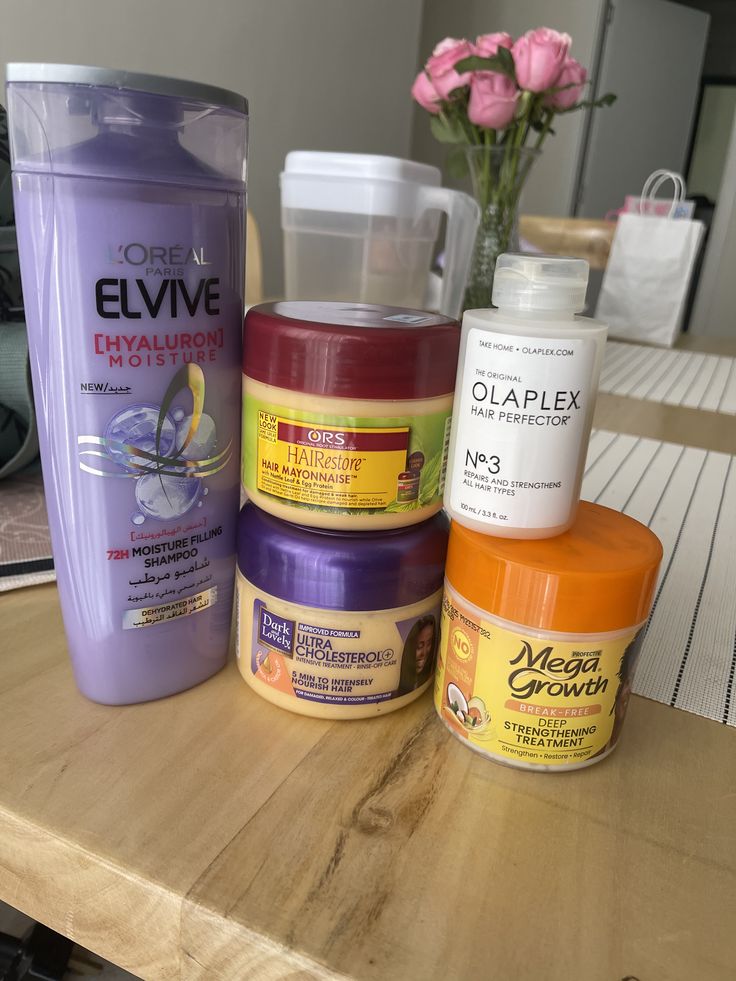
47. Choose Moisture-Rich Products for Dry Hair
If your hair feels rough shortly after washing, look at the products you are using. A moisturizing shampoo, conditioner, leave-in, or deep conditioner may be more useful than repeatedly adding oil.
Product choice should match what your hair actually needs.
You can compare options through the best shampoos for 4C hair and build your wash day from there.
48. Be Careful With Very Humid Weather
Humidity can cause shrinkage, frizz, and changes in definition. That does not mean your hair is unhealthy.
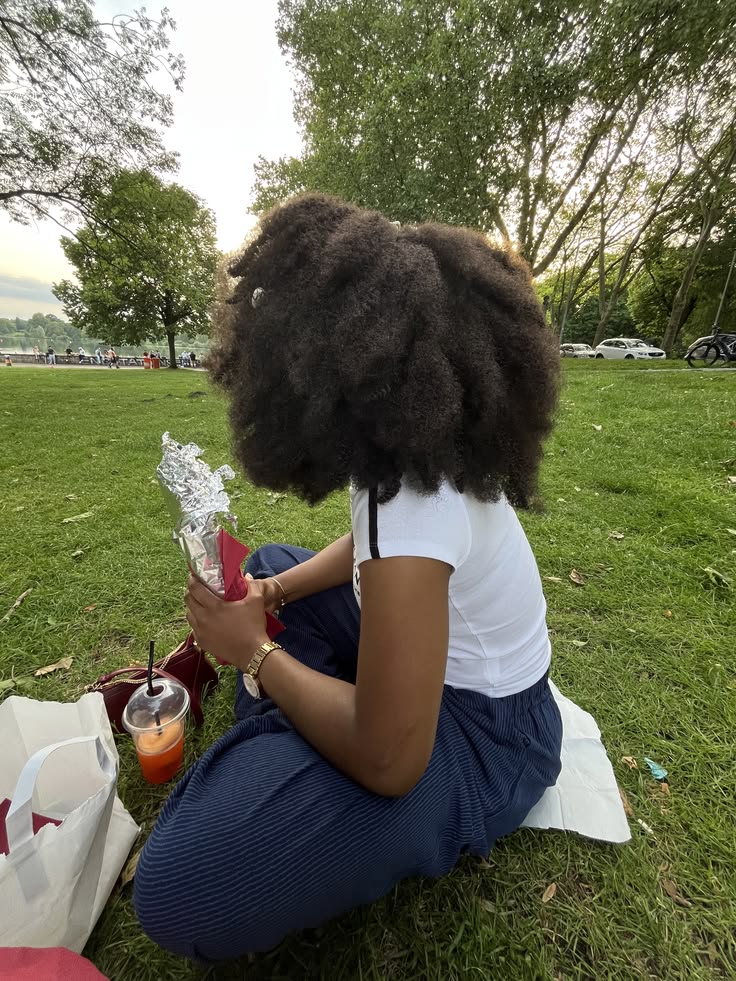
Instead of constantly fighting shrinkage, choose styles that work with your natural texture. Twists, braids, buns, puffs, and other structured styles can make humid days easier.
49. Build a Routine You Can Actually Maintain
The best summer hair care tips for 4C hair are the ones you can realistically follow. A routine that requires ten products and several hours every week may not work for your lifestyle.
Choose a manageable schedule for washing, moisturizing, styling, and scalp care. Consistency usually matters more than constantly changing your routine.
50. Adjust Your Routine as Your Hair Changes
Your hair may not need the exact same routine throughout the entire summer. A week of swimming may require more cleansing, while a quieter week may require less manipulation.
Pay attention to how your hair and scalp feel and make small adjustments when necessary. The goal is not to create a perfect routine. It is to develop one that keeps your hair manageable and healthy-looking throughout the season.
These summer hair care tips for 4C hair can serve as a flexible guide rather than a strict list of rules. Your climate, hairstyle, activity level, hair density, porosity, and product preferences will all influence what works best for you.
How to Build a Simple Summer Hair Routine
The easiest way to use these summer hair care tips for 4C hair is to turn them into a routine instead of trying to remember all 50 tips at once.
Start with your wash schedule. Cleanse your hair and scalp often enough to manage sweat and buildup without over-washing. Follow with a conditioner that gives your hair enough slip for gentle detangling.
After washing, apply your leave-in conditioner and moisturizer while your hair is still slightly damp. Add a small amount of oil if your hair responds well to sealing. You can also use DIY hair oil blends occasionally if homemade treatments are already part of your routine.
On other days, keep things simple. Refresh your hair only when necessary, protect it from excessive sun exposure, and avoid repeatedly combing or restyling the same sections.
If your scalp needs attention, include gentle cleansing and occasional scalp massage rather than continuously adding oils. A simple routine that you can repeat is much easier to maintain throughout a busy summer.
How to Protect 4C Hair During Summer Activities
Summer activities can be hard on natural hair because they combine several challenges at once. Swimming introduces chlorine or salt water, outdoor activities increase sun exposure, and exercise can increase sweat.
The solution is not to avoid these activities. Instead, prepare your hair before and care for it afterward.
Before swimming, wet your hair with clean water and apply a suitable conditioner. Cover it when practical, then rinse thoroughly after swimming. If you swim regularly, consider building swimming care into your normal wash routine.
For outdoor activities, use scarves, hats, or other natural hair accessories to reduce direct exposure. When exercising, choose hairstyles that keep your hair secure without creating excessive tension.
After particularly active days, check your scalp and hair rather than automatically adding more product. If your scalp is sweaty and your hair feels coated, cleansing may be more useful than another layer of moisturizer.

What to Avoid During Summer
Good summer hair care is not only about what you add. It is also about what you stop doing.
Avoid constantly manipulating your hair because humidity has changed the way it looks. Avoid tight styles that leave your scalp sore. Avoid piling heavy products onto hair that already has buildup. Avoid scratching your scalp aggressively when it feels sweaty.
You also do not need to panic when your hair shrinks or becomes less defined. Shrinkage is a natural characteristic of tightly coiled hair, and humidity can make it more noticeable.
If your hair repeatedly feels dry despite moisturizing, look deeper into your routine. Your cleansing method, conditioner, porosity, styling habits, or product combination may need adjustment. Why your hair won’t hold moisture is a useful place to start when moisture seems to disappear quickly.
Final Thoughts
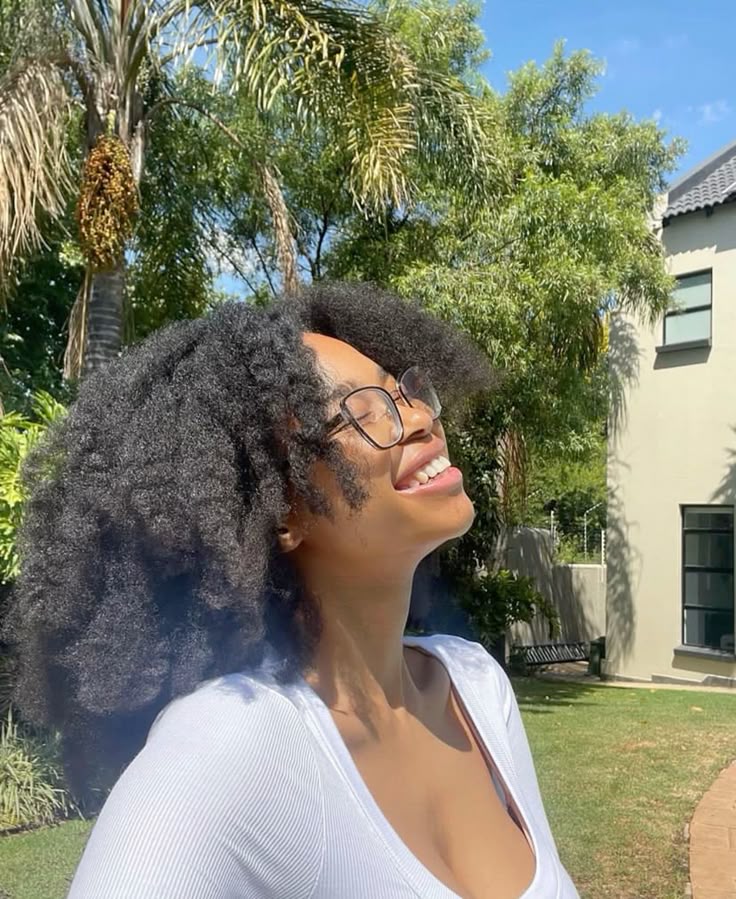
Summer does not have to become a difficult season for your 4C hair. The biggest difference often comes from paying attention to what your hair and scalp are telling you.
Keep your hair moisturized, cleanse your scalp when necessary, protect your ends, reduce unnecessary manipulation, and be especially careful with swimming and tight hairstyles. Use lighter products when heavy layers become uncomfortable, and give your hair a break between demanding styles.
The most useful summer hair care tips for 4C hair are not necessarily complicated. A simple routine that you can follow consistently can help you manage dryness, buildup, sweat, frizz, tangles, and breakage throughout the warmer months.
Most importantly, do not feel pressured to make your hair look exactly the same every day. Summer is a good time to enjoy puffs, twists, braids, buns, headwraps, and other easy styles while giving your hair the care it needs underneath.