50 Cute Hairstyles for Kids With 4C Hair
Disclosure: Some of the links in this post are affiliate links. This means if you click on the link and purchase an item, I will receive an affiliate commission at no extra cost to you.
Finding cute hairstyles for kids with 4C hair does not have to mean spending hours styling, pulling the hair too tightly, or choosing complicated designs that are uncomfortable for a child.
4C hair can be styled in so many beautiful ways, from simple puffs and ponytails to braids, twists, buns, and creative accessorized looks. The key is choosing styles that suit the child’s age, personality, and comfort level while keeping the hair and scalp in good condition.
Whether you are getting your child ready for school, a family outing, a birthday party, or simply want something different to try at home, these 50 ideas give you plenty of inspiration.
Before choosing a style, remember that children’s hair deserves gentle handling. A beautiful hairstyle should never leave a child complaining of pain or feeling as though their scalp is being pulled.
Here are 50 cute hairstyles worth trying on natural 4C hair.
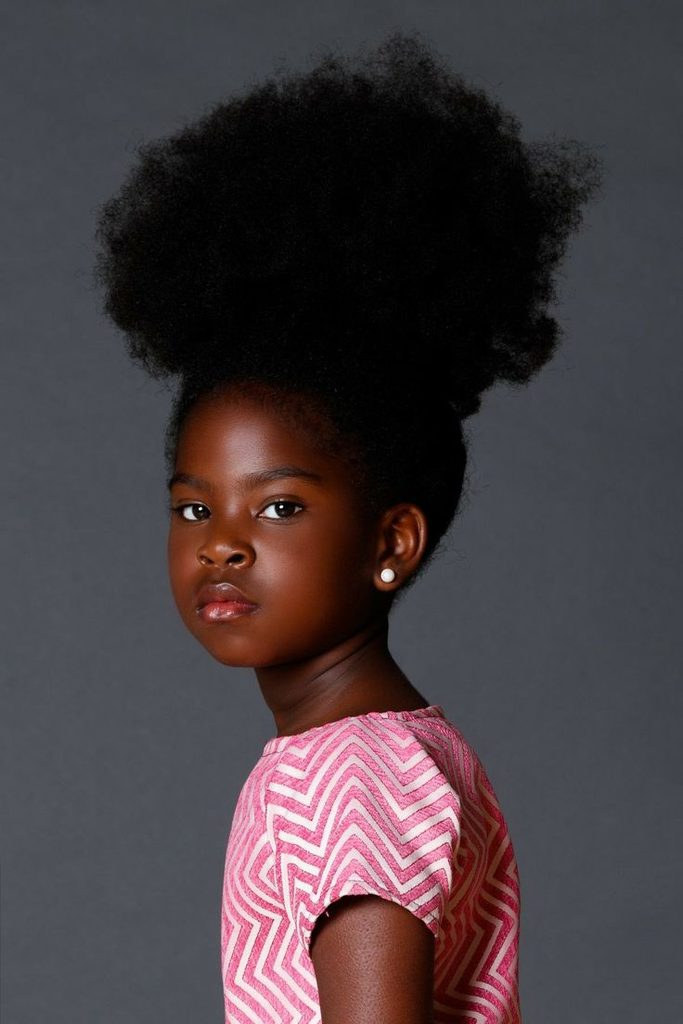
1. Classic High Puff
The high puff is one of the easiest cute hairstyles for kids with 4C hair. Gather the hair toward the crown and secure it gently with a soft hair tie or puff band.
You can leave the texture fluffy and natural or lightly shape the edges if your child enjoys that look.
2. Two Side Puffs
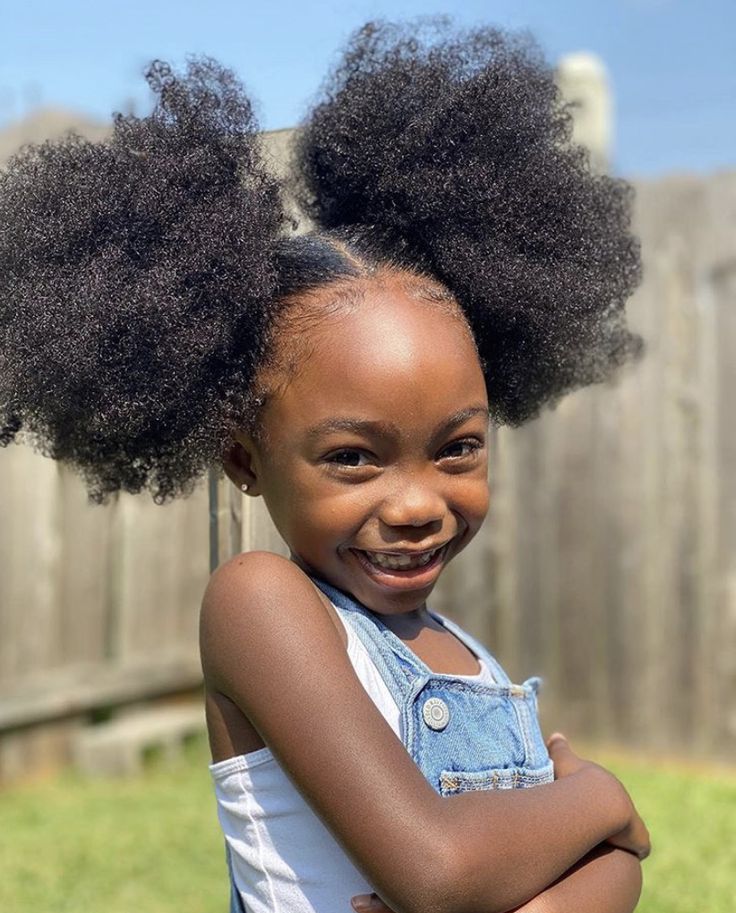
Divide the hair into two sections and create a puff on each side.
This style is playful, simple, and especially cute on younger children. Add colorful bands or small bows to make the look more fun.
3. Mini Afro Puffs With Bows
Create several small puffs across the head and finish each one with a bow.
This gives the hairstyle more visual interest without requiring intricate braiding.
When choosing accessories, soft fabric options are preferable to anything that can scratch the scalp or snag the strands. natural hair accessories for kids can also give you more ideas for decorating simple hairstyles.
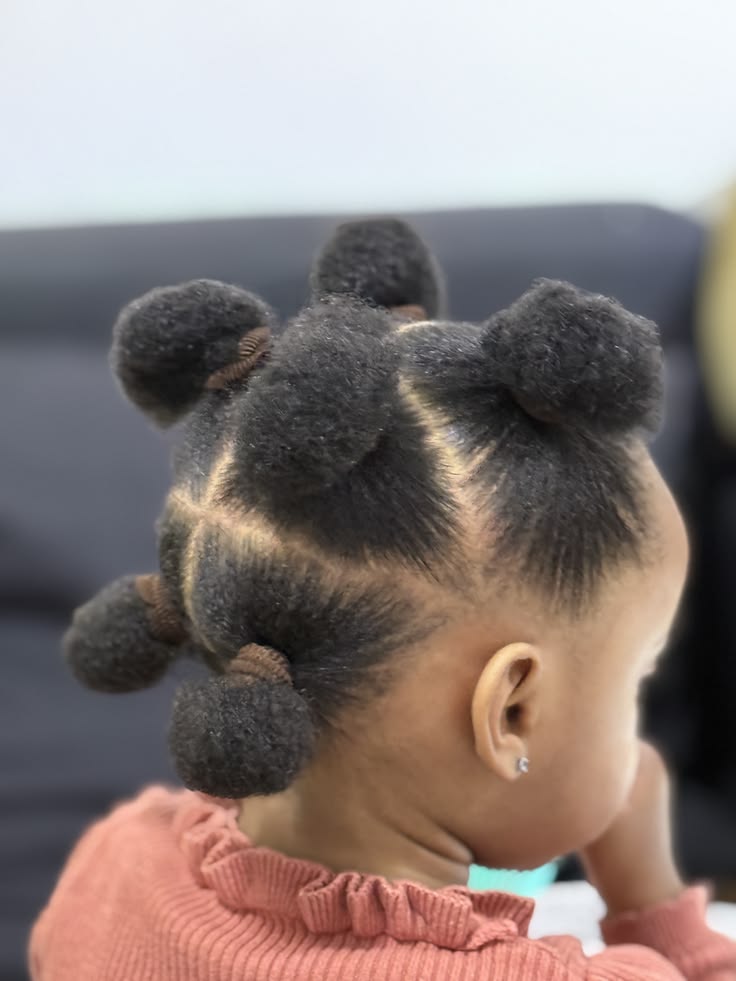
4. Two-Strand Twist Puffs
Create two-strand twists throughout the hair, then gather the twists into two puffs.
The twists add texture while the puffs keep the style playful and manageable.
This can also be a useful option when you want a style that lasts longer than a loose afro.
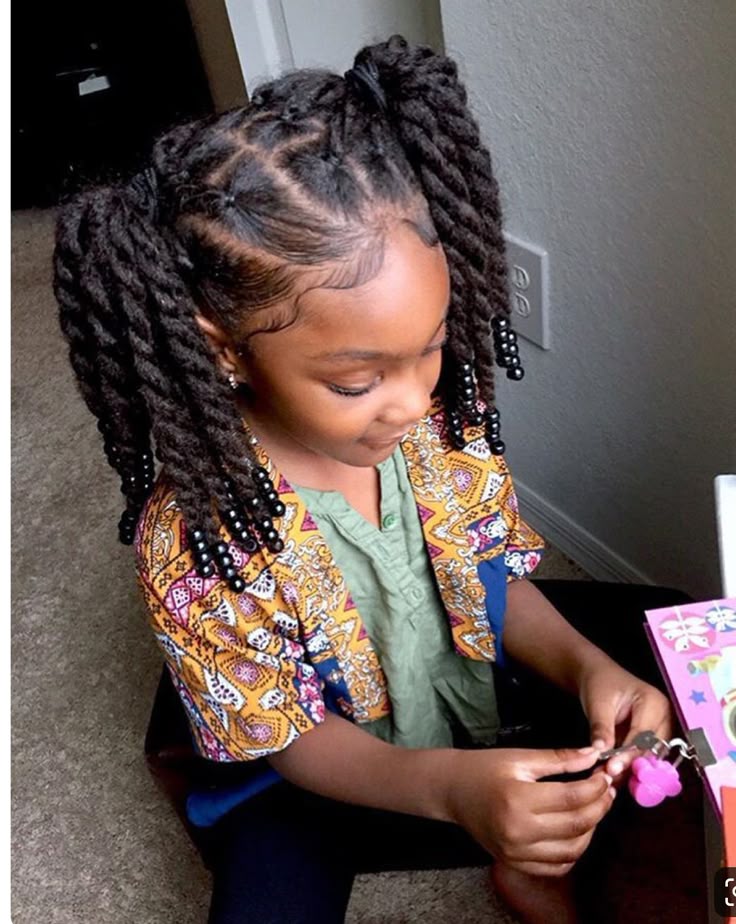
5. Flat-Twist Ponytail
Flat-twist the front or sides of the hair toward the back, then gather the remaining hair into a ponytail.
The combination of twists and a ponytail gives the hairstyle a neat appearance without making the entire head highly structured.
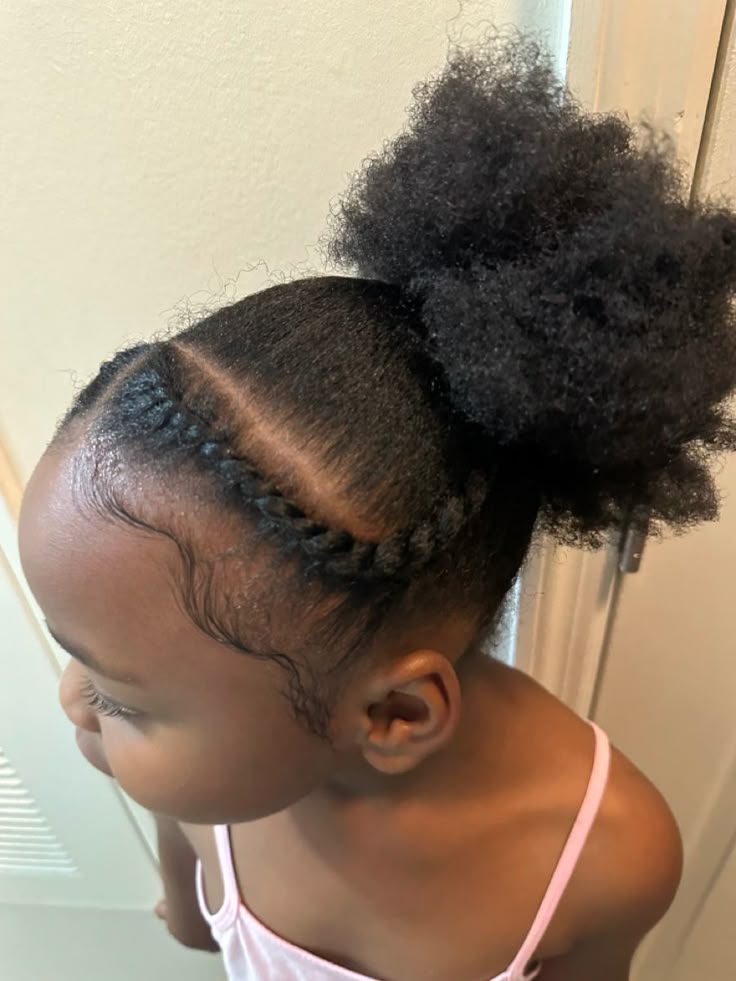
6. Chunky Two-Strand Twists
Large two-strand twists are practical when you want something relatively simple.
Instead of creating tiny twists, divide the hair into larger sections and twist each one from root to end.
The finished style has plenty of texture and can be decorated with colorful beads.
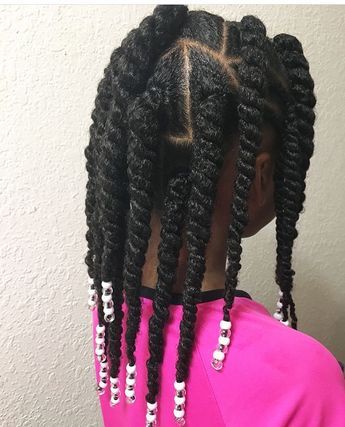
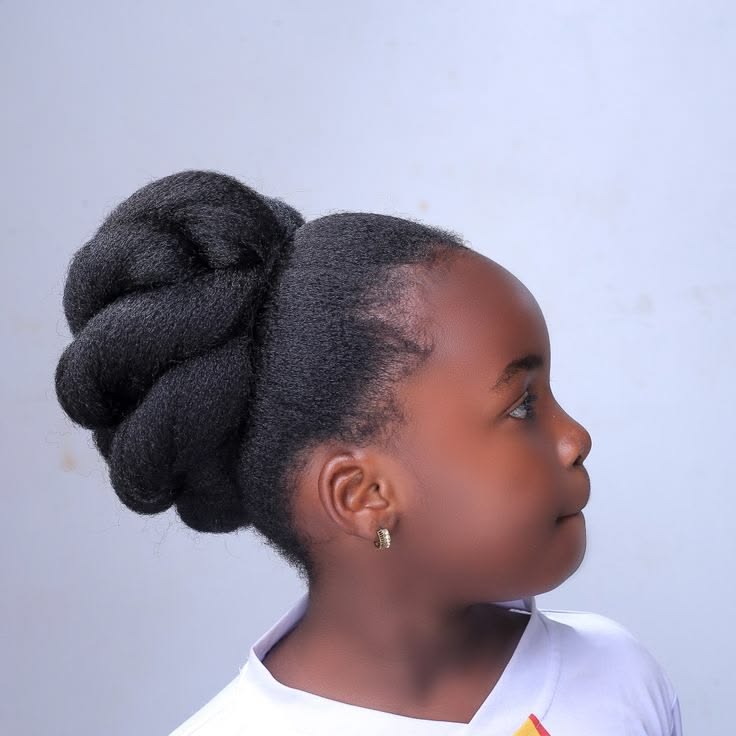
7. Wrapped Updo
A wrapped updo creates a neat look by gathering the hair toward the back or crown and wrapping it into a rounded shape. gentle styling helps keep the hairstyle comfortable while protecting the hair from unnecessary pulling.
The size of the bun can be adjusted according to the child’s hair length and density. A smaller bun works well for shorter hair, while fuller hair can create a larger rounded shape.
A lightweight bow or clip can provide a simple finishing detail. Keep the hair comfortably secured rather than pulling it tightly around the edges and temples.
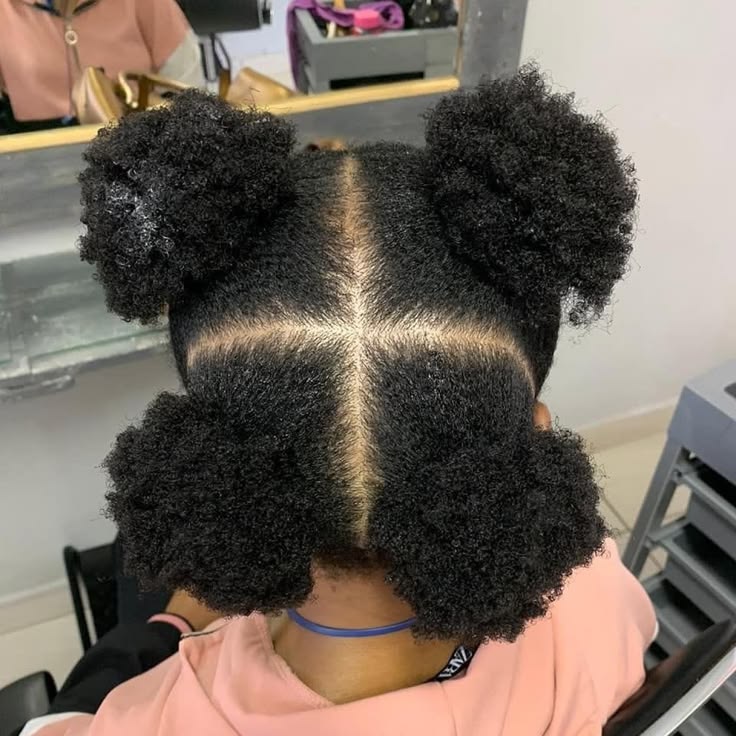
8. Four Mini Puffs
Divide the hair into four sections and create one puff in each section.
This is an easy way to turn a basic hairstyle into something more playful.
You can use different colored bands or matching bows for each puff.
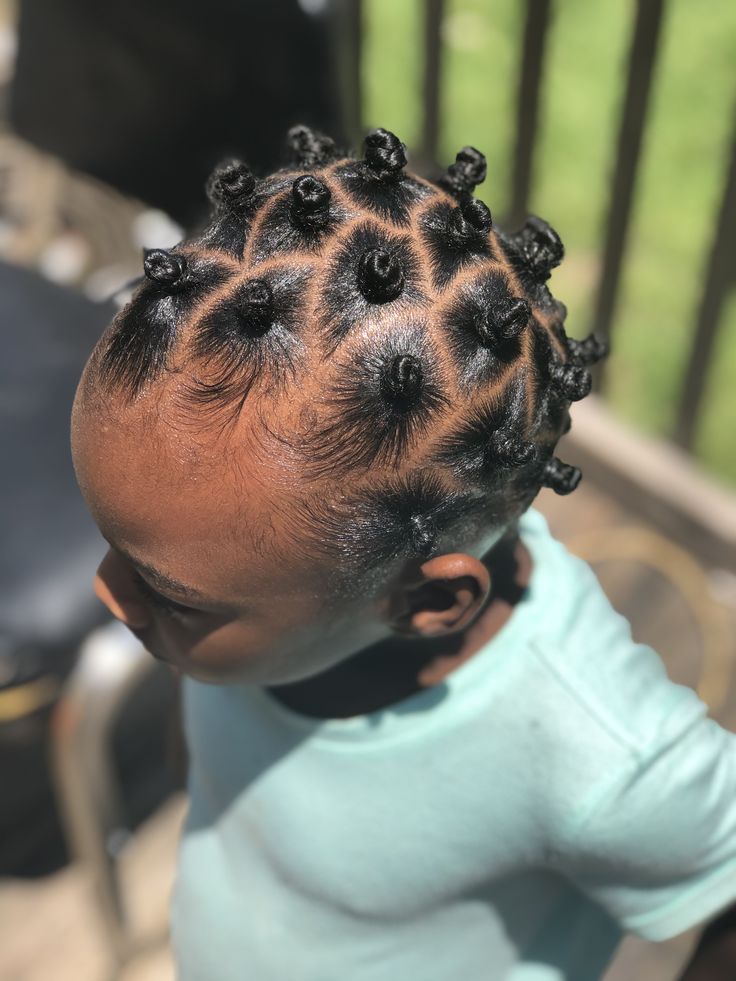
9. Bantu Knots
Bantu knots create a distinctive look while keeping the hair neatly sectioned.
Use reasonably sized sections rather than making the knots extremely tiny. This makes installation easier and can reduce unnecessary manipulation.
For children who dislike long styling sessions, this may be better done in a few larger sections.
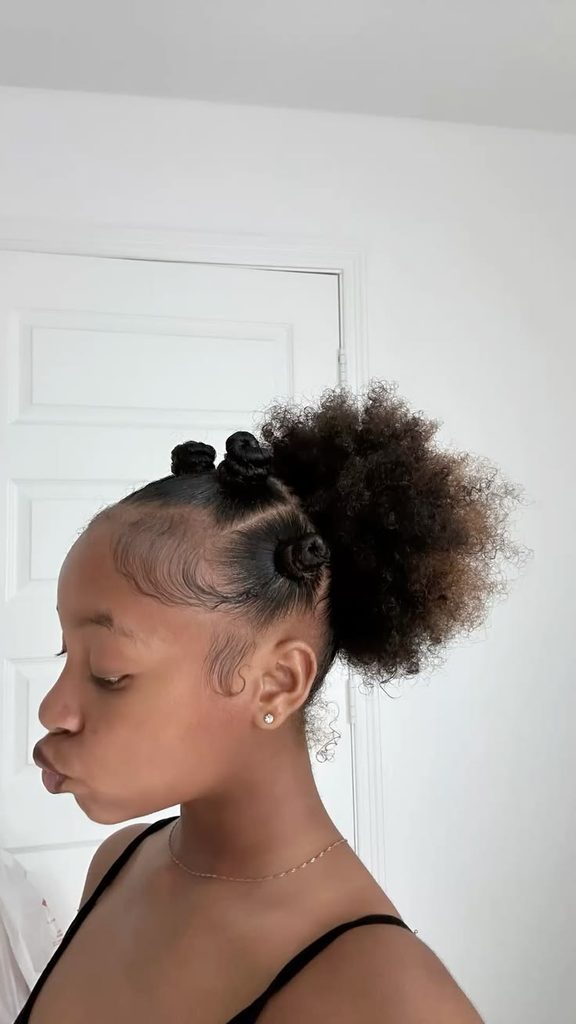
10. Bantu Knot Puffs
Create a few Bantu knots at the front while leaving the back gathered into two puffs.
The mixture of shapes makes the hairstyle look more creative without requiring an elaborate design.
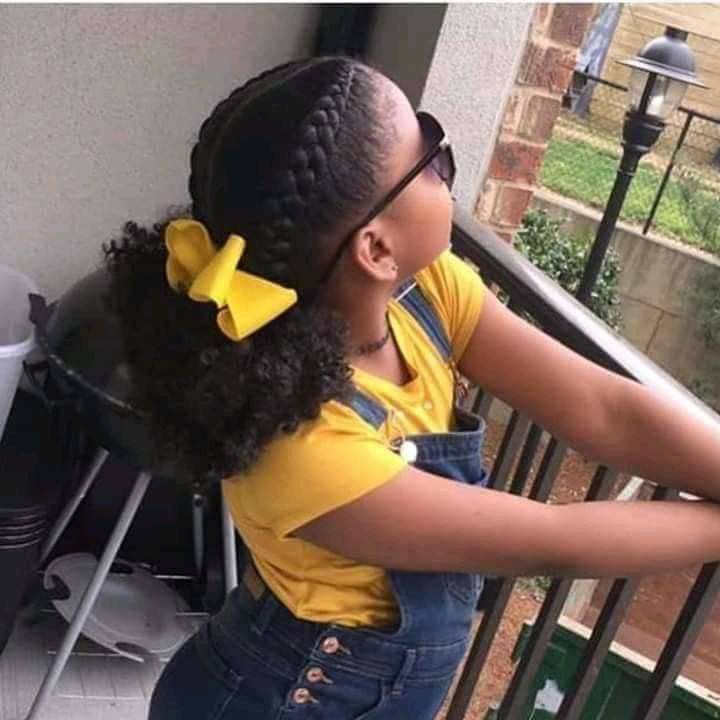
11. Side Ponytail With Bow
Gather the hair into one side ponytail and finish it with a large soft bow.
This is particularly easy for everyday styling and can be changed simply by switching the accessory.
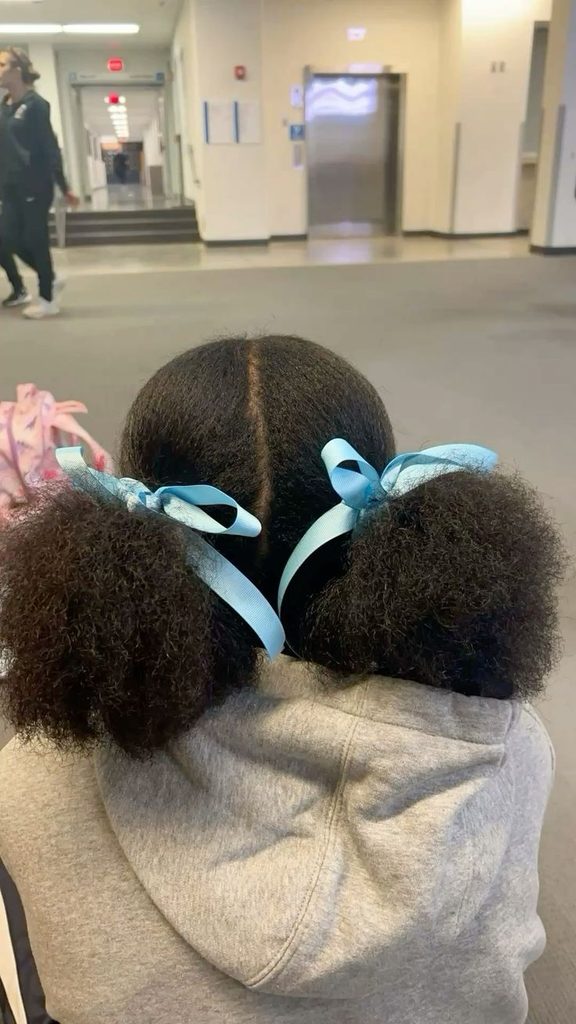
12. Two Low Ponytails
Create two ponytails at the lower sides of the head.
This style is simple enough for regular wear and can be made more decorative with ribbons, beads, or colorful elastics.
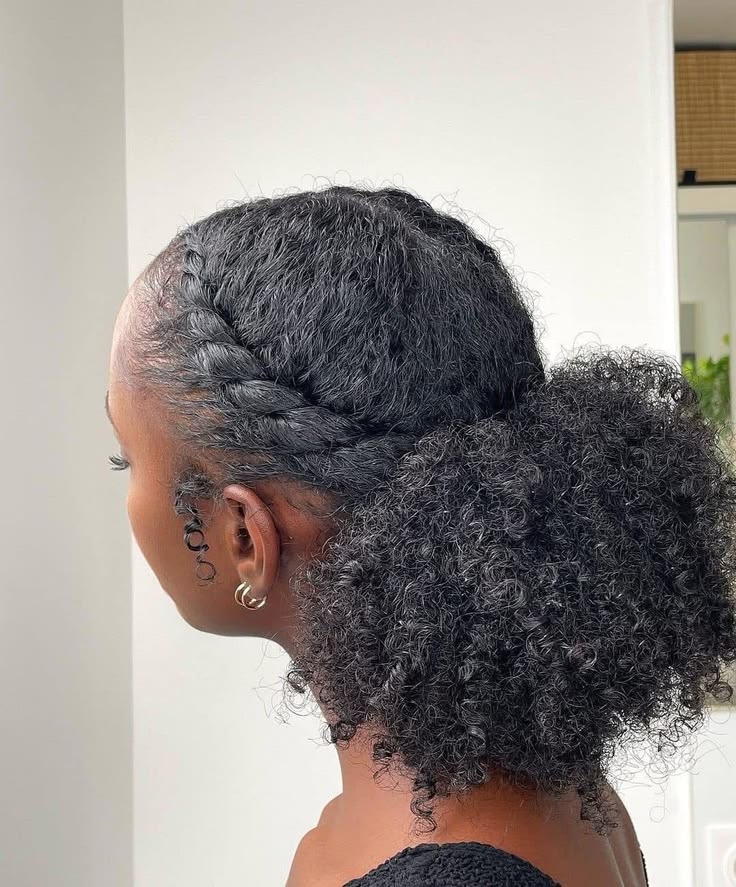
13. Cornrow Ponytail
Create a few simple cornrows toward the back and gather the ends into a ponytail.
The style combines neat sections with a softer finish.
Make sure the cornrows are not installed too tightly, especially around the hairline.
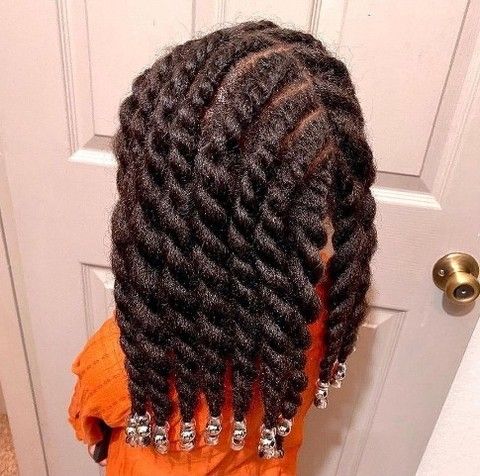
14. Chunky Flat Twists With Beads
Create several chunky flat twists and add beads near the ends.
The beads add movement and personality while the twists keep the hairstyle organized.
15. Side-Parted Puff
Create a deep side part and gather the hair into one large puff.
The side part changes the appearance of a traditional puff and gives it a more styled finish.
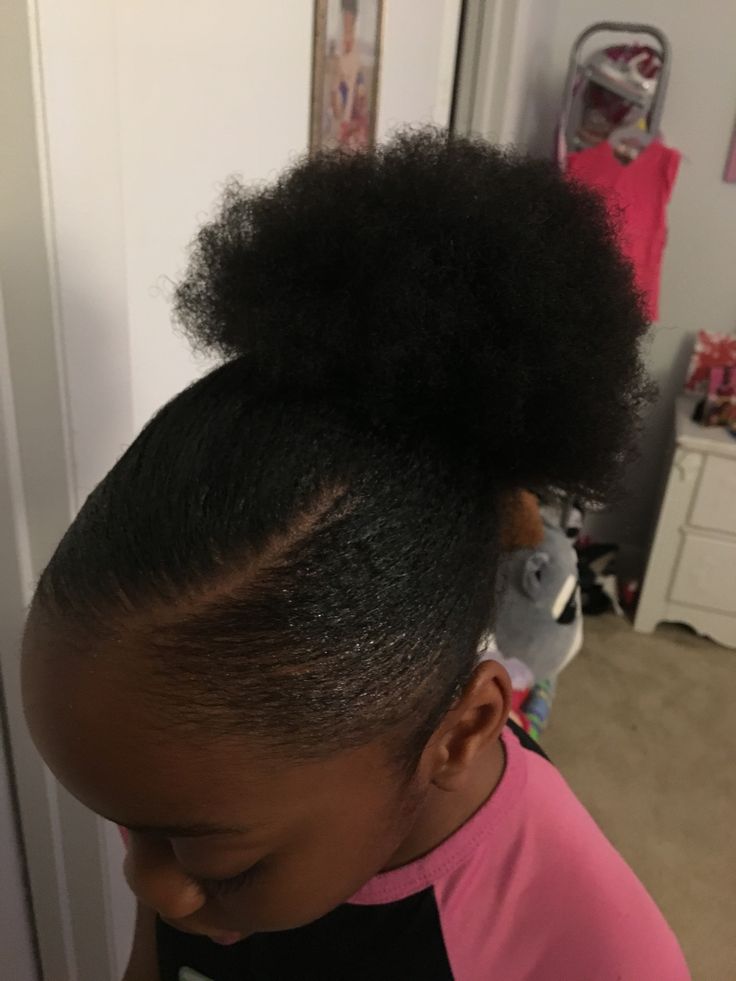
16. Flat Twists Into Two Puffs
Create flat twists from the front toward the sides and finish the remaining hair in two puffs.
This is a good choice when you want something cute without having to braid every section.
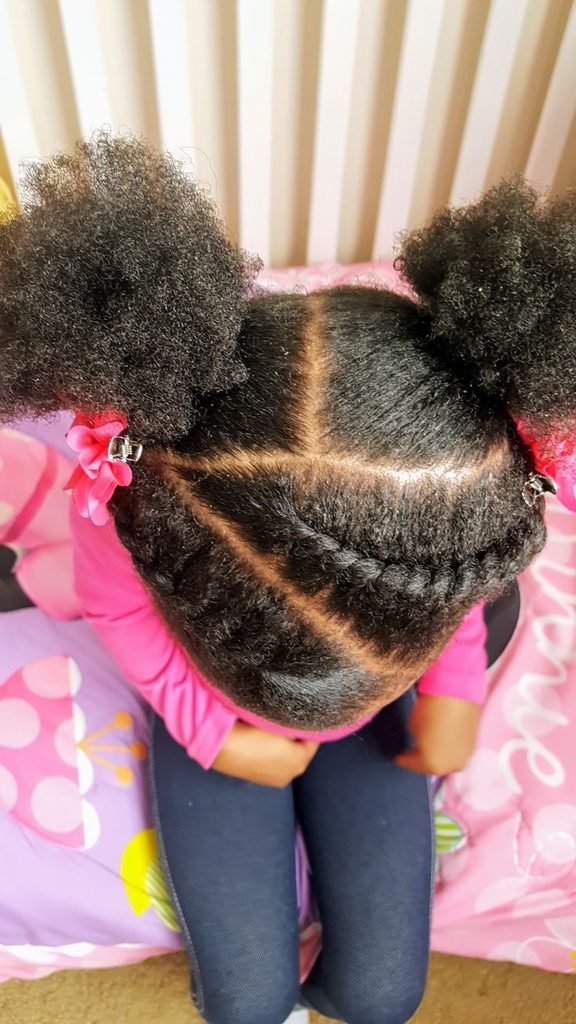
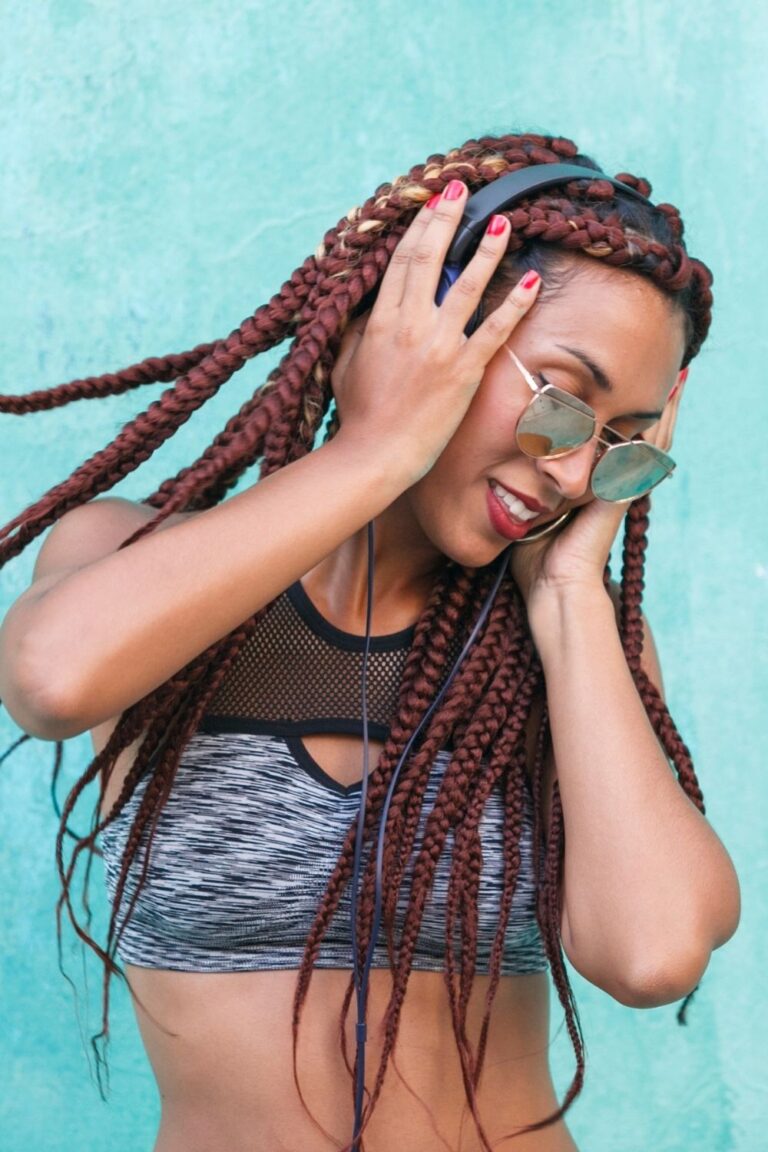
17. Dipped-Ends Box Braids
Dipped-ends box braids give a familiar protective style a polished finish. The hair is divided into individual sections and braided before the ends are finished. medium-sized braids can make the style more practical for children.
Consider the length and weight carefully when adding extensions. Very long or heavy braids may place unnecessary weight on the scalp and can become uncomfortable.
Colorful beads can be added to selected braids for a fun finishing detail. Always monitor the child’s scalp and avoid leaving the style in if it causes persistent pain or excessive tension.
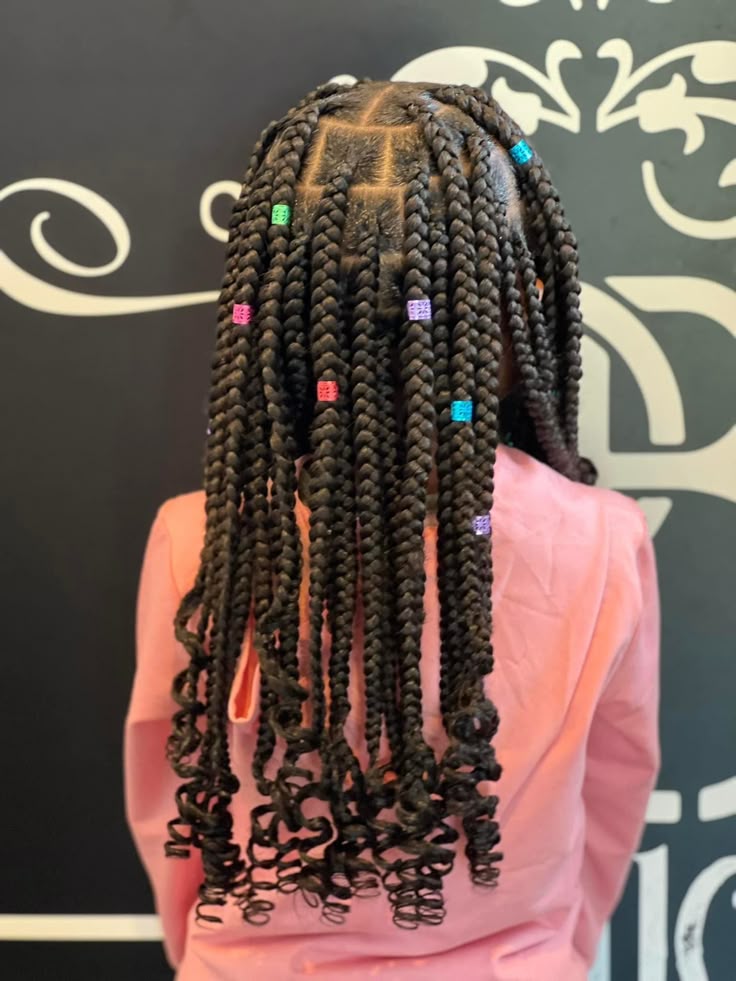
18. Three-Strand Twist Ponytail
Create several large twists and gather them into a ponytail.
The different textures make this look more interesting than a regular ponytail while keeping the styling fairly straightforward.
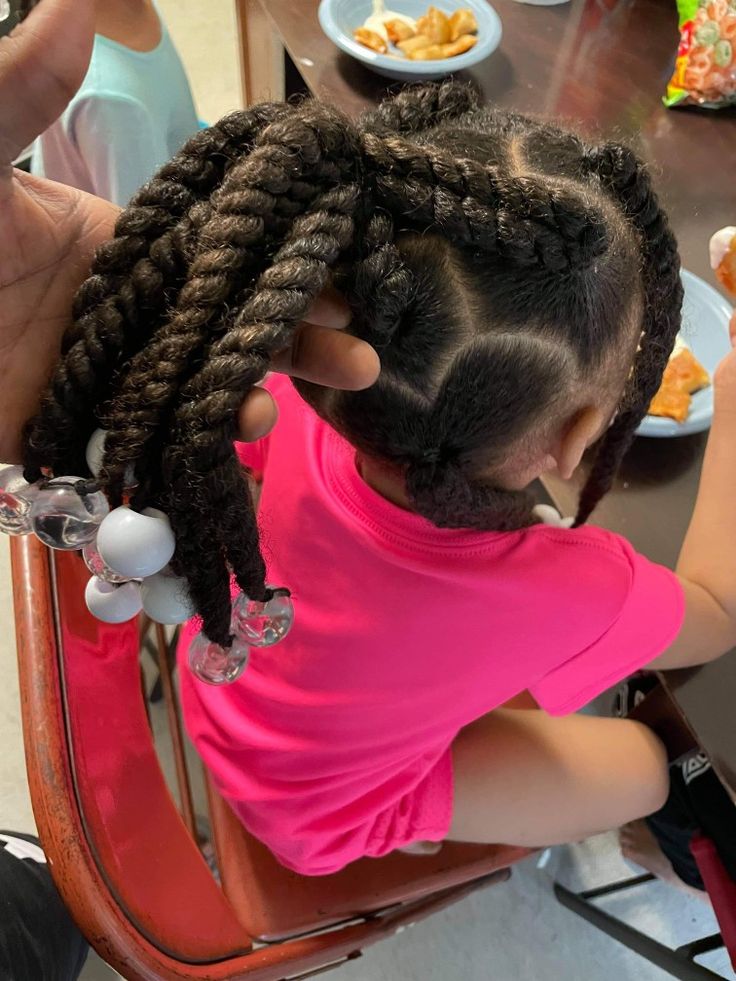
19. Two Cornrow Pigtails
Create two simple cornrow sections that lead into pigtails.
Keep the cornrows relatively loose and avoid excessive tension around the temples.
For more ideas that work for children’s everyday routines, easy school hairstyles for natural hair can provide additional inspiration.
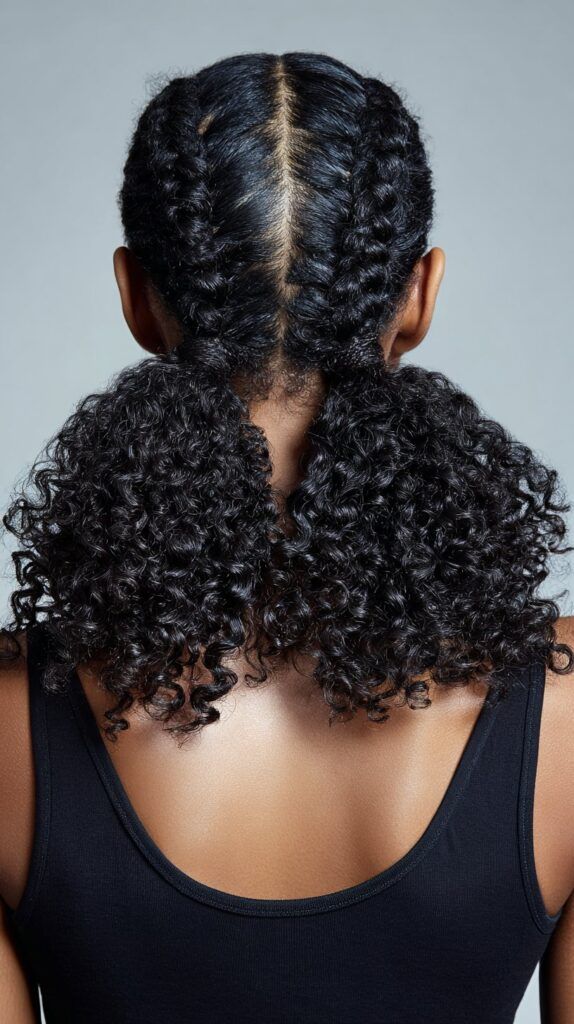
20. Mini Twist Mohawk
Create twists along the center of the head while keeping the sides neatly shaped.
The result gives the appearance of a playful mohawk without shaving the sides.
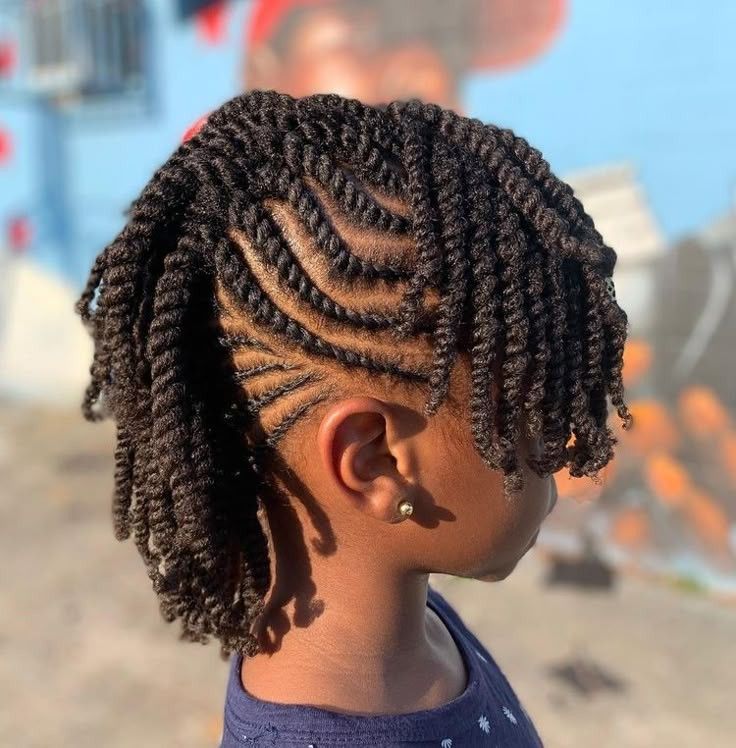
21. Puff With Colorful Clips
Create one or two puffs and decorate selected small sections with clips.
This is a simple way to introduce color without changing the entire hairstyle.
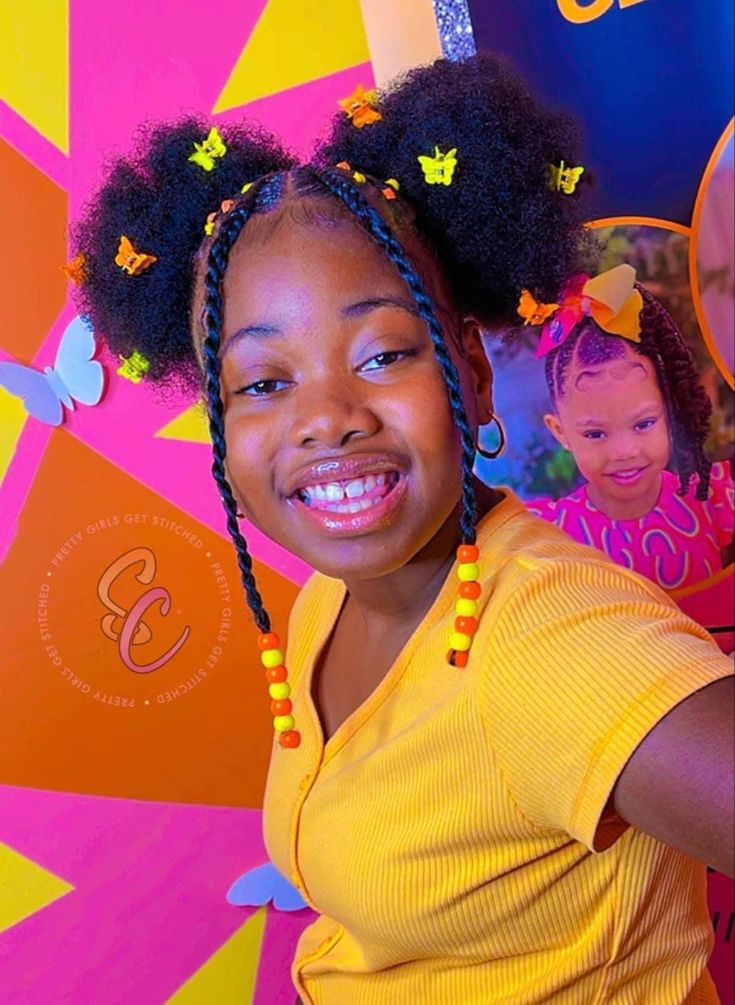
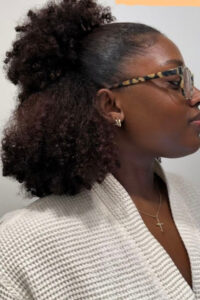
22. Half-Up Half-Down Afro
Gather the front half of the hair into a puff while leaving the back loose.
The result combines volume with a little structure.
It is also easy to refresh when the hair needs a quick restyle.
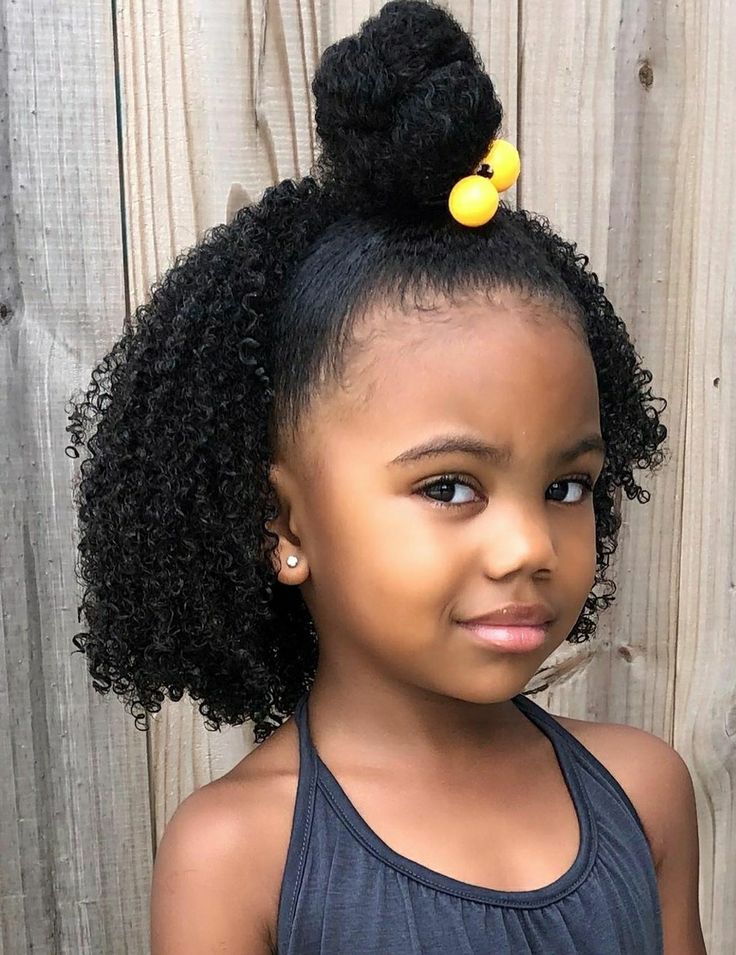
23. Mini Cornrows With Beaded Ends
Create several simple cornrows and add beads to the ends.
You can vary the bead colors to match the child’s favorite colors or outfit.
The style should remain comfortable enough for everyday wear.
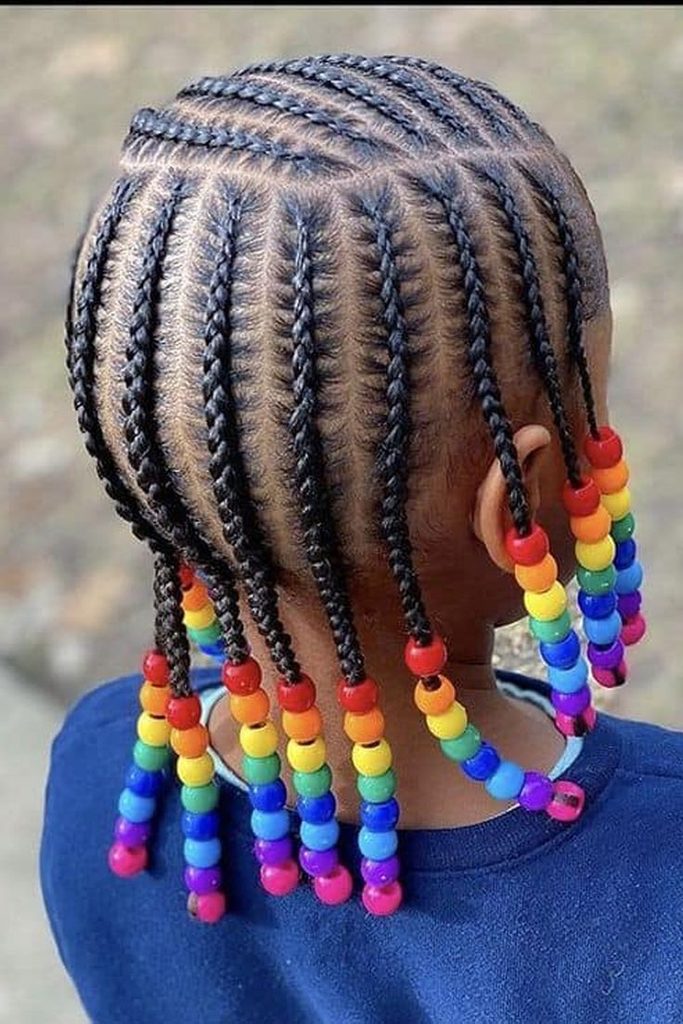
24. Large Twisted Bun
Gather the hair into one large bun after creating a few chunky twists.
The bun can sit at the crown or slightly lower depending on the look you want.
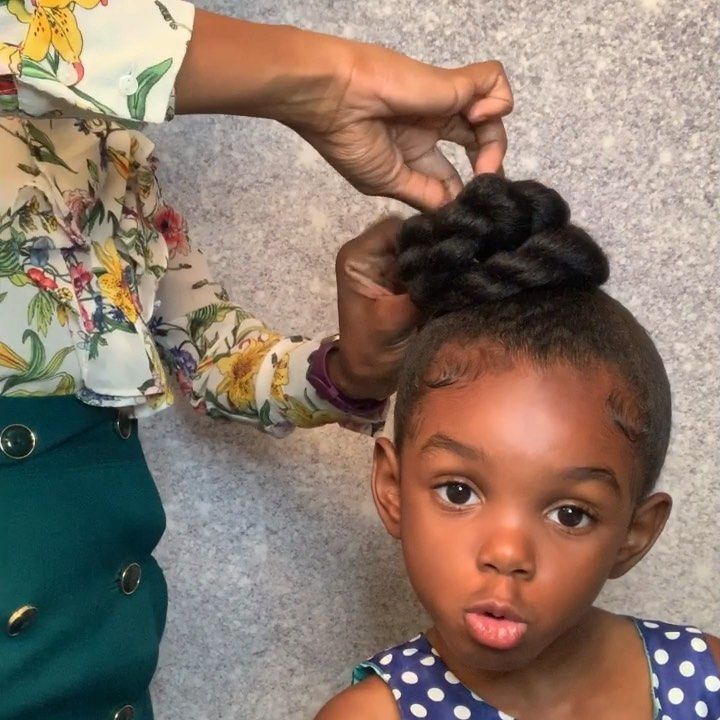
25. Two Flat-Twist Buns
Create flat twists toward the back and finish each side in a small bun.
The symmetrical design makes this hairstyle especially cute for younger children.
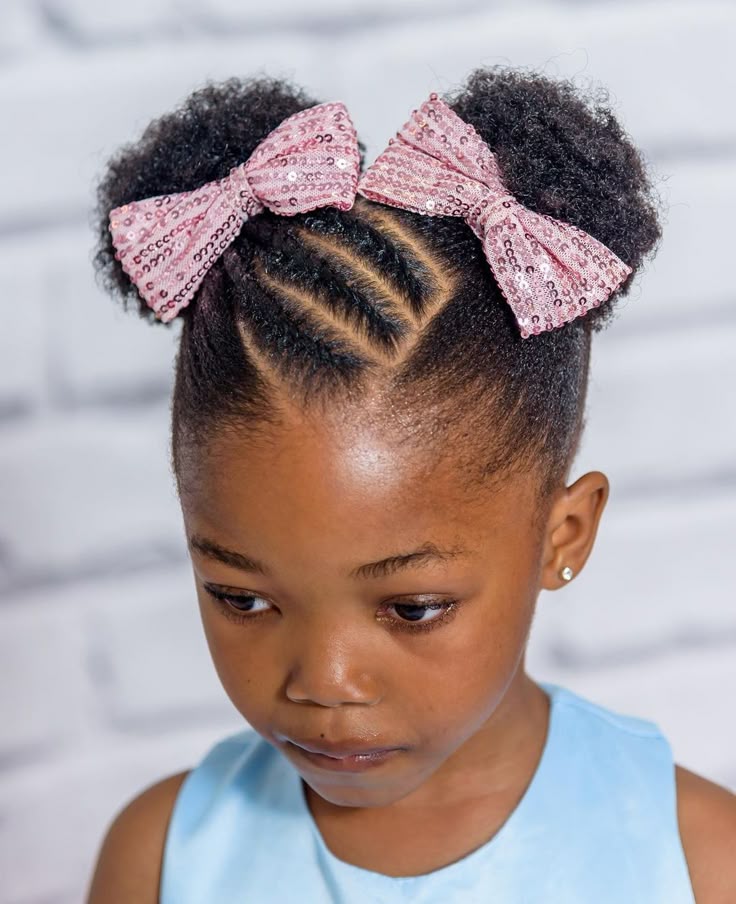
26. Heart-Shaped Part With Puff
Create a heart-shaped part in one section of the hair and finish the rest in a puff.
The design adds creativity without requiring the whole hairstyle to be intricate.
If your child has sensitive or easily irritated skin, remember that healthy scalp care for children is just as important as the hairstyle itself.
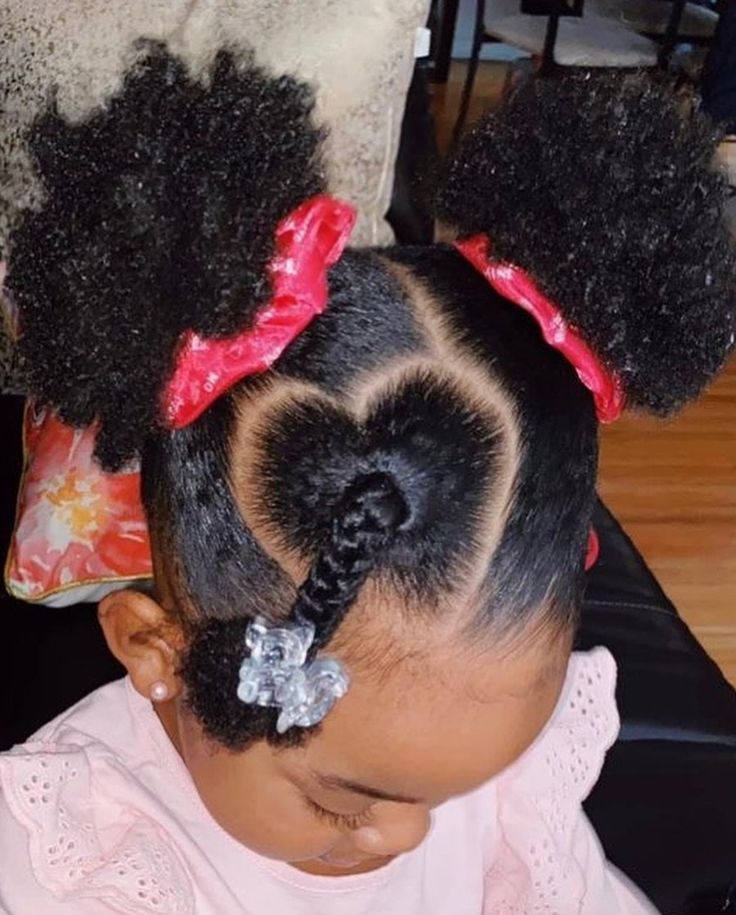
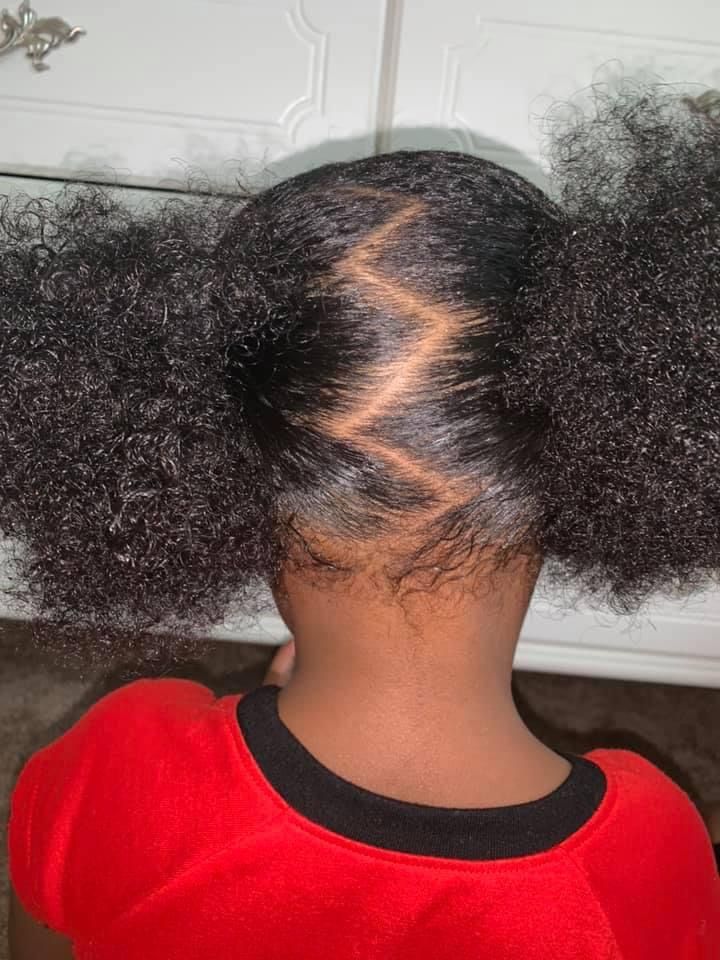
27. Zigzag Parted Puffs
Instead of creating a straight part, use a gentle zigzag part between two puffs.
The small detail gives a familiar hairstyle a completely different appearance.
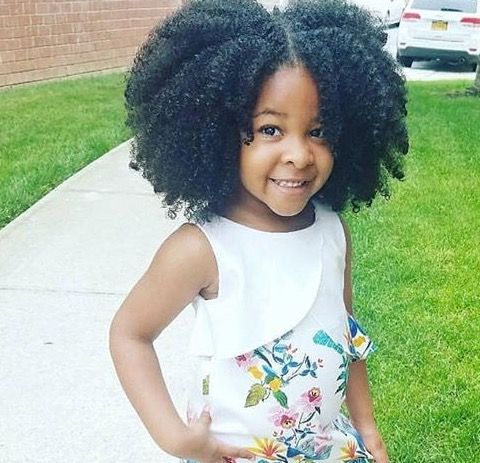
28. Twist-Out Afro
Style the hair in chunky twists, allow them to dry completely, and carefully unravel them.
The resulting texture can be shaped into a soft afro.
Because children’s hair can be more delicate, avoid excessive pulling while separating the twists.
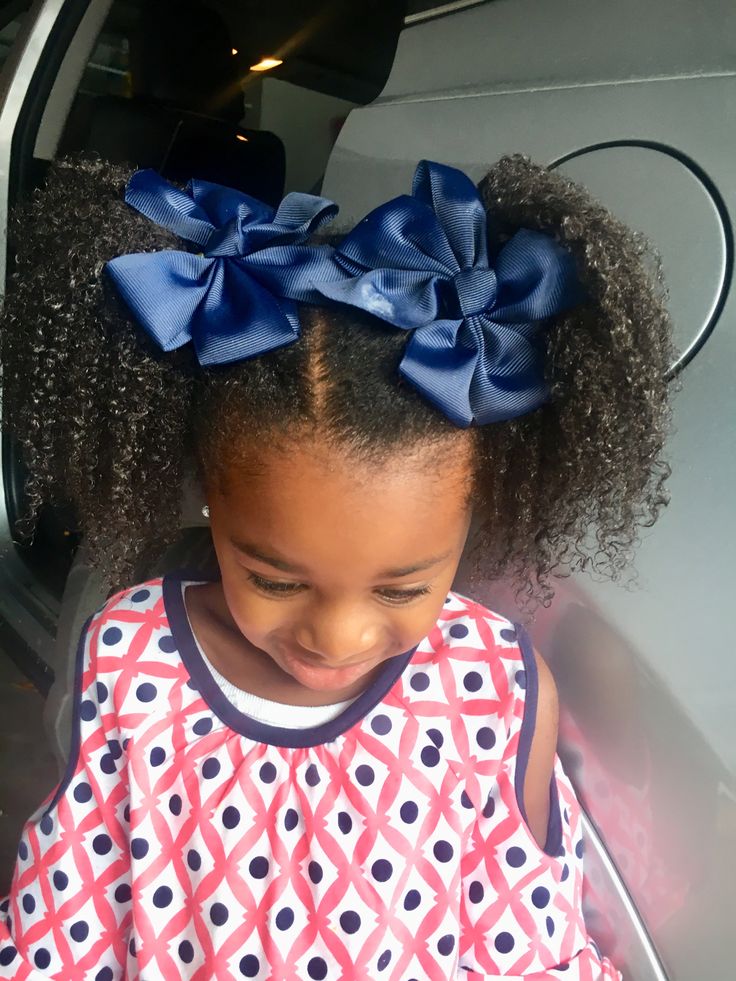
29. Braid-Out Pigtails
Create a braid-out and then gather the resulting texture into two pigtails.
This gives the pigtails a fuller appearance than simply gathering the hair while stretched.
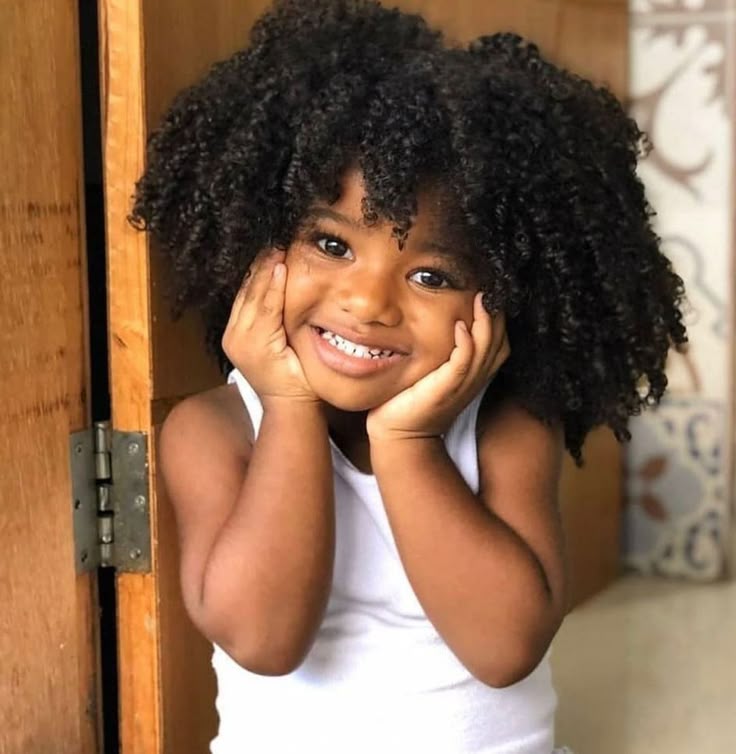
30. Wash-and-Go Fro
A wash-and-go fro lets a child’s natural 4C texture remain the main feature of the hairstyle. After washing and conditioning, the hair can be styled and allowed to form its natural shape. wash day preparation can help make the styling process easier.
The finished fro does not need perfectly defined curls. A soft, fluffy shape can look just as cute, especially when the hair’s natural volume is allowed to show.
A simple headband or lightweight clip can add a little extra detail. Avoid repeatedly combing the dry hair, as unnecessary manipulation can lead to tangling and breakage.
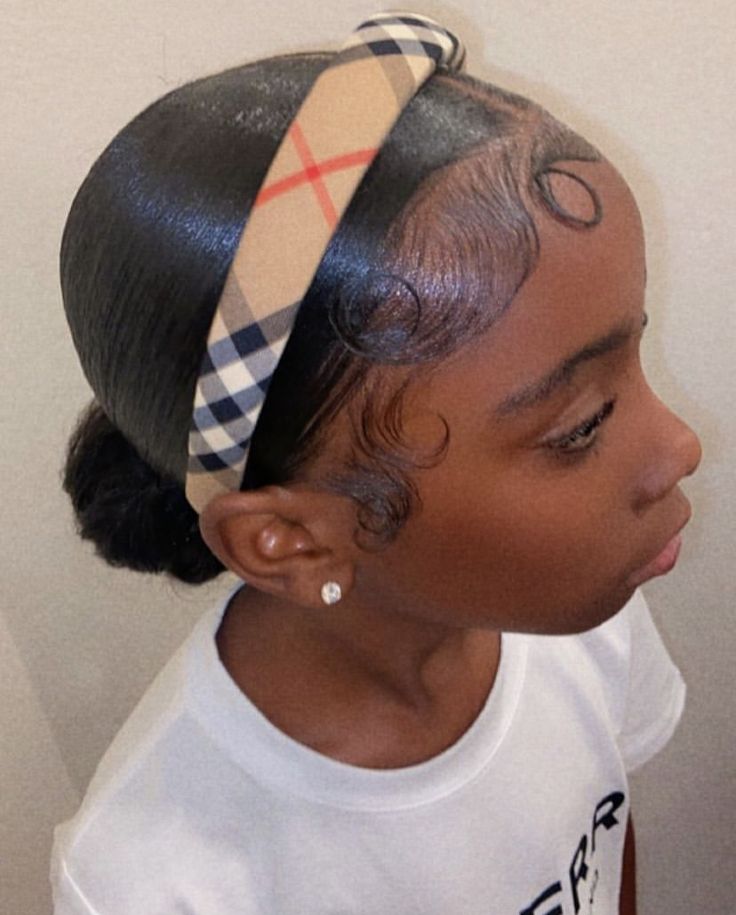
31. Low Puff With Headband
Gather the hair into a low puff and add a soft fabric headband.
This is a particularly simple option when you want something neat without manipulating the hair too much.
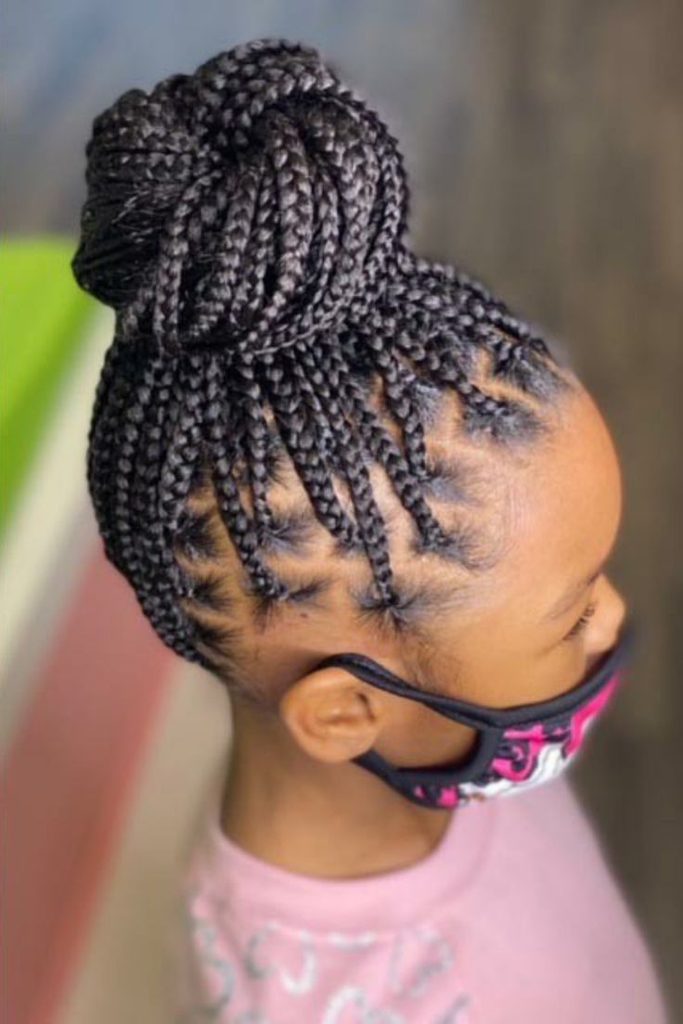
32. Braided Bun
Create a few chunky braids and gather them into a bun.
The braids make the bun look fuller and more detailed.
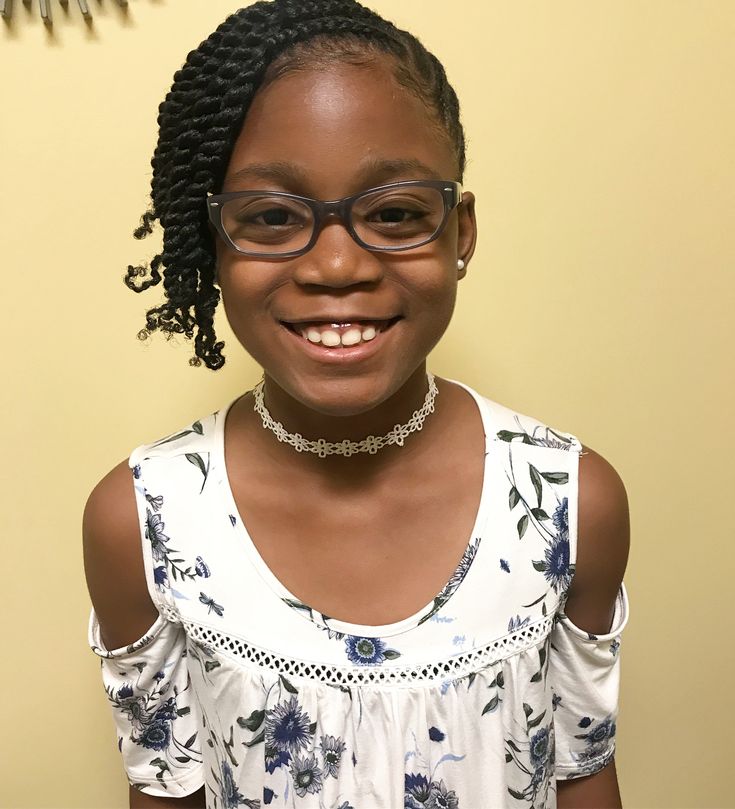
33. Side-Swept Twists
Create chunky twists and arrange them toward one side of the head.
Secure them gently so that the style stays comfortable.
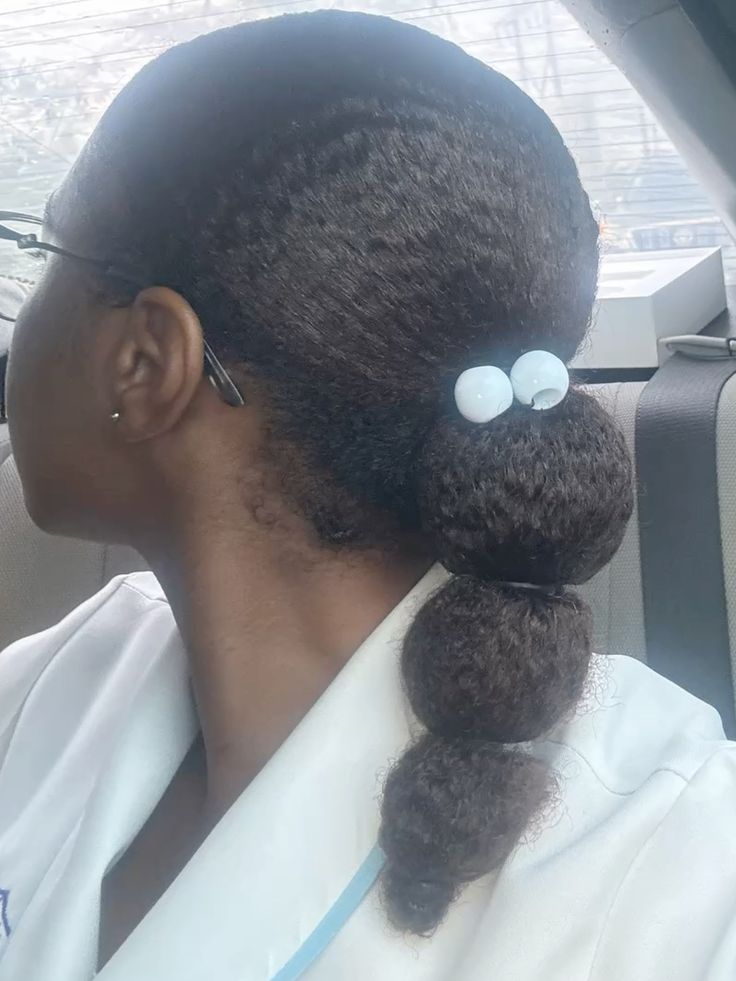
34. Bubble Ponytails
Divide the hair into a ponytail and add several soft elastics along its length to create bubble sections.
Avoid pulling the elastics too tightly.
35. Two Strand-Twist Buns With Ribbons
Create two chunky twists on each side and wrap them into small buns.
Finish with ribbons for a playful touch.
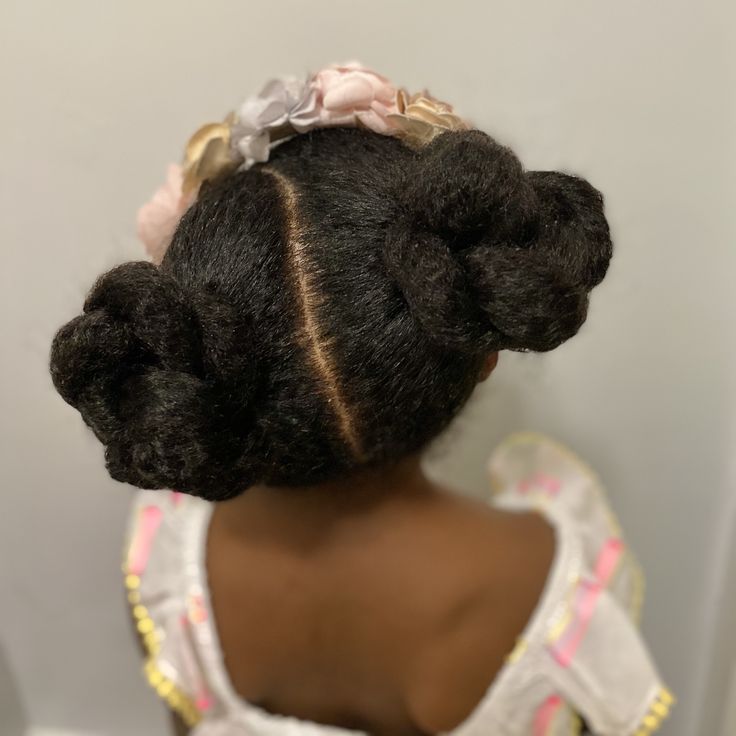
36. Simple Cornrow Crown
Create a few cornrows around the front of the head to form a crown effect.
Keep the rest of the hair loose or gather it into a puff.
This style can look polished without requiring dozens of tiny braids.
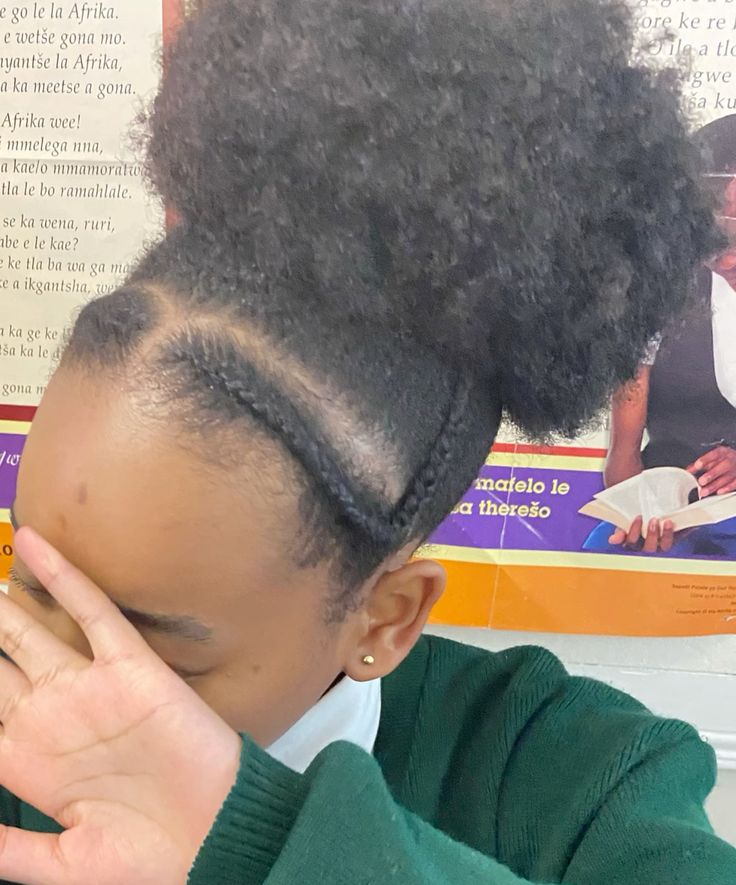
37. Mini Afro With Headband
Sometimes the best hairstyle is simply the child’s natural texture.
Shape the afro gently and add a soft headband.
This gives the hair a finished appearance while keeping manipulation low.
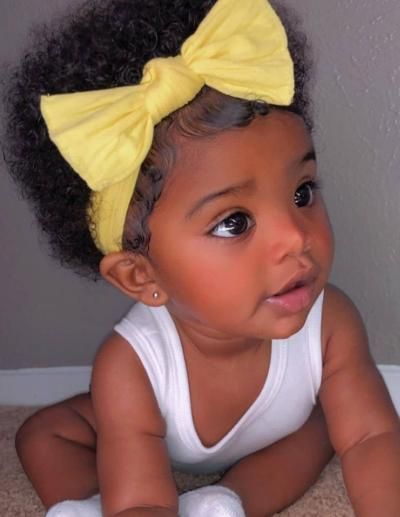
38. Side-Parted Two-Strand Twists
Create a side part and install chunky two-strand twists on both sides.
The side part gives the hairstyle a slightly more polished shape.
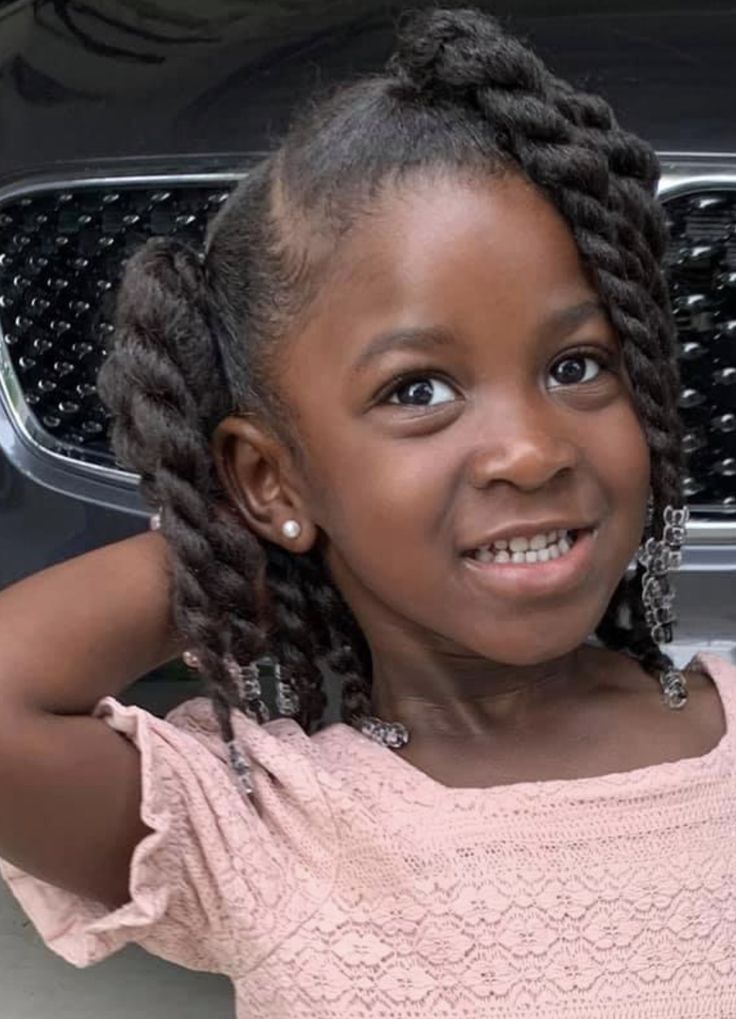
39. Twisted Pigtails With Beads
Create two large sections, twist the hair, and add beads near the ends.
This is a fun option for children who enjoy colorful hairstyles.
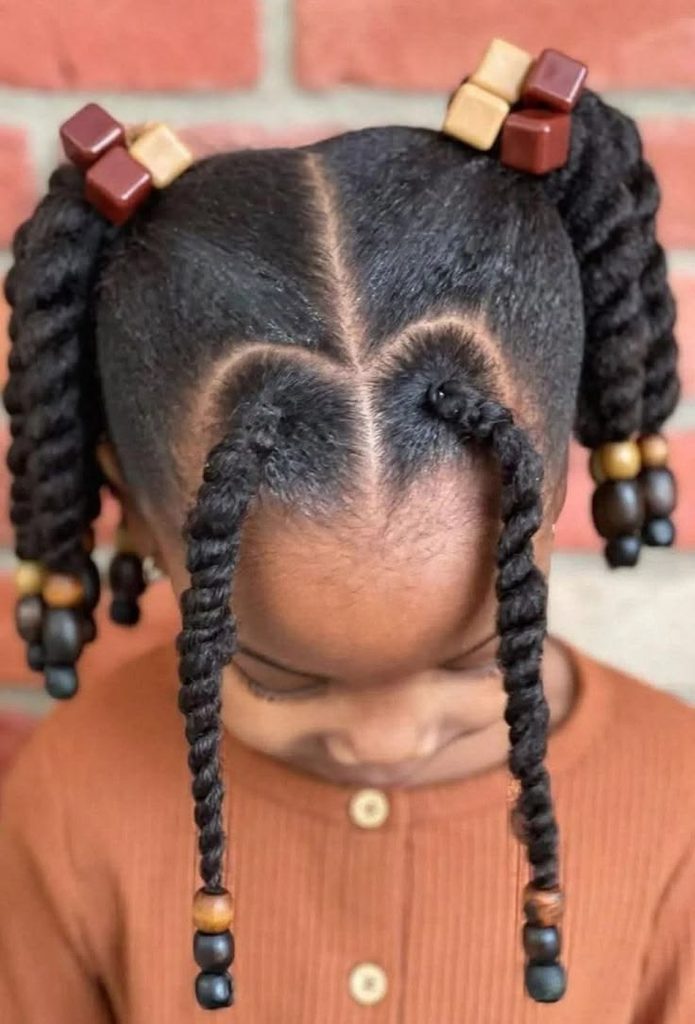
40. Three-Puff Mohawk
Create three puffs running from the front toward the back of the head.
The arrangement creates a mohawk-inspired silhouette while keeping the hair completely natural.
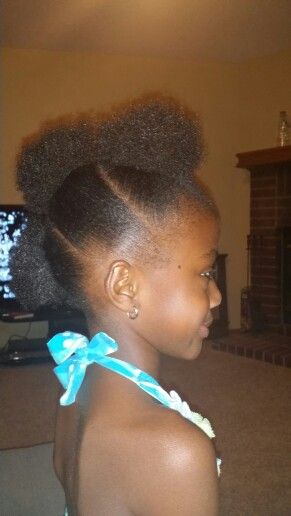
41. Two-Tone Hair Accessory Style
Create a simple puff or ponytail and use two complementary accessory colors.
For example, combine pink and white bows or blue and yellow bands.
The hairstyle itself can remain very simple while the accessories provide most of the visual interest.
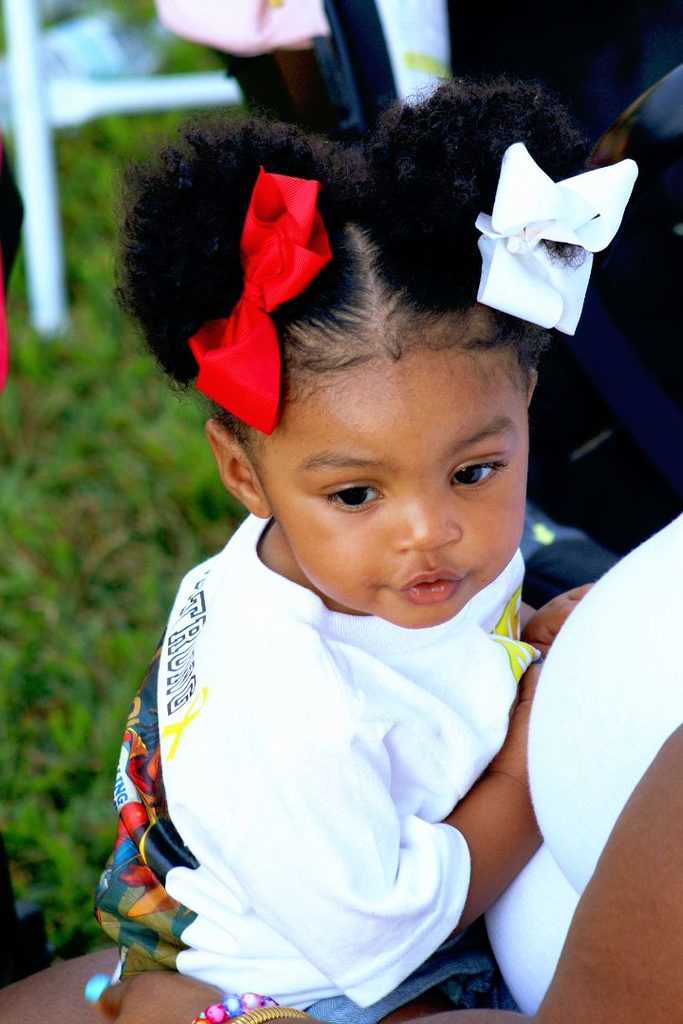
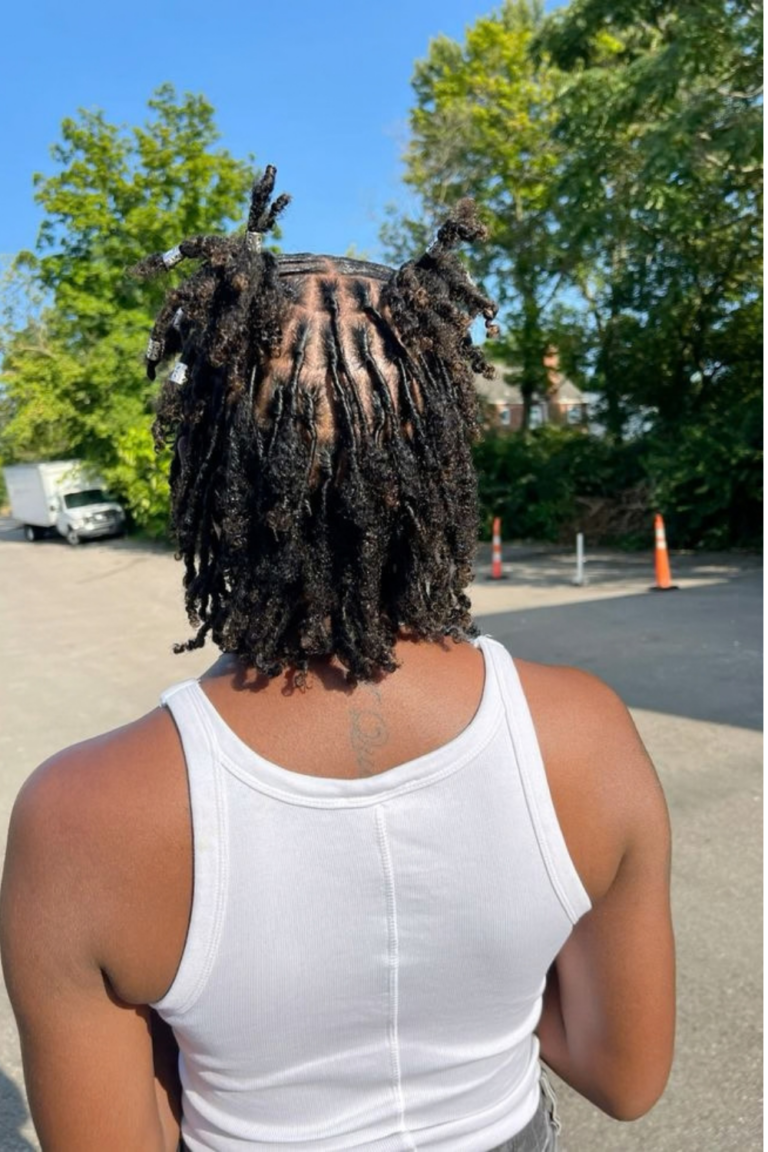
42. Mini Twists
Mini twists are a versatile option that can be worn loose or gathered into other hairstyles. The hair is divided into small sections and twisted from the roots to the ends. two-strand twists can also inspire a fuller version of this look.
The sections do not need to be extremely tiny. Slightly larger twists can make installation easier while still giving the hairstyle a neat appearance.
Once finished, the twists can be decorated with clips or gathered into ponytails and buns. Gentle handling will help keep the style looking neat while reducing unnecessary manipulation.
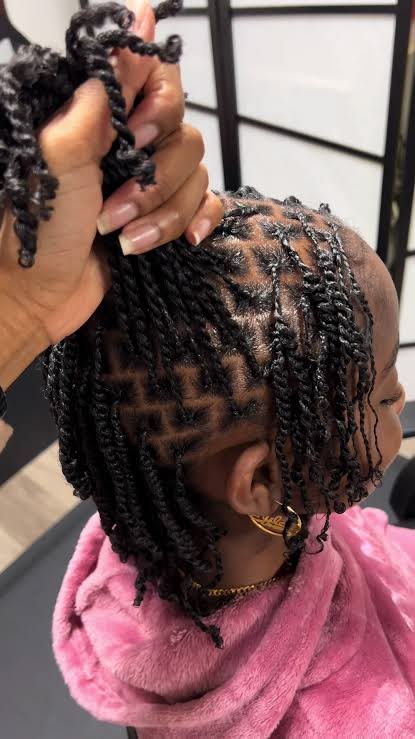
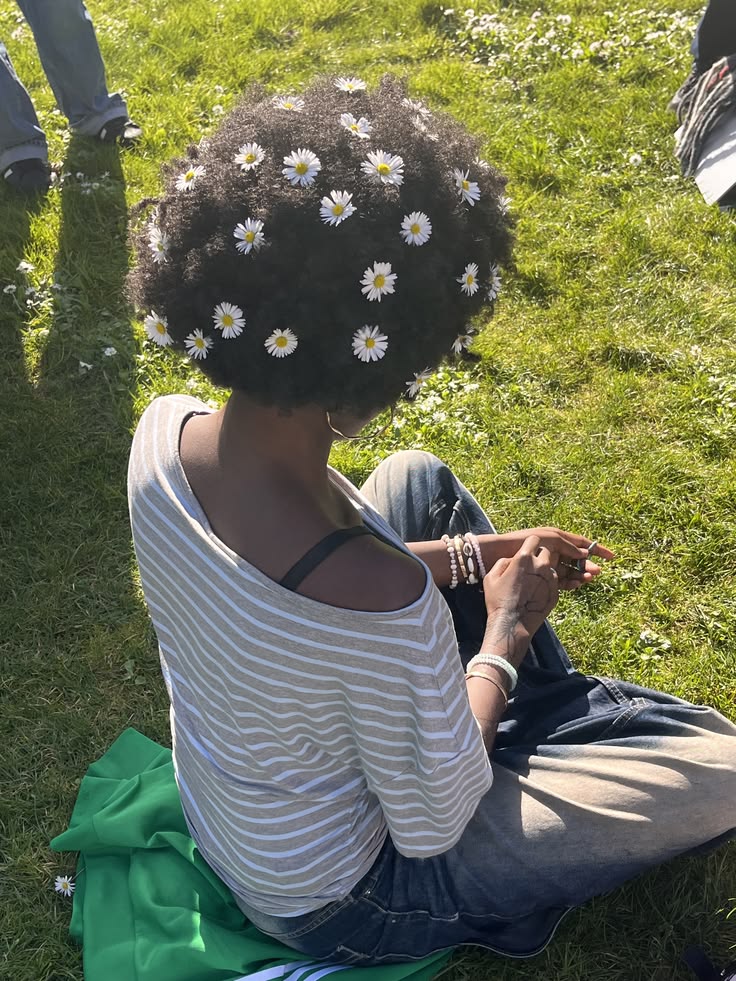
43. Mini Afro With Flower Clips
Shape the natural hair into a rounded afro and add a few lightweight flower clips.
Choose clips that grip gently and do not pull individual strands.
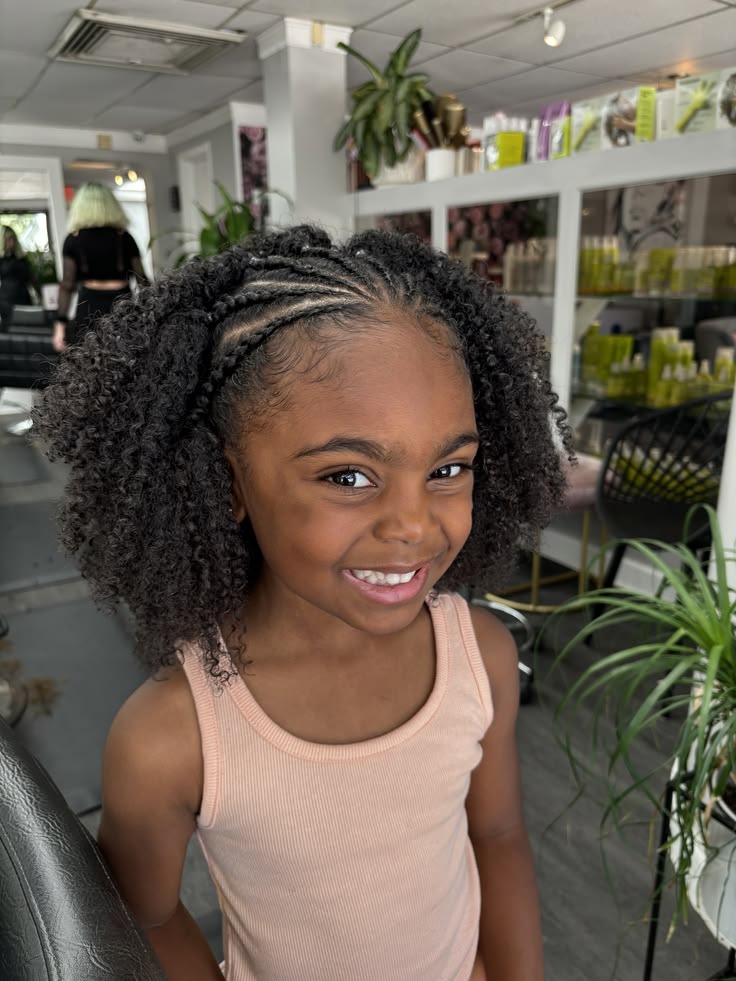
44. Chunky Cornrows With Loose Ends
Create several chunky cornrows and leave the ends loose.
This gives you some of the neatness of cornrows while allowing the natural texture to remain visible.
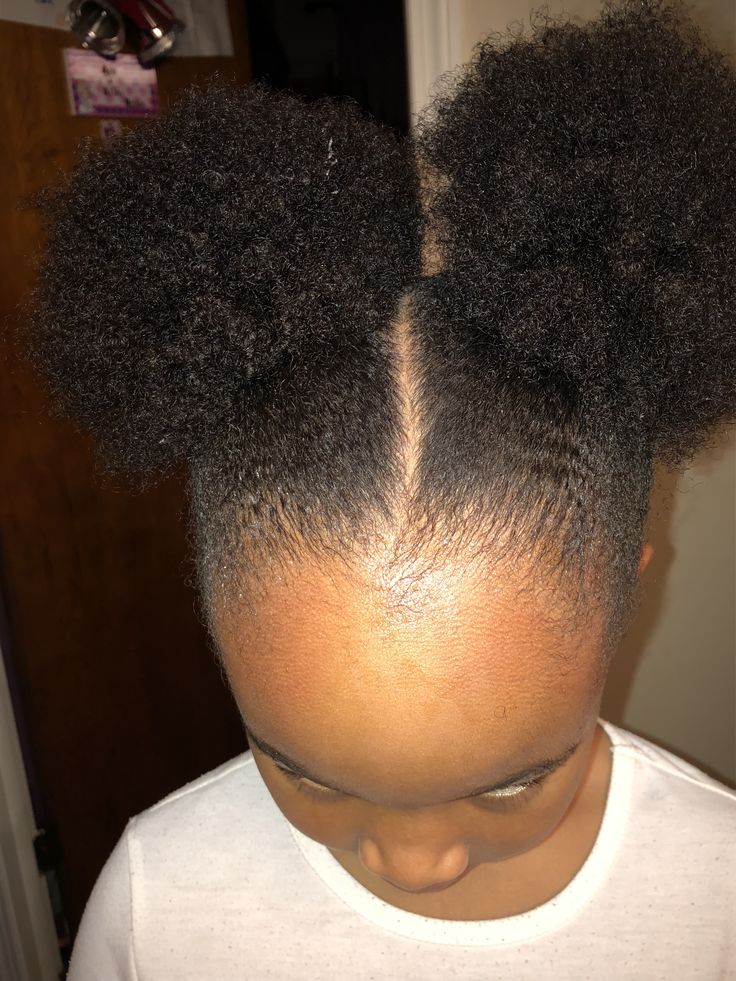
45. Two Puffs With a Center Part
Create a clean center part and form two symmetrical puffs.
This is one of the simplest ways to make a familiar hairstyle look intentional and polished.
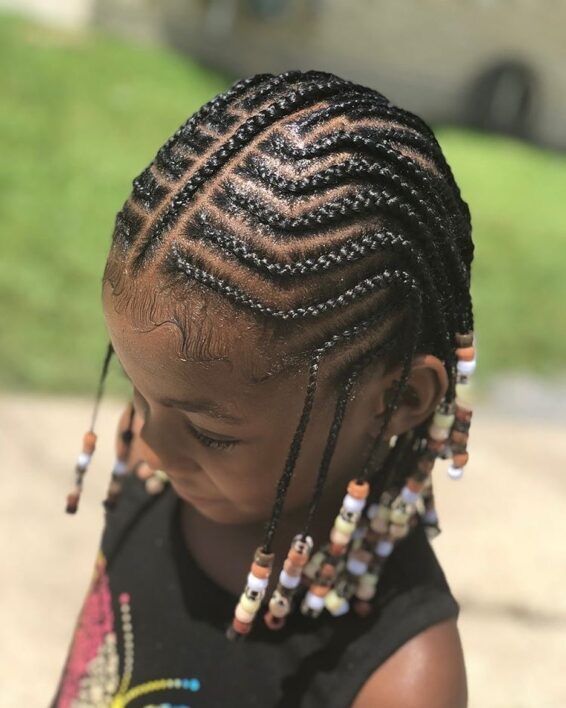
46. Fulani-Inspired Braids
Fulani-inspired braids can give children’s 4C hair a beautiful decorative look. A simplified design can combine front cornrows with individual braids at the back. beaded hairstyles can add another playful element to the finished look.
Medium-sized braids are usually more practical for children than extremely tiny ones. They can also reduce the amount of time needed to complete the hairstyle.
Keep the installation comfortable and avoid excessive tension around the hairline. Lightweight beads can provide decoration without making the hairstyle unnecessarily heavy.
47. Low Twisted Pigtails
Create two low ponytails and twist each one into a chunky rope-like shape.
Add ribbons or beads at the ends if desired.
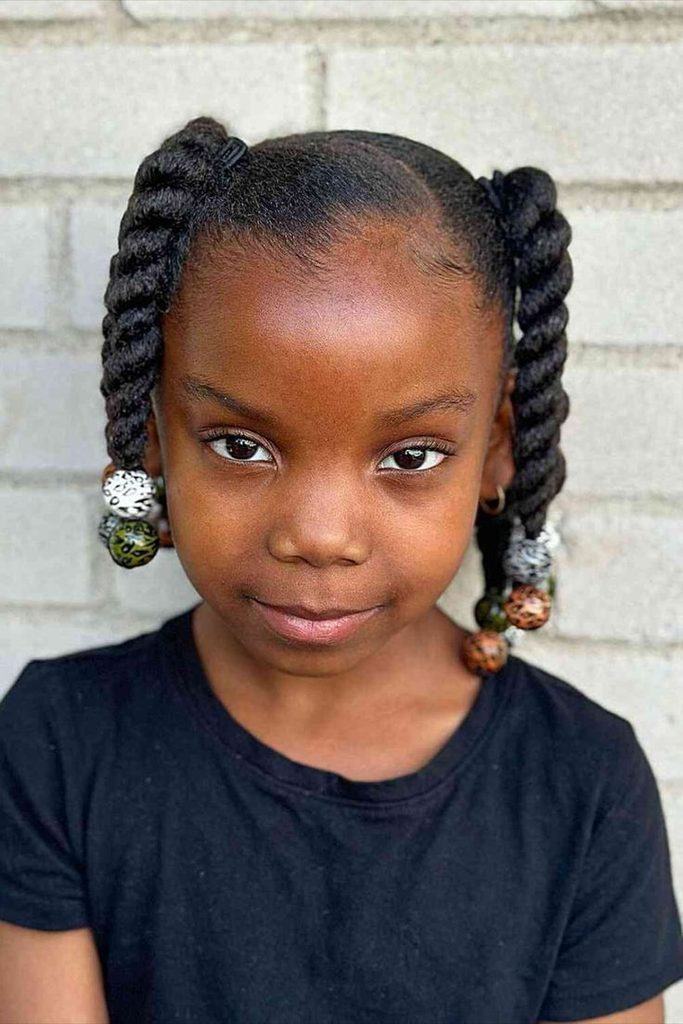
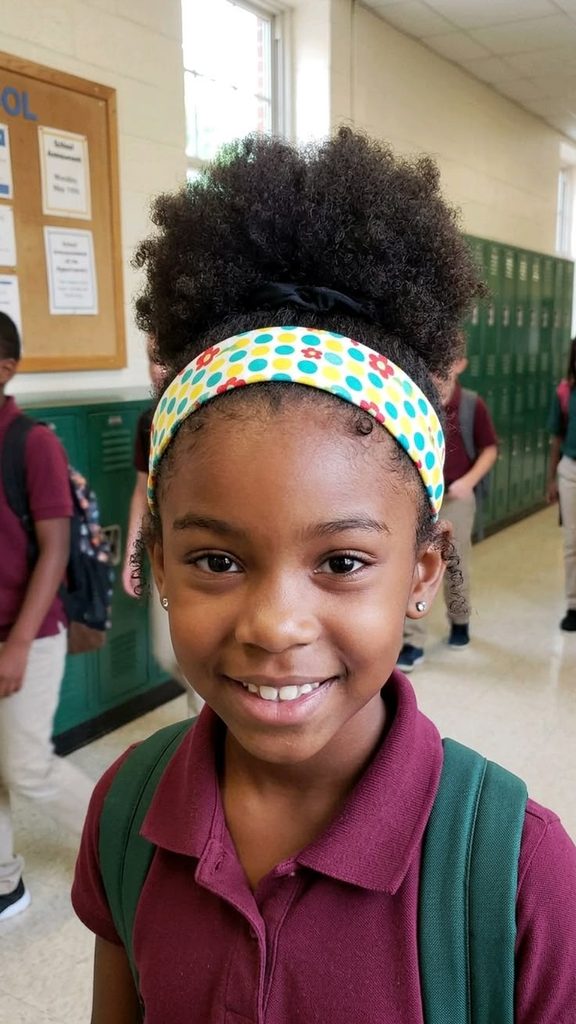
48. Accessorized Puff With Headband
Create one large puff and place a soft decorative headband around the front.
This is a particularly useful option when you want something quick but still visually finished.
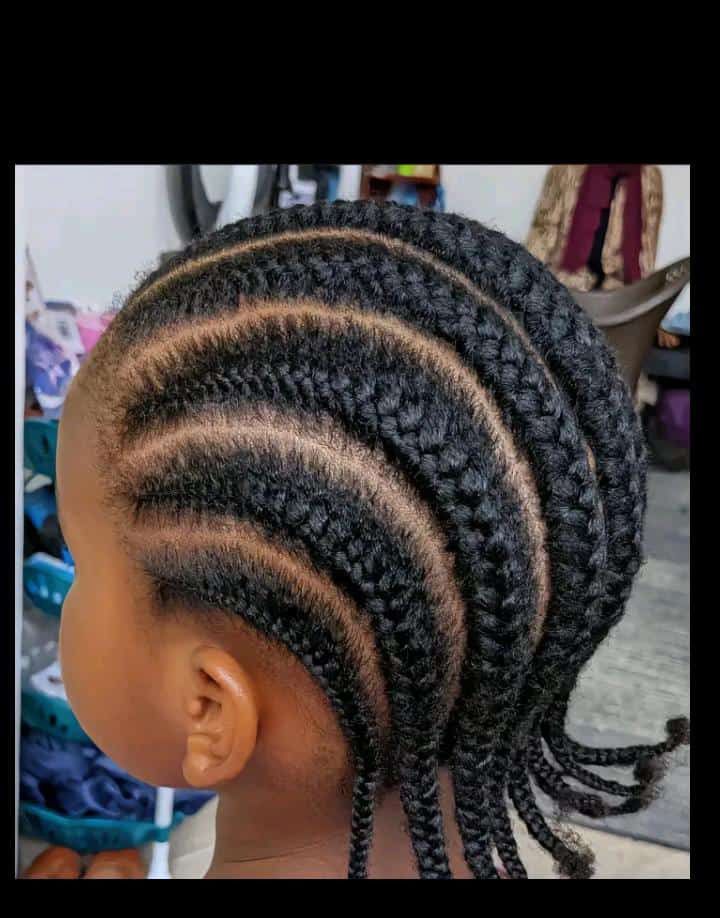
49. Straight-Back Cornrows
Straight-back cornrows are a classic choice for kids with 4C hair. The hair is divided into neat sections and braided from the front toward the back. school-ready styles can also provide more simple ideas for everyday wear.
Keep the rows medium-sized rather than making them extremely tiny. This can make the hairstyle quicker to install and more comfortable for a child to wear.
You can add colorful beads to the ends for a playful finish. Make sure the braids are secure without pulling tightly around the edges or temples.
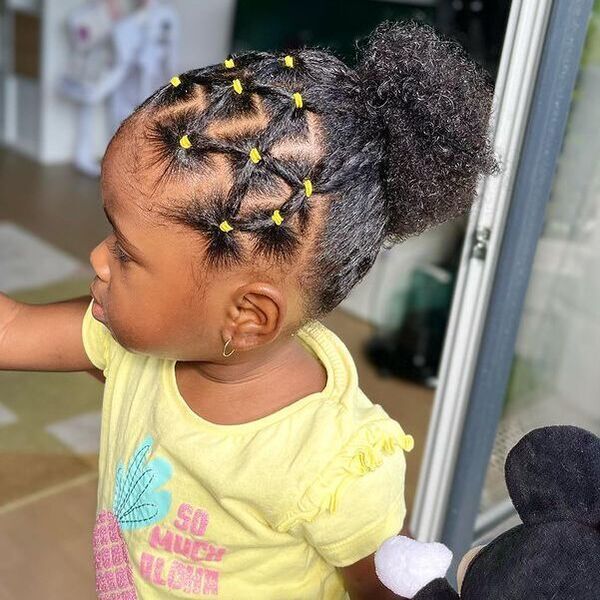
50. X-Part Rubber Band Ponytails
X-part rubber band ponytails turn simple sections into a fun geometric design. The hair is parted diagonally so the sections cross to form an X pattern. playful hair details can make the finished hairstyle even more eye-catching.
Use soft elastics and avoid wrapping them too tightly around the hair. The remaining sections can be gathered into ponytails or small puffs.
This style is easy to customize with different colored bands. When taking it down, carefully remove each elastic instead of pulling it through the hair.
Tips for Choosing Hairstyles for Children With 4C Hair
The best cute hairstyles for kids with 4C hair are not necessarily the most complicated ones. A hairstyle should be comfortable, practical, and appropriate for the child’s hair and scalp.
Avoid Excessive Tension
A hairstyle can look neat without being painfully tight.
If your child complains that the hairstyle hurts, feels too tight, or causes headaches, loosen it or remove it. Pain is not a sign that a hairstyle is being installed correctly.
Particular attention should be given to the hairline and temples because repeated tension can contribute to thinning over time.
Keep Styling Sessions Reasonable
Children may struggle to sit still for several hours while their hair is being styled.
If a hairstyle requires a very long session, consider dividing the work into smaller sections or choosing a simpler option.
For busy families, having a simple daily hair schedule can make hair care easier to manage without turning every morning into a major project.
Choose Gentle Accessories
Avoid accessories with rough edges, sharp clips, or extremely tight elastic bands.
Soft scrunchies, fabric-covered bands, lightweight bows, and smooth beads are generally easier on textured hair.
Pay Attention to the Scalp
A hairstyle should not cover up an uncomfortable or irritated scalp.
If your child experiences persistent itching, unusual flaking, redness, or soreness, address the scalp concern instead of simply styling over it. signs of scalp problems can help parents recognize when additional attention may be necessary.
Consider Hair Porosity
Children’s hair can respond differently to water and products depending on the characteristics of their strands.
Understanding hair porosity basics can help you make better decisions about the products you use before and after styling.
Be Careful With Seasonal Weather
The weather can affect how long a hairstyle lasts and how the hair feels.
Humidity, rain, heat, and dry weather may all require small changes to the routine. During particularly humid periods, rainy season hair care can provide useful ideas for protecting natural hair.
During hotter months, lighter hairstyles may be more comfortable for children, especially when they are active.
Give the Hair Breaks
Children do not need to wear elaborate hairstyles continuously.
Allowing the hair to remain loose between more structured styles can make the overall routine easier and give you an opportunity to inspect the scalp and strands.
For active children who participate in sports or outdoor activities, protective ideas for active kids can help you choose practical styles that are less likely to interfere with their daily activities.
Final Thoughts
There are so many cute hairstyles for kids with 4C hair that you do not need to repeat the same style every week.
Puffs, twists, buns, ponytails, cornrows, Bantu knots, afros, and accessorized styles can all be adapted to suit different children and different occasions.
The most important thing is not simply how the finished hairstyle looks. The process matters too.
Keep styling gentle, avoid excessive tension, choose comfortable accessories, and pay attention to how your child’s hair and scalp respond.
You can also rotate between simpler and more structured hairstyles rather than relying on one style all the time. If you are looking for more inspiration, natural hairstyles for different seasons can help you adapt your child’s look throughout the year.
With the right approach, styling 4C hair can become a creative and enjoyable part of your child’s routine rather than something that always feels like a struggle.
One Comment