
50 Hair Growth Tips for 4C Hair
Disclosure: Some of the links in this post are affiliate links. This means if you click on the link and purchase an item, I will receive an affiliate commission at no extra cost to you.
Growing 4C hair is rarely about finding one miracle product or following a complicated routine. The real difference usually comes from how well you protect your hair, maintain moisture, care for your scalp, and prevent unnecessary breakage.
4C hair can grow just as well as other hair types, but its tight curl pattern can make length retention more challenging. Hair may be growing from the scalp while the ends are breaking at nearly the same rate, making it seem like your hair is not growing.
That is why the goal should not simply be “make my hair grow faster.” A better goal is to create conditions that allow your hair to grow, stay strong, and retain the length you gain.
These 50 hair growth tips for 4C hair cover everything from wash day and moisture to protective styling, scalp care, detangling, and everyday habits that can help you retain more length over time.
1. Start With a Consistent Hair Routine
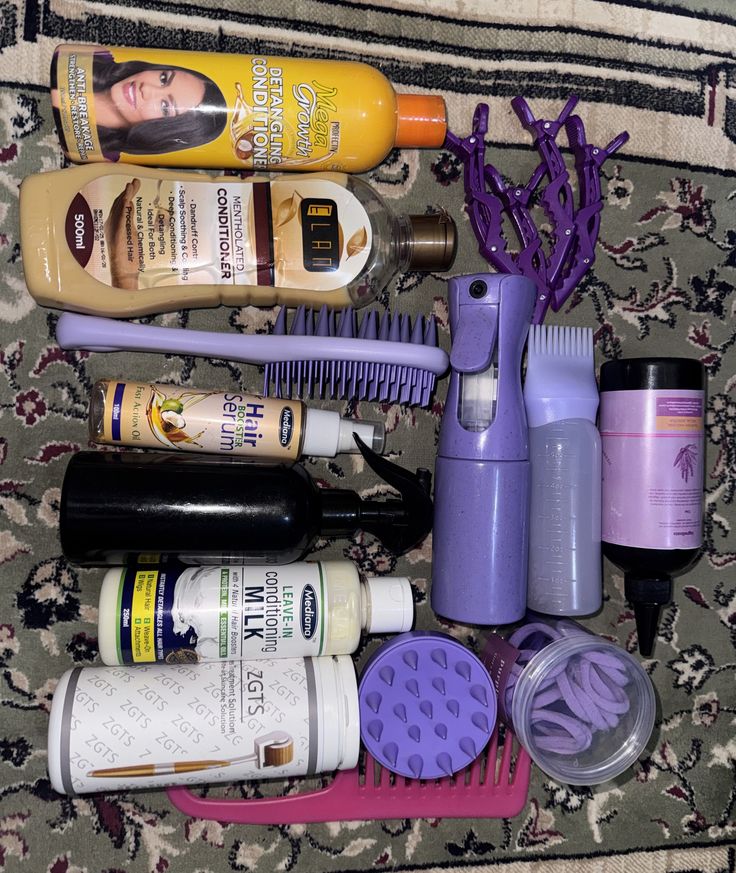
Your hair does not need a complicated routine with dozens of products. What matters more is consistency. Create a manageable routine that includes cleansing, conditioning, moisturizing, detangling, and protective care.
If you are still figuring out the basics, start with a beginner guide to 4C hair so you can build your routine around what your hair actually needs.
2. Focus on Length Retention
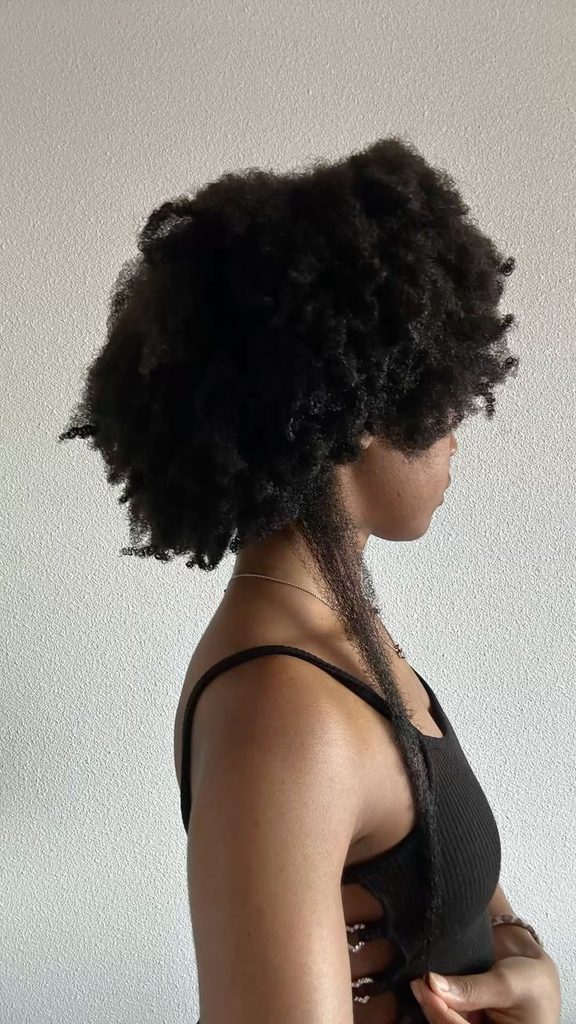
Hair growth happens naturally from your scalp. The challenge is keeping the new length instead of losing it through breakage.
Pay attention to how you handle your hair, especially your ends. Gentle styling, regular moisturizing, and careful detangling can help you retain more of the length you grow.
3. Keep Your Scalp Clean
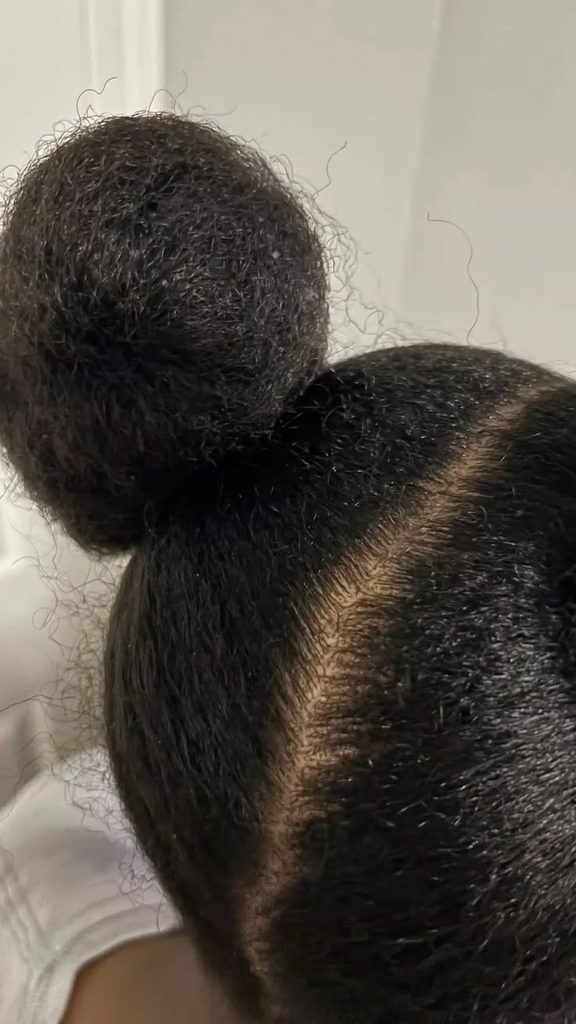
A clean scalp provides a better environment for healthy hair growth. Dirt, sweat, excess oil, and product buildup can accumulate when you go too long without cleansing.
Your cleansing schedule will depend on your scalp and lifestyle, but regular washing should be part of your routine.
For more guidance, see healthy scalp care and learn how to keep your scalp comfortable without over-cleansing.
4. Do Not Ignore Your Ends
Your ends are the oldest and most fragile part of your hair. They have been exposed to manipulation, friction, styling, and environmental conditions for the longest time.
Keep an eye on dry, splitting, rough, or constantly tangled ends. Taking care of them can make a major difference in length retention.
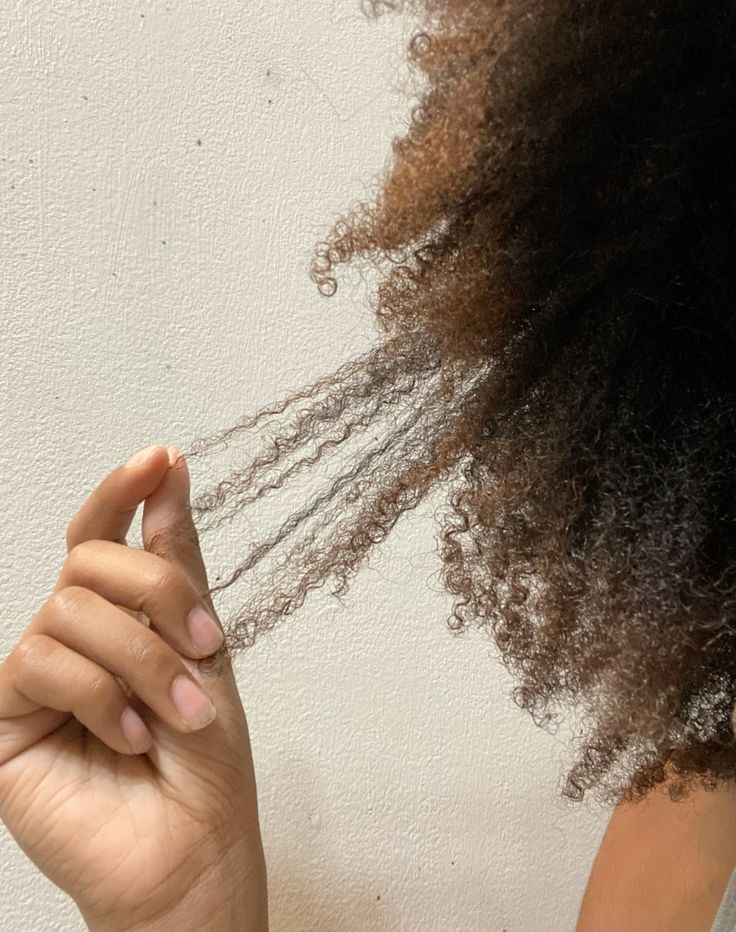
5. Moisturize Your Hair Regularly
Dry hair is more likely to become brittle and break during styling or manipulation. Build moisture into your routine instead of waiting until your hair feels extremely dry.
Water-based products can provide hydration, while creams and oils can help reduce moisture loss.
If your hair seems to become dry shortly after moisturizing, check out why your hair will not hold moisture for possible reasons.
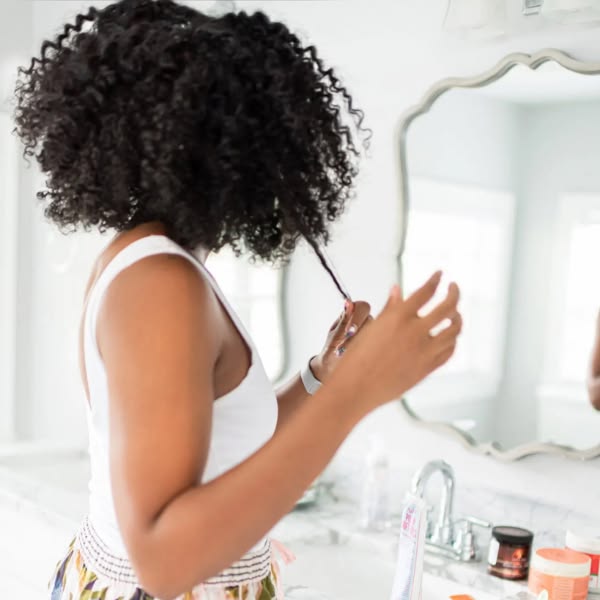
6. Learn Your Hair Porosity
Hair porosity affects how your hair interacts with water and products. Knowing whether your hair is low, medium, or high porosity can help you make better product choices.
You can learn more through the complete guide to hair porosity for 4C hair before changing your entire routine based on random hair advice.
7. Avoid Excessive Manipulation
You do not need to restyle your hair every day. Constant combing, brushing, pulling, and reshaping can create unnecessary tension and breakage.
Choose styles that allow your hair to remain relatively undisturbed for several days while still keeping your scalp and hair clean.
8. Detangle Gently
Aggressive detangling can remove more hair than necessary. Work through tangles slowly, preferably when your hair has enough slip from conditioner or a suitable detangling product.
Separate your hair into manageable sections and start from the ends before gradually moving toward the roots.
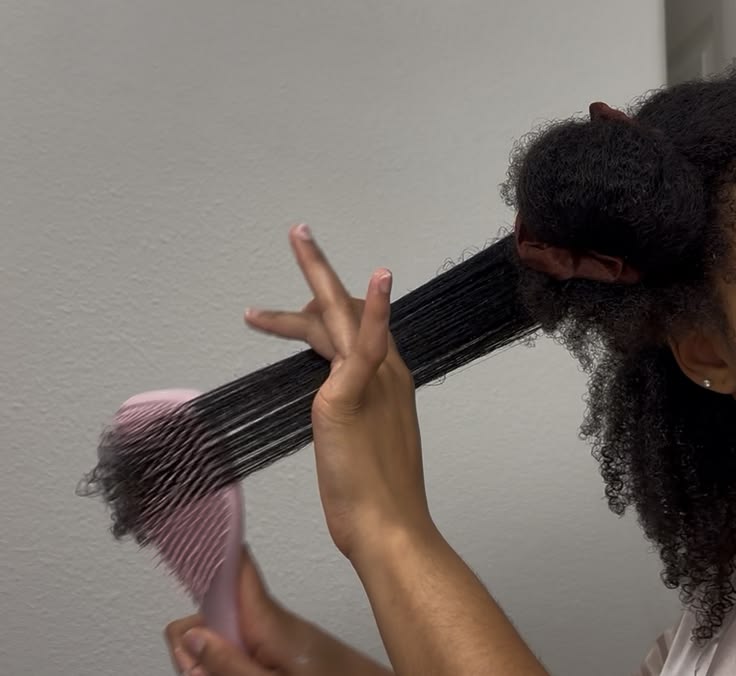
9. Detangle From the Ends Up
Starting at the roots and dragging a comb through tangled ends can create unnecessary pulling.
Instead, gently loosen the ends first, then work your way upward. This simple change can reduce snapping during detangling.
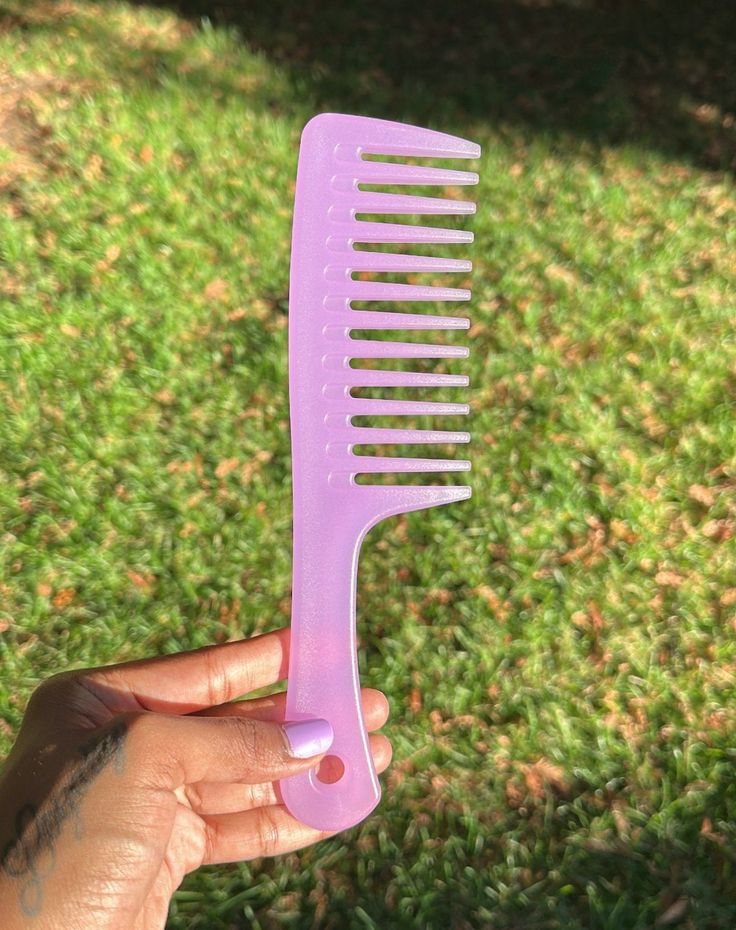
10. Use a Wide-Tooth Comb When Needed
A wide-tooth comb can make detangling easier when you need more structure than your fingers provide.
However, the tool matters less than how you use it. Avoid rushing through knots, and never force a comb through tightly tangled hair.
11. Try Finger Detangling
Your fingers can help you identify knots before they become larger tangles. They also allow you to feel how much tension you are putting on your hair.
Finger detangling does not have to replace every other method, but it can be useful when your hair is particularly fragile.

12. Never Detangle Dry, Tangled Hair Aggressively
Trying to comb through completely dry, tangled 4C hair can result in unnecessary breakage.
Add water or a suitable conditioner or detangler first, give the product time to provide slip, then work through the hair gently.
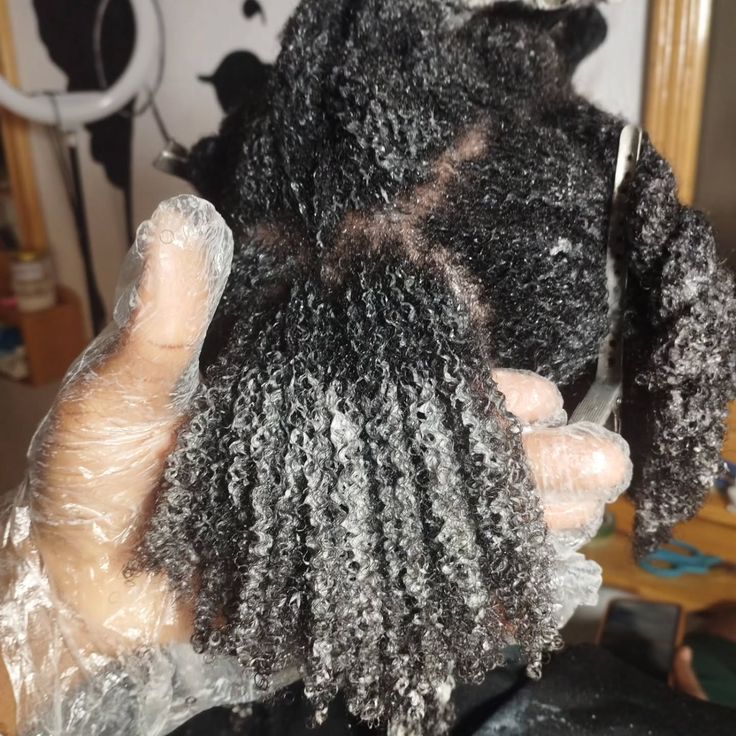
13. Deep Condition Regularly
Deep conditioning can help improve softness, manageability, and moisture retention, making your hair easier to handle.
How often you deep condition depends on your hair and routine, but adding it consistently to wash day can make manipulation easier.
Explore the best deep conditioners for dry 4C hair when choosing products for this step.
14. Do Not Overwash Your Hair
Clean hair is important, but washing excessively can leave some hair feeling dry, especially when harsh cleansers are used repeatedly.
Find a washing schedule that keeps your scalp clean without leaving your strands constantly stripped.
Your personal routine can also depend on how often you exercise, sweat, use styling products, or wear your hair.
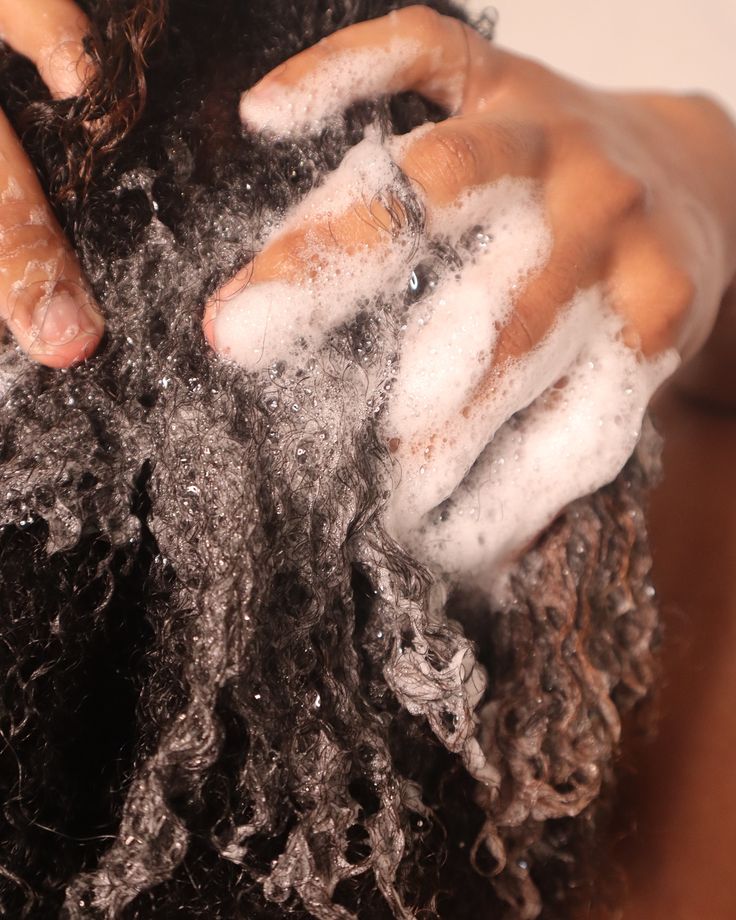
15. Choose Gentle Cleansing Products
Your shampoo should clean your scalp and hair without making your strands feel extremely rough afterward.
If your hair feels stripped every time you wash it, consider reviewing the products you use and how often you cleanse.
You can also compare options in the best shampoos for 4C hair.
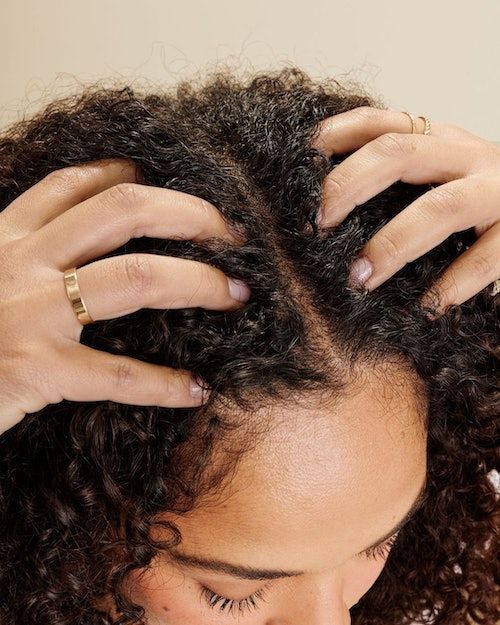
16. Massage Your Scalp Gently
A gentle scalp massage can feel relaxing and may help you distribute products across the scalp.
Use your fingertips rather than your fingernails, and avoid aggressive scratching or rubbing that could irritate the skin.
17. Always Condition After Shampooing
Shampooing cleanses your hair, while conditioner helps improve manageability and softness.
Skipping conditioner can make detangling more difficult, especially if your hair tends to become rough after cleansing.
18. Pay Attention to Your Scalp
Your scalp deserves attention too. Persistent itching, unusual flaking, soreness, or significant changes should not simply be ignored in the name of hair growth.
A healthy hair routine should include paying attention to changes in your scalp rather than constantly covering them with oils and products.
19. Avoid Scratching Your Scalp
Scratching an itchy scalp can create irritation and may cause small injuries to the skin.
If your scalp frequently itches, focus on identifying the cause instead of simply scratching more or applying heavier oils.
You can learn more about signs your scalp needs extra care if scalp problems keep returning.
20. Choose Protective Styles Carefully
Not every protective style protects your hair equally. A style that causes excessive tension, requires heavy extensions, or keeps your scalp difficult to clean may create new problems.
Look for styles that keep your ends protected without placing unnecessary stress on your roots.
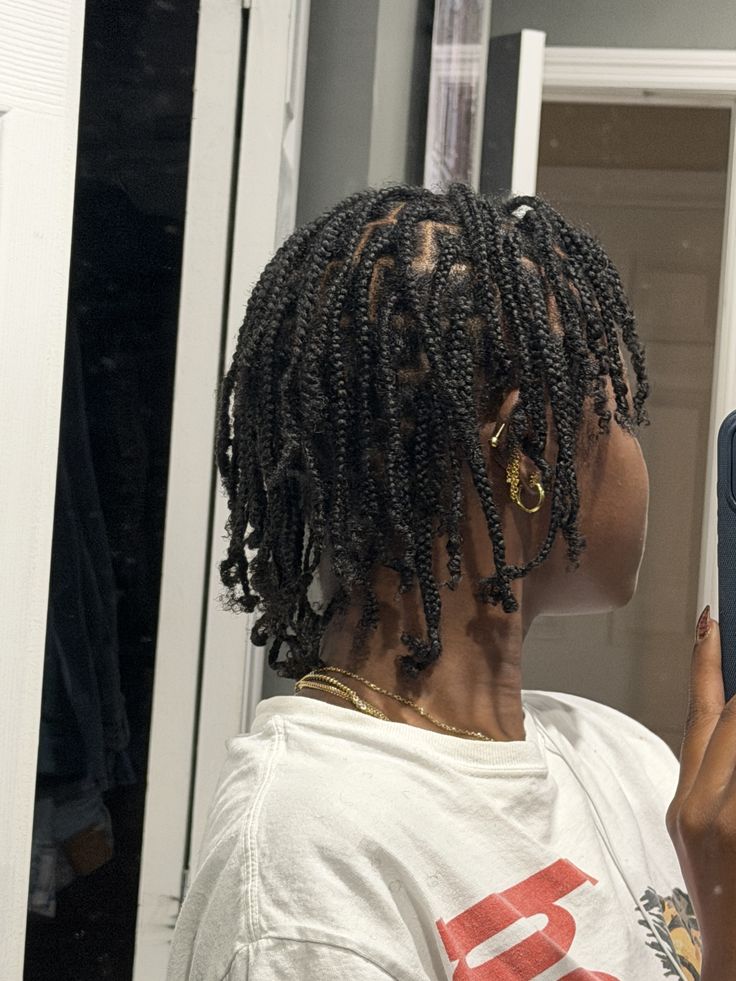
21. Protect Your Hairline
Your edges are particularly vulnerable to tension. Tight braids, wigs, ponytails, headbands, and repeated brushing can put stress on this area.
Avoid hairstyles that consistently pull around your temples and hairline.
22. Do Not Make Every Style Tight
A hairstyle does not need to feel tight to look neat. Excessive tension can contribute to breakage around the hairline and other areas.
If you experience pain, headaches, tenderness, or significant pulling after installation, the style may be too tight.
23. Give Your Hair Breaks Between Protective Styles
Protective styles can help reduce daily manipulation, but constantly moving from one tight style directly into another can put continuous stress on your hair.
Give your hair time to be cleansed, moisturized, and gently handled between installations.
For more guidance, see how long you should keep protective styles in.
24. Avoid Leaving Protective Styles in Too Long
Keeping a protective style installed for longer does not automatically mean more growth.
As the style ages, your roots may become tangled, and your hair can collect sweat, dirt, and product buildup. Remove the style before maintenance becomes difficult.
25. Keep Your Hair Moisturized Under Protective Styles
Your natural hair still needs care while it is tucked away.
Depending on the style, use a lightweight moisturizing product that can reach your natural hair without leaving excessive buildup.
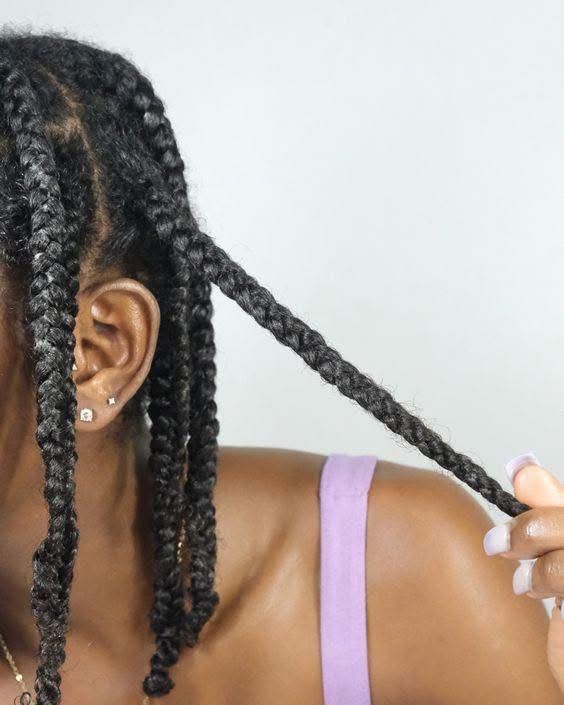
26. Do Not Sleep With Loose Hair Every Night
Leaving loose 4C hair exposed while sleeping can create tangles and friction.
Before bed, consider putting your hair into loose twists, braids, or another low-manipulation style.
27. Protect Your Hair While Sleeping
Friction between your hair and cotton bedding can contribute to dryness and breakage.
Use a satin or silk bonnet, scarf, or pillowcase to reduce friction while you sleep.

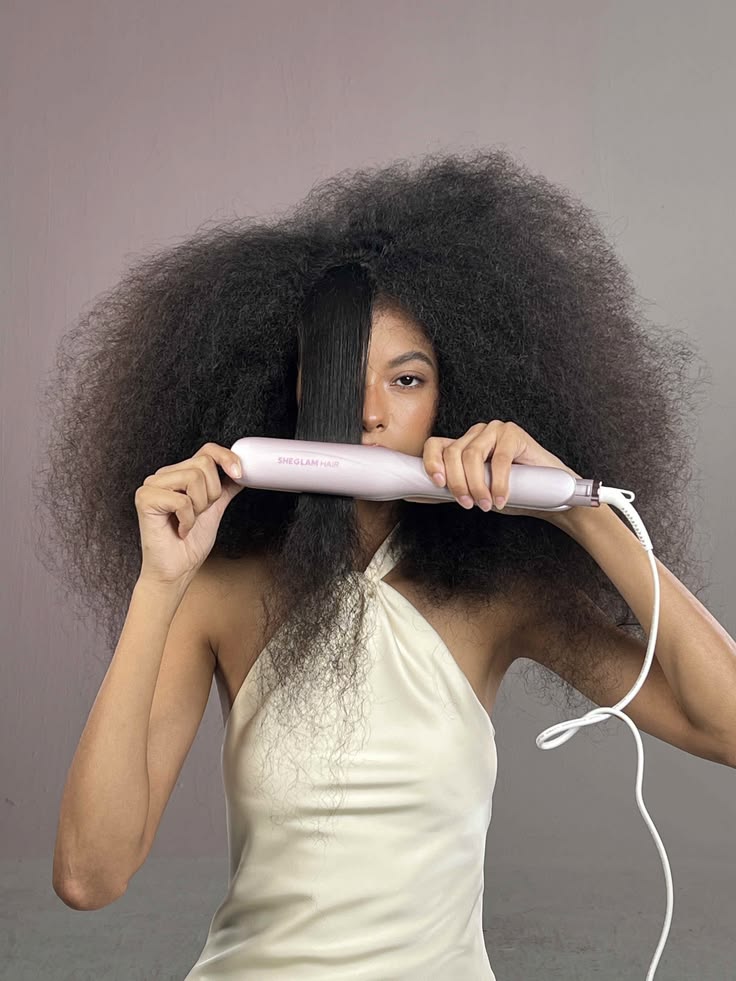
28. Be Careful With Heat
Frequent high heat can weaken hair and contribute to dryness and breakage.
When you use heat, control the temperature, use an appropriate heat protectant, and avoid repeatedly passing the tool over the same section.
29. Limit Frequent Blow-Drying
Blow-drying does not automatically damage natural hair, but excessive heat or poor technique can cause problems.
Use moderate settings and avoid holding the dryer too close to your strands.
30. Do Not Chase Length at the Expense of Hair Health
Long hair is not automatically healthy hair. Trying every growth method you see online can lead to product overload, excessive manipulation, or harsh treatments.
A healthier goal is strong hair that gradually retains length.
31. Trim Damaged Ends When Necessary
Trimming does not make hair grow faster from the scalp, but removing severely damaged ends can prevent splits from traveling farther up the strand.
Do not trim simply because someone says natural hair needs to be cut every few weeks. Look at the actual condition of your ends.

32. Reduce Single-Strand Knots
Single-strand knots are common in tightly coiled hair because strands can wrap around one another.
Keeping your hair stretched, moisturized, and properly detangled can help reduce excessive knotting.
33. Avoid Constantly Picking Through Your Hair
Running your fingers through your hair repeatedly can create unnecessary manipulation and tangling.
Try to leave your hair alone once it has been styled, especially when your hands are constantly tempted to fluff or reshape it.
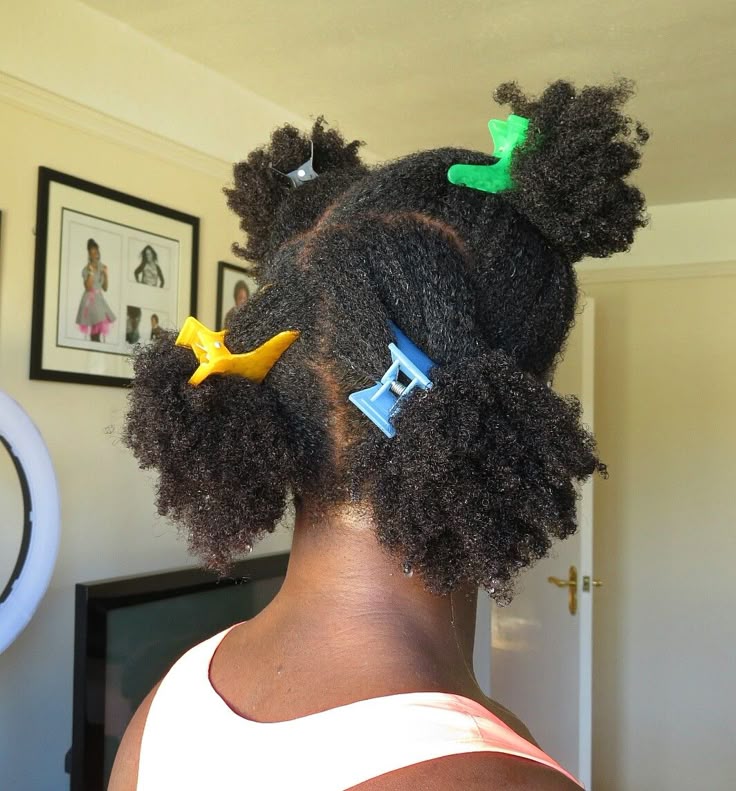
34. Keep Your Hair in Manageable Sections
Working with your entire head at once can lead to rushing and rough handling.
Divide your hair into sections during washing, detangling, deep conditioning, and styling. Smaller sections usually make 4C hair easier to handle.
35. Do Not Overload Your Hair With Products
More products do not automatically mean more moisture or faster growth.
Using too many creams, oils, gels, and treatments can create buildup and make your hair difficult to cleanse.
Keep your routine simple enough that you can tell what actually works.
36. Clarify When You Have Heavy Buildup
If your hair feels coated, dull, sticky, or unusually difficult to moisturize, product buildup may be part of the problem.
A clarifying shampoo can occasionally help remove buildup when regular shampoo is not enough. Avoid overusing strong clarifiers.
You can explore the best clarifying shampoos for product buildup when deciding what to use.
37. Use Leave-In Conditioner Strategically
A leave-in conditioner can make hair softer and easier to manage after washing.
Apply it according to your hair’s needs rather than automatically using large amounts. Too much product can create unnecessary buildup.
See the best leave-in conditioners for 4C hair for more options.
38. Be Careful With Oils
Oils can be useful in a hair routine, but they are not magic growth treatments.
They can help reduce friction, seal in moisture depending on how they are used, or make the hair feel softer. However, applying heavy amounts of oil to an already dry scalp does not replace proper cleansing and hydration.
39. Avoid Relying on “Growth Oils”
Products marketed specifically for hair growth can be tempting, but no oil can replace basic hair care.
Before buying another growth product, check whether you are already protecting your hair from breakage and maintaining a consistent routine.
40. Eat Enough Protein
Hair is primarily made of a protein called keratin, so your overall nutrition matters.
Include adequate protein in your meals through foods that fit your diet, such as eggs, fish, beans, dairy products, meat, nuts, or other protein-rich foods.

41. Eat a Balanced Diet
Hair care products only address the outside of your hair. Your body also needs adequate nutrients to support normal hair growth.
Focus on a varied diet containing protein, fruits, vegetables, whole grains, healthy fats, and other nutrient-rich foods.
42. Stay Hydrated
Drinking enough fluids supports overall health. While drinking more water is not a magic hair-growth treatment, staying hydrated is still a useful part of maintaining your general well-being.
Do not rely on water alone to solve dryness or breakage.

43. Avoid Random Supplements
Hair-growth supplements are heavily marketed, but taking vitamins you do not need is not automatically helpful.
If you suspect a nutritional deficiency or notice unusual hair shedding, speak with a qualified healthcare professional rather than taking multiple supplements without guidance.
44. Pay Attention to Sudden Hair Changes
A sudden increase in shedding, significant thinning, bald patches, or major changes in hair density deserve attention.
Do not assume every hair problem is caused by dryness or a lack of oil. Sometimes the underlying cause requires professional evaluation.
45. Keep a Simple Hair Journal
You do not need complicated measurements. Take occasional pictures and record major changes in your routine.
This can help you see whether your hair is actually retaining length and which products or habits seem to work best for you.
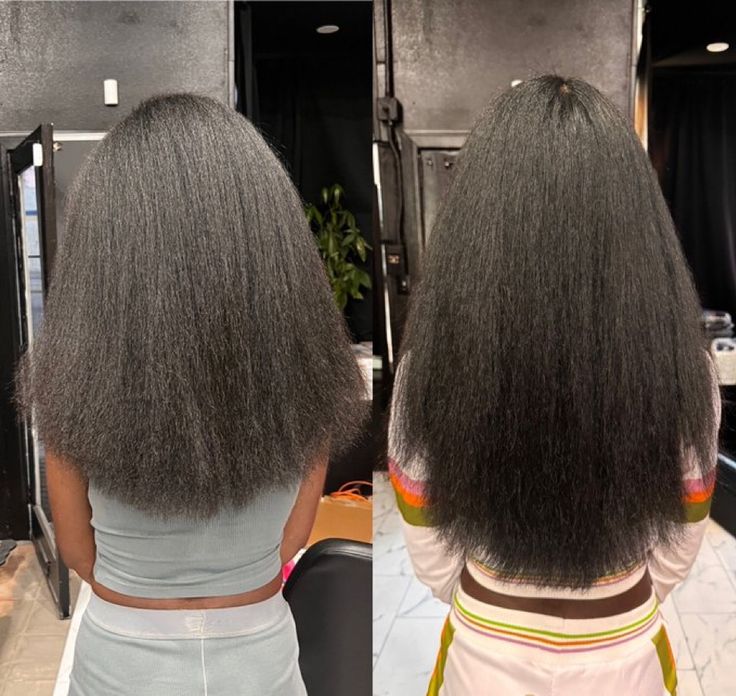
46. Take Progress Photos
Hair growth can be difficult to notice when you see yourself every day.
Take photos under similar lighting and from similar angles every few months. Compare them over time instead of checking your hair length every few days.
47. Give Your Routine Time to Work
Changing products every week makes it difficult to know what actually works.
Unless a product is causing irritation, excessive dryness, or another obvious problem, give your routine enough time to evaluate how your hair responds.
48. Prioritize Breakage Prevention
If your main goal is longer 4C hair, protecting the hair you already have should be a priority.
Your length retention routine can matter just as much as anything you apply to your scalp because retaining existing length is what eventually makes your hair look longer.
49. Stretch Your Hair When Appropriate
Stretching can make detangling and styling easier by reducing shrinkage and helping your strands stay separated.
You can use methods such as banding, threading, African threading, or loose twists. Choose a method that does not create excessive tension.
50. Be Consistent, Not Perfect
You do not need perfect wash days, expensive products, or an elaborate routine to grow healthy 4C hair.
Focus on the basics: cleanse your scalp, moisturize your strands, detangle gently, protect your ends, reduce unnecessary manipulation, eat well, and pay attention to your scalp.
Most importantly, give your routine time. Hair growth is gradual, and the results are easier to appreciate when you focus on healthy habits rather than constantly searching for the next miracle product.
Final Thoughts: Focus on Growth and Retention
The best hair growth routine for 4C hair is one that you can actually maintain. You do not need to follow all 50 tips perfectly or buy every product recommended online.
Start with the habits that address your biggest problems. If your hair is constantly breaking, focus on gentle handling and length retention; if it stays dry, improve your moisturizing routine, and if your scalp is uncomfortable, address the scalp rather than simply adding more oil.
With consistent care, less unnecessary manipulation, and better protection, you can create the conditions your hair needs to retain more length over time.




One Comment