
Everything You Need to Know Before Getting Microlocs
Disclosure: Some of the links in this post are affiliate links. This means if you click on the link and purchase an item, I will receive an affiliate commission at no extra cost to you.
Getting microlocs is a major commitment, especially if you have 4C hair and want a hairstyle that can become part of your everyday life for years. Unlike a temporary protective style, microlocs require planning before installation and consistent care afterward.
Before getting microlocs, it helps to understand what they are, how they are installed, how much maintenance they require, what they may cost, and how your natural hair characteristics can affect the process.
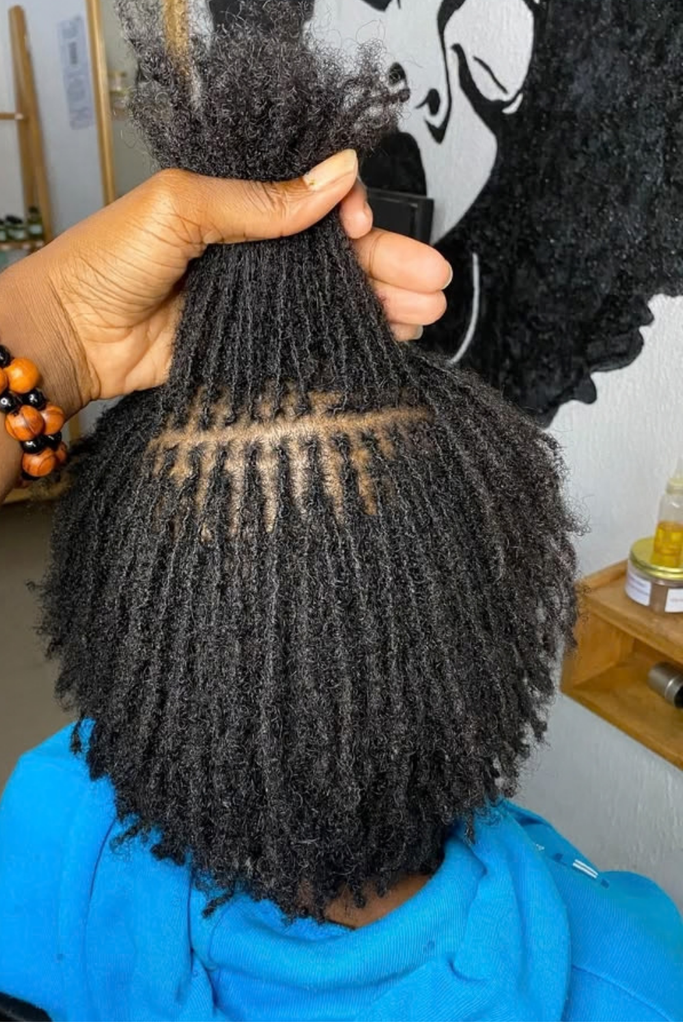
Microlocs are made up of many small locs created from carefully sectioned natural hair. They are usually much smaller than traditional locs, which gives you more styling flexibility but also means there are more individual sections to maintain.
The installation process can take several hours or even multiple sessions depending on your hair length, density, and the number of locs you want.
If you have been thinking about starting microlocs, do not focus only on how beautiful mature microlocs look online. The early stages, maintenance routine, installation method, and your expectations all matter.
Here is everything you need to know before getting microlocs so you can prepare your hair, budget, schedule, and expectations before your first appointment.
What Are Microlocs?
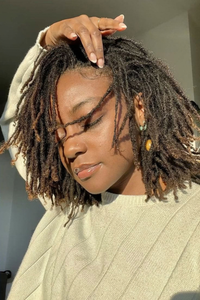
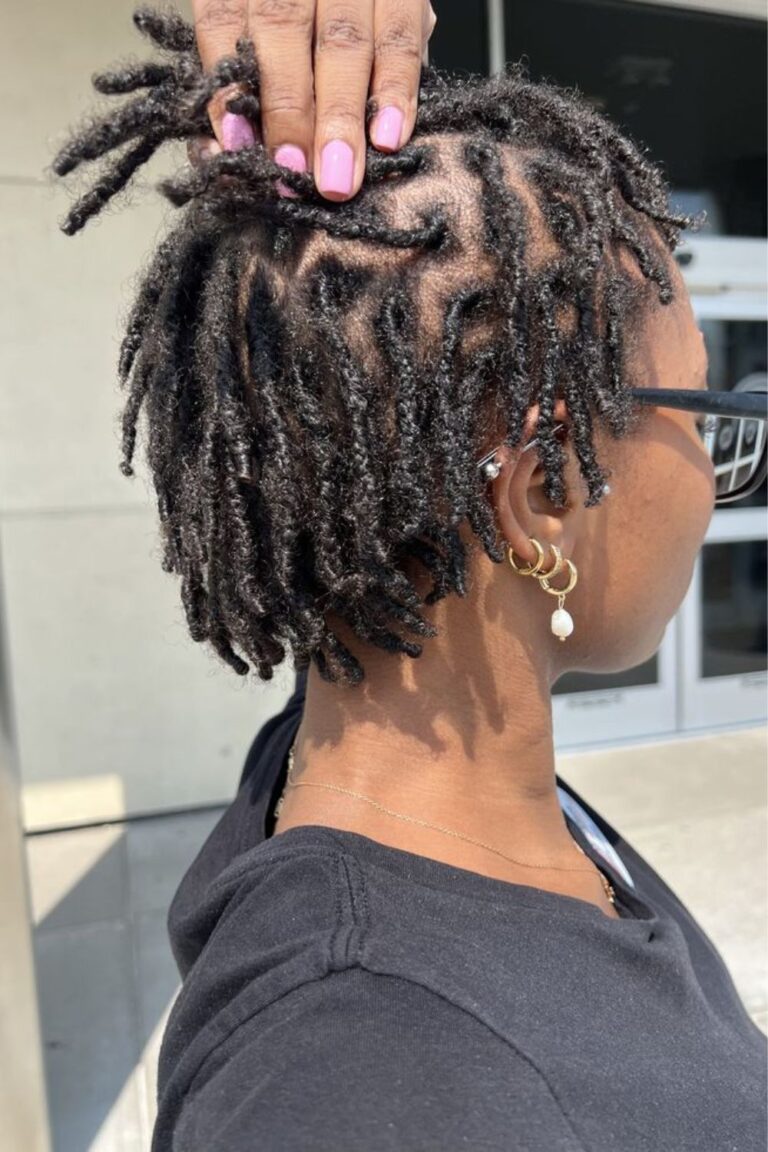
Microlocs are very small locs created by dividing natural hair into numerous sections and allowing each section to develop into an individual loc.
Because the sections are smaller than traditional locs, you can usually create a wide range of hairstyles. The finished result can look neat, lightweight, and versatile while still giving you the low-manipulation benefits associated with locs.
The size of your microlocs depends on the parting system, your hair density, and the technique used during installation. Two people can both have microlocs while having noticeably different numbers, sizes, and patterns.
Microlocs are also different from simply making very small traditional locs. The installation and maintenance techniques are usually more specialized because there are so many individual locs.
Microlocs Are a Long-Term Commitment
One of the first things to consider before getting microlocs is whether you are comfortable committing to a long-term hairstyle.
You do not need to know exactly what your hair will look like years from now, but you should understand that microlocs are not something you install casually and remove a few weeks later.
Removing locs can be time-consuming and may involve significant detangling. Some people eventually decide to cut their locs rather than go through the removal process.
This is why your decision should be based on your own lifestyle and preferences rather than simply copying someone’s hairstyle online.
If you already enjoy natural hair and are comfortable with long-term routines, microlocs may fit more naturally into your lifestyle. You can also compare them with other loc options using a starter locs guide before making your decision.
Your Hair Length Matters
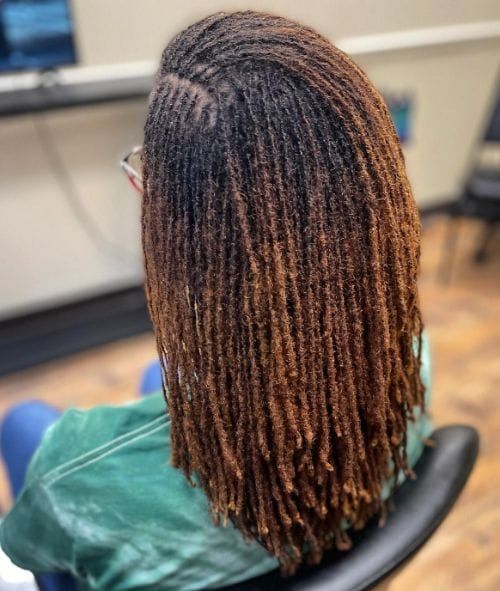
You do not necessarily need extremely long hair to start microlocs. However, your current length can affect the installation process and the appearance of your new locs.
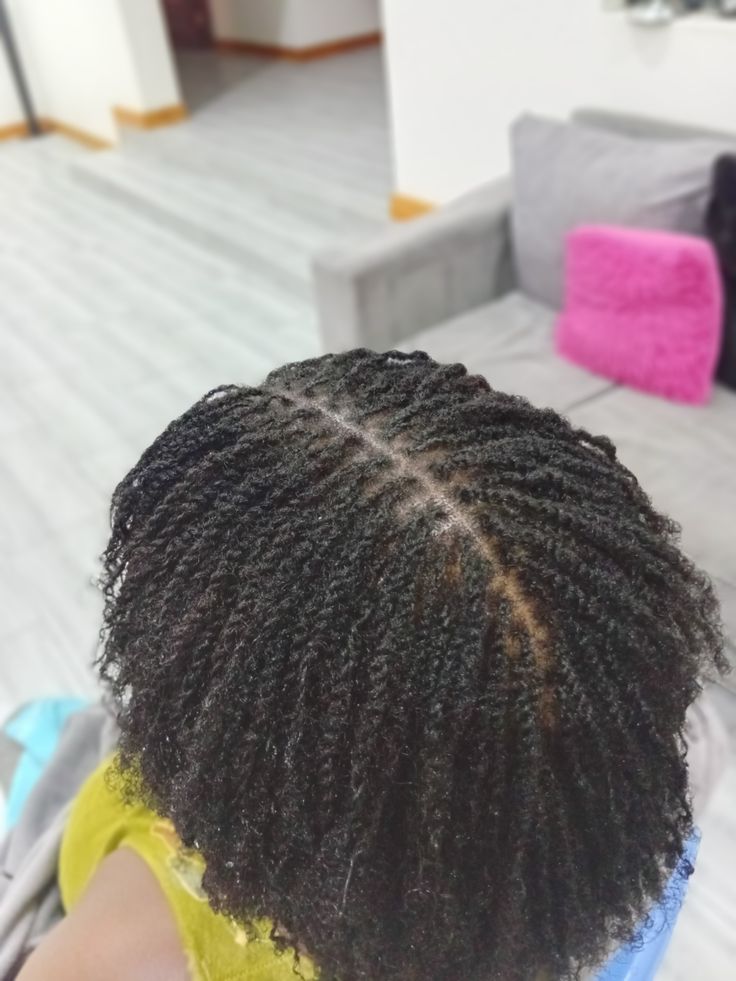
Shorter hair may shrink considerably, especially if you have tightly coiled 4C hair. This can make your microlocs appear much shorter immediately after installation.
Longer hair gives your loctician more length to work with, but it can also make the installation process longer.
If you are currently growing your hair before your appointment, focus on maintaining healthy strands rather than trying to reach an arbitrary length. Practices that support length retention can help you keep the hair you already have while preparing for your installation.
Your Hair Density Can Affect the Final Result
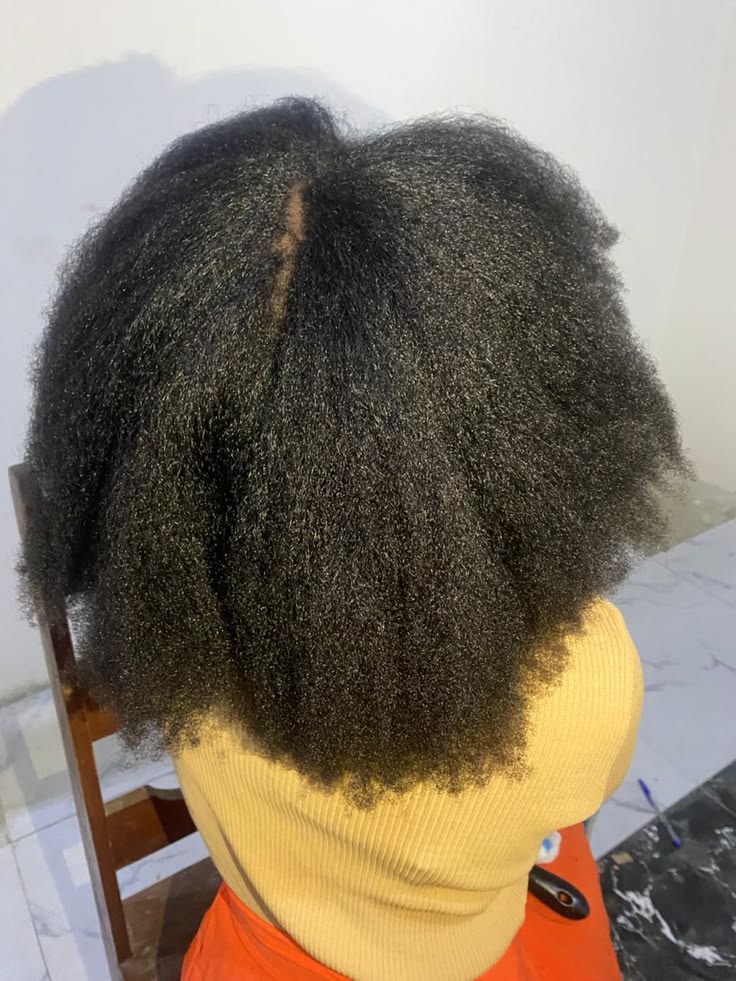
Hair density refers to how much hair you have overall, and it can influence how many microlocs your head can comfortably support.
Someone with very dense hair may be able to have a larger number of small locs without the finished style looking sparse. Someone with lower density may need larger sections to create locs that are strong enough to support their own weight.
Your density can also vary across your scalp. The hair around your edges may not have the same density as the hair at your crown or the back of your head.
This is one reason your loctician should assess your actual hair instead of simply copying another person’s grid.
Your existing 4C hair characteristics can give you useful information about how your hair behaves, but an individual assessment is still necessary.
Choosing the Right Microloc Size
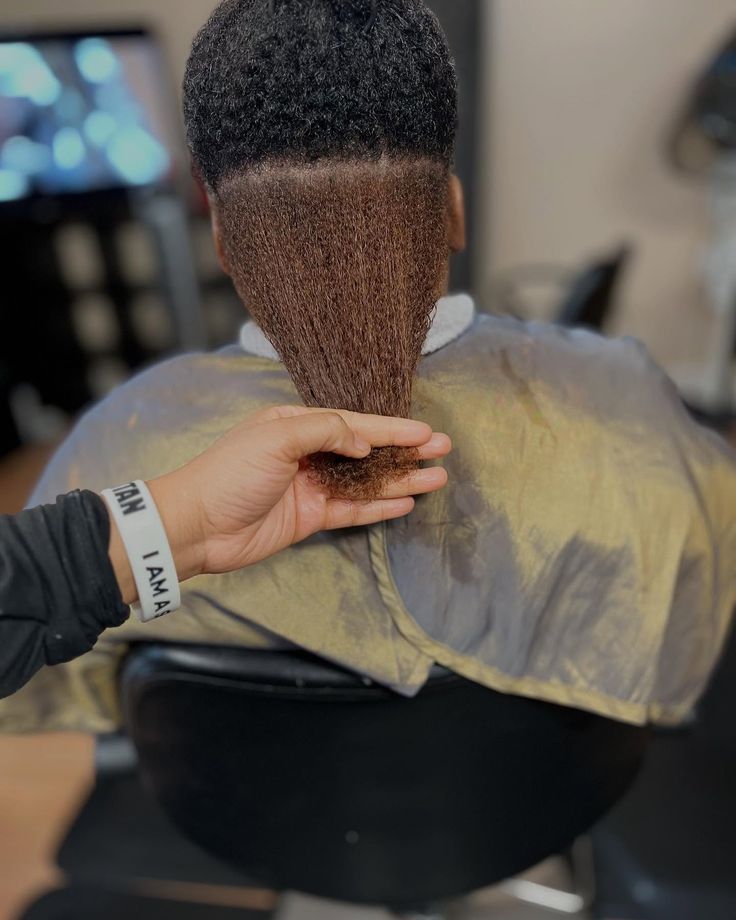
Microlocs are small by definition, but there is still variation in size.
Very tiny locs can give you an extremely versatile appearance, while slightly larger microlocs may be easier to maintain and may place less weight on individual strands.
Your desired hairstyles should be part of this conversation.
Think about whether you want to wear buns, ponytails, updos, curls, twists, or other styles regularly. Your preferred styling options can help your loctician determine a suitable size and grid.
You should also consider the long-term health of your roots. Extremely small sections are not automatically better simply because they look delicate or intricate.
The Installation Method Matters
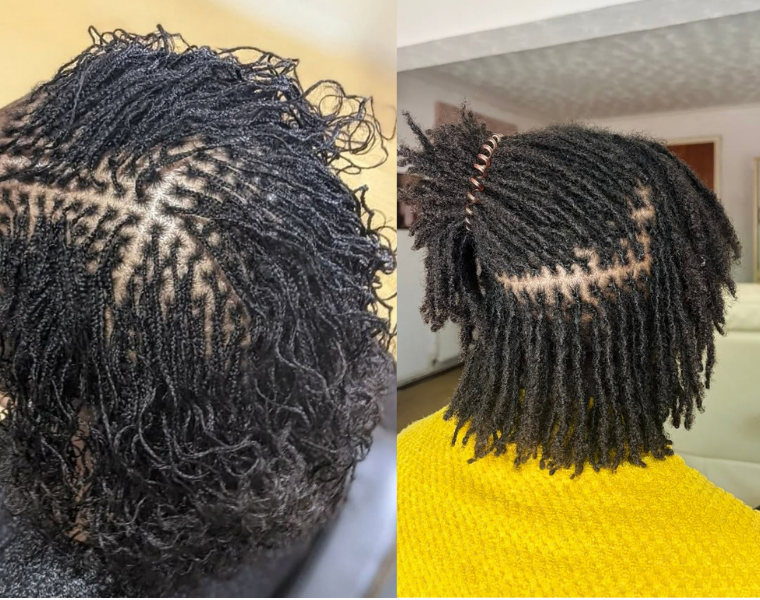
There is more than one way to create microlocs, and the method used can influence your early experience.
Some installations use interlocking techniques, while others may involve a combination of methods depending on the stylist and your hair.
The installation method should be chosen based on your hair, desired result, maintenance preferences, and the experience of the person installing your locs.
Do not choose a method simply because it looks popular on social media.
If you are still comparing options, understanding starter locs vs instant locs can also help you see how different loc installation approaches create different starting experiences.
Finding an Experienced Loctician Is Important
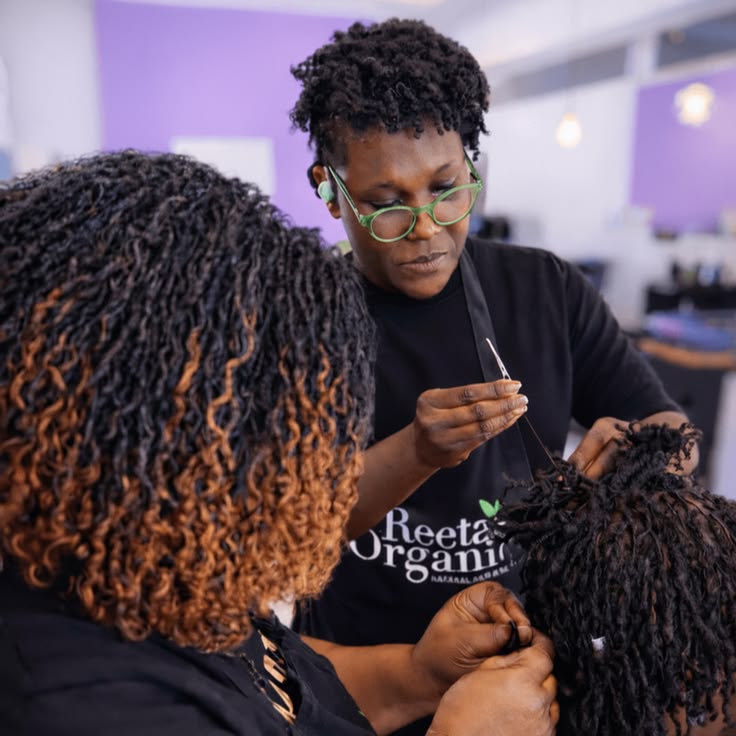
Your loctician can have a major influence on your installation, especially because microlocs involve so many individual sections.
Look for someone who regularly works with microlocs and understands tightly coiled natural hair.
Ask to see examples of their work. Pay attention to the parting, consistency of the locs, condition of the roots, and how the locs look after they have matured.
A consultation before booking can also help you understand the expected number of locs, installation time, maintenance schedule, and estimated cost.
You should feel comfortable asking questions rather than feeling pressured into booking immediately.
Expect the Installation to Take Time
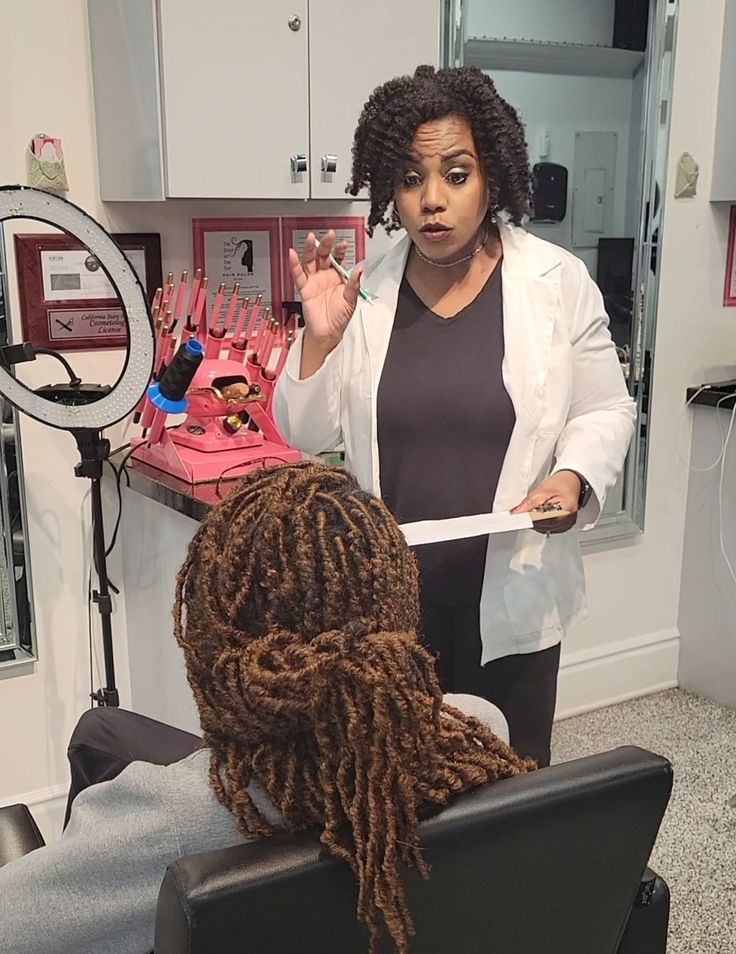
Microloc installation can be lengthy because your hair has to be divided into many individual sections.
The exact duration depends on your hair length, density, number of locs, installation method, and the speed of your loctician.
Some people can complete their installation in one long appointment, while others may need multiple sessions.
Prepare for the appointment by eating beforehand, carrying water, and wearing comfortable clothing. You may also want to bring something to occupy yourself during the process.
Do not judge a loctician solely by how quickly they work. Careful sectioning and technique are more important than rushing through the installation.
Microlocs Need a Proper Parting System
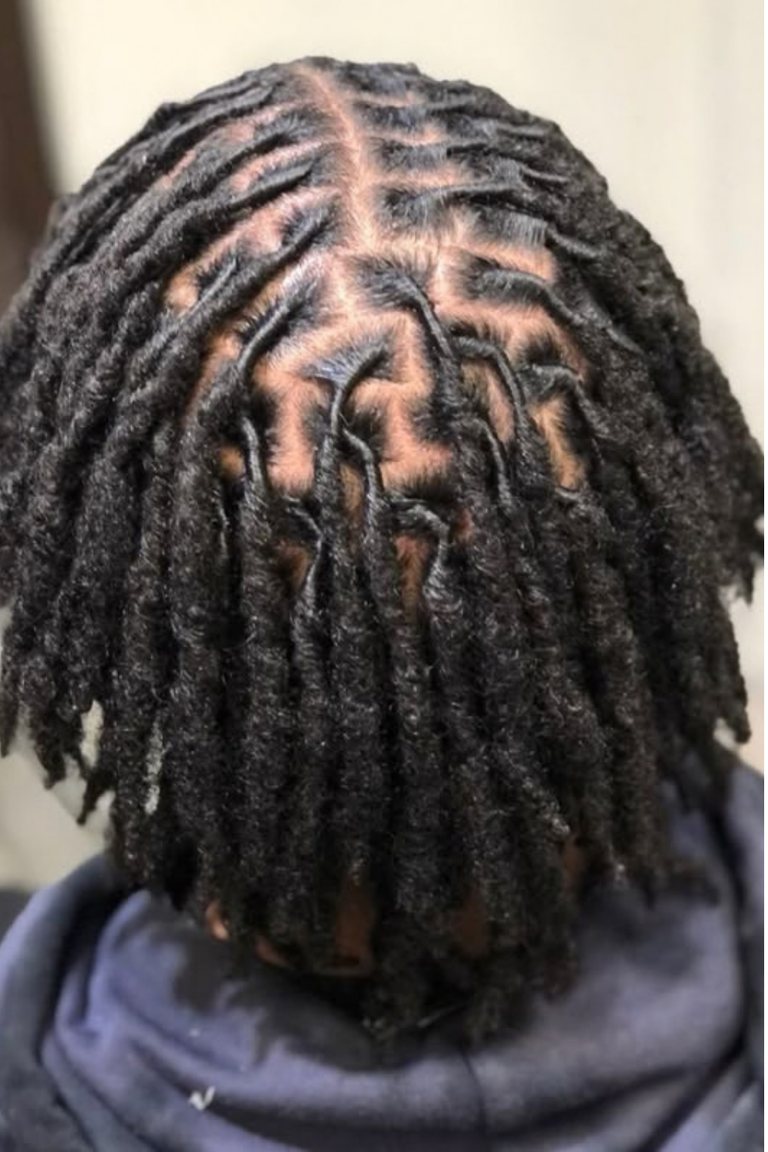
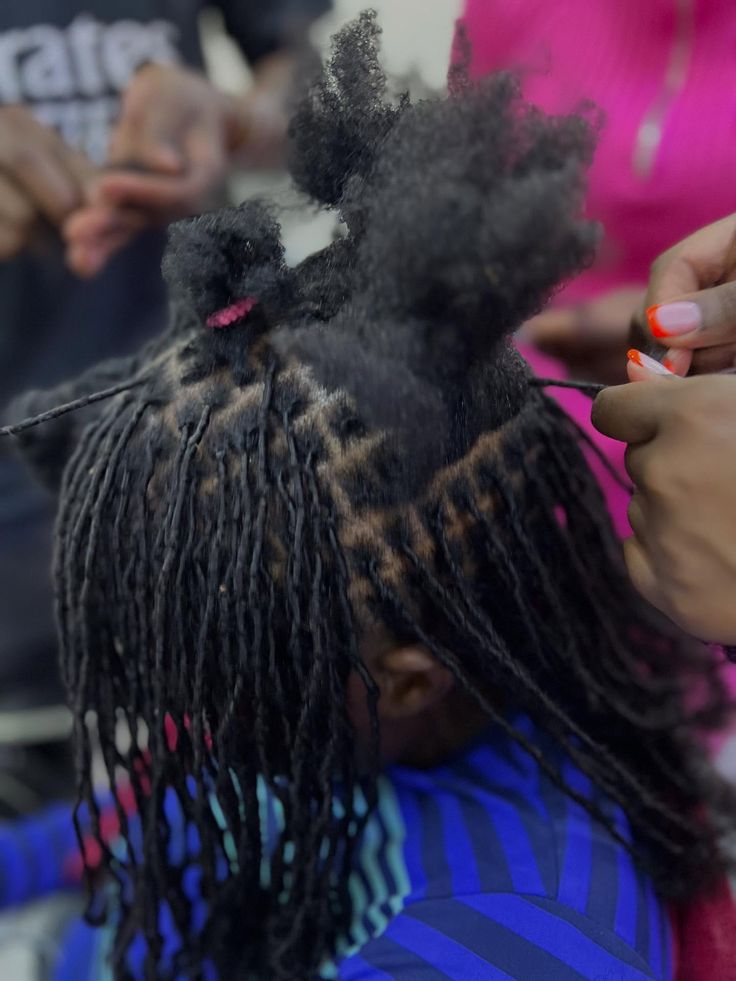
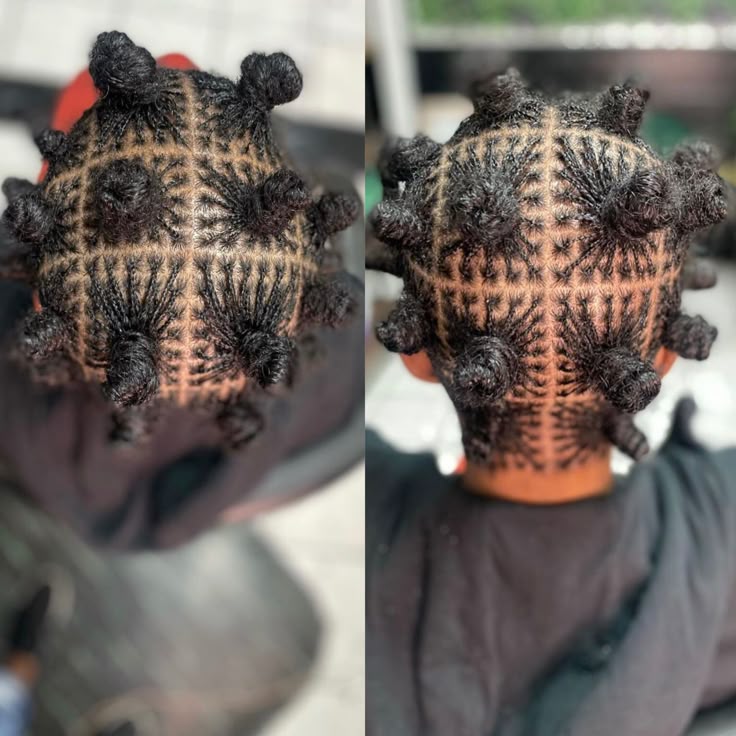
The grid or parting pattern underneath your microlocs becomes part of the foundation of the style.
A consistent grid can make your locs easier to maintain and can contribute to a balanced appearance as they grow.
Your parting does not have to look exactly like someone else’s. Your loctician should consider the shape of your head, hair density, hairline, and desired loc size.
Poorly planned sections can create unnecessary stress on certain areas of the scalp.
This is one reason you should not attempt to choose your grid based only on a photograph you found online.
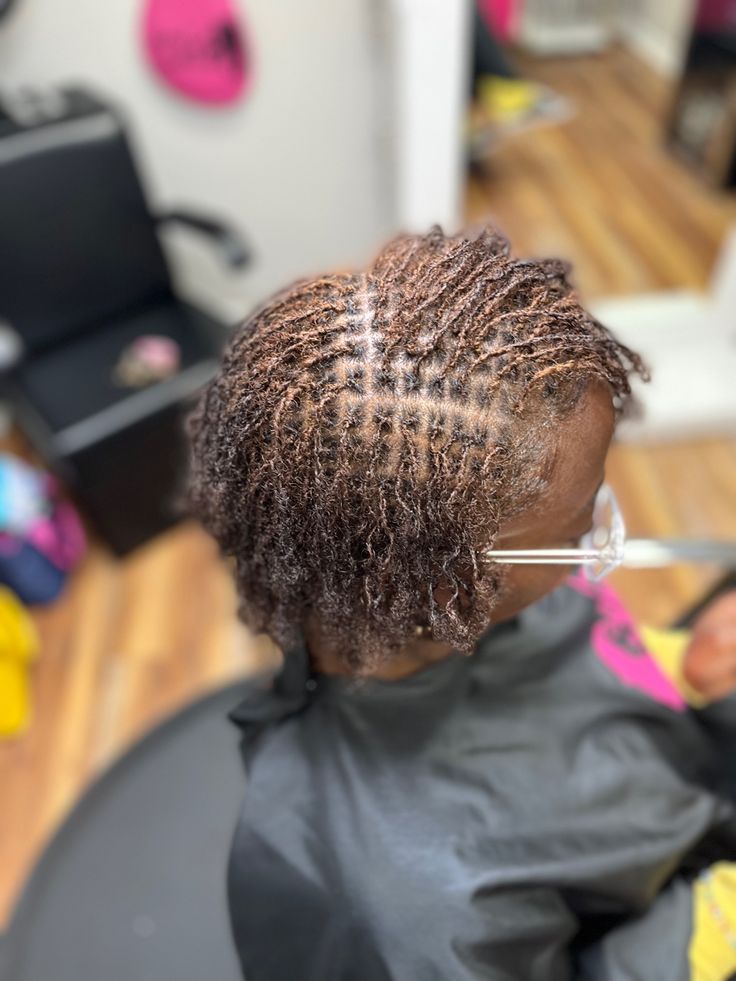
The Early Stage Will Not Look Like Mature Microlocs
One of the biggest things to understand before getting microlocs is that your first-day hair is not your final result.
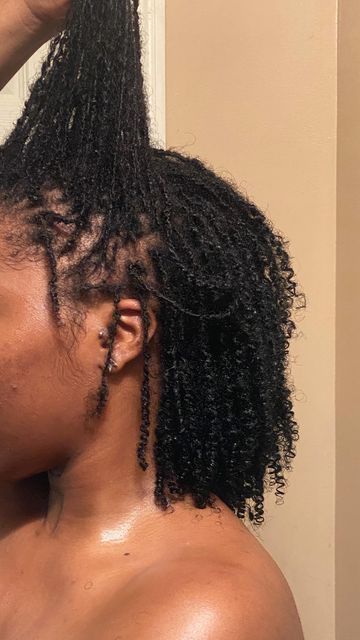
Your new locs may look thinner, shorter, frizzier, or more separated than you expected.
As they mature, the texture and shape can change. Some locs may also develop at different speeds.
This is normal. Your hair is going through a process, and comparing your first few months with someone’s five-year microloc journey can create unrealistic expectations.
Give your hair time to develop instead of constantly trying to force it into a finished appearance.
Microlocs Still Need Moisture
Having locs does not mean you stop caring about moisture.
Your loose natural hair needs hydration, and your scalp still needs appropriate care. However, applying heavy products simply because your hair feels dry can create another problem: buildup.
Use products thoughtfully and pay attention to how your hair responds.
If your hair frequently feels dry, your overall routine may need adjusting. Understanding why your hair won’t hold moisture can help you identify whether your washing, conditioning, product choices, or environment could be contributing to the problem.

Washing Your Microlocs Is Part of the Routine
You will still need to wash your scalp and locs.
The frequency depends on your scalp, lifestyle, environment, and the stage of your loc journey. Someone who exercises frequently may need a different routine from someone with a less active lifestyle.
Newly installed microlocs may require specific washing instructions from your loctician, particularly during the early stage.
As your locs mature, regular cleansing becomes an ordinary part of maintenance.
A good wash routine should leave your scalp clean without constantly leaving your hair stripped or excessively dry. Your existing wash day routine may need to change slightly once your hair becomes loc’d.

Product Buildup Can Become a Problem
Microlocs contain many small sections of hair, which means heavy products can become difficult to remove.
Creams, thick butters, waxes, gels, and excessive oils can accumulate inside the locs when used too frequently.
A simpler routine is usually easier to manage.
This does not mean you should never use products. It means you should understand why you are applying something and whether your hair actually needs it.
If you already struggle with residue, learning about clarifying shampoos can help you understand how cleansing fits into a natural hair routine.

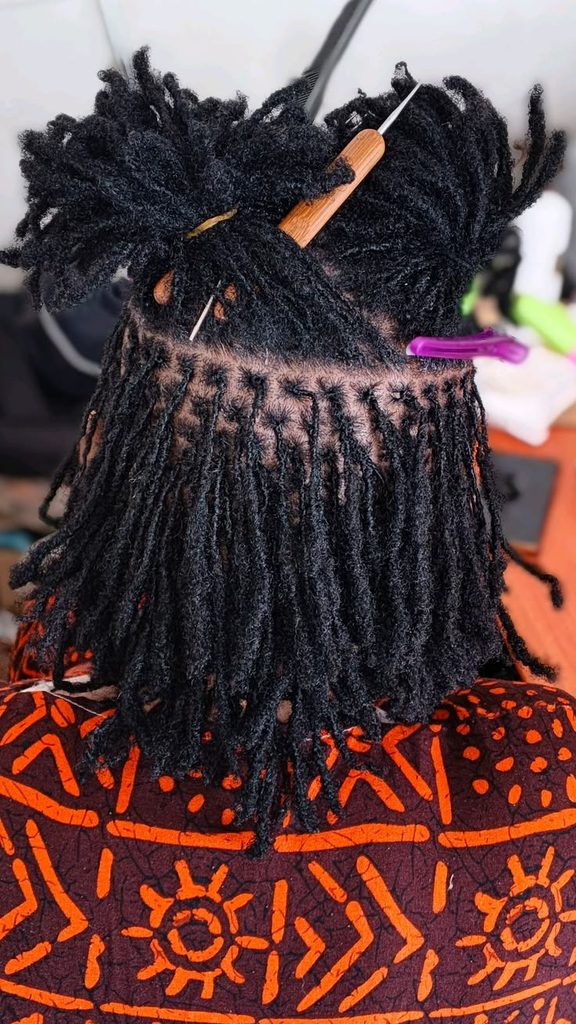
Retwisting and Maintenance Are Still Necessary
Microlocs may be low manipulation, but they are not maintenance-free.
Your roots will continue growing, and you will need to maintain them according to the method recommended by your loctician.
Maintenance frequency varies from person to person. Some people maintain their locs more frequently, while others allow more time between appointments.
Over-maintaining the roots can create unnecessary tension, so frequent retightening is not automatically better.
A healthy maintenance schedule should balance neatness with the condition of your scalp and roots.
Think About Your Scalp Before Installation
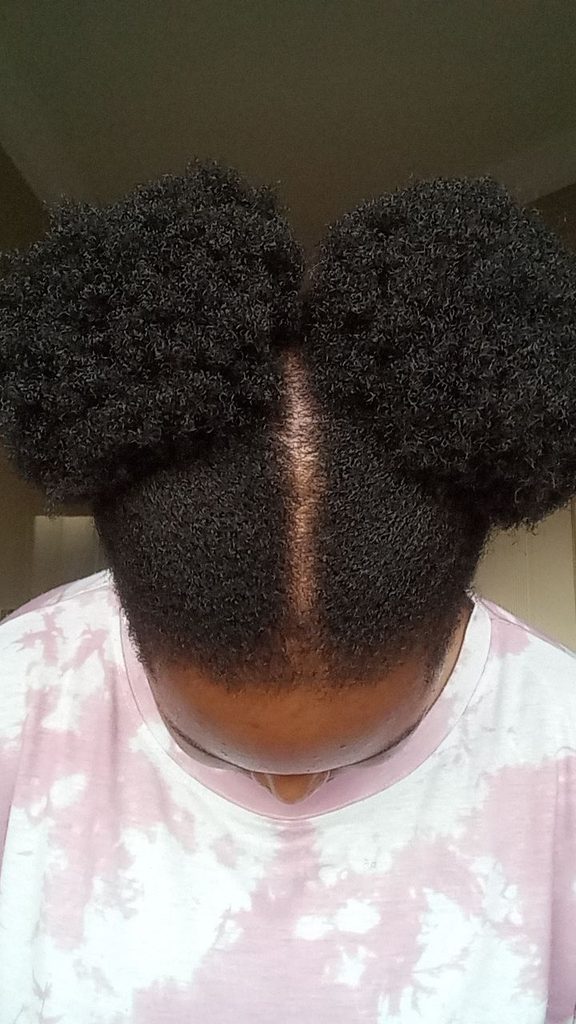
Your loc journey starts at the scalp, so scalp condition should not be ignored.
If your scalp is already experiencing persistent dryness, irritation, excessive flaking, or another concern, deal with that before installation where possible.
A healthy scalp makes regular maintenance easier and gives you a better foundation for your loc journey.
You can review a healthy scalp routine before your appointment and identify habits that may need adjusting.
The goal is not to create a complicated scalp regimen. It is to understand what your scalp needs and avoid practices that make it uncomfortable.
Consider Your Lifestyle
Your everyday routine should influence your decision.
If you exercise frequently, swim regularly, travel often, wear helmets, or spend significant time outdoors, think about how those activities will fit into your microloc routine.
Microlocs can work with active lifestyles, but you need to understand how sweat, water, friction, and frequent manipulation may affect your hair.
For example, if swimming is part of your routine, planning ahead can make a difference. Your existing swimming with natural hair routine may need some adjustments once you have microlocs.
Your hairstyle should fit your life rather than forcing your life to revolve around maintaining your hairstyle.
Think About Your Budget
The installation price is only one part of the financial commitment.
You may also spend money on maintenance appointments, cleansing products, moisturizing products, scalp care, accessories, and occasional professional services.
The cost can vary significantly depending on your location, loctician, hair length, number of locs, and installation technique.
Ask for a full estimate before booking rather than assuming the advertised starting price will be your final cost.
It is also worth asking about maintenance prices so you understand what the ongoing commitment may look like.
Styling Flexibility Is One of the Benefits
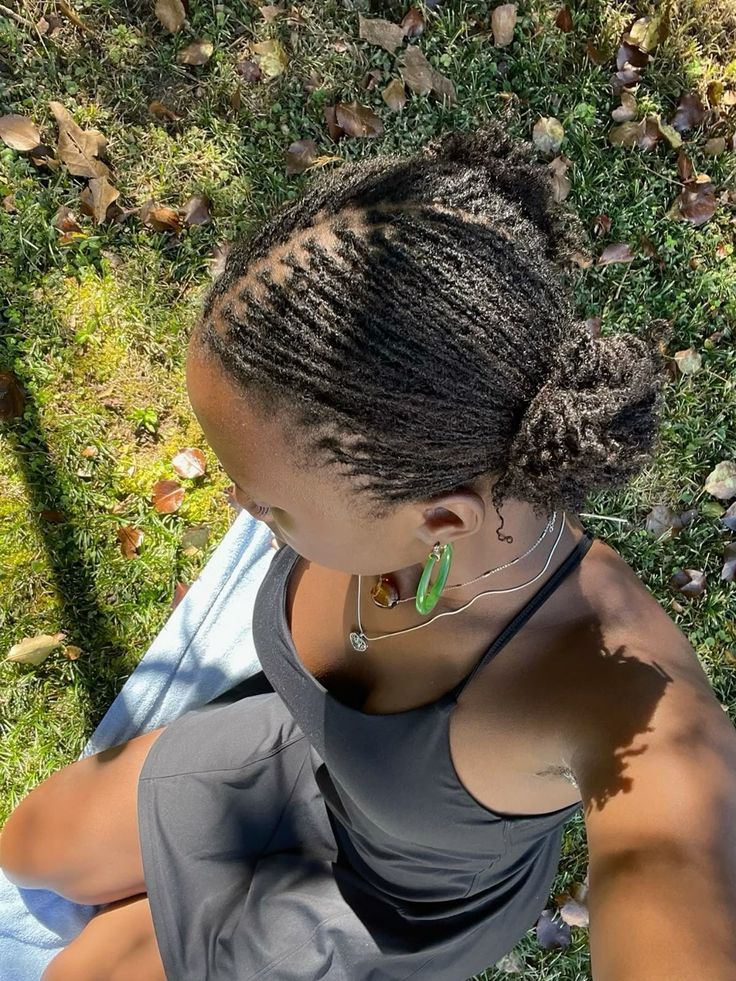
One reason many people choose microlocs is the number of hairstyles they can eventually create.
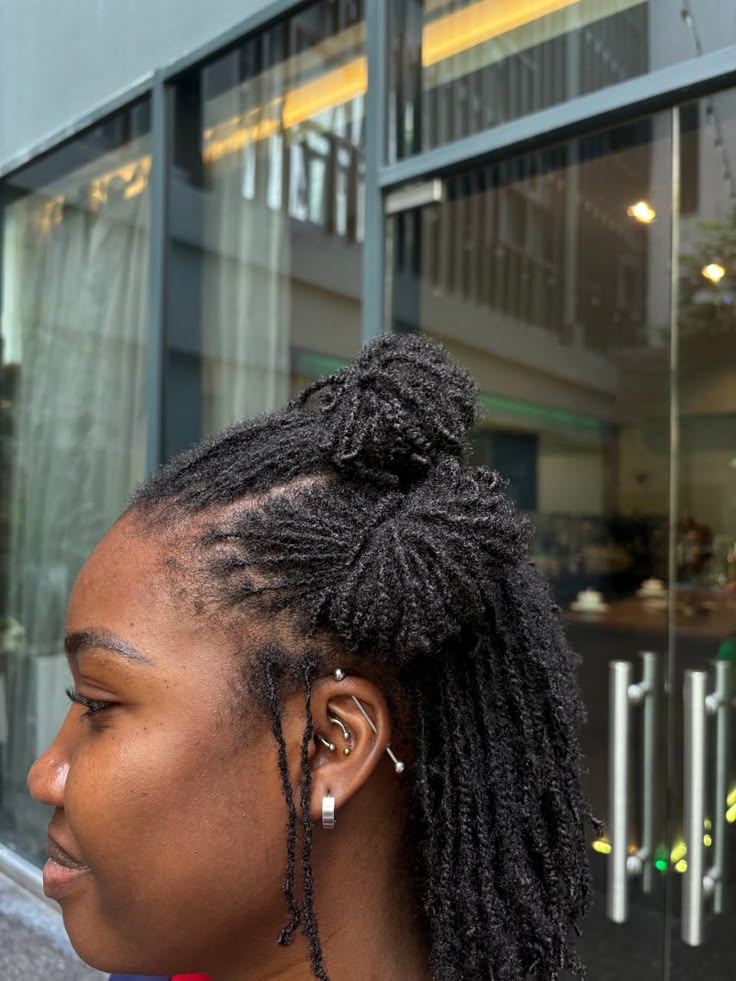
Because the locs are small, they can often be manipulated into different updos, ponytails, buns, curls, and other styles.
However, styling flexibility does not mean you should constantly manipulate your hair.
Repeatedly pulling your locs into tight styles can place stress on the roots, especially around the hairline.
The same principle applies to accessories. Lightweight natural hair accessories can add interest to your style without requiring excessive manipulation.
Your Edges Need Extra Care
The hair around your hairline is often more delicate than the rest of your scalp.
Heavy locs, tight styling, frequent retightening, and constant pulling can place stress on this area.
Avoid treating your edges as though they need to look perfectly sleek every day.
If you notice increasing tenderness, thinning, or excessive tension around your hairline, speak with your loctician and adjust your routine.
The same principle applies to protective styling. This one habit could be damaging your hairline if your hairstyles consistently pull the same areas.

Think About Your Hair Porosity
Porosity describes how your hair interacts with moisture, and it can affect how you approach your routine after starting microlocs.
Your porosity does not determine whether you can have microlocs. However, understanding it can help you make better decisions about moisture and product use.
For example, if your hair tends to resist absorbing water and products, you may need a different approach from someone whose hair absorbs moisture quickly.
Your routine should be based on how your own hair behaves rather than following a generic product list.
Knowing your hair porosity before installation can make it easier to understand how your hair responds once it becomes loc’d.
Do Not Rush Into the Installation
There is no need to book your appointment immediately just because you have decided that you like the appearance of microlocs.
Take time to research the installation method, look at different grid patterns, compare locticians, calculate your budget, and think about the lifestyle commitment.
Look at photographs of mature microlocs, not just freshly installed ones.
You should also think about whether you prefer the look of microlocs vs Sisterlocks because the two can have similarities while still involving different systems, installation approaches, and maintenance expectations.
The more informed your decision is, the easier it will be to enter your loc journey with realistic expectations.
What to Ask Your Loctician Before Your Appointment
Before getting microlocs, prepare a list of questions instead of relying entirely on what you see during the consultation.
Ask how many locs they expect to create, what installation method they use, how long the appointment will take, what maintenance will involve, and how often they recommend returning.
You can also ask how they handle thinning areas, shorter sections, or different hair densities across the scalp.
Find out what they expect you to do before the appointment as well. Some locticians may have specific instructions about washing, detangling, stretching, or product use.
A clear conversation can prevent misunderstandings later.
Before Getting Microlocs, Prepare Your Hair
Your hair does not need to be perfect before installation, but it should be in reasonably good condition.
Avoid aggressive manipulation, excessive heat, or harsh chemical treatments immediately before your appointment.
Focus on gentle cleansing, conditioning, careful detangling, and minimizing unnecessary breakage.
If your hair is already severely damaged, discuss it with your loctician before installation. Starting with compromised hair can create additional challenges later.
You can also review how to stop 4C hair breakage so you can build healthier habits before your appointment.
Before Getting Microlocs, Prepare Yourself for the Early Stages
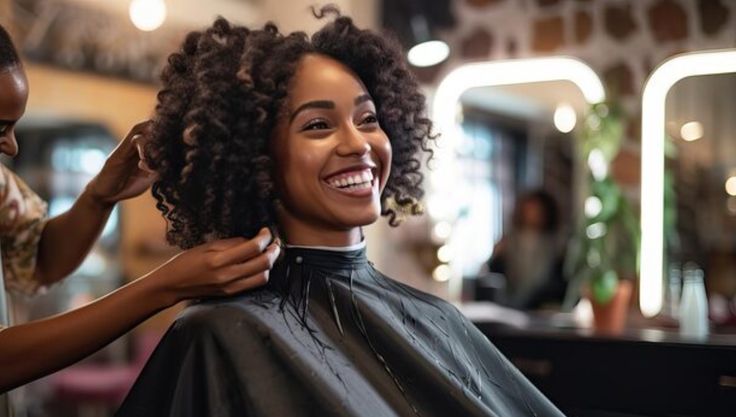
The first few months may not look exactly how you imagined.
Your locs can frizz, shrink, swell, change shape, and mature at different rates.
You may also experience moments when you prefer your hair one week and feel uncertain about it the next.
This is part of adjusting to a new hairstyle.
Instead of judging the entire journey based on your first few weeks, give yourself time to see how your hair develops.
If you have realistic expectations from the beginning, the transition into your new routine can feel much easier.
Before Getting Microlocs, Know What You Want From Them
Think about why you want microlocs in the first place.
Maybe you want less daily manipulation. Maybe you enjoy the appearance of locs. Maybe you want more styling flexibility. Maybe you simply want a long-term natural hairstyle that fits your lifestyle.
Knowing your reason can help you make better decisions when questions about size, installation, maintenance, and styling come up.
There is no need to copy another person’s microloc journey exactly.
Your hair density, lifestyle, budget, preferred styles, and personal taste may require a completely different approach.
Final Thoughts
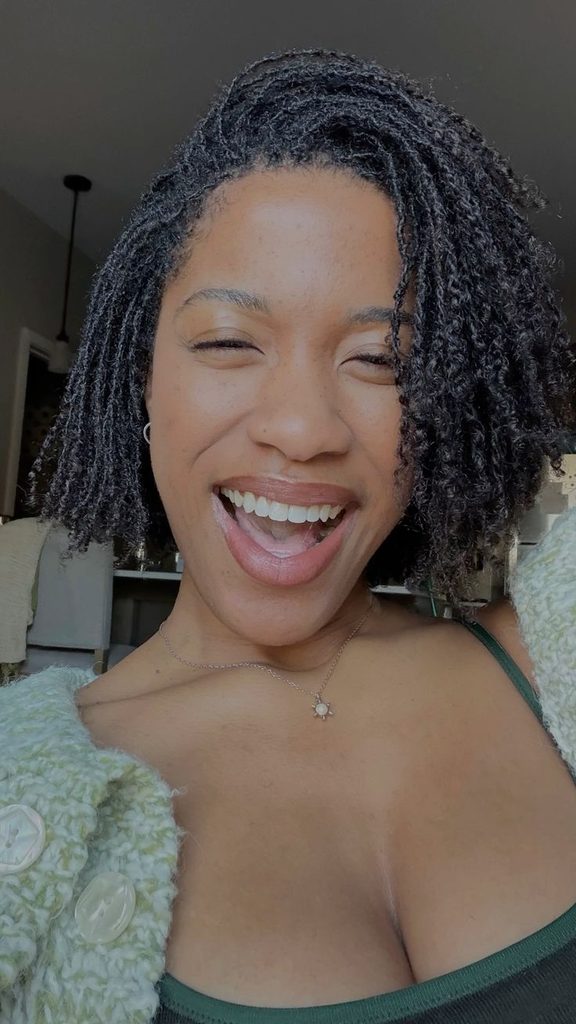
Before getting microlocs, take time to understand what you are committing to. Microlocs can be versatile, beautiful, and practical, but they still require planning, maintenance, patience, and proper care.
Think beyond the first-day appearance. Consider your hair length, density, scalp condition, preferred loc size, installation method, budget, lifestyle, and the experience of your loctician.
Most importantly, give yourself realistic expectations. Your fresh microlocs will not necessarily look like mature microlocs you see online, and that is okay. Your hair will continue to change as the locs develop.
With the right preparation and a routine that works for your hair, you can begin your microloc journey with a much clearer idea of what to expect.