
Should You Start Locs On 4C Hair?
Disclosure: Some of the links in this post are affiliate links. This means if you click on the link and purchase an item, I will receive an affiliate commission at no extra cost to you.
Deciding whether to start locs is a big step, especially if you’ve spent years caring for loose natural hair. Questions about maintenance, hair growth, commitment, and styling are common, and many people with tightly coiled hair wonder if their texture is actually suitable for the journey.
The good news is that 4C hair is often considered one of the easiest textures to loc naturally. Its tightly coiled pattern allows the strands to intertwine more easily, making it well suited for forming and maintaining locs over time.
If you’re still learning about what 4C hair is, understanding its unique structure helps explain why it responds so well to the locking process.
That doesn’t mean the journey is effortless. Starter locs require patience, a consistent routine, and realistic expectations during the early months.
Knowing what to expect before you begin can save you frustration and help you enjoy the process instead of constantly wondering whether your locs are developing correctly.
In this guide, you’ll learn the benefits of starting locs on 4C hair, the different methods available, how to care for them during each stage, and whether the loc journey is the right choice for you.
Why 4C Hair Is Ideal for Locs
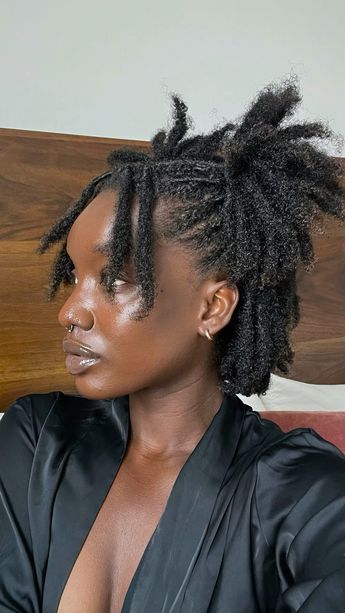
One of the biggest advantages of 4C hair is its tightly coiled texture. Unlike straighter hair types that may take longer to lock, 4C strands naturally wrap around one another, helping locs form with less effort over time.
Its natural shrinkage also works in your favor. While 4C hair shrinkage can feel frustrating when you’re trying to show length, those tightly packed coils help encourage the locking process by keeping neighboring strands close together.
Another benefit is versatility. Whether you choose comb coils, two-strand twists, braids, or interlocking, 4C hair adapts well to several starter methods.
The best choice usually depends on your lifestyle, hair density, and how much maintenance you’re comfortable with during the early stages.
Healthy locs still begin with healthy hair. Keeping your scalp clean, minimizing excessive buildup, and maintaining a consistent routine all contribute to stronger, healthier locs as they mature.
Building good habits before you start often makes the journey much smoother.
Benefits of Starting Locs on 4C Hair
One of the biggest reasons people choose locs is the simplicity they can bring to a natural hair routine.
While starter locs require patience and regular maintenance, mature locs are generally easier to care for than loose 4C hair, especially if wash days and daily styling have become overwhelming.
Your Hair Naturally Wants to Lock
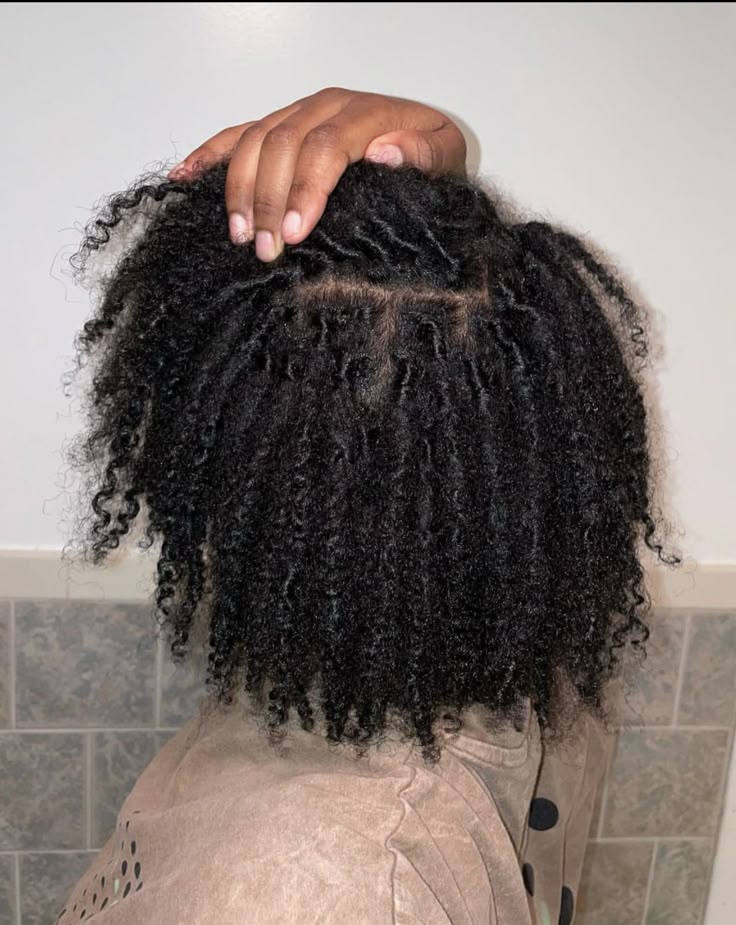
Because of its tightly coiled texture, 4C hair naturally encourages strands to wrap around one another. This means the locking process usually happens more efficiently than it does on looser curl patterns.
If you’ve ever learned how to identify true 4C hair, you’ve probably noticed that its dense coils are one of its defining characteristics, and those same coils are what make it such a great candidate for locs.
Less Daily Manipulation
Loose natural hair often requires regular detangling, twisting, braiding, or stretching to keep it manageable. Once your locs mature, much of that daily handling disappears.
Reducing manipulation also means fewer opportunities for unnecessary breakage, making locs an appealing choice for anyone focused on improving length retention over time.
Easier Moisture Routine
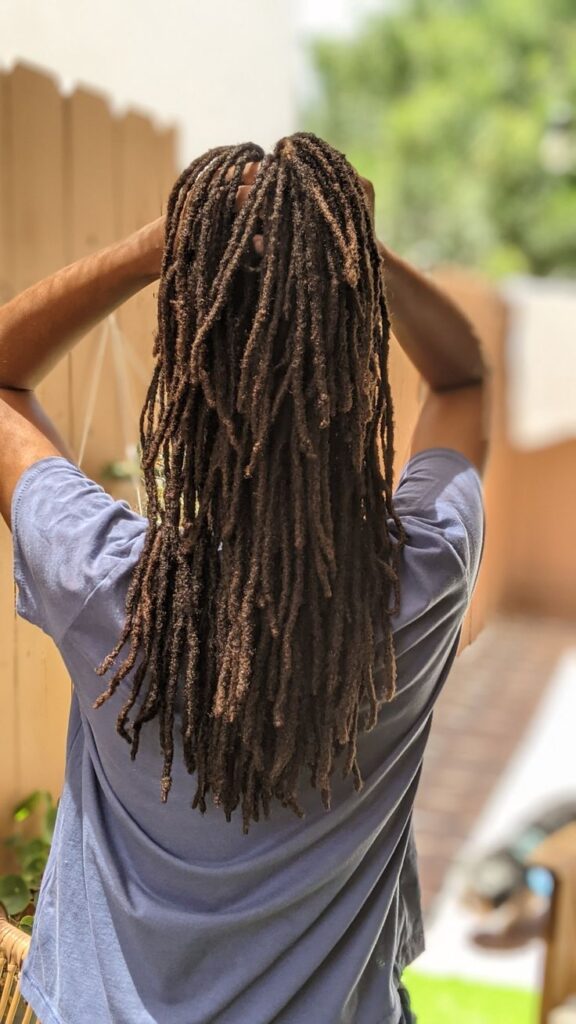
Contrary to popular belief, locs still need moisture. The difference is that you no longer have to spend hours working products through loose curls after every wash.
Using lightweight moisturizers and maintaining a consistent routine often becomes much simpler, especially once you understand why your hair won’t hold moisture, rather than relying on heavy products that may create buildup.
Long-Term Protective Style
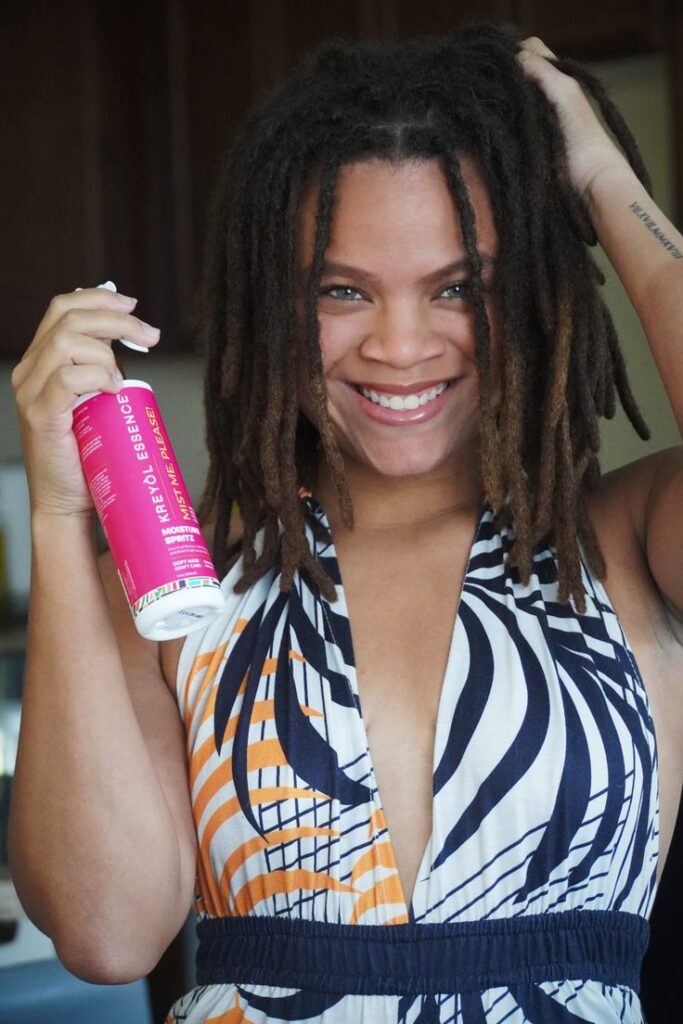
Locs are often considered one of the longest-lasting protective hairstyles because the hair remains tucked together while still allowing easy access to the scalp.
Unlike temporary styles that need to be redone every few weeks, locs become your hairstyle.
With proper maintenance, they continue to mature while protecting your strands from constant combing and excessive handling.
If you already enjoy protective hairstyles, locs offer many of the same benefits with far less frequent restyling.
Endless Styling Options
One common misconception is that locs limit your creativity. In reality, mature locs can be worn in buns, updos, ponytails, barrel twists, braided styles, and countless other looks.
As they grow longer, your styling options often expand even further, giving you flexibility without needing to manipulate loose hair every morning.

Challenges to Expect Before Starting Locs
While 4C hair is well suited for locs, the journey isn’t completely effortless. Knowing the challenges ahead can help you avoid unnecessary frustration and stay committed through the early stages.
The Early Stage Can Look Messy
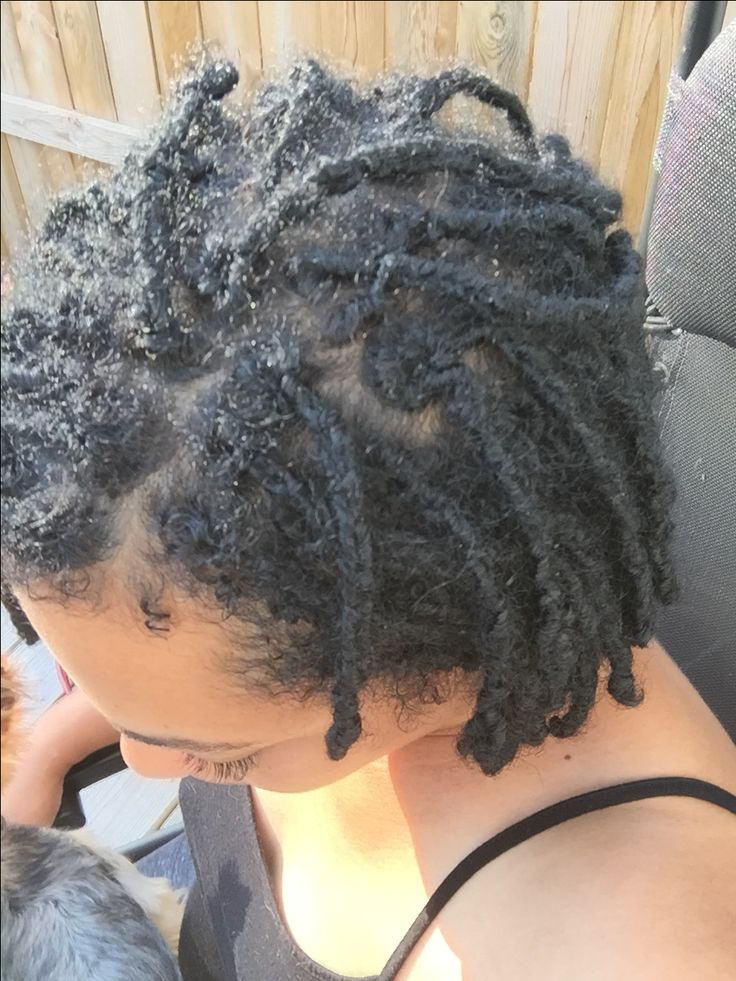
One of the biggest surprises for first-time loc wearers is that starter locs rarely look polished for long. As the hair begins to lock, you’ll notice frizz, swelling, and uneven sections.
This stage is completely normal and doesn’t mean your locs are developing incorrectly.
Resisting the urge to constantly retwist or separate them allows the locking process to happen naturally.
Patience Is Essential
Locs don’t mature overnight. Depending on your hair, starter locs may take several months before they begin looking more uniform, while full maturity can take a year or longer.
Understanding 4C hair growth myths can help manage expectations. Your hair is still growing during the loc journey, even if it doesn’t seem obvious because the strands are shrinking, budding, and compacting as they lock.
Product Buildup Becomes More Noticeable
Unlike loose hair that can easily be combed through, locs can trap residue inside the strands if heavy products are used regularly.
Lightweight moisturizers and occasional cleansing with one of the best shampoos for 4C hair help keep both the scalp and the locs clean without leaving behind excess buildup.
You Can’t Constantly Redo Your Hair
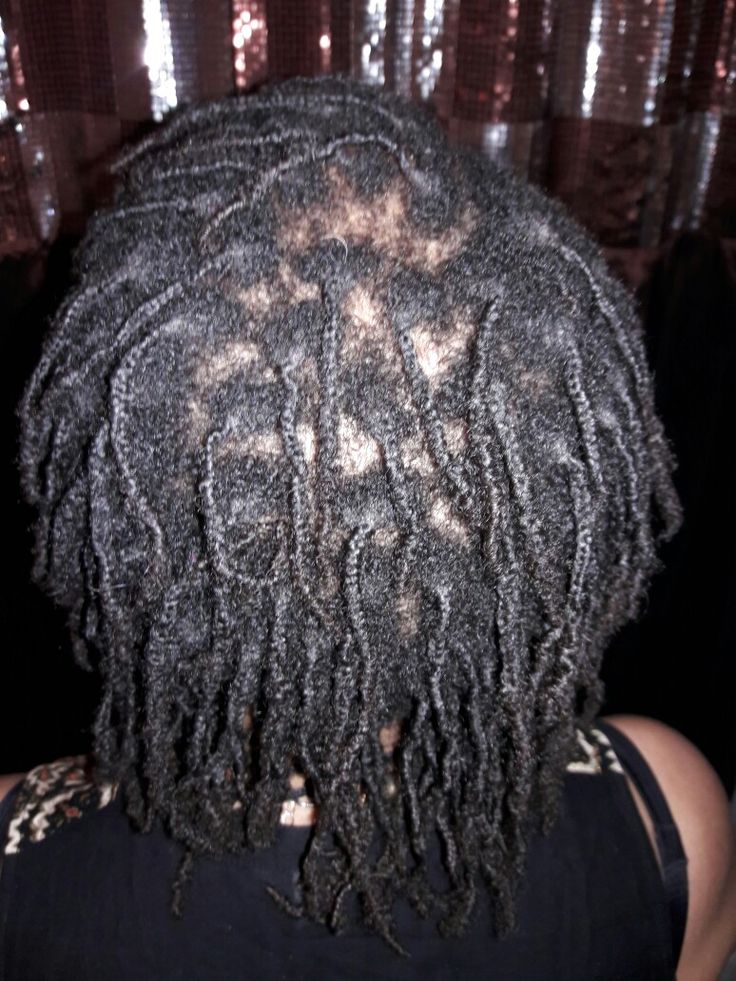
Starter locs need time to develop. Frequently taking them down, restarting them, or changing methods interrupts the locking process and often leads to unnecessary frustration.
Choosing a starter method you’re comfortable with from the beginning usually makes the journey much smoother.
Your Hair Routine Will Change
Locs don’t eliminate hair care; they simplify it. You’ll spend less time detangling and styling, but you’ll still need to cleanse your scalp, moisturize consistently, and protect your hair while sleeping.
A healthy routine becomes even easier when you already understand wash day routine basics, since many of the same habits still apply after starting locs.
Different Ways to Start Locs on 4C Hair
There isn’t a single “best” way to start locs. The right method depends on your hair length, lifestyle, desired appearance, and how much maintenance you’re willing to do during the early months.
Because 4C hair locks relatively easily, several starter methods work well. Each creates a slightly different look while the locs mature.
Two-Strand Twists
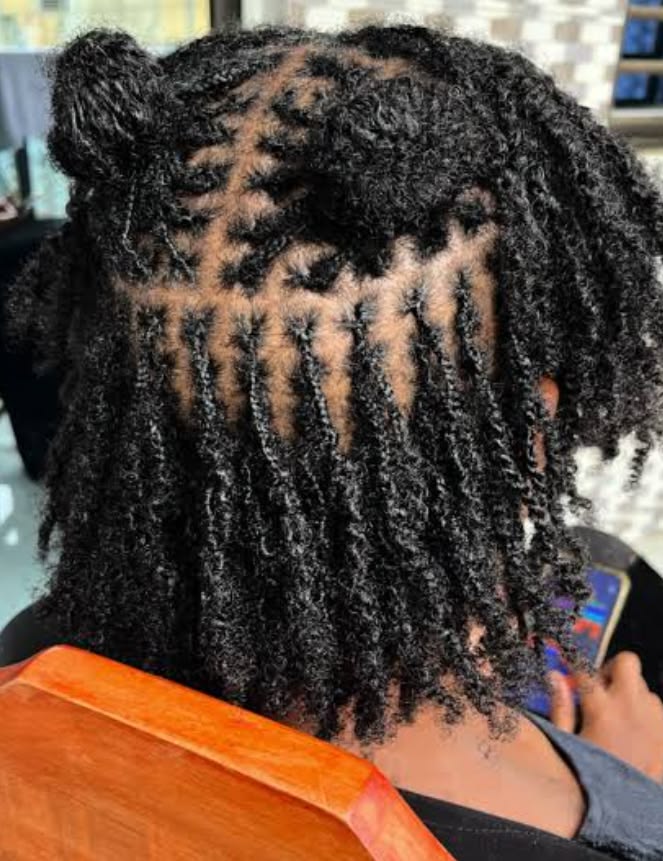
Two-strand twists are one of the most popular starter methods because they’re simple, protective, and beginner-friendly. The twists gradually begin to mat together as your hair grows, eventually forming locs.
They’re ideal if you prefer a fuller appearance during the starter phase and don’t mind seeing the original twist pattern for a while.
Best For: Beginners, medium to long hair, fuller starter locs
Comb Coils
Comb coils create small, neat sections by wrapping the hair around a fine-tooth comb. This method produces a very clean look at the beginning, making it a favorite for shorter hair.
Because the coils are delicate, they may unravel more easily after washing until the hair begins locking.
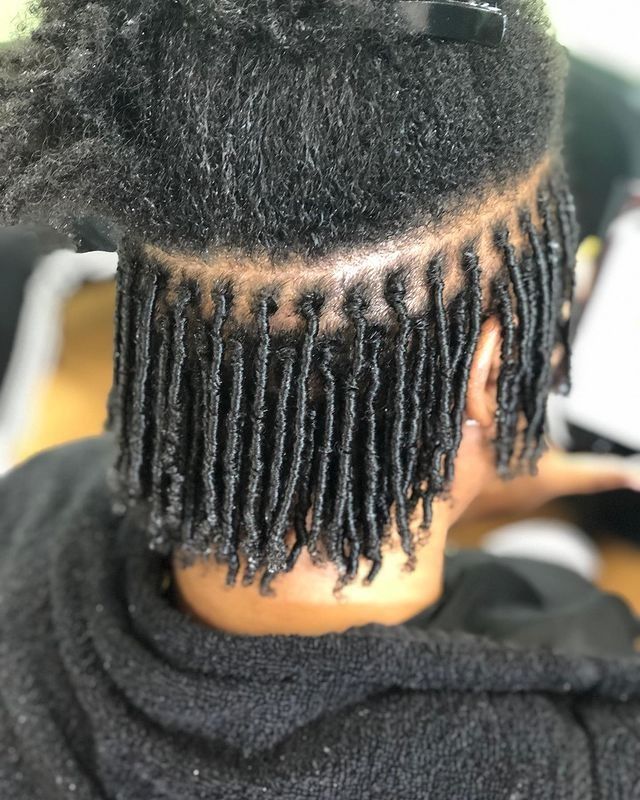
Best For: Short 4C hair and defined starter locs
Finger Coils
Finger coils offer a similar appearance to comb coils but are created by twisting each section of hair around your finger instead of using a comb. They’re a good option if you prefer a more natural-looking starter loc or want to avoid additional tools.
The coils gradually tighten and begin locking as the hair matures. Like comb coils, they require gentle handling during the first few weeks to reduce unraveling.
If you’re still learning what 4C hair is, finger coils also highlight your natural curl pattern before the hair fully locs.
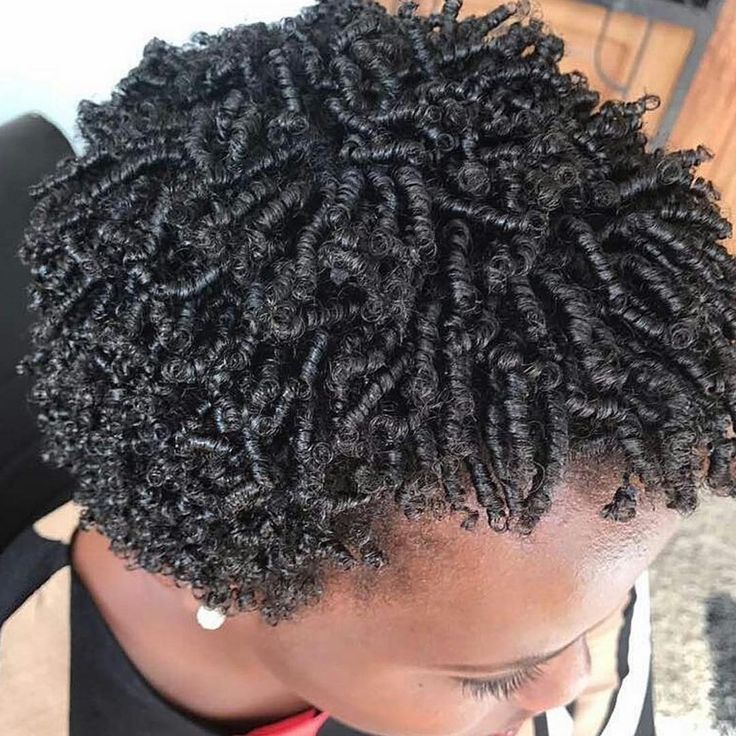
Best For: Short to medium 4C hair and natural-looking starter locs
Braids
Starting locs with braids provides extra stability, making this method a popular choice for people with shorter hair or active lifestyles.
Because the hair is secured tightly, braid starters usually unravel less than coils after washing.
The main trade-off is that the braid pattern often remains visible for several months before the locs mature completely. Even so, many people appreciate the added durability during the early stages.
Healthy starter locs also depend on maintaining a healthy scalp, so regular cleansing remains just as important with braided starters.
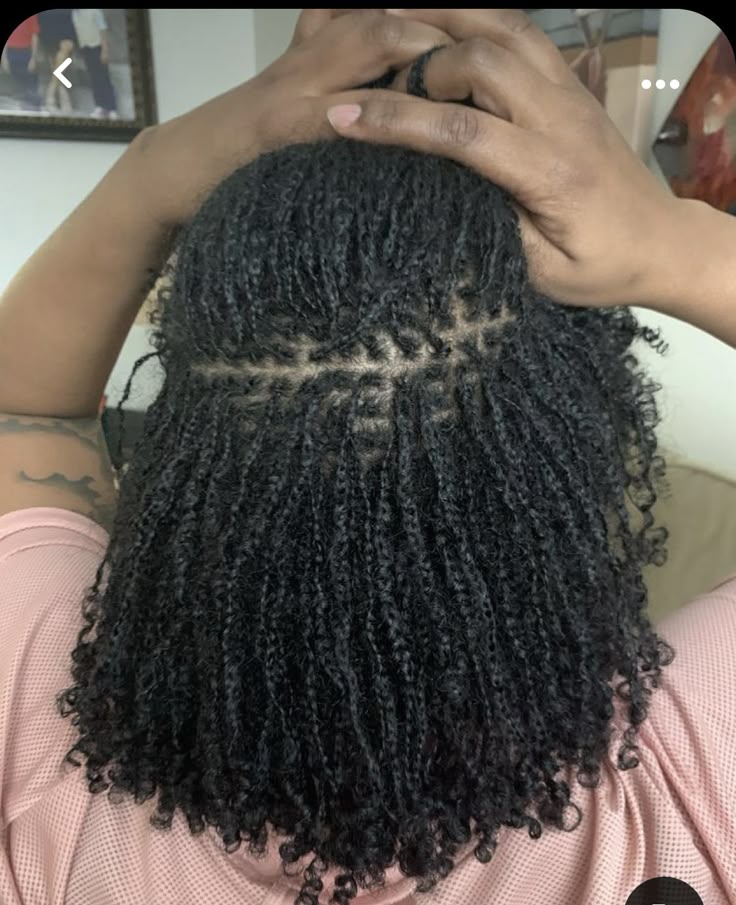
Best For: Short hair and low-maintenance starter locs
Instant Locs
For people who don’t want to wait through the budding stage, instant locs offer a quicker alternative. Using a crochet tool, the hair is immediately formed into locs, giving a more mature appearance from the beginning.
Although they look finished sooner, the hair still goes through an internal locking process over the following months.
Proper moisturizing remains important, especially if you’ve previously struggled with dry 4C hair, since mature-looking locs can still become dehydrated.
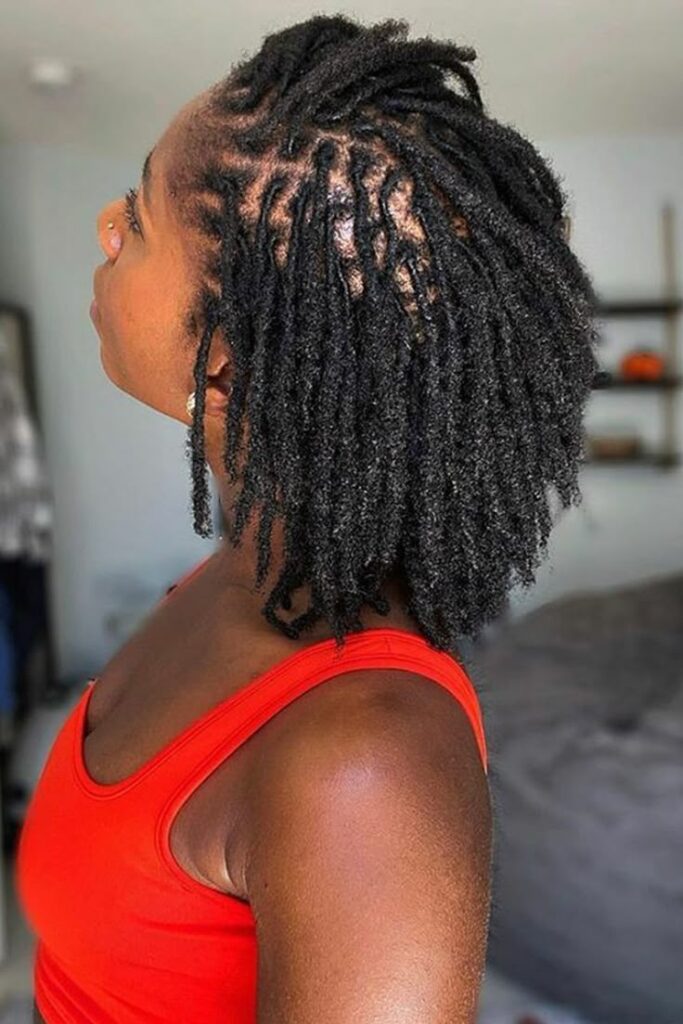
Best For: Immediate mature appearance
Interlocking
Interlocking creates locs by threading the end of each section through its base using a specialized tool or technique. Unlike twisting, this method creates a secure foundation that rarely unravels, even after washing.
It’s often recommended for people who exercise frequently, swim often, or simply prefer less maintenance between retightening sessions.
Pairing interlocking with one of the best hair oils for 4C hair helps keep the scalp comfortable without encouraging unnecessary buildup inside the locs.
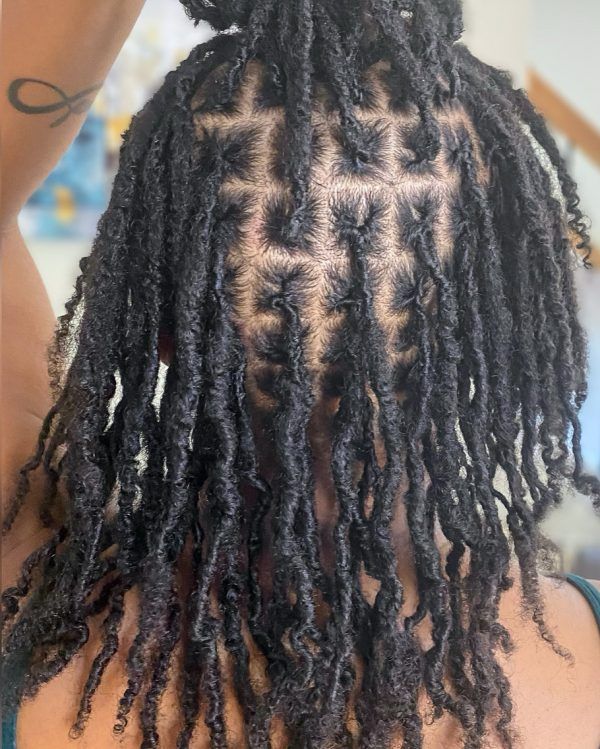
Best For: Active lifestyles and long-lasting maintenance
How Long Does It Take 4C Hair to Loc?
One of the most common questions about locs doesn’t have a single answer.
Every head of hair is different, and the time it takes for locs to mature depends on factors such as hair density, routine, starter method, and how often the hair is manipulated.
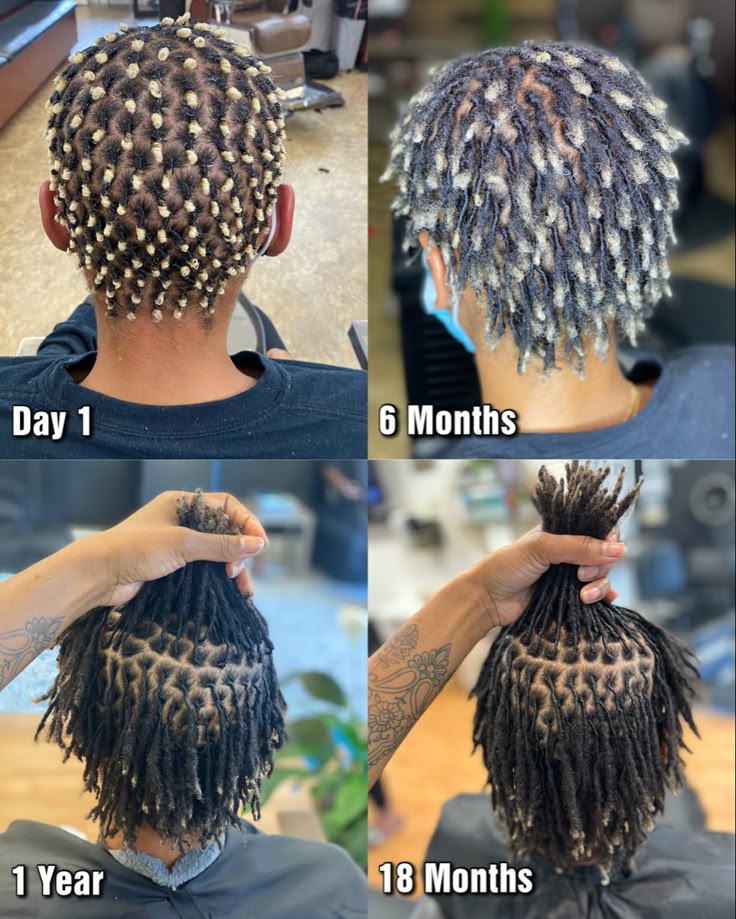
Because 4C hair naturally coils tightly, it usually begins locking faster than looser textures. Most people notice budding within a few weeks or months, while mature locs often develop between 12 and 18 months.
Trying to speed up the process by constantly retwisting or separating the locs usually does more harm than good. Patience, gentle maintenance, and consistent care almost always produce the best results.
Keeping the scalp clean with a routine that prevents product buildup also helps create a healthier environment as your locs mature.
How to Care for Starter Locs on 4C Hair
The first few months are often the most important part of your loc journey. While it can be tempting to constantly check your progress or retwist every loose strand, giving your hair time to lock naturally usually produces healthier, stronger locs.
Keep Your Scalp Clean
One of the biggest myths about starter locs is that you shouldn’t wash them. In reality, a clean scalp is essential for healthy locs.
Using one of the best shampoos for 4C hair helps remove sweat, oil, and dirt without leaving excessive residue behind. Depending on your lifestyle, washing every two to four weeks is enough for most people during the starter stage.
Moisturize Regularly
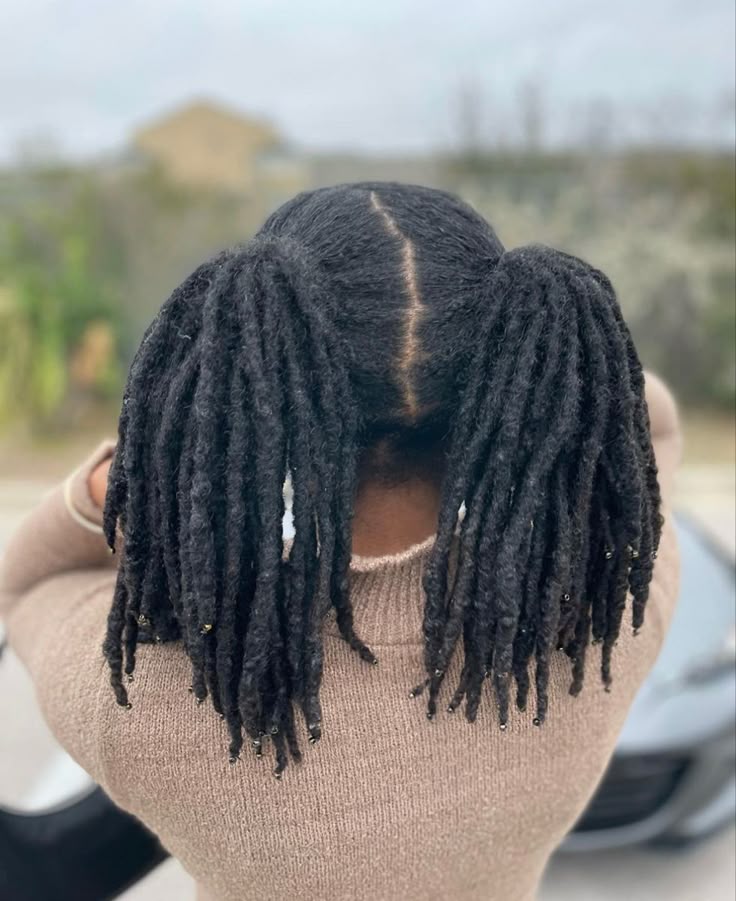
Locs still need moisture, especially if your hair naturally feels dry.
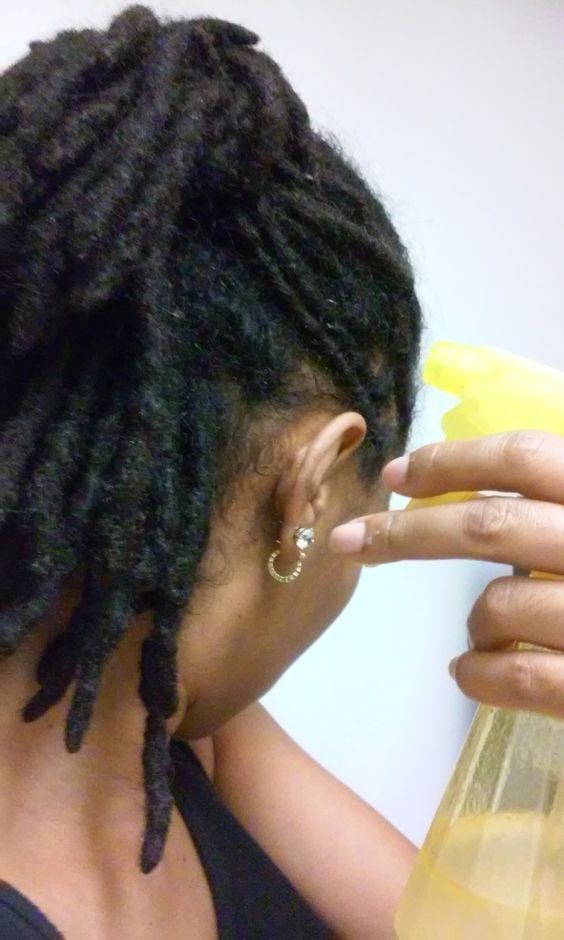
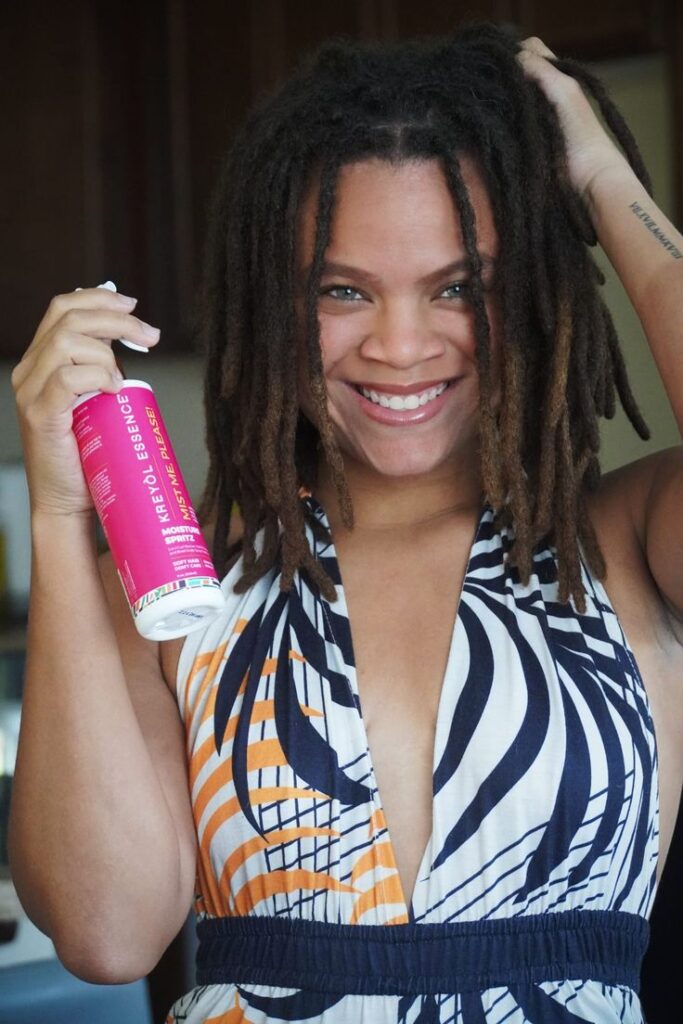
Lightweight water-based sprays followed by a small amount of oil help reduce dryness without encouraging buildup.
If you’ve already learned about the best leave-in conditioners for 4C hair, you’ll know that heavy creams are usually unnecessary for starter locs because they can remain trapped inside the locs.
Protect Your Hair at Night
Sleeping without protection creates friction that leads to lint, dryness, and unnecessary frizz.
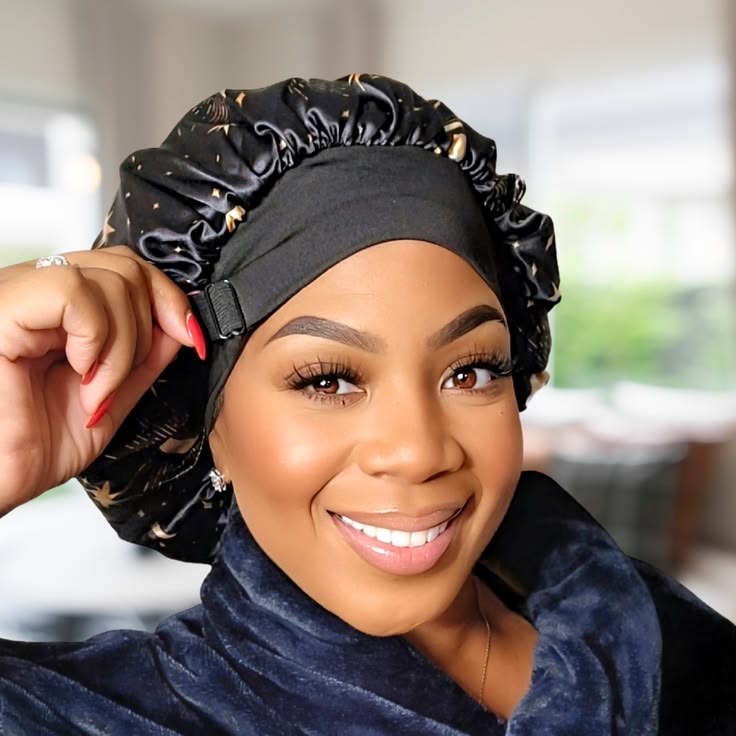
Covering your locs with a satin bonnet or sleeping on a satin pillowcase helps preserve moisture while keeping the locs looking neater between maintenance appointments.
Avoid Constant Retwisting
Fresh retwists look neat, but doing them too frequently places unnecessary tension on the roots.
Most locticians recommend waiting several weeks between retwists, allowing the new growth enough time to lock naturally. Over-retwisting can eventually weaken the roots and increase the risk of thinning.
Keep Products Simple
Starter locs don’t need dozens of products. In fact, using too many creams, butters, or waxes often creates more problems than solutions.
Simple routines built around water, lightweight oils, and occasional scalp care usually produce healthier locs in the long run.
If dryness becomes an ongoing issue, revisiting the best deep conditioners for dry 4C hair before starting your loc journey can help strengthen loose hair beforehand.
Mistakes to Avoid When Starting Locs
Starting locs is exciting, but a few common mistakes can slow your progress or make the journey more frustrating than it needs to be.
Comparing Your Locs to Someone Else’s
Every head of hair develops differently. Hair density, strand size, and starter method all affect how quickly locs mature.
Instead of comparing timelines, focus on building healthy habits and understanding hair porosity, since moisture balance often influences how your hair behaves throughout the locking process.
Using Heavy Waxes Too Early
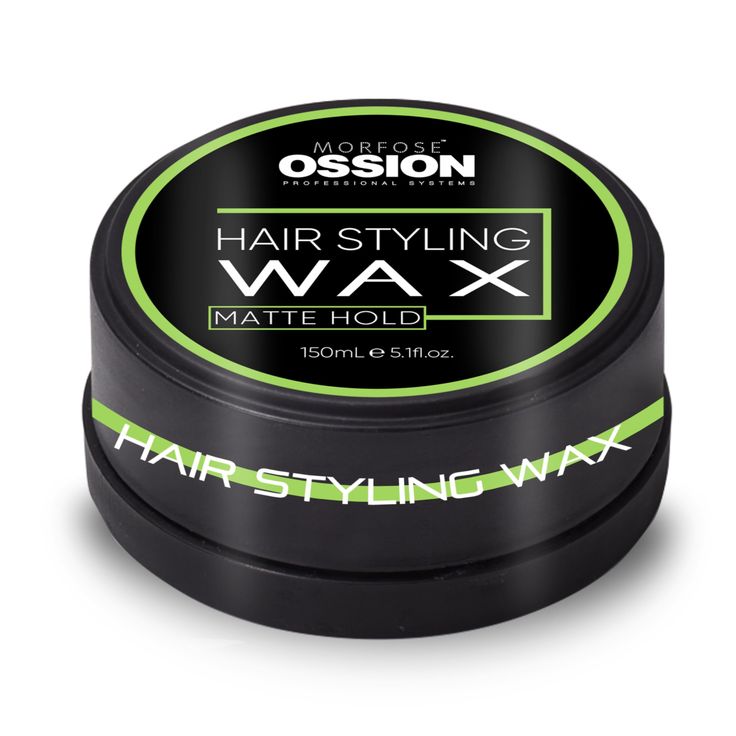
Heavy waxes may make starter locs appear neat temporarily, but they often attract lint and create stubborn buildup that’s difficult to remove later.
Lightweight products generally keep locs cleaner while allowing the hair to lock naturally.
Touching Your Locs Too Often
Constantly twisting, separating, or playing with your locs interrupts the locking process.
The less unnecessary manipulation your hair experiences, the easier it becomes for the strands to mature naturally.
Neglecting Your Scalp
Healthy locs begin with a healthy scalp. Ignoring itching, flakes, or irritation can eventually affect your overall hair health.
If persistent flakes become a concern, learning the difference between dry scalp vs dandruff helps you choose products that address the actual problem rather than treating every flake the same way.
Expecting Instant Results
Locs are a long-term commitment. Some stages may feel slow, but each phase is part of the process.
Trusting the journey usually leads to healthier locs than constantly restarting because they don’t look the way you expected.
Who Should and Shouldn’t Start Locs on 4C Hair?
Locs aren’t the right choice for everyone, and that’s okay. Before committing, it’s worth thinking about your lifestyle, styling preferences, and long-term hair goals.
Locs May Be Right for You If…
You enjoy low-manipulation hairstyles and don’t mind committing to one look for the long term.
Although locs offer plenty of styling options, they’re very different from switching between twist-outs, braid-outs, and silk presses every few weeks.
They can also be a great option if you’re tired of frequent detangling and are looking for a routine that’s simpler to maintain. If you’ve already embraced low-manipulation hairstyles, locs can feel like a natural next step.
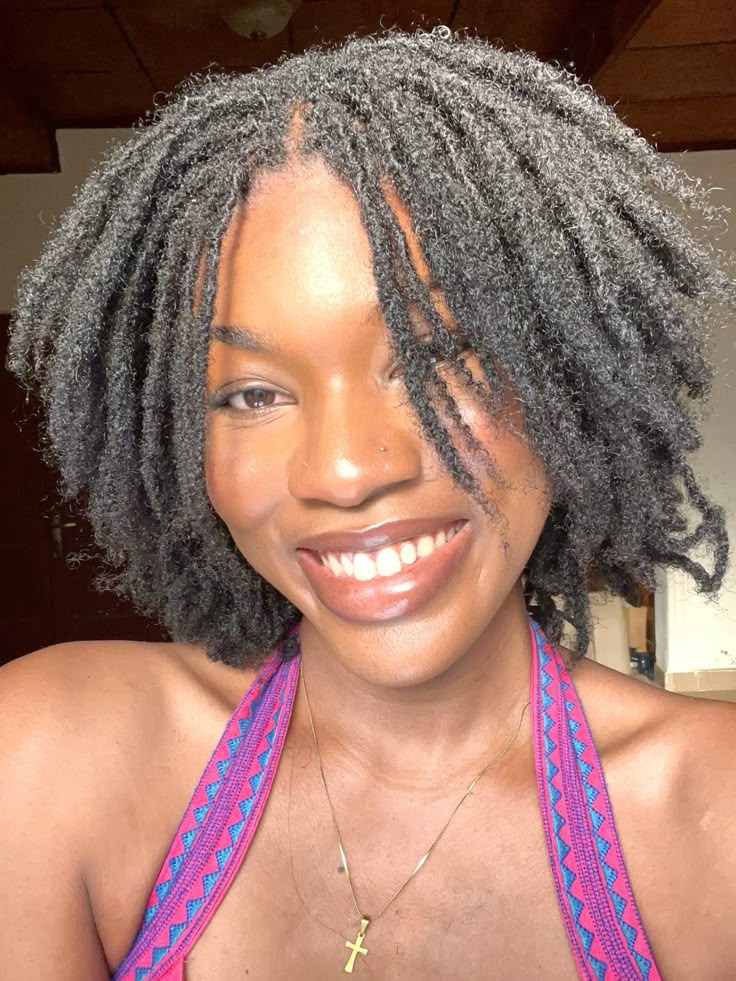
You May Want to Wait If…
You enjoy changing your hairstyle regularly or aren’t ready for the commitment, you may be happier keeping your hair loose for now.
It’s also worth delaying your loc journey if your hair is experiencing severe breakage or scalp issues.
Focusing on repairing damaged 4C hair first gives your locs a healthier foundation and can improve their appearance as they mature.

Final Thoughts
If you’ve been wondering if you should start locs on 4C hair, the answer depends less on your texture and more on your goals. Fortunately, 4C hair is naturally well suited for locs, making it one of the easiest textures to begin the journey with.
Like any hairstyle, locs require patience, consistency, and realistic expectations. The early months may test your commitment, but giving your hair time to mature naturally often leads to stronger, healthier locs you’ll enjoy for years.
Choosing to start your loc journey now or continue wearing your natural curls, a routine focused on moisture, scalp care, and gentle handling will always give your hair the best chance to thrive.



3 Comments