
Summer Hair Care Guide for 4C Hair
Disclosure: Some of the links in this post are affiliate links. This means if you click on the link and purchase an item, I will receive an affiliate commission at no extra cost to you.
Summer can be a challenging season for natural hair. Higher temperatures, increased humidity, sweat, sun exposure, swimming, and more frequent outdoor activities can all affect how your strands and scalp feel. For 4C hair, which is naturally prone to dryness because of the structure of the hair strand, these seasonal changes can make moisture management and gentle handling even more important.
A good summer hair care routine does not have to involve completely changing everything you already do. Instead, summer hair care for 4C hair is about paying attention to how your hair responds to heat, humidity, sweat, and outdoor exposure, then making small adjustments where necessary.
Your hair may need lighter products in some situations, more frequent cleansing in others, or extra protection when you are swimming or spending long periods outdoors. The goal is to keep your strands moisturized, your scalp comfortable, your ends protected, and manipulation under control throughout the season.
1. Start With Your Hair’s Condition
Before changing your routine for summer, look at the condition of your hair. Pay attention to how your strands feel after washing, how quickly they become dry, whether your ends feel rough, and whether your scalp becomes sweaty or uncomfortable more often.
A simple hair check can help you identify what your routine actually needs. If your hair already feels healthy and manageable, you may only need a few seasonal adjustments. If it is extremely dry, brittle, tangled, or breaking, summer is not the time to ignore those signs.
Check your ends, especially if you have not had a trim recently. Dry or damaged ends can become more difficult to manage when exposed to heat, friction, and frequent styling.
2. Keep Your Hair Clean
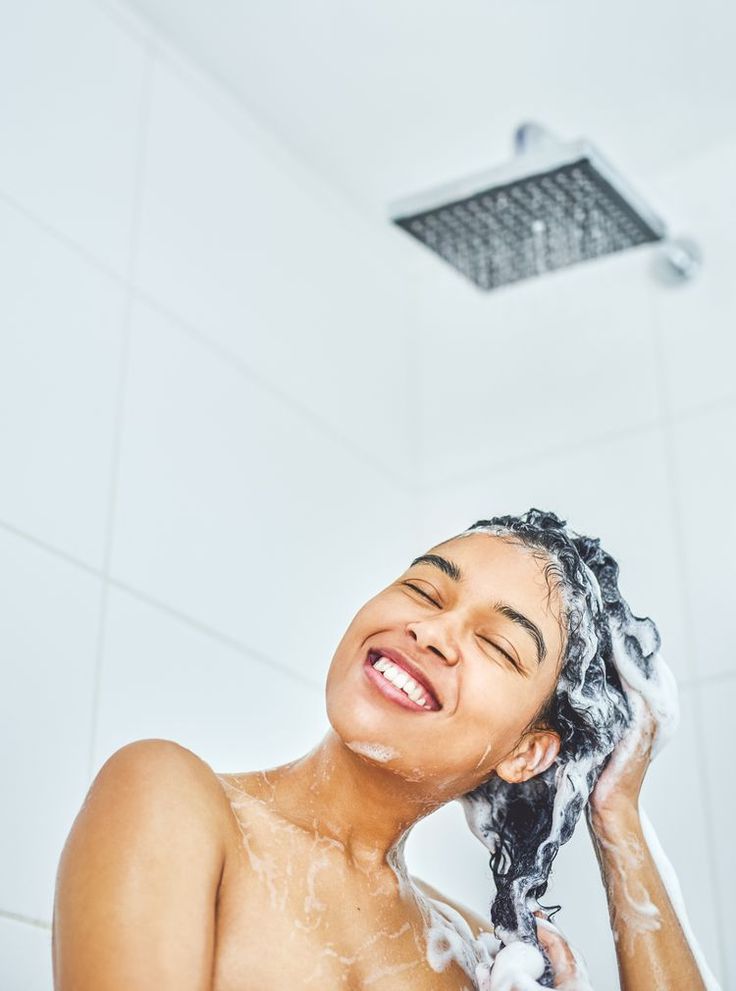
Summer often means more sweating, especially around the scalp. Sweat itself is not necessarily harmful to your hair, but allowing sweat, oils, styling products, and environmental debris to accumulate for too long can make your scalp feel uncomfortable and leave your hair coated.
Adjust your wash day schedule based on your activity level rather than following a strict calendar. If you exercise regularly or spend a lot of time outdoors, you may need to cleanse more often than you would during cooler months.
Choose a cleanser that removes buildup without leaving your hair excessively stripped. If your hair feels rough immediately after cleansing, your shampoo or washing frequency may need adjustment.
You do not necessarily need to wash your hair every time you sweat. Instead, consider how much sweat and product buildup is present and how your scalp feels.
3. Adjust Your Moisture Routine
Moisture remains one of the central parts of summer hair care for 4C hair, but your approach may need to change when the weather becomes hotter and more humid.
You may notice that heavy products feel uncomfortable during summer. Thick creams, butters, and oils can sometimes leave your hair feeling coated, especially when combined with sweat and humidity.
Instead of automatically adding more product, pay attention to your hair’s response. If your strands feel soft and flexible, your current moisture routine may be working.
If they become dry quickly, you may need to improve how you layer water-based products and sealants.
Your moisture balance matters more than how many products you use.
4. Choose Lighter Products When Needed
Summer does not automatically mean you need to stop using your favorite hair products. However, heavier formulas may feel different when temperatures rise.
If your hair becomes greasy, sticky, weighed down, or difficult to refresh, experiment with a lighter routine. A leave-in conditioner, lightweight cream, or small amount of oil may be enough for some routines.
This is especially useful if you live in a hot or humid climate. Using several thick products at once can make your hair feel overloaded without necessarily providing more moisture.
Start with a small amount and add more only when your hair actually needs it.
5. Deep Condition Regularly
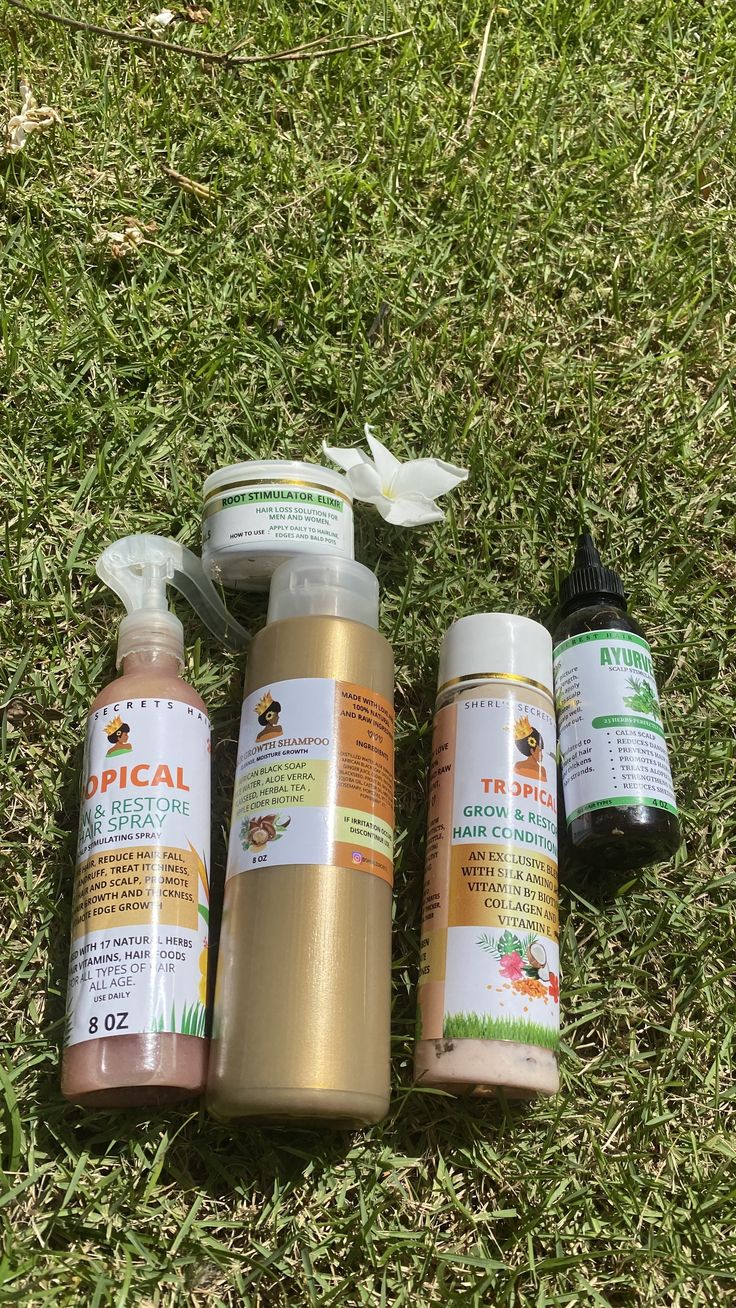
Deep conditioning can help support softer, more manageable hair throughout summer. Heat, washing, swimming, and frequent manipulation can all affect how your strands feel.
A regular deep condition session gives you an opportunity to replenish moisture and improve manageability. Choose a conditioner based on what your hair needs rather than automatically choosing the richest product available.
If your hair feels dry and rough, a moisturizing deep conditioner may be useful. If your strands feel weak or overly processed, a strengthening treatment may be more appropriate.
Avoid assuming that more treatments always produce better results. Too many intensive treatments can leave some hair feeling stiff or coated.
6. Pay Attention to Your Scalp
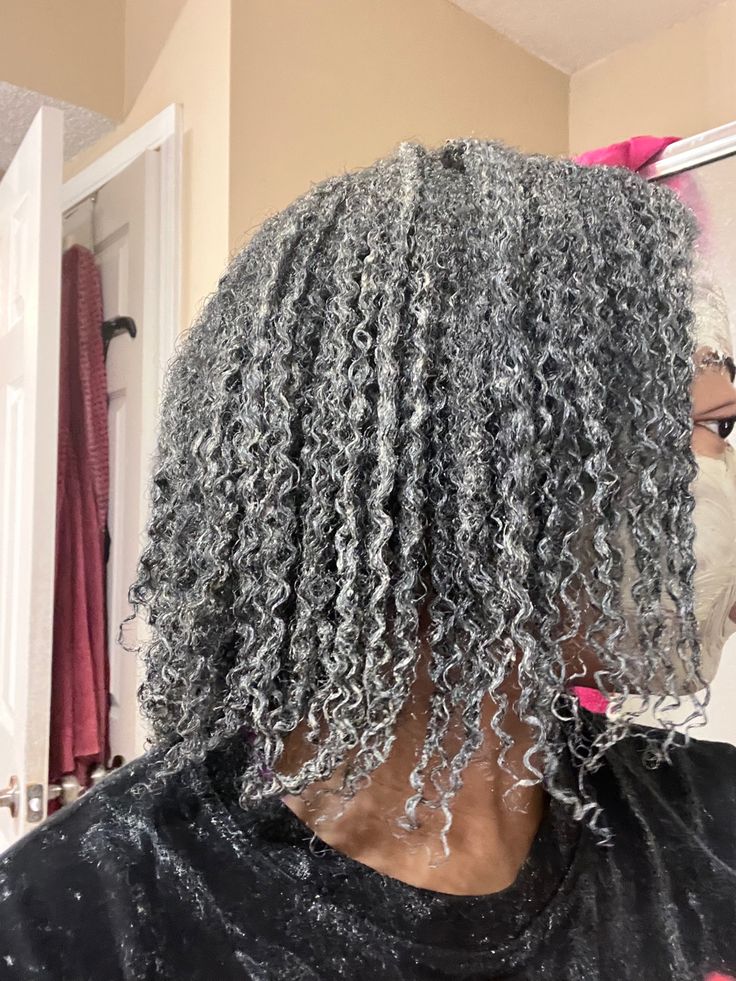
Your scalp may behave differently during summer. Increased sweating and heat can make it feel more oily, sweaty, or uncomfortable than usual.
Keep your scalp care routine simple. Cleanse regularly, avoid applying excessive amounts of heavy products directly to the scalp, and pay attention to changes that persist.
You do not need to oil your scalp simply because it is summer. In fact, adding more oil when your scalp is already sweaty may make your routine feel heavier.
If you notice persistent itching, flaking, irritation, sores, or other changes that do not improve with normal hair care, consider speaking with a dermatologist rather than repeatedly changing products.
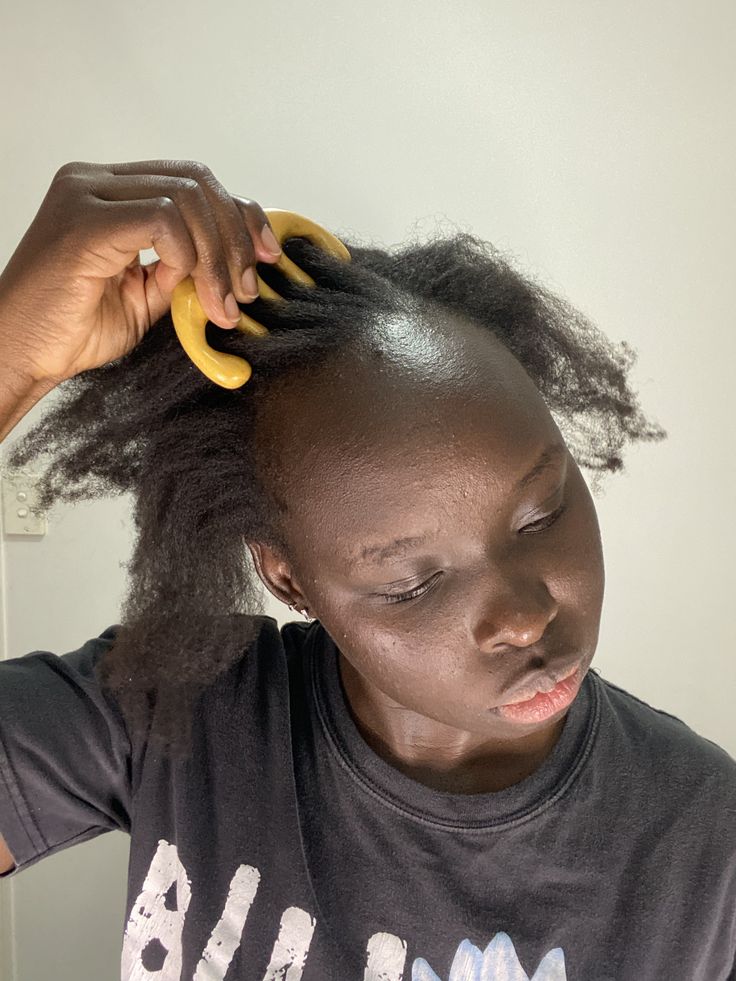
7. Do Not Overload Your Scalp With Oils
Oils can have a place in a natural hair routine, but summer is a good time to be more intentional about how you use them.
If you already sweat heavily, applying large amounts of oil to your scalp may make your hair feel uncomfortable. Instead, consider applying small amounts where they are useful, such as along dry sections or on the ends.
A simple oil routine can be more practical than layering multiple oils and products every day.
Remember that oil does not replace water-based moisture. If your hair feels dry, adding more oil alone may not solve the problem.
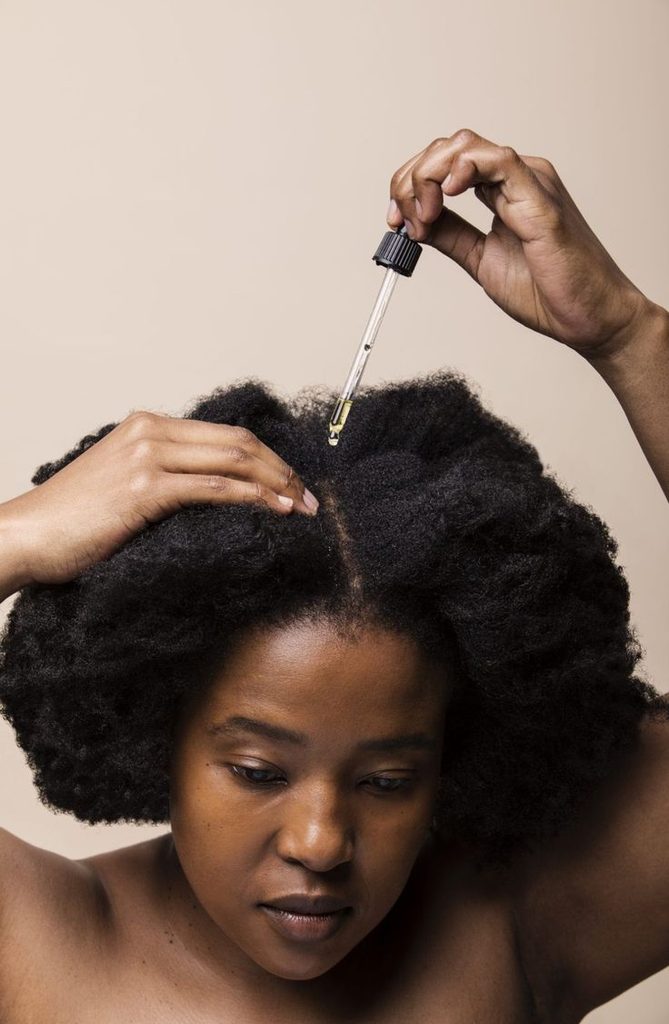
8. Keep Your Hair Moisturized Between Wash Days
Summer activities can make it tempting to constantly refresh your hair. However, refreshing your hair does not mean adding several layers of products every day.
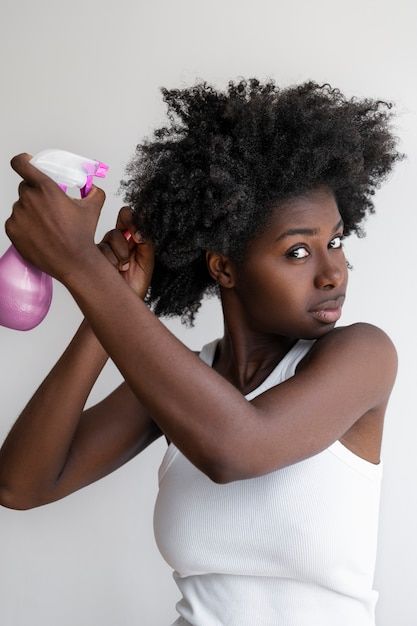
Start with what your hair needs. If your strands feel dry, lightly mist them with water or use a suitable water-based moisturizer before adding a small amount of cream or oil if necessary.
Your moisture routine should leave your hair soft and flexible rather than greasy or heavily coated.
If your hair still feels dry after moisturizing, look at the entire routine. Frequent heat, harsh cleansing, excessive manipulation, and damaged ends can all contribute to dryness.
9. Be Gentle When Detangling
Frequent washing and styling can mean more detangling during summer. Because 4C hair can become tangled easily, handling it gently is essential.
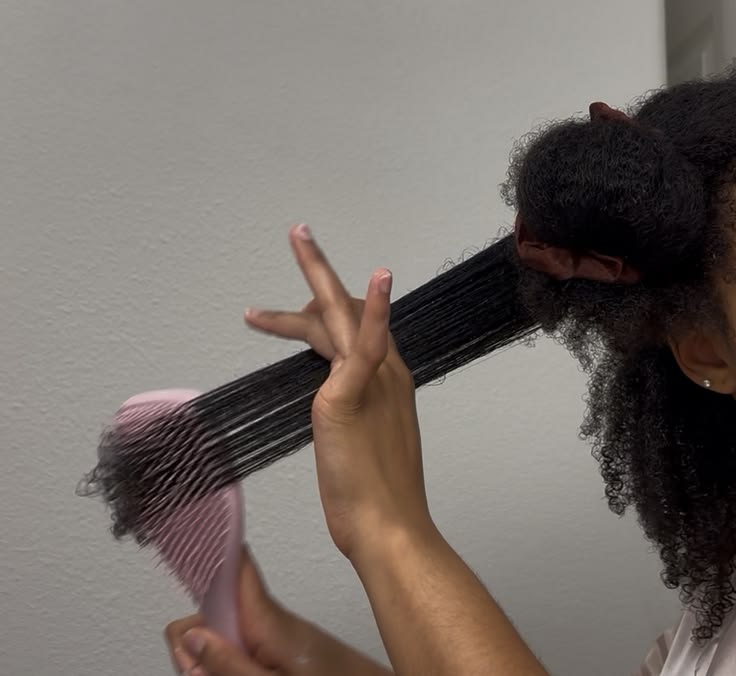
Use your preferred detangling habits, such as working in sections and making sure your hair has enough slip before separating knots.
Avoid rushing through the process simply because you are trying to finish your wash day quickly. Pulling aggressively through knots can contribute to unnecessary breakage.
Start at the ends and gradually work toward the roots. If a section is particularly tangled, add more conditioner or water rather than forcing the comb through it.
10. Protect Your Ends
Your ends are the oldest part of your hair and may be more vulnerable to dryness and breakage. Summer activities can expose them to additional friction from clothing, bags, hats, swimming, and frequent styling.
Make end protection part of your routine. Keep your ends moisturized and consider styles that reduce unnecessary friction.
You can also tuck your ends away when participating in activities that involve a lot of movement or environmental exposure.
Protecting your ends does not mean keeping your hair in one style all summer. It simply means reducing unnecessary stress.
11. Protect Your Hair From the Sun
Spending time outdoors is a major part of summer for many people. Your hair and scalp can therefore receive more direct sun exposure than usual.
You can use physical protection such as a wide-brimmed hat, scarf, or other comfortable head covering when appropriate.
If you wear a hat, make sure it does not create excessive friction or pull tightly around your hairline. A comfortable covering that allows enough room for your hairstyle can be easier to manage.
Sun protection is particularly useful when you are spending extended periods outdoors rather than only walking outside briefly.

12. Be Careful With Swimming
Swimming can be enjoyable during summer, but pool and ocean water can create another challenge for natural hair.
Before swimming, consider wetting your hair with clean water and applying a suitable conditioner or leave-in product. This can reduce how much treated or salty water your hair absorbs.
After swimming, rinse your hair thoroughly. If you swim frequently, adjust your cleansing routine to prevent buildup without repeatedly stripping your strands.
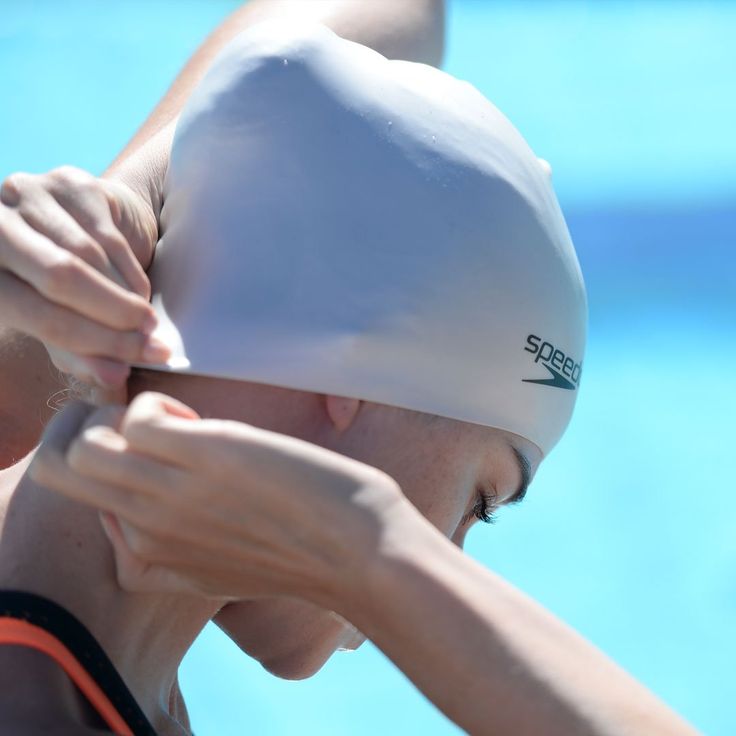
A swimming cap can also provide additional physical protection, especially if you swim regularly.
13. Rinse Your Hair After Swimming
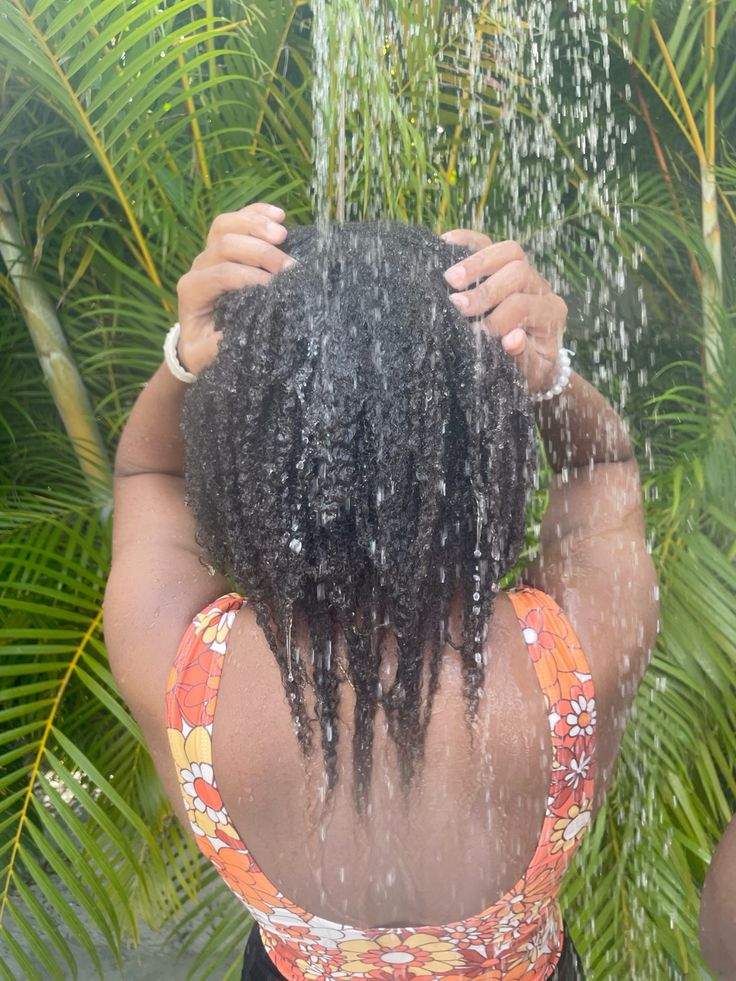
Leaving chlorine, salt, sweat, and other residues on your hair for extended periods can make your strands feel dry or coated.
After swimming, rinse your hair with clean water as soon as practical. If you swim regularly, create a simple post swim routine that works with your normal wash schedule.
You may not need an elaborate collection of products. Consistent rinsing, appropriate cleansing, conditioning, and gentle handling can go a long way.
14. Choose Low-Manipulation Hairstyles
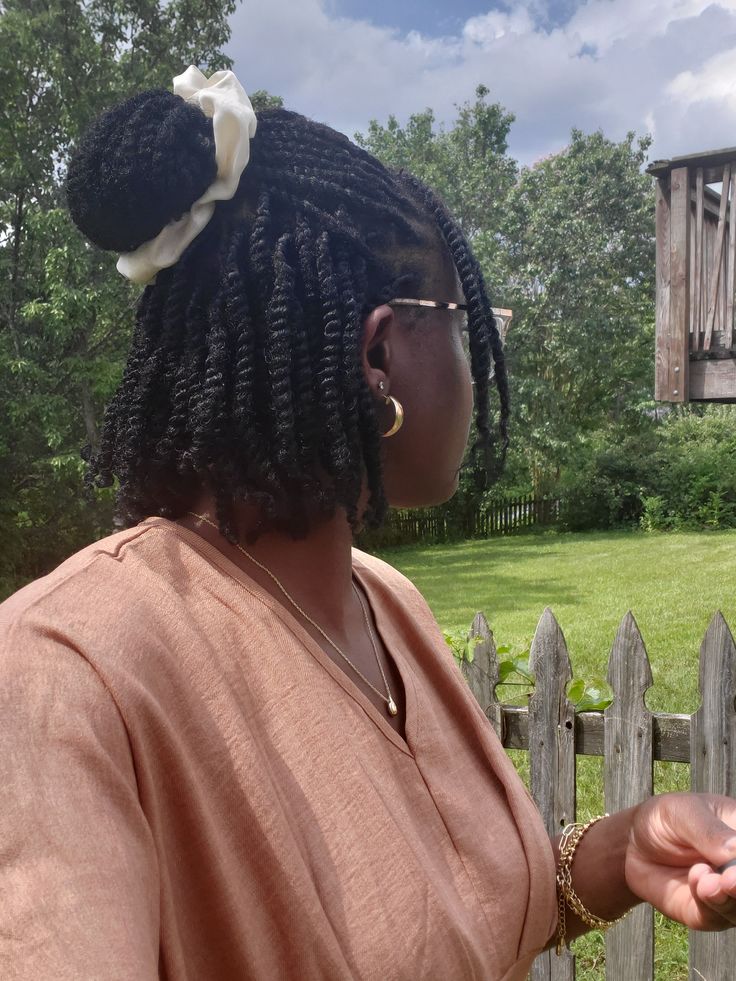
Summer can be a useful time to reduce how frequently you manipulate your hair. Styles that keep your hair organized without requiring constant combing or restyling can make your routine easier.
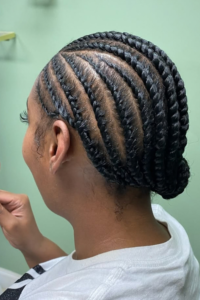
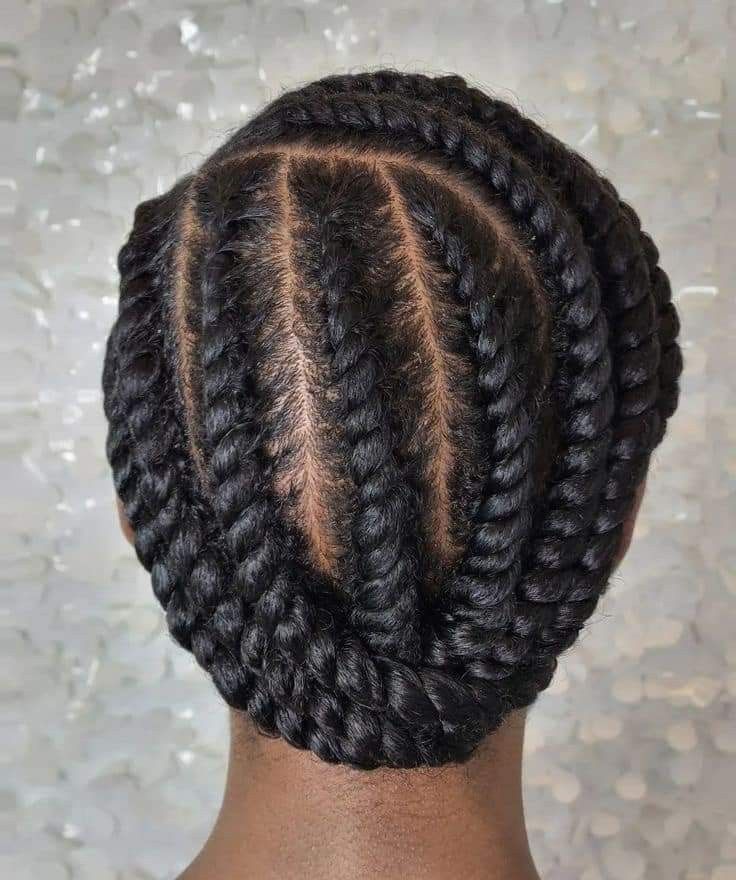
Try low manipulation options that suit your hair, lifestyle, and comfort level. Simple buns, twists, braids, stretched styles, and other gentle options can reduce daily handling.
However, a hairstyle is only protective if it does not create excessive tension or friction. A style that is too tight can cause more problems than leaving your hair loose.
15. Be Careful With Tight Protective Styles
Protective styles can be convenient during summer, but they should not automatically be considered safe simply because your hair is tucked away.
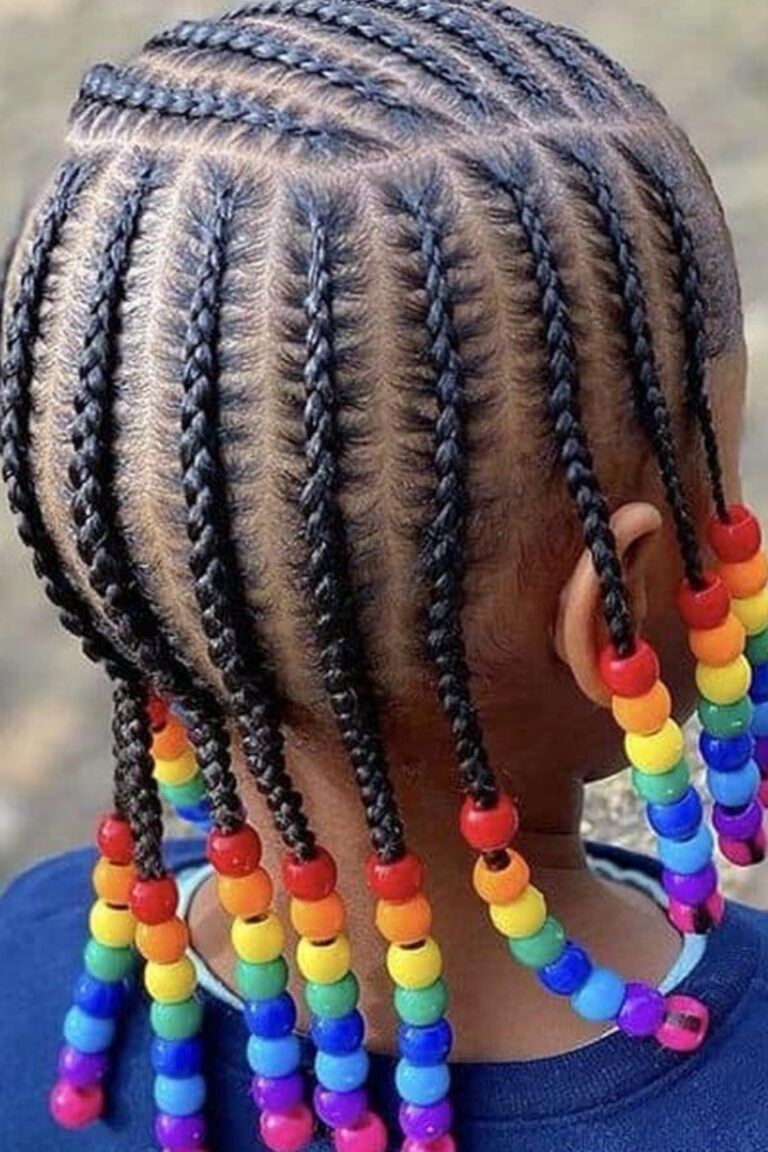
Tight braids, cornrows, ponytails, and extensions can place tension on your scalp and hairline. Excessive tension may contribute to breakage and hair loss around vulnerable areas.
Choose gentle styling techniques and speak up if a style feels painful or excessively tight. Pain is not a requirement for a hairstyle to last.
Give your scalp and hairline breaks between styles, especially if you regularly wear extensions.
16. Take Care of Your Hairline
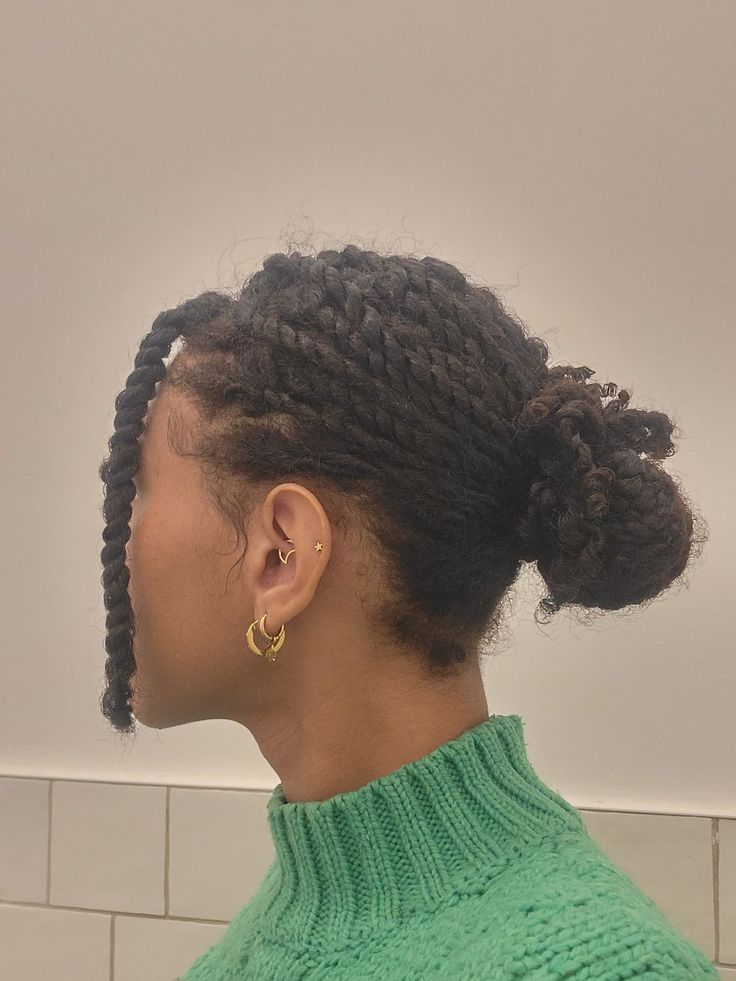
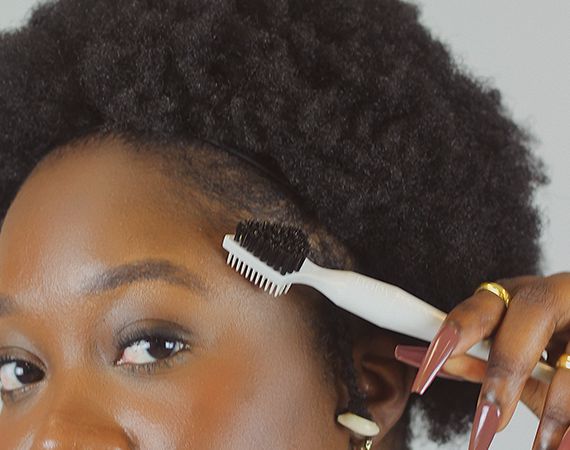
The hair around your edges can be particularly vulnerable to repeated tension. Summer hairstyles can make this worse if you frequently use tight ponytails, slick styles, braids, or heavy extensions.
Avoid constantly pulling your hairline into the same position. Keep edge tension low and give your edges time to rest between styles.
You also do not need to use strong gels every day to keep your edges perfectly laid. Sometimes a softer, less manipulated style is the better option for everyday wear.
17. Manage Sweat After Exercise
Exercise is good for your overall health, but regular workouts can change your hair routine during summer.
If your scalp becomes very sweaty after workouts, allow it to dry properly and consider whether you need to rinse or cleanse your hair based on how often you exercise.
Avoid immediately covering a heavily sweaty scalp with another layer of products. Give your scalp an opportunity to dry and keep your workout routine practical.
If you wear a headband, scarf, or other accessory during exercise, make sure it does not create unnecessary friction around your hairline.
18. Refresh Your Hair Tools
Your routine is not only about the products you put on your hair. The tools you use can also affect how clean and manageable your hair remains.
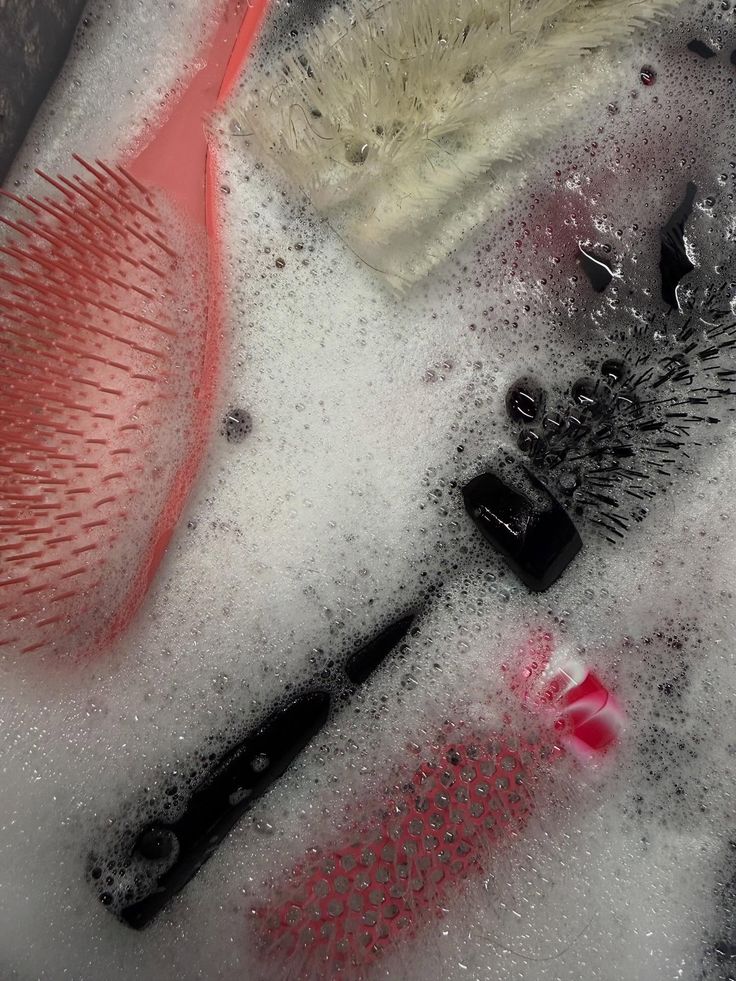
Clean combs, brushes, clips, hair ties, bonnets, and other frequently used accessories regularly. Product residue, oils, sweat, and dust can accumulate on items that come into repeated contact with your hair.
Refreshing your hair tools can be a small but useful part of seasonal maintenance.
Replace damaged tools when necessary, especially combs or brushes with sharp edges that can catch on your strands.
19. Use Hair Accessories Carefully
Summer accessories can make hairstyles easier and more interesting, but some accessories can create friction or tension.
Choose satin-lined hats, smooth scrunchies, fabric-covered bands, and accessories that do not snag your hair.
Avoid repeatedly using tight elastic bands in the same area. If an accessory catches your hair when you remove it, it may not be the best choice for your routine.
Simple hair accessories can make a style practical without creating unnecessary stress.
20. Consider Aloe Vera for Refreshing
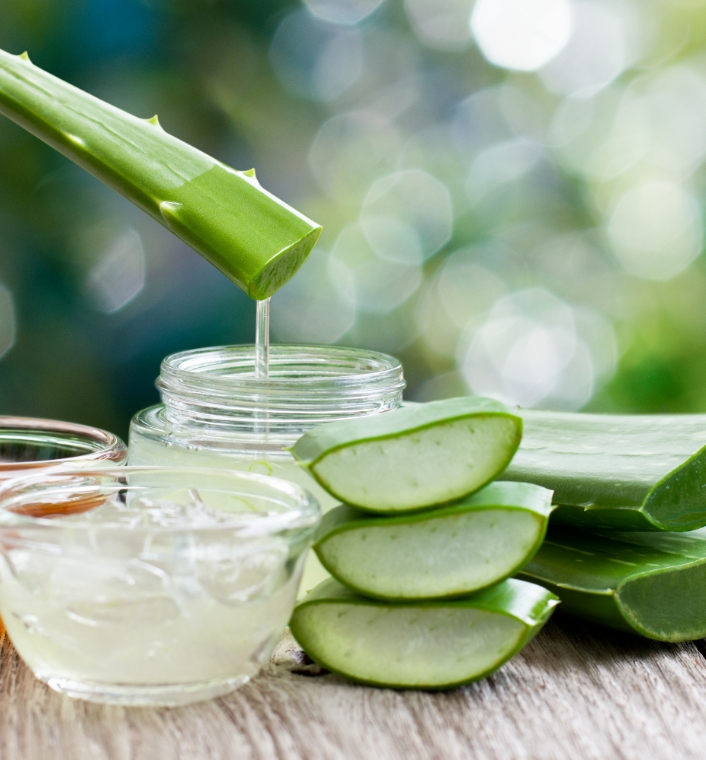
Aloe vera is often used in natural hair routines because of its water-rich texture and lightweight feel. Some people enjoy using aloe-based products as part of their summer routine.
If aloe vera works well for your hair, you can incorporate it into a simple aloe routine rather than layering it with numerous other products.
Always pay attention to how your hair responds to a new ingredient. A product being natural does not automatically mean it will work for every person or every hair type.
21. Use Oils and Butters Intentionally
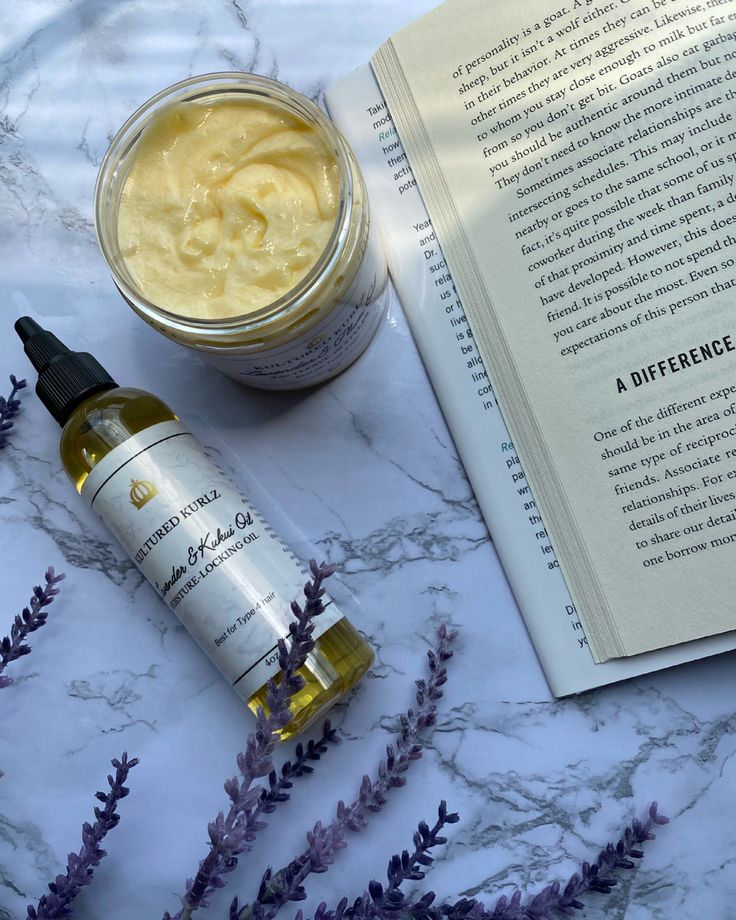
Oils and butters can be useful for sealing moisture, styling, or reducing friction, but summer may require a lighter approach.
If your hair feels comfortable with a small amount of oil, continue using it. If your hair feels coated or greasy, reduce the amount or frequency.
The same applies to homemade butters and heavier mixtures. A product that worked perfectly during cooler weather may feel too heavy when combined with summer heat and humidity.
Your oil blends should support your routine rather than become the routine itself.
22. Do Not Ignore Humidity
Humidity can affect how your hair behaves. You may notice more shrinkage, frizz, swelling, or changes in how long certain styles last.
Instead of constantly fighting these changes, choose styles that work with your natural texture.
If a stretched style becomes less stretched because of humidity, that does not necessarily mean something has gone wrong. Your hair is responding to the environment.
The goal of summer hair care for 4C hair is not to make your hair behave exactly as it does in another season. It is to keep it healthy and manageable while allowing for normal seasonal changes.
23. Avoid Excessive Heat Styling
Hot weather does not mean you need to stop using heat completely, but combining high temperatures with frequent heat styling can place additional stress on your strands.
Reduce unnecessary blow-drying, flat ironing, and other high-heat practices when possible. If you use heat, follow appropriate precautions and avoid repeatedly applying high temperatures to the same section.
Summer is also a good opportunity to explore heatless styles that allow you to achieve different looks without depending on hot tools.
24. Pay Attention to Your Hair After Rain
Summer weather can sometimes bring sudden rain, particularly in tropical climates. Getting your hair wet unexpectedly is not automatically harmful, but repeatedly allowing your hair to remain damp for long periods may make your routine harder to manage.
If your hair becomes soaked, gently remove excess water and allow it to dry properly. Avoid immediately putting wet hair into a tight style.
If rainy weather is common where you live, keep a simple rainy-day hair strategy that includes a scarf, umbrella, or easy hairstyle.

25. Give Your Hair Breaks Between Styles
One hairstyle does not need to be followed immediately by another. Giving your hair time between demanding styles can reduce repeated manipulation and tension.
After removing braids, twists, or extensions, cleanse and condition your hair before immediately installing another style.
Pay attention to your scalp, edges, and ends during these breaks. If your hair feels unusually weak or your scalp feels irritated, take more time before another demanding style.
26. Keep Your Nighttime Routine Simple
Your hair can still experience friction while you sleep, especially when it rubs against cotton bedding.
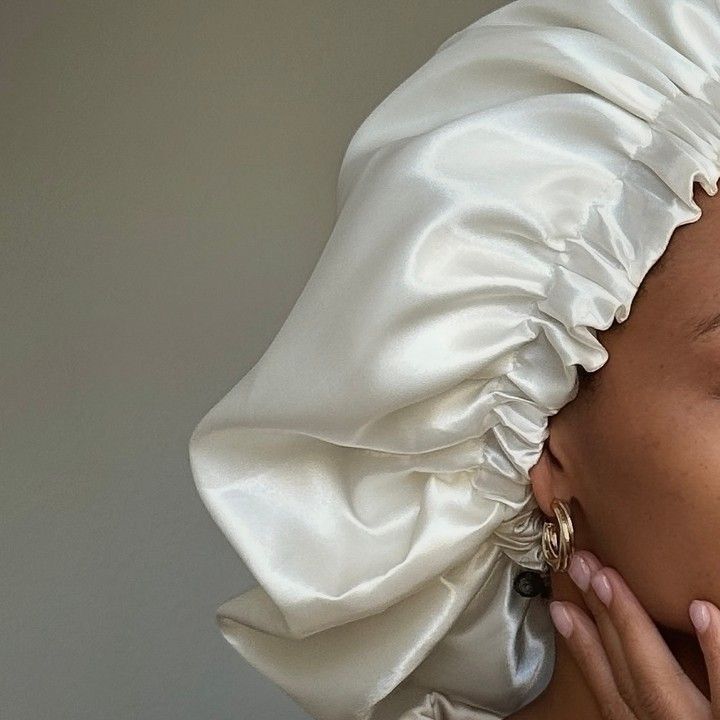
Use a satin or silk bonnet, scarf, or pillowcase if it works well for you. Before bed, avoid adding unnecessary layers of product simply because it is nighttime.
A simple night routine can involve protecting your hair from friction, loosely arranging it, and making sure your style is comfortable enough for sleep.
27. Keep Your Routine Simple When Traveling
Summer often includes vacations, family visits, road trips, and other travel. Your hair routine does not need to become complicated because you are away from home.
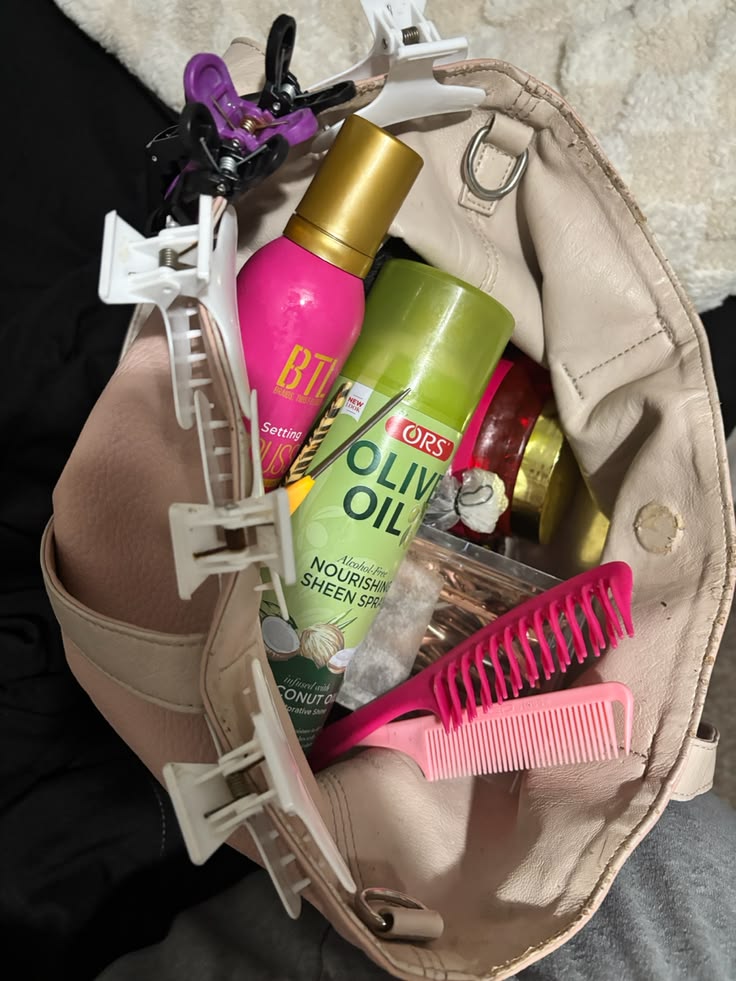
Pack the products you actually use rather than bringing every product you own. A cleanser, conditioner, moisturizer, styling product, and a simple protective accessory may be enough depending on the length of your trip.
Consider the weather and activities at your destination. If you expect swimming, outdoor activities, or high humidity, prepare accordingly.
A practical travel routine makes it easier to maintain consistency without overpacking.
28. Watch for Product Buildup
Using more products is not always the solution when your hair feels dry. Sometimes buildup is preventing your strands from responding properly to your normal routine.
If your hair feels coated, dull, sticky, or unusually difficult to moisturize, consider whether you need to clarify.
A clarifying wash can help remove accumulated product, oils, and other residue when used appropriately.
However, clarifying too often can leave your hair feeling stripped. Follow with a moisturizing conditioner and adjust the frequency based on your routine.
29. Pay Attention to Your Hair’s Response
There is no single summer routine that works perfectly for every person with 4C hair.
One person may need to wash more often because they exercise frequently. Another may need fewer products because humidity keeps their hair moisturized. Someone who swims several times a week will have different needs from someone who spends most of their time indoors.
Instead of copying another person’s routine exactly, watch how your hair responds.
If your hair feels soft, manageable, and strong, your routine may be working well. If it becomes increasingly dry, tangled, coated, or difficult to manage, something may need to change.
Your hair’s response is useful information.
30. Build a Simple Summer Routine
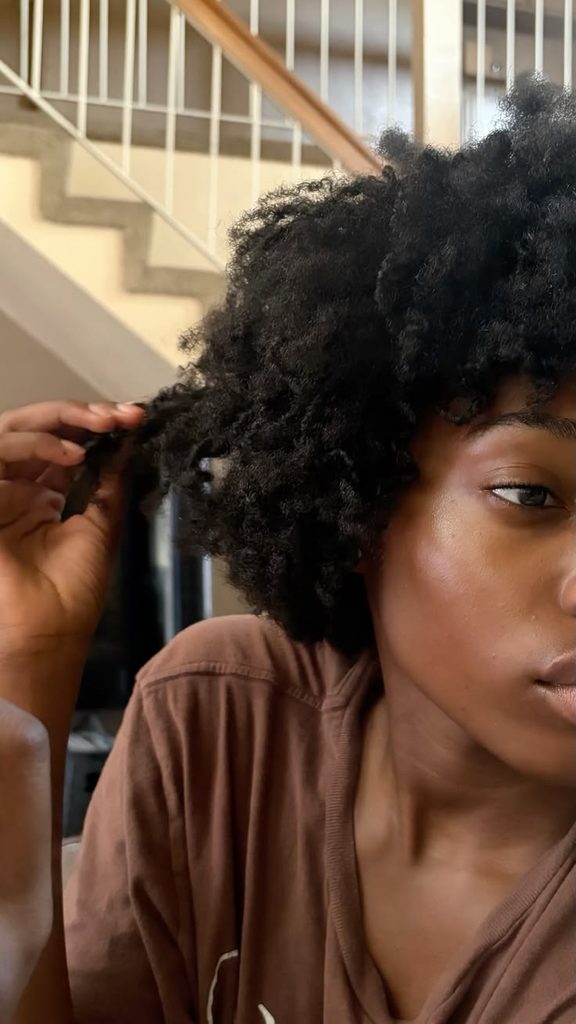
A practical summer hair care routine for 4C hair does not need to contain dozens of steps.
A basic routine might look like this:
- Cleanse according to your scalp and activity level.
- Condition after washing.
- Deep condition regularly.
- Moisturize when your hair needs it.
- Use lighter products if heavier ones feel uncomfortable.
- Detangle gently in sections.
- Protect your ends.
- Reduce unnecessary heat.
- Protect your hair during swimming.
- Keep your scalp clean and comfortable.
- Choose low-manipulation styles when convenient.
- Give your hair breaks between demanding styles.
- Protect your hair from excessive friction and sun exposure.
- Adjust the routine when your hair’s needs change.
The exact frequency of each step will depend on your lifestyle, environment, hairstyle, and how your hair responds.
Common Summer Hair Care Mistakes to Avoid
Even a simple routine can become difficult when you overdo certain habits. Some common mistakes include:
Using Too Many Products
Adding more creams, oils, gels, and butters does not necessarily mean your hair will become more moisturized. Product overload can make your hair difficult to cleanse and style.
Ignoring Sweat
If your scalp becomes consistently sweaty, do not ignore it simply because you are trying to preserve a hairstyle. Adjust your cleansing routine when necessary.
Keeping Tight Styles Too Long
A hairstyle that looks neat is not necessarily worth keeping if it causes persistent tension or discomfort.
Overwashing Without Replacing Moisture
Frequent cleansing may be necessary for some active routines, but your hair still needs appropriate conditioning and moisture afterward.
Using Too Much Heat
Frequent blow-drying and flat ironing can make summer hair care more difficult, particularly when your strands are already dry or fragile.
Neglecting Your Ends
Focusing only on your roots and scalp can cause you to overlook the oldest and most vulnerable parts of your hair.
Applying Oil Instead of Moisture
Oil can help reduce moisture loss, but it does not replace water-based hydration. If your hair is dry, start by addressing moisture rather than simply adding more oil.
Changing Everything at Once
If your current routine works, there may be no reason to replace every product when summer begins. Make changes gradually so you can identify what actually helps.
What to Prioritize During Summer
When you simplify everything, the main priorities are straightforward: keep your hair and scalp clean, maintain appropriate moisture, reduce unnecessary manipulation, protect your ends, and prepare for activities such as swimming and outdoor exercise.
You do not need a completely different identity for your hair routine during summer. You simply need to respond to the changes around you.
Some weeks may require more frequent cleansing. Other weeks may call for less product. Your preferred hairstyles may also change depending on your schedule and the weather.
The most useful summer hair care for 4C hair routine is one that keeps your strands manageable without making your life unnecessarily complicated.
With consistent cleansing, thoughtful moisturizing, gentle handling, and protection from avoidable stress, you can keep your natural hair comfortable and manageable throughout the warmer months while still enjoying everything the season has to offer.