
Fall Hair Care Tips for 4C Hair
Disclosure: Some of the links in this post are affiliate links. This means if you click on the link and purchase an item, I will receive an affiliate commission at no extra cost to you.
As the weather changes from the warmth of summer to cooler fall conditions, your 4C hair may begin to behave differently. Lower humidity, cooler temperatures, wind, and changes in your daily routine can affect how your hair feels and how well it holds moisture.
This is why fall hair care tips for 4C hair should focus on adjusting your routine rather than completely replacing everything you already use. Your hair may need more moisture, gentler styling, better protection for your ends, and closer attention to your scalp as the season changes.
Fall is also a good time to reassess your routine. If your hair became dry from summer activities, swimming, frequent washing, or outdoor exposure, you can use the new season as an opportunity to restore moisture and reduce unnecessary manipulation.
The right fall hair care tips for 4C hair will depend on your environment, lifestyle, hair condition, and the products you already use. The goal is to understand what your hair needs and make practical changes that help you maintain healthy, manageable strands throughout the season.
1. Start With a Seasonal Hair Check
Before changing your routine, take a moment to examine the current condition of your hair. Look at how your strands feel, how easily they detangle, whether your ends feel rough, and whether your hair still responds well to your usual products.
A seasonal hair assessment can help you identify problems before they become more difficult to manage. Check your ends for excessive dryness or splitting, and pay attention to areas that feel noticeably weaker than the rest of your hair.
If you spent much of summer swimming, wearing protective styles, exercising frequently, or using more styling products, your hair may have accumulated buildup or experienced additional manipulation.
You do not need to change everything at once. Start by identifying the areas that actually need attention.
2. Reassess Your Hair Porosity
The way your hair absorbs and retains moisture can influence how you approach seasonal care. If your hair suddenly feels dry or products seem to sit on the surface instead of working effectively,
it may be useful to revisit what you know about your hair’s porosity.
A better understanding of hair porosity can help you make more informed choices about cleansing, conditioning, moisturizing, and product layering.
However, avoid assuming that every change in your hair automatically means your porosity has changed. Hair condition, product buildup, damage, and environmental factors can also affect how your strands respond to water and products.
Fall is simply a useful time to reassess rather than blindly adding heavier products.
3. Increase Moisture When Your Hair Needs It
One of the most important fall hair care tips for 4C hair is to pay attention to moisture as the air becomes cooler and, in some environments, drier.
If your hair starts feeling rough, stiff, or unusually dry, your existing moisturizing routine may need adjustment. Start with water or a suitable water-based moisturizer, then use your preferred cream or oil if necessary.
Do not assume that using more product automatically means more moisture. Too much product can create buildup and make your hair difficult to manage.
Instead, focus on maintaining a comfortable level of hydration and adjusting the frequency of moisturizing based on how your hair feels.
4. Deep Condition More Intentionally
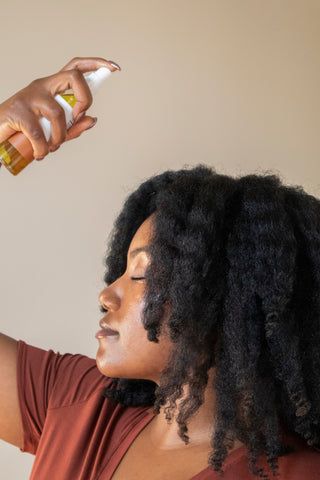
Deep conditioning can become especially useful when your hair starts feeling drier during the transition into fall.
A suitable deep conditioner can help improve softness and manageability, particularly after cleansing or periods of increased manipulation.
If your hair needs extra conditioning, explore different deep conditioners based on your specific needs rather than choosing a product simply because it is marketed for dry hair.
You can also incorporate DIY treatments if you prefer making your own products. For example, simple deep conditioner recipes may be useful when you want to experiment with ingredients you already have.
The key is consistency. Deep conditioning once and then ignoring your hair for several weeks is unlikely to replace a routine that consistently addresses your hair’s needs.
5. Pay Attention to Your Scalp
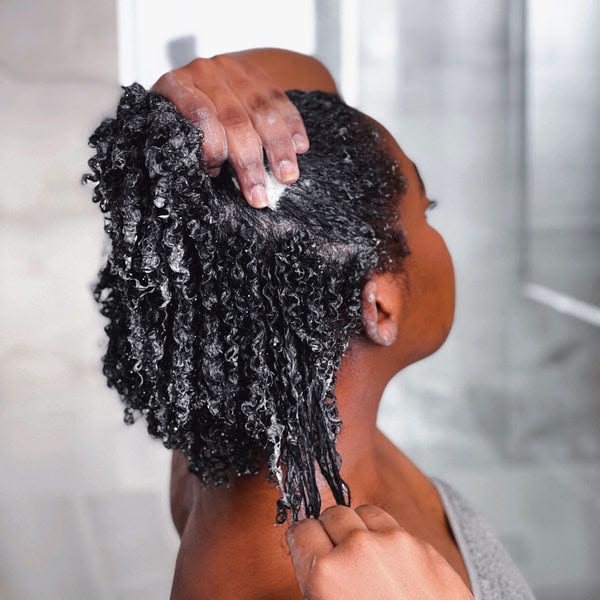
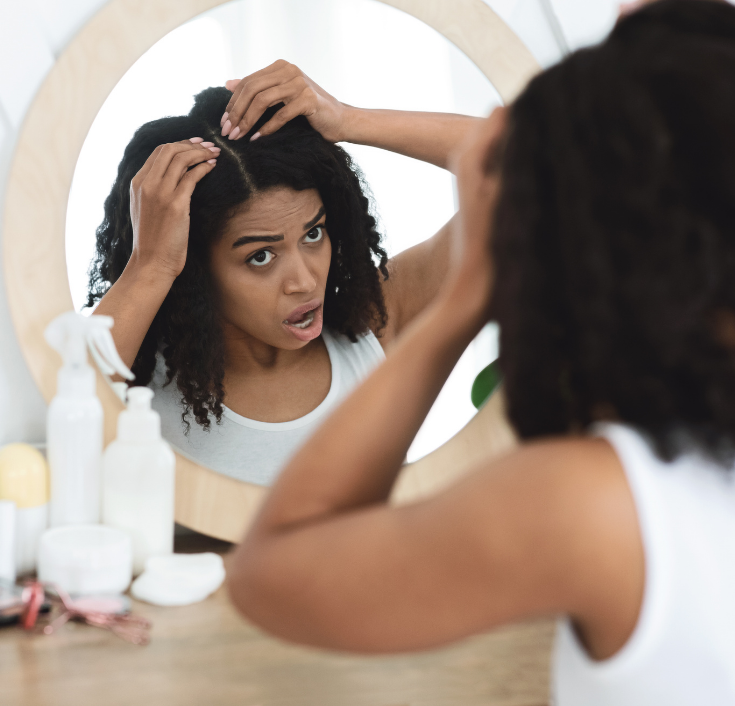
Your scalp can also respond differently as the season changes. Cooler weather, changes in washing frequency, product buildup, and dry air may affect how comfortable your scalp feels.
Make scalp health part of your regular routine by keeping your scalp clean and paying attention to changes such as persistent dryness, itching, irritation, or unusual flaking.
You do not need to cover your scalp with oil every time it feels dry. Sometimes the issue may be product buildup, cleansing habits, or another scalp concern.
If persistent symptoms do not improve with normal hair care, professional advice is more appropriate than continually adding new products.
6. Be Careful With Heavy Product Layering
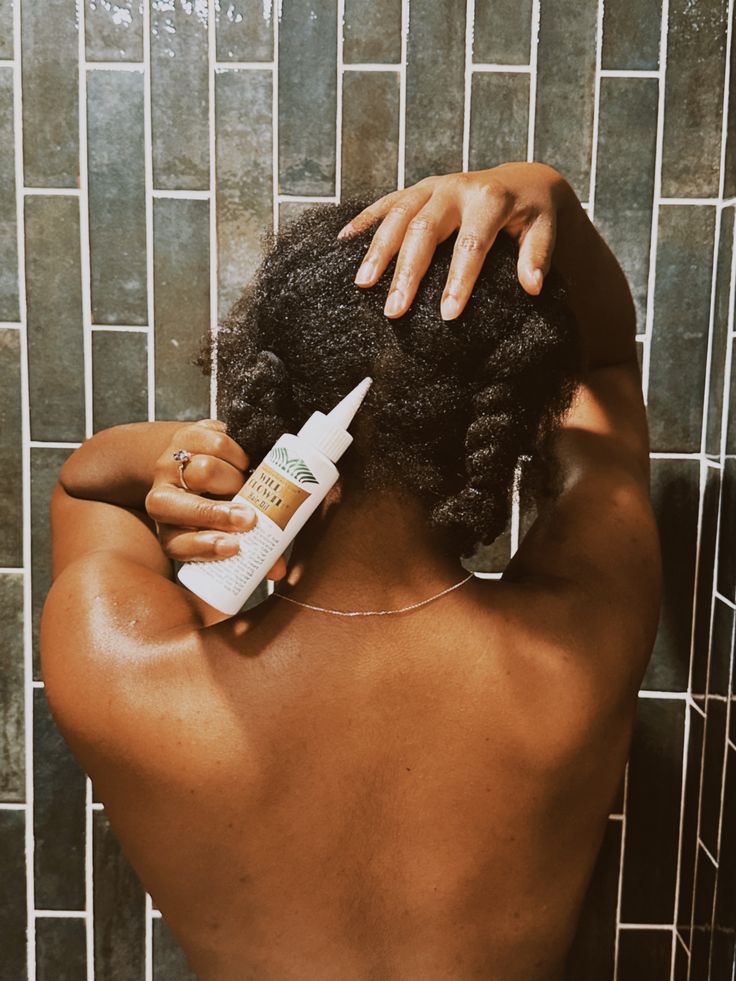
One of the easiest ways to complicate your fall routine is to assume that cooler weather means you need to use every heavy product you own.
Creams, oils, butters, leave-ins, gels, and styling products can all have a place in a natural hair routine, but using too many layers may lead to buildup.
If your hair starts feeling coated or difficult to moisturize, consider whether you need a cleansing reset rather than another product.
Pay attention to how your hair feels after each product instead of automatically following a long layering routine.
7. Clarify When Buildup Becomes a Problem
As you begin using richer products, buildup can become easier to overlook. Your hair may feel coated, dull, sticky, or difficult to moisturize even though you are applying products regularly.
When this happens, consider whether you need a clarifying wash. Choosing from suitable clarifying shampoos can help you remove accumulated product and residue when used appropriately.
However, clarification should not become an everyday part of your routine. Cleansing too aggressively or too frequently can leave your hair feeling stripped.
After clarifying, follow with an appropriate conditioner and return to your normal routine.
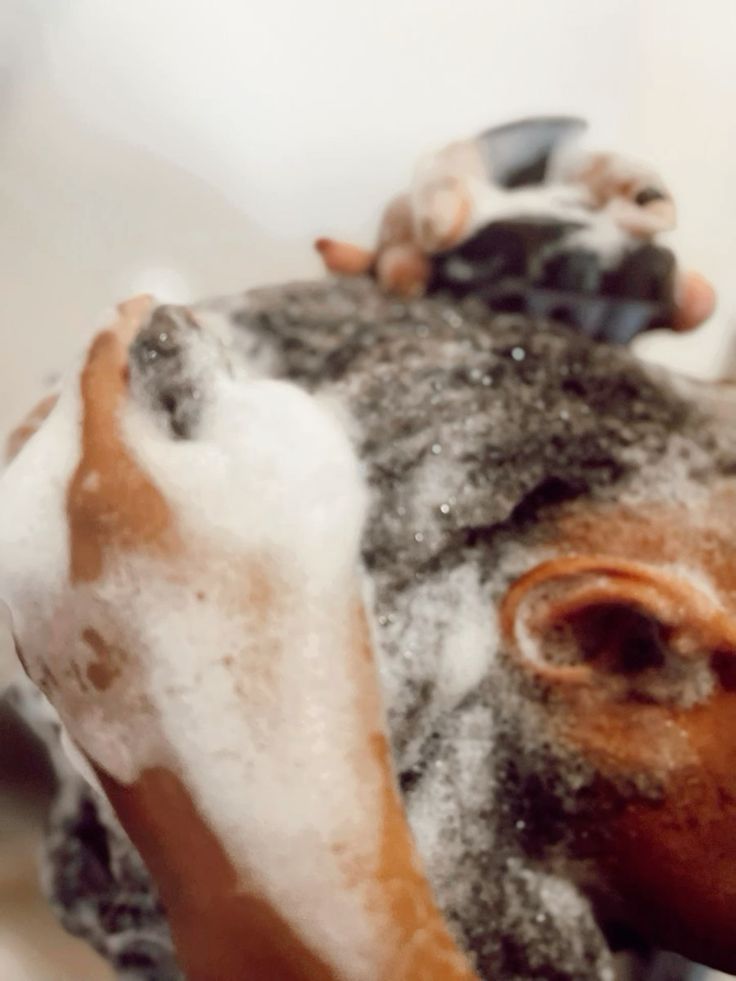
8. Do Not Forget Your Ends
Your ends are the oldest part of your hair and have already experienced more manipulation and environmental exposure than your newer growth.
As part of your fall hair care tips for 4C hair, give your ends extra attention. Keep them moisturized, reduce unnecessary friction, and avoid repeatedly manipulating them when they are dry.
If your ends are visibly damaged or repeatedly splitting, a trim may be appropriate. Trimming does not make hair grow faster, but removing severely damaged ends can make your hair easier to manage.
You can also use styles that keep your ends tucked away when you need additional protection.
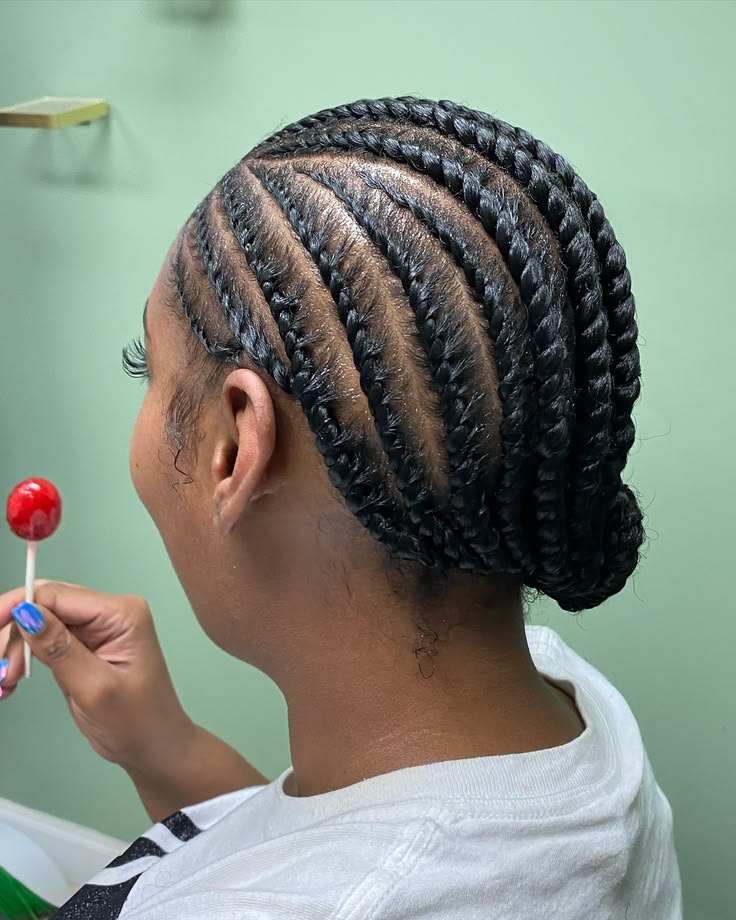
9. Reduce Unnecessary Manipulation
Cooler weather can make it tempting to restyle your hair frequently as you experiment with different seasonal looks. However, repeated combing, brushing, stretching, and restyling can contribute to breakage.
Make gentle handling one of your priorities. Work in sections when detangling, use enough slip, and avoid pulling through knots.
If your hair has been breaking easily, revisit your breakage prevention habits. Look at how often you manipulate your hair, how you detangle, how tightly you style it, and how you handle your ends.
Healthy hair care is not only about what you put on your strands. How you handle them matters too.
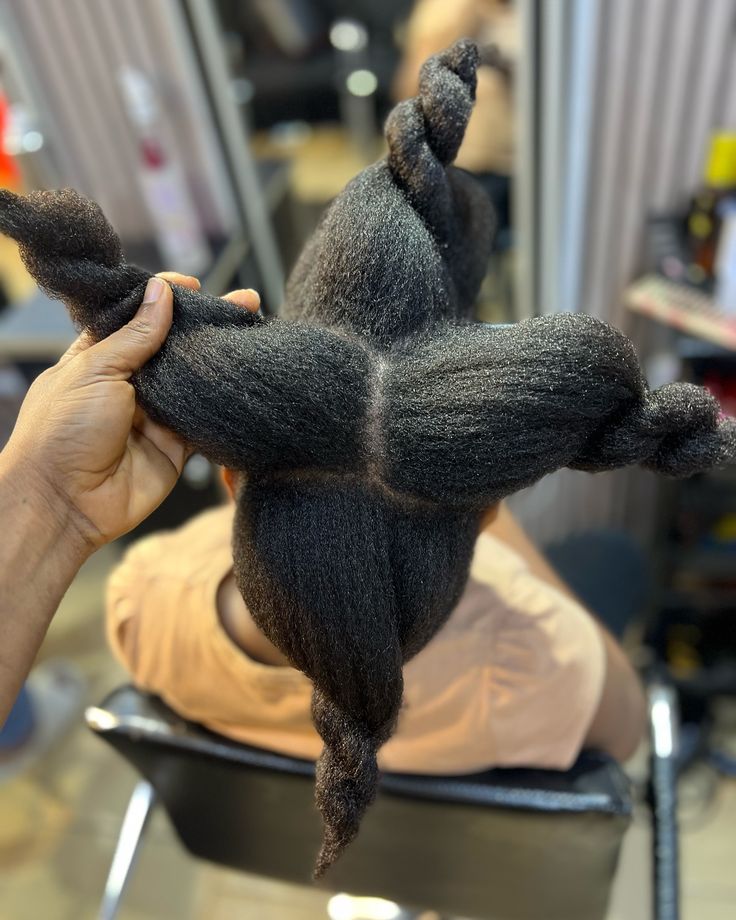
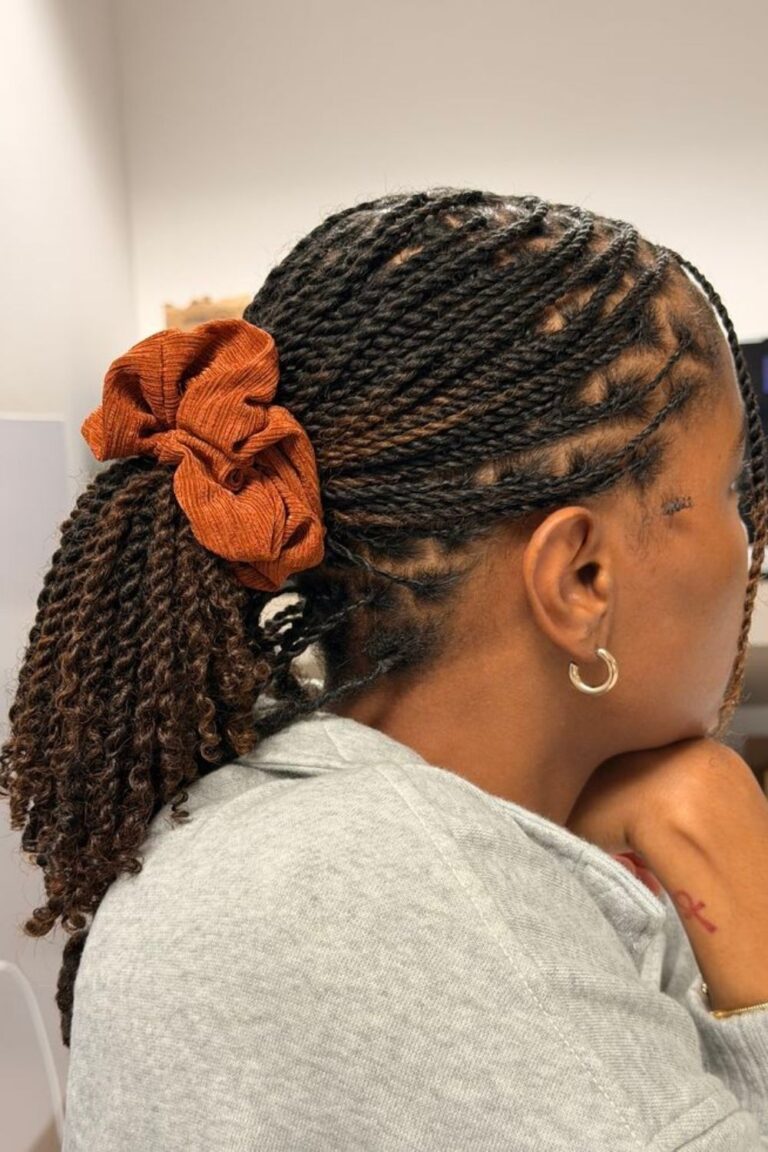
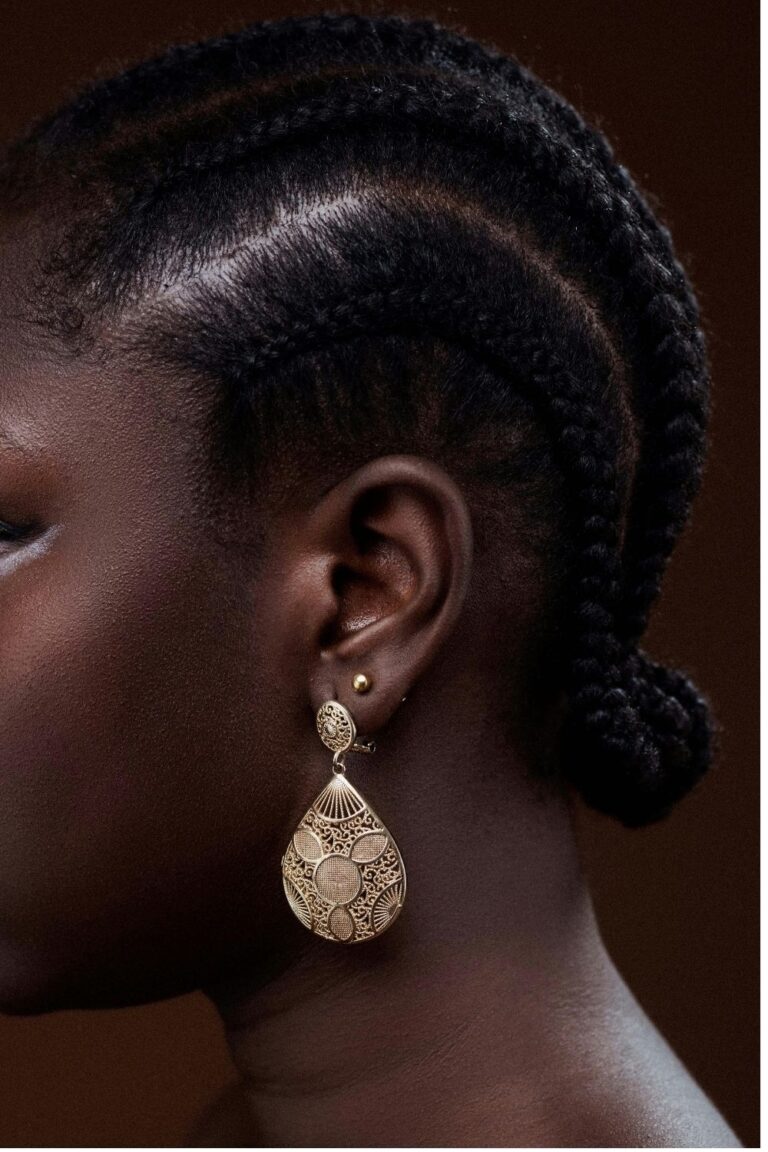
10. Choose Protective Styles Carefully
Protective styles can make fall maintenance easier because they may reduce daily manipulation and keep your ends tucked away.
However, not every protective style is automatically gentle. Tight braids, extensions, ponytails, and other styles can place stress on your scalp and hairline.
Before installing a style, consider how long you plan to keep it and whether you can comfortably maintain your scalp while wearing it.
You can explore different protective styles that suit your lifestyle, but prioritize comfort and low tension.
If you regularly wear extensions, give your hair appropriate breaks between installations.

11. Avoid Keeping Protective Styles Too Long
A protective style should protect your hair, not become a reason to ignore it for months.
As part of your fall hair care tips for 4C hair, pay attention to how long your style has been installed and how your scalp and strands feel underneath it.
If the style becomes excessively tangled, dirty, tight, or difficult to maintain, keeping it longer is not necessarily beneficial.
Knowing style duration can help you plan your routine around cleansing, moisture, and rest periods between installations.
12. Protect Your Hair From Friction
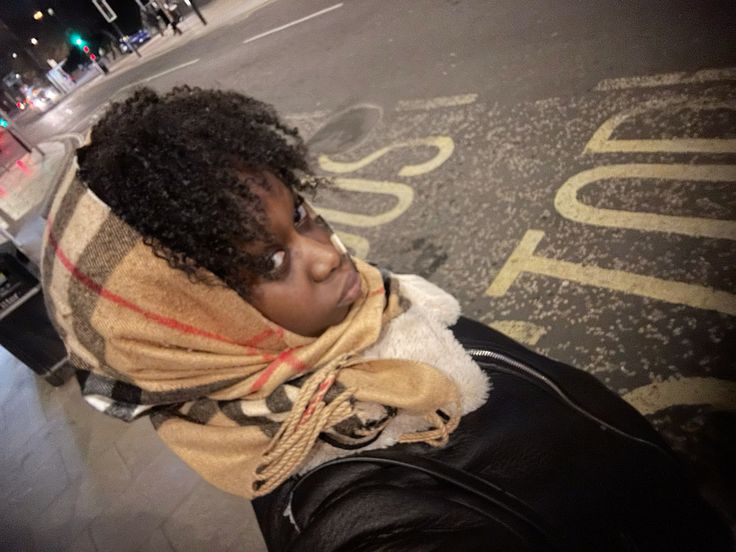
Fall clothing can create additional friction. Sweaters, scarves, jackets, and other fabrics may rub against your hair, especially around your nape and ends.
If you regularly wear textured clothing, consider hairstyles that keep your ends protected.
Satin or silk accessories can also help reduce friction. Choose materials that feel comfortable and avoid accessories that pull or snag your strands.
This is particularly useful if your hair is loose and frequently touches your shoulders or clothing.

13. Pay Extra Attention to Your Hairline
The hairline can be vulnerable to repeated tension, especially if you frequently wear slick styles, tight ponytails, braids, or extensions.
Avoid pulling your edges into the same position every day. Rotate hairstyles when possible and choose styles that do not create persistent tension.
If your hairline has already experienced breakage, give it time to recover rather than repeatedly covering the area with tight styles.
One of the simplest fall hair care tips for 4C hair is to make comfort a priority when styling.
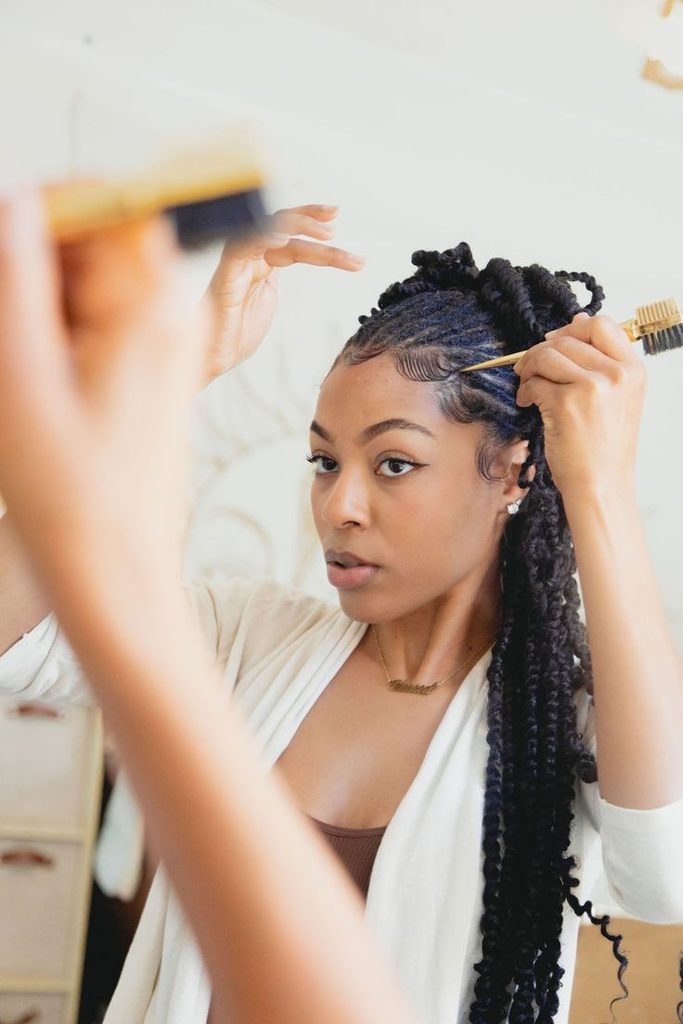
14. Keep Wash Day Consistent
Changing seasons does not mean you have to completely abandon your existing wash schedule.
Instead, look at how your scalp and hair respond. If you are washing too frequently and your strands feel dry, you may need to reassess your routine. If you are washing too infrequently and experiencing significant buildup, you may need more regular cleansing.
A consistent wash day routine gives you a foundation that you can adjust when necessary.
Your routine may also change depending on whether you wear your hair loose, in twists, braids, locs, or another style.
15. Consider Your Shampoo Carefully
If your hair becomes noticeably dry after washing, your cleanser may deserve another look.
A shampoo should effectively clean your scalp and hair without making the rest of your routine unnecessarily difficult.
If you prefer gentler cleansing, you can explore sulfate-free shampoos and compare how your hair responds. However, the absence of sulfates alone does not determine whether a shampoo will work for you.
Your washing technique, frequency, water temperature, conditioner, and overall routine also matter.
16. Add Hair Masks When Your Hair Needs Extra Care
If your hair has become especially dry or stressed, an occasional hair mask may be useful as part of your conditioning routine.
There is no need to use a mask simply because fall has arrived. Instead, consider your hair’s condition and whether your normal conditioner is enough.
For particularly dry or damaged strands, exploring hair masks may give you additional options for your routine.
Always follow product instructions and avoid combining too many intensive treatments without considering how your hair responds.
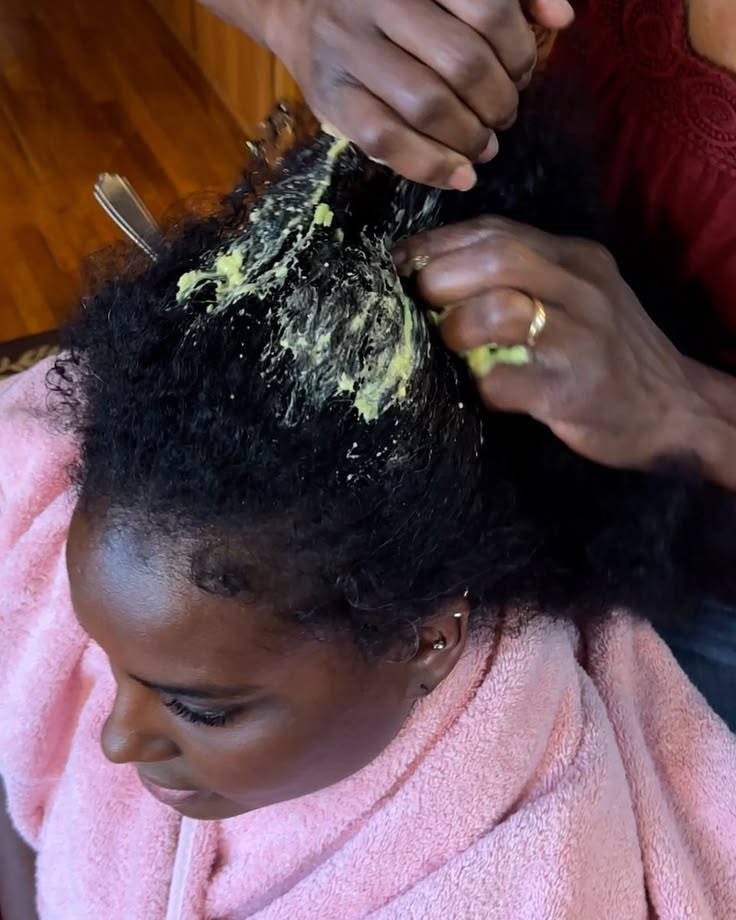
17. Use Hair Butters With Intention
Heavier butters can be useful when your hair needs additional softness or protection, particularly when lighter products are no longer enough.
However, not everyone needs a thick layer of butter throughout the season.
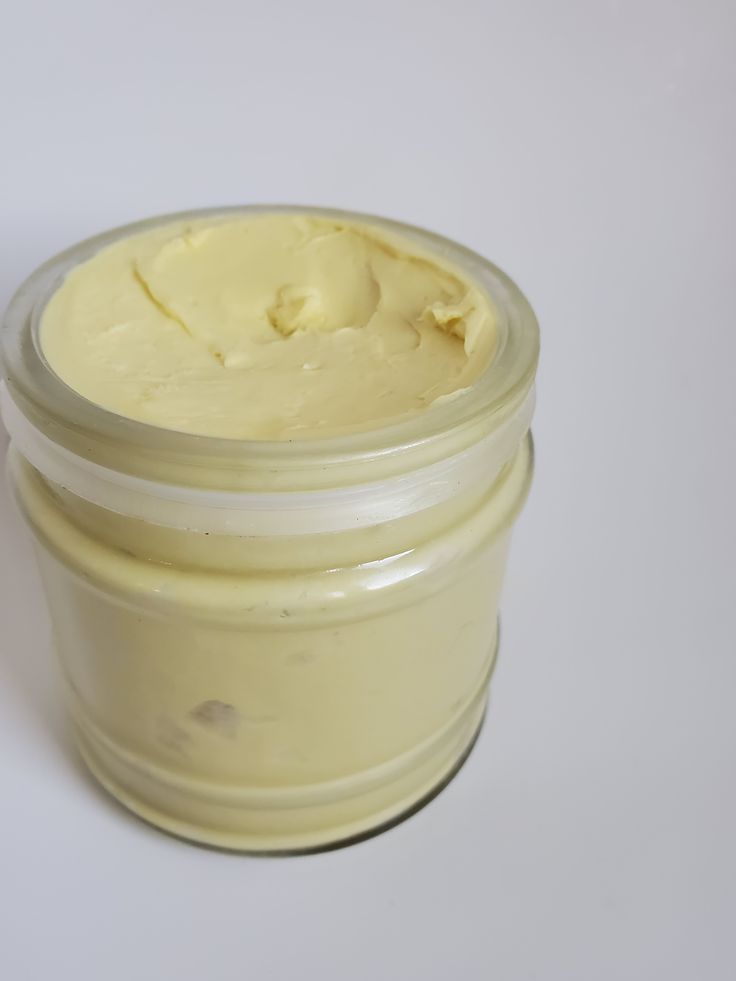
If you enjoy making your own products, homemade hair butter recipes can give you another option. Use small amounts at first and pay attention to whether your hair feels soft or simply coated.
The goal is to support moisture and manageability, not to cover your hair in product.
18. Be Thoughtful About Scalp Massage
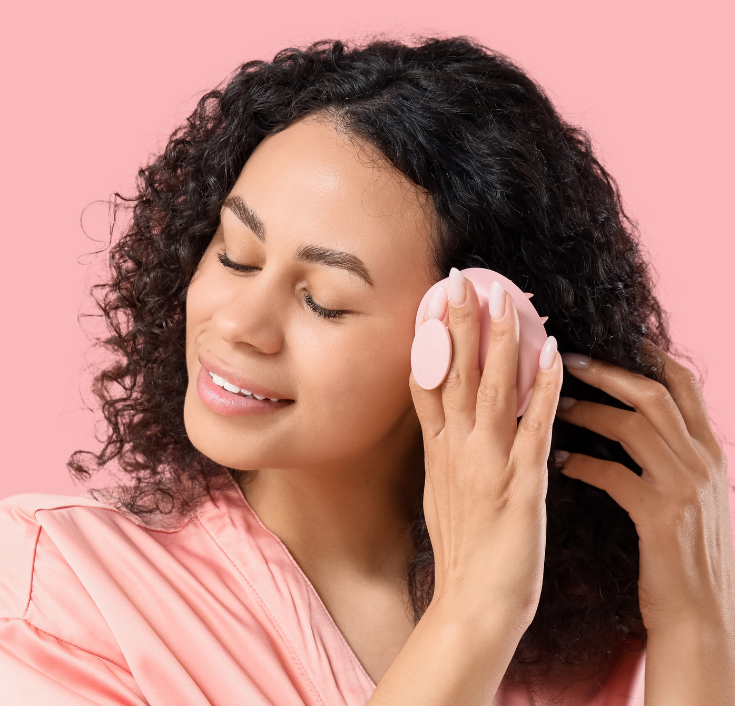
Scalp massage can be a relaxing addition to your routine, particularly when you want to spend a little more time caring for your scalp.
If you use oils during a massage, avoid applying excessive amounts. You can explore suitable scalp massage oils and choose an approach that fits your routine.
Massage should be gentle rather than aggressive. Pressing or scratching the scalp forcefully is unnecessary.
If your scalp is irritated, sore, or experiencing persistent symptoms, avoid treating the issue as something that simply needs more massage or oil.
19. Be Careful With Dry Indoor Air
Depending on your location and indoor environment, heating systems and air conditioning can affect how your hair feels.
If you notice that your hair becomes dry while spending long periods indoors, pay attention to how often you moisturize and whether your current products are still suitable.
Do not automatically respond by applying more oil. Start by checking whether your hair needs water-based moisture and whether your cleansing routine is appropriate.
Your environment can influence your routine, so fall hair care tips for 4C hair should always be adapted to where and how you actually live.
20. Protect Your Hair During Windy Weather
Wind can contribute to tangling, dryness, and friction, particularly when your hair is loose.
If you know you will be outside in windy conditions, consider a hairstyle that keeps your strands organized.
Scarves, hats, twists, buns, and other suitable styles can reduce how much your hair moves around and rubs against clothing.
Choose accessories carefully so that protecting your hair does not create new tension around your hairline.
21. Protect Your Hair at Night
Your nighttime routine can become even more useful when your hair is exposed to additional friction from fall clothing and bedding.
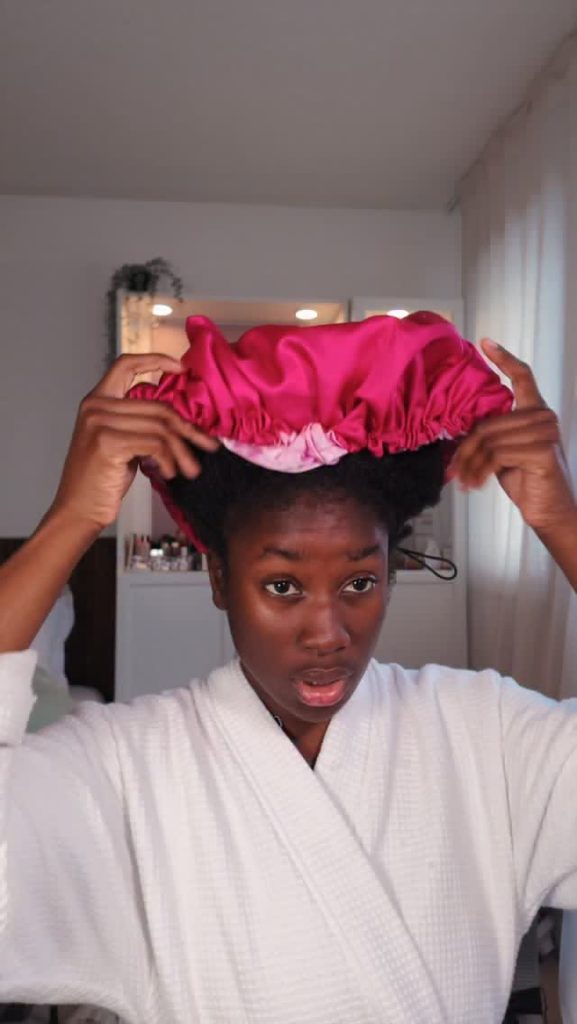
Use a satin or silk bonnet, scarf, or pillowcase if it works for you. Arrange your hair gently before bed instead of creating tight sections that place unnecessary tension on your scalp.
If your hair is loose, consider a simple nighttime style that keeps the ends organized.
A consistent nighttime routine can help reduce friction and make your morning routine easier.
22. Refresh Your Hair Without Overdoing It
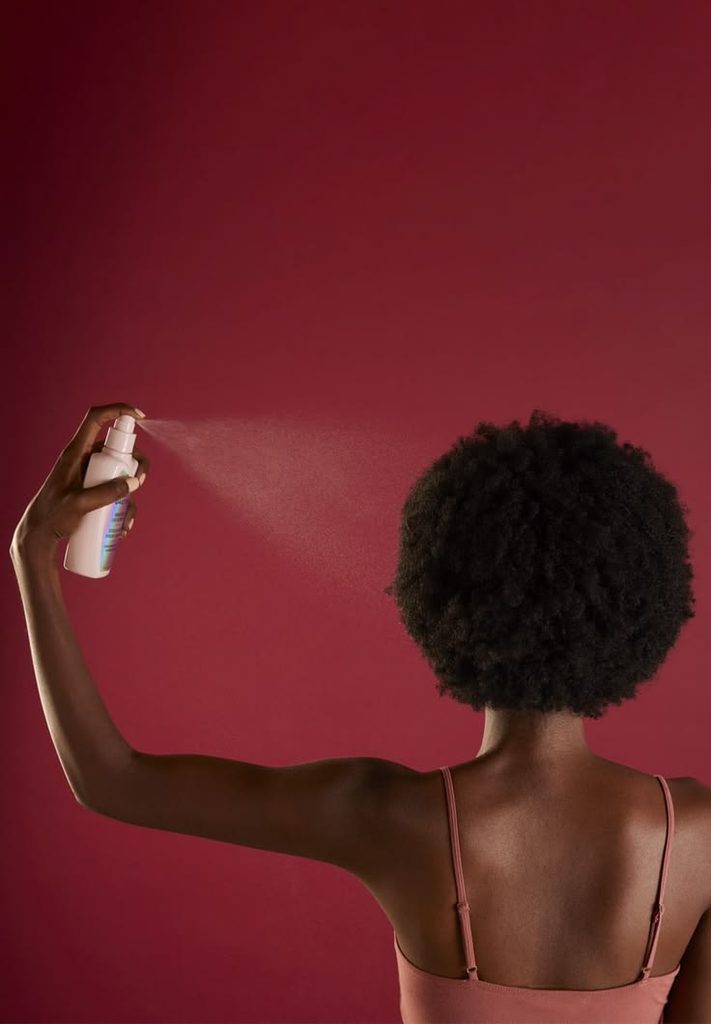
If your hairstyle becomes dry between wash days, you may want to refresh it. However, refreshing does not have to mean adding several new layers of product.
Lightly misting your hair with water or using a suitable moisturizer may be enough.
If your hair is already coated, adding more product can make the situation worse. Instead, consider whether it is time for your next wash.
A simple refresh can keep your hair manageable without creating unnecessary buildup.
23. Consider Aloe Vera for Lightweight Care
If you enjoy aloe-based products, fall can still be a good time to incorporate them into your routine.
Aloe vera can provide a lightweight option for people who prefer products that do not leave their hair feeling heavily coated.
You can check out some aloe vera treatments and determine whether they fit into your existing routine.
As with any ingredient, pay attention to how your hair responds. A product being natural does not automatically make it suitable for every person.

24. Keep an Eye on Scalp Dryness
Cooler weather can make scalp dryness more noticeable for some people. However, dryness, dandruff, irritation, and other scalp conditions are not always the same thing.
If you notice persistent flakes, itching, redness, or discomfort, learn about dry scalp and how it differs from other scalp concerns rather than automatically adding more oil.
Your scalp may need better cleansing, a change in product use, or professional evaluation depending on the symptoms.
Do not scratch aggressively when your scalp feels uncomfortable, as repeated scratching can irritate the skin.
25. Adjust Your Protective Style Choices
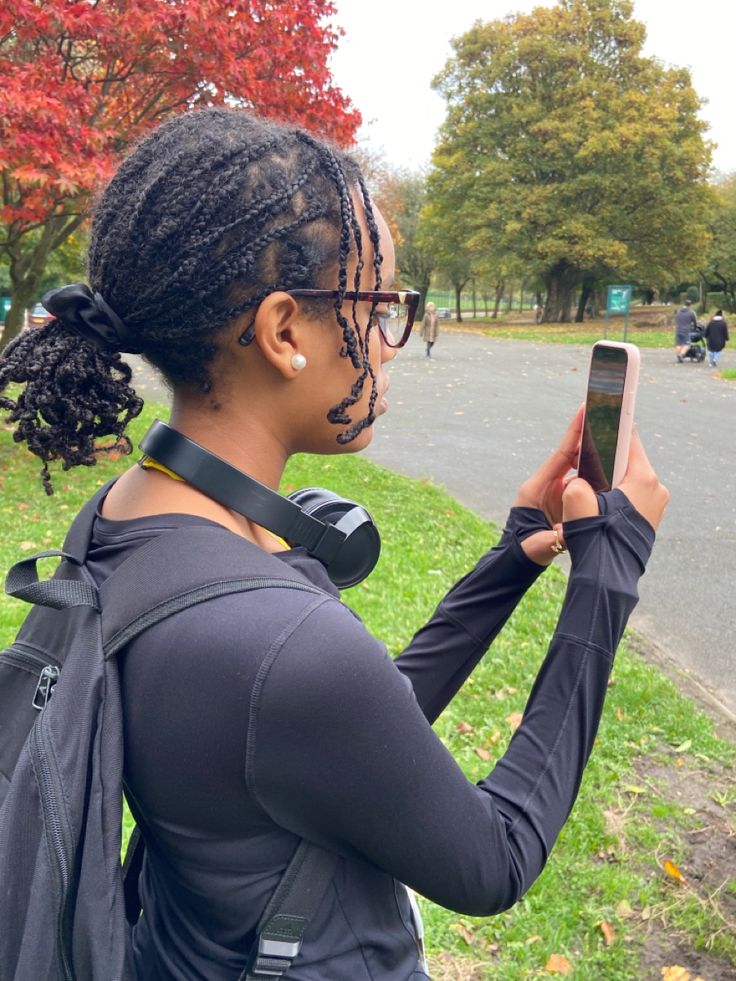
Fall can be a good season for protective styles, but your choice should still reflect your hair’s condition.
If your hair is recovering from breakage, consider styles that require less tension and manipulation. If your ends are particularly dry, choose styles that keep them protected.
You can also explore protective style ideas that fit your schedule without keeping your hair under tension for extended periods.
Remember that protective styling should make maintenance easier, not make your scalp or hairline uncomfortable.
26. Avoid Using Heat Just to Change the Season
Fall may inspire you to experiment with stretched styles, silk presses, blowouts, and other looks. There is nothing wrong with changing your hairstyle, but frequent heat use can add unnecessary stress.
If you use heat, prepare your hair appropriately and avoid repeatedly applying high temperatures to already dry or fragile strands.
You can also explore easy hairstyles that do not require heat and still give you plenty of styling options.
A seasonal hairstyle does not have to come at the expense of your hair’s condition.
27. Keep Your Hair Accessories Gentle
Scarves, hats, headbands, clips, and other accessories can make fall styling easier, but they should not create unnecessary tension or friction.
Look for smooth materials and accessories that fit comfortably. Avoid repeatedly using accessories that catch your hair or pull tightly around your edges.
You can also rotate accessories so the same area of your hair is not constantly exposed to friction.
Simple styling choices can make a meaningful difference when repeated throughout the season.

28. Pay Attention to Breakage
If you notice more hair breaking than usual, do not simply increase the number of products you use.
Look at your entire routine. Are you detangling too aggressively? Are your styles too tight? Are your ends excessively dry? Are you using heat frequently? Are you handling your hair more often than necessary?
Reviewing hair breakage causes can help you identify habits that may be contributing to the problem.
The goal is not just to add a product. It is to reduce the source of unnecessary stress wherever possible.
29. Use the Season to Improve Length Retention
Fall can also be a useful time to focus on retaining the growth you already have.
Hair growth happens at the scalp, but retaining length depends heavily on preventing excessive breakage and protecting the ends.
Reviewing your length retention routine can help you identify habits that support healthier ends and less manipulation.
Gentle detangling, appropriate moisture, protective styling, and reducing unnecessary friction can all contribute to better length retention over time.
You do not need to chase rapid growth. Focus on creating conditions that allow your existing hair to remain on your head.
30. Prepare for the Next Seasonal Change
Fall does not last forever, so your routine should remain flexible.
As temperatures and weather conditions change again, pay attention to how your hair responds instead of automatically following a seasonal checklist.
Keep track of which products leave your hair comfortable, how frequently you need to cleanse, which styles work well, and which habits seem to contribute to dryness or breakage.
The best fall hair care tips for 4C hair are not about following a rigid routine. They are about paying attention, making sensible adjustments, and maintaining habits that support the health of your strands.
If you’d like more seasonal guidance, you’ll find practical tips in our articles on spring hair care for 4C hair, summer hair care guide, rainy season hair care tips, winter hair care routine, and how to protect your hair during Harmattan.
Final Thoughts

The transition into fall is a good reminder that natural hair care does not have to remain exactly the same throughout the year. Changes in temperature, humidity, clothing, activity, and daily routines can all influence what your hair needs.
The most useful fall hair care tips for 4C hair are therefore simple: maintain moisture, cleanse appropriately, protect your ends, handle your strands gently, pay attention to your scalp, and choose styles that do not create unnecessary tension.
You do not need a completely new collection of products to care for your hair during the season. Start with the routine you already have, identify what is no longer working, and make small adjustments where necessary.
With consistent care and a willingness to respond to your hair’s changing needs, you can move through fall with a routine that keeps your 4C hair manageable, protected, and easier to maintain.


One Comment