
Winter Hair Care Routine to Prevent Dryness
Disclosure: Some of the links in this post are affiliate links. This means if you click on the link and purchase an item, I will receive an affiliate commission at no extra cost to you.
Winter can be a difficult season for natural 4C hair. Colder temperatures, dry indoor air, low humidity, and frequent exposure to heaters can leave the hair feeling rough, brittle, and harder to manage. For hair that already tends to lose moisture quickly, these seasonal changes can make dryness even more noticeable.
A good winter hair care routine does not need to involve a long list of products or complicated steps. The goal is to help your hair retain moisture, reduce unnecessary manipulation, protect the ends, and keep your scalp comfortable throughout the colder months. Small changes to how you wash, moisturize, style, and protect your hair can make a significant difference.
For many people with 4C hair, winter dryness also brings familiar problems such as tangling, breakage, excessive shedding, and difficulty maintaining soft hair between wash days. Having a consistent routine makes it easier to manage these issues before they become frustrating.
If you are still building your foundation, knowing the basic 4C hair characteristics can help you understand why your hair may respond differently to seasonal changes. Your hair’s density, strand thickness, porosity, and curl pattern all influence how it holds onto moisture.
Why Winter Can Make 4C Hair Feel Drier
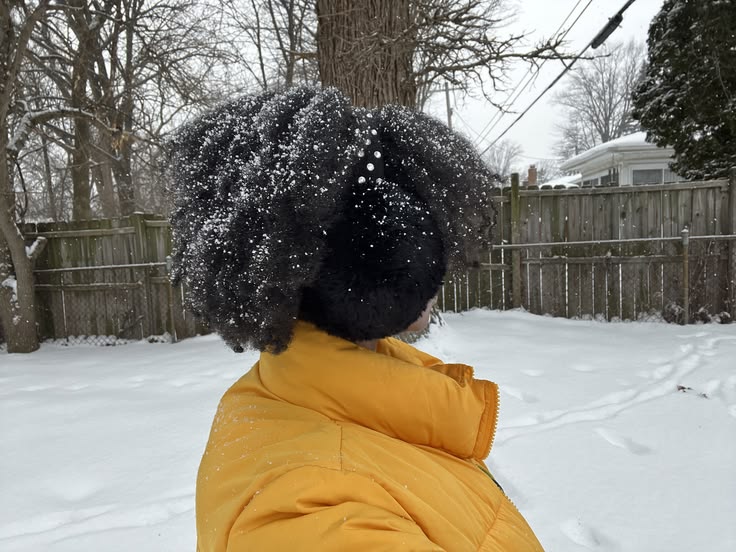
Cold weather itself does not necessarily remove moisture from your hair directly, but the conditions that come with winter can make moisture retention more difficult. Lower humidity means there is less moisture in the surrounding air, while indoor heating can make the environment even drier.
Frequent changes between cold outdoor air and warm indoor spaces can also affect how your hair feels. If your hair is already dry before winter begins, these environmental changes may make the problem more obvious.
Another factor is how often you manipulate your hair. When hair feels rough, you may be tempted to apply more products, brush it more frequently, or restyle it repeatedly.
Unfortunately, excessive handling can contribute to breakage, particularly when the strands are dry.
Your hair porosity can also influence how your strands respond to moisture. Understanding whether you have low, medium, or high porosity hair can help you choose products and techniques that work with your hair rather than against it.
Start Your Winter Routine With Moisture
Moisture should be one of the main priorities in your winter routine. However, moisturizing your hair does not mean repeatedly covering dry strands with heavy products.
A useful approach is to begin with water or a water-based product, then use a moisturizer or leave-in conditioner before applying an oil or butter when appropriate. This helps create a routine focused on retaining moisture rather than simply coating the hair.
Your regular leave-in conditioner can be especially useful during winter because it provides an additional layer of conditioning after wash day. Choose one that leaves your hair soft without creating excessive buildup.
You do not necessarily need to moisturize your entire head every day. Instead, pay attention to how your hair feels. If the strands become rough, stiff, or difficult to manipulate, they may need some additional moisture.
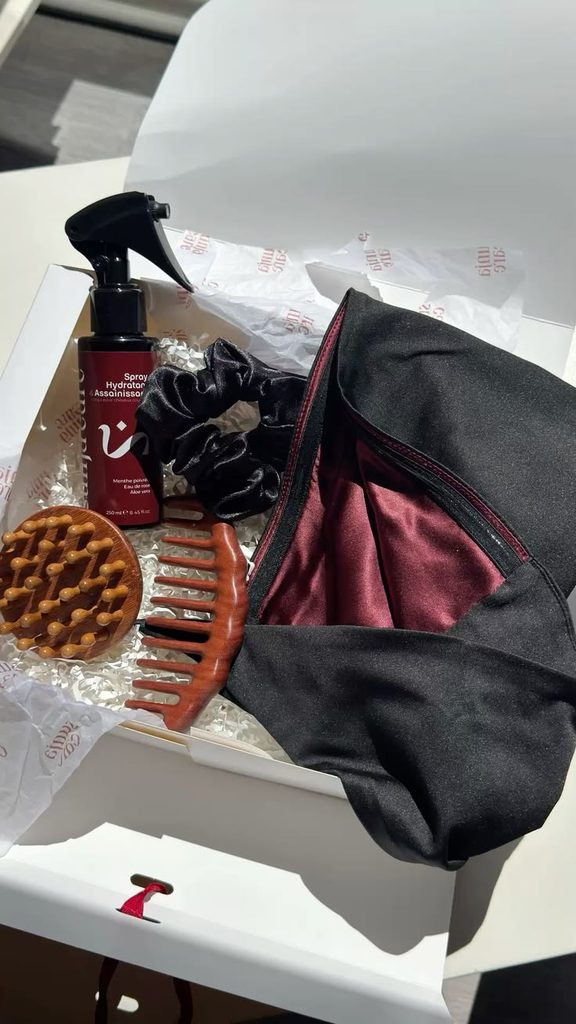
For particularly dry sections, lightly mist the hair with water before applying a small amount of leave-in conditioner. Avoid soaking the hair unnecessarily, especially if you plan to cover it immediately.
Do Not Skip Deep Conditioning
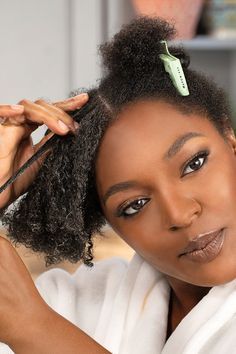
Deep conditioning can become especially useful when your hair is struggling with winter dryness. Regular conditioning helps improve softness and manageability, while a deeper conditioning session gives you more time to soften the strands and make detangling easier.
Depending on your hair’s needs, you may deep condition after washing once every week or every two weeks. If your hair feels soft and manageable with less frequent treatments, you do not need to force a weekly schedule.
Look for a conditioner that provides enough slip for your hair and leaves the strands feeling soft rather than coated. If your hair has experienced coloring, frequent heat styling, or significant dryness, a hair mask may also be useful as part of your routine.
However, adding more treatments is not always better. Pay attention to how your hair responds and adjust your routine when necessary.
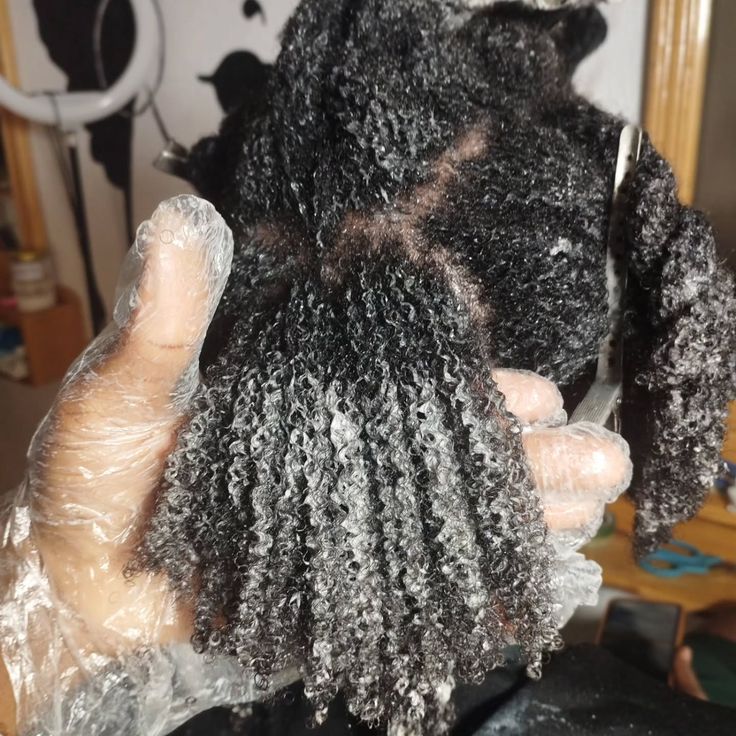
Adjust Your Wash Day Routine
Your usual wash day may need a few adjustments during winter. You may notice that washing too frequently leaves your hair feeling drier, particularly if your shampoo is strongly cleansing or your hair is not properly conditioned afterward.
This does not mean you should avoid washing your hair throughout winter. Your scalp still needs regular cleansing to remove sweat, oil, dead skin cells, and product buildup.
Instead, focus on using a gentle cleanser and following it with adequate conditioning. A sulfate-free shampoo may be worth considering if your current cleanser leaves your hair feeling excessively stripped.
How often you wash depends on your scalp, lifestyle, products, and personal routine. Someone who exercises frequently may need to cleanse more often than someone whose scalp remains comfortable for longer periods.
If you have significant buildup, occasional use of a clarifying shampoo can help remove residue. However, clarifying should not replace regular gentle cleansing.
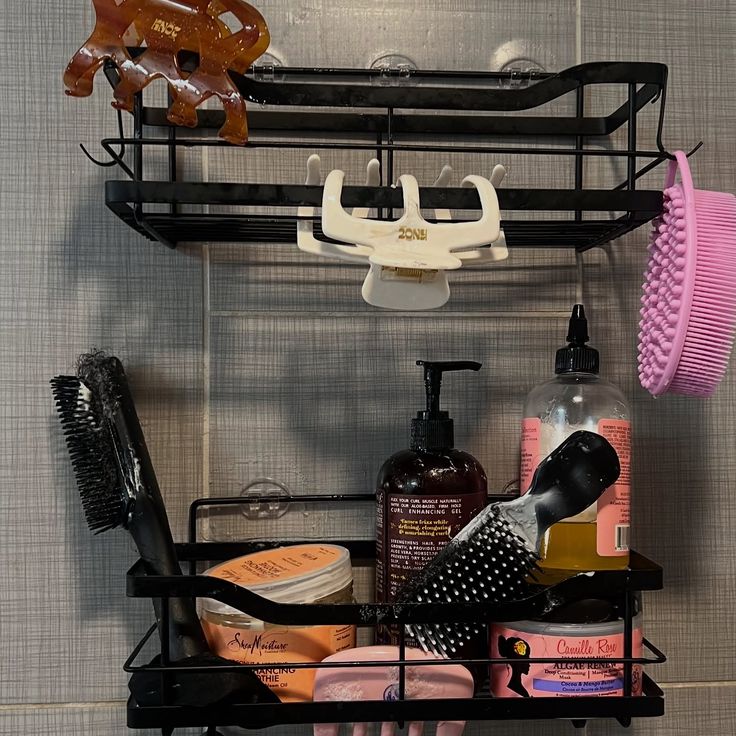
Keep Your Scalp Comfortable
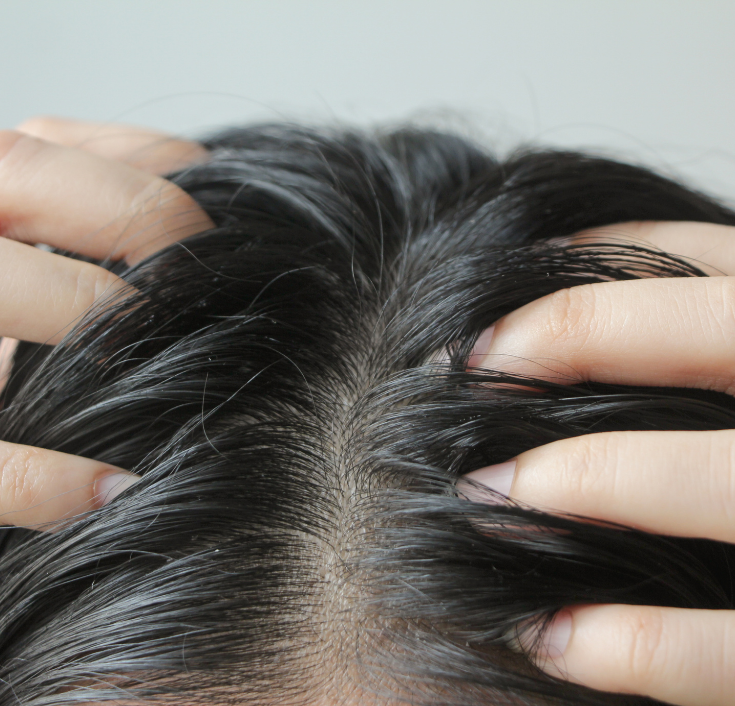
Winter dryness can affect more than your strands. Your scalp may also feel tight, flaky, or uncomfortable when the surrounding air becomes dry.
However, not every visible flake means your scalp simply needs more oil. Dry scalp and dandruff can have different causes, so paying attention to what you are experiencing matters.
Understanding the difference between dry scalp and dandruff can help you avoid treating the wrong problem.
Avoid scratching your scalp aggressively when it feels uncomfortable. Scratching can irritate the skin and make the area more sensitive.
If your scalp feels dry without signs of significant irritation, a lightweight scalp care routine may be enough. Some people also enjoy occasional scalp massage, which can make product application more relaxing while helping distribute a small amount of product across the scalp.
You do not need to saturate your scalp with oil to keep it comfortable. Heavy application can contribute to buildup, especially when combined with styling products.
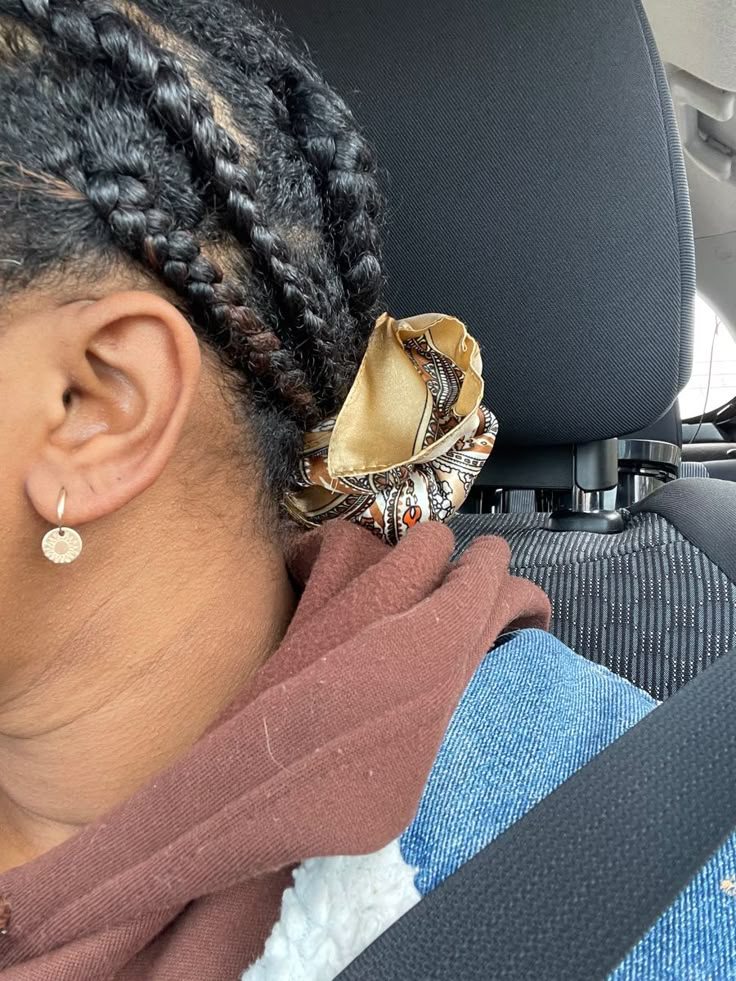
Protect Your Hair at Night
Nighttime protection becomes particularly useful when you are trying to maintain moisture during winter. Cotton pillowcases can create friction and absorb some of the products and moisture on your hair.
A satin or silk scarf, bonnet, or pillowcase can reduce friction while you sleep. The most important thing is choosing an option that stays comfortably in place without creating excessive tension around your edges.
Before covering your hair, you can gently gather it into a loose style rather than pulling it tightly. Your goal is to protect the strands without creating unnecessary stress.
A simple nighttime routine can therefore include lightly moisturizing dry areas, gently securing the hair, and covering it before bed.

Choose Protective Styles Carefully
Protective styles can make winter maintenance easier because they reduce the amount of daily manipulation your hair experiences. Braids, twists, cornrows, and other low-manipulation styles can help keep your ends tucked away.
However, not every protective style is automatically protective. A style that is installed too tightly or left in for too long can create other problems.
Your protective styling routine should prioritize comfort, manageable tension, and proper maintenance. If your scalp feels painful after installation, that is a sign that the style needs attention rather than something you should simply tolerate.
Moisturize your hair before installing a long-term style, and avoid waiting until the hair becomes extremely dry before giving it attention.
Also consider how the style will affect your scalp. A style that makes cleansing or moisturizing difficult may not be the best choice for your particular routine.

Pay Extra Attention to Your Ends
Your ends are the oldest part of your hair and have experienced the most manipulation and environmental exposure. During winter, they can become particularly vulnerable to dryness and breakage.
Keeping your ends moisturized and protected can help reduce unnecessary damage. When applying products, do not stop at the middle of your hair. Give the ends attention as well.
You can also reduce excessive brushing and combing. If you notice frequent tangles, gentle hair detangling techniques can make a difference. Work in sections, use adequate slip, and avoid forcing a comb through tightly tangled strands.
Protecting the ends is also one reason styles such as twists, braids, and buns can be useful when done correctly. The less unnecessary manipulation your ends receive, the easier it may be to maintain your existing length.
Use Oils and Butters Without Overdoing Them
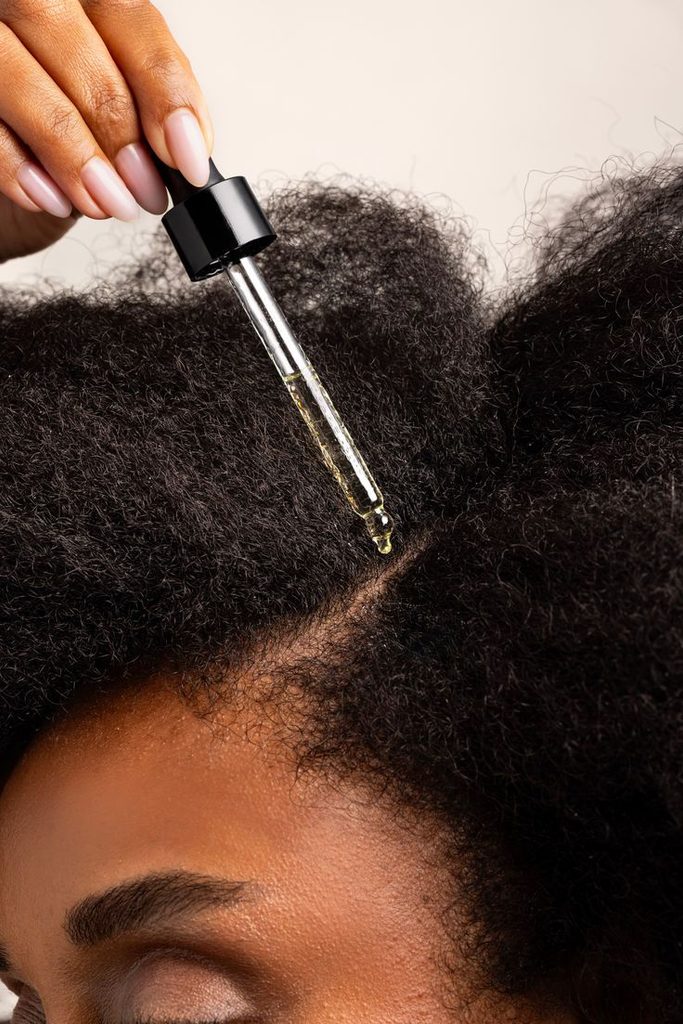
Oils and hair butters can be useful additions to a winter routine, particularly when used to help seal in moisture or reduce the feeling of dryness.
However, oil is not a substitute for water. Applying oil to extremely dry hair may make the hair feel coated without actually providing the hydration it needs.
A better approach is to apply a small amount of oil after moisturizing when your hair benefits from that extra layer. You can experiment with different hair oils and observe which ones leave your hair soft without making it greasy or weighed down.
Hair butter can also be useful for thicker or very dry areas. Homemade formulas are not necessary, but if you enjoy making your own products, simple homemade hair butter recipes can give you more control over the ingredients.
Use small amounts at first. It is much easier to add more product than to remove a heavy buildup from your hair.
Be Careful With Heat
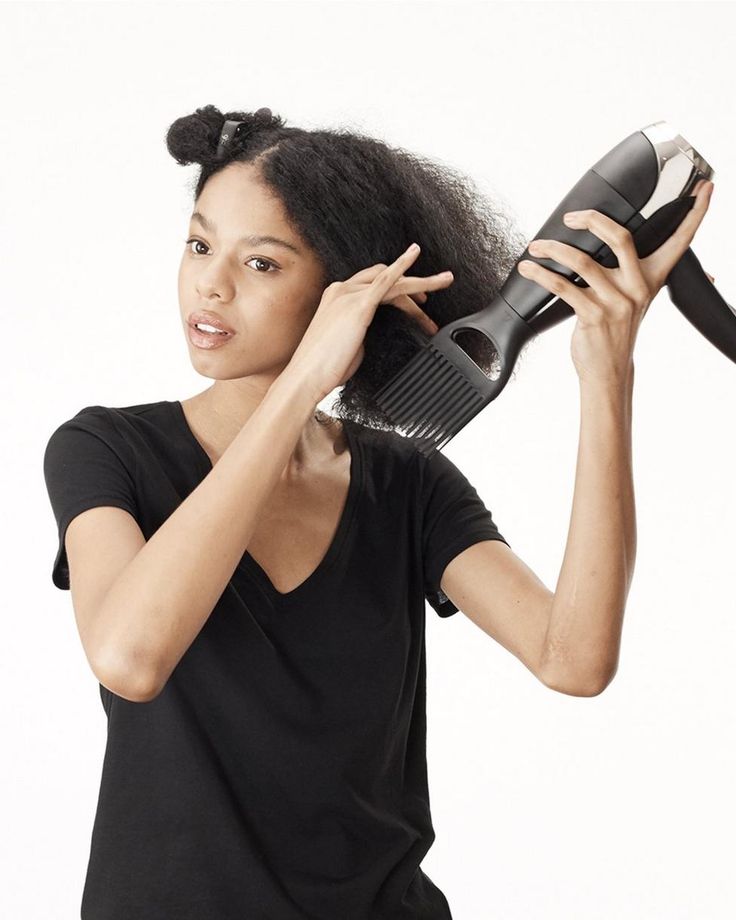
Cold weather can make it tempting to use heat more often. You may want your hair to dry faster after washing, or you may use a blow dryer to avoid going outside with wet hair.
If you use heat, keep the temperature reasonable and use a heat protectant. Excessive heat can contribute to dryness and breakage, particularly when the hair is already compromised.
Air drying is an option when practical, but avoid keeping your hair soaking wet for unnecessarily long periods. Gently remove excess water with a soft towel or T-shirt and allow the hair to dry comfortably.
If you regularly use blow dryers, flat irons, or curling tools, consider reducing the frequency during periods when your hair is already feeling fragile.
Reduce Unnecessary Manipulation
Winter is not the best time to constantly change your hairstyle if your hair is already dry and fragile. Every detangling session, restyling session, and tight hairstyle can create additional opportunities for breakage.
Instead, find a few simple styles that allow you to maintain your hair with minimal handling.
Loose buns, chunky twists, simple puffs, and other low-manipulation options can help you move through the week without repeatedly disturbing your strands. If you enjoy changing your appearance frequently, alternate between styles that require more manipulation and simpler options.
Your low manipulation styles do not have to be boring. The goal is simply to give your strands periods of reduced handling.
This is especially useful if you are working on length retention because preserving your existing length depends partly on reducing preventable breakage.
Protect Your Hair From Winter Accessories
Hats, scarves, coats, and sweaters can rub against your hair throughout the day. Repeated friction may contribute to frizz, tangling, and breakage.
If you wear wool or other rough materials, consider wearing a satin or silk layer underneath your hat. This creates a smoother surface between your hair and the fabric.
Pay particular attention to your edges and nape because these areas can experience repeated friction from collars, scarves, and hats.
You should also avoid tying scarves too tightly around your hairline. Comfort matters just as much as appearance.

Refresh Dry Hair Between Wash Days
Your hair does not always need a complete wash day when it starts feeling slightly dry. A simple refresh may be enough.
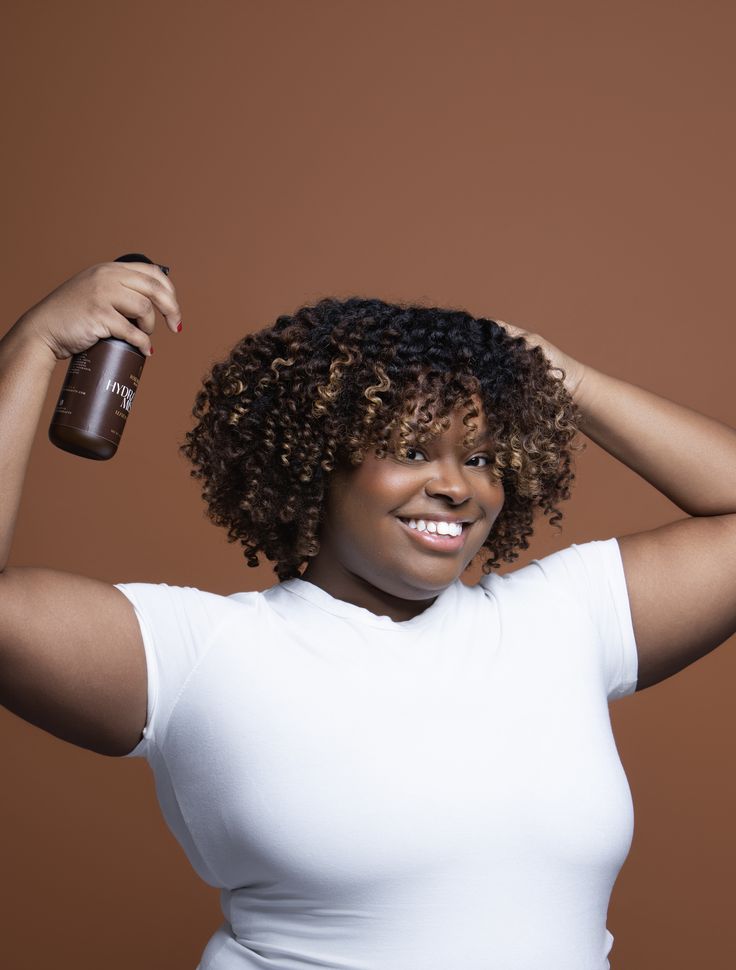
Lightly mist the hair with water or a suitable moisturizing spray, then gently smooth the product through the driest areas. Follow with a small amount of leave-in conditioner if needed.
For very dry ends, a tiny amount of oil or butter can help reduce roughness after moisturizing.
Avoid repeatedly adding product without cleansing. If your hair feels coated, sticky, heavy, or dull, the problem may be buildup rather than a lack of moisture.
A balanced routine involves knowing when to moisturize and when to wash.
Avoid Sleeping With Wet Hair
Moisture is helpful, but keeping your hair soaking wet for extended periods is not the goal. Going to bed with wet hair can also make your nighttime routine uncomfortable and may leave your hair more prone to tangling.
After washing, gently remove excess water and allow your hair to dry before covering it for the night.
If you need to speed up the process, use a blow dryer on a low or cool setting rather than applying high heat directly to wet hair.
The goal of a good winter hair care routine is not simply to add as much moisture as possible. It is to maintain a sensible balance between hydration, conditioning, protection, and cleansing.
Do Not Ignore Signs of Breakage
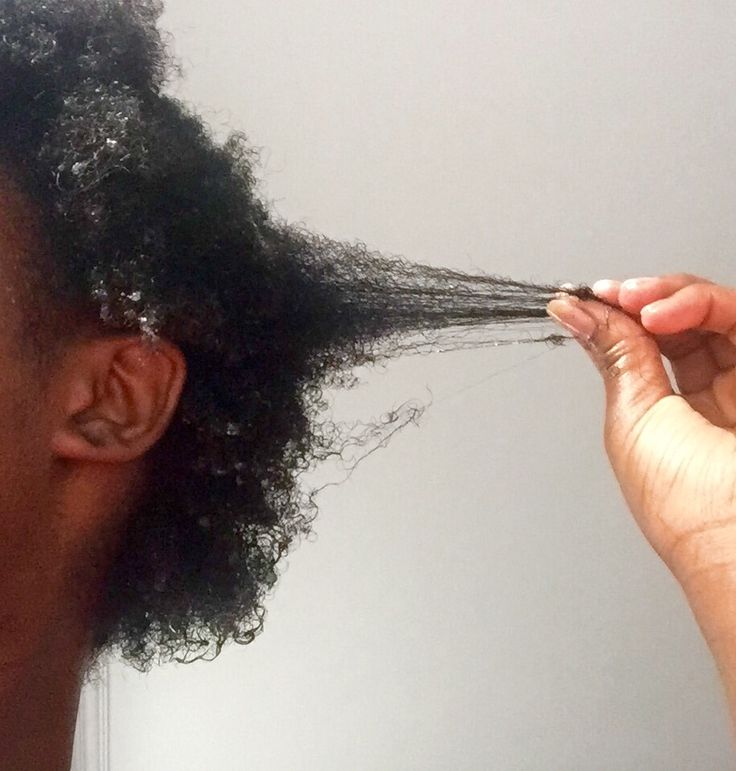
Dryness and breakage often appear together, but they are not exactly the same thing. Hair that feels dry may still be strong, while brittle hair may snap easily during manipulation.
Pay attention to excessive short broken pieces, thinning ends, or an increasing amount of hair snapping during detangling.
If breakage becomes a regular problem, review your entire routine rather than adding another product immediately. Consider whether you are manipulating the hair too often, using excessive heat, neglecting conditioning, or keeping tight styles for too long.
Your 4C hair breakage routine should focus on identifying the cause rather than simply covering up the symptoms.
A Simple Winter Routine You Can Follow
You do not need a complicated schedule to protect your hair throughout winter. A simple routine can be enough when you follow it consistently.
Wash day: Cleanse your scalp, condition your hair thoroughly, detangle gently, and apply your leave-in conditioner.
During the week: Check how your hair feels rather than automatically adding products every day. Lightly refresh dry areas when necessary.
At night: Protect your hair with a satin or silk bonnet, scarf, or pillowcase.
Every one to two weeks: Deep condition according to your hair’s needs.
When styling: Choose low-manipulation options and avoid unnecessary tension.
Throughout winter: Pay attention to your ends, scalp, and overall hair condition and adjust your routine when something is not working.
If you already have a weekly hair care routine, you may only need to make a few seasonal adjustments rather than creating an entirely new routine.
What to Avoid During Winter
A few common habits can make winter dryness worse. Try to avoid:
- Washing with extremely hot water
- Using excessive heat to dry or style the hair
- Applying large amounts of oil to already dry hair
- Repeatedly brushing or combing dry hair
- Wearing tight protective styles
- Ignoring painful hairstyles
- Leaving buildup on the scalp for long periods
- Skipping conditioning after shampooing
- Wearing rough winter fabrics directly against your hair
- Neglecting your ends
- Constantly changing hairstyles when your hair is fragile
Your routine does not have to be perfect. Consistency and gentle handling usually matter more than having a large collection of products.
Build a Routine Around Your Hair’s Needs
There is no single winter hair care routine that will work exactly the same way for everyone with 4C hair. Your porosity, density, strand thickness, lifestyle, styling habits, and scalp needs all influence what works best.
Someone with high-porosity hair may need to focus heavily on moisture retention, while someone with low-porosity hair may find that heavy products quickly create buildup.
Similarly, someone who wears protective styles throughout winter will have different maintenance needs from someone who wears their hair loose.
This is why paying attention to your own hair is more useful than copying someone else’s entire routine.
If your hair constantly feels dry despite regular moisturizing, take a closer look at your products and habits. Your hair moisture balance may be affected by excessive cleansing, buildup, insufficient conditioning, or simply using products that do not work well for your hair.
A seasonal routine should support your hair rather than make it harder to manage.
If you’d like more seasonal guidance, you’ll find practical tips in our articles on spring hair care for 4C hair, summer hair care guide, fall hair care tips, rainy season hair care routine, and how to protect your hair during Harmattan.
Final Thoughts

The most effective winter routine is usually not the one with the most steps. It is the one you can maintain consistently while keeping your hair moisturized, conditioned, protected, and easy to manage.
Focus on gentle cleansing, regular conditioning, sensible moisture application, careful detangling, and protection from friction. Give your ends extra attention, limit unnecessary manipulation, and choose hairstyles that do not put excessive tension on your scalp or hairline.
Most importantly, do not wait until your hair becomes extremely dry or starts breaking before making adjustments. Checking your hair regularly allows you to respond to changes early.
A good winter hair care routine should make your 4C hair easier to manage through the colder season while supporting healthy-looking, comfortable, and well-maintained strands. With a few thoughtful changes, winter does not have to mean constantly fighting dryness.



3 Comments