
40 Winter Hair Care Ideas to Prevent Dryness
Disclosure: Some of the links in this post are affiliate links. This means if you click on the link and purchase an item, I will receive an affiliate commission at no extra cost to you.
Winter can be especially challenging for 4C hair because cold, dry air can leave your strands feeling rough, brittle, and difficult to moisturize. The good news is that you do not need an overly complicated routine to keep your hair comfortable throughout the season.
The best winter hair care ideas focus on keeping moisture in your strands, protecting your ends, caring for your scalp, and reducing the habits that make dryness worse. Small changes, such as adjusting how often you wash your hair, using richer products, covering your hair at night, and choosing low-manipulation styles, can make a noticeable difference.
Your hair may also need a slightly different routine during Harmattan or other particularly dry periods. Paying attention to how your hair and scalp respond can help you decide when to add moisture, when to cleanse, and when to simplify your styling routine.

Here are 40 practical winter hair care ideas to help keep 4C hair soft, moisturized, and easier to manage.
1. Start With a Moisture-Focused Routine
One of the most useful winter hair care ideas is to build your routine around moisture rather than trying to fix dryness after it becomes severe.
Your winter routine can include a gentle cleanser, moisturizing conditioner, leave-in conditioner, hair butter, and a lightweight or rich oil depending on how your hair responds. You do not necessarily need every product at every stage.
The goal is to create a routine that leaves your hair comfortable without making it excessively coated.
If your regular routine works well during warmer months but leaves your hair dry in winter, this is a good time to adjust it. You can also review your daily hair care routine and identify which steps need more attention.
2. Deep Condition More Consistently
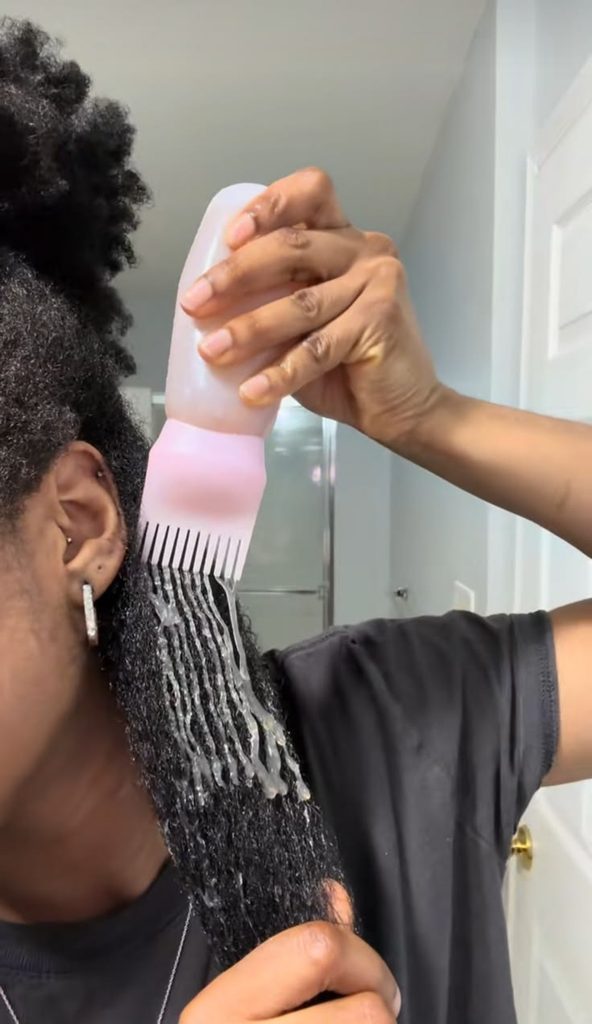
Deep conditioning can help make dry 4C hair softer and easier to manage. Winter weather can increase the feeling of dryness, especially when your hair is already prone to losing moisture.
After shampooing, apply a moisturizing deep conditioner and allow it to sit according to the product instructions. Covering the hair with a plastic cap can help create a warm environment that makes the conditioning process more comfortable.
Choose a product that leaves your hair soft rather than one that makes it feel stiff or coated. You can also explore Best Deep Conditioners for Dry 4C Hair when choosing products for your winter routine.
3. Use a Richer Hair Butter
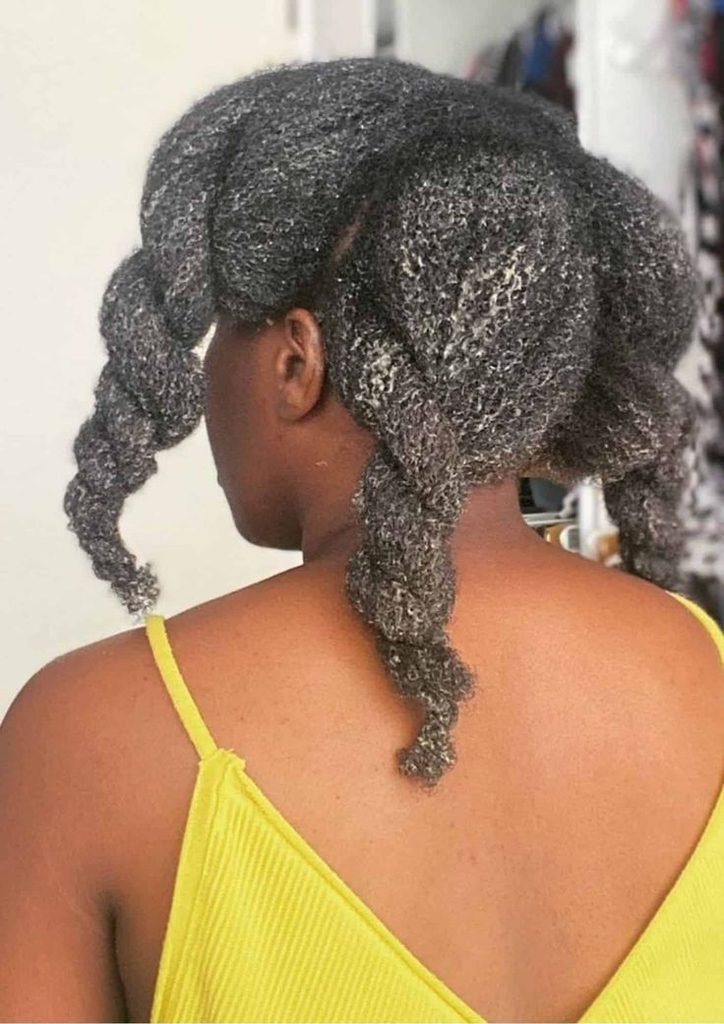
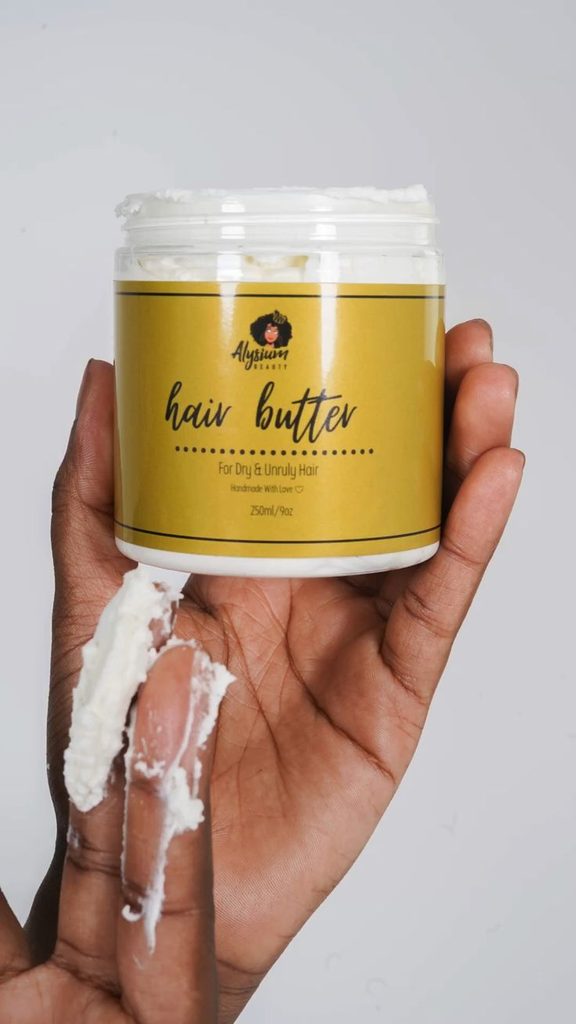
If your regular moisturizer is no longer enough, adding a richer butter can help reduce the dry feeling that often appears during colder, drier weather.
Hair butters can be particularly useful for sealing moisture into the hair and keeping the strands feeling soft between wash days. Shea butter, mango butter, and other formulated hair butters are common options.
You can also make your own blend if you enjoy DIY hair care. Our guide to Homemade Hair Butter Recipes can give you ideas for creating richer treatments at home.
4. Do Not Wait Until Your Hair Feels Extremely Dry
A common mistake is waiting until your hair feels rough before adding moisture.
By the time your strands feel extremely dry, they may already be more difficult to detangle and more vulnerable to breakage. Instead, pay attention to early signs such as dullness, roughness, increased tangling, or ends that feel unusually dry.
Your hair does not need to be soaking wet every day. It simply needs enough moisture to remain flexible and manageable.
These small adjustments are among the most practical winter hair care ideas because prevention is usually easier than trying to restore severely dry hair.
5. Seal Moisture After Moisturizing
Applying a moisturizer without paying attention to what happens afterward may not be enough for very dry hair.
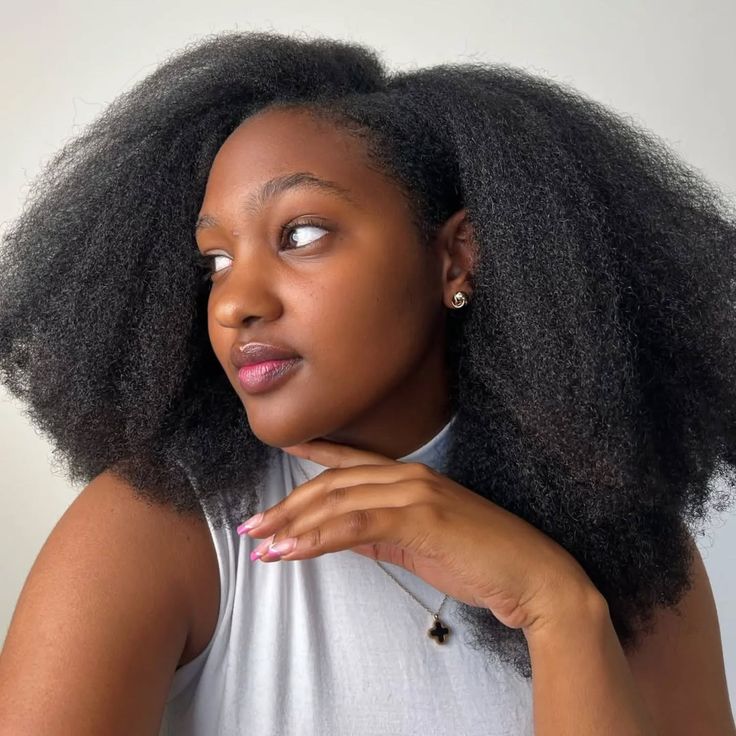
After applying a water-based moisturizer or leave-in conditioner, you can use a small amount of oil or butter to help reduce moisture loss. Your hair does not need to feel greasy. Start with a small amount and increase only if your strands need more.
If you are unsure why your hair becomes dry again shortly after moisturizing, Why Your Hair Won’t Hold Moisture can help you troubleshoot the problem.
6. Pay Extra Attention to Your Ends
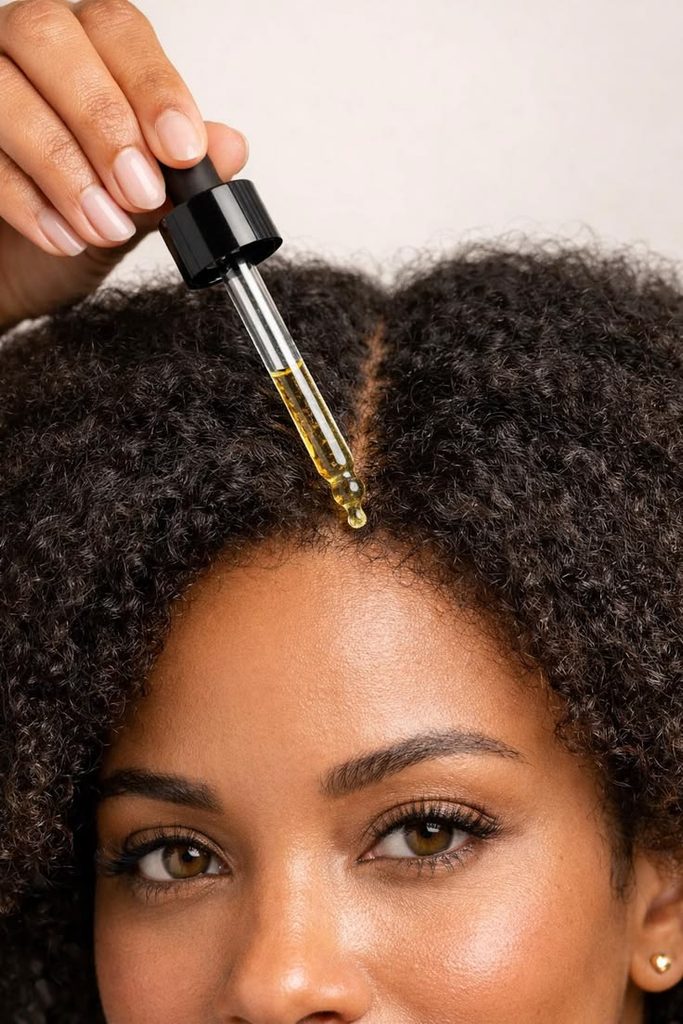
Your ends are the oldest and most fragile parts of your hair, so they often need extra protection during dry weather.
When moisturizing your hair, make sure the ends receive some attention. You can also apply a small amount of butter or oil to the ends before putting your hair into a protective style.
If your ends are constantly splitting or breaking, moisture alone may not solve the problem. You may need to trim damaged ends and reduce manipulation.

7. Protect Your Hair From Harmattan
In places where Harmattan brings dusty, dry air, your hair may need additional protection during the season.
Covering your hair outdoors, moisturizing consistently, and choosing low-manipulation styles can help reduce exposure. A scarf, bonnet, hat, or protective hairstyle can also make your routine easier.
For more seasonal guidance, see How to Protect Your Hair During Harmattan and adjust those tips to your environment.

8. Choose a Gentle Shampoo
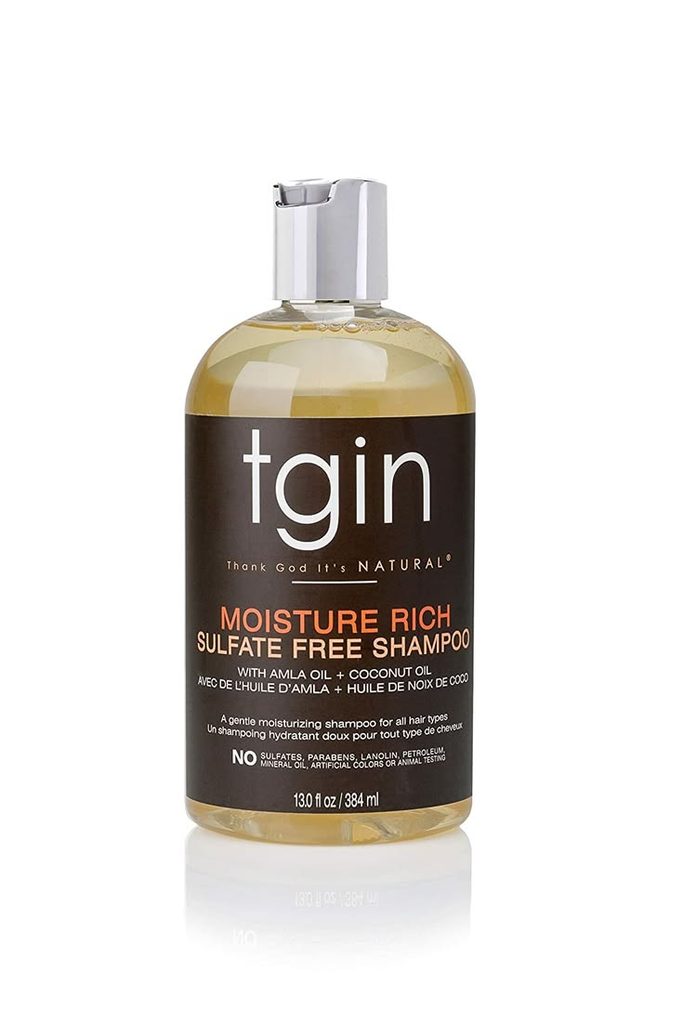
Cleansing is still necessary during winter. However, using a shampoo that leaves your hair extremely stripped can make dryness harder to manage.
Look for a cleanser that removes sweat, dirt, and product buildup without leaving your strands feeling rough afterward. You can compare options in The Best Shampoos for 4C Hair when looking for a suitable cleanser.
How often you wash also matters, so consider your scalp condition, styling routine, and level of buildup instead of following a rigid schedule.
9. Avoid Very Hot Water
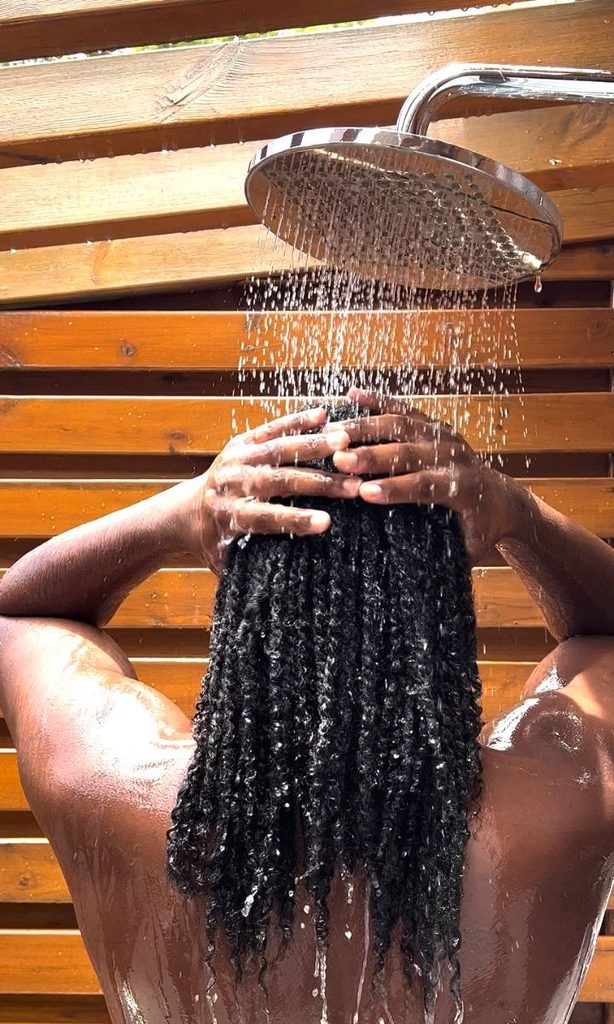
A steaming hot shower may feel comforting in cold weather, but very hot water can leave your skin and hair feeling drier.
Use comfortably warm water when washing your hair instead. You can finish with cooler water if that feels comfortable, but there is no need to make your wash day unpleasant.
Keeping the water temperature moderate is a simple change that can make your winter routine more comfortable.
10. Keep Your Scalp Clean
Dry weather does not mean you should stop cleansing your scalp.
Sweat, oil, styling products, and environmental particles can accumulate around the scalp. A dirty scalp can also become uncomfortable and itchy, especially when you regularly wear hats, scarves, wigs, or protective styles.
Pay attention to what your scalp actually needs rather than assuming every winter scalp problem is caused by dryness.
For a broader approach, see Healthy Scalp, Healthy Hair: Everything You Need to Know.
11. Do Not Assume Every Flake Means Dry Scalp
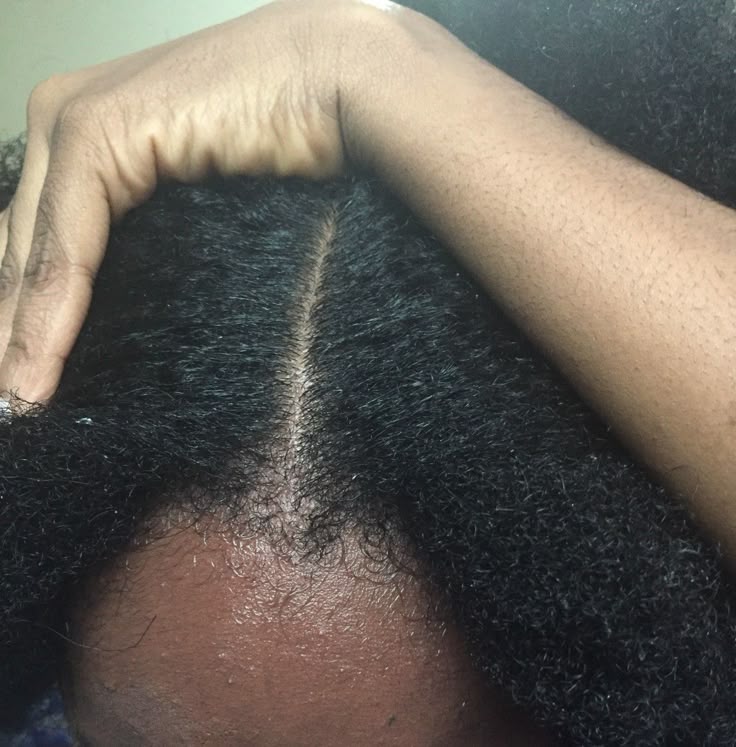
White flakes can have different causes, so adding more oil is not always the answer.
Dry scalp, dandruff, product buildup, and other scalp concerns can look different and may require different approaches. If you notice persistent flaking, pay attention to other symptoms such as itching, redness, or irritation.
Our guide to Dry Scalp vs Dandruff: What’s the Difference? can help you understand the distinction before changing your routine.
12. Give an Itchy Scalp the Attention It Needs
Cold or dry weather can make an already uncomfortable scalp feel worse.
Instead of repeatedly scratching, examine your routine. Check whether you are using too much product, washing too infrequently, or wearing a style that makes your scalp difficult to clean.
If itching continues, How to Get Rid of an Itchy Scalp Naturally provides additional scalp-care ideas to consider.
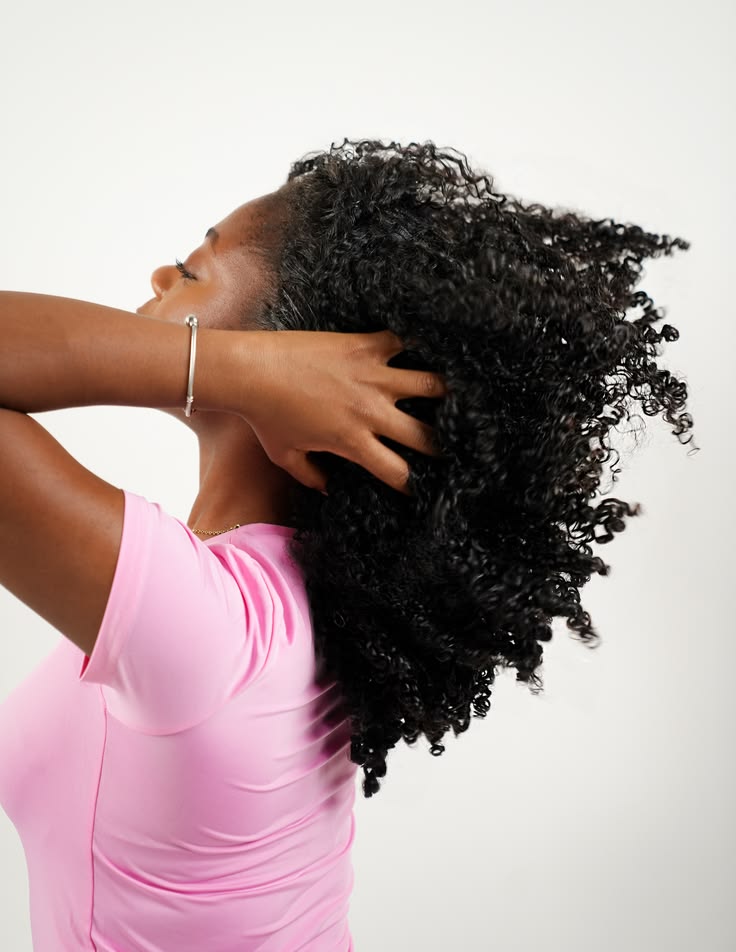
13. Try a Gentle Scalp Massage
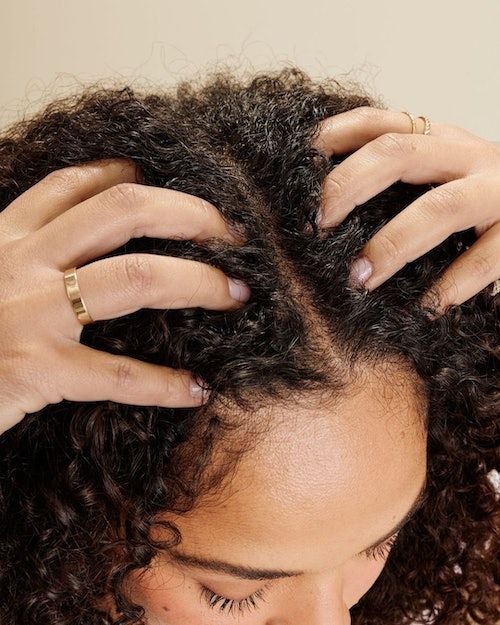
A gentle scalp massage can be a relaxing addition to your routine.
Use your fingertips rather than your nails and massage gently for a few minutes. You can do this before washing or while applying a suitable scalp product.
If you enjoy scalp massage, see The Best Oils for Scalp Massage for ideas on choosing an oil that works with your routine.
14. Use Hair Oils Carefully
Oil can be useful for reducing the dry feeling in your hair, but more oil does not automatically mean more moisture.
Use oil as part of your moisture routine rather than relying on it as the only source of hydration. A few drops may be enough, particularly if you have fine strands or low porosity hair.
You can also explore Best Hair Oils for 4C Hair when comparing different options.
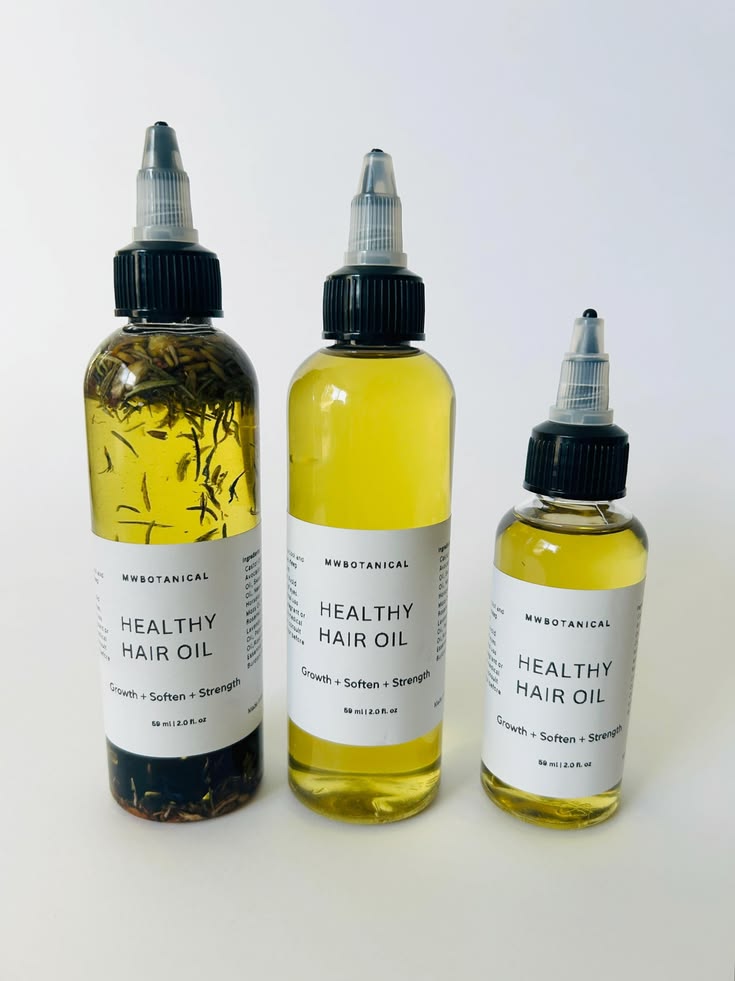
15. Experiment With a DIY Hair Oil Blend
If you enjoy making your own hair products, winter can be a good time to experiment with simple oil blends.
You can combine suitable carrier oils based on your preferences and how your hair responds. Keep your blend simple and patch-test products when necessary, especially if you have sensitive skin.
For ideas, see DIY Hair Oil Blends.
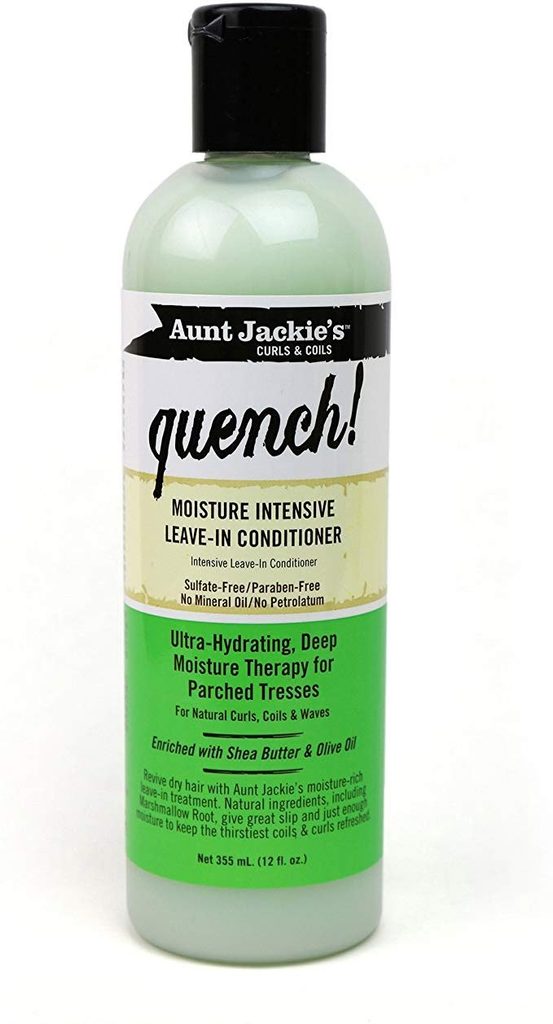
16. Keep a Leave-In Conditioner in Your Routine
A leave-in conditioner can make dry hair easier to manage between wash days.
Apply it according to your hair’s needs rather than soaking your hair every day. You can lightly moisturize sections that feel dry instead of repeatedly applying product to your entire head.
For product ideas, see Best Leave-In Conditioners for 4C Hair.
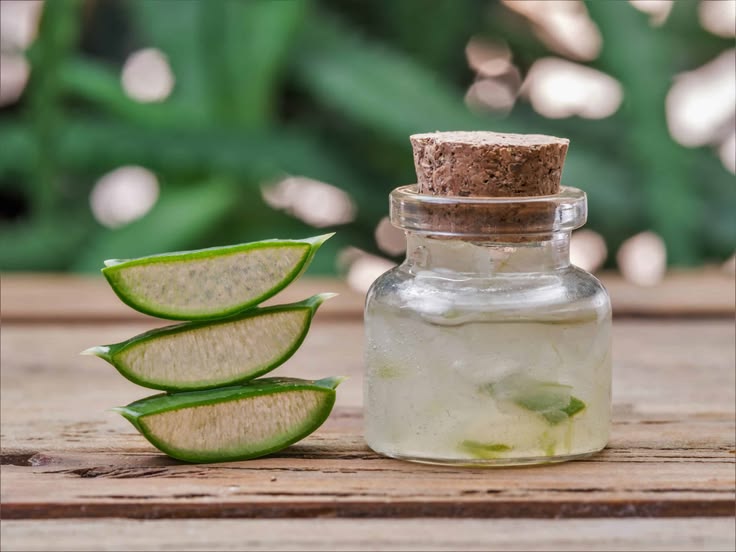
17. Try an Aloe Vera Treatment
Aloe vera can be incorporated into some natural hair routines as a conditioning or soothing ingredient.
If you use fresh aloe vera, prepare it properly and avoid leaving untested ingredients on your scalp or hair for long periods. Store homemade preparations safely and discontinue use if they cause irritation.
For ideas, see DIY Aloe Vera Hair Treatments.
18. Use a Hair Mask When Your Hair Needs Extra Care
A hair mask can be useful when your regular conditioner is not enough to make your hair feel soft.
Look for masks designed for dryness, damage, or moisture support. Apply them according to the instructions rather than leaving every treatment on overnight.
If your hair feels especially dry or damaged, see Best Hair Masks for Damaged Hair for additional ideas.
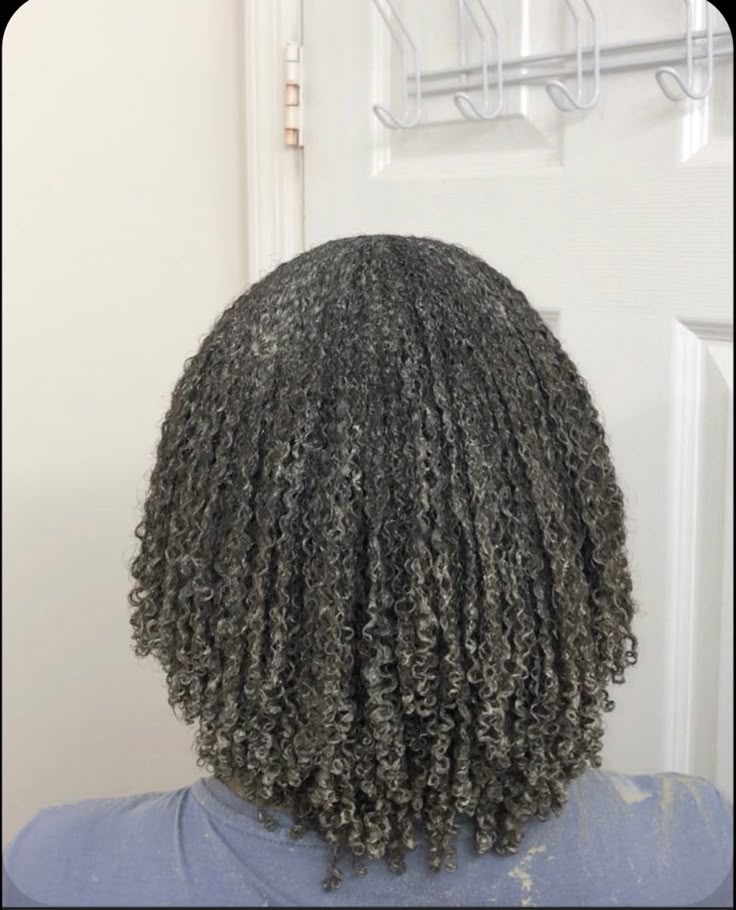
19. Detangle With Plenty of Slip
Dry hair can become harder to separate, so detangling without enough moisture or conditioner can lead to unnecessary breakage.
Work in sections and use a product that provides enough slip. Start from the ends and gradually work toward the roots.
There is no prize for finishing quickly. A slower detangling session is often kinder to your strands.
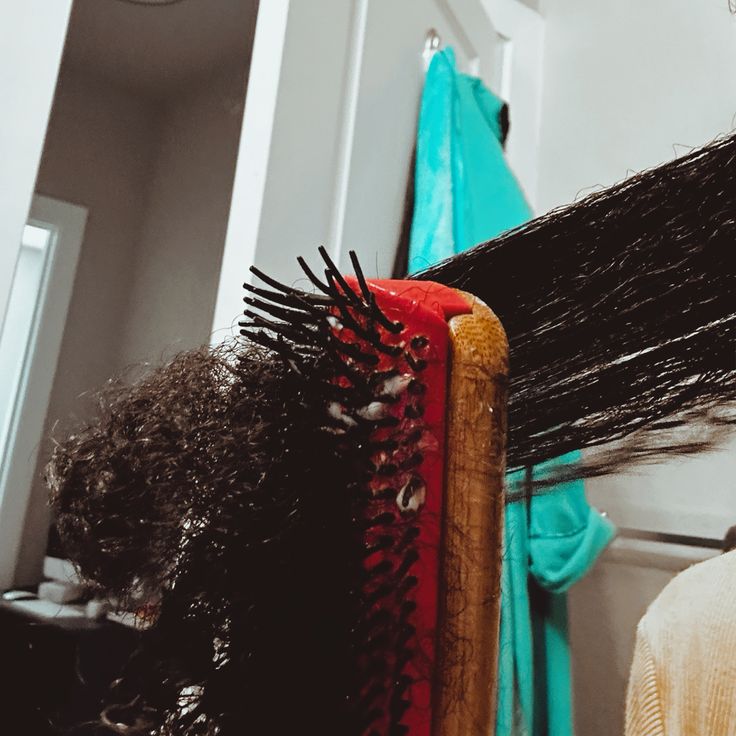
20. Reduce Excessive Manipulation
Winter is not the best time to constantly restyle dry hair.
Repeated combing, brushing, pulling, and restyling can increase mechanical stress. Choose hairstyles that allow your hair to stay in place for several days without requiring constant adjustment.
If breakage has already become a problem, How to Stop 4C Hair Breakage can help you identify habits that may be contributing to it.
21. Choose Protective Styles Carefully
Protective styles can reduce daily manipulation, but they are not automatically protective simply because the hair is tucked away.
A style that is too tight, too heavy, or left in for too long can create other problems. Choose a comfortable style and keep your scalp accessible enough to maintain basic hygiene.
You can also review How Long Should You Keep Protective Styles In? before installing your next style.
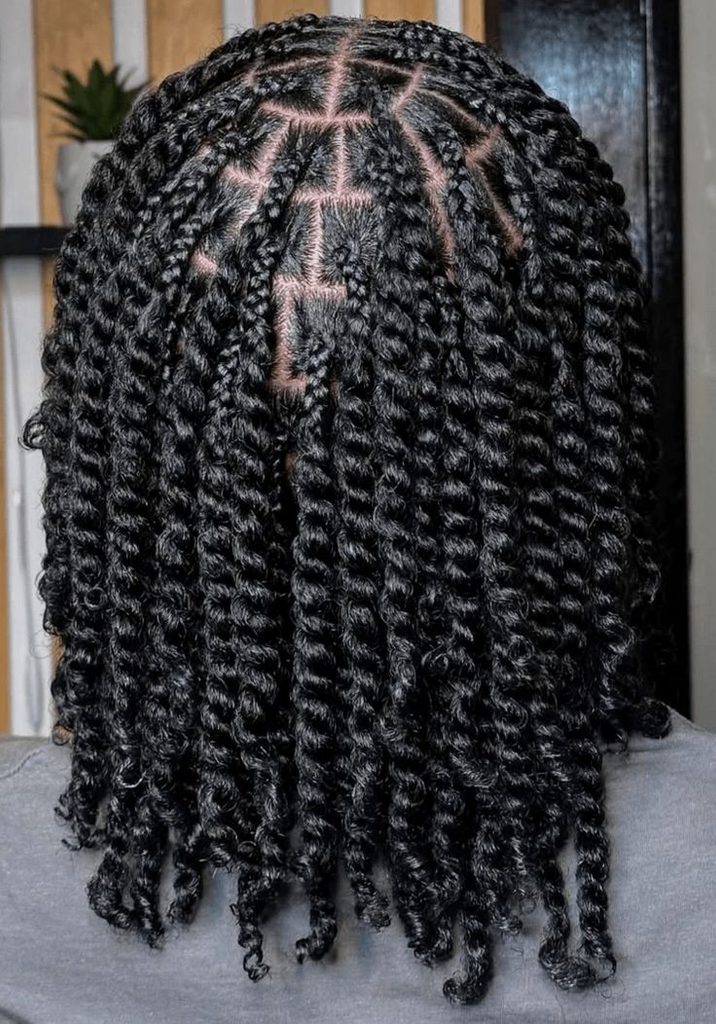
22. Protect Your Hairline
Your edges can be especially vulnerable when dry hair is repeatedly pulled into tight buns, ponytails, braids, or other styles.
Avoid excessive tension and give your hairline a break between styles. When styling, prioritize comfort over making every strand perfectly sleek.
Your hairline does not need to be tightly laid every day.
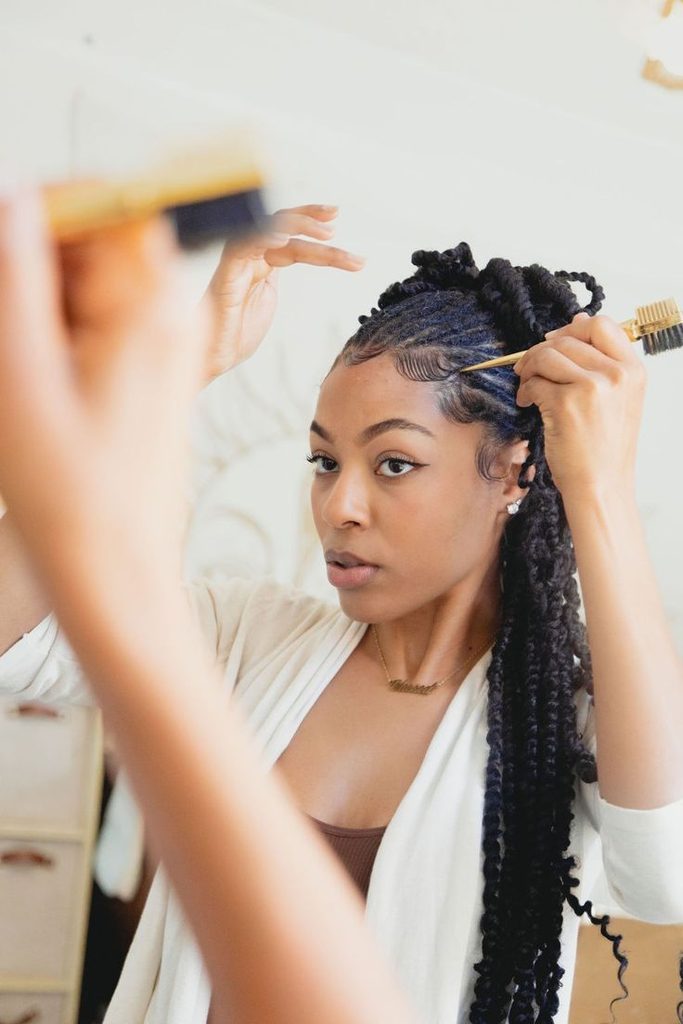
23. Wear Satin at Night
Cotton pillowcases can create friction and may absorb some of the products and moisture you apply to your hair.
A satin bonnet, satin scarf, or satin pillowcase can help reduce friction while you sleep. Make sure the covering is comfortable and not so tight that it leaves pressure around your hairline.

24. Be Careful With Wool and Rough Fabrics
Some winter clothing materials can rub against your hair and create friction.
Hats, scarves, coats, and sweaters may repeatedly touch the same sections of your hair, particularly around the nape and sides. Consider wearing a satin or silk layer underneath rougher fabrics.
This is especially useful when your hair is loose and exposed.
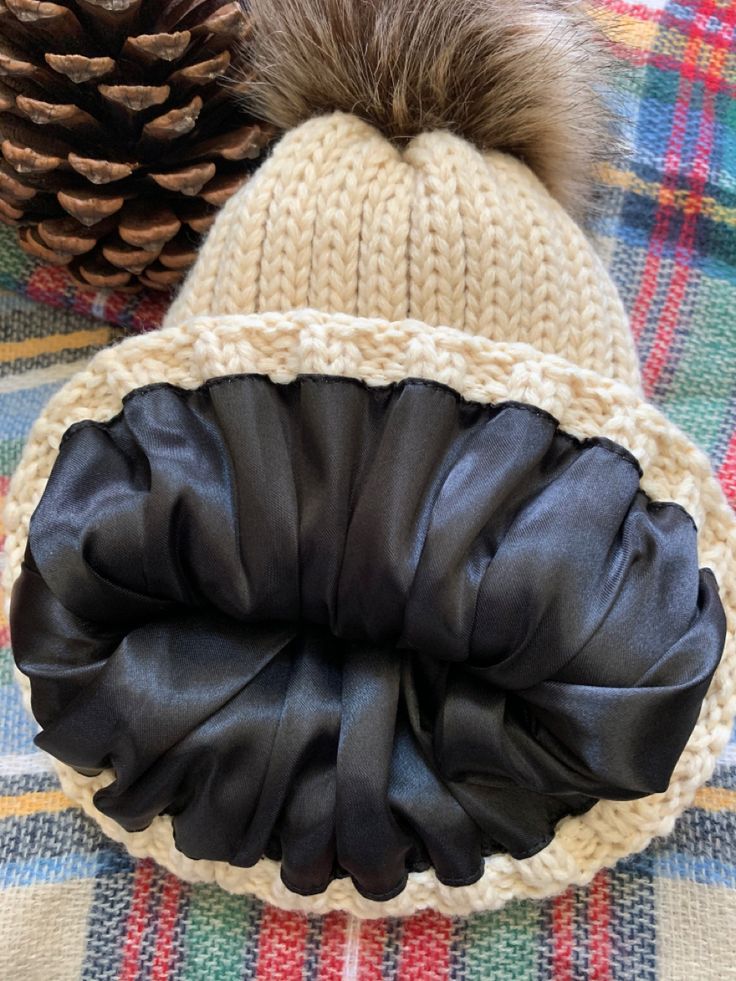
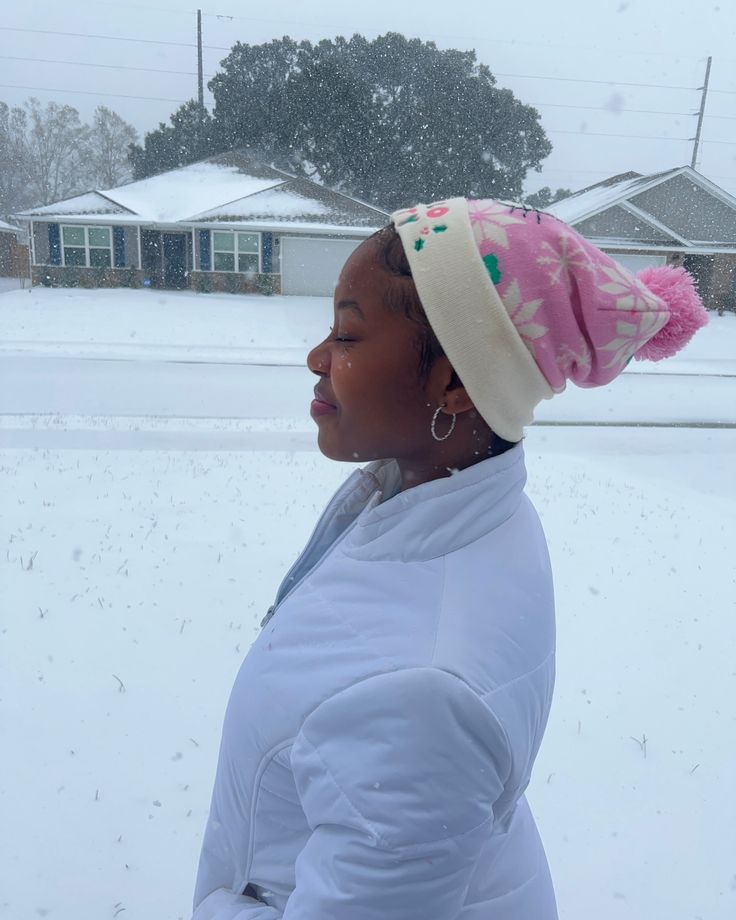
25. Keep Your Hair Covered Outdoors
Cold, dry air can contribute to that rough, dry feeling many people notice during winter.
A scarf, bonnet, satin-lined hat, or other hair-friendly covering can reduce direct exposure. Covering your hair also helps protect it from environmental particles and friction.
Choose coverings that do not pull tightly around your hairline.
26. Do Not Overuse Heat
Blow dryers, flat irons, and other hot tools can make already dry hair feel even more brittle.
If you need to stretch your hair, use a lower heat setting, apply appropriate heat protection, and avoid repeatedly passing heat over the same section.
Heat should be a styling choice, not something your hair needs every wash day.
27. Let Your Hair Dry Completely
Going outside with soaking wet hair can be uncomfortable in cold weather and may make styling more difficult.
After washing, gently remove excess water and allow your hair to dry completely before exposing it to cold outdoor conditions. If you use a dryer, choose an appropriate setting and avoid excessive heat.
A fully dry hairstyle is also easier to maintain under scarves and hats.
28. Keep Your Wash Day Routine Simple
Winter is not necessarily the time to experiment with ten new products at once.
A simple routine makes it easier to identify what is actually helping your hair. Cleanse, condition, moisturize, style, and protect. Add treatments when there is a specific reason for them.
You can also review The Best Wash Day Routine for Nappy 4C Hair if your current wash days feel unnecessarily complicated.
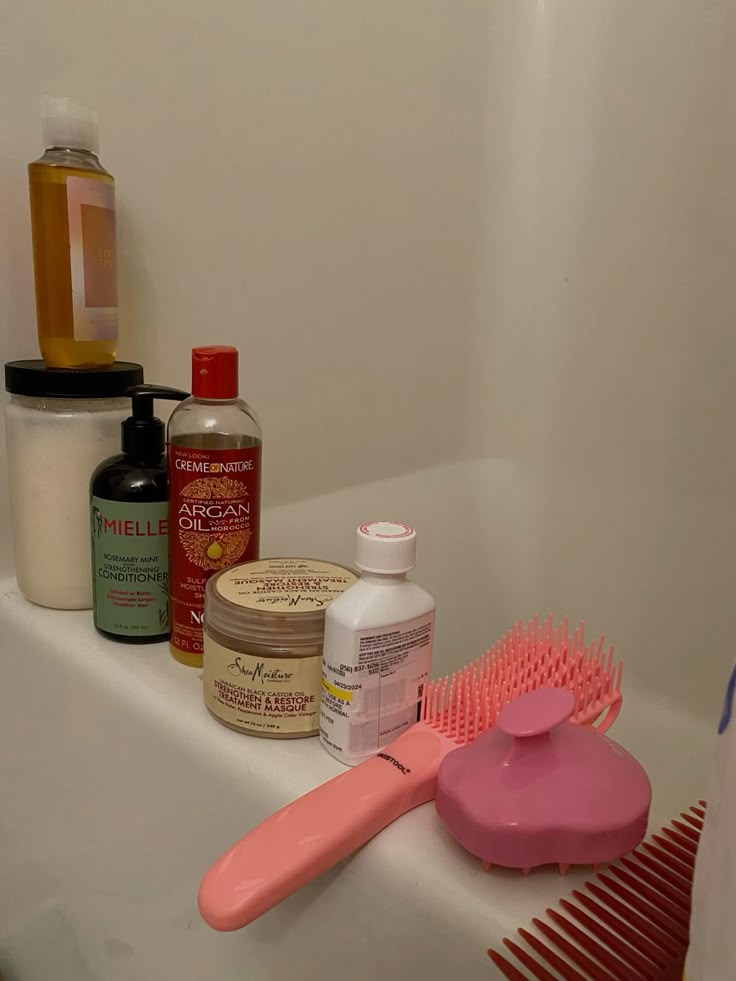
29. Pay Attention to Your Hair Porosity
Your hair may respond differently to winter weather depending on its porosity.
Some hair absorbs moisture quickly but loses it just as quickly, while other hair takes longer to become fully saturated. Understanding your hair’s behavior can help you choose products and techniques more effectively.
For a deeper explanation, see The Complete Guide to Hair Porosity for 4C Hair.
30. Adjust Your Routine for Low Porosity Hair
Low porosity hair may benefit from lighter products and techniques that help moisture reach the strands without creating excessive buildup.
If your hair tends to sit wet on the surface or products seem to remain on top of the strands, pay attention to how much product you are applying.
How to Tell if You Have Low Porosity 4C Hair can help you understand the signs and adjust your routine accordingly.
31. Give High Porosity Hair Extra Protection
High porosity hair may lose moisture quickly, so winter can make moisture retention even more challenging.
A consistent conditioning routine, careful sealing, protective styling, and gentle handling can help. Avoid assuming that adding more and more products is the answer. Focus on techniques that actually improve moisture retention.
For more guidance, read How to Care for High Porosity 4C Hair.
32. Protect Your Hair Under Wigs
Wigs can make winter styling easier, but your natural hair still needs attention underneath.
Moisturize your hair before installing the wig, avoid excessive tension from wig caps or combs, and give your scalp regular care. Do not leave your natural hair neglected simply because it is hidden.
A breathable, comfortable setup is better than wearing a style that creates excessive heat or tension.
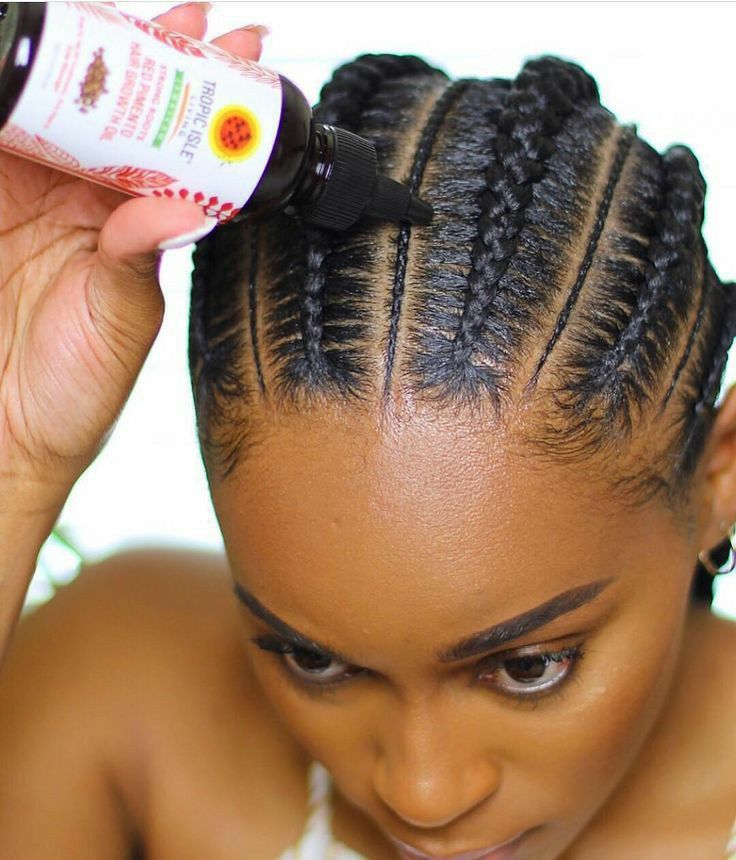
33. Avoid Product Buildup
Adding more butter, oil, leave-in, and moisturizer every day without cleansing eventually creates buildup.
If your hair starts feeling coated, dull, sticky, or unusually difficult to moisturize, it may need cleansing rather than another layer of product.
A balanced routine should include both moisture and appropriate cleansing.
34. Trim Damaged Ends
Winter is not a reason to avoid trimming when your ends are genuinely damaged.
If you notice persistent split ends, knots, or thin ends, removing damaged portions can make your hair easier to manage. Trimming does not make hair grow faster, but it can help prevent damaged ends from causing further problems.
Focus on maintaining healthy hair rather than simply preserving every millimeter of length.
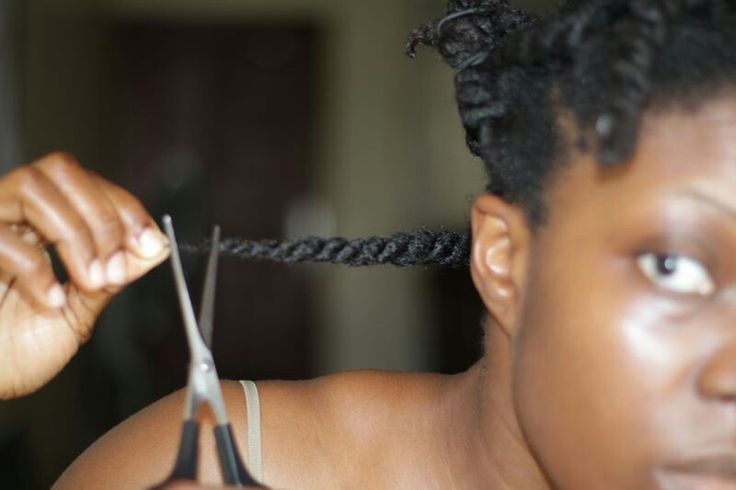
35. Choose Styles That Hide and Protect Your Ends
If your ends are especially dry, consider hairstyles that keep them tucked away.
Buns, twists, braids, and other low-manipulation styles can reduce how much your ends rub against clothing and the environment. Make sure the style is installed gently and does not place excessive tension on your scalp.
The goal is protection, not simply hiding your hair.
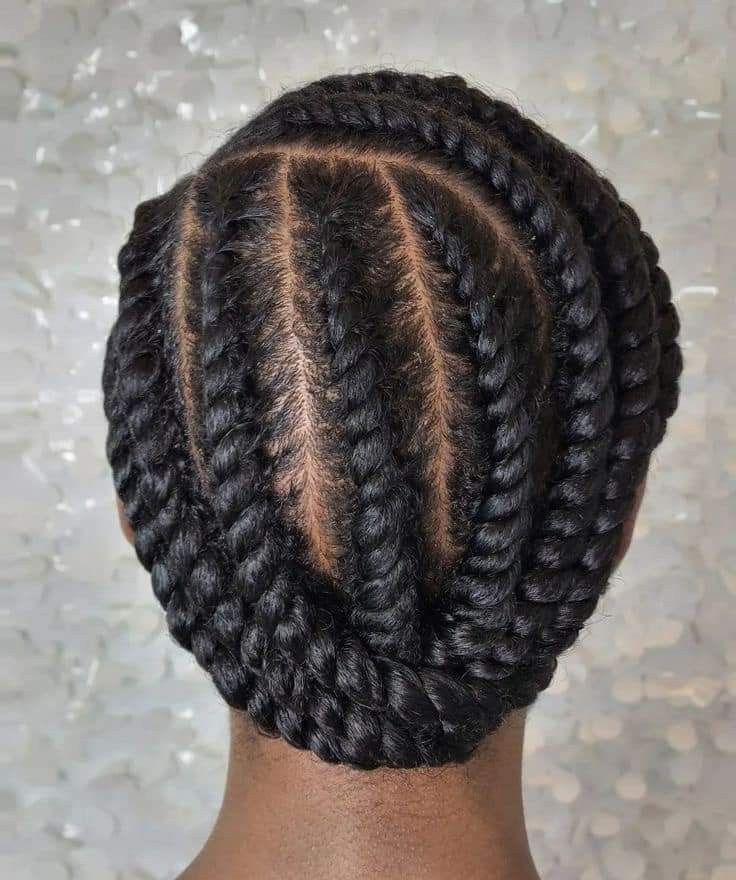
36. Keep Your Conditioner Within Reach
It is easier to maintain a consistent routine when the products you actually use are easy to access.
Keep your conditioner, leave-in, moisturizer, and other regular products together so you are not tempted to skip important steps because wash day feels inconvenient.
A simple, repeatable routine is usually more useful than an elaborate routine you rarely follow.
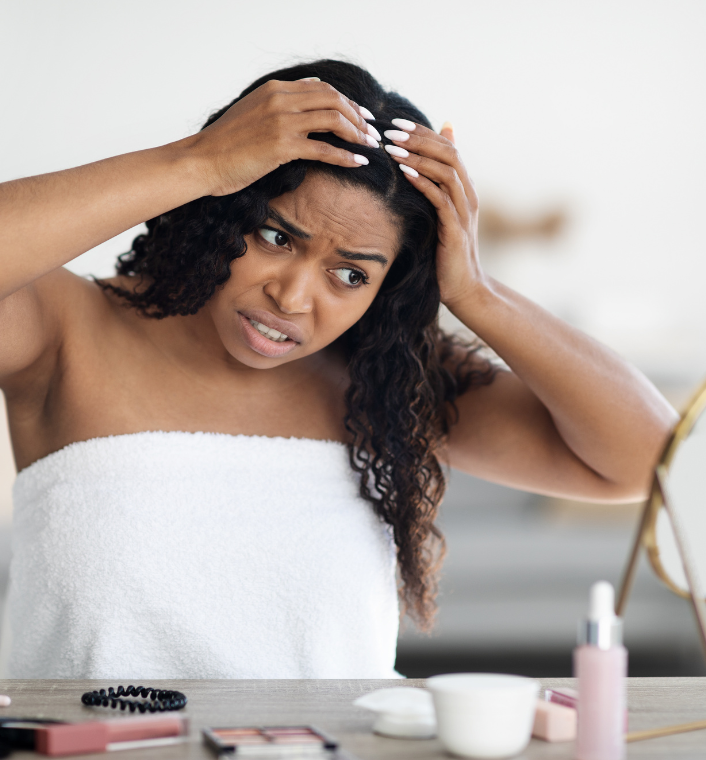
37. Watch for Changes in Your Scalp
Your scalp can react differently to seasonal changes, new products, protective styles, and changes in washing frequency.
Pay attention to persistent itching, unusual flaking, irritation, tenderness, or other changes. Do not automatically treat every scalp concern with oil.
Signs Your Scalp Needs Extra Care can help you recognize when your scalp deserves more attention.
38. Keep Your Moisture Routine Consistent During Travel
Travel can disrupt your normal routine, especially when you move between different climates.
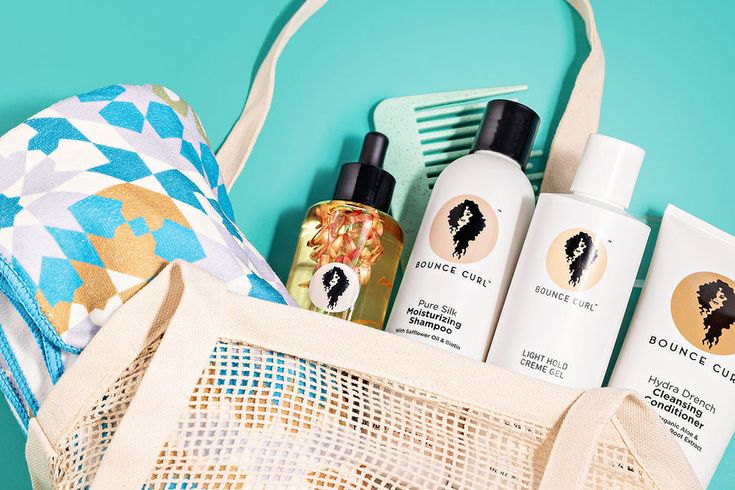
Pack a small amount of the products you already know work for your hair. Protect your hair during transportation and avoid introducing several unfamiliar products at once.
Consistency can make it easier for your hair to cope with changes in weather.
39. Give Your Hair a Break Between Styles
Constantly moving from one tight or complicated hairstyle to another can leave your scalp and strands stressed.
When you remove a protective style, give your hair time for cleansing, conditioning, detangling, and gentle moisturizing before immediately installing another demanding style.
Winter can be a good opportunity to slow down your styling routine and focus on hair health.
40. Build Your Routine Around What Your Hair Actually Needs
There is no single winter routine that works perfectly for every person with 4C hair.
Your hair may need more frequent moisturizing, while someone else’s may become weighed down easily. One person may prefer protective styles, while another may prefer loose natural hairstyles.
Pay attention to how your hair responds and adjust accordingly. The best winter hair care ideas are the ones you can realistically maintain and that leave your hair feeling healthier over time.

How to Build a Winter Hair Care Routine for 4C Hair
A good winter routine does not have to contain a long list of products. Start with the basics: cleanse your scalp, condition your hair, moisturize your strands, protect your ends, and reduce unnecessary manipulation.
You can then adjust the routine according to what your hair tells you. If your hair becomes dry a few days after wash day, you may need to refresh specific sections instead of applying product to your entire head. If your scalp feels uncomfortable, look at your cleansing habits rather than simply adding more oil.
Your routine can also change depending on whether your hair is loose, in twists, under a wig, or in another protective style. The key is to make each style work with your winter hair needs rather than abandoning your normal hair care completely.
These winter hair care ideas are most effective when they become simple habits instead of occasional emergency treatments.
How to Tell When Winter Is Drying Out Your Hair
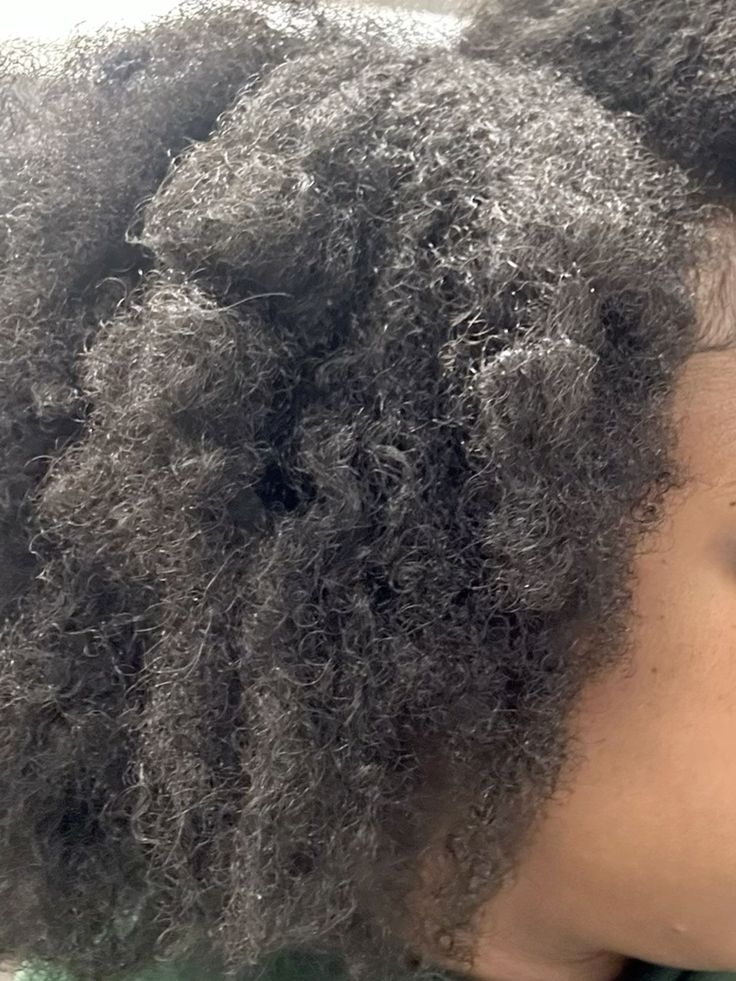
Dryness can show up in several ways. Your hair may feel rough when you touch it, become harder to detangle, lose its usual softness, or start breaking more easily during manipulation.
Your ends may also feel particularly dry because they experience the most wear and are exposed to friction from clothing and other surfaces.
However, dryness is not the only possible reason for changes in your hair. Excessive buildup can also make hair feel strange, while scalp flaking can have different causes.
Rather than immediately adding more products, look at the entire routine. Consider how often you wash, what you use after washing, how you style your hair, and how your hair behaves between wash days.
Winter Hair Care Mistakes to Avoid
Some winter habits can make dryness worse without you realizing it.
Avoid constantly piling heavy products onto hair that needs cleansing. Do not assume that every scalp flake is caused by dryness. Avoid excessive heat and tight hairstyles, particularly when your strands or hairline already feel fragile.
You should also avoid changing your entire routine every time your hair has one bad day. Give products and techniques enough time to show how your hair responds, while still stopping anything that causes irritation or obvious damage.
The goal of winter hair care ideas is not to make your routine complicated. It is to make your existing routine more protective and responsive to seasonal changes.
Final Thoughts

Winter dryness does not mean you need to completely change the way you care for your 4C hair. A few thoughtful adjustments can make your routine much more comfortable.
Focus on consistent moisture, gentle cleansing, regular conditioning, protected ends, scalp care, and low-manipulation styling. Pay attention to your hair’s porosity and how it responds to different products instead of copying someone else’s routine exactly.
Most importantly, do not wait until your hair becomes extremely dry or starts breaking before making changes. The best winter hair care ideas are simple habits that help you maintain moisture and reduce unnecessary stress on your strands throughout the season.
With the right balance of moisture, protection, and gentle handling, your 4C hair can remain soft, manageable, and healthy even when the weather becomes dry.