
Can You Safely Color 4C Hair?
Disclosure: Some of the links in this post are affiliate links. This means if you click on the link and purchase an item, I will receive an affiliate commission at no extra cost to you.
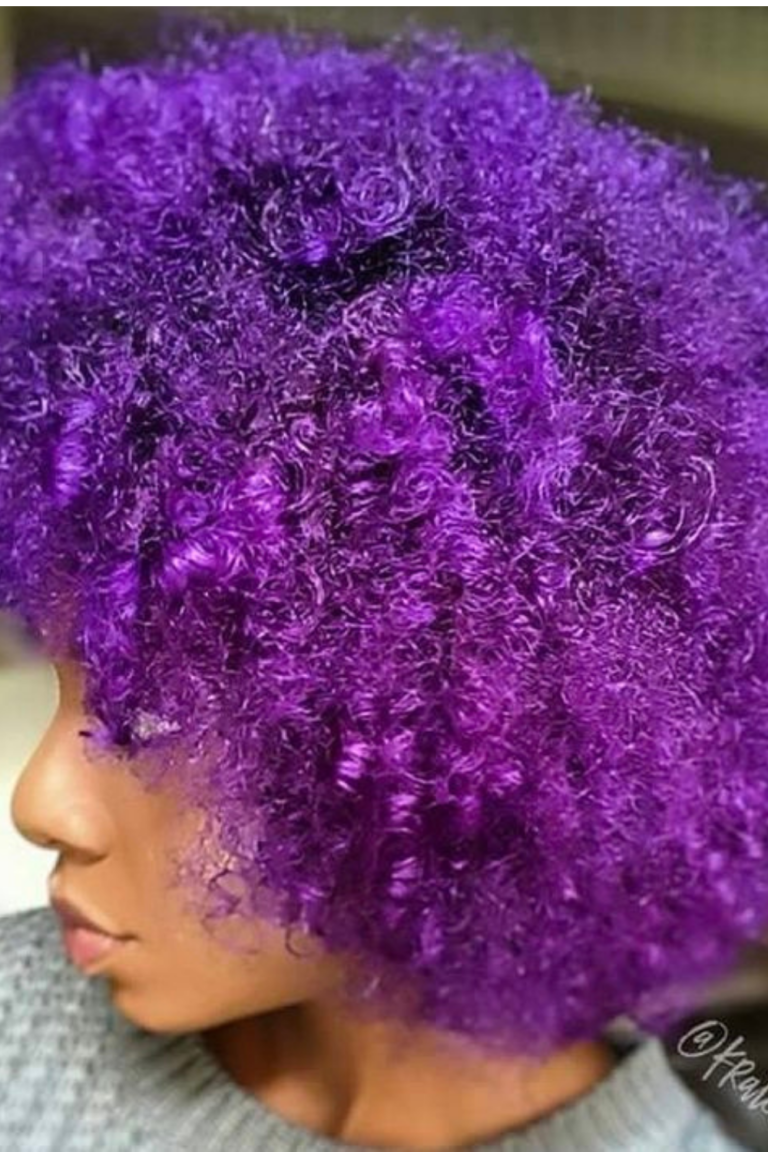
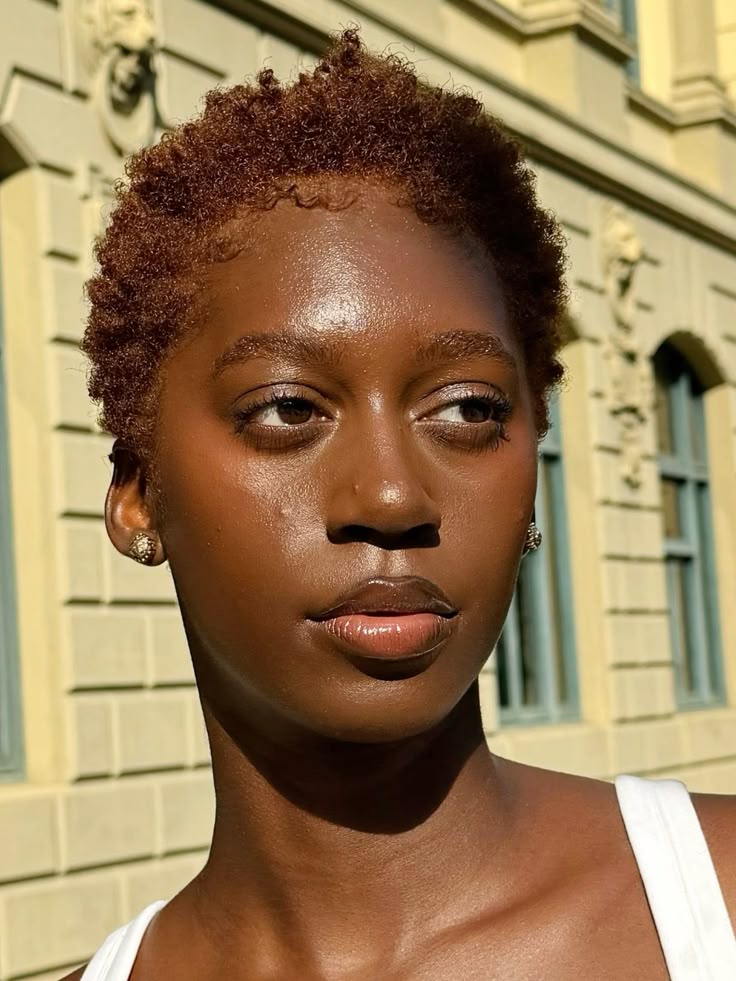
Coloring natural hair can completely change your look. A warm brown, copper, burgundy, honey blonde, or even a bold fashion color can make 4C hair look striking. But if you have tightly coiled hair, you may also wonder whether changing its color will affect its strength, moisture, or ability to retain length.
So, can you safely color 4C hair?
Yes, you can color 4C hair, but the safety of the process depends on the type of color you use, whether the hair needs to be lightened first, the condition of your strands, and how carefully the color is applied and maintained.
Coloring does not automatically mean your hair will become damaged. However, some coloring processes involve chemicals that can make the hair drier, weaker, or more prone to breakage. Lightening the hair several shades generally requires a stronger chemical process than simply depositing a darker color.
The American Academy of Dermatology recommends staying within about three shades of your natural color when possible because going significantly lighter usually requires higher volumes of peroxide and can cause more damage.
That means the goal should not simply be to find a beautiful color. You also need to consider what your hair has already been through and choose a coloring method that your strands can reasonably handle.
What Happens When You Color 4C Hair?
Before deciding whether to color your hair, it helps to understand what the process actually does.
Hair color works in different ways depending on the product. Some products mainly deposit color onto the outside of the hair, while permanent colors can alter the hair more deeply so that the new shade lasts longer.
Lightening is a different process altogether.
If your natural hair is very dark and you want a much lighter shade, the hair usually needs to be lightened before the desired color can show clearly. This is why achieving shades such as blonde, bright copper, or certain vivid colors can involve more processing than going from black to a dark brown.
The more your hair is chemically altered, the more carefully you need to think about its condition.
This is particularly relevant when you color 4C hair because your routine should account for both the coloring process and the characteristics of tightly coiled strands.
Color-treated hair can become dry and brittle, and lightening can make the hair shaft weaker and more susceptible to damage.
That does not mean you have to avoid color. It means you need to understand what kind of color you are choosing.
Is Coloring 4C Hair the Same as Bleaching It?
No. This is one of the most important distinctions to understand before changing your hair color.
Coloring can mean many things, including applying a temporary color, using a semi-permanent dye, depositing a darker permanent shade, or lightening the hair.
Bleaching is specifically associated with removing or reducing the hair’s existing pigment so that a lighter shade can be achieved.
For example, if you want to take very dark natural hair to a deep burgundy, you may have several options depending on the product and the final shade you want.
But if you want a bright blonde, the process is likely to require considerably more lightening.
That difference matters because the level of chemical processing can affect how your hair feels afterward.
If your main goal is to experiment with color without significantly altering your natural hair, temporary or semi-permanent options may be worth considering before committing to a permanent lightened shade.
You can also experiment with color through extensions, wigs, or other temporary styles before applying permanent color directly to your own hair.
This gives you a chance to decide whether you actually enjoy the shade before making a larger change.
Which Hair Color Is Easier on 4C Hair?
There is no single hair color that is automatically safe for everyone.
The condition of your hair matters just as much as the shade you choose.
However, darker colors that are relatively close to your existing hair color generally require less lightening than dramatic lighter shades.
The American Academy of Dermatology recommends choosing a color within three shades of your natural color when possible, noting that going lighter can require higher peroxide levels and result in more hair damage.
For example, someone with very dark natural hair may be able to move toward a dark brown shade without the same degree of lightening required for platinum blonde.
This does not mean dark color cannot cause problems. Any chemical color can potentially irritate the scalp or contribute to dryness or hair damage if it is used incorrectly.
The point is that coloring 4C hair does not have to mean dramatically lightening it.
You can make a noticeable change while keeping the amount of processing more moderate.
Should You Color 4C Hair That Is Already Damaged?
This is where you should slow down.
If your hair is already breaking excessively, feels unusually weak, has severely split ends, or has recently undergone another chemical treatment, adding another chemical process may not be the best idea.
Hair that is already compromised has less room for additional stress.
Instead of asking only, “Do I want this color?” ask:
- Is my hair currently breaking?
- Does it feel unusually weak?
- Have I recently used another chemical treatment?
- Are my ends severely damaged?
- Is my scalp irritated or damaged?
- Can I maintain the additional care that colored hair may require?
If several of these questions raise concerns, postponing the color may give your hair time to recover from previous manipulation.
This is also why your regular hair breakage habits matter before you introduce another chemical process.
You do not need perfectly untouched hair before coloring, but starting with hair that is already struggling can make the process more difficult to manage.
Do a Patch Test Before Applying Hair Color
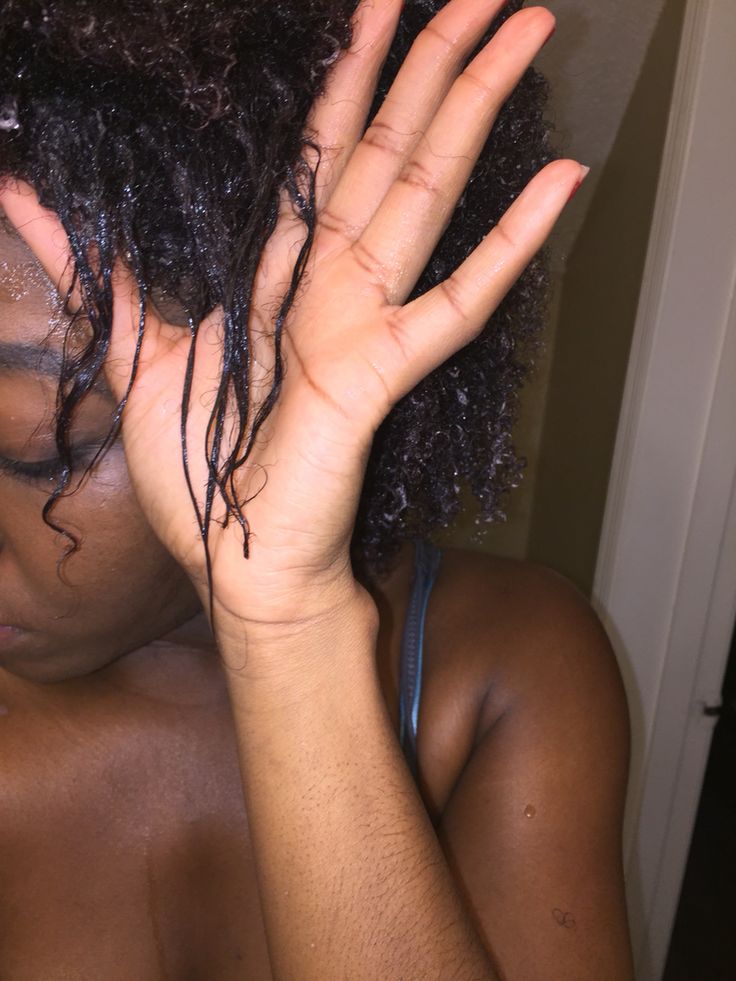
A patch test should not be treated as an optional step.
Hair dyes can cause allergic reactions, and you can develop sensitivity even if you have used hair color before without experiencing a problem. The FDA recommends doing a skin test every time before using hair dye and following the specific testing instructions supplied with the product.
Depending on the product instructions, a small amount of the dye may be applied to an area such as behind the ear or inside the elbow and observed for the recommended period.
If you develop a rash or other concerning reaction, do not proceed with coloring your hair.
Possible allergic reactions can include itching, redness, swelling, irritation, and other symptoms. Some reactions can be more serious.
A patch test is not a guarantee that you will never experience a reaction during the full application, but it is an important safety step.
Always follow the testing instructions that come with your specific product rather than assuming every dye should be tested in exactly the same way.
Do Not Color an Irritated Scalp
Your scalp should be in reasonable condition before you apply hair color.
If your scalp is scratched, sunburned, irritated, or otherwise damaged, applying chemical color can increase discomfort and irritation. The FDA specifically advises against dyeing hair when the scalp is irritated, sunburned, or damaged.
This is also a good reason not to aggressively scratch or brush your scalp immediately before coloring.
If you have been dealing with persistent scalp irritation, sores, unusual flaking, or another unexplained scalp problem, it makes more sense to address that issue before introducing another chemical product.
Coloring should not be used to cover up a scalp problem.
Should You Wash Your Hair Before Coloring?
Do not assume that washing immediately before coloring is always necessary.
The correct preparation depends on the particular coloring product and its instructions.
Some people avoid washing immediately before a chemical coloring service because freshly scrubbed or irritated skin may feel more sensitive. However, that does not mean you should deliberately leave heavy product buildup, dirt, or excessive oils on your scalp.
Follow the preparation instructions provided with your chosen product or by your professional colorist.
If your hair is covered in layers of gels, creams, oils, or other styling products, you may need to cleanse it appropriately before the coloring appointment or application.
Your usual wash day routine can therefore be adjusted around the instructions for the color you plan to use rather than following a universal rule.
What About Semi-Permanent Color?
Semi-permanent color can be an appealing option if you want to experiment without committing to the same level of alteration associated with some permanent coloring processes.
These products generally deposit color rather than permanently changing the natural pigment in the same way as permanent color.
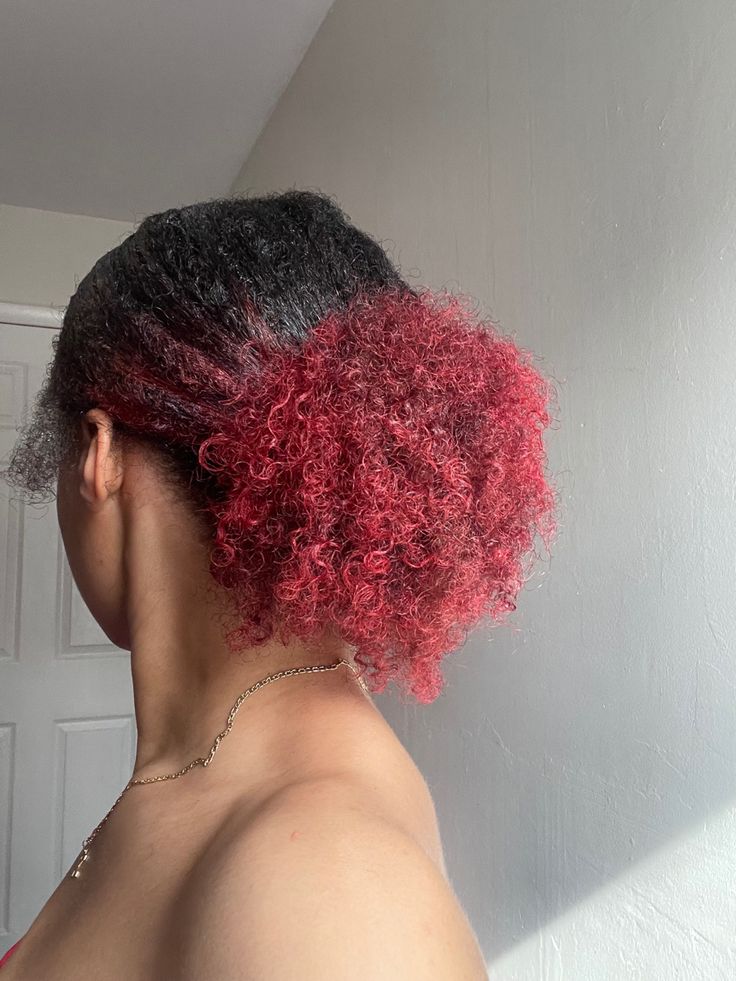
They can be useful for trying shades such as burgundy, deep red, brown, or other darker tones.
However, “semi-permanent” does not mean “risk-free.”
You still need to read the ingredients, follow the directions, perform the recommended skin test, and understand how the product behaves on your particular hair.
You should also remember that the final result depends on your starting color.
A vivid shade may appear very differently on very dark hair than it does on previously lightened hair.
If you want to experiment with color while keeping your options open, a temporary or semi-permanent product may be worth considering.
What If You Want to Go Blonde?
Going blonde requires more planning than simply choosing a blonde box dye.
If your natural hair is significantly darker than the blonde shade you want, the hair generally needs to be lightened first.
This is where the process becomes more demanding.
The American Academy of Dermatology notes that going more than three shades lighter generally requires higher peroxide concentrations, which can cause greater hair damage.
That does not mean blonde hair is impossible for someone with 4C hair.
It means the process deserves careful consideration and, for significant lightening, professional assistance can be particularly valuable.
A professional colorist can assess your current hair, previous chemical treatments, strand condition, and desired shade before deciding how much processing is appropriate.
Trying to achieve a dramatic color change in one aggressive session can put unnecessary stress on the hair.
Sometimes achieving the desired shade gradually is a better approach for maintaining the condition of your strands.
Be Especially Careful If You Also Relax Your Hair
Combining chemical services can increase the amount of stress placed on your hair.
If your hair is relaxed, transitioning, or has recently received another chemical treatment, tell your stylist before coloring it.
The timing between chemical services matters. The FDA advises waiting at least 14 days after bleaching, relaxing, or perming before using hair dye.
This is particularly relevant if you are moving between relaxed and natural hair or maintaining previously processed sections.
If you are currently managing two hair textures, do not assume that coloring will affect both sections in exactly the same way.
Your natural new growth and chemically processed lengths may have different histories and may respond differently to additional processing.
That makes a professional assessment even more useful when multiple chemical treatments are involved.
Choose a Professional for Major Color Changes
You do not necessarily need a salon every time you want to add color to your hair.
However, there is a major difference between applying a simple semi-permanent shade at home and trying to take very dark natural hair several shades lighter.
For major transformations, especially bleaching, professional help can reduce the chances of making a mistake that is difficult to reverse.
A professional can also help you understand what is realistic based on the condition of your hair.
If your hair has previously been colored, relaxed, bleached, or otherwise chemically processed, make sure the stylist knows its history.
Do not assume that a new stylist automatically knows what has been done to your hair.
The more accurate information they have, the easier it is to make appropriate decisions about the next chemical service.

How to Prepare 4C Hair Before Coloring
Good preparation does not mean covering your hair in every moisturizing product you own.
Instead, focus on having hair that is in reasonably good condition and choosing a process that matches its current state.
In the weeks leading up to coloring, pay attention to:
- Excessive breakage
- Dryness
- Split ends
- Scalp irritation
- Previous chemical treatments
- Frequent heat use
- Heavy product buildup
If your hair is already struggling, address those concerns before adding color.
You can also make sure your routine includes adequate conditioning and gentle handling.
For example, if your hair responds well to occasional hair masks, incorporating appropriate conditioning into your routine may help you maintain manageable strands before and after coloring.
The goal is not to “prepare” damaged hair for aggressive processing. It is to avoid introducing unnecessary chemical stress when the hair is already compromised.
You can also see our how to bleach 4c hair with less damage for more information and guidance
Give Colored 4C Hair More Attention Afterward
Once you color your hair, your routine may need some adjustment.
Color-treated hair can become drier and more brittle, so you may need to pay closer attention to how your strands feel.
That does not mean you need ten new products.
Start by monitoring your hair.
Does it feel dry after washing? Does it tangle more easily? Are you noticing more breakage during styling? Do your ends feel rough?
Your answers can help you determine what needs to change.
Conditioning, gentle detangling, reduced manipulation, and protecting your ends can all become more important when your hair has been chemically processed.
If your hair tends to lose moisture quickly, your understanding of hair porosity may also help you choose products based on how your strands respond to water and conditioning.
Reduce Unnecessary Heat After Coloring
Color-treated hair does not necessarily need to be completely heat-free.
However, adding frequent high heat to chemically processed hair can increase the amount of stress your strands experience.
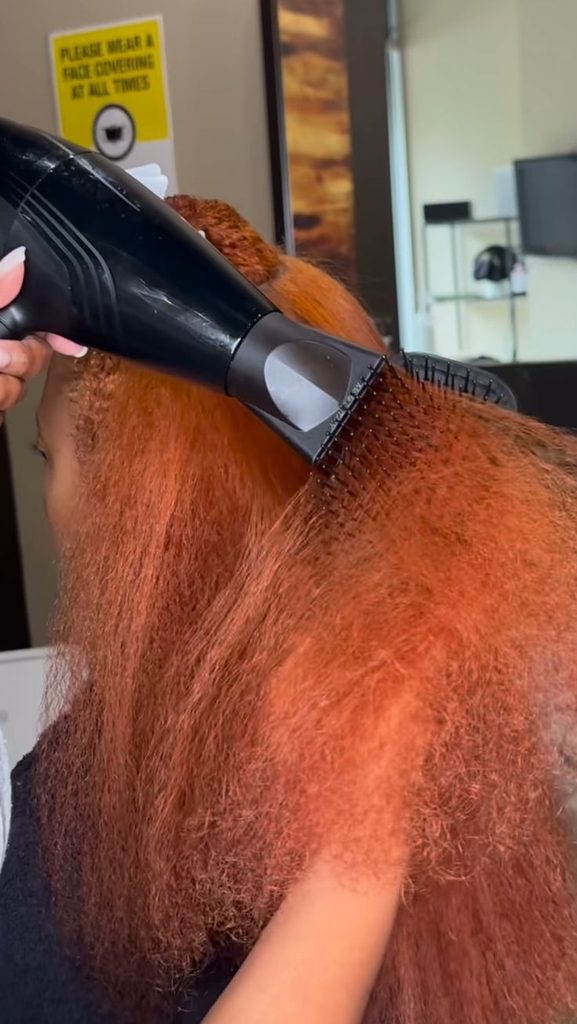
If you already color your hair, consider whether you really need to flat iron, blow-dry, or curl it with heat every few days.
You can alternate heat styling with lower-manipulation options.
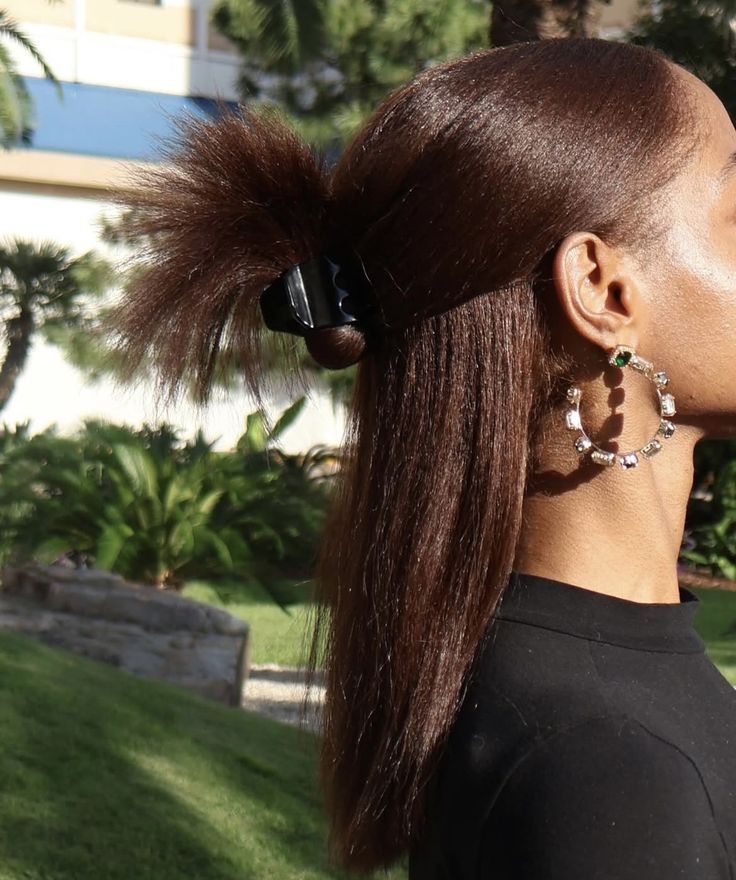
Twists, braid-outs, rollers, and other heatless styles can give you different looks without repeatedly exposing the hair to high temperatures.
When you do use heat, follow the instructions for your heat protectant and avoid repeatedly passing the tool over the same section.
The goal is to reduce unnecessary stress, not to create another complicated set of rules.
Protect Your Ends
Your ends are the oldest part of your hair, which means they have already experienced more manipulation and environmental exposure than your newer growth.
After coloring, they deserve even more attention.
This does not mean you have to constantly coat your ends in oil.
Instead, pay attention to how they feel and how easily they break.
Gentle detangling, suitable conditioning, low-manipulation hairstyles, and reducing unnecessary friction can all help you retain length.
You may also find that incorporating simple homemade butters or other suitable conditioning products into your routine works well for your particular hair, as long as they do not leave excessive buildup.
The best product is the one that works with your hair rather than simply adding more layers to it.
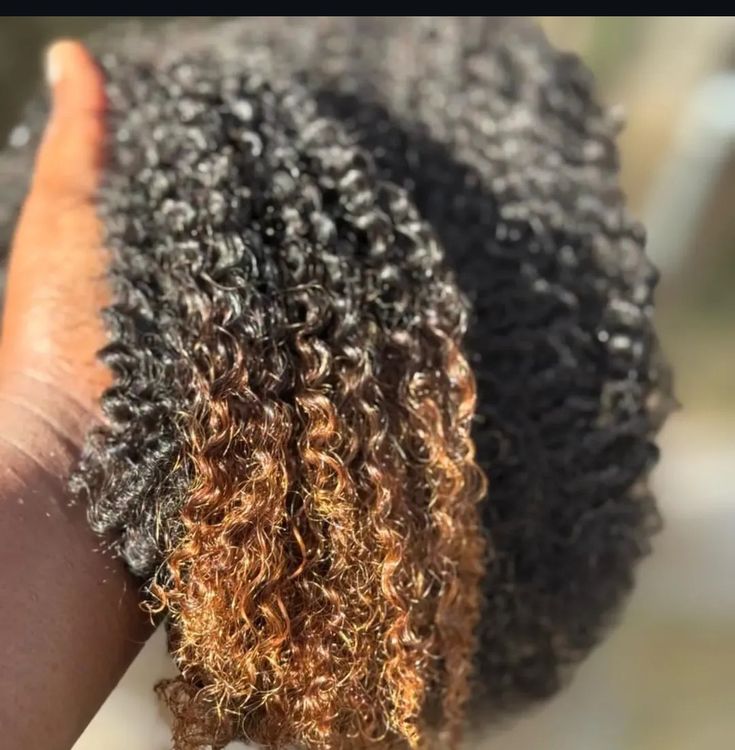
Do Not Overwash Just Because Your Hair Is Colored
You may become concerned about color fading and decide to avoid washing your hair for long periods.
That is not necessarily a good solution.
Your scalp still needs appropriate cleansing, especially if you sweat frequently or use a lot of styling products.
Instead of avoiding washing completely, focus on using a routine that keeps your scalp and hair clean without unnecessary manipulation.
The exact frequency depends on your scalp, lifestyle, hairstyle, and product use.
When washing colored hair, be gentle with the lengths and avoid rough rubbing.
You should also follow any aftercare instructions provided by your colorist or the product manufacturer.
If you swim frequently, remember that repeated exposure to salt water or chlorine can also affect hair. Chlorine can strip away oils and contribute to dryness and brittleness, while salt water can leave hair dehydrated and rough with repeated exposure.
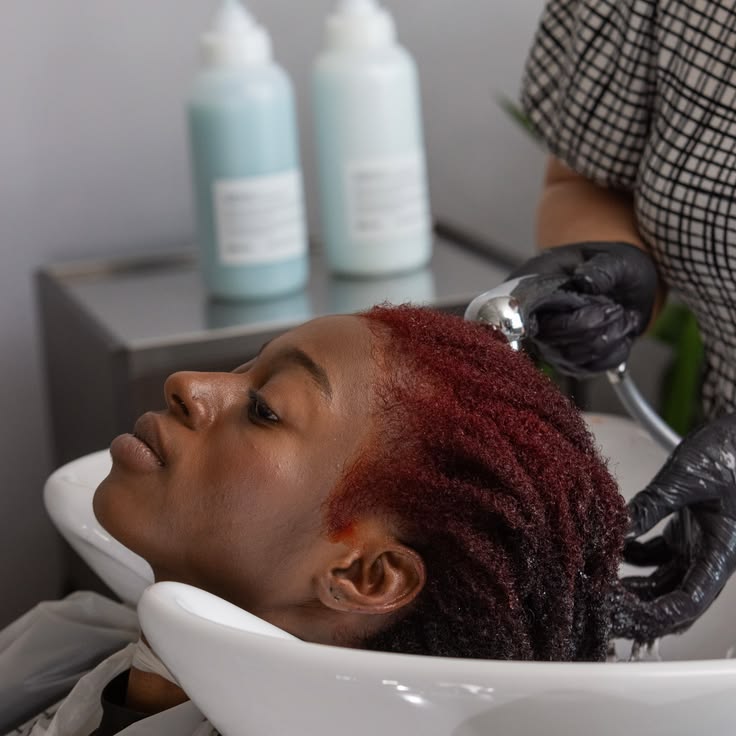
What Ingredients Should You Watch For?
You do not necessarily need to memorize every ingredient found in hair color.
However, reading the ingredient list is useful, especially if you have reacted to cosmetic products before.
One ingredient commonly associated with hair dye allergies is p-phenylenediamine (PPD). The FDA identifies PPD as an ingredient that can cause allergic reactions in some people and recommends checking labels if you are trying to avoid it because of a known sensitivity.
Do not assume that a product is safe simply because it is labeled “natural,” “organic,” or “gentle.”
The FDA notes that terms such as “natural” do not automatically establish that a cosmetic product is safer.
Instead, look at the actual ingredients, follow the manufacturer’s instructions, and pay attention to your own history with hair and cosmetic products.
If you know you are allergic to a particular ingredient, avoid it rather than hoping your reaction will be mild the next time.
Is Natural Hair Color Safer?
Plant-based and “natural” coloring products are often marketed as gentler alternatives, but the word natural does not automatically mean risk-free.
The ingredients still matter.
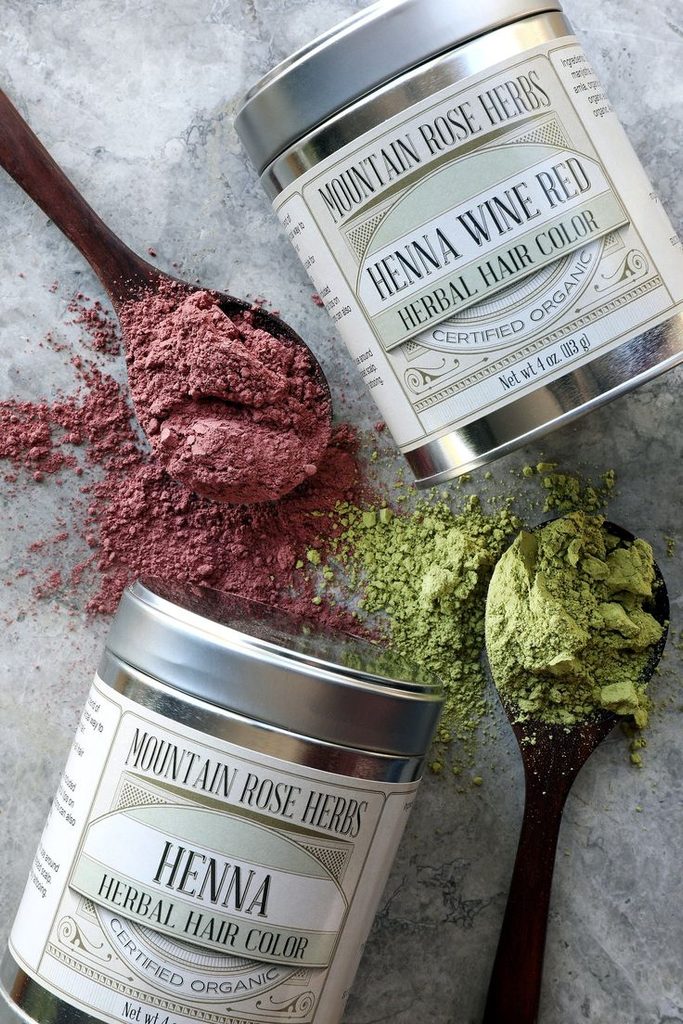
Henna, for example, can naturally produce shades ranging from orange-brown to reddish-brown. Products marketed as “black henna” may contain additional ingredients, including PPD, which can cause serious skin reactions in some people.
This is why you should be cautious with products that promise dramatic color changes while providing little information about their ingredients.
Read the label. Know what you are putting on your hair and scalp.
And never assume that something is safe simply because it is described as herbal or natural.
How Often Can You Color 4C Hair?
There is no universal schedule that works for everyone.
How frequently you can safely recolor your hair depends on the type of product, whether the hair is being lightened, how quickly your color fades, and the condition of your strands.
Permanent color and repeated lightening require more caution than simply refreshing the hair with a temporary color.
If your hair begins to feel significantly drier, weaker, or more prone to breakage after repeated coloring, that is a reason to reconsider how frequently you process it.
You do not have to recolor your entire head every time.
Depending on the type of color and your desired look, a professional may recommend refreshing specific areas or using a less intensive color treatment between major services.
Signs That Your Hair Needs a Break From Color
Your hair can give you clues when your current coloring routine is becoming too demanding.
Pay attention if you notice:
- Increased breakage
- Excessive dryness
- Rough or brittle strands
- Severe tangling
- Ends that keep splitting
- Significant changes in how your hair responds to water
- Unusual scalp irritation
One concerning change does not automatically mean the color caused it, but repeated problems after chemical processing are worth taking seriously.
If you experience a significant reaction such as persistent burning, swelling, rash, or other concerning symptoms after using hair dye, stop using the product and seek appropriate medical advice. The FDA recommends contacting a healthcare provider for problems related to hair dye reactions.
Hair care should never require you to ignore obvious signs that something is wrong.

Common Mistakes When Coloring 4C Hair
Some coloring problems happen because people focus so heavily on achieving the desired shade that they overlook the condition of their hair.
Coloring Hair That Is Already Severely Damaged
If your hair is already breaking or extremely weak, adding another chemical process may make the situation worse.
Skipping the Patch Test
Previous successful use does not guarantee that you will never develop a sensitivity. The FDA recommends skin testing before each use.
Going Much Lighter Than Necessary
A dramatic color change can require stronger lightening. Consider whether you can achieve the look you want with a darker or less intensive shade.
Leaving the Product on Too Long
More processing time does not automatically mean better color. Follow the manufacturer’s timing exactly. The FDA specifically advises not leaving dye on longer than directed.
Coloring an Irritated Scalp
Do not apply hair dye to a scalp that is already irritated, damaged, or sunburned.
Mixing Different Dye Products
Do not improvise by mixing unrelated hair-color products. The FDA advises against mixing different hair dye products because this can harm the hair and scalp.
Trying to Fix a Bad Color With More Chemicals
If your color does not come out exactly as expected, adding another chemical process immediately may create more damage.
Give yourself time to assess the result and, when necessary, speak with a professional colorist about the safest correction.
Can You Safely Color 4C Hair at Home?
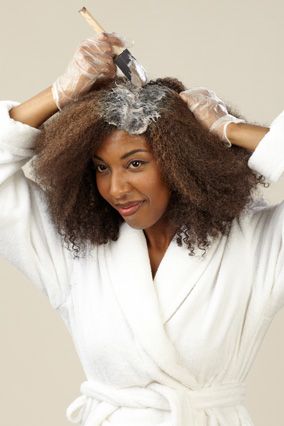
Yes, some people can successfully color their hair at home, particularly when using a straightforward product and following the instructions carefully.
But there is a difference between applying a semi-permanent dark color and attempting a major bleach transformation.
Before coloring at home, make sure you understand:
- What type of color you are using
- Whether it lightens or deposits color
- How long it should remain on the hair
- What patch test is required
- Whether your current hair condition is suitable
- Whether you have previously used another chemical treatment
- How you will care for the hair afterward
Read the entire package before starting.
Do not rely solely on a social media tutorial because someone’s hair responded well to a particular product does not mean yours will respond the same way.
Your hair history matters.
When Should You Avoid Coloring Your Hair?
There are situations where postponing color is the more sensible option.
Consider waiting if your scalp is irritated or damaged, your hair is experiencing significant breakage, or you have recently undergone another chemical treatment.
You should also avoid coloring if you have previously experienced an allergic reaction to a particular dye or ingredient unless a qualified healthcare professional has advised you on what is appropriate.
The FDA notes that people can become sensitized to hair dye ingredients over time, meaning a product that caused no previous problem can still produce a reaction later.
If you are uncertain about whether your hair or scalp can tolerate a coloring service, a dermatologist or qualified professional colorist can help you assess the situation.
Building a Color-Friendly 4C Hair Routine
Once you decide to color your hair, your routine does not need to become complicated.
Think about your routine in terms of maintenance rather than constantly adding products.
Cleanse your scalp appropriately, condition your hair consistently, handle the strands gently during detangling, reduce unnecessary heat, pay attention to your ends, protect your hair when sleeping.
And avoid repeatedly applying chemical treatments simply because you want your color to look fresh.
If your hair is prone to dryness, you may also find that your approach to scalp massage and oil use needs some adjustment. Heavy oiling does not replace conditioning, and adding more oil is not always the answer when colored hair feels dry.
Your routine should respond to what your hair is actually doing.
Final Thoughts

Yes, you can safely color 4C hair, but safe coloring requires more than choosing a shade you like.
Consider the condition of your hair before you begin. Understand whether your chosen product deposits color or requires significant lightening. Perform the required patch test, follow the manufacturer’s directions, and avoid applying dye to an irritated or damaged scalp.
If you want a dramatic color change, particularly a significant lightening process, professional guidance can help you understand what your hair can realistically handle.
Once your hair is colored, pay attention to moisture, breakage, ends, heat use, and how your strands respond to your routine.
You do not have to choose between beautiful color and healthy-looking 4C hair. The key is to treat coloring as a chemical service that requires planning and maintenance rather than as a simple change of shade.
With the right approach, color can become another way to enjoy your natural hair while still giving your strands the care they need.