
What to Expect During the First 12 Months of Transitioning
Disclosure: Some of the links in this post are affiliate links. This means if you click on the link and purchase an item, I will receive an affiliate commission at no extra cost to you.
Deciding to transition from relaxed hair to natural hair can feel exciting at first. You may be looking forward to seeing your natural texture again, trying new hairstyles, and eventually having a full head of natural hair. But once the relaxed ends are still attached to your natural roots, the process can become a little more complicated.
The first 12 months of transitioning are often a period of learning. Your hair gradually develops more natural growth while the relaxed ends remain on the same strands. This creates two different textures that need different types of care, especially as the natural roots become longer.
You may notice changes in how your hair feels, how it responds to products, how difficult it is to detangle, and which hairstyles work best. Some months may feel easy, while others may require more patience. Knowing what to expect can make the process much less confusing.
Before you begin, it can help to understand the basics of natural hair transition and decide whether you prefer a shorter or longer transition. Once you know what is coming, you can build a routine that protects your hair and makes the journey more manageable.
Months 1–2: Getting Used to the Transition
The first couple of months may not look dramatically different from your usual hair routine. Your relaxed ends are still making up most of your visible length, while your natural hair begins growing from the roots.
At this stage, you may notice a small amount of new growth around your scalp. Your hair can start feeling slightly different at the roots, especially if you have been relaxing your hair regularly for a long time.
This is a good time to start treating your hair as transitioning hair rather than continuing exactly as you did before.
Start paying attention to your new growth
Your natural roots may feel thicker, curlier, or more textured than your relaxed ends. That difference will become more noticeable as your hair grows.
You do not need to change every product in your routine immediately. Instead, start observing how your hair responds to washing, conditioning, detangling, and styling.
A consistent hair care routine will be more useful than constantly changing products.
Be gentle with your hair
At this stage, you might still be able to manipulate your hair easily because there is not yet a large difference between your roots and ends.
Still, it is worth developing gentle habits early. Avoid unnecessary pulling, excessive heat, and rough detangling. These habits become even more important later when the difference between your two textures becomes more pronounced.
Months 3–4: Your Two Textures Become More Noticeable
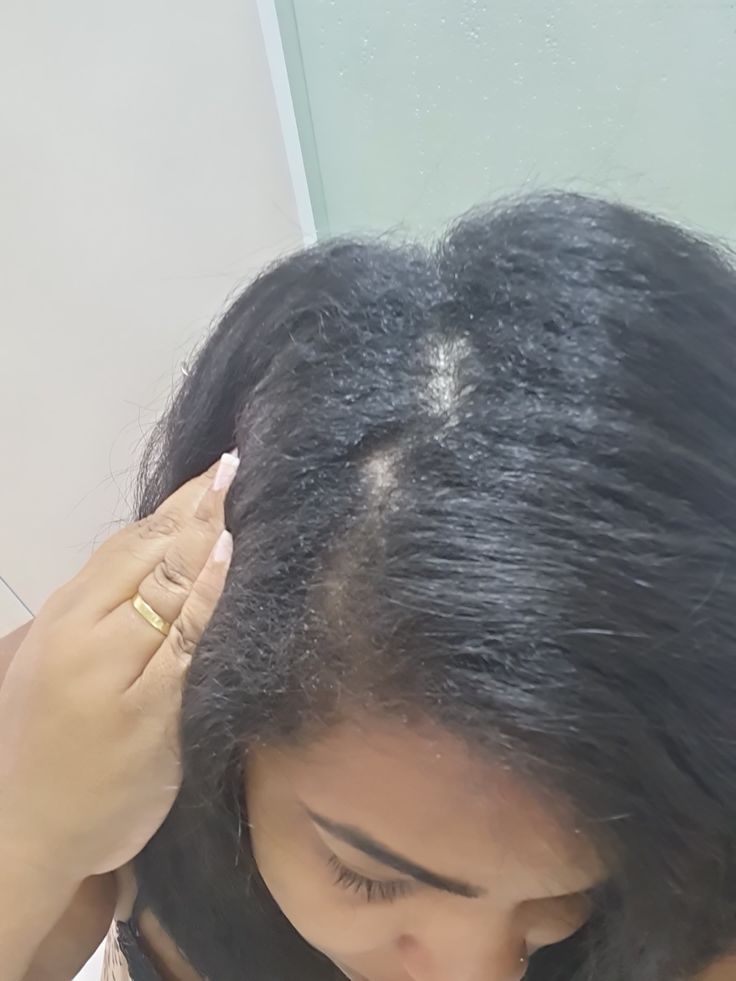
By the third and fourth months, you may begin noticing a clearer difference between your natural roots and relaxed ends.
Your roots may become thicker and more textured while the relaxed portion remains straighter. Depending on how quickly your hair grows, you may have enough new growth to make styling slightly more challenging.
This is where many people realize that transitioning requires a different approach from simply growing out relaxed hair.
The line of demarcation needs extra care
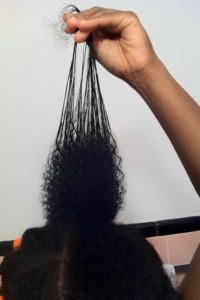
The point where your natural hair meets your relaxed hair is called the line of demarcation. This area can be particularly fragile because the two textures behave differently.
Your natural hair may bend and shrink while the relaxed hair remains straight. When you manipulate the hair, this difference can place extra stress on that section.
Gentle handling is especially important here. Learning why hair breaks can help you recognize habits that may be putting unnecessary pressure on your strands.
Moisture becomes more important
Your natural roots and relaxed ends may respond differently to moisture. You may find that one part of your hair feels soft while another feels dry.
Regular conditioning can help make the hair easier to manage. You may also want to experiment with a leave-in conditioner or other moisturizing products that work well with your hair.
Do not assume that using more products will automatically solve dryness. Pay attention to how your hair responds and keep your routine simple enough to maintain.
Months 5–6: Managing Two Textures Gets Harder
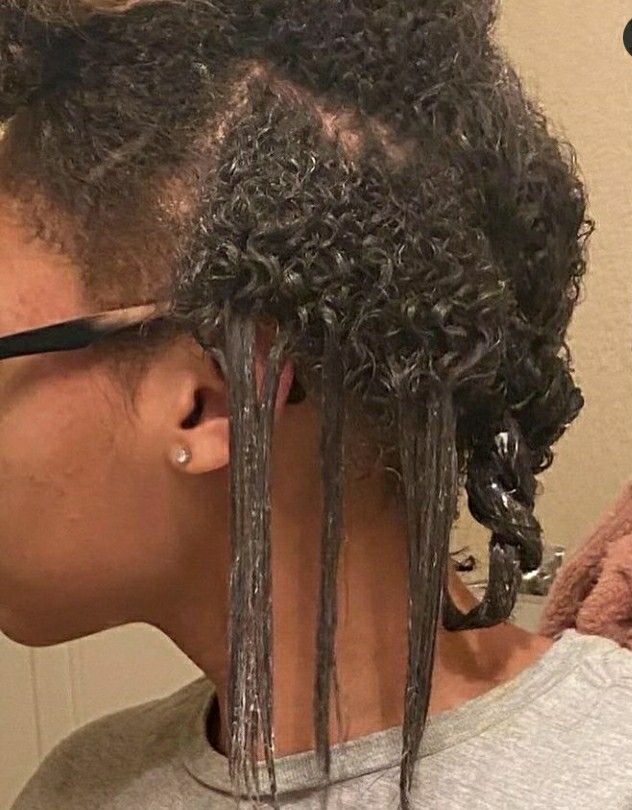
Around the halfway point of the first six months, your natural roots may be much more obvious. This can be one of the more challenging stages because you have enough natural growth to affect styling, but you may still have a significant amount of relaxed hair.
Your hair may no longer behave consistently from root to tip.
One hairstyle might look different depending on how much natural growth you have. Some products may work well on your roots but leave your relaxed ends feeling different.
Detangling requires more patience
As your natural hair becomes longer, its texture can make detangling more time-consuming. Trying to rush through the process can lead to unnecessary breakage.
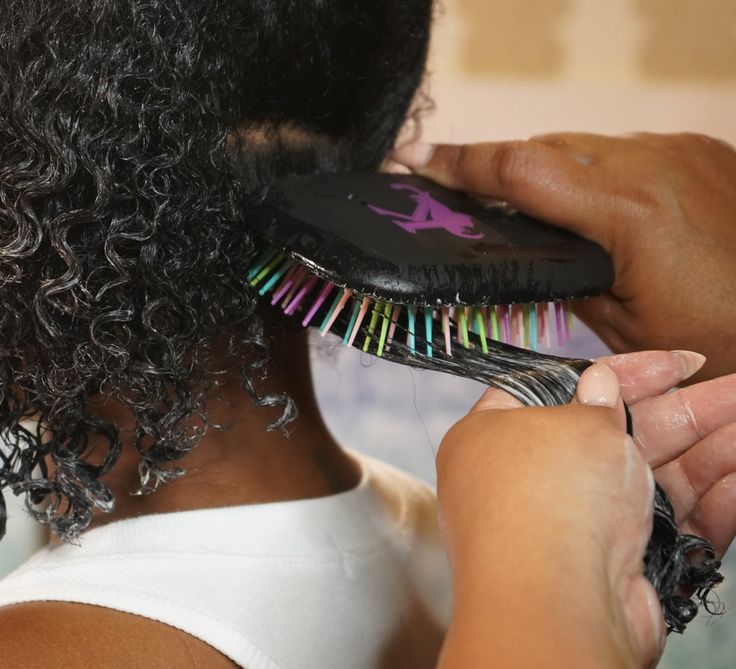
Detangle in sections and avoid forcing a comb through areas that are tightly tangled. Working with damp, conditioned hair can make the process easier for many people.
Your wash day routine may also need to become more structured. Instead of trying to complete everything at once, divide your hair into manageable sections and work through each one carefully.
You may need to rethink your hairstyles
Some styles that were easy when your hair was fully relaxed may become harder to maintain. At the same time, some natural hairstyles may not behave exactly as expected because the relaxed ends are still attached.
This is a good time to experiment with styles that do not require excessive manipulation.
Braids, twists, buns, wigs, and other protective styles can help reduce daily handling when installed and maintained properly.
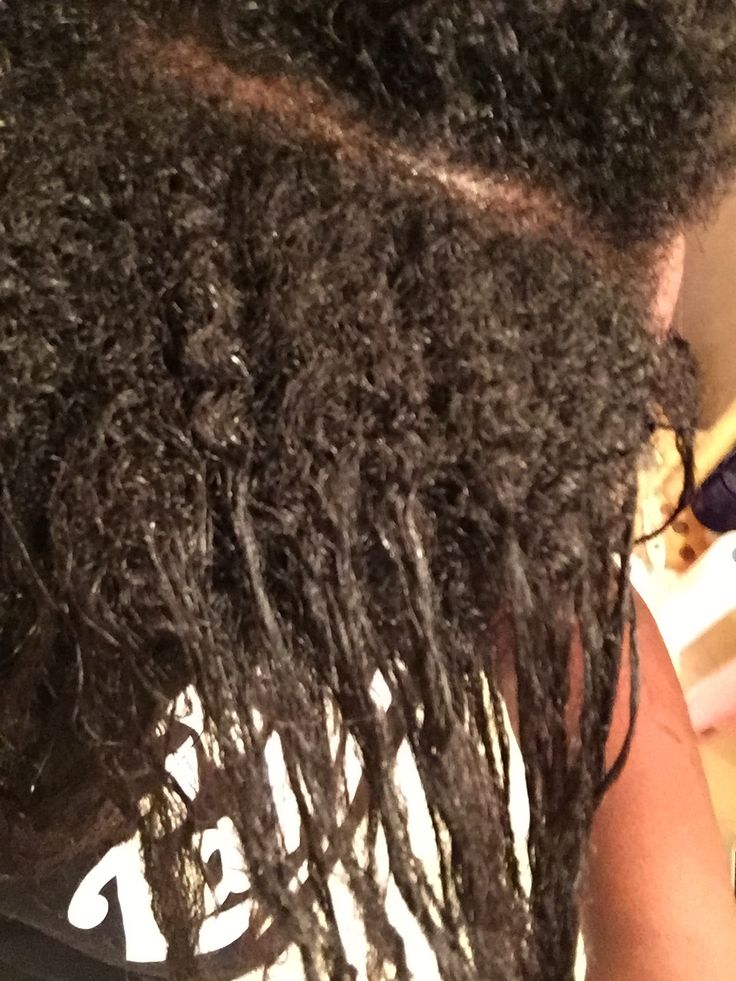
Months 7–8: Your Natural Texture Takes Up More Space
By months seven and eight, the natural portion of your hair may become much easier to see and feel.
You may notice more shrinkage, more texture around the roots, and a greater difference between your natural hair and relaxed ends. Your hair may also require more time to style.
This is often the stage when people begin becoming more comfortable with their natural texture because they are seeing more of it.
Learn what your natural hair actually needs
You may have spent years choosing products based on how your relaxed hair behaved. Now you have an opportunity to observe your natural hair more closely.
Pay attention to how it responds to water, conditioners, styling products, and different techniques. Your natural hair may need more moisture and gentler manipulation than you were used to.
If you are unsure why your hair sometimes feels dry shortly after moisturizing, exploring hair porosity can give you a better starting point for understanding how your strands interact with water and products.
Do not compare your progress with someone else’s
Hair grows at different rates, and visible length can be affected by shrinkage, breakage, genetics, styling, and how often the hair is manipulated.
Someone else may have significantly more visible natural growth after eight months, while yours may appear shorter. That does not automatically mean your hair is not growing.
Focus on the condition of your hair rather than using someone else’s length as a measurement of success.
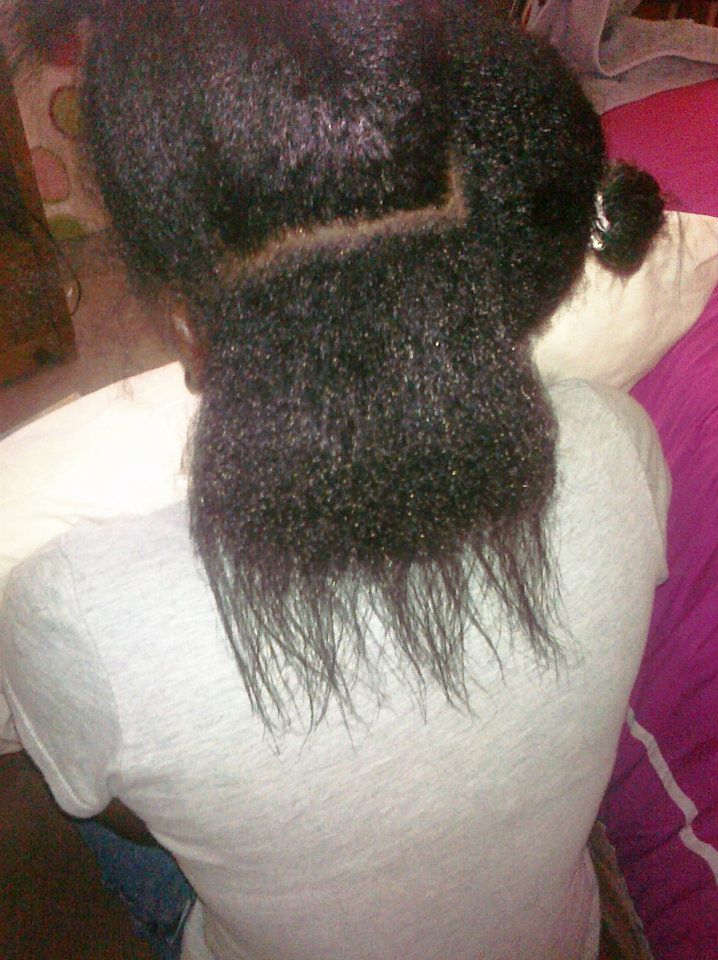
Months 9–10: Finding a Routine That Works
By this point, you have probably learned quite a bit about your hair.
You may know which conditioners make detangling easier, which styles last longer, how often you prefer to wash your hair, and which products leave your hair feeling comfortable.
Instead of constantly searching for new products, focus on creating a routine you can repeat consistently.
Keep your routine practical
Your routine does not need to contain ten different steps.
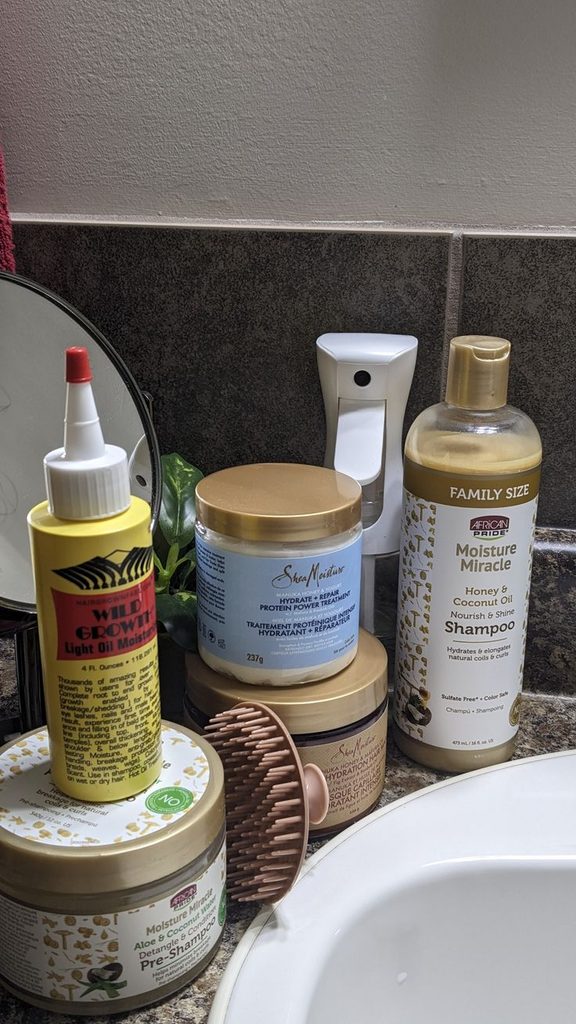
A basic routine can include cleansing, conditioning, moisturizing when needed, gentle detangling, low-manipulation styling, and nighttime protection.
You can also create a weekly hair routine that gives you a predictable schedule without making hair care feel like a full-time job.
Watch for breakage
As the natural section becomes longer, the line of demarcation can remain vulnerable. You may notice more shed hairs or broken pieces during washing and styling.
Learning to distinguish normal shedding from excessive breakage can help you respond appropriately.
Be particularly careful with tight hairstyles, frequent heat styling, aggressive brushing, and repeated manipulation of the same areas.
Months 11–12: You Are Approaching a Major Decision
By the final months of your first year, you may have a significant amount of natural growth.
At this stage, some people feel ready to remove their remaining relaxed ends, while others decide to continue transitioning for several months.
There is no requirement to cut your hair at the 12-month mark.
Your decision can depend on your preferred length, comfort with your natural texture, hair condition, and how you feel about managing two textures.
Think about how your hair feels, not just how long it is
Length is one factor, but it should not be the only thing you consider.
Look at your ends and pay attention to how easily your hair tangles, whether you are experiencing excessive breakage, and how manageable the two textures have become.
If your relaxed ends are becoming difficult to maintain, you may decide that cutting them makes sense. If you are comfortable with your current routine, you may continue transitioning.
Start preparing for fully natural hair
If you plan to eventually remove your relaxed ends, start thinking about what your routine will look like afterward.
You may want to learn more about natural hairstyles, experiment with products, and become comfortable working with your natural texture before making the final cut.
The goal is not to create a perfect routine overnight. It is to make the eventual change feel less unfamiliar.
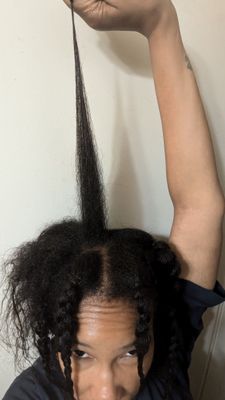
What Happens to Your Hair During the First Year?
Although everyone’s experience is different, there are a few changes you may notice throughout the first year.
Your natural roots gradually become longer while your relaxed ends remain on the older portions of your strands. As the natural section grows, the difference between the two textures becomes more noticeable.
You may also experience more shrinkage, tangling, dryness, or difficulty styling. These changes do not necessarily mean that something is wrong with your hair.
Your main goal should be protecting the hair you already have while allowing new growth to remain healthy.

This is where length retention becomes especially useful. Your hair can continue growing from the scalp, but excessive breakage can make it seem as though you are not gaining length.
Common Problems You May Experience
The first 12 months can come with a few frustrating moments. Knowing about them beforehand can make them easier to manage.
Dryness
Your natural hair may feel drier than your relaxed hair, especially if you are not accustomed to caring for your natural texture.
Adjust your routine based on what your hair actually needs instead of applying heavy products every day.
Tangling
Natural roots can curl and coil around each other, making tangling more likely.
Working in sections and keeping the hair conditioned can make detangling more manageable.
Breakage
Breakage can become more noticeable around the line of demarcation.
Avoid excessive manipulation and be especially gentle when washing, detangling, and styling.
Shrinkage
As your natural hair grows, it may appear shorter than you expect because of shrinkage.
Do not use stretched length alone to determine whether your hair is growing.
Frustration with styling
Some hairstyles may look different when you have two textures. Styles that worked perfectly on relaxed hair may not work the same way during your transition.
This is normal. Experiment with techniques that work with both textures instead of constantly trying to make one texture behave like the other.
How to Protect Your Hair Throughout the Year
Your routine does not need to be complicated, but consistency matters.
Start with gentle cleansing and conditioning. Avoid stretching the time between washes simply because you are transitioning. A clean scalp and properly conditioned hair can make styling and detangling easier.
Limit unnecessary heat, particularly if you frequently straighten the natural portion of your hair to make the two textures blend.
When detangling, work in sections and begin at the ends before moving toward the roots.
You can also use low-manipulation hairstyles when you need a break from daily styling. Just make sure they are not installed too tightly or left in for longer than your hair can comfortably handle.
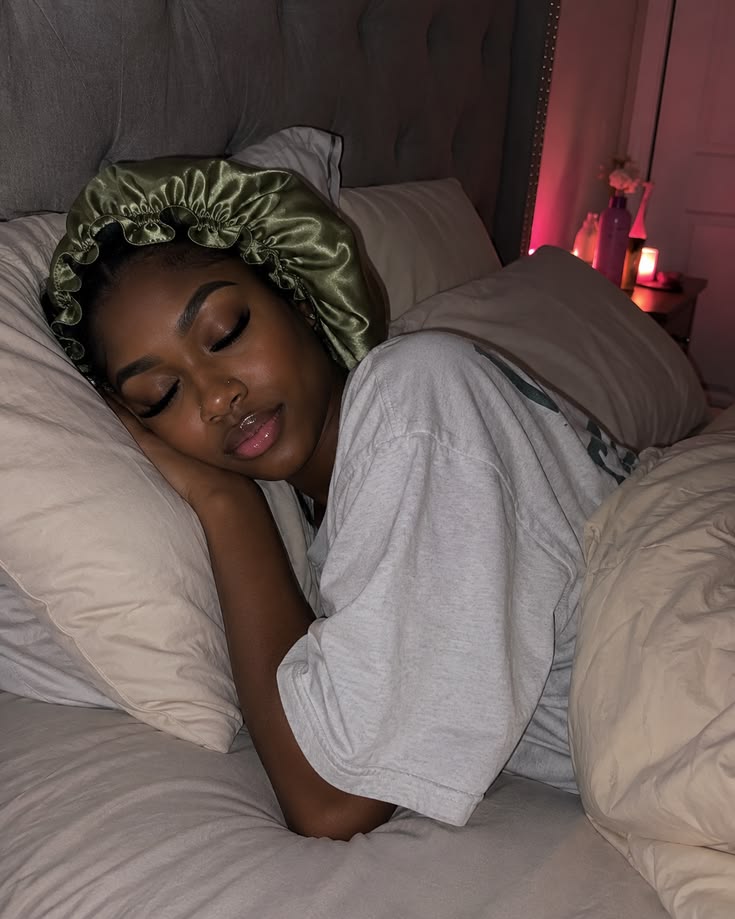
At night, protecting your hair with a satin or silk bonnet, scarf, or pillowcase can reduce friction.
Most importantly, do not keep changing your entire routine every time your hair behaves differently. Your hair will continue changing throughout the transition, so give yourself time to learn what works.
Should You Big Chop After 12 Months?
Not necessarily.
The first year is simply a useful milestone. It does not mean that you have to cut your relaxed ends once you reach month 12.
Some people are comfortable with a longer transition because they want to retain more length. Others become tired of managing two textures and prefer to remove the relaxed ends sooner.
If you are still unsure, think about what has been easiest and hardest about your transition so far.
Do you enjoy having more natural texture? Are your relaxed ends becoming difficult to manage? Do you want to keep more length? Are you experiencing significant breakage?
Your answers can help you decide whether to continue transitioning or move toward the big chop.
You can also choose a middle ground by gradually trimming relaxed ends over time rather than removing everything at once.
What Your Second Year Can Look Like
If you decide to continue transitioning beyond the first year, the process does not suddenly become completely different.
You will simply have more natural growth and less relaxed hair.
You may find that some hairstyles become easier because you have more natural hair to work with. At the same time, detangling and moisture management may become more important as your natural texture takes up a larger portion of your hair.
Eventually, you may reach a point where only a small amount of relaxed hair remains. At that stage, you can decide when you are ready to remove it.
The most useful thing you can take from the first 12 months is not a specific product list or a perfect schedule. It is an understanding of how your own hair behaves.
Final Thoughts
The first 12 months of transitioning can look different for everyone. Some people notice dramatic changes within a few months, while others experience a slower and more gradual transformation.
Try not to measure the process only by how much natural hair you can see. Pay attention to your hair’s condition, your ability to retain length, and how comfortable you have become caring for your changing texture.
You may have frustrating wash days, hairstyles that do not turn out as planned, or moments when you wonder why you started. That is part of learning a new routine.
With gentle handling, consistent care, and realistic expectations, the transition can become much easier to manage as the months go by. By the end of your first year, you may not have everything figured out, but you will have a much clearer understanding of your hair and what you want from the rest of your natural hair journey.