
The Complete Beginner’s Guide to Starting Locs On 4C Hair
Disclosure: Some of the links in this post are affiliate links. This means if you click on the link and purchase an item, I will receive an affiliate commission at no extra cost to you.
Starting locs is a major change, especially if you have 4C hair and have spent years wearing loose natural styles. You may be wondering how long the process takes, which starter method to choose, how often your hair should be retwisted, and what your locs will look like during the early stages.
The good news is that 4C hair can be started and maintained as locs in several different ways. Your tightly coiled texture can form and mature into locs, but the process still requires patience, gentle maintenance, and a realistic understanding of what to expect.
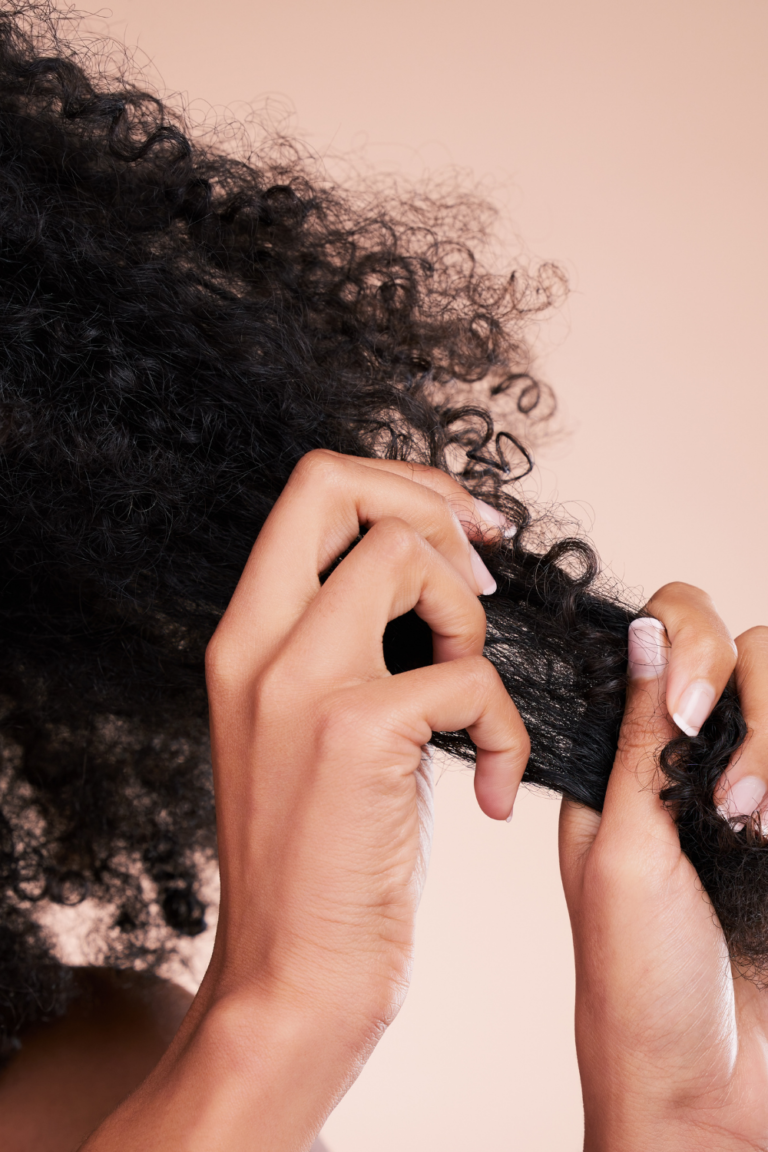
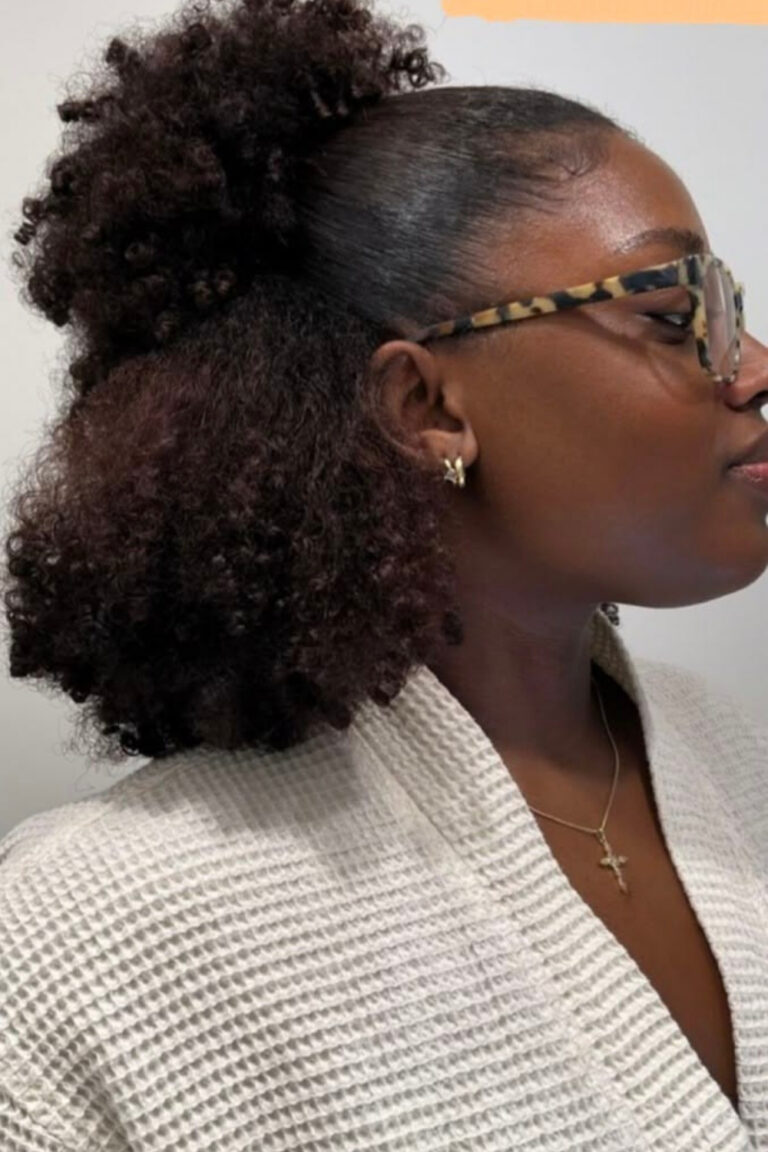
If you are still getting familiar with your texture, reading What 4c hair is can give you useful background before you begin. Your density, strand thickness, preferred loc size, lifestyle, and maintenance routine can all influence how your loc journey develops.
This beginner’s guide explains what you should know before starting locs, the different starter methods, what happens during the first few months, and how to care for your new locs without making the process unnecessarily complicated.
What Are Locs?
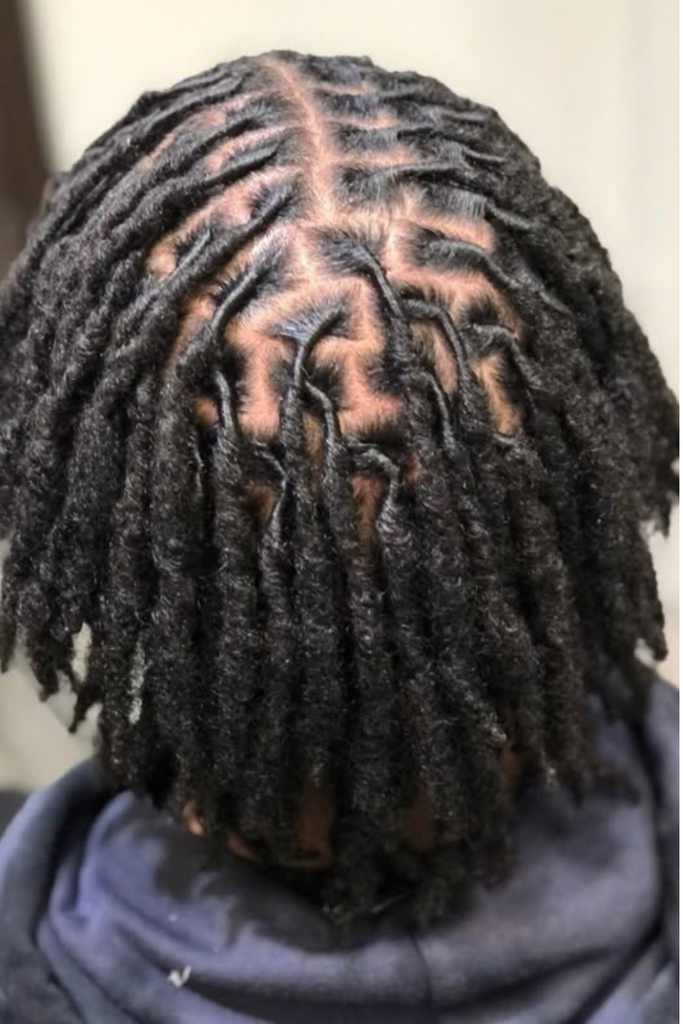
Locs are a hairstyle created when sections of hair are allowed to mat and form into rope-like strands over time. They can be started intentionally using methods such as two-strand twists, coils, braids, or interlocking.
Unlike loose natural hair, locs are not regularly detangled. Instead, the hair within each section gradually becomes more compact as the loc develops.
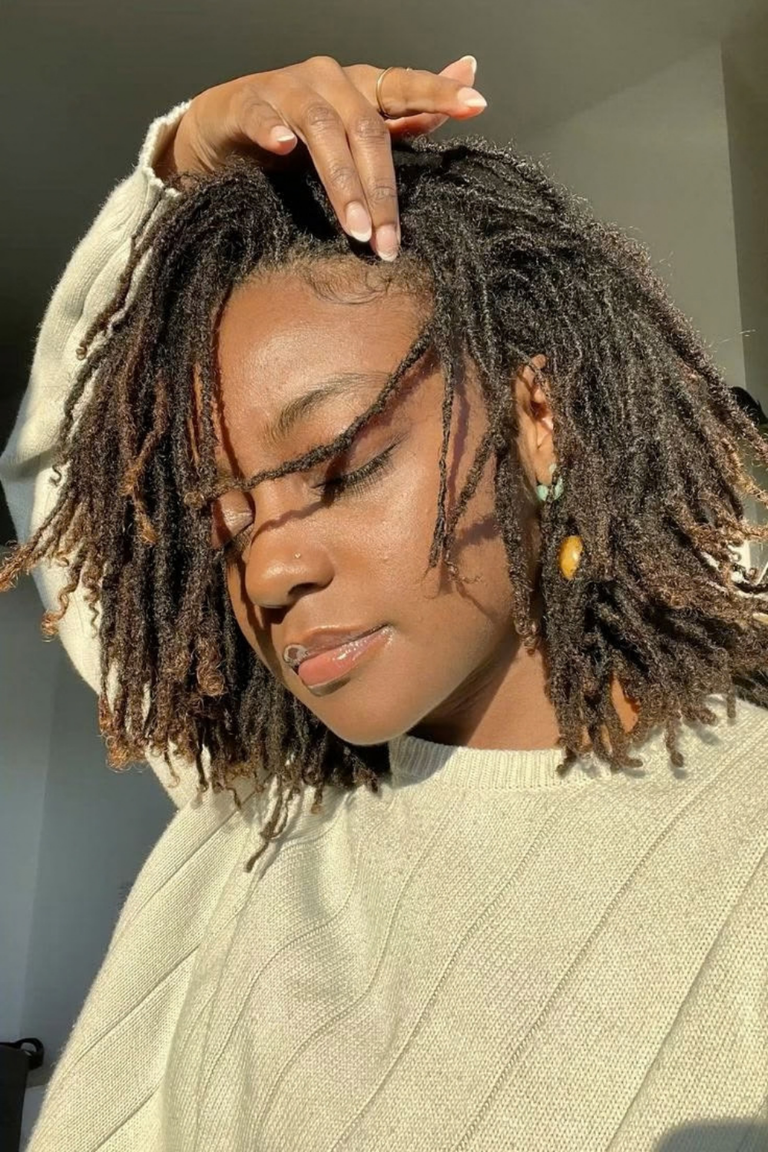
There is no single appearance that every mature loc should have. Some locs are thin and delicate, while others are thick and full. Some are highly uniform, while others have a more organic appearance.
Can You Start Locs on 4C Hair?
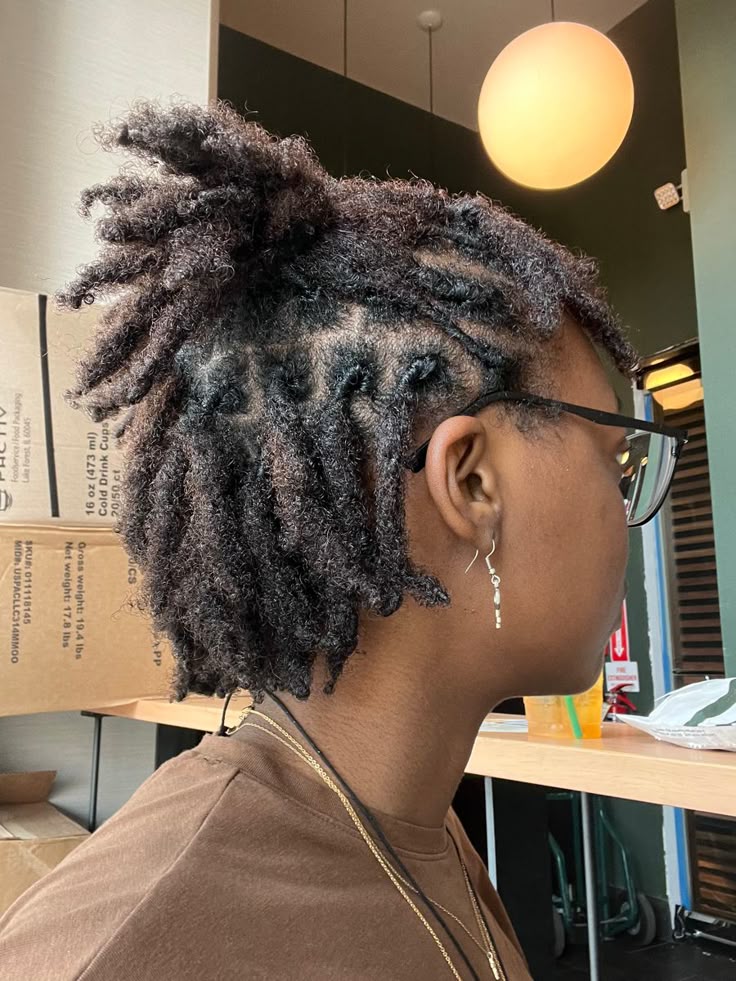
Yes. Starting locs on 4C hair is possible, and many people choose locs because they want a long-term hairstyle that allows them to embrace their natural texture.
The tightly coiled pattern of 4C hair can make the hair suitable for forming and maintaining locs, although the speed and appearance of the process vary from person to person.
Your hair does not have to reach a particular length before you start. However, you need enough length for your chosen starter method to be installed securely and comfortably.
If you are unsure about your exact texture, learning how to identify true 4c hair can help you understand your natural hair before making a long-term styling decision.
Things to Consider Before Starting Locs
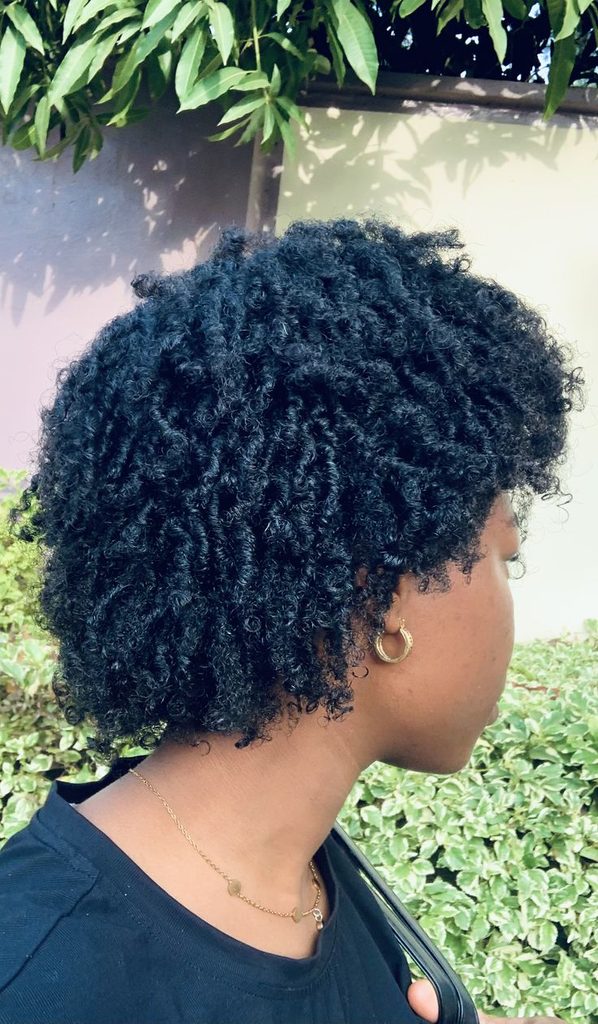
Locs are a long-term commitment, so it is worth thinking beyond how the hairstyle looks on the first day.
Consider the size you want, how much maintenance you can handle, whether you want to color your hair eventually, and how you feel about going through the early stages before your locs mature.
Your lifestyle matters too. If you exercise frequently, swim regularly, or spend a lot of time outdoors, your maintenance routine may need to accommodate those activities.
You should also think about your preferred level of styling. Locs can be worn in many creative ways, but your options will change as your locs grow and mature.
Choosing the Right Starter Loc Method
There are several ways to begin a loc journey. The most suitable method depends on your desired loc size, hair length, density, maintenance preferences, and the look you want during the early stages.
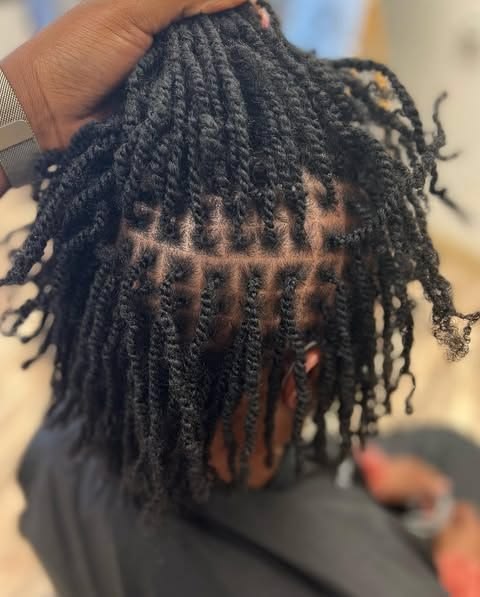
Two-Strand Twists
Two-strand twists are one of the most recognizable ways to begin locs. Your hair is divided into sections and twisted together, allowing each twist to gradually mature into a loc.
This method can be particularly appealing if you already enjoy wearing twists. The starter twists can also give you an idea of how your future loc sections may look.
Comb Coils
Comb coils are created by rotating small sections of hair around a comb. They produce a coiled appearance that can gradually develop into locs.
This method is often associated with smaller starter sections, so your desired loc size should be discussed with your loctician beforehand.
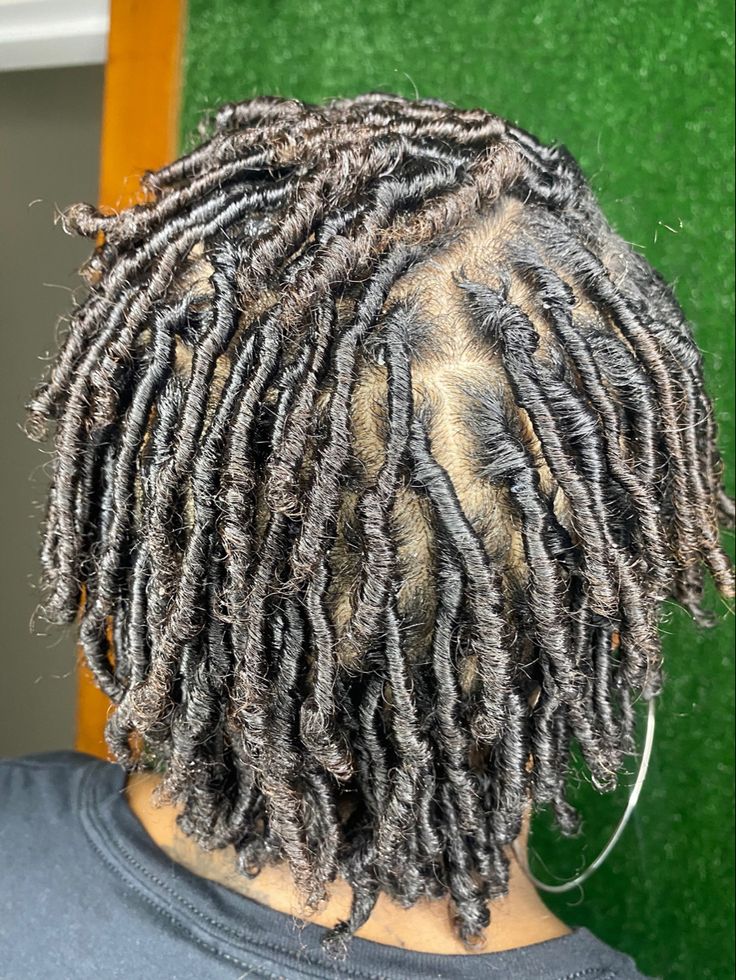
Braids
Braids can also be used to start locs. The braided sections provide a clear structure while the hair begins its locking process.
Braids may be useful for someone who wants their starter locs to maintain a recognizable pattern during the early stage.
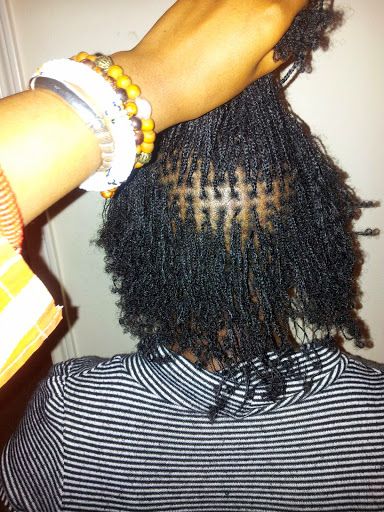
Interlocking
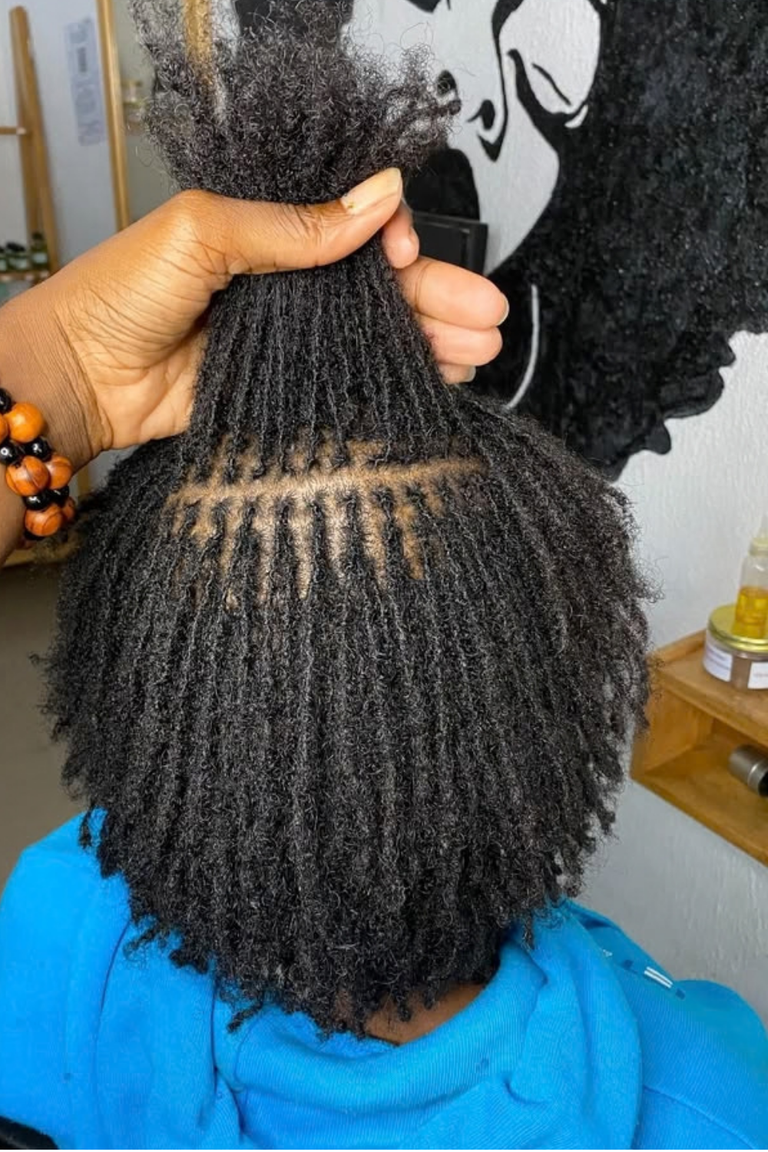
Interlocking involves pulling the end of a loc through its root or using a specialized technique to create a secure base.
This method is often considered by people who want a more secure starting structure or have particular maintenance needs. Because improper interlocking can create tension or weaken the hair, it is best performed by someone experienced with the technique.
For more information about this option, see starter locs vs instant locs before making your decision.
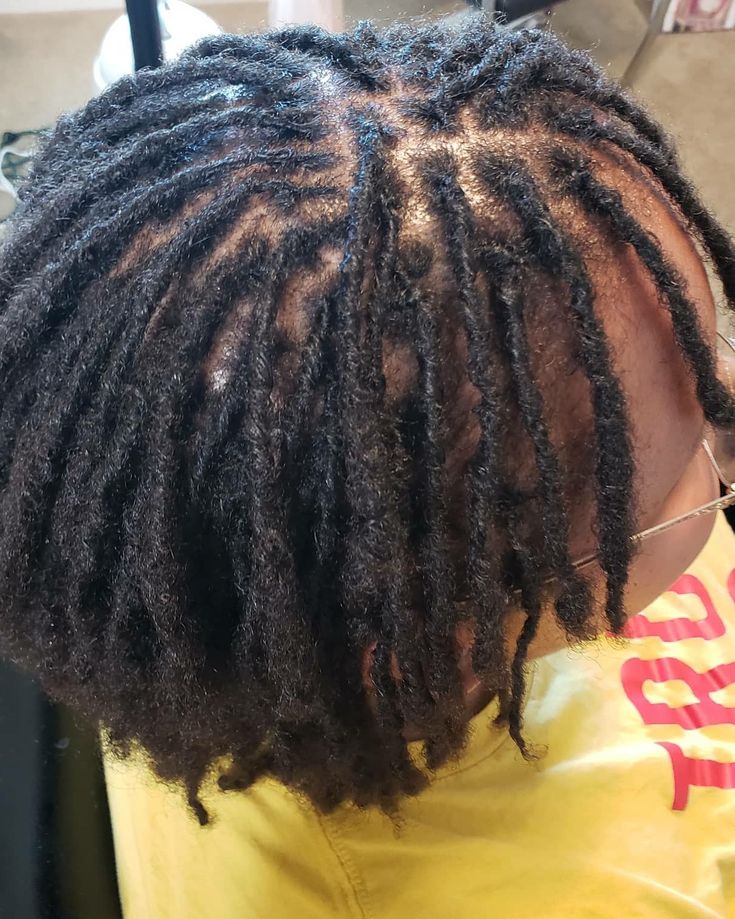
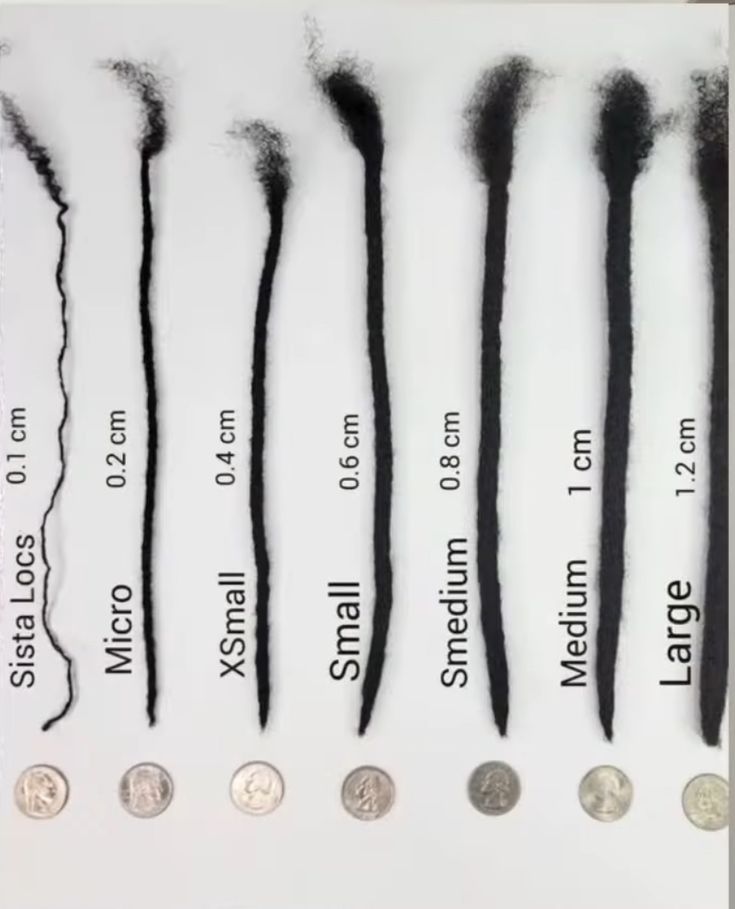
How Big Should Your Starter Locs Be?
Your starter loc size matters because the sections you create at the beginning will influence the eventual appearance of your locs.
Small locs can create a detailed look and provide many styling possibilities, but they may require more attention during maintenance. Larger locs can produce a fuller appearance and may require fewer individual sections.
Your hair density should also be considered. Someone with very dense hair may need a different sectioning pattern from someone with finer or less dense hair.
Avoid choosing a loc size simply because it looks good on someone else. Bring reference photos to your loctician and discuss whether that size is realistic for your own hair.
How Long Should Your Hair Be Before Starting Locs?
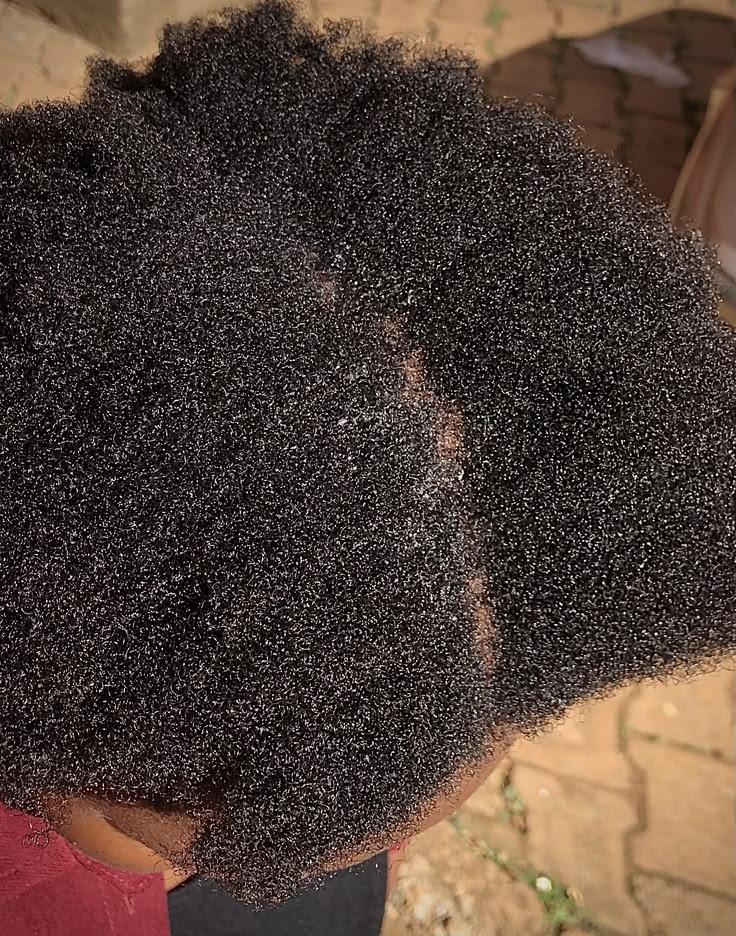
There is no universal minimum length that works for everyone because different starter methods require different amounts of hair.
A professional loctician can assess your current length, density, and preferred method to determine whether your hair is ready.
If your hair is currently short, you do not necessarily have to wait until it becomes very long. The important thing is choosing a method that can create secure sections without excessive pulling or manipulation.
If you are growing your hair first, focus on healthy practices rather than trying to gain length as quickly as possible. Hair Growth Tips for 4C Hair can provide additional ideas for maintaining your hair while you wait.
Preparing Your Hair Before Starting Locs
A clean scalp and well-prepared hair can make the installation process easier. Wash your hair before your appointment and remove heavy product buildup.
Avoid coating your hair with thick oils, butter, or styling products immediately before installation. Your loctician needs to work with hair that can be sectioned and manipulated properly.
You may also want to clarify your hair if you have significant buildup. Best Clarifying Shampoos for Product Buildup can help you understand when clarification may be useful.
The goal is not to make your hair extremely dry. You simply want your hair and scalp clean enough for the starter process.
What Happens During the First Few Months?
The early stage of a loc journey can look very different from what you imagine when you see mature locs online.
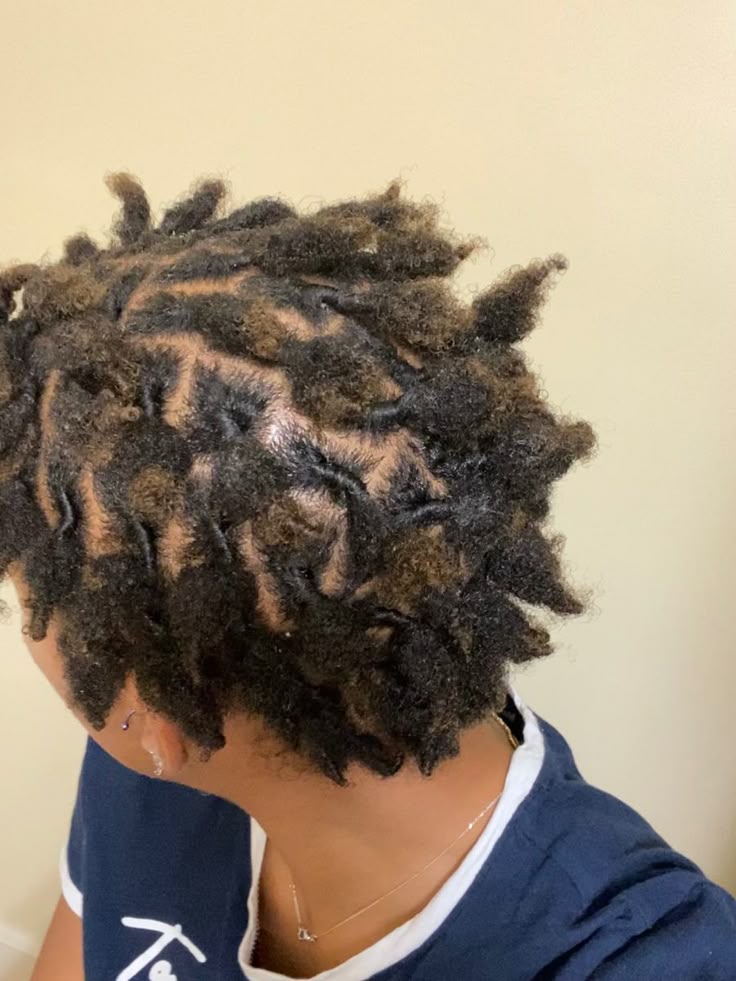
Your starter locs may look neat immediately after installation, but they will not stay perfectly uniform. You may notice frizz, loose hairs, swelling, shrinking, or changes in the shape of individual locs.
This is normal for the maturation process. Your hair is gradually changing from separated sections into more established locs.
Some days your hair may look less defined than it did after your appointment. That does not automatically mean something has gone wrong.
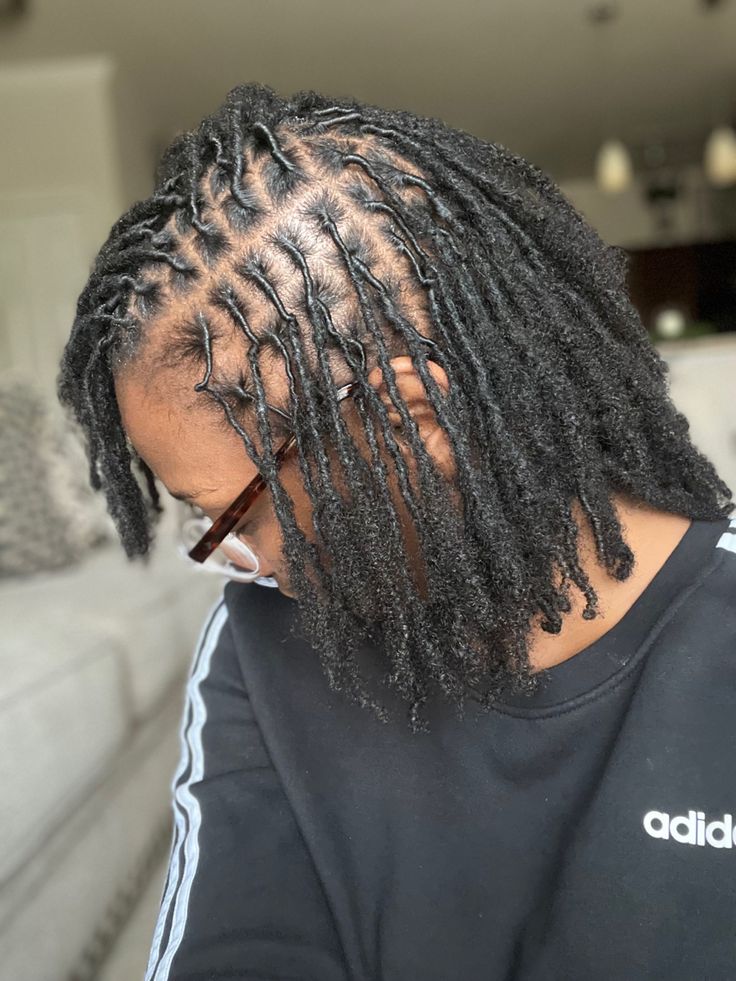
The Budding Stage
At some point, you may notice certain areas of your locs becoming thicker or more compact. These areas are often called buds.
The budding stage is part of the hair becoming more established. Your locs may feel different from one week to the next as the strands continue to intertwine.
This is one reason patience matters so much during the beginning of a loc journey. Trying to force every loc to look perfectly mature too early can lead to unnecessary manipulation.
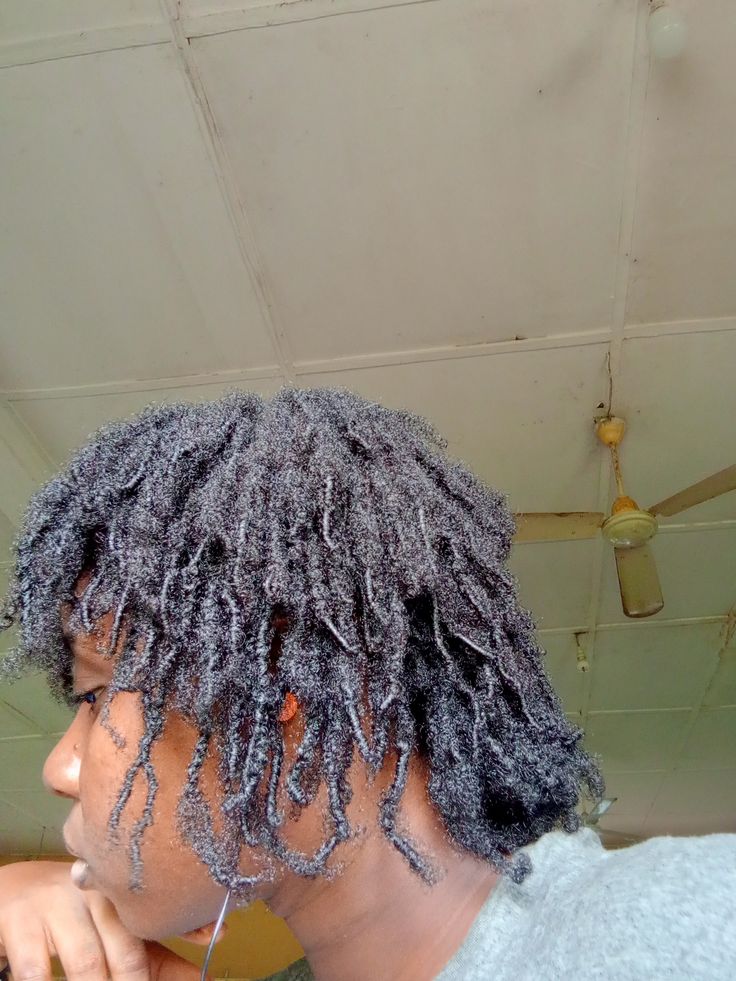
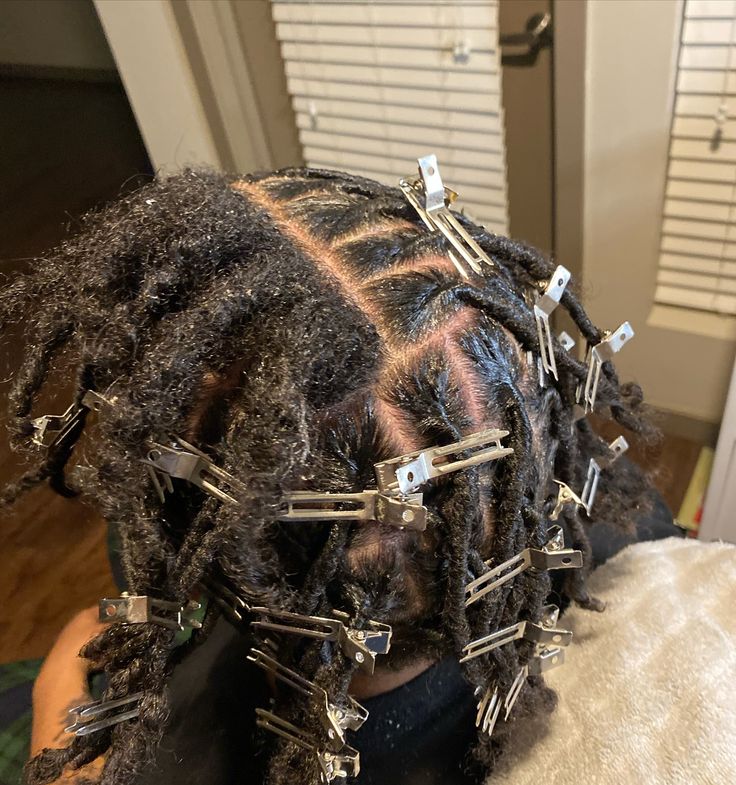
How Often Should Starter Locs Be Retwisted?
Retwisting frequency depends on your hair, the method used to start your locs, your preferred appearance, and your loctician’s recommendations.
Retwisting too frequently can place repeated tension on the roots. A neat appearance is not worth creating unnecessary stress around your hairline.
Some people prefer a very neat root appearance, while others allow more time between maintenance sessions. Your routine should support the health of your scalp and hair rather than simply keeping every root perfectly smooth.
This is particularly important if you already experience fragile edges.Habits that could be destroying your hairline can help you recognize behaviors that may contribute to unnecessary tension.
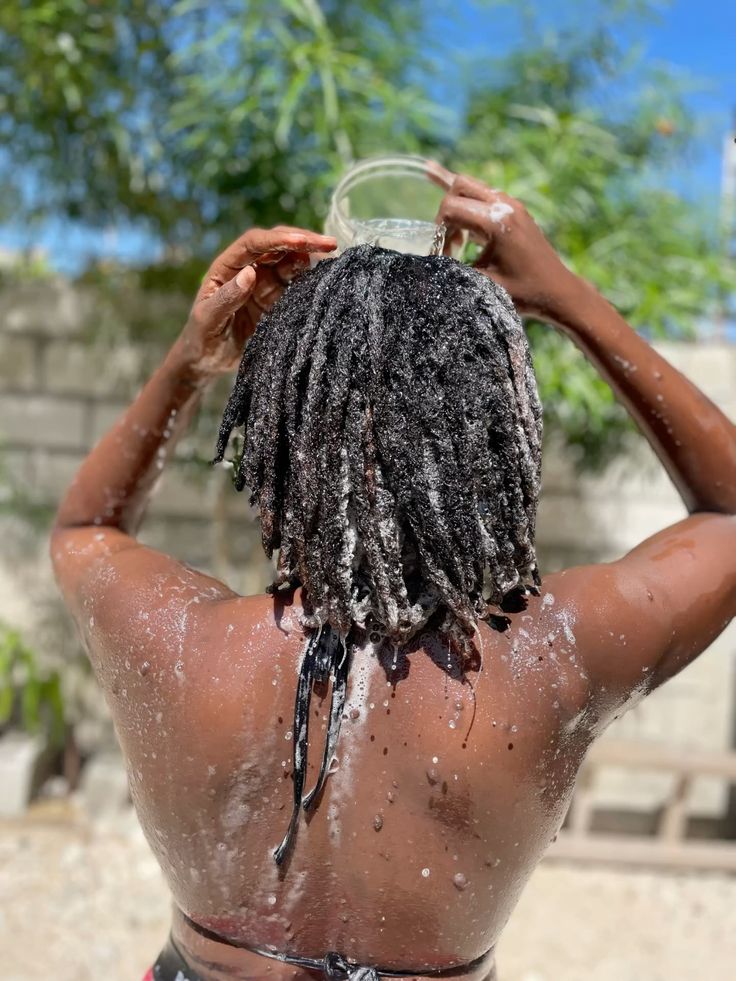
Washing Starter Locs
One common concern beginners have is whether they can wash newly started locs. Your washing routine should follow the advice of your loctician and the starter method you are using.
Keeping the scalp clean is important, but your hair may need a little extra care during the early stage to prevent excessive unraveling.
Use a cleanser that removes buildup without leaving heavy residue. How Often Should You Wash 4C Hair? can help you think about your normal washing frequency before adapting it to your loc routine.
As your locs mature, washing generally becomes a normal part of your maintenance routine.
Keeping Your Scalp Healthy
Your scalp should remain part of your routine throughout your loc journey. Do not assume that locs mean you can ignore scalp care.
Pay attention to excessive dryness, persistent itching, irritation, unusual buildup, or discomfort. A healthy loc journey should not require you to tolerate ongoing scalp problems.
Your scalp may also need different care as your locs become longer and denser.
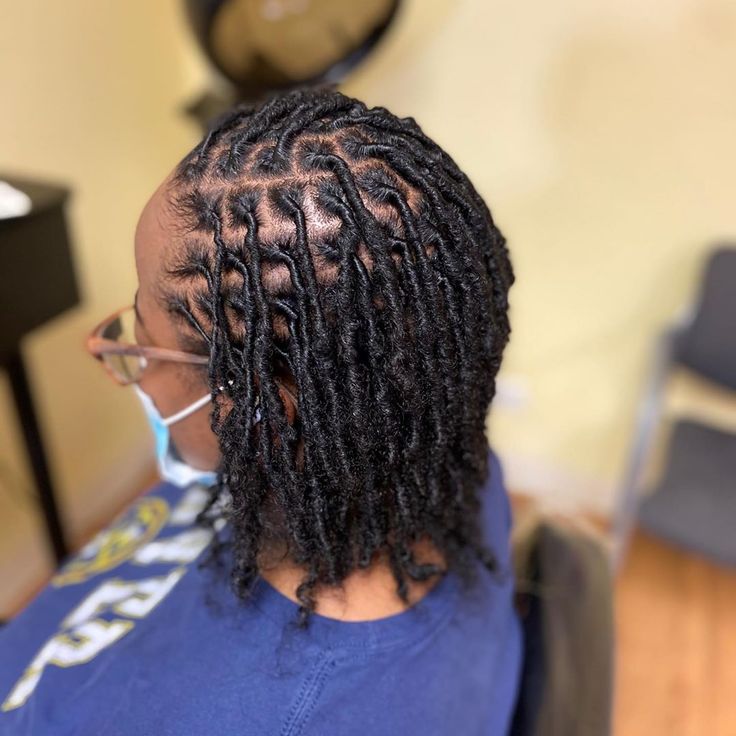
How to Moisturize Locs Without Heavy Buildup
Moisture is still important when you have locs, but you do not need to coat them with heavy products.
Lightweight water-based products can be easier to manage than thick creams and butters that may accumulate inside the locs.
Pay attention to how your hair feels rather than constantly adding products. If your locs feel coated, sticky, or unusually heavy, your routine may contain too much product.
For additional guidance, DIY aloe vera hair treatments can give you ideas for lightweight hair-care options, although any homemade mixture should be used carefully and kept fresh.
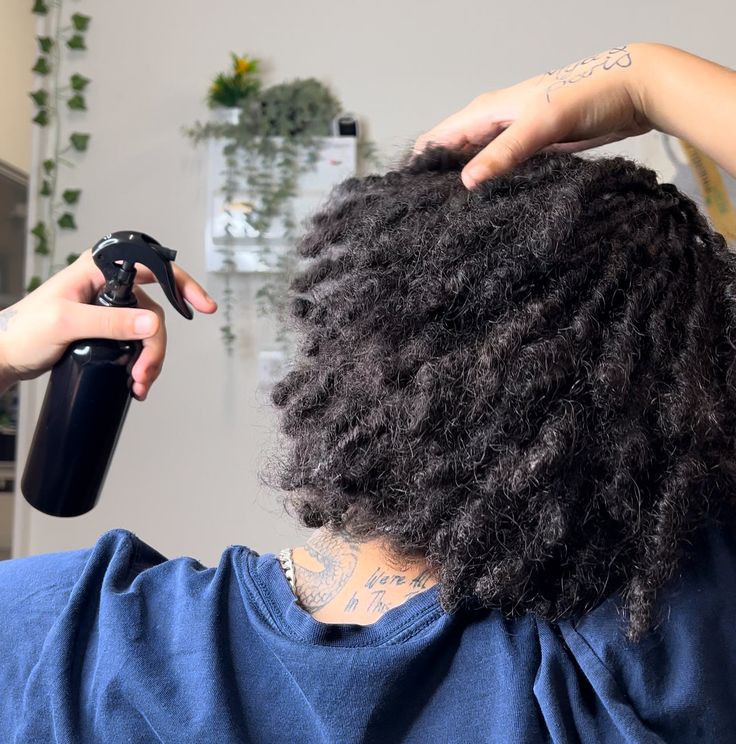
Can You Use Oils on Locs?
You can use oils as part of a loc-care routine, but more is not necessarily better. Heavy or frequent oil application can contribute to buildup, especially when combined with other products.
If you enjoy using oils, keep the amount reasonable and focus on what your scalp and hair actually need.
For people interested in homemade options, Homemade Hair Butter Recipes can provide inspiration, but thick butter-based products should be used cautiously on locs because residue can become difficult to remove.
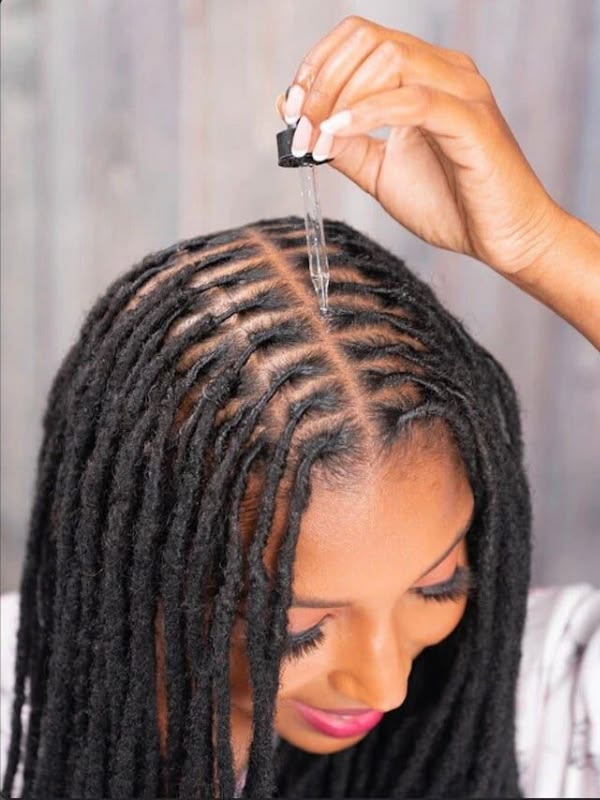
Common Mistakes to Avoid When Starting Locs
One of the biggest mistakes is constantly manipulating the hair because the locs do not look mature yet. Early locs are supposed to change.
Another mistake is excessive retwisting. Repeated tension can be especially problematic around the hairline and may make the roots weaker over time.
Heavy product use is another common problem. Thick gels, waxes, creams, and oils can become trapped inside locs and contribute to buildup.
You should also avoid comparing your timeline to someone else’s. Two people can start locs at the same time and experience very different stages.
If you are concerned about breakage or weak strands, review Why your 4C hair keeps breaking no matter what you do before adding more manipulation to your routine.
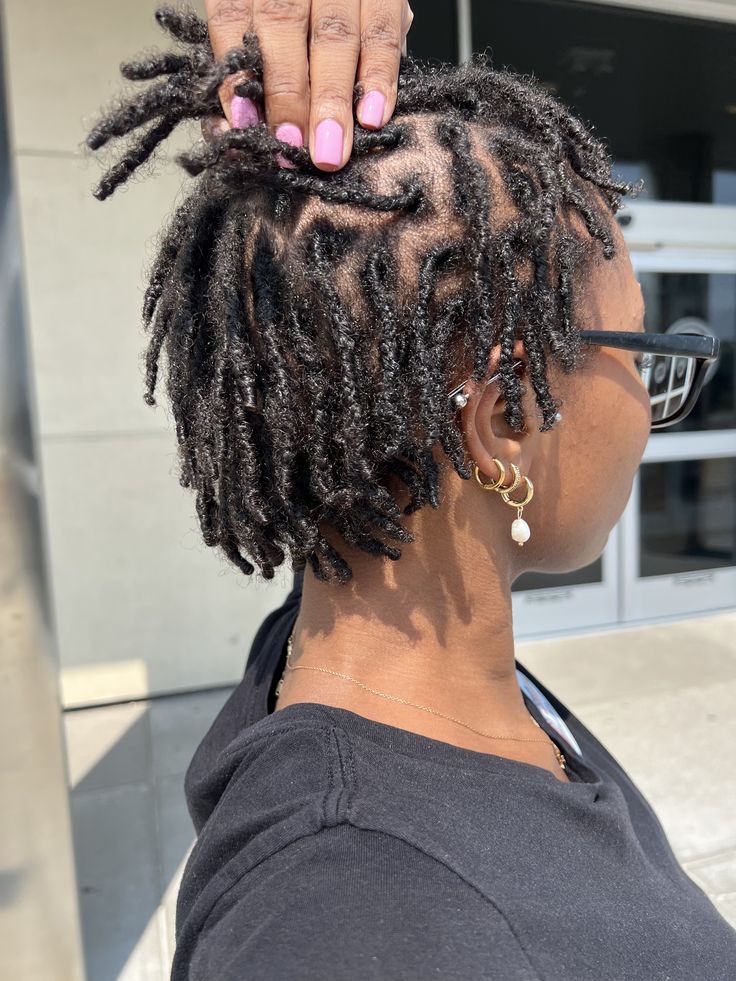
What About Locs and Hair Growth?
Starting locs does not automatically make your hair grow faster. Hair growth happens at the scalp, while the appearance of longer hair is affected by how well you retain the length you grow.
One reason people may feel that their hair is growing better after starting locs is that locs can reduce the need for constant detangling and daily manipulation.
However, locs still require proper care. Poor maintenance, excessive tension, buildup, or neglect can create problems just as they can with loose natural hair.
Your goal should be healthy growth and retention rather than trying to make your locs grow at an unrealistic speed.
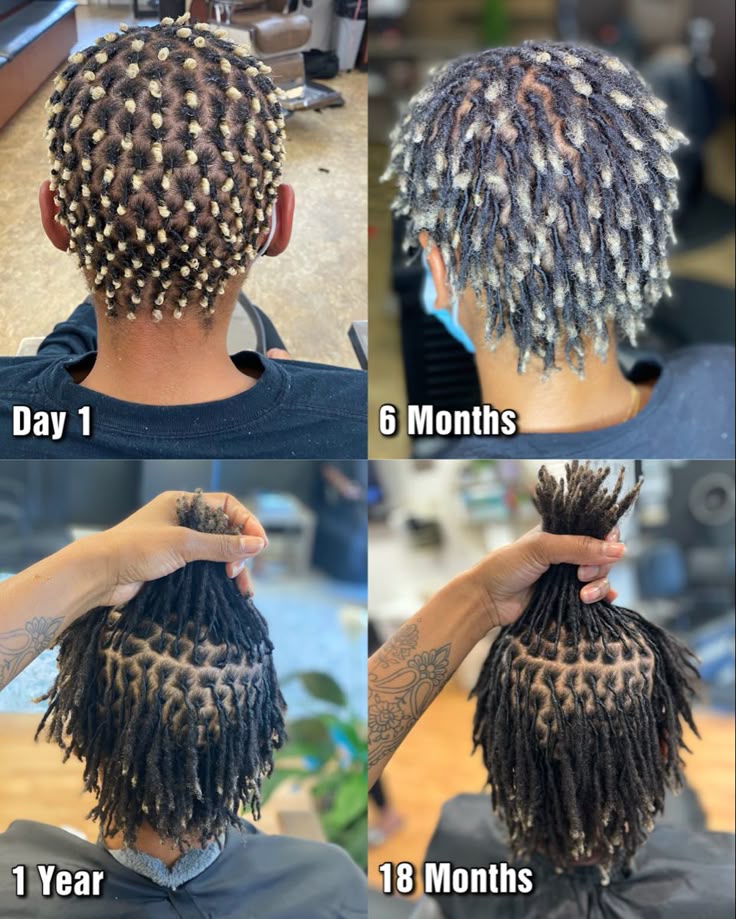
When Do Starter Locs Mature?
There is no exact date when every person’s locs become mature. The process can take many months or longer depending on hair characteristics, starter method, loc size, maintenance, and individual growth patterns.
Your locs may mature at different rates, with some sections becoming compact before others. This unevenness is normal during the journey.
Instead of focusing on reaching a particular stage quickly, take photographs periodically so you can see changes that may be difficult to notice day to day.
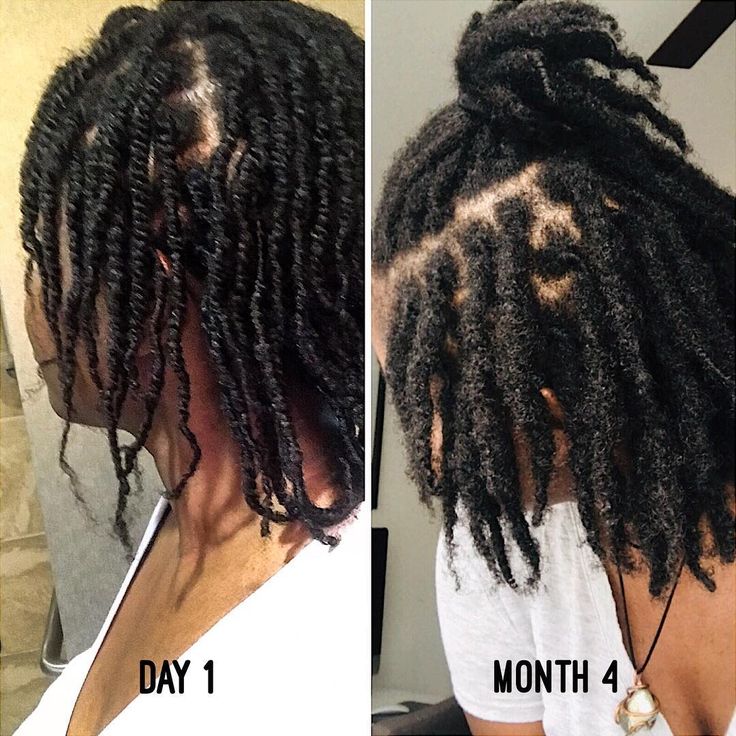
Styling Your Starter Locs
Starter locs can be styled, but you should be careful about how much tension you create. Very tight ponytails, buns, or elaborate styles can stress developing roots.
During the early stage, simple styling is usually easier to manage. You can experiment with scarves, headbands, loose updos, and other low-tension options.
As your locs become stronger and longer, your styling possibilities will expand. If you want inspiration before committing, the best starter loc styles for 4C hair can give you ideas to discuss with your loctician.
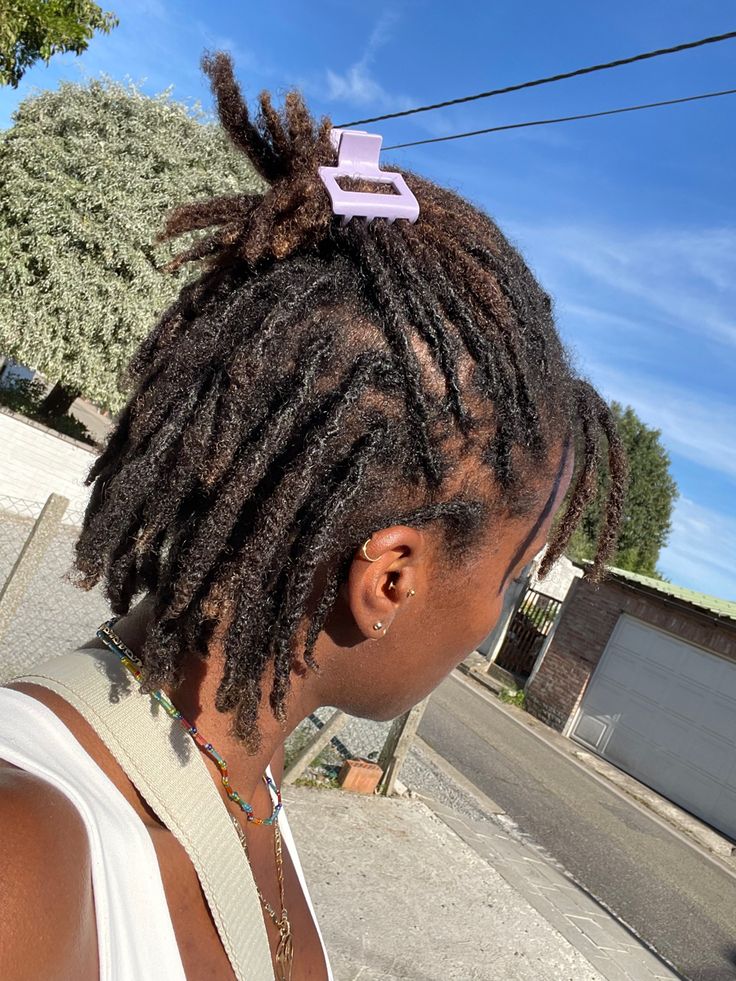
Starting Your Loc Journey With Realistic Expectations
Starting locs is not simply about getting a hairstyle and waiting for it to mature. It is a gradual process that changes how you wash, style, moisturize, and maintain your hair.
Your locs may look different from your inspiration photos, and that is not necessarily a problem. Hair density, texture, section size, and maintenance habits all contribute to the final appearance.
If you decide to start locs, give yourself time to experience every stage rather than judging the process based on the first few weeks.
For those still deciding whether locs are right for them, Should You Start Locs on 4C Hair? can help you think through the commitment before making your decision.
Final Thoughts
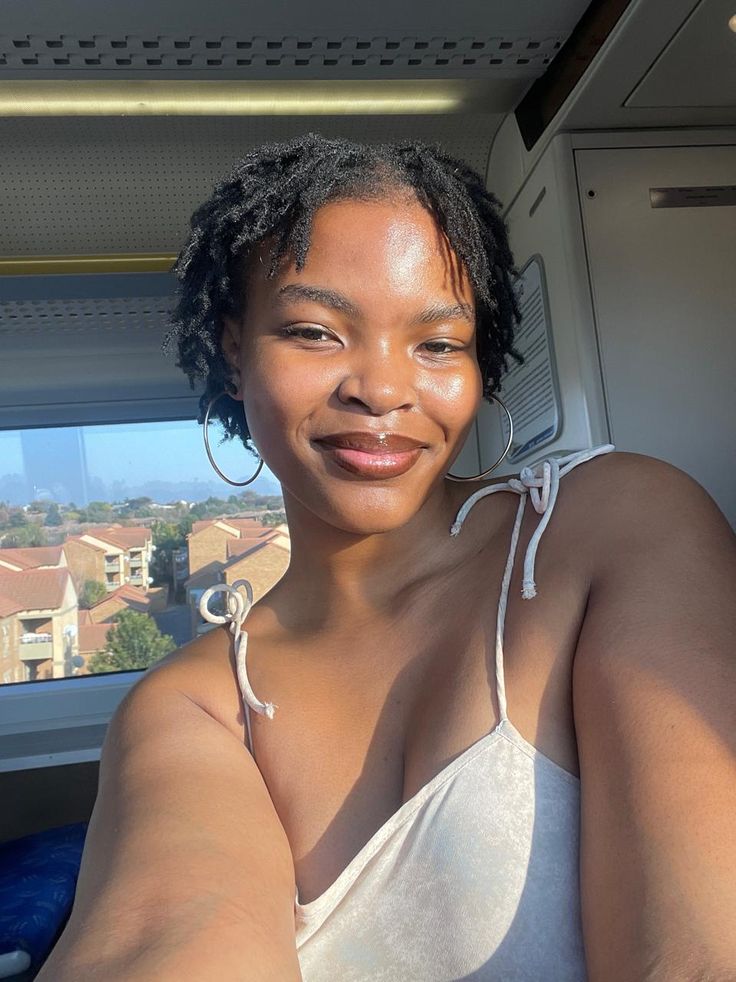
Starting locs on 4C hair can be an exciting way to embrace your natural texture while creating a long-term hairstyle that can evolve with you. The early stages may involve frizz, budding, shrinkage, loose sections, and plenty of changes that are difficult to predict.
Choose your starter method carefully, work with an experienced loctician, keep your scalp clean, avoid excessive manipulation, and be cautious with heavy products.
Most importantly, give your hair time. Locs do not need to look mature immediately to be progressing. The early stages are part of the journey, and learning how your own hair responds will help you build a routine that works for you.



One Comment