
21 Best Braids For 4C Hair Growth
Disclosure: Some of the links in this post are affiliate links. This means if you click on the link and purchase an item, I will receive an affiliate commission at no extra cost to you.
Braids are one of the most popular protective styles for natural hair, and for good reason. They help reduce daily manipulation, protect your ends, and make it easier to maintain your hair with less styling throughout the week. If you’re trying to retain length, choosing the best braids for 4C hair growth can be an important part of your healthy hair routine.
One of the biggest myths about braids is that they make your hair grow faster. In reality, hair growth happens at the scalp, regardless of the hairstyle you wear. What braids do is help you keep more of the hair you naturally grow by reducing breakage caused by constant combing, brushing, and styling.
If you’ve experienced damage while wearing protective styles before, protective styling mistakes that cause breakage explains some of the most common habits that can weaken your hair over time.

Do Braids Help 4C Hair Grow?
Braids don’t directly make your hair grow faster, but they can make it easier to retain the length your hair naturally grows.
Hair grows from the scalp, not from the ends. On average, most people’s hair grows at a fairly similar rate regardless of if it’s braided, twisted, or worn loose.
The difference is that protective styles reduce everyday manipulation, helping your ends stay healthier for longer.
When your ends are protected, they’re less likely to break from constant combing, friction against clothing, or everyday styling. Over time, this means you’re able to keep more of the growth your scalp produces.
That’s why many people notice their hair appears longer after wearing healthy protective styles consistently. The braids didn’t speed up growth; they simply reduced breakage.
If you’re wondering why your hair seems to stop at a certain length, why your 4C hair isn’t growing and what to do explains the difference between hair growth and length retention.
Understanding what 4C hair is also helps explain why tightly coiled strands benefit so much from low-manipulation styles.
How to Choose the Best Braids for Healthy Hair Growth
Not every braid style is equally beneficial for your hair.
The best braids for 4C hair growth are lightweight, comfortable, and don’t place excessive tension on your scalp or edges. If a style feels painful from the start, it’s probably too tight.
The size and weight of your braids also matter. Extremely heavy or overly small braids can put unnecessary stress on your roots, while medium-sized braids often provide a better balance between protection and comfort.
It’s also important to remove your braids at the right time. Leaving them in for too long can lead to product buildup, tangles, and unnecessary breakage. How long should you keep protective styles in? explains when it’s time for a fresh installation.
Finally, remember that healthy hair growth depends on consistent care, not just the hairstyle itself. Following the best daily hair care routine for 4C hair will help you get the most out of every protective style.
21 Best Braids For 4C Hair Growth
1. Medium Knotless Braids
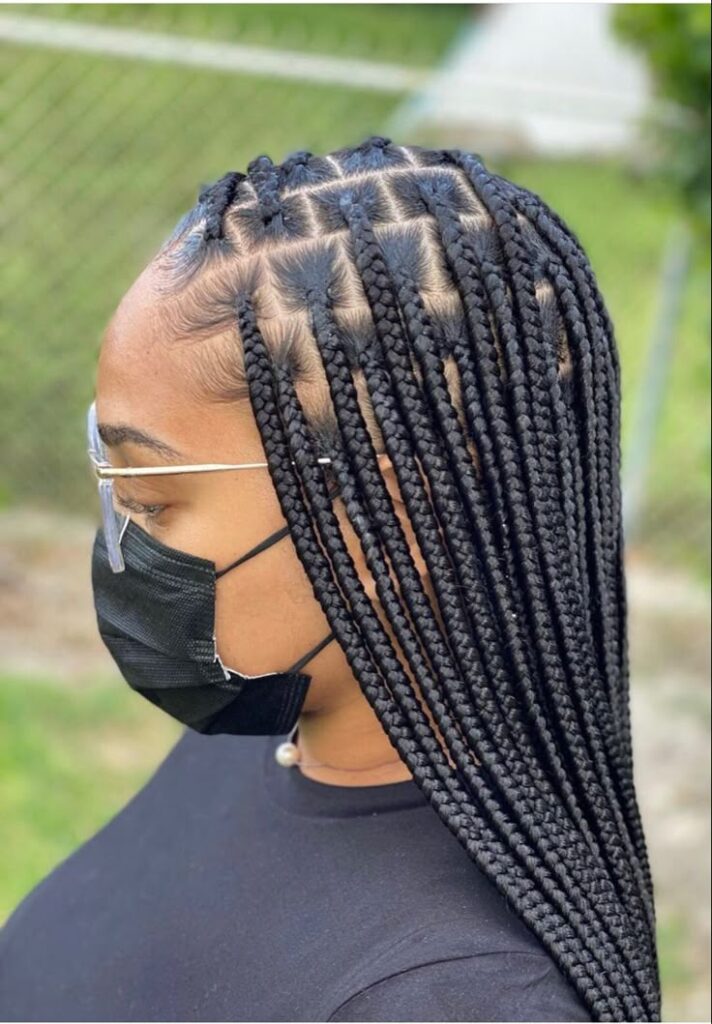
Medium knotless braids are one of the best protective styles for promoting healthy 4C hair. Because the extensions are added gradually instead of starting with a tight knot, they place less tension on your scalp and edges than traditional box braids.
They’re also lightweight enough for everyday wear while still lasting several weeks with proper care. Since they don’t pull excessively at the roots, they’re a great option if you’re trying to reduce breakage and improve length retention.
To get the most from this style, moisturize your natural hair regularly and avoid wearing your braids in tight ponytails every day.
If you’re trying to avoid unnecessary damage, coloring mistakes that cause breakage explains several habits to watch out for while wearing braided styles on colored hair.
Best For: Everyday wear, length retention, low manipulation
Maintenance: Moderate
Styling Time: 4–6 hours
2. Medium Box Braids
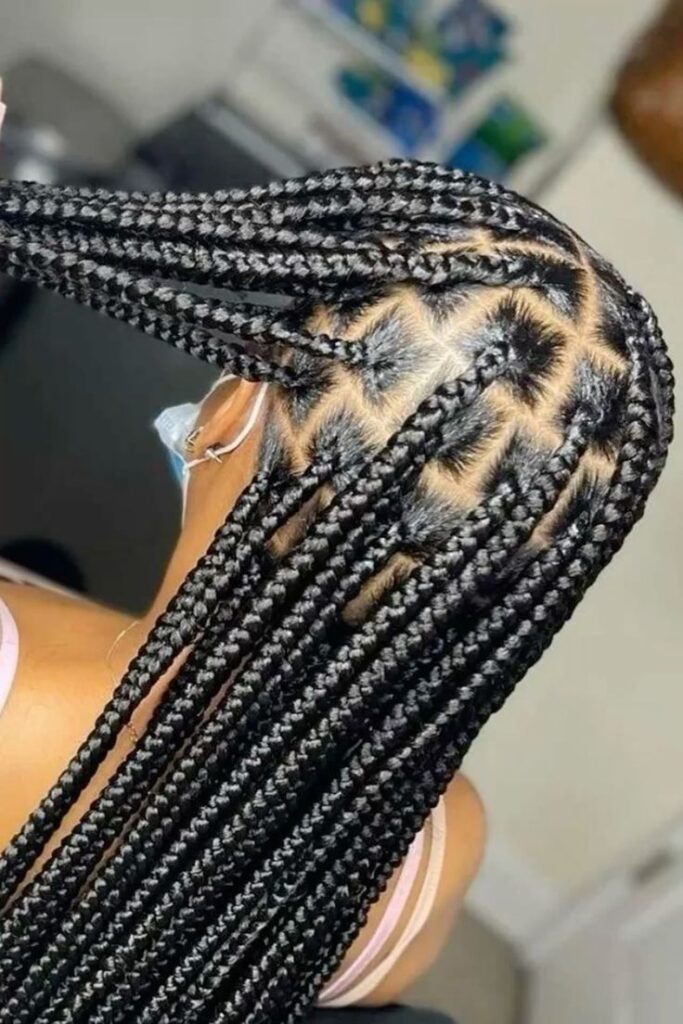
Medium box braids remain one of the most popular braid styles for natural hair because they’re versatile, protective, and easy to maintain. They can be worn loose, styled into buns, ponytails, or half-up hairstyles without needing frequent restyling.
The key to keeping box braids healthy is making sure they aren’t installed too tightly and removing them before excessive new growth causes tangling around the roots.
Regular scalp care also makes a significant difference. A clean scalp and moisturized strands create a healthier environment for retaining length while your hair is tucked away.
For guidance on wear time, how long should you keep protective styles in? explains how long box braids should typically stay in before it’s time for a takedown.
Best For: Protective styling, versatile everyday hairstyles
Maintenance: Moderate
Styling Time: 4–7 hours
3. Thick and Thin Cornrow Braids
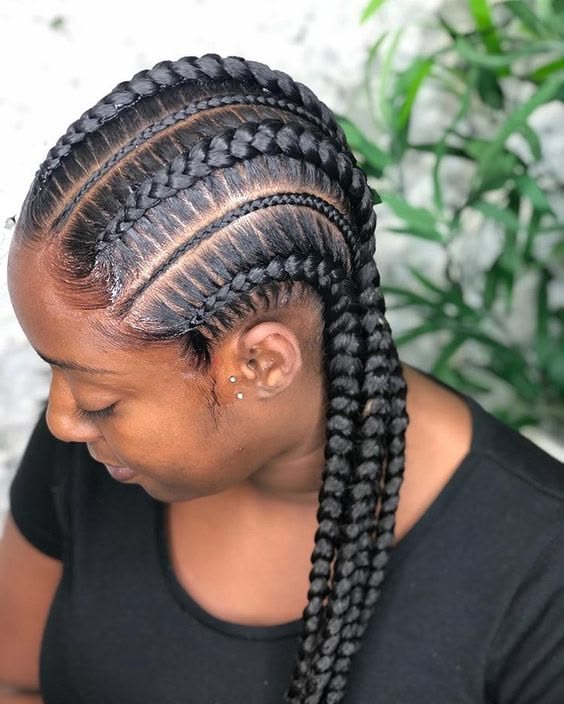
Thick and thin cornrow braids combine larger braids with smaller ones to create a stylish pattern that adds depth and dimension.
This mix of braid sizes gives the hairstyle a unique look while still keeping your natural hair neatly tucked away and protected.
Just be sure the cornrows are installed with gentle tension, especially around your edges, to avoid unnecessary stress on your hairline.
Keeping your scalp moisturized throughout the wear period will also help maintain healthy hair underneath the braids.
Best For: Everyday wear, stylish protective styling
Maintenance: Low
Styling Time: 2–4 hours
4. Mini Braids
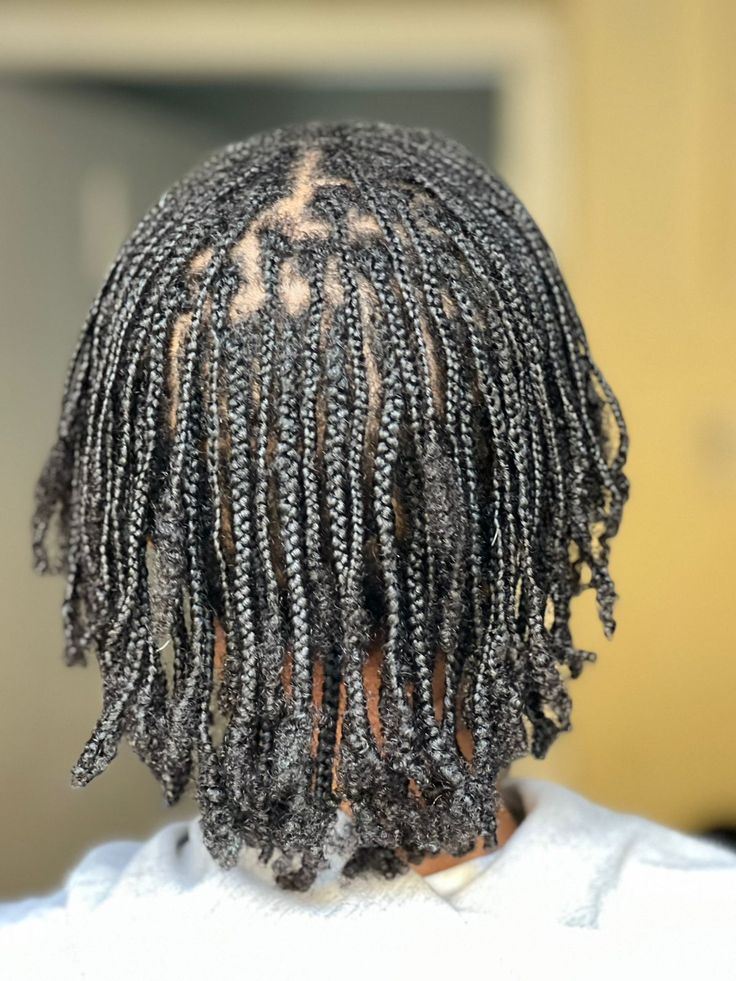
Mini braids are created using your natural hair or lightweight extensions, making them one of the most versatile braid styles for 4C hair. Because they’re relatively small, they can be worn in buns, ponytails, twists, or loose styles without needing to reinstall them.
Many people enjoy mini braids because they provide long-lasting protection while still allowing easy access to the scalp for moisturizing and cleansing.
Although they can last several weeks, they should still be removed before excessive tangling develops around the roots.
If your goal is maximizing healthy length retention, our tips on length retention explains why preventing breakage is just as important as encouraging new growth.
Best For: Long-term protective styling, versatility
Maintenance: Moderate
Styling Time: 4–6 hours
5. Fulani Braids
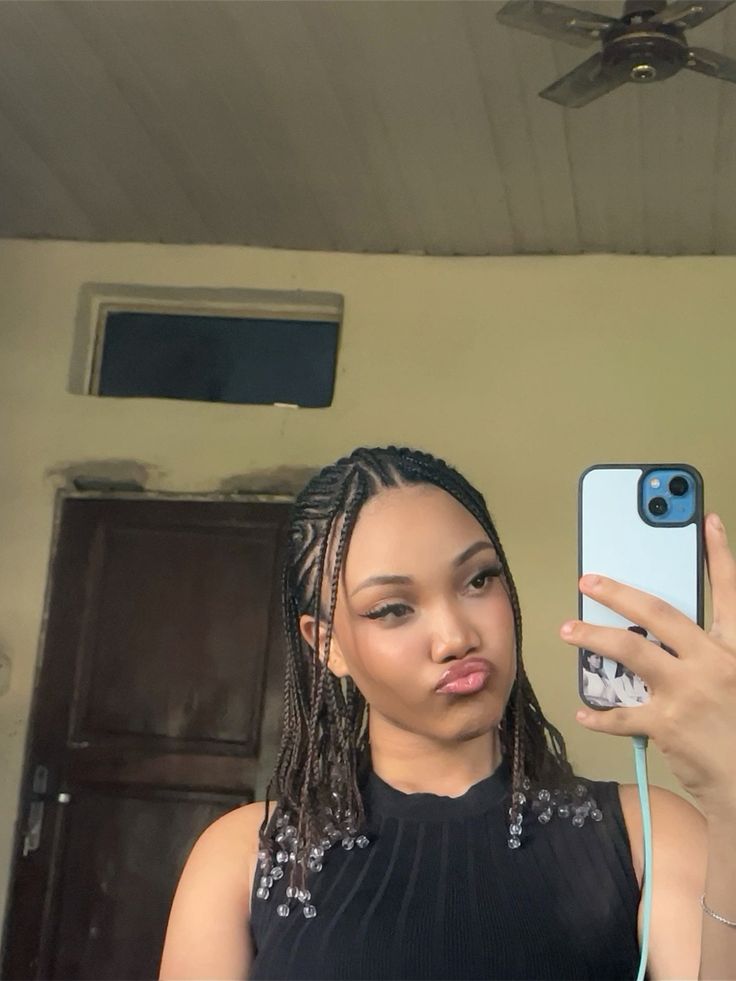
Fulani braids combine straight-back cornrows with loose braids, beads, or decorative accessories, creating a style that’s both protective and stylish.
Because the braids are neatly secured against the scalp while allowing some flexibility with the hanging braids, they offer a good balance between beauty and practicality.
Like any braided style, the installation shouldn’t be painfully tight. Choosing medium-sized sections instead of extremely small braids can also make the style lighter and more comfortable for long-term wear.
If you enjoy accessorizing your hairstyles, Fulani braids can easily be refreshed with beads, cuffs, or hair rings without manipulating your natural hair too much.
For more inspiration after removing your braids, 17 braid-out ideas for 4C hair features several beautiful stretched styles you can try on your natural hair.
Best For: Protective styling with decorative details
Maintenance: Moderate
Styling Time: 4–6 hours
6. Pick-and-Drop Braids
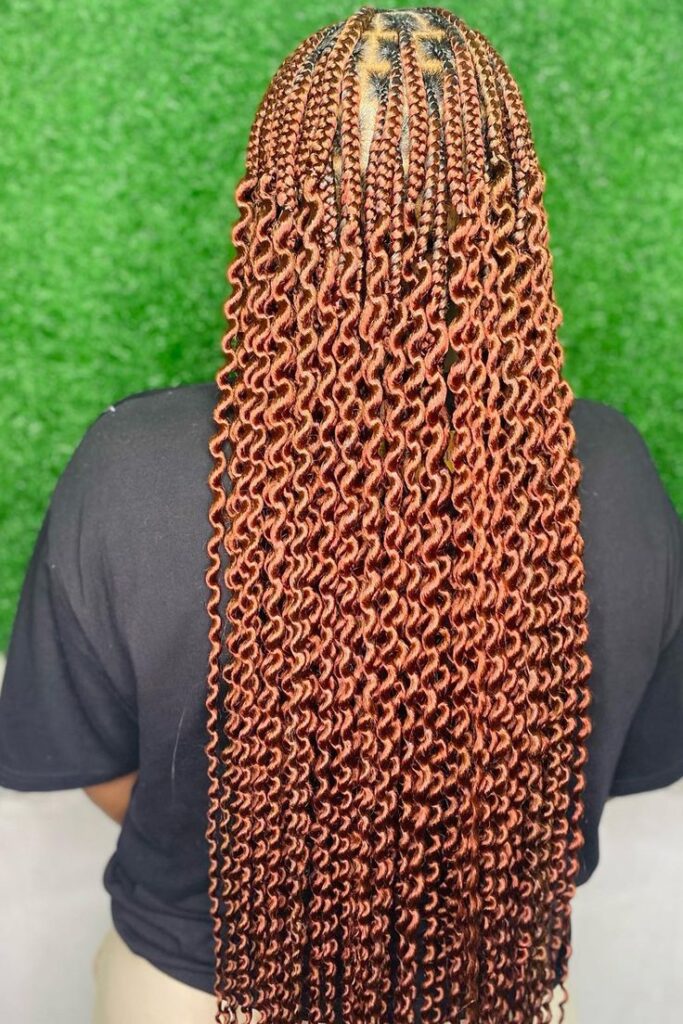
Pick-and-drop braids are a beautiful protective style that combines neat braids at the roots with loose, flowing curls through the rest of the hair.
Since only the top section is braided, the hairstyle gives you the look of wearing your hair down while still keeping your natural roots protected.
This style is perfect if you want something glamorous without sacrificing versatility. The loose curls can be worn as they are or styled into ponytails, half-up hairstyles, or buns for different occasions.
To keep the curls looking fresh, protect them with a satin bonnet at night and use a lightweight mousse when needed to reduce frizz.
If you’re new to caring for natural hair, the ultimate beginner’s guide to 4C hair covers the essentials for building a healthy routine before and after installing protective styles.
Best For: Vacations, special occasions, everyday glamour
Maintenance: Moderate
Styling Time: 5–7 hours
7. Stitch Braids
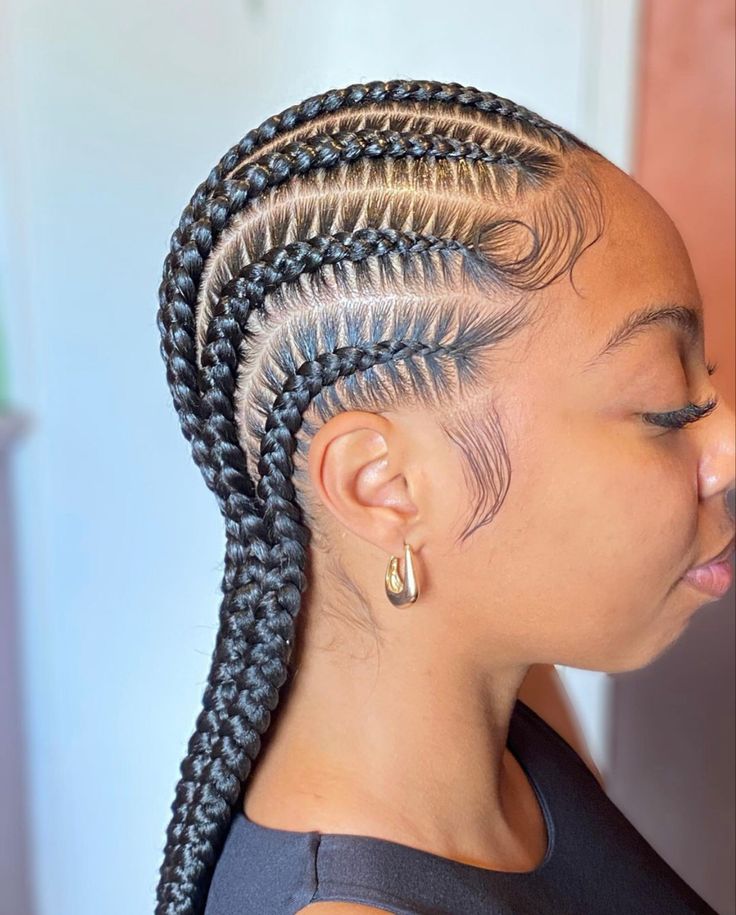
Stitch braids are known for their clean, defined sections that create a neat, polished appearance. Although they look intricate, they can still be a healthy protective style when they’re installed with minimal tension.
One advantage of stitch braids is that they lie flat against the scalp, making them comfortable to wear under hats or wigs.
But because the sections are sharply defined, it’s important not to braid too tightly around the hairline.
Maintaining a clean scalp and moisturizing your roots regularly will help keep this style looking fresh throughout its wear time.
If you’re looking for another protective option that keeps manipulation to a minimum, the best protective styles for 4C hair and protective hairstyles for your kids compares several styles that promote healthy length retention.
Best For: Sleek protective styling, professional looks
Maintenance: Low
Styling Time: 2–4 hours
8. French Curl Braids
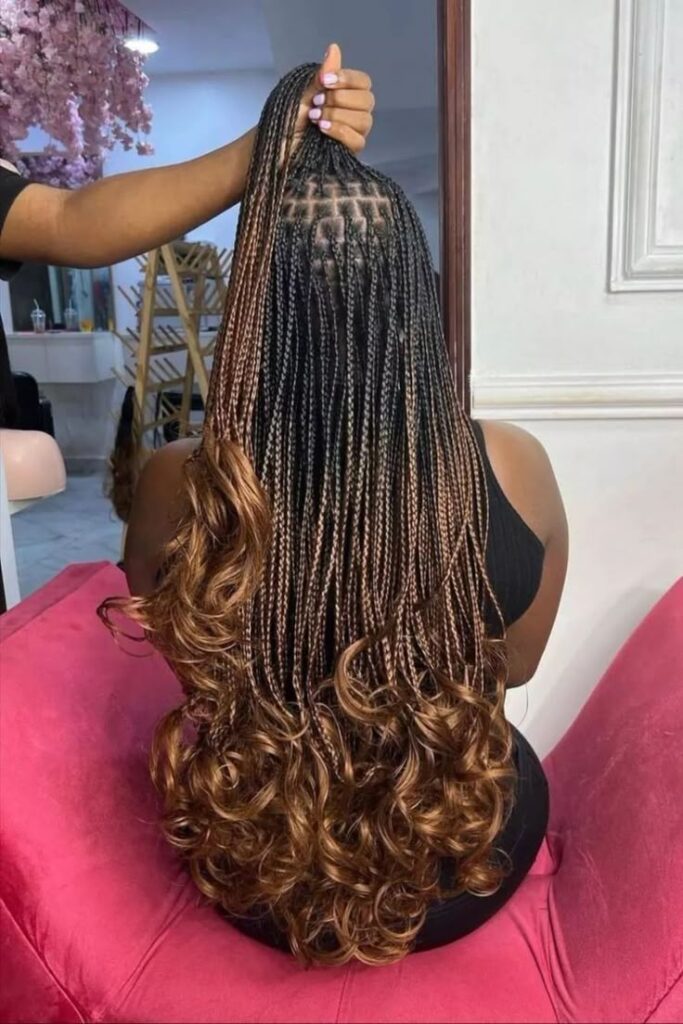
French curl braids are a beautiful twist on traditional knotless braids. Instead of fully braided ends, they feature soft, bouncy curls that give the hairstyle a lighter, more elegant finish.
If you love protective styles but want something with a little extra movement, this is a great option.
As with any protective style, comfort matters. Your braids should never feel painfully tight, especially around your edges. Regularly moisturizing your scalp will also help keep your natural hair healthy while it’s tucked away.
Best For: Everyday wear, vacations, weddings
Maintenance: Moderate
Styling Time: 5–7 hours
9. Lemonade Braids
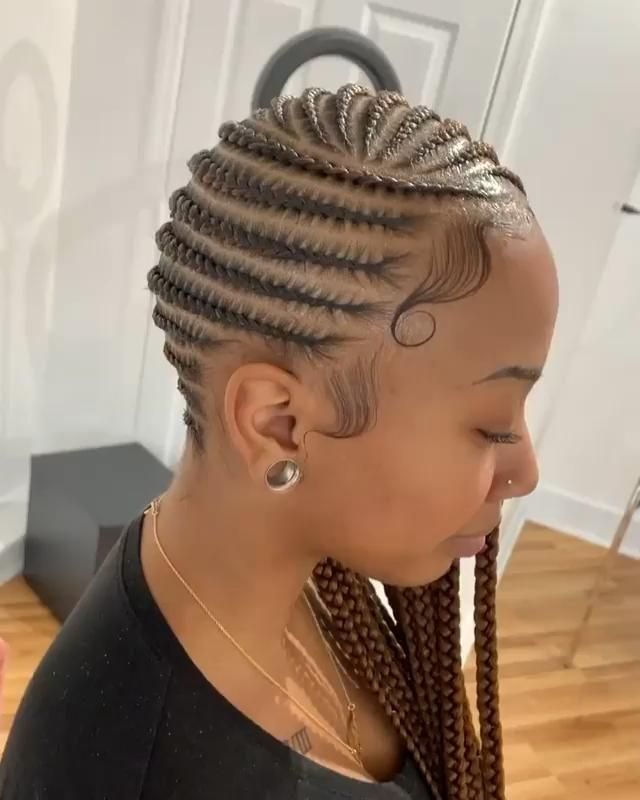
Lemonade braids are side-swept cornrows that combine style with protection, making them a favorite for many people with natural 4C hair.
The key to making lemonade braids beneficial for healthy hair is avoiding excessive tension during installation.
The braids should feel secure but never painful. If your scalp is sore for several days after getting them installed, they’re likely too tight.
Regular moisturizing also helps keep your natural hair hydrated underneath the braids.
Many people are surprised to learn that tightly coiled hair naturally shrinks, even when it’s healthy. Understanding how to identify true 4C hair can help you appreciate your texture and set realistic expectations for length retention.
If you’re looking for more inspiration once it’s time to wear your natural hair again, 51 cute hairstyles for 4C hair and cute hairstyles for your kids too includes plenty of beautiful everyday options.
Best For: Stylish protective wear, everyday looks
Maintenance: Low
Styling Time: 3–5 hours
10. Tribal Braids
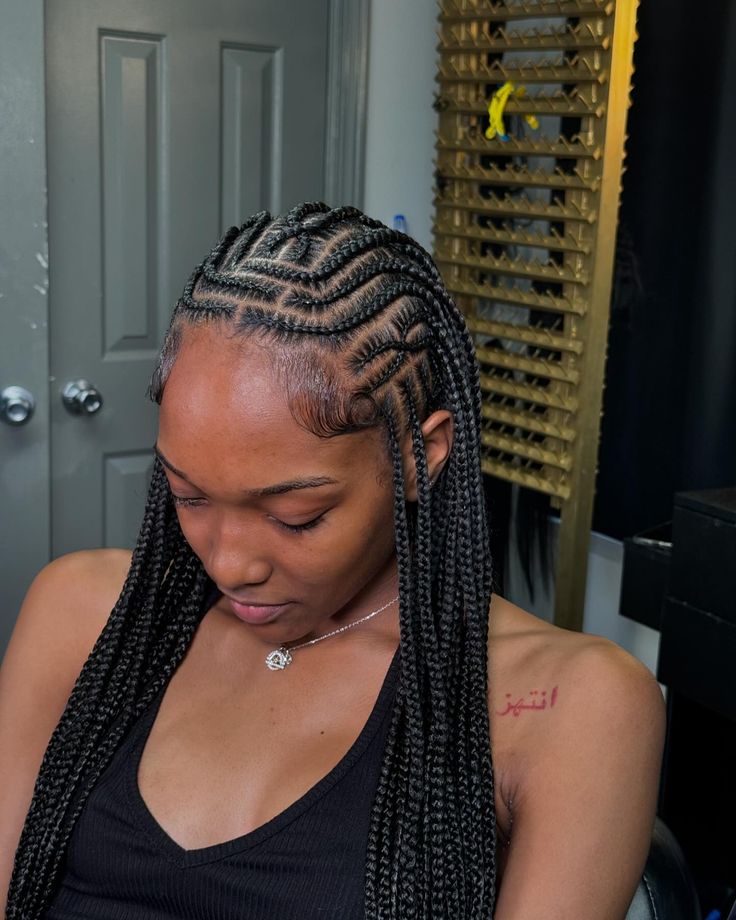
Tribal braids combine different braid sizes, patterns, and decorative elements to create a unique protective hairstyle.
Although they’re known for their beautiful designs, they can also help reduce manipulation when installed correctly.
Keeping your scalp clean throughout the installation also helps maintain healthy hair. Product buildup can accumulate around the roots over time, so gentle cleansing is just as important as moisturizing.
Many people skip scalp care while wearing braided styles, but how often should you wash 4C hair? explains how to keep your scalp fresh without ruining your protective style.
When it’s time to take your braids down, the best daily hair care routine for 4C hair can help you restore moisture, strengthen your strands, and prepare your hair for your next protective style.
Best For: Creative protective styling, long-lasting wear
Maintenance: Moderate
Styling Time: 4–6 hours
11. Crochet Braids
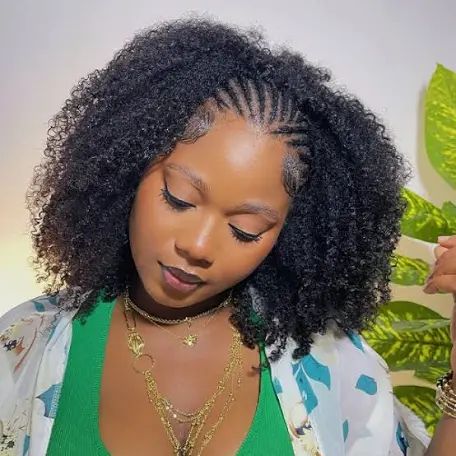
Crochet braids are a great protective style if you enjoy changing your look without putting constant stress on your natural hair.
The extensions are attached to cornrows underneath, allowing your own hair to remain tucked away while giving you plenty of styling options.
One advantage of crochet braids is that they’re generally quicker to install than many individual braid styles. They’re also easy to remove, which means less manipulation during takedown.
To keep your natural hair healthy underneath, focus on moisturizing your cornrows regularly and cleansing your scalp whenever necessary.
If you’re still deciding which protective style suits your lifestyle, the best protective styles for 4C hair compares several options that reduce breakage while keeping your hair manageable.
Best For: Versatile protective styling, quick installation
Maintenance: Low
Styling Time: 2–3 hours
12. Halo Braid
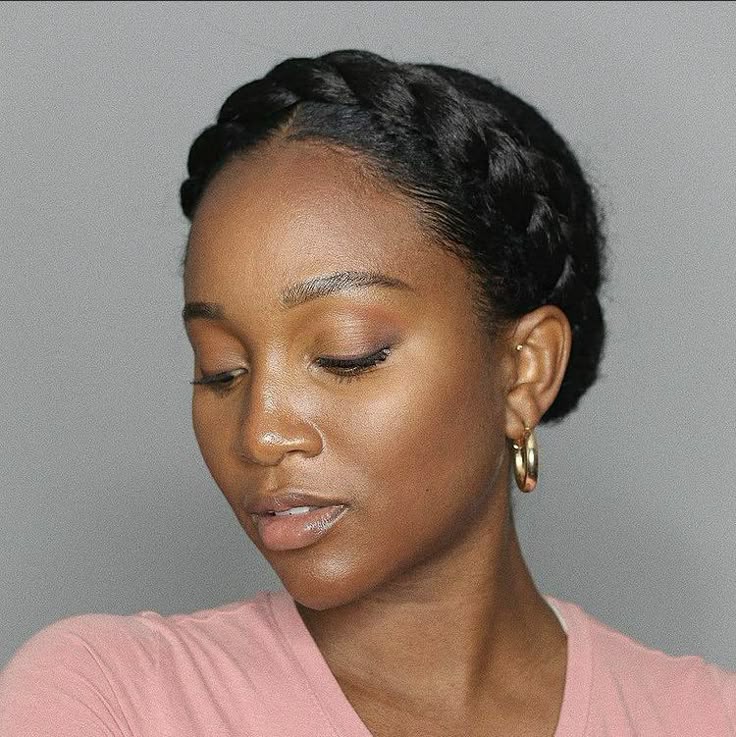
The halo braid is a timeless protective style that wraps around the head like a crown.
Either created with your natural hair or braided extensions, it keeps your ends tucked away while offering an elegant appearance suitable for both everyday wear and special occasions.
Since the hair stays secured in one place, the halo braid experiences very little daily manipulation. However, avoid pulling the braid too tightly around the hairline, as this can create unnecessary tension on your edges.
Maintaining moisture beneath the braid helps prevent dryness, especially if you plan to wear the style for several days.
If you’re looking for another elegant low-manipulation hairstyle, 10 twist-out hairstyles you’ll love offers beautiful options once you’re ready to wear your natural hair again.
Best For: Weddings, formal events, elegant everyday wear
Maintenance: Low
Styling Time: 30–60 minutes
13. Braided Bob
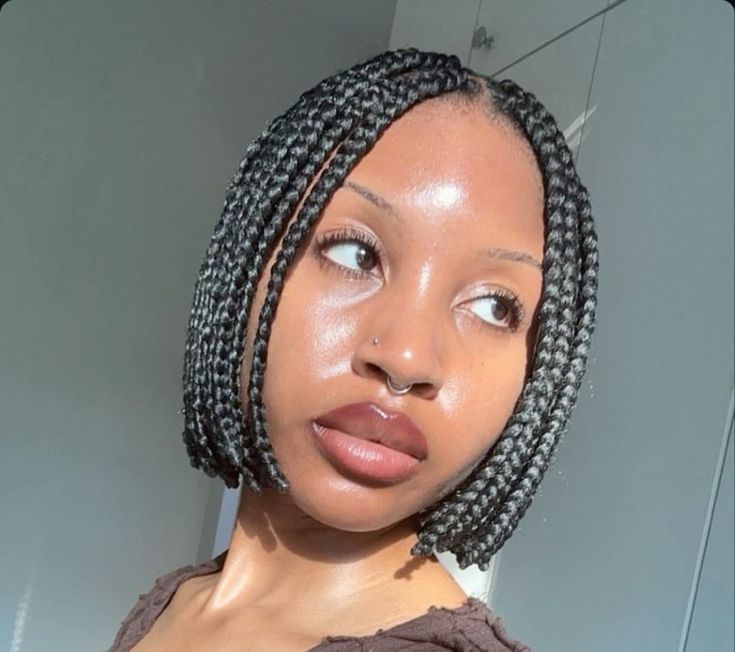
A braided bob is a timeless protective style that’s both lightweight and easy to manage.
Since the braids are cut to chin or shoulder length, they place less weight on your scalp than longer styles, making them a comfortable option for everyday wear.
This style is ideal if you want the benefits of braids without the extra maintenance that often comes with very long extensions.
You can wear it loose, tuck one side behind your ear, or accessorize it with beads or cuffs for a fresh look.
Healthy protective styles always begin with healthy hair. common 4C hair mistakes that cause breakage explains several everyday habits that are worth avoiding before your next installation.
Best For: Everyday wear, work, low-maintenance styling
Maintenance: Low
Styling Time: 3–5 hours
14. Braided Ponytail
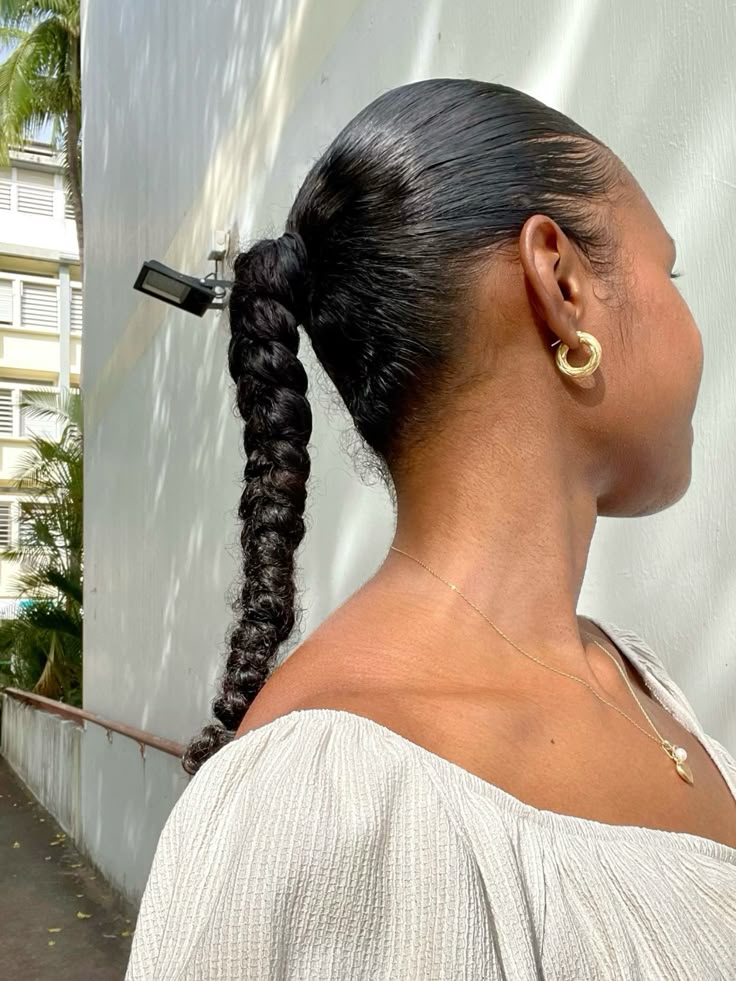
A braided ponytail combines practicality with style, making it one of the easiest braid styles to wear throughout the week. The hair remains neatly secured while allowing you to enjoy a polished look without daily styling.
Because the ponytail gathers the braids into one section, avoid pulling it too tightly every day. Constant tension in the same area can place unnecessary stress on your scalp and edges over time.
Switching between wearing your braids down and styling them into a ponytail helps distribute tension more evenly and keeps your hair healthier.
If your goal is maintaining healthy hair between wash days, 15 wash-and-go styles that work for 4C hair provides beautiful alternatives whenever you want to wear your curls out.
Best For: Busy schedules, work, everyday wear
Maintenance: Low
Styling Time: 10–20 minutes
15. Braided Low Bun
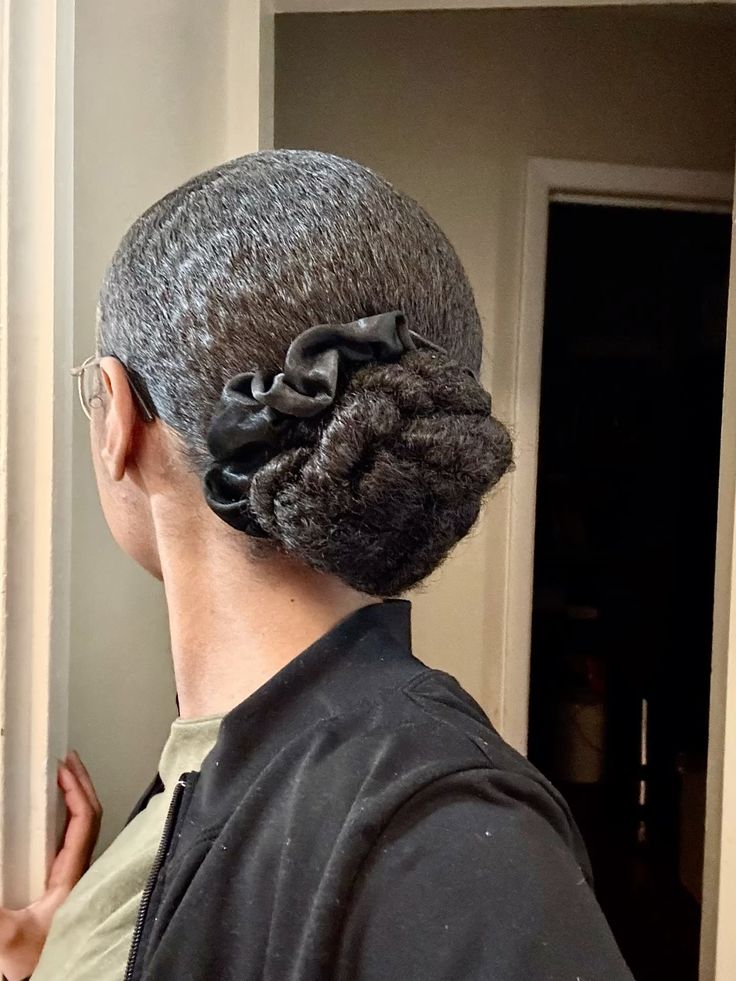
The braided low bun is a simple yet sophisticated protective hairstyle that’s perfect when you want a neat look with very little effort. Gathering your braids into a loose bun at the nape of your neck helps reduce daily manipulation while protecting your ends.
This style is particularly comfortable because it doesn’t place constant weight on the top of your head. It’s also easy to dress up for formal occasions or wear casually throughout the week.
Keeping the bun loose rather than tightly wrapped helps reduce unnecessary tension on your roots and makes the style more comfortable for extended wear.
If you’re still building your natural hair routine, common 4C hair myths you should stop believing clears up several misconceptions that often make hair care more confusing than it needs to be.
Best For: Professional settings, formal occasions, everyday styling
Maintenance: Low
Styling Time: 5–10 minutes
16. Boho Knotless Braids (Bohemian Braids)
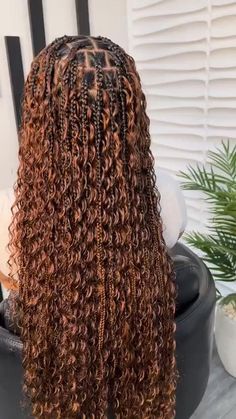
Boho knotless braids, also known as bohemian braids, combine the lightweight feel of knotless braids with soft curly strands that are left loose throughout the hairstyle. The result is a fuller, more textured look that feels relaxed while still providing many of the protective benefits of traditional knotless braids.
Since these braids begin without a tight knot, they generally place less stress on your scalp and edges than many traditional braided styles. To keep them looking their best, moisturize your roots regularly and use a lightweight mousse occasionally to refresh the loose curls and reduce frizz.
The curly strands can tangle more easily than standard knotless braids, so sleeping with a satin bonnet or scarf is especially important for maintaining the style.
Best For: Trendy protective styling, vacations, everyday wear
Maintenance: Moderate to High
Styling Time: 5–7 hours
17. Braided Pigtails
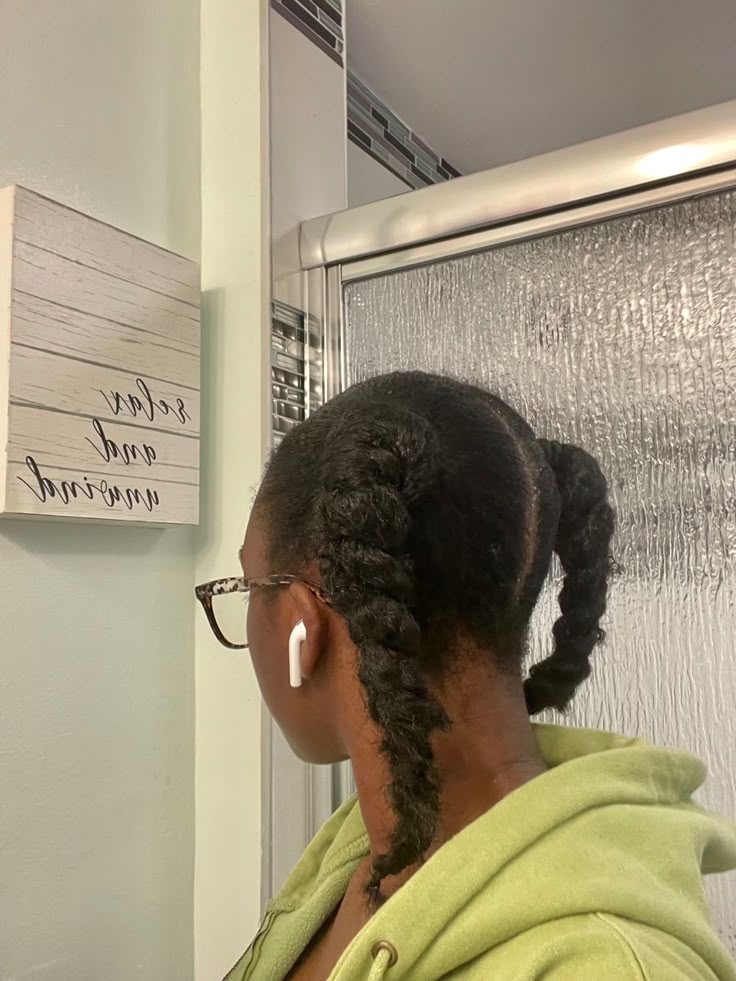
Braided pigtails aren’t just for children; they’re also a fun protective style for adults who want something youthful, comfortable, and easy to manage.
Dividing the braids into two sections helps distribute their weight more evenly across the scalp.
This style is especially useful if you find that wearing all your braids in one ponytail becomes too heavy over time. It also gives you flexibility, since you can easily switch between wearing the pigtails down or pinning them into buns.
Sleeping with a satin bonnet helps reduce friction and keeps the style looking neat for longer.
Best For: Casual wear, lightweight styling
Maintenance: Low
Styling Time: 5–10 minutes
18. Zigzag Cornrows
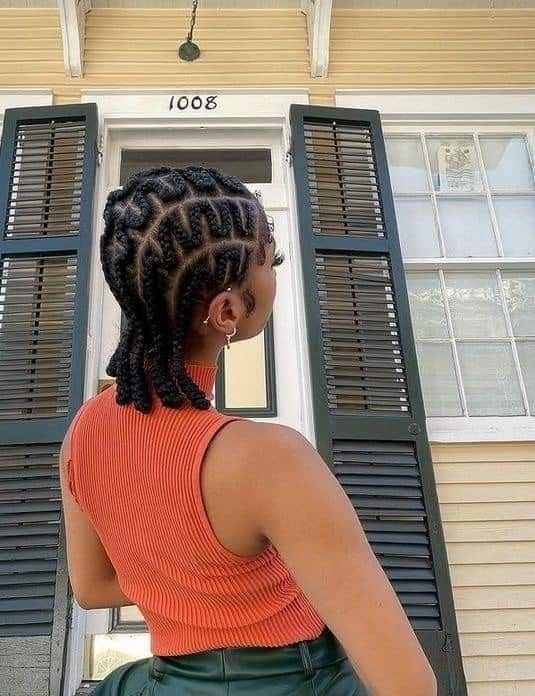
Zigzag cornrows combine protective styling with creative parting patterns that make the hairstyle stand out without requiring additional daily styling.
Although the design itself is decorative, the same healthy braid principles still apply. The cornrows should be comfortably installed, not overly tight, and your scalp should remain clean and moisturized throughout the time you wear them.
Because the hairstyle already makes a statement, it usually requires very little maintenance beyond regular scalp care and nighttime protection.
Best For: Creative styles, vacations, special occasions
Maintenance: Low
Styling Time: 3–5 hours
19. Braided Updo
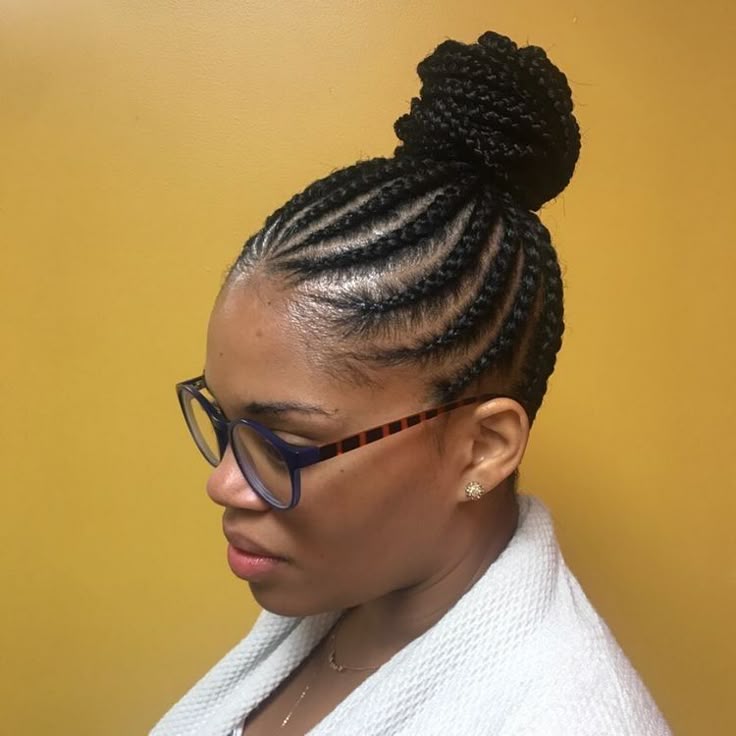
A braided updo keeps your braids secured neatly above your shoulders while creating an elegant appearance suitable for work, weddings, church services, or other formal occasions.
One advantage of this style is that it helps reduce friction between your braids and clothing, especially around the back of the neck.
Just remember not to pull the braids too tightly into the updo every day. Keeping the style slightly loose is much healthier for your scalp.
You can easily change the position of the updo from time to time to avoid placing constant tension on the same areas.
Best For: Professional settings, formal occasions
Maintenance: Low
Styling Time: 10–15 minutes
20. Jumbo Braids
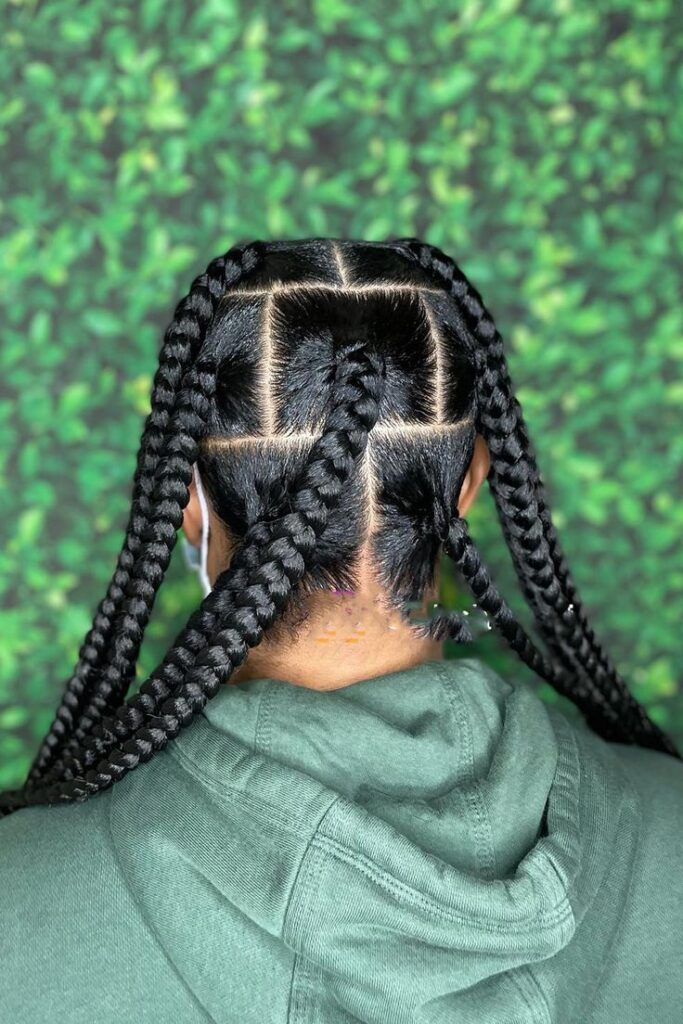
Jumbo braids are a great choice if you want a protective style that’s quick to install and easy to maintain.
Because the braids are larger, they usually take less time to braid and remove, which means less manipulation for your natural hair.
Although they’re thicker than most braid styles, jumbo braids should still feel lightweight and comfortable.
Avoid installing them too tightly, especially around your edges, as excessive tension can lead to unnecessary breakage.
To keep your hair healthy while wearing jumbo braids, moisturize your scalp regularly and protect the style with a satin bonnet or scarf at night.
Best For: Busy schedules, beginners, low-maintenance protective styling
Maintenance: Low
Styling Time: 2–4 hours
21. Straight-Back Cornrows
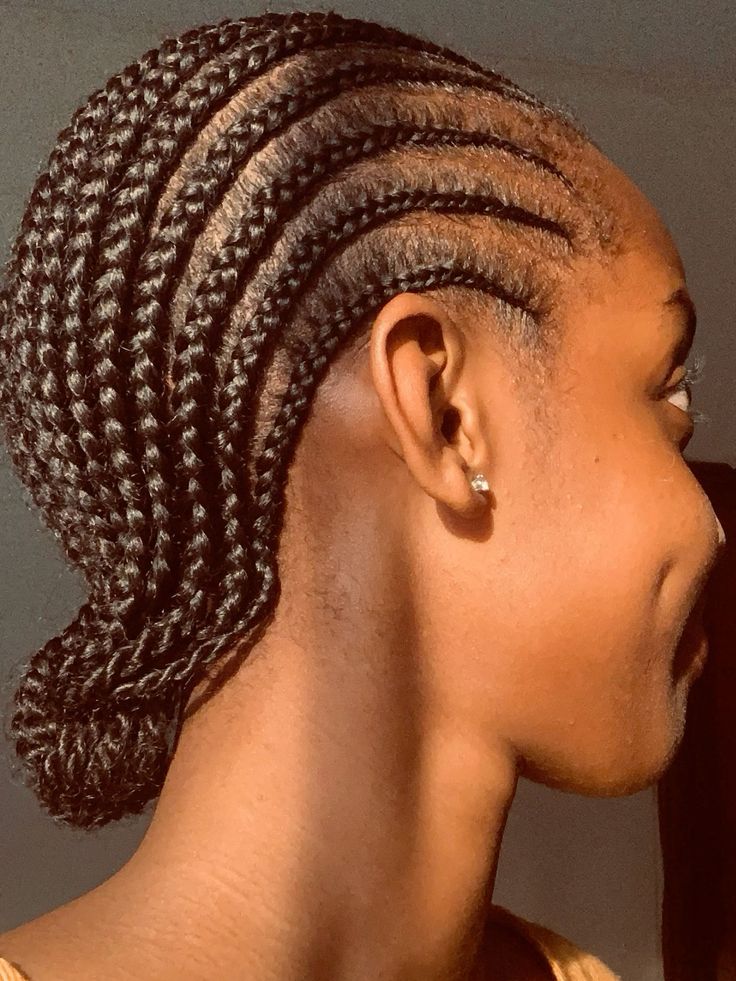
Straight-back cornrows are one of the simplest and healthiest braid styles for 4C hair.
Because the braids are installed close to the scalp without adding excessive weight, they reduce daily manipulation while keeping your natural hair neatly tucked away.
This style is suitable for almost every lifestyle. Whether you wear it on its own, under a wig, or as the foundation for another protective style, straight-back cornrows help minimize tangling and make your hair easier to maintain.
As with every protective style, comfort should always come first. Your braids should feel secure without causing pain or excessive tension around your hairline.
If you’re just beginning your natural hair journey, how to identify true 4C hair can help you understand your texture and choose hairstyles that suit your hair’s natural characteristics.
Best For: Everyday wear, wig foundations, beginners
Maintenance: Low
Styling Time: 1–2 hours
Tips for Growing Healthy 4C Hair While Wearing Braids
Choosing the right braid style is only part of the equation. Healthy hair growth also depends on how well you care for your hair before, during, and after every installation.
Start by moisturizing your natural hair regularly, even while it’s braided. Your hair continues to need hydration underneath protective styles, and keeping it moisturized helps reduce dryness and breakage.
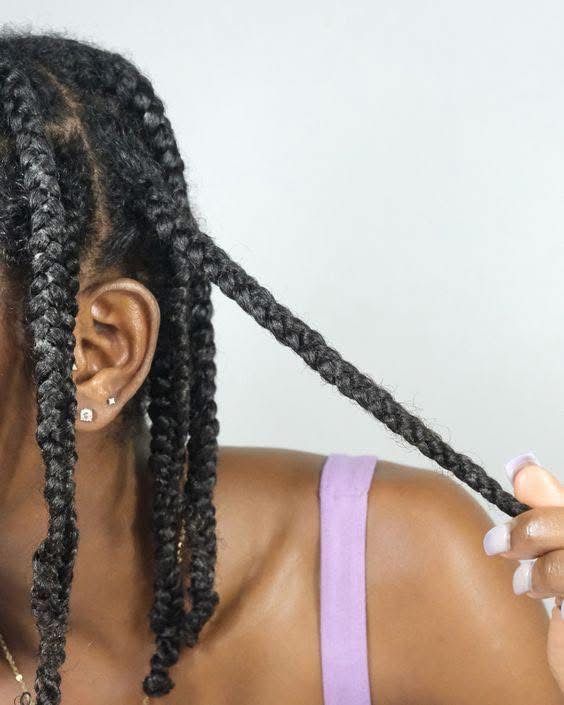
Your scalp also deserves regular attention. Gentle cleansing removes sweat, oil, and product buildup, creating a healthier environment for your hair to grow.
Nighttime protection is another simple habit that makes a big difference. Sleeping with a satin bonnet, scarf, or pillowcase helps reduce friction, minimizes frizz, and keeps your braids looking neat for longer.
Finally, avoid keeping your braids in beyond their recommended wear time. Fresh installations are always healthier than trying to stretch an old style for several extra weeks.
Healthy hair is built through consistent habits, and every protective style should support that goal rather than replace it.
Healthy Hair
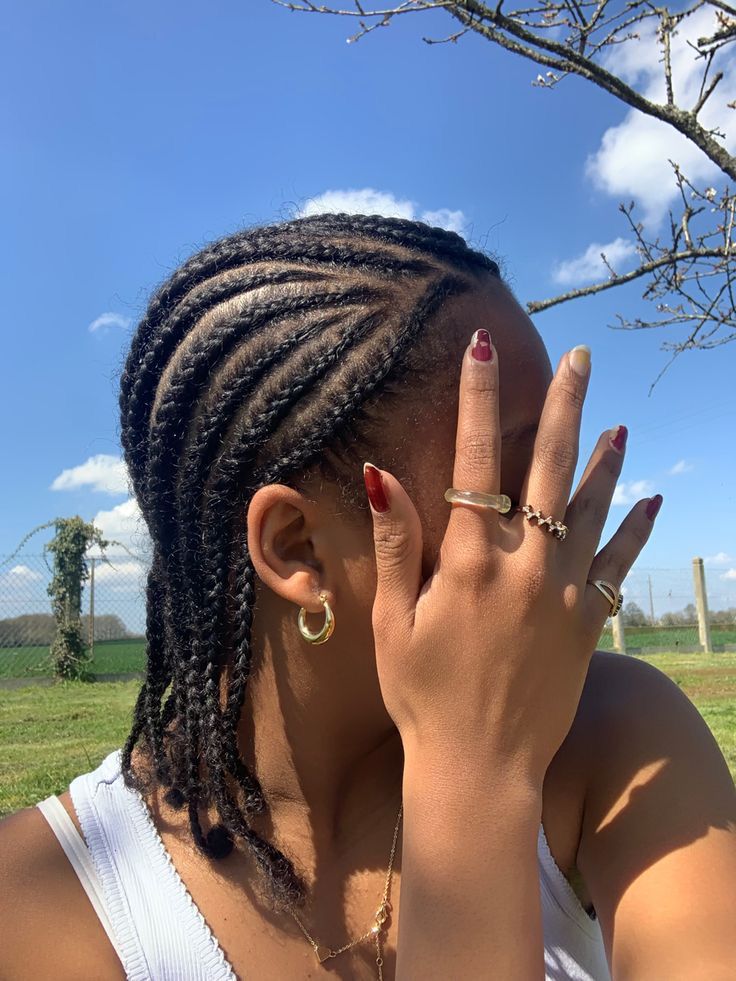
Braids remain one of the best protective styles for 4C hair because they reduce daily manipulation, protect your ends, and make it easier to retain the length your hair naturally grows. However, the healthiest braid isn’t necessarily the most expensive or the most elaborate; it’s the one that’s installed comfortably, maintained properly, and removed at the right time.
Whether you prefer knotless braids, cornrows, Fulani braids, or simple straight-back styles, remember that healthy hair growth comes from consistent care rather than the hairstyle itself.
By choosing lightweight braid styles, moisturizing your hair regularly, keeping your scalp clean, and avoiding excessive tension, you’ll give your 4C hair the best chance to stay healthy, strong, and continue retaining length.
As your natural hair journey continues, don’t be afraid to experiment with different protective styles until you find the ones that fit both your lifestyle and your hair’s needs. Healthy hair isn’t about chasing perfection; it’s about building simple routines that you can maintain consistently over time.


8 Comments