
How to Prepare Your Hair Before Coloring
Disclosure: Some of the links in this post are affiliate links. This means if you click on the link and purchase an item, I will receive an affiliate commission at no extra cost to you.
Coloring your hair can be an exciting way to change your appearance, add warmth to your natural shade, or experiment with a completely different look. But the result depends on more than the color you choose. How you prepare your hair beforehand can affect how well it handles the chemical process and how it feels afterward.
This is especially important for 4C hair, which can already be prone to dryness and breakage when it does not receive enough moisture or gentle handling. Taking time to prepare your strands does not make coloring completely risk-free, but it can help you identify potential problems before they become bigger ones.
Paying attention to how your hair responds to moisture, washing, and manipulation is a useful starting point.
Good preparation also means knowing when not to color. If your hair is already severely dry, breaking, chemically damaged, or your scalp is irritated, adding another chemical service may not be the best next step. Taking care of the condition of your ends before your next wash and making sure your hair is manageable can help you make a more informed decision.
Whether you are planning a subtle brown tint, burgundy, copper, blonde, or another noticeable change, preparing your hair properly can make the entire coloring process easier to manage.
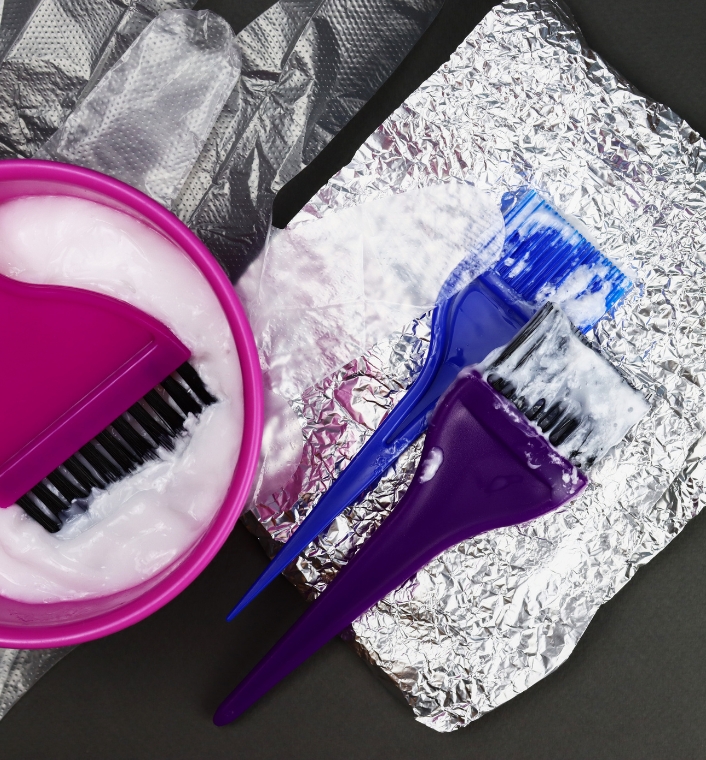
1. Assess the Condition of Your Hair First
Before thinking about the color itself, look closely at your hair.
Run your fingers gently through your strands and pay attention to how they feel. Does your hair feel reasonably soft and flexible, or does it feel extremely rough and brittle? Does it snap easily when you handle it? Are your ends noticeably thinner than the rest of your hair?
These details matter because coloring adds another chemical process to your routine.
If you are already experiencing more snapping than usual when you detangle your hair, take that seriously. It may be better to address the underlying problem before introducing color.
Your recent routine also matters. Think about whether you have been using heat frequently, wearing tight styles, manipulating your hair heavily, or applying other chemical treatments.
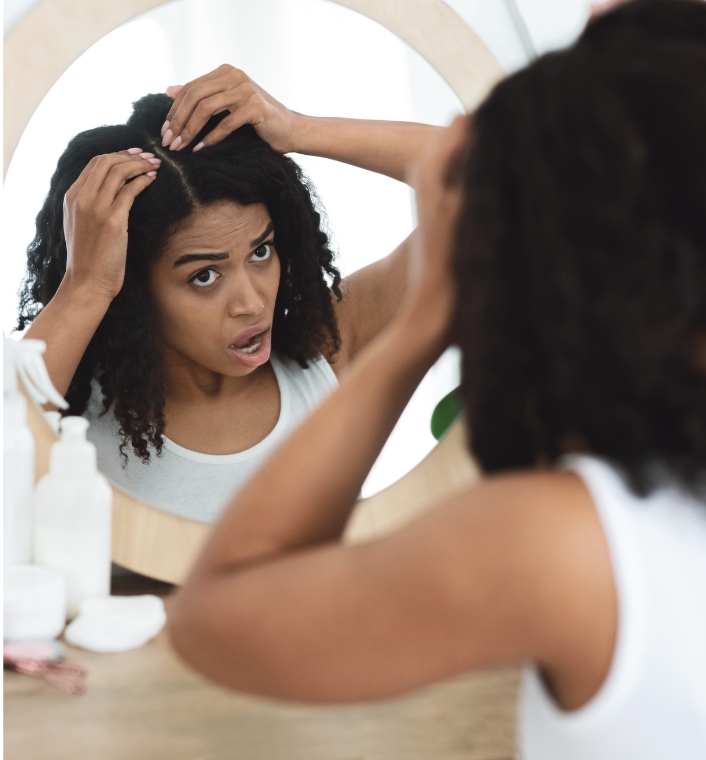
If your hair feels weak or unusually fragile, postponing the color appointment can give you time to improve its condition first.
2. Check Your Ends Carefully
The ends of your hair are the oldest part of the strand, so they have experienced the most washing, styling, friction, and environmental exposure.
Before coloring, look for split ends, extremely thin ends, roughness, and frequent snapping.
You do not necessarily need a major haircut simply because you plan to color your hair. However, severely damaged ends may not respond well to additional chemical processing.
This is a good time to think about ways to keep your oldest strands from breaking during everyday styling. If your ends have been struggling for a while, focus on gentle handling and length retention before adding another chemical service.
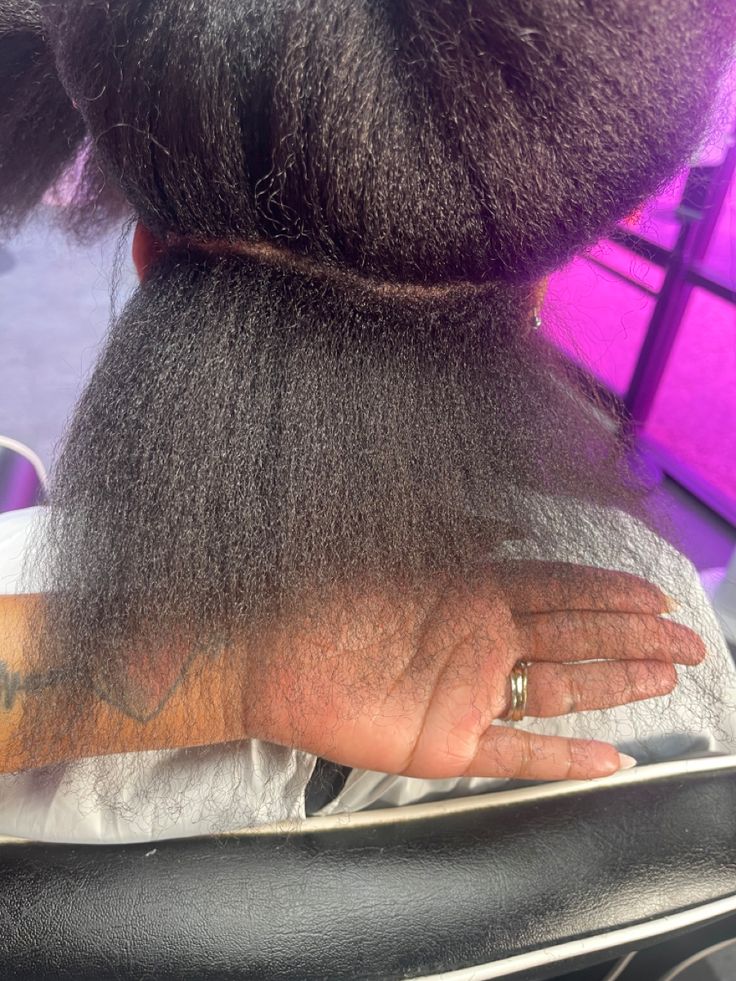
3. Know Your Hair’s Chemical History
Your hair does not forget previous chemical treatments.
If you have used permanent color, bleach, relaxers, texturizers, or other chemical services recently, that history should be considered before coloring again.
Different parts of your hair may also have different histories. Your roots may be completely untreated while your ends have been colored several times.
This is why keeping track of the treatments your strands have already experienced can be helpful when planning another color service.
If you are going to a professional, tell the stylist about previous treatments even if they are no longer visible. This information can help them determine what process is appropriate.
4. Decide What Color You Actually Want
Preparing your hair also means preparing your expectations.
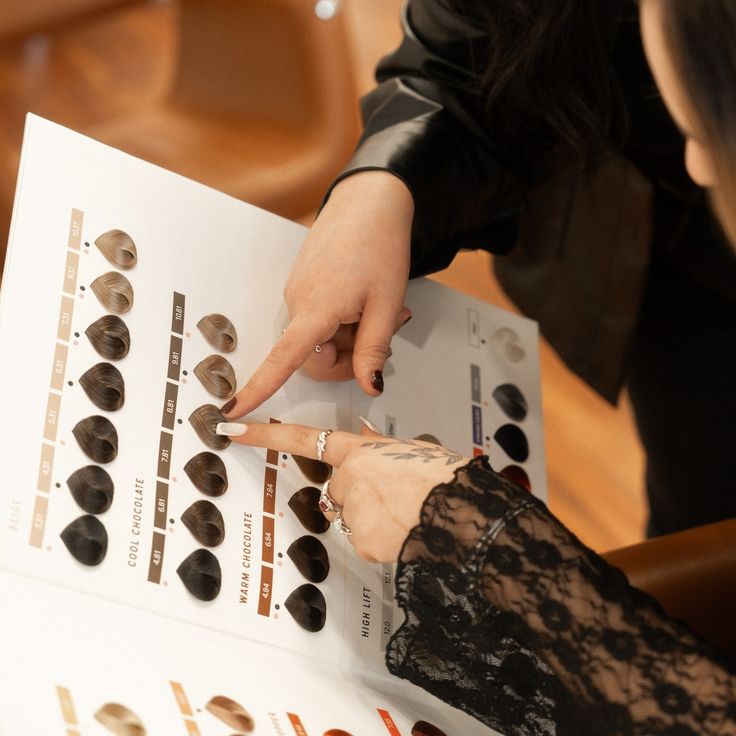
Think about the exact result you want before you begin. Are you looking for a subtle change, a richer version of your natural shade, or a much lighter color?
A darker or similar shade may require a different process from a dramatic lightening service.
For example, moving from naturally dark hair to a very light blonde usually involves more processing than adding a dark brown or burgundy tone.
Look at your current hair color in natural lighting and think about how much you want to change it. Choosing a shade that works with your starting color can make the process more straightforward.
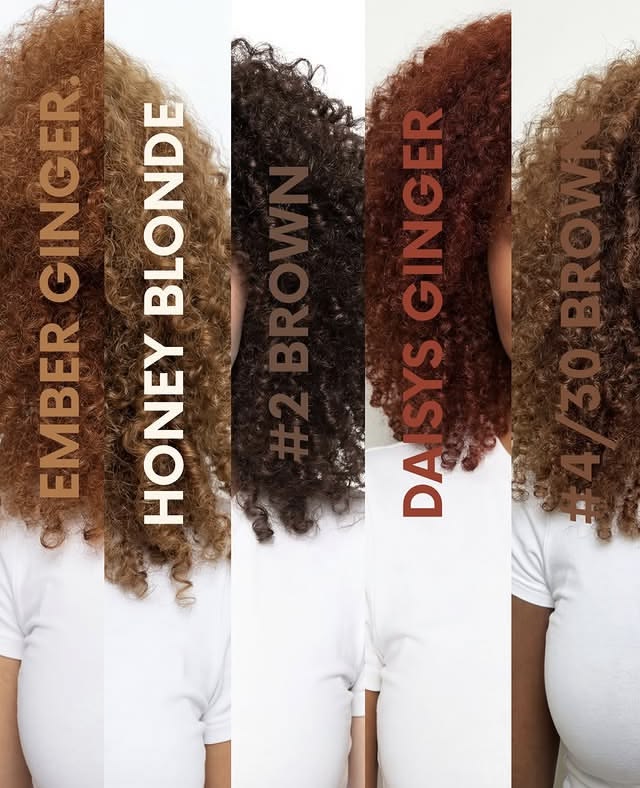
5. Understand Whether Your Desired Shade Requires Lightening
One of the most important preparation steps is determining whether you need to lighten your hair first.
If your natural hair is very dark and you want a much lighter shade, simply placing a lighter dye on top may not produce the result you expect.
Lightening removes natural pigment, while color products can deposit or alter pigment depending on the formulation.
The more dramatically you want to change your starting color, the more carefully the process should be planned.
If your goal can be achieved with a darker or similar shade, you may not need the same degree of processing as someone trying to reach a very light color.
This is also why understanding how your natural shade affects the final color is useful before buying a product.
6. Give Your Hair Time to Recover From Previous Chemical Services
If you recently relaxed, texturized, bleached, or colored your hair, do not immediately add another chemical treatment simply because you want a new look.
Hair needs time between chemical services.
If your strands are already showing signs of dryness or weakness, use the time between treatments to focus on gentle care and conditioning.
You can use this period to improve the habits that help your hair hold on to length instead of constantly losing it to breakage.
If you are uncertain about how much time should pass between specific chemical services, follow the manufacturer’s instructions or consult a qualified professional.
7. Avoid Excessive Heat Before Coloring
You do not need to completely eliminate heat from your routine, but using a lot of heat immediately before coloring can leave your hair feeling drier and more vulnerable.
Frequent flat ironing, blow-drying at high temperatures, and repeated hot-tool styling can contribute to dryness and damage.
In the days leading up to coloring, give your hair a break from unnecessary heat when possible.
This is also a good opportunity to practice ways to style your natural hair while giving hot tools a rest.
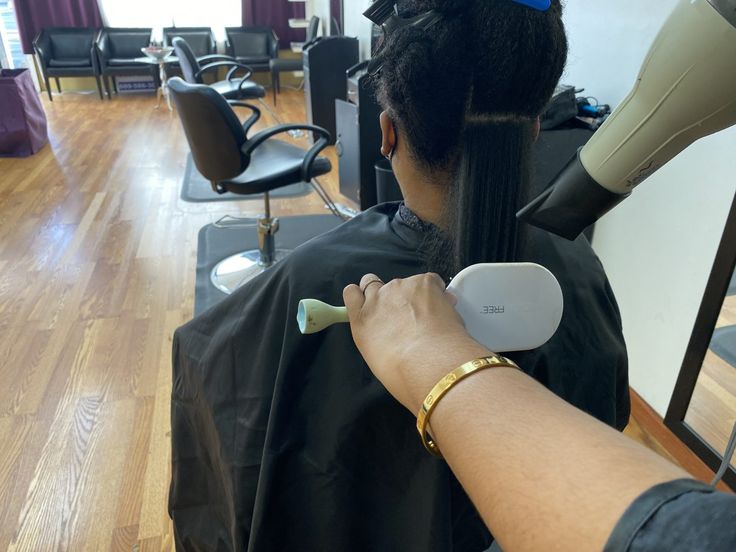
8. Avoid Aggressive Detangling
Your preparation routine should not leave your strands stressed before the chemical process even begins.
Aggressive detangling can cause unnecessary mechanical breakage, especially when the hair is dry or tightly tangled.
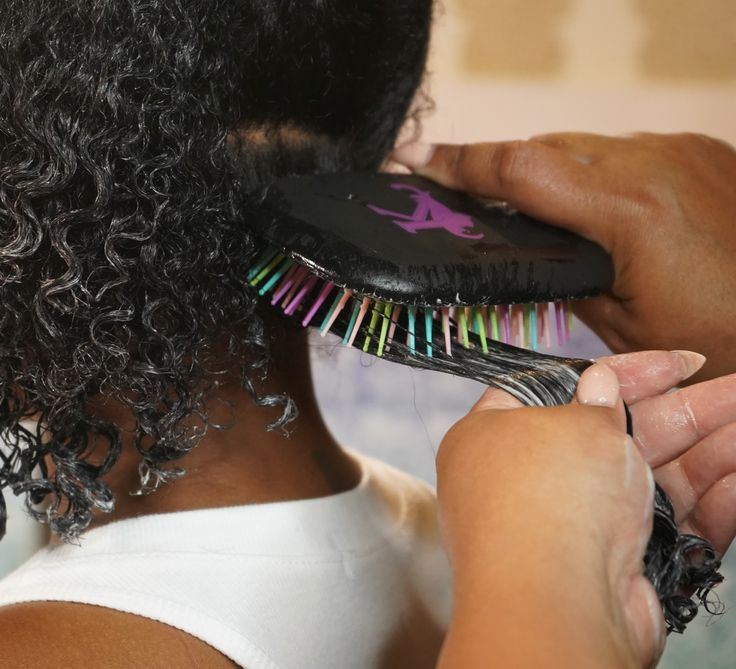
Instead, work in sections and use enough slip to help the strands separate. Handle the hair gently rather than trying to force a comb through stubborn knots.
If you regularly struggle with knots, revisit gentle techniques for working through tightly coiled hair before your color appointment.
Your goal is to have manageable hair without creating additional breakage during preparation.
9. Do Not Scratch or Irritate Your Scalp
Your scalp should also be considered before coloring.
Avoid aggressively scratching your scalp or using products that leave it irritated immediately before a chemical service.
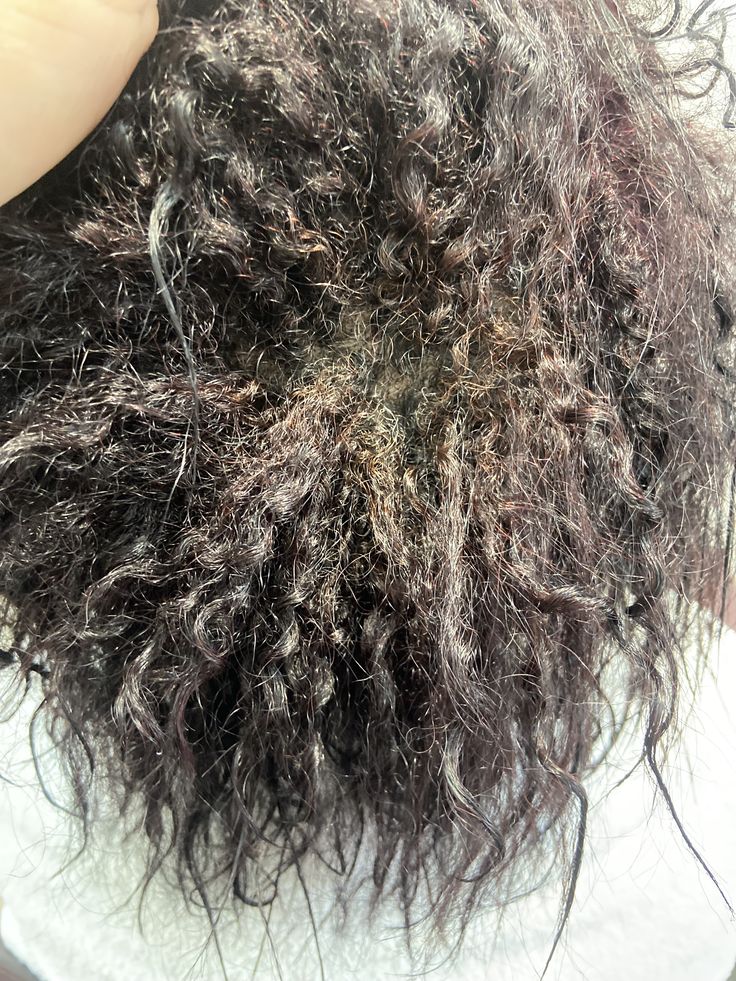
If you have persistent itching, unusual flaking, sores, or irritation, consider addressing that issue before coloring.
Paying attention to the difference between ordinary dryness and scalp problems that need attention can help you decide whether it is appropriate to continue with your color plans.

10. Wash Your Hair at the Right Time
There is no universal rule that everyone must wash their hair immediately before coloring or avoid washing for a specific number of days.
The appropriate timing depends on the product and the instructions for the particular coloring process.
If the product instructions specify clean, dry hair, follow them. If they recommend another preparation method, follow those directions instead.
Avoid assuming that leaving your hair dirty for a long period will automatically protect it.
A better approach is to understand how to prepare your hair around your normal wash routine while following the directions for the color product you plan to use.
11. Remove Excessive Buildup
Heavy product buildup can make it harder for some color products to work evenly.
If you regularly use oils, creams, gels, butters, or other styling products, pay attention to whether your hair has a heavy coating before coloring.
However, avoid aggressively clarifying immediately before a chemical treatment unless the product instructions or your professional specifically recommend it.
The goal is to start with hair that is reasonably clean and manageable without unnecessarily drying it out.
If buildup is a regular issue, adjusting how often you cleanse away layers of styling products may help your overall routine.
12. Deep Condition as Part of Your Regular Routine
Preparing your hair does not mean applying a deep conditioner immediately before every color treatment.
Instead, consistent conditioning in the weeks leading up to coloring can help you maintain a healthier moisture routine.
If your hair is already very dry, focus on improving that condition rather than trying to fix everything with one intensive treatment the night before coloring.
A regular conditioning routine that gives thirsty strands more flexibility can be more useful than last-minute product overload.
13. Do Not Overload Your Hair With Oils Before Coloring
Oil can be useful in a natural hair routine, but applying a heavy layer of oil immediately before coloring is not automatically helpful.
Depending on the coloring product, excessive oil or product buildup may interfere with the intended process.
If you regularly use light oil blends to seal in moisture, continue to consider how much product your hair actually needs rather than coating it heavily before a chemical service.
Always prioritize the instructions for your specific coloring product.
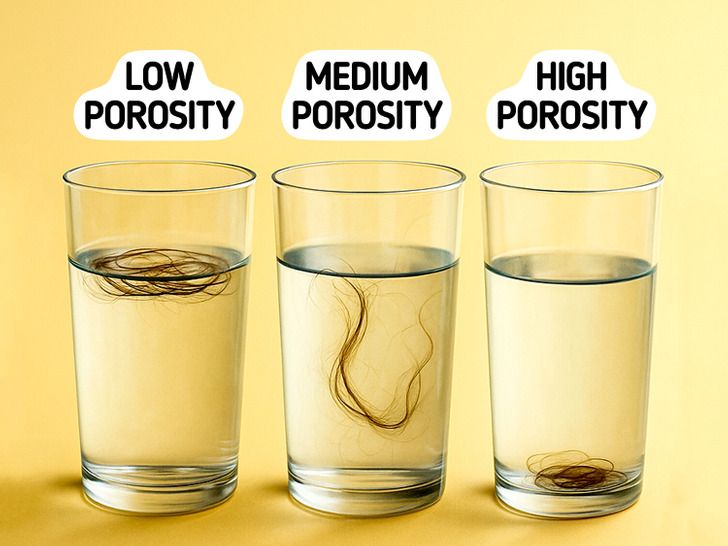
14. Consider Your Hair’s Porosity
Hair porosity describes how easily your hair absorbs and loses moisture.
While porosity does not determine whether you can color your hair, knowing how quickly your strands absorb water and products can help you understand how they may behave after processing.
Hair that becomes dry quickly may need more deliberate moisture management after coloring.
Rather than building your entire routine around a porosity label, pay attention to how your actual hair behaves. Does it become dry quickly? Does it take a long time to become fully wet? Does conditioner make a noticeable difference?
Those observations can help you create a more useful post-color routine.
15. Perform a Strand Test
A strand test can help you see how a particular product behaves on your hair before applying it to your entire head.
Take a small, less noticeable section and follow the product’s instructions.
Pay attention to the resulting color and the condition of the hair afterward.
A strand test can reveal that a color looks different from what you expected or that your hair reacts differently than you anticipated.
It does not eliminate every possible risk, but it gives you additional information before committing to the full application.
16. Do a Patch Test When Required
A strand test and a patch test are not the same thing.
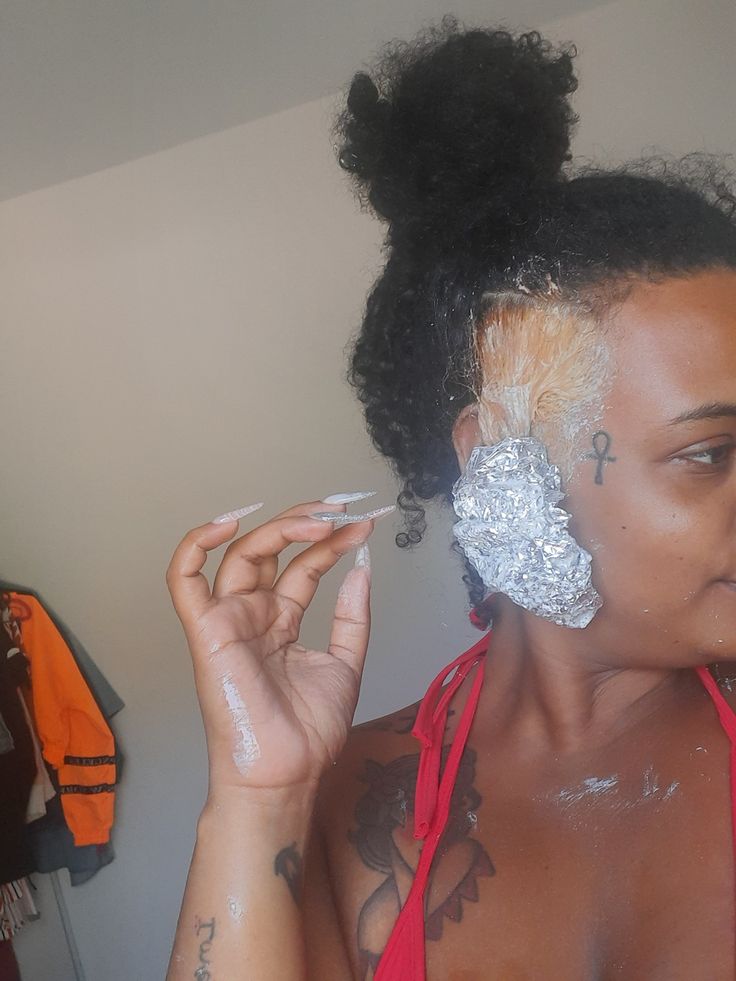
A strand test focuses on how the hair responds to the product. A patch test is used to check for a possible skin reaction when the product’s instructions require one.
Always follow the manufacturer’s instructions for patch testing.
Do not skip this step simply because you have colored your hair before without a problem. Previous tolerance does not guarantee that you will never react to a product.
17. Gather Everything You Need Before Starting
Preparation is also practical.
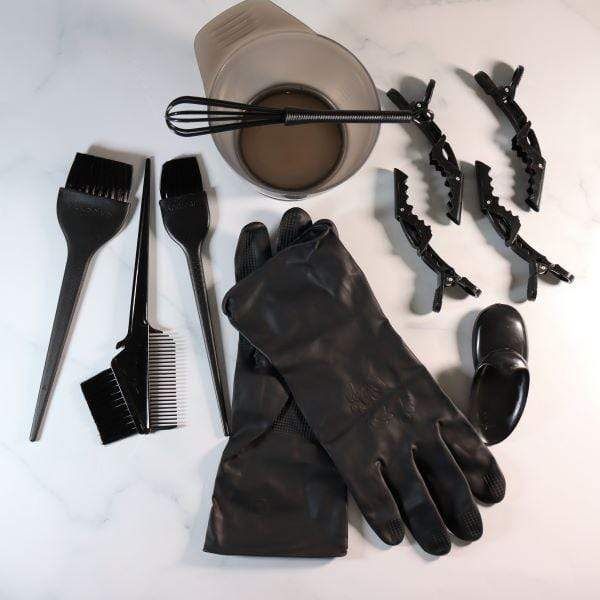
Do not begin a color treatment while still searching for gloves, clips, an old towel, a timer, or other necessary supplies.
Depending on the product and method, you may need:
- Gloves
- Sectioning clips
- An old towel
- Applicator tools
- A timer
- The recommended shampoo or conditioner
- Protective clothing
- The product instructions
Having everything ready can help you work carefully instead of rushing.
18. Read the Product Instructions Before Opening It
Do not wait until the color is already mixed before reading the instructions.
Check how the product should be mixed, how long it should remain on the hair, whether the hair should be wet or dry, whether a patch test is required, and how the product should be rinsed.
Different products can have different requirements.
Following the instructions is especially important when you are using a new product or changing from one coloring system to another.
19. Be Honest About What You Can Do at Home
Some coloring services are relatively simple. Others are much more complicated.
If you want a subtle color deposit, an at-home product may be manageable if you follow its instructions carefully.
If you want major lightening, multiple colors, color correction, or a transformation involving previously chemically treated hair, professional help may make more sense.
Do not choose a complicated process simply because you found a tutorial that makes it look easy.
A professional can assess the current condition of your hair and determine how to approach the desired result.
20. Avoid Coloring Just Before an Important Event
If you are preparing for a wedding, birthday, graduation, photoshoot, or another important event, give yourself enough time to deal with an unexpected result.
Trying a completely new color the night before an event can create unnecessary pressure.
The shade may look different from what you expected, or you may need time to adjust your styling routine.
Testing the color in advance gives you more room to make changes if necessary.
21. Plan Your Aftercare Before You Color
Do not wait until your hair feels dry after coloring to think about what you are going to do next.
Before the appointment or application, consider the products and habits you will use to care for the hair afterward.
Think about cleansing, conditioning, detangling, heat use, styling, and how often you plan to manipulate the hair.
Having a simple plan for keeping freshly processed strands moisturized between wash days can make the transition easier.
22. Prepare to Be Gentle With Your Hair
After coloring, your hair may need more careful handling than usual.
That means avoiding unnecessary tugging, reducing excessive manipulation, and paying attention to changes in how your hair feels.
Your everyday routine matters just as much as the coloring process itself.
Even something as simple as reducing the amount of pulling your hair experiences during styling can help minimize unnecessary mechanical stress.
23. Think About Your Styling Plans
Consider what you plan to do with your hair after coloring.
If you immediately intend to install a very tight hairstyle, frequently use heat, or manipulate your hair every day, you may be adding several stressors at once.
Choose styles that allow you to handle the hair gently while you get used to its new condition.
Low-manipulation options that keep your hands out of your hair more often can be useful when you are trying to maintain colored strands.
24. Consider How Often You Plan to Refresh the Color
Preparation should include thinking beyond the first application.
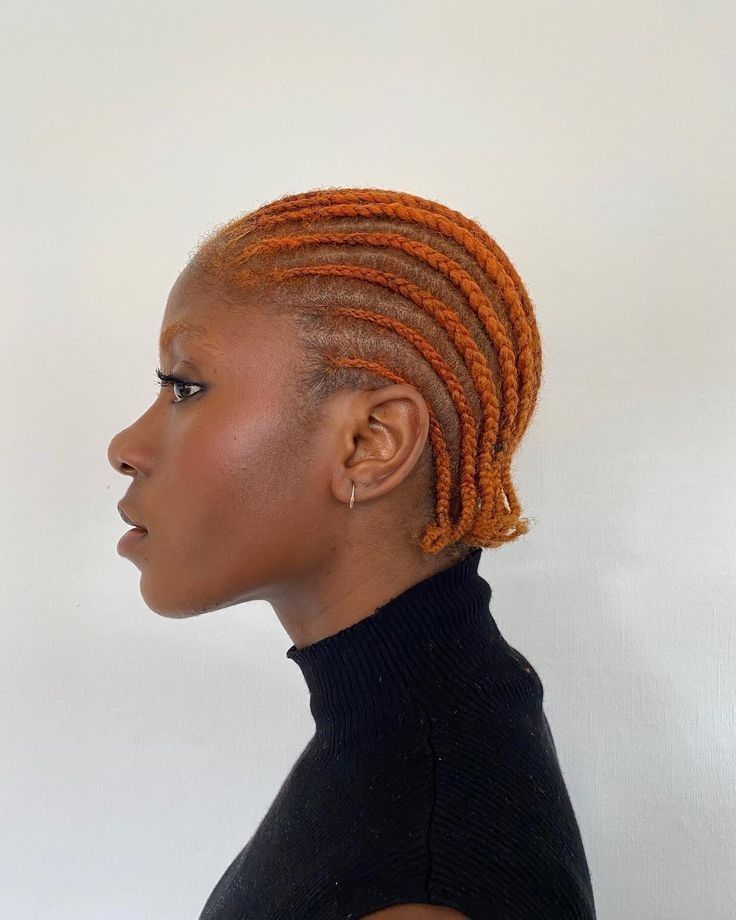
Some colors require more frequent maintenance because the roots become noticeable or the shade fades over time.
If you choose a color that requires frequent chemical processing, consider whether your hair can realistically handle that schedule.
A lower-maintenance shade may be easier to manage if you want to minimize repeated processing.
25. Know When to Postpone Coloring
Sometimes the best preparation is deciding not to color yet.
Postpone the process if your hair is severely breaking, extremely brittle, recently subjected to another chemical treatment, or your scalp is irritated.
This does not mean you can never color your hair. It simply means your current starting point may not be suitable.
Use the extra time to work on bringing more moisture and gentle care back into your routine and reassess later.
A Simple Pre-Coloring Routine for 4C Hair
You do not need an elaborate routine to prepare your hair.
A simple approach can look like this:
Several weeks before coloring:
- Maintain consistent conditioning.
- Minimize unnecessary heat.
- Handle your hair gently.
- Pay attention to breakage.
- Avoid unnecessary chemical treatments.
- Monitor your scalp and ends.
A few days before coloring:
- Avoid aggressive detangling.
- Avoid irritating the scalp.
- Follow the product’s preparation instructions.
- Avoid excessive product buildup.
- Make sure you have everything you need.
Before applying the color:
- Read the instructions.
- Complete the required patch test.
- Perform a strand test when appropriate.
- Check your hair and scalp again.
- Make sure the desired color is realistic for your starting shade.
What Not to Do Before Coloring Your Hair
A few habits are better avoided when preparing for a color treatment.
Do not aggressively scratch your scalp.
Do not repeatedly detangle your hair just to make it feel perfectly smooth.
Do not apply excessive heat because you want your hair to look stretched before coloring.
Do not overload your hair with layers of heavy products without checking the product instructions.
Do not ignore existing breakage.
Do not assume that a previous chemical treatment no longer matters.
And do not rush into coloring simply because you are excited about changing your appearance.
Final Thoughts
Coloring your hair should begin with an assessment, not the dye bottle.
Look at the condition of your strands, check your ends, consider your chemical history, decide how much you actually want to change your color, and make sure your scalp is comfortable. From there, focus on gentle handling, consistent conditioning, appropriate preparation, and realistic expectations.
For 4C hair, preparation is especially useful because it gives you an opportunity to address existing dryness or breakage before adding another source of chemical stress.
The goal is not to create a perfect routine before coloring. It is to start with hair that is in a condition you are comfortable processing and to have a realistic plan for caring for it afterward.
When you give your hair that preparation, you are not simply preparing for a new color. You are also creating better conditions for maintaining the strength, moisture, and length of your natural hair.



4 Comments